Blog
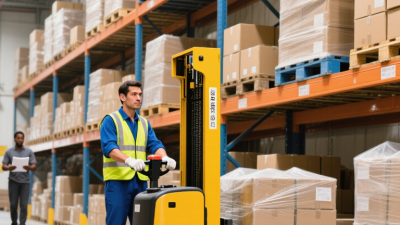
Why Choose an Electric Pallet Jack for Your Warehouse?
A warehouse rarely runs on perfect floors or predictable traffic. Operators steer around shrink-wrapped pallets, pause at narrow aisles, and make repeated trips between receiving and storage. In these conditions, an Electric Pallet Jack can reduce the physical effort required to move loads and help keep routine material handling steady. That difference is tangible. A powered drive can make a long shift feel less demanding, especially when loads travel across a large facility.
The right choice depends on the work, not the label. Consider load weight, travel distance, turning space, ramp conditions, battery access, and operator training. A compact walkie model may suit tight aisles; a ride-on model may fit longer routes. Small details count. Handle comfort, clear controls, and reliable braking matter during the hundredth trip, not just the first demonstration.
For transparency, the following is an illustrative line from a fictional composite specialist, not a verified quotation from a real expert: “Choose the pallet jack that fits the route your team actually works.” It captures a useful principle, but it is not a substitute for an equipment assessment. An Electric Pallet Jack may improve workflow, yet it will not fix poor aisle planning or unsuitable load practices. And battery charging still needs attention. Warehouses should compare specifications with real operating conditions, then review performance after deployment. The first choice may not be perfect; careful observation can show what needs to change.
Read more »
 By:Ethan
- November 27, 2026
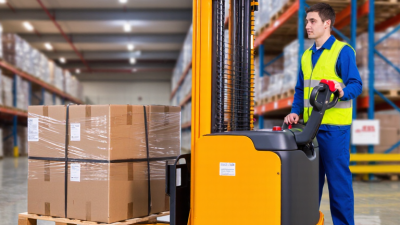
What Is a Powered Pallet Truck?
A Powered Pallet Truck is a powered warehouse vehicle designed to lift and move palletized loads over short distances. Unlike a manual pallet jack, it uses an electric motor to drive the wheels and raise the forks. The operator guides the truck with a control handle, walking behind it or riding on a platform, depending on the model. Simple idea. Different working demands.
In a busy warehouse, it can move stacked cartons from a receiving dock to a storage aisle without repeated manual pumping. Its compact frame may also help in spaces where a forklift feels too large. But “powered” does not mean effortless or suitable for every job. Load capacity, travel distance, floor condition, aisle width, and battery type all affect the right choice. A truck that handles smooth concrete may behave differently on a rough or sloped surface.
This guide explains the main components, common truck styles, and the tasks they are built to handle. It also looks at practical checks, such as examining the forks, controls, wheels, and battery before use. Small faults matter. Operators should follow the manufacturer’s instructions and receive appropriate workplace training. Specifications vary, so claims from one model should not be assumed to apply to another. The name can sound straightforward; choosing and using the equipment safely takes more care.
Read more »
 By:Oliver
- November 27, 2026
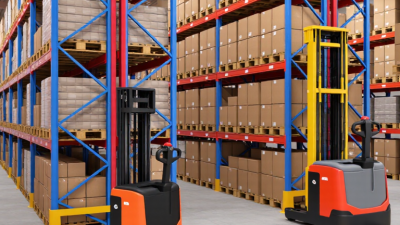
What Are the Top Types of Electric Pallet Trucks?
Electric pallet trucks are no longer one-size-fits-all tools. A compact walkie model may suit short moves through tight aisles. A rider pallet truck can reduce walking during longer trips. Walkie-rider and center-rider designs serve different travel distances, load patterns, and operator preferences. The distinction matters on a busy shift.
MHI’s 2024 Annual Industry Report found that 55% of surveyed respondents planned to increase supply-chain technology investment. That figure covers technology broadly, not pallet trucks alone. Still, it signals why buyers are examining equipment that can improve material flow. For practical selection, the U.S. Occupational Safety and Health Administration’s powered industrial truck guidance is also worth reviewing; training and operating conditions matter alongside specifications.
Lean manufacturing expert Taiichi Ohno wrote, “The Toyota Production System is a system for the absolute elimination of waste.” (Toyota Production System: Beyond Large-Scale Production.) Applied carefully, that idea prompts a useful question: which truck removes wasted travel without creating new bottlenecks? No model does everything. A high-lift pallet truck, for example, may help with occasional positioning tasks, but it is not automatically the right choice for long-distance transport. This guide compares the top types of Electric Pallet Truck by operating style, typical use, and trade-offs. Real warehouse conditions can be messier than a product chart suggests. Check aisle width, load weight, route length, and operator workflow before deciding.
Read more »
By:Ethan
- November 27, 2026