1.0–1.5 t Electric Forward Stacker
- For light to medium warehouse pallet handling
- Suited to retail, spare-parts and small distribution sites
- Compact footprint for limited storage areas
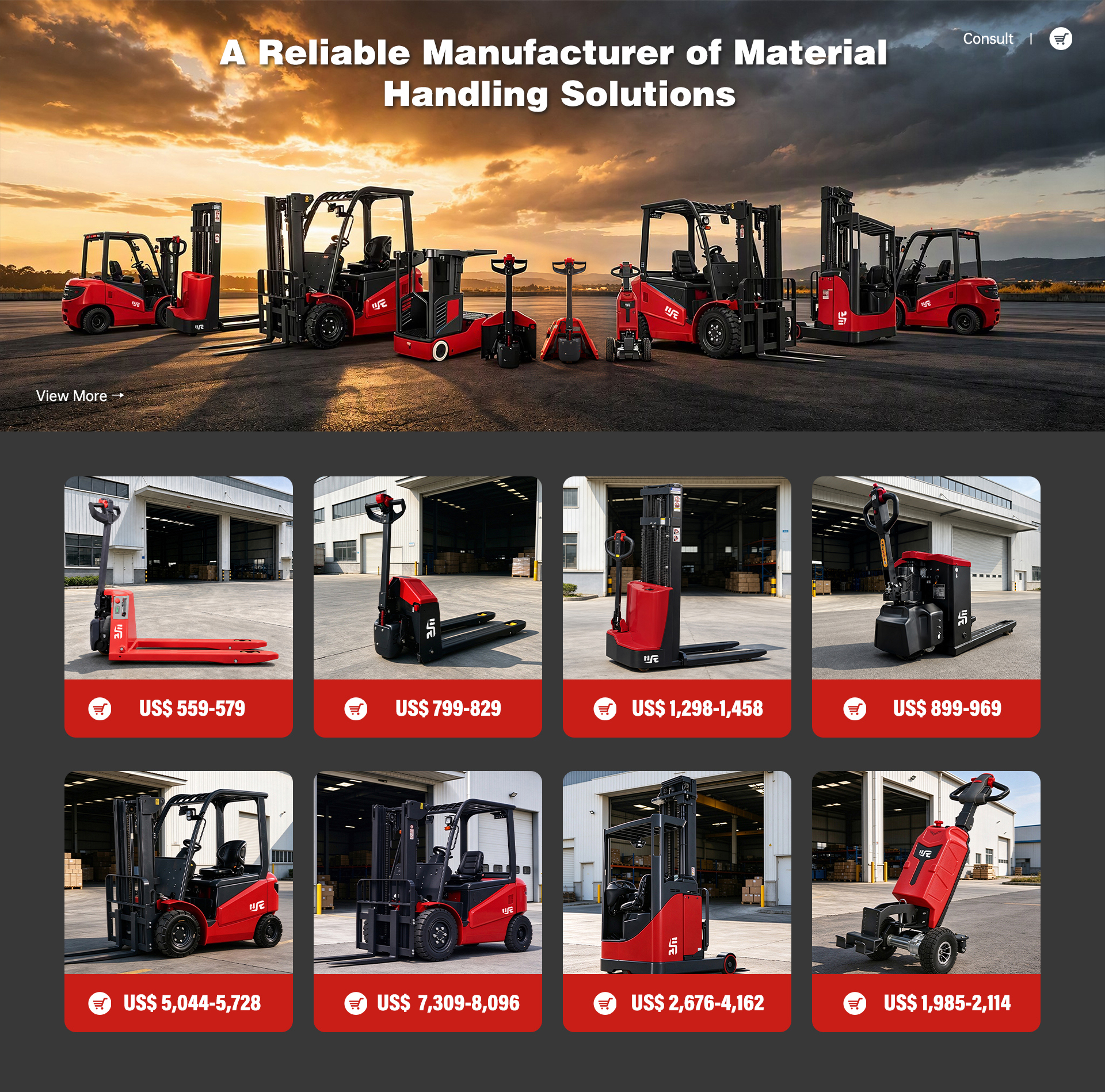
A practical, buyer-focused guide to choosing, verifying and sourcing forward stackers for warehouses, dealers, rental fleets and distribution centers — written for procurement teams that need clear answers before contacting a supplier.

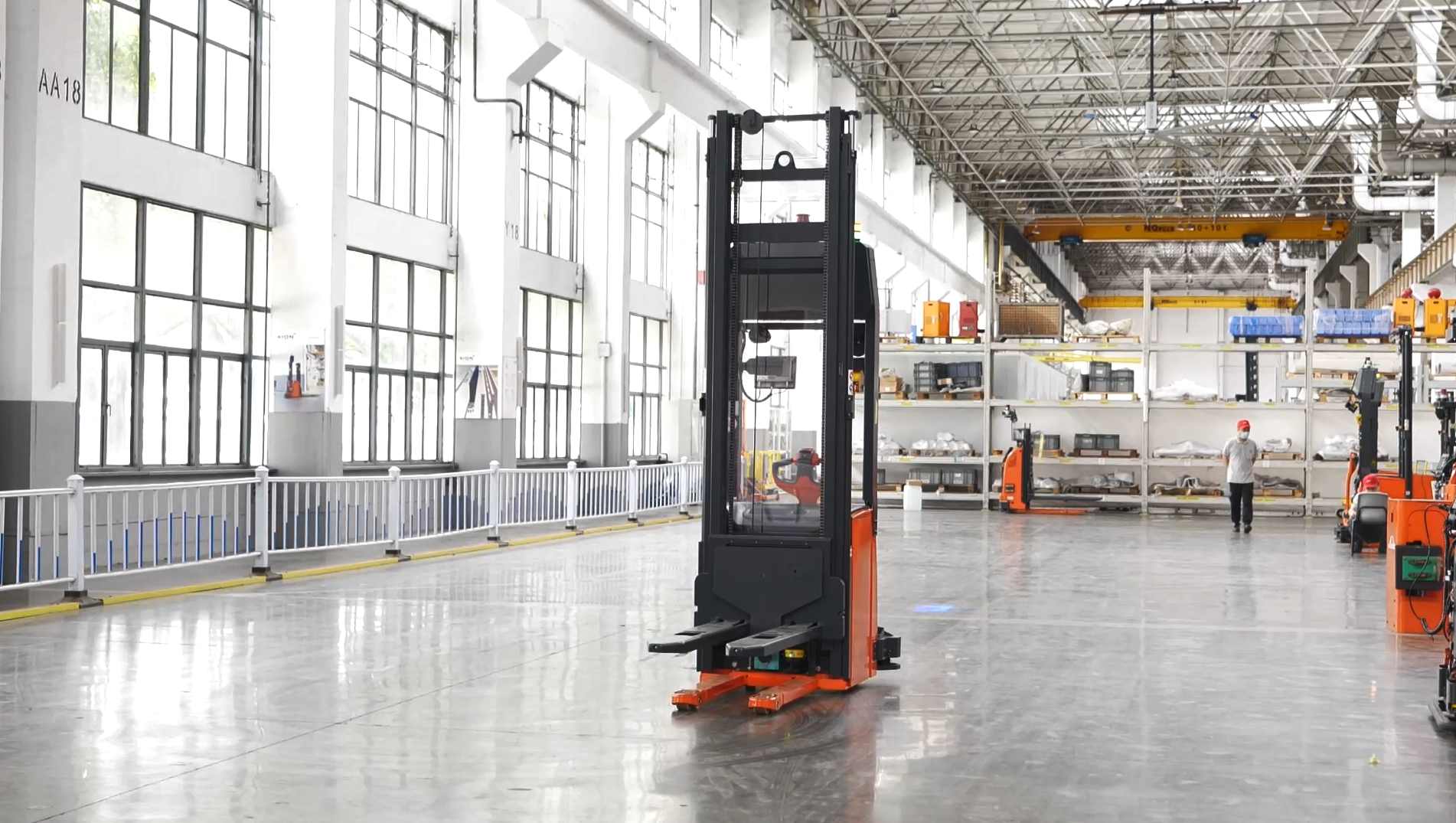
A forward stacker is an electric warehouse lifting truck built to handle pallets in space-constrained areas where a basic pallet truck is not enough and a large counterbalance forklift may be too bulky. The term “forward” refers to the load-handling geometry that supports reaching or placing loads ahead of the operator, helping improve pallet positioning in compact storage and staging areas. Exact designs vary by model, so buyers should always confirm the load center, lift height, aisle width and safety clearances before ordering.
Forward stackers are commonly considered for warehouses, retail backrooms, e-commerce fulfillment centers, manufacturing cells, food and beverage storage, spare-parts rooms and distribution operations that need to lift pallets into low or medium-height racking. They are especially relevant when procurement teams want to reduce manual handling, improve pallet movement efficiency and keep indoor operations quiet and emission-free. For very high racking, very heavy loads or rough outdoor yards, a reach truck, counterbalance forklift or all-terrain forklift may be the more suitable category.
Use this shortlist to begin your technical discussion. Final capacity, lift height, battery, voltage, charger, mast and safety configuration must be confirmed against your actual pallet, racking and destination-market requirements.
Global buyers are no longer comparing only the purchase price. They are evaluating total cost of ownership, battery strategy, safety, spare-parts availability and supplier transparency. The following trends are directly shaping forward stacker purchasing decisions.
Procurement teams now compare energy, charging, maintenance, operator training and spare-parts costs alongside the quotation. A lower purchase price is less meaningful if the machine does not match the duty cycle.
Buyers with multi-shift warehouse operations are investigating lithium batteries and opportunity charging to reduce battery changes. However, charger capacity, electrical infrastructure and local support must be planned early.
Warehouse space is expensive, so buyers want compact equipment that can handle pallet racking without widening every aisle. A forward stacker is often evaluated together with racking layout, pallet overhang and safety clearance.
Procurement requirements increasingly include emergency stop, braking performance, visibility, warning devices and training guidance. Safer equipment reduces downtime and supports warehouse compliance goals.
Forward stackers remain highly relevant for flexible manual work, but buyers are also planning how manual equipment fits with AGVs, digital fleet management and future warehouse automation.
Distributors and rental fleets need reliable suppliers who can provide verified company information, trade capacity, pre-shipment checks, packing details and after-sales communication by email.
Equipment design is moving toward better energy efficiency, safer operation, easier serviceability and more flexible customization. For buyers, these changes matter because they affect uptime, training time and resale value.
Forward stacker development is focused on matching battery type, charger and drive system to real shift patterns. Buyers can compare lead-acid and lithium options based on charging space, runtime needs and local service capability.
Emergency stop, braking, speed control, stability and visibility remain central. New designs also pay more attention to ergonomic controls so operators can handle repetitive pallet movements with less fatigue.
Warehouse equipment is becoming easier to monitor and manage. Digital control features, usage data and fleet planning are becoming part of the discussion for larger distribution centers and rental fleets.
Design for maintenance access and clear spare-parts identification helps distributors support forward stackers in their own markets. Buyers should request maintenance points, wearable parts and service guidance before ordering.
A forward stacker can be an efficient solution, but it is not the only warehouse truck a buyer may need. Use the comparison below to clarify the search intent behind your project and avoid ordering equipment that is too large, too small or poorly matched to the aisle.
| Solution | Best For | Key Strength | Ask Before Buying |
|---|---|---|---|
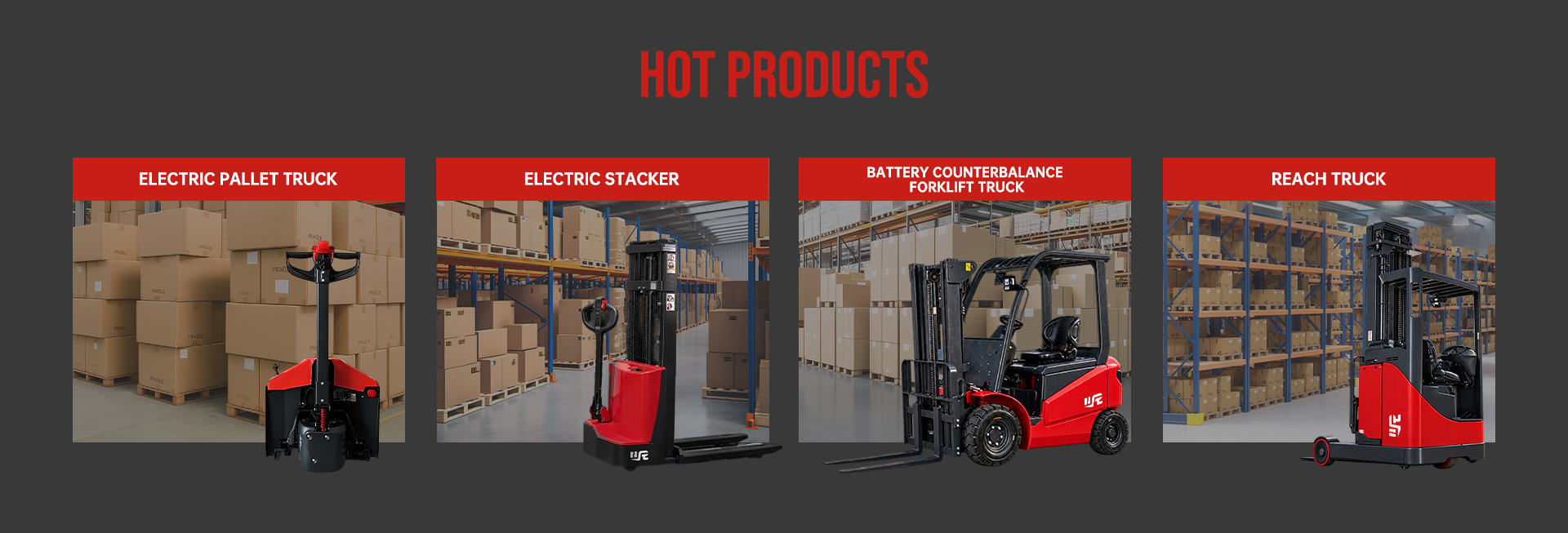
| Forward Stacker | Compact indoor pallet lifting and stacking | Space-efficient pallet handling with electric operation | Load center, lift height, aisle width and battery plan |
| Electric Pallet Truck | Horizontal pallet transport and loading docks | Fast, simple movement without high racking | Do you need to lift to racking height or only move pallets? |
| Electric Reach Truck | Narrow aisles and higher racking | High storage density and taller lift capability | What racking height and aisle clearance are available? |
| Counterbalance Forklift | Mixed loads, outdoor yards and heavier duty | Lifting power and broad attachment availability | Is the site indoor, outdoor, paved or rough ground? |
| Manual Stacker | Low-volume lifting with limited budget | Simple operation and low equipment cost | Will operator fatigue or throughput become a limitation? |
| AGV / Automated Forklift | Repetitive fixed routes and 24/7 transport | Labor saving and predictable movement | Are routes, traffic rules and systems integration ready? |
Record maximum weight, pallet size, load center and load stability. Do not choose capacity from the average load alone.
Check aisle width, racking height, door height, floor slope and operating clearances. A few centimetres can change the recommended model.
Single-shift and multi-shift operations may require different battery, charger and spare-parts planning. Confirm charging space and electrical capacity.
Explain your destination market, operator training plan and local safety expectations so the supplier can provide the correct documentation and configuration.
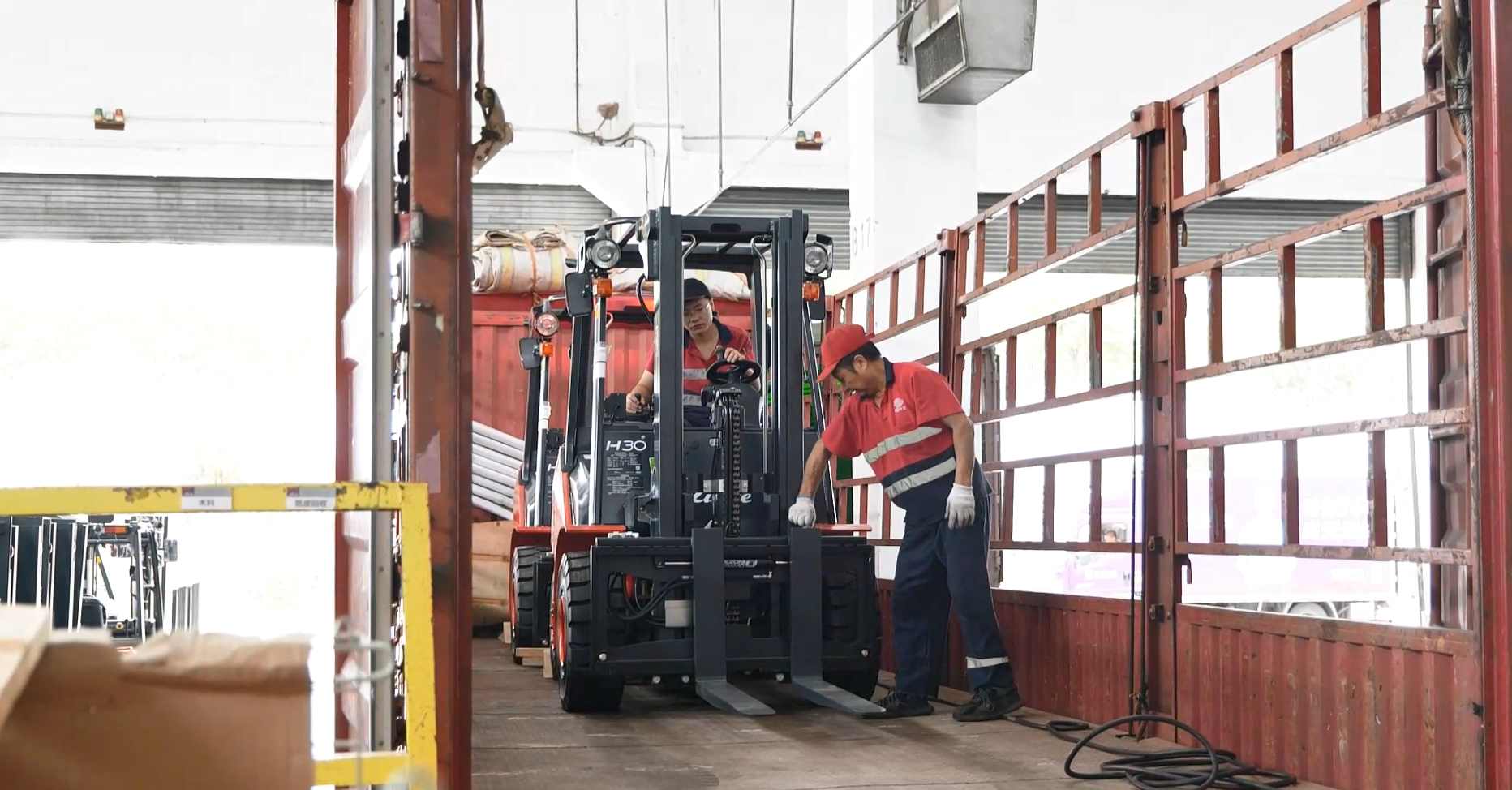
Ask about Incoterms, packing, lead time, spare parts, manuals and post-delivery communication before placing the order.
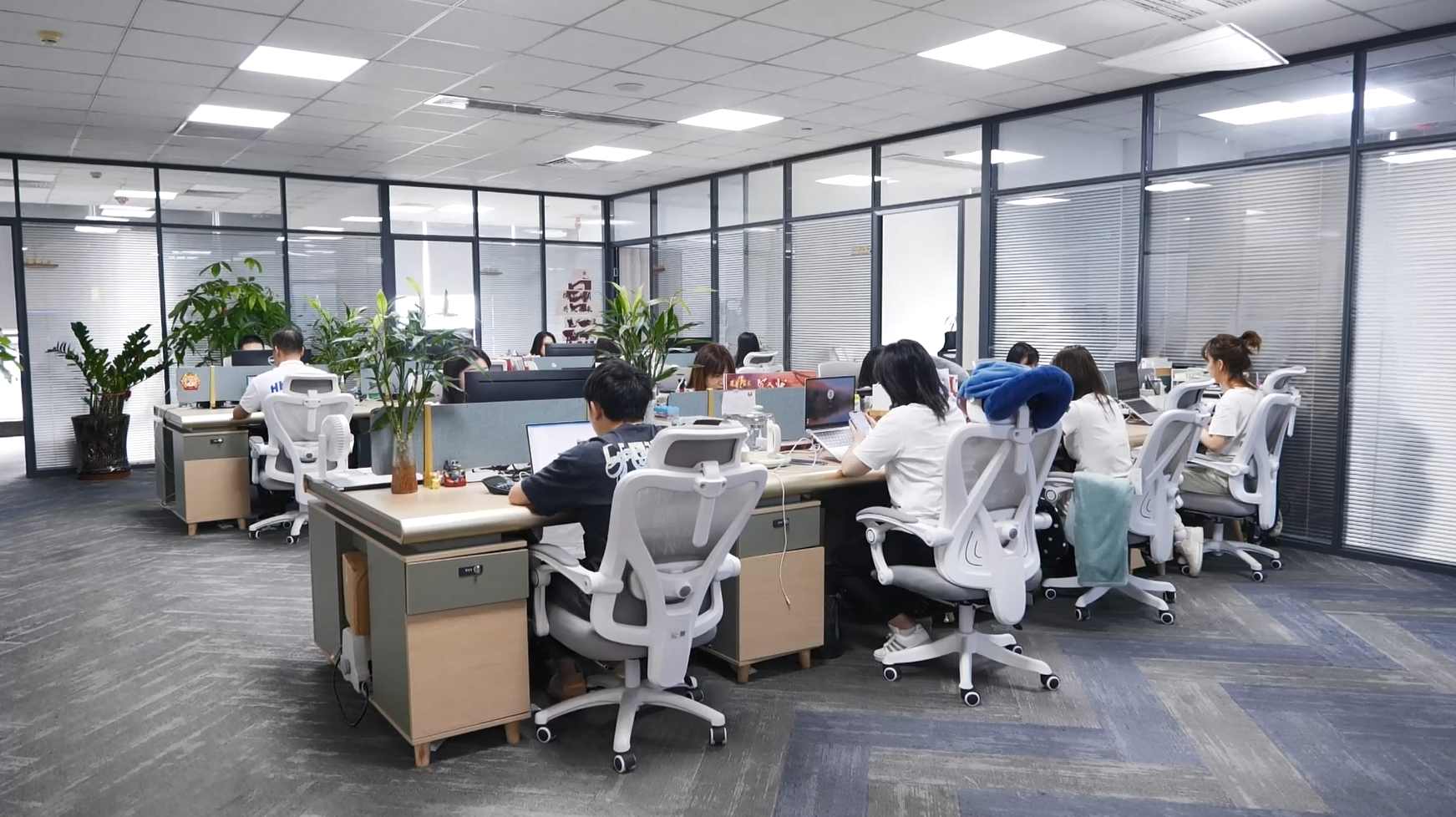
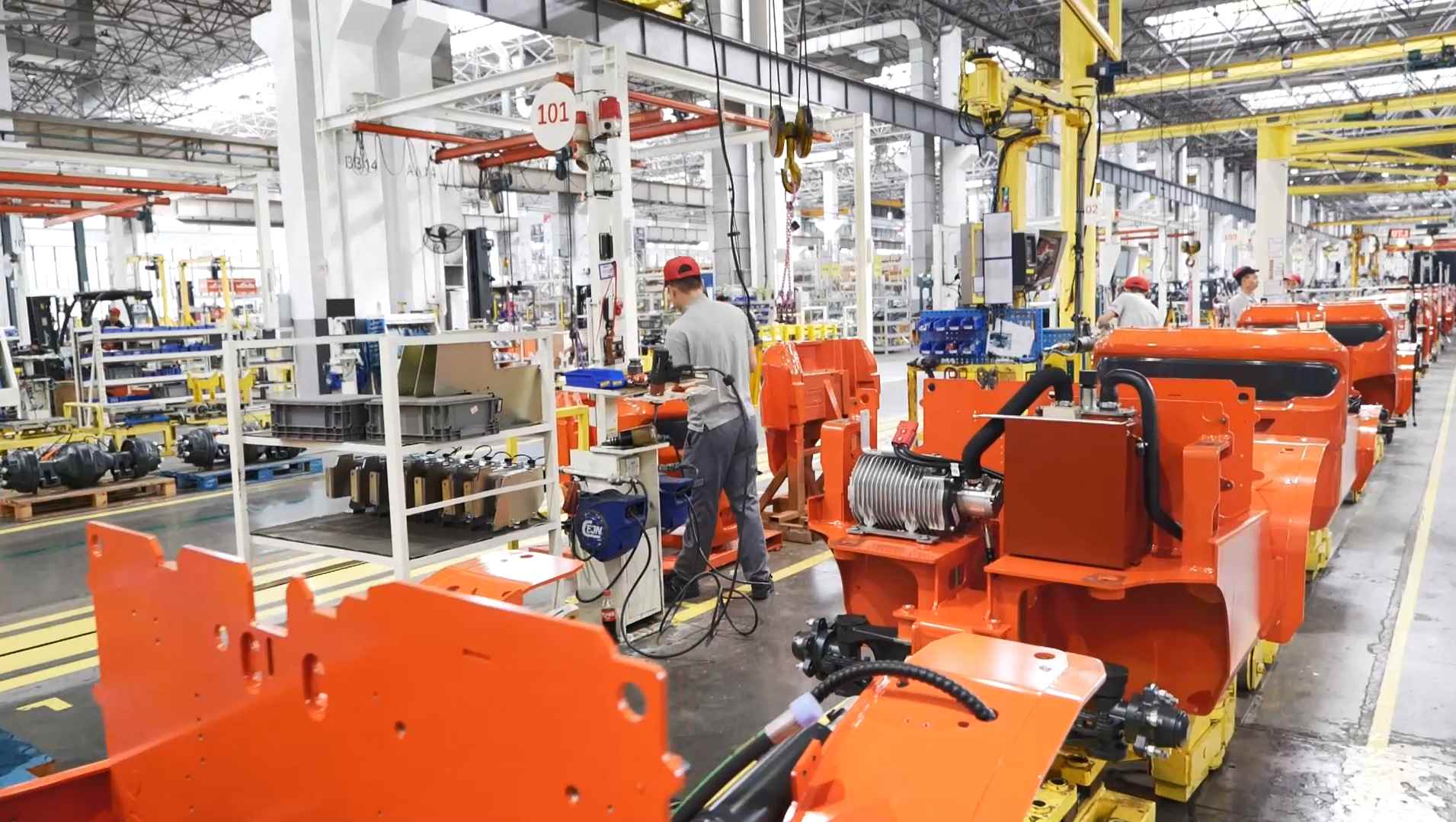
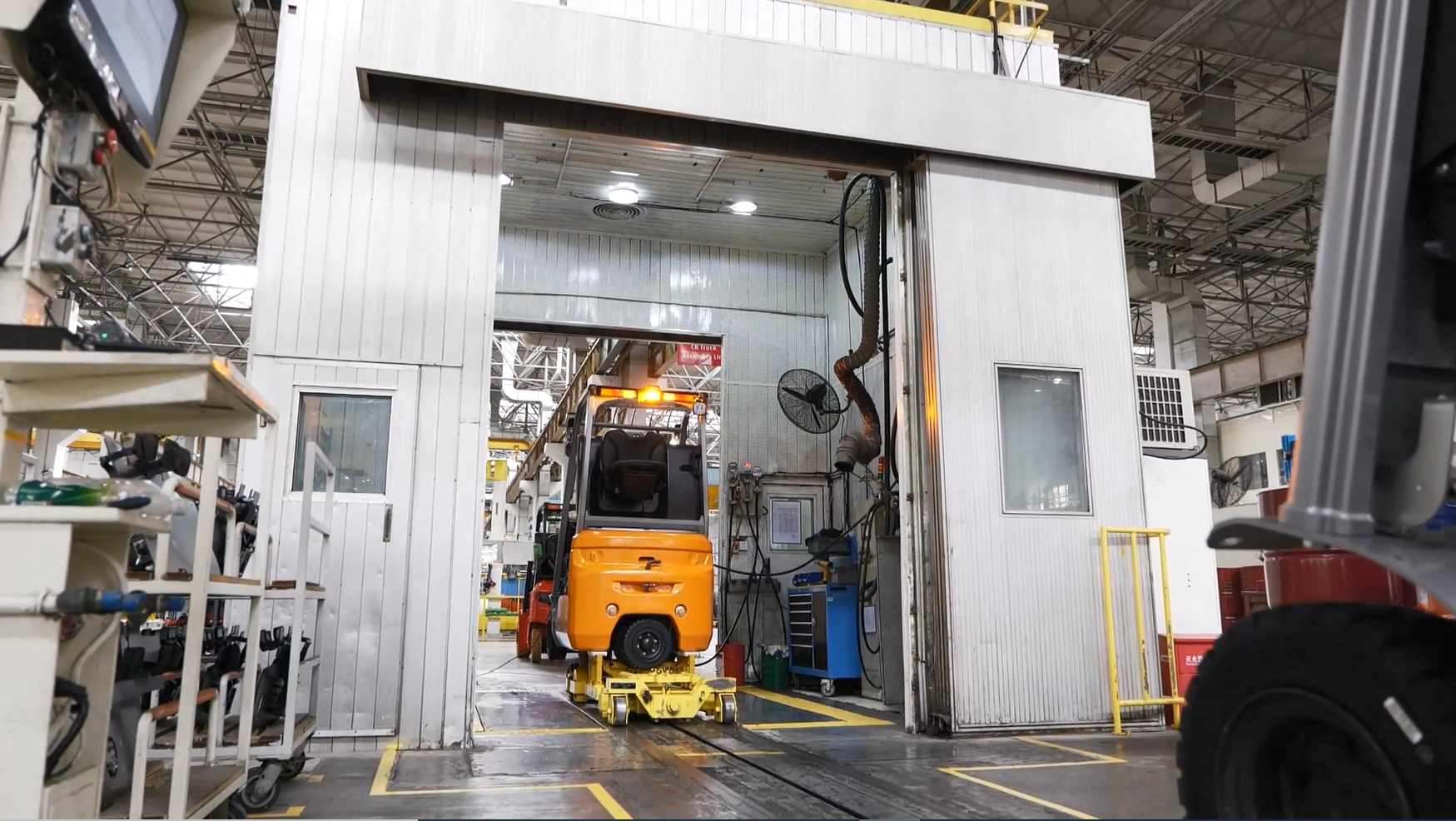
Xiamen Pexal Technology Co., Ltd. was founded in Xiamen, Fujian Province, as the sales, service and technical support base for material handling equipment. The company works with a 220,000 m² partner manufacturing campus employing more than 1,200 people, including a team of over 100 engineers focused on electric warehouse equipment and material handling solutions.
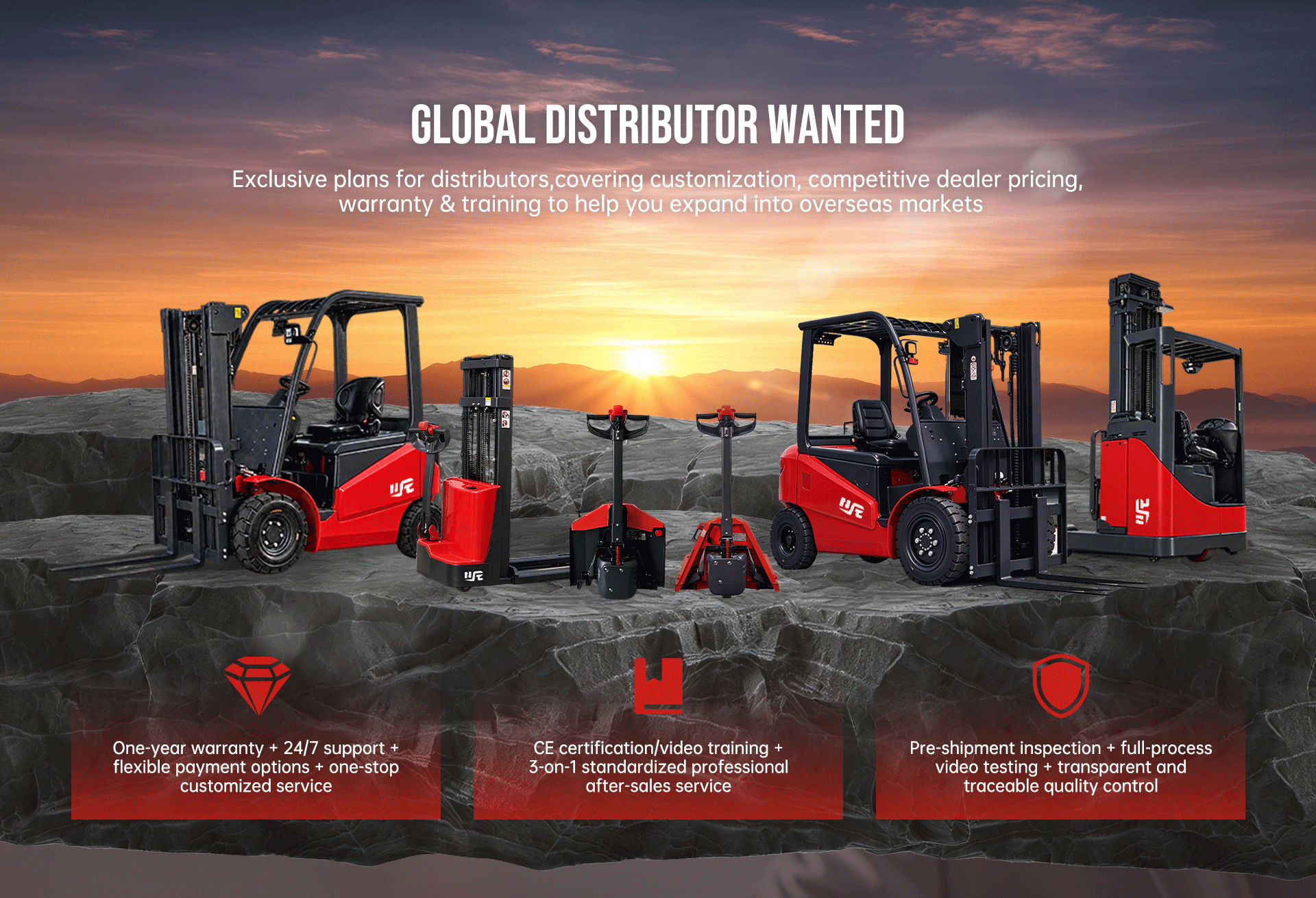
For forward stacker buyers, this means access to a complete product range, practical application support and customization options rather than a single stock model. Xiamen Pexal Technology Co., Ltd. offers sample-based customization, full customization and ODM services, supporting configurations such as mast height, fork length, battery type, color, logo, labels and packaging. The company also provides logistics solution design and consulting to help dealers and fleet operators match equipment to their market.
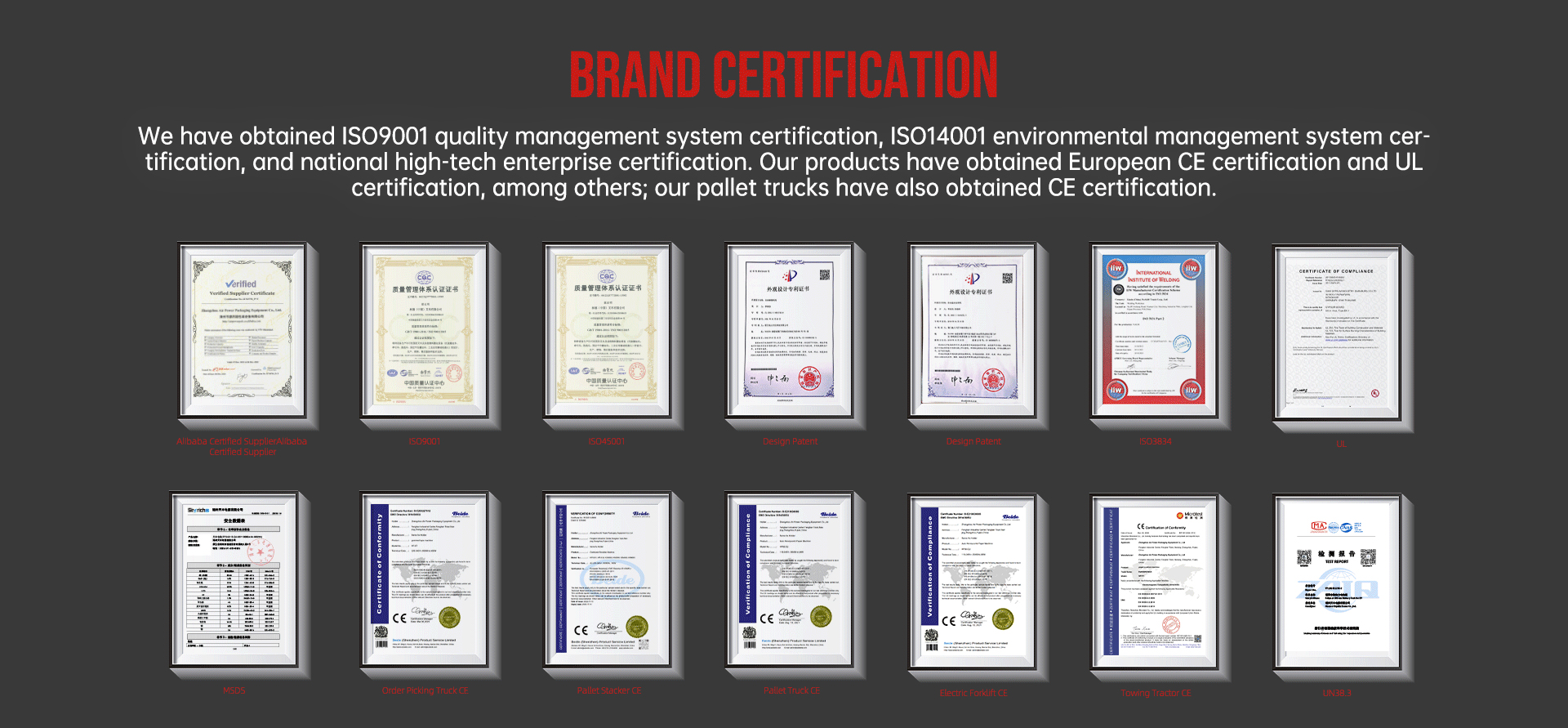
Company, production, product and support images supplied by Xiamen Pexal Technology Co., Ltd. for buyer review.
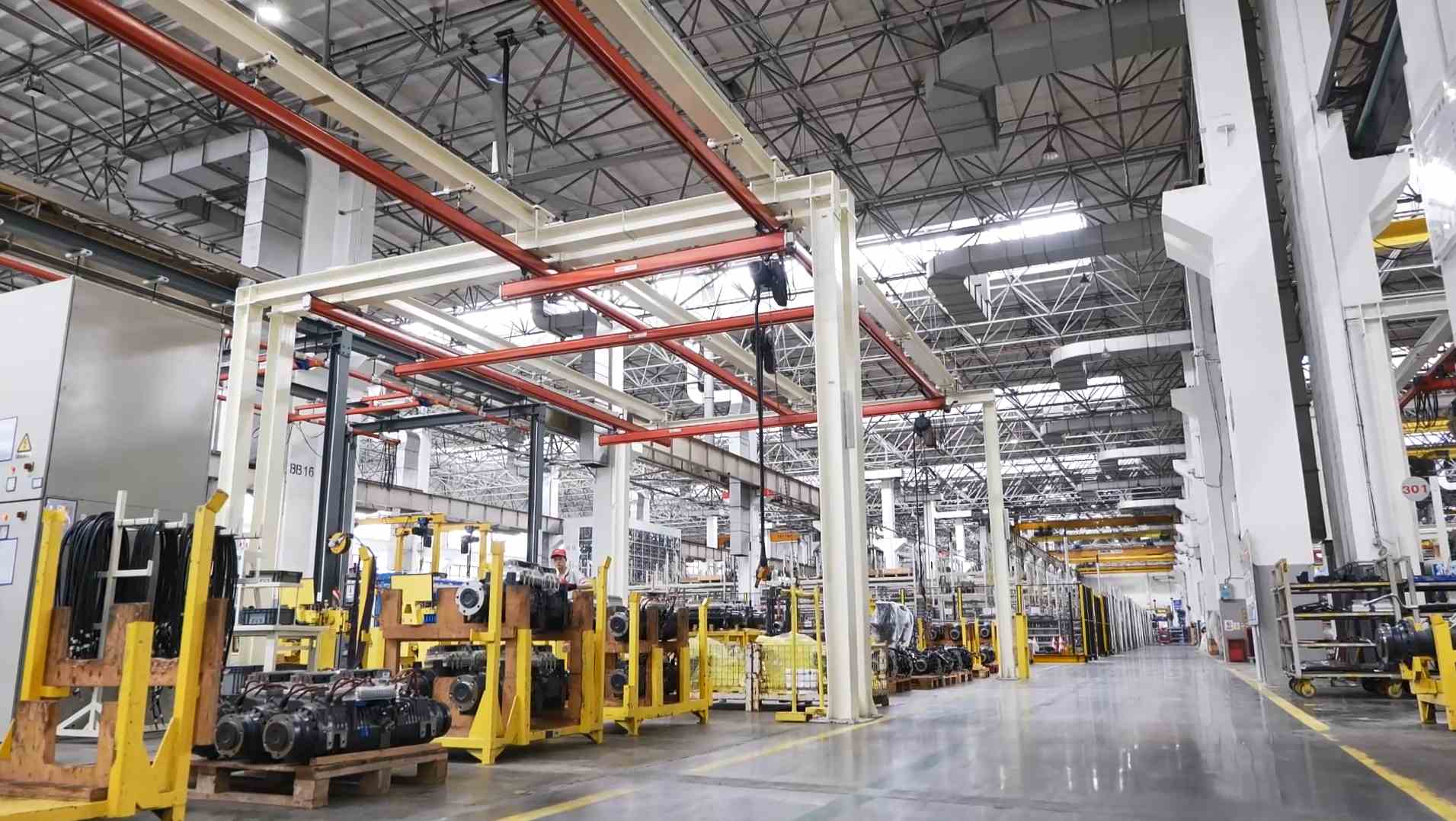
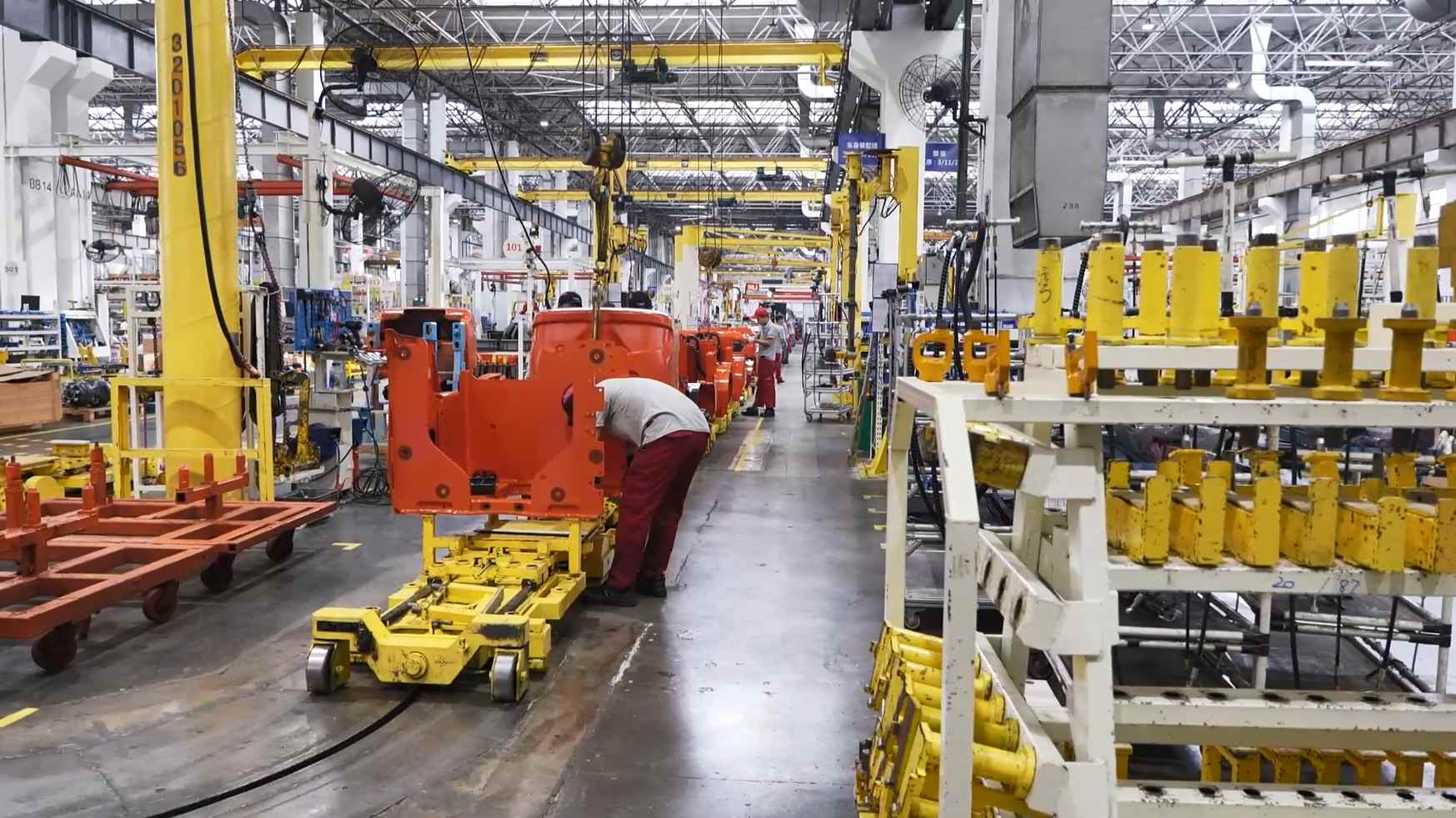
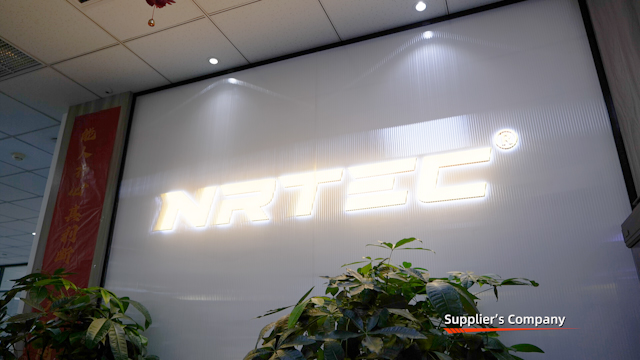 Verified Company Video
Forward stacker procurement is easier when buyers can review supplier information before the first order. Xiamen Pexal Technology Co., Ltd. has passed an onsite check and supplier assessment conducted by SGS Group, and verified company information is available for review.
These are the practical questions that come up most often during supplier discovery, technical review and purchase approval. Use them to prepare a clearer request for quotation.
Send your maximum load, pallet size, aisle width, lift height, floor condition, shift pattern, destination market and branding needs to info@pexalbot.com. Xiamen Pexal Technology Co., Ltd. will review the application and reply with configuration guidance, quotation and export options.