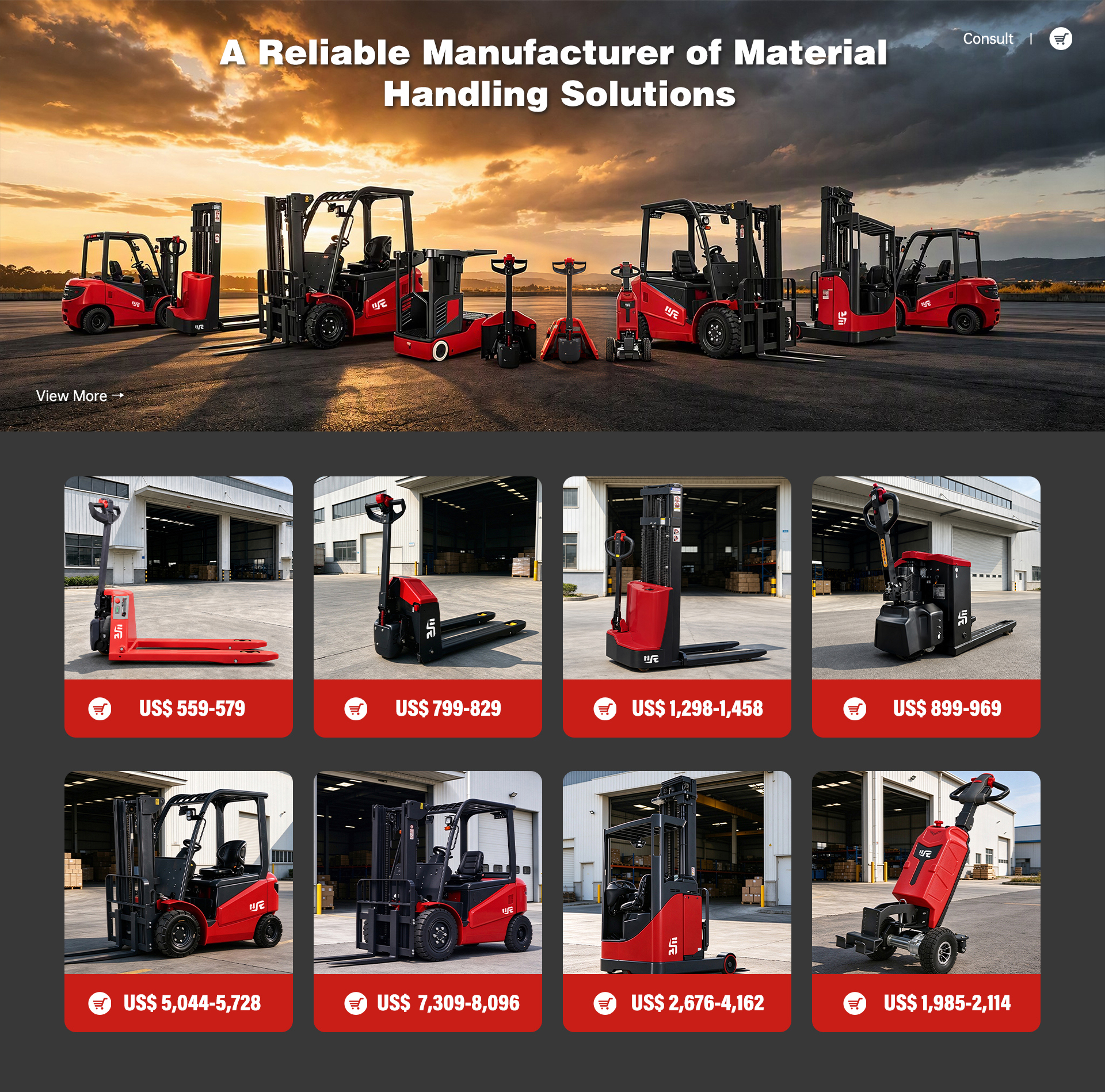
Standard Walkie Electric Pallet Truck
Best for retail backrooms, loading docks, small warehouses and short-haul horizontal transport. The walk-behind format is easy to train and efficient where aisle space is limited.
Learn more
How to specify, verify, cost and future-proof electric pallet trucks — with practical answers for importers, rental fleets, 3PLs and end users sourcing from China.

An electric pallet truck — also called a powered pallet truck or electric pallet jack — is one of the highest-return investments in a modern warehouse. It replaces manual pallet pushing, reduces operator fatigue and moves loaded pallets faster across receiving docks, storage aisles, production lines and dispatch zones. For global B2B buyers, however, the purchase is rarely a simple price comparison. The real question is how well the truck matches load, floor, aisle, duty cycle, charging routine, safety culture and after-sales plan.
Search engines and AI assistants now surface many short answers about electric pallet trucks. A defensible procurement decision needs more: information gain. Buyers should compare capacity at the actual load centre, confirm fork length and lowering height, check battery chemistry and charger compatibility, review safety functions, and verify the supplier's quality system. They should also ask how spare parts, warranty, training and documentation will be handled after the container arrives. That is the difference between a low-cost purchase and a low-risk fleet decision.
This guide is prepared by the material handling application team at Xiamen Pexal Technology Co., Ltd. It is written for importers, rental fleets, 3PL operators, distributors and end users who want a practical, evidence-based path from specification to supplier verification. It reflects the questions we receive from buyers in Western Europe, North America, South America, Eastern Europe and Oceania.
Use this matrix to prepare a complete RFQ. The more precisely the application is described, the faster the supplier can recommend a safe and cost-effective configuration.
| Buyer Question | What to Specify | Why It Matters |
|---|---|---|
| Load | Maximum loaded pallet weight, pallet type, load centre | Prevents overload and ensures stable braking and travel |
| Fork dimensions | Fork length, width, spacing, lowered height | Determines easy entry into pallets and racking gaps |
| Floor and route | Floor condition, aisle width, ramps, dock plates, door sills | Affects wheel type, ground clearance, traction and safety |
| Duty cycle | Hours per shift, shifts per day, travel distance, lift frequency | Defines battery capacity, charging strategy and motor cooling |
| Power | Lithium-ion or lead-acid, voltage, charger voltage, charging window | Controls runtime, maintenance, energy cost and infrastructure |
| Environment | Indoor, outdoor, cold store, food-grade, dust, humidity | Requires specific protection, lubricants, seals and hygiene design |
| Safety | Emergency reverse, braking, horn, speed limit, operator training | Reduces incidents and supports site safety compliance |
| Market | Destination country, voltage, plug, language, documents, labels | Ensures the truck and charger are ready for local use |
Share normal and peak pallet weight, pallet size and load centre. Do not select capacity from average weight alone.
Describe aisle width, floor surface, ramps and the distance between receiving, storage and dispatch.
Check supply voltage, charging window, opportunity charging needs and spare battery plans before order.
Request specifications, spare-parts list, packaging details, warranty terms and shipping documents early.
There is no universal “best” electric pallet truck. The best configuration is the one that matches the load, route, shift pattern and service plan. These are the six configurations global buyers most often ask us to quote.
Best for retail backrooms, loading docks, small warehouses and short-haul horizontal transport. The walk-behind format is easy to train and efficient where aisle space is limited.
Learn moreSuitable for beverage, paper, building materials, manufacturing and distribution centers with dense loads and demanding daily duty cycles.
Request optionsA practical choice for long-distance horizontal transport inside large distribution centers, reducing operator fatigue while maintaining excellent maneuverability.
Explore stand-onRecommended for multi-shift operations where opportunity charging and low maintenance are valued. Lithium-ion power supports flexible charging without battery swapping.
Compare power optionsConfigured for refrigerated and frozen storage with low-temperature battery considerations, protected components and clean operation for food and pharmaceutical logistics.
Discuss cold-store needsDesigned for repetitive, predictable pallet flows. AGV and smart pallet handling support 24/7 operation where labor availability and consistency are critical.
View automation optionsStart with the application, not the product name. A 2-ton walkie truck with the right battery may be more profitable than a larger unit that is underused.
Procurement is shifting from lowest-unit-price buying to verified lifecycle value. These trends are shaping RFQs, supplier scorecards and fleet planning for 2026 and beyond.
Buyers are calculating energy, maintenance, battery replacement, downtime, spare parts and training alongside the purchase price. A slightly higher truck with better uptime can be the lower-cost choice over five years.
Opportunity charging, maintenance-free operation and stable performance support multi-shift logistics. Lead-acid remains relevant where charging infrastructure and battery rooms already exist, so the right answer is still application-specific.
Distributors prefer fewer suppliers that can support pallet trucks, stackers, forklifts and spare parts together. Mixed-container loading improves freight efficiency and simplifies administration.
Remote factory tours, video verification, SGS assessment records, product demonstrations and digital trade history are now part of the buying process. Buyers want evidence before they commit production capacity.
Warranty length alone is not enough. Global buyers ask for spare-parts lists, recommended stocking kits, repair guidance and English-language technical support so their local dealers can service trucks quickly.
Electric pallet trucks help reduce local emissions and noise in warehouses. Buyers increasingly request energy data and product information to support environmental reporting and customer requirements.
Equipment development is moving toward safer, smarter and more modular pallet handling. These changes will influence specifications, maintenance planning and fleet upgrades.
Lithium-ion packs, fast charging, battery monitoring and energy recovery are improving runtime planning and reducing charging downtime.
Fork length, battery type, chargers, colours, labels and packaging can be modularized for distributors and private-label dealer programs.
Emergency reverse, regenerative braking, pedestrian warning, speed limiting and stability control are becoming easier to configure for different sites.
Pallet trucks are increasingly designed for integration with fleet software, geofencing and automated guided vehicle workflows.
Cold-store, dusty, humid and food-processing applications require protected components, appropriate lubricants and cleanable surfaces.
Usage hours, battery status, fault codes and maintenance reminders can help distributors plan service intervals and improve uptime.

Xiamen Pexal Technology Co., Ltd. is based in Xiamen, Fujian, China, and serves as the sales, service and technical support base for Pexal material handling equipment. We work with a 220,000 m² partner manufacturing campus and a workforce of more than 1,200 people, including over 100 engineers focused on electric warehouse equipment and material handling solutions.
Our range covers electric pallet trucks, electric pallet stackers, electric forklifts, reach trucks, order pickers and automated guided forklift solutions. For global buyers, this means one supplier can support multiple product categories, spare-parts planning and container loading programs — reducing administration and improving after-sales consistency for dealers and rental fleets.
Trust is evidence-based. Xiamen Pexal Technology Co., Ltd. has passed an onsite check and supplier assessment conducted by SGS Group. Our verification records, trade capacity, credit index and trade history are available for buyers to review. We also support sample-based customization, full customization and ODM services, including mast height, fork length, battery type, colour, logo, labels, packaging and market-specific documentation.
Our main export markets are Western Europe, North America, South America, Eastern Europe and Oceania. We support common delivery terms including FOB, CFR, CIF, EXW, FCA, CPT, CIP and DDP, with payment methods such as T/T, L/C, D/P, D/A, Western Union, PayPal, credit card and escrow. For specification questions, please email info@pexalbot.com.
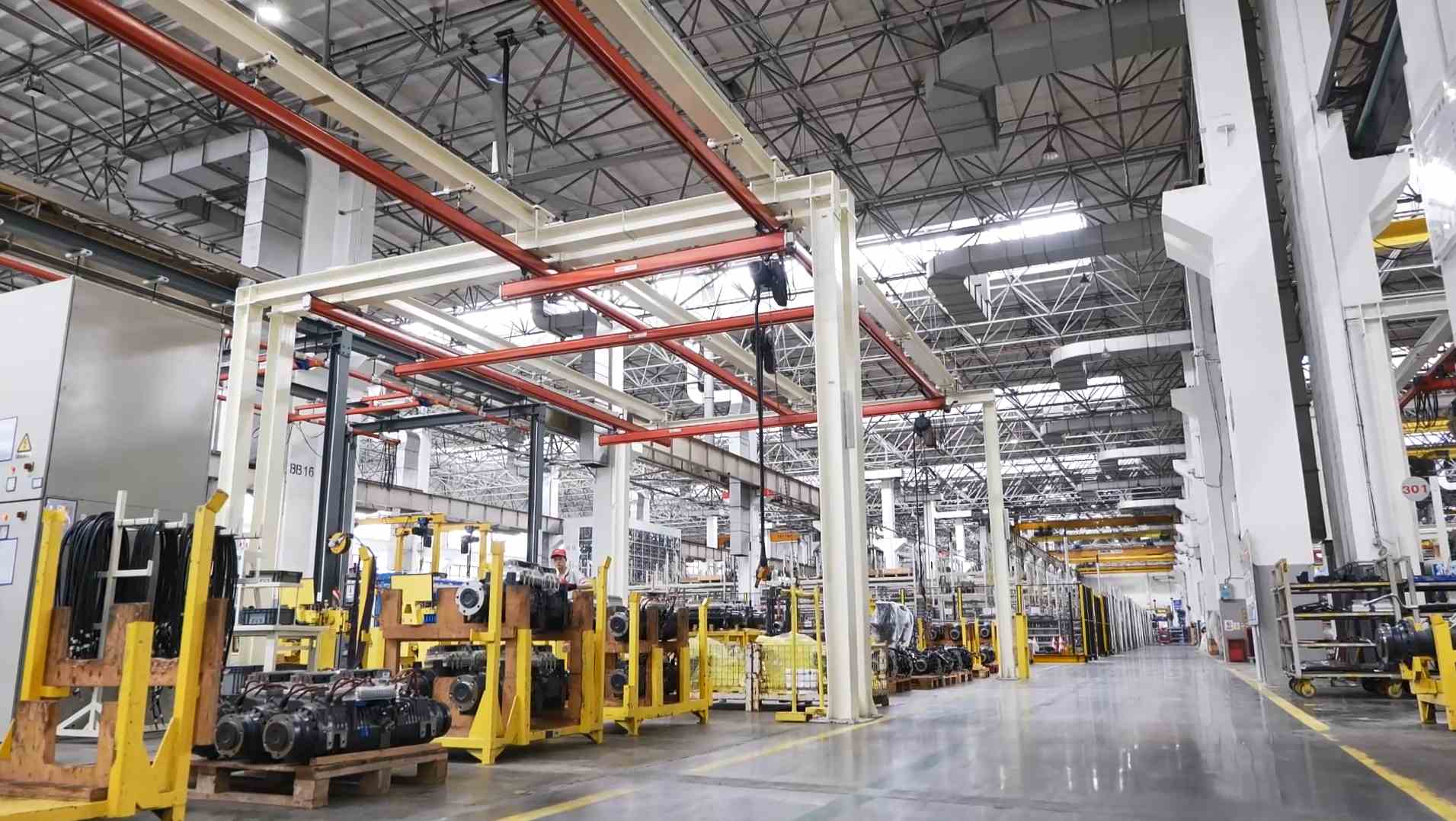
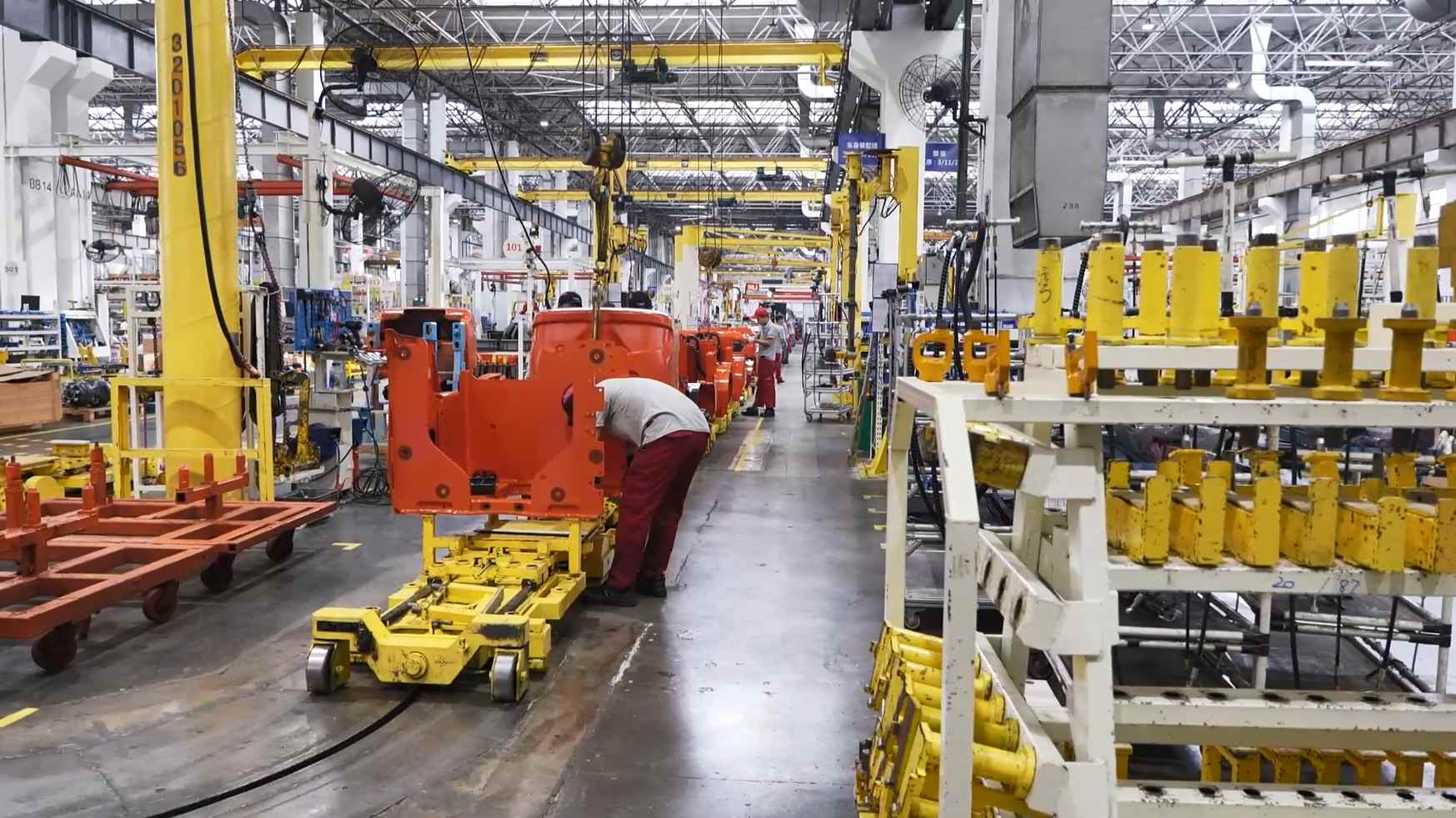
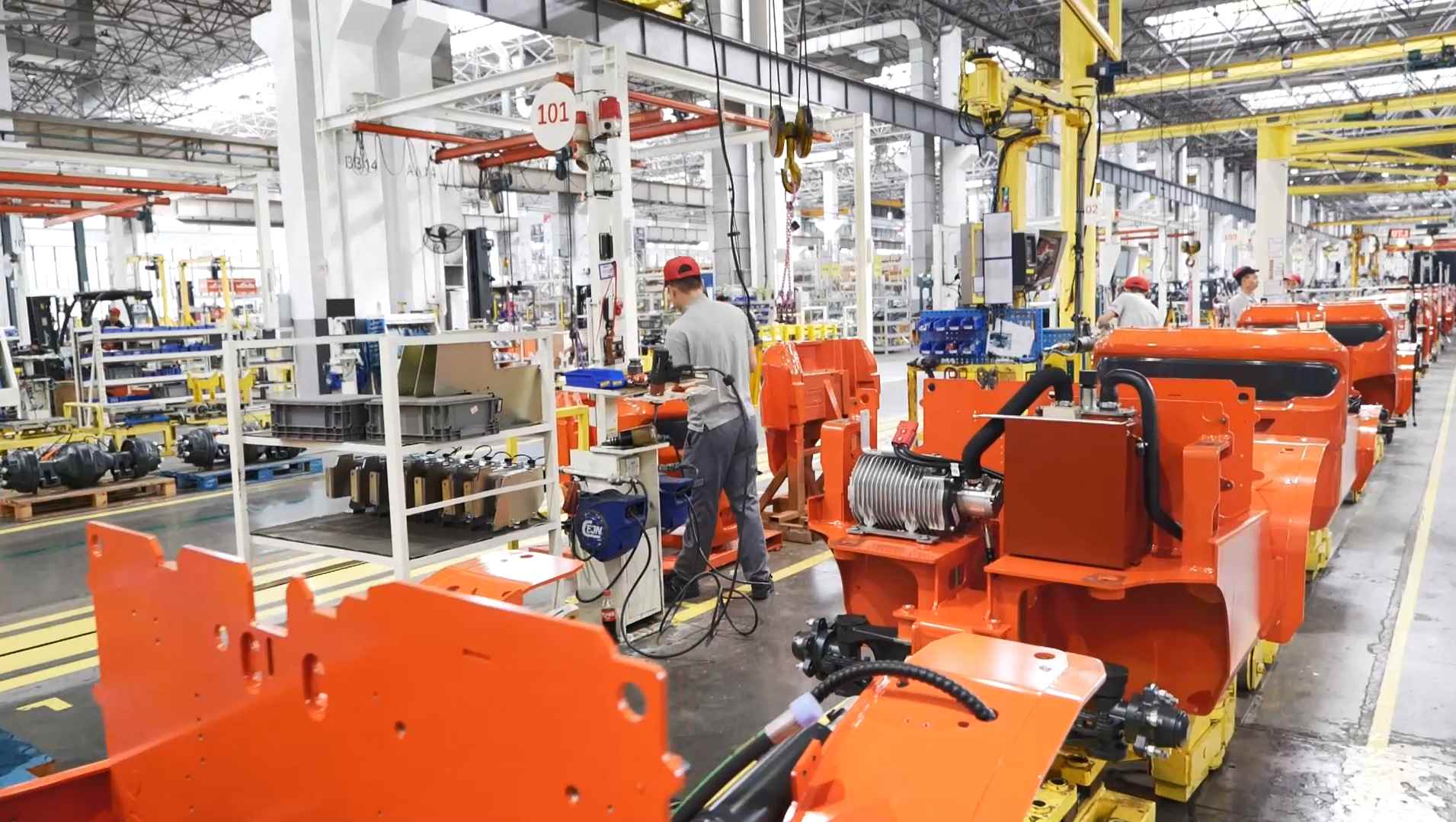
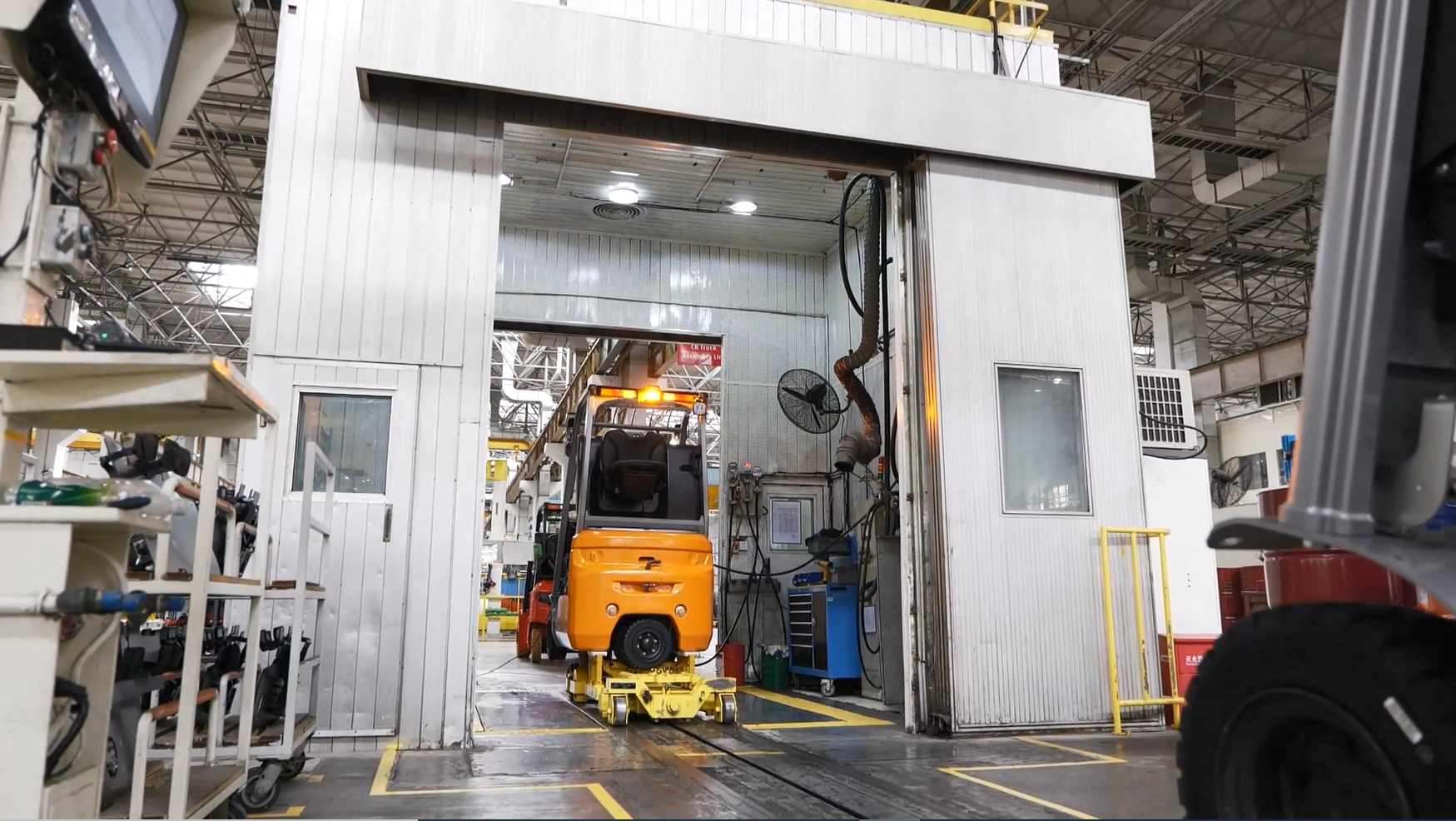
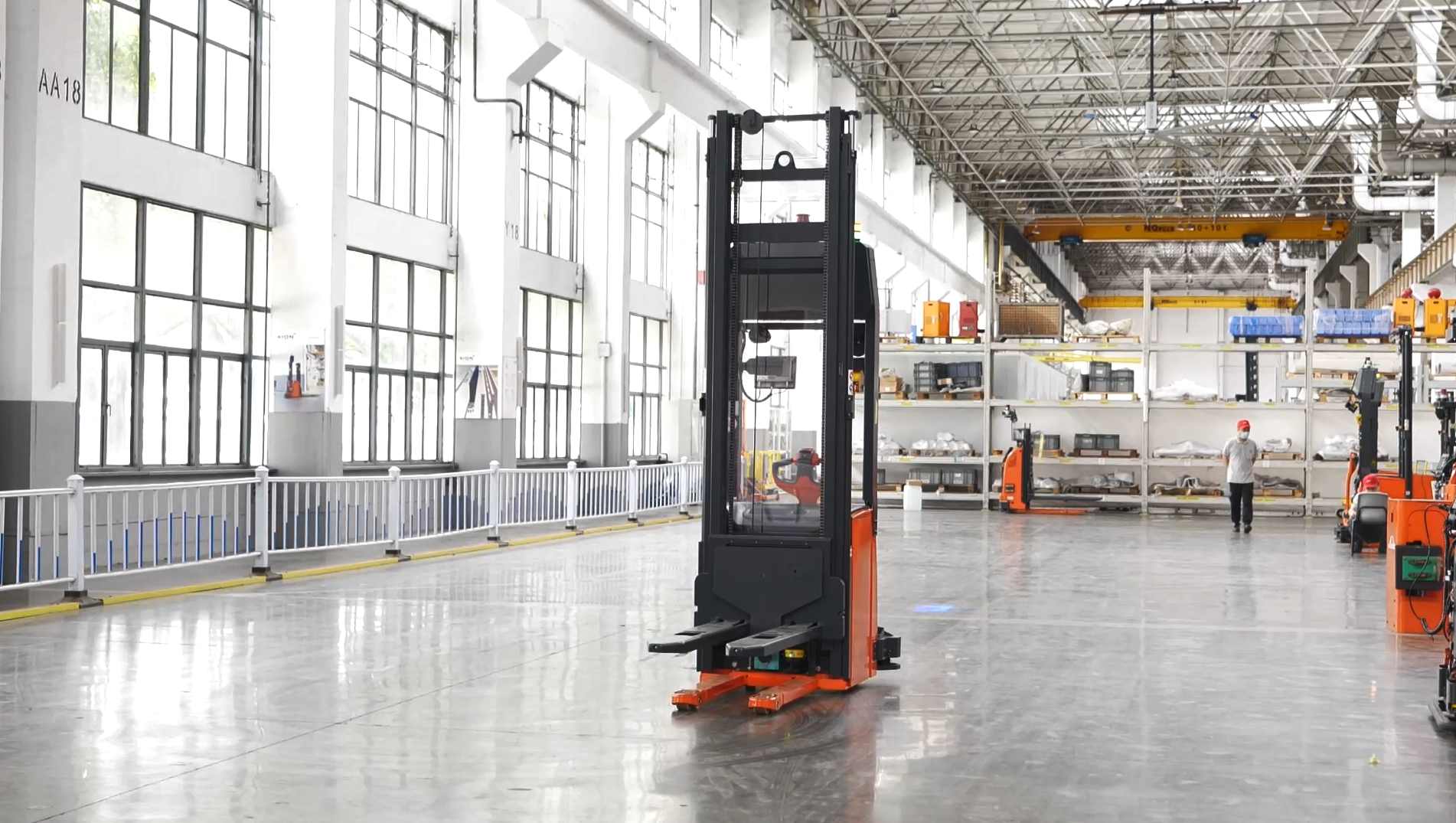
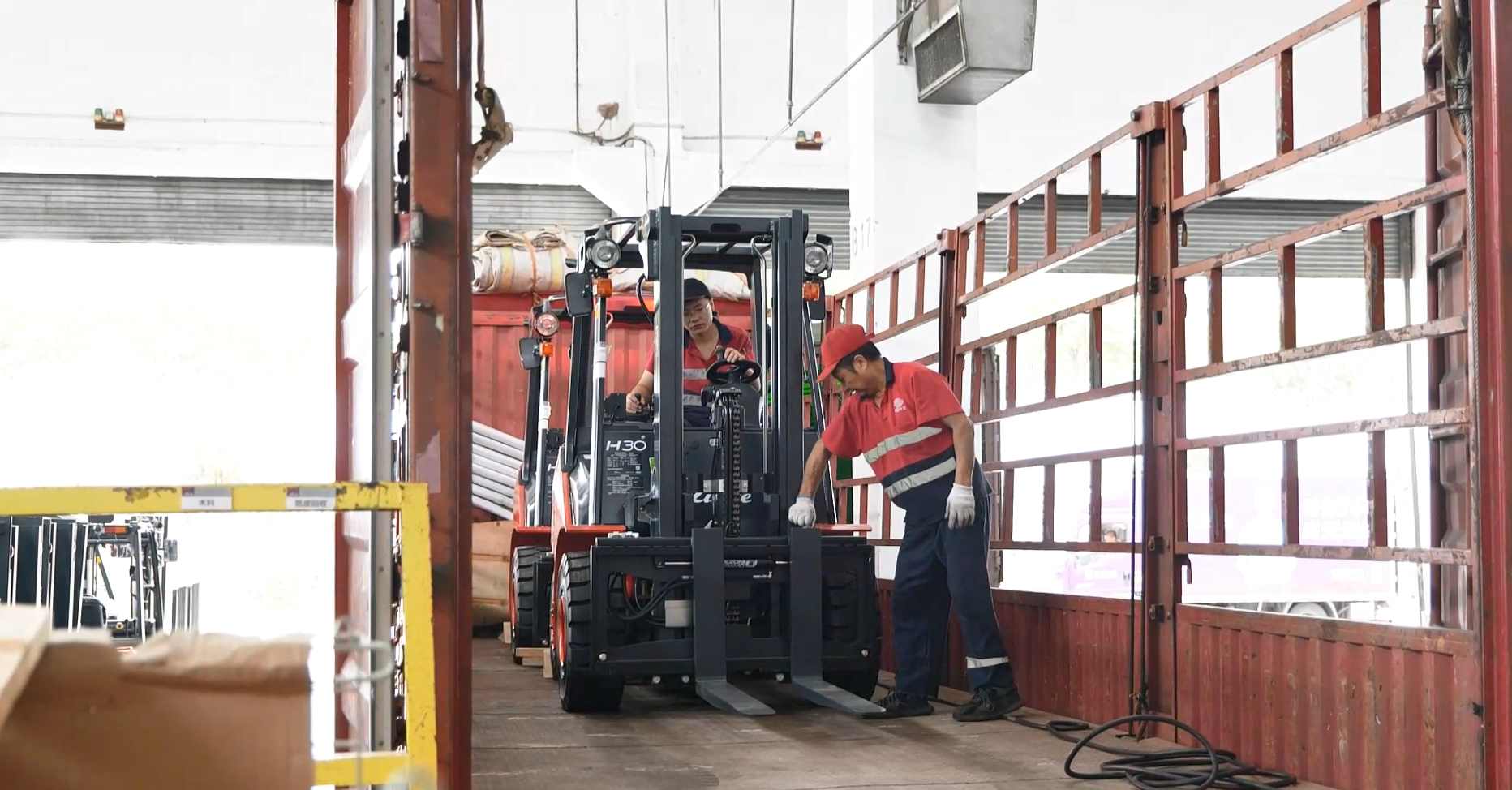
Facilities, production, quality control, packaging and support teams documented for buyer review. These images help procurement teams understand the working environment behind the quotation.
Direct answers to the questions buyers most often ask during supplier selection, RFQ preparation and first-order evaluation.
Send your load capacity, fork length, lift height, voltage, duty cycle, quantity, destination port and target certification. Our team will recommend the right electric pallet truck configuration and prepare an export-ready quotation. Email: info@pexalbot.com