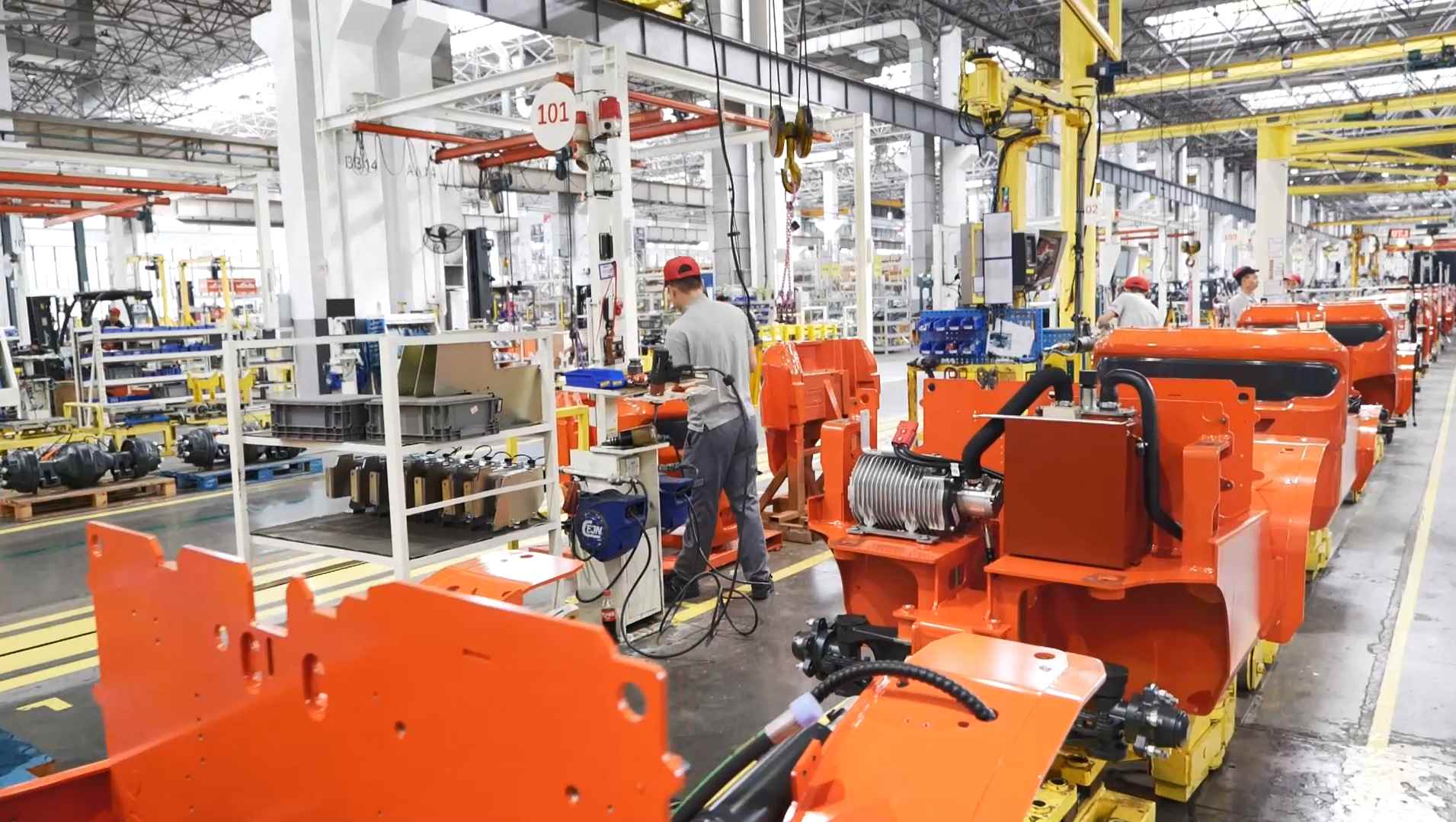
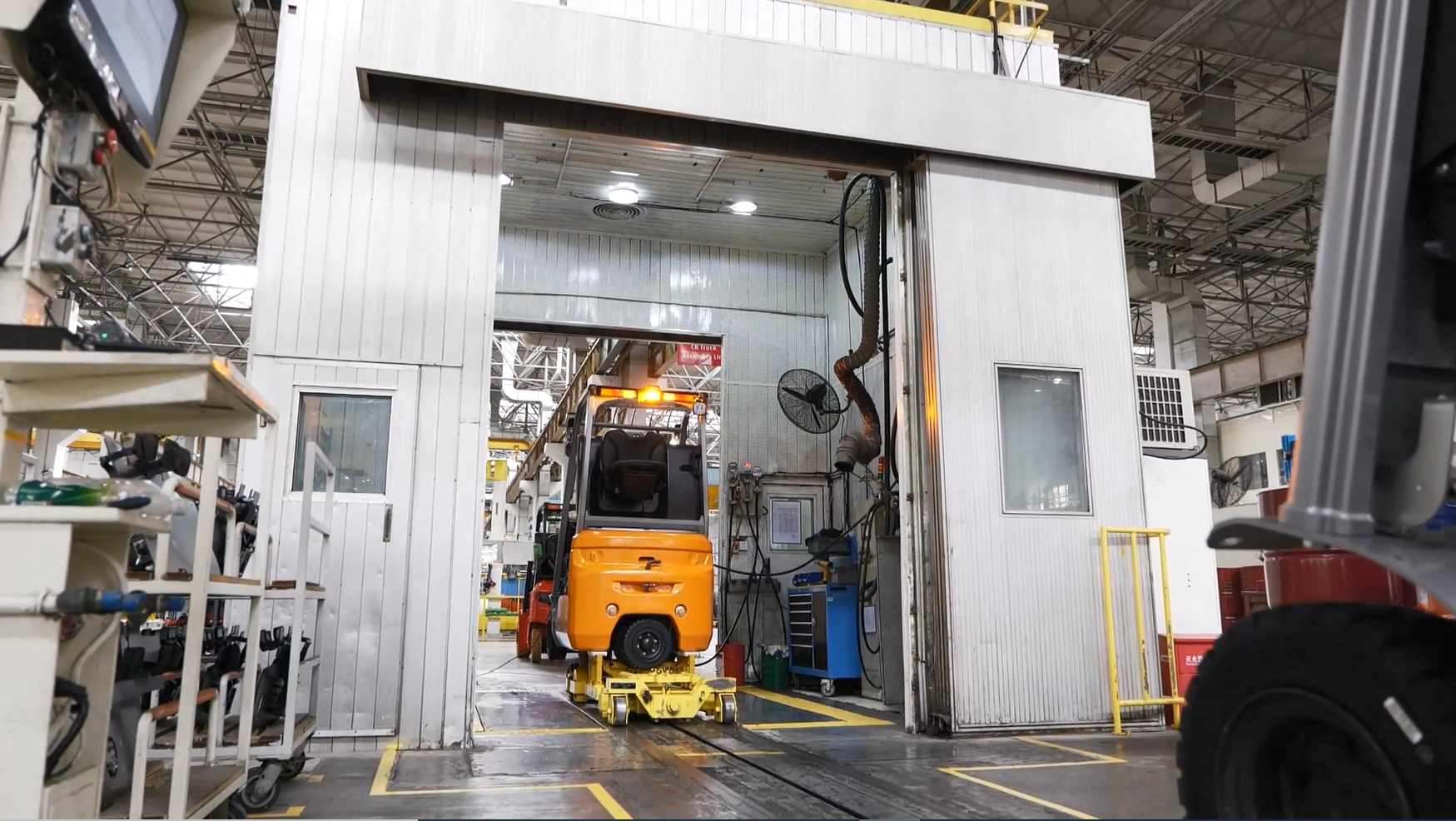
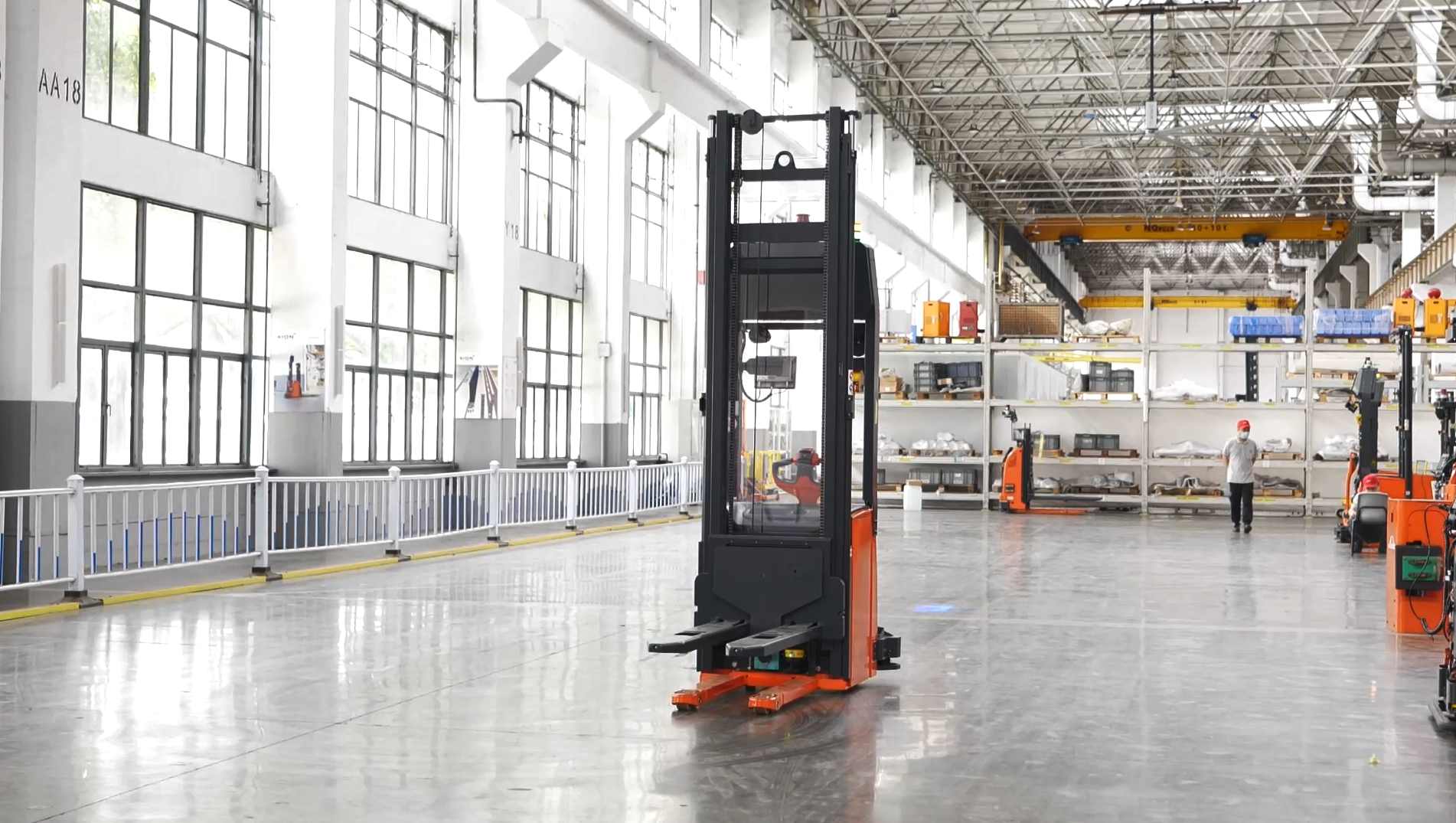
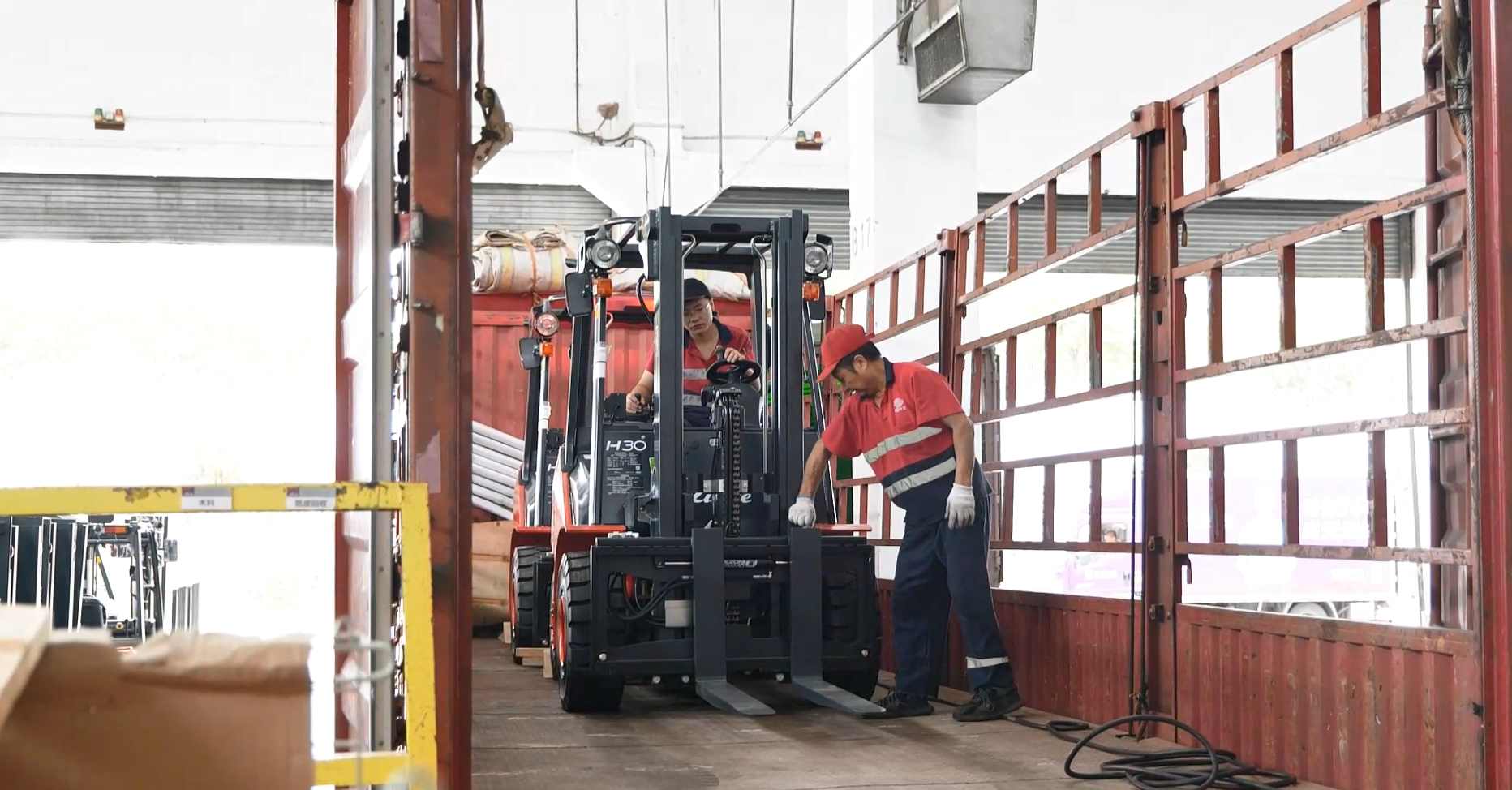
Long-endurance electric forklift operating in an industrial warehouse
2026 Buyer’s Guide · Global Procurement

Long-Endurance Electric Forklift: How Global Buyers Choose Multi-Shift Power

A long-endurance electric forklift is not defined by one battery claim. It is defined by predictable uptime across real shifts, loads, lift heights, charging windows and service conditions. This guide helps distributors, rental fleets and warehouse operators compare configurations with more confidence.

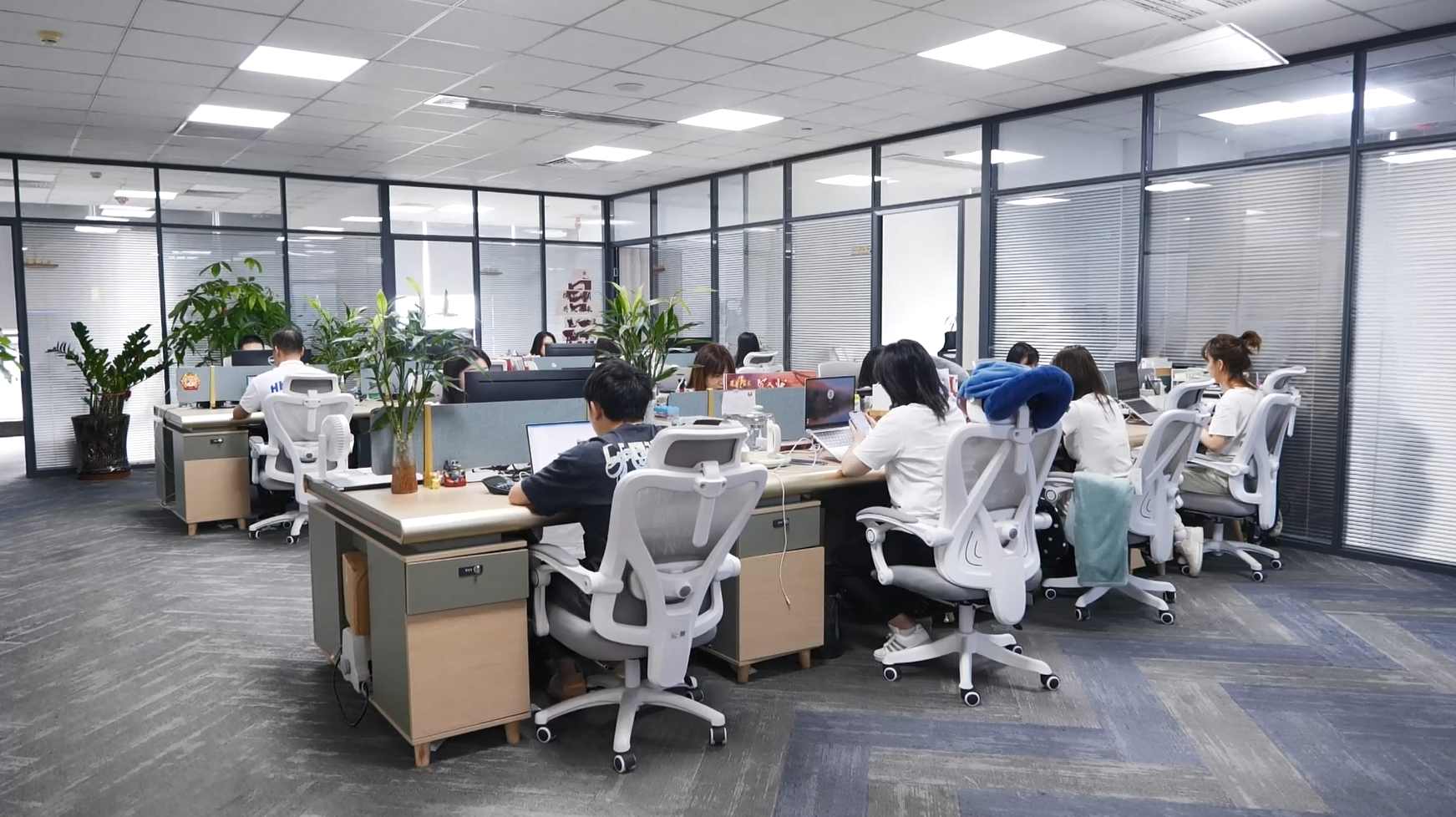
SGS-Assessed Supplier 220,000 m² Partner Manufacturing Campus 1,200+ Workforce 100+ R&D Engineers OEM / ODM Support

What Is a Long-Endurance Electric Forklift?

A long-endurance electric forklift is an electric counterbalance or warehouse truck specified around a real duty cycle, not a single runtime headline. The package combines usable battery energy, battery management, thermal behavior, motor and controller efficiency, hydraulic and mast design, operator behavior and a charging strategy that fits your shifts.

For multi-shift operations, the right question is not simply “How many hours will it run?” It is: “How many pallets per shift, at what weight, lift height and travel distance, with what charging window?” A 2.0-ton electric forklift can be a long-endurance machine in one warehouse and underpowered in another. Xiamen Pexal Technology Co., Ltd. reviews load, aisle, lift height, shift pattern and charging conditions so the recommended configuration matches the work.

Why It Matters

Runtime Is a Procurement Variable, Not a Brochure Number

Warehouse and distribution-center operators are under pressure to raise throughput without expanding their fleet unnecessarily. In many markets, electric forklifts already dominate indoor handling, but the purchase decision has changed. Buyers now ask whether an electric truck can complete a full shift without a battery change, whether opportunity charging will upset peak electricity costs, whether lithium-ion is worth the premium, and whether spare parts and technician support are available after customs clearance.

These are supply-chain questions as much as equipment questions. A long-endurance electric forklift can reduce the number of trucks needed for a shift, lower battery change labor, protect cold-chain operations from downtime and help a warehouse meet indoor air-quality and noise targets. But runtime is affected by far more than battery capacity alone.

Load weight, lift height, travel distance, floor condition, ramp use, attachment weight, ambient temperature, operator technique and charger performance all influence energy use. That is why a responsible supplier should ask for operating data before quoting a model. Xiamen Pexal Technology Co., Ltd. approaches long-endurance projects as configuration reviews, not catalogue selections.

220,000 m²Partner manufacturing campus
1,200+Skilled workforce
100+R&D engineers
5Main export regions
Electric forklift engineering details including power system and mast
Long endurance comes from the complete electric platform: battery, drive, thermal behavior, mast and service access.
Engineering Approach

What Makes a Pexal Long-Endurance Electric Forklift Different?

For B2B buyers, endurance should be backed by transparent engineering choices, not only a larger battery box.

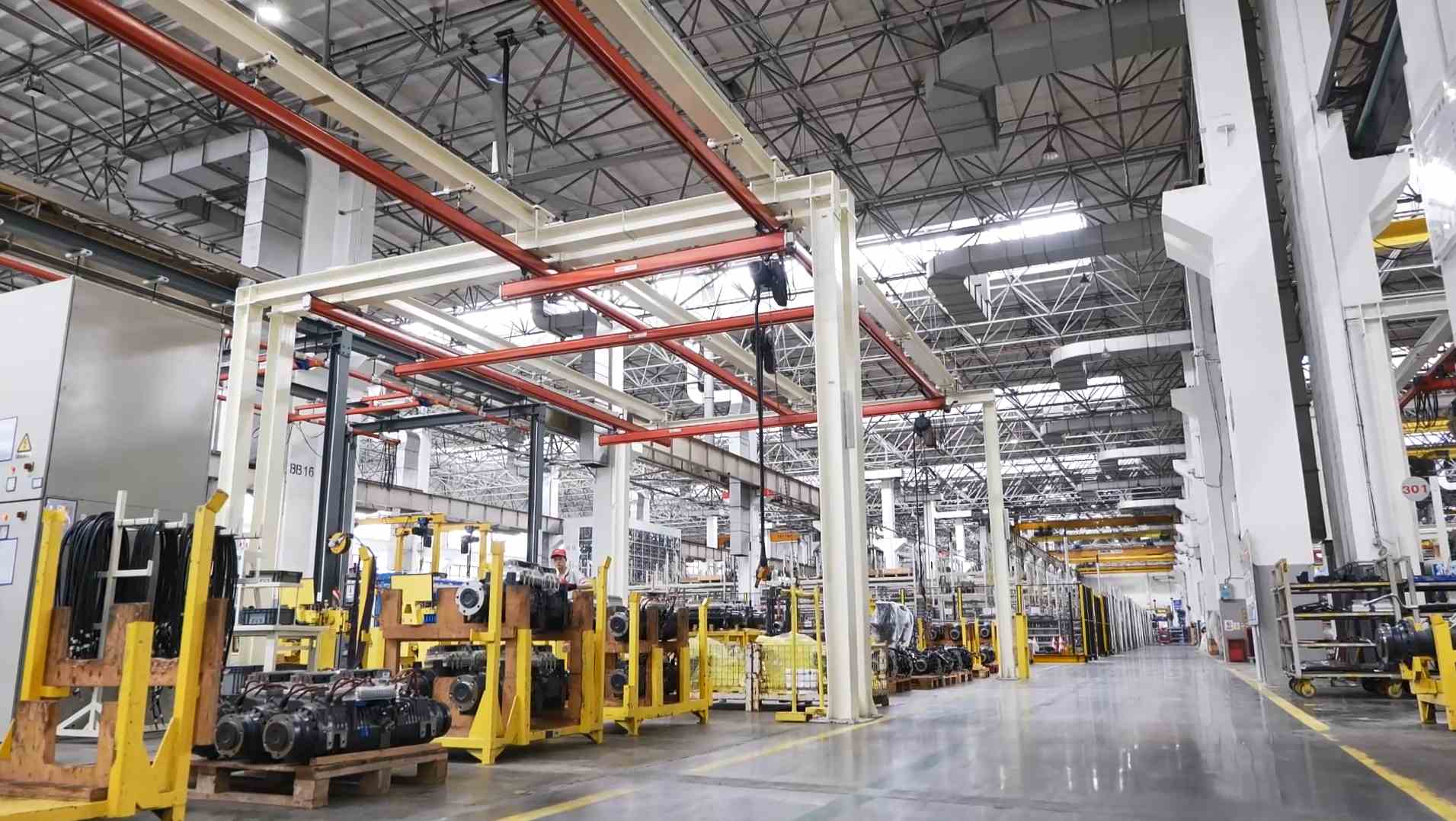
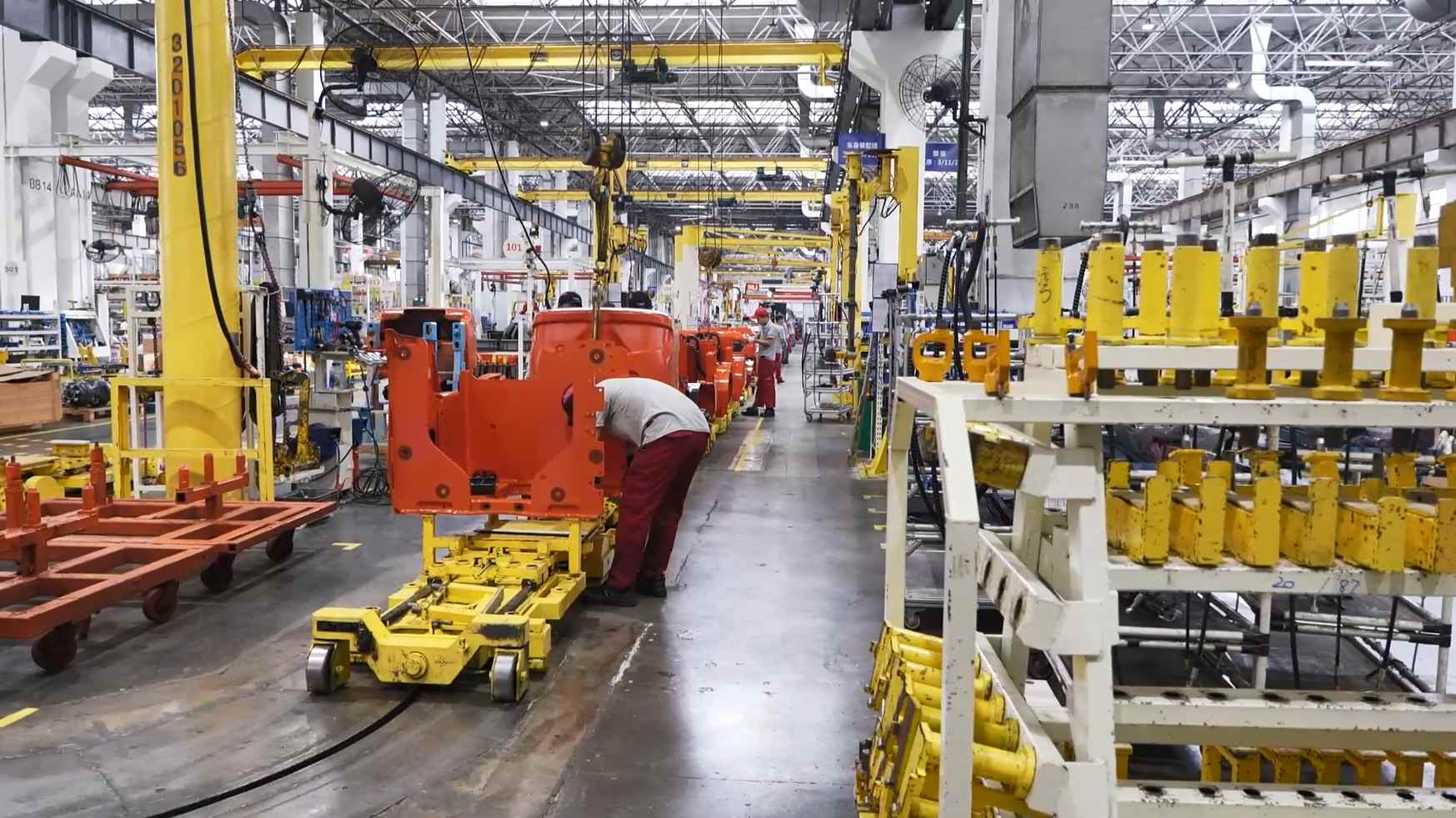
Xiamen Pexal Technology Co., Ltd. leverages a partner manufacturing campus of 220,000 m² with more than 1,200 people, including over 100 engineers focused on electric material handling. For long-endurance electric forklift projects, our application team looks beyond nominal capacity and considers the complete energy loop.

First, the battery and charger are matched to the shift pattern. Lithium-ion and lead-acid configurations are available by model, and the final recommendation depends on opportunity charging, battery room availability, climate and local service capability. Second, structural durability is reviewed for repeated lifting cycles in multi-shift operations. Mast, chassis and hydraulic components must support the work without making service access difficult.

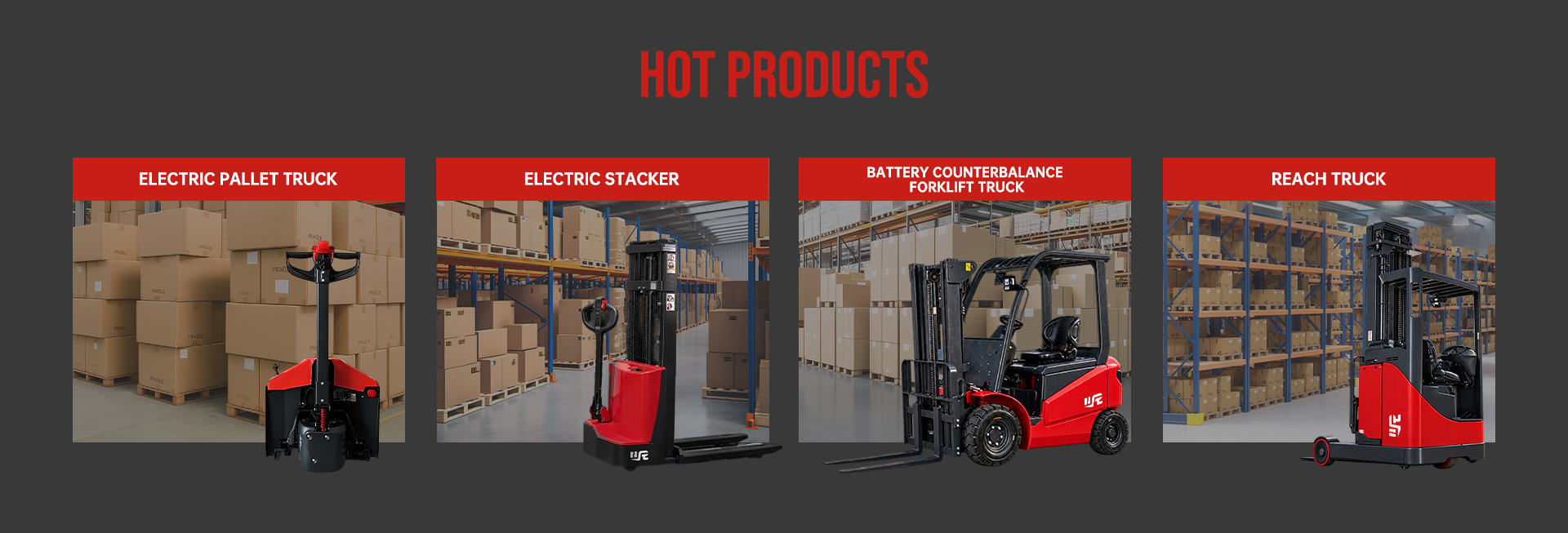
Third, operator-centered design matters for endurance in practice. Clear visibility, intuitive controls and comfortable access help reduce fatigue, damage and avoidable downtime. Fourth, our range extends from electric forklifts and reach trucks to pallet trucks, stackers, order pickers and automated guided forklifts, which allows distributors to source a coordinated fleet rather than mismatched equipment from several suppliers.

Buyers should still verify claims. For E-E-A-T and procurement confidence, request the load chart, battery specification, charger data, safety features, service intervals and spare-parts list for the exact model you are considering.

Product Recommendations

Which Long-Endurance Electric Forklift Fits Your Operation?

These are practical starting points for global buyers. Final configuration should be confirmed through an application review.

Multi-Shift Warehouse

2-Ton Long-Endurance Electric Forklift

A versatile starting point for distribution centers, 3PL warehouses and manufacturing sites that need predictable daily handling.

  • Suited to multi-shift pallet movement and racking support
  • Lithium-ion or lead-acid configuration reviewed by application
  • Charging plan matched to breaks, shift changes and site power
  • Attachments, mast height and branding can be customized
Review 2-ton electric forklift
Extended Runtime

Long-Endurance Electric Forklift Platform

For buyers who need longer working windows, stable power delivery and a truck that can be configured around a demanding duty cycle.

  • Energy use estimated from loads, lifts and travel distance
  • Battery and charger matched to the operating pattern
  • Service access and spare-parts planning reviewed before order
  • Ideal for warehouses with limited battery-change labor
Explore long-endurance electric forklift
Food & Cold Chain

Battery-Powered Forklift for Indoor and Cold Storage

Zero local emissions and low noise make electric power attractive for food, beverage, pharmaceutical and cold-chain facilities.

  • Configuration reviewed for temperature and condensation
  • Charging location and battery behavior discussed up front
  • Cleaner indoor air and quieter operations versus diesel
  • Matches food, retail and cold-logistics handling needs
Review battery-powered forklift
High-Density Storage

Electric Reach Truck and Warehouse Stackers

When storage density is the constraint, reach trucks and stackers can complement a long-endurance counterbalance fleet.

  • Narrow-aisle and high-rack applications
  • Supports coordinated fleet sourcing from one supplier
  • Useful for e-commerce, spare parts and retail distribution
  • Can be reviewed together with AGV and order-picker options
Review electric reach truck
Pexal electric forklifts and warehouse trucks product lineup
Future Procurement Trends

AI-assisted buying has made procurement teams more precise. They expect evidence, not slogans, and they compare total cost of ownership across the full life cycle.

1. Total Cost of Ownership Beats Sticker Price

Buyers are comparing energy use, battery maintenance, charger installation, downtime, spare parts and resale or second-life value. A low purchase price can be misleading if the truck needs an extra battery change every shift or lacks local service support.

2. Charging Strategy Is Planned Earlier

Opportunity charging, fast charging, battery rooms and peak-demand electricity costs are now discussed during equipment selection. Smart buyers ask how the charger interacts with shift schedules, breaks and site electrical capacity.

3. Lithium-Ion Demands Better Evidence

Lithium-ion is not automatically the best answer for every warehouse. Procurement teams are requesting battery specifications, charger compatibility, thermal limits, warranty terms and local technical support before paying a premium.

4. Safety and Data Are Part of the Purchase

Fleet managers want visibility into usage, impacts, maintenance and operator behavior. Telematics, access control and pedestrian-awareness features are moving from “nice to have” to evaluation criteria in larger tenders.

5. Supply-Chain De-Risking Continues

Distributors want a supplier who can support OEM branding, documentation, export packaging, Incoterms and spare-parts planning. Single-model dependence is being replaced by coordinated product families and clearer service commitments.

6. Carbon and Indoor Air Reporting Matter

Electric handling supports cleaner indoor air and lower local emissions. Global buyers increasingly ask suppliers for product information that helps them report energy, maintenance and environmental performance to customers and auditors.

Product Development Trends

The next stage of electric forklift development is not just more battery capacity. It is better system integration, serviceability and intelligence.

We expect long-endurance electric forklifts to evolve along several connected paths through 2026 and beyond. Higher usable energy density and improved battery management will help, but buyers should still evaluate the complete truck. A battery pack is only as useful as the thermal design, charger match, controller strategy and service access around it.

First, opportunity charging will become easier to plan. Moderate charging during breaks can reduce battery-change labor when the truck, charger and workflow are designed together. Second, lithium-ion packs will be evaluated with more scrutiny. LFP-based configurations may appeal where cycle life and thermal stability are priorities, while lead-acid may remain relevant where upfront cost and established battery rooms dominate. Third, thermal management will matter more. Cold stores, high-ambient warehouses and multi-shift sites require realistic battery and hydraulic specifications. Fourth, modular design will support customization. Mast heights, fork lengths, attachments and battery options need to be configurable without compromising serviceability. Fifth, intelligent safety and fleet data will become normal. Operator access control, impact detection and route data help distributors offer service contracts rather than one-off equipment sales. Sixth, automation will complement manual fleets. Automated guided forklifts are already useful for repetitive pallet transport, and more warehouses will combine AGVs with long-endurance electric forklifts for flexible peak coverage.

These trends shift the buyer’s due-diligence checklist. Instead of asking only for a model name, serious procurement teams should ask for configuration logic, test criteria, charger data, safety features and a service plan. That is how a long-endurance electric forklift becomes a productive asset rather than a specification on paper.

Information Gain

Procurement Checklist and Runtime Planning

Use this checklist to compare quotations from different long-endurance electric forklift suppliers on equal terms.

Long-Endurance Electric Forklift Procurement Checklist
Decision Area Question to Ask Why It Matters
Duty CycleWhat are the pallets per shift, average load, maximum lift height and travel distance?Energy use and cycle time must be estimated from the work, not from a generic runtime claim.
Battery ChemistryWhy lithium-ion or lead-acid? What charger, temperature range and warranty apply?The best choice depends on operating pattern, infrastructure, budget and service support.
Charging WindowWhen can the truck charge? Are breaks, shift changes and peak electricity charges considered?Opportunity charging can improve uptime but must be designed with the charger and site power.
Lift and AttachmentsWhat mast height, fork length, load center and attachment weight are needed?Attachments and high lifts reduce available capacity and change energy demand.
SafetyWhich lights, alarms, braking, access control and visibility features are included?Safety affects operator confidence, insurance, tender compliance and total operating risk.
DocumentationCan the supplier provide load charts, battery data, charger specifications and service manuals?Documentation helps with customs, tenders, maintenance planning and internal approvals.
Spare PartsWhich parts are common across models? What is the recommended stock list?Fast-moving parts availability reduces downtime for distributors and rental fleets.
CustomizationCan mast, fork, battery, color, logo and attachments be customized? What is the MOQ?ODM and private-label capability supports dealers building their own brand and market fit.
Practical runtime-planning formula:
Energy demand per shift ≈ Σ(load × lift events × energy per lift) + Σ(travel distance × energy per metre) + attachment and climate allowances
Then compare that demand with usable battery energy after depth-of-discharge limits, charger capability and realistic charging windows. This is why two sites using the same “8-hour electric forklift” can need different battery configurations.
Total Cost of Ownership

Lithium-Ion vs Lead-Acid: Compare the Whole Picture

There is no universal winner. The right battery configuration depends on your charging infrastructure, climate, duty cycle, maintenance capability and local regulations.

Battery Configuration Comparison for Electric Forklift Buyers
Factor Lithium-Ion Lead-Acid
Upfront CostOften higher, but may reduce some battery-room or change labor requirements depending on the site.Often lower initial cost, with established charging and battery-room practices.
Opportunity ChargingCan support frequent charging during breaks and shift changes, subject to battery, charger and warranty guidance.Usually requires more disciplined charging and cooling cycles; may require battery changes for multi-shift use.
MaintenanceMay reduce watering and battery-change labor, but diagnostics and correct charger matching remain important.Requires watering, equalization and battery-room management in many operations.
Cold and HeatRequires review of temperature limits, heating or thermal management, and charging location.Capacity and charging behavior can change with temperature; ventilation and room design matter.
Best FitMulti-shift sites with predictable breaks, desire for opportunity charging and suitable service capability.Sites with established battery rooms, lower upfront budget and suitable multi-shift battery-change practices.

Procurement advice

Ask each supplier to model your duty cycle and show assumptions for usable battery energy, charger output, charging windows, climate and service intervals. If a quotation only states “long runtime” without operating data, request clarification before comparing price.

Company Advantages

Why Buyers Work With Xiamen Pexal Technology Co., Ltd.

A practical mix of product range, customization, third-party assessment and export support for distributors, rental companies and fleet operators.

Xiamen Pexal Technology Co., Ltd. was founded in Xiamen, Fujian in 2024 as the sales, service and technical support base for Pexal material handling equipment. We work with a partner manufacturing campus of 220,000 m² employing more than 1,200 people, including a team of over 100 engineers dedicated to electric warehouse equipment.

Our product line covers electric forklifts, battery-powered forklifts, diesel forklifts, electric pallet trucks, electric pallet stackers, electric reach trucks, electric order pickers and automated guided forklifts. For long-endurance electric forklift projects, our team supports sample-based customization, full customization and ODM services, including mast height, fork length, battery type, color, logo and attachment configuration.

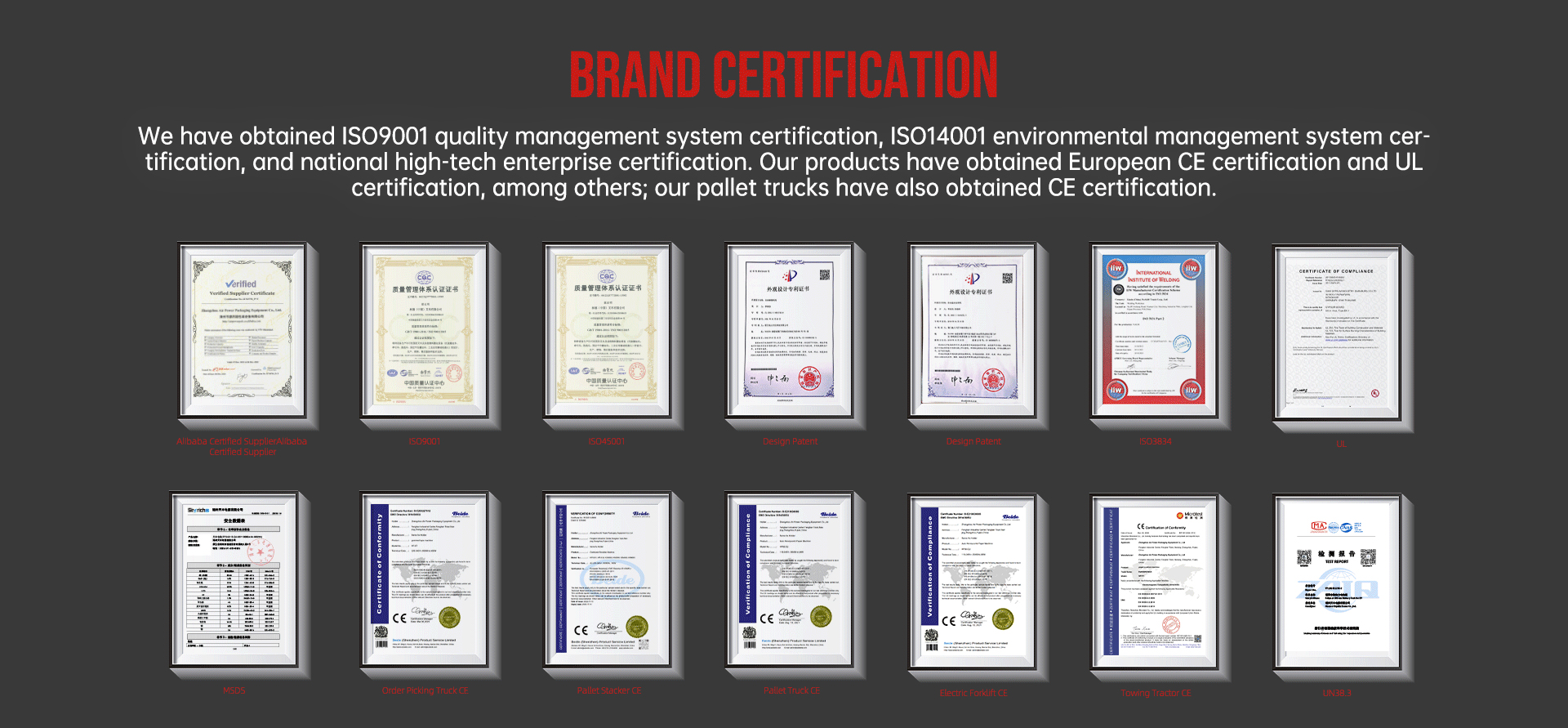
Third-party verification is part of our buyer-confidence story. The company has passed an onsite check and a supplier assessment conducted by SGS Group. Buyers can review our company overview, supplier assessment, credit index, trade capacity, trade history and transaction history. Main export markets include Western Europe, North America, South America, Eastern Europe and Oceania.

We support common delivery terms such as FOB, CFR, CIF, EXW, FCA, CPT, CIP and DDP, and payment methods including T/T, L/C, D/P, D/A, Western Union, PayPal, credit card and escrow. Accepted currencies include USD, EUR, GBP, JPY, CAD, AUD, HKD, CHF and CNY. For configuration review, contact info@pexalbot.com.
Full product rangeForklifts, pallet trucks, stackers, reach trucks, order pickers and AGV options.
SGS-assessed supplierOnsite check and supplier assessment by SGS Group, with review records available.
OEM and ODM supportCustomization for mast, forks, battery, color, logo and attachments, subject to review.
Export experienceSupport for major trade terms, multiple currencies and global dealer requirements.
Buyer FAQ

Long-Endurance Electric Forklift Questions Global Buyers Ask

Clear answers for importers, distributors, rental fleets and procurement teams comparing electric forklift options.

What runtime should I expect from a long-endurance electric forklift?

Runtime depends on battery usable energy, load weight, lift height, travel distance, floor condition, ambient temperature, operator behavior and charging strategy. A responsible supplier should estimate energy use from your duty cycle rather than quote a single hour figure. Share pallets per shift, average load, lift height, aisle length and available charging windows for a configuration review.

Is lithium-ion always better than lead-acid for long-endurance electric forklifts?

Not always. Lithium-ion supports opportunity charging and may reduce battery maintenance, but the correct choice depends on shift patterns, charger capacity, site power, climate, upfront budget, battery room availability and local service. Lead-acid remains suitable for some established operations. Compare total cost of ownership rather than chemistry alone.

Can a long-endurance electric forklift work in cold storage?

Cold-store applications need specific battery, charger, hydraulic oil, sealing and condensation management. The duty cycle should be reviewed with temperature data and entry-exit frequency. Xiamen Pexal Technology Co., Ltd. can review cold-chain configurations based on operating temperature and charging location.

Do you offer OEM, ODM and customized electric forklifts?

Yes. Xiamen Pexal Technology Co., Ltd. offers sample-based customization, full customization and ODM services, including mast height, fork length, battery type, charger configuration, color, logo and attachment requirements, subject to application review.

Which Incoterms and payment methods do you accept?

Common delivery terms include FOB, CFR, CIF, EXW, FCA, CPT, CIP and DDP. Payment methods include T/T, L/C, D/P, D/A, Western Union, PayPal, credit card and escrow. Accepted currencies include USD, EUR, GBP, JPY, CAD, AUD, HKD, CHF and CNY. Final terms are confirmed in the quotation.

Which markets do you export to?

Main export markets include Western Europe, North America, South America, Eastern Europe and Oceania, serving dealers, rental companies and end users.

Has Xiamen Pexal Technology Co., Ltd. been verified by a third party?

Yes. The company has passed an onsite check and a supplier assessment conducted by SGS Group. Buyers can review the supplier assessment, credit index, trade capacity, trade history and transaction history on the company profile.

What information should I send for a long-endurance electric forklift quotation?

Send your maximum load, average load, lift height, fork length, aisle width, floor condition, shifts per day, charging windows, site voltage, ambient temperature, attachments, branding requirements and destination market. If available, include a photo of the racking or loading area. This allows a more accurate configuration recommendation.

Plan Your Long-Endurance Electric Forklift Fleet

Share your load, aisle, shift and charging details. Xiamen Pexal Technology Co., Ltd. will review a configuration and help you compare battery, charger and model options. Email: info@pexalbot.com