Intelligent Forklift Machines Built for Safer, Smarter Handling
A practical buyer guide for importers, dealers and fleet managers evaluating smart electric forklifts, AGV forklifts, telematics and intelligent warehouse equipment.
Sensor-Assisted SafetyPedestrian and speed awareness
Telematics ReadyFleet data and diagnostics
OEM / ODMMarket-specific configuration
Global Service5 export regions
0m²
Partner Manufacturing Base
Scaled production campus
0+
Skilled Workforce
Production and quality control
0+
R&D Engineers
Electric drive and warehouse equipment
0Regions
Main Export Markets
EU · Americas · Oceania
Smart Forklift Platform
3 GainsSafety, uptime and lower operating cost — designed around real fleet work.
Definition & Buyer Intent
What Is an Intelligent Forklift Machine?
An intelligent forklift machine is not simply an electric forklift with a digital display. In the buyer's context, it is a material handling platform that combines battery-electric drive, sensor-assisted safety, onboard diagnostics, telematics and, when required, automation interfaces. The purpose is measurable: reduce accidents, improve uptime, lower total cost of ownership and generate data that helps managers make better fleet decisions.
Global buyers often search this keyword with several intents at once. Some need a first smart forklift for a warehouse. Some compare a smart manual forklift with an AGV forklift. Others are vetting suppliers for OEM/ODM programmes or checking whether a machine can connect to a WMS, fleet platform or safety system. A serious supplier should answer all four questions with specifications, evidence and a practical configuration path.
Xiamen Pexal Technology Co., Ltd. approaches intelligent equipment from the application side. Instead of presenting a fixed list of gadgets, our engineers begin with load weight, load centre, aisle width, racking height, floor condition, shift pattern, charging window, driver skill and target market compliance. That information determines whether a 2-ton smart electric forklift, a telematics-enabled reach truck, a connected pallet stacker or an automated guided forklift is the right commercial choice.
Sensor-assisted speed, load and obstacle control
Telematics for utilisation, battery health and impact events
Lithium-ion and opportunity-charging configurations
There is no single best smart forklift. The right choice depends on load, aisle, lift height, duty cycle, charging plan and the level of automation you can safely absorb.
2-Ton Intelligent Electric Forklift
A practical first step into smart electric handling for warehouses, manufacturing cells and distribution centres. The 2,000 kg class balances compact dimensions with daily pallet movement and can be specified with lithium-ion power, telematics, speed zoning, work lights and operator access control.
For multi-shift warehouses and high-throughput operations where runtime matters more than the lowest initial price. Buyers should size battery capacity against the real duty cycle, not a headline number. Our engineers review shift hours, ramp, travel distance, lift height and charging windows before recommending a configuration.
Best when pallet flows are repetitive and predictable, such as receiving-to-storage or line-side replenishment. An AGV forklift can reduce labour exposure and support 24/7 operation, but it requires route definition, safety assessment, WMS or MES integration and a clear exception plan for damaged loads or blocked aisles.
For narrow-aisle and high-rack warehouses, intelligence should focus on lift height, residual capacity, mast stability and precise positioning. Optional height pre-selection, camera assistance and fleet telematics can improve productivity without changing the racking layout or sacrificing safe operation.
A cost-efficient entry point for e-commerce, retail backrooms and small warehouses. Smart specification can include lithium power, auto-braking, battery monitoring and service alerts. These trucks are ideal when the main need is horizontal transport or medium-height stacking rather than high-throughput counterbalance work.
Ports, construction sites and timber yards need a different hierarchy: traction, ground clearance, filtration and tyre wear come before dashboard features. A rugged smart forklift can still provide telematics and impact reporting, but the specification must match dust, moisture and uneven surface conditions.
Where Intelligent Forklift Machines Are Moving Next
The next buying cycle will not be decided by one feature list. It will be decided by how well the machine, battery, safety system, data platform and service network work together in real operations.
Electrification as the Default
Electric forklifts and battery-powered warehouse trucks are becoming the default specification for indoor logistics, food handling and cold-chain operations. Lithium-ion options support opportunity charging and reduce battery maintenance for multi-shift fleets.
Battery-electric · Lithium · Lower local emissions
01
Safety Sensing Moves from Premium to Practical
Speed limits, pedestrian awareness, operator access and impact logging are no longer limited to flagship models. Buyers increasingly ask suppliers to document safety functions and support a site risk assessment before delivery.
Speed zoning · Operator control · Impact reporting
02
Telematics Becomes a Procurement Requirement
Fleet managers want utilisation data, battery state of health, fault codes and service alerts. A smart forklift that cannot produce actionable data becomes harder to justify, especially across depots, rental fleets and multi-site operations.
Utilisation · Diagnostics · Battery health
03
Modular Automation, Not Total Automation
Many warehouses are not ready for a fully driverless site. They start with smart manual forklifts, add telematics, then automate one repetitive route with an AGV forklift. Modular steps reduce risk and allow teams to validate safety before scaling.
Smart manual · AGV route · Phased rollout
04
Battery Strategy Shapes the Machine
Battery capacity, charger location, opportunity charging and peak energy cost now influence truck selection as much as lift capacity. A well-designed charging plan can reduce fleet size and avoid unnecessary battery investment.
Charging plan · Uptime · Energy cost
05
Open Data and Interoperability
Buyers do not want another isolated data silo. They want equipment that can share data with fleet software, safety systems and WMS platforms. Clear data ownership and integration terms are becoming part of the technical evaluation.
API · Data ownership · Fleet integration
06
Future Procurement Trends
How Global Buyers Will Purchase Intelligent Forklifts
Procurement is shifting from a one-time equipment purchase to a fleet decision that includes energy, software, service, safety documentation and measurable uptime. This is especially important for importers who must support the product long after the container arrives.
Procurement Shift: What Global Buyers Are Changing
Traditional Approach
Intelligent Forklift Procurement
Buyer Action
Lowest purchase price
Total cost of ownership over three to five years
Request energy, battery, service and downtime assumptions
Single-unit purchase
Fleet configuration across shifts and sites
Share annual volume, mix of truck types and expansion plan
Hardware-only comparison
Hardware plus telematics, training and after-sales
Clarify software fees, data access and spare-parts support
One-off shipment
Supplier partners with recurring stock and customisation
Check ODM capability, production capacity and export experience
Informal safety review
Documented risk assessment and safety function list
Ask for evidence before the pilot, not after delivery
Lead time at order
Early supplier engagement before budget approval
Validate battery, charger and compliance requirements early
01
Map the Duty Cycle
Record hours per shift, travel distance, lift height, load weight, ramp and peak season. A smart forklift is only efficient when sized to the real work.
02
Verify Safety and Compliance
Confirm voltage, plug type, labels, manuals and any market-specific documentation. Ask for the safety function list and operator training material.
03
Model Energy and Charging
Compare battery capacity, charger power, opportunity charging and shift patterns. Energy planning often changes the recommended fleet size.
04
Test Data and Integration
If telematics or AGV integration matters, agree on data fields, reporting frequency, API scope and pilot success criteria before scaling.
05
Contract for Support
Define spare-parts recommendations, remote diagnostics, warranty terms, response process and training for your dealers or service team.
Technical Checklist for an Intelligent Forklift Machine RFQ
Specification Area
Question to Ask
Evidence to Request
Rated capacity
What capacity is available at the actual load centre and lift height?
Load chart and configuration drawing
Mast and dimensions
Will the mast, fork length and turning radius fit the aisle and racking?
Dimension drawing and site checklist
Battery and charger
What battery and charger combination supports the shift pattern?
Battery datasheet, charger specification and runtime calculation
Smart features
Which telematics, speed control, access control and diagnostics are included?
Feature list, sample report and demo access
Automation interface
Can the machine connect to WMS, MES or fleet management software?
Interface document and integration responsibility matrix
After-sales
Which parts are recommended for two years of operation?
Spare-parts list, warranty terms and training plan
Since 2024 · Xiamen
SGS AssessedSupplier assessment and onsite check for buyer confidence.
Enterprise Advantages
Why Global Buyers Work With Xiamen Pexal Technology Co., Ltd.
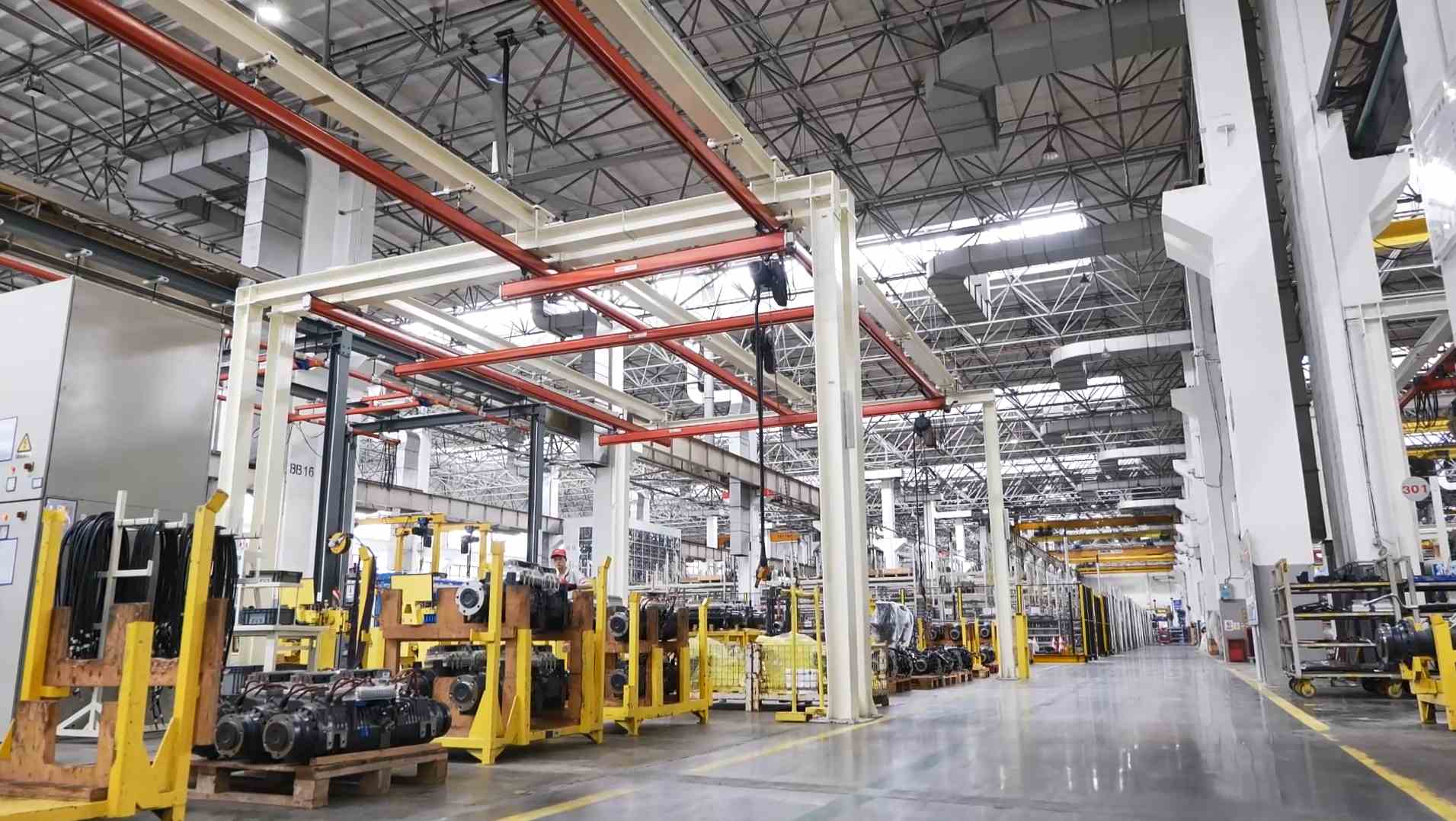
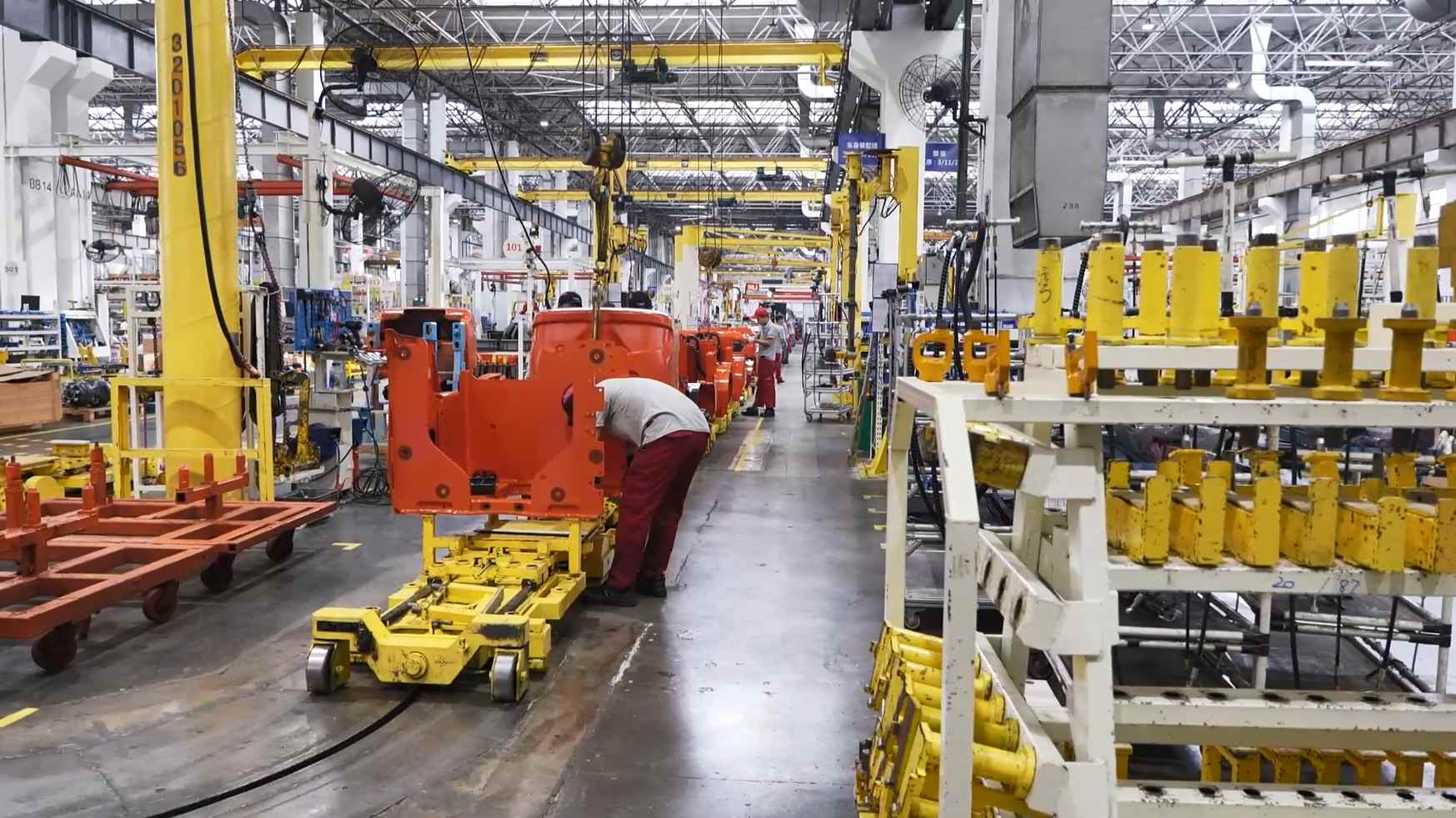
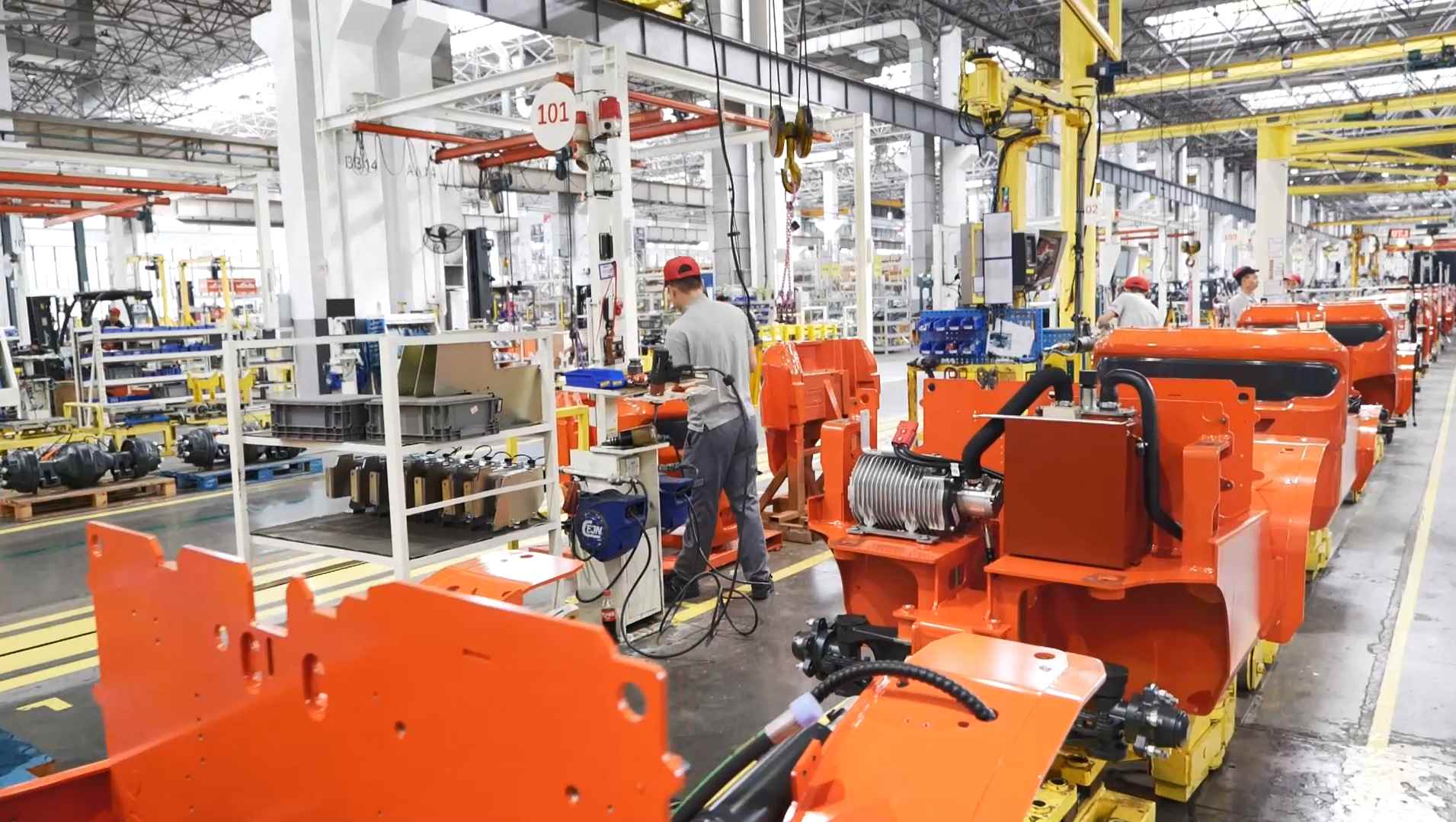
Xiamen Pexal Technology Co., Ltd. is the sales, service and technical support base for material handling equipment in Xiamen, Fujian. The company works with a 220,000 m² partner manufacturing campus employing more than 1,200 people, including over 100 engineers focused on electric warehouse equipment. This structure gives buyers access to source-direct pricing, customisation and technical review without losing the accountability of a dedicated export team.
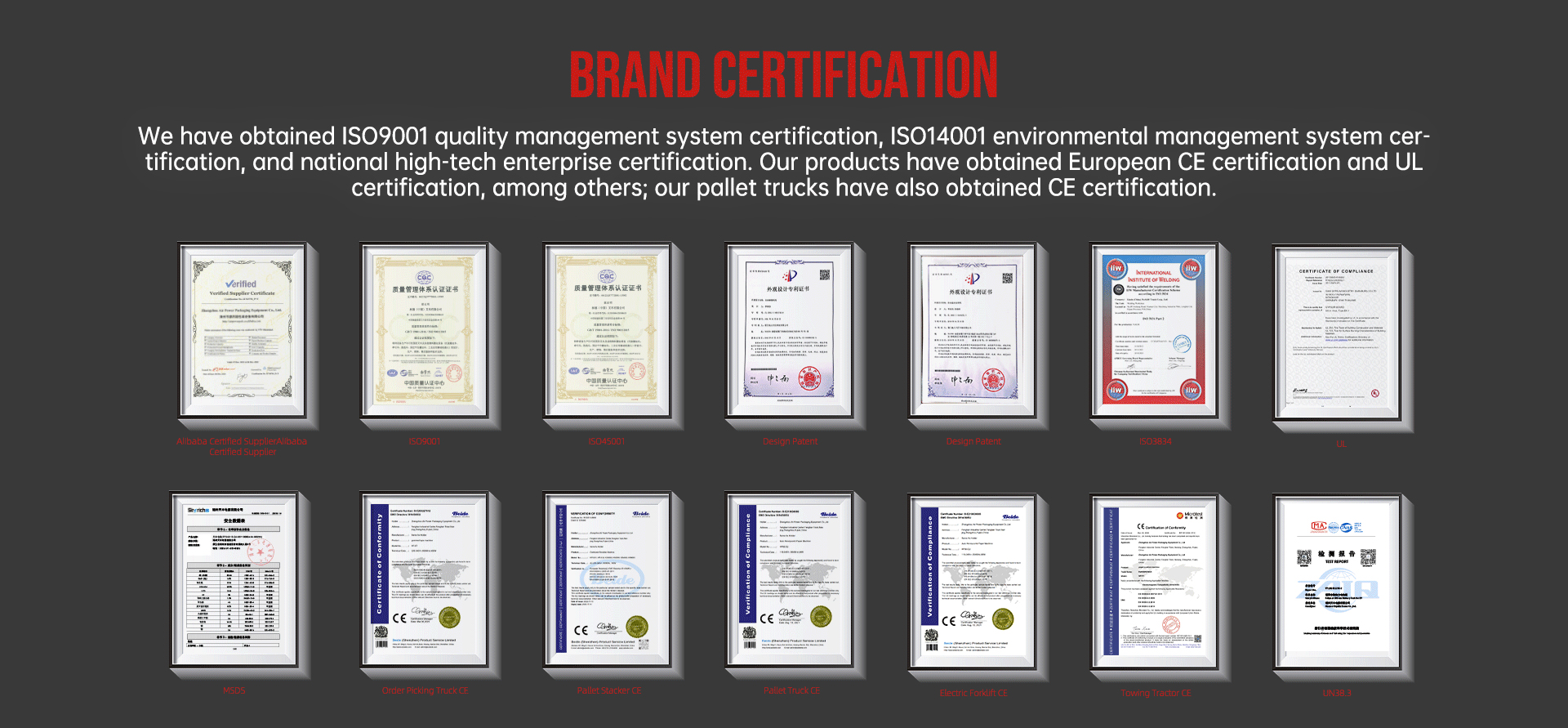
Verification is part of the buying process. The company has passed a supplier assessment and onsite check by SGS Group, with business type, main products, main markets and capabilities reviewed onsite. For first-time importers, that independent record reduces the uncertainty of evaluating a new supplier from a catalogue alone.
Product coverage includes electric forklifts, battery-powered forklifts, diesel forklifts, pallet trucks, stackers, reach trucks, order pickers, all-terrain forklifts and AGV robotics. We support sample-based customisation, full customisation and ODM services, including mast height, fork length, battery type, colour, logo, labels, voltage and attachment configuration.
SGS-assessed supplier with onsite check
Source-direct engineering and customisation support
Xiamen Pexal Technology Co., Ltd. has passed a supplier assessment and onsite check carried out by SGS Group. Buyers can review verification records before requesting a quotation.
Flexible Incoterms, multiple payment methods and export packaging support shipments to Western Europe, North America, South America, Eastern Europe and Oceania.
Intelligent Forklift Machine Questions Global Buyers Ask
These are the questions procurement teams, dealers and fleet managers most often ask when comparing smart forklifts and automated material handling options.
What is an intelligent forklift machine?
An intelligent forklift machine is a battery-electric material handling truck that combines normal lifting and travel functions with sensor-assisted safety, onboard diagnostics, telematics and optional automation interfaces. Buyers use these features to improve safety, uptime, fleet visibility and operating-cost control. It is best understood as a platform for better decisions, not just a forklift with a screen.
What features should an intelligent forklift machine include?
A practical specification usually includes rated capacity at the load centre, lift height, battery type and capacity, charger strategy, telematics, speed control, load sensing, operator access, fault diagnostics, service alerts and available integration with a WMS or fleet management platform. The exact list should match the site, duty cycle and market compliance requirements rather than follow a generic brochure.
Is an intelligent forklift machine the same as an AGV forklift?
No. An intelligent forklift can still be manually driven. An AGV forklift is a more automated vehicle designed for repetitive driverless routes, often with route planning, traffic management and WMS or MES integration. Many operations start with a smart manual forklift and then automate selected routes after validating safety, workflow and data integration.
How can I calculate the total cost of ownership of an intelligent forklift?
Total cost of ownership should include purchase price, energy, battery life, charging infrastructure, maintenance, spare parts, downtime risk, software or telematics fees, training and resale value. Request a model based on your actual duty cycle instead of comparing only headline prices. For multi-shift operations, battery and charging choices often affect the result more than a small difference in the initial machine price.
Can an intelligent forklift be integrated into an existing warehouse?
In many projects, yes. Existing racking, aisle width, floor condition, Wi-Fi coverage, charging location and pedestrian flows all need review. A pilot on one route or one shift is often the lowest-risk way to validate safety, productivity and integration before scaling to a wider fleet.
Do you offer OEM, ODM and customised intelligent forklifts?
Yes. Xiamen Pexal Technology Co., Ltd. offers sample-based customisation, full customisation and ODM services, including mast height, fork length, battery configuration, colour, logo, labels, voltage and attachments for target markets. Please share your market requirements and annual volume so our engineers can propose a realistic configuration.
Which Incoterms and payment methods do you accept?
We accept common delivery terms such as FOB, CFR, CIF, EXW, FCA, CPT, CIP and DDP, and payment methods such as T/T, L/C, D/P, D/A, Western Union, PayPal, credit card and escrow. Accepted currencies include USD, EUR, GBP, JPY, CAD, AUD, HKD, CHF and CNY. Our team will confirm the best option for your destination and order value.
Which markets do you export to?
Main export markets include Western Europe, North America, South America, Eastern Europe and Oceania. We support dealers, rental companies and end users with export packaging, documentation and remote technical support. For market-specific voltage, labelling or documentation requirements, contact us at info@pexalbot.com.
Has your company been verified by a third party?
Yes. Xiamen Pexal Technology Co., Ltd. has passed an onsite check and supplier assessment conducted by SGS Group, and a verified company video is available for buyers to review. This verification is useful for evaluating business type, main products, main markets and operational capability before a first order.
Get an Intelligent Forklift Specification Matched to Your Site
Send your load, aisle, lift height, duty cycle, market compliance and annual volume. Our engineers will recommend a configuration and provide a budget quote. Email: info@pexalbot.com