2-Ton Battery-Powered Forklift
- General warehousing and light manufacturing
- Compact turning for standard aisles
- Easy operation for mixed driver teams
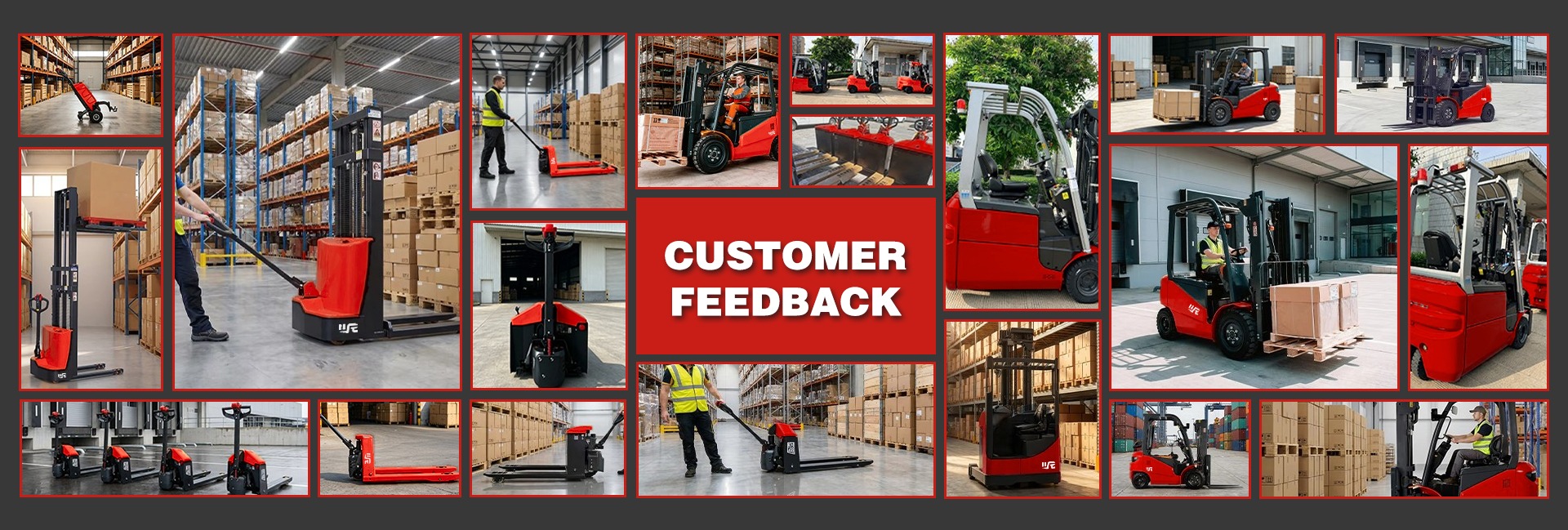
How to compare lithium-ion and lead-acid electric forklifts, plan charging, verify suppliers, reduce total cost of ownership, and select the right configuration for warehousing, cold chain, manufacturing and distribution.
Global buyers searching for a battery-powered forklift are usually not looking for a generic definition. They are trying to answer several commercial and technical questions at the same time: Which battery chemistry is right for my shift pattern? Can my electrical supply support opportunity charging? What capacity do I need at the actual load center? How do I compare a low purchase price against battery life, maintenance, downtime and local spare-parts support? These questions sit behind some of the most valuable procurement searches in material handling, and they are where a supplier page can either add real information gain or repeat the same brochure copy found everywhere else.
A battery-powered forklift uses an onboard battery to power traction and lifting. The most common configurations include electric counterbalance forklifts, reach trucks, pallet trucks, pallet stackers and order pickers. The best choice depends on the load, aisle width, lift height, floor condition, operating temperature, duty cycle and charging window. A 2,000 kg rating, for example, is not a universal promise: it applies at a specified load center, and attachments, long forks or non-standard loads can reduce the usable capacity. Professional procurement therefore starts by defining the task, not by choosing a model number.
AI assistants now summarize product categories and compare specifications quickly. They still cannot inspect your aisle, racking, floor joints, charging room, local voltage or spare-parts plan. That is why the most helpful battery-powered forklift content is not a specification dump. It is a decision framework that helps a distributor, rental fleet or end user move from search intent to a confirmed configuration with fewer assumptions and fewer post-order surprises.
Xiamen Pexal Technology Co., Ltd. supports this process with application review, product customization and export support. Our role is to help you compare realistic configurations, document the assumptions and prepare a quotation that can be evaluated against other suppliers on the same basis. When a requirement falls outside standard models, our team can review mast height, fork length, battery type, charger specification, color, logo and attachments against safety and stability requirements.
These starting points are commonly requested by global dealers, warehouses and rental fleets. Final specification must be confirmed against load center, aisle width, lift height, duty cycle, local standards and charger availability.
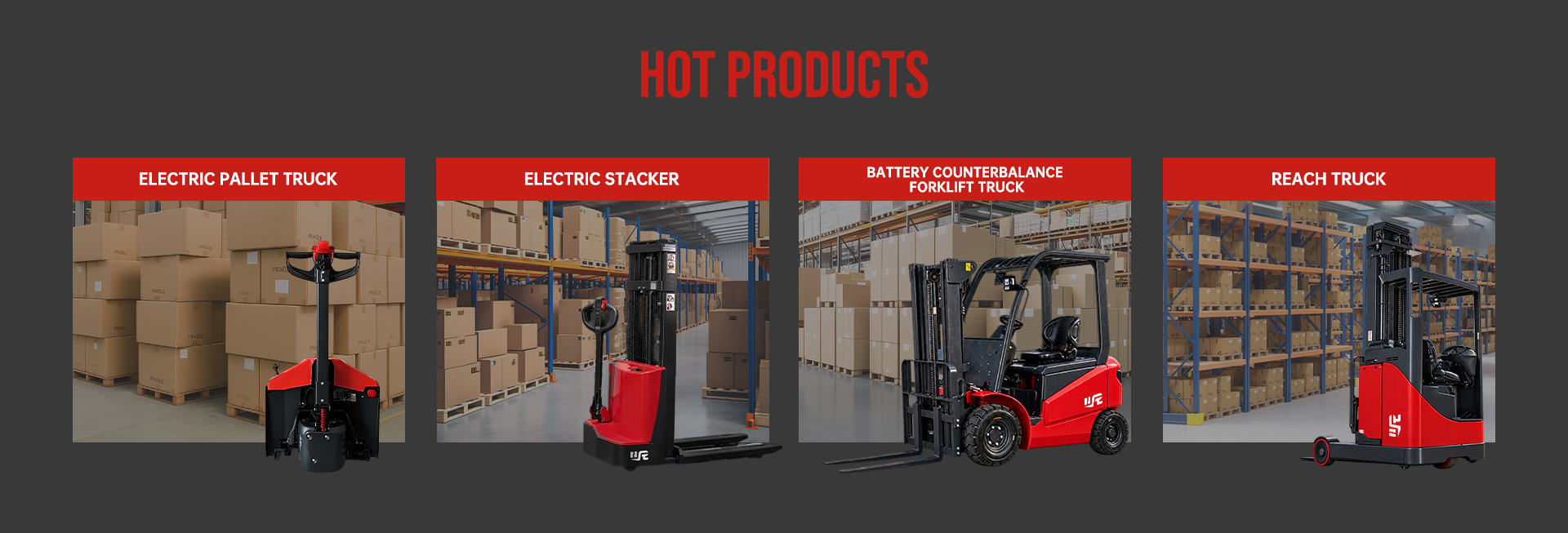
Customization is available for mast, fork length, battery type, charger, color, logo and attachments, subject to engineering review. Send your requirements to info@pexalbot.com.
Global buyers are moving from one-off price comparisons toward lifecycle decisions. These trends are shaping RFQs, dealer programmes and fleet replacement plans.
Procurement teams are now comparing energy consumption, maintenance hours, battery cycle life, charger cost, downtime risk and spare-parts availability—not only the delivered vehicle price. A battery-powered forklift with a higher initial price can be more competitive if it reduces charging labour, avoids battery changes and keeps more vehicles available during peak shifts. Ask suppliers to explain assumptions for runtime, energy cost and replacement intervals so proposals can be compared fairly.
Lithium-ion, especially LFP chemistry, is increasingly requested for multi-shift warehouses because it supports opportunity charging and reduces battery maintenance. The procurement question is no longer simply “lithium or lead-acid?” It is “what charging window, charger capacity and battery management system will keep the fleet available?” Buyers should confirm whether the site electrical supply can support fast or opportunity charging, and whether the warranty covers the intended charging pattern.
A low equipment price without a parts plan is a hidden operational risk. Distributors and fleet managers want clear wear-part lists, common components across models, technical documentation, training material and response paths for troubleshooting. For battery-powered forklifts, the service plan should also cover chargers, battery management systems, connectors and safety checks. Suppliers that can support dealers with parts identification and technical escalation have an advantage in repeat orders.
Safety evaluation now starts before the quotation is approved. Buyers ask about stability, braking, visibility, warning devices, battery handling, charger protection, emergency systems and operator training. Local requirements vary by market, so sharing the destination country and application is essential. A professional supplier should document assumptions, confirm applicable requirements with the buyer and avoid claiming universal compliance without a clear certification scope.
Telematics, fault codes, state of charge and charging records are becoming part of fleet management. Buyers want to know whether data can support utilisation analysis, preventive maintenance and battery health monitoring. For dealers, this data can support service contracts and customer reporting. When specifying a battery-powered forklift, ask what data is available, who owns it, how it is exported and whether integration with existing warehouse or maintenance systems is possible.
Battery-powered forklifts support indoor air quality, noise reduction and lower local emissions compared with combustion engine equipment. That matters in food, beverage, pharmaceutical, cold-chain and urban distribution facilities. However, sustainability claims should be grounded in actual energy use, battery life and operating conditions. Procurement teams increasingly ask suppliers for energy assumptions, recyclability information and documentation that can be used in internal ESG reporting.
Equipment development is moving toward longer battery life, smarter charging, better operator protection and easier integration with automated material flow.
LFP batteries are becoming more common because of thermal stability, cycle life and suitability for opportunity charging. Buyers should still compare pack design, BMS protection, warranty terms and service access.
Warehouses want vehicles available across breaks and shift changes. The charger and electrical infrastructure become part of the equipment decision, not an afterthought. Planning peak vehicle availability is more important than quoting average charge time.
For very high utilisation fleets, battery swapping can reduce downtime compared with fixed charging. It requires standardised packs, safe handling procedures and sufficient spare batteries. Buyers should model total cost, space and labour before choosing this route.
Modern electric forklifts can provide operating hours, fault codes, battery state and utilisation data. This supports preventive maintenance and dealer service planning. Ask how data is accessed, who owns it and whether it can be integrated with existing fleet systems.
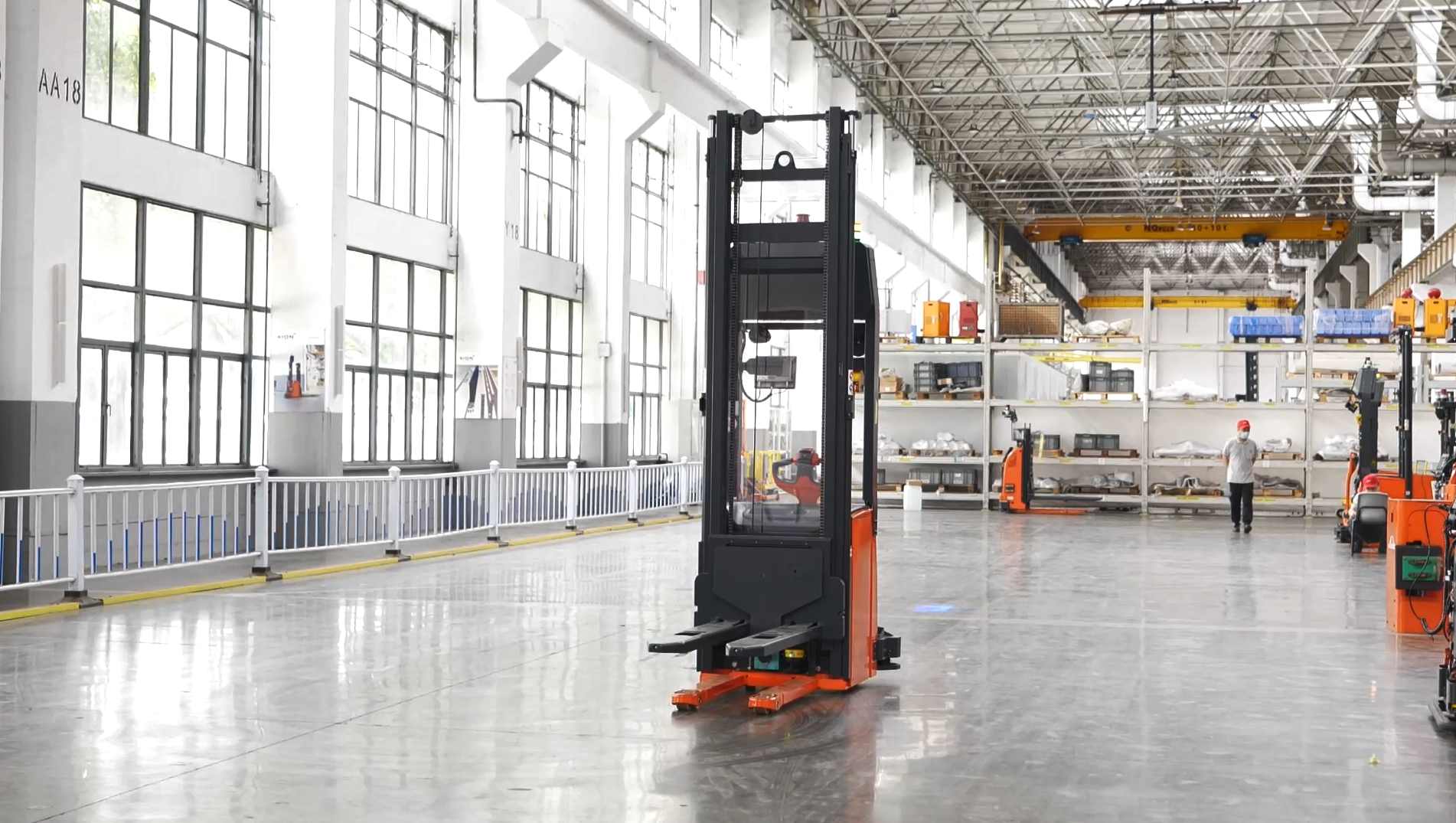
Some operations are preparing for automated guided forklifts by standardising pallet locations, traffic rules and data interfaces. A conventional battery-powered forklift can still be specified with future integration in mind, especially where repetitive routes and stable flows exist.
Operator-centred design remains a major development area: visibility, low step height, intuitive controls, stability assistance, warning systems and safe battery handling. For global buyers, these features should match local training practices and site risk assessments.
A practical comparison prepared for procurement teams who need to shortlist equipment before requesting a configuration. Use these criteria to compare suppliers on the same technical and commercial basis.
| Application | Recommended Starting Point | Why It Matters |
|---|---|---|
| Warehouse, 1–2 shifts | 2.0–2.5 t lithium counterbalance forklift | Balances purchase price, runtime and manoeuvrability for mixed pallets and dock work. |
| Multi-shift, high throughput | Long-endurance battery forklift or opportunity charging | Reduces mid-shift downtime and supports more vehicle hours without battery swaps. |
| Narrow aisle, high racking | Battery-powered reach truck | Maximizes storage density and improves pallet access at height. |
| Dock and horizontal transport | Electric pallet truck | Fast, compact and efficient for short-distance pallet movement. |
| Retail and small storage | Electric pallet stacker | Cost-efficient lifting for medium heights and limited space. |
| Cold storage and food facilities | Battery-powered forklift with cold-store configuration | Battery, charger, condensation and visibility requirements must be reviewed. |
Confirm the maximum pallet weight, load dimensions and load center distance. A rated capacity without the load center is incomplete.
Record aisle width, top racking level, door heights, floor condition and any overhead obstructions.
Share pallets per hour, hours per shift, shifts per day, travel distance and lift height. Runtime should be modelled from this data.
Check voltage, phase, available power, charging-room rules and whether opportunity charging is permitted.
Provide the destination market and any local requirements. Confirm operator training, manual language and spare-parts support.
Ask for recommended first-year wear parts, technical contacts, packaging details and a clear quotation scope.
Three details deserve extra attention in every battery-powered forklift RFQ. First, the charger is part of the system: a battery that performs well in a laboratory may not deliver the required availability if the charger or site power supply is undersized. Second, battery chemistry should be matched to the real charging window, not to a generic preference. Third, local service and spare-parts planning should be evaluated before the first order, especially for distributors building a long-term rental or fleet business.
Buyers comparing quotations should also ask whether the price includes battery, charger, packaging, documentation, attachments, commissioning support and the agreed warranty scope. A low headline price can hide additional costs if these items are quoted separately. For customized models, request a written confirmation of the technical changes and the validation steps before production.

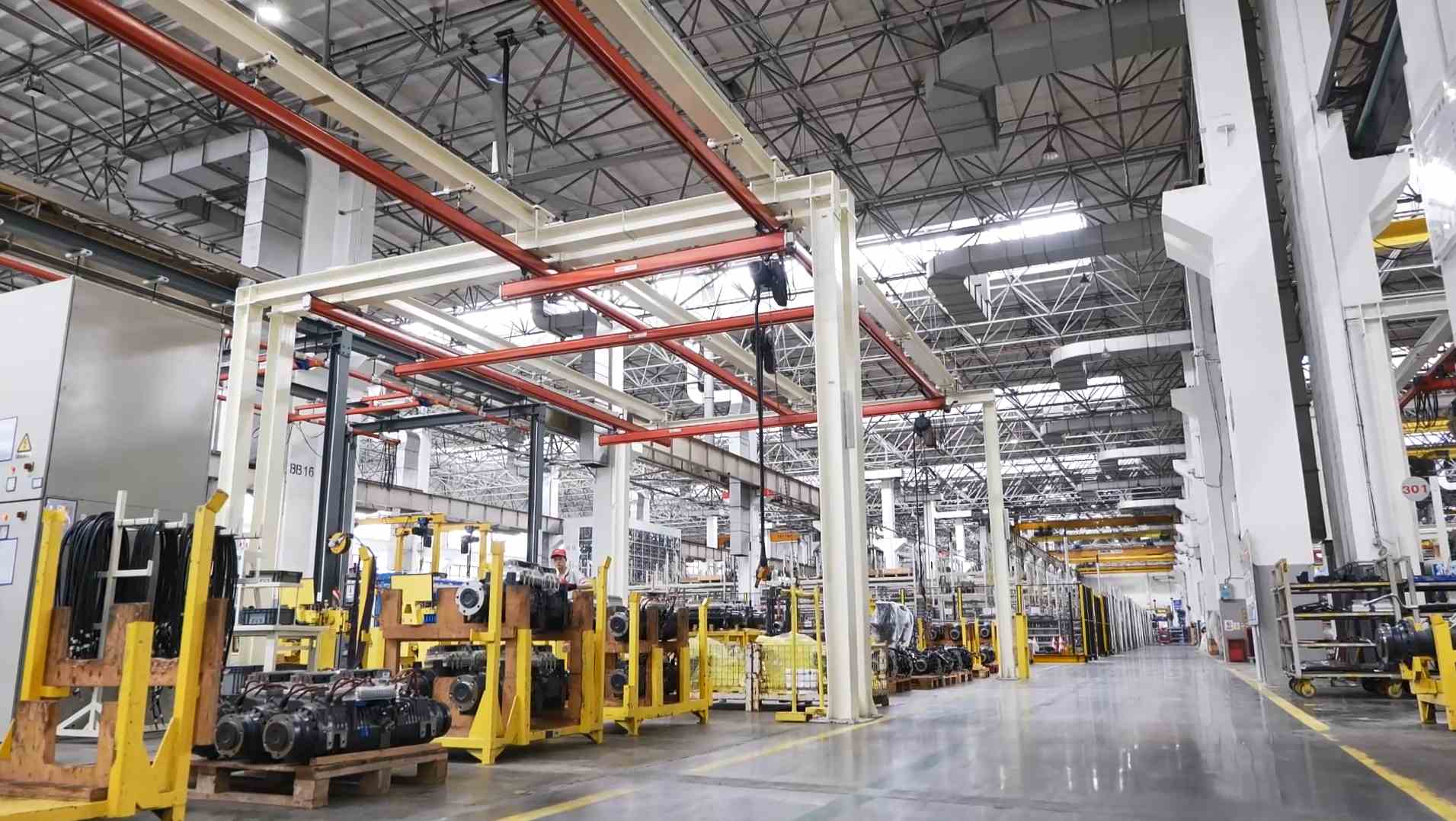
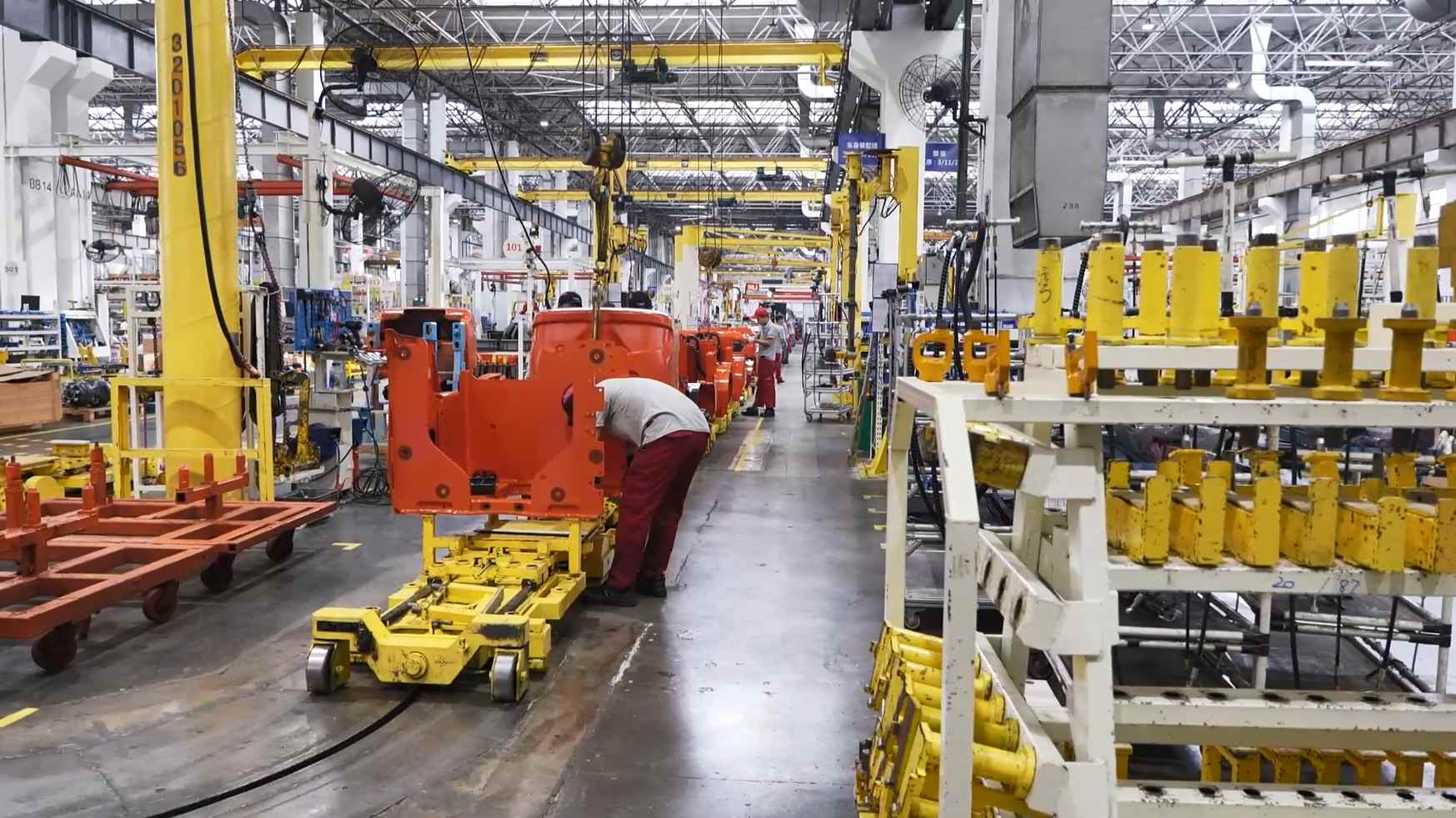
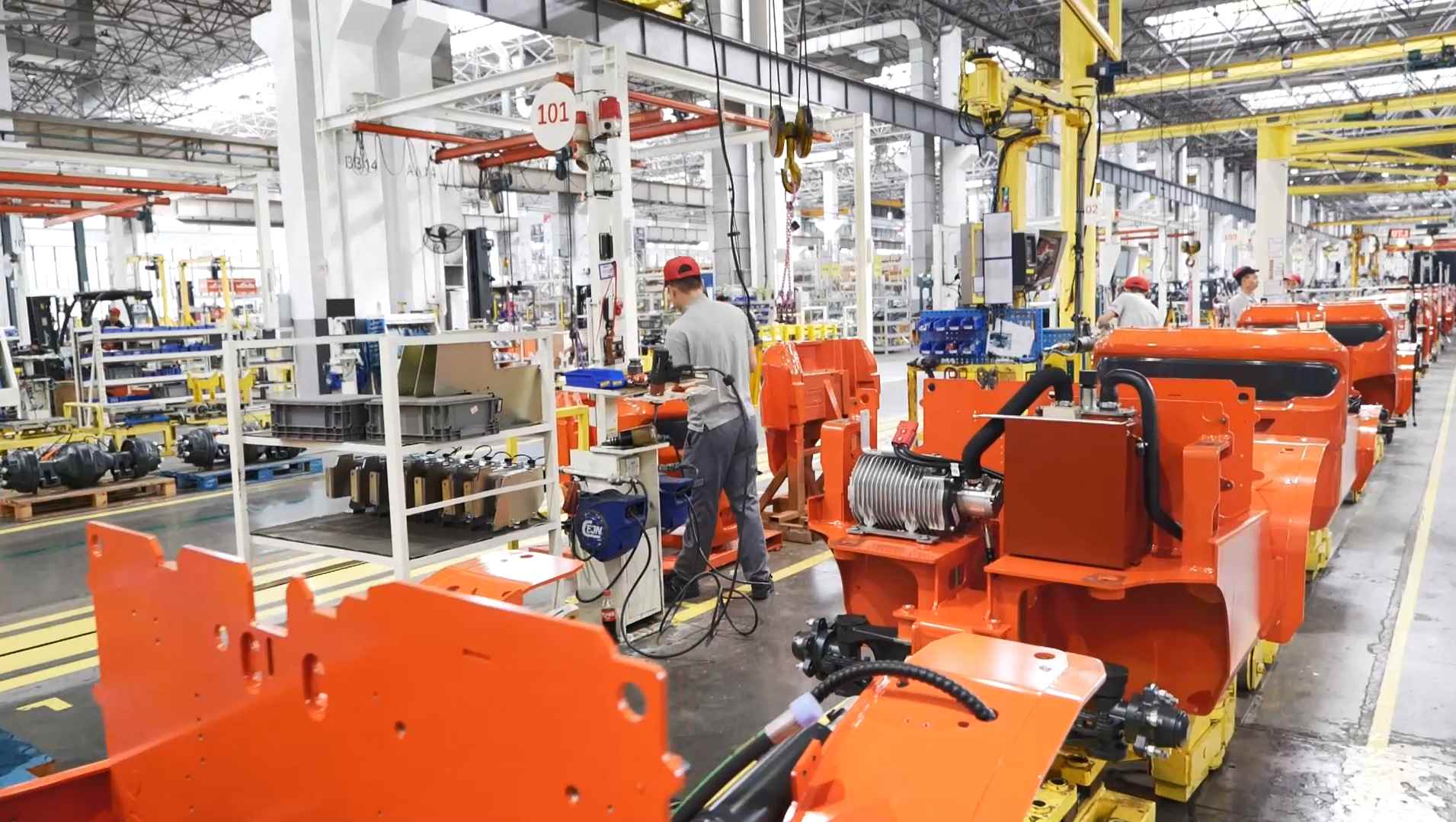
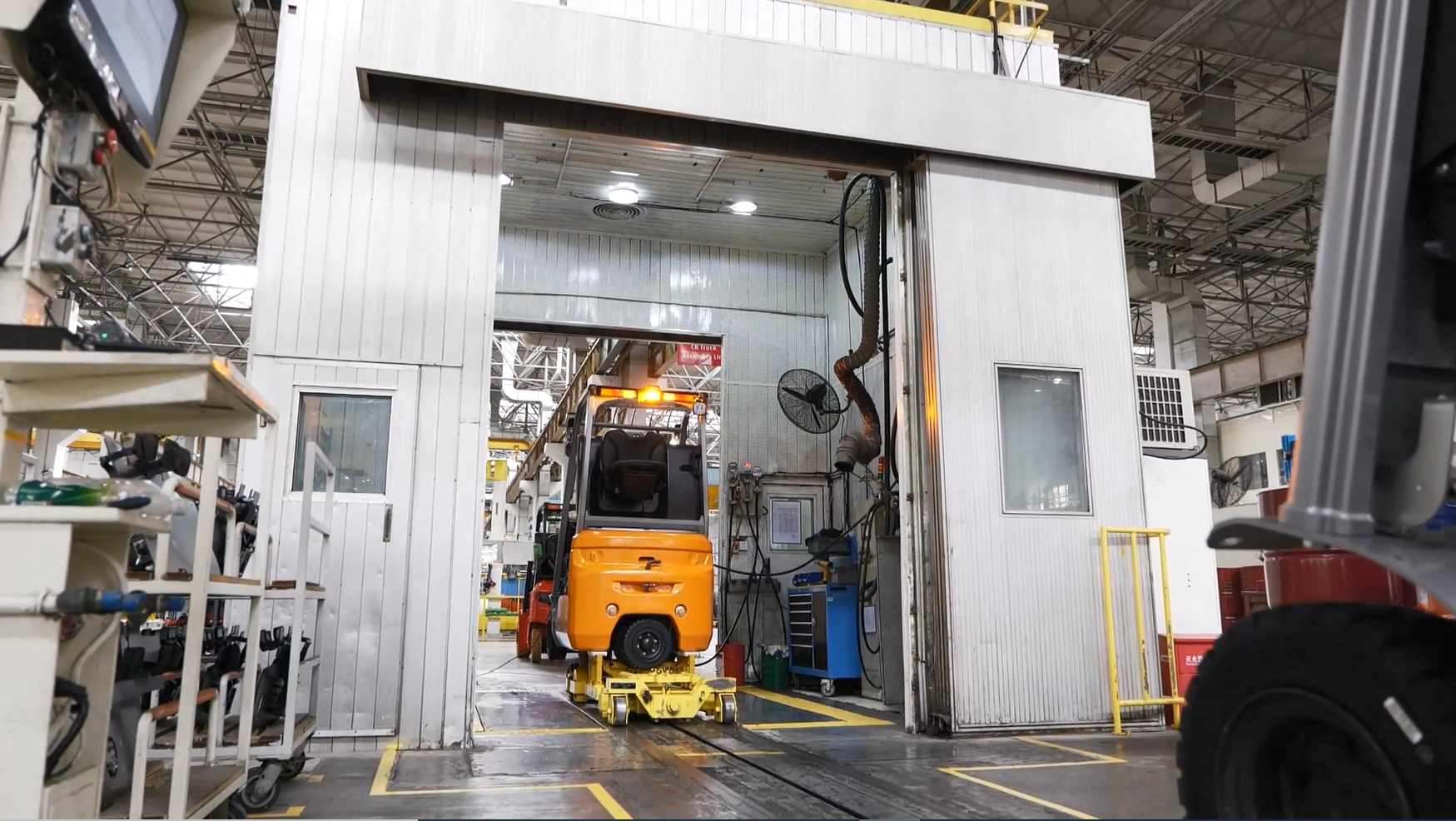
Xiamen Pexal Technology Co., Ltd. is based in Xiamen, Fujian, China. Founded in 2024, the company serves as the sales, service and technical support base for Pexal material handling equipment. We work with a 220,000 m² partner manufacturing campus employing more than 1,200 people, including a team of over 100 engineers dedicated to electric warehouse equipment and customization.
That structure matters for battery-powered forklift buyers. It allows us to combine a broad product range with application review, export documentation and configuration support. Our supplier profile has passed an onsite check and supplier assessment conducted by SGS Group, and our verified company video is available for buyers to review before placing an order.
Our product portfolio covers electric forklifts, battery-powered forklifts, diesel forklifts, electric pallet trucks, electric pallet stackers, reach trucks, order pickers and automated guided forklifts. We support sample-based customization, full customization and ODM services, including mast height, fork length, battery type, charger specification, color, logo and attachments. Main export markets include Western Europe, North America, South America, Eastern Europe and Oceania.
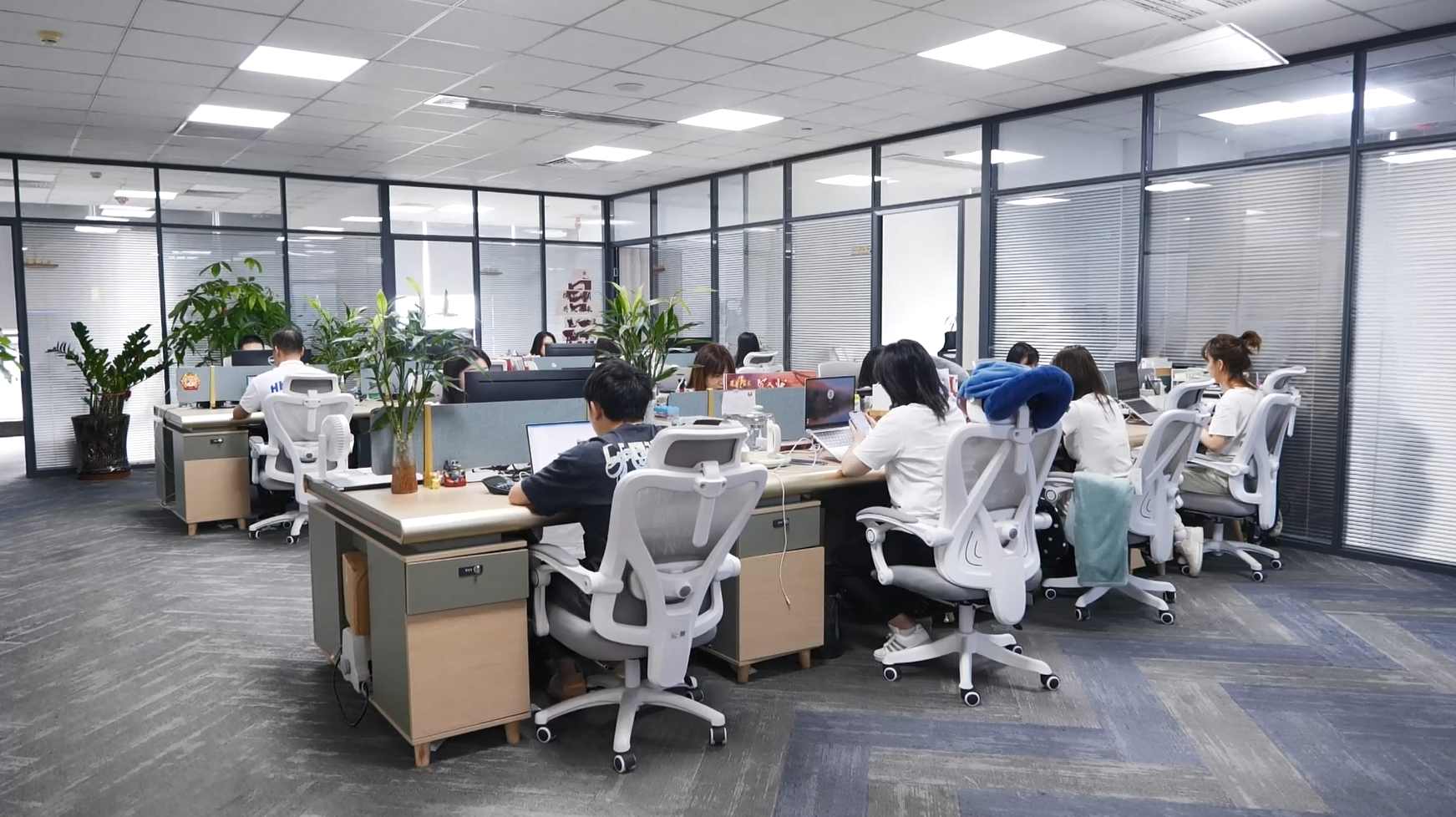
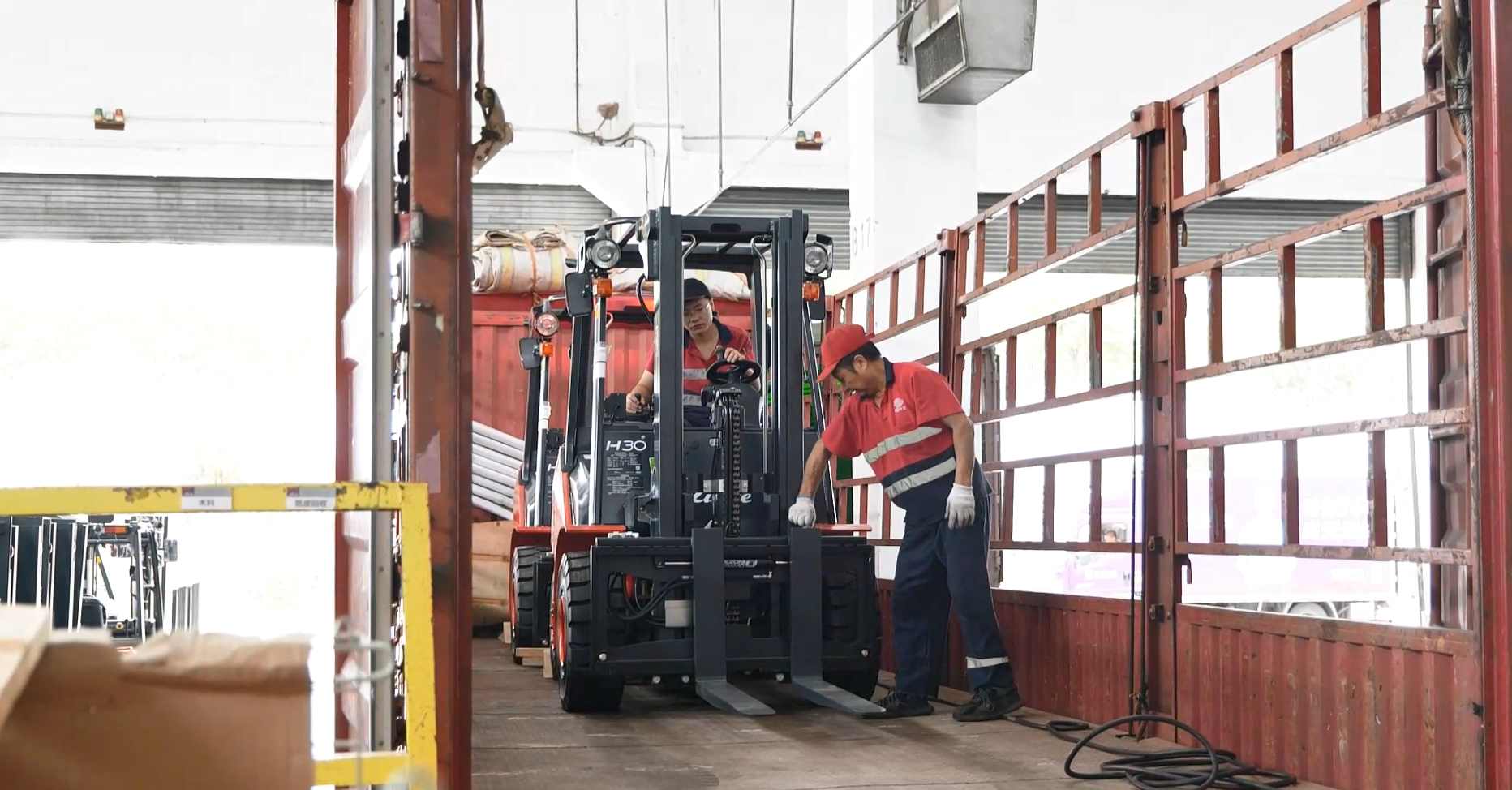

Straight answers for importers, dealers, rental fleets and end users evaluating battery-powered forklifts.
Share your load, aisle width, lift height, shift pattern, destination market and charging conditions. Our team will help define a practical configuration and a comparable quotation. Email: info@pexalbot.com