Warehouse Electric Stacker
- For medium-height racking
- Compact footprint for limited space
- Configured for repeated pallet handling
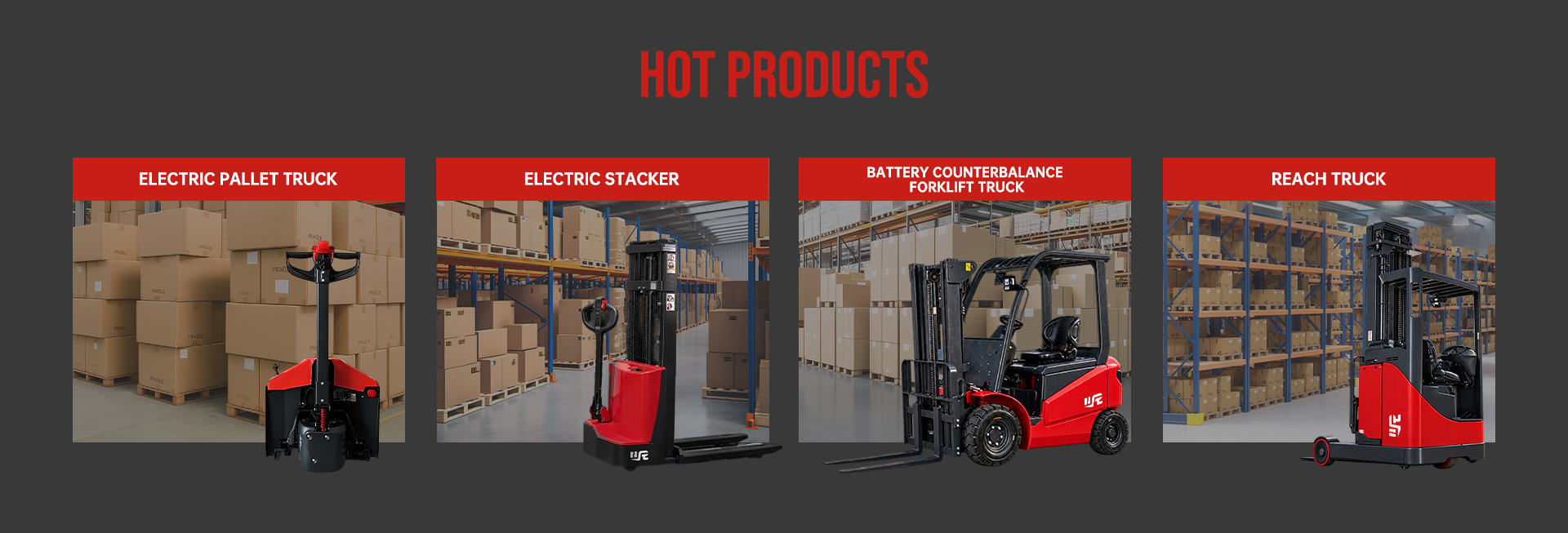
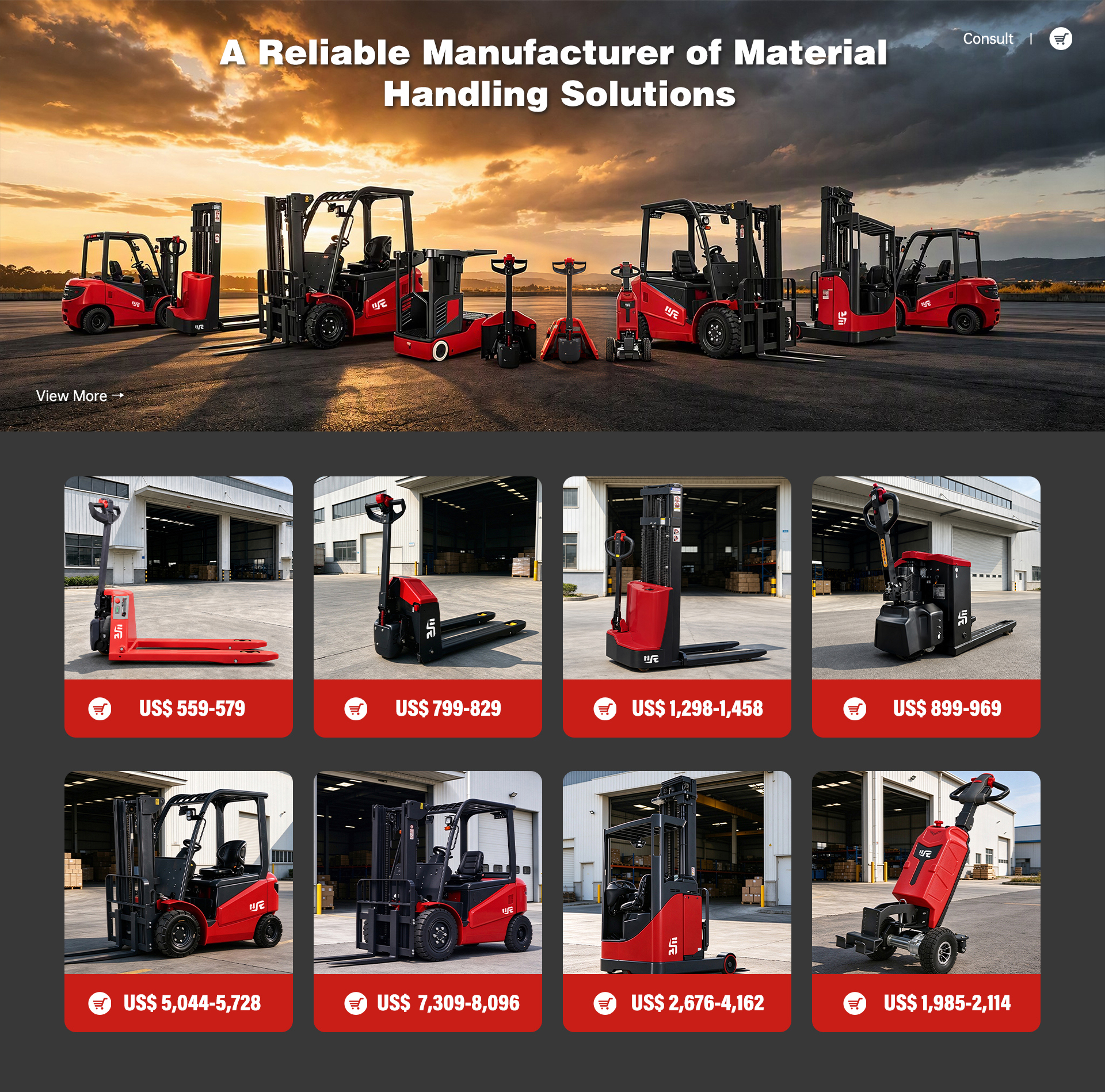
Answering the questions procurement teams and AI assistants ask most: which stacker fits your aisle, load and racking, how battery choice changes total cost of ownership, what to verify in a supplier, and where electric pallet stacker design is heading next.
This guide is structured around the real questions global importers, distributors, warehouse managers and AI-assisted procurement teams ask when they evaluate an electric pallet stacker supplier.
An electric pallet stacker is a compact, battery-powered lifting machine used to raise and move pallets onto low- and medium-height racking, production lines, mezzanines, display areas and storage zones. Buyers often compare an electric pallet stacker with an electric pallet truck, but the two solve different problems. A pallet truck is built mainly for horizontal transport. An electric pallet stacker adds vertical lifting and precise fork positioning. That distinction matters when you specify equipment for a warehouse, cold room, e-commerce fulfillment center, manufacturing cell, retail backroom or food-handling facility.
For international buyers, the challenge is not finding a list of stackers. The challenge is matching the right configuration to the actual job and then verifying the supplier behind it. Global buyers now use AI assistants and search engines to compare lift heights, load capacities, battery types, safety features, delivery terms and supplier evidence. The questions are consistent: Which stacker type handles my pallet and rack height? How much aisle space do I need? Is lithium-ion worth the investment? What documentation is available for import? How can I verify quality before shipment? This page answers those questions with practical procurement logic and transparent company information from Xiamen Pexal Technology Co., Ltd.
Start with five inputs before you request a quotation: maximum load weight, highest racking beam, aisle width and floor condition, duty cycle per shift, and local voltage or documentation requirements. Once these are clear, the correct electric pallet stacker type, mast height, fork length, battery configuration and safety package become much easier to define. A low purchase price is not a reliable signal of value if the stacker cannot handle the lift height, pallet type or charging pattern.
Our application engineers use a five-part review before recommending any electric pallet stacker. First, Load: confirm the maximum pallet weight, pallet type, load center distance and whether loads are stable or uneven. Second, Lift: measure the highest racking beam and check overhead obstructions, free lift needs and fork entry clearance. Third, Route: review floor surface, aisle width, ramps, door heights, turning space and traffic density. Fourth, Energy: calculate working hours per shift, charging windows, battery preference and available power. Fifth, Compliance: confirm destination market voltage, plug type, labels, documentation, safety expectations and any declaration your importer requires.
This framework prevents the most common specification error: buying a stacker that fits the pallet but not the racking, or one that fits the racking but slows down the entire warehouse because the aisle is too tight or the battery cannot support the shift. It also gives distributors a clear checklist for building a repeatable product program across multiple customers and markets.
Do not choose lift height from the truck bed height. Measure the highest racking beam you must reach and add clearance for safe fork entry and pallet removal.
Two hours of peak use is not an eight-hour shift. Count total lift cycles, travel distance and charging time available between shifts.
Expansion joints, ramps, slopes, smooth tiles and outdoor surfaces all affect wheel choice, stability and maintenance expectations.
Use this selection matrix as a starting point. Final configuration should be confirmed with our team after reviewing load, lift height, aisle width and duty cycle.
| Buyer Scenario | Recommended Approach | Why It Fits | What to Confirm |
|---|---|---|---|
| Small warehouse, retail backroom or medium-height racking | Warehouse electric stacker | Compact lifting solution for repeated pallet placement and space-limited storage. | Lift height, fork length, aisle width and battery charging window. |
| Open-bottom pallets with different widths | Straddle electric stacker | Adjustable support legs can suit pallets that cannot be handled by fixed fork designs. | Pallet width range, load center and floor condition. |
| Precise placement in a constrained area | Forward stacker | Designed for medium-height racking and space-limited warehouses with controlled fork positioning. | Racking beam height, approach clearance and operator training. |
| High racking above normal stacker range | Electric reach truck assessment | A reach truck is usually more suitable for narrow-aisle, high-density storage. | Rack height, aisle width and throughput target. |
| Distributor or private-label program | Customized electric pallet stacker | OEM / ODM configuration supports branding and market-specific requirements. | Color, logo, labels, packaging, voltage, documents and order quantity. |
Recommendation note: An electric pallet stacker is ideal for low- and medium-height lifting and compact storage. If your racking is high, your aisle is narrow or your throughput is very high, our team may recommend an electric reach truck or a different material handling configuration. This is part of responsible specification: the right machine for the job is more valuable than simply selling a stacker.
Tell us your load, lift height, aisle width and destination market. Our application team will recommend a configuration and help you compare options.
Get CatalogPurchasing decisions are shifting from simple price comparison to total cost, supply chain evidence, energy strategy and long-term dealer support.

Buyers are calculating energy use, charging strategy, maintenance, spare parts, operator training and uptime instead of comparing only initial quotation values. An electric pallet stacker that fits the route and duty cycle usually delivers better long-term value than an oversized or underspecified unit.
Dealer and warehouse buyers increasingly ask whether lithium-ion configurations can reduce charging downtime and simplify maintenance. The final answer depends on shift pattern, power supply, ventilation, budget and local service capability, so the battery recommendation should be part of the technical review rather than a default option.
AI-assisted sourcing makes supplier verification more important, not less. Buyers want company profiles, assessment records, trade capacity, transaction history and product videos they can review before an order. Xiamen Pexal Technology Co., Ltd. supports this by maintaining third-party assessment and trade transparency links.
Distributors often prefer to combine electric pallet stackers with pallet trucks, forklifts and spare parts in planned shipments. Clear product-family planning, packaging standards and consistent branding help dealers serve multiple customer segments without multiplying suppliers.
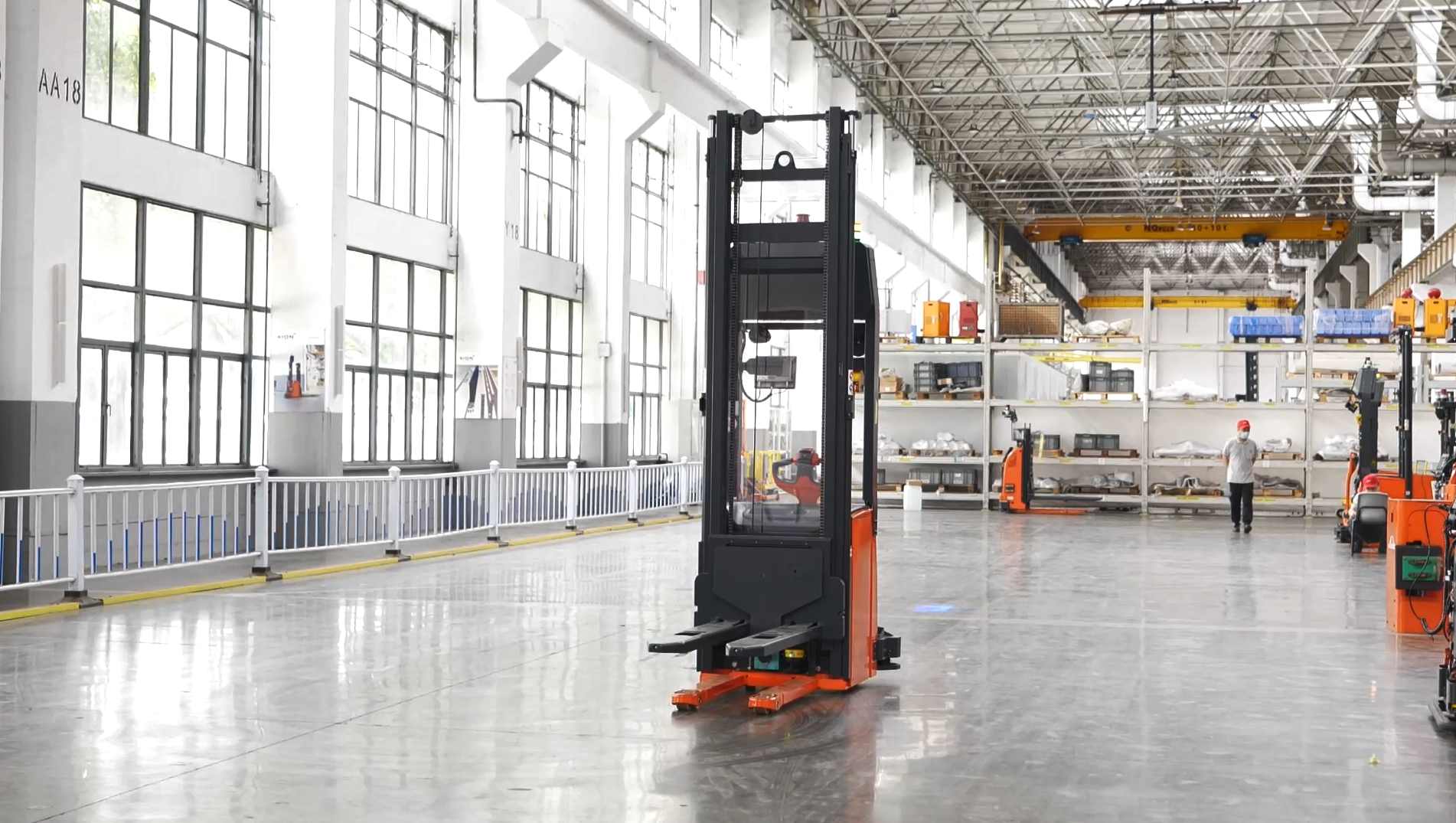
Even buyers not ready for AGVs now ask whether future automation can be introduced later. Safe layouts, standard pallet positions, clean interfaces and predictable workflows make it easier to move from manual electric stackers to automated guided equipment when volumes justify the investment.
Voltage, plugs, labels, manuals, packaging and destination-specific documents are now part of the buying brief. Supplying the same configuration to every market can create avoidable delays, so buyers should confirm local requirements before the production stage.
Future electric pallet stacker designs will be judged by safety, serviceability, energy efficiency and how easily they fit into modern warehouse workflows.
The next generation of electric pallet stackers is not being developed around one headline specification. It is being shaped by the daily realities of warehouse operations: tight aisles, high pallet turnover, mixed operator skill levels, charging constraints, maintenance cost and the need to connect equipment with digital management systems. For global buyers, understanding these development trends helps separate short-term promotional products from platforms that can support repeat orders and long-term dealer growth.
Mast height, fork length, battery type, controls and branding are increasingly planned as modules. This makes it easier for distributors to build a market-specific product range while keeping spare parts and service logic manageable.
Better visibility, intuitive controls, stable lifting, braking performance and operator protection remain central. Training time and operator fatigue directly affect safety and productivity in repeated pallet handling.
Battery choice is becoming a system decision involving charging windows, shift length, energy cost and maintenance planning. Lithium-ion options are expanding where opportunity charging and lower maintenance are valued.
Buyers want equipment that is easy to inspect, service and support after delivery. Common parts, clear manuals and predictable maintenance points can be more valuable than a marginal specification advantage.
Digital fleet management is moving from large forklift fleets into warehouse equipment. Usage data, service reminders and access control can help dealers offer stronger after-sales programs.
As AGV and automated guided forklift adoption grows, standard pallet flows and predictable handling zones become more important. Electric stackers will increasingly be purchased with future automation in mind.
These trends also influence procurement. A buyer comparing two electric pallet stackers should ask how the supplier handles customization, documentation, spare parts, quality inspection and future product updates. The strongest offer is not always the one with the longest feature list. It is the one with a clear configuration process, reliable production, verifiable quality controls and support that continues after delivery.
Xiamen Pexal Technology Co., Ltd. was founded in Xiamen, Fujian in 2024 as the sales, service and technical support base for Pexal material handling equipment. We support buyers who need a practical path from inquiry to product configuration, export documentation and repeat dealer supply.
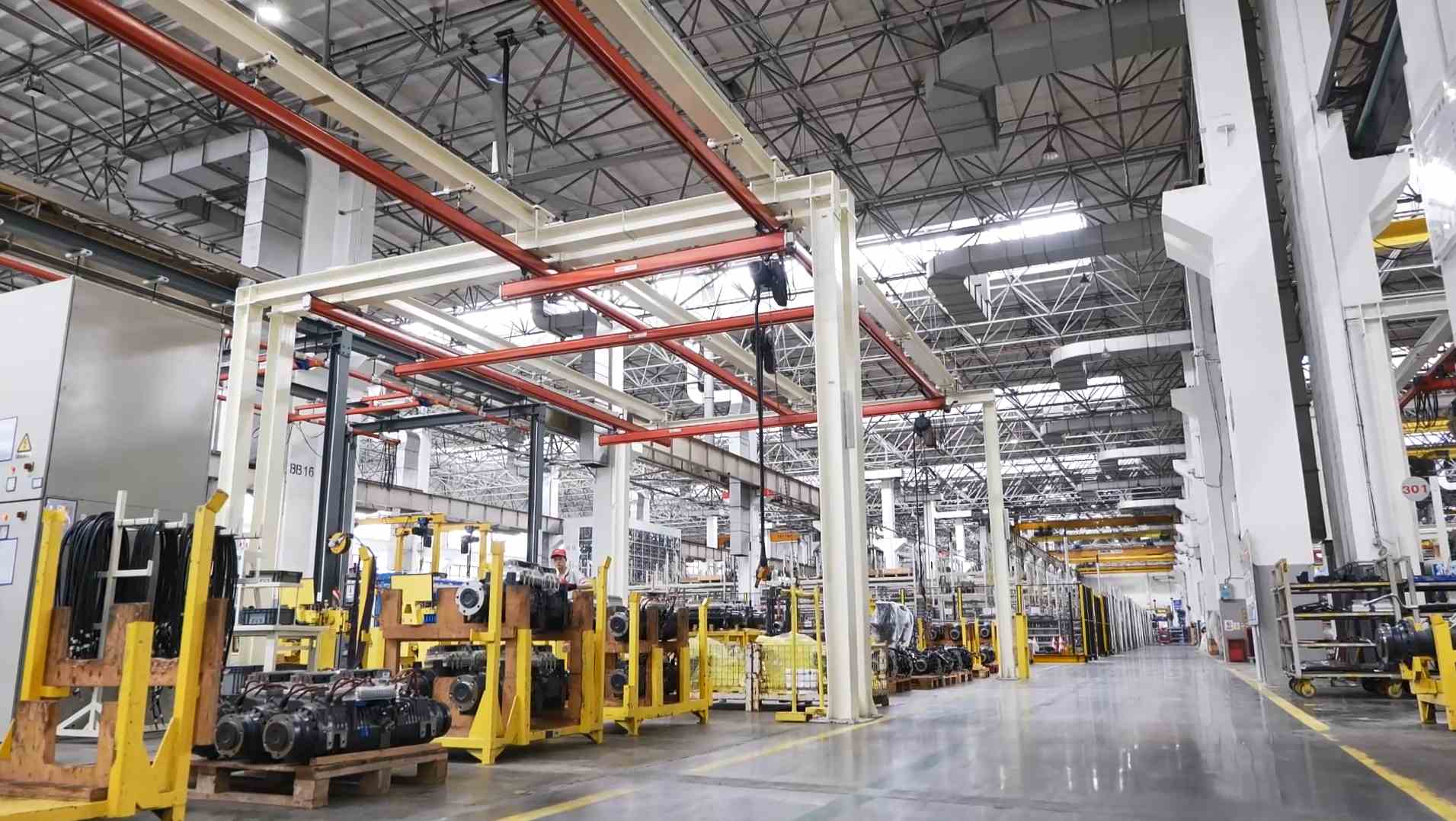
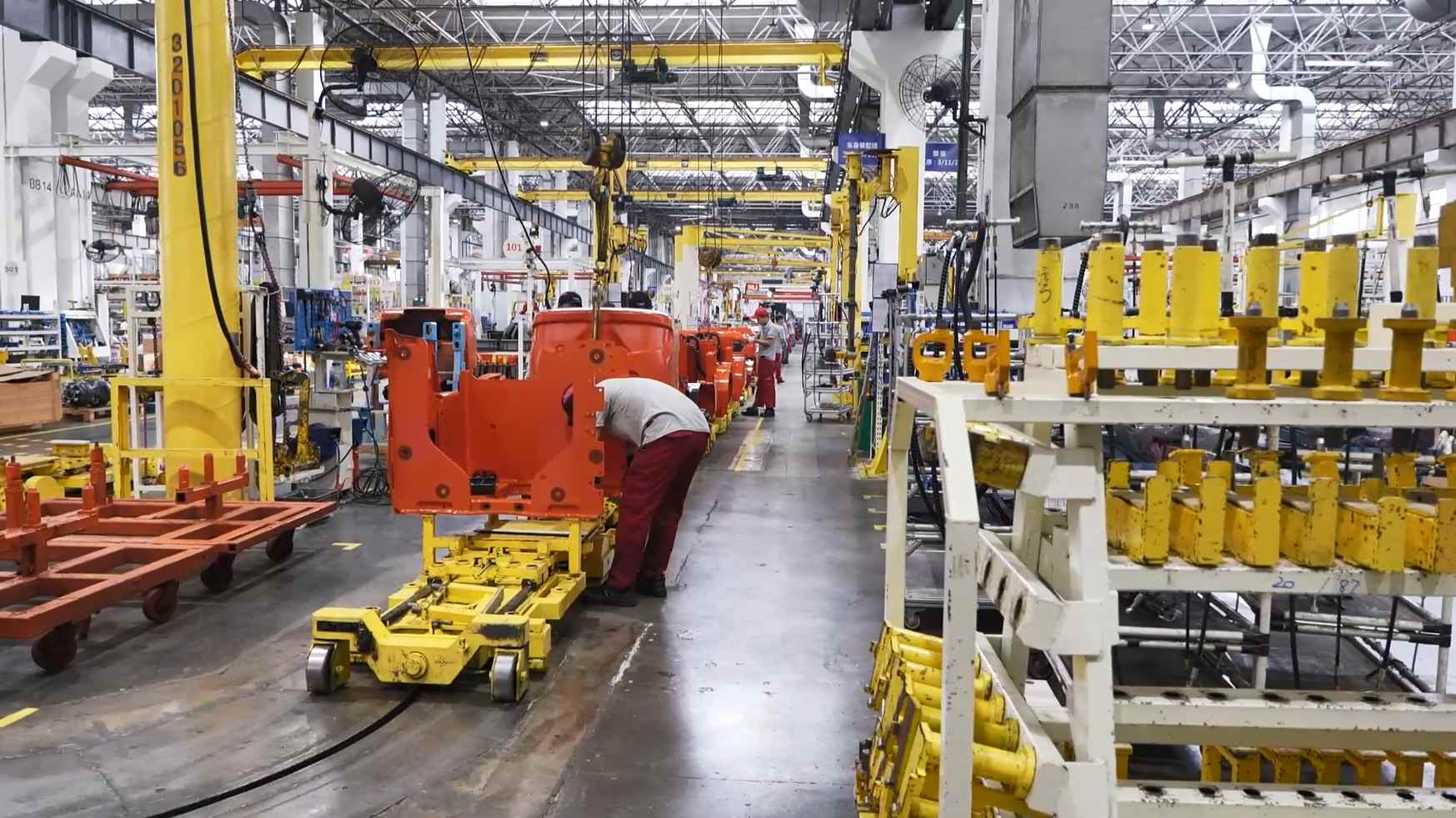
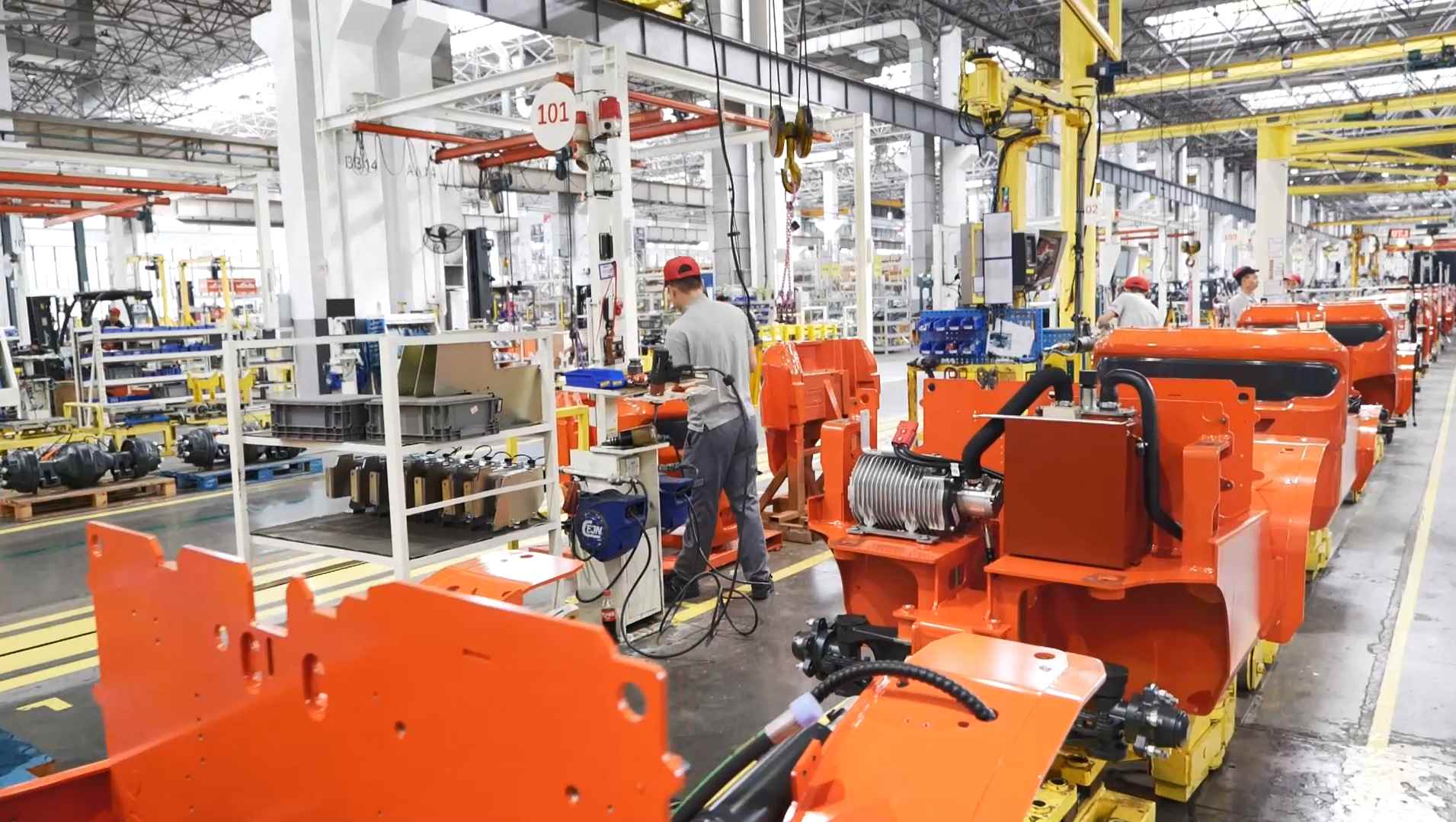
We work with a 220,000 m² partner manufacturing campus employing more than 1,200 people, including a team of over 100 engineers dedicated to electric warehouse equipment. This gives buyers access to production scale while keeping the project focused on application fit, customization and export requirements.
Our product family covers electric forklifts, electric pallet trucks, electric pallet stackers, forward stackers, reach trucks, order pickers and AGV robotics. For buyers, this means one supplier can support multiple warehouse equipment categories, spare parts planning and future product expansion. We provide sample-based customization, full customization and ODM services, including mast height, fork length, battery type, color, logo and attachment configuration.
Verification matters. Our company has passed an onsite check and supplier assessment conducted by SGS Group, and our verified company video is available for buyers to review. Trade capacity, credit index, trade history and transaction history are also available through the company profile links so procurement teams can assess us with evidence rather than claims alone.
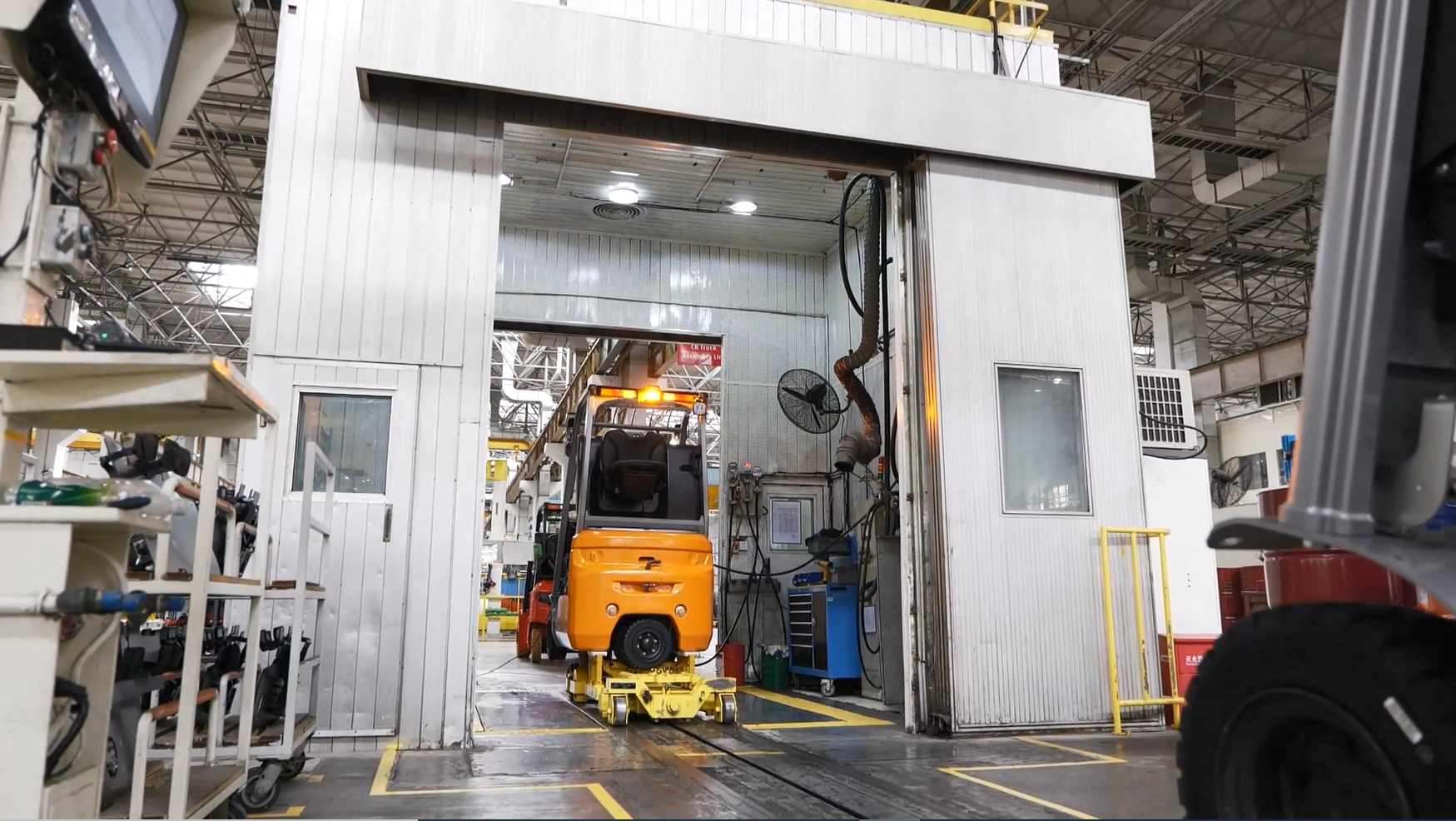
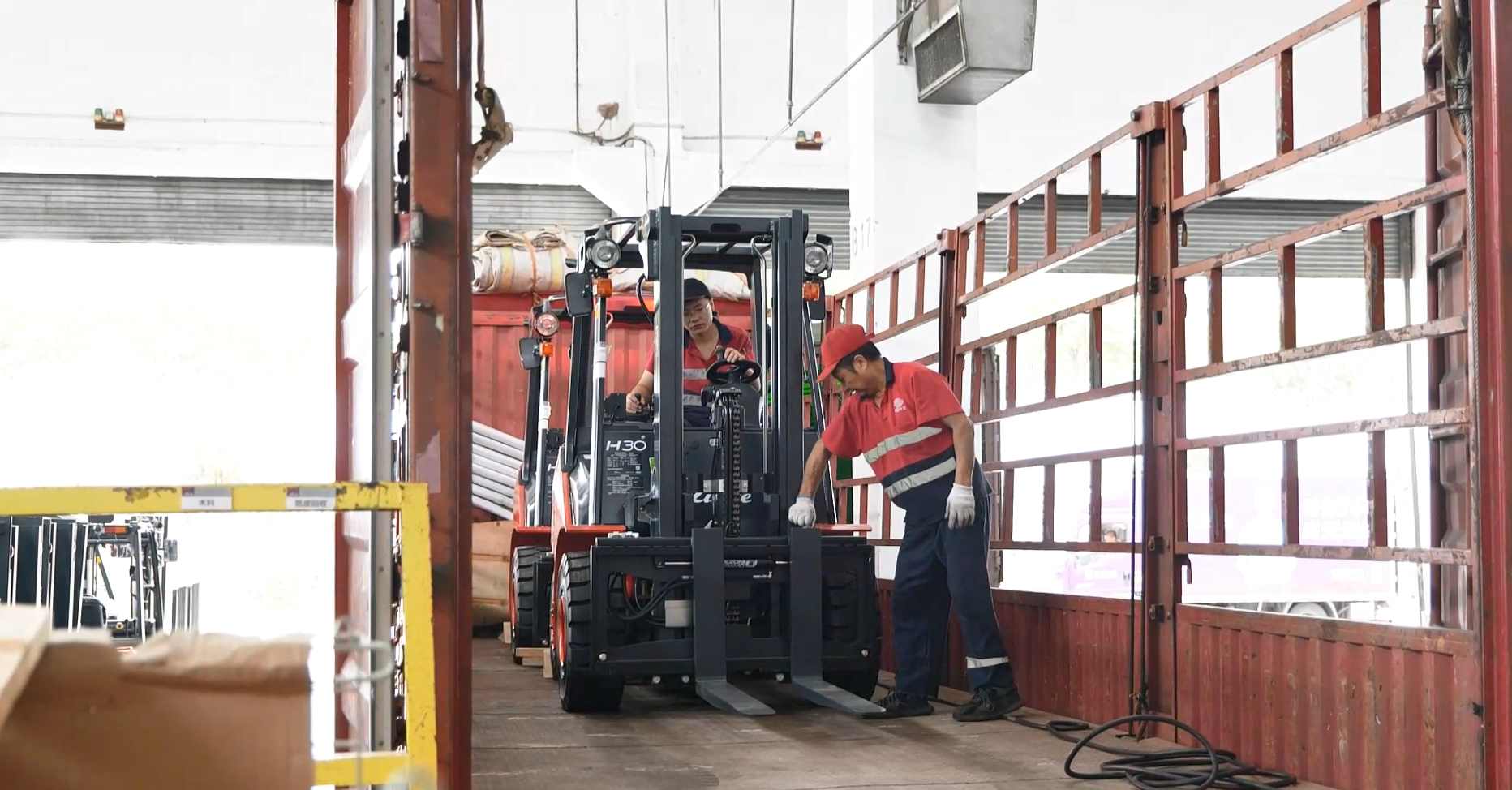
Production, product range, inspection and export support are documented so global buyers can evaluate capability before the first order.
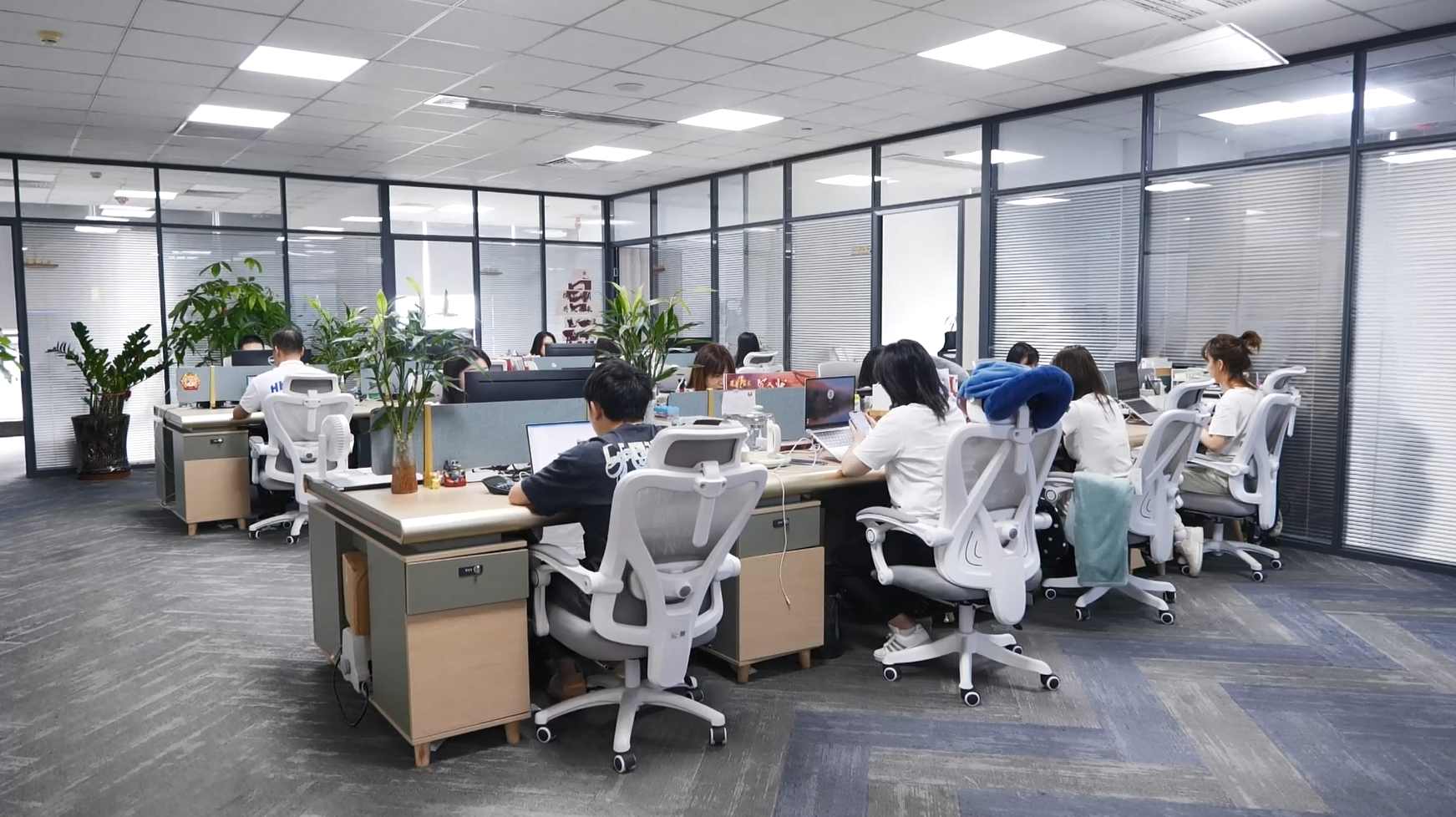
Direct answers to common procurement questions about electric pallet stackers, supplier verification, customization and export terms.
Share your load, lift height, aisle width and destination market — we will recommend the right configuration. Email: info@pexalbot.com