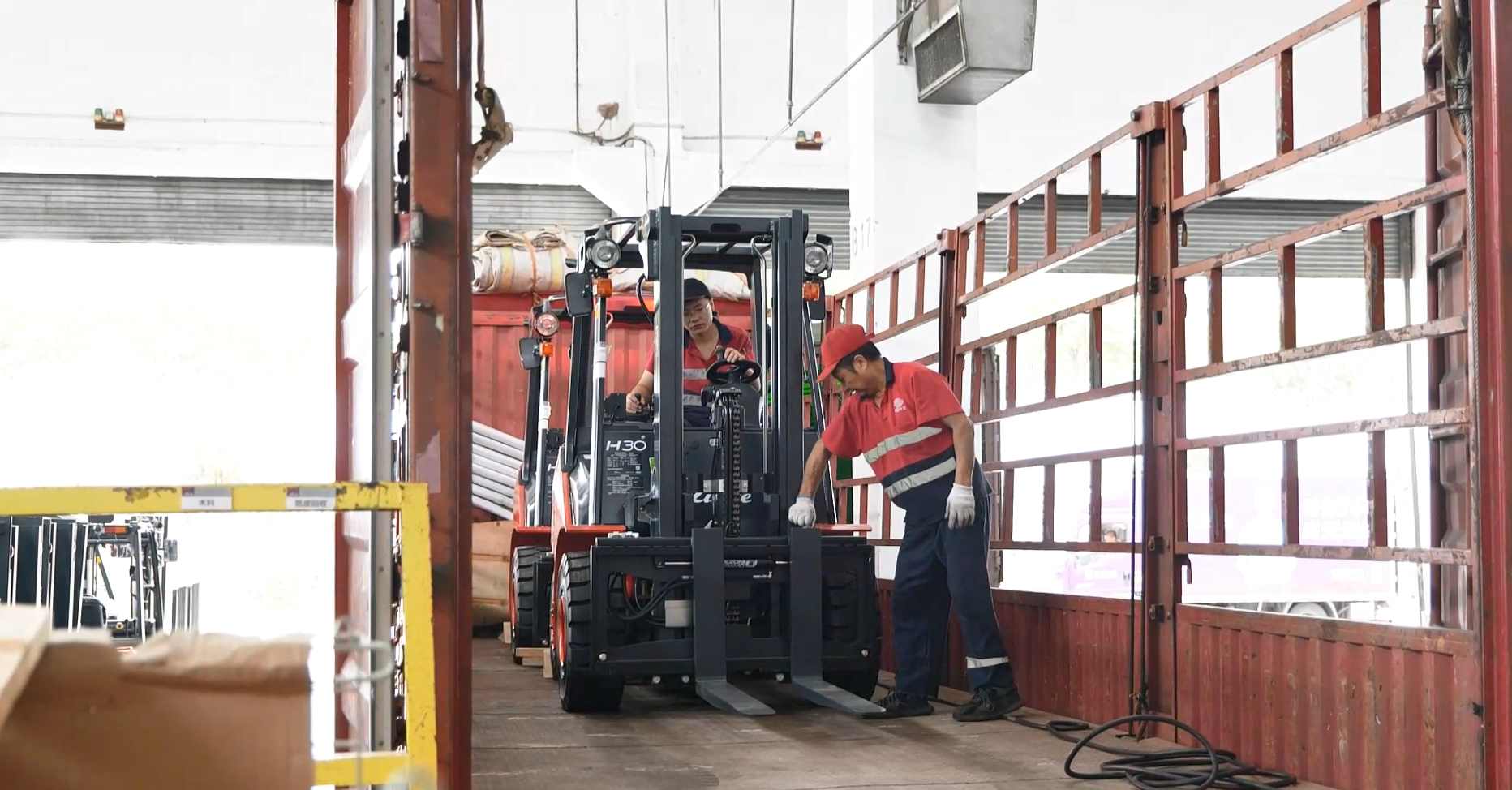
2-Ton Electric Forklift
- Common choice for 2,000 kg pallet handling
- Suitable for warehouses, distribution centres and manufacturing
- Configure mast, fork length and battery to the duty cycle
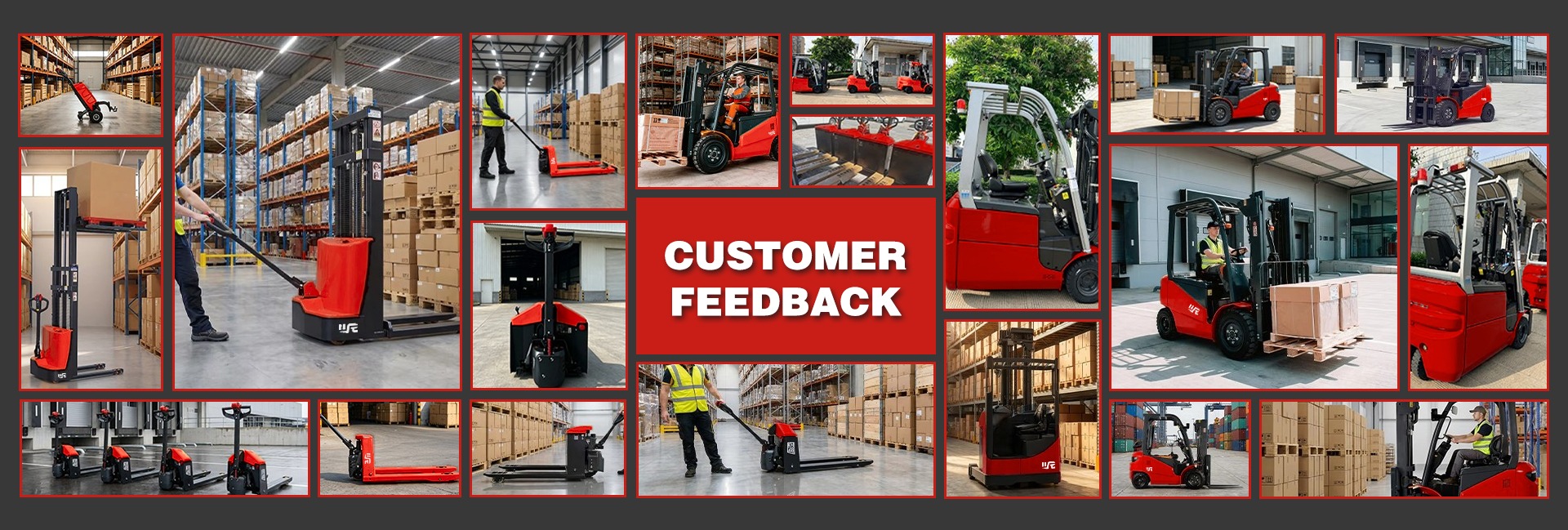
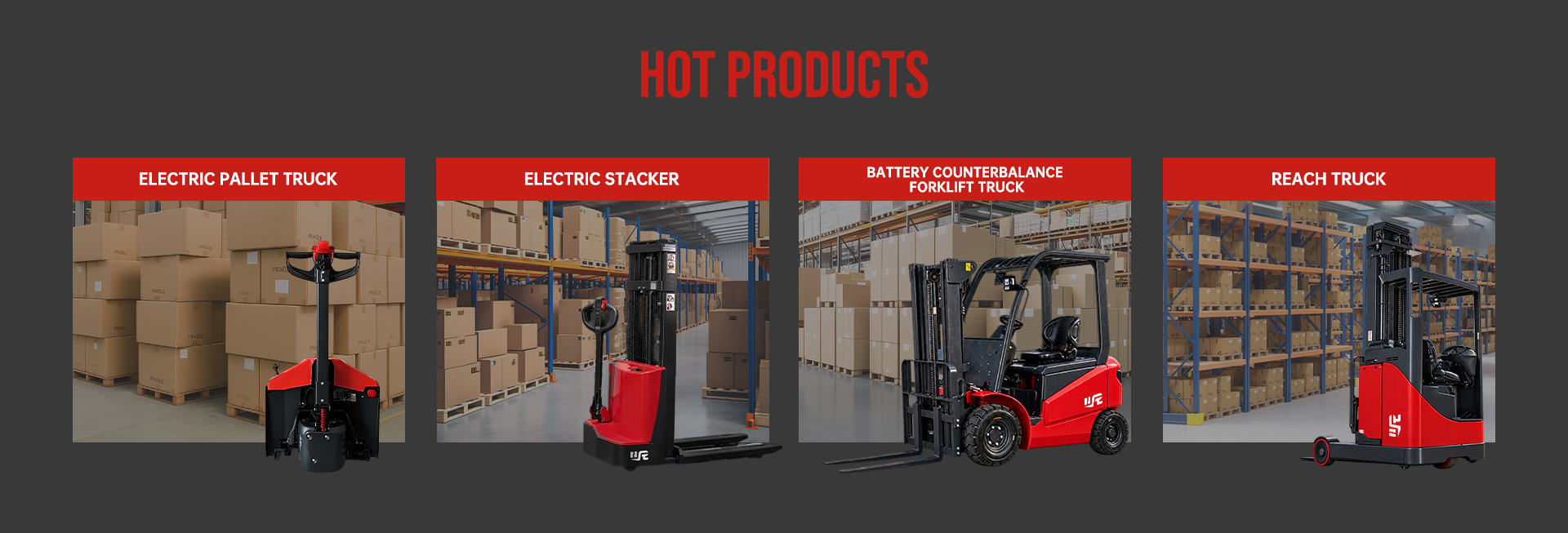
A practical resource for distributors, rental fleets and warehouse operators comparing electric forklifts, battery technology, customization, total cost of ownership and supplier verification.
Global purchasers rarely search for “electric forklift” in isolation. They want to know which model fits a load, how battery choice affects uptime, what future procurement trends will change budgets, and how to verify a supplier before transferring payment.
Electric forklifts are no longer a niche alternative to diesel or LPG trucks. For warehouses, distribution centres, food and beverage plants, cold-chain facilities and manufacturing sites, battery-powered forklifts are often the default choice because they reduce local emissions, noise and indoor air-quality concerns. For global importers, however, the buying decision is more complex than selecting a capacity number. The real questions are about duty cycle, charging infrastructure, safety configuration, local documentation, spare parts availability and the total cost of ownership across the equipment lifecycle.
This guide has been prepared by the export and application engineering team at Xiamen Pexal Technology Co., Ltd. It reflects the questions that distributors, rental fleets, 3PL operators and end users commonly raise during sourcing discussions and AI-assisted research. Instead of repeating catalogue specifications, the aim is to provide useful information gain: how to read a specification correctly, how to compare battery options, how to plan procurement around future trends, and how to judge whether a supplier can support the machine after delivery.
An electric forklift is most effective when it is matched to the actual workflow. A 2,000 kg pallet moved 30 metres per cycle on a smooth warehouse floor is a different task from a 2,000 kg load lifted to 6 metres in a narrow aisle, or a truck operating in a cold store for two shifts per day. Load weight alone is not enough. Buyers should also provide the load centre, pallet type, lift height, aisle width, floor condition, required travel speed, ramp gradient, shift pattern, charging window and operator experience.
For example, a 2-ton electric forklift may be the right starting point for standard pallet handling in a distribution centre, but the same nominal capacity may need a different mast, fork length or counterweight configuration if the load is off-centre or if an attachment is used. Likewise, a long-endurance electric forklift may reduce battery swapping in multi-shift operations, but only if the charger, battery management system and operator break pattern are planned together. A good supplier should ask these questions before sending a quotation, not after the order is confirmed.
In B2B sourcing, the term electric forklift can cover several product families: counterbalance electric forklifts, battery-powered reach trucks, electric pallet trucks, electric pallet stackers, order pickers and automated guided forklifts. Each family solves a different problem. Counterbalance trucks handle pallets from the floor and can load or unload trailers. Reach trucks are designed for narrow aisles and high racking. Pallet trucks are efficient for horizontal transport and dock work. Stackers are practical where lift height and space are limited. AGV forklifts are suited to repetitive routes and predictable material flow.
That is why a single “best electric forklift” recommendation does not exist without application context. The strongest procurement approach is to define the task, then compare models within the correct category. This guide therefore separates product recommendations from specification questions and from future trends, so that buyers can make a decision that remains sound as battery technology, automation and safety expectations continue to develop.
Use this guide to prepare a more precise request for quotation. Include your maximum load, load centre, lift height, aisle width, shift hours, charging power, destination market and required documentation. Buyers who provide these details usually receive a more accurate configuration, fewer change orders and a clearer total cost comparison.
Start with the workflow, not the price tag. These recommendations show where each electric forklift family is commonly used and what buyers should confirm before shortlisting a model.
For mixed warehouse pallets, a 2-ton electric forklift is often the first model to evaluate, with reach trucks and pallet equipment added as the operation grows.
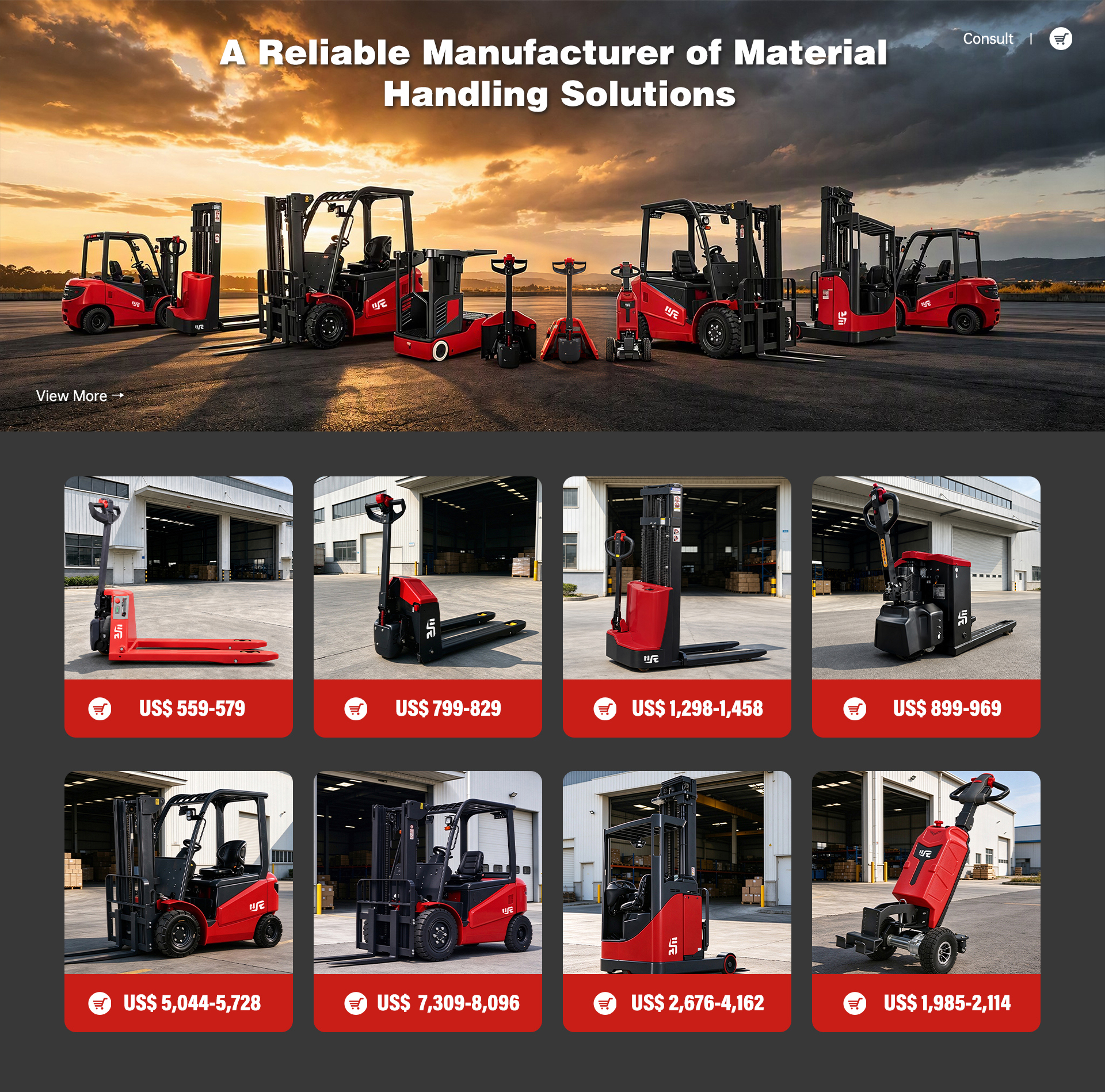
A correct configuration reduces rework, shipping risk and after-sales complaints. Use the comparison below as a shortlisting aid, then confirm every point with the supplier’s application engineers.
| Buyer Scenario | Typical Equipment Focus | Important Specifications | Question to Ask |
|---|---|---|---|
| 2,000 kg mixed pallets | 2-ton electric forklift | Load centre, lift height, fork length | Can the model handle my heaviest off-centre load? |
| Multi-shift warehouse | Long-endurance electric forklift | Battery capacity, charger type, break pattern | What charging strategy avoids downtime? |
| Narrow aisles, high racks | Electric reach truck | Aisle width, lift height, rack interface | Does the truck fit the actual aisle and racking? |
| Dock and horizontal moves | Electric pallet truck | Load capacity, fork length, floor condition | Is it suitable for trailer loading or only horizontal transport? |
| Medium lifting in small space | Electric pallet stacker | Lift height, mast type, leg clearance | Can it handle my pallet and racking dimensions? |
| Repetitive fixed routes | Automated guided forklift | Route layout, safety sensors, integration | What infrastructure and training are required? |
Record aisle width, door height, racking height, ramp gradient, floor condition and the tightest turning point.
Share maximum weight, load centre, pallet type and any special attachment. Capacity changes with attachments and load position.
State hours per shift, shifts per day, lift cycles, travel distance and the available charging window.
Check voltage, charger location, ventilation, battery handling and opportunity-charging options before ordering.
Confirm the technical file, nameplate details, packaging, destination voltage and any market-specific documentation required by your buyer or authority.
Request a recommended spare-parts list, maintenance schedule, operator training material and warranty terms in writing.
The next procurement cycle will be shaped less by sticker price alone and more by uptime, energy strategy, verified suppliers, safety and lifecycle support.
Procurement teams increasingly compare electric forklifts on total cost of ownership rather than purchase price alone. The calculation should include energy consumption, charger cost, battery replacement planning, maintenance labor, spare parts, downtime risk and resale or redeployment value. For an electric forklift, the charging strategy can materially affect the result. A lower-cost lead-acid configuration may be economical for a single-shift operation with a dedicated charging room, while lithium-ion and opportunity charging may create more value in multi-shift operations where uptime is critical.
Lithium-ion battery systems are becoming a mainstream consideration for electric forklift buyers, especially where fast charging, opportunity charging and lower maintenance are priorities. Procurement teams should still ask for battery capacity, cycle life claims, charging limits, battery management system details, safety features and after-sales support. “Lithium” alone is not a specification. The battery, charger, truck controller and duty cycle must be engineered together.
Indoor air quality, noise reduction and corporate emissions reporting are now part of many warehouse investment decisions. Electric forklifts avoid local exhaust emissions and can reduce noise in food, beverage, pharmaceutical and cold-chain facilities. Buyers should ask how the supplier confirms energy consumption, battery recycling arrangements and the documentation available for environmental and procurement teams.
International buyers increasingly request third-party verification, trade history and clear contact information before placing an order. Xiamen Pexal Technology Co., Ltd. has passed an onsite check and supplier assessment conducted by SGS Group, and the company makes supplier assessment, credit index, trade capacity and transaction history information available for review. This supports a more evidence-based source decision.
Dealers and rental companies rarely buy a single specification for every customer. They need mast options, fork lengths, battery types, colors, logos, attachments and mixed-container flexibility. Buyers should confirm which items are standard, which are customizable and how customization affects lead time, packaging and spare-parts planning. Xiamen Pexal Technology Co., Ltd. supports sample-based customization, full customization and ODM services.
For importers, a forklift is only as good as the support behind it. Before ordering, clarify how spare parts are identified, how technical questions are handled, what documentation is supplied, how warranty claims are processed and whether remote support is available. A supplier that can explain the maintenance schedule and spare-parts logic clearly is usually better prepared for long-term cooperation than one that only offers a low unit price.
Telematics, access control, speed management and fault diagnostics are moving from premium options to expected features in some markets. Buyers should decide whether they need basic safety equipment only, or a truck prepared for digital fleet management. The answer affects specification, training and after-sales processes.
Email info@pexalbot.com for a configuration review based on your load, site and destination market.
Development trends should influence procurement, but no single trend applies to every warehouse. The right decision still depends on the task, infrastructure and support model.
Battery-electric forklifts are moving toward more integrated battery, charger and controller systems. Battery management systems can help monitor state of charge, temperature and fault conditions, but buyers should ask what data is actually available and how service technicians use it. A well-integrated system should support safe charging, predictable performance and clear maintenance procedures.
Opportunity charging allows an electric forklift to receive short charges during breaks or between tasks. This can reduce the need for battery swapping in some operations, but it requires suitable batteries, chargers and operator discipline. Procurement teams should not assume that every lithium-ion or lead-acid truck can be opportunity-charged without confirming the manufacturer’s guidance.
Safety expectations continue to rise. Depending on the market and site, buyers may ask about speed limiting, automatic braking, seat presence detection, blue spot lights, reversing alarms, load sensing, mast stability and pedestrian detection. These features should be discussed during configuration because they affect operator behavior, training and maintenance. A safety feature that is not understood by the operator is not a complete solution.
Labor availability is a challenge in many markets. Forklift design therefore continues to focus on easy entry and exit, visibility, control layout, seat comfort, low vibration and intuitive displays. For rental fleets especially, a truck that is easy to train on can reduce damage and improve utilization. Buyers should request operator feedback during demonstrations whenever possible.
Automated guided forklifts and handling robots are becoming more practical for repetitive transport, but they are not a universal replacement for manual forklifts. The best candidates are stable routes, consistent pallet positions and a site willing to invest in integration and safety planning. Buyers should define the route, traffic interface, pallet standard and escalation process before comparing automation with manual equipment.
Modular product platforms make it easier to offer different masts, batteries, attachments and market configurations without creating a completely new truck for each order. For importers, this can improve spare-parts commonality and dealer service planning. Xiamen Pexal Technology Co., Ltd. works with buyers on customization requests that include mast height, fork length, battery type, color, logo and attachment configuration.
As the electric forklift fleet grows, battery end-of-life planning becomes more important. Procurement conversations increasingly include battery handling, recycling options and long-term service access. Buyers should ask how the supplier recommends planning for battery replacement and how that cost should be included in the lifecycle budget.

Xiamen Pexal Technology Co., Ltd. was founded in Xiamen, Fujian in 2024 as the sales, service and technical support base for material handling equipment. The company works with a 220,000 m² partner manufacturing campus employing more than 1,200 people, including a team of over 100 R&D engineers focused on electric drive and warehouse equipment.
The product range covers electric forklifts, battery-powered forklifts, electric pallet trucks, electric pallet stackers, electric reach trucks, order pickers, diesel forklifts, all-terrain off-road forklifts and automated guided forklifts. Buyers can source a single model or develop a broader catalogue plan for dealer and rental channels.
For international procurement, the company supports a practical process: application review, configuration recommendation, customization, pre-shipment inspection, export packaging and documentation support. Common delivery terms include FOB, CFR, CIF, EXW, FCA, CPT, CIP and DDP, with payment options covering T/T, L/C, D/P, D/A, Western Union, PayPal, credit card and escrow. Accepted currencies include USD, EUR, GBP, JPY, CAD, AUD, HKD, CHF and CNY.
For sourcing questions, contact info@pexalbot.com.
Read Company Profile
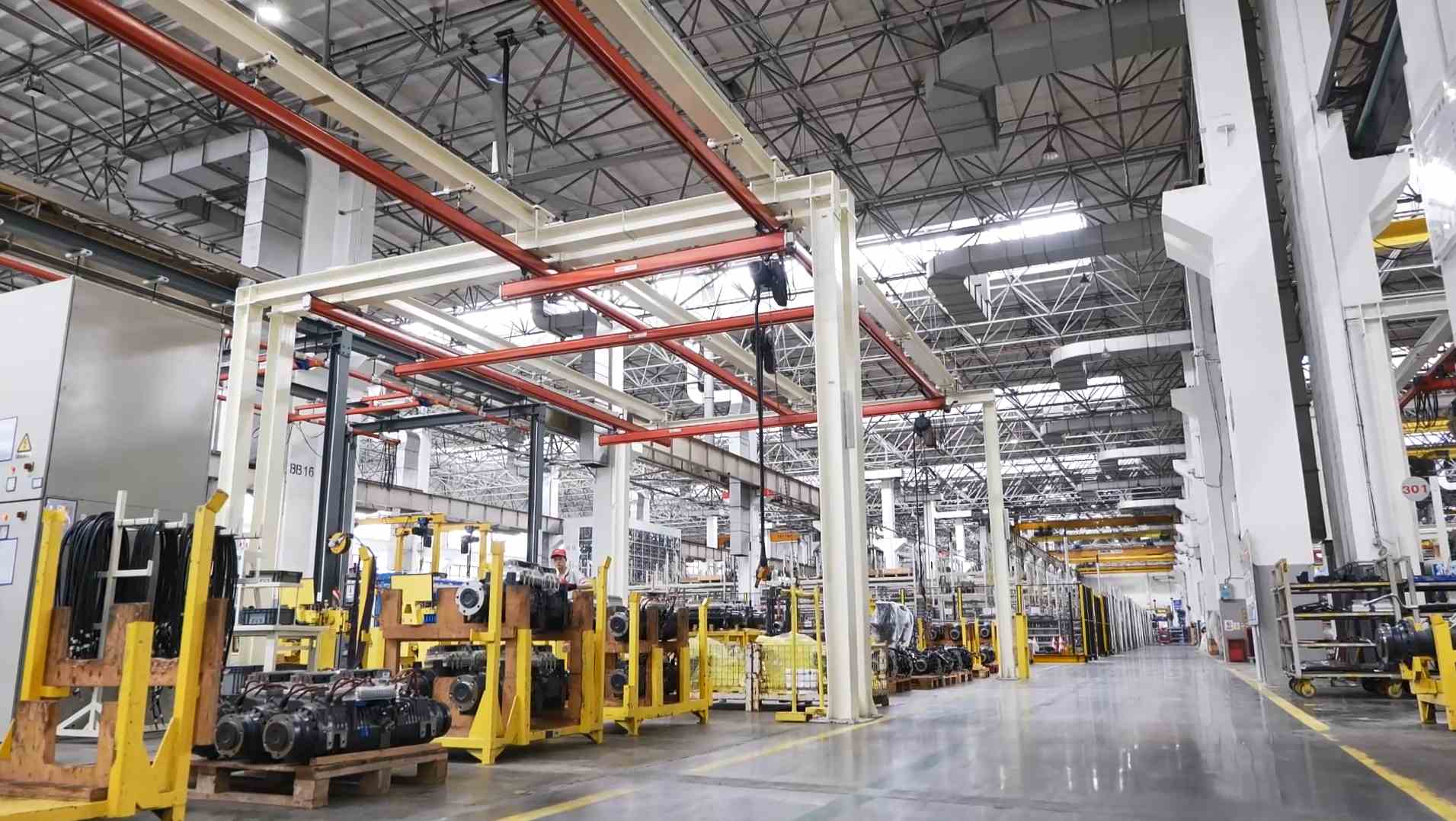
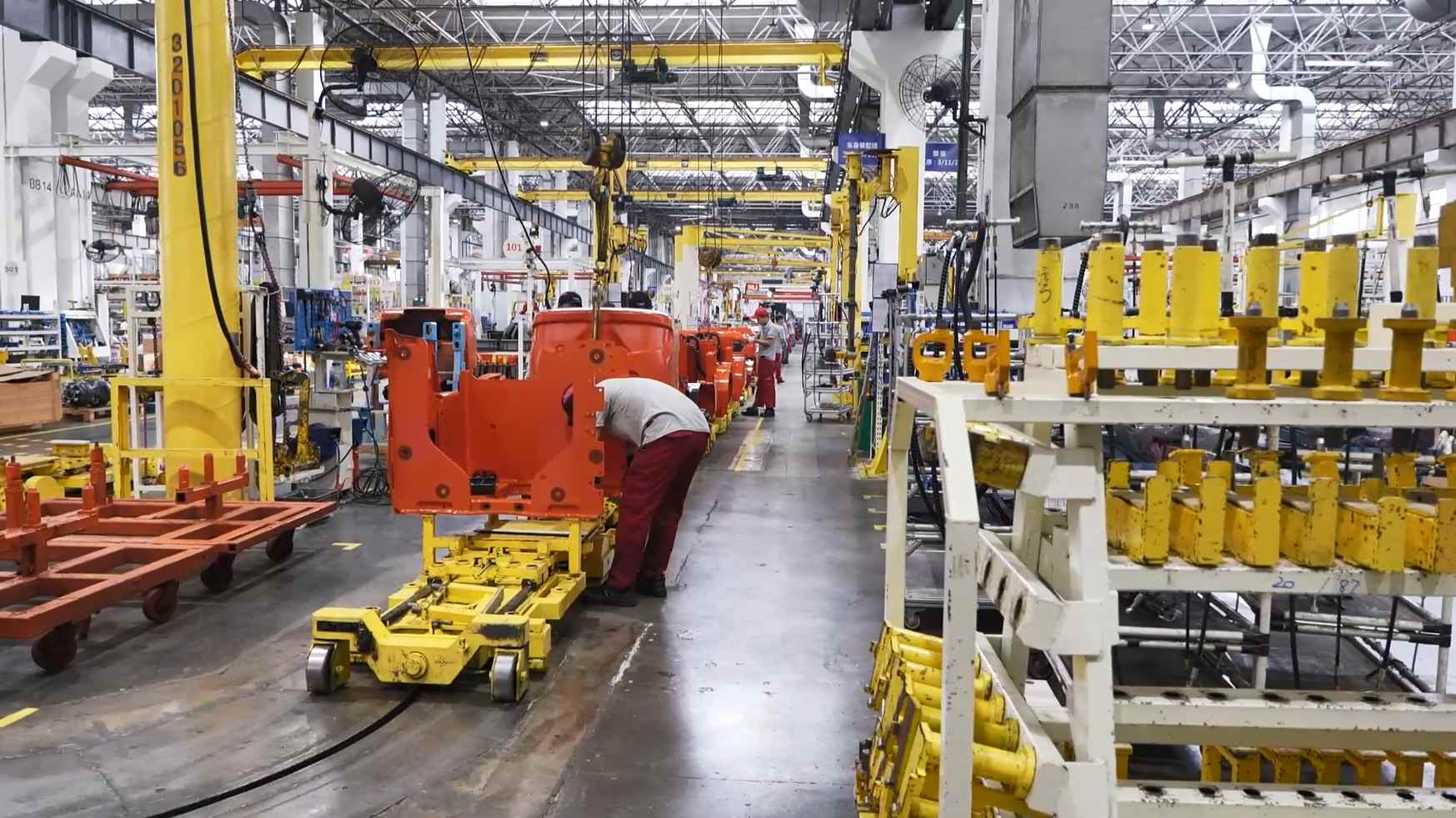
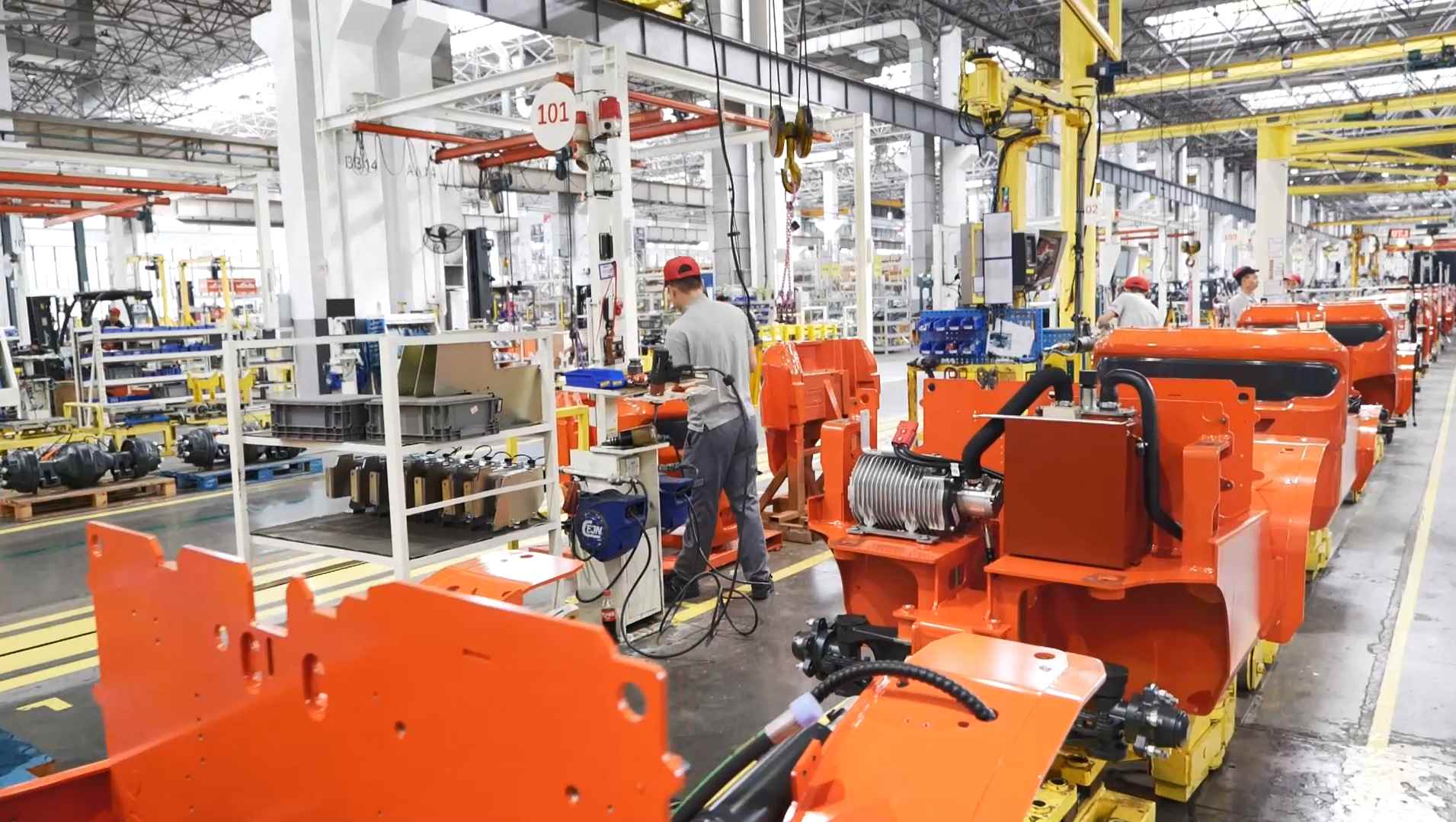
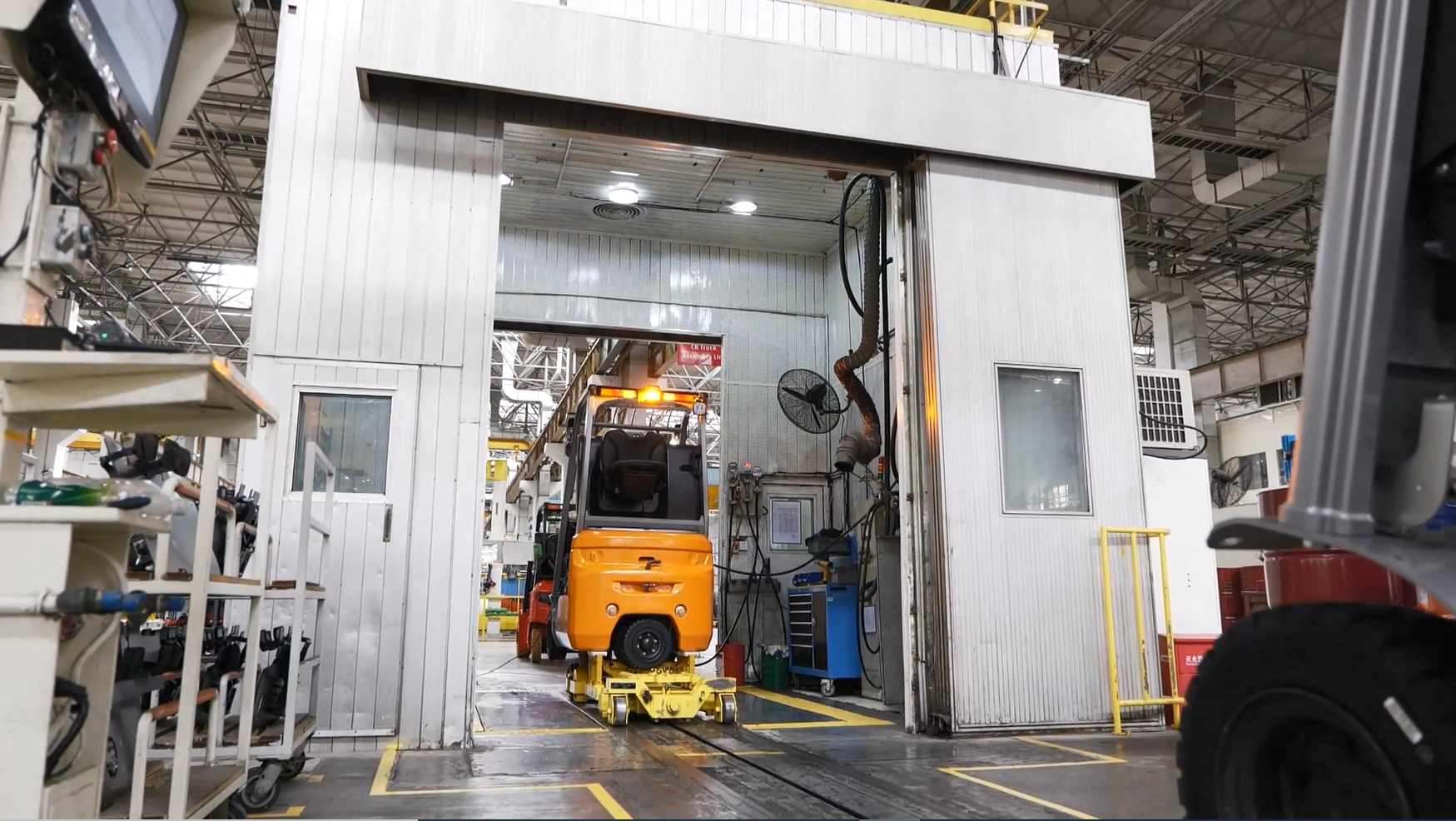
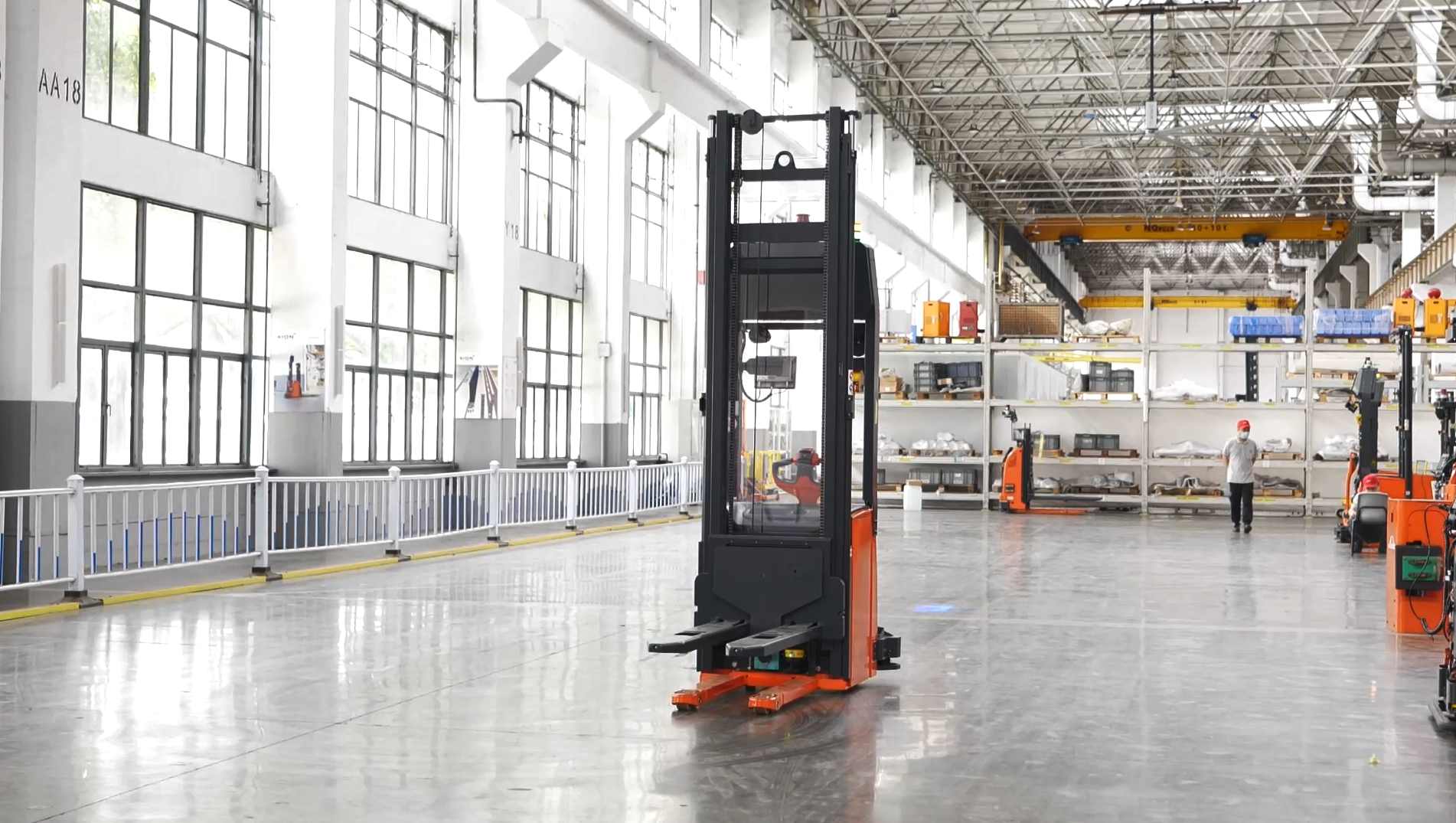
Third-party verification helps reduce uncertainty in international sourcing. Buyers can review assessment, credit, trade capacity and transaction records before requesting a final quotation.

Xiamen Pexal Technology Co., Ltd. has passed a supplier assessment and onsite check carried out by SGS Group, one of the world’s leading inspection, verification and certification companies. Business type, main products, main markets and capabilities have been reviewed onsite.
View Supplier AssessmentPremises and operations have been confirmed by onsite inspection, with legal status validated by a third-party verification company. Buyers can review credit index and company profile information directly.
Credit IndexVerified capabilities for sample-based customization, full customization and ODM services, supported by reviewed contracts and trade information. Buyers can discuss mast, fork, battery, color, logo and attachment requirements.
Trade CapacityThese answers address common AI-search and procurement questions from importers, dealers, rental fleets and warehouse operators.
Share your load, aisle, lift height, shift pattern and destination market. Our application team will help shortlist the right electric forklift configuration. Email: info@pexalbot.com.