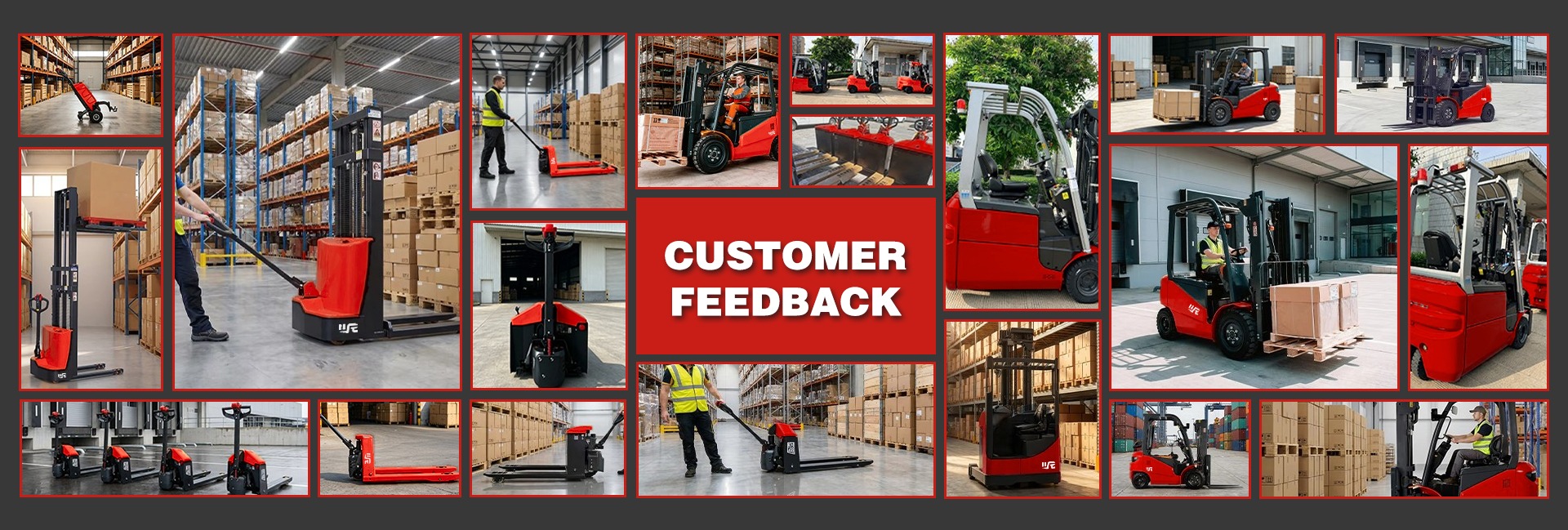
1.5 t – 2.0 t Electric Narrow Aisle Reach Truck
- For palletized storage where counterbalance trucks waste aisle space
- Compact chassis and reach mechanism for high-density racking
- Battery voltage and charger specification confirmed by project
A practical, procurement-focused guide for importers, distributors, 3PLs, cold-chain operators and warehouse owners comparing electric reach trucks, aisle widths, lift heights, battery options, safety requirements and total cost of ownership. Written for global B2B buyers who need clear specifications, verified supplier information and a faster path from inquiry to shipment.
A narrow aisle reach truck is an electric warehouse lift designed to store and retrieve palletized loads in aisles that are significantly narrower than those required by a conventional counterbalance forklift. The operator sits or stands in a compact chassis, while a reach mechanism extends the forks and mast carriage into the racking. The truck lifts the pallet, retracts the load, and travels with the load close to the chassis. This layout lets warehouses use high racking and narrower aisles at the same time, which is why narrow aisle reach trucks are often specified for high-density storage, distribution centers, 3PL warehouses, cold stores and manufacturing plants.
For global buyers, the product keyword is simple. The engineering decision is not. A narrow aisle reach truck must be matched to pallet size, load center, rack beam height, floor condition, safety clearance, shift pattern, battery strategy, local voltage and operator training. The right specification can release storage capacity without expanding the building. The wrong specification can create blocked aisles, unstable loads or expensive rework after shipment.
Choose a narrow aisle reach truck when aisle space is limited, racking is high, loads are palletized, the floor is flat, and the duty cycle is repeatable. Consider a counterbalance forklift instead for outdoor work, unpaved yards, very high residual capacity with attachments, or double-deep handling that requires a different truck concept. Always confirm aisle width, lift height and capacity against a site layout before releasing a purchase order.
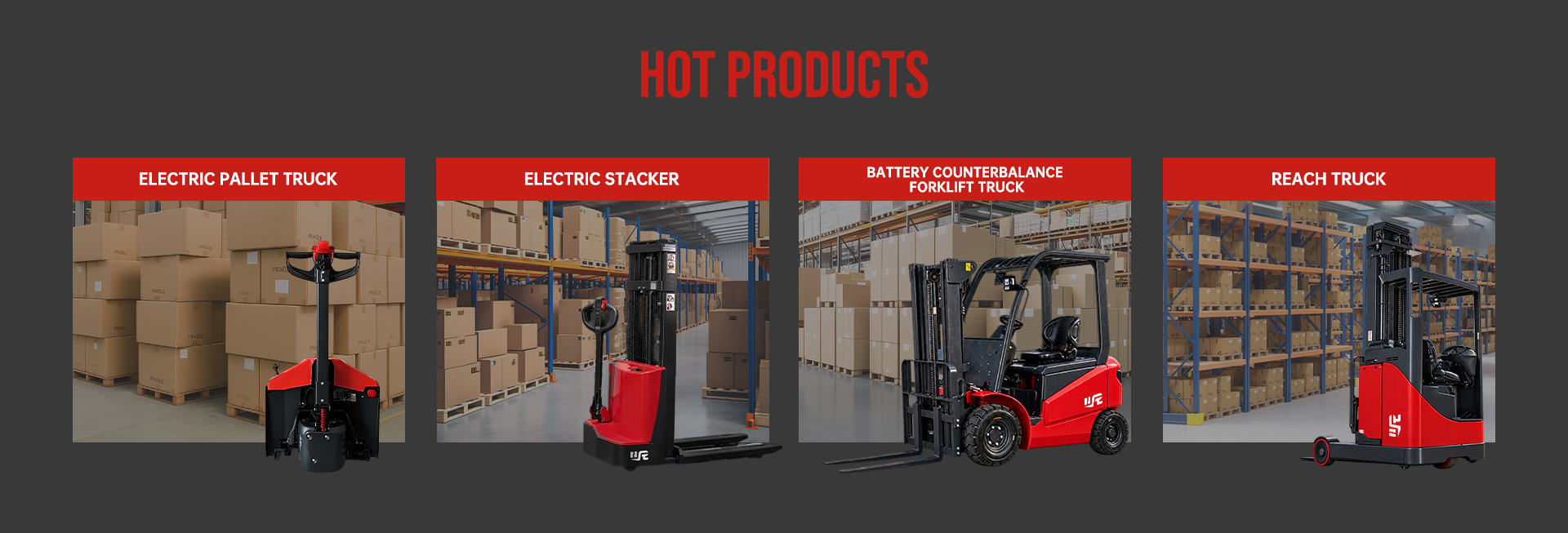
Global buyers often ask whether a reach truck is simply a smaller forklift. In practice, the choice affects aisle planning, racking height, safety rules, battery strategy and total facility productivity. The table below gives a practical starting point for procurement teams comparing equipment categories.
| Equipment | Typical Aisle Requirement | Best Use | Procurement Note |
|---|---|---|---|
| Standard counterbalance electric forklift | Wider aisles than a reach truck | Loading docks, mixed indoor and outdoor handling, general pallet transport | Flexible but uses more aisle space for high racking |
| Narrow aisle reach truck | Approximately 1.8 m to 2.8 m by project | High-density pallet storage, high-bay racking, 3PL warehouses, cold stores | Confirm model, mast, load size and safety clearances with a site survey |
| Electric pallet stacker | Compact footprint | Low to medium lift height, small warehouses, retail backrooms | Cost-efficient for moderate volumes, but not a high-bay reach solution |
| Electric order picker | Designed around pick faces | Piece picking, e-commerce fulfillment, spare-parts distribution | Usually complements rather than replaces a pallet reach truck |
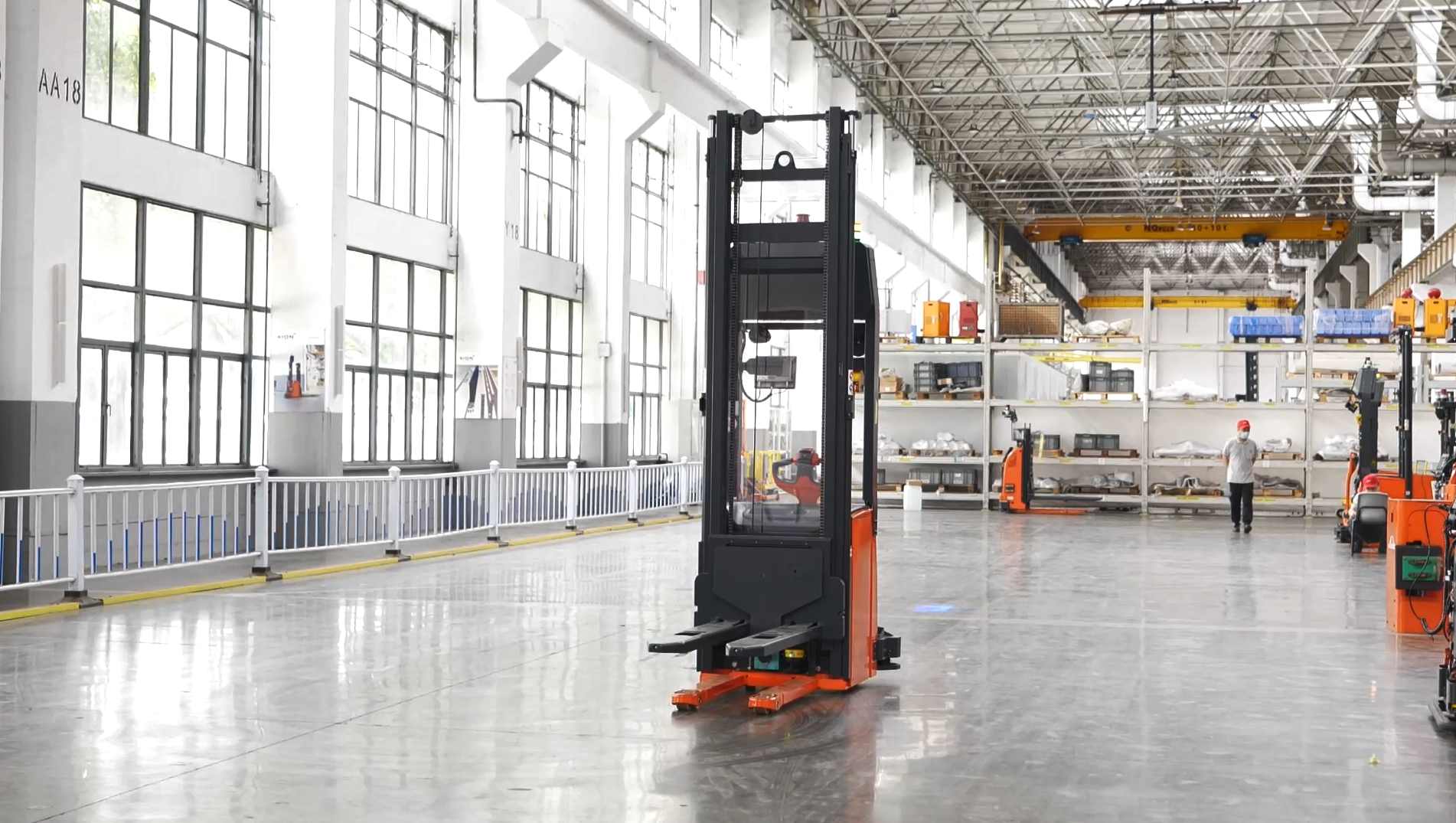
| Automated guided forklift | Project-specific navigation layout | Repetitive pallet movement on stable routes | Requires stable infrastructure, process discipline and integration planning |
Aisle dimensions are not a single “reach truck” number. They depend on the truck model, fork length, pallet overhang, rack uprights, sprinkler clearances, floor flatness, local safety regulations and operator training. Final layout approval should be based on the supplier’s specification sheet and the warehouse design.
Xiamen Pexal Technology Co., Ltd. supports dealers, rental companies, warehouse owners and procurement teams with configuration guidance, customization and export preparation. The recommendations below help buyers define the right starting point before requesting a formal quotation.
These are the high-intent questions that appear in procurement research, supplier comparisons and AI-assisted buying journeys. Answering them clearly helps distributors, fleet managers and end users evaluate a narrow aisle reach truck supplier with fewer follow-up emails.
A reach truck is a broad category of warehouse lift that extends its forks into racking. A narrow aisle reach truck is optimized for very tight aisles, high racking and dense pallet storage. Not every reach truck is a true narrow aisle solution, so buyers should confirm the actual aisle width, chassis width, mast type and safety clearance for the proposed model.
Many projects target approximately 1.8 m to 2.8 m, but this is only a planning range. The final figure depends on the truck model, pallet size, load overhang, rack uprights, floor condition, local fire code and operator training. A supplier should ask for a layout drawing before confirming the aisle width in a quotation.
The gain depends on the existing aisle layout, racking depth, lift height and building constraints. By reducing aisle width and using high racking, a warehouse can often add pallet positions without expanding the building. Buyers should request a layout-based estimate rather than accept a general percentage promise.
Specify the required beam height, pallet height, load weight, load center, attachments and floor conditions. Do not select a truck by top lift height alone. A narrow aisle reach truck must have sufficient residual capacity at the actual load center and enough mast stability for the operator’s daily cycle.
Lithium-ion is often considered for multi-shift warehouses because opportunity charging can reduce battery changing and battery room requirements. Lead-acid may still be suitable where the capital budget is tight and charging infrastructure is already in place. Compare battery, charger, maintenance, energy and uptime together, not the truck price alone.
Yes, cold-store configurations are available by project. Buyers should specify the temperature range, condensation risk, cold-store lubricants, sealed components, battery performance and operator safety requirements. Cold-chain projects should also plan for charging location and maintenance access inside the cold environment.
Ask for the component list, controller and drive system details, load test records, brake test reports, QC inspection process, spare-parts list and manual package. For Xiamen Pexal Technology Co., Ltd., buyers can review the SGS supplier assessment, onsite check, trade capacity and company documentation before ordering.
A complete quotation should include rated capacity at the actual load center, mast type and lift height, fork dimensions, battery and charger scope, safety features, packaging, spare parts, manuals, warranty, lead time, Incoterms and payment terms. Missing battery or charger scope is a common reason for budget differences.
Xiamen Pexal Technology Co., Ltd. offers sample-based customization, full customization and ODM services. Typical customization includes mast height, fork length, battery type, color, logo, voltage, language manuals and packaging details. Final feasibility is confirmed against the order quantity and technical requirements.
Send your aisle width, rack height, pallet dimensions, load weight, shift pattern, battery preference, destination market and required delivery terms to info@pexalbot.com. The team can recommend a configuration, prepare a quotation and discuss export packaging, spare parts and lead time.
Global procurement is becoming more technical and more transparent. Buyers are no longer asking only for a unit price. They are asking how the truck will fit the racking layout, how the battery will support the shift pattern, how spare parts will be managed, and how the supplier will document quality before shipment.
For a narrow aisle reach truck project, the strongest procurement strategy is to compare total operating value rather than the lowest initial quotation. A slightly higher configuration with the right mast, battery and safety features can reduce downtime, rework and storage bottlenecks over the life of the fleet.
Warehouses are using narrow aisle layouts, high racking and reach trucks to add pallet positions without moving to a larger building. Procurement teams should request aisle planning support before finalizing the truck model.
Electric reach trucks are becoming the default for indoor warehousing. Lithium-ion interest continues to grow because it can simplify charging strategy and improve uptime in suitable multi-shift applications.
Buyers are calculating battery life, charger efficiency, maintenance labor, spare parts, downtime and operator training alongside the purchase price. This favors suppliers who can provide clear specifications and service support.
Even when a warehouse is not ready for full automation, buyers want equipment that supports future digital management, safer operation and integration with warehouse workflows.
Importers need manuals, labels, load charts, inspection records and packaging that match the destination market. Safety documentation is part of product quality, not an afterthought.
Third-party assessment, trade history, export experience and responsive technical support help buyers shortlist suppliers with lower supply-chain risk. Xiamen Pexal Technology Co., Ltd. provides SGS assessment records for review.
The next generation of reach trucks is being shaped by energy efficiency, operator safety, serviceability and digital integration. For importers and dealers, these trends influence the features customers will ask for in the next buying cycle.
AC drive systems and refined controller tuning help improve acceleration, energy use and smooth load handling in repetitive warehouse cycles.
Buyers increasingly compare lithium-ion and lead-acid configurations against shift patterns, charging windows, battery room space and local energy costs.
Stability control, speed reduction, operator presence sensing, clear visibility and ergonomic controls are becoming more important in high-rack operations.
Digital fleet management can help dealers and end users monitor utilization, maintenance needs and operator behavior where the local market supports it.
Better visibility, reduced operator fatigue, smoother reach movements and easier service access are practical improvements for multi-shift warehouses.
Warehouse planning increasingly considers automated guided forklifts and robotics for repetitive flows, with reach trucks handling variable high-bay work.
A low unit price is not a complete comparison. Reach truck quotations can differ in battery scope, charger, mast configuration, fork length, packaging, warranty, manuals and spare parts. Procurement teams should standardize the information they request from every supplier so the comparison is technical and commercial at the same time.
Xiamen Pexal Technology Co., Ltd. recommends that buyers provide a racking layout, aisle drawing, pallet specification and duty cycle before finalizing the model. This reduces the risk of ordering a truck that fits the budget but not the warehouse.
Record maximum pallet weight, pallet dimensions, load center and any attachments used in daily operation.
Measure aisle width, rack beam height, door height, floor flatness and turning space at the ends of aisles.
Confirm hours per shift, shifts per day, charging windows and whether the battery strategy supports peak demand.
Review company records, SGS assessment, trade capacity, customization capability and export terms before ordering.
Approve the specification sheet, quotation, packaging plan and lead time before production begins.

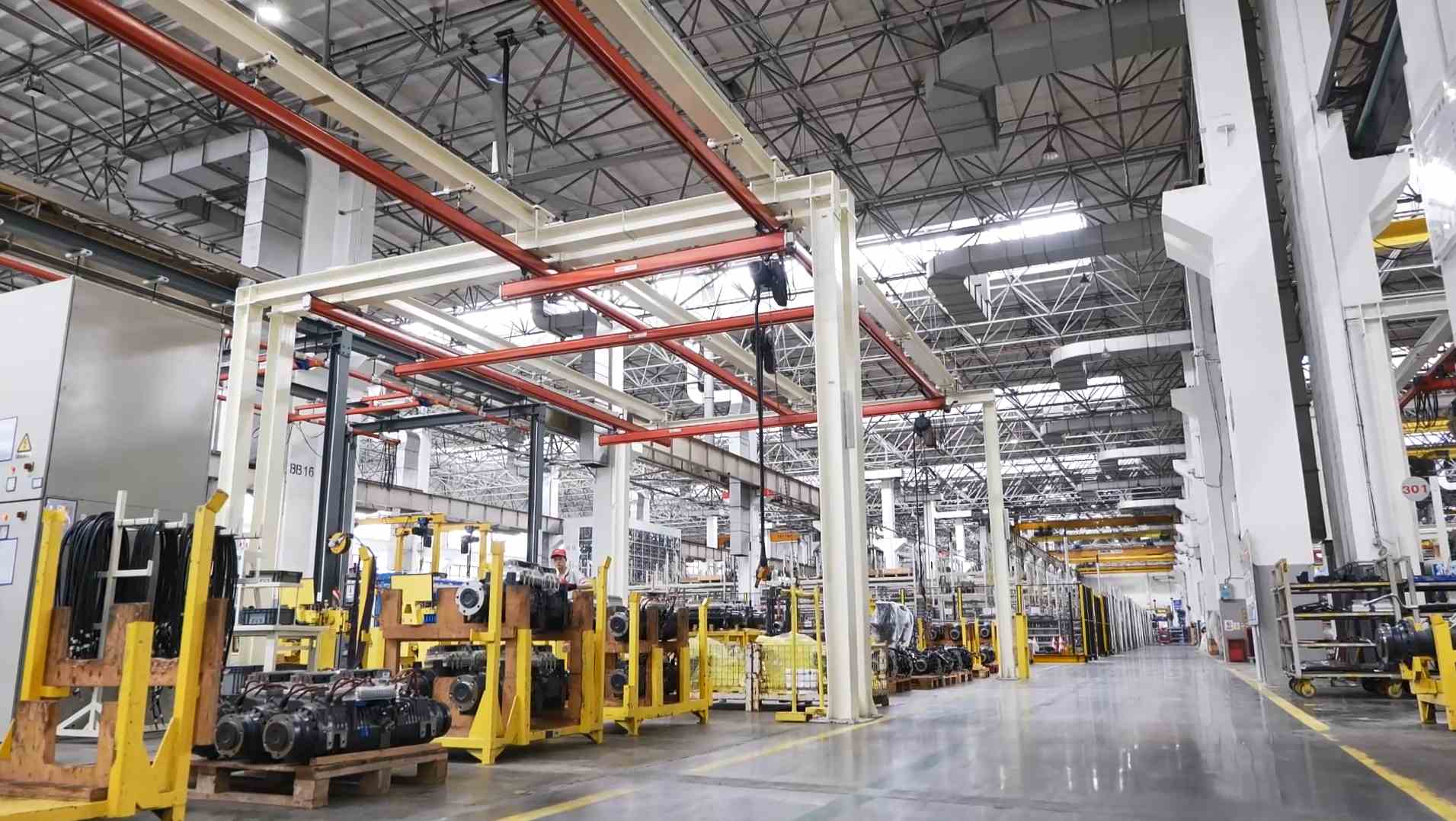
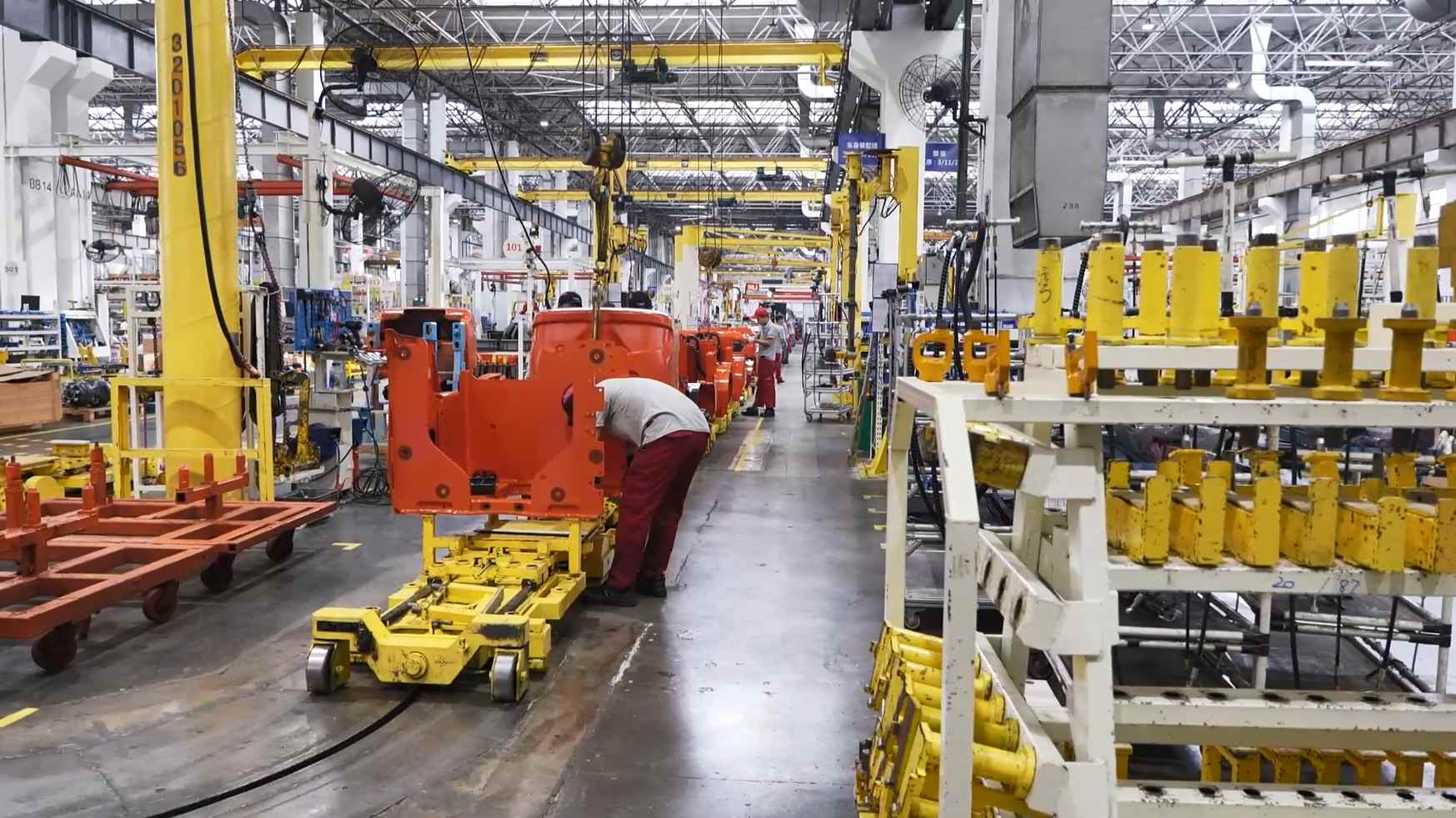
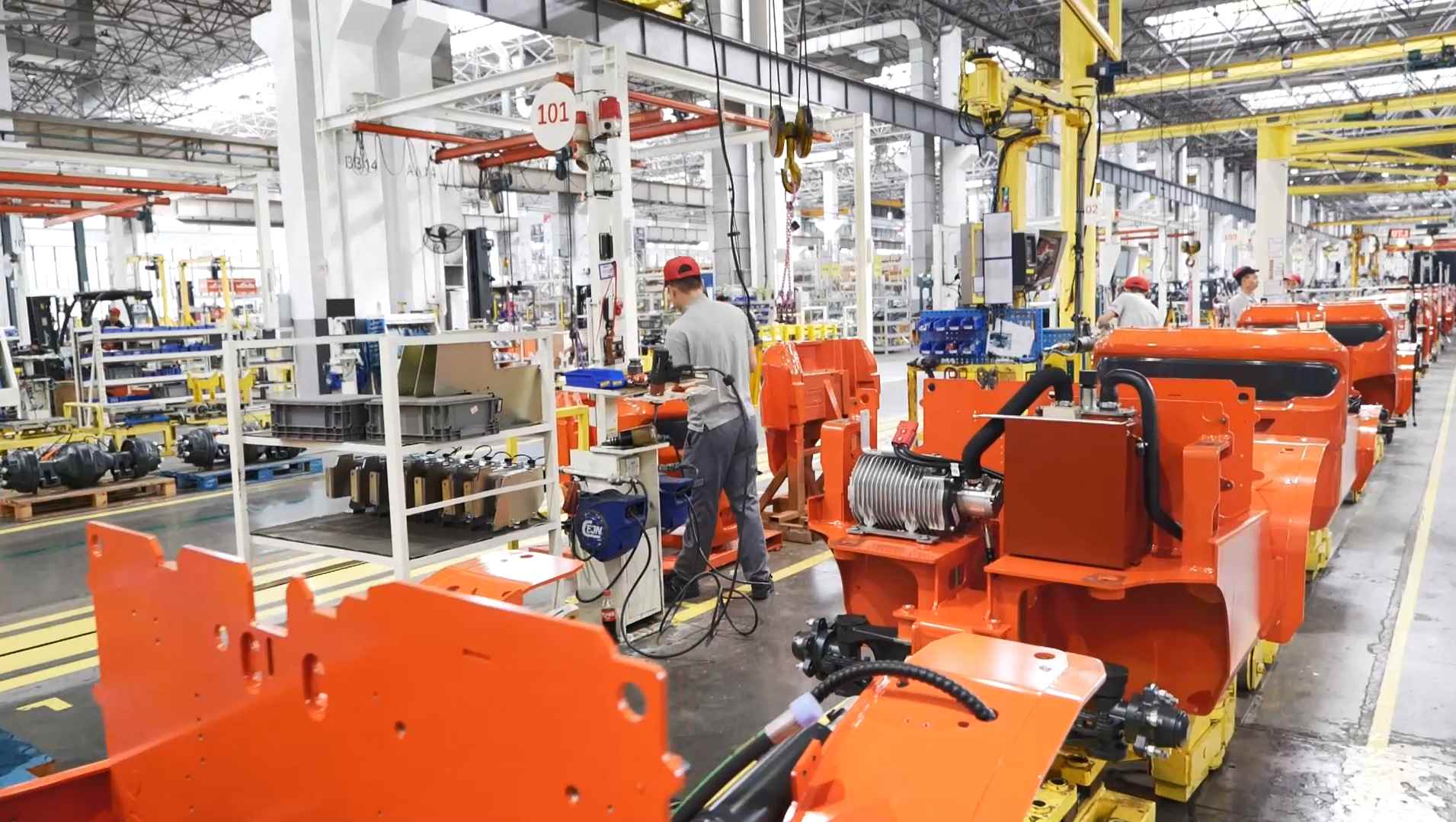
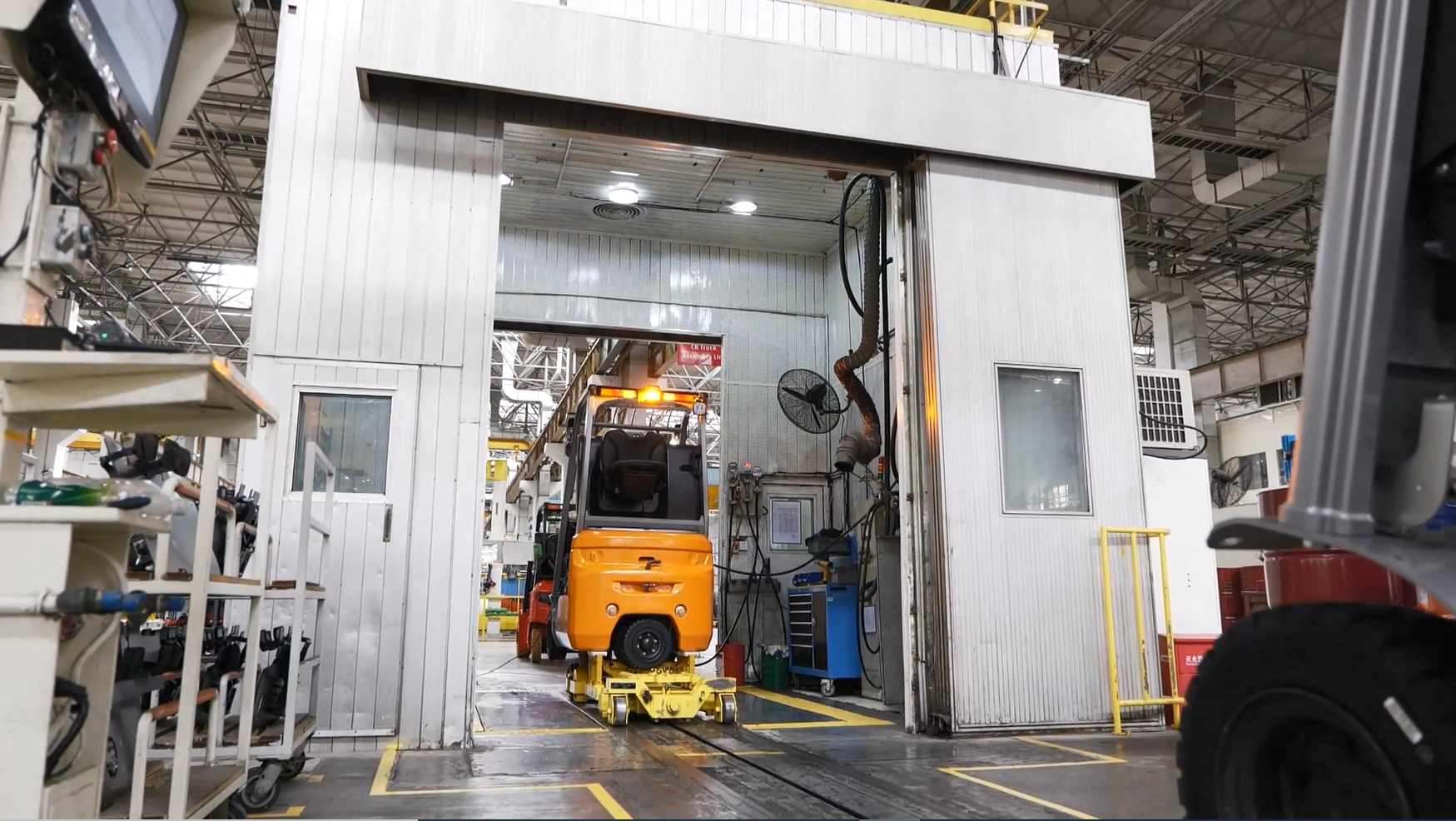
Xiamen Pexal Technology Co., Ltd. was founded in Xiamen, Fujian in 2024 as the sales, service and technical support base for Pexal material handling equipment. We work with a 220,000 m² partner manufacturing campus employing more than 1,200 people, including over 100 engineers dedicated to electric warehouse equipment and material handling solutions.
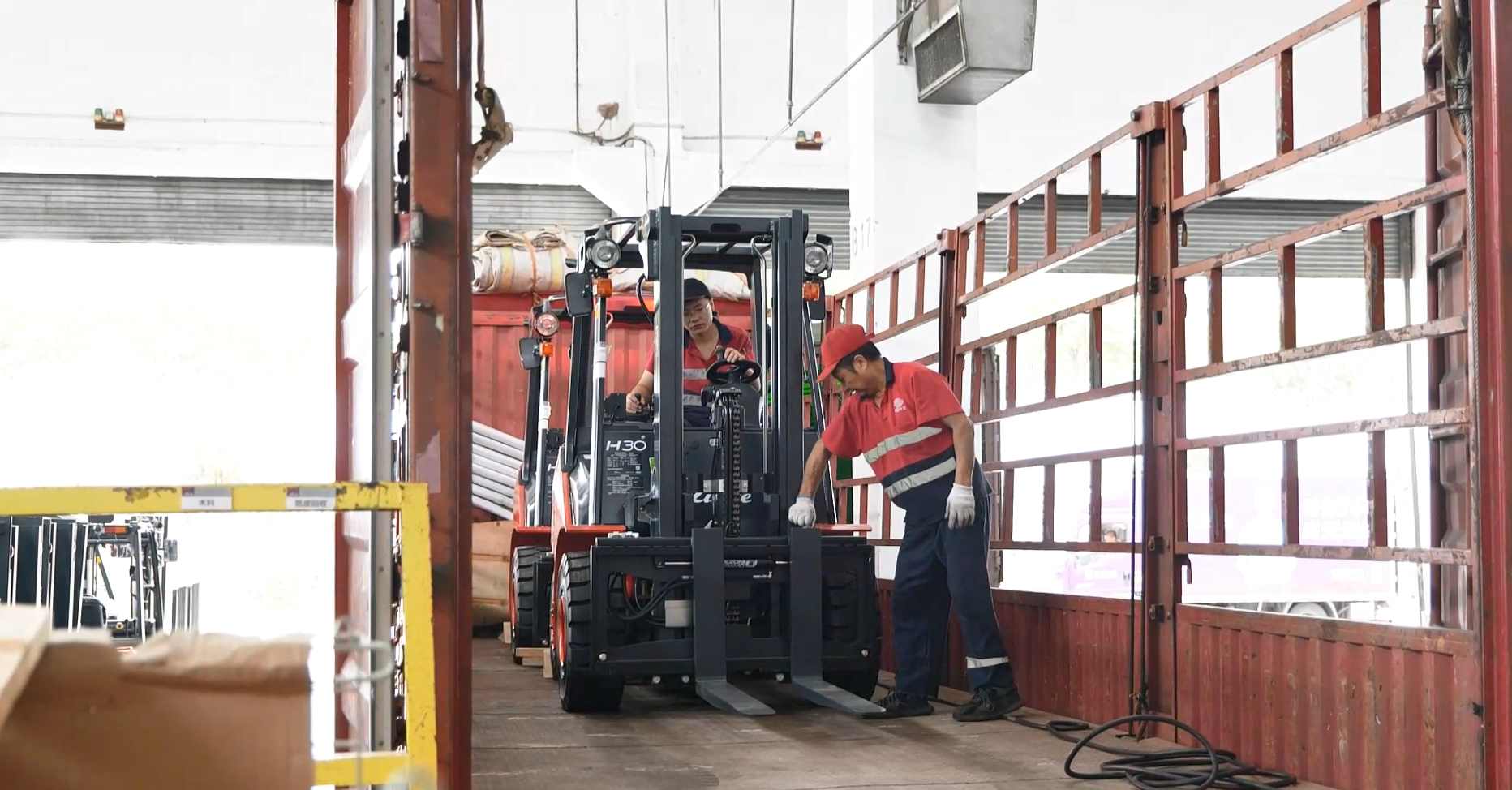
For narrow aisle reach truck projects, our team supports the practical details that determine whether an export order succeeds: specification review, aisle and racking discussion, battery and charger scope, export packaging, documentation, spare-parts planning and OEM/ODM branding. Buyers work with a supplier that understands both the product and the procurement process.
Main export markets include Western Europe, North America, South America, Eastern Europe and Oceania, serving dealers, rental companies and end users. Common delivery terms include FOB, CFR, CIF, EXW, FCA, CPT, CIP and DDP. Accepted currencies include USD, EUR, GBP, JPY, CAD, AUD, HKD, CHF and CNY. For technical questions and quotations, contact info@pexalbot.com.

Clear answers to the questions importers, distributors and fleet managers ask most often when comparing narrow aisle reach truck suppliers.
Send your aisle width, racking height, pallet weight, shift pattern and destination market. Xiamen Pexal Technology Co., Ltd. will help match the configuration, battery strategy, packaging and export terms to your project. Email: info@pexalbot.com