Walk-Behind Warehouse Electric Stacker
- Best for SMEs, retail and mixed pallet handling
- Practical for receiving and low-to-medium racking
- Straightforward battery and service planning
Compare warehouse electric stackers, plan future procurement, reduce total cost of ownership and source from an SGS-assessed supplier with customization support.

A warehouse electric stacker is a battery-powered material handling machine that lifts palletized loads to racking, stacking or dispatch heights while remaining compact enough for warehouses, retail backrooms, production lines and 3PL operations. It sits between a manual pallet jack and a full counterbalance forklift: more lifting power than a basic pallet truck, but usually a smaller footprint and simpler operating model than a forklift.
For global buyers, the purchase decision should not start with the lowest FOB price. It should start with the real operating question: what load must be lifted, to what height, how often, in what aisle width, and under what battery and charging strategy? A stacker that is under-specified may slow down receiving, damage pallets or force operators to make unsafe adjustments. A stacker that is over-specified may carry unnecessary cost and reduce return on investment.
That is why we recommend building a procurement brief before comparing quotations. Buyers should confirm pallet type, maximum load weight, load center, lift height, mast type, fork length, aisle width, floor condition, duty cycle, battery preference, safety expectations, target-market documentation and spare-parts plan. For distributors and rental fleets, the mix should also reflect local service capability, operator training and resale potential.
Use this comparison as a starting point for an RFQ. Final capacity, lift height and configuration must be confirmed for the exact model and application.
| Stacker Type | Typical Use | Procurement Focus | Buyer Check |
|---|---|---|---|
| Walk-Behind Electric Stacker | Retail backrooms, small warehouses, receiving and dispatch | Compact size, simple controls, low maintenance | Confirm aisle turning space and lift height |
| Stand-On Electric Stacker | Higher-throughput 3PL, distribution and long travel routes | Operator comfort, travel speed and battery runtime | Match duty cycle to battery and charging windows |
| Straddle-Leg Electric Stacker | Closed pallets and medium-height racking | Stability, leg clearance and precise positioning | Check pallet underside dimensions and pallet quality |
| High-Lift Electric Stacker | Multiple racking levels and space-limited storage | Mast stability, capacity at height and visibility | Verify rated capacity at the full lift height |
| Heavy-Duty Electric Stacker | Manufacturing, utility areas and heavier pallet flows | Reinforced chassis, mast and duty cycle | Confirm load center and floor loading limits |
| AGV Stacker or Automated Solution | Repetitive routes with predictable pallet flows | Integration, safety assessment and fleet management | Map routes, traffic rules and WMS requirements |
The best warehouse electric stacker is the one that matches the job, not the one with the longest feature list. These configurations help dealers, rental companies and end users shortlist the right starting point.
Global buyers are comparing warehouse electric stackers differently than they did five years ago. The shift is from unit price toward lifecycle value, supplier transparency and integration with broader warehouse automation plans.
Buyers increasingly compare purchase price together with charging infrastructure, battery replacement, maintenance, spare parts, operator training, uptime and resale. For warehouses running multiple shifts, energy and service planning can matter as much as the initial quotation. Procurement teams should ask for assumptions behind battery runtime, charging windows and recommended spare parts.
Lithium-ion and lead-acid configurations, where available by model, are evaluated against shift patterns and charging windows. The right choice depends on whether the operation can charge during breaks, needs opportunity charging, or prefers a spare-battery plan. Some buyers also request battery documentation and charging guidelines as part of supplier due diligence.
Procurement teams now ask earlier about emergency controls, braking, speed limits, visibility, load stability, warning systems and operator training. For cross-border orders, final compliance and documentation requirements should be confirmed for the destination market and application before the order is placed.
Even buyers who are not yet installing AGVs want room to grow. Warehouse electric stackers may need to fit future traffic flows, charging zones, safety rules and integration with warehouse management systems. A manual fleet today should not block a controlled automation phase tomorrow.
Distributors and rental fleets are reducing supply-chain risk by evaluating spare-parts availability, packaging quality, documentation, response time and the ability to support repeat orders. A low-cost machine without a service plan can become expensive when it stops working.
Dealers want a warehouse electric stacker that fits local customer expectations, not only a generic catalogue model. Color, logo, labels, mast height, fork length, battery preference, voltage, packaging and documentation can be discussed as part of OEM or ODM programs, subject to confirmation for each configuration.
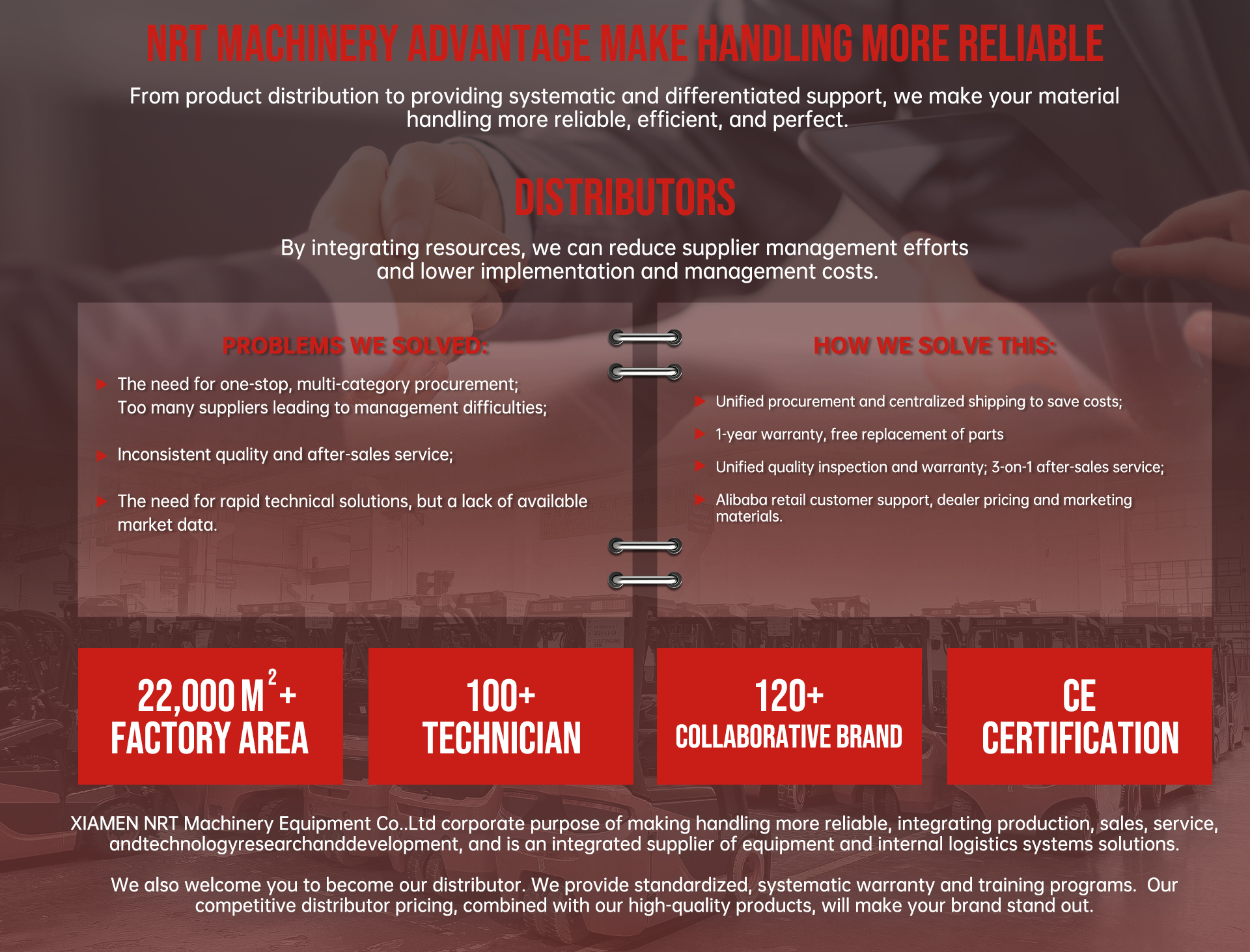
Equipment design is moving toward higher efficiency, easier service and better integration with digital warehouse operations. The features below are important evaluation points for buyers planning future purchases.
Battery and charging choices are becoming more modular so one machine family can serve different shift patterns and regional requirements. Buyers should confirm the exact battery type, charger, runtime assumptions and warranty terms for each model.
Warehouse space pressure is driving demand for stable masts that reach higher racking levels without increasing the machine footprint. Capacity at height, visibility and floor condition remain critical checks.
Where configured, digital controls can support access management, usage data, fault diagnosis and fleet planning. The value depends on the buyer’s IT environment, service capability and willingness to use the data.
Emergency stop placement, braking performance, travel speed, horn, lights and operator visibility are becoming more important selection criteria. Buyers should map safety features to site traffic, pedestrian zones and operator training.
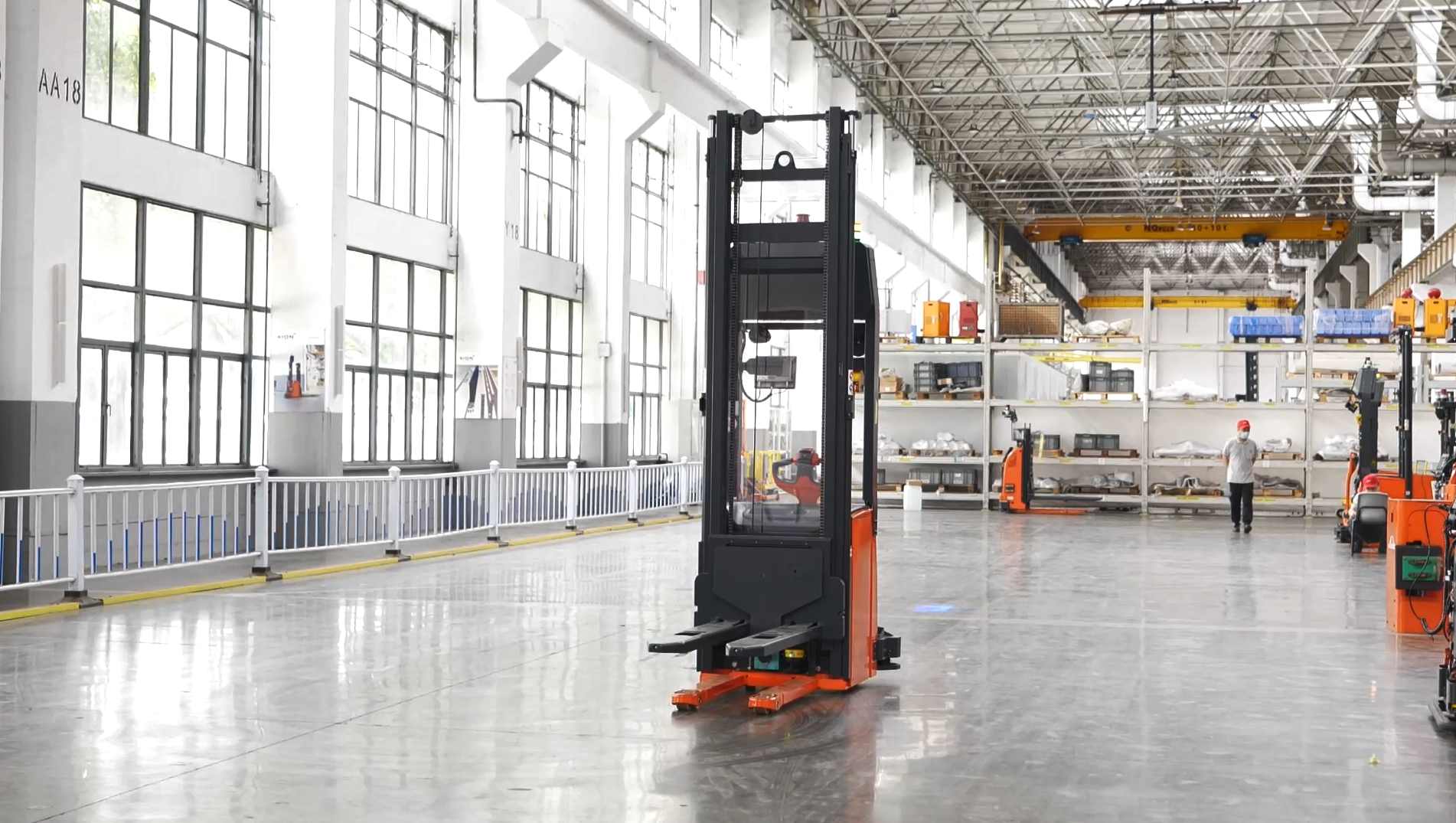
Automated guided stackers and robotics are gaining attention for repetitive pallet movement. Integration requires route design, traffic management, safety assessment and reliable pallet quality. Manual and automated equipment may operate together during a phased rollout.
Operator comfort, clear controls, visibility and easy access for maintenance strongly influence daily productivity. For rental fleets, service simplicity and spare-parts availability can be as important as lifting performance.
Buying a warehouse electric stacker is a commercial decision and a trust decision. The supplier should be able to explain production capability, customization boundaries, quality checks, packaging, documents and after-sales support in clear terms.

Xiamen Pexal Technology Co., Ltd. has passed an onsite check and a supplier assessment conducted by SGS Group. Business type, main products, main markets and capabilities have been reviewed onsite, giving buyers a clearer starting point for due diligence.
View Assessment ReportPremises and operations have been confirmed by onsite inspection, with legal status validated by a third-party verification company. Buyers can also review our credit index and trade history before starting an RFQ.
Review Credit IndexWe support sample-based customization, full customization and ODM services, including mast height, fork length, battery type, color, logo and attachment configuration where applicable. Our team can review your market requirements before quotation.
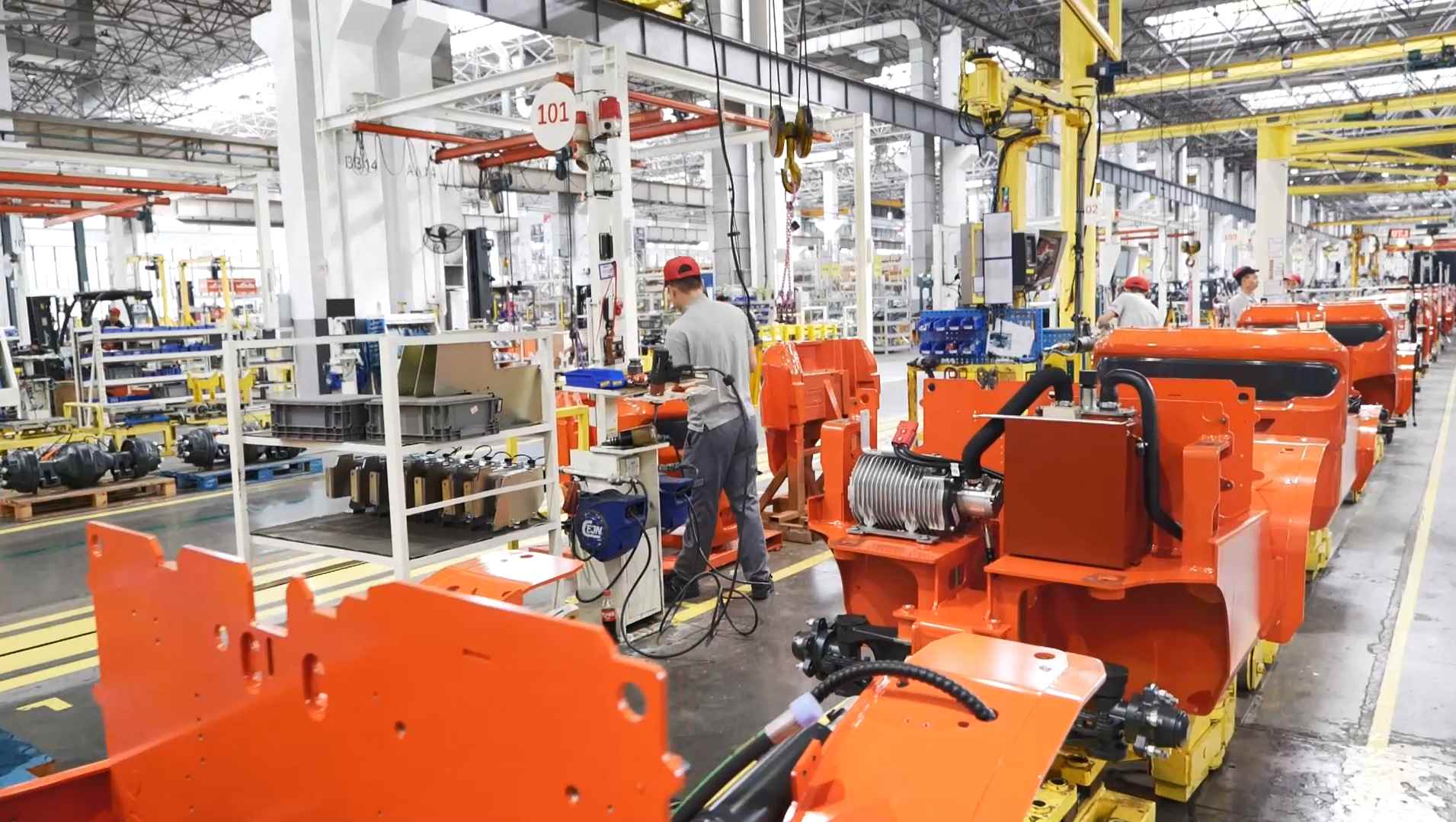
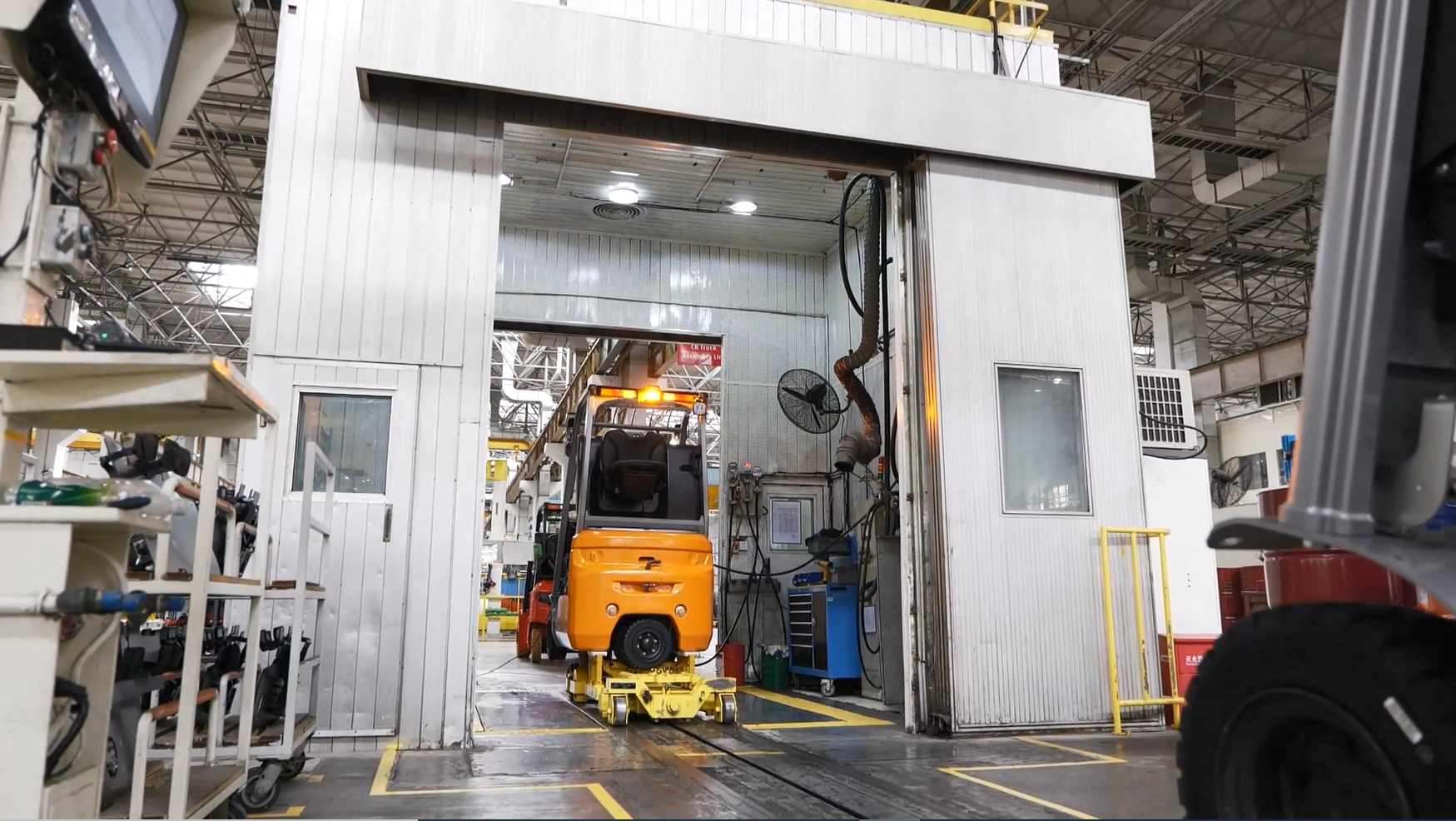
Review Trade CapacityXiamen Pexal Technology Co., Ltd. was founded in Xiamen, Fujian in 2024 as the sales, service and technical support base for Pexal material handling equipment. We work hand in hand with a 220,000 m² partner manufacturing campus employing more than 1,200 people, including a team of over 100 engineers dedicated to electric warehouse equipment.
Our mission is practical: help buyers move from manual handling to electric handling, and from diesel to battery power — reducing emissions, noise and operating cost while building toward intelligent, digital logistics. For warehouse electric stacker buyers, that means practical support with load analysis, lift height, aisle planning, battery strategy, customization and export preparation.
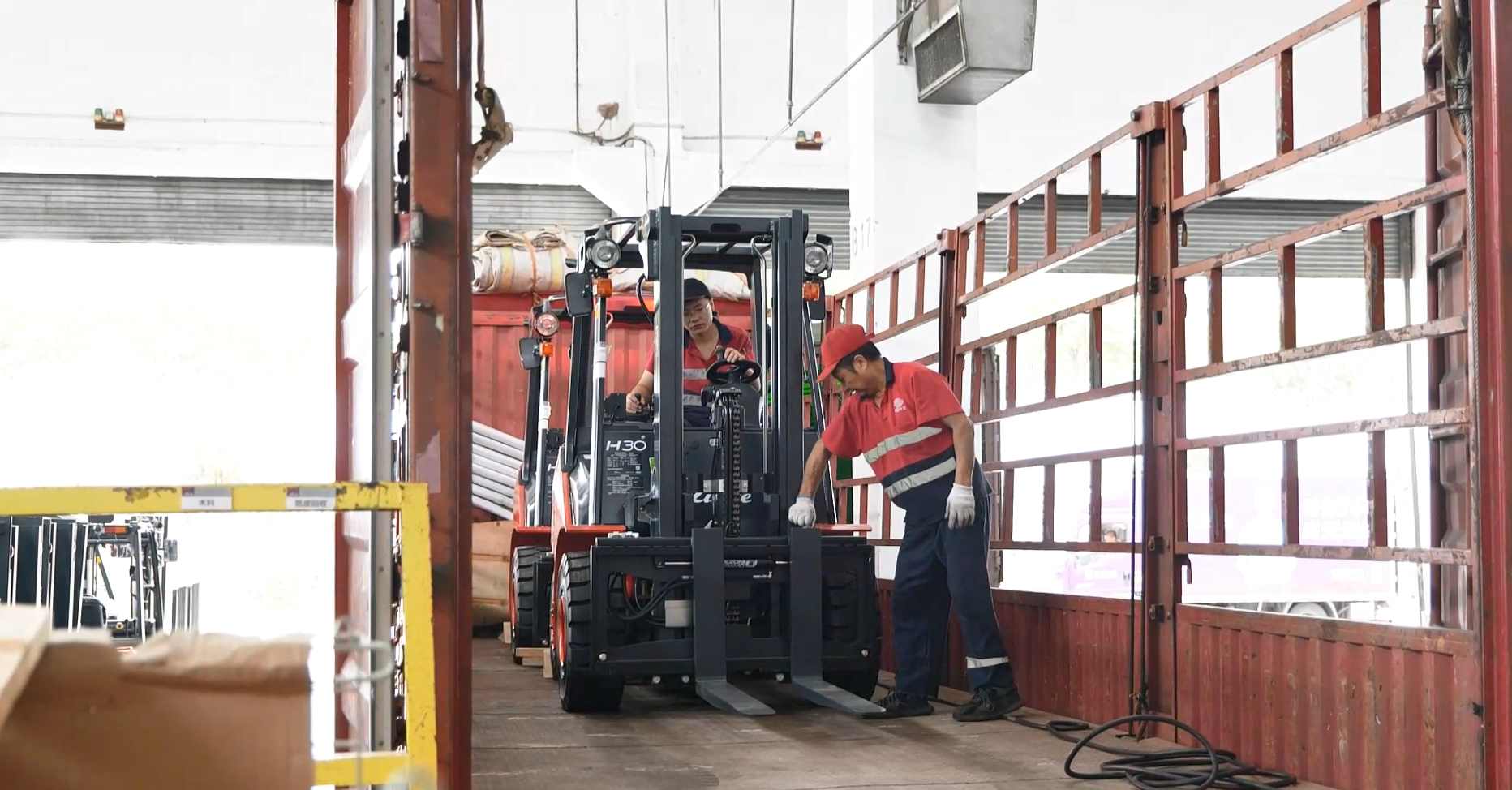
We serve dealers, rental companies and end users across Western Europe, North America, South America, Eastern Europe and Oceania. Common delivery terms include FOB, CFR, CIF, EXW, FCA, CPT, CIP and DDP. Accepted payment methods include T/T, L/C, D/P, D/A, Western Union, PayPal, credit card and escrow. Accepted currencies include USD, EUR, GBP, JPY, CAD, AUD, HKD, CHF and CNY.
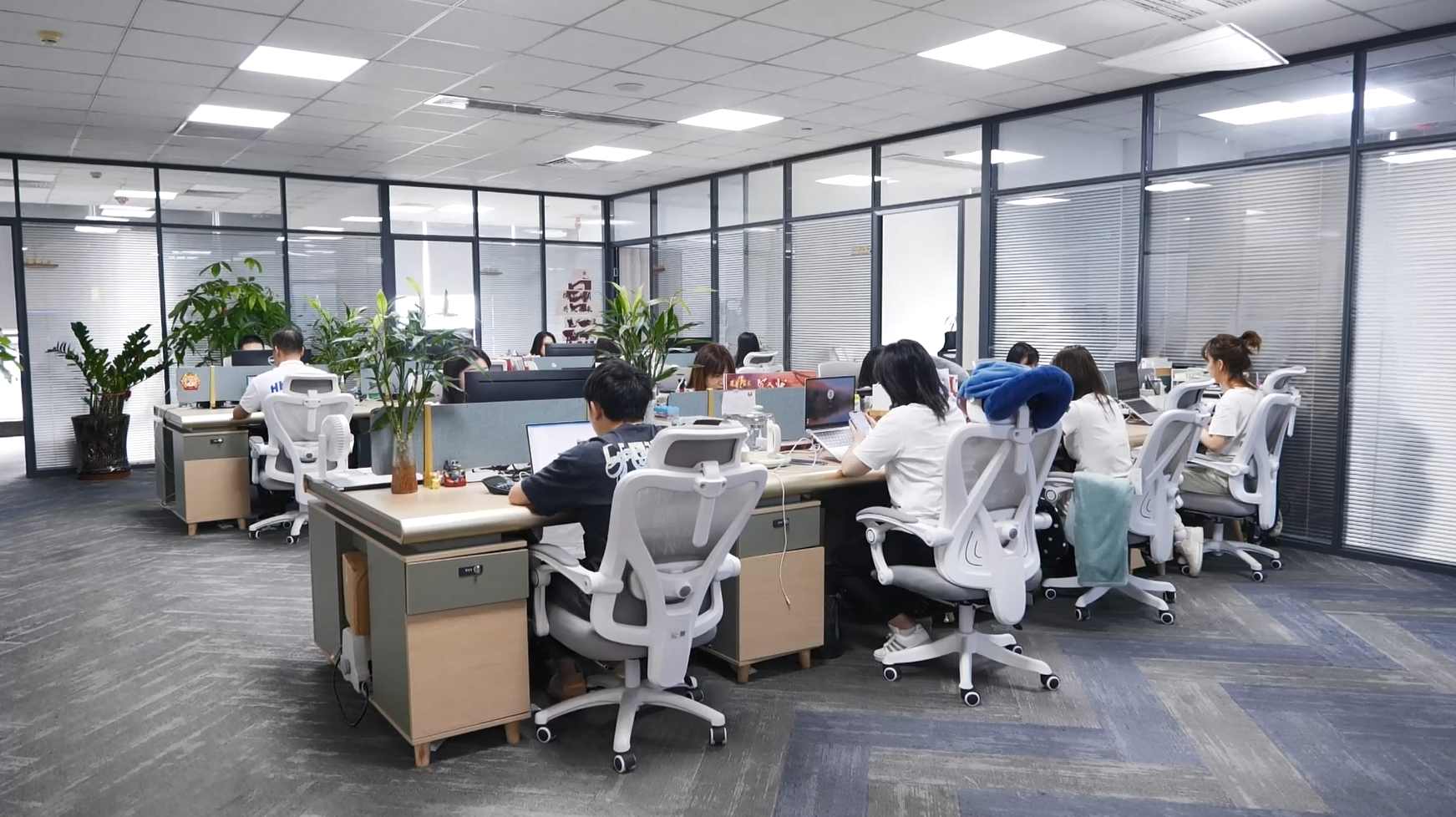
Facilities, product lines and support capabilities documented for buyers who want to evaluate Xiamen Pexal Technology Co., Ltd. before the first order.
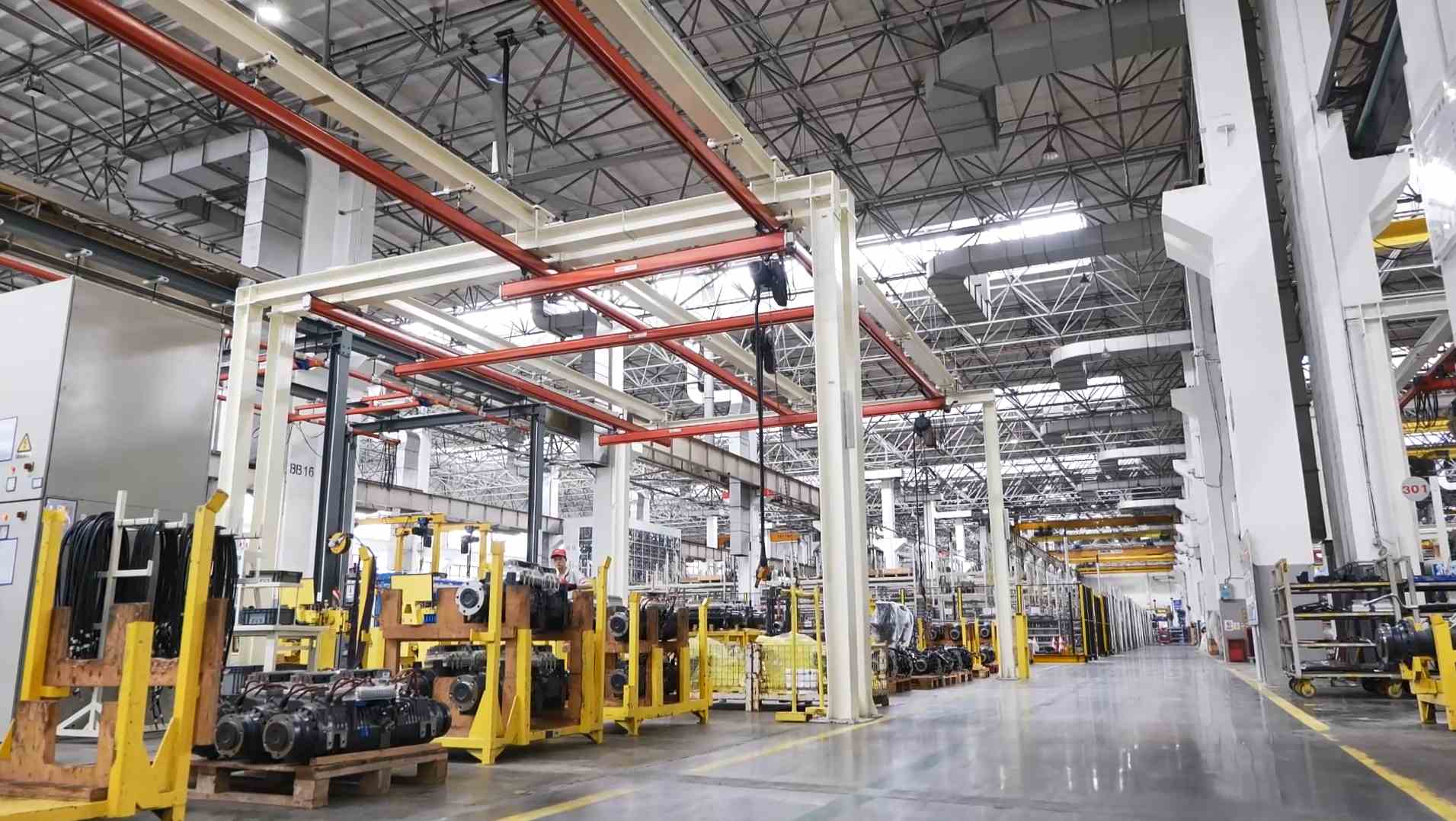
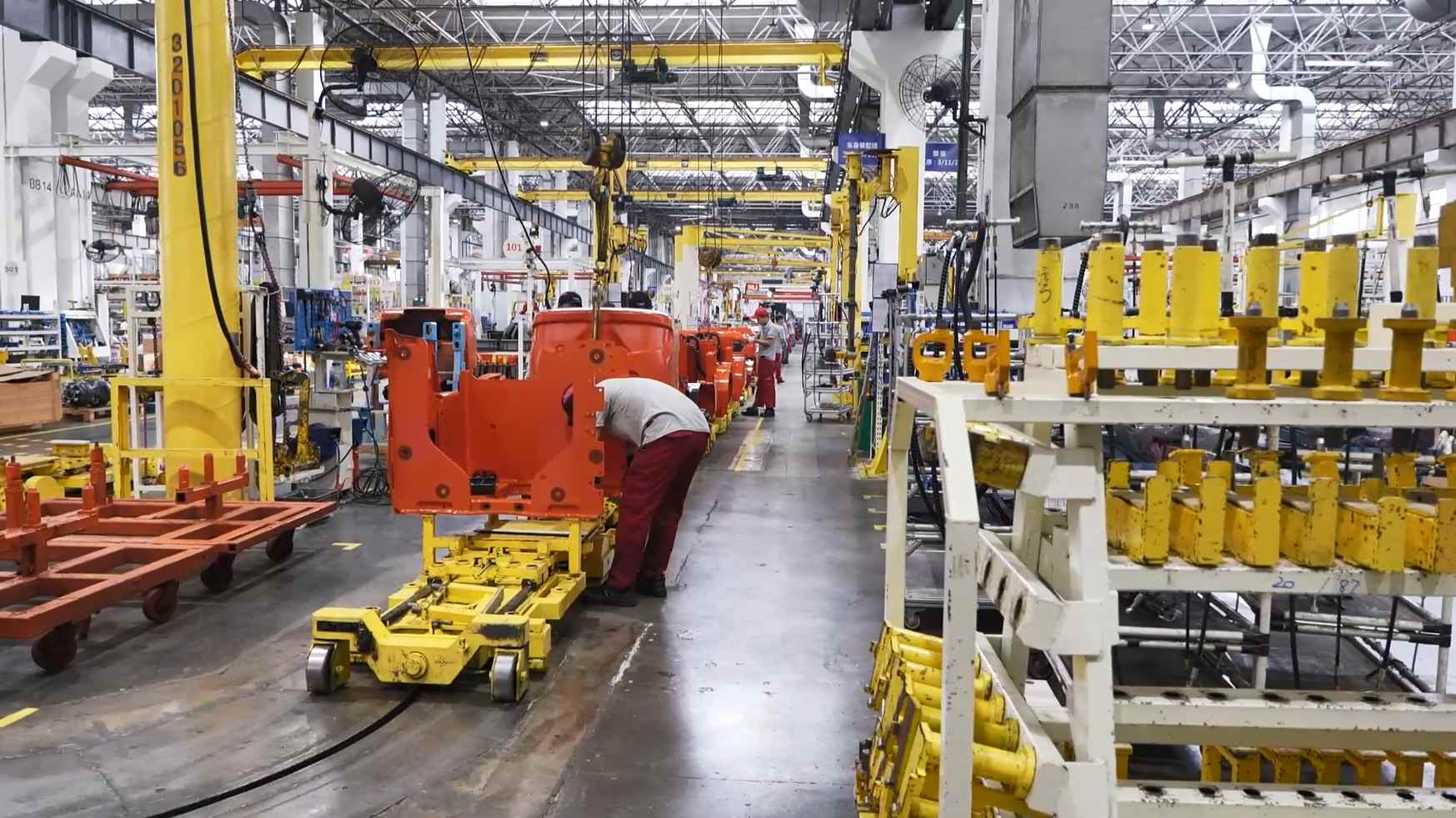
These are the questions buyers most often ask when comparing warehouse electric stackers, requesting quotes and evaluating suppliers for dealer or fleet programs.
Share your load, lift height, aisle width, battery preference, target market and annual volume. Xiamen Pexal Technology Co., Ltd. will help you compare configurations and prepare a practical proposal for your market. Email: info@pexalbot.com