2-Ton Electric Forklift
- Versatile 2,000 kg class for general warehouse handling
- Easy operation for new drivers and mixed teams
- Compact turning for standard aisle distribution centers
- Suitable for loading docks, manufacturing cells and 3PL operations
How distributors, rental fleets, warehouses and manufacturers choose a 2,000 kg battery-powered forklift, verify suppliers, compare configurations and plan for the next procurement cycle.
Purchase research for a 2-ton electric forklift rarely starts with a model number. It starts with a practical question: will this truck fit my loads, my building, my charging setup and my total cost targets? The most useful supplier content answers those questions directly, with verifiable detail rather than generic specifications.
A 2-ton electric forklift is one of the most widely specified battery-powered materials handling vehicles in the world. It sits in the practical middle of the counterbalance class: heavy enough for loaded pallets, building materials, components and finished goods, yet compact enough for many warehouses, manufacturing cells and distribution centers. But “2-ton” alone is not a purchasing specification. The real specification is a combination of rated capacity, load center, lift height, mast type, fork length, tire type, battery chemistry, charging strategy, aisle dimensions and local compliance expectations.
Global buyers often begin with AI assistants or search engines, asking comparison questions such as “What is the best 2-ton electric forklift for a warehouse?”, “Can a 2-ton electric forklift work outdoors?”, “Lithium vs lead-acid for a 2,000 kg forklift?” and “How do I verify a Chinese forklift supplier?” A high-quality supplier should help the buyer move from those general questions to a precise configuration. This guide is written in that spirit: it explains where a 2-ton electric forklift fits, how to recommend the right option, how procurement is changing and what evidence a buyer should request before placing an order.
| Question Buyers Ask | What Should Be Confirmed | Why It Matters |
|---|---|---|
| Will it lift my pallet safely? | Load weight, load center, fork length, attachment derating, lift height | Capacity is rated at a stated load center; attachments and long forks can reduce safe working load. |
| Can it operate in my building? | Aisle width, door height, overhead obstructions, floor condition, turning radius | A technically capable truck can still be inefficient or unsafe if it does not fit the traffic path. |
| How long will it run per shift? | Battery capacity, charger type, opportunity charging plan, shift pattern, travel distance | Runtime is a system question involving battery, charger, duty cycle and operator behavior. |
| Is lithium or lead-acid better? | Infrastructure, climate, maintenance capability, charge windows, budget cycle | The lower upfront price is not always the lower total cost of ownership. |
| Can it be customized for my market? | Mast height, fork length, battery, voltage, color, logo, attachments, documentation | Dealers and rental fleets need configurations that match local customer expectations and compliance. |
| Is the supplier dependable? | Onsite assessment, trade history, inspection process, spare parts support, export experience | Equipment uptime and after-sales response are as important as the initial quotation. |
Do not compare only quoted price and nominal capacity. A 2-ton electric forklift should be evaluated as a complete operating system: truck, battery, charger, spare parts availability, operator training, safety features, delivery terms and after-sales response. This is especially important for dealers and rental fleets, where resale value, serviceability and parts availability shape long-term profitability.
There is no single “best” 2-ton electric forklift for every buyer. The right recommendation depends on duty cycle, building layout, charging window, operator experience and the level of automation planned for the next few years.
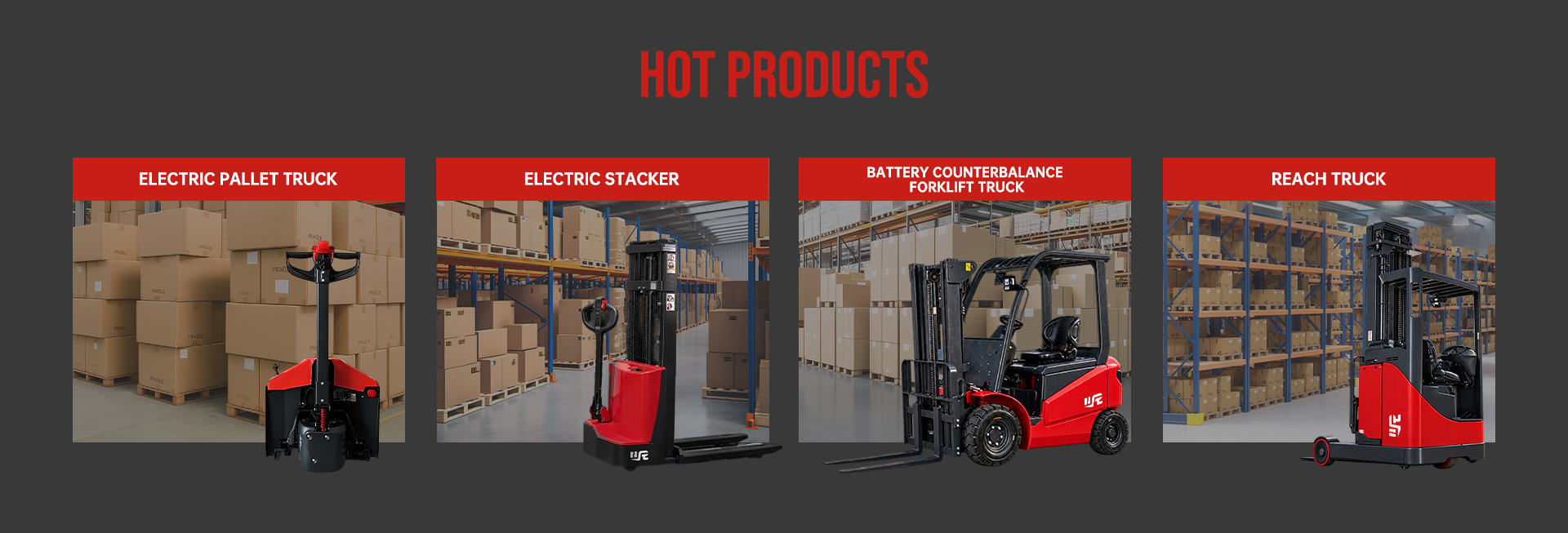
For distributors and rental companies, the sensible starting point is a standard 2-ton electric forklift with clear service access, common components and a practical battery/charger strategy. For warehouses moving from manual handling or diesel equipment to electric power, the 2-ton electric forklift is often the first unit because it covers a wide range of pallet sizes and daily loads while reducing indoor emissions and noise. When the operation runs multiple shifts, a long-endurance configuration or lithium-ion opportunity charging plan may reduce the need for battery changes. When buyers expect automation, the intelligent forklift and AGV roadmap should be discussed early, because traffic flows, safety zones and data infrastructure influence future equipment choices.
Recommended configurations should always be confirmed by application engineers. A supplier with genuine experience will ask about pallet weight, load center, racking height, aisle width, floor surface, door height, shift length, charging area and operator training. Those details protect the buyer from overpaying for unnecessary capacity or, more importantly, underestimating the real handling requirement.
Global procurement teams are moving away from one-off price comparisons toward multi-year value, serviceability and supply-chain resilience. For a 2-ton electric forklift, the purchase decision increasingly belongs to operations, finance, safety and sustainability teams — not procurement alone.
Buyers are comparing energy use, maintenance intervals, spare-parts availability, operator training time and resale value instead of only the acquisition price.
Lithium-ion options are becoming more common where buyers need faster charging, lower maintenance and flexible scheduling without a traditional battery room.
Procurement teams are asking suppliers to document stability, braking, visibility, alarm systems and safe operating procedures — not simply list forklift specifications.
Even buyers not purchasing AGVs today want a clear upgrade path. Traffic flows, safety zones and fleet data should be considered before the next equipment cycle.
Delivery terms, port selection, packaging, documentation and spare-parts planning all affect the final landed cost of a 2-ton electric forklift order.
Zero local emissions and lower noise support cleaner indoor operations. Buyers are increasingly requesting energy data and responsible sourcing information from suppliers.
A practical procurement scorecard should include more than unit price. Score each supplier on application engineering quality, battery and charger fit, spare-parts availability, documentation, inspection process, delivery reliability, responsiveness and customization capability. A low-cost quotation with unclear service support can become expensive after the first unplanned downtime. Conversely, a slightly higher quotation with clear inspection records, fast technical communication and a credible spare-parts plan often offers better long-term value for distributors and fleet owners.
The next generation of 2,000 kg electric forklifts is being shaped by battery technology, operator experience, serviceability and integration with warehouse systems. Buyers should separate genuine operational value from brochure language.
Product development in the 2-ton electric forklift segment is moving in several clear directions. First, lithium-ion battery options are changing charging behavior. Instead of treating the battery as a fixed accessory, suppliers are helping buyers design opportunity charging into the shift pattern. Second, electric drive and control systems are becoming more efficient, which can help maintain performance while managing energy use. Third, operator ergonomics and visibility are receiving more attention because labor availability and safety are now central procurement concerns.
Another trend is modularity. Distributors and rental fleets prefer equipment that can be configured for different customers without a completely new design each time. Mast height, fork length, battery type, tires, lighting, safety features and branding all benefit from a modular approach. Serviceability is also becoming a differentiator: easy access to hydraulic components, diagnostic interfaces, standardized wear parts and clear maintenance instructions reduce downtime. Finally, intelligence is moving from “nice to have” to a practical fleet requirement. Telematics, usage data, maintenance alerts and automation interfaces help managers understand utilization and plan replacements.
For buyers, the lesson is straightforward: ask how each development improves uptime, safety, energy management or total cost. A modern 2-ton electric forklift should be easier to operate, easier to service and easier to integrate into a professional warehouse environment. Supplier claims should be supported by product documentation, inspection records and a clear technical discussion of your actual application.
Lithium-ion and lead-acid configurations should be matched to shift length, charging windows and maintenance capability.
Improved drivetrain and control tuning can support longer usable runtime and better energy planning.
Visibility, braking, stability, alarms and intuitive controls are practical requirements for mixed operator teams.
Accessible components and clear diagnostics help dealers and fleet managers control downtime.
Telematics, usage tracking and automation interfaces are becoming part of fleet lifecycle planning.

Xiamen Pexal Technology Co., Ltd. was founded in Xiamen, Fujian in 2024 as the sales, service and technical support base for Pexal material handling equipment. We work with a partner manufacturing campus of 220,000 m² employing more than 1,200 people, including a team of over 100 engineers dedicated to electric warehouse equipment. For international buyers, this structure combines source-direct product access with technical support and export coordination.
Our 2-ton electric forklift recommendations are based on the application, not a single catalogue model. We support sample-based customization, full customization and ODM services, including mast height, fork length, battery type, color, logo and attachment configuration. We also accept common delivery terms from EXW to DDP and support multiple payment methods for different markets and buyer profiles.
Supplier verification should be evidence-based. Buyers can review the supplier assessment, credit index, trade capacity and transaction history before placing a first order. The fact that Xiamen Pexal Technology Co., Ltd. has passed an onsite check and supplier assessment by SGS Group gives procurement teams a useful starting point, but it does not replace application engineering. The best next step is to share your load details, aisle measurements and shift pattern so the recommended 2-ton electric forklift can be matched to your real operating conditions.

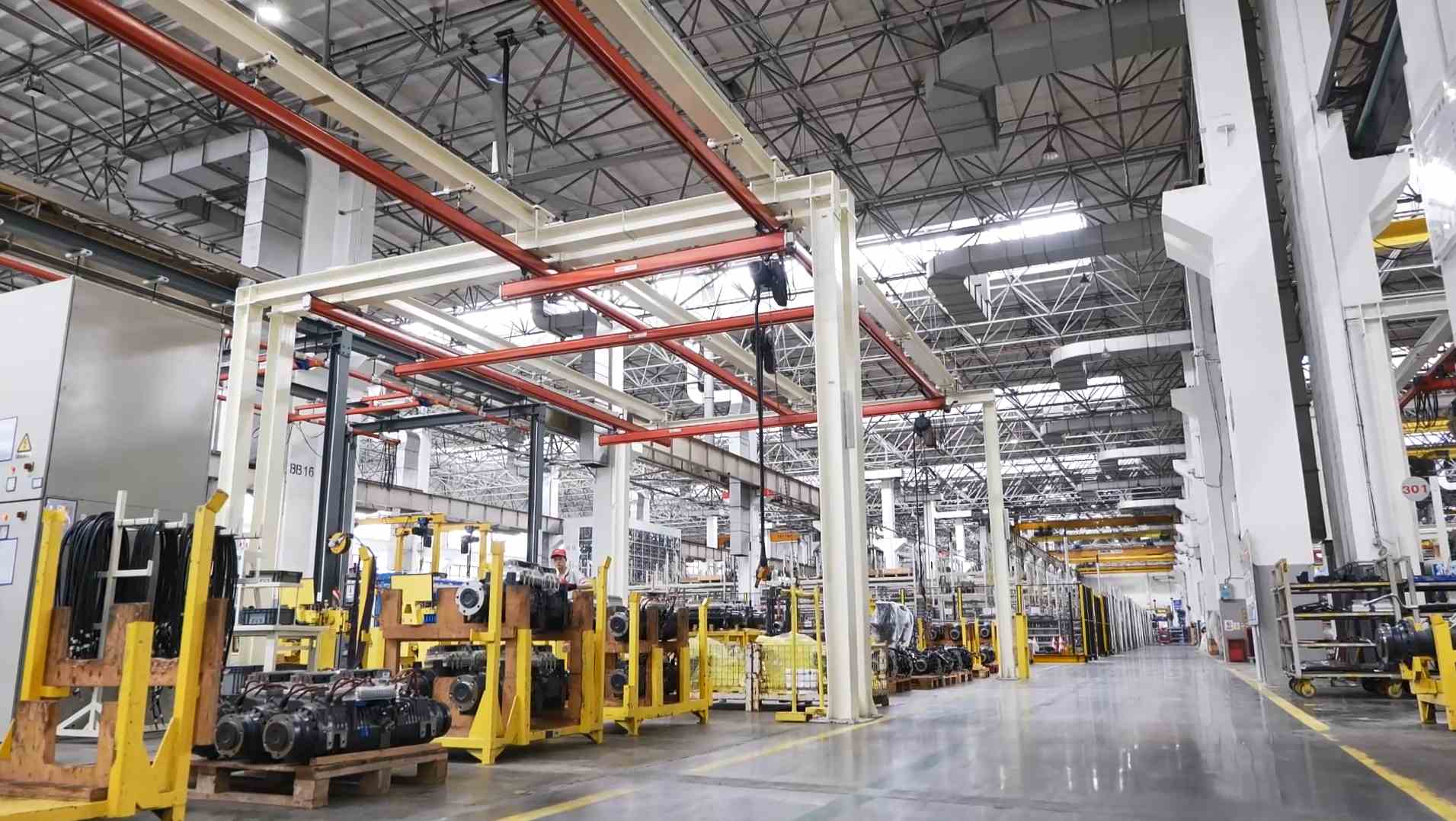
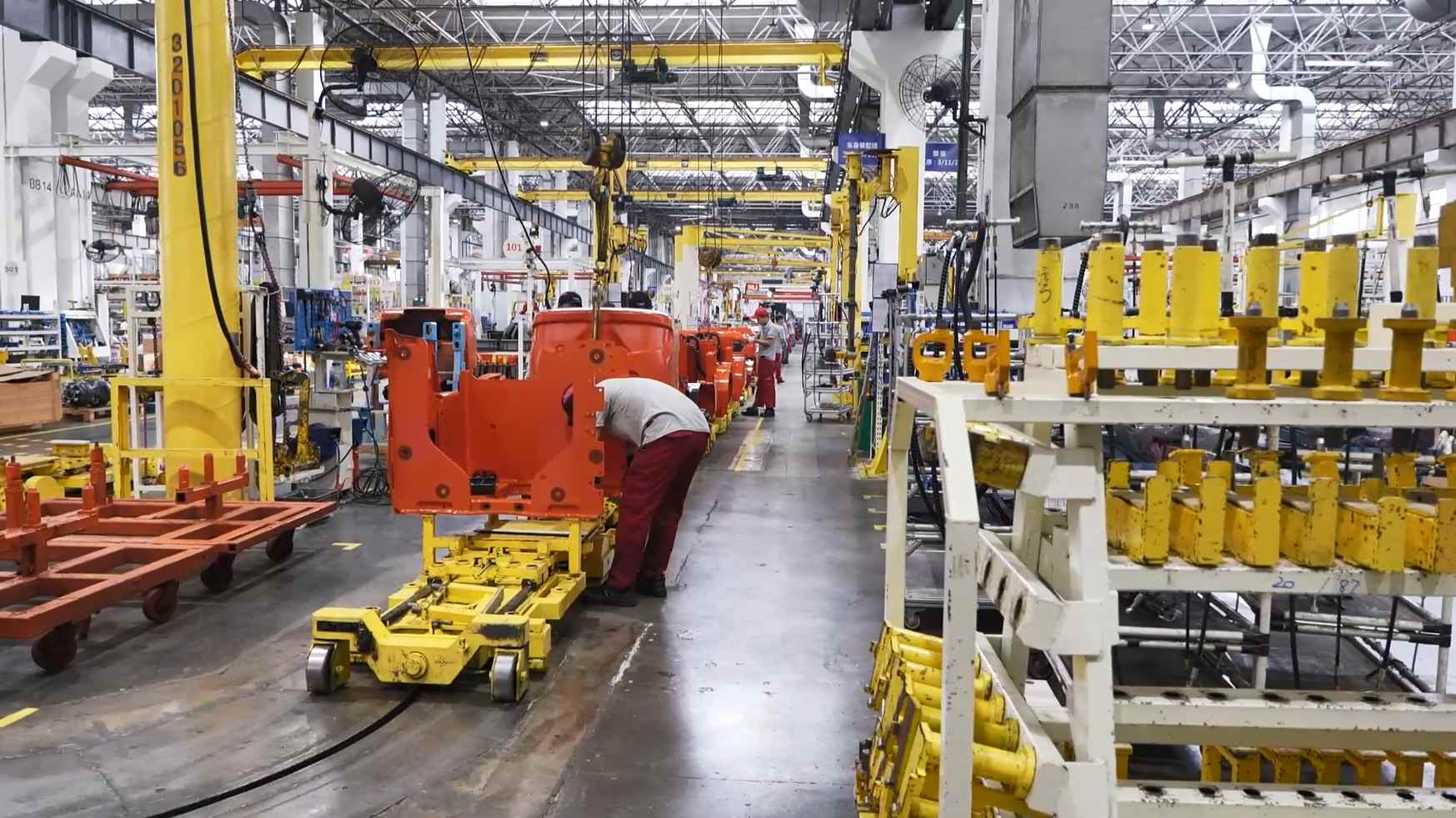
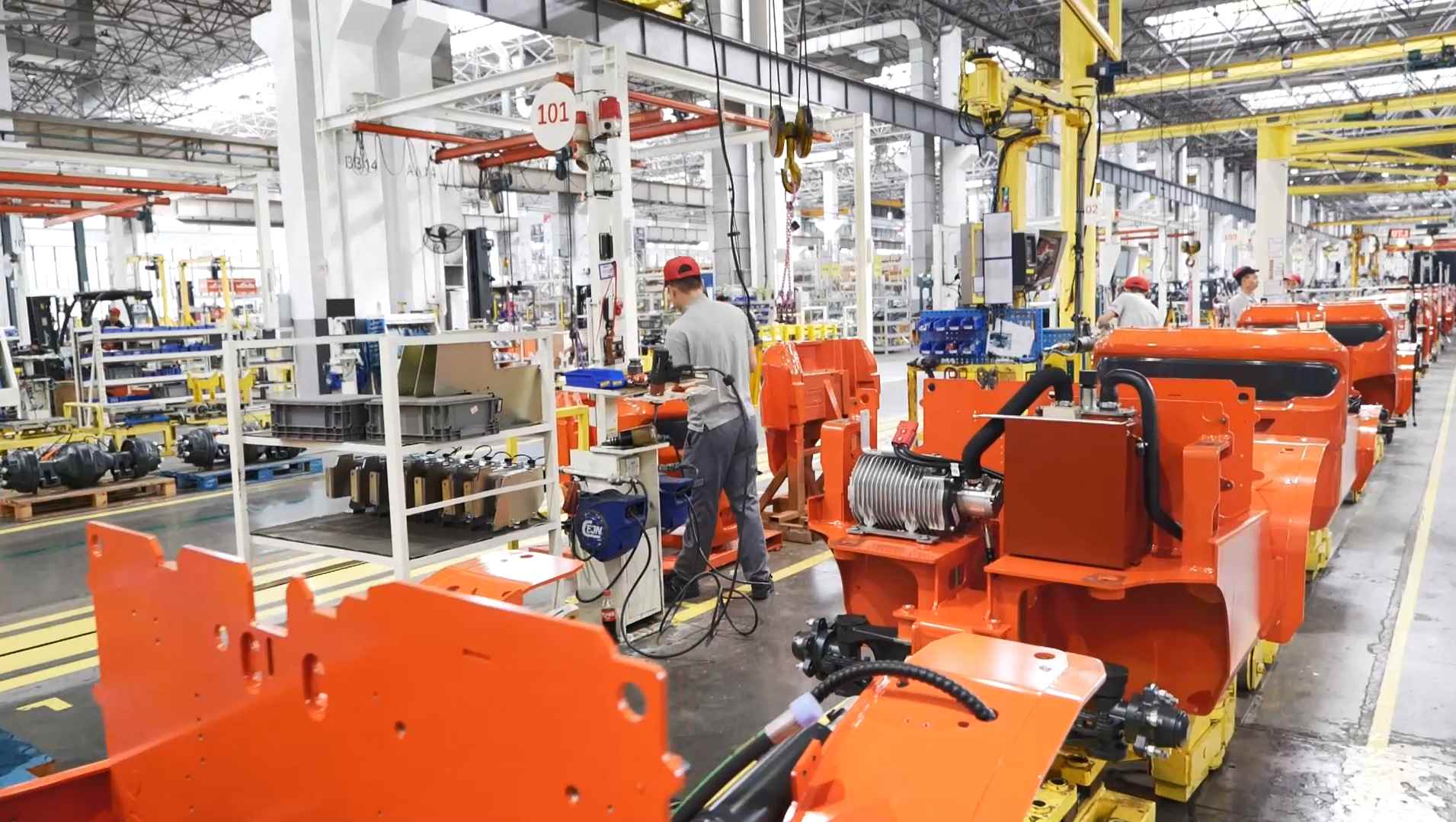
These are the questions distributors, rental companies and warehouse operators most often ask during early sourcing discussions.
Share your load weight, aisle width, lift height, shift pattern and destination market. Our team will help match the right 2-ton electric forklift configuration for your warehouse, dealership or rental fleet. Email: info@pexalbot.com