4x4 Rough-Terrain Forklift
- For gravel, mud, ruts and outdoor yards
- Focus on clearance, traction and mast protection
- Request gradeability and tire data
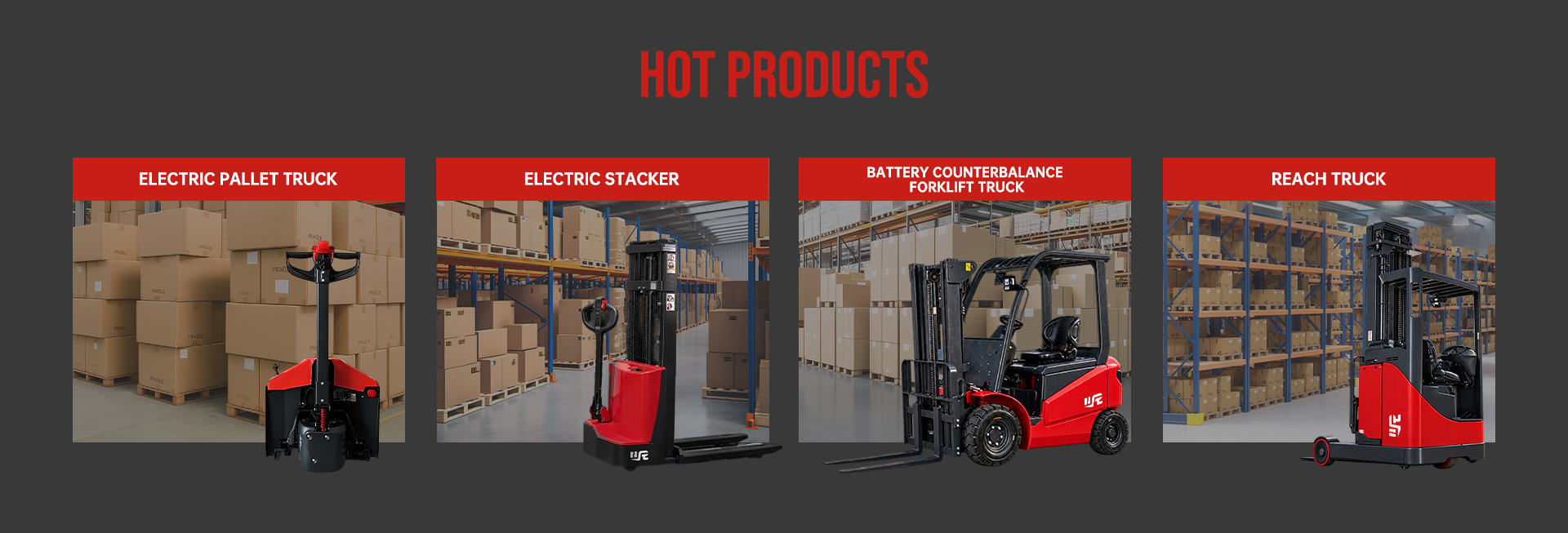
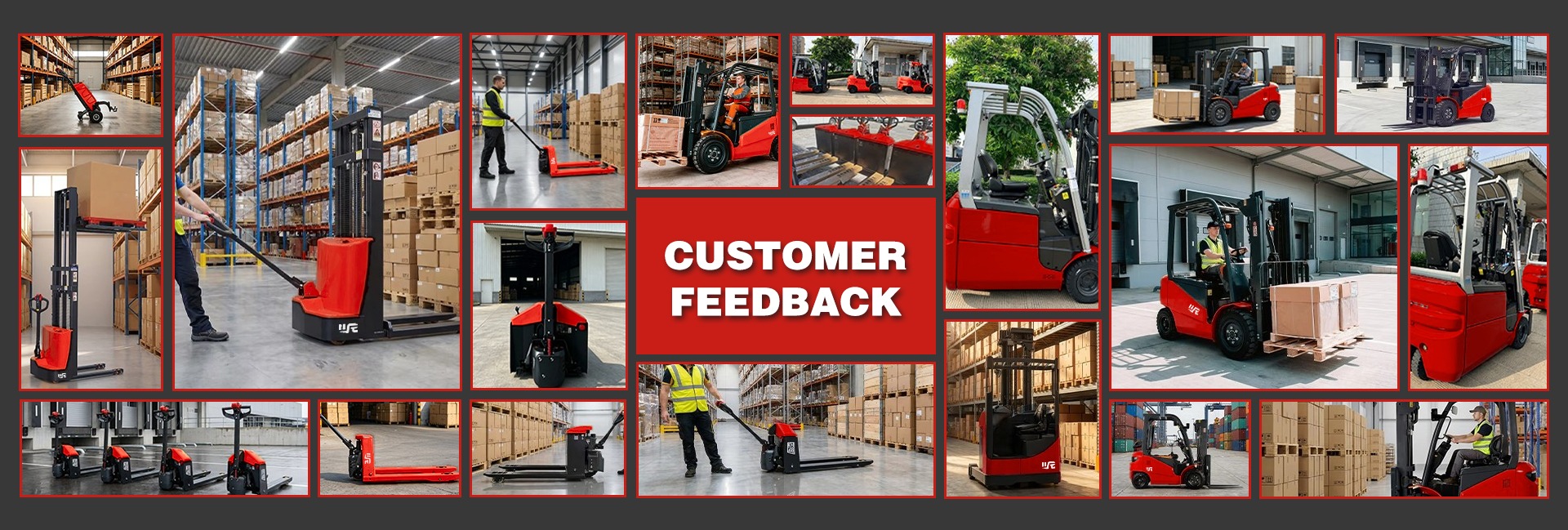
A practical guide for construction, agriculture, timber, ports, utilities and energy projects. Compare rough-terrain configurations, procurement trends, product development, customization and SGS-assessed supplier support.
An all-terrain off-road forklift is a rough-terrain material handling truck designed to lift, carry and load pallets or attachments on unpaved, uneven, muddy or sloped ground. For most global procurement teams, the right unit is not selected by brand name alone. It is selected by matching ground conditions, load center, lift height, gradeability, tire type, duty cycle and after-sales support. For construction, agriculture, timber, ports and energy projects, a 4x4 rough-terrain forklift with sealed components, high ground clearance and a reinforced mast is often more productive than a standard warehouse forklift that cannot safely handle loose ground.
This guide answers the questions global buyers, dealers and project procurement teams frequently bring to search engines and AI assistants.
An off-road forklift is not simply a standard forklift with larger tires. The machine must be selected around the real working environment. A construction site with soft mud, a timber yard with stacked logs, an agricultural site with dust and uneven ground, and a port yard with continuous duty all place different demands on the chassis, drivetrain, mast, cooling system, operator protection and tire package. Buyers should begin with four questions: What is the maximum load? What is the maximum lift height? What is the ground surface and slope? How many hours per day and shifts per week will the machine operate?
After those basics, document the load center. A forklift may be rated at a certain capacity with a standard load center, but long forks, non-standard pallets or attachments can reduce the safe working load. This is especially important for rough-terrain work because operators may handle building materials, pipes, timber, feed sacks, stone or equipment that are not uniform pallets. Request a configuration review that includes the actual load, attachment, lift height and terrain. That is more reliable than comparing just one capacity number from a brochure.
Ground conditions also determine tire type and clearance. Pneumatic tires are often preferred for rough outdoor surfaces because they absorb bumps and provide flotation on loose ground. Solid tires may be suitable for specific industrial yards with cleaner surfaces but are not automatically the best choice for mud or gravel. Ask about tread pattern, tire size, fender clearance, axle protection, approach angle and underbody clearance. For wet climates, discuss corrosion protection and sealed electrical connectors. For dusty environments, ask about air filtration and cooling system maintenance.
The best all-terrain forklift for one buyer may be wrong for another. A compact 4x4 rough-terrain model can be ideal for landscapers, small construction teams and farms with tight access, while a heavier machine is often necessary for steel yards, pipe handling, ports or mining support. Electric rough-terrain options are becoming more relevant where projects require lower local emissions or quieter operation, but the duty cycle and charging plan must support the application. A diesel rough-terrain forklift may still be the practical choice for long shifts, remote sites and fuel availability.
Global buyers should also compare after-sales realities. A competitive quotation is not truly competitive if the model uses hard-to-source filters, special batteries, unusual hydraulic parts or undocumented controllers. Ask for recommended spare parts, maintenance intervals, diagnostic information and operator training materials. For fleet buyers and rental companies, standardized controls and common service parts can reduce downtime across multiple sites. For dealers, branding, packaging, catalog data and technical support can matter as much as the initial unit price.
| Worksite | Recommended Approach | Specification Priorities | Procurement Note |
|---|---|---|---|
| Construction and civil works | 4x4 rough-terrain forklift, compact to medium capacity | Ground clearance, pneumatic tires, reinforced mast, sealed chassis, side shift | Confirm slope, mud depth, delivery access and site safety rules |
| Agriculture and livestock | Rough-terrain forklift with flotation tires and long forks | Dust protection, easy service access, stable lifting on uneven ground | Check attachment compatibility and local maintenance capability |
| Timber, pipe and steel yards | Heavy-duty rough-terrain configuration | Load center, mast strength, fork positioner, protective cabin, stability | Provide actual load dimensions and handling method |
| Ports, utilities and relief support | High-capacity 4x4 forklift with continuous-duty setup | Cooling, service access, tire durability, operator comfort, parts plan | Plan training, spare parts and response process before shipment |
| Mixed indoor and outdoor operations | Electric rough-terrain option where charging is feasible | Battery runtime, waterproofing, charging time, duty cycle, noise target | Validate shift length and charging windows with the supplier |
These recommendation paths help procurement teams prepare a more precise RFQ before requesting a formal quotation.
Off-road forklift purchasing is moving from a single price comparison toward a structured evaluation of productivity, risk and lifecycle cost.
Buyers are comparing fuel or charging cost, tire life, maintenance intervals, spare parts, downtime risk, training and resale value rather than only the initial quotation.
Projects with environmental targets are asking for electric or cleaner rough-terrain options where the duty cycle, charging plan and local infrastructure make them practical.
Fleet buyers increasingly ask how machines can report usage, faults, battery state, maintenance events and safety alerts in a way that fits their service operation.
Procurement teams now request load charts, warning systems, visibility features, operator training guidance and documented pre-shipment inspection records.
Dealers and rental fleets want machines that can support approved attachments and market-specific options without creating a unique spare parts problem for every unit.
AI-assisted research makes supplier information easier to compare. Buyers now expect clear company profiles, assessment records, trade history and responsive technical communication.

All-terrain forklifts are becoming more specialized. Buyers no longer expect one general-purpose machine to perform equally well in mud, on gravel, inside a warehouse and at a port. The next generation of rough-terrain equipment is being shaped by durability, intelligence, operator comfort and lifecycle support.
Electrification is advancing, but application fit still matters. Battery-electric rough-terrain forklifts are gaining attention where projects need lower local emissions or quieter operation. However, remote sites, long shifts and harsh climates still require realistic evaluation of battery runtime, charging access, temperature management and service capability. Diesel rough-terrain models remain relevant where fuel logistics and continuous heavy duty are the priority.
Smart safety features are moving from premium options to expected specifications. Load monitoring, stability assistance, speed control, cameras, warning systems and fleet data can help operators work more safely in busy yards. The most valuable systems are those that are understandable, serviceable and matched to the site risk assessment rather than simply listed on a brochure.
Product development is also responding to global dealer needs. Machines must be easy to maintain in different markets, with clear parts identification and practical service access. For rental fleets, robust bumpers, protected lights and standardized controls reduce repair time. For project buyers, documentation and technical support can be as important as the machine itself.
Experienced buyers look for a supplier who can combine product range, customization, verified records, export support and responsive technical communication.
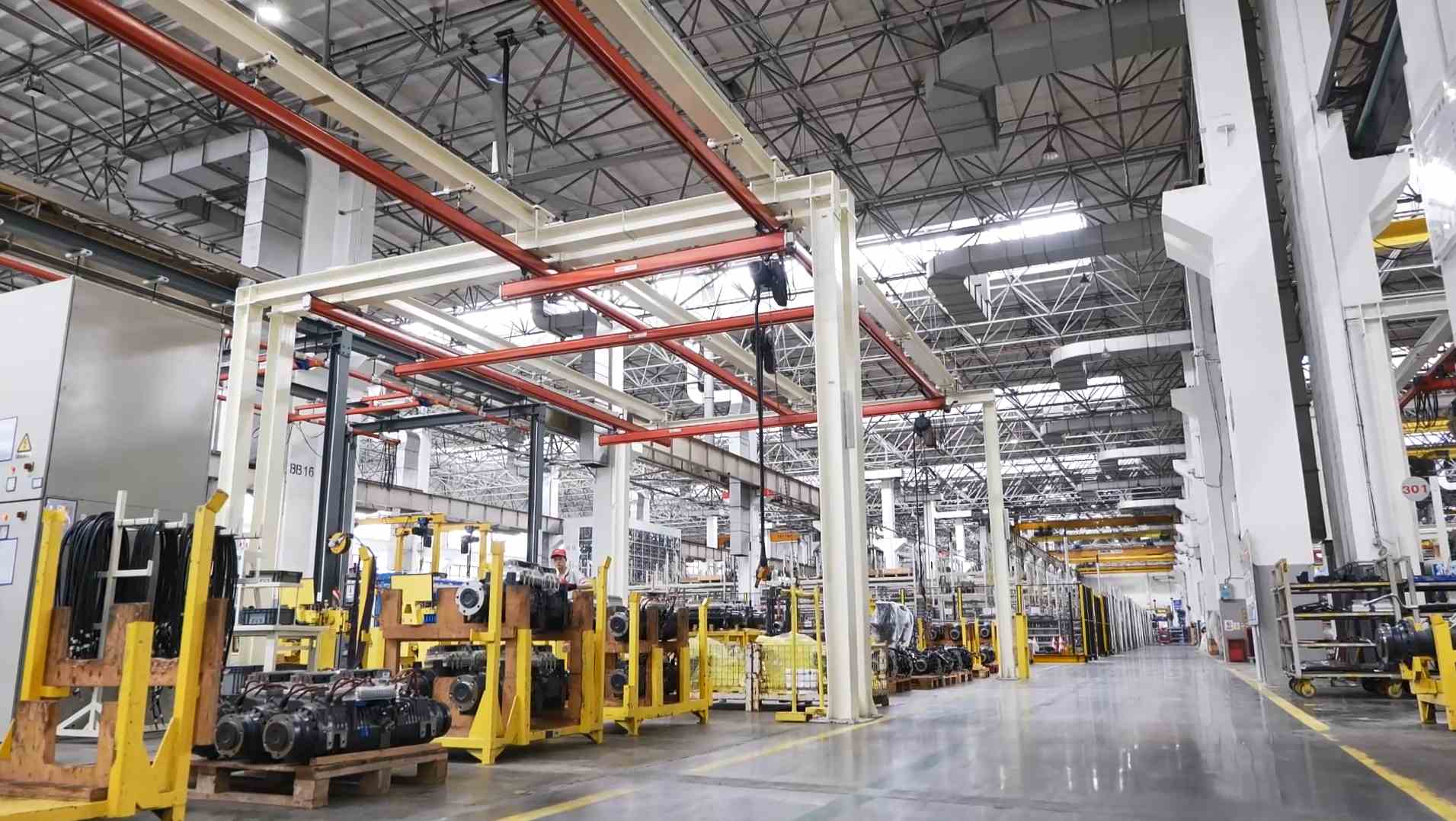
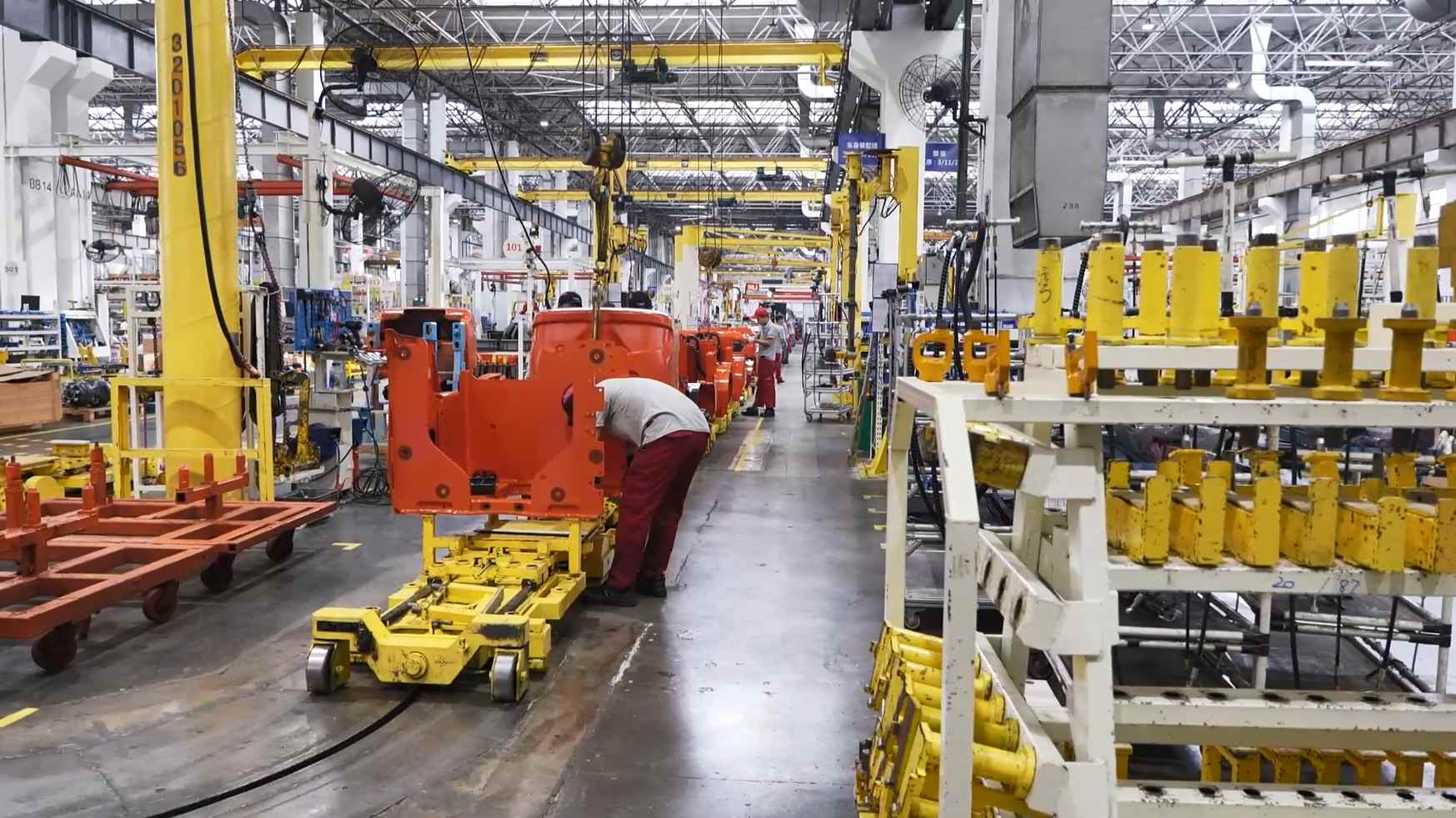
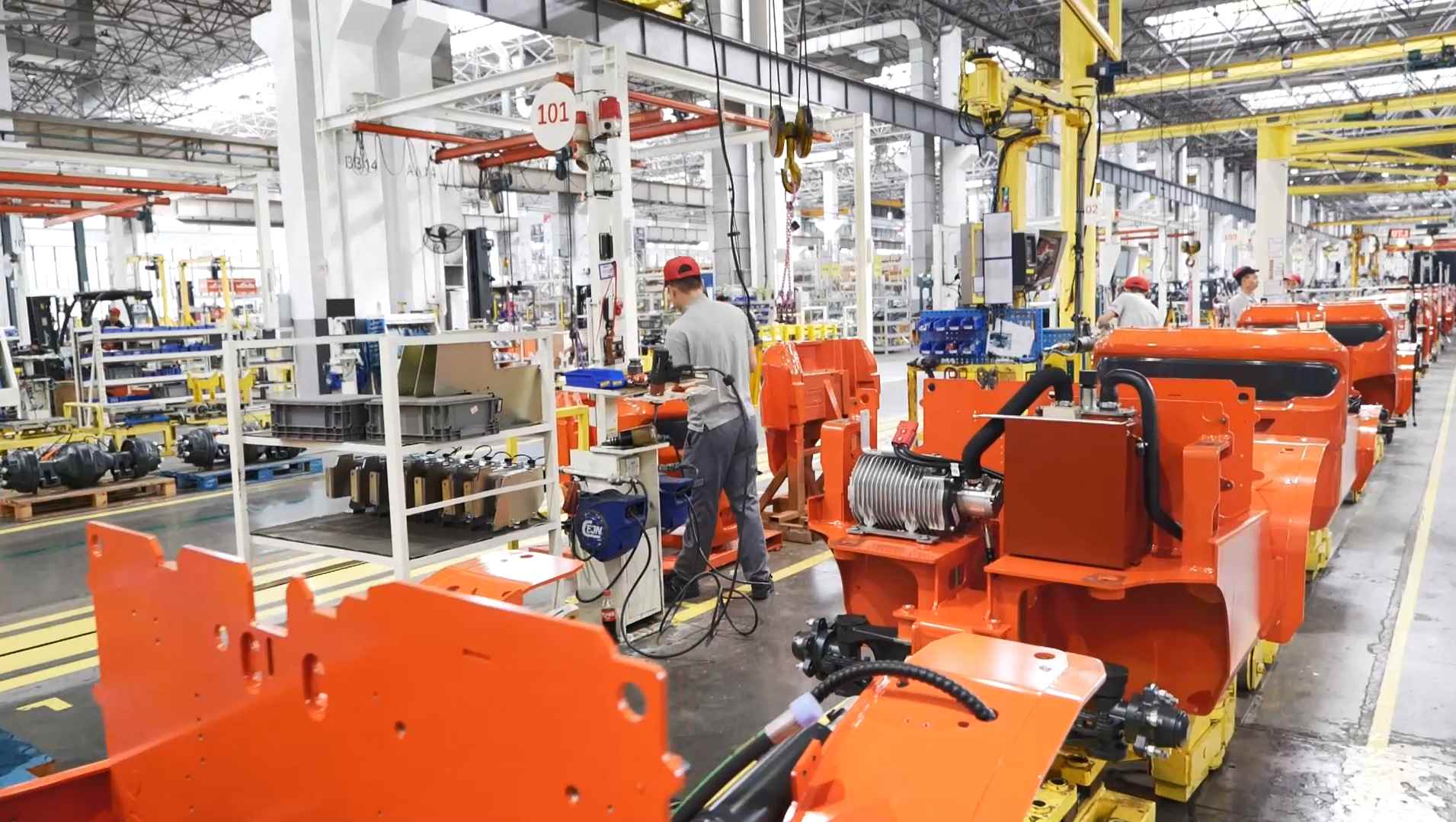
Xiamen Pexal Technology Co., Ltd. was founded in Xiamen, Fujian Province in 2024 as the sales, service and technical support base for Pexal material handling equipment. The company works with a partner manufacturing campus of 220,000 m² employing more than 1,200 people, including a team of more than 100 engineers focused on material handling equipment development.
For all-terrain off-road forklift projects, this structure supports both standard product sourcing and customized configuration. Buyers can discuss mast height, fork length, tire package, attachment setup, color, logo, packaging and market documentation. Sample-based customization, full customization and ODM services are available, subject to engineering review and order confirmation.
Xiamen Pexal Technology Co., Ltd. has passed a supplier assessment and onsite check conducted by SGS Group. The company profile provides access to assessment, credit index, trade capacity, trade history and transaction history information. This gives global buyers a more transparent starting point for due diligence, especially when comparing suppliers across different regions.
Main export markets include Western Europe, North America, South America, Eastern Europe and Oceania, serving dealers, rental companies and end users. Export support includes common delivery terms such as FOB, CFR, CIF, EXW, FCA, CPT, CIP and DDP, plus payment methods such as T/T, L/C, D/P, D/A, Western Union, PayPal, credit card and escrow. Accepted currencies include USD, EUR, GBP, JPY, CAD, AUD, HKD, CHF and CNY. Contact the team at info@pexalbot.com for order-specific confirmation.
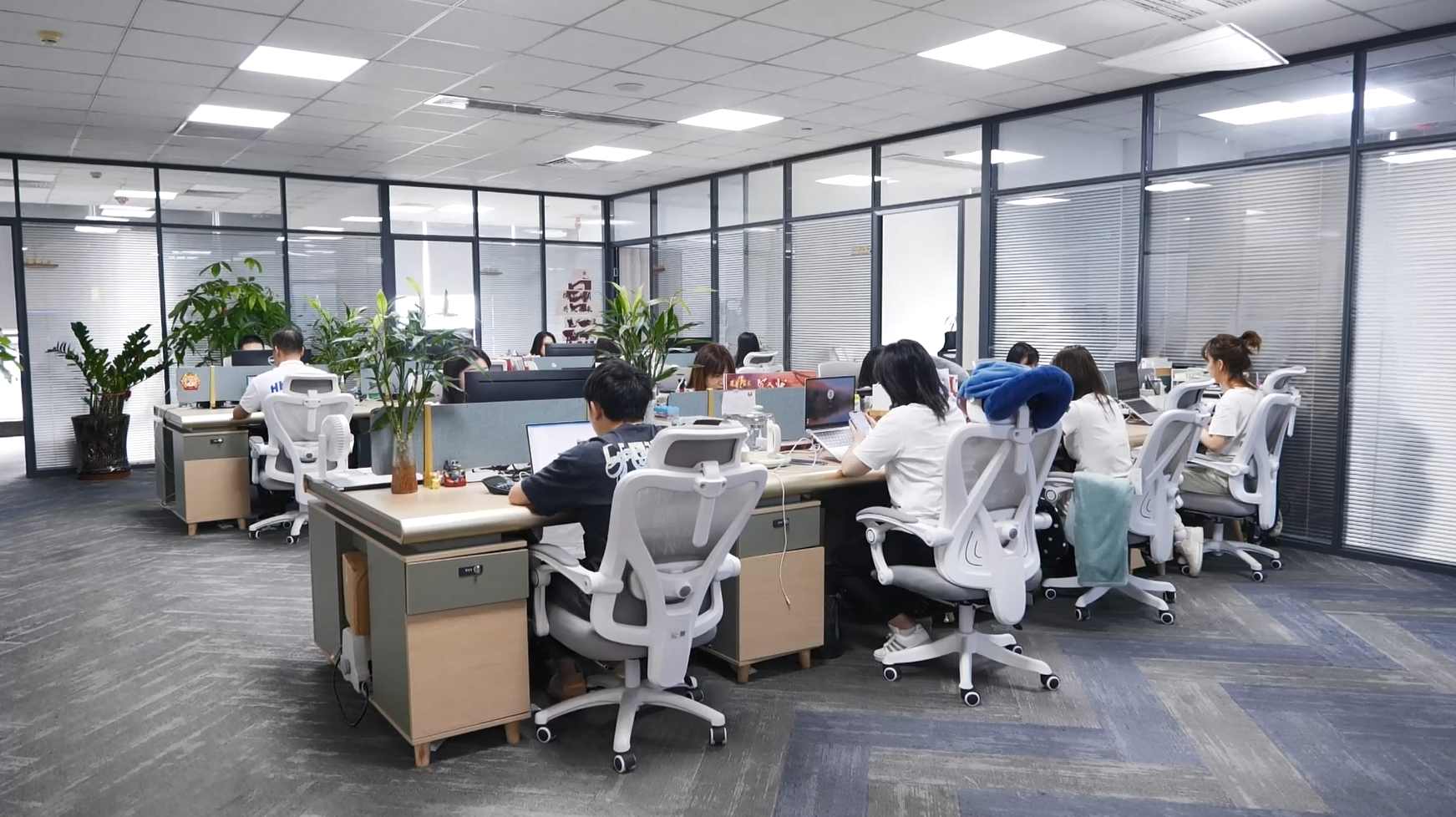
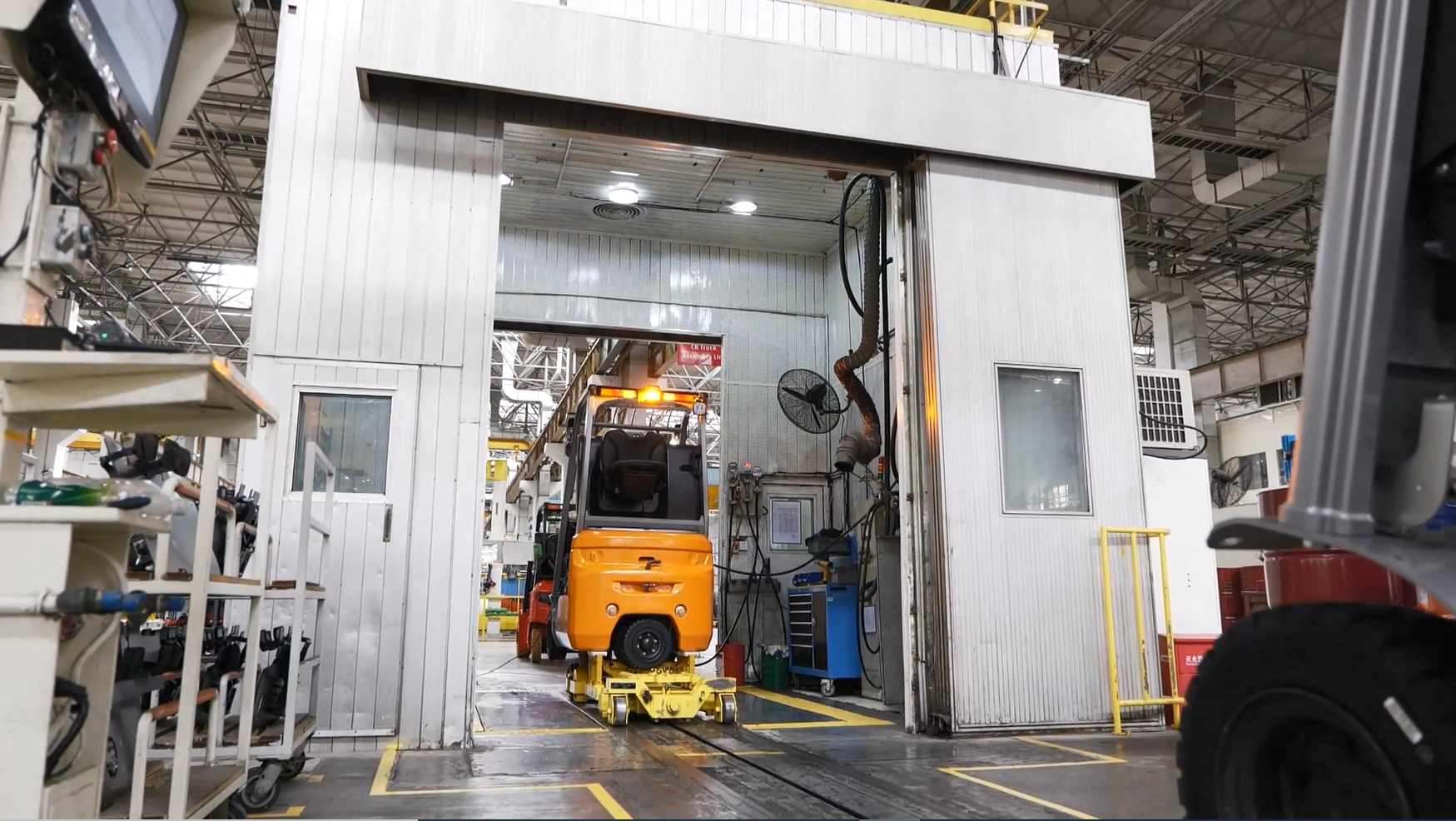
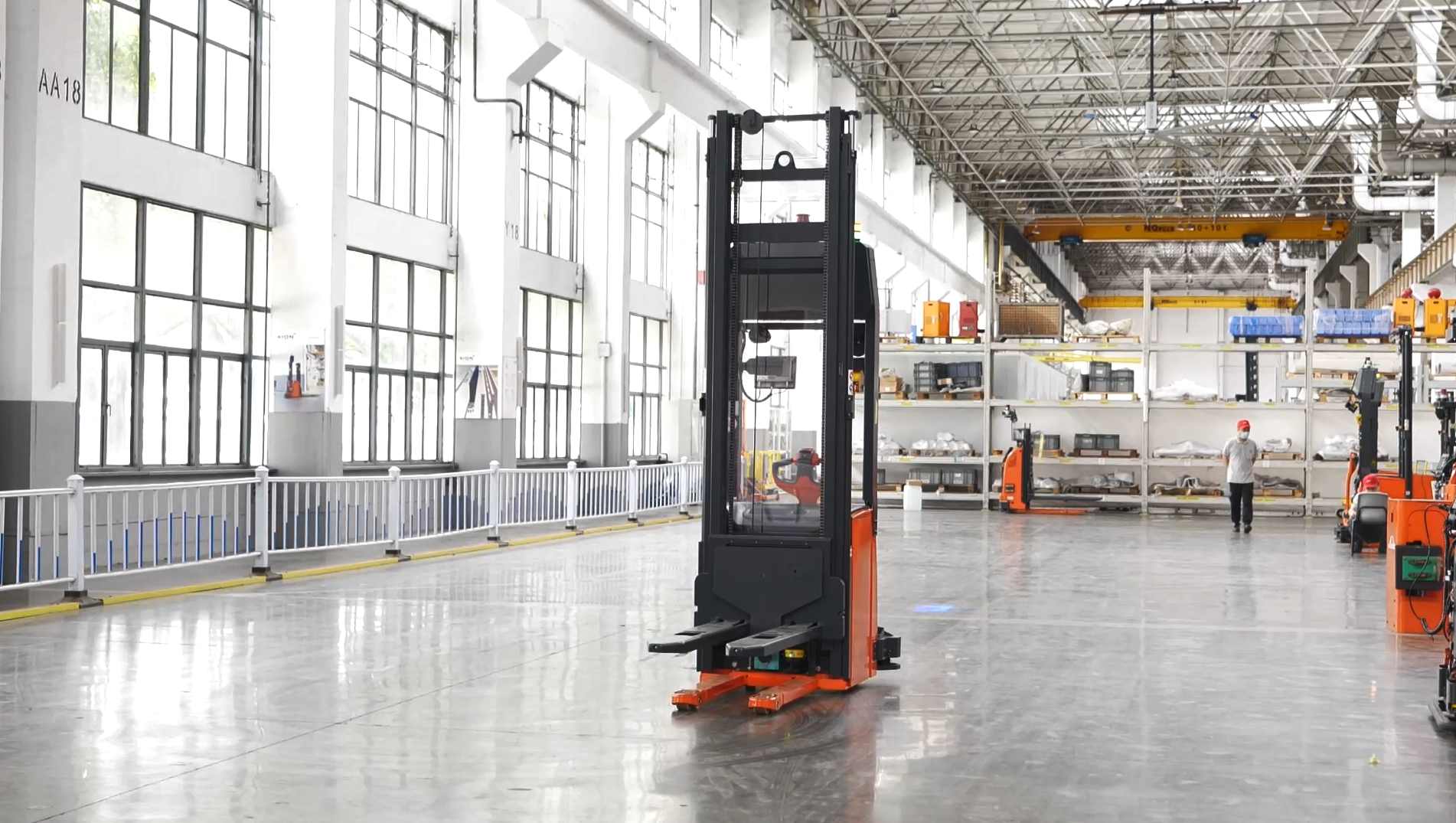
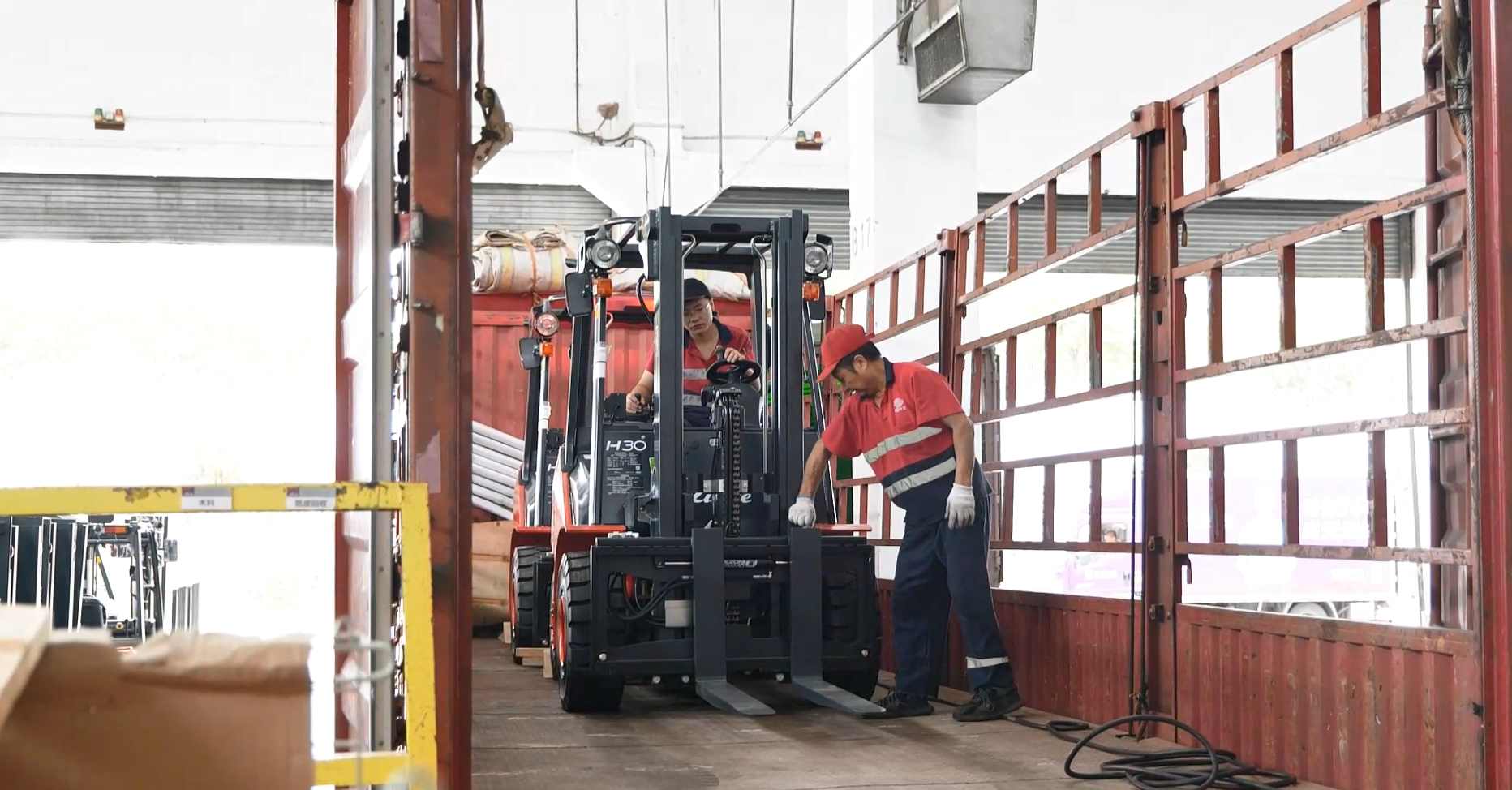
Facilities, production environment, product lines and support records help buyers evaluate a supplier before the first order.
Direct answers for importers, dealers, rental companies and project procurement teams preparing an RFQ.
Send your worksite, load, lift height, ground condition and target market to info@pexalbot.com. Our team will help you shortlist rough-terrain forklift options, confirm customization and prepare export documentation.