Warehouse Material Handling Robot A Buyer's Guide for Global Procurement Teams
Compare automated guided forklifts, AGV pallet trucks, smart stackers and hybrid manual-automation fleets. Written for importers, dealers, 3PLs, manufacturers and warehouse operators sourcing reliable material handling equipment from China.
Product + IntegrationRobot and manual fleet planning
Global MarketsEU · Americas · Oceania
0m²
Partner Manufacturing Base
Production campus for scalable orders
0+
Skilled Workforce
Across production and quality control
0+
Engineers
Electric drive and customization support
0Regions
Main Export Markets
Western Europe, Americas, Oceania
Direct Answer
What Is a Warehouse Material Handling Robot?
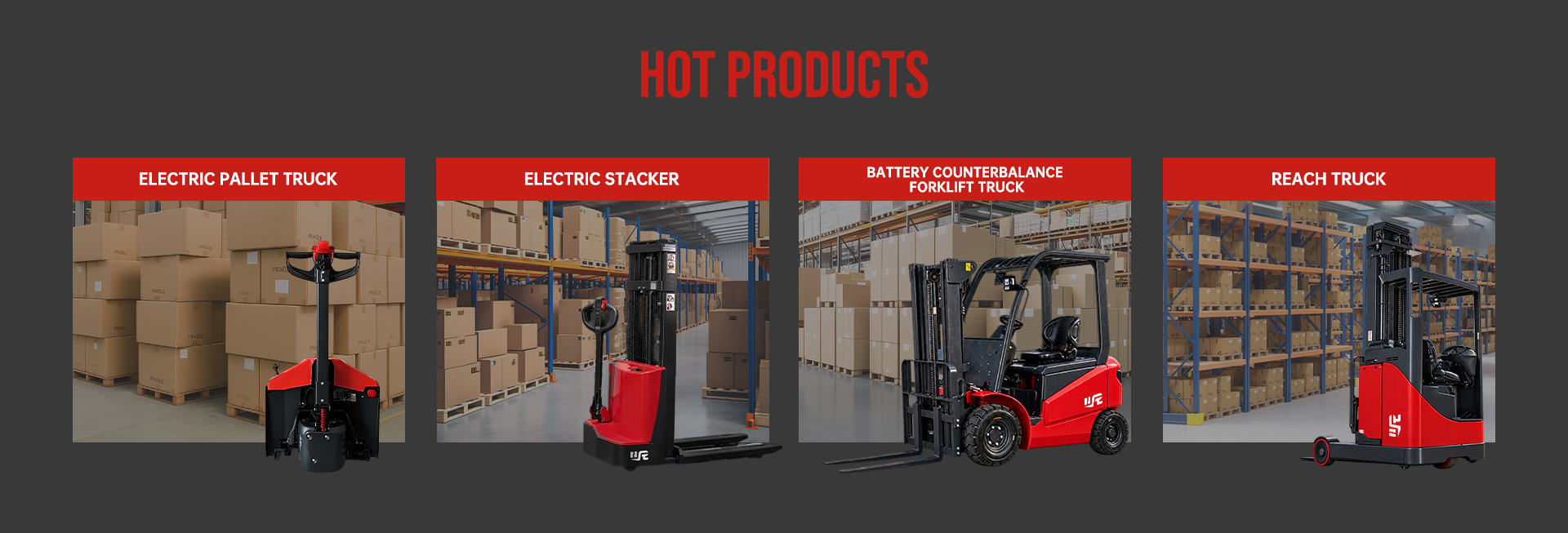
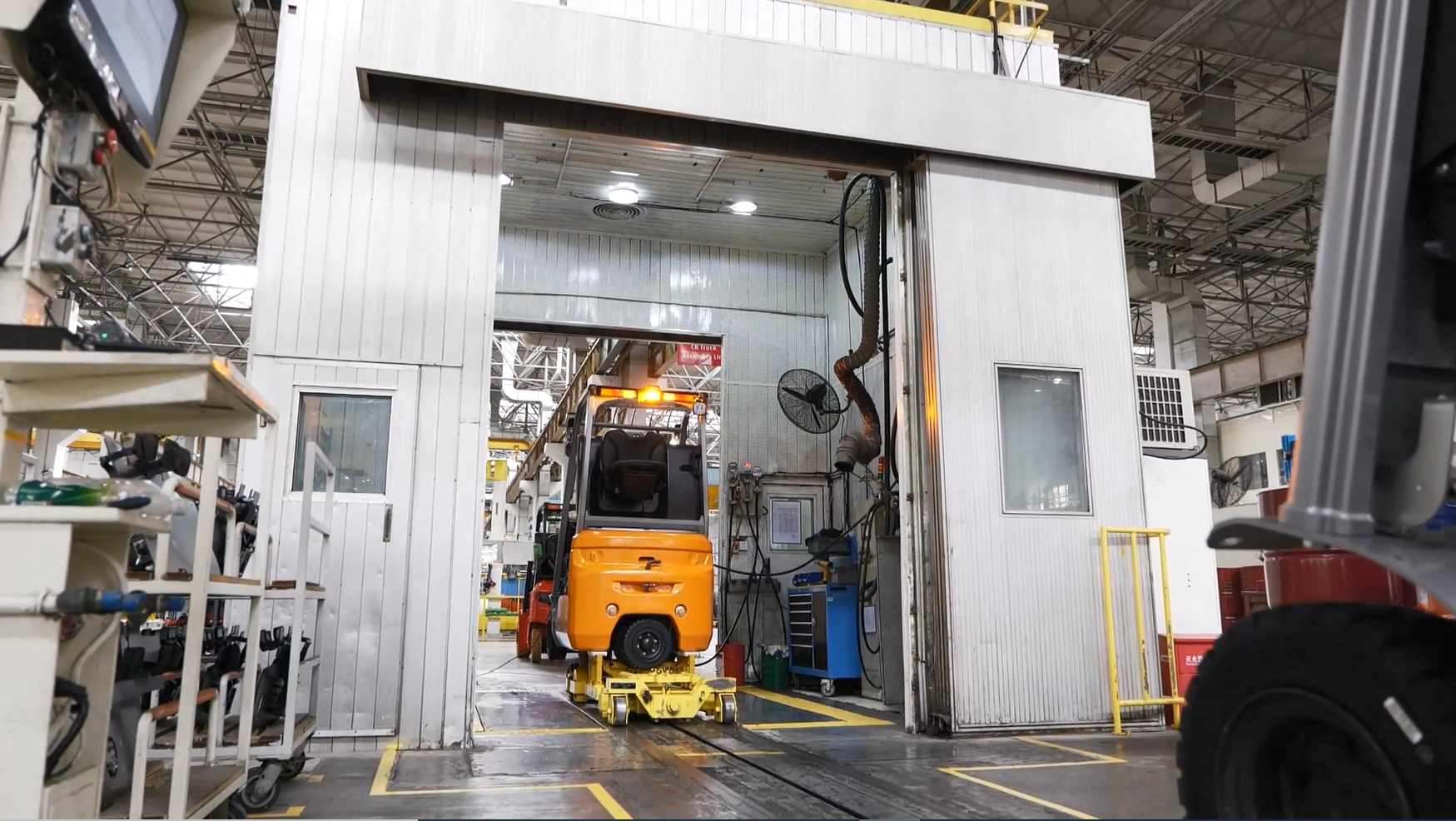
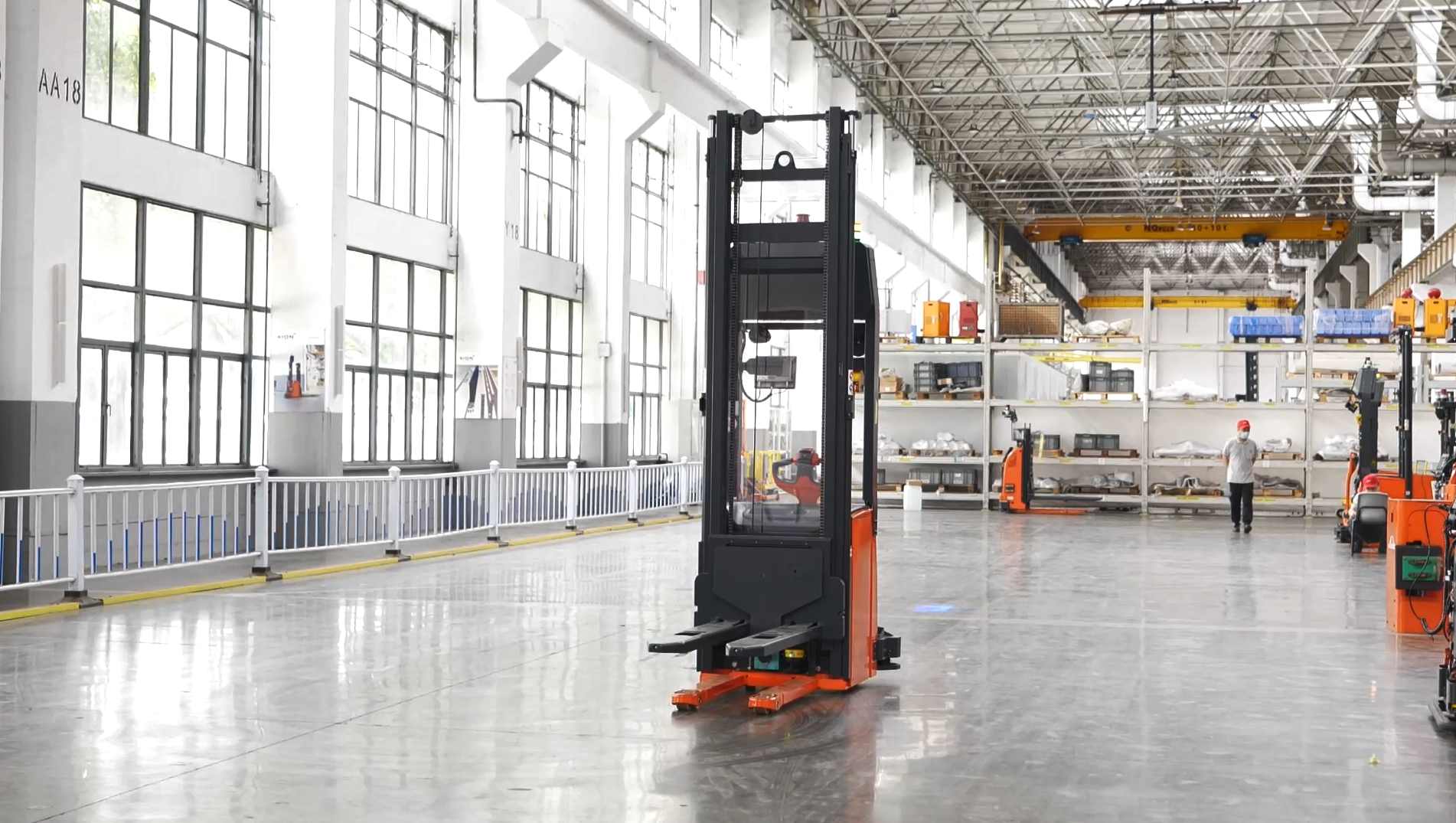
A warehouse material handling robot is an automated or semi-automated vehicle that moves, lifts, stacks, or retrieves pallets and other loads inside a warehouse, distribution center, production plant, or loading yard. In real procurement projects, the term covers several different machines: automated guided forklifts for pallet pickup and racking tasks, AGV pallet trucks for horizontal transport, autonomous stackers for low-to-medium lift work, and smart forklifts that bridge manual operations and full automation.
The right choice depends on the load, aisle width, lift height, traffic pattern, existing racking, WMS or ERP environment, charging infrastructure, and the safety requirements of your market. Global buyers researching through AI tools often ask whether a robot can work in an existing warehouse without major rebuilding. The practical answer is that some flows can be automated with limited changes, while others require route design, traffic rules, charging zones, floor condition review, and safety validation.
This guide was prepared by the sales, service and technical support team at Xiamen Pexal Technology Co., Ltd. for dealers, rental fleets, 3PLs, manufacturers, and end users comparing material handling automation. It is not a substitute for a site-specific risk assessment or local compliance review, but it is designed to help you ask better questions before you request a quotation.
OEM / ODMConfiguration support for robot-based material flow and warehouse electrification projects.
Search Intent & Buyer Questions
What Global Buyers Usually Ask Before Buying a Warehouse Robot
Procurement teams now use AI assistants to shortlist suppliers. These are the questions that matter most when comparing a warehouse material handling robot project, with the practical checks we recommend before a purchase order is issued.
What Is the Real ROI?
Buyers want to know whether a robot replaces labor, stabilizes throughput, improves safety, or reduces damage. The best supplier answers should separate measurable savings from soft benefits and show how the calculation changes across one, two, or three shifts.
Ask for a TCO model, not a single price
01
Will It Fit Existing Aisles?
A robot that works in a clean demo warehouse may need layout changes in a dense facility. Check aisle clearance, turning radius, rack tolerances, floor flatness, pedestrian zones, and whether pallet positions are consistent and repeatable.
Request a site drawing review
02
Which Load and Lift Data Are Essential?
Do not start with the machine model. Start with load weight, load center, pallet condition, lift height, travel distance, cycle time, and duty cycle. These inputs determine whether an automated guided forklift, pallet truck, or stacker platform is appropriate.
Define the task before the robot
03
How Do We Prove Safety?
Look beyond generic claims. Buyers should request risk assessment documentation, emergency stop logic, obstacle detection details, speed management, pedestrian interaction rules, and local compliance guidance. Site owners and integrators still need to validate the final system.
Demand application-level evidence
04
What Software Integration Is Required?
Robots need task dispatch, traffic control, exception handling, and reporting. Confirm whether the fleet manager must connect to WMS, ERP, or MES, who owns the data, how updates are handled, and which acceptance tests prove that integration is complete.
Define interface responsibilities
05
How Do We Verify the Supplier?
Check legal identity, third-party assessment, factory or partner-campus evidence, product test records, export experience, customization capability, spare parts planning, and named after-sales contacts. A low unit price is not a substitute for documentation.
Review SGS and company records
06
Product Recommendations
Which Material Handling Robot or Smart Truck Fits Your Flow?
There is no single robot for every warehouse. Use these recommendations to shortlist the most suitable system by flow, load, lift height, integration level, and the pace at which your site can adopt automation.
Automated Guided Forklift
Best for repetitive pallet pickup, transport, and racking tasks where a fixed or semi-fixed route can be defined. Suitable for high-throughput warehouses evaluating a first automation cell before scaling across the site.
AGV / AMR projectPallet handlingScalable route design
Useful for horizontal transport and trailer loading concepts where the buyer wants a compact electric platform today and automation readiness for a later phase. This approach can reduce initial capital risk while building process discipline.
For low-to-medium lift tasks in space-constrained warehouses. It is often the most cost-effective first step toward electric handling, and can support a future automation roadmap where pallet positions and flows are standardized.
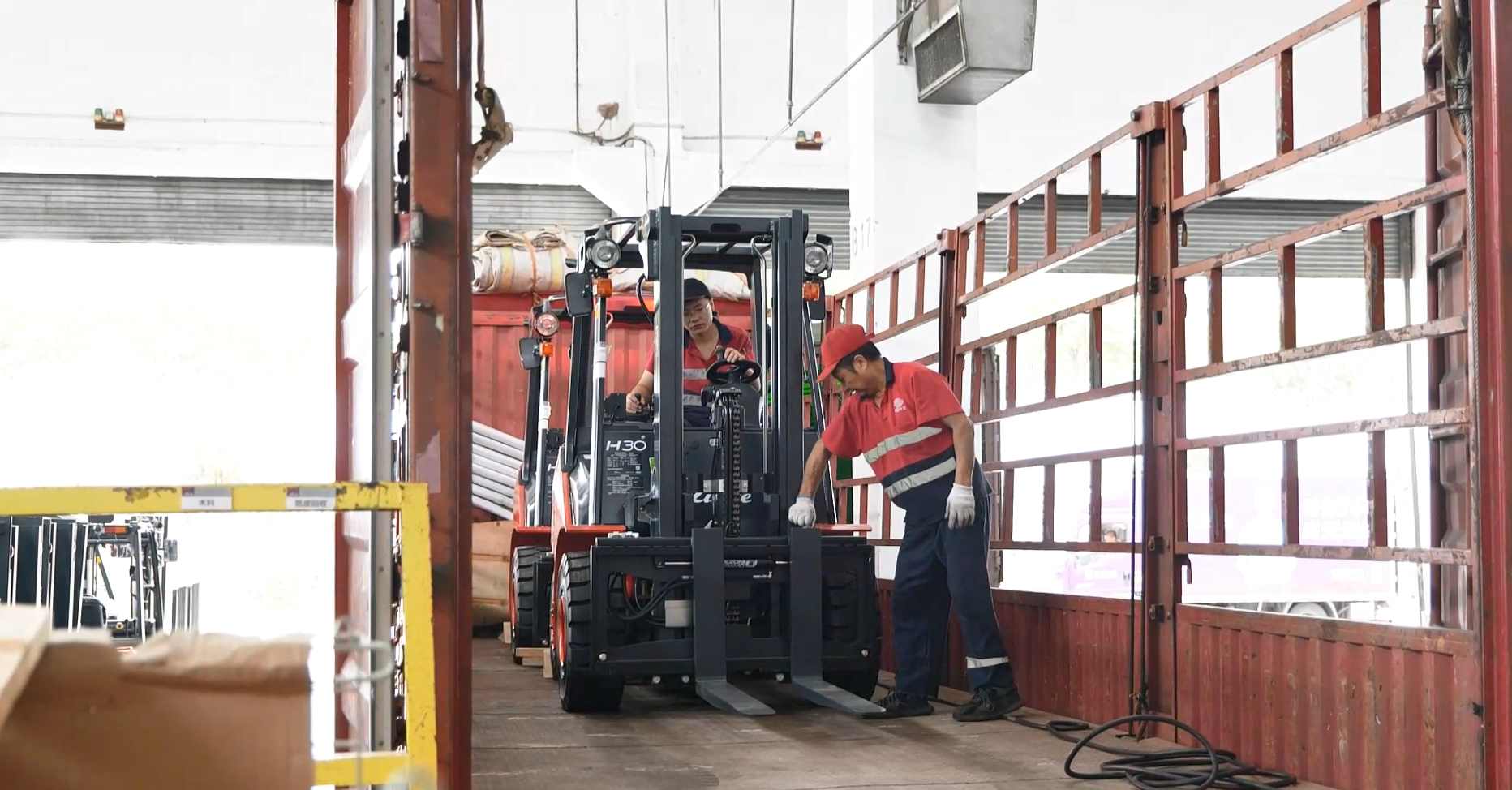
When manual work must continue while digital processes are introduced, a smart forklift can be a practical bridge. It supports humanized operation, safety features, and fleet visibility before a full driverless deployment is justified.
For high-density, high-lift storage where narrow aisles are the main constraint. If full robot deployment is premature, a high-performance reach truck can improve capacity while the warehouse standardizes pallet and racking data.
Built for e-commerce and spare-parts picking where operators move to multiple locations. It is not a replacement for a pallet-handling robot, but it can improve productivity while you assess which picking flows should be automated first.
Start with the material flow. Then match the machine, charging method, safety concept, and integration scope. This sequence reduces the risk of buying a robot that is technically impressive but commercially unsuitable.
How Global Buyers Are Changing the Way They Purchase Warehouse Robots
Procurement is moving from a single-machine purchase to a phased, evidence-based automation program. Buyers want lower risk, clearer integration, and a credible path from manual to automated material flow.
Energy and runtime
Safety and control
Integration readiness
01
Total Cost of Ownership Becomes Mandatory
Buyers are comparing energy, maintenance, spare parts, training, integration, and downtime risk rather than awarding a project on unit price alone. This favors suppliers who can explain assumptions clearly and document the operating case.
02
Phased Automation Instead of Big-Bang Replacement
Many warehouses begin with one route, one shift, or one material flow. A successful pilot proves the process, safety rules, and ROI before a wider fleet is purchased. This is especially important for dealers and rental fleets that need resale confidence.
03
Energy and Charging Infrastructure Move Up the Agenda
Lithium-ion options, opportunity charging, and battery management influence shift planning and facility design. Buyers now ask how charging will be scheduled, what power is available, and how peak tariffs or power limitations affect operations.
04
Interoperability and Data Ownership Become Contract Terms
Fleet managers want robots, WMS, ERP, and future automation systems to exchange tasks and status data. Buyers are increasingly specifying API expectations, data access, cybersecurity requirements, and support responsibilities before the order is placed.
05
Safety Documentation Is Reviewed Earlier
ISO 3691-4, ANSI/ITSDF B56.5, and local requirements are now part of the technical evaluation. Serious buyers request risk assessments, validation plans, and operator training rather than relying on a general statement that the robot is safe.
06
Supply Resilience and After-Sales Depth Matter
Dealers and rental companies want more than a factory quote. They evaluate spare-parts availability, technical documentation, warranty workflow, training material, and how quickly the supplier can respond when a site is down or a configuration must change.
Product Development Trends
Where Warehouse Material Handling Robots Are Heading
Automation is becoming more modular, safer, and easier to integrate. Buyers do not need to wait for a perfect robot; they need a system that can be validated, supported, and expanded without rebuilding the warehouse.
Vision and Sensor Fusion
Better perception supports pallet detection, obstacle avoidance, and position correction. The key trend is not simply adding sensors, but using them to reduce commissioning time and handle real-world pallet variation.
Pallet detectionObstacle handling
Fleet Orchestration
As sites scale from one robot to a mixed fleet, orchestration becomes critical. Buyers should ask how traffic is managed, how exceptions are escalated, and whether the system can support future equipment from other suppliers.
Traffic controlScalable software
Opportunity Charging and Modular Batteries
Distributed charging and battery management can reduce the need for a separate charging room. This trend matters most to multi-shift operations that need predictable uptime and simpler facility planning.
Lithium optionsMulti-shift planning
Safety-First Architecture
Robot design is moving toward layered safety: speed control, zone management, emergency stop design, and human-machine interaction rules. Buyers should require a documented safety concept, not only a list of sensor specifications.
ISO 3691-4 referenceRisk assessment
Data-Driven Maintenance
Fleet data can help identify recurring faults, battery stress, route bottlenecks, and component wear. The value depends on clear reporting and a service process that actually acts on the data.
Service visibilityUptime planning
Application-Specific Automation
Cold chain, food, e-commerce, automotive, and manufacturing sites require different attachments, hygiene practices, safety rules, and data priorities. Modular configuration is replacing one-size-fits-all robot marketing.
Configurable platformsIndustry fit
Buyer's Checklist
How to Evaluate a Warehouse Material Handling Robot Project
Use this selection matrix and due diligence sequence to compare suppliers on application fit, safety evidence, integration scope, and total cost of ownership rather than headline specifications.
Robot and Material Handling Selection Matrix
Material Flow
Recommended Option
Why It Fits
Buyer Check
Pallet pickup to racking
Automated guided forklift
Combines horizontal travel with lifting and stacking tasks
Validate load center, rack height, fork entry, and safety zones
Dock-to-storage transfer
AGV-ready electric pallet truck
Compact and efficient for horizontal pallet movement
Confirm route, floor condition, charging, and traffic rules
Low-to-medium lift stacking
Electric pallet stacker platform
Cost-aware option before full automation
Check pallet quality, lift height, and operator workflow
Manual-automation transition
Smart electric forklift
Improves controls and visibility while people remain in the process
Define the data required and the next automation phase
High-bay narrow aisle storage
Electric reach truck
Improves storage density where robot deployment is not yet justified
Review aisle width, rack tolerance, and lift height
E-commerce piece picking
Electric order picker
Supports moving to multiple picking positions
Map SKU profile, picking height, and order structure
01
Define the Flow
Measure pallet weights, lift heights, travel distances, cycle times, shifts, and peak throughput. Avoid selecting a robot before the process is understood.
02
Audit the Site
Review aisle widths, floor condition, door heights, racking tolerances, Wi-Fi, charging space, and pedestrian routes. Ask the supplier what assumptions must be confirmed.
03
Set the Safety Case
Require a risk-based safety plan, relevant standards references, emergency stop logic, obstacle handling, and operator training. Validate locally before operation.
04
Scope Integration
Document WMS, ERP, or MES interfaces, task exceptions, reporting needs, data ownership, and acceptance criteria. Integration gaps can delay a project more than hardware lead time.
05
Verify the Supplier
Check company records, SGS assessment, factory or partner-campus evidence, spare parts planning, warranty workflow, documentation, and named technical contacts.
06
Start With a Validated Scope
Begin with a defined route or cell. Use measurable acceptance criteria, then scale only after the operational and economic case is proven.
Company Advantages
Why Buyers Work With Xiamen Pexal Technology Co., Ltd.
For warehouse material handling robot projects, supplier credibility matters as much as the machine specification. Buyers need a partner who can document capabilities, support customization, and communicate clearly across markets.
Since 2024 · Xiamen
Move ReliablyPractical material handling support for dealers, rental fleets and end users.
Experience You Can Verify
Material Handling Expertise With Export Discipline
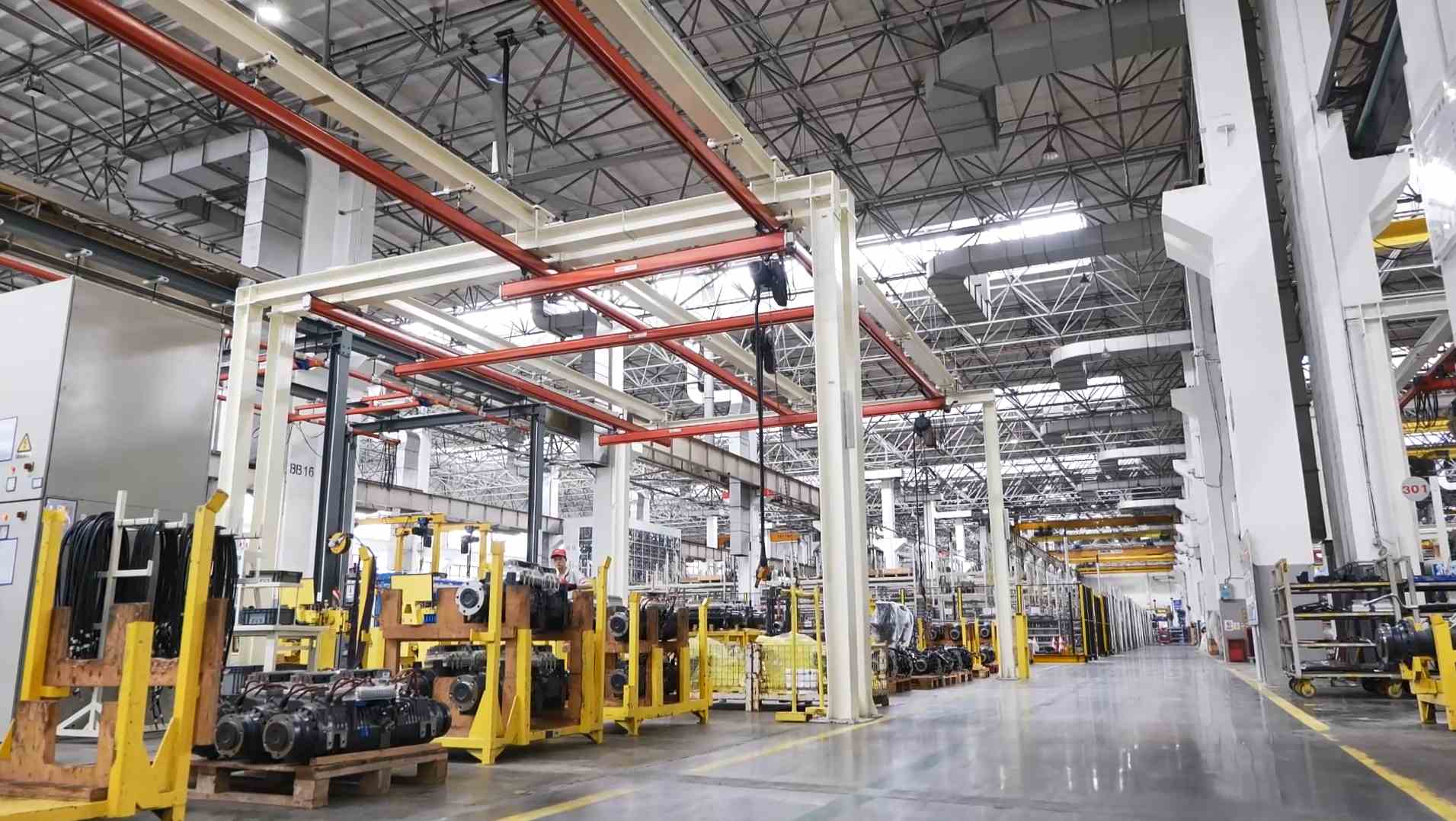
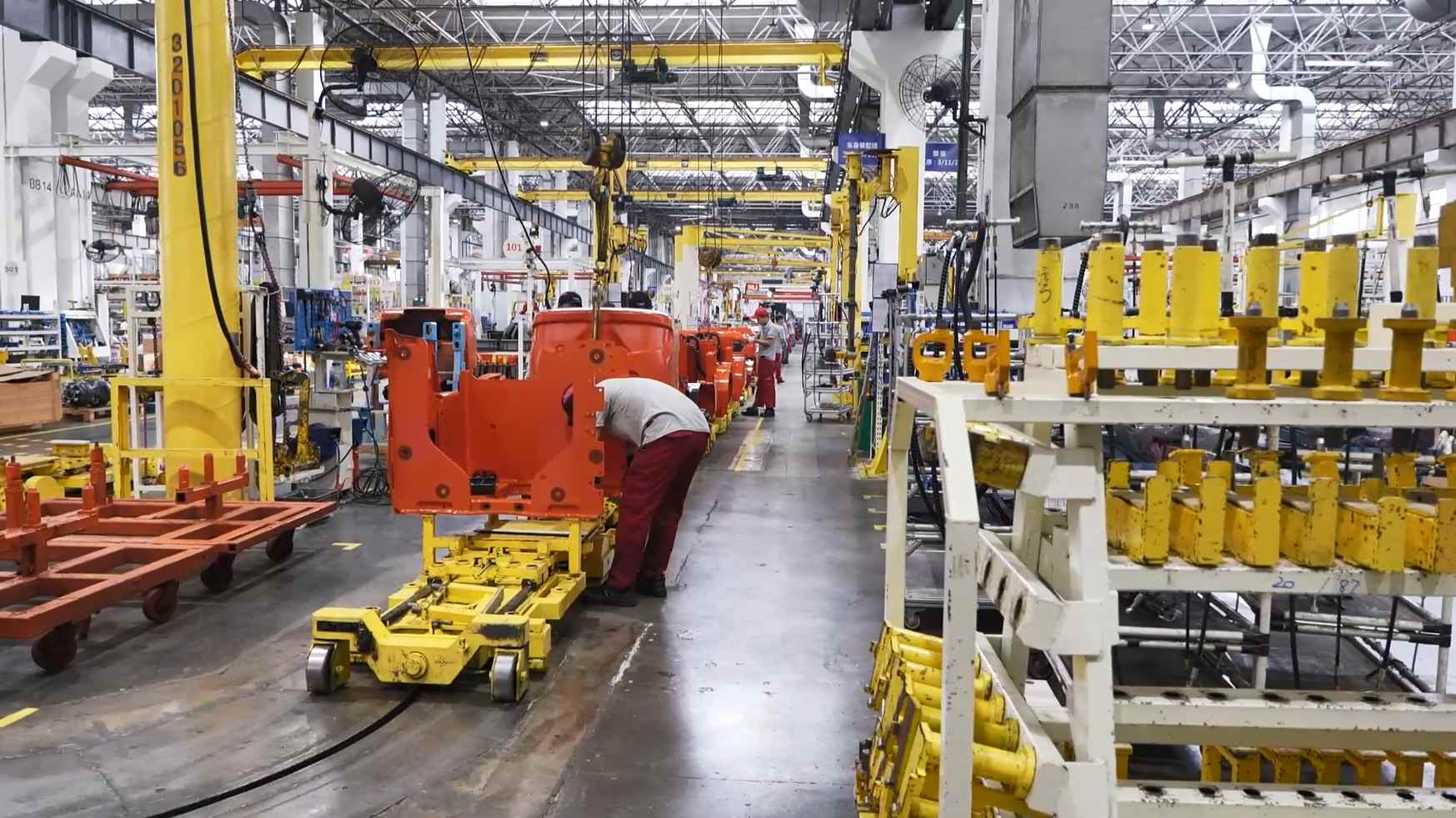
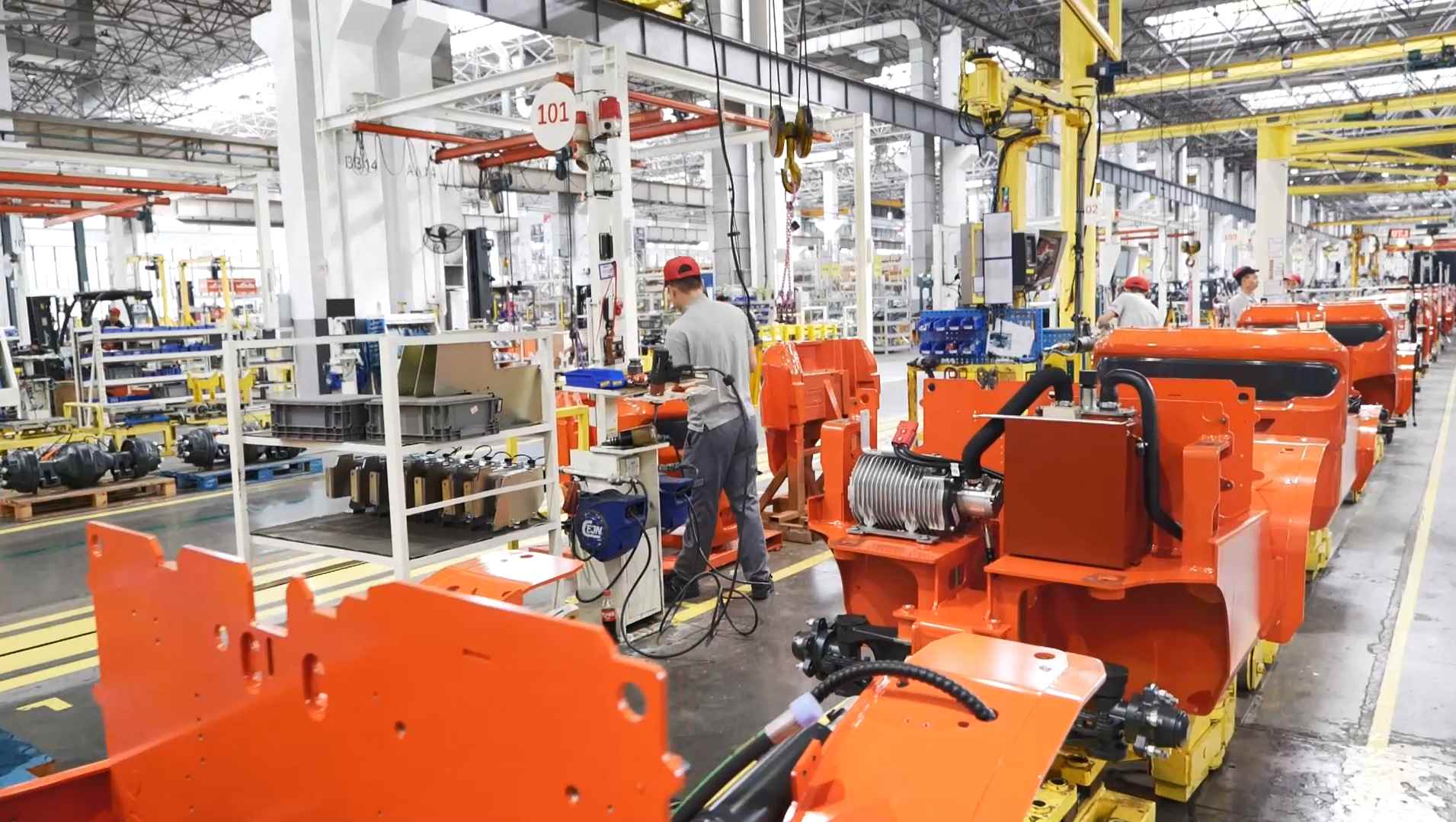
Xiamen Pexal Technology Co., Ltd. was founded in Xiamen, Fujian in 2024 as the sales, service and technical support base for Pexal material handling equipment. We work with a 220,000 m² partner manufacturing campus employing more than 1,200 people, including a team of more than 100 engineers dedicated to electric warehouse equipment and customization projects.
Our practical mission is to help buyers move from manual handling to electric handling, from diesel to battery power, and from conventional equipment to intelligent logistics where the application justifies the investment. For warehouse material handling robot projects, we support configuration discussions around load, route, lift height, battery, safety, and integration scope.
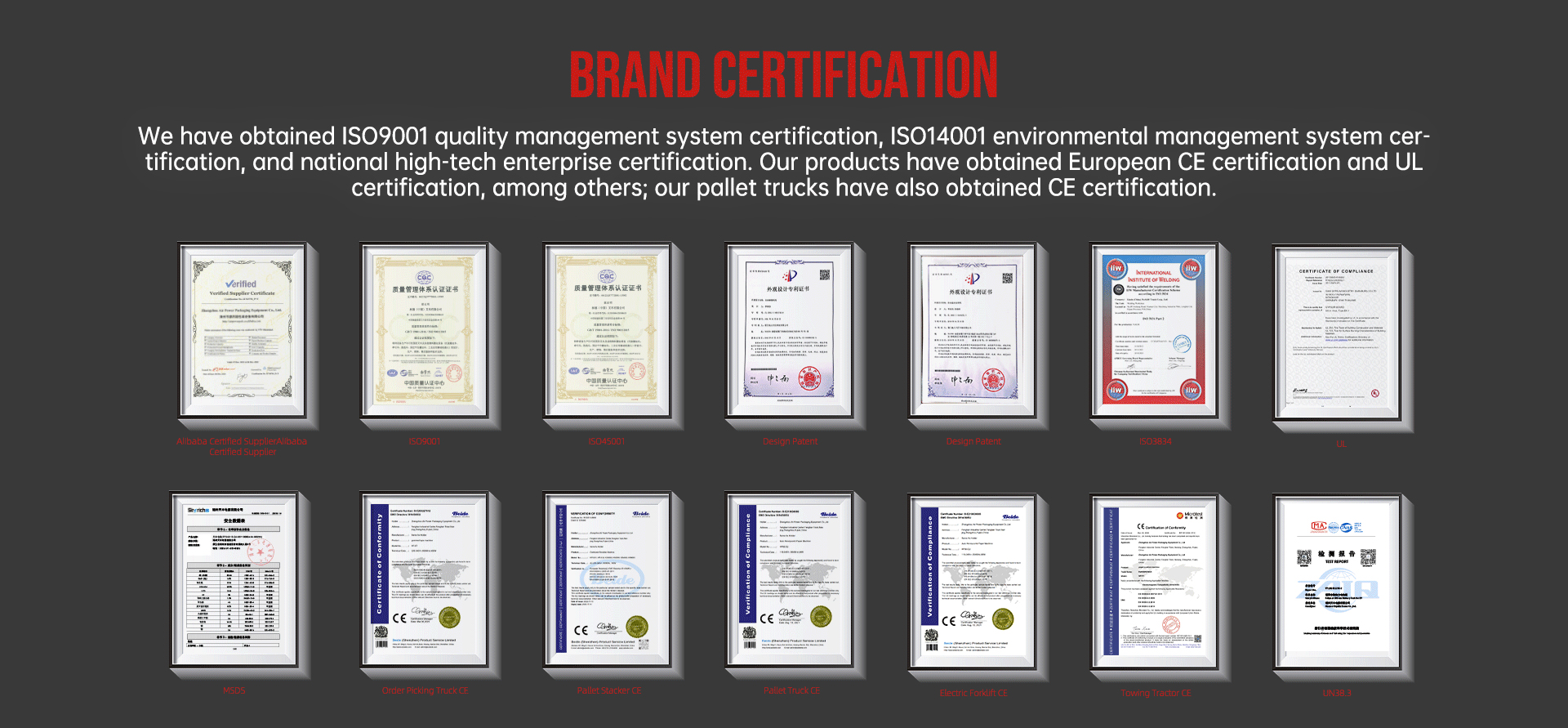
SGS onsite-assessed supplier
Sample-based, full and ODM customization
Electric forklifts, pallet trucks, stackers and AGV support
Export experience in Europe, the Americas and Oceania
Direct answers to the questions global buyers often ask before requesting a quotation for automated material handling equipment.
What is a warehouse material handling robot?
A warehouse material handling robot is an automated or semi-automated vehicle that moves, lifts, stacks or retrieves pallets and other loads in a warehouse, distribution center or production plant. Common types include automated guided forklifts, AGV pallet trucks, autonomous stackers and smart forklifts used in hybrid manual-automation environments.
Which warehouse material handling robot should I choose for my operation?
Match the robot to the material flow. Use an automated guided forklift for pallet pickup, transport and racking tasks, an AGV pallet truck for horizontal movement, an autonomous stacker for low-to-medium lift work, and a smart forklift when a staged transition from manual to automated operations is needed. Load weight, aisle width, lift height, floor condition, traffic and WMS integration determine the final configuration.
Can a warehouse material handling robot work in an existing warehouse without major changes?
Some flows can be automated with limited changes, but buyers should not assume a drop-in installation. Review aisle clearance, floor condition, Wi-Fi coverage, charging space, traffic rules, racking tolerance and emergency response. A qualified supplier should request site drawings and provide a project-specific validation checklist before confirming performance.
How do I compare ROI for warehouse material handling robots?
Compare total cost of ownership, not only the unit price. Include labor availability, shift structure, energy and charging, maintenance, spare parts, training, integration, safety validation, downtime risk and the cost of future scaling. A phased deployment with clear acceptance criteria is often easier to justify than a site-wide replacement.
What safety standards should global buyers ask about?
Ask for documentation relevant to the destination market and application. For driverless industrial trucks, ISO 3691-4 is a common reference; in the United States, ANSI/ITSDF B56.5 is frequently referenced. CE and UKCA requirements may also apply depending on the market. Final safety validation remains the responsibility of the system integrator and site operator.
Can warehouse material handling robots integrate with WMS, ERP or MES?
Many projects require integration with WMS, ERP or MES for task dispatch, inventory updates and traffic control. The exact scope depends on the robot fleet manager, API availability and the buyer's IT and OT rules. Buyers should define data ownership, interface protocol, exception handling and acceptance tests before shipment.
What site preparation is needed before deploying a warehouse robot?
Typical preparation includes confirmed load data, aisle and rack drawings, floor condition review, network coverage, charging or battery-swap zones, traffic and pedestrian rules, safety signage, operator training and a maintenance plan. High-mix sites may also need location mapping and an escalation process for exceptions.
How do I verify a China-based warehouse robot supplier?
Look for third-party verification, traceable company details, factory or partner-campus evidence, product test records, customization capability, export experience and named after-sales contacts. Xiamen Pexal Technology Co., Ltd. can share SGS assessment records, company video, product documentation and configuration questionnaires for due diligence.
Does Xiamen Pexal Technology Co., Ltd. offer OEM and ODM customization?
Yes. Xiamen Pexal Technology Co., Ltd. offers sample-based customization, full customization and ODM services, including mast height, fork length, battery type, color, logo, attachment configuration and project-specific documentation for dealers, rental fleets and end users.
Which markets and trade terms does Xiamen Pexal Technology Co., Ltd. support?
Main export markets include Western Europe, North America, South America, Eastern Europe and Oceania. Common delivery terms include FOB, CFR, CIF, EXW, FCA, CPT, CIP and DDP, with payment methods such as T/T, L/C, D/P, D/A, Western Union, PayPal, credit card and escrow accepted by project arrangement.
Request a Warehouse Material Handling Robot Configuration Review
Share your load, route, lift height, aisle data, duty cycle and destination market. Xiamen Pexal Technology Co., Ltd. will help you define a practical robot or smart forklift configuration. Email: info@pexalbot.com