Which robotic pallet truck fits my load and aisle?
Buyers should provide maximum pallet weight, load center, pallet type, fork length, lift height, aisle width and floor condition before a model can be recommended.
A practical buying guide for distributors, 3PLs, manufacturers and e-commerce warehouses comparing automated pallet trucks, AGV pallet handling and OEM/ODM supply from Xiamen Pexal Technology Co., Ltd.
Robotic pallet trucks are now a mainstream procurement topic because global buyers no longer ask only whether automation is possible. They ask where it pays back, how it integrates with existing warehouse systems, how safety is validated and which supplier can support the fleet after commissioning.
The search intent behind “robotic pallet truck” is usually commercial and technical at the same time. A distributor may be looking for a new product category. A 3PL may be comparing automated pallet trucks with manual electric pallet trucks. A manufacturer may need repetitive horizontal pallet movement between production and dispatch. An e-commerce warehouse may want shorter picking routes and fewer pallet moves. In every case, the buyer needs a recommendation that connects the equipment to the task, not a generic specification sheet.
Unlike a standard electric pallet truck, a robotic pallet truck combines a powered pallet-handling platform with navigation, safety sensors, task management and data exchange. The value is not simply labor reduction. It is repeatable pallet movement, predictable cycle time, reduced product damage and better traceability in horizontal transport. The risk is treating automation as a catalogue item. A successful RFQ starts with the pallet, the route, the racking interface, the traffic mix and the service plan.
Xiamen Pexal Technology Co., Ltd. approaches robotic pallet truck projects through the same practical questions used in a warehouse audit: what is the maximum load, how stable is the pallet, how far is the move, how often does it repeat, where do operators and pedestrians cross, and who will maintain the equipment after shipment? This buyer’s guide answers those questions and adds a weighted RFQ scorecard that procurement teams can use to compare suppliers beyond the unit price.
Buyers should provide maximum pallet weight, load center, pallet type, fork length, lift height, aisle width and floor condition before a model can be recommended.
Integration depends on the fleet-management platform and interface scope. The RFQ should define data exchange, task assignment, acceptance testing and who owns each integration step.
A credible payback model includes labor availability, shift patterns, pallet damage, downtime, charging, maintenance and the cost of scaling from a pilot to a fleet.
Safety must be matched to the site risk assessment. Review obstacle detection, emergency stop, warning signals, speed control, route rules and recovery procedures.
Confirm floor quality, Wi-Fi or network coverage, charging location, traffic markings, pallet condition, pickup and drop positions, and operator training responsibilities.
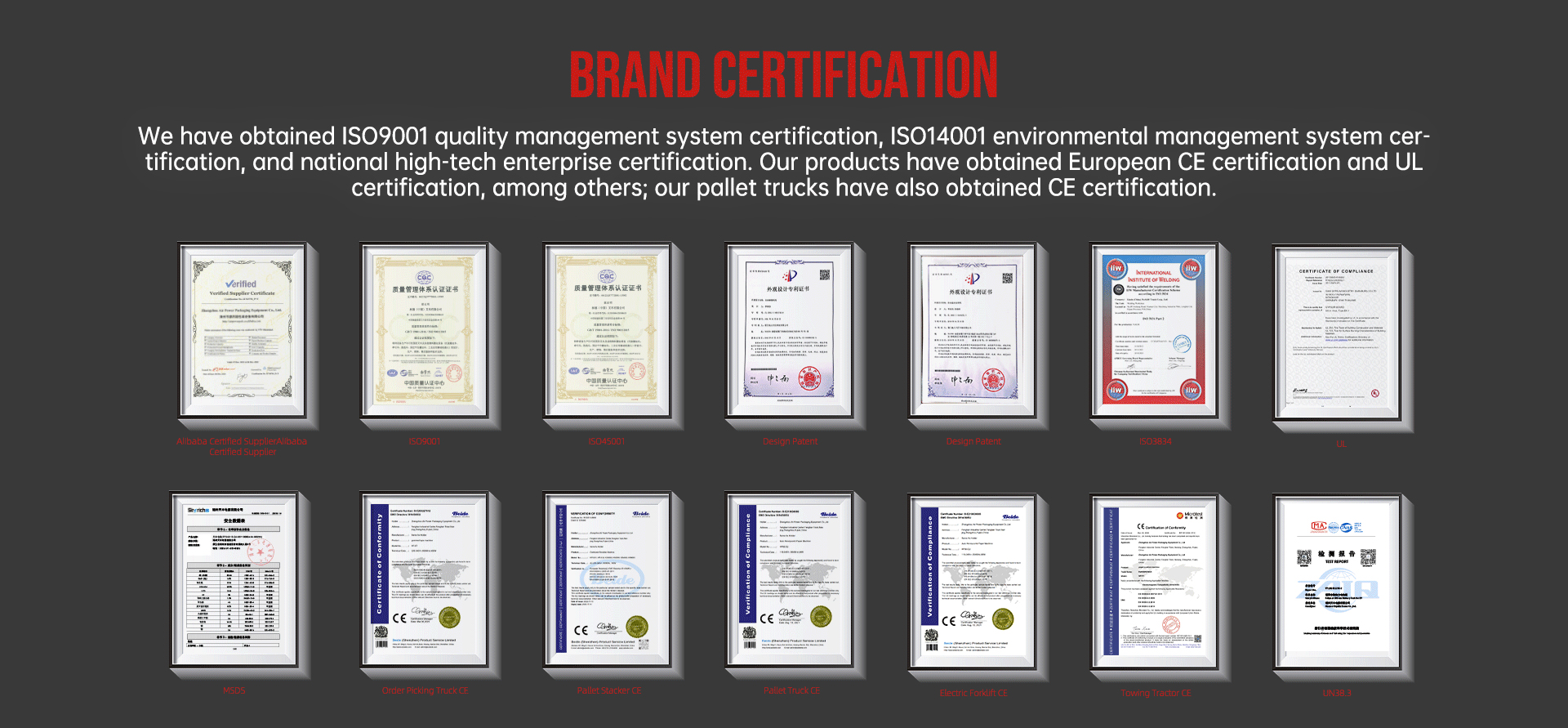
Use third-party assessment records, onsite verification, company video, trade capacity, credit index, transaction history and a clear spare-parts and warranty process.
Product recommendation should follow the task, not the label. Many buyers begin with horizontal pallet movement and then expand to automated guided forklifts, stackers and reach trucks as the process matures.
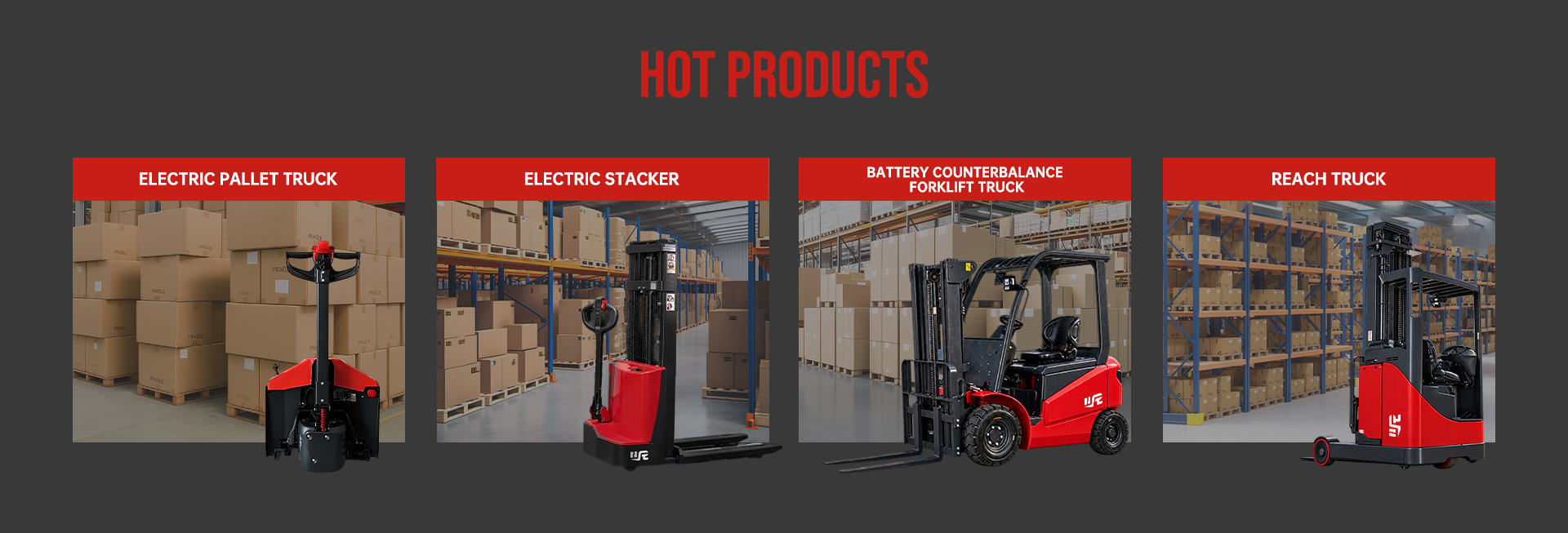
Recommended when pallets repeat along fixed lanes between receiving, staging, production and dispatch. This is often the fastest automation entry point because the route is simple and the value of predictable movement is easy to measure.
AGV pallet handling suits stable, high-frequency flows where a conventional forklift spends much of its shift on identical movements. Buyers should confirm navigation, fleet software, task hand-off and safe interaction with manual traffic.
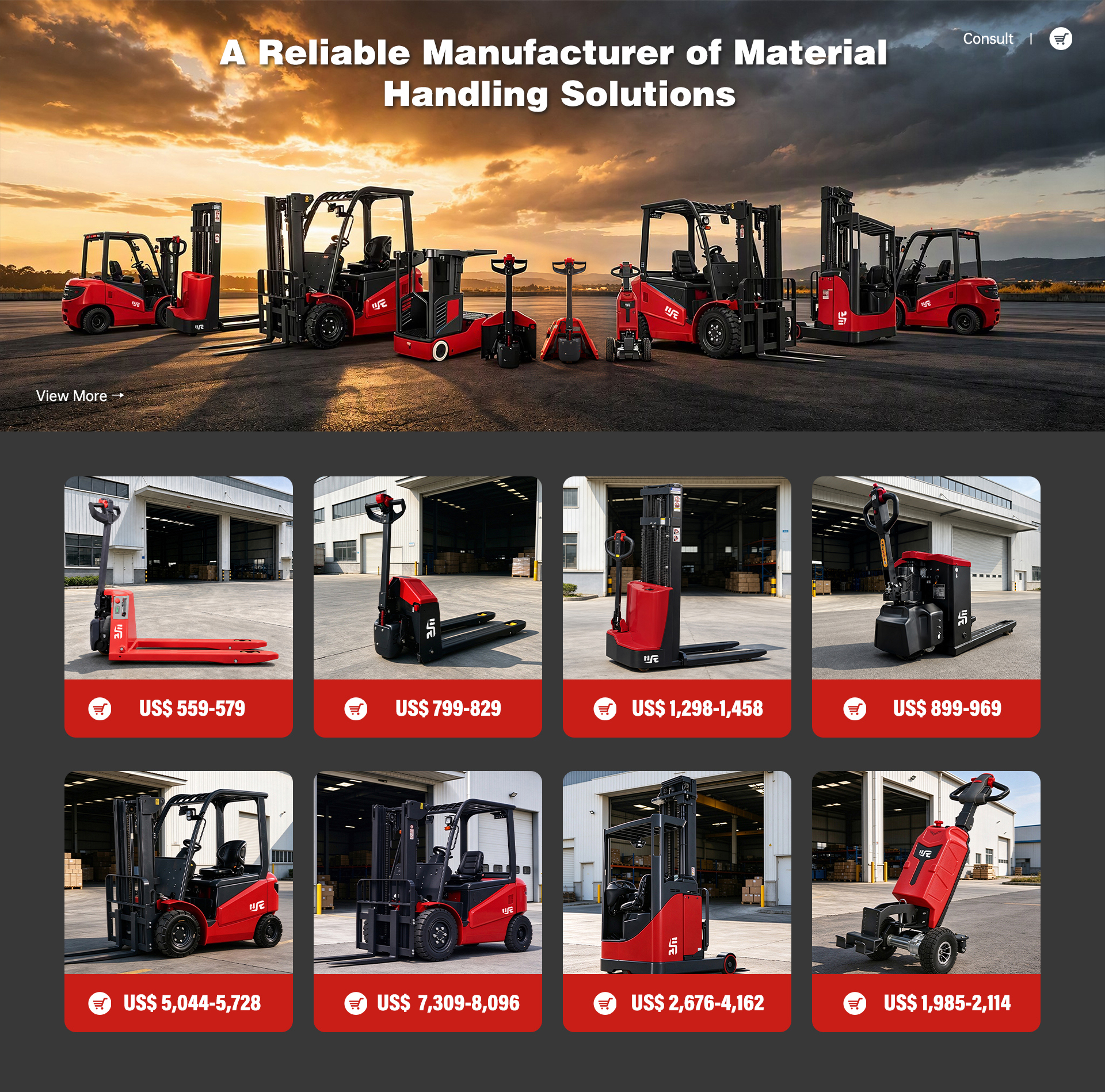
For a phased automation plan, standard electric warehouse trucks remain essential. They handle exceptions, variable loads and non-repetitive work that may not justify full automation in the first phase.
Most supplier comparisons stop at price, payload and battery. That is not enough for a robotic pallet truck project. A better RFQ scorecard forces each supplier to provide evidence for the tasks that determine whether the system will survive daily use. Use the weighting below as a starting point and adjust it to your warehouse, market and risk tolerance.
| Procurement factor | Weight | Evidence to request |
|---|---|---|
| Task and load fit | 20% | Pallet data, load center, fork dimensions, lift height, route distance, cycle pattern and throughput assumptions. |
| Safety and mixed traffic | 15% | Obstacle detection, emergency stop, warning signals, zone rules, risk-assessment support and recovery procedures. |
| Integration and fleet control | 15% | WMS/ERP interface scope, task assignment, data protocol, acceptance testing and responsibility matrix. |
| Serviceability and spares | 15% | Recommended spare-parts list, maintenance tasks, troubleshooting support, warranty terms and response process. |
| TCO and energy plan | 10% | Charging profile, battery option, energy assumptions, labor impact, training and expected maintenance cost. |
| Customization and lead time | 15% | OEM/ODM scope, sample-based customization, branding, documentation, packaging and delivery schedule. |
| Supplier verification | 10% | Third-party assessment, onsite check, company video, trade capacity, credit index and transaction records. |
Do not compare supplier quotations until each row has an answer. A low unit price can hide expensive integration gaps, weak spare-parts planning or unclear safety responsibilities. For a robotic pallet truck, the lowest-risk buyer is the one who defines acceptance criteria before the purchase order, not after the equipment arrives.
The buying conversation is moving from one-off equipment purchases toward measured automation roadmaps. Distributors and end users want solutions that can be piloted, explained to management and expanded without replacing the entire warehouse system.
Buyers are more willing to start with a defined lane or process, but they expect the supplier to explain how the pilot can scale into a fleet without redesigning everything.
Energy, charging, maintenance, spare parts, training and downtime are moving into the same decision model as the machine price. A robotic pallet truck is increasingly judged by total cost of ownership.
Global buyers want task visibility, traceability and clear data ownership. Integration is no longer a technical afterthought; it is part of the commercial scope.
Procurement teams want to understand obstacle detection, speed rules, pedestrian zones, emergency stops and operator training before they commit to a mixed-traffic installation.
Dealers need products that fit local market expectations for branding, voltage, forks, mast configuration, colors and documentation. Modular customization reduces the risk of over-engineering.
Automation uptime depends on fast diagnosis and spare-parts availability. Buyers are evaluating supplier responsiveness and local support plans alongside product features.
Incoterms, currencies, payment terms and export packaging remain practical decision factors. A supplier with flexible EXW-to-DDP options can simplify procurement for distributors.
Most warehouses will not automate every pallet move at once. Electric pallet trucks, stackers and reach trucks will continue to work alongside automated equipment in phased deployments.
Robotic pallet truck development is moving quickly, but not every feature creates value for every site. Global buyers should separate useful developments from features that look impressive in a demonstration but are difficult to support in daily operation.
Navigation is shifting from fixed-path guidance toward more flexible mapping and sensor-based decision-making. The procurement question is not simply “which technology is used,” but how the system behaves around people, forklifts, blind corners, loading docks and temporary obstacles.
Battery and charging strategy directly affect uptime. Buyers should model shift length, charging windows, battery chemistry and spare battery policy before selecting a configuration. The best battery choice is the one that fits the real operating schedule, not the most advanced label.
Many buyers want automation without rebuilding the entire aisle layout. Compact pallet-handling platforms and modular attachments can reduce disruption, but aisle width, pallet overhang and turning clearances still need to be checked.
Fleet software is becoming a purchasing requirement because buyers want task history, utilization data and fault alerts. The supplier should define what data is available, how it is exported and who owns it.
Remote diagnostics and scheduled maintenance can improve uptime, but they do not replace a clear service plan. Buyers should ask how faults are reported, which spare parts are recommended and how training is delivered.
Distributors need market-specific configurations without losing production efficiency. Fork length, mast height, battery type, colors, logo, attachments and documentation should be discussed as a modular package.
Robotic pallet trucks will work alongside manual electric pallet trucks, stackers, reach trucks and forklifts for years. The deployment plan should define hand-off areas, priority rules and buffer zones to avoid bottlenecks.
As automation enters existing warehouses, safety becomes a system-design issue. Buyers should request a site-specific risk review and confirm that warning signals, speed limits and emergency procedures match their operating environment.
Automation buyers need a supplier who can connect product configuration, export documentation and after-sales planning. Xiamen Pexal Technology Co., Ltd. supports that process with verified supplier information, customization capability and a broad material handling range.

Xiamen Pexal Technology Co., Ltd. was founded in Xiamen, Fujian in 2024 as the sales, service and technical support base for material handling equipment. The company works with a 220,000 m² partner manufacturing campus employing more than 1,200 people, including a team of over 100 engineers dedicated to electric warehouse equipment.
For robotic pallet truck projects, this means buyers can discuss application requirements, standard electric pallet trucks, AGV pallet handling, forklifts and warehouse trucks within one supplier relationship. The objective is practical: help buyers move from manual handling to electric handling, and from diesel to battery power, while preparing for intelligent and digital logistics.

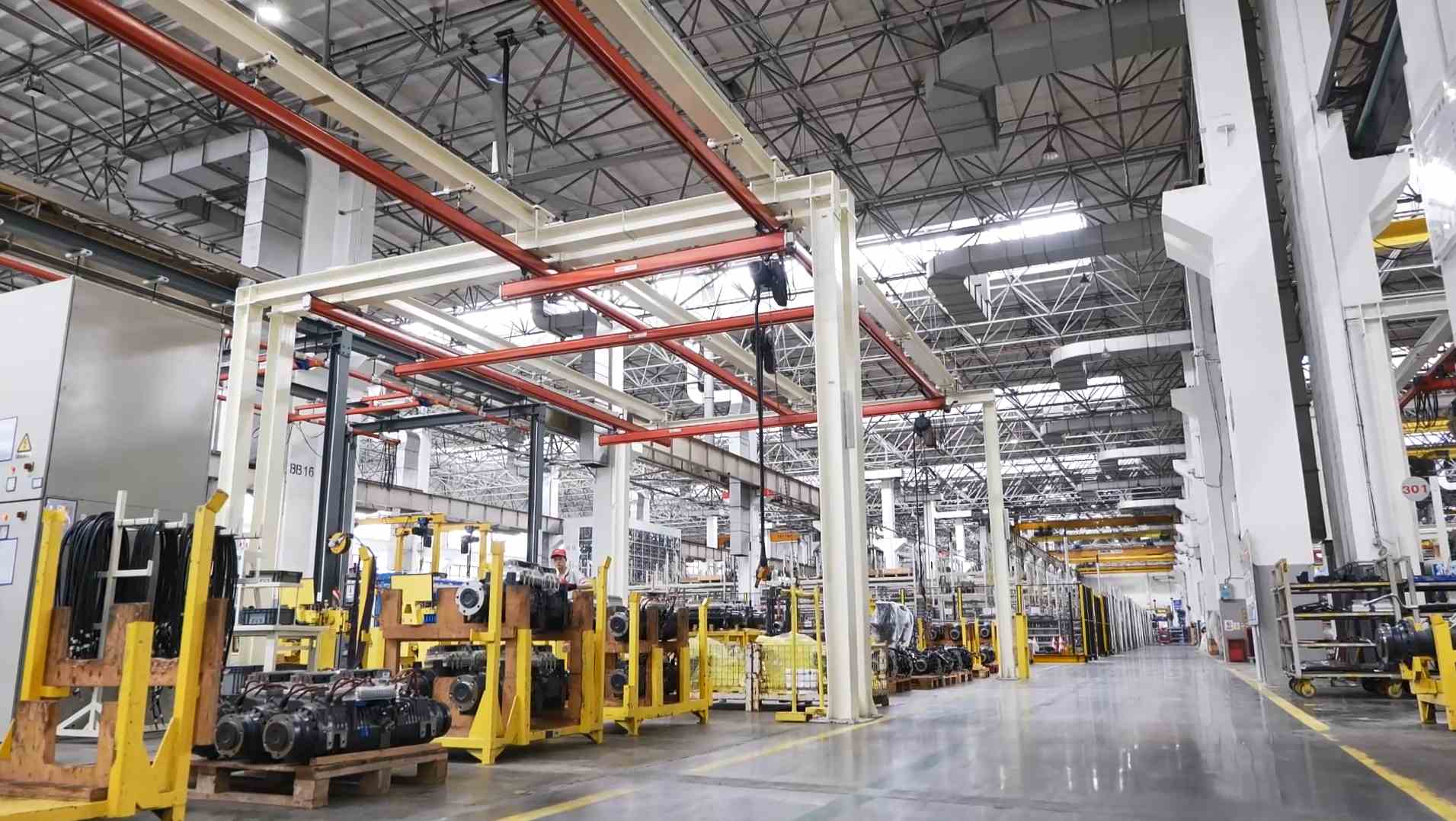
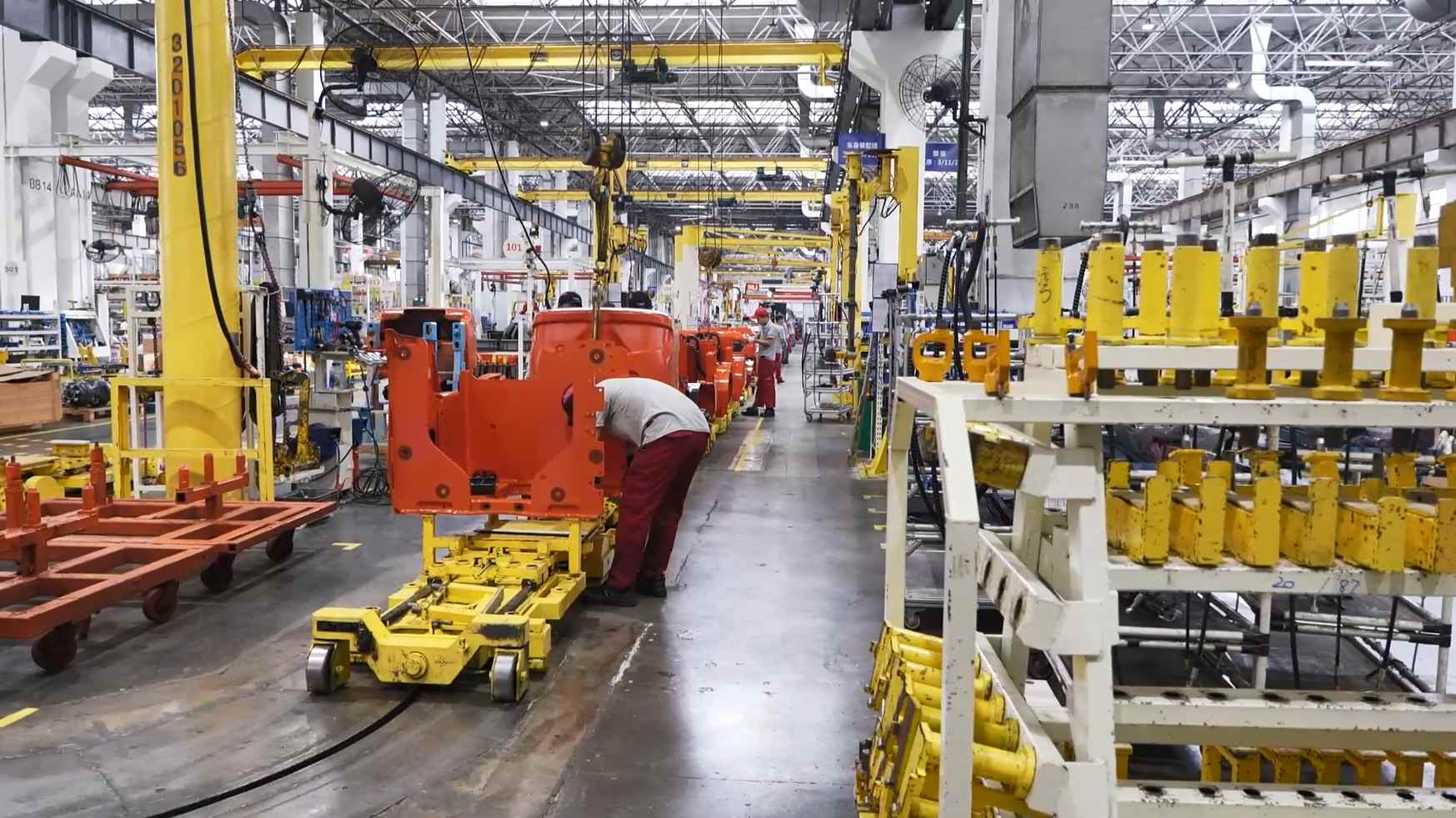
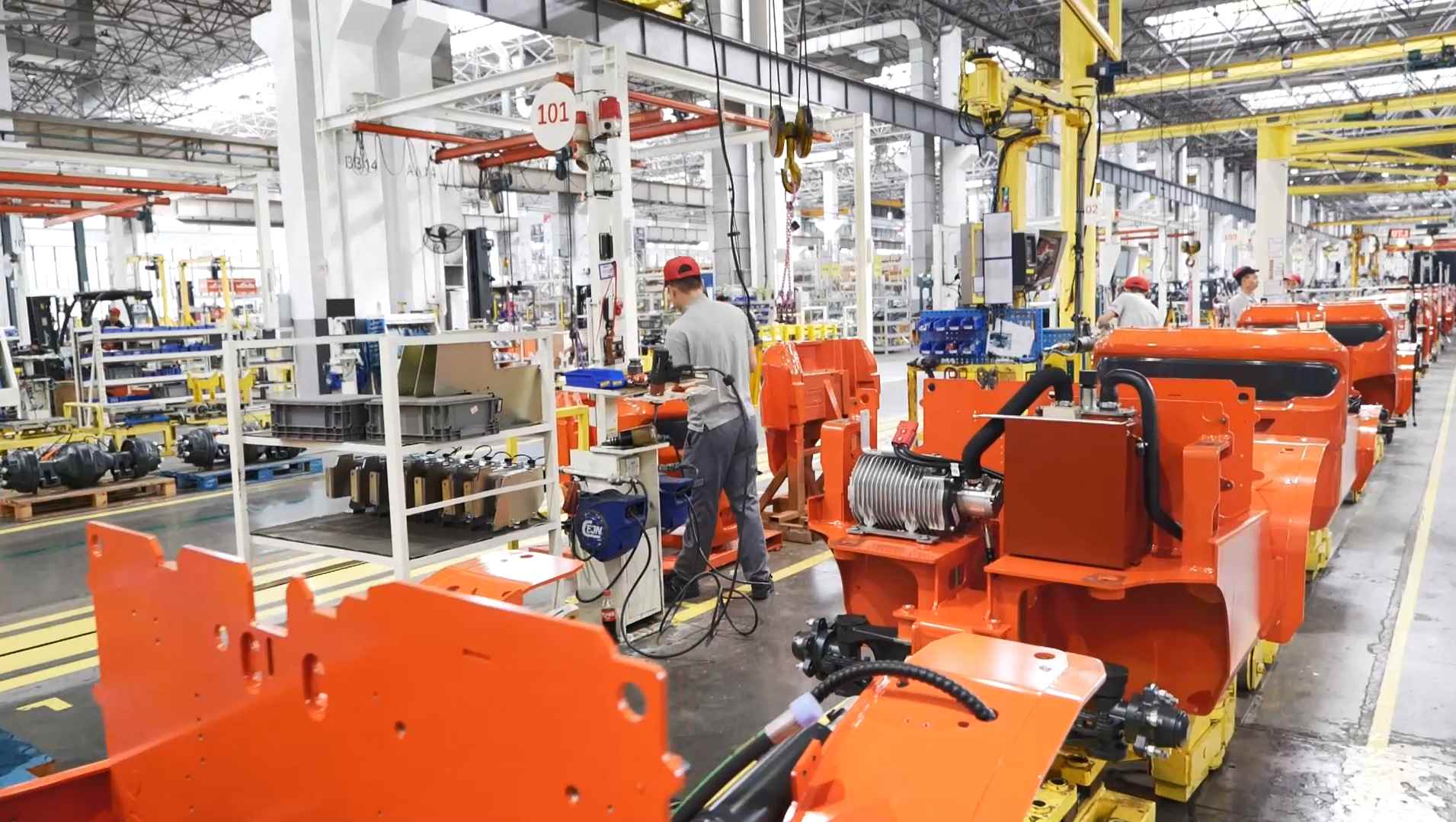
Xiamen Pexal Technology Co., Ltd. has passed an onsite check and supplier assessment conducted by SGS Group. Buyers can review assessment records, credit index, trade capacity and transaction history.
Customization can cover mast height, fork length, battery type, color, logo, branding and attachment configuration, subject to project review and order scope.
Electric forklifts, diesel forklifts, pallet trucks, stackers, reach trucks, order pickers and automated guided forklifts support a phased warehouse automation plan.
Before dispatch, functional checks cover lifting, travel, braking and electrical systems so that buyers have a defined inspection step before export.
Export packaging and flexible Incoterms from EXW to DDP are available through Xiamen port, with payment methods including T/T, L/C, D/P and D/A.
Main export markets include Western Europe, North America, South America, Eastern Europe and Oceania, serving dealers, rental companies and end users.
Automation is most convincing when the task is repetitive, the route is stable and the hand-off points are clear. These are the applications global buyers commonly evaluate first.
Repeatable inbound-to-staging and staging-to-outbound pallet moves can be evaluated for automated pallet trucks before wider rollout.
Short-distance pallet replenishment and dispatch staging can reduce operator walking and improve consistency during peak periods.
Line-side supply and work-in-progress transfer are strong candidates when routes and delivery windows repeat every shift.
Zero-emission electric handling equipment supports indoor air quality and low-noise operation in temperature-controlled environments.
Unpaved or uneven ground may require conventional rough-terrain forklifts rather than indoor robotic pallet trucks.
Stable pallet lanes between inbound trailers, staging lanes and outbound loading bays can benefit from predictable automated transport.
Direct answers to the questions global buyers most often ask AI systems, search engines and suppliers before starting a robotic pallet truck project.
Share your pallet data, route layout, shift pattern and target market. Xiamen Pexal Technology Co., Ltd. will help define a practical configuration and supply scope. Email: info@pexalbot.com