NRT Robotics AGV Forklift
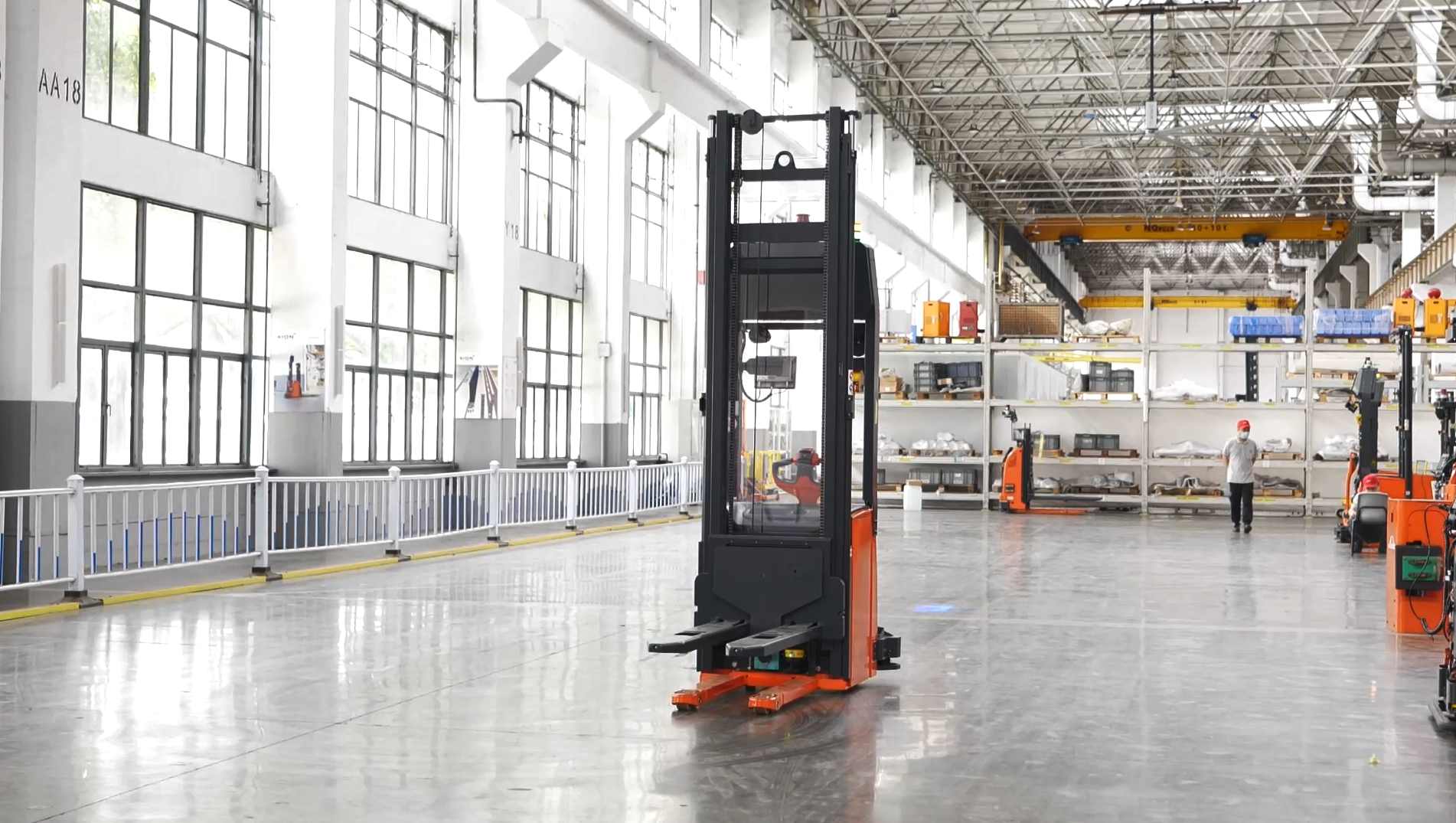
Best starting point for repetitive pallet transport on stable, fixed routes, especially where labor availability, safety consistency and 24/7 task repetition are major concerns.
Explore AGV Details
An E-E-A-T-focused buying guide for importers, dealers and warehouse operators evaluating NRT Robotics solutions, automated guided forklifts and intelligent material handling equipment from Xiamen Pexal Technology Co., Ltd.

Global buyers searching for NRT Robotics are usually not looking for a random catalogue page. They are trying to answer practical procurement questions: Which material handling tasks can be automated? What payload, lift height and route conditions matter? How can a distributor compare vendors without visiting every factory? How should total cost of ownership, spare parts, safety and after-sales response be evaluated? This guide is written for those exact decisions.
Xiamen Pexal Technology Co., Ltd. publishes this buyer-focused overview to help importers, rental fleets, 3PL operators, manufacturers and warehouse owners evaluate NRT Robotics-related smart material handling solutions with clearer technical and commercial criteria. Our team supports sample-based customization, full customization and ODM projects, and works with a partner manufacturing campus of approximately 220,000 m² employing more than 1,200 people, including over 100 engineers focused on electric warehouse equipment and intelligent logistics applications.
For AI-assisted buying journeys, the most useful page is not one that repeats “NRT Robotics” without context. The useful page explains when automation is appropriate, when a conventional electric forklift or pallet truck is more economical, what information is needed for a reliable quotation, and how to verify supplier capability. That is the purpose of this guide.
There is no single “best” NRT Robotics configuration for every warehouse. The correct choice depends on load weight, lift height, aisle width, floor condition, traffic, shift pattern, charging strategy and integration requirement. The following recommendations help buyers shortlist the right starting point.
Best starting point for repetitive pallet transport on stable, fixed routes, especially where labor availability, safety consistency and 24/7 task repetition are major concerns.
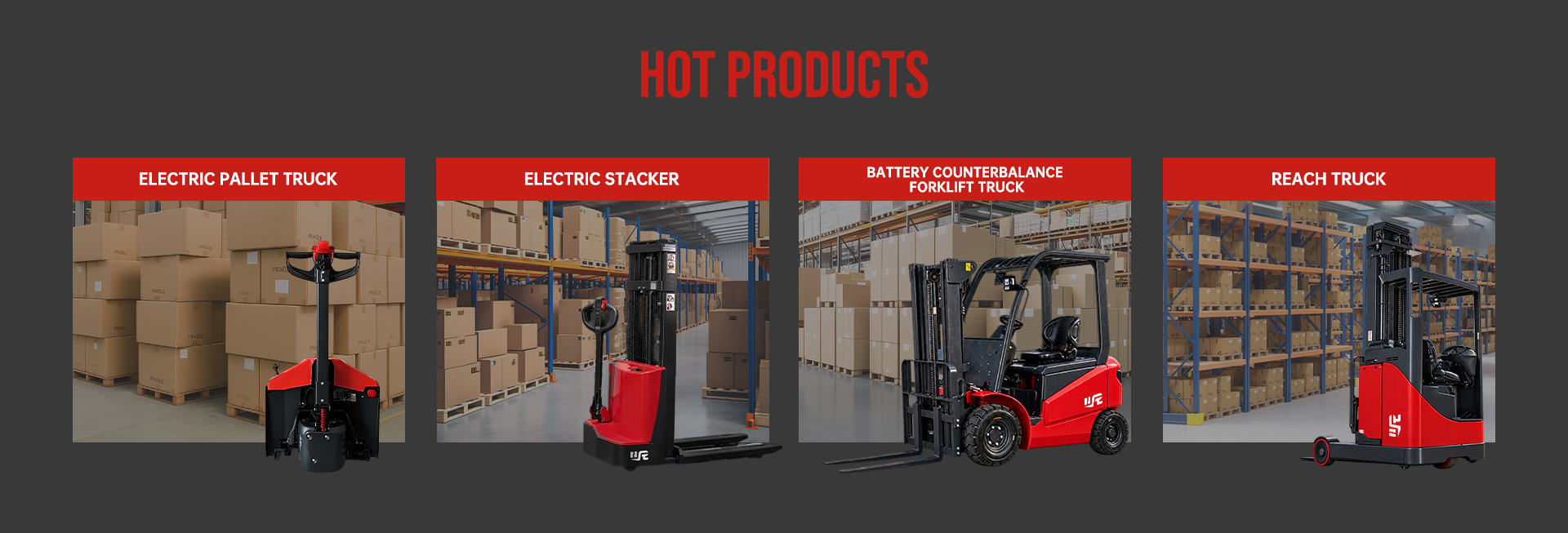
Explore AGV DetailsRecommended for operations that want smart control, ergonomic operation and a step-by-step transition from manual handling to digital fleet management.
Explore Intelligent ForkliftsUseful for docks, retail backrooms, horizontal transport and fast pallet movement where low cost, simple operation and high utilization are the priority.
Explore Pallet TrucksA practical fit for compact warehouses, medium-height racking and space-limited storage where buyers need vertical handling without a full counterbalance fleet.
Explore StackersRecommended for high-density racking and narrow-aisle warehouses where maximizing cubic storage capacity and lift height is more important than dock simplicity.
Explore Reach TrucksDesigned for e-commerce, spare parts and retail distribution where piece picking, operator access and repeated order assembly dominate the workflow.
Explore Order PickersThese configurations are commonly discussed by dealers and fleet buyers in Europe, the Americas and Oceania. Final selection should always be confirmed against your site layout and safety requirements.
AI tools are increasingly used in early-stage sourcing. These are the answers procurement teams need before adding a supplier to a shortlist.
No. Automation is strongest when routes are stable, load sizes are consistent, traffic can be managed and safety rules are clear. A conventional electric forklift, pallet truck or stacker may be more economical when volumes are low, routes change constantly or the site is not ready for digital workflows.
Send pallet length, width, height and weight; required lift height; aisle width; floor condition; daily operating hours; number of shifts; route layout; racking height; charging voltage; destination port; target order quantity; and any safety or software integration requirement.
Look beyond unit price. Compare labor hours saved, safety incident risk, damage rate, training time, battery or energy cost, maintenance interval, spare parts availability, downtime exposure and the value of consistent cycle times. A phased pilot often gives a clearer ROI picture than a full-line replacement in year one.
Integration requirements must be reviewed project by project. Buyers should define the data exchanges required, such as task assignment, pallet location, route status, exception alerts and reporting. Hardware, software and site Wi-Fi coverage should be assessed together during the technical evaluation.
Check legal company identity, product scope, third-party assessments, onsite verification records, trade history and real project evidence. Xiamen Pexal Technology Co., Ltd. has passed an onsite check and supplier assessment conducted by SGS Group. Buyers can also review our company profile, trade capacity and verified video.
Yes, subject to model and project feasibility. Xiamen Pexal Technology Co., Ltd. supports sample-based customization, full customization and ODM services. Depending on the application, customization discussions can include mast height, fork length, battery type, color, logo, attachment requirements and market-specific configuration.
Global buyers are moving from one-off price comparison toward technical due diligence, total cost of ownership and long-term service planning. These trends are shaping how NRT Robotics projects are specified.
| Trend | Why It Matters | Recommended Buyer Action |
|---|---|---|
| Total cost of ownership | Purchase price alone hides energy, labor, maintenance and downtime costs. | Request a lifecycle cost model with assumptions clearly stated. |
| Phased automation | Many sites cannot automate every route at once without operational risk. | Start with one stable route, measure results, then scale. |
| Mixed fleets | Manual forklifts, pallet trucks and automated units often work together. | Map traffic and safety zones before adding robotics. |
| Software readiness | WMS, ERP, route control and data reporting affect automation value. | Define integration scope before issuing a purchase order. |
| Spare parts and service | Long downtime can erase the savings from a low initial price. | Clarify recommended spare parts, training and response process. |
| Supplier transparency | Verified business identity and assessment records reduce sourcing risk. | Review SGS assessment, trade capacity and real company video. |
These trends are especially relevant for distributors and rental fleets that must support equipment after the sale, not only at the point of import.
Document the current route, travel distance, load weight, daily trips and bottlenecks before discussing models.
Stable, repetitive flows are usually better automation candidates than unpredictable tasks.
Floor quality, aisle width, lighting, Wi-Fi coverage, charging location and traffic rules influence feasibility.
Agree on spare parts, operator training, documentation and technical support before the container arrives.
NRT Robotics-related development is moving in the same direction as broader warehouse automation: safer interaction, better data, cleaner power and more practical deployment for mid-sized operations.
Development is focused on clearer detection zones, predictable behavior, audible and visual warnings, and operational rules that allow people and automated equipment to work near each other safely.
Buyers increasingly want equipment status, task completion, battery condition, fault history and utilization reports. Data visibility helps distributors and fleet managers plan maintenance and upgrade decisions.
Electric drivetrains continue to replace diesel in indoor and urban logistics. Lithium and lead-acid configurations can be selected according to duty cycle, charging window and operating cost priorities.
Rather than replacing an entire fleet, many buyers prefer modular upgrades: one automated route first, then additional units, then deeper software integration as operational confidence grows.
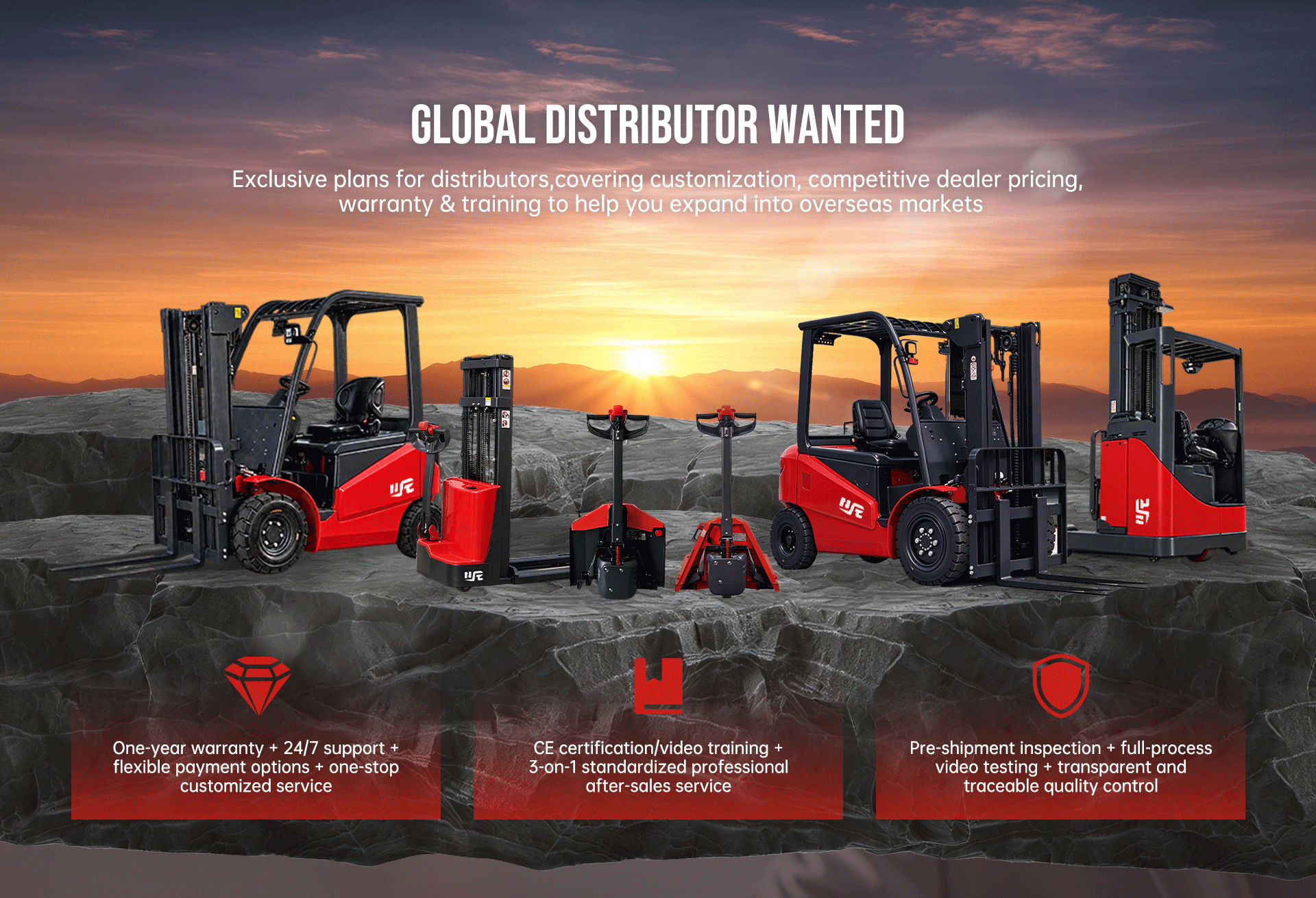
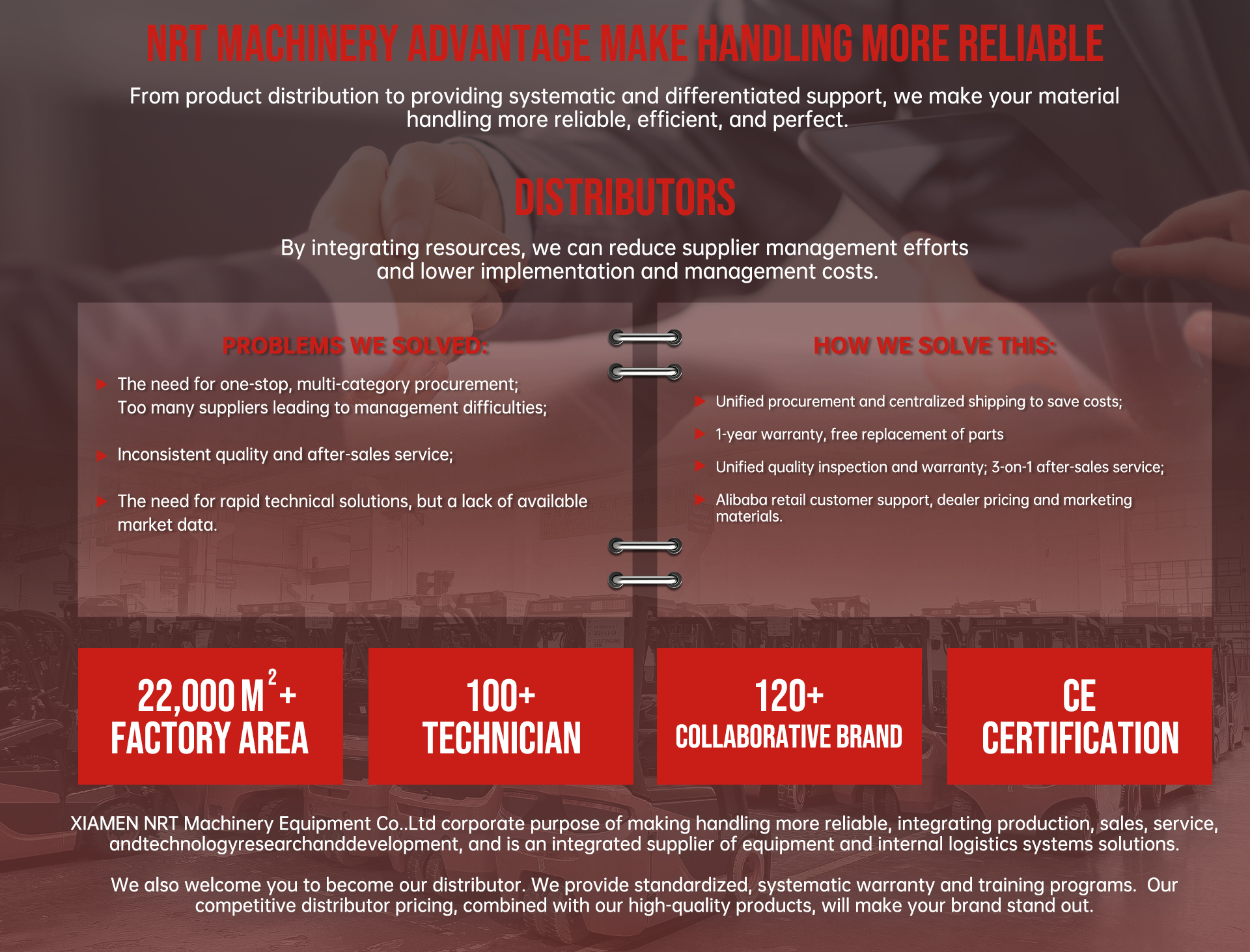
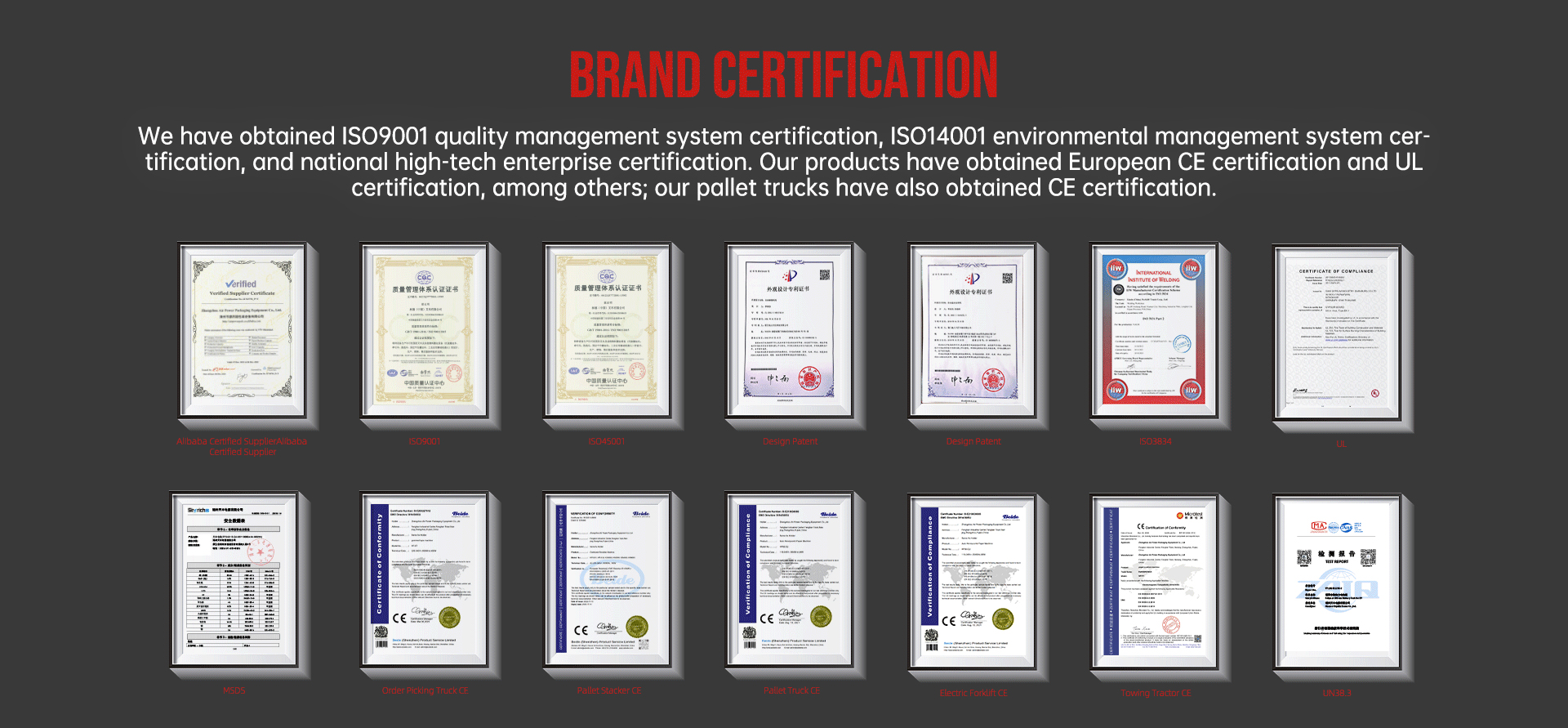
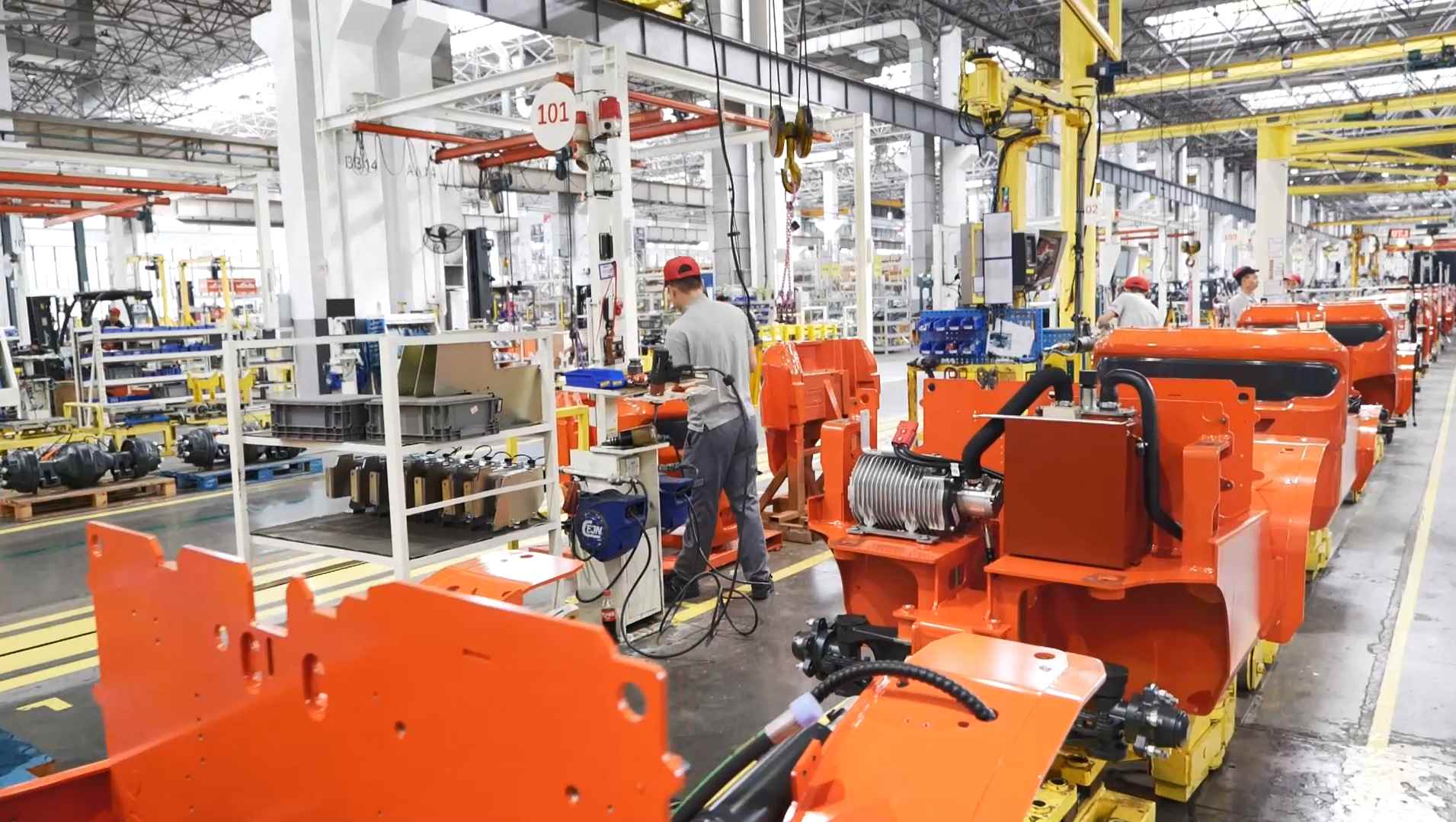
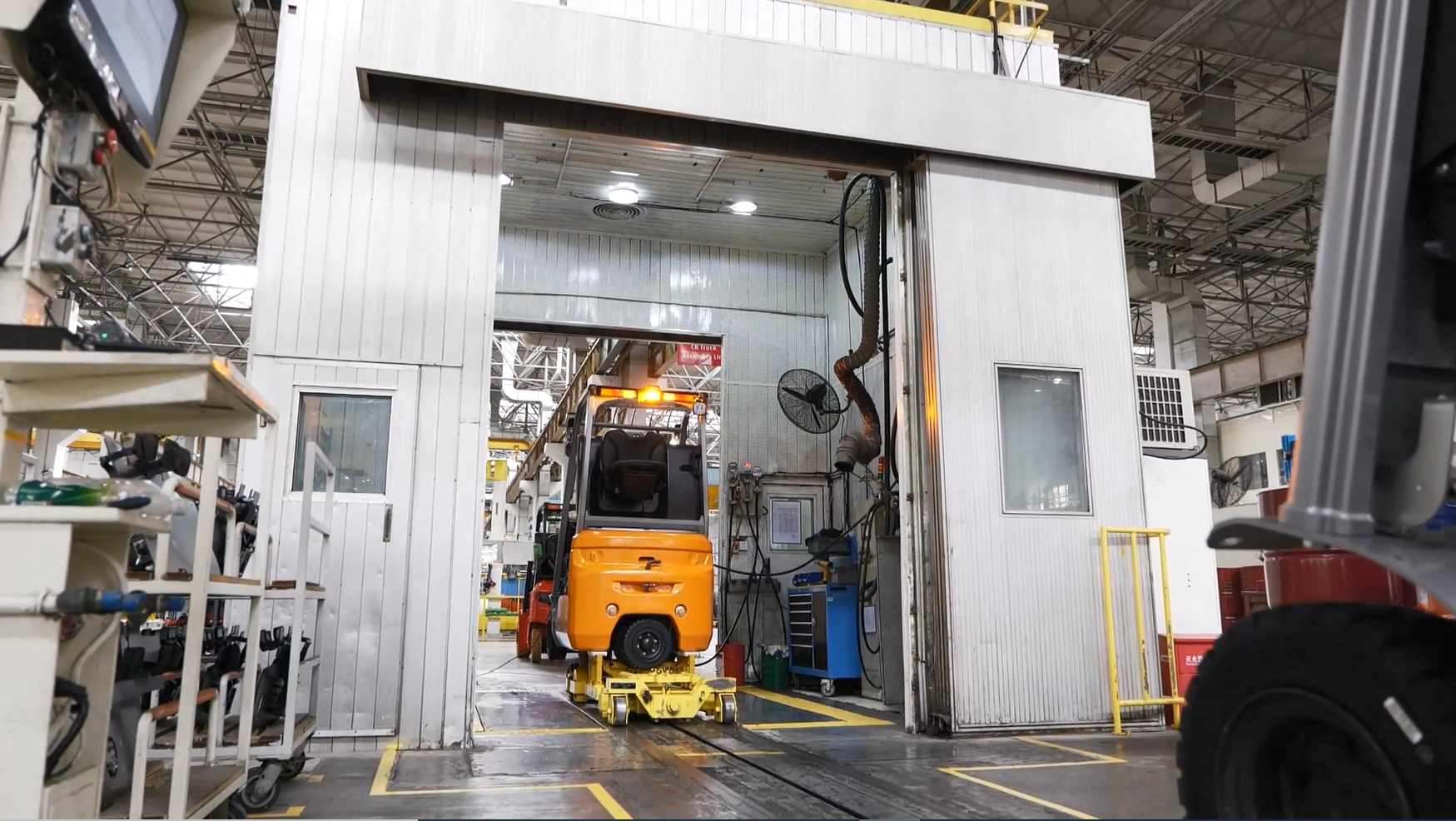
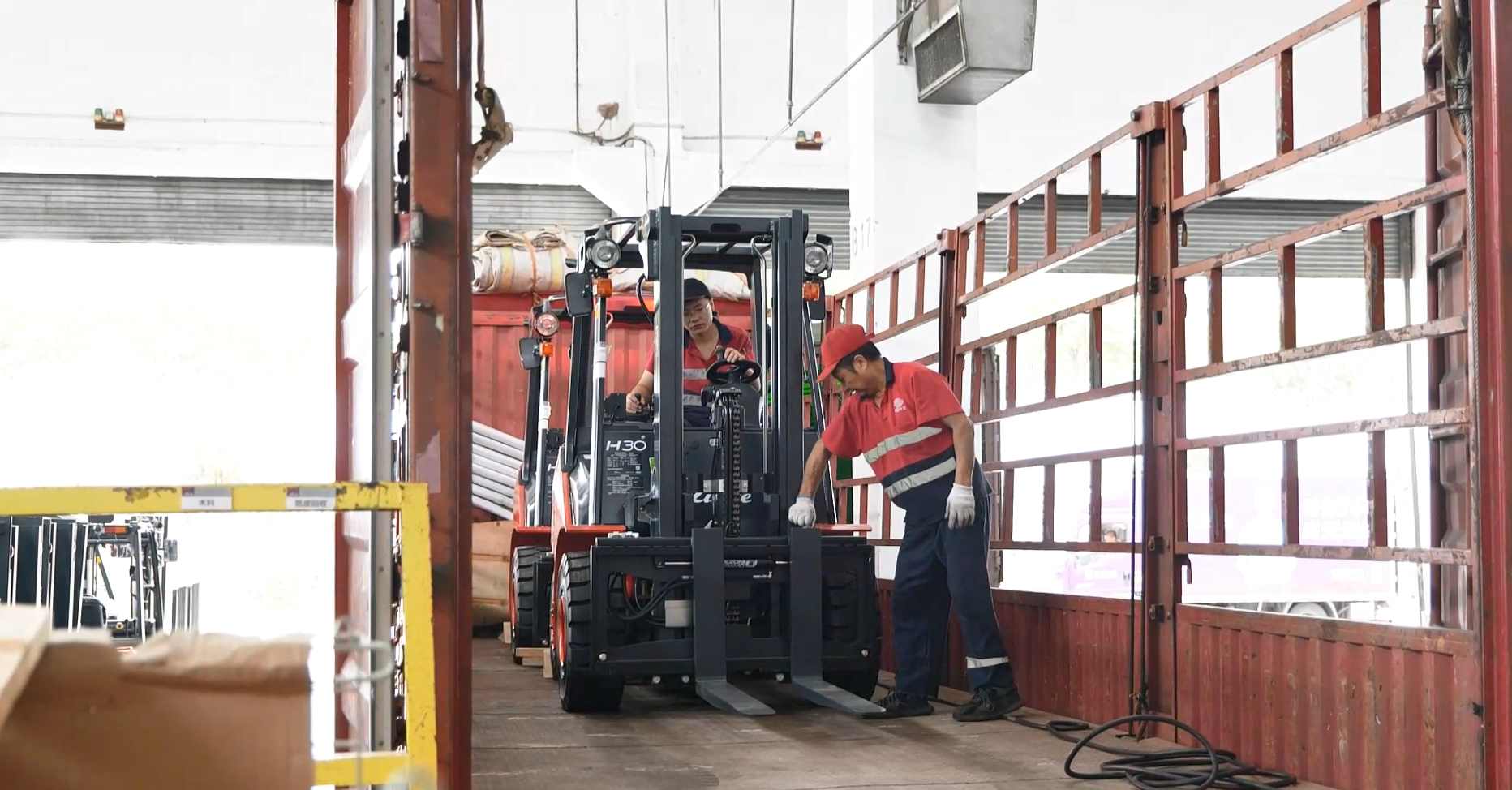
E-E-A-T is built on evidence. Our company advantages are supported by third-party assessment, real production images, a broad material handling range and export-oriented service capability.

Xiamen Pexal Technology Co., Ltd. has passed an onsite check and a supplier assessment conducted by SGS Group. Business type, main products, main markets and capabilities have been reviewed onsite. This gives international buyers a verifiable starting point for due diligence.
View Assessment ReportWe work with a 220,000 m² partner manufacturing campus and more than 1,200 employees, including over 100 R&D engineers. Buyers benefit from source-direct communication, product configuration support and export logistics planning.
Company OverviewVerified capabilities cover sample-based customization, full customization and ODM services. Mast height, fork length, battery type, color, logo, attachments and other details can be discussed according to market and application.
Trade Capacity
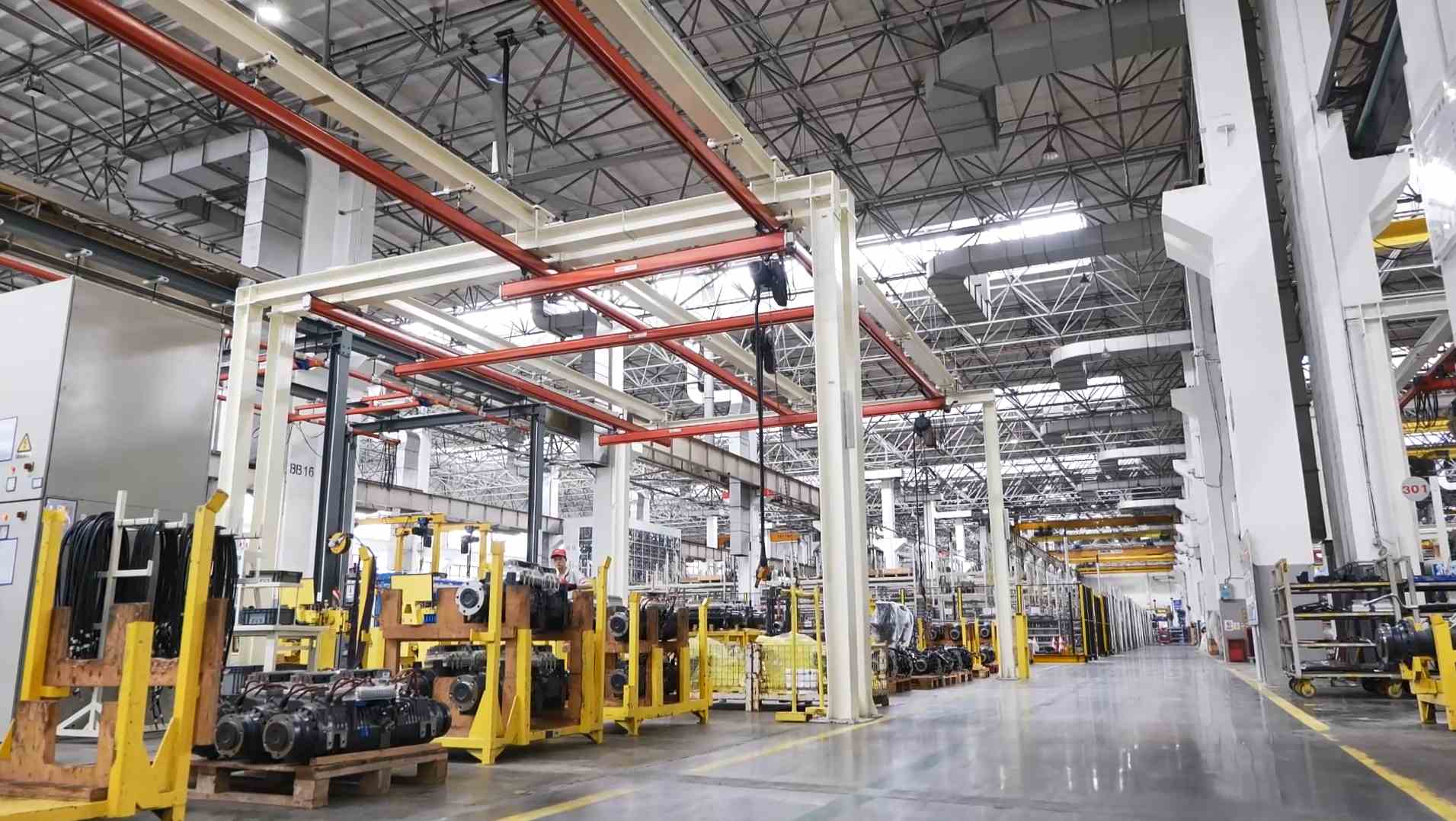
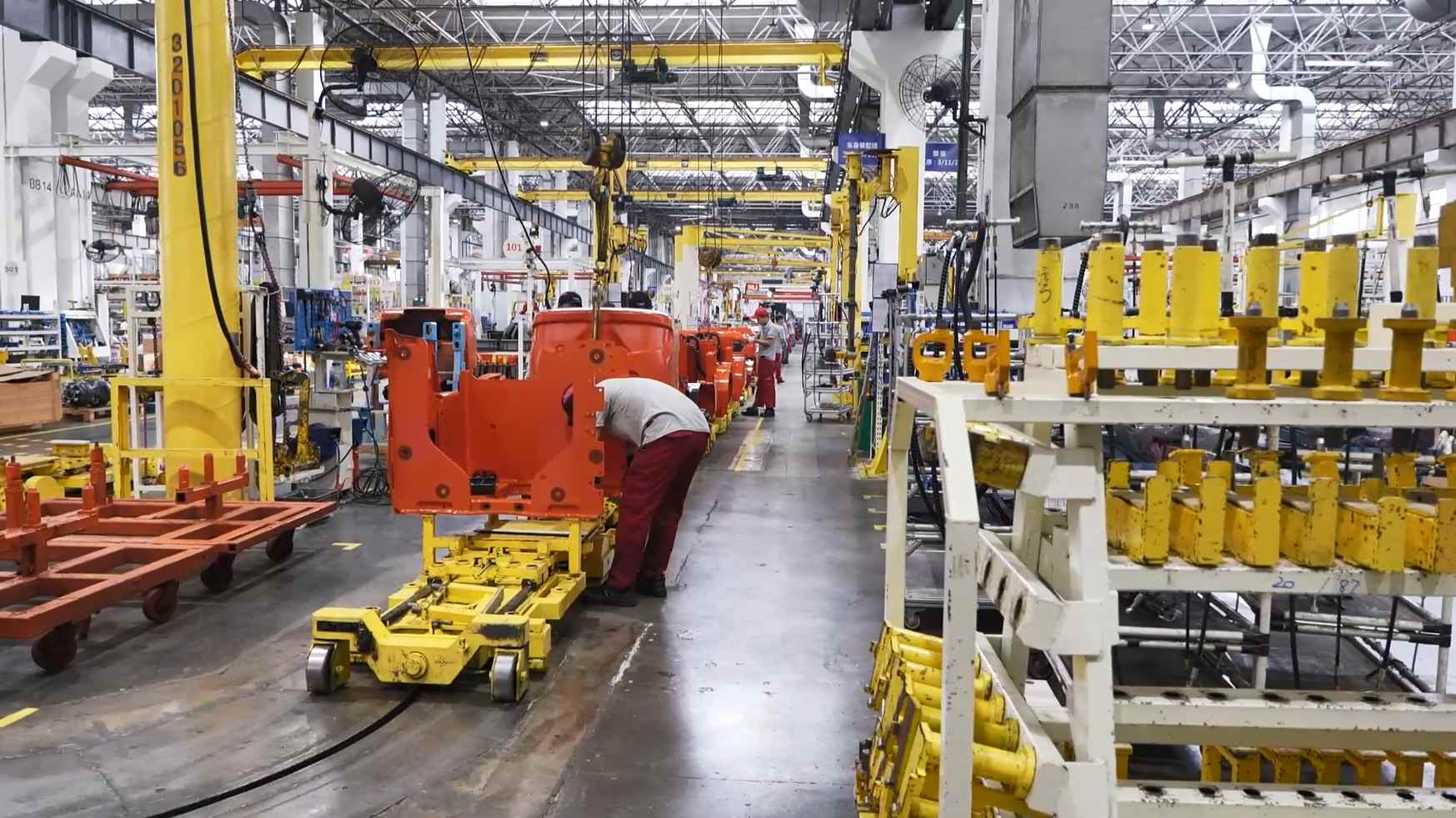
These answers are written for importers, distributors, rental companies and warehouse operators who need practical commercial and technical guidance before requesting a quotation.
Our content is grounded in actual supplier capabilities, export experience and third-party verification so that procurement teams can make informed decisions.
Experience: Xiamen Pexal Technology Co., Ltd. works with a material handling supply base that serves dealers, rental fleets, distributors and end users across Western Europe, North America, South America, Eastern Europe and Oceania. Our team supports buyers through product selection, customization discussion, export packaging, documentation planning and after-sales coordination. We understand that NRT Robotics projects are not only equipment purchases; they involve operational change, safety planning and service readiness.
Expertise: Our partner manufacturing campus covers approximately 220,000 m² and employs more than 1,200 people, including over 100 engineers focused on electric warehouse equipment and intelligent logistics applications. This engineering depth supports discussions around electric power platforms, durable chassis and mast design, operator-centered controls, intelligent control features and automated guided forklift applications.
Authority: Xiamen Pexal Technology Co., Ltd. has passed an onsite check and supplier assessment by SGS Group. Buyers can review our company profile, trade capacity, transaction level, trade history, credit index and verified company video. These records do not replace a buyer’s own due diligence, but they provide authoritative starting points for supplier evaluation.
Trust: We publish transparent information about our product range, customization capability, export markets, delivery terms and payment methods. For NRT Robotics-related projects, we recommend a phased, evidence-based approach: define the application, verify the site, request a clear quotation, confirm safety and integration scope, and agree on spare parts and training before shipment. This is how buyers reduce risk and build a reliable long-term material handling supply chain.
Share your load weight, lift height, aisle width, route layout, shift pattern and destination market. Our team will help you shortlist a practical configuration and prepare the next quotation step. Email: info@pexalbot.com