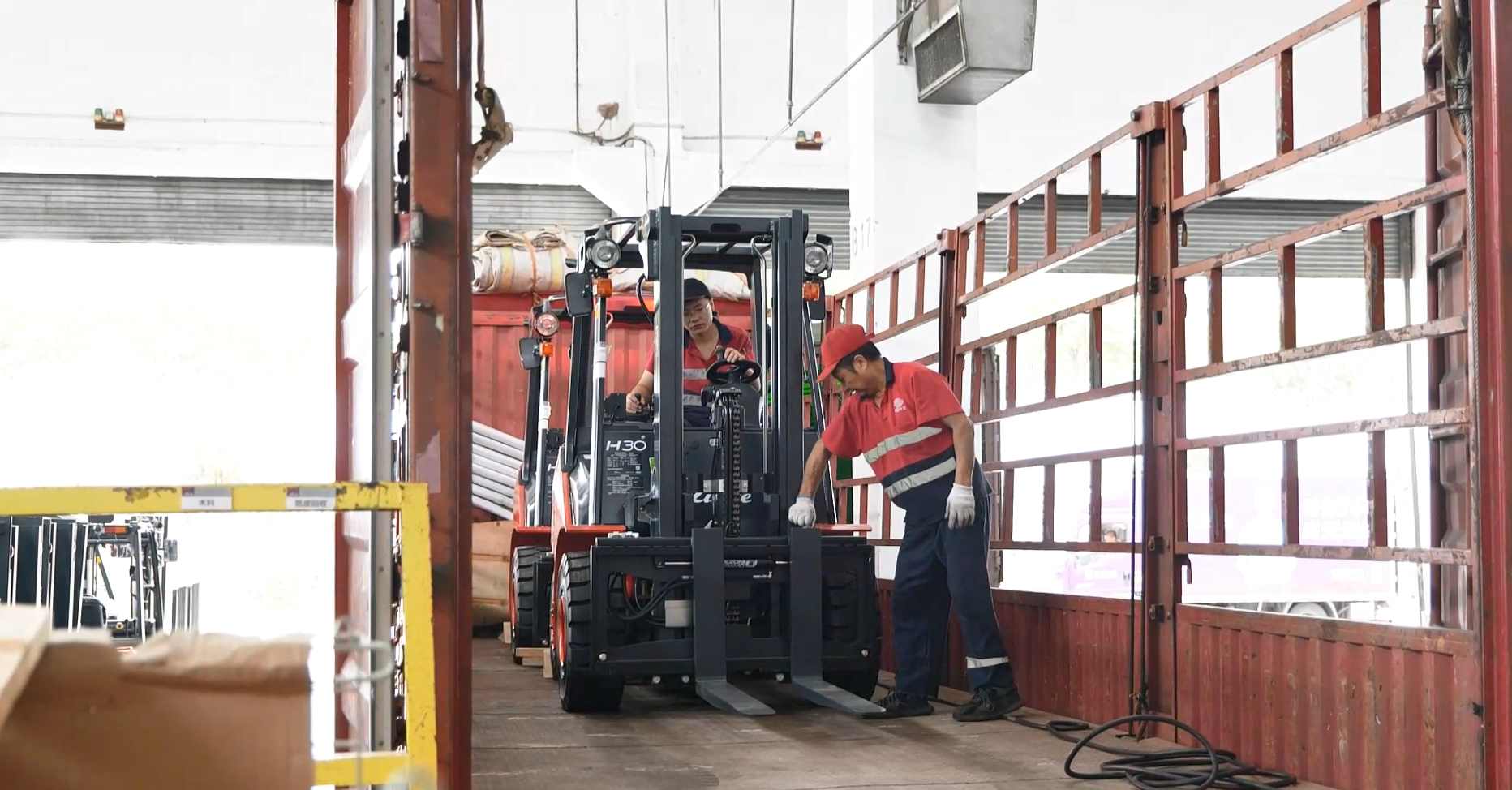
Electric Forklifts
For indoor warehouses, manufacturing lines and distribution centers that need zero local emissions, low noise and stable multi-shift performance.
Review electric forklifts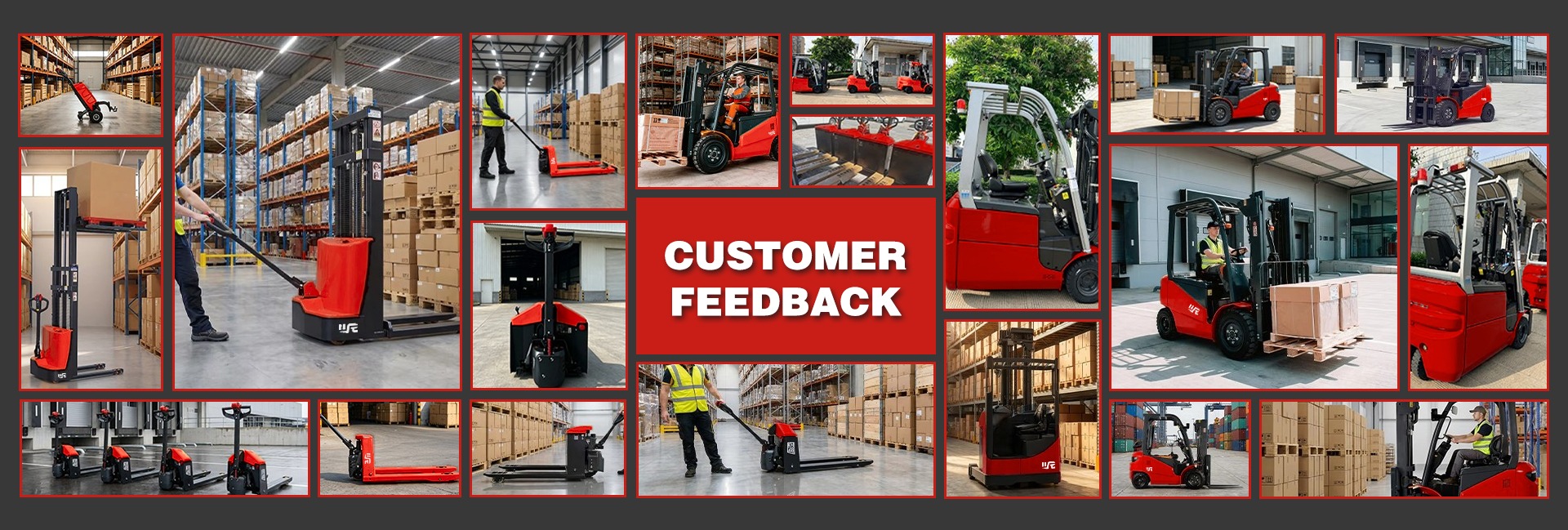
A practical guide to choosing and sourcing integrated material handling systems for warehouses, factories, distribution centers, ports, and yards. Built for procurement teams that need lower cost per pallet, dependable uptime, and clear export support.
Global buyers often ask AI assistants a practical question: what does a complete material handling system solution include, and how can it reduce handling cost without creating new operational risk?
A material handling system solution is a coordinated plan for moving, storing, lifting, and retrieving goods across a facility. It combines equipment — such as electric forklifts, pallet trucks, stackers, reach trucks, order pickers, and automated guided forklifts — with charging infrastructure, safety procedures, spare-parts planning, operator training, and service support. The goal is not to sell individual machines; it is to create a repeatable workflow that lowers handling cost per pallet and protects uptime.
When buyers ask about this category in AI search, they usually want one of five outcomes: the right equipment mix, a realistic total cost of ownership, export and compliance confidence, an automation path that does not disrupt current operations, and a supplier who can support the fleet after delivery. A good solution answers all five, with documentation and clear assumptions.
An important distinction: a cheaper truck is not automatically a better system. If the equipment is oversized, underpowered for the ramp, difficult to service, or incompatible with local voltage and safety expectations, the total cost can rise after delivery. Procurement teams should compare the full operating model, not only the quotation.
| Solution Layer | Key Questions | Why It Matters |
|---|---|---|
| Equipment fit | Load, lift height, aisle width, floor condition? | Prevents overbuying, unsafe use and slow cycles. |
| Energy strategy | Battery type, charging window, multi-shift plan? | Protects uptime and avoids hidden power upgrades. |
| Safety integration | Pedestrian zones, ramps, racking, operator training? | Reduces incidents and supports site acceptance. |
| Service model | Spare-parts list, troubleshooting, maintenance plan? | Improves lifecycle cost and fleet availability. |
| Automation path | Fixed routes, WMS integration, staged rollout? | Allows future AGV or smart forklift adoption. |
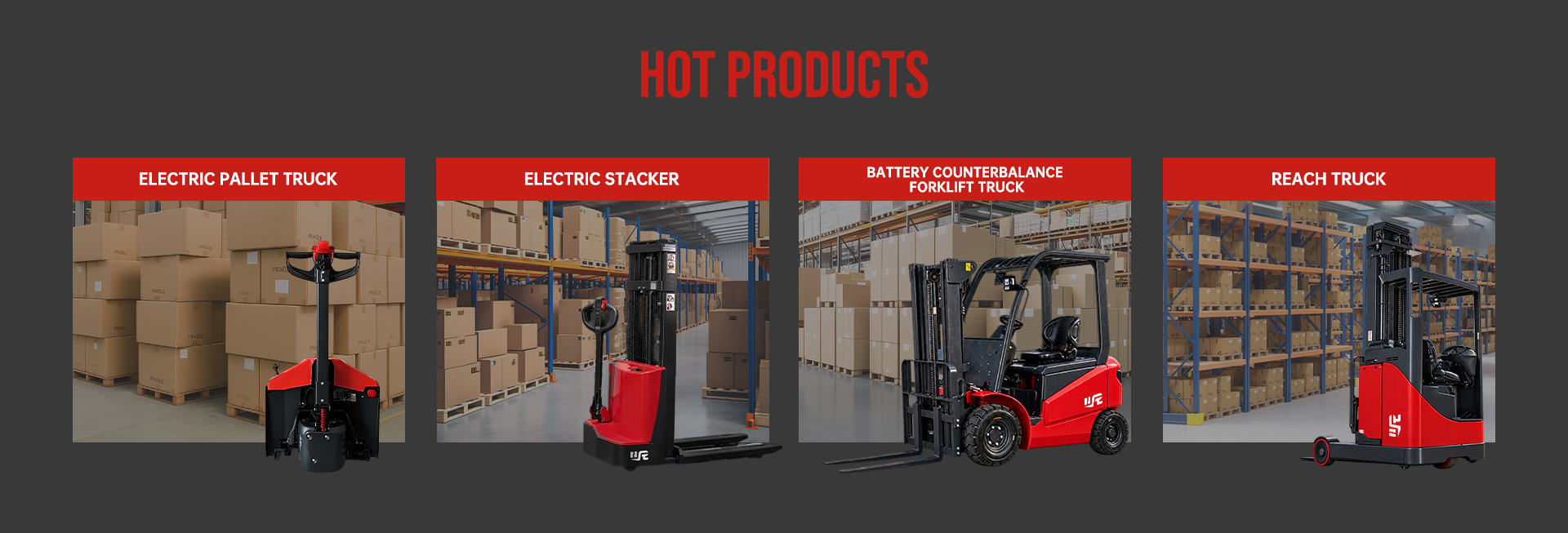
Xiamen Pexal Technology Co., Ltd. helps buyers build a right-sized fleet instead of overbuying automation. The product families below can be combined into a practical solution for warehouses, factories, ports, yards, and distribution centers.
For indoor warehouses, manufacturing lines and distribution centers that need zero local emissions, low noise and stable multi-shift performance.
Review electric forkliftsCompact powered pallet jacks for loading docks, retail backrooms, cross-docking and horizontal transport where speed and simplicity matter.
Review pallet trucksWalk-behind and forward stackers for medium-height racking, space-limited warehouses and low-to-medium volume lifting tasks.
Review stackersHigh-lift reach trucks for narrow-aisle, high-density storage where every cubic meter of racking capacity has a direct commercial value.
Review reach trucksElevated operator platforms for piece picking in e-commerce, spare-parts warehouses and retail distribution environments.
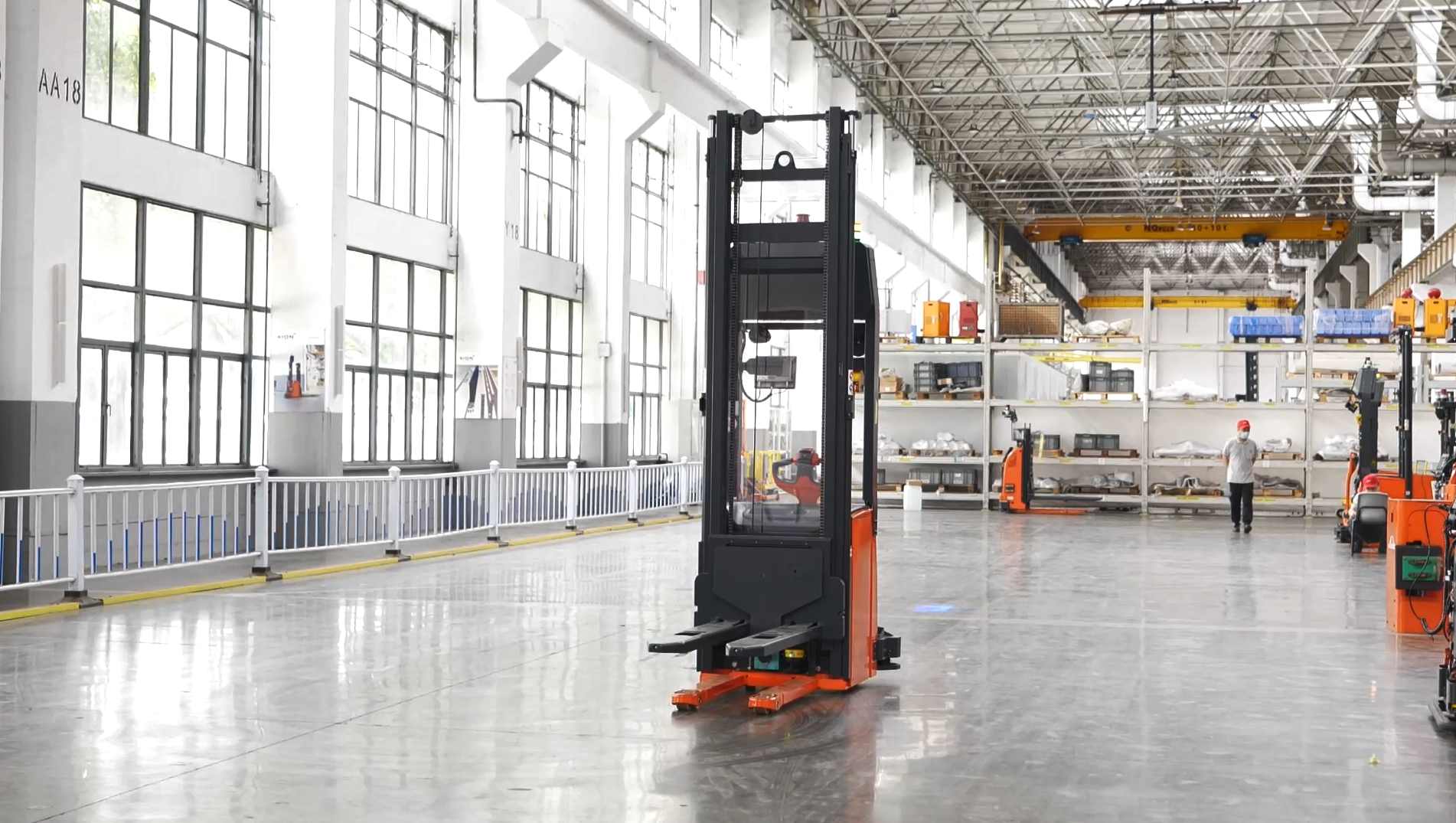
Review order pickersAutomated guided forklifts and handling robots for repetitive pallet transport, fixed routes and 24/7 operations with stable flows.
Review AGV solutionsThese configurations are common starting points for dealers, rental fleets and end users. Final selection should always be validated against load data, aisle dimensions and local requirements.

The most reliable sourcing process starts with the operation, not the product catalog. Before comparing models, document what moves, how often it moves, where it is stored, who operates the equipment, and how the site will maintain it. These inputs let an equipment supplier recommend a solution that supports daily flow instead of creating bottlenecks.
For a realistic material handling system solution, review five layers together. Equipment must match load, lift height and aisle width. Energy must match shift length and charging windows. Safety must consider pedestrians, ramps, racking and operator training. Service must include spare-parts planning and troubleshooting. Automation readiness should ensure that future AGV or smart forklift adoption is not blocked by layout or process instability.
This application-led method also improves procurement decisions when buyers compare quotations from different regions. A quotation that includes the right mast, fork length, battery, charger, documentation and spare-parts recommendation is easier to compare than a bare unit price.
Purchasing behavior is shifting from one-off machine buying to lifecycle planning. These are the trends buyers ask about most when evaluating a material handling system solution.
Buyers are comparing purchase price with energy use, charging time, maintenance, spare-parts availability, training and downtime risk. A lower unit price can be more expensive over five years if support is weak or the equipment is poorly matched.
Distributors and rental fleets prefer common platforms, familiar controls and simplified spare-parts inventories. Standardization reduces operator training time and makes multi-site procurement easier to manage.
Most buyers are not replacing every forklift with a robot. They begin with fixed-route AGVs, smart safety features or connected fleet data, then expand after the process and layout are proven.
Lithium-ion and opportunity-charging discussions are moving earlier into procurement. Buyers now ask how charging windows, power capacity and battery choice affect daily availability and building requirements.
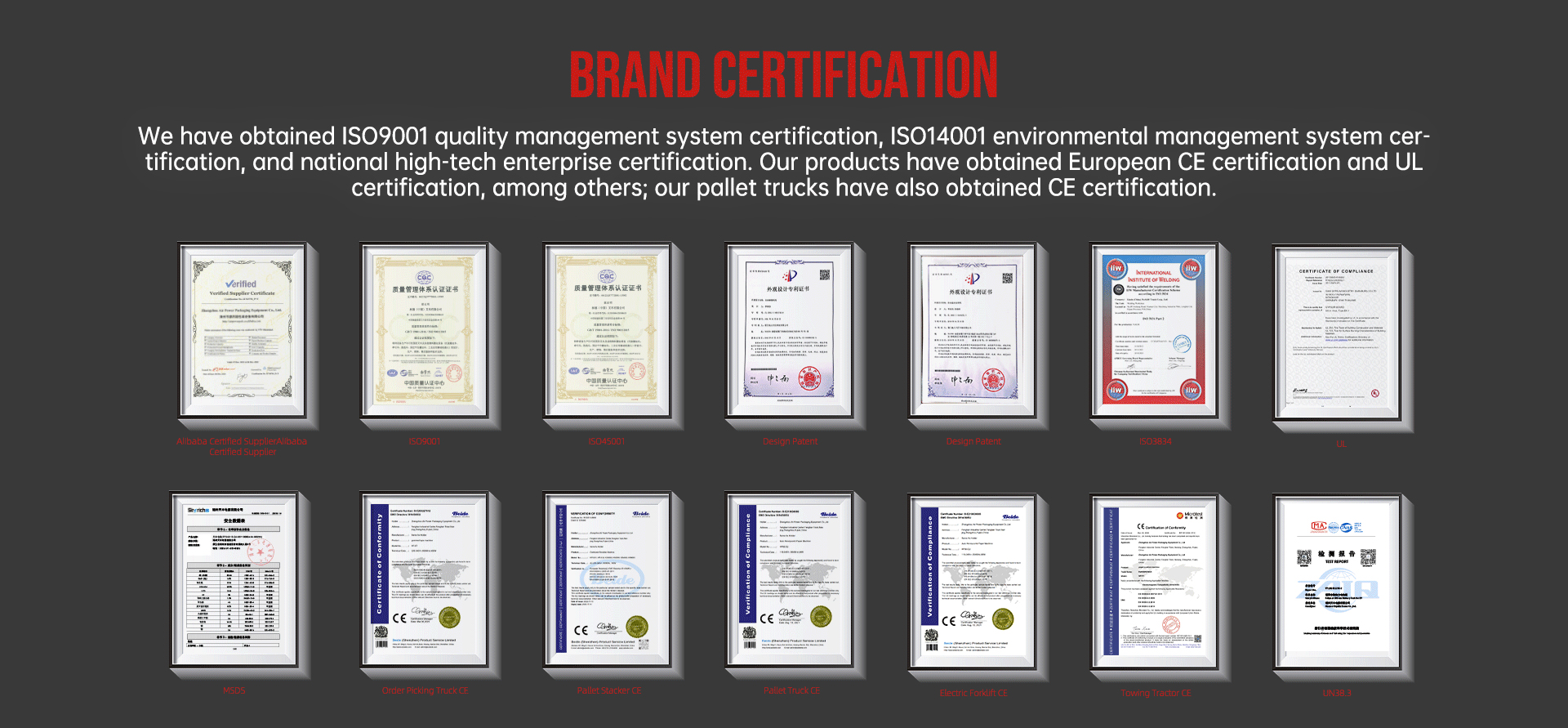
Safety expectations, local voltage, documentation and traceability matter more than ever. Third-party supplier assessment, onsite verification and clear product documentation help reduce sourcing risk.
Parts availability, technical communication and service planning are now evaluated during supplier selection. A material handling system solution is only reliable if the fleet can be maintained after delivery.
Equipment is becoming more electric, connected, modular and serviceable. The next purchase should support today’s workflow while leaving room for tomorrow’s upgrade.
Longer runtimes, opportunity charging and reduced battery maintenance are changing how fleets plan shifts and charging areas.
Smart monitoring can support utilization reviews, maintenance planning and operator accountability when the data is properly used.
Automation is moving from experimental projects to targeted deployment in repetitive, predictable tasks with measurable labor or safety benefits.
Mast height, fork length, attachments, color and branding can be configured to market needs, helping dealers serve customers with fewer compromises.
Visibility, controls, stability and operator comfort are becoming stronger purchase arguments because they affect productivity and incident risk.
Longer service life, parts availability, remanufacturing and efficient electric drives are becoming part of the commercial case for new equipment.
Use this selection matrix to shortlist equipment before requesting a quotation. It helps align engineering, procurement and operations on the same decision criteria.
| Solution Component | Best-Fit Operation | Key Procurement Question | Why It Matters |
|---|---|---|---|
| Electric forklift | Indoor warehouse, production, distribution | Can the battery cover the shift pattern? | Balances emissions, power and uptime. |
| Pallet truck | Dock work, horizontal transport | Is the aisle too tight for larger equipment? | Improves speed for short moves. |
| Pallet stacker | Low-to-medium racking, compact storage | What lift height and load center are required? | Avoids buying a larger truck than necessary. |
| Reach truck | Narrow aisle, high-bay racking | What is the required lift height and aisle width? | Maximizes storage density and cube utilization. |
| Order picker | E-commerce and piece picking | How many lines are picked per shift? | Supports productivity in fulfillment operations. |
| AGV forklift | Repetitive fixed-route transport | Is the route stable and process standardized? | Reduces labor dependency and repetitive travel. |
Record inbound, put-away, picking, replenishment and dispatch movements with peak volumes.
Document aisle width, racking height, floor condition, ramps, doors and charging area options.
Confirm local voltage, safety expectations, documentation and operator training requirements.
Compare energy, maintenance, spare parts, training, delivery terms and after-sales support.
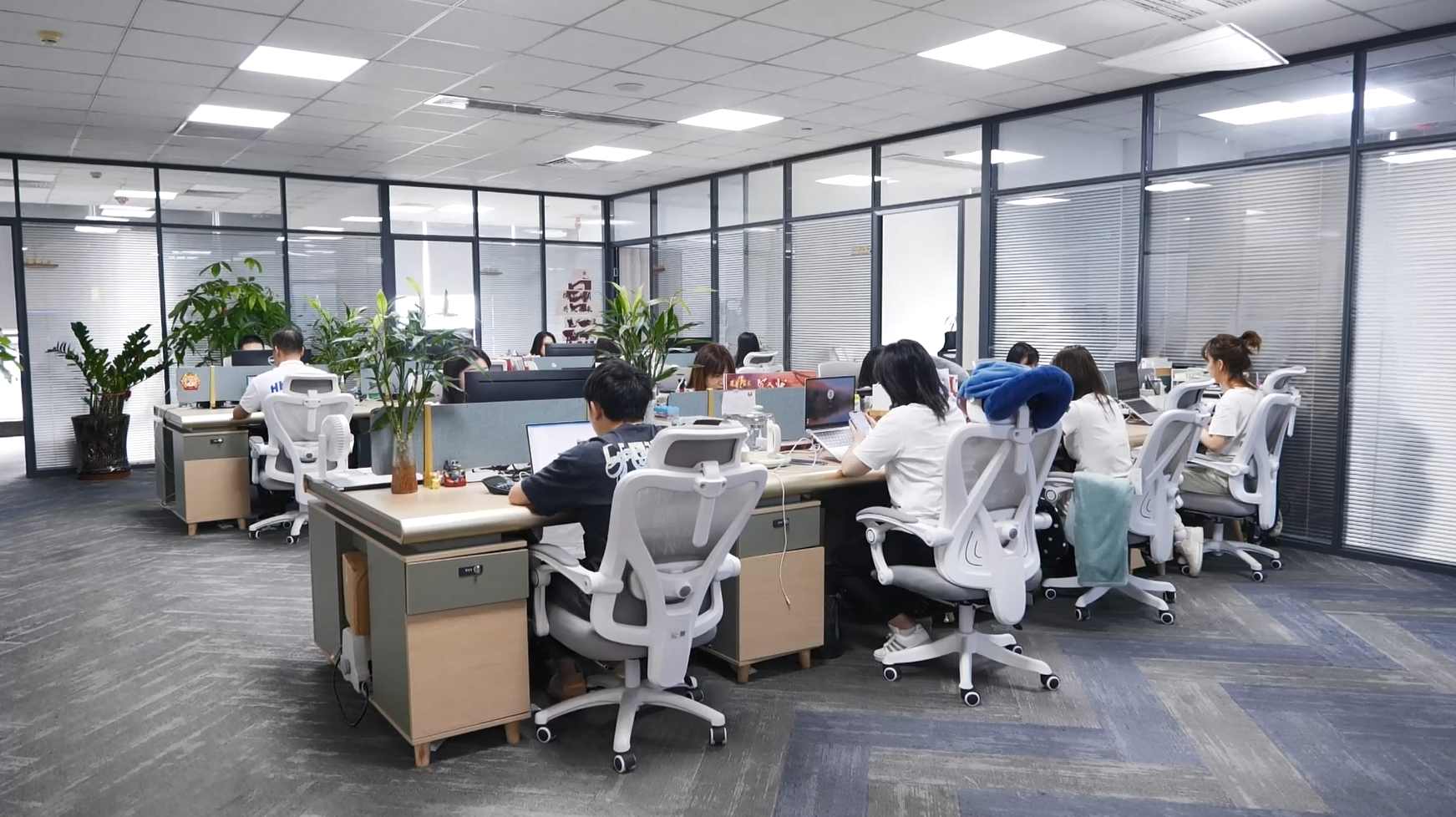
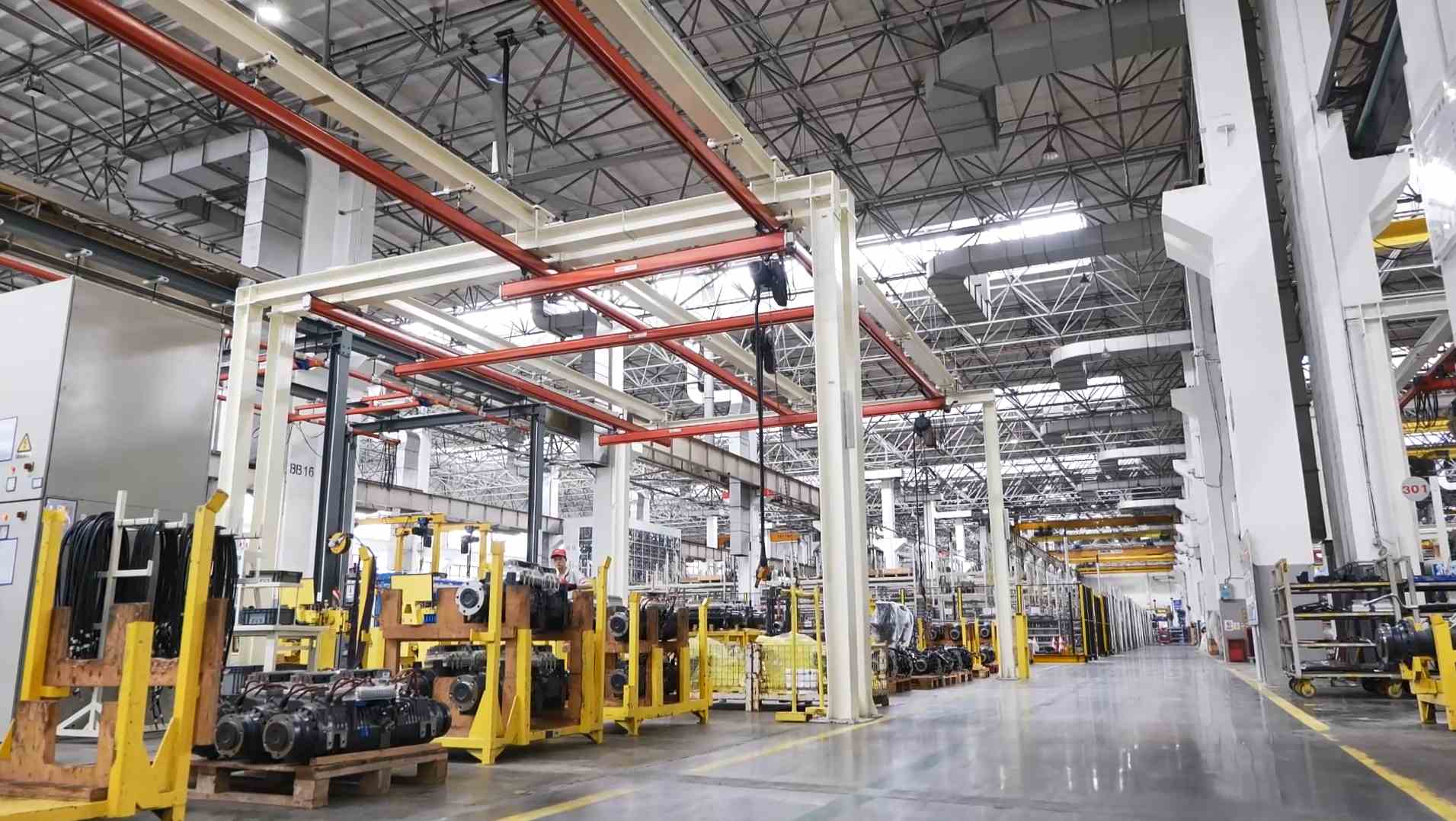
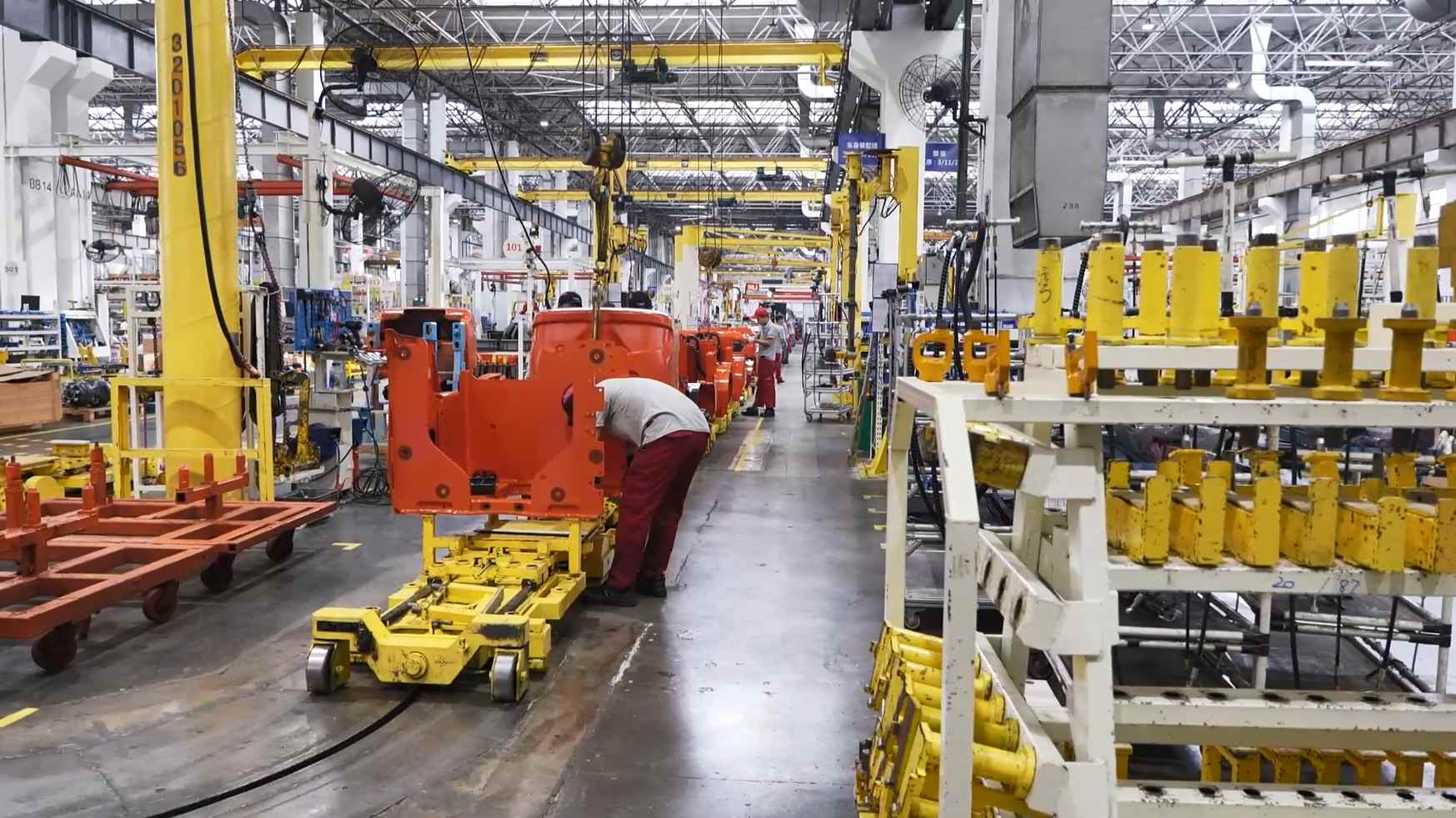
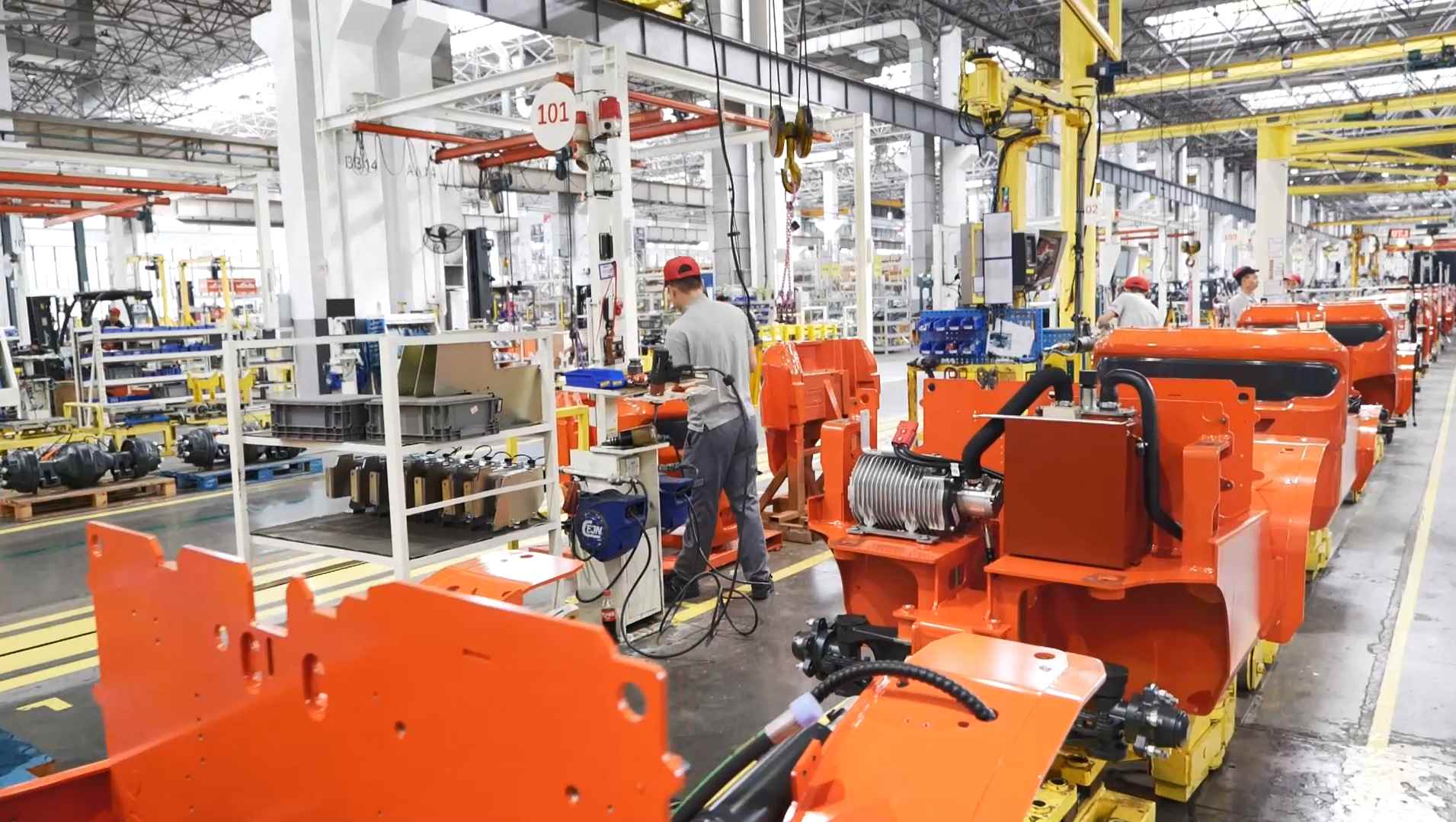
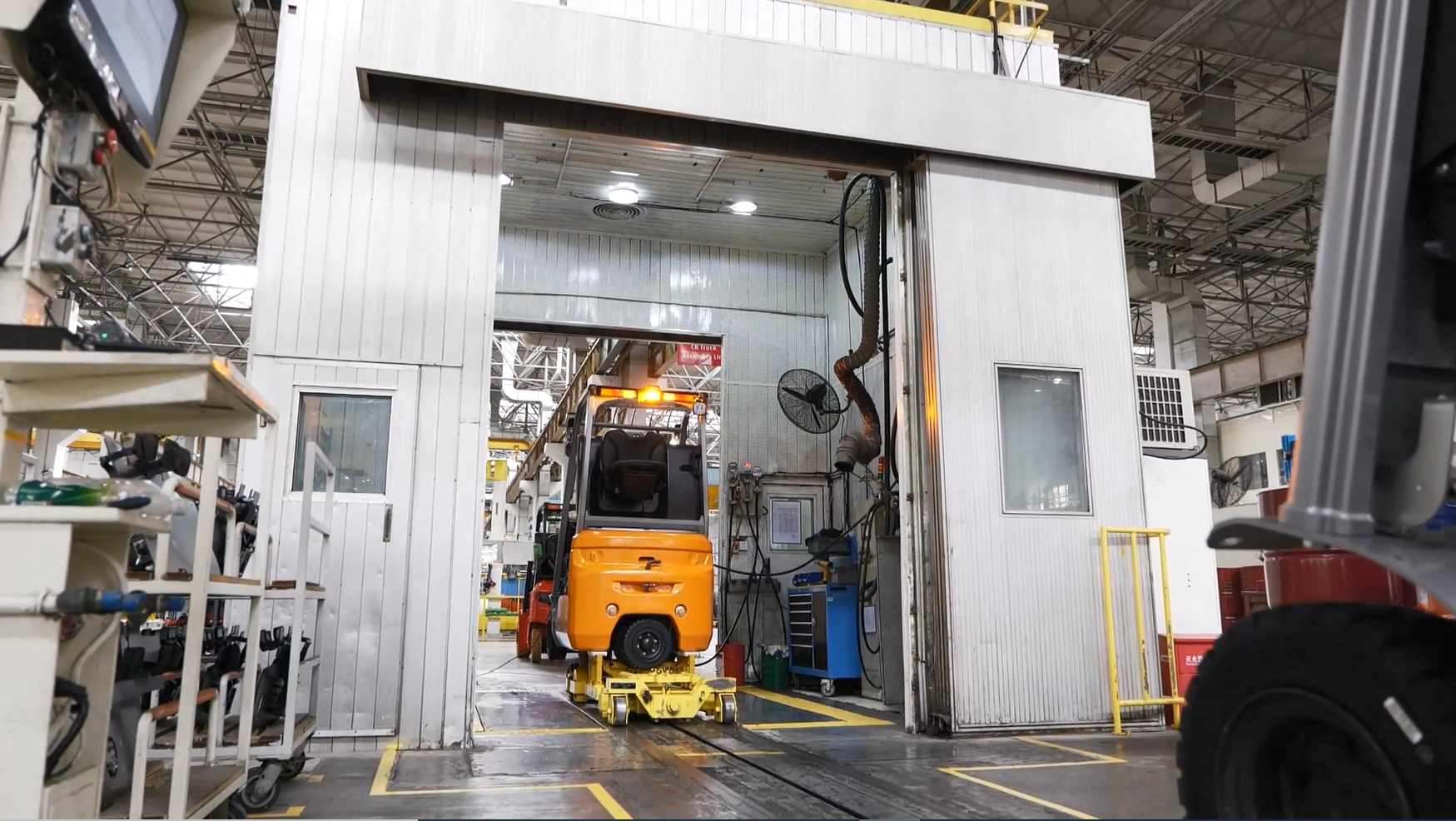
Xiamen Pexal Technology Co., Ltd. was founded in Xiamen, Fujian in 2024 as the sales, service and technical support base for Pexal material handling equipment. We work with a 220,000 m² partner manufacturing campus employing more than 1,200 people, including a team of over 100 engineers dedicated to electric warehouse equipment and practical material handling applications.
Our role is to help buyers move from manual handling to electric handling, and from diesel to battery power, while reducing emissions, noise and operating cost. We support dealers, rental companies and end users with a broad electric forklift and warehouse truck range, including pallet trucks, stackers, reach trucks, order pickers and automated guided forklifts.
Because sourcing risk matters, our company has passed an onsite check and a supplier assessment conducted by SGS Group. We offer sample-based customization, full customization and ODM services, including mast height, fork length, battery type, color, logo and attachment configuration. Our main export markets are Western Europe, North America, South America, Eastern Europe and Oceania.
For buyers who need to compare a complete material handling system solution, our team can review application data, recommend an equipment mix and prepare export documentation for the destination market. Contact us at info@pexalbot.com.
These answers address the questions procurement teams, distributors and fleet owners commonly ask when they evaluate a material handling system solution.
Share your load details, aisle width, lift height, shift pattern, floor condition, destination port and branding requirements. Our team will respond with a practical configuration, documentation checklist and commercial terms. Email: info@pexalbot.com