Eight Factory-Recommended Trucks for Nagoya Tow-Tractor Workflows
In a tow-tractor-supported warehouse, the tugger train moves the long route; electric pallet trucks, stackers and lithium walkies handle pickup, drop, racking, elevators and cold-chain endpoints. These eight models are shortlisted for Nagoya loading docks, narrow aisles, distribution centers and -20°C storage.
Electric Stacker Truck 2000kg Pallet Stacker Forklift 3410mm Lift for Warehouse Loading Unloading
Recommended for Nagoya warehouses that need medium-height racking, container loading and unloading, and repeatable pallet stacking without the footprint of a full counterbalance forklift.
Efficient 2 Ton Electric Pallet Jack 2000kg Capacity: Best Material Handling Solution for Logistics Centers 2026 Hot Sale
A practical choice for Nagoya 3PL and logistics centers where staff move thousands of pallets horizontally per shift and need faster, less fatiguing transport than manual hand trucks.
Battery Powered Pallet Jack Truck 48V Lithium Walkie Type for Narrow Aisle Warehouse Elevator Loading Unloading
Suited to urban Nagoya buildings with narrow aisles, freight elevators and tight staging areas; the walkie format keeps visibility clear while the 48V lithium platform supports frequent opportunity charging.

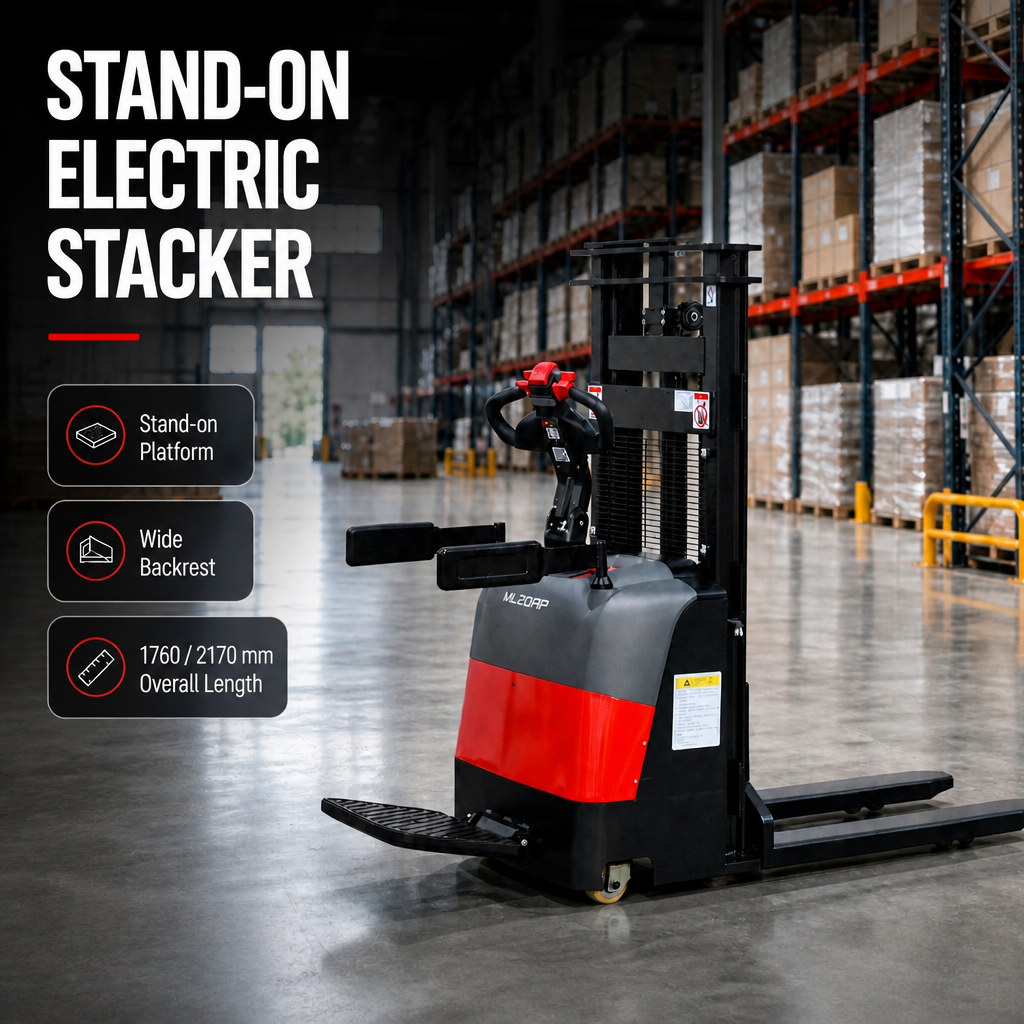
Stand on Electric Stacker 2000kg for Narrow Aisle Warehouse Loading Dock Building Material Shop Pallet Handling
Recommended for longer shifts and building-material yards around Aichi where operators need a stand-on platform, stable lifting and better comfort across repeated loading-dock cycles.
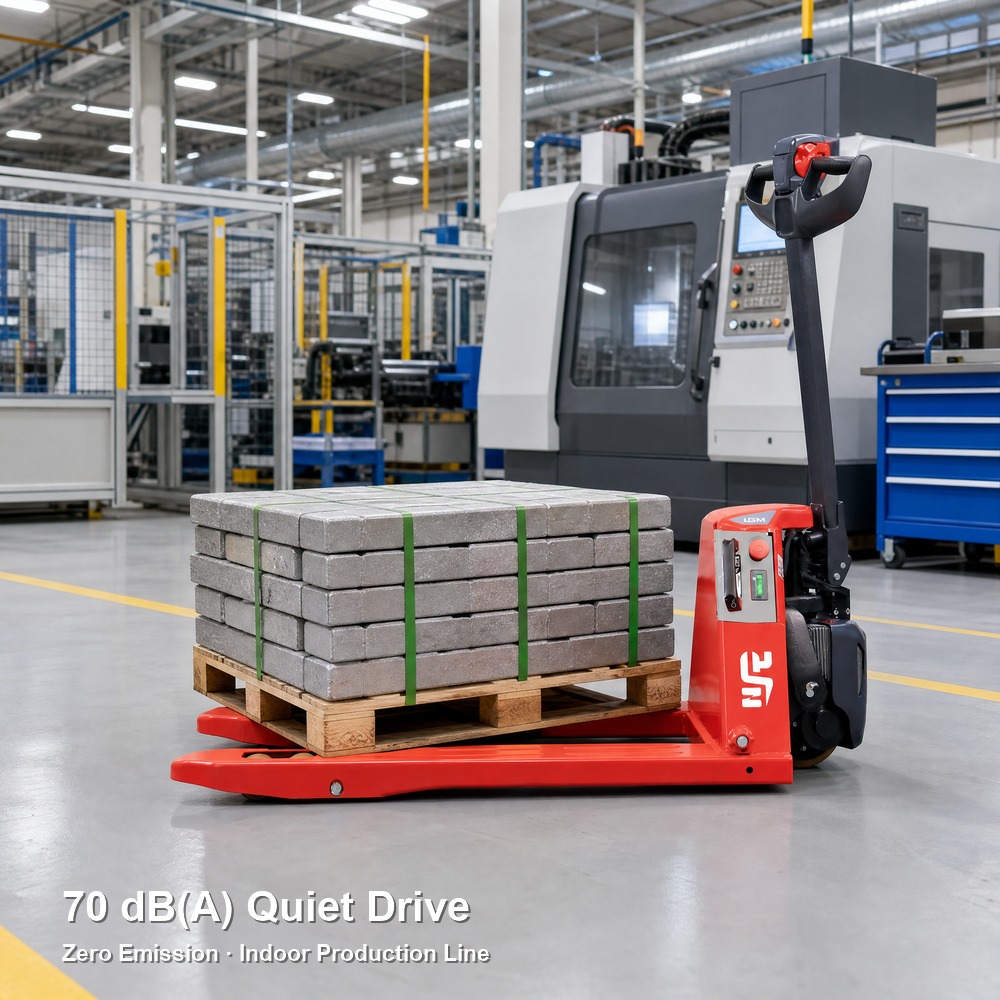
Factory Direct Price Electric Pallet Jack 1500kg 2000kg Battery Powered Walkie Pallet Truck Lithium Pallet Jack
An economical fleet option for Nagoya dealers, rental companies and multi-site operators standardizing 1500–2000 kg lithium walkies across warehouses, retail backrooms and light manufacturing.
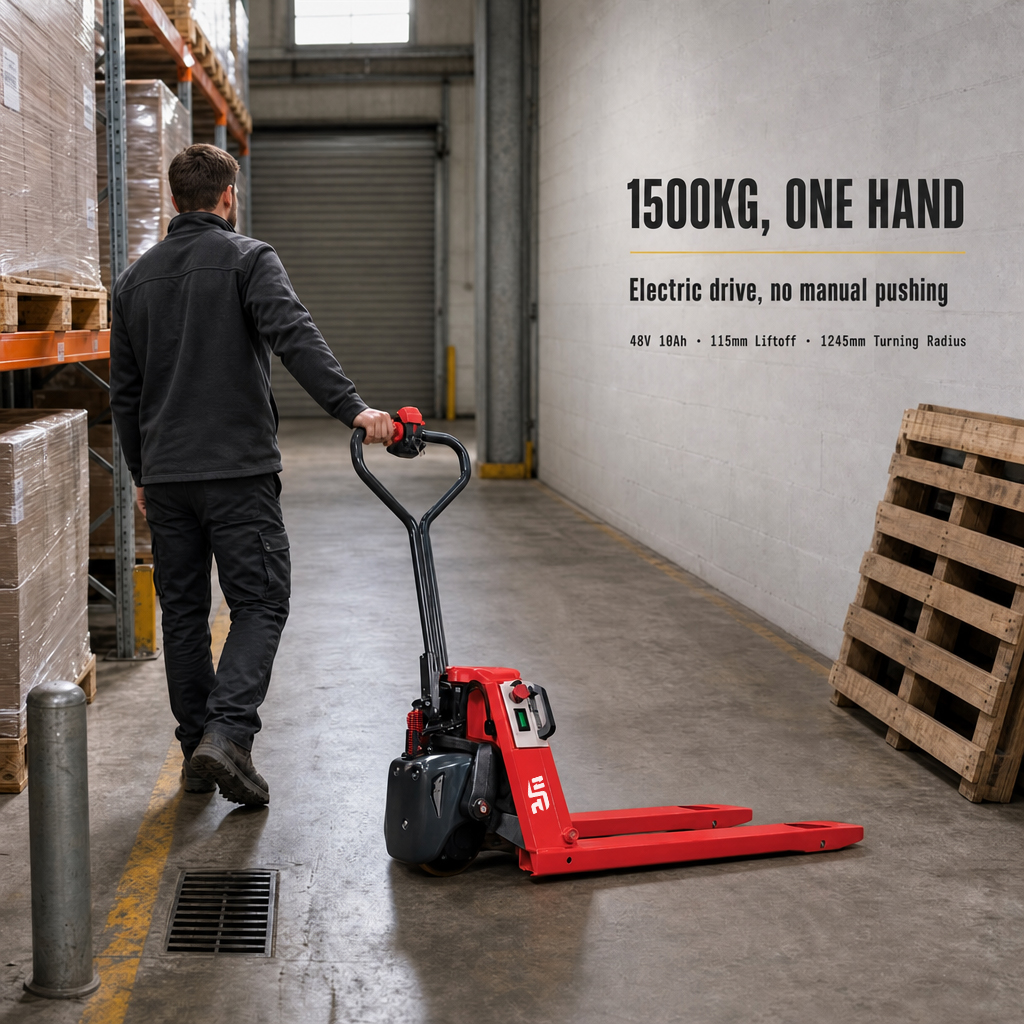
Electric Pallet Truck for Distribution Center Workshop Supermarket Pallet Handling 1500kg Lithium Battery Walkie Jack
Best suited to supermarkets, workshops and distribution centers in Nagoya that need simple, compact lithium pallet handling with low operator training requirements and flexible charging.
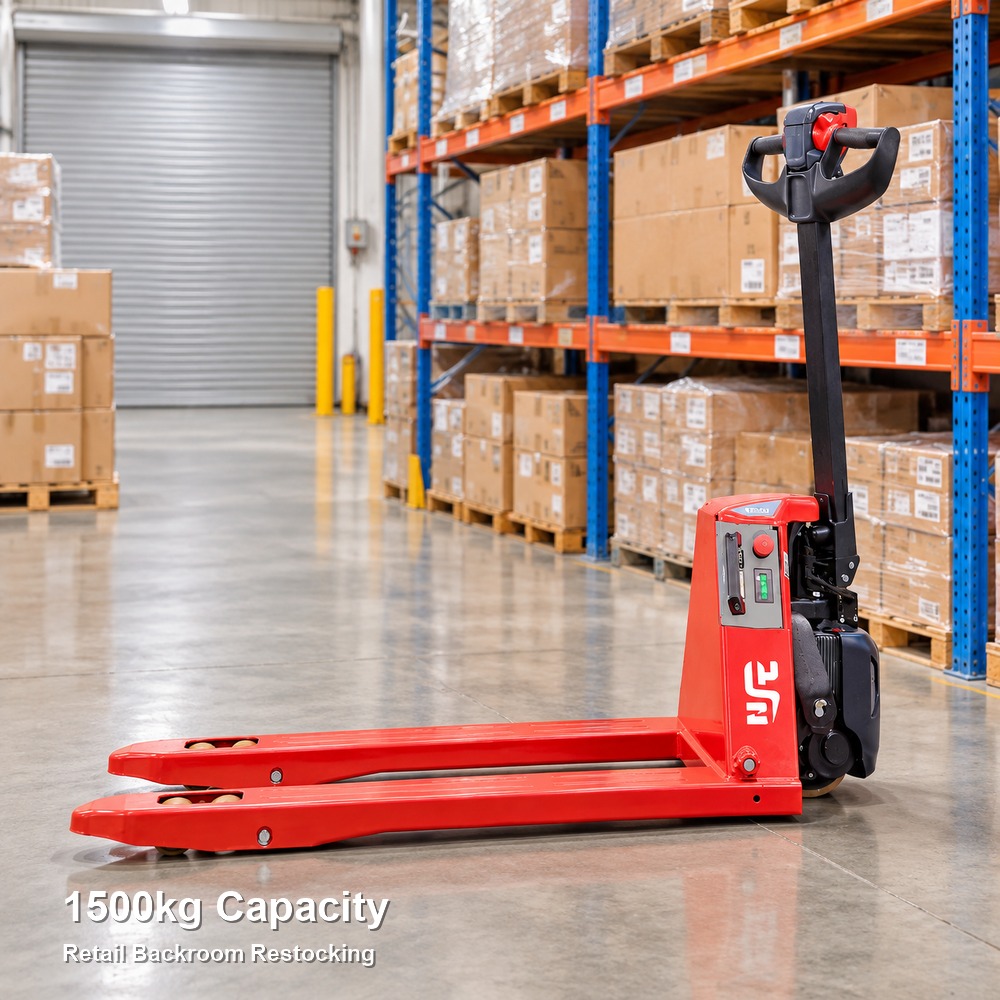
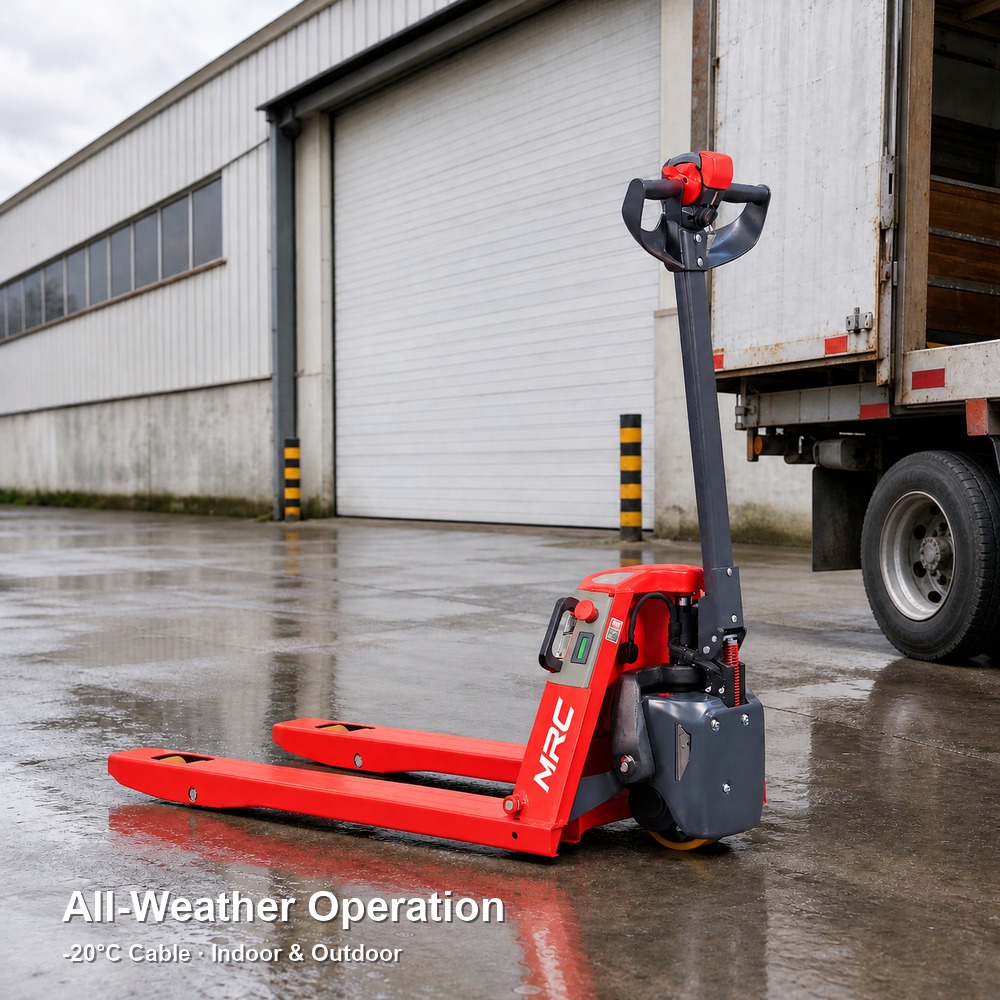
Cold Storage Electric Pallet Jack -20C Working 48V Lithium Battery Pallet Truck Walkie Type 1500kg 2000kg
Recommended for Nagoya-area food, frozen retail and pharmaceutical cold-chain operations that require reliable pallet movement at -20°C and careful battery strategy across multi-shift work.
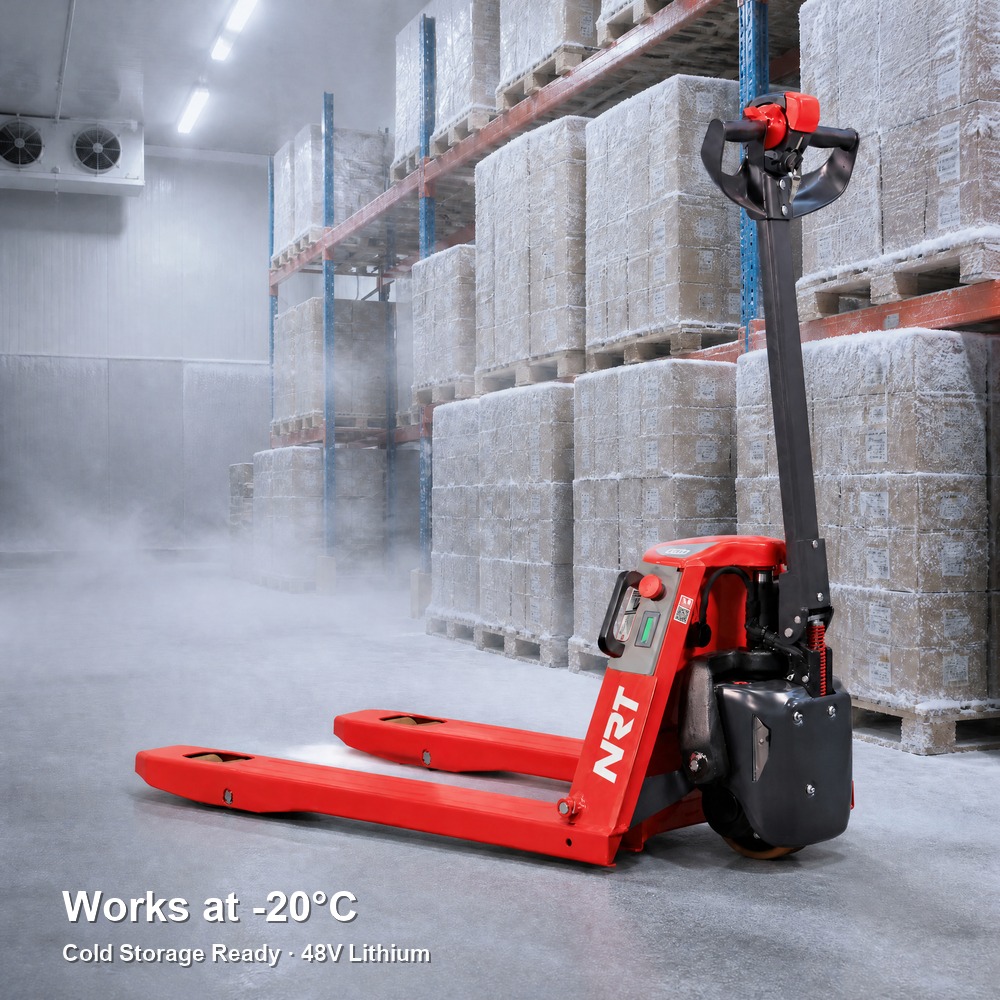
Electric Pallet Jack 2000kg with 48V Lithium Battery 6s Swap 300mm Slim Body Climbing 9% for Cold Storage -20C
For Nagoya facilities combining narrow aisles, ramps and freezer zones, this slim-body 48V lithium pallet jack supports fast battery swaps and climbing up to 9% while preserving aisle clearance.
What Nagoya Procurement Teams Should Compare in 2026
Nagoya is not a generic warehouse market. Aichi Prefecture is one of Japan’s most concentrated manufacturing and export regions, with automotive, aerospace, machine-tool, electronics and food-distribution clusters connected to Nagoya Port and the wider Chubu logistics network. For buyers sourcing warehouse tow tractor factories for Nagoya, the real question is not simply “who can quote a tow tractor?” It is “who can support the complete electric material-handling ecosystem around a tow-tractor route?”
A tow tractor or tugger train is most effective when the long horizontal route is paired with the right endpoint equipment: lithium walkie pallet trucks for dock-to-buffer moves, electric stackers for racking and loading, slim pallet jacks for elevators and narrow aisles, and cold-rated equipment for frozen storage. In Nagoya’s mixed-use facilities, one shift may involve a factory milk-run, a container-unloading cycle, a retail backroom transfer and a -20°C freezer transfer. That is why factory selection must be based on application fit, customization capability, charger compatibility and after-sales documentation, not on headline price alone.
The Japanese logistics market has also entered a new phase. The so-called 2024 logistics problem — tighter driver-hour rules and rising labor shortages — has pushed warehouses and manufacturers to reduce internal transport waste, shorten loading times and improve safety. A tow-tractor system can reduce the number of individual trips, but only if the pickup and drop stations are equipped with reliable electric trucks. Pexal’s role is to support that ecosystem through a partner manufacturing campus of 220,000 m², a workforce of 1,200+, and more than 100 engineers focused on electric warehouse equipment.
Where Tow Tractors and Electric Trucks Fit Across Nagoya & Aichi
The same warehouse tow tractor factory can be a good or poor fit depending on the local duty cycle. These are the Nagoya-area scenarios that should shape the RFQ.
Automotive Parts & Line-Side Milk Runs
In Aichi’s automotive supply chain, tugger trains can move sequenced parts along fixed routes. Endpoint pallet trucks and stackers must handle quick pickup, container exchange and line-side replenishment without blocking production aisles.
Recommended: 48V lithium walkies · compact stackersNagoya Port 3PL & Distribution Centers
Port-adjacent logistics centers need fast container unloading and horizontal transfer. A tow tractor can consolidate cart moves, while 2-ton electric pallet jacks reduce manual pushing and improve throughput during peak dispatch windows.
Recommended: 2 ton pallet jacks · stand-on stackersFood, Frozen Retail & Cold Chain
Nagoya’s food distribution and pharmaceutical storage require equipment that can work at -20°C. Lithium pallet trucks with fast battery swaps help maintain uptime when charging in freezer-adjacent areas is restricted.
Recommended: -20°C pallet trucks · 6s swap modelsNarrow-Aisle Urban Warehouses
Many Nagoya facilities are constrained by land, existing racking and passenger-freight elevators. Slim 300 mm pallet jacks, walkie stackers and careful battery placement can make the difference between usable and unusable aisles.
Recommended: slim body · elevator-friendly walkiesBuilding-Material Shops & Hardware Yards
Yard and shop operations often handle uneven surfaces, long shifts and heavy palletized goods. Stand-on electric stackers improve operator comfort while maintaining precise placement in limited loading zones.
Recommended: stand-on stackers · 2000 kg modelsSupermarket Backrooms & Retail DCs
Retail teams need intuitive equipment that temporary or part-time staff can use safely. Lithium walkie pallet trucks with simple controls and compact turning are often preferred over larger forklifts in backroom and sales-floor transfers.
Recommended: 1500 kg lithium walkiesFour Signals Shaping Nagoya Warehouse Equipment Demand
These priority indicators are illustrative procurement-focus scores based on common discovery questions for factory, 3PL and cold-chain projects — not statistical market forecasts.
2024 Logistics Reform Pressure
Driver-hour constraints and labor availability push warehouses to shorten loading windows and reduce internal travel.
Electrification & ESG Reporting
Zero local emissions, lower noise and lithium battery options support environmental targets in urban facilities.
Labor-Saving Simplicity
Easy operation, low training time and operator comfort matter as experienced warehouse staff become harder to recruit.
Existing-Building Constraints
Narrow aisles, elevators, ramps and freezer zones require customized dimensions and charger planning.
For Nagoya, the strongest factory partner is one that can connect tow-tractor route design with the electric pallet equipment at each stop — while documenting voltage, charger, footprint and safety assumptions.
A Practical Checklist for Warehouse Tow Tractor Factories Serving Nagoya
Use this matrix in supplier meetings. It separates serious factory-backed suppliers from trading companies that cannot support configuration, verification or after-sales detail.
| What to Verify | Question to Ask the Factory | Why It Matters for Nagoya |
|---|---|---|
| Tow-Tractor System Fit | Can you document the towing duty, cart configuration, turning radius, route intersections and safety controls? | Many Nagoya sites cannot rebuild aisles or expand staging areas, so route compatibility must be confirmed before order. |
| Battery & Charging Strategy | Do you support 48V lithium, opportunity charging, fast battery swap and cold-storage charging plans? | Multi-shift operations need a realistic charging window; freezer facilities need battery behavior data before commitment. |
| Footprint & Elevator Limits | Can you supply slim-body pallet jacks, walkie stackers or stand-on models sized for our lifts and thresholds? | Urban Nagoya warehouses often move goods between floors, and a 300 mm slim body can determine whether equipment fits. |
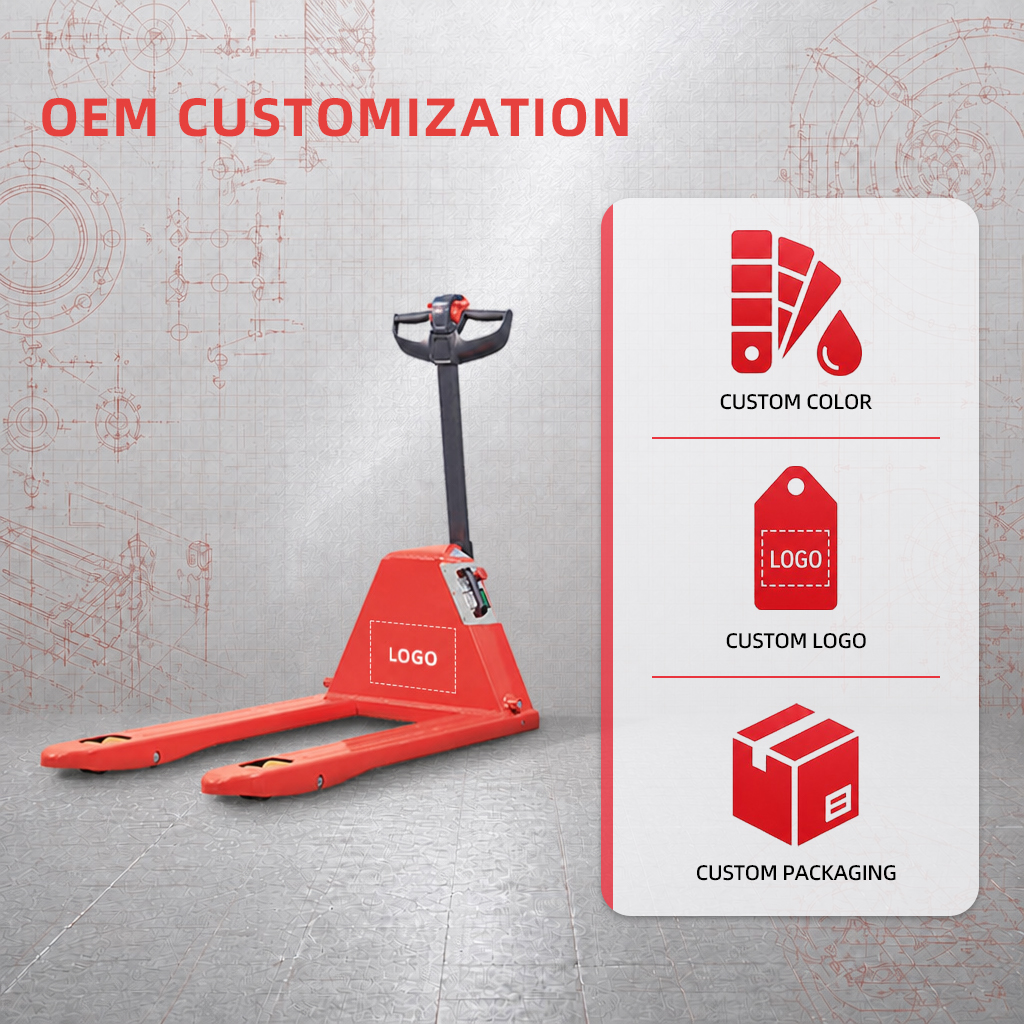
| Customization Capability | Do you offer sample-based customization, full customization and ODM for mast height, fork length, battery, color, logo and attachments? | Dealers, rental fleets and branded 3PL operators need market-specific configurations, not a single catalog SKU. |
| Third-Party Verification | Has the company passed an onsite check and supplier assessment by an independent body such as SGS? | Procurement teams need verifiable facts about business type, products, markets and capabilities before releasing purchase orders. |
| Export & Incoterms | Can you quote FOB, CFR, CIF, EXW, FCA, CPT, CIP or DDP, and document packing and pre-shipment testing? | Nagoya buyers often compare landed cost via Nagoya Port; Incoterm clarity avoids hidden logistics and insurance gaps. |

Factory-Backed Support from Xiamen Pexal Technology Co., Ltd.
Xiamen Pexal Technology Co., Ltd. is the sales, service and technical support base for Pexal material-handling equipment. Founded in Xiamen, Fujian in 2024, the company works with a 220,000 m² partner manufacturing campus employing more than 1,200 people, including over 100 engineers dedicated to electric warehouse equipment.
For a Nagoya project, that means access to electric pallet trucks, stackers, reach trucks, order pickers, AGVs and adjacent warehouse equipment — with practical support on customization, export packaging, spare parts planning and pre-shipment quality control. Our mission is to help buyers move from manual to electric handling and from diesel to battery power, reducing emissions, noise and operating cost while building toward intelligent logistics.
- Full forklift and warehouse truck range
- Sample-based and full customization
- Logistics solution design and consulting
- SGS onsite-assessed supplier
- Export experience across five main regions
- Flexible Incoterms and payment methods
Six Reasons Nagoya Buyers Shortlist Pexal
Credibility is built from verifiable capabilities, not adjectives. These are the practical advantages that matter in an RFQ review.
SGS-Assessed Supplier
Our company has passed an onsite check and supplier assessment conducted by SGS Group, a leading inspection and verification company. Buyers can review assessment, credit and trade records before purchase.
Scaled Factory-Backed Capacity
A 220,000 m² partner manufacturing campus and 1,200+ workforce support container orders, recurring dealer stock and production programs requiring stable delivery planning.
OEM, ODM & Full Customization
Sample-based customization, full customization and ODM services are available for mast height, fork length, battery type, color, logo and attachment configuration — useful for dealers, rental fleets and branded 3PL operations.
Export Logistics & Incoterms
We accept FOB, CFR, CIF, EXW, FCA, CPT, CIP, DDP and other common delivery terms, with payment by T/T, L/C, D/P, D/A, Western Union, PayPal, credit card and escrow. Currencies include USD, EUR, GBP, JPY, CAD, AUD, HKD, CHF and CNY.
Global Service Perspective
Main export markets include Western Europe, North America, South America, Eastern Europe and Oceania, serving dealers, rental companies and end users with region-aware configuration and documentation support.
Pre-Shipment QC & Configuration Review
Functional testing of lifting, travel, braking and electrical systems is part of the pre-shipment process, alongside custom build checks for mast, forks, battery and branding requirements.
How a Nagoya Tow-Tractor Route Should Be Equipped
A tow tractor or tugger train is a route-level solution. The equipment at the start, middle and end of the route determines whether the system actually reduces labor and improves safety. In many Nagoya projects, the best result comes from combining a tow-tractor route for long horizontal moves with compact electric trucks for final placement.
For example, a factory in Aichi may run a sequenced-parts train from receiving to line-side stations. The tow tractor handles the long corridor; a 48V lithium walkie pallet jack or stand-on stacker handles the endpoint placement where the aisle narrows. In a cold-chain facility near Nagoya Port, a tow tractor may move multiple carts between freezer zones, while a -20°C pallet truck handles freezer-to-dock transfer. In a multi-floor urban warehouse, slim-body pallet jacks and elevator-compatible turning radius become decisive.
Factory selection therefore should include the complete bill of equipment, charger plan, spare parts list and operator training brief. A supplier that only quotes a single tow tractor unit may leave the most expensive inefficiencies at the loading dock and racking face unresolved.


Verified Supply Chain Support
Pexal has passed an onsite check and supplier assessment by SGS Group. For Nagoya procurement teams, this adds a third-party layer of confidence before requesting samples, custom builds or container orders.
Four Steps to a Better Factory Proposal
Clear input creates a faster quotation and fewer surprises at installation. Use these four steps when contacting any warehouse tow tractor factory or electric warehouse equipment supplier.
Map the Route
Share tow-tractor cart count, route length, turning points, aisle width, elevator dimensions and floor transitions.
Define the Load
Confirm maximum pallet weight, load center, racking height, lift height, ramp gradient and daily pallet volume.
Confirm the Environment
State ambient temperature, freezer exposure, charging window, local voltage and any documentation or labeling needs.
Lock the Commercials
Agree Incoterm, destination port, packaging, warranty terms, spare parts plan and pre-shipment inspection checklist.
Questions Local Buyers Ask Before Ordering
Direct answers for importers, dealers and warehouse operators comparing factory-backed electric warehouse equipment for Nagoya and Aichi.
Are you a warehouse tow tractor factory or a supplier?+
Can you support Nagoya Port and Aichi delivery documentation?+
Which model is best for narrow aisles, elevators and multi-floor Nagoya warehouses?+
Do you offer -20°C cold-storage equipment for food and pharmaceutical logistics?+
Can you customize models for Japanese dealers or rental fleets?+
What payment methods and currencies are accepted?+
How can we verify quality before the first container order?+
Send Your Nagoya Warehouse Project Brief
Share your load, route, aisle width, lift height, freezer temperature, charging window and destination port. Our team will help match the right factory-backed electric pallet truck, stacker or warehouse equipment configuration for your Nagoya or Aichi project. Email: info@pexalbot.com