Eight High-Demand Electric Warehouse Trucks for Montreal Operations
These are not generic catalogue listings. Each truck below supports a practical Montreal use case — from container unloading and retail replenishment to narrow-aisle racking and −20°C cold storage. Original product links are preserved for specification review and quotation.
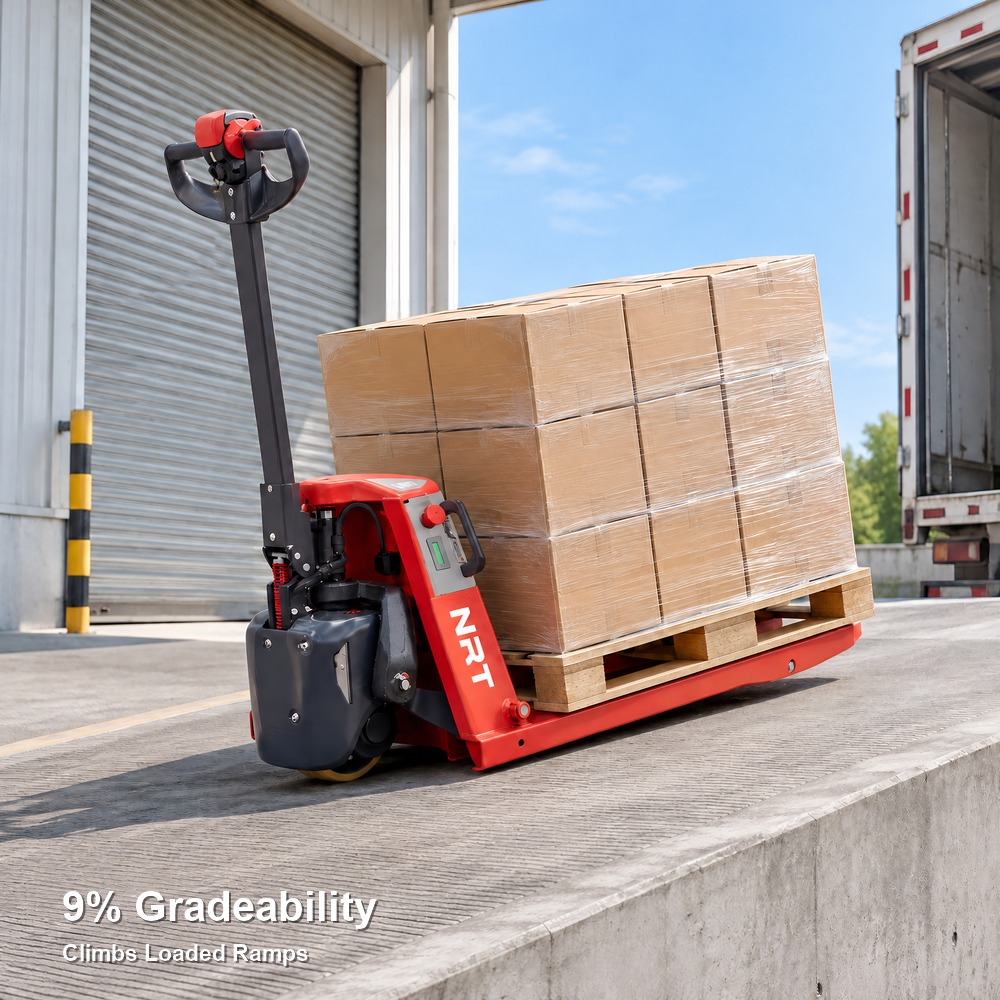
Lithium Battery Electric Pallet Jack Truck 1500kg 2000kg Walkie Pallet Jack Electric Forklift Alternative for Warehouse
Ideal for Montreal retail backrooms, cross-dock transfers and small distribution centres that need flexible horizontal movement without a full counterbalance fleet.
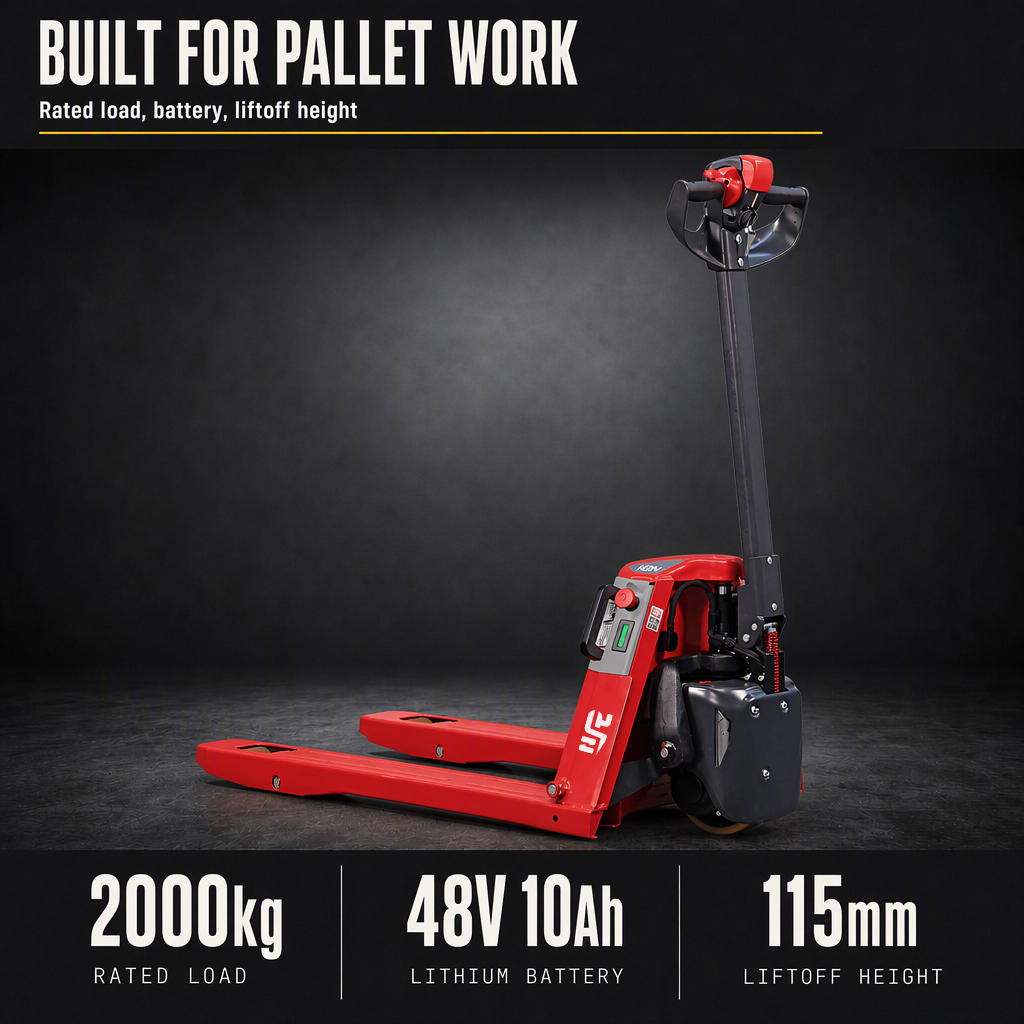
Professional Electric Pallet Jack 2 Ton 2000kg Capacity Heavy Duty Power Pallet Truck with Easy Control System for Warehouse
Built for repeated dock work, dense pallet flow and operators who need predictable control during high-volume shifts in Montreal 3PL facilities.

Stand on Electric Stacker 2000kg for Narrow Aisle Warehouse Loading Dock Building Material Shop Pallet Handling
A practical stand-on option for Montreal building-material shops, loading docks and warehouses that need lifting support with reduced operator fatigue.
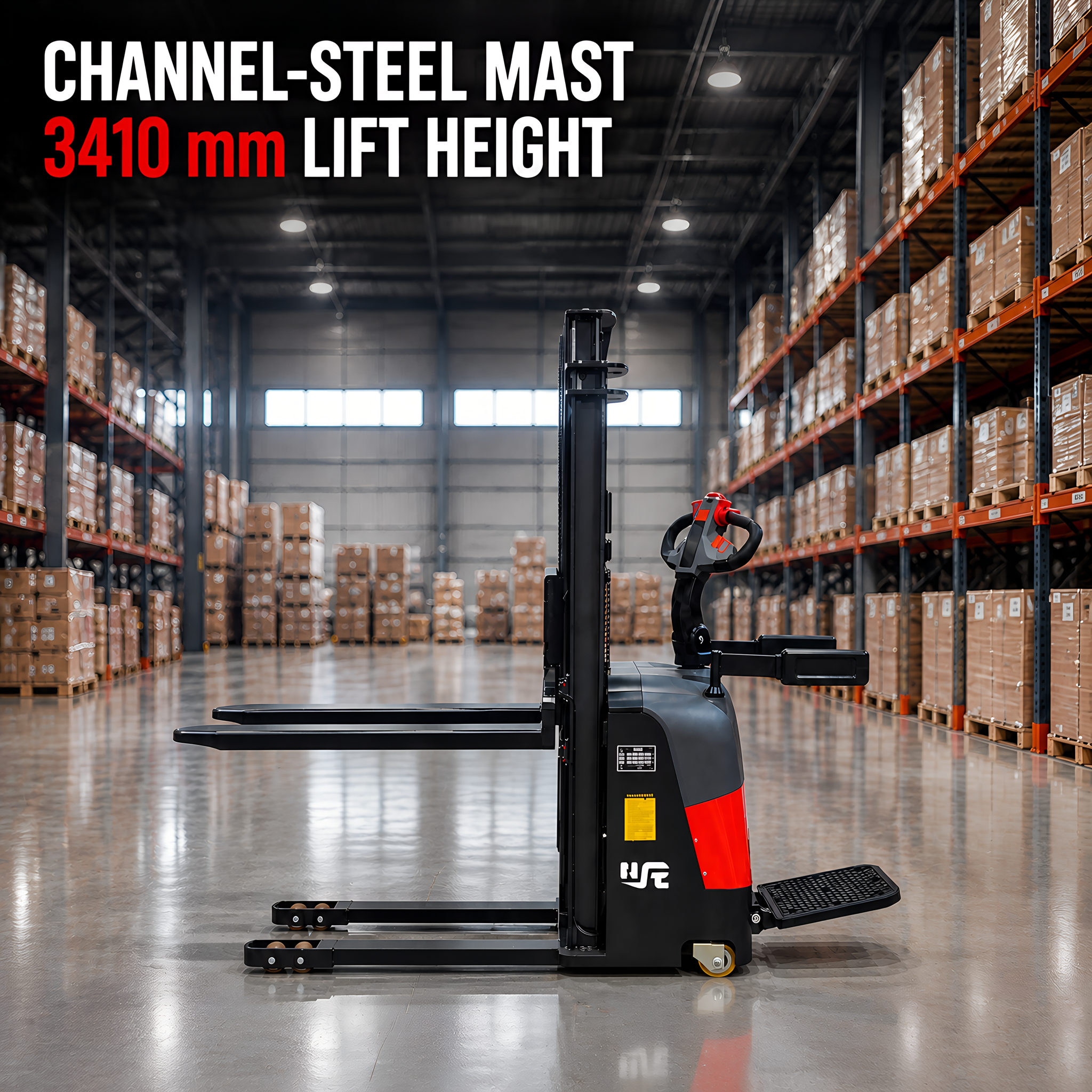
ML20AP Stand on Electric Stacker 2000kg 3410mm Max Lift 1478mm Turning Radius 820mm Body Width
Suited to dense racking and constrained Montreal warehouses where turning radius and body width matter as much as lift height.
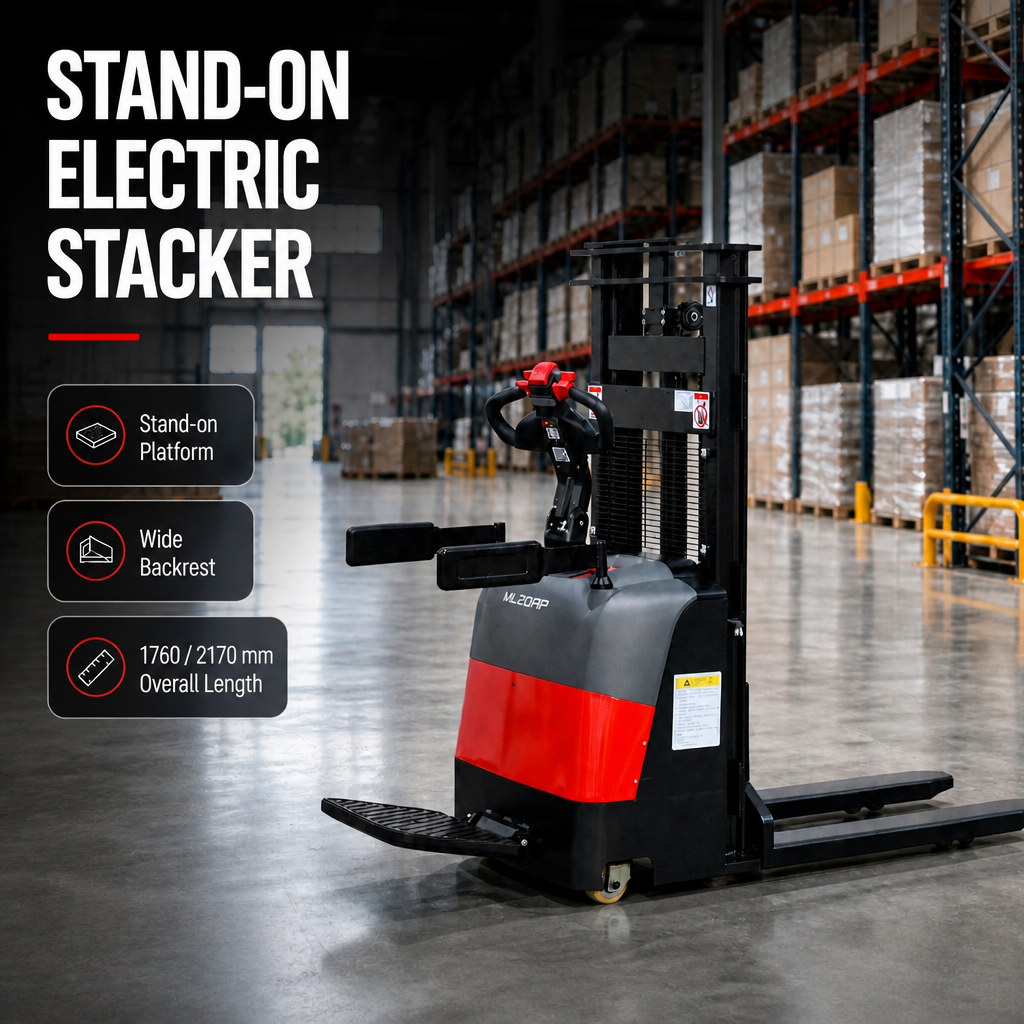
Electric Stacker Truck 2000kg Pallet Stacker Forklift 3410mm Lift for Warehouse Loading Unloading
A useful bridge between simple pallet handling and high-rack storage for Montreal warehouses optimizing loading, unloading and pallet staging.
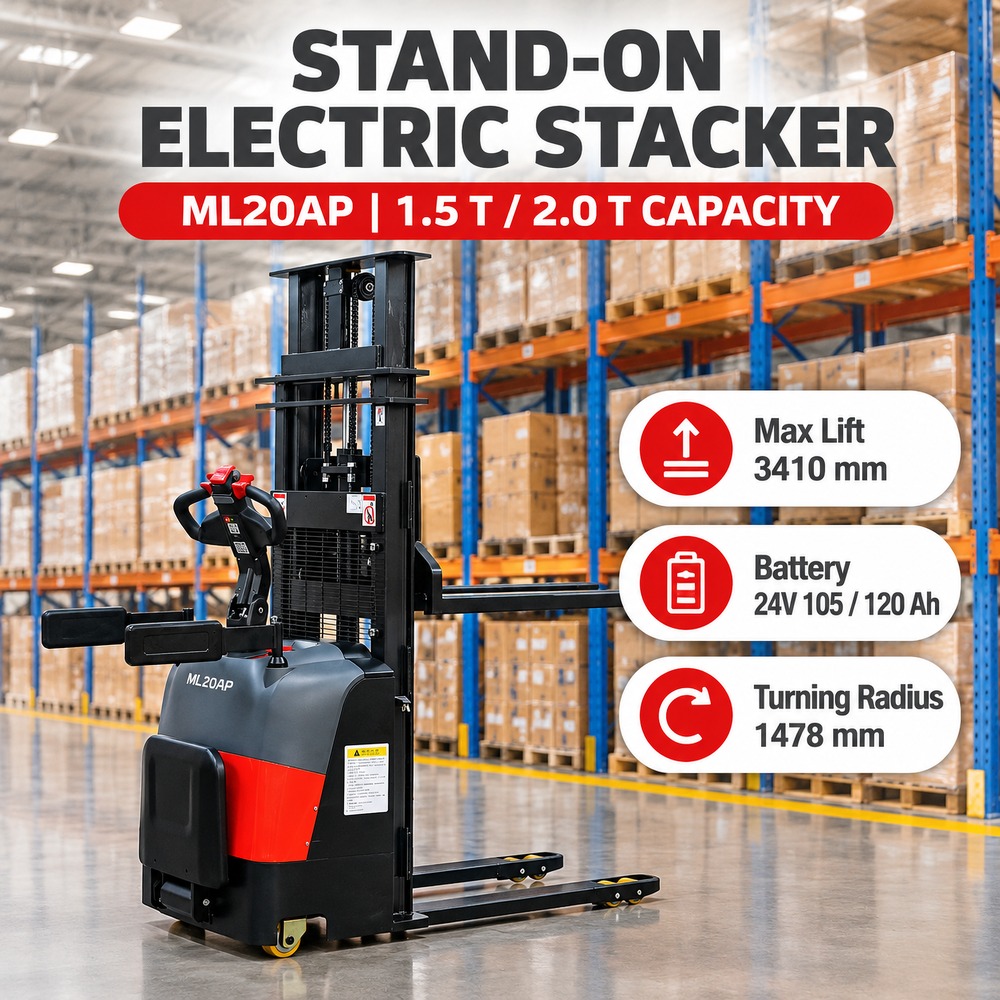
Warehouse Stacker Truck 1500kg 2000kg Electric Pallet Stacker 24V 105Ah Maintenance Free Battery
A maintenance-conscious option for distributors seeking predictable daily use, simpler charging routines and lower service complexity.
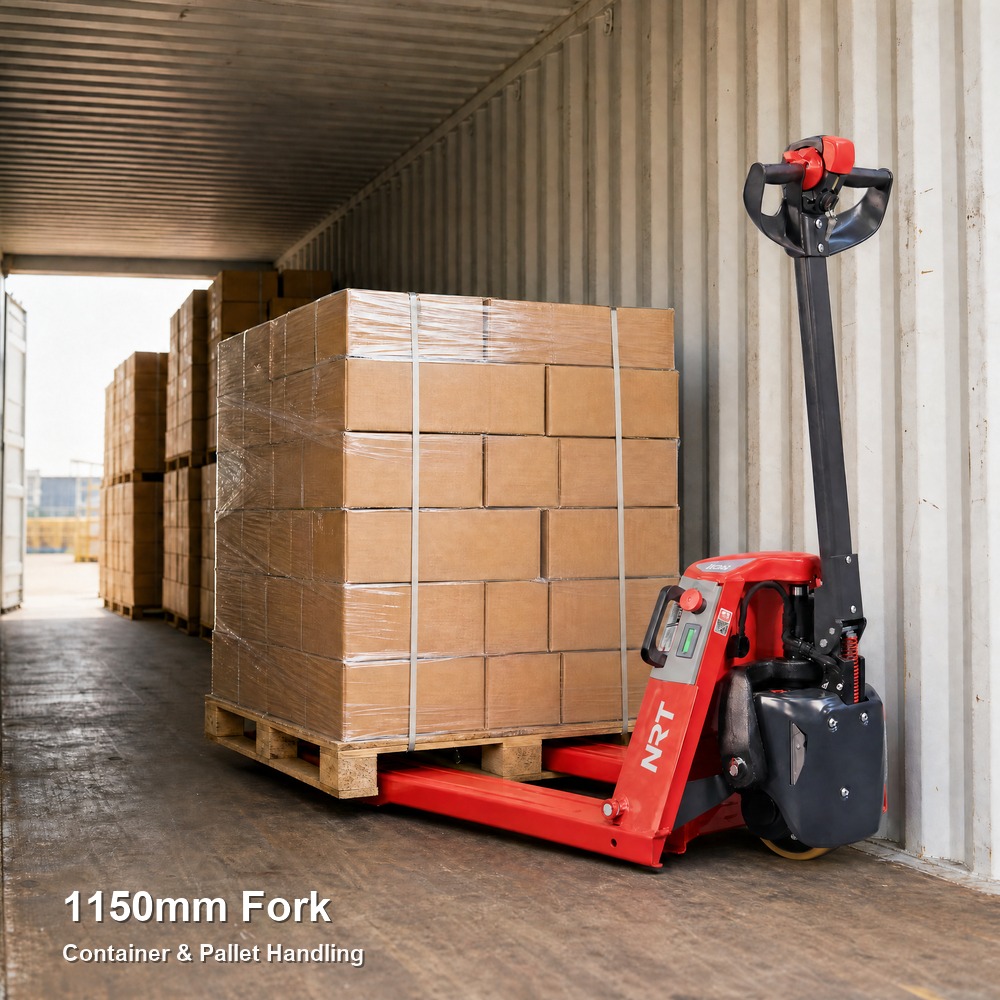
Walkie Electric Pallet Jack 1500kg Fork 1150mm Pallet Truck Battery Powered for Container Unloading Shop Floor
Well matched to container unloading, shop-floor replenishment and tight receiving areas where compact manoeuvrability is essential.
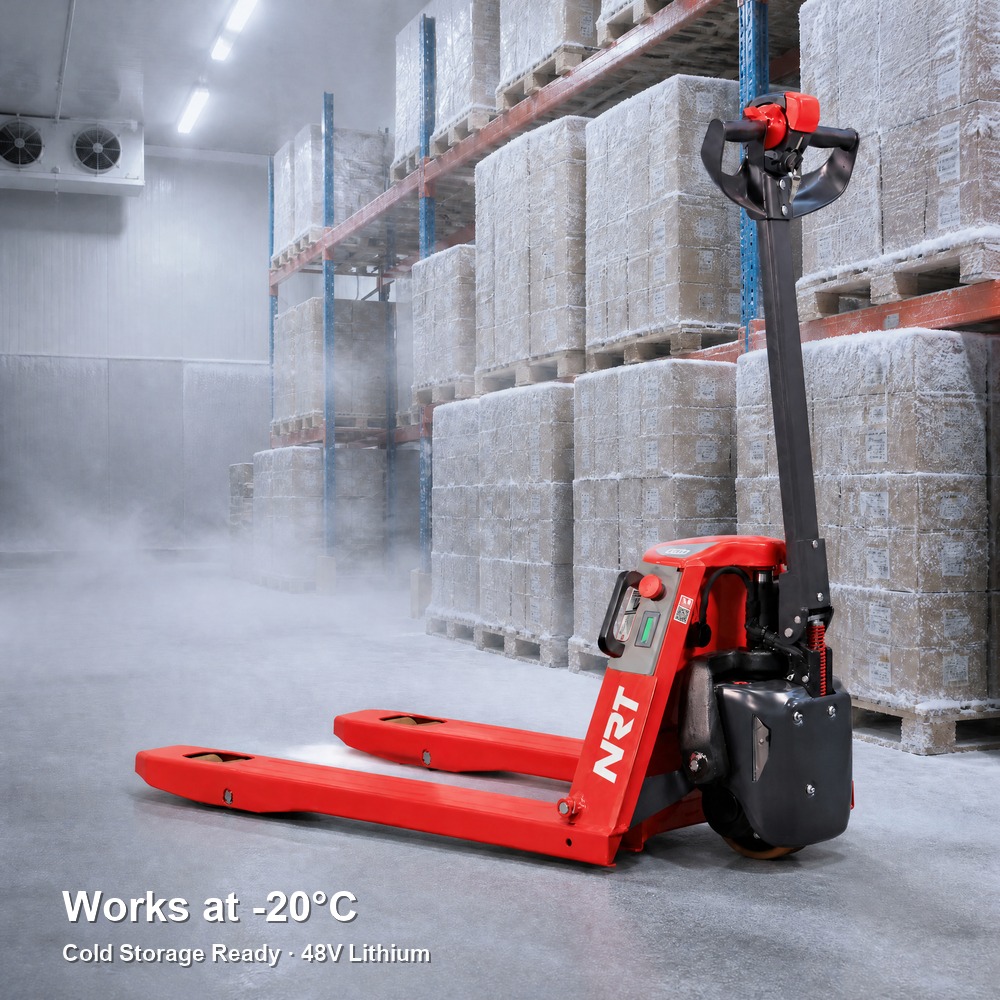
Electric Pallet Jack 2000kg with 48V Lithium Battery 6s Swap 300mm Slim Body Climbing 9% for Cold Storage -20C
Relevant to Montreal cold-chain operators evaluating lithium power, rapid battery exchange, slim-body access and reliable performance at −20°C.
How to Identify the Top 10 Electric Reach Truck Suppliers Serving Montreal
Montreal is not a generic warehouse market. Buyers work around island logistics, limited land, bilingual operations, cold winters and dense multi-level distribution. A supplier that understands these conditions can reduce commissioning risk, downtime and excess landed cost.
Montreal Operating Realities That Change Specification
In Montreal, the winning configuration is usually the one that fits the building, not simply the one with the largest headline capacity. Practical constraints include narrow racking aisles in older industrial parks, winter door management, bilingual safety labels, high-throughput grocery and cold-chain flows, and the concentration of 3PLs serving Quebec, Ontario and the U.S. border.
- Aisle width and racking height should be measured before selecting a reach truck, stand-on stacker or pallet truck.
- Cold storage and dock exposure require attention to battery chemistry, charging location and condensation control.
- Port of Montreal, rail and cross-dock flows reward equipment that can unload containers quickly and then move pallets inside.
- Bilingual supervision improves adoption when controls, warnings and training materials are clear and consistent.
- After-sales distance matters: spare-parts clarity and remote diagnostic support reduce prolonged downtime.
Ten-Point Shortlisting Framework
- Confirm the real load, load centre and daily pallet moves.
- Measure aisle width, rack height, door height and floor condition.
- Check lift height, turning radius and body width against the site.
- Match battery type and charging routine to shift patterns.
- Validate cold-storage capability if operating below freezing.
- Ask for safety, braking and electrical system verification.
- Review SGS, onsite-check and trade-history evidence.
- Compare Incoterms, packaging and landed cost to Montreal.
- Confirm OEM / ODM options such as forks, mast and branding.
- Request a commissioning, training and spare-parts plan.
Where Electric Reach Trucks and Warehouse Trucks Fit in Montreal
The same truck rarely fits every operation. Below are six localized use cases that reflect how Montreal warehouses, distributors and 3PLs typically configure electric handling equipment.
Cold Chain & Food Distribution
Montreal food distributors and cold-storage operators need reliable performance at low temperatures, controlled condensation and battery solutions that do not disrupt temperature zones. A 48V lithium pallet jack with rapid swap can support high-throughput cold rooms and dock transfer.
Recommended: 48V lithium cold-storage pallet jack 013PL & E-Commerce Fulfillment
High SKU counts, short order cycles and tight dispatch windows make narrow-aisle access and fast pallet movement critical. Reach trucks, stackers and walkie pallet jacks can be combined to separate long-distance transport from high-density put-away.
Recommended: Reach trucks + stand-on stackers 02Grocery & Retail Replenishment
Retail backrooms and grocery distribution centres often prefer compact, easy-to-train equipment. Lithium walkie pallet jacks reduce manual pushing, while compact stackers support medium-height racking without occupying excessive floor space.
Recommended: Lithium walkie pallet jacks 03Aerospace & Advanced Manufacturing
Montreal’s aerospace and advanced manufacturing suppliers value clean indoor operation, precise positioning and predictable maintenance. Electric equipment supports line-side supply and work-in-progress movement without local emissions.
Recommended: Electric stackers + counterbalance forklifts 04Port, Rail & Cross-Dock
Container unloading and cross-dock operations around the Port of Montreal benefit from durable pallet trucks with suitable fork length, clear controls and battery capacity matched to repeated shifts. Quick interchange between dock and storage is essential.
Recommended: 1150 mm fork walkie pallet jack 05Building Materials & Hardware
Heavy pallets, loading docks and mixed floor conditions require stable lifting and simple operator control. Stand-on electric stackers can support building-material shops and hardware distributors that need power lifting in limited space.
Recommended: 2000 kg stand-on stacker 06Montreal Warehouse Trends Shaping Reach Truck Procurement
Procurement decisions in Montreal are increasingly shaped by energy economics, cold-chain expansion, warehouse density and labour availability. These trends influence which electric reach truck factories and suppliers buyers shortlist.
Hydroelectric Power Strengthens the Electric Case
Quebec’s low-carbon hydroelectric supply supports the business case for electric warehouse equipment. Buyers can reduce indoor emissions and noise while aligning with corporate sustainability reporting and local air-quality expectations.
Cold-Chain Investment Continues
Food, pharmaceutical and grocery cold chains require equipment that performs in low temperatures. Lithium batteries, rapid swap options and careful charging-room design are becoming central to supplier evaluation.
Dense Racking Replaces Simple Floor Storage
Land and warehouse rents push Montreal operators toward higher racking and narrower aisles. Reach trucks and high-lift stand-on stackers must be selected against actual aisle dimensions, not catalogue assumptions.
Labour Availability Favours Easy Operation
Training speed, ergonomic controls and clear bilingual supervision help warehouses stabilize productivity. Suppliers that provide practical training support and straightforward maintenance gain an advantage.
Inside the Capability Behind Pexal Material Handling Equipment
Xiamen Pexal Technology Co., Ltd. was founded in Xiamen, Fujian in 2024 as the sales, service and technical support base for Pexal material handling equipment. The company works with a 220,000 m² partner manufacturing campus employing more than 1,200 people, including over 100 engineers focused on electric warehouse equipment.
Source-Direct Partner Manufacturing
Access to a large partner production campus supports container orders, recurring dealer stock and model-specific customization without layers of trading margin.
SGS Assessment & Onsite Check
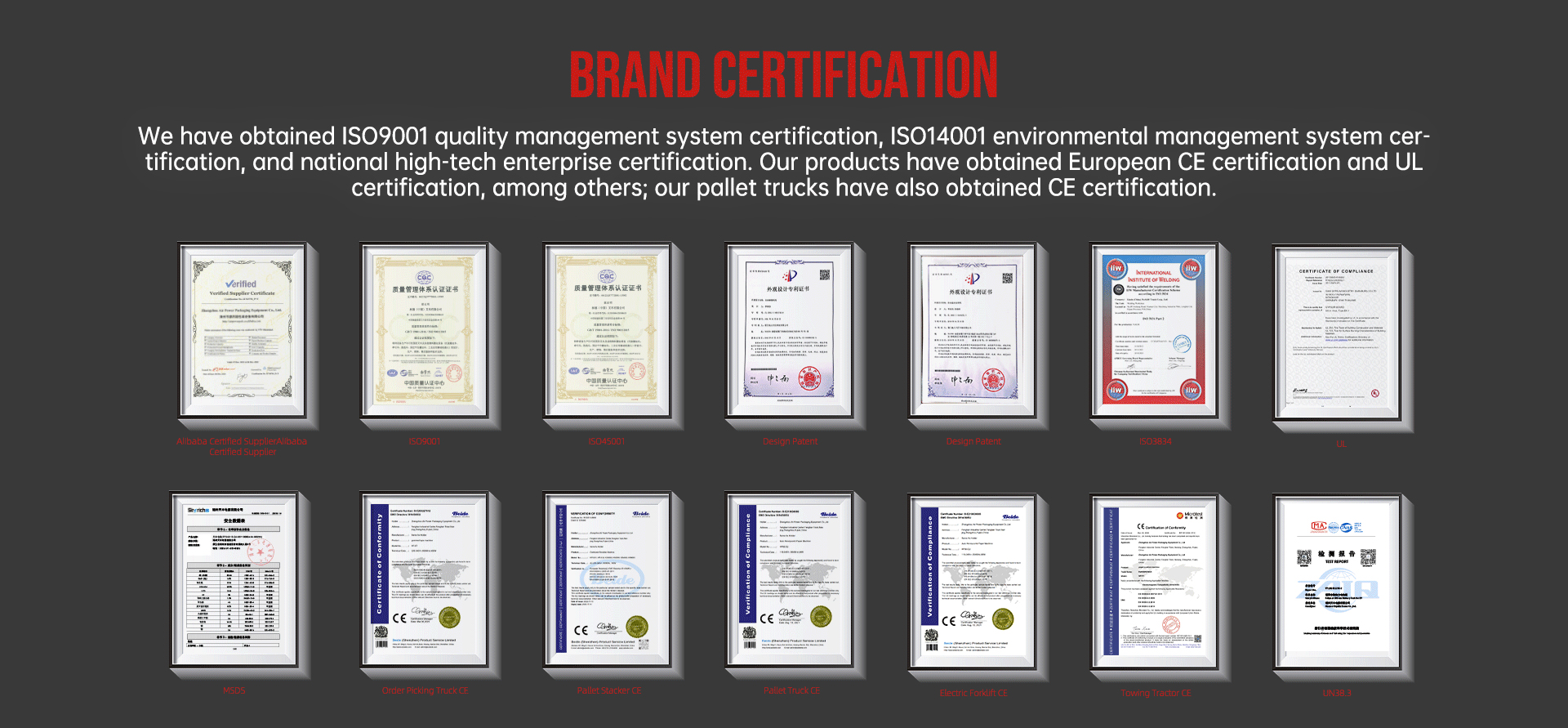
The company has passed an onsite check and supplier assessment conducted by SGS Group. A verified company video is available for buyers who need remote diligence before ordering.
OEM, ODM & Full Customization
Sample-based customization, full customization and ODM services cover mast height, fork length, battery type, colour, logo and attachment configuration for different markets.
Engineering Depth for Electric Drivetrains
More than 100 engineers support electric drive, structural durability, operator-centred controls and intelligent equipment development, including automated guided forklifts.
Export Logistics to Canada
Main export markets include Western Europe, North America, South America, Eastern Europe and Oceania. Common delivery terms range from EXW and FOB to CIF, CIP and DDP, subject to product and battery requirements.
Full Range Consolidation
Buyers can consolidate electric forklifts, pallet trucks, stackers, reach trucks, order pickers and AGV equipment with one supplier, simplifying spare-parts planning and after-sales communication.

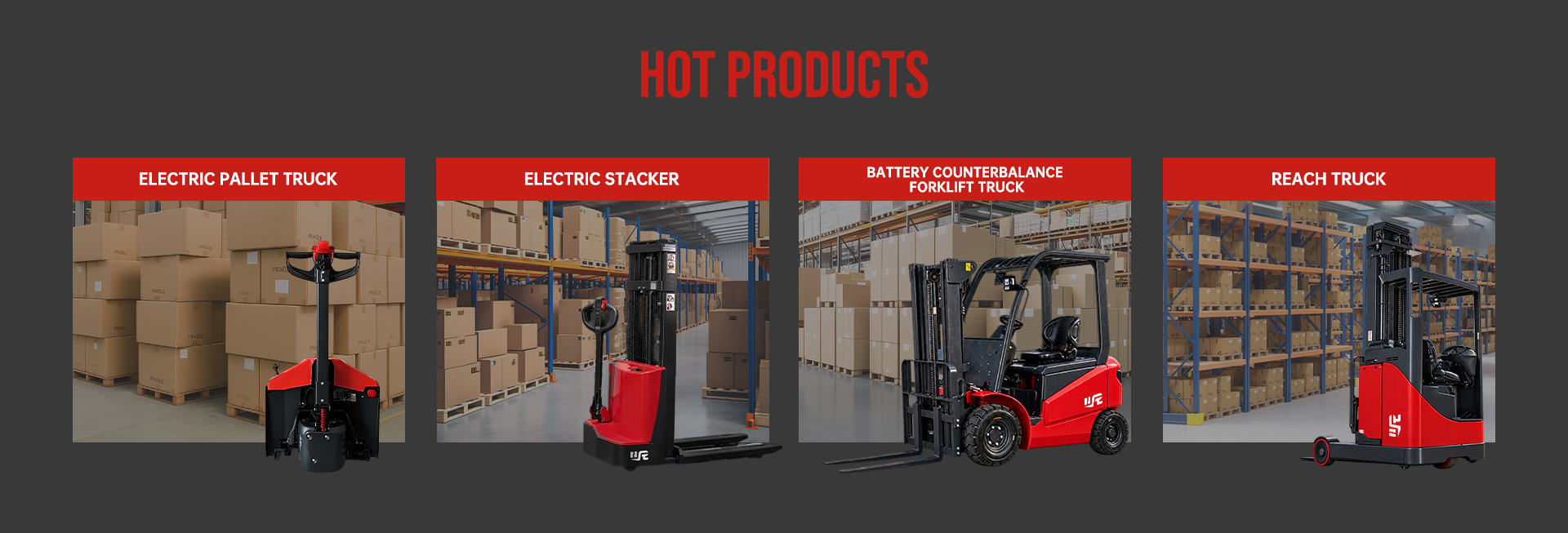

Electric Reach Truck vs Stacker vs Counterbalance: Montreal Selection Table
Before requesting a quotation, use this comparison to align internal stakeholders on the equipment class, aisle constraints and battery strategy. It helps separate a low purchase price from a lower total operating cost.
| Equipment Type | Montreal Use Case | Best Fit When | Supplier Configuration Notes |
|---|---|---|---|
| Electric Reach Truck | High-density racking, narrow aisles, multi-level storage | Rack height and aisle width are the main constraints | Confirm lift height, turning radius, body width, cold-store version and battery charging plan. |
| Stand-On Stacker | Loading docks, building-material shops, medium-height racking | Operators need power lifting with compact dimensions | Check leg protection, mast type, fork length and turning clearance around dock doors. |
| Walkie Pallet Jack | Container unloading, retail backroom, cross-dock transfer | Mainly horizontal movement with no high racking | Match fork length, battery type and charger routine to shift length and floor surface. |
| Electric Counterbalance Forklift | Mixed indoor / outdoor handling, line-side supply | Loads require counterbalance stability and higher travel speed | Review tyre type, mast rating, attachments and whether cold or washdown conditions apply. |
| AGV / Automated Forklift | Repetitive pallet flows, 24/7 transport routes | Routes and pallet interfaces are stable enough to automate | Clarify route mapping, safety controls, integration and local maintenance responsibilities. |
Define the Load
Record maximum pallet weight, pallet type, load centre and attachments. A 2,000 kg rating is not the same across every mast and fork length.
Measure the Site
Capture aisle width, rack height, door height, floor slope, dock leveller condition and turning space. Montreal older buildings often have tighter clearances than new warehouses.
Set the Duty Cycle
Hours per shift, shifts per day, charging windows and opportunity charging determine whether 24V maintenance-free or 48V lithium power is appropriate.
Confirm Compliance & Delivery
Share voltage, labelling, documentation, delivery terms and destination requirements. Confirm the final configuration and certification pathway with the supplier before shipment.
Verified Supplier Signals, Not Just a Price List
For Montreal buyers, supplier verification is part of product quality. Pexal provides third-party assessment evidence, trade-capacity records and a verified company video so procurement teams can evaluate operational reality before committing to a container order.
- SGS Group supplier assessment and onsite check completed.
- Verified company video available for remote review.
- Trade capacity, credit index and transaction history available.
- Customization capability verified for sample-based, full and ODM projects.
- Contact point: info@pexalbot.com
Delivery Terms
Payment Methods
Accepted Currencies
Final Incoterm, payment route and document package depend on model configuration, battery type and destination. Confirm with the supplier before ordering.
Common Questions From Montreal Importers and Fleet Managers
These are the questions buyers typically ask when comparing electric reach truck factories and suppliers serving Montreal. Use them as a checklist for your own RFQ process.
Are electric reach trucks suitable for Montreal cold storage at −20°C?
They can be, provided the model is configured for cold-storage use. Buyers should confirm battery chemistry, low-temperature performance, condensation management, charger location and operator safety procedures. The 2000 kg 48V lithium pallet jack shown above is referenced for −20°C cold storage and rapid battery swap, making it relevant for Montreal cold-chain operators.
What should I compare beyond price when shortlisting suppliers?
Compare SGS assessment, onsite verification, spare-parts availability, battery configuration, charging plan, delivery terms, packaging, documentation, training support and response time. A lower unit price can be offset by unclear after-sales responsibility or an unsuitable configuration for Montreal aisles and cold rooms.
Can you support DDP delivery to Montreal?
DDP is listed among the supported delivery terms, but availability depends on the specific model, battery classification, destination requirements and the final document package. Buyers should confirm the exact Incoterm, port or door delivery point and customs responsibilities before shipment.
Which battery and voltage options are available?
Product configurations include 24V 105Ah maintenance-free battery options and 48V lithium battery options on selected pallet trucks. Final availability varies by model. For Montreal multi-shift operations, confirm daily duty cycle, charging window, opportunity charging plan and winter charging-room conditions.
Do you offer OEM branding, French-English labels and custom fork lengths?
Yes. Pexal supports sample-based customization, full customization and ODM services, including mast height, fork length, battery type, colour, logo and attachment configuration. Bilingual labels, manuals and market-specific documentation can be discussed as part of the project scope.
Which products are best for narrow aisles and dense racking?
Electric reach trucks and stand-on stackers are usually the first candidates. Model specifications matter: for example, the ML20AP stand-on stacker lists 3410 mm max lift, 1478 mm turning radius and 820 mm body width. Always measure the actual aisle, rack beam and door clearances before selecting a model.
Ready to Shortlist Your Montreal Electric Reach Truck Supplier?
Send your load, aisle width, rack height, duty cycle, cold-storage temperature and delivery terms. Our team will recommend a practical configuration based on the models above and confirm the next steps for quotation and export delivery.