Why the Sapporo Market Needs a More Considered Pallet Truck Specification
Sapporo is the commercial and distribution heart of Hokkaido. Its warehouses, food processors, agricultural cooperatives, retail chains, drugstores, third-party logistics providers and cold-chain operators handle a distinctive mix of seafood, dairy, produce, chilled and frozen food, pharmaceuticals, e-commerce parcels and daily consumer replenishment. The work is often fast, repetitive and constrained by limited backroom space, older loading docks and seasonal weather that changes floor conditions from dry to wet, slushy and icy within the same shift.
For buyers in Sapporo, a pallet truck is not simply a device that lifts a pallet. It is a productivity tool that affects receiving speed, store replenishment, container turnaround, operator fatigue, battery management and safety. A standard walkie pallet jack may be adequate for short shop-floor moves. A rider pallet truck or stand-on electric stacker can be more productive when operators need to cover longer horizontal distances, repeat put-away cycles or work through multi-shift distribution flows. The correct answer is usually a mixed fleet, not a single model.
That is why a Sapporo procurement brief should go beyond load capacity and price. It should identify pallet weight, load centre, fork length, aisle width, door width, dock leveler slope, ambient temperature, charging location, shift pattern, floor surface and the availability of local maintenance support. These details determine whether a lithium walkie jack, a narrow-fork pallet truck, a ramp-capable model or a stand-on stacker will deliver the lowest total cost of ownership.

Four Local Operating Realities
- Winter deliveries often compress into narrow weather windows, increasing the need for fast container unloading and reliable equipment availability.
- Cold-chain and food facilities require clean, low-emission handling inside temperature-controlled rooms.
- Urban retail and pharmacy backrooms may have narrow doors, short turning radii and limited charging space.
- An ageing workforce makes powered handling, ergonomic controls and reduced walking distance increasingly important.
8 Rider, Walkie and Stacker Models for Sapporo Warehouses
The shortlist below covers stand-on stacking, lithium walkie pallet jacks, narrow-fork models, ramp-capable trucks and ultra-light units. Product links and images are provided directly from Pexal's current product range. Final configuration should be confirmed against your pallet profile, aisle dimensions, temperature range and charging plan.
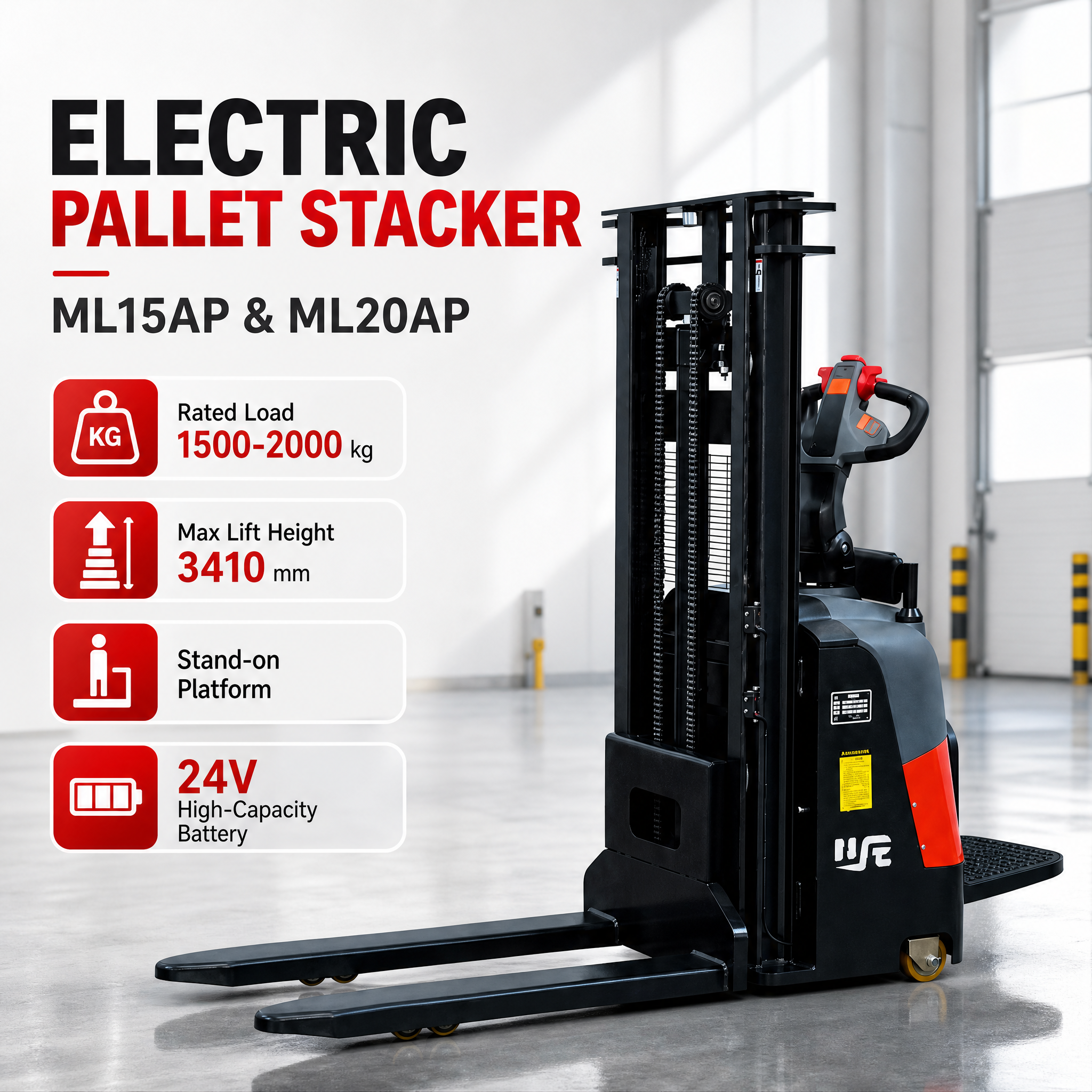
Stand on Electric Stacker 2000kg Centre Mounted Drive Twin Balance Wheels Stable High Racking Stacking
Sapporo fit: a stand-on 2,000 kg stacker with centre-mounted drive and twin balance wheels for stable high-racking work. It suits chilled distribution centres and food warehouses where operators repeat put-away cycles across receiving, storage and dispatch zones.
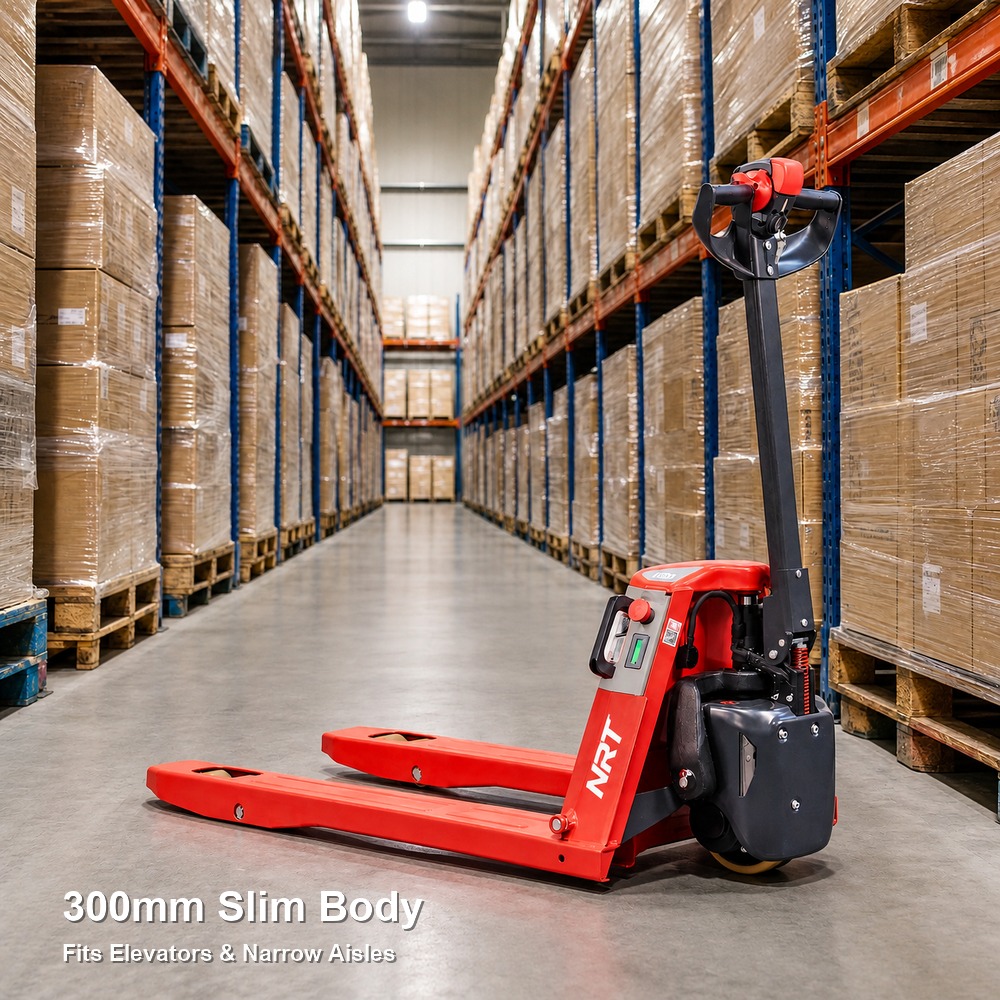
NB15L01LD Electric Pallet Jack 2000kg 48V 15Ah Lithium Battery 850W Fork 1150mm PU Wheels Pallet Truck
Sapporo fit: a 2,000 kg lithium pallet jack with 1,150 mm forks and PU wheels. The 48 V / 15 Ah battery format supports opportunity charging and short-to-medium transfer routes in retail, wholesale and smooth-floor backroom operations.
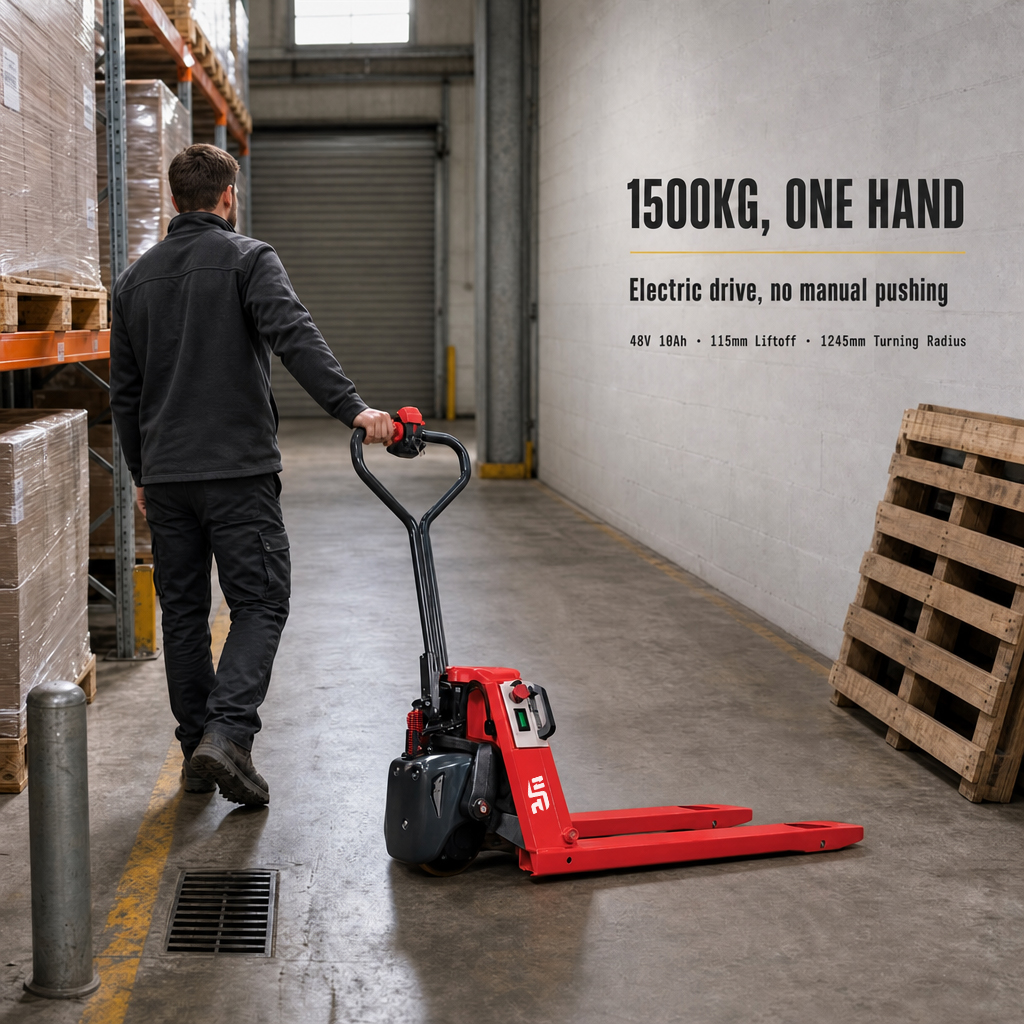
Electric Pallet Truck for Distribution Center Workshop Supermarket Pallet Handling 1500kg Lithium Battery Walkie Jack
Sapporo fit: a 1,500 kg lithium walkie jack for distribution centres, workshops and supermarkets. It matches the daily pattern of Sapporo food retail and urban replenishment: unload, move, stage and replenish without a large turning radius.
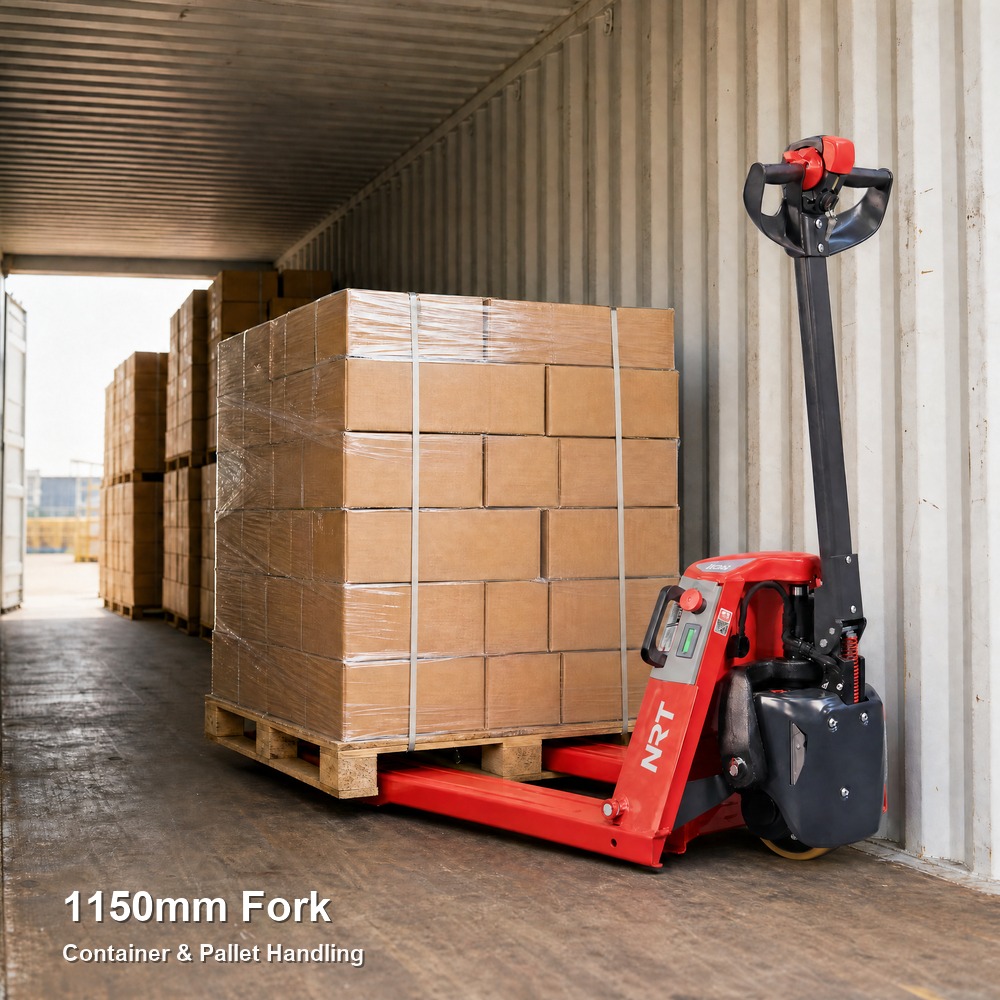
Walkie Electric Pallet Jack 1500kg Fork 1150mm Pallet Truck Battery Powered for Container Unloading Shop Floor
Sapporo fit: a 1,500 kg battery-powered walkie with 1,150 mm forks. The compact format helps with container unloading and shop-floor transfers when winter deliveries bunch around weather windows and fast turnaround matters.

2000kg Walkie Electric Pallet Jack 685mm Width Narrow Fork Pallet Truck with Lithium Battery for Container Loading
Sapporo fit: a 2,000 kg narrow-fork walkie jack with 685 mm width. Examine this model when a Sapporo store, pharmacy, cold store or older warehouse has tight doorways, restricted staging areas or short pallet runs.
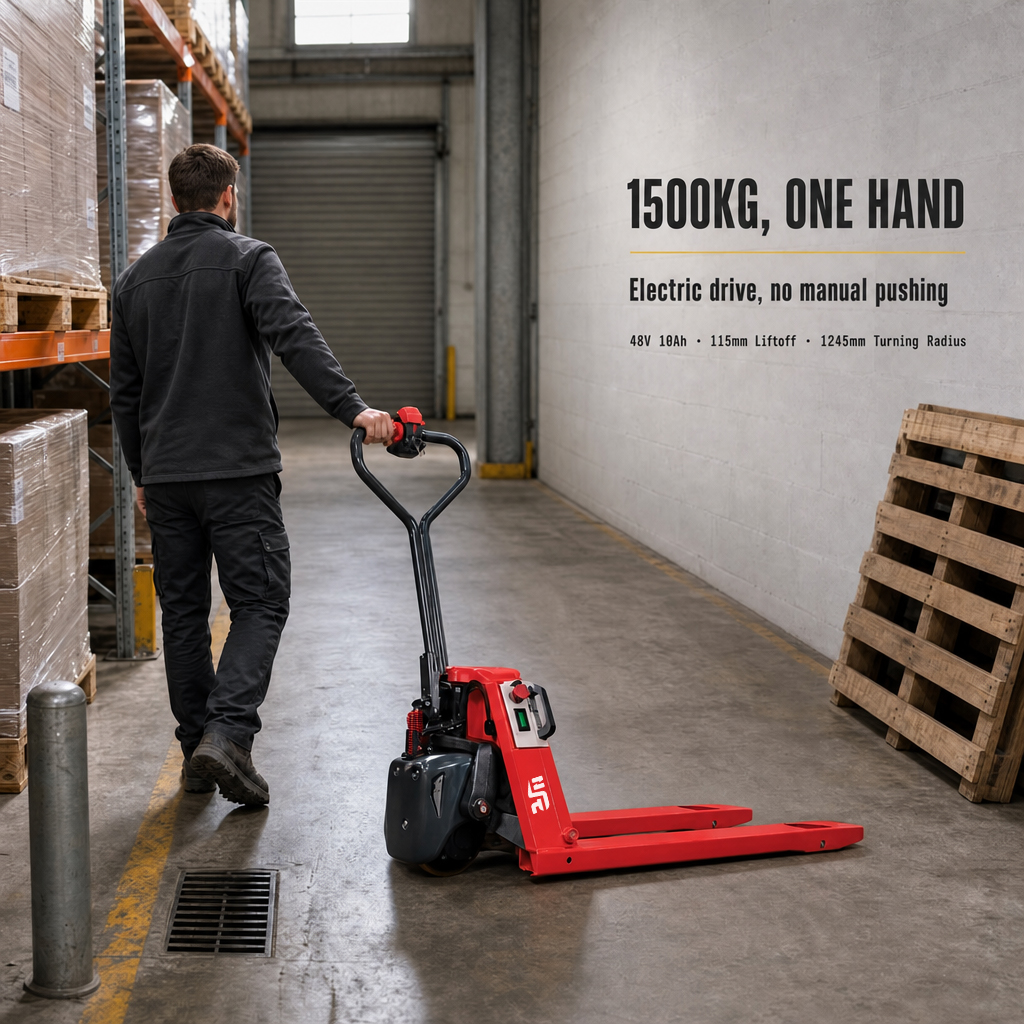
80mm Ground Clearance Electric Pallet Jack 9% Climbing Grade 1450mm Vehicle Length Lithium Pallet Truck for Ramp Use
Sapporo fit: a lithium pallet truck with 80 mm ground clearance, a 9% climbing grade and 1,450 mm vehicle length. It is aimed at dock levelers, ramps and sloped transfer routes where traction and clearance must be checked against the real site surface.
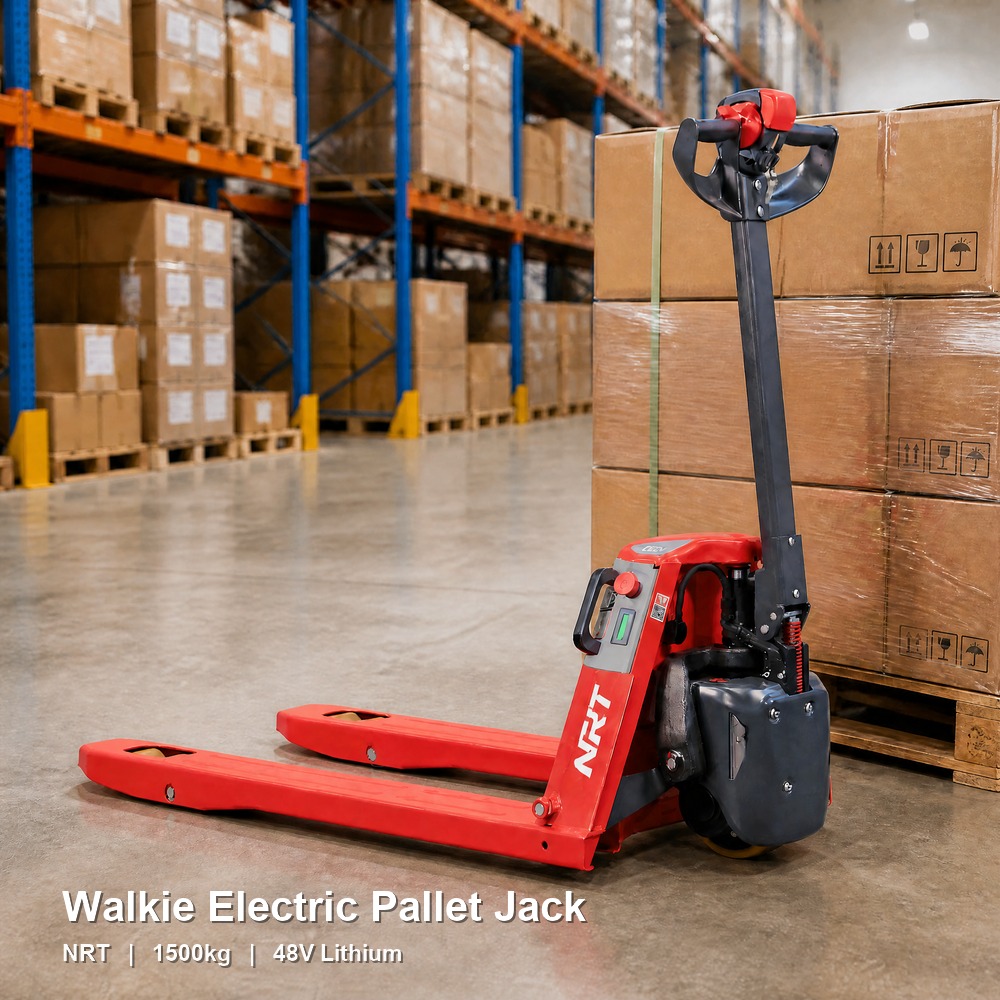
Electric Pallet Jack 1500kg 2000kg Walkie Pallet Truck Battery Powered Lithium Pallet Jack for Warehouse Loading
Sapporo fit: a flexible 1,500–2,000 kg walkie pallet truck for warehouse loading. It suits mixed fleets that need one dependable jack for receiving, staging and horizontal transport, with lithium power helping reduce battery-room requirements.
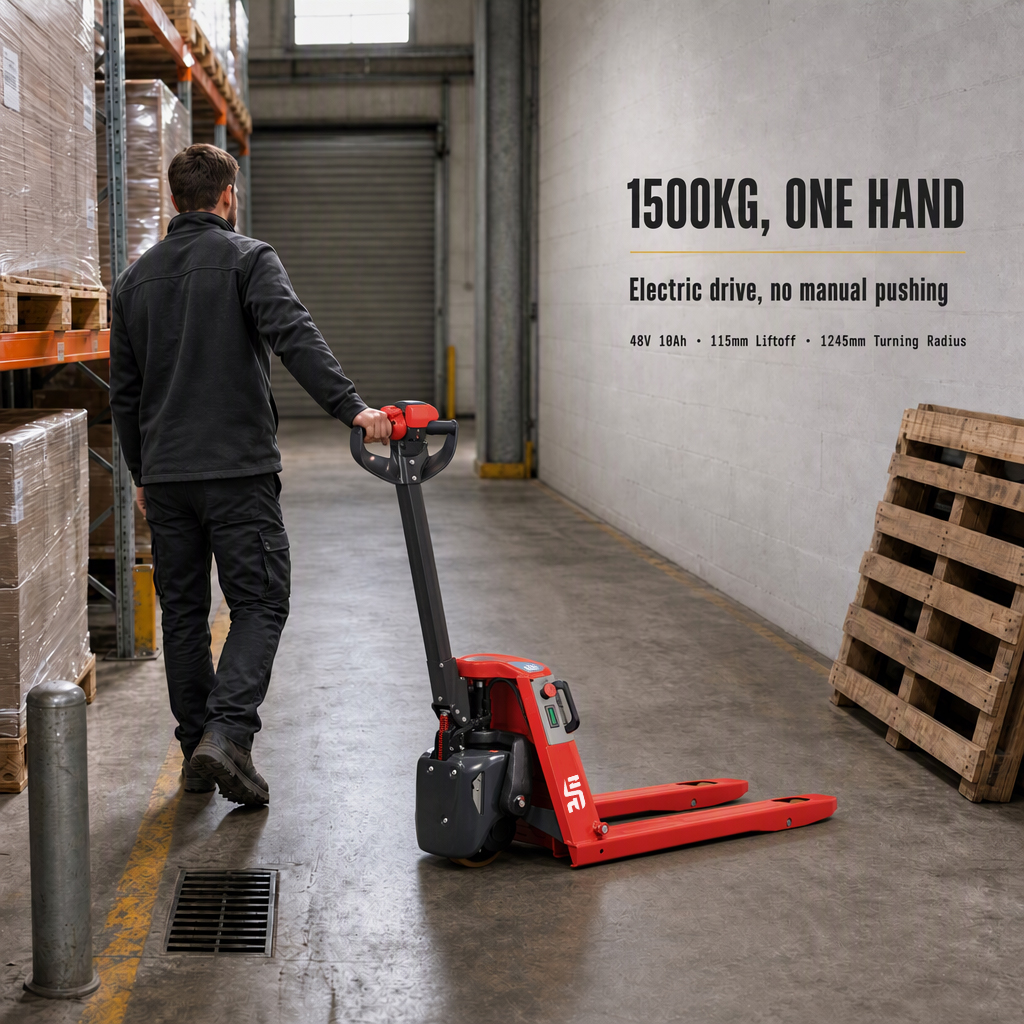
1.5 Ton Electric Pallet Truck with 48V Li-ion Battery, 107kg Ultra-lightweight Pallet Jack for Narrow Aisle Warehouse
Sapporo fit: a 1.5-ton electric pallet truck with a 48 V Li-ion battery and 107 kg ultra-lightweight construction. Low vehicle weight and compact dimensions make it easier to move between floors, vehicles and narrow aisles in urban retail and small warehouses.
Where Rider Pallet Trucks and Compact Electric Jacks Earn Their Place in Sapporo
Equipment productivity depends on the environment. These are the application patterns Pexal application engineers review most often with importers, dealers and fleet managers serving Hokkaido.
Food & Cold-Chain Distribution
Chilled and frozen food warehouses need clean, low-emission handling with predictable battery behaviour. Rider pallet trucks reduce walking distance during high-volume receiving and dispatch, while compact walkie jacks handle short transfers inside temperature-controlled rooms.
Recommended: lithium walkie jack · stand-on stackerAgricultural Cooperatives & Seafood Processing
Hokkaido produce, dairy and seafood processors face seasonal peaks and wet floors. Equipment should be specified for repeated pallet movement, easy wash-down procedures where applicable, and stable control when operators move between processing, cold storage and loading bays.
Recommended: 2,000 kg walkie · ramp-capable modelRetail & Drugstore Replenishment
Sapporo stores and pharmacies often receive frequent smaller deliveries. Narrow-fork and ultra-light electric pallet trucks can improve access through tight doors and small staging areas, while a compact turning radius helps staff replenish shelves without blocking customer areas.
Recommended: 685 mm narrow fork · 107 kg ultra-light3PL Cross-Docking & Container Unloading
Third-party logistics providers need fast trailer and container turnaround. A walkie pallet truck with 1,150 mm forks and compact dimensions can work inside trailers, while a rider pallet truck or stand-on stacker supports longer horizontal routes and put-away after unloading.
Recommended: container-unloading walkie · stand-on stackerManufacturing & Workshop Logistics
Line-side supply and work-in-progress transfer require dependable lifting and predictable control. In winter, snow-melt water at entrances can reduce traction, so wheel type, floor condition and operator training should be reviewed alongside lifting capacity.
Recommended: 1,500–2,000 kg lithium walkiePort, Rail & Last-Mile Staging
Sapporo's freight links to Hokkaido ports and intermodal terminals create staging work that mixes outdoor exposure with indoor transfer. Buyers should separate equipment for covered docks from equipment exposed to weather, then confirm battery, charger and maintenance plans.
Recommended: mixed fleet · ramp and dock reviewSix Trends Shaping Rider Pallet Truck Demand in Sapporo
The direction of Hokkaido logistics is clear: less manual handling, more temperature-controlled capacity, tighter urban warehousing and stronger pressure to protect uptime during winter peaks.
Ergonomics and Labor Availability
Operators are ageing and warehouses compete for staff. Rider pallet trucks and powered walkie jacks reduce walking, pushing and repetitive strain, helping managers maintain throughput with smaller teams while improving day-to-day job quality.
More Temperature-Controlled Capacity
Food, pharmaceutical and fresh-produce supply chains continue to invest in chilled and frozen handling. Lithium battery options, opportunity charging and low-maintenance electric drive are increasingly evaluated as part of cold-store layout and charging-room planning.
Narrower Aisles and Smaller Backrooms
Urban Sapporo sites often cannot expand. Buyers are looking at 685 mm narrow-fork models, ultra-light pallet trucks and compact stand-on equipment to improve access without compromising pallet stability or operator safety.
Winter Resilience and Uptime Planning
Snow, slush and salt bring wet floors, corrosion risk and unpredictable delivery windows. Procurement teams are placing more emphasis on sealed electrical systems, ramp capability, spare-parts planning and operator training before the winter peak.
Indoor Air Quality and Noise Reduction
Electric pallet trucks support cleaner indoor air and lower noise in food, retail and urban logistics. For facilities that previously relied on manual or diesel equipment, electrification can improve working conditions while reducing local emissions.
Data-Ready Fleet Planning
Even when a first order is simple, buyers want a path to digital fleet management. Pexal supports the shift from basic electric handling toward intelligent logistics through product planning, configuration advice and future automation readiness.
Illustrative Sapporo Specification Weighting
This planning model is not a statistical survey. It reflects the priorities Pexal application engineers typically review with cold-climate importers and warehouse operators before recommending a configuration.
Rider Pallet Truck or Walkie Jack? How Sapporo Buyers Can Shortlist Correctly
A rider pallet truck is usually most valuable when distance, repetition and operator fatigue dominate the work. A walkie pallet jack is often better for tight spaces, container unloading and short transfer routes. Use the comparison below as a starting point, then confirm with a site survey and load trial.
| Equipment Class | Best For | Sapporo-Specific Consideration | Shortlist From This Page |
|---|---|---|---|
| Stand-on rider stacker | Longer horizontal routes, repeated high-racking put-away, multi-shift distribution | Confirm charging location, aisle width and chilled-room access; stable control matters on wet floors | Model 1 — 2,000 kg stand-on stacker |
| Lithium walkie pallet jack | Retail backrooms, supermarket replenishment, warehouse loading and short transfers | Check fork length, pallet type, ramp grade and whether the battery can be charged between delivery waves | Models 2, 3, 7 |
| Narrow-fork walkie jack | Tight doorways, compact stores, older warehouses and restricted staging areas | Measure door width, pallet width and turning space before choosing 685 mm forks | Model 5 — 2,000 kg narrow fork |
| Ramp-capable pallet truck | Dock levelers, sloped transfer routes and vehicle ramps | Confirm actual grade, floor finish, load centre and wet-weather traction; 9% grade must be matched to site conditions | Model 6 — 80 mm clearance ramp model |
| Ultra-light electric pallet truck | Small warehouses, upper floors, retail and narrow-aisle movement | Light vehicle weight helps access but load stability still depends on pallet condition and floor quality | Model 8 — 107 kg ultra-light model |
Why Pexal Supports Sapporo Buyers From Specification to Shipment
Pexal is the sales, service and technical support base for Pexal material handling equipment, working with a large partner manufacturing campus in China. For Sapporo importers, dealers and fleet operators, the value is not only the product itself but the configuration discipline, export support and quality planning behind it.
SGS-Assessed Supplier
Xiamen Pexal Technology Co., Ltd. has passed an onsite check and supplier assessment conducted by SGS Group. Buyers can review the supplier assessment and verified company video before placing a first order.
Scale and Engineering Depth
A 220,000 m² partner manufacturing campus, more than 1,200 skilled staff and over 100 R&D engineers support electric drive development, product customisation and production planning for dealer and fleet orders.
OEM, ODM and Full Customisation
Pexal offers sample-based customisation, full customisation and ODM support, including mast height, fork length, battery type, colour, logo and attachment configuration. This helps Sapporo dealers adapt equipment to local applications rather than accept a one-size-fits-all unit.
Export Documentation and Terms
Pexal supports common delivery terms including FOB, CFR, CIF, EXW, FCA, CPT, CIP and DDP, with payment options such as T/T, L/C, D/P and D/A. Accepted currencies include USD, EUR, GBP, JPY, CAD, AUD, HKD, CHF and CNY. Final terms are confirmed in quotation.
Export Market Experience
Pexal's main export markets include Western Europe, North America, South America, Eastern Europe and Oceania. For the Sapporo market, we support importers and dealers with English-language commercial communication, technical data review and order-specific documentation planning.
Application Engineering and Quality Planning
Pexal supports logistics solution design and consulting, pre-shipment functional checks, export packaging and spare-parts planning. Certification, voltage, plug, labelling and manual requirements for the Japanese market should be stated in the RFQ so the quotation can be built correctly.
Common Questions From Sapporo Importers, Dealers and Fleet Operators
These are the practical questions Pexal receives when buyers in Hokkaido compare rider pallet trucks, walkie pallet jacks and small electric stackers for local use.
Can Pexal ship rider pallet trucks and electric pallet jacks to Sapporo?
Yes. Pexal exports material handling equipment from China and supports buyers with export documentation, packaging and shipment planning. Sapporo orders are usually routed through major Japanese ports and the buyer's nominated forwarder or consignee. The exact Incoterm, discharge port and inland delivery arrangement should be confirmed in the quotation.
How should lithium batteries be specified for Hokkaido cold weather?
Lithium batteries can be a strong choice for opportunity charging and low maintenance, but cold still affects capacity and charging behaviour. The RFQ should state the lowest operating temperature, whether charging takes place indoors, the number of shifts per day and the expected daily travel distance. The charger, battery type and operating guidance must be matched to the actual site, not assumed from a catalogue.
What voltage and charger configuration is needed for Japan?
Japan-specific voltage, frequency and plug requirements must be confirmed before order. Hokkaido operates on a 50 Hz network, and industrial sites may use different supply arrangements, so the RFQ should include input voltage, phase, plug type, charger location and protection requirements. Do not assume a standard export charger will match the final installation.
What is the minimum order quantity and lead time?
MOQ depends on the model, customisation level and whether the order is a single unit, mixed container or dealer stock programme. Lead time is confirmed after the specification is locked, including battery type, fork length, mast height, labelling and documentation. For time-sensitive Sapporo projects, share the required delivery window at inquiry stage.
Can the equipment be customised for narrow aisles, ramps or cold stores?
Yes. Pexal supports customisation of fork length, mast height, battery type, colour, logo and attachments, subject to engineering review. For narrow aisles, provide door width, pallet width and turning dimensions. For ramps, provide the actual grade and floor finish. For cold stores, provide temperature range and charging location so the correct configuration can be proposed.
What quality checks and documents are available before shipment?
Pexal can coordinate pre-shipment functional checks covering lifting, travel, braking and electrical systems, together with export packaging. The company has passed an onsite check and supplier assessment by SGS Group, and a verified company video is available. Product certification, Japanese manual and label requirements, and any special documentation should be listed in the RFQ so they can be reviewed before quotation.
What to Include in a Sapporo Pallet Truck Inquiry
A clear inquiry shortens the specification cycle and reduces the risk of choosing equipment that looks correct on paper but underperforms in the real Sapporo facility.
Provide maximum pallet weight, pallet dimensions, load centre, stacking height and whether loads are stable, damaged or irregular.
State floor material, dock leveler grade, ramp slope, wet or icy conditions, and whether the truck must enter trucks, containers or elevators.
Measure aisle width, door width, turning space and staging area. These figures determine whether a standard, narrow-fork or ultra-light model is appropriate.
Share operating temperature range, charging location, shift pattern and available charging time. Cold-store use and indoor charging should be stated clearly.
Confirm Japanese voltage, frequency, plug type, manual language, labelling and any certification requirements. These details must be agreed before production.
Identify who will provide local service, what spare parts should be stocked, and how operator training will be delivered. Uptime improves when these points are planned early.
Build a Sapporo-Ready Rider Pallet Truck Fleet With Pexal
Share your pallet weight, aisle width, ramp grade, temperature range and monthly handling volume. Pexal's application team can return a model shortlist, battery and charger recommendation, export plan and documentation checklist for your Sapporo project.