8 Electric Warehouse Trucks and Reach Truck Alternatives for Düsseldorf Buyers
These are high-demand models from our wholesale range for Düsseldorf warehouses, 3PL operators, retailers, food distributors and container-unloading teams. For very narrow aisles and high-bay racking, ask our application engineers for a dedicated reach truck forklift configuration alongside these warehouse models.

2026 New Alternative Convertidor De Palet Jack a Electrico Ultra-Lightweight 107kg Electric Pallet Jack with Lithium Power
An ultra-light 107 kg lithium pallet jack for retail, exhibition, light warehouse and last-mile teams in Düsseldorf city where easy transport and quick deployment matter.
View Product →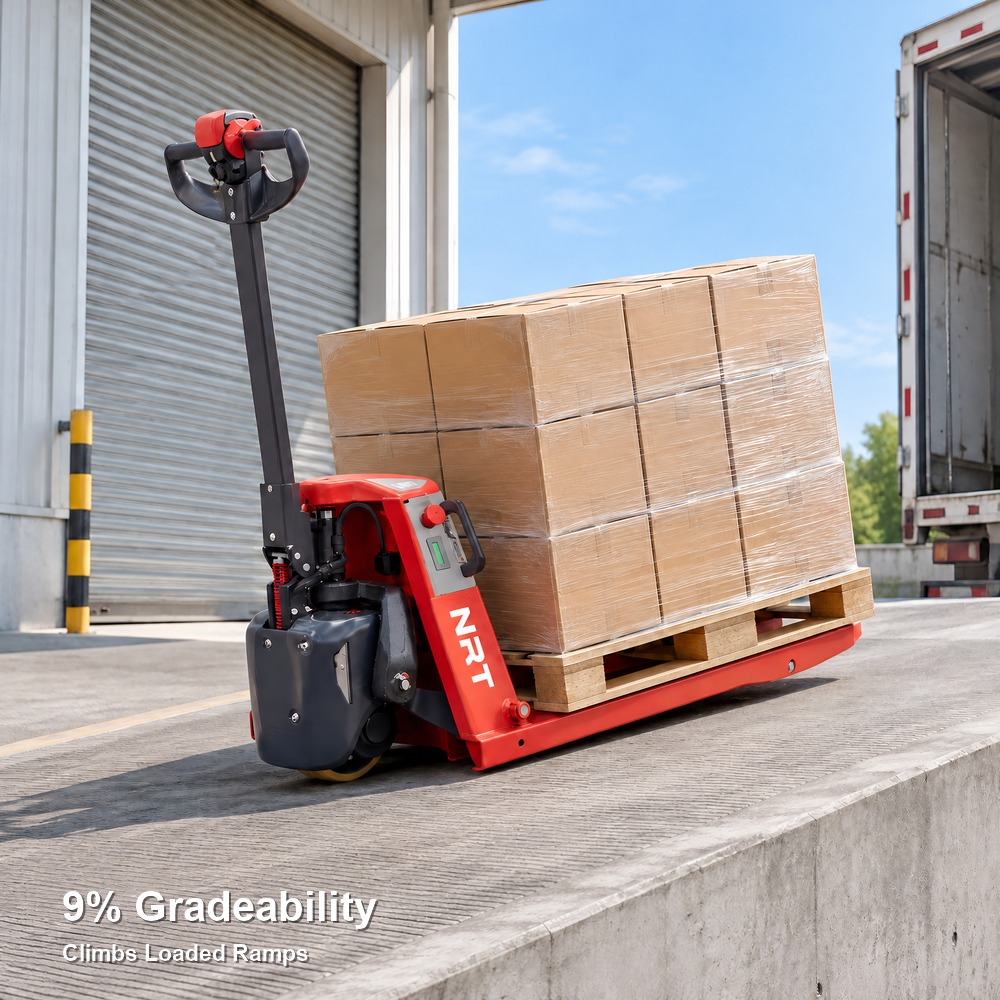
Lithium Battery Electric Pallet Jack Truck 1500kg 2000kg Walkie Pallet Jack Electric Forklift Alternative for Warehouse
A 1500–2000 kg walkie pallet jack for loading bays, container stripping and horizontal transport where a counterbalance forklift is unnecessary.
View Product →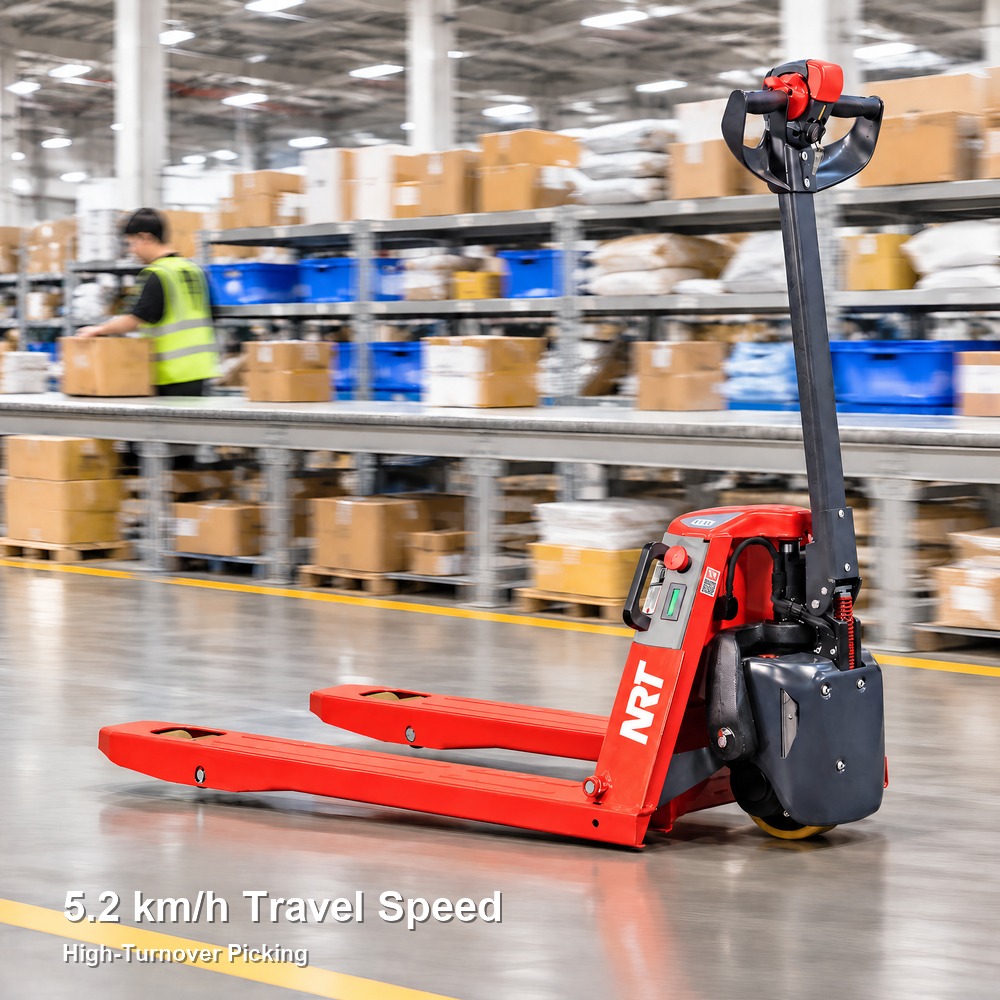
Electric Pallet Jack with Quick Release Drive Wheel 1Min Service 48V Lithium Walkie Pallet Truck 2000kg Capacity
Quick-release drive wheel and 48V lithium power support fast service access — a practical choice for multi-user fleets that cannot tolerate long downtime.
View Product →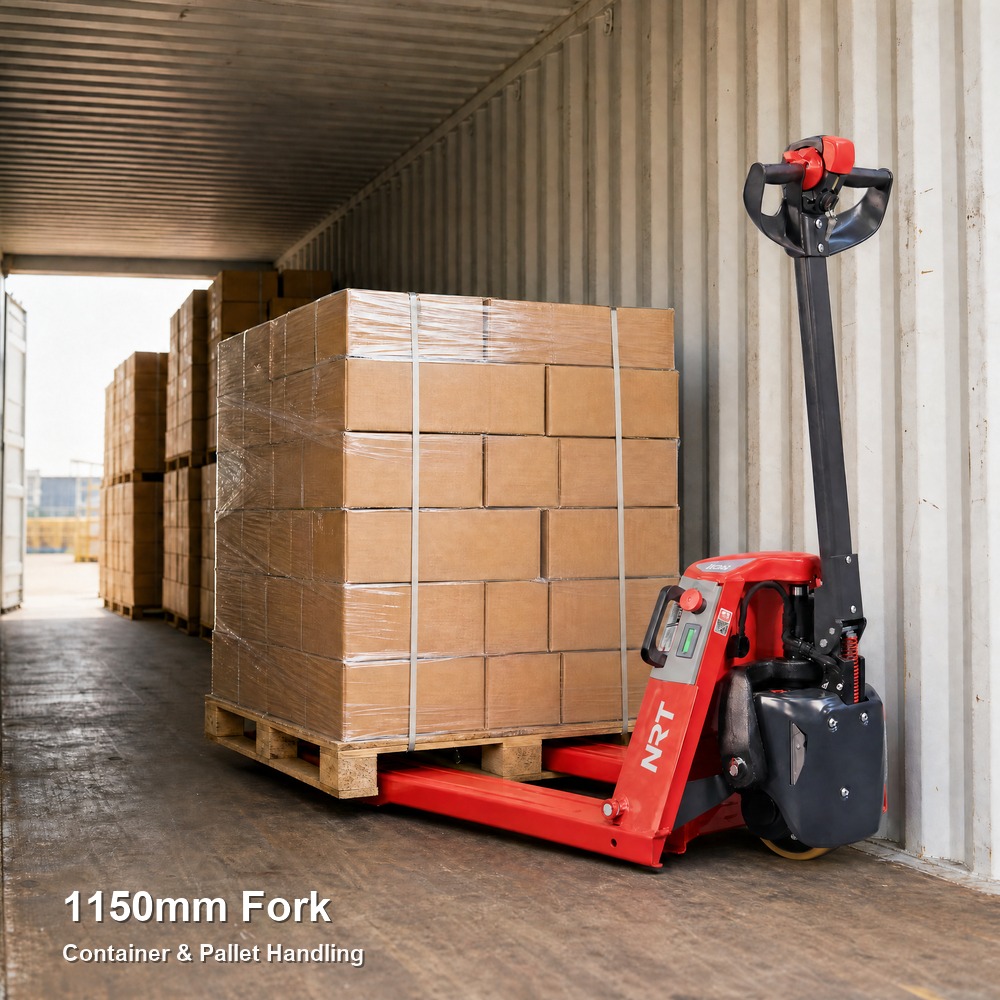
Walkie Electric Pallet Jack 1500kg Fork 1150mm Pallet Truck Battery Powered for Container Unloading Shop Floor
1150 mm forks and 1500 kg capacity suit container unloading, shop-floor replenishment and pallet movement in space-limited Düsseldorf backrooms.
View Product →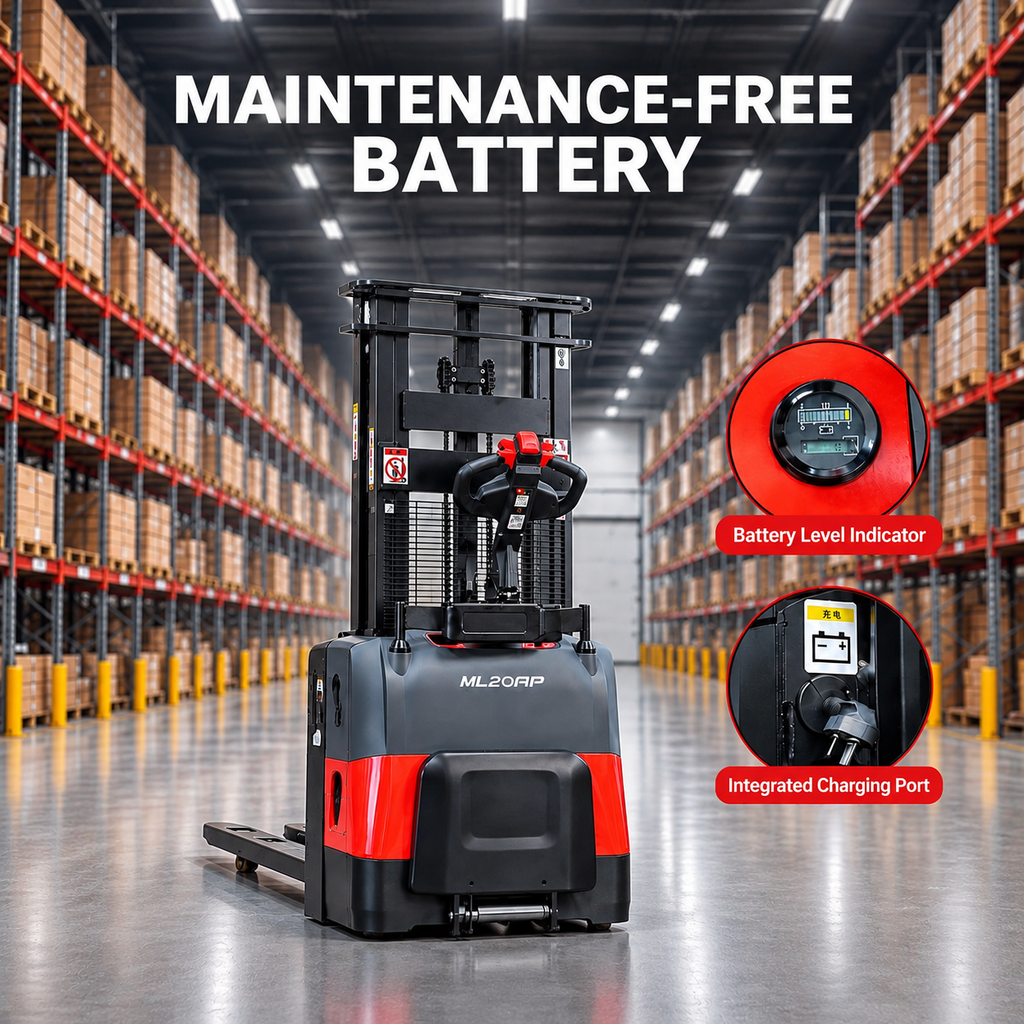
Stacker Forklift Electric 1500kg 2000kg for Retail Backroom Farm Feed Store Pallet Stacking Work
A compact 1500–2000 kg electric stacker for retail backrooms, feed stores and pallet stacking where a full forklift is more machine than the job requires.
View Product →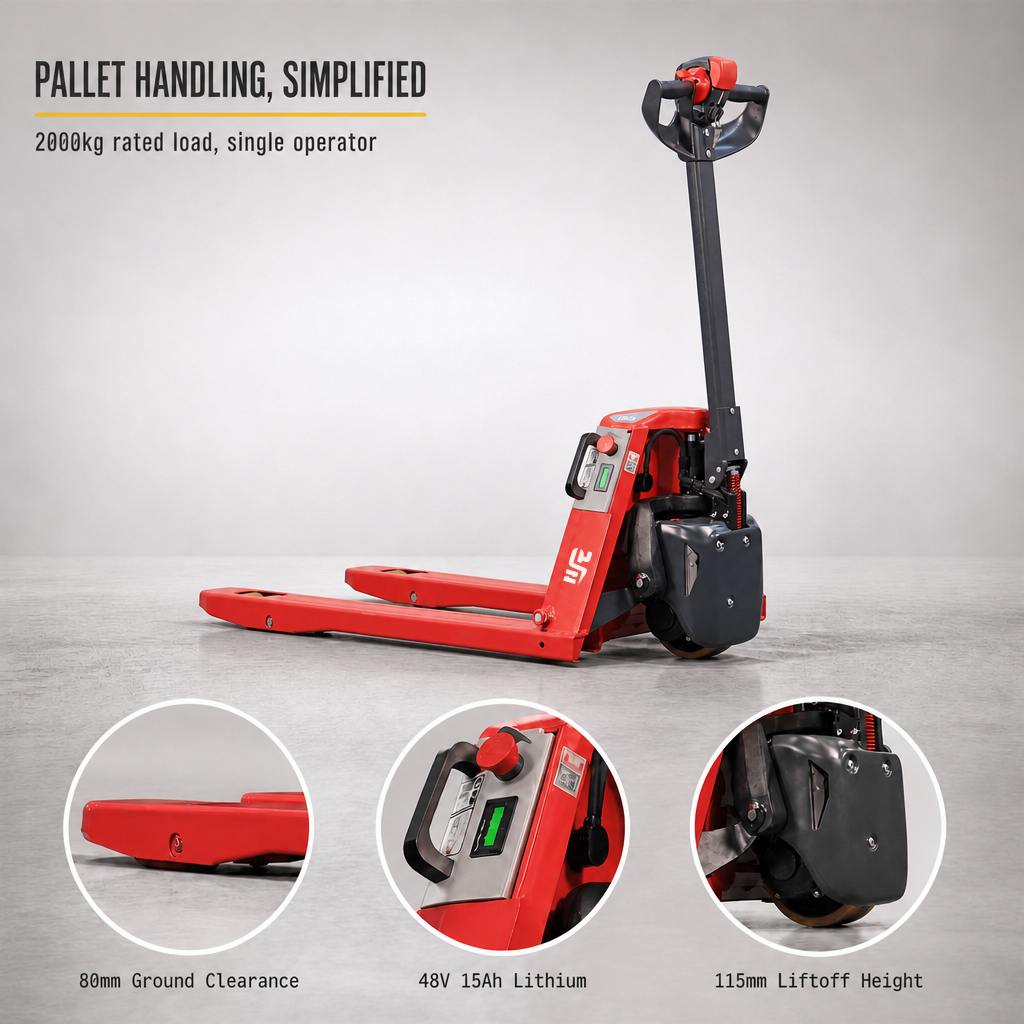
NB20L01LD 2000kg Electric Pallet Truck Lithium Battery 4.8km/h Speed 1245mm Turning Radius Jack
2000 kg lithium pallet truck with 4.8 km/h travel speed and a 1245 mm turning radius for dense storage, dock work and fast pallet shuttling.
View Product →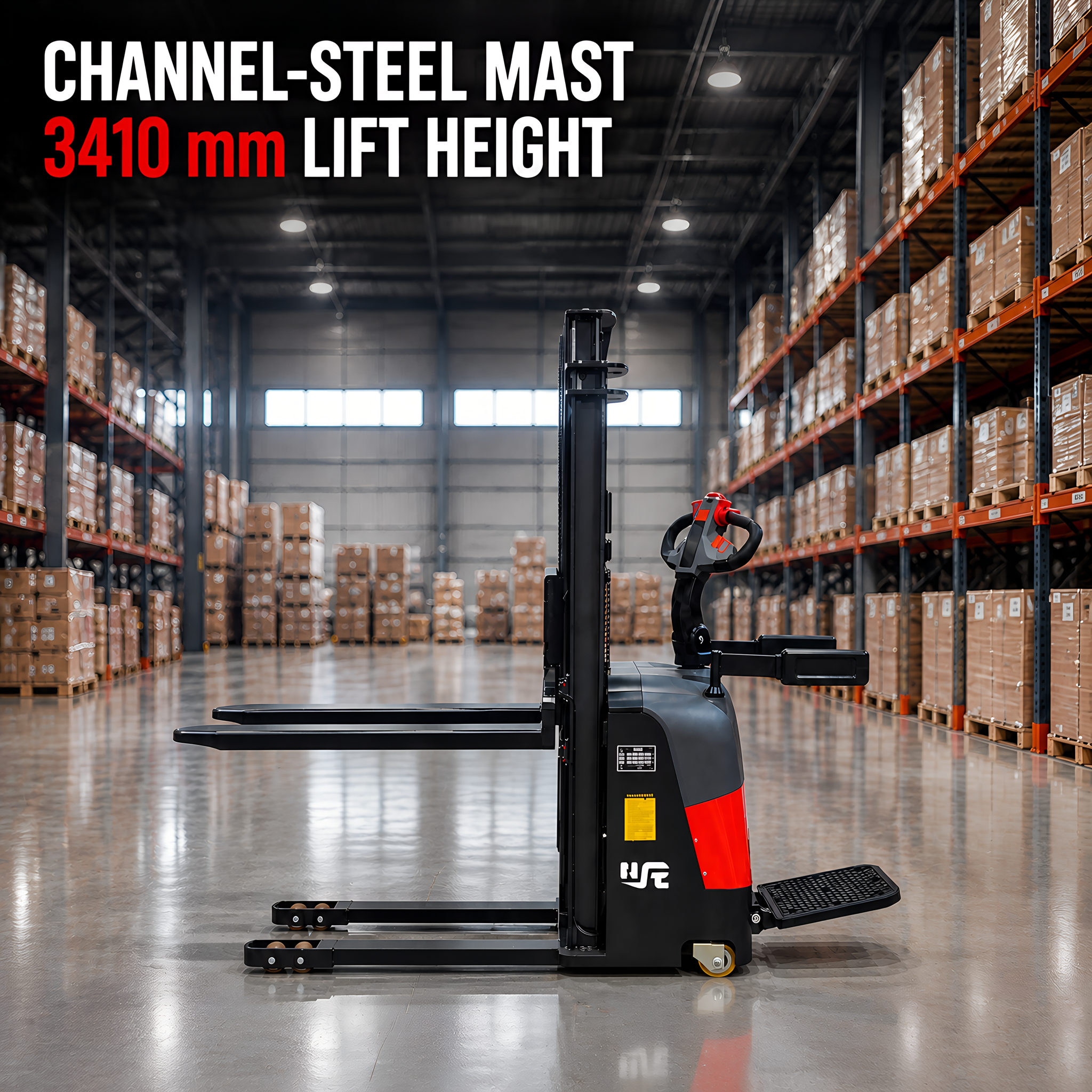
ML20AP Stand on Electric Stacker 2000kg 3410mm Max Lift 1478mm Turning Radius 820mm Body Width
A stand-on electric stacker with 2000 kg capacity, 3410 mm max lift, 1478 mm turning radius and 820 mm body width for medium-high racking and tight aisles.
View Product →
2000kg Walkie Electric Pallet Jack 685mm Width Narrow Fork Pallet Truck with Lithium Battery for Container Loading
685 mm narrow fork width and 2000 kg lithium power for container loading, narrow pallet lanes and congested cargo areas around Düsseldorf logistics hubs.
View Product →Why Düsseldorf Warehouses Need More Than a Standard Forklift Quote
Düsseldorf is not an isolated city market. It sits inside one of Europe’s densest logistics corridors, where warehouse space is expensive, racking is rising, labour is tight and every square metre must work harder.
For procurement teams in Düsseldorf, Neuss, Ratingen, Duisburg, Meerbusch, Krefeld, Wuppertal and Mönchengladbach, the equipment decision is usually shaped by three forces: land cost pushes racking higher, labour availability makes ergonomics and training time more important, and energy or emissions policies make electric handling more attractive. A generic 2-tonne forklift quotation may miss the real constraint. A reach truck forklift, stand-on stacker or narrow pallet truck may deliver a better return because it is matched to the aisle, rack height, pallet pattern and duty cycle.
A reach truck is especially relevant where racking height and aisle width are the limiting factors. By reaching into the rack rather than driving the whole chassis into the aisle, a reach truck can increase storage density. In many Düsseldorf 3PL and distribution buildings, however, the fleet is mixed: a reach truck for high-bay storage, a stand-on electric stacker for medium-height backroom work, and a walkie pallet truck for container unloading and horizontal movement. That is why our approach starts with the application, not with a single model number.
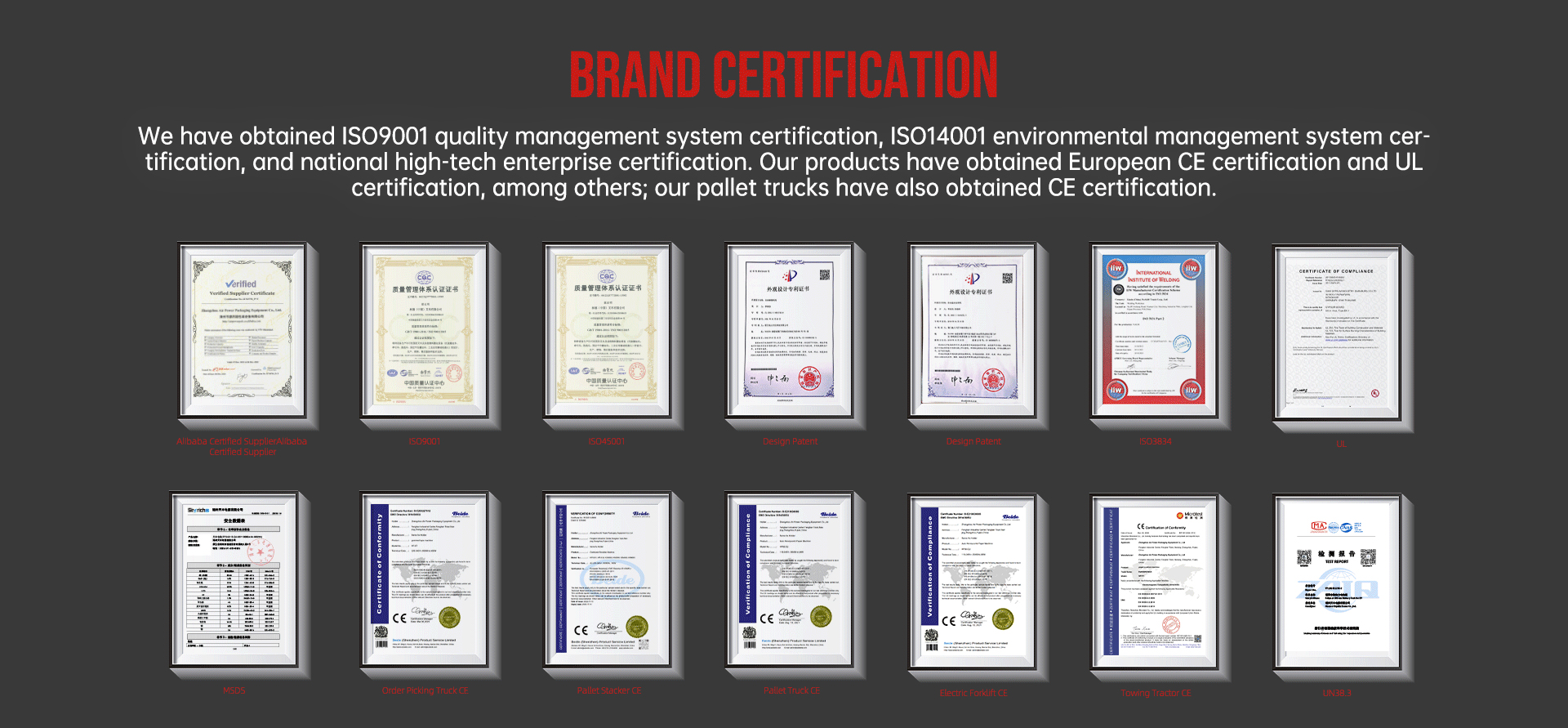
Xiamen Pexal Technology Co., Ltd. supports this market as a China-based manufacturer-linked supplier. We are transparent about our structure: our Xiamen team provides sales, service and technical support, working with a 220,000 m² partner manufacturing campus, 1,200+ employees and 100+ engineers. We have passed an onsite check and supplier assessment by SGS Group. For Düsseldorf buyers, that means a direct wholesale route, customization options and documentation discipline — not a mystery middleman.
Application Scenarios in Düsseldorf and the Rhine-Ruhr Region
Different local operations need different electric handling equipment. The recommendation should follow the building, load and shift pattern.
3PL and Contract Logistics in Neuss or Duisburg
High pallet throughput, narrow aisles and multi-shift racking favour reach trucks with lithium opportunity charging, plus stand-on stackers for medium-height reserve locations.
E-Commerce Fulfilment near Düsseldorf Airport
Fast order cycles and changing pallet flows reward compact pallet trucks, order-picking support and charging positions close to receiving and dispatch zones.
Retail and Wholesale Backrooms in Düsseldorf
Limited floor space, frequent deliveries and medium-height stacking make 1500–2000 kg electric stackers more practical than a large counterbalance forklift.
Food, Beverage and Cold-Chain Storage
Zero local emissions, low noise and clean operation matter in food and cold-chain buildings around Krefeld and Mönchengladbach. Battery and charger specifications must match temperature and shift length.
Automotive and Machinery Suppliers in Ratingen or Wuppertal
Line-side supply and finished-goods movement need stable lifting, precise positioning and predictable maintenance. Stand-on stackers and reach trucks can complement existing counterbalance fleets.
Container Unloading at Düsseldorf Hafen and Rhine Ports
Narrow fork widths, compact turning radii and fast travel speeds help strip containers without blocking the dock. A 685 mm pallet truck can be decisive where access is tight.
Development Trends Shaping Düsseldorf Material Handling Procurement
Local buying behaviour is moving from “buy the cheapest truck” to “buy the most productive, compliant and serviceable asset for the building.”
Higher Racking to Offset Land Cost
As warehouse space in the Rhine-Ruhr area remains expensive, Düsseldorf-area operators are using more vertical storage. Reach trucks and high-lift stackers reduce cost per pallet position when the aisle and rack layout are planned together.
Lithium-Ion and Opportunity Charging
Lithium batteries are increasingly attractive for multi-shift operations because opportunity charging can reduce battery changes. The right decision still depends on charger capacity, available power, shift pattern and whether the truck works in cold storage.
Energy Cost and Peak-Load Management
Warehouse managers are reviewing charging schedules, fleet size and energy use per pallet moved. A slightly smaller, better-matched truck can reduce capital cost and energy waste compared with an oversized forklift running light duty.
Labour Shortage and Operator Ergonomics
Düsseldorf logistics employers face competition for skilled warehouse staff. Easy controls, clear visibility, low step heights and intuitive steering reduce training time and fatigue — especially for temporary and seasonal operators.
Emission-Free and Low-Noise City Logistics
Electric handling supports cleaner indoor air and quieter operations in mixed-use districts. For Düsseldorf operations near residential areas or strict internal environmental targets, zero local emissions can be as important as throughput.
Automation Readiness and AGV Integration
Even when a Düsseldorf buyer begins with manual electric trucks, route simplicity and repetitive pallet flows should be recorded for future AGV or automated guided forklift deployment. Standardized pallets and layouts make automation easier later.
Düsseldorf Reach Truck Specification Blueprint: Measure Before You Quote
A high-performing quotation starts with a small set of numbers. Our application engineers use this framework before recommending a reach truck forklift or electric warehouse truck.
1. Load and Racking
Record maximum pallet weight, load centre, pallet type, top beam height and required free lift. As general guidance, required lift = top beam height + pallet thickness + free-lift allowance of typically 150–200 mm; verify against the final rack layout.
2. Aisle, Door and Floor
Measure clear aisle width at uprights, door thresholds, columns and congested corners. Confirm floor flatness, ramp slope and surface condition. A reach truck may fit a nominal aisle on paper but fail at a single obstruction in the building.
3. Duty Cycle and Charging
List lifts per hour, average travel distance, shifts per day and charging access. Most Düsseldorf sites use 230/400V 50Hz power; confirm charger capacity, plug type and parking position. Opportunity charging can reduce battery changes for multi-shift operations.
4. Compliance and Documentation
Clarify target market, required CE-related technical documentation, nameplate data, manual language and importer responsibilities. For hazardous areas or special environments, request a dedicated configuration; do not assume a standard warehouse truck is suitable.
Why Düsseldorf Wholesalers and Fleet Buyers Choose Pexal
Xiamen Pexal Technology Co., Ltd. was founded in Xiamen, Fujian in 2024 as the sales, service and technical support base for Pexal material handling equipment. We work with a 220,000 m² partner manufacturing campus employing more than 1,200 people, including over 100 engineers dedicated to electric warehouse equipment. Our export focus covers Western Europe, North America, South America, Eastern Europe and Oceania.
Because we operate as a manufacturer-linked wholesaler, we can quote from a proven platform and then customize mast height, fork length, battery type, charger, color, logo and labels. Before shipment, the partner factory performs functional checks on lifting, travel, braking and electrical systems. For EU buyers, we prepare the agreed technical documentation package; final CE marking and import compliance remain with the responsible economic operator.
For Düsseldorf buyers, this means one route for standard electric pallet trucks, stackers and reach truck forklift enquiries, with wholesale pricing, OEM/ODM flexibility and a verifiable third-party assessment record.

Practical Advantages for Dealers, Rental Fleets and End Users
Source-Direct Wholesale Economics
Manufacturer-linked pricing supports dealers and larger Düsseldorf buyers who need repeatable model costs, not one-off retail quotes.
SGS Onsite Assessment
Our company has passed an onsite check and supplier assessment by SGS Group, giving buyers a third-party reference point before the first order.
OEM and ODM Customization
Sample-based customization, full customization and ODM services cover mast height, forks, battery, charger, color, logo and selected attachments.
Application-Led Engineering
100+ engineers and product specialists support electric drive, structural durability and intelligent equipment development across the range.
Export Logistics and Terms
We quote common Incoterms from EXW to DDP and support sea freight to Hamburg, Rotterdam or Antwerp, plus rail or road options where suitable.
Dealer and Spare-Parts Support
Model documentation, spare-parts discussion and remote technical support help wholesalers and rental fleets protect uptime after delivery.
Düsseldorf Buyer FAQ: Reach Truck Forklifts, Wholesale Supply and Local Delivery
Common questions from Düsseldorf importers, dealers, warehouse managers and fleet owners evaluating electric handling equipment.
Are you a manufacturer or a trading company?+
Can you supply reach truck forklifts to Düsseldorf and NRW?+
Do you accept single-unit or sample orders?+
What CE documentation can you provide?+
Which battery and charging options suit Düsseldorf warehouses?+
What Incoterms, payment methods and currencies do you accept?+
Can you customize for German labels, dealer branding and spare parts?+
How do you support quality and after-sales before shipment?+
Get a Düsseldorf-Specific Reach Truck Recommendation
Send the five numbers that matter: maximum pallet weight, top racking height, clear aisle width, shifts per day and available charging power. Include your delivery postcode in Düsseldorf or NRW, target Incoterm and required documentation. Our application team will return a model shortlist, battery and charger advice, and an export route. Email: info@pexalbot.com