8 Factory-Direct Models That Fit Louisville Workflows
These eight models are practical starting points for Louisville buyers comparing equipment for trailer unloading, put-away, rack stacking, freezer work and multi-shift distribution. Each recommendation keeps the original product URL so your team can move from market research to a specification conversation without losing model details.

2000kg Walkie Electric Pallet Jack 685mm Width Narrow Fork Pallet Truck with Lithium Battery for Container Loading
Best for tight receiving lanes, trailer loading and congested 3PL docks where standard fork width wastes clearance and slows turnaround.
Review model details →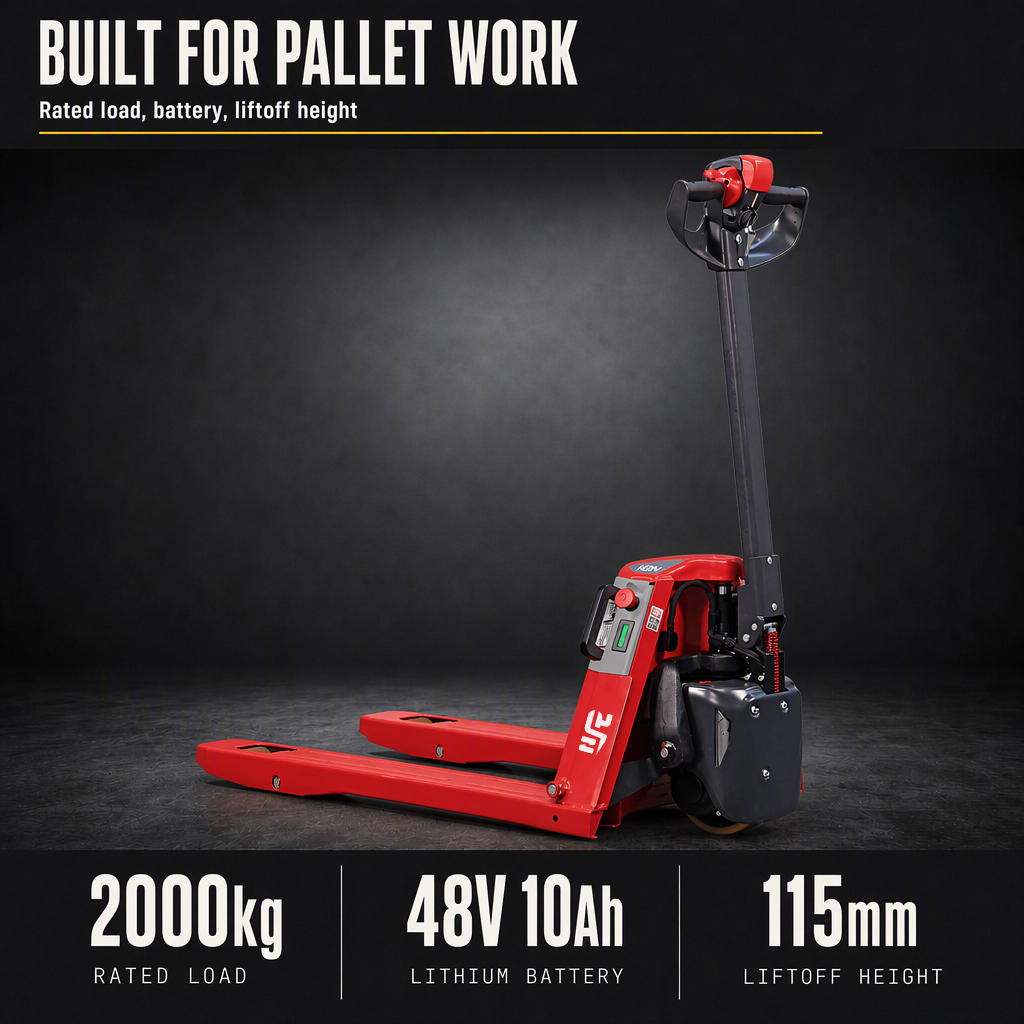
Professional Electric Pallet Jack 2 Ton 2000kg Capacity Heavy Duty Power Pallet Truck with Easy Control System for Warehouse
A strong step up from manual handling for high-turnover warehouses, food production and automotive supplier flows that run long shifts.
Review model details →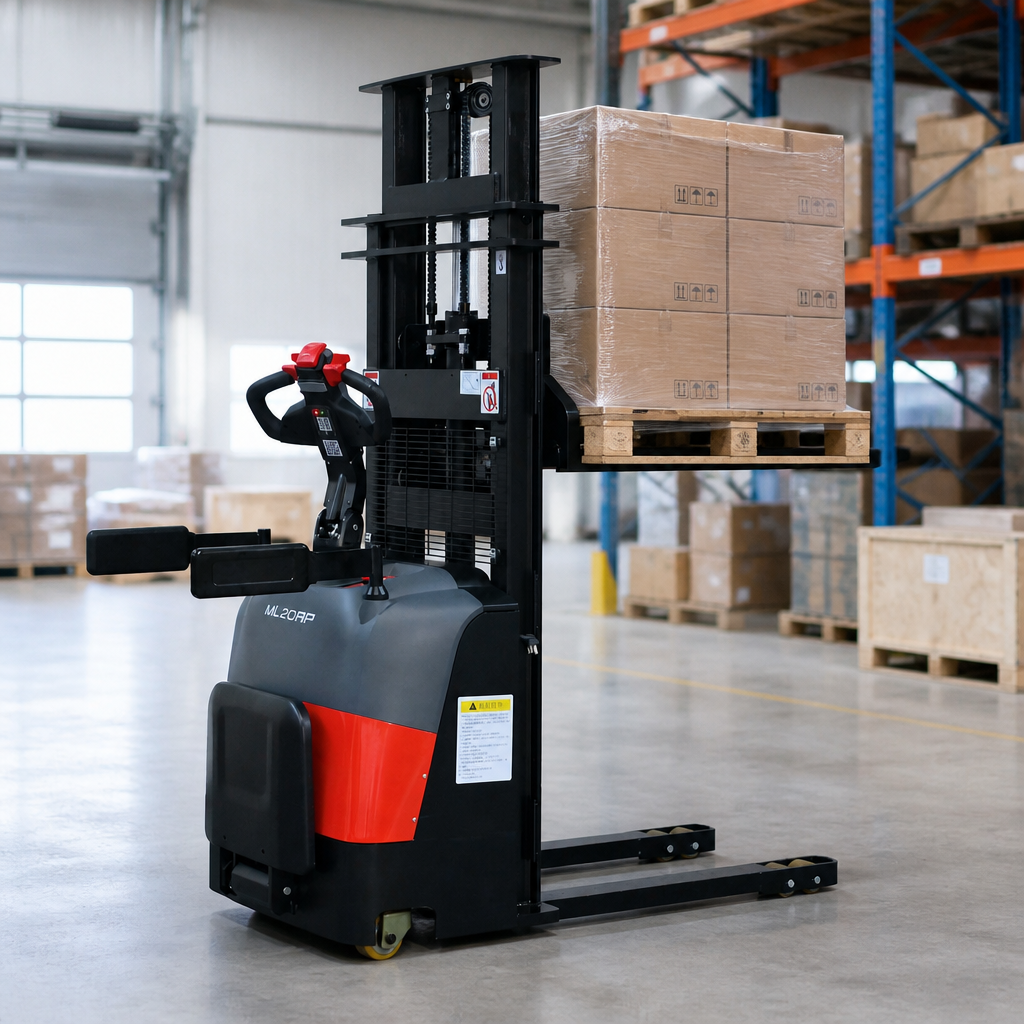
Electric Pallet Stacker 2000kg 3410mm Lift Height Stand on Stacker Truck for Warehouse Racking Stacking
Suited to Louisville warehouses that need racking-level put-away without the aisle width and cost profile of a counterbalance forklift.
Review model details →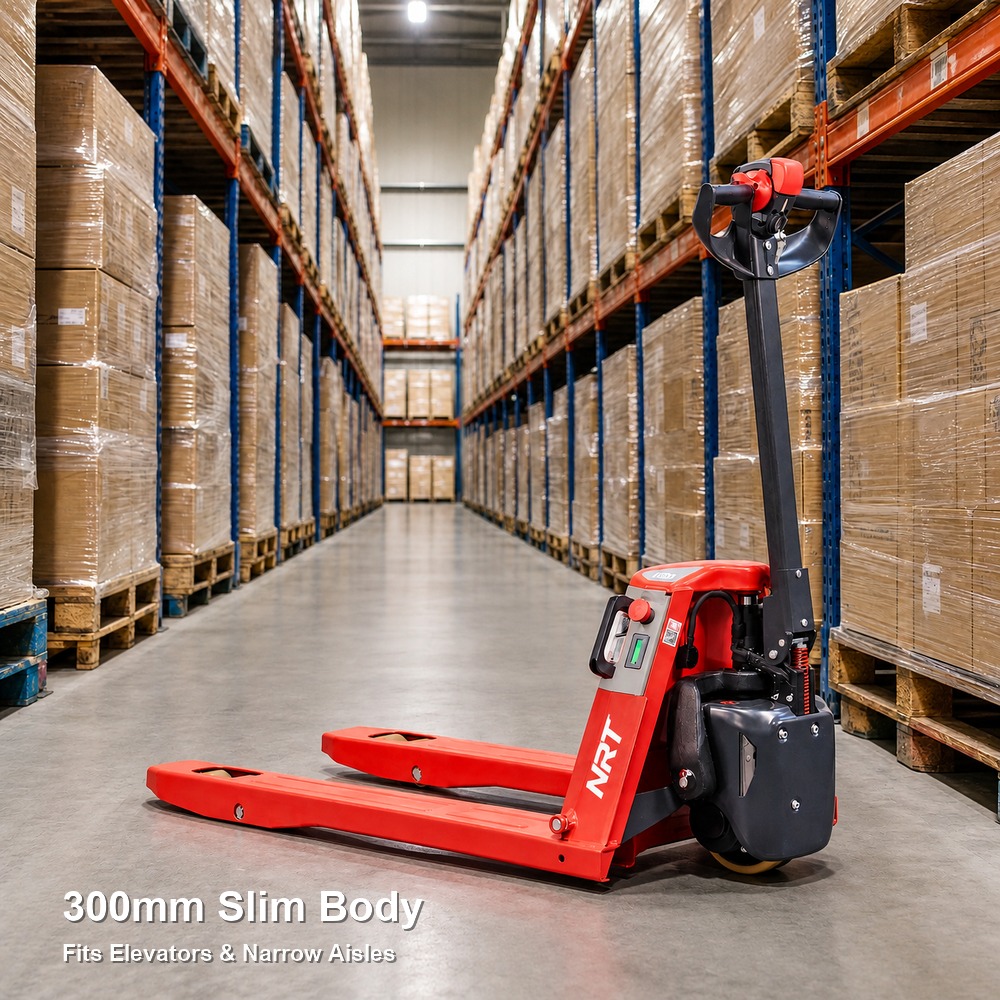
NB15L01LD Electric Pallet Jack 2000kg 48V 15Ah Lithium Battery 850W Fork 1150mm PU Wheels Pallet Truck
A balanced option for distribution centers that want lithium charging flexibility, predictable daily handling and low-maintenance PU wheels.
Review model details →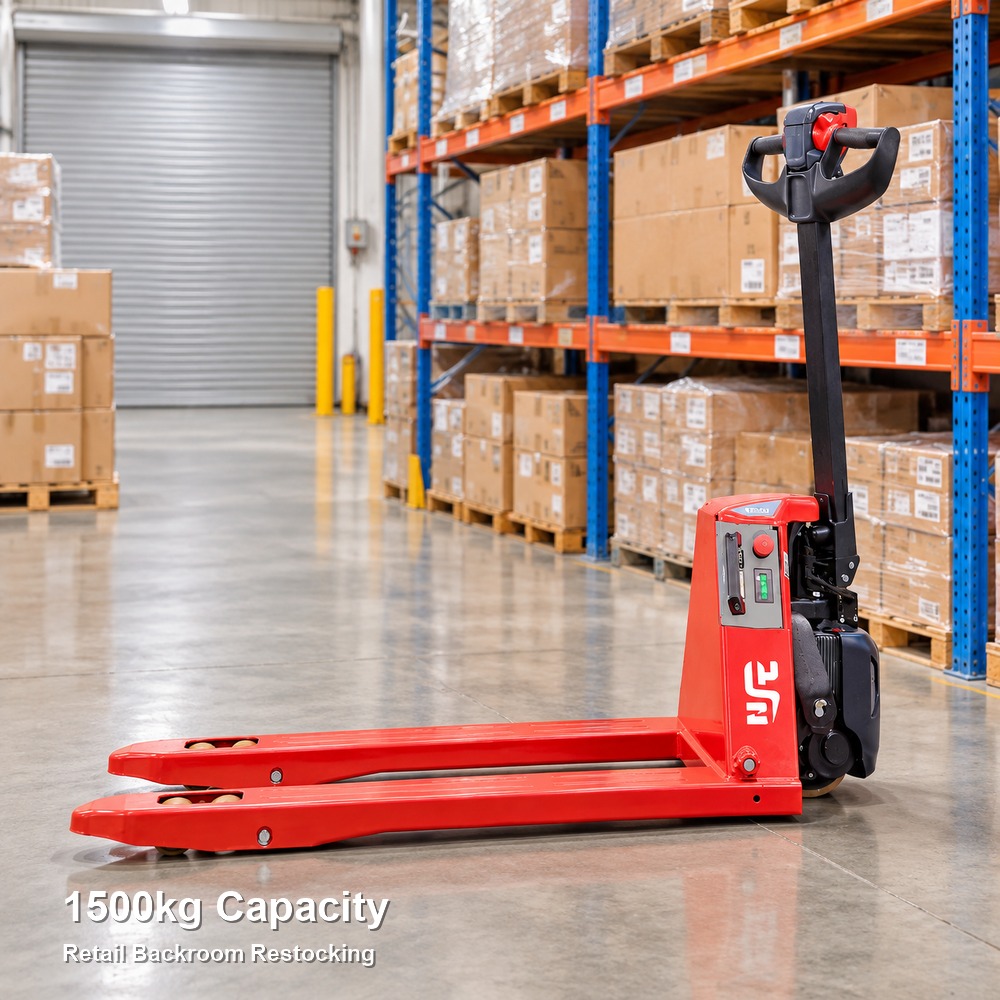
Cold Storage Electric Pallet Jack -20C Working 48V Lithium Battery Pallet Truck Walkie Type 1500kg 2000kg
Relevant to Louisville food, beverage and pharmaceutical logistics where freezer uptime, battery behavior and condensation control are critical.
Review model details →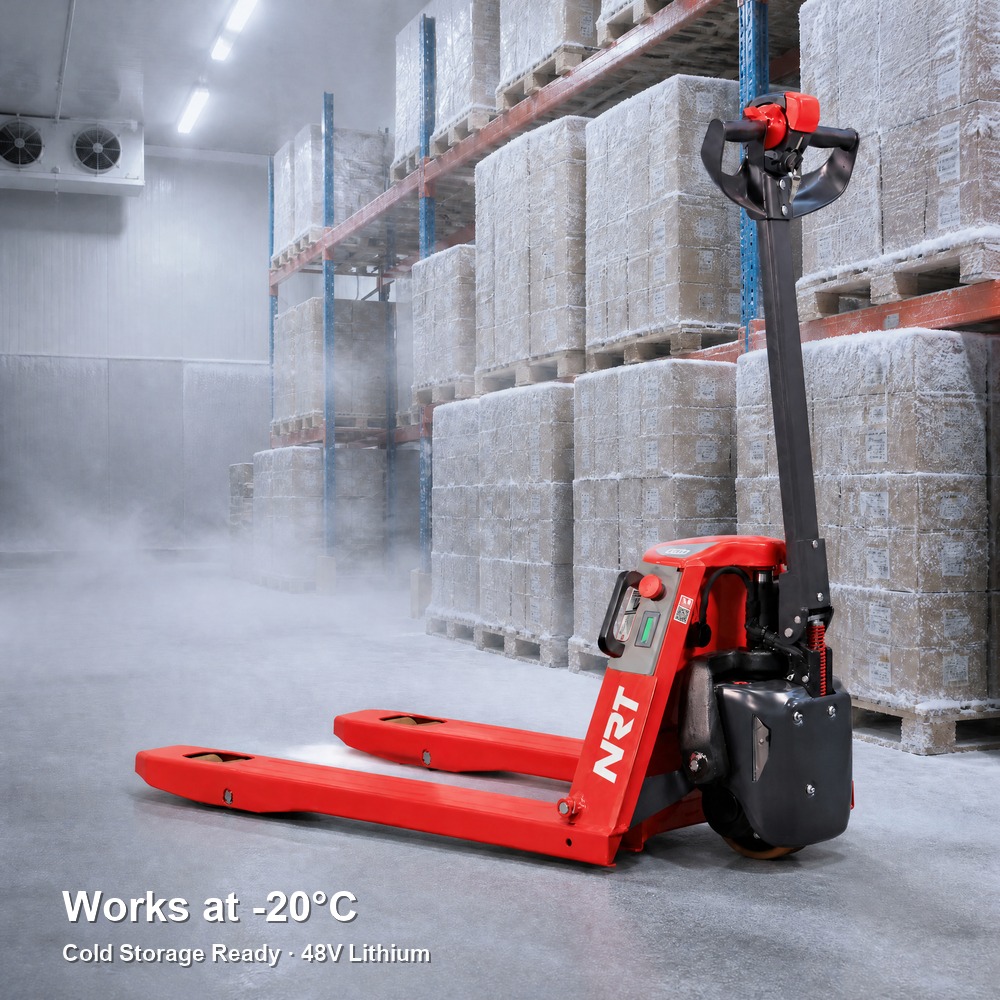
Electric Pallet Jack 2000kg with 48V Lithium Battery 6s Swap 300mm Slim Body Climbing 9% for Cold Storage -20C
Useful when freezer doors, ramps and high-throughput shifts leave little charging time; the slim body also helps in dense back-of-house areas.
Review model details →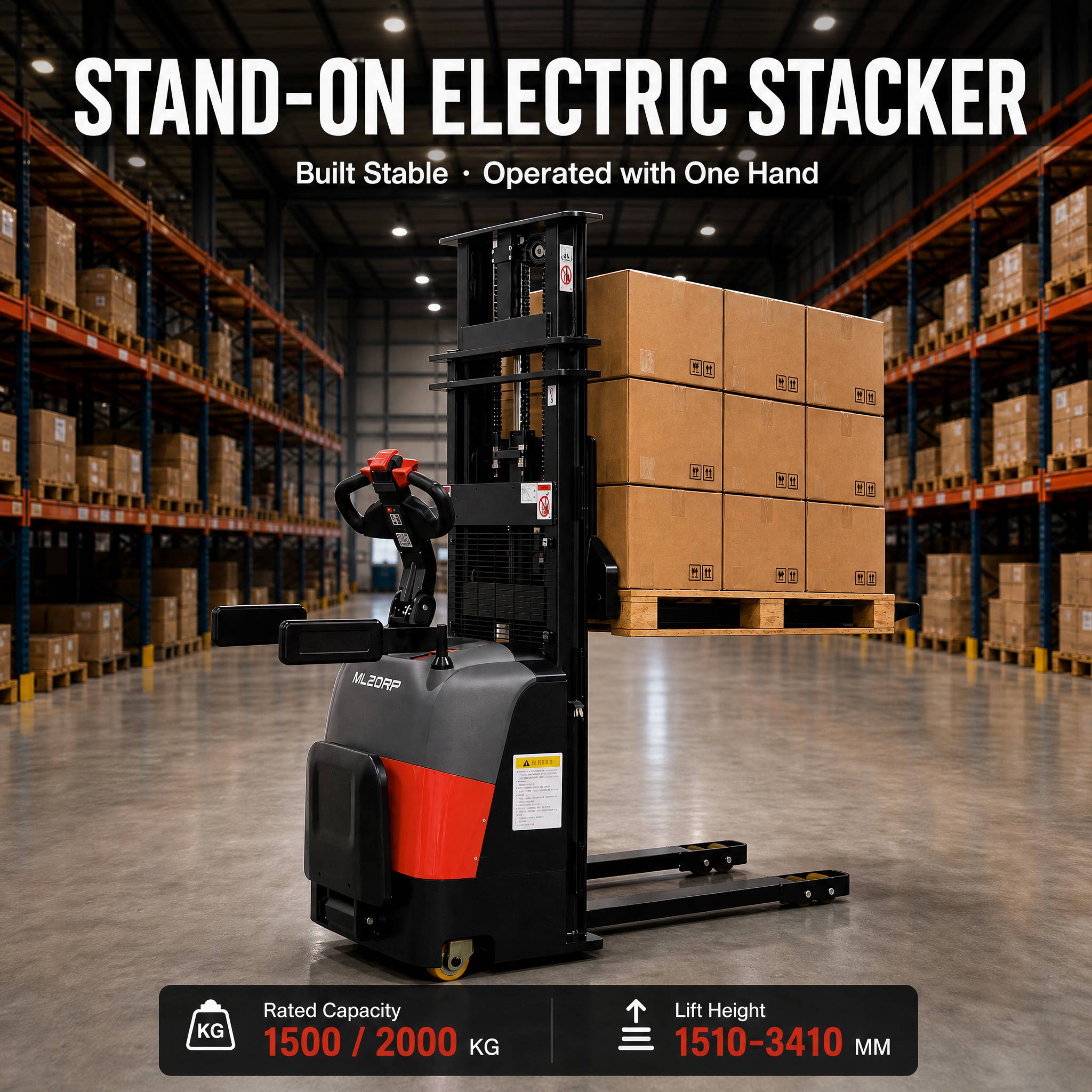
Channel Steel Mast Electric Pallet Stacker 2000kg 90mm Lowered Fork Height Stable High Rack Stacking
A specialist choice for warehouses optimizing pallet positions, stable high-rack stacking and repeatable lift cycles in space-constrained aisles.
Review model details →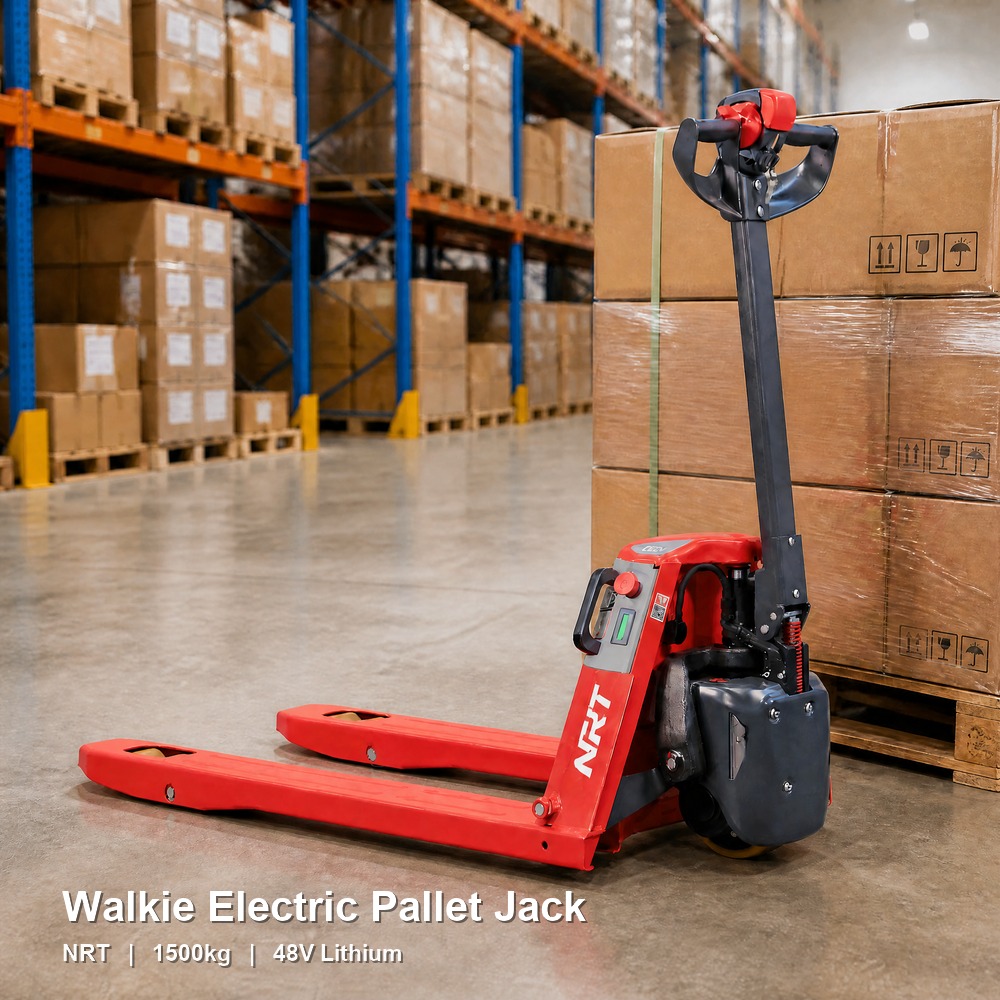
Electric Pallet Jack 1500kg 2000kg Walkie Pallet Truck Battery Powered Lithium Pallet Jack for Warehouse Loading
A flexible entry point for mixed fleets that need reliable loading, cross-docking and retail replenishment without over-specifying capacity.
Review model details →Why Louisville Rewards a Factory-Direct Forklift Strategy
Louisville is not a generic Midwest warehouse market. It combines UPS Worldport air-cargo peaks, Ohio River freight, rail connections and the I-65, I-71 and I-64 corridors. That mix creates four recurring equipment patterns: fast trailer and container unloading, dense e-commerce fulfillment, temperature-controlled storage, and manufacturing or automotive supplier flows that repeat 2,000kg handling throughout the day. For buyers, the practical question is not simply “Who sells the cheapest pallet truck?” It is which factory configuration keeps the dock, rack and freezer running across multiple shifts?
What Louisville buyers should specify before comparing suppliers
A supplier cannot engineer a useful proposal from a product photo alone. Louisville procurement teams should document trailer floor conditions, dock plate transitions, aisle width, door height, racking beam height, load center, daily pallet volume and freezer exposure. A 2,000kg walkie may be perfect for horizontal dock moves, yet the same operation may need a stand-on stacker for put-away and a separate cold-storage unit for the freezer zone. Mixed fleets are normal in this market; pretending one model covers every task often raises total cost.
- Measure the tightest receiving lane, not just the main warehouse aisle.
- Confirm lithium charging windows, battery swap plans and spare battery strategy.
- Separate ambient warehouse duties from freezer duties with -20°C-rated equipment.
- Ask for U.S. buyer documentation from the factory rather than assuming a supplier assessment covers product compliance.
- Check parts availability, service support expectations and warranty terms in writing.
How to Pick the Factory Behind the Forklift
For Louisville importers and fleet owners, supplier selection should be treated like an engineering decision. A catalog can hide weak quality control, unclear product compliance, slow spare-parts support and inconsistent customization. A factory-direct relationship is valuable only when the factory can show its process, people, testing routines and export discipline.
Production Depth
Ask how chassis, mast, hydraulic and electrical assembly are controlled, not only where the label is applied. Scaled production should support container orders and recurring dealer stock.
Capacity checkEngineering & Customization
Mast height, fork length, battery type, color, logo and attachments should be configurable with engineering review. Sample-based customization and ODM capability matter when a dealer wants a differentiated range.
Specification fitQC & Verification
Look for functional testing of lifting, travel, braking and electrical systems before dispatch. Third-party supplier assessment is useful, but it should not be confused with product certification.
Evidence checkExport & After-Sales
Confirm Incoterms, packaging, documentation, spare-parts lists and communication channels. Louisville buyers should define warranty terms, consumables and technical support expectations before the first container.
Delivery disciplineInside the Factory Relationship Behind Pexal Equipment
Xiamen Pexal Technology Co., Ltd. was founded in Xiamen, Fujian in 2024 as the sales, service and technical support base for Pexal material handling equipment. It works with a 220,000 m² partner manufacturing campus employing more than 1,200 people, including a team of over 100 engineers dedicated to electric warehouse equipment. That structure gives Louisville buyers a useful combination: a focused English-speaking commercial interface plus access to a large production base for electric forklifts, pallet trucks, stackers, reach trucks, order pickers and AGV robotics.

Company profile and production overview.

Partner factory production and assembly environment.
Verified supplier context, not anonymous listings
Pexal has passed an onsite check and a supplier assessment conducted by SGS Group. A verified company video is also available for buyers who cannot visit Xiamen. For Louisville buyers, these records are useful starting points for due diligence, especially when comparing a factory-backed supplier with a trading intermediary.

SGS-assessed supplier. Ask for current assessment records, product documents and trade history for the exact model class you intend to import.
Commercial flexibility for U.S. importers
Pexal supports sample-based customization, full customization and ODM services. Accepted delivery terms include FOB, CFR, CIF, EXW, FCA, CPT, CIP and DDP, among others. Payment options include T/T, L/C, D/P, D/A, Western Union, PayPal, credit card and escrow. Accepted currencies include USD, EUR, GBP, JPY, CAD, AUD, HKD, CHF and CNY.
Where These Trucks Fit in Louisville Operations
The right equipment depends on floor surface, aisle width, lift height, temperature and duty cycle. The same city can contain five very different handling environments within a 20-minute drive. These application patterns help buyers shortlist models before requesting a factory configuration.
3PL & Air-Cargo Peaks
Facilities supporting UPS Worldport and regional parcel flows often face compressed receiving windows. Narrow-fork electric pallet jacks shorten trailer unloading cycles and reduce congestion at dock plates.
Recommended: narrow-fork walkie · 2-ton pallet jackCold Chain & Food Logistics
Freezer rooms, coolers and food production areas require equipment rated for low temperature, condensation and battery performance. A standard warehouse jack should not be assumed to suit -20°C work.
Recommended: cold-storage pallet jack · 6s battery swapManufacturing & Automotive Suppliers
Line-side supply and work-in-progress transfer reward stable controls, durable wheels and repeatable braking. Heavy-duty 2-ton pallet trucks are often the practical workhorse.
Recommended: heavy-duty 2-ton pallet jackE-Commerce & Retail Replenishment
Piece picking, tote flow and short-distance pallet moves need compact machines that new operators can learn quickly. Flexible 1,500–2,000kg walkie trucks fit mixed fleets.
Recommended: 1500kg/2000kg walkie pallet truckHigh-Rack Warehousing
Where racking height is the constraint, stackers and reach concepts can increase storage density. Stand-on stackers with 3,410mm lift support put-away tasks that horizontal jacks cannot perform.
Recommended: stand-on stacker · channel-steel mast stackerDealer & Rental Fleet Programs
Local dealers and rental companies need a range that covers multiple customer profiles, plus consistent spare-parts logic and customization options for regional branding and voltage requirements.
Recommended: mixed product range · OEM/ODM supportWhat Is Changing for Louisville Warehouse Fleets
Louisville’s logistics base is expanding around faster fulfillment, tighter labor availability and higher expectations for cold-chain performance. These trends should be reflected in the questions buyers ask factories during supplier evaluation.
Lithium and Opportunity Charging
Buyers are moving away from fixed lead-acid charging routines where shift patterns allow. The key question is whether the factory can match battery capacity, charger strategy and swap design to the actual duty cycle.
Narrow Aisles and Rack Density
As Louisville warehouses optimize cubic capacity, aisle width becomes a purchasing constraint. Equipment should be selected from measured aisle data rather than from a generic capacity class.
Cold-Chain Expansion
Food, beverage and pharmaceutical flows continue to demand verified low-temperature performance. Buyers should ask for -20°C configuration details, condensation management and realistic runtime expectations.
Automation and Labor Pressure
Repetitive pallet transport is a natural entry point for AGV and smart forklift discussions. The factory should understand fixed routes, traffic rules, safety controls and integration limits before quoting automation.
Louisville Model-Selection Matrix
Use this matrix to move from a general product category to a specific RFQ. The best-fit model is the one that matches the task, the site constraint and the shift pattern—not simply the highest capacity or lowest price.
| Louisville Task | Best-Fit Starting Model | Why It Fits | RFQ Question |
|---|---|---|---|
| Trailer and container unloading | 2000kg narrow-fork walkie pallet jack | 685mm fork width supports tight receiving lanes and dock congestion. | What is the narrowest trailer and dock-plate clearance? |
| High-rack put-away | Stand-on stacker or channel-steel mast stacker | Lift height and mast stability matter more than horizontal speed. | What is the top beam height and required free lift? |
| Freezer and cold-storage work | Cold-storage electric pallet jack with lithium battery | -20°C configuration and battery behavior affect uptime. | How long is the freezer exposure per shift? |
| Multi-shift distribution | 48V lithium pallet jack with fast swap | Swap time and charging windows determine fleet size. | Can one spare battery cover peak shifts? |
| General loading and cross-docking | 1500kg/2000kg walkie pallet truck | Flexible capacity for mixed retail, wholesale and 3PL flows. | What are the average and maximum pallet weights? |
| Food, beverage and automotive supply | Heavy-duty 2-ton electric pallet jack | Durable controls and repeated braking cycles suit high-throughput work. | What is the duty cycle per hour? |
For U.S. operations, confirm operator training, workplace safety requirements and any product documentation requested by your insurer or local authority. A supplier assessment or factory video supports due diligence but does not replace product-specific compliance review.
Questions Louisville Buyers Commonly Ask
These are the practical questions that arise when a local distributor, 3PL or warehouse operator compares factory-direct electric pallet trucks, stackers and cold-storage models.
Should a Louisville buyer choose a pallet jack or a stacker first?
Start with the task. If the job is horizontal movement from trailer to staging or from receiving to production, a pallet jack is usually the first purchase. If pallets must be lifted into racking, a stacker becomes necessary. Many facilities need both because put-away and dock transfer are different jobs.
How do we compare forklift factories rather than just product listings?
Ask for production evidence, quality-control steps, engineering contacts, customization workflow, spare-parts structure and export documentation. Check whether the supplier can explain the product configuration in engineering terms. Third-party assessment records, onsite-check status and verified video can help, but they should be read alongside product-specific documents.
Are the cold-storage models suitable for every freezer application?
No. A -20°C rated model is a starting point, not a universal answer. Buyers should confirm freezer temperature, door cycles, condensation, floor conditions, charging location and runtime per shift. Cold-chain equipment should be specified with the factory based on actual exposure time and load profile.
Can Pexal support OEM, ODM and customized warehouse trucks?
Yes. Pexal offers sample-based customization, full customization and ODM services, including mast height, fork length, battery type, color, logo and attachment configuration. For Louisville dealers, this can support private-label programs and region-specific specifications, subject to engineering review and order volume.
What delivery terms and payment methods are available?
Common delivery terms include FOB, CFR, CIF, EXW, FCA, CPT, CIP and DDP. Payment methods include T/T, L/C, D/P, D/A, Western Union, PayPal, credit card and escrow. Accepted currencies include USD, EUR, GBP, JPY, CAD, AUD, HKD, CHF and CNY. Final terms should be confirmed in the quotation.
How should Louisville buyers plan shipping and lead time?
Lead time depends on model, customization, battery configuration, production schedule, shipping route, customs clearance and inland delivery to Louisville. Buyers should request a written quotation that separates production time from transit and clarifies Incoterms. For urgent projects, ask whether stock models or faster battery options are available.
What about U.S. compliance and operator training?
Do not assume that a supplier assessment equals product certification. Louisville buyers should confirm the documentation required by their own safety program, insurer and local authority, and should maintain operator training. Ask the factory for model-specific information before placing the order.
Can we start with a sample or trial order?
Sample and trial-order options depend on the model and customization level. Pexal supports sample-based customization and full customization, but sample fees, minimum order quantities and shipping arrangements should be confirmed directly. A trial unit can be useful for dock, freezer or racking validation before a larger fleet order.
What Louisville Buyers Can Review Before Ordering
A serious factory conversation should include more than a price sheet. Buyers can review company information, production environment, product-range imagery and export packaging evidence before requesting a formal quotation.

Company introduction and facility context.
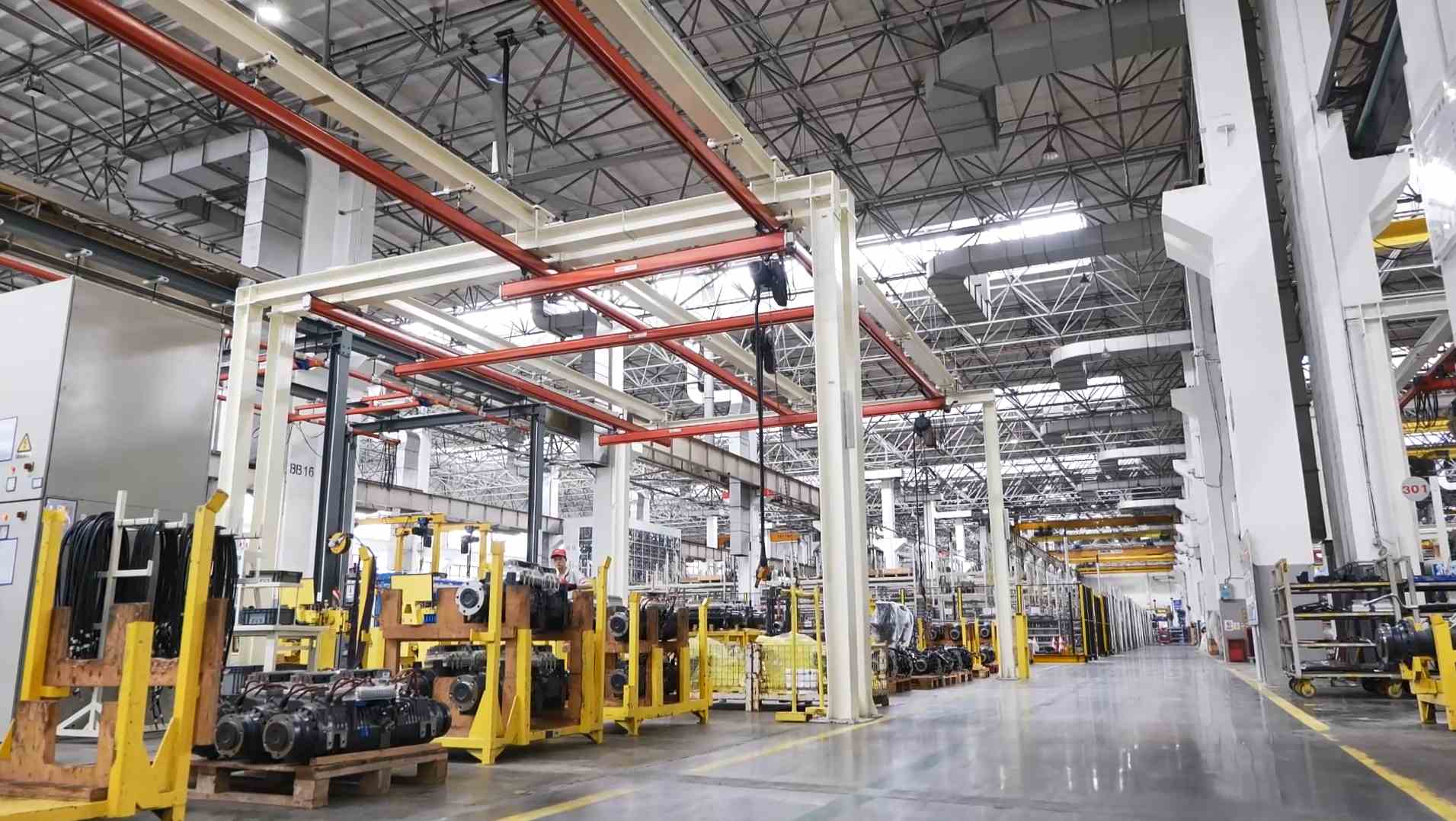
Production workshop environment.
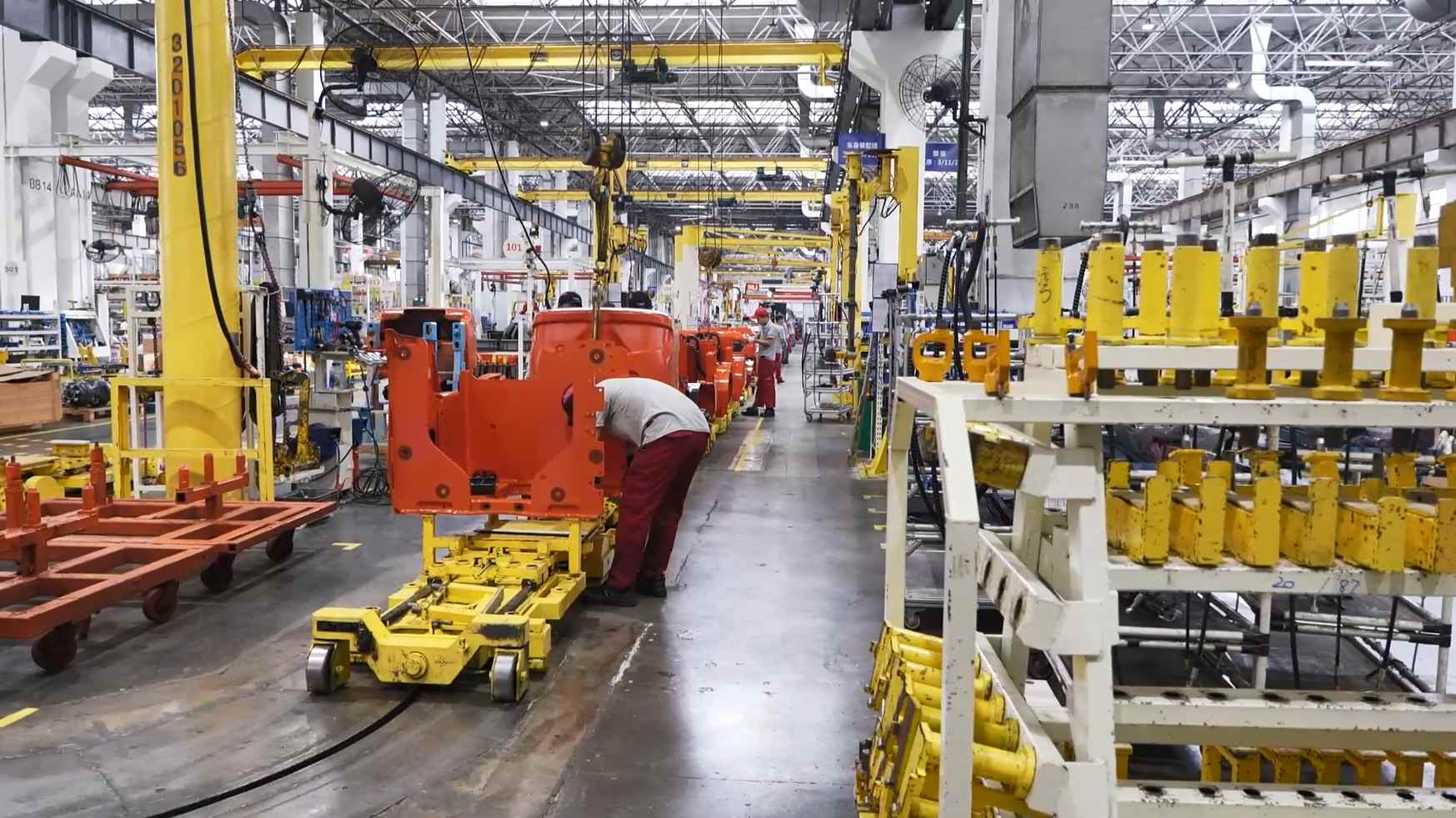
Warehouse equipment assembly line.
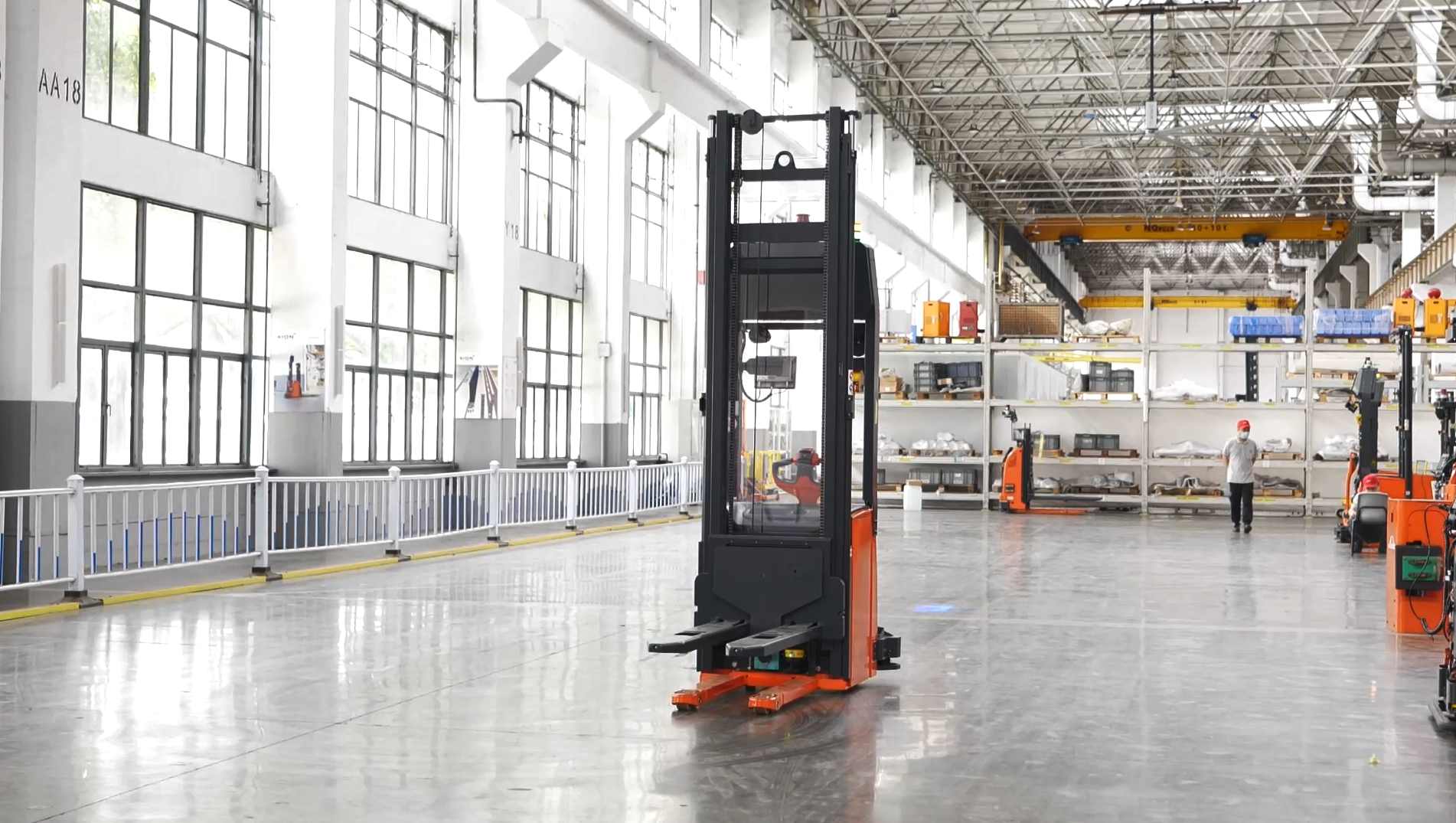
Export packaging and shipment preparation.
Build a Louisville-Ready Specification
Share your load, aisle width, rack height, freezer exposure and shift pattern. Pexal can help match the right electric pallet truck, stacker or cold-storage model to your application. Email: info@pexalbot.com