8 Pallet Moving Equipment Models for Baltimore Warehouses & Loading Docks
Baltimore buyers rarely purchase a pallet jack in isolation. They compare how the unit will fit an existing dock, a port-container stripping flow, a narrow rack aisle, a cold room, a retail backroom or a building-material yard. The models below are the core electric pallet truck and stacker configurations requested by North American dealers and fleet owners. All links preserve the original product pages.

A Material Handling Partner Built for Baltimore’s Real-World Procurement
Xiamen Pexal Technology Co., Ltd. was founded in Xiamen, Fujian in 2024 as the sales, service and technical support base for Pexal material handling equipment. We work with a 220,000 m² partner manufacturing campus employing more than 1,200 people, including over 100 engineers focused on electric warehouse equipment. For Baltimore-area distributors, rental fleets, warehouse operators and end users, this means a single channel for electric pallet jacks, walkie pallet trucks, stand-on stackers and related material handling products.
Baltimore is not a generic warehouse market. The region combines deep-water port operations, container drayage, cold-chain food distribution, dense 3PL warehouses, e-commerce fulfillment and legacy industrial buildings with tighter doors and older floors. A pallet truck that performs well in a new distribution center may not be the best choice for a Curtis Bay food warehouse, a Tradepoint Atlantic fabrication shop or a retail backroom near the Baltimore Beltway. Our role is to translate those site conditions into a practical equipment configuration before the order is placed.
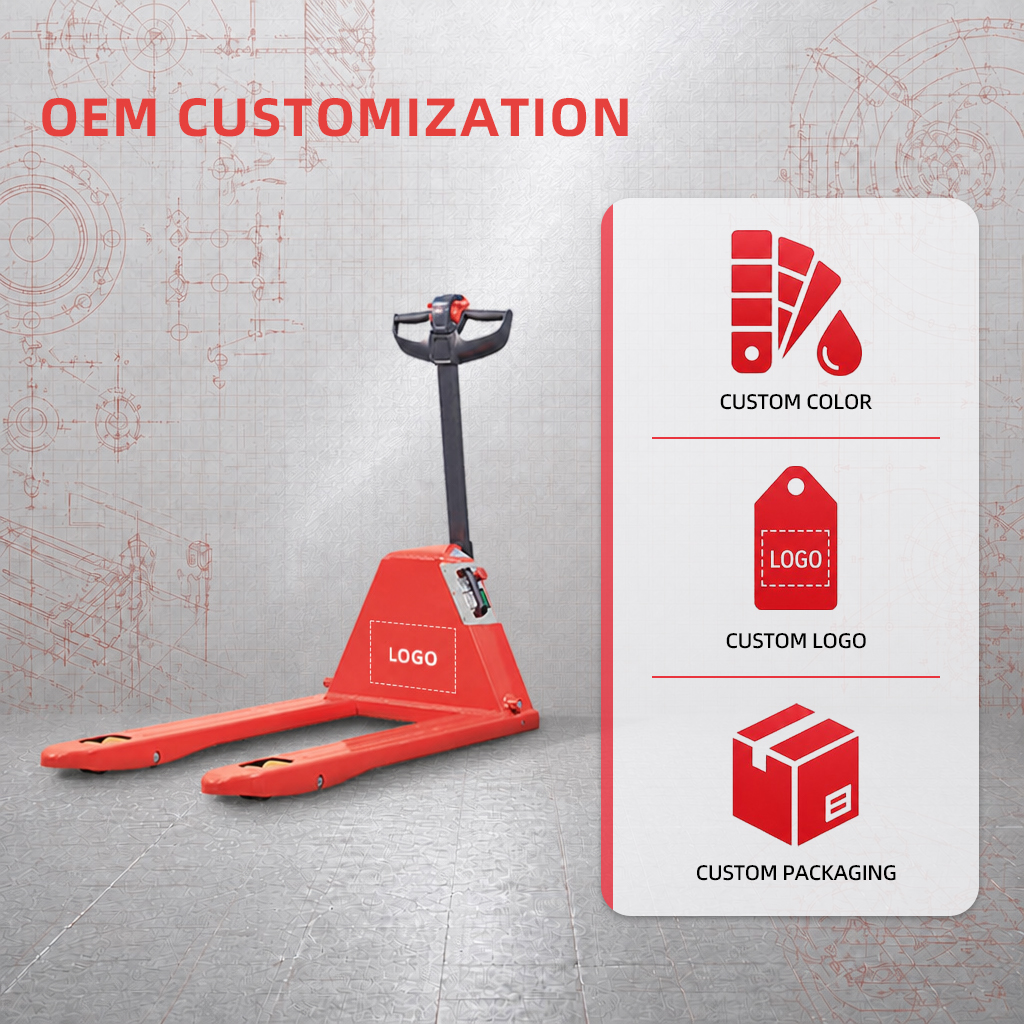
The export relationship also matters. Baltimore buyers need clear documentation, packaging suitable for ocean freight, charger specifications that match U.S. electrical systems, and a realistic view of lead time. Our team supports sample-based customization, full customization and ODM service, including mast height, fork length, battery type, color, logo and attachment configuration. We also support logistics solution design and consulting for buyers who are moving from manual handling to electric handling.

Where Pallet Moving Equipment Fits in Baltimore’s Industrial Map
From the Port of Baltimore and Curtis Bay to Tradepoint Atlantic, I-95 distribution parks and BWI-area fulfillment centers, the right equipment depends on floor condition, aisle width, dock height, lift height and daily pallet moves.
Port, Rail & Drayage Cargo Flow
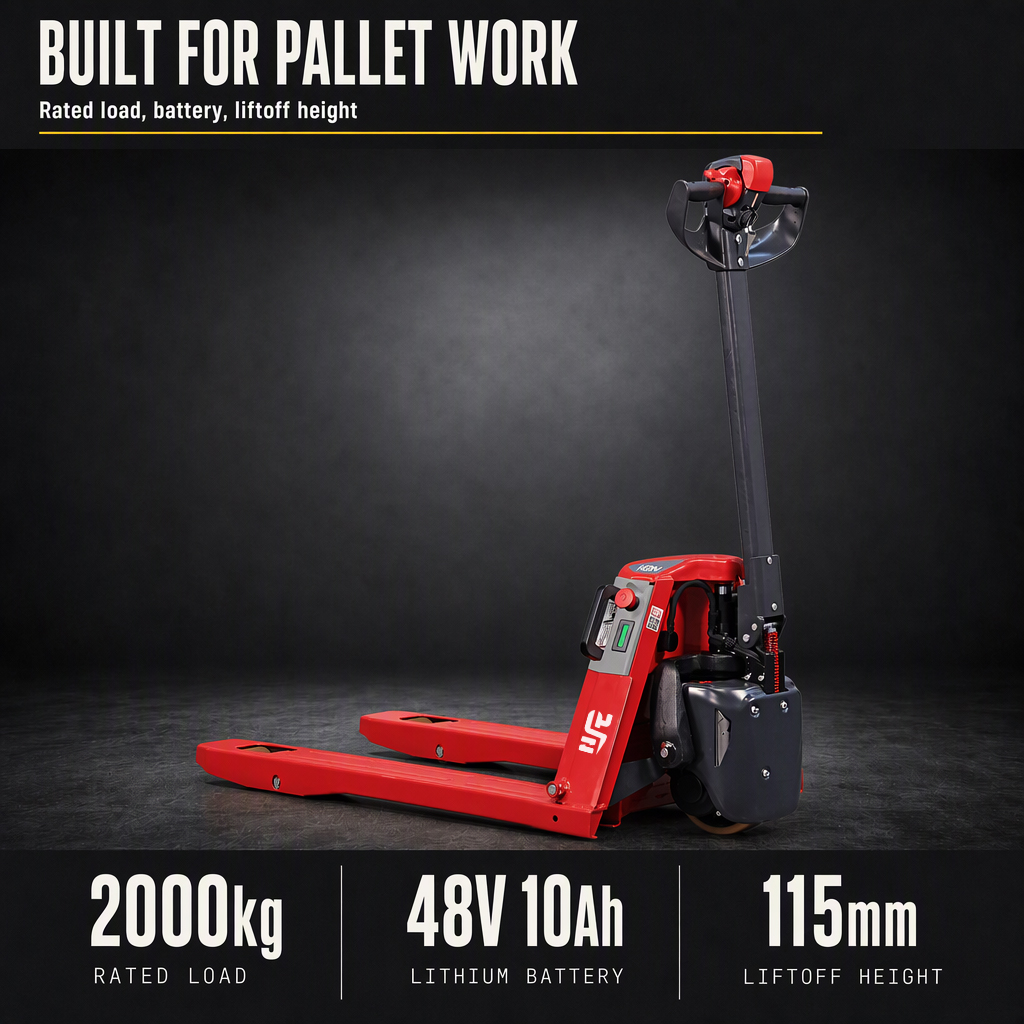
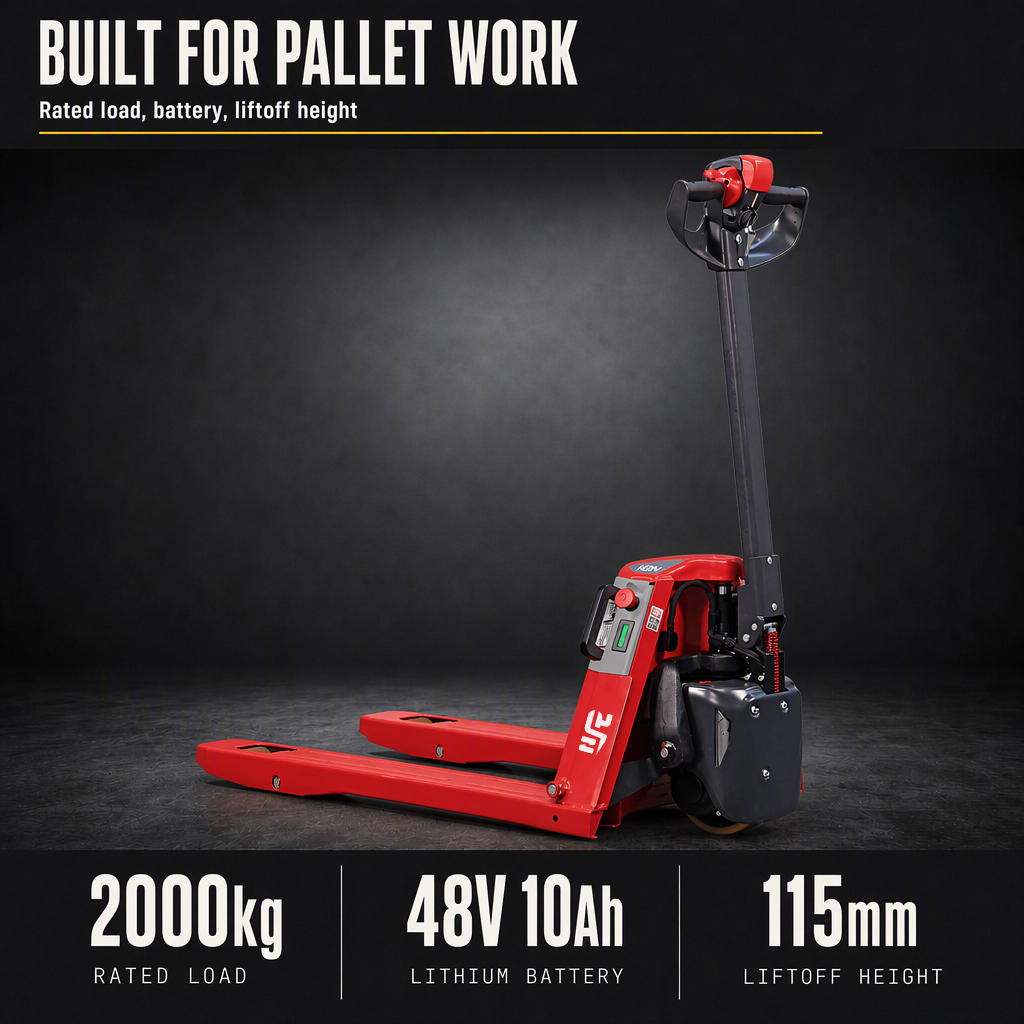
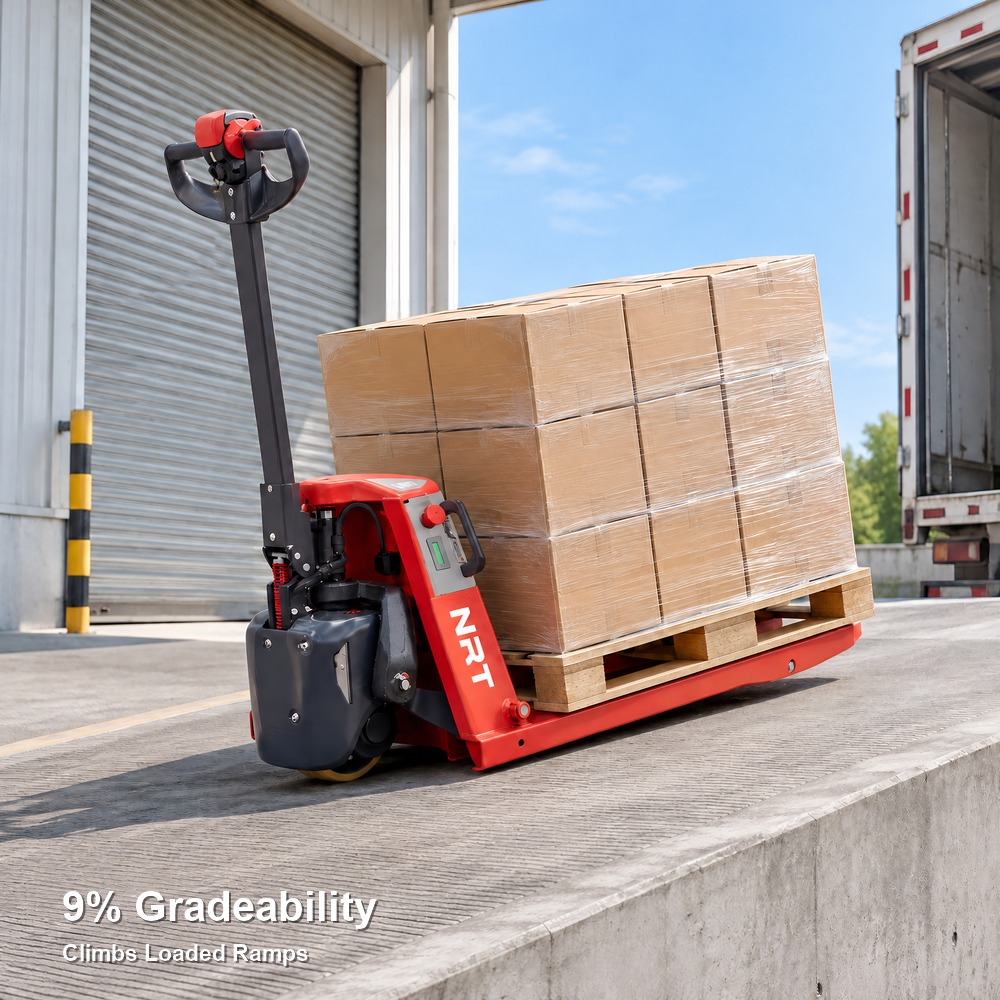
Near Seagirt Marine Terminal, Dundalk Marine Terminal and Curtis Bay, palletized cargo often moves from container stripping to staging, cross-docking and rail or truck loading. A 2-ton lithium pallet jack can reduce manual pushing, while a compact chassis helps in crowded freight docks. Confirm floor plates, dock transitions and battery charging windows before selecting a model.
Best fit: 2T lithium pallet jackCold Chain, Seafood & Food Distribution
Baltimore’s food, beverage and seafood distribution networks require low-noise, zero-local-emission equipment for indoor and cold-room work. Lithium electric pallet jacks and stackers support cleaner air and easier opportunity charging, but cold storage brings condensation, battery-temperature and washdown considerations. Share freezer temperature, entry transition and shift pattern so the configuration can be reviewed properly.
Best fit: lithium walkie pallet truckE-Commerce & 3PL Fulfillment
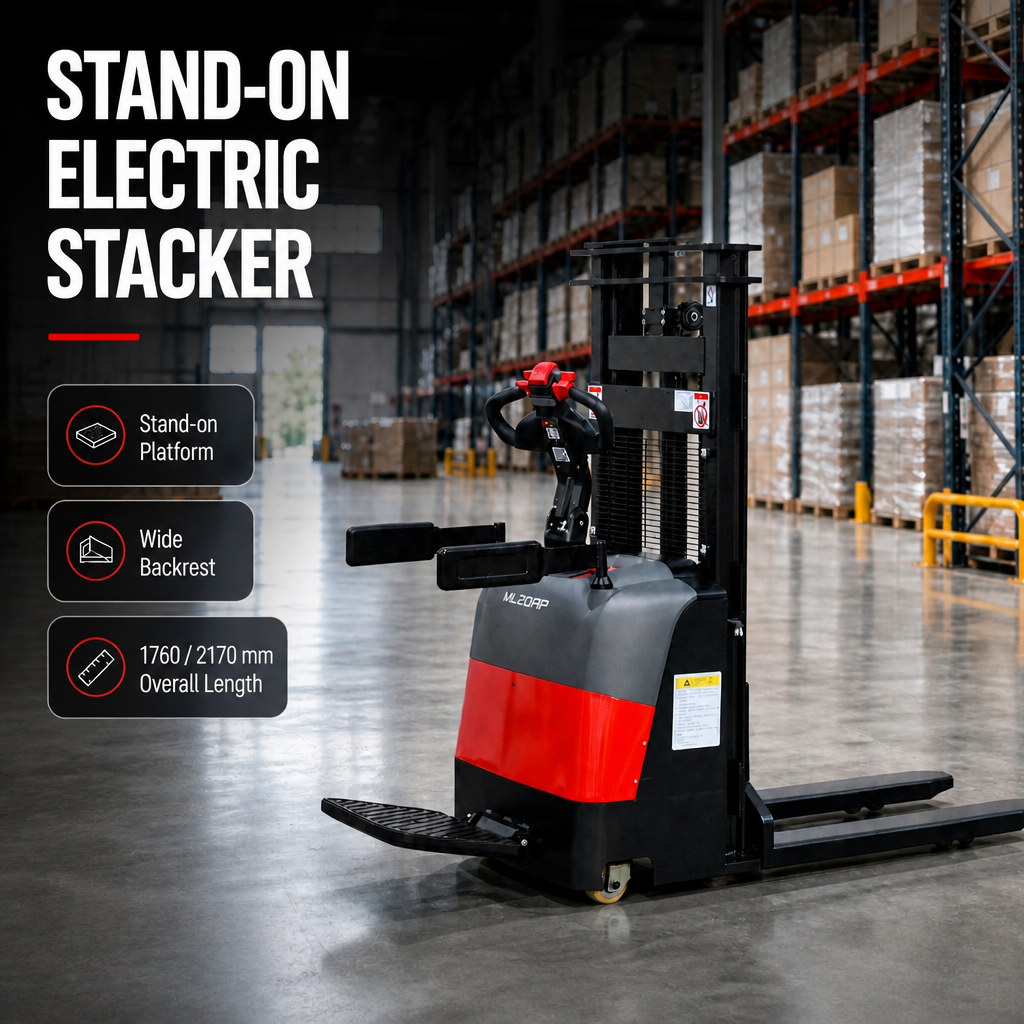
Along I-95, I-695, I-895 and the BWI corridor, fulfillment centers handle frequent inbound pallets, put-away, replenishment and outbound staging. Walkie pallet jacks are often paired with stand-on stackers to separate horizontal transport from racking tasks. If aisles are tight or pallet heights vary, the lift height and fork length should be checked against the actual rack beam and pallet overhang.
Best fit: walkie + stand-on stackerNarrow-Aisle Distribution & Racking
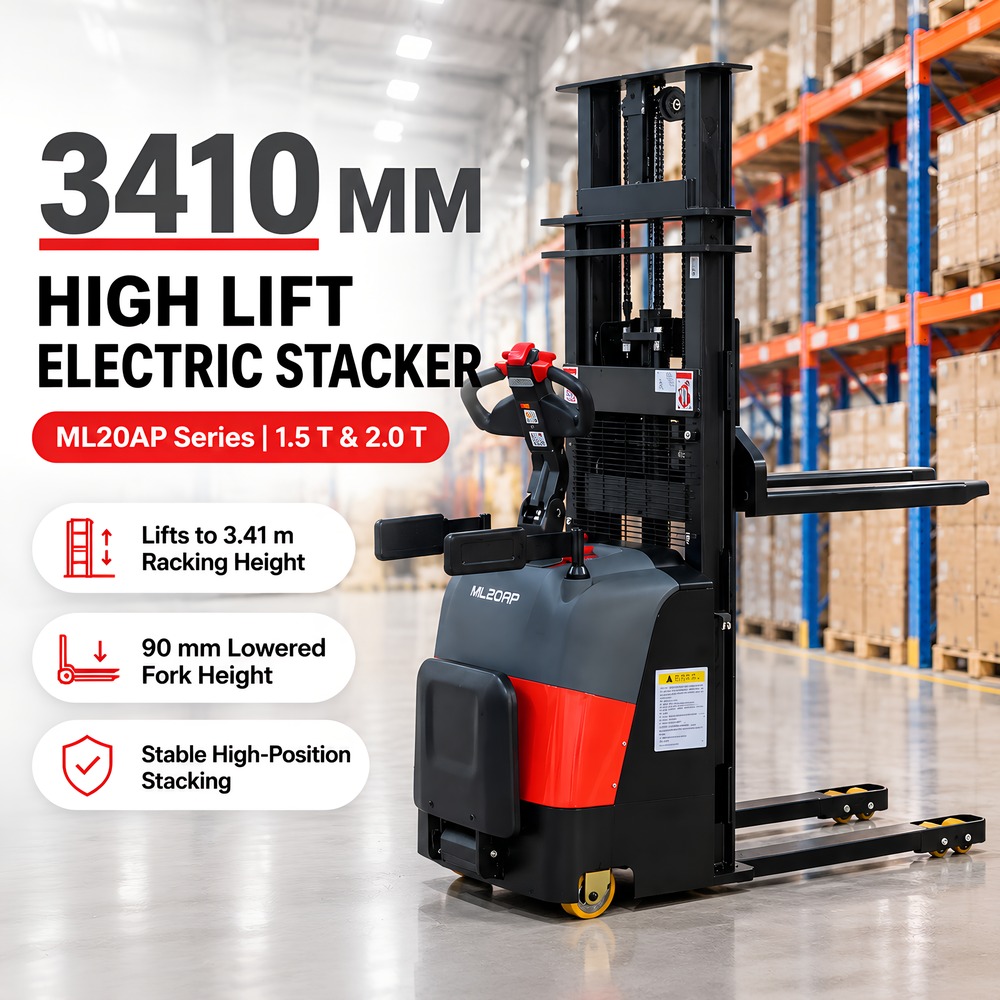
Older Baltimore-area buildings often have less generous aisles than new logistics parks. A stand-on electric stacker with up to 3,410 mm lift can be a practical option for medium-height racking and loading docks where a full counterbalance forklift is unnecessary. The equipment still needs a safety review for overhead obstructions, blind corners, pedestrian traffic and floor loading limits.
Best fit: 2000kg stand-on stackerBuilding Materials, Manufacturing & Fabrication
At Sparrows Point, Tradepoint Atlantic and surrounding fabrication shops, loads may include lumber, tile, fixtures, packaged steel products and heavy building materials. A heavy-duty 2-ton pallet jack is often the first step, but load center, fork length, wheel type and floor condition must be matched. For repeated lifting to racking, a dedicated stacker may be safer than a pallet jack alone.
Best fit: heavy-duty 2T pallet truckRetail, Pharmacy & Clean Indoor Logistics
Retail backrooms, pharmacies and light assembly spaces benefit from compact electric pallet jacks that can be charged like other battery equipment and used without exhaust emissions. Noise reduction and easy controls help reduce fatigue during frequent short moves. For multi-site operators, standardizing battery type, charger plugs and spare-part kits can simplify fleet management across Baltimore City and surrounding counties.
Best fit: compact lithium pallet jackBaltimore Material Handling Trends Shaping 2025–2026 Procurement
Pallet moving equipment decisions are moving from simple price comparison toward uptime, energy planning, aisle fit, labor availability and supply-chain resilience.
Electrification & Lithium Adoption
Baltimore operators continue to replace manual pallet handling and older battery assets with lithium-enabled pallet jacks and stackers. The procurement question is not only voltage; it is charging window, battery cycle life, operator training and spare charger capacity. Mid-shift opportunity charging can materially change fleet sizing.
Warehouse Densification
As vacancy tightens and rack heights increase, narrow-aisle stackers and compact pallet trucks become more valuable. However, densification can expose older floor slabs, door heights and column spacing. Buyers should validate turning radius, right-angle stack performance and overhead clearance rather than relying on catalog dimensions alone.
Automation-Ready Operations
Not every Baltimore warehouse is ready for automated guided vehicles, but many are preparing data, routes and pallet standards. Starting with standard pallet dimensions, clear travel lanes and disciplined battery charging can make a later move to AGVs or smart fleet management less disruptive. The pallet truck can be a first step rather than a dead-end purchase.
Port Resilience & Flexible Sourcing
Port-driven markets reward buyers who plan equipment around real cargo flows, not fixed annual estimates. Flexible order quantities, mixed-model containers and documented lead times help distributors respond to swings in drayage, retail restocking and project cargo. Export packing and clear Incoterms reduce friction when delivery schedules shift.
How to Specify Pallet Moving Equipment for a Baltimore Facility
Start with the load, aisle and duty cycle — not the price list. For a Baltimore warehouse, collect the maximum pallet weight, load center, pallet width and depth, rack beam height, aisle width at the tightest point, floor type, dock plate condition and required vertical lift. Then define how many hours per shift the equipment will run, how many shifts per day, and whether charging can happen between tasks.
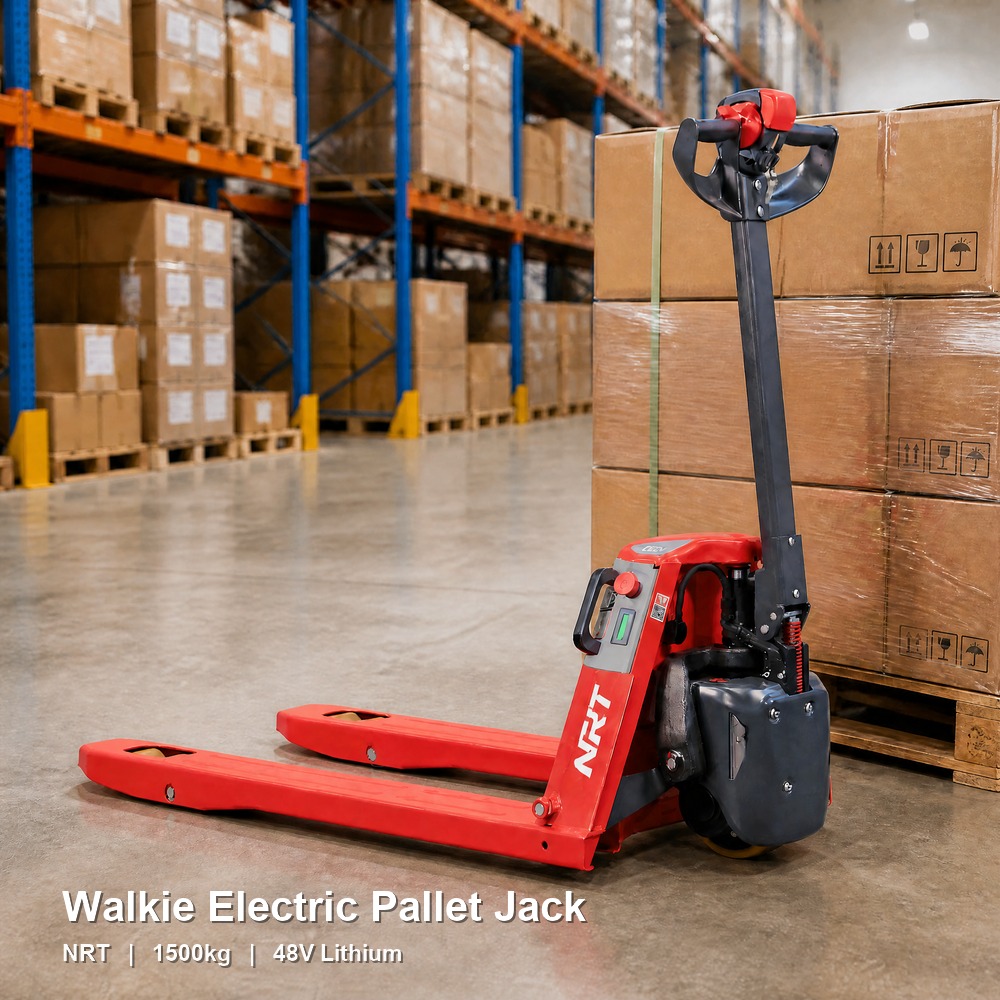
A 1,500 kg walkie pallet jack and a 2,000 kg stand-on stacker may look similar in a quotation, but they solve different problems. The walkie truck is usually optimized for horizontal transport, container stripping and dock work. The stacker adds lifting to racking or mezzanine staging. A heavy-duty 2-ton pallet jack may be the right answer for building materials, but only if the fork length, wheel material and floor expansion joints are suitable. This is where application engineering adds value: matching the equipment to the task so the operator does not compensate for the wrong purchase.
Total cost of ownership in the Baltimore market should include charger installation, battery life, downtime for routine maintenance, operator training and spare-parts stocking. For multi-location fleets, standardizing charger plugs and common wear parts can be as important as the initial unit price. Before shipment, confirm the equipment’s use environment and safety requirements against local facility rules, including any site references to ANSI/ITSDF B56.1 or OSHA 1910.178. Final configuration should always be validated with the site risk assessment and a licensed electrician for charging infrastructure.
- Load capacity and load center
- Aisle, rack and door dimensions
- Battery, charger and shift pattern
- Floor, dock and wheel compatibility
Baltimore Buyer Selection Weighting
Illustrative planning weights based on typical distributor and fleet inquiries. Validate with your actual site data before ordering.
A low-price unit that does not fit the aisle or duty cycle often creates more cost through slower moves, operator fatigue and extra equipment than it saves at purchase.
Collect Site Data
Pallet weight, load center, aisle width, rack height, floor condition, dock details and daily moves.
Configure the Unit
Capacity, fork length, lift height, battery, charger, wheels, branding and optional attachments.
Validate Safety & Power
Review overhead clearance, pedestrian traffic, charging location, plug type and local electrical requirements.
Plan Export & Delivery
Confirm packaging, documents, Incoterms, payment method and a realistic production and shipping window.
The Pexal Export Advantage: Verified, Customizable & Dealer-Ready
For Baltimore importers, the most expensive supplier is the one that creates surprises after the deposit is paid. Pexal’s export model is built around verifiable company information, configurable products and documented trade terms. Our company has passed an onsite check and a supplier assessment conducted by SGS Group, and our verified company video is available for buyers to review. Business type, main products, main markets and customization capabilities have been reviewed through third-party verification.
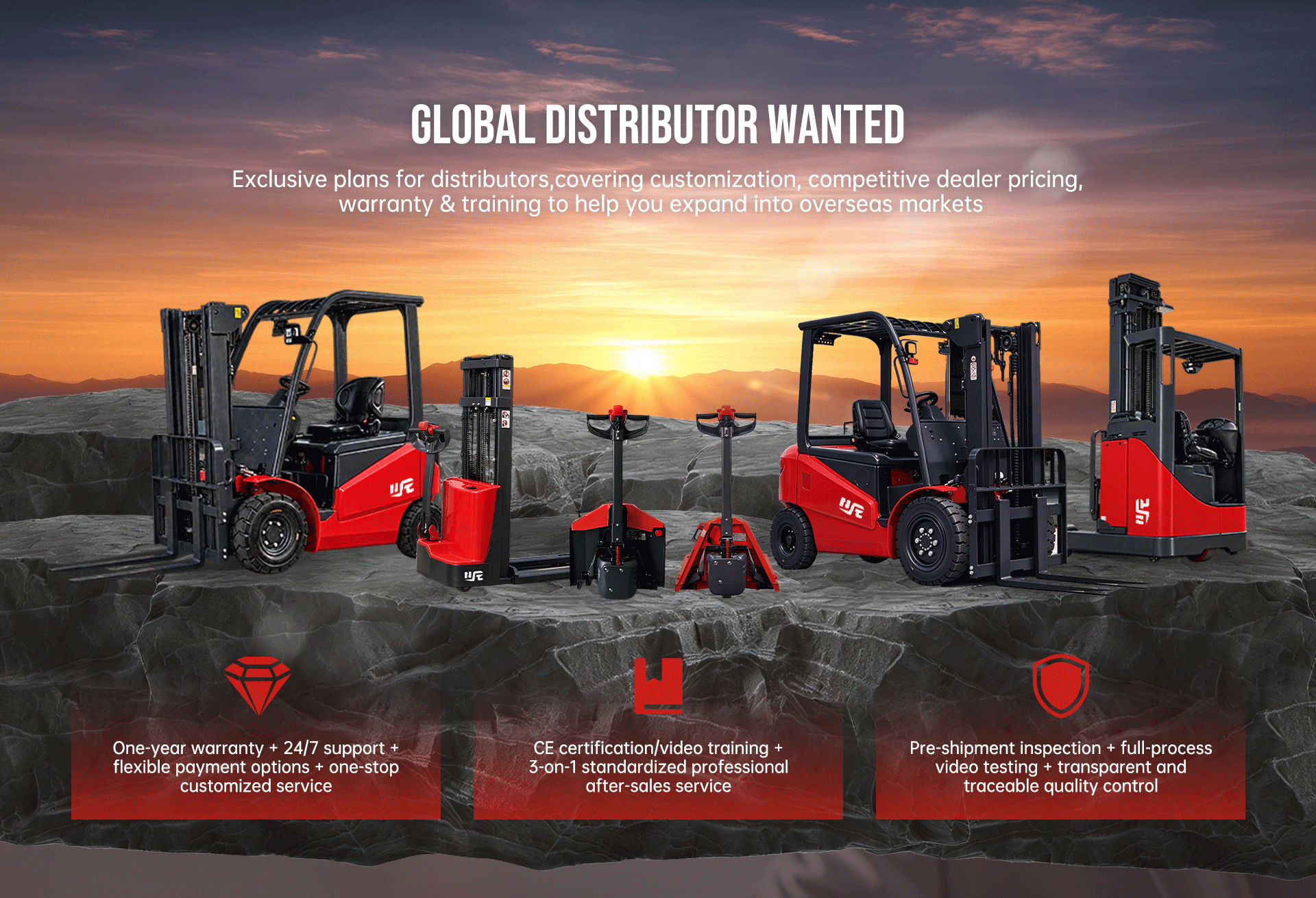
We support sample-based customization, full customization and ODM services. That means your Baltimore dealership or fleet account can request mast height, fork length, battery type, color, logo and attachment configuration rather than accepting a one-size-fits-all specification. Pre-shipment quality control reviews lifting, travel, braking and electrical systems before dispatch. Export packaging is planned around ocean freight, and our team can discuss FOB, CFR, CIF, EXW, FCA, CPT, CIP and DDP terms based on the final destination and buyer preference.
- SGS-assessed supplier with onsite check
- Sample, full and ODM customization
- Pre-shipment functional QC
- Export packaging and documentation support

Questions Baltimore Buyers Ask Before Ordering Pallet Moving Equipment
Direct answers for importers, dealers, warehouse managers and fleet owners comparing electric pallet jacks, walkie pallet trucks and stand-on stackers.
What pallet moving equipment is best for a Baltimore warehouse?
It depends on the aisle, load and lift height. For horizontal transport, container stripping and dock work, a 1,500–2,000 kg lithium walkie pallet jack is often the first choice. For narrow aisles and racking, a stand-on electric stacker with the right lift height may be better. For cold storage, food distribution or clean indoor logistics, electric lithium equipment is usually preferred, but battery temperature, charging and condensation must be reviewed. Share your site data and we will help narrow the options.
Can you export electric pallet jacks and stackers to Baltimore?
Yes. We regularly support export orders from Xiamen to North American buyers, including Baltimore and the Mid-Atlantic. The final route, port of discharge, customs broker and delivery terms should be confirmed before shipment. We can discuss FOB, CFR, CIF, EXW, FCA, CPT, CIP and DDP options, along with export packaging and documentation. For door delivery, confirm the exact address, receiving hours and unloading capability.
How do you configure chargers and voltage for U.S. facilities?
We confirm the available power at the charging location, including 110V or 230V single-phase or three-phase supply where applicable, plug type, circuit capacity and charge window. The final charger selection must be validated by a licensed electrician against the facility’s electrical code and safety program. Do not assume a charger plug will match an existing outlet; share a photo of the outlet and breaker information when requesting a quotation.
What is the typical lead time for a Baltimore order?
Lead time depends on model, quantity, battery configuration, customization, production schedule, ocean freight availability and customs clearance. Standard models and simple color or logo changes may move faster than full ODM builds. For planning, request a written production and shipping schedule with the quotation. Baltimore buyers should also allow time for port discharge, drayage and receiving appointments, especially during peak import periods.
Do you provide spare parts and after-sales support for Baltimore dealers?
Yes. We can support spare-parts planning for wear items, chargers, batteries, wheels, controllers and hydraulic components. For first orders, we recommend reviewing an initial spares kit based on fleet size and duty cycle. Remote technical support and documentation can help your service team diagnose common issues. The most reliable approach is to identify critical parts before shipment so they can be included in the same container or quoted separately.
Which models suit cold storage, seafood and food distribution?
Lithium electric pallet jacks and stackers are commonly considered for cold-chain and food facilities because they produce no local exhaust emissions and operate quietly. However, cold rooms require attention to battery temperature, condensation, charger placement and washdown practices. Share the freezer temperature, transition zone, floor condition and daily run time. The equipment should be selected with the facility’s food-safety and maintenance teams, not only by capacity.
What are your MOQ and customization options?
MOQ depends on the model and configuration. We support sample-based customization, full customization and ODM service, including mast height, fork length, battery type, color, logo and attachment configuration. For a new market test, discuss your target specification and annual volume so we can recommend a practical starting order. Custom orders require approved drawings or samples before production.
What Incoterms and payment terms do you accept for Baltimore buyers?
We accept common delivery terms including FOB, CFR, CIF, EXW, FCA, CPT, CIP and DDP, subject to the final route and order details. Payment methods can include T/T, L/C, D/P, D/A, Western Union, PayPal, credit card and escrow. Accepted currencies include USD, EUR, GBP, JPY, CAD, AUD, HKD, CHF and CNY. Final terms are confirmed in the quotation and sales contract.
Request a Baltimore-Specific Pallet Moving Equipment Recommendation
Send your load weight, pallet size, aisle width, rack height, floor condition, daily pallet moves, charging plan and target delivery window. Our export application team will return a practical configuration, customization options, packaging plan and export quotation. Email: info@pexalbot.com