Pallet Moving Equipment for Ottawa Warehouses, Dealers and Cold-Chain Operators
Ottawa buyers rarely need “generic” pallet equipment. They need machines that fit freight elevators in multi-level buildings, survive winter dock conditions, turn inside compact warehouses, and keep grocery, building-material and e-commerce flows moving without avoidable downtime.

Why Ottawa Procurement Teams Compare Factory Capability Before Price
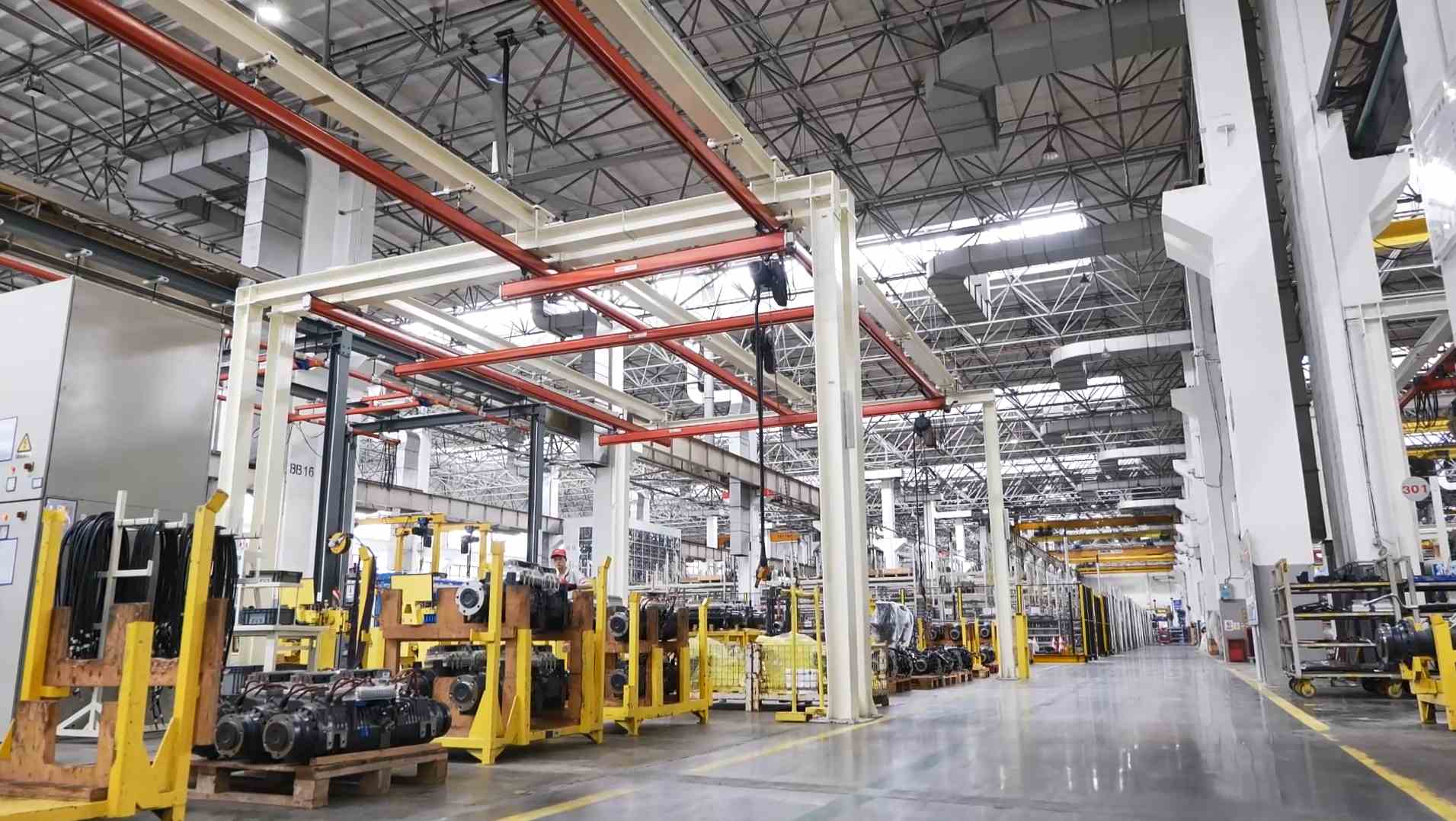
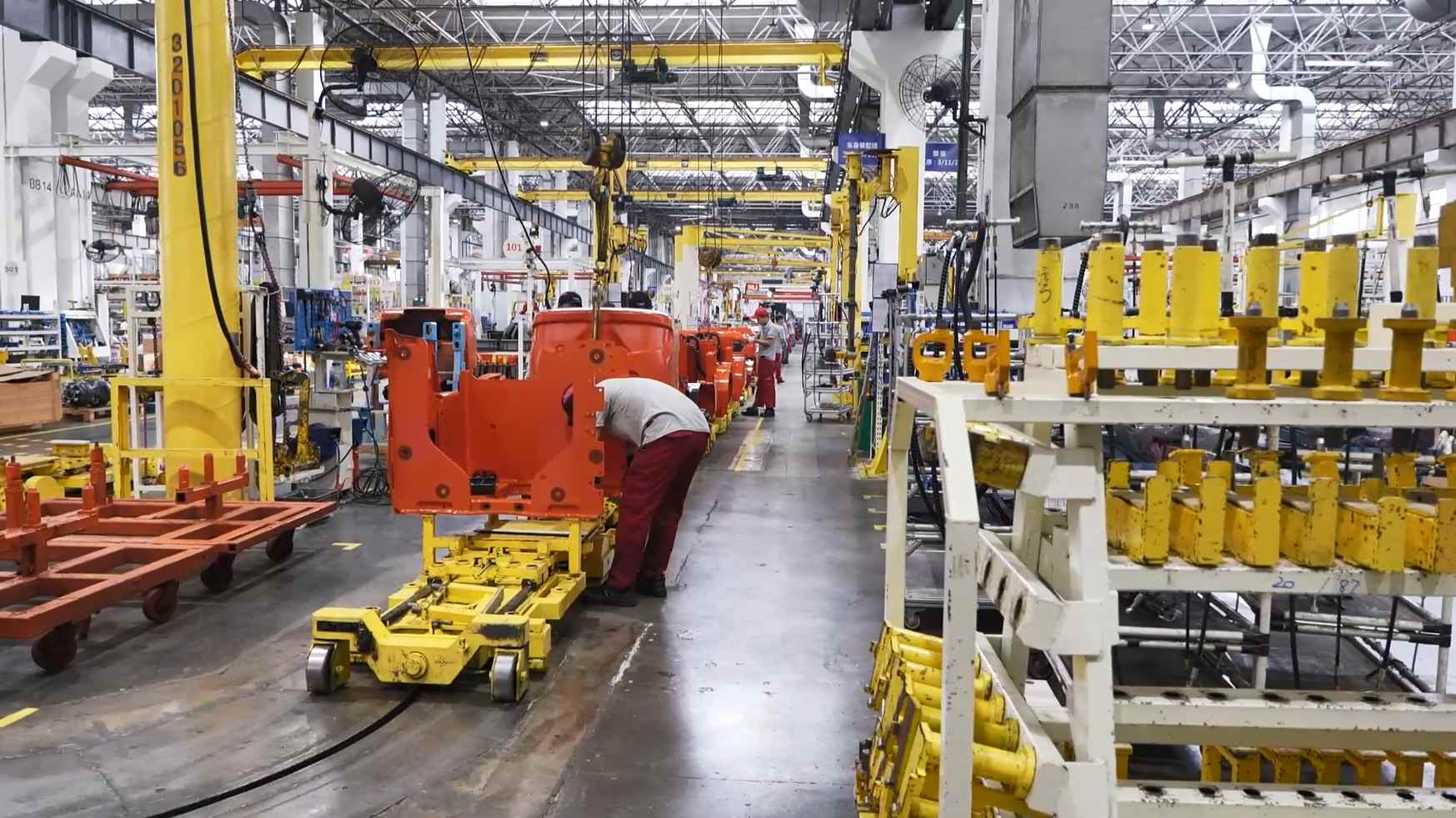
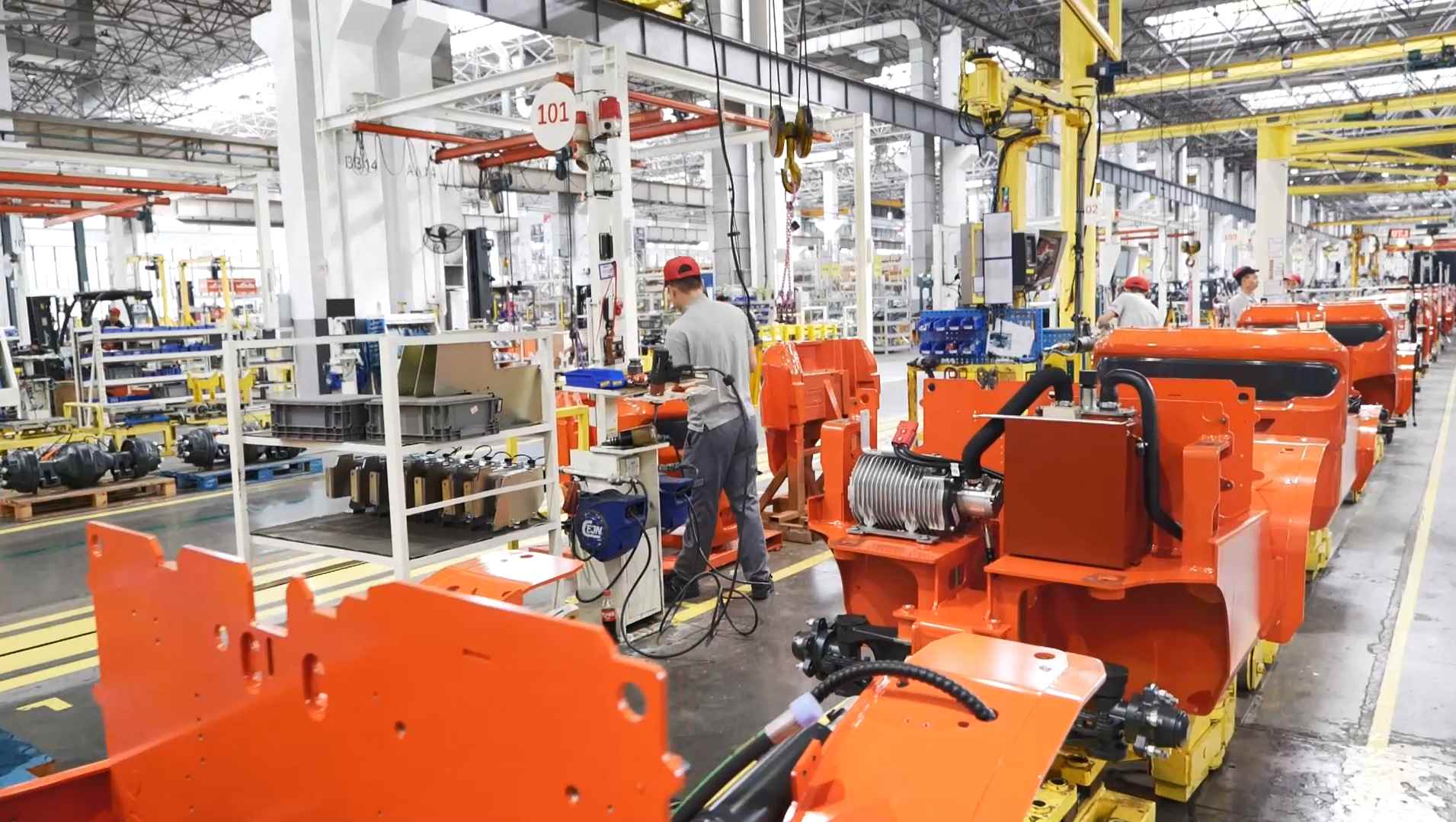
Xiamen Pexal Technology Co., Ltd. is an export-focused material handling supplier based in Xiamen, Fujian. We support Ottawa dealers, rental fleets and facility operators with a practical factory-direct route to electric pallet trucks, walkie pallet jacks, electric stackers and related warehouse equipment. Our work is built around a 220,000 m² partner manufacturing campus, more than 1,200 employees, and over 100 engineers focused on electric handling equipment.
For Ottawa, this means more than a catalog link. It means application questions, voltage and charger planning, cold-weather operating notes, export documentation, packaging, and a realistic path from a single test unit to recurring dealer stock. We do not claim a local Ottawa warehouse; we support Ottawa buyers factory-direct, with clear lead times and export terms discussed before order confirmation.
- SGS onsite-checked supplier
- OEM, ODM and full customization
- Electric pallet trucks and stackers
- Export terms from EXW to DDP
8 Pallet Moving Machines Matched to Ottawa Handling Scenarios
The shortlist below covers narrow freight elevators, container unloading, cold storage, loading docks, high racking and heavy-duty 2-ton warehouse work. Model URLs and original product images are retained so Ottawa buyers can review specifications without losing the factory context.
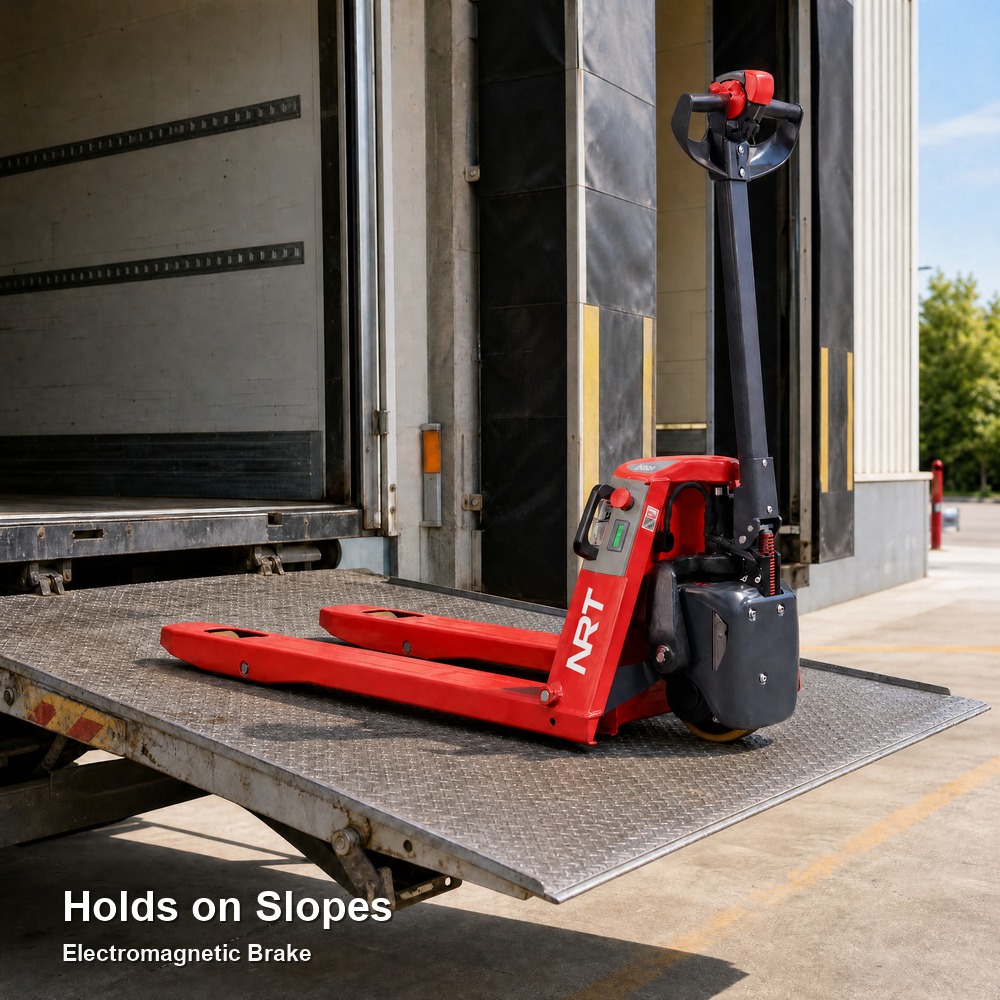
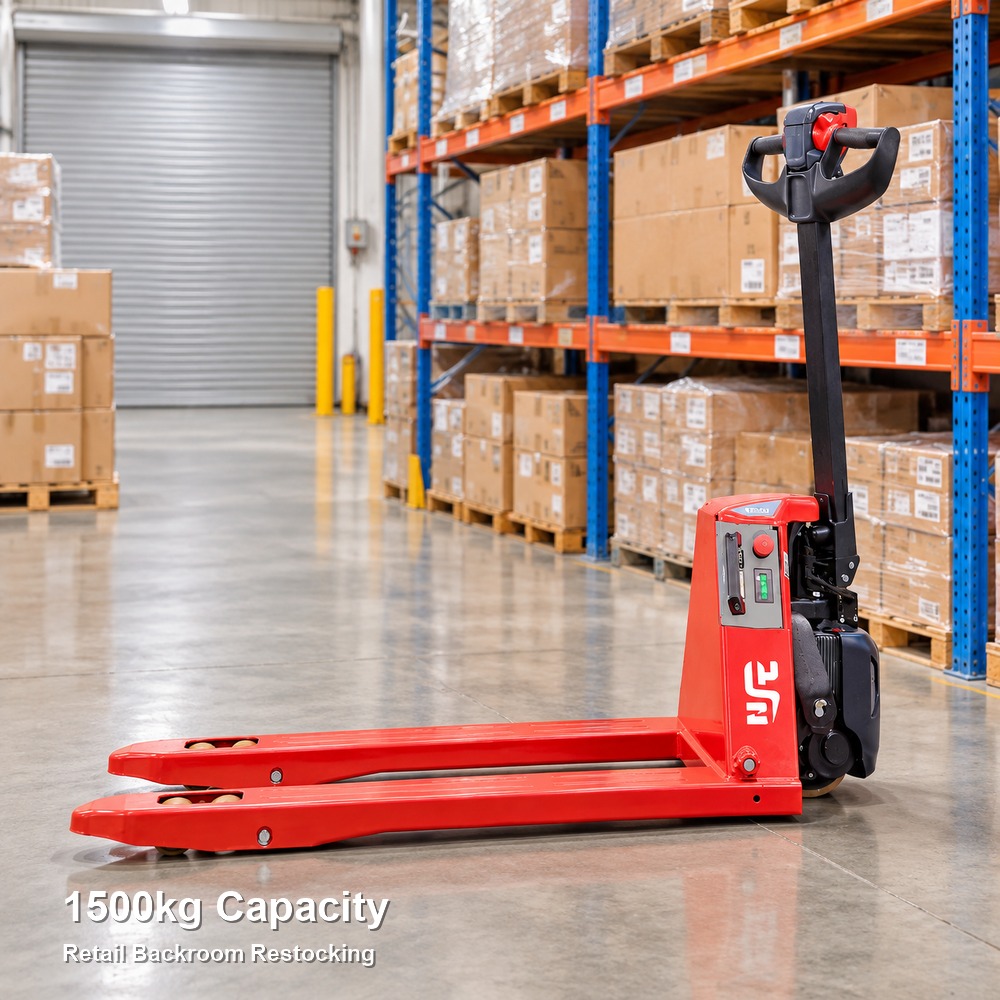
Electric Pallet Jack 1500kg 300mm Slim Body Walkie Pallet Truck for Elevator Freight Box Narrow Aisle Handling
A practical choice for Ottawa multi-level retail, mixed-use buildings and compact backrooms. The 300 mm slim body helps with freight-box and elevator access where conventional pallet trucks feel too wide. Good for short-haul pallet movement, stocking and light dock work.
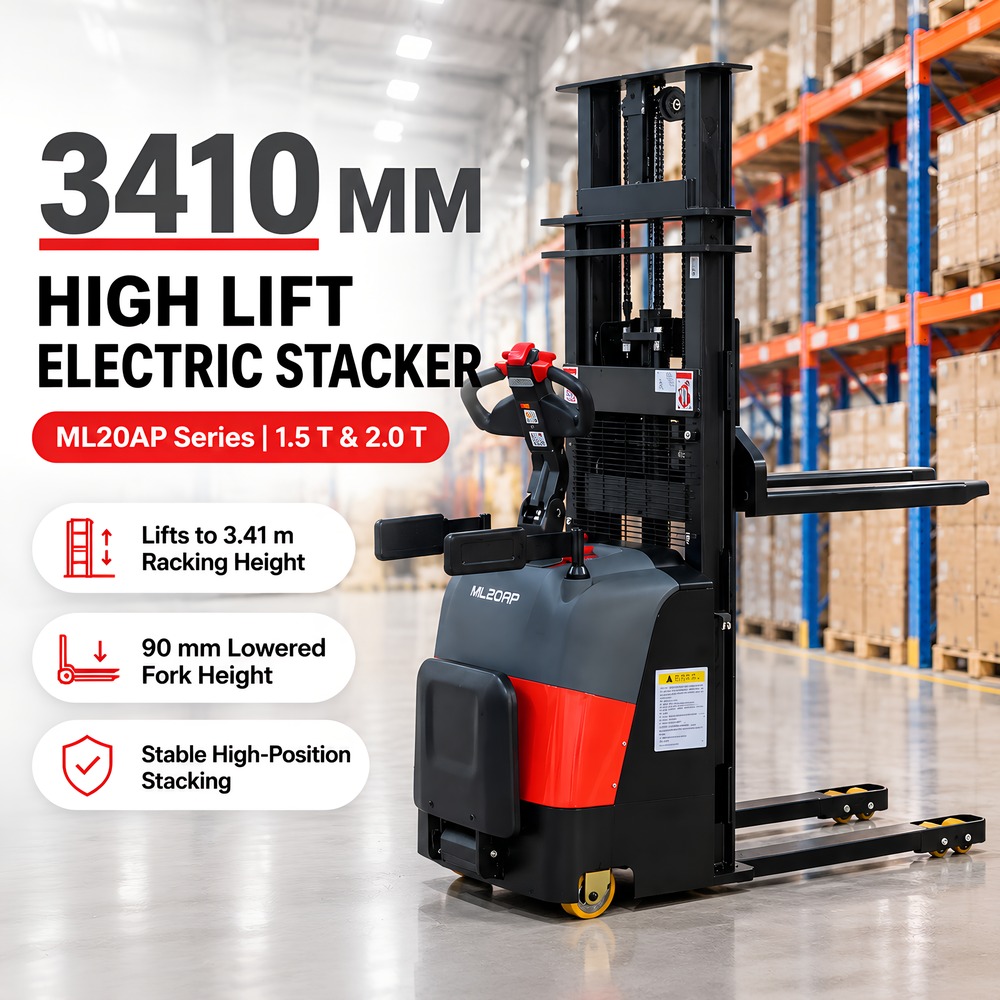
ML20AP Stand on Electric Stacker Truck 2000kg Warehouse Stacker for Narrow Aisle Loading Dock Building Material Shops
For Ottawa building-material suppliers, hardware yards and loading docks that need more than a pallet jack but less footprint than a counterbalance forklift. The stand-on format supports repeated lifting and travel in narrow aisles, with 2,000 kg capacity for denser pallet loads and racking work.
Cold Storage Electric Pallet Jack -20C Working 48V Lithium Battery Pallet Truck Walkie Type 1500kg 2000kg
Designed for Ottawa cold-chain and food-distribution environments where freezer rooms, chilled docks and rapid temperature transitions are normal. The 48 V lithium battery platform and walkie configuration support indoor handling without local emissions. Confirm charger placement, condensation control and battery temperature strategy before order.
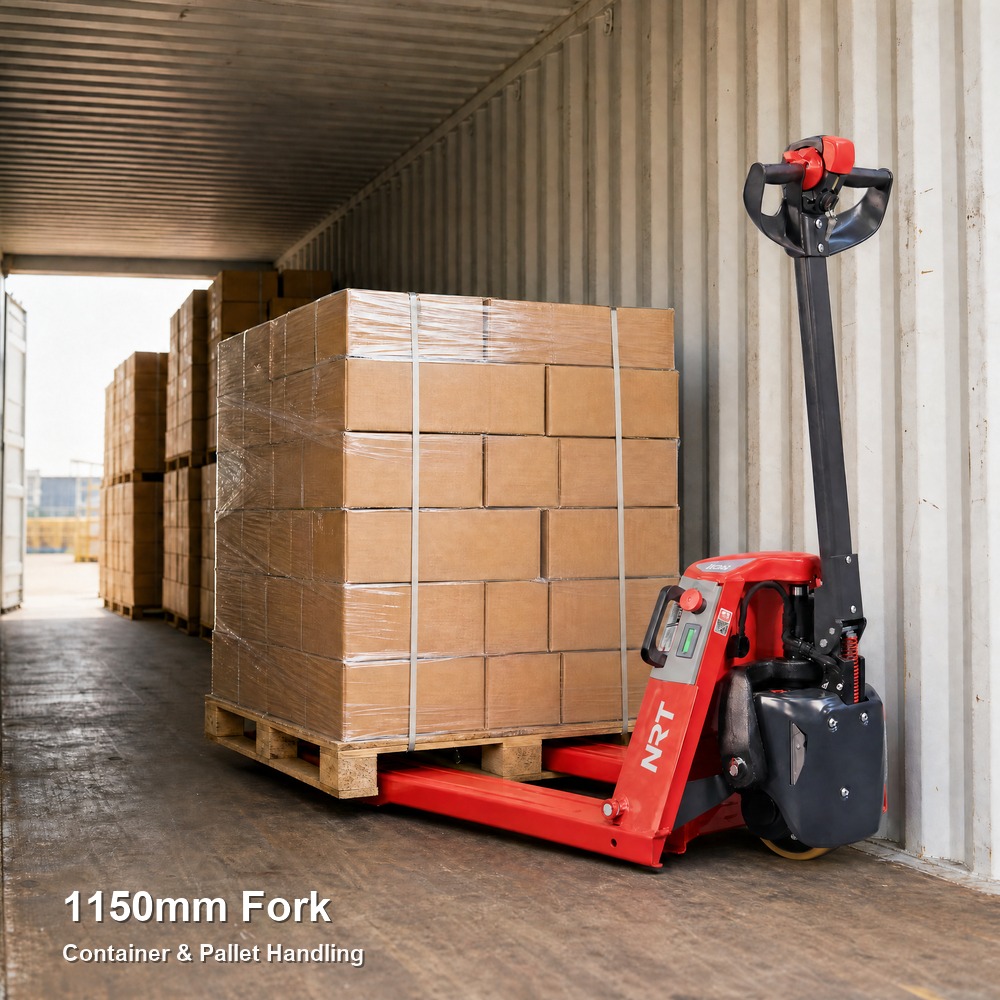
Walkie Electric Pallet Jack 1500kg Fork 1150mm Pallet Truck Battery Powered for Container Unloading Shop Floor
An efficient walkie electric pallet jack for Ottawa importers unloading containers, moving pallets across shop floors and servicing retail stockrooms. The 1,150 mm fork and battery-powered travel reduce operator fatigue compared with manual pallet trucks, while the compact format suits tight dock zones and short transport routes.
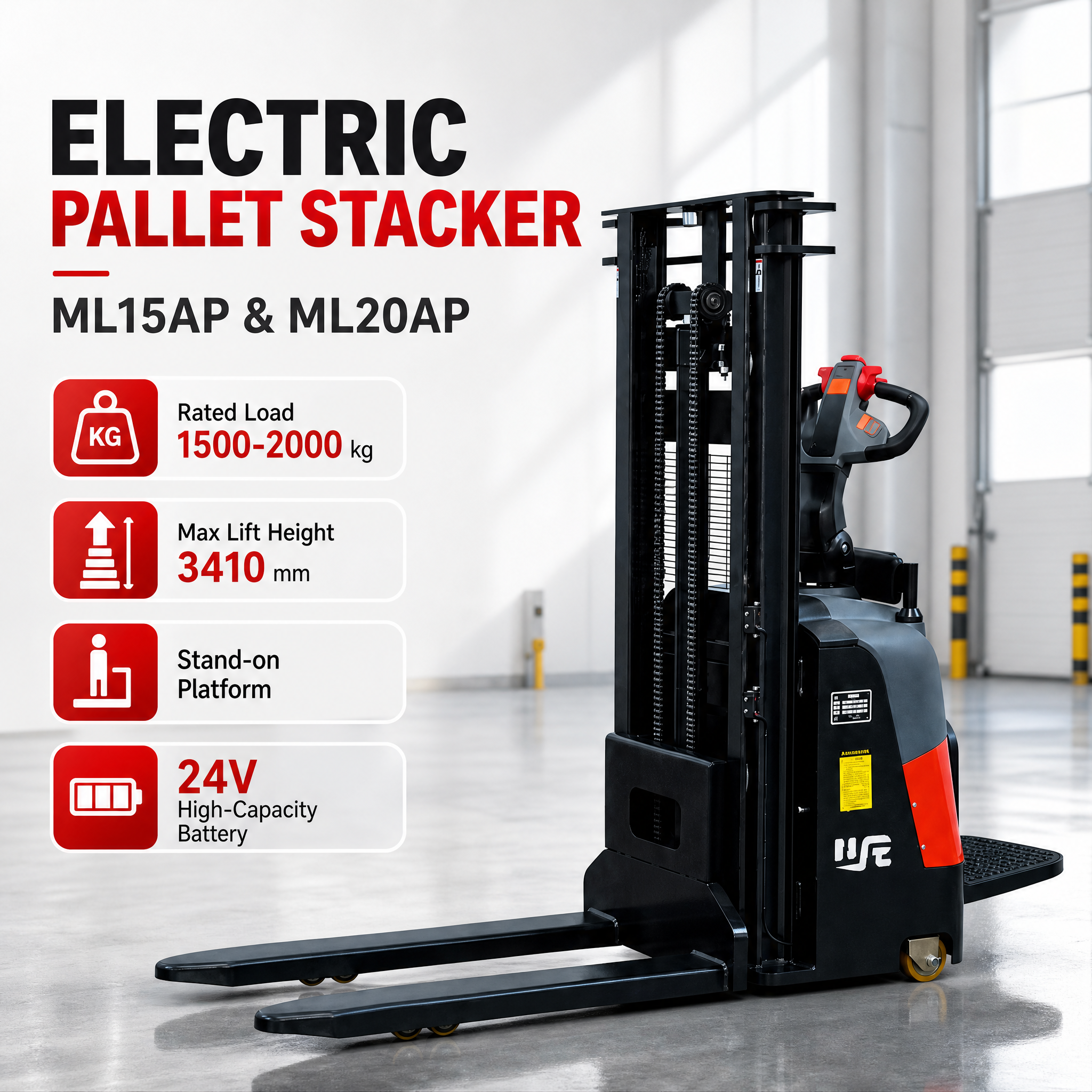
Stand on Electric Stacker 2000kg Centre Mounted Drive Twin Balance Wheels Stable High Racking Stacking
Built for Ottawa warehouses moving toward denser racking and narrower aisles. Centre-mounted drive and twin balance wheels support stability during high-racking stacking, while the stand-on platform helps operators cover longer travel distances than walk-behind stackers. A strong fit for 3PLs and wholesale distribution.
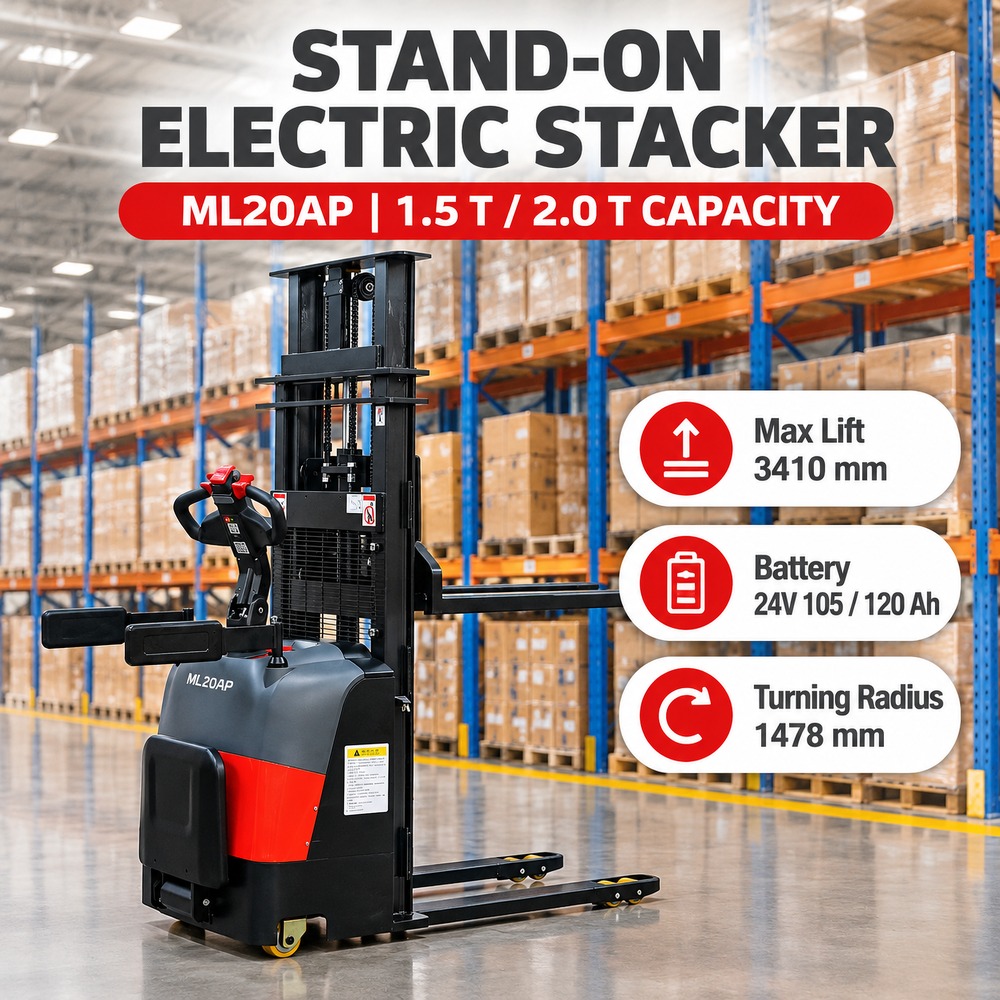
Warehouse Stacker Truck 1500kg 2000kg Electric Pallet Stacker 24V 105Ah Maintenance Free Battery
A value-focused electric pallet stacker for Ottawa warehouses, storage rooms and distribution centers that need routine stacking without a full forklift fleet. The 24 V 105 Ah maintenance-free battery reduces daily battery servicing, and the 1,500/2,000 kg class covers common palletised goods, cartons and light industrial loads.
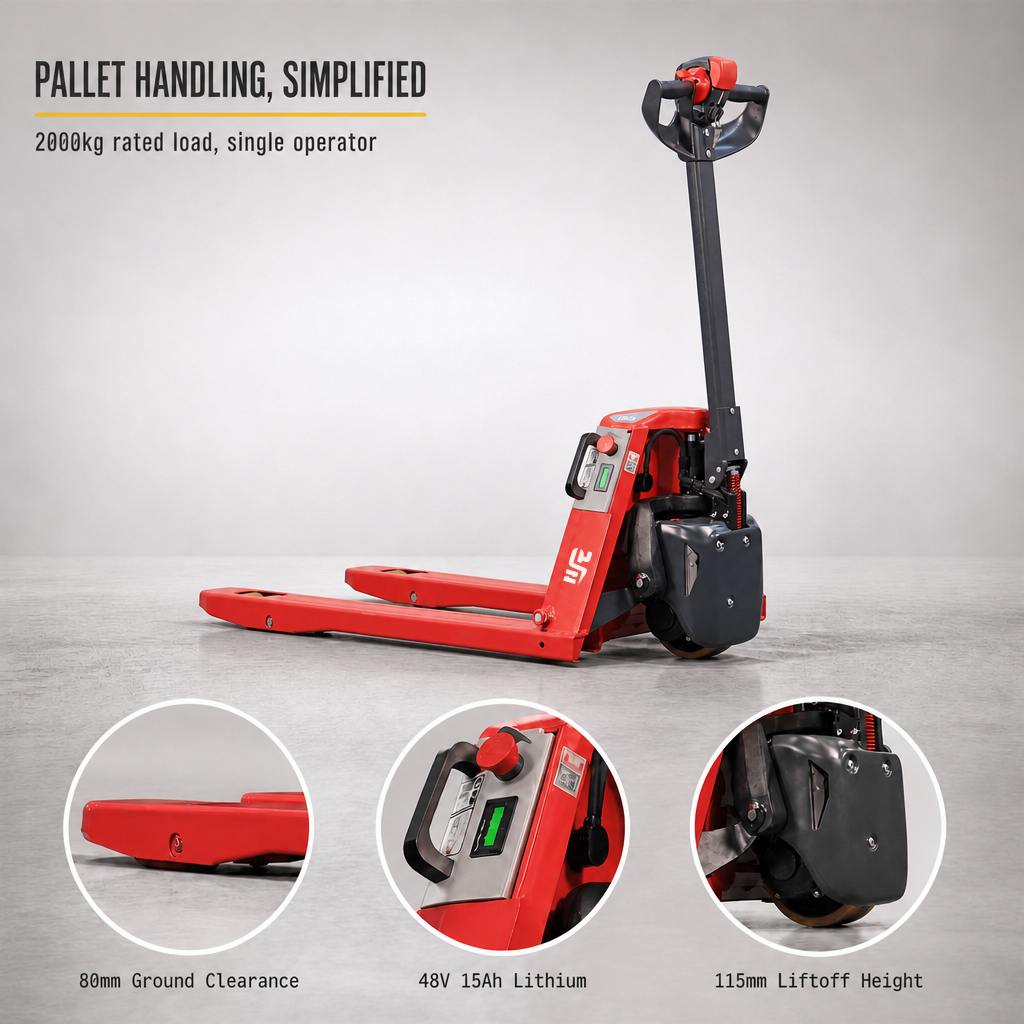
NB20L01LD 2000kg Electric Pallet Truck Lithium Battery 4.8km/h Speed 1245mm Turning Radius Jack
Useful for Ottawa facilities where tight turning and quick pallet turns matter more than long-distance travel. The 1,245 mm turning radius supports maneuvering in compact warehouses, retail backrooms and dock areas. The 2,000 kg lithium-battery platform is suited to multi-shift operations when charging is planned correctly.
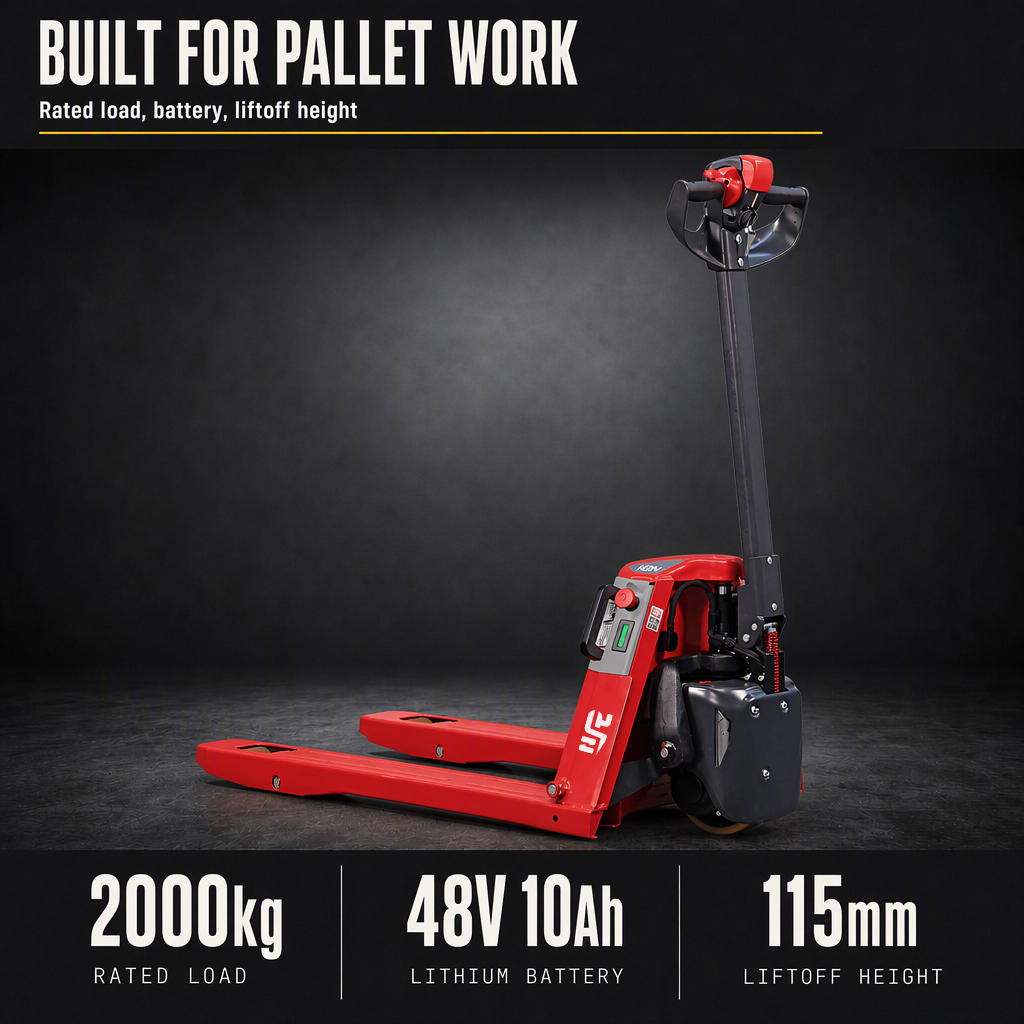
Professional Electric Pallet Jack 2 Ton 2000kg Capacity Heavy Duty Power Pallet Truck with Easy Control System for Warehouse
A heavy-duty 2-ton electric pallet jack for Ottawa warehouses, manufacturing cells and 3PL operations handling dense or repetitive pallet flows. The easy control system helps new operators become productive quickly, while the robust build supports daily warehouse use where manual pallet trucks no longer keep pace.
Where Pallet Moving Equipment Works in Ottawa and the Capital Region
Ottawa’s material handling demand is shaped by government-adjacent logistics, grocery and cold chain, building supply, e-commerce parcel flows, multi-level retail and compact urban warehouses. The right equipment mix depends on door widths, freight elevator dimensions, floor conditions and winter dock realities.
Multi-Level Retail and Freight Elevators
Downtown Ottawa and mixed-use buildings often impose tight elevator doors, short turning zones and limited storage rooms. A slim-body electric pallet jack helps move palletised stock without the footprint of a counterbalance forklift. Measure the freight-box opening, door threshold and floor loading before specifying.
01Cold Chain and Grocery Distribution
Freezer rooms, chilled docks and rapid air changes make cold-storage electric pallet jacks relevant for Ottawa food distributors. Low-temperature batteries, charger placement and condensation control should be discussed before the unit arrives. The goal is stable daily throughput, not a headline-only “cold rating”.
02Building Supply Yards and Loading Docks
Ottawa building-material shops, hardware distributors and contractors need stackers that can lift denser pallets at the dock or in the yard. A stand-on electric stacker with 2,000 kg capacity supports repeated loading and racking, while keeping the machine narrower than a traditional forklift in constrained storage areas.
03E-Commerce and Parcel-Flow Warehouses
Kanata, Nepean, Gloucester and the Highway 417 corridor host fulfillment and distribution operations where pallets move between receiving, put-away, picking and dispatch. Walkie pallet jacks and compact electric pallet trucks reduce manual pushing, while lithium options can support multi-shift routines when charging infrastructure is planned properly.
04Narrow Aisles and Dense Racking
As Ottawa warehouse space remains expensive, more operators add racking levels and narrow picking aisles. Stand-on stackers and high-racking models can improve cube utilization, but the specification must match aisle width, lift height, pallet overhang and operator training. Do not size a stacker from capacity alone.
05Container Unloading and Import Receiving
Ottawa importers receiving containers from Asia, Europe or the United States need equipment that starts working immediately at the dock. Battery-powered walkie pallet jacks with suitable fork length can unload palletised freight faster than manual trucks, then move goods to staging, retail floors or storage rooms.
06Ottawa Pallet Handling Trends Shaping 2025–2026 Procurement
Ottawa buyers are not only comparing purchase price. They are comparing uptime, battery strategy, indoor air quality, narrow-aisle fit, operator training and after-sales clarity. These trends influence which electric pallet jack or stacker makes sense for a given facility.
Electrification and Indoor Air Quality
Electric pallet trucks and stackers reduce local exhaust emissions and noise, which matters for indoor warehouses, food facilities and multi-use buildings. For Ottawa operations with indoor charging, plan ventilation, charger location and charging windows rather than treating the battery as an afterthought.
01Cold-Climate Battery Planning
Ottawa winters make battery behavior a practical procurement question. Lithium and lead-acid systems respond differently to low temperatures, and freezer applications require clear charging rules. Ask for operating guidance covering charge temperature, storage, condensation and daily duty cycle before selecting a cold-storage pallet truck.
02Warehouse Densification
Ottawa industrial space is increasingly planned around higher racking and tighter storage. That pushes buyers toward stackers with stable high-racking performance and pallet trucks with compact turning radii. The most common specification mistake is buying for today’s aisle while ignoring next year’s racking layout.
03Labor Availability and Training
When warehouse teams are stretched, easy-to-operate electric pallet jacks help reduce manual handling fatigue and shorten onboarding. Controls, visibility, braking feel and battery swap routines should be evaluated with the actual operators, not only from a spec sheet.
04Landed-Cost Transparency
Ottawa importers increasingly compare total landed cost, not only FOB price. Incoterms, port charges, customs documentation, packaging, spare parts and battery configuration all affect the real budget. A factory quote should make these components clear enough for finance and operations to review together.
05After-Sales and Spare-Parts Clarity
Ottawa buyers need to know how wear parts, chargers, controllers and hydraulic components will be supported after delivery. A serious factory partner should provide spare-parts lists, diagnostic guidance and a practical escalation path for dealer or end-user technicians.
06How Ottawa Buyers Should Specify Pallet Moving Equipment
Before requesting a price, collect four sets of facts. This reduces back-and-forth, avoids under-specified equipment and makes factory recommendations more accurate for Ottawa buildings, winter conditions and Canadian electrical planning.
Define the Load and Pallet
Record maximum pallet weight, pallet size, load center and whether loads are stable or awkward. A 2,000 kg rating is only meaningful when the load center, fork length and lift height match your actual pallet.
Measure the Ottawa Site
Measure aisle width, door and freight-elevator openings, racking height, dock plate condition and floor slope. For cold rooms, note operating temperature and defrost cycles. These details determine whether a slim pallet jack, walkie truck or stacker is the right fit.
Plan Battery and Charging
Confirm shift length, charging window, available charger voltage and indoor charging location. Ottawa buyers should verify local electrical requirements with a qualified electrician, including 120 V, 240 V or three-phase options where applicable, before finalizing the charger.
Lock Documentation and Spares
Agree on Incoterms, packaging, manuals, spare-parts list and warranty terms. For Canada, confirm any required certification or labelling expectations before production. Clear documentation is part of equipment reliability, not paperwork afterthought.
A Verified Material Handling Supplier for Ottawa Importers
E-E-A-T is not a slogan. Ottawa buyers need to see who the supplier is, how the factory is assessed, what can be customized, and how export trade terms are handled. These are the facts behind Pexal material handling supply.
SGS Onsite Assessment
Our company has passed an onsite check and supplier assessment conducted by SGS Group. Business type, main products, main markets and capabilities have been reviewed onsite, and a verified company video is available for buyers to review.
220,000 m² Partner Manufacturing Campus
Xiamen Pexal Technology works with a large partner manufacturing campus employing more than 1,200 people. This capacity supports container orders, recurring dealer stock and customized electric pallet trucks and stackers for export markets.
OEM, ODM and Full Customization
We offer sample-based customization, full customization and ODM services, including mast height, fork length, battery type, color, logo and attachment configuration. Ottawa dealers can discuss market-specific branding and documentation before production.
Complete Pallet Moving Range
From slim-body electric pallet jacks and cold-storage pallet trucks to stand-on stackers and high-racking models, our range lets Ottawa buyers consolidate suppliers for warehouse trucks, spare parts and technical questions.
Global Trade Experience
Main export markets include Western Europe, North America, South America, Eastern Europe and Oceania. We support FOB, CFR, CIF, EXW, FCA, CPT, CIP, DDP and other common delivery terms, with payment methods including T/T, L/C, D/P, D/A, PayPal, credit card and escrow.
Verified Buyer Transparency
Ottawa buyers can review supplier assessment, credit index, trade capacity, transaction level and trade history before requesting a quotation. Transparent records reduce sourcing risk and make initial technical discussions more productive.
Common Questions Ottawa Buyers Ask Before Ordering
These are practical procurement questions rather than generic factory claims. For a specific building, load or winter operating profile, send the details and our team can recommend a configuration.
How do you ship pallet moving equipment to Ottawa?
Equipment is shipped factory-direct from Xiamen, China, using sea freight, rail or other export logistics depending on volume and urgency. For Ottawa, we discuss the best Canadian entry point, final delivery expectations and Incoterms such as FOB, CIF, DDP or EXW before order confirmation. We do not claim a local Ottawa warehouse; current stock, production lead time and delivery estimates should always be confirmed for your exact model.
Can electric pallet jacks work in Ottawa winter and cold storage?
Yes, but the battery, charger and operating instructions must match the temperature profile. A standard warehouse electric pallet jack is not automatically a -20°C cold-storage machine. For freezer rooms or unheated docks, specify the cold-storage model and confirm charging location, condensation control and battery management. Lithium and lead-acid systems behave differently in cold conditions, so ask for clear operating guidance before deployment.
What voltage and charger configuration do Ottawa buyers need?
The truck battery voltage is one part of the answer; the charger supply is another. Ottawa facilities should confirm available charging power, phase, plug type and electrical-code requirements with a qualified local electrician. Industrial chargers may involve different supply configurations, so share your site’s voltage and charging plan before shipment. This avoids delays when the equipment arrives.
What is the minimum order and can we buy one unit to test?
Minimum order depends on model, customization level and shipping method. Many buyers start with a sample or single-unit trial before recurring dealer stock. If you need a test unit for an Ottawa warehouse, share the application, load weight, aisle width and target delivery window. We can then advise whether a single unit, mixed container or dealer stock order is most practical.
Can you customize equipment for our Ottawa dealership or facility?
Yes. We support sample-based customization, full customization and ODM services. Typical customization includes mast height, fork length, battery type, color, logo, labels and certain attachment configurations. For Canada-bound orders, discuss any required documentation, labels or certification expectations early so the factory can confirm feasibility before production.
What after-sales support and spare parts information is available?
We provide technical information, manuals, spare-parts lists and support for dealer or end-user technicians. Before ordering, Ottawa buyers should agree on warranty terms, recommended wear parts, charger support and the escalation path for technical issues. A practical spare-parts plan is especially important for cold-storage, multi-shift and narrow-aisle operations where downtime affects daily throughput.
Request an Ottawa-Specific Pallet Equipment Recommendation
Share your load weight, aisle or elevator dimensions, operating temperature, shift pattern and target delivery window. Our team will match the right electric pallet jack, walkie truck or stacker and outline factory-direct export options for Ottawa.