8 Electric Warehouse Trucks for Stuttgart Buyers
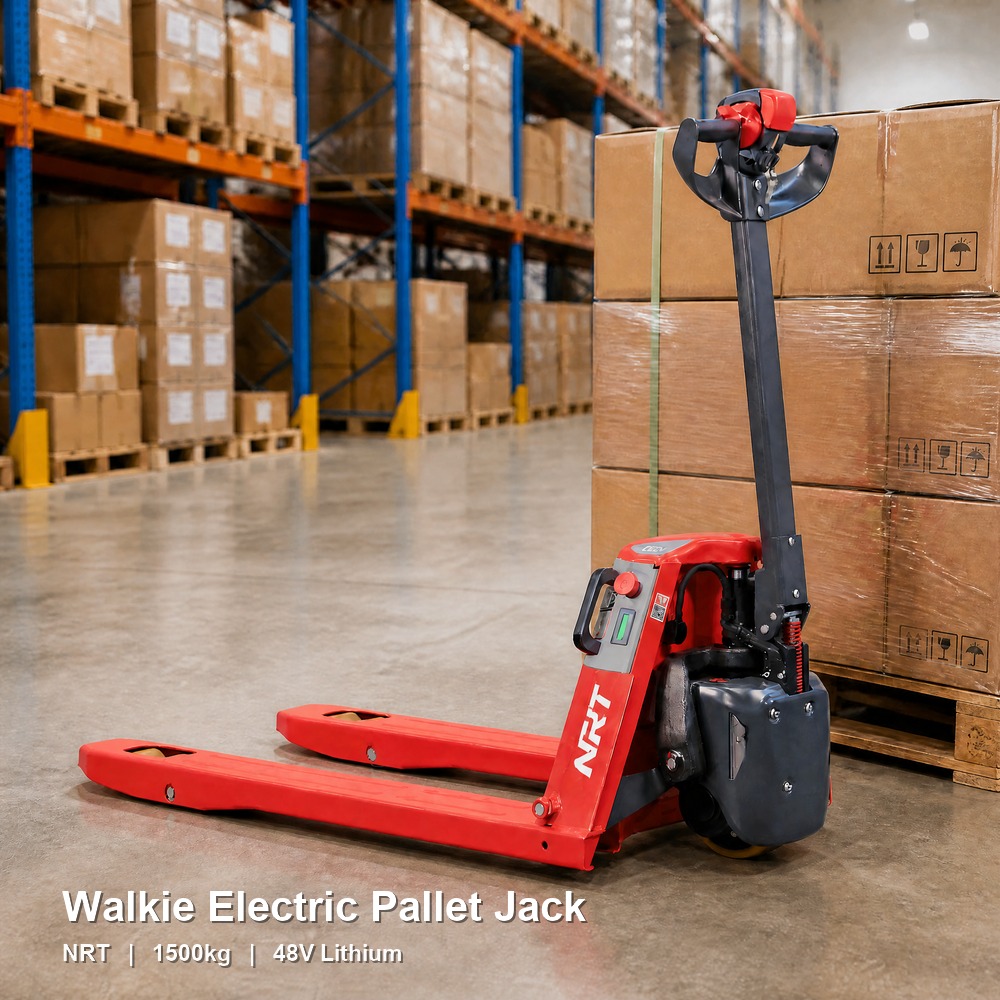
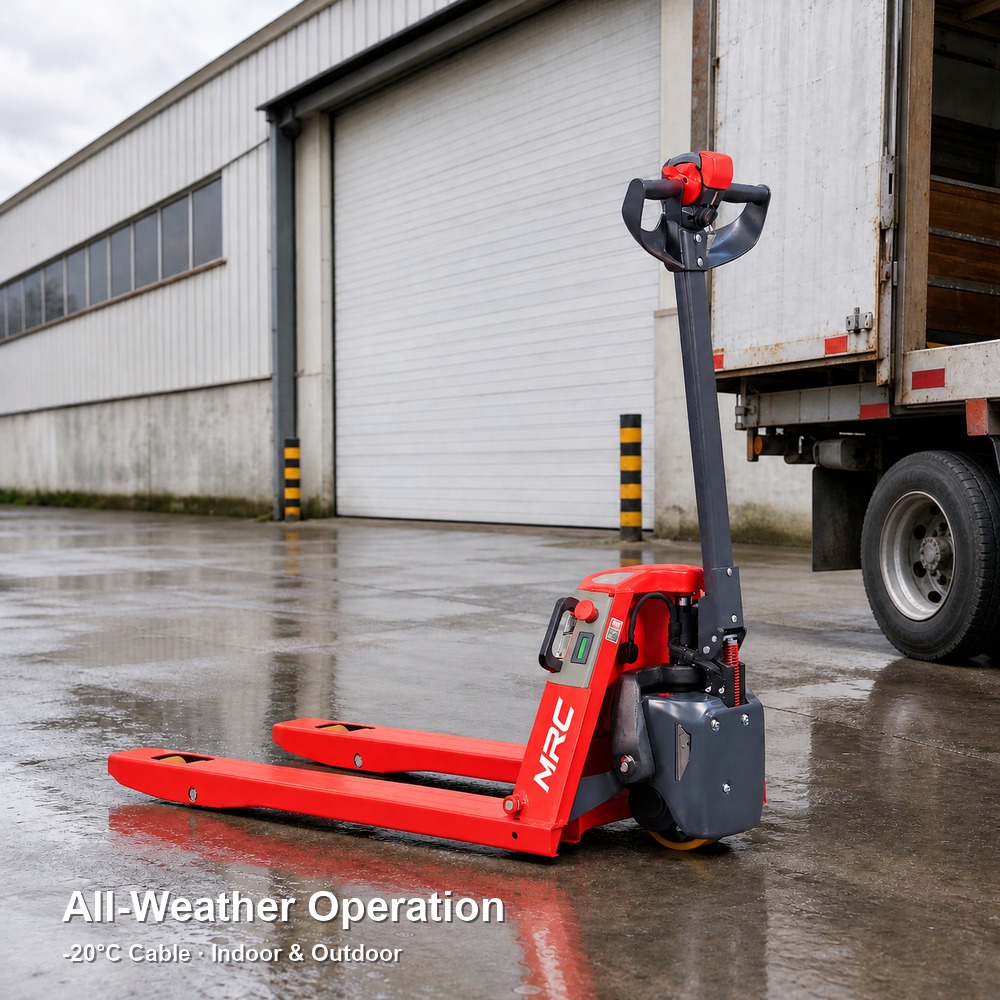
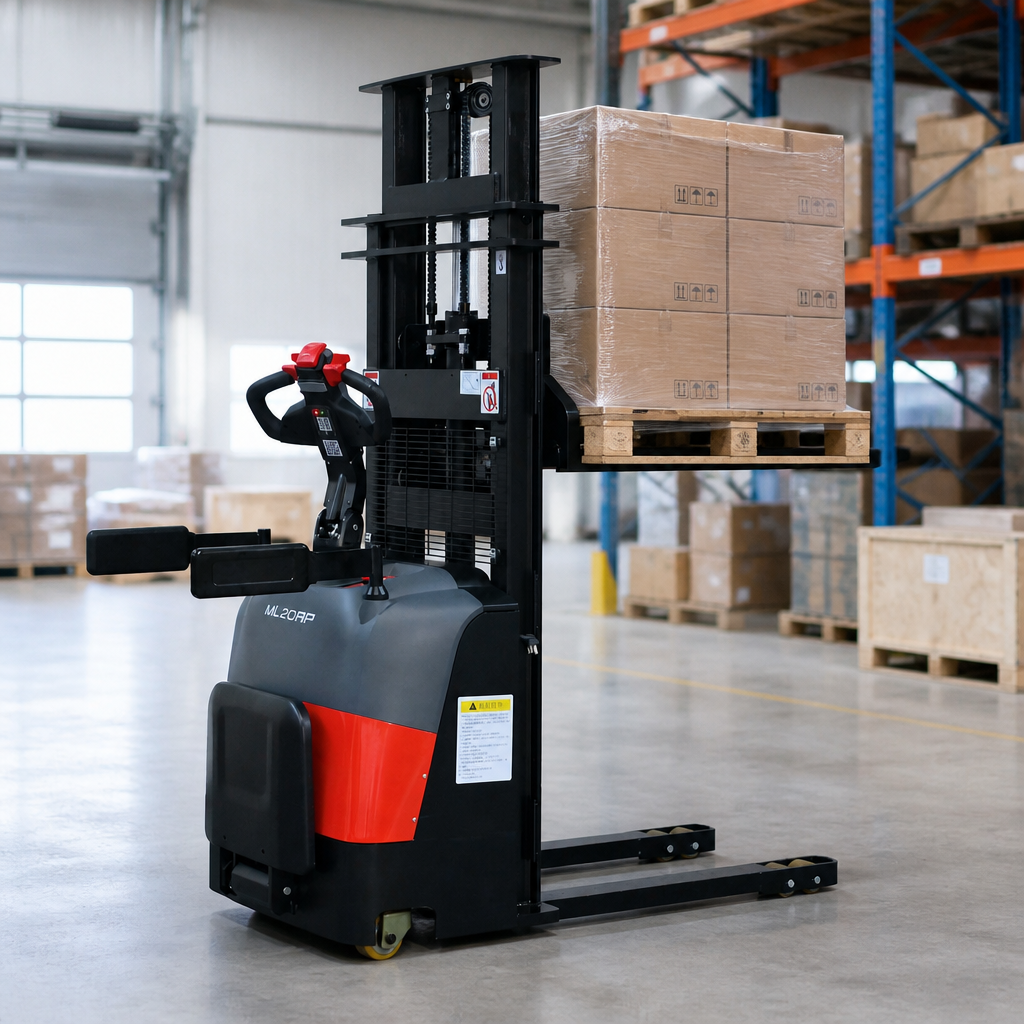
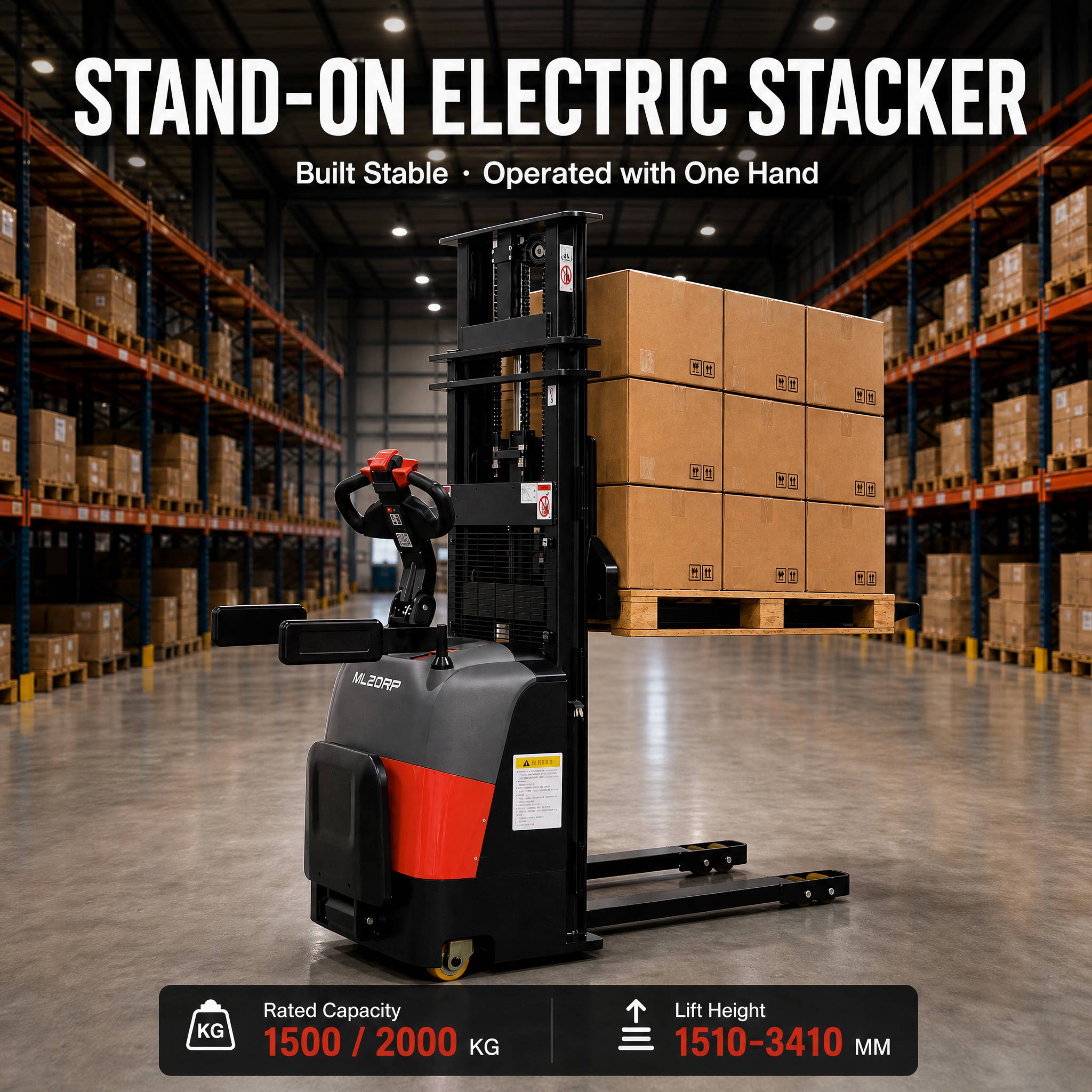
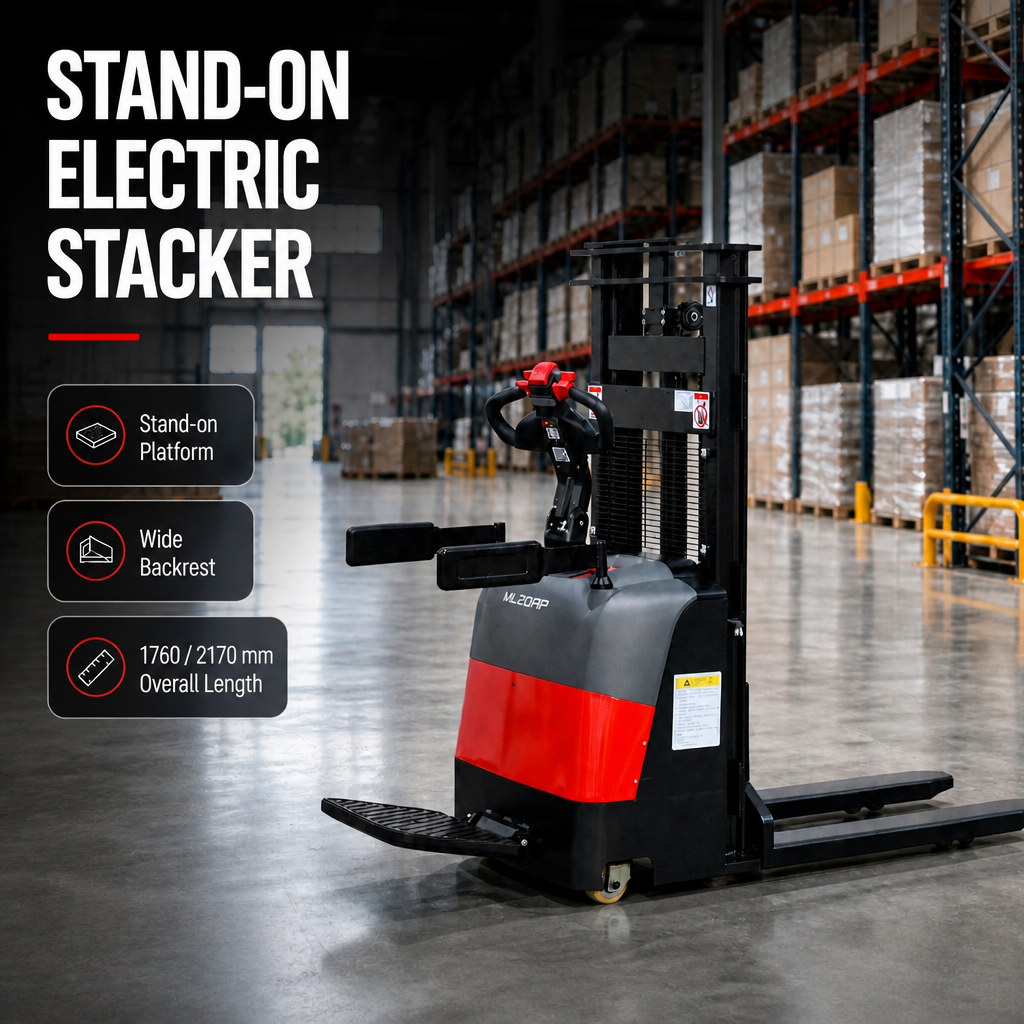
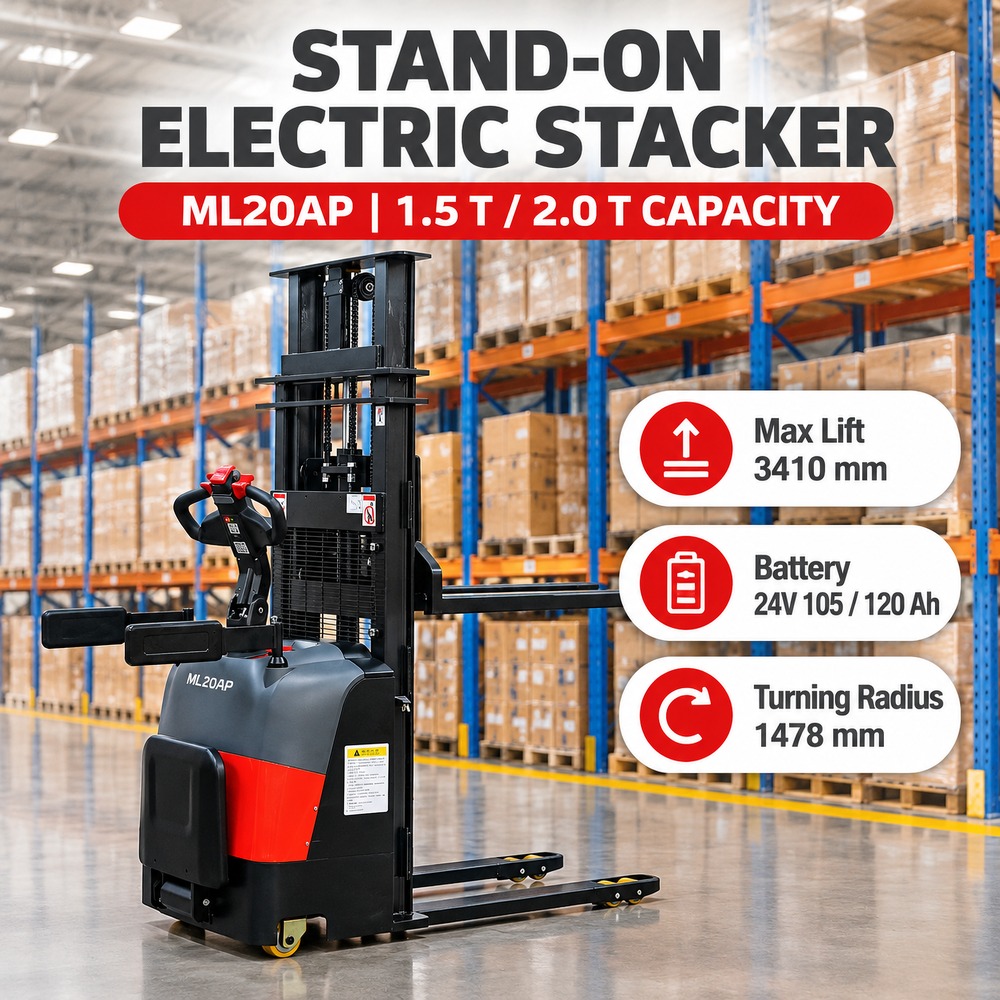
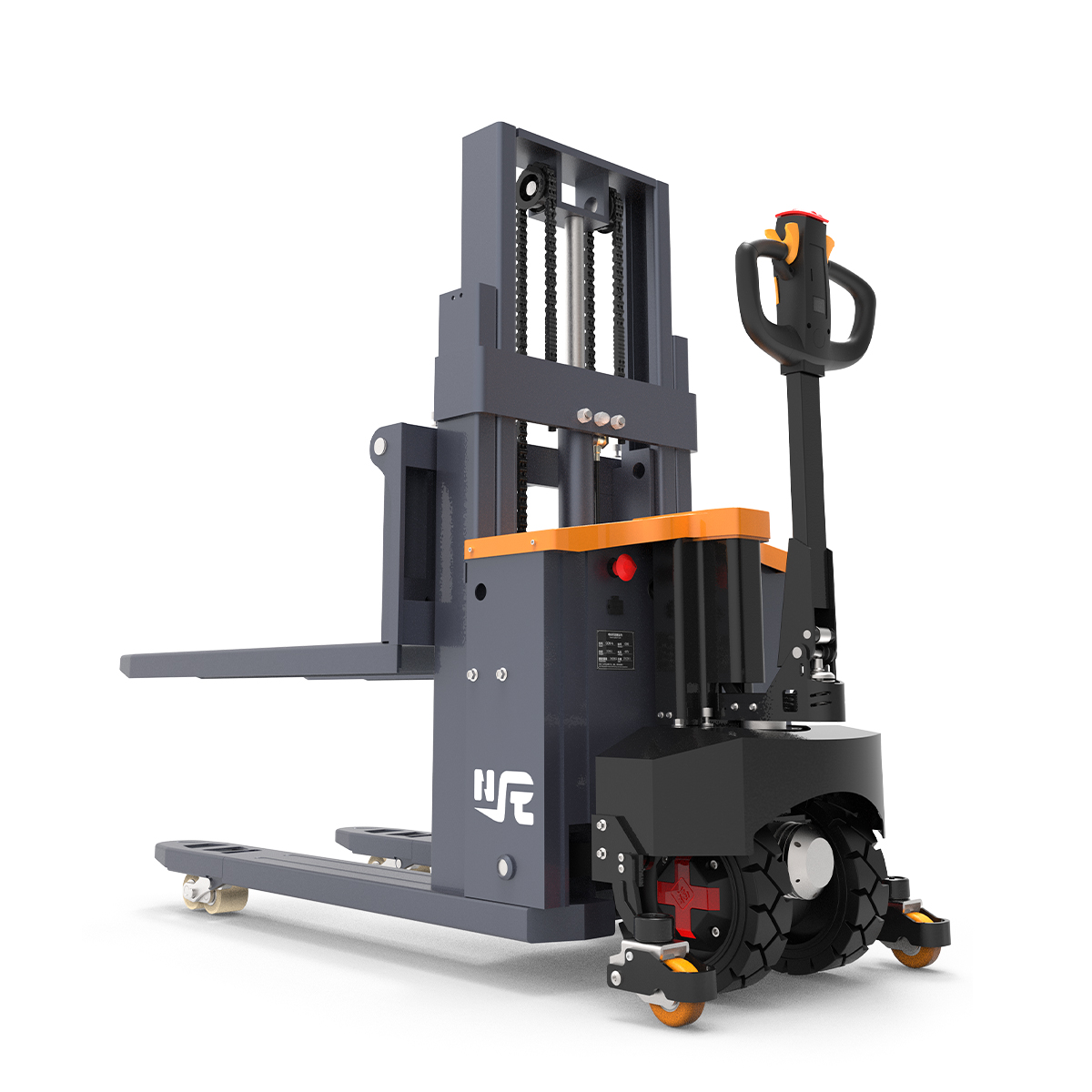
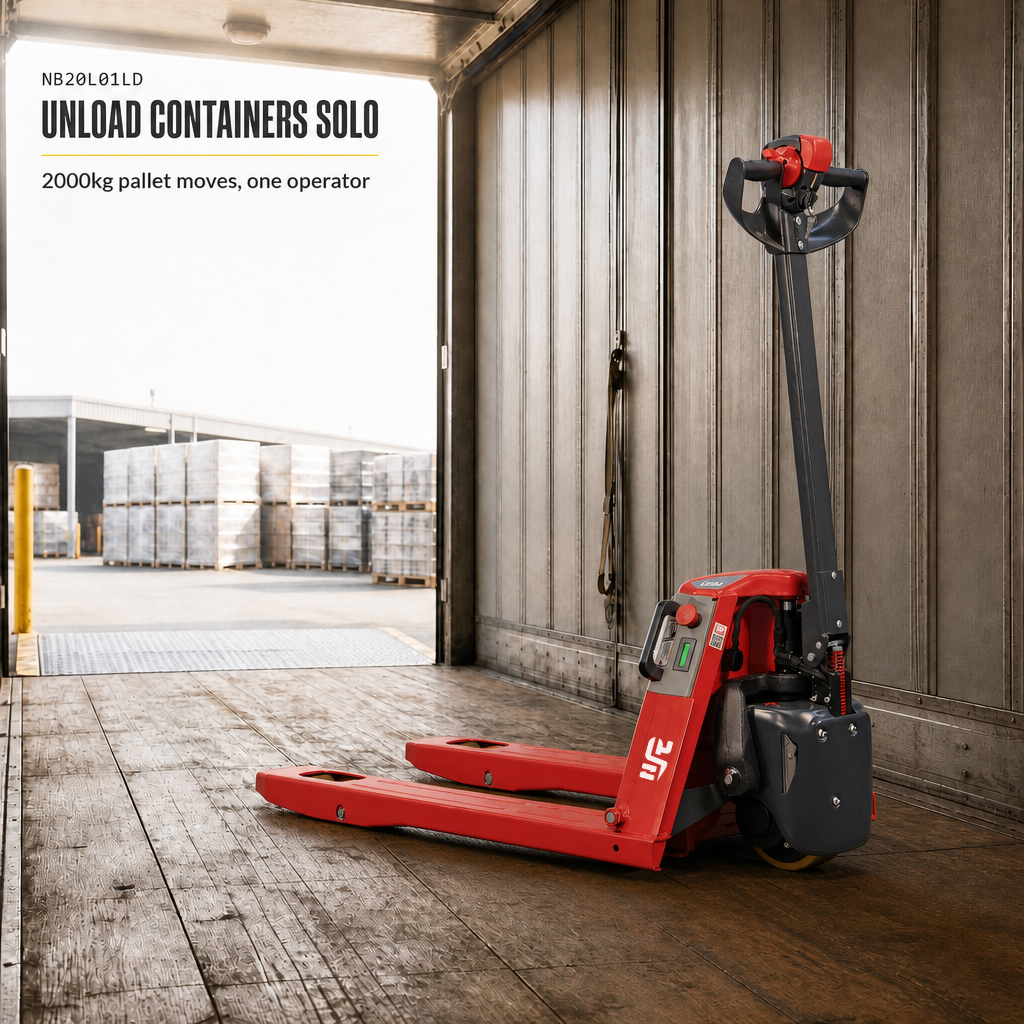
From walkie pallet jacks to high-lift stackers, these models support loading, horizontal transport, racking and container handling. Product URLs are preserved for direct comparison and inquiry.
Why Stuttgart Is Accelerating Toward Electric Intralogistics
Stuttgart is one of Europe’s most concentrated engineering and manufacturing regions. From automotive supplier parks in the wider Stuttgart region to precision machinery workshops, logistics hubs and urban fulfillment centers, the city’s intralogistics challenge is not simply moving pallets — it is moving them within tight floorplans, strict emission expectations and rising labor costs.
Three-wheel electric forklifts are particularly relevant where a standard four-wheel counterbalance truck is larger than necessary. The three-wheel layout typically pivots around a smaller turning radius, helping operators work in narrower aisles, congested loading zones and older industrial buildings that were not designed around today’s pallet volumes. For Stuttgart wholesalers, rental companies and fleet managers, this makes three-wheel electric models a practical bridge between compact warehouse equipment and full counterbalance performance.
At the same time, Stuttgart’s low-emission zone and the broader Baden-Württemberg focus on energy efficiency and industrial decarbonization make battery-electric handling equipment easier to justify than diesel or LPG alternatives for indoor and mixed-use sites. The business case is reinforced by lower noise, no local exhaust emissions, simpler indoor deployment and the ability to couple charging with rooftop solar or managed energy systems.

Four Pressures Shaping Stuttgart Material Handling
For wholesalers and fleet buyers, the strongest equipment decisions are made at the intersection of emissions, energy, labor and automation. These are the practical trends our application engineers hear most often when supporting European dealer inquiries.
Low-Emission Urban Logistics
Stuttgart’s low-emission zone and the region’s climate objectives favor battery-electric equipment for indoor warehouses, urban delivery depots and mixed industrial sites where local exhaust emissions and noise are commercial disadvantages.
Energy Cost and Charging Intelligence
Lithium-ion configurations, opportunity charging and battery management are becoming procurement criteria rather than optional extras. Stuttgart buyers increasingly ask how a truck fits a charging plan, shift pattern and rooftop solar strategy.
Labor Shortage and Ergonomics
With skilled warehouse labor under pressure, easier onboarding, clear visibility, intuitive controls and lower operator fatigue directly affect throughput. A well-matched electric truck reduces training time and shift-level stress.
Automation Readiness
Many Stuttgart operations are not ready for full automation, but they want equipment that can later integrate with digital fleet management, safety systems and automated guided forklift workflows as Logistics 4.0 projects mature.
OEM/ODM Support for Wholesalers and Fleet Partners
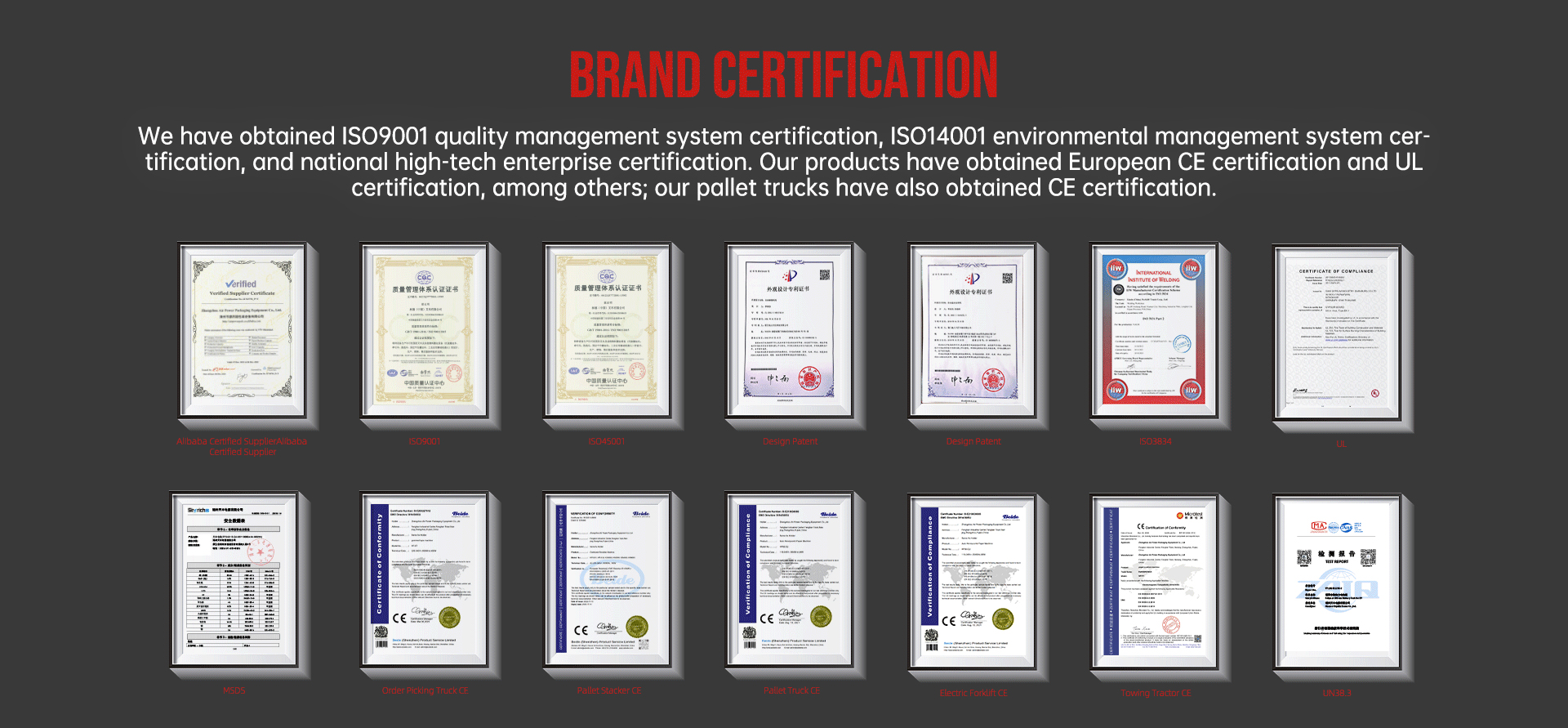
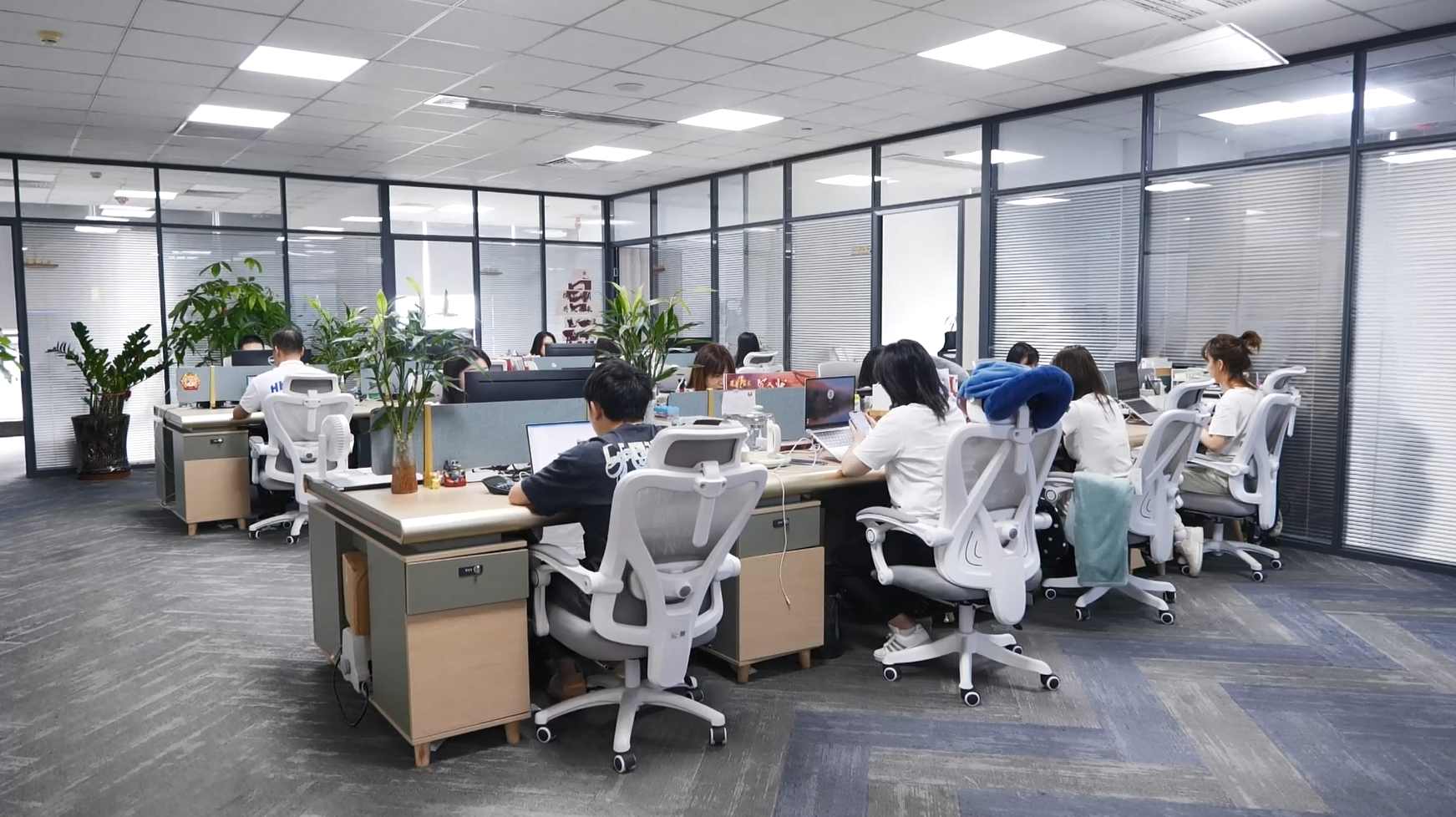
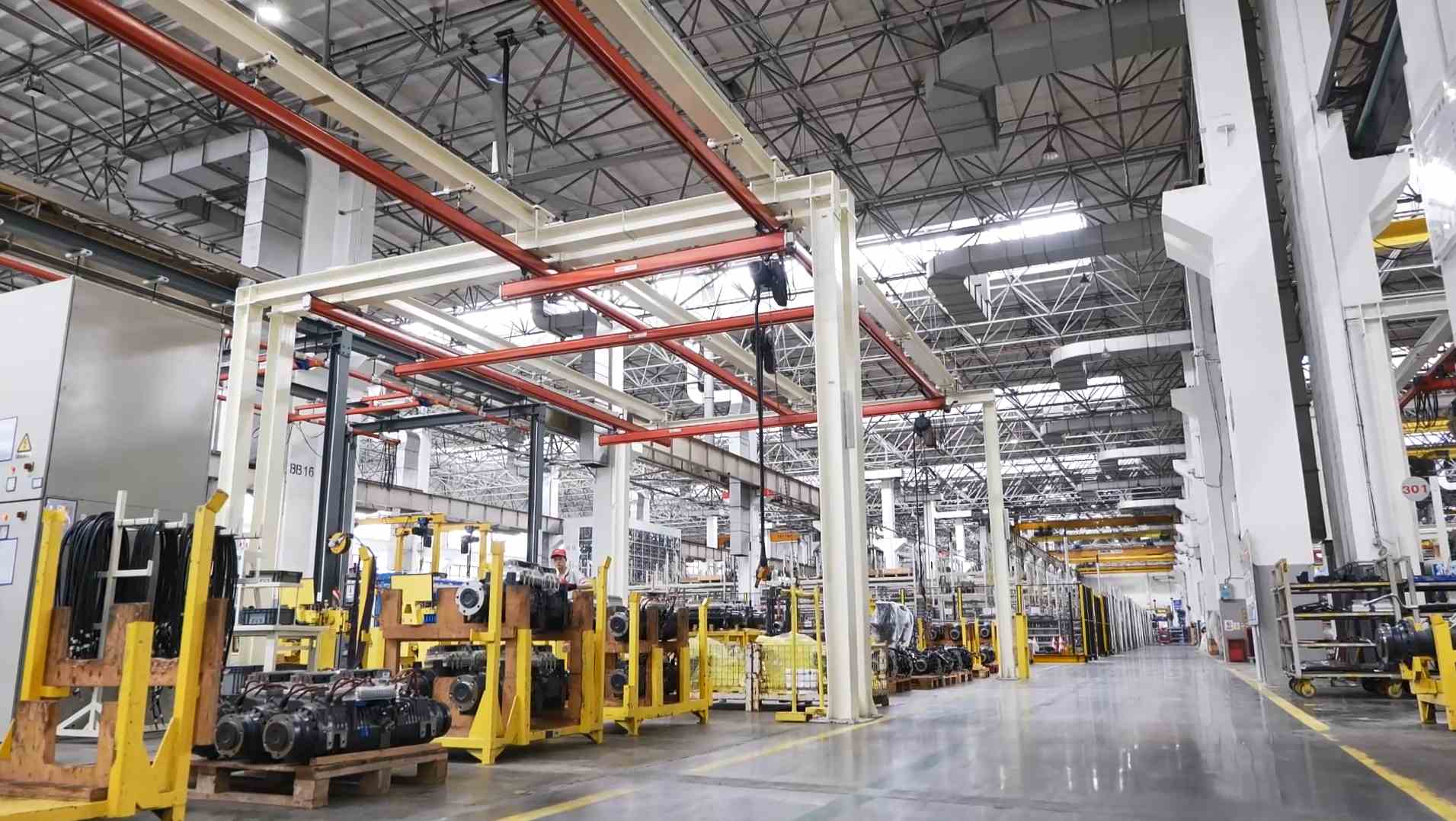
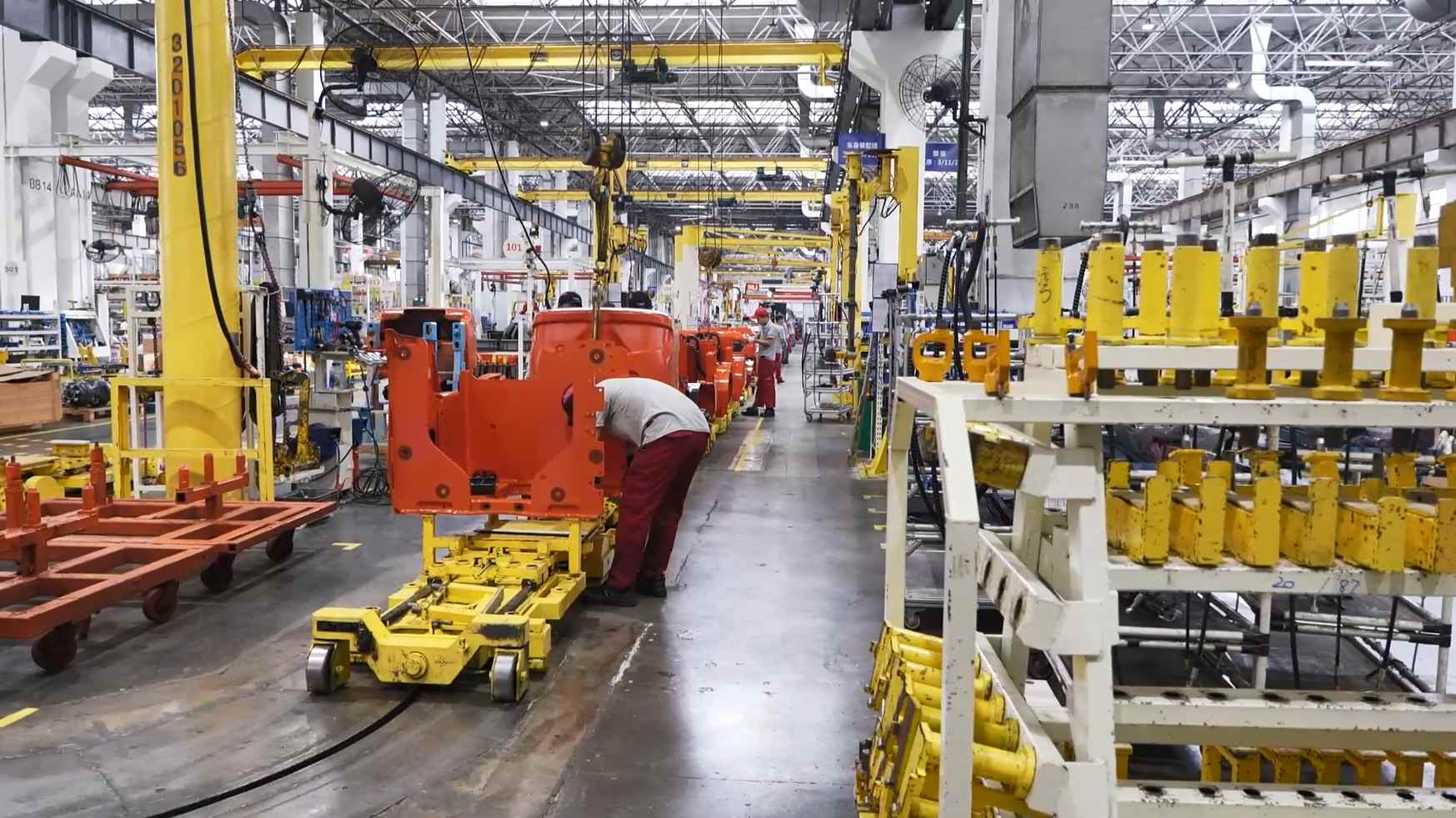
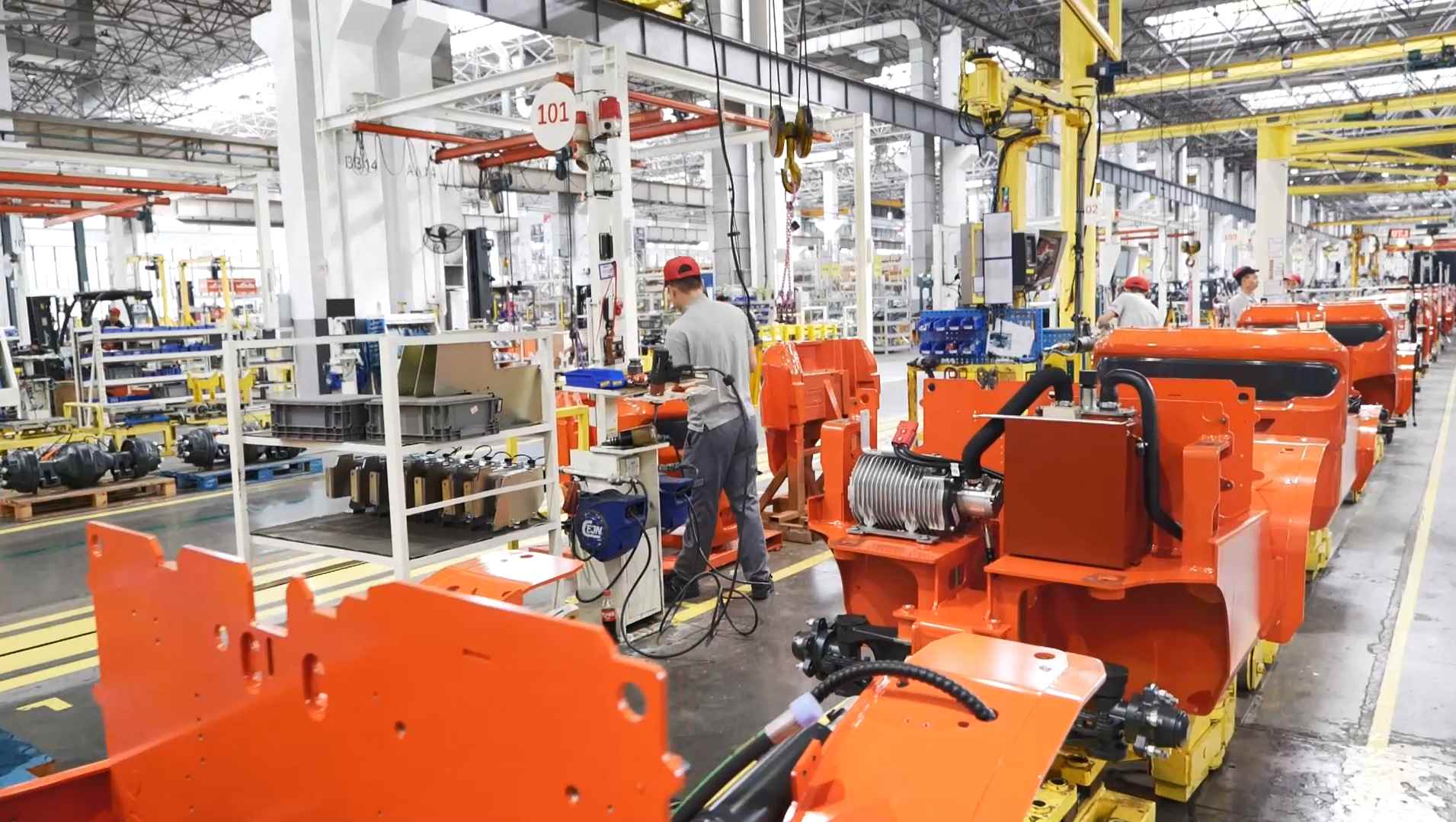
Pexal operates as the sales, service and technical support base for Pexal material handling equipment from Xiamen, Fujian. We work with a 220,000 m² partner manufacturing campus employing more than 1,200 people, including more than 100 engineers. For Stuttgart wholesalers, this combination matters because it allows one partner to support both standard dealer stock and project-specific OEM/ODM requirements.
Our capabilities cover sample-based customization, full customization and ODM services. Configuration variables can include mast height, fork length, battery type, color, logo, attachment configuration, charger specifications and documentation packages. This helps German dealers and rental fleets build localized product lines without compromising serial-production quality.
- SGS onsite-assessed supplier
- Verified company video available
- OEM logo and color customization
- Battery and charger configuration
- Export packaging and Incoterms support
- Spare parts and technical documentation
Engineering That Answers the Questions Fleet Managers Actually Ask
Specification sheets are only the starting point. Stuttgart buyers need to know how a three-wheel electric forklift performs in tight aisles, how it charges across shifts, how safely it handles loads and how quickly it can be serviced.
Three-Wheel Maneuverability
A compact three-wheel chassis and pivoting rear wheel logic can reduce turning time in narrow aisles, older factory buildings and congested loading zones. This is especially useful where floor space is fixed but pallet volume keeps rising.
Battery and Duty-Cycle Fit
Lithium-ion and lead-acid configurations are available by model. The right choice depends on shift length, charging windows, available power and whether opportunity charging is part of the warehouse operating plan.
Safety and Operator Visibility
Visibility, braking performance, load stability and intuitive controls are central to safe handling. Our approach is to match the truck, mast and attachment to the actual load chart and site layout rather than the headline capacity alone.
Serviceability and Parts
For rental fleets and dealer workshops, fast access to service points, clear diagnostics and predictable spare parts support matter as much as purchase price. We support dealers with technical documentation and export-ready packaging.
Where Three-Wheel Electric Forklifts Deliver the Most Value
The right equipment depends on floor surface, aisle width, lift height, load centre and duty cycle. These four Stuttgart application profiles show where compact electric trucks and warehouse equipment tend to create the strongest operational fit.
Automotive Supplier and Machinery Plants
Line-side delivery, work-in-progress transfer and finished-goods movement demand compact turning, precise positioning and low emissions inside production halls. Three-wheel electric forklifts work well where aisles are tight but pallet throughput is continuous.
Three-wheel electric forkliftUrban 3PL and E-Commerce Fulfillment
Fast pallet movement between receiving, storage and dispatch zones requires simple operation and reliable uptime. Pallet trucks and stackers can support horizontal flows, while compact electric forklifts handle racking and loading transitions.
Pallet trucks · StackersFood, Beverage and Cold Chain
Zero local exhaust emissions and lower noise make battery-powered equipment easier to deploy in food, beverage and pharmaceutical environments. Battery type and charging strategy should be matched to temperature and shift patterns.
Battery-powered equipmentRental Fleets and Dealer Programs
Rental companies need equipment that is easy to train on, serviceable across a mixed fleet and customizable for local branding. OEM/ODM options help Stuttgart dealers build repeatable product lines with their own market identity.
OEM / ODM brandingStuttgart Configuration Readiness and Application Fit
The bars below are an application-engineering view of where this equipment family tends to create the strongest operational fit. Final selection should follow a site survey, load chart review, aisle measurement and duty-cycle calculation.

Stuttgart Procurement FAQ for Electric Forklifts and Warehouse Trucks
These are the questions most frequently raised by German wholesalers, rental fleets and industrial buyers when comparing OEM/ODM electric forklift suppliers.
What is the difference between a three-wheel and four-wheel electric forklift?
A three-wheel electric forklift typically offers a tighter turning radius and better maneuverability in narrow aisles or older industrial buildings. A four-wheel model may be preferred for heavier loads, longer outdoor runs or applications that demand maximum stability. For Stuttgart sites with constrained floorplans and frequent short-cycle moves, three-wheel models can reduce turning time and improve space utilization.
Which battery fits a Stuttgart warehouse: lithium-ion or lead-acid?
Lithium-ion is often attractive where opportunity charging, maintenance-free operation and flexible shift patterns matter. Lead-acid may still suit operations with established charging rooms and predictable overnight charging. The decision should consider shift length, charging windows, available power capacity, battery room space and total energy cost — not battery price alone.
Can Pexal provide OEM/ODM branding for German wholesalers?
Yes. We offer sample-based customization, full customization and ODM services. Typical project variables include mast height, fork length, battery type, color, logo, attachment configuration, charger specifications and documentation requirements. This allows Stuttgart dealers and rental fleets to build branded equipment programs while retaining factory-level production consistency.
What delivery terms and payment methods can you support for Stuttgart?
We accept common Incoterms including FOB, CFR, CIF, EXW, FCA, CPT, CIP and DDP. Payment options include T/T, L/C, D/P, D/A, Western Union, PayPal, credit card and escrow. Accepted currencies include USD, EUR, GBP, JPY, CAD, AUD, HKD, CHF and CNY. Export logistics can be coordinated through Xiamen port with packaging suited to container shipments.
How do we verify supplier quality before ordering?
Review third-party verification first. Our company has passed an onsite check and supplier assessment conducted by SGS Group, and a verified company video is available for review. Buyers should also request product configuration details, pre-shipment testing information, spare parts lists, charger specifications and the documentation package required by their German market.
How do we choose among the 8 recommended warehouse trucks?
Start with the task, not the model number. For horizontal transport, a pallet truck may be sufficient. For racking and lift height, choose a stacker with the correct mast and capacity. For narrow-aisle counterbalance work, evaluate a three-wheel electric forklift. Share your load weight, lift height, aisle width, floor condition and shifts per day, and we can recommend a configuration.
The Pexal Advantage: Built for Dealer Confidence
Pexal combines factory-direct engineering support with the flexibility expected by wholesalers, rental companies and project buyers. The focus is not only on supplying equipment, but on helping partners build repeatable, serviceable and market-ready product programs.
SGS Onsite-Assessed Supplier
Our company has passed an onsite check and supplier assessment conducted by SGS Group, one of the world’s leading inspection, verification and certification companies. Business type, products, markets and capabilities have been reviewed onsite.
220,000 m² Partner Campus
Scaled production supports container orders and recurring dealer stock. The partner manufacturing campus provides assembly capacity for standard models as well as configured OEM/ODM builds.
1,200+ Skilled Workforce
Production, assembly and quality control teams support consistent output across electric forklifts, pallet trucks, stackers, reach trucks, order pickers and automated guided forklifts.
100+ R&D Engineers
Dedicated engineering capability supports electric drive development, product configuration, intelligent equipment features and the shift toward Logistics 4.0 and automated guided forklifts.
Five Main Export Regions
Our main export markets are Western Europe, North America, South America, Eastern Europe and Oceania. We support dealers, rental companies and end users with export packaging and flexible delivery terms.
Full Customization and ODM
From sample-based customization to full ODM projects, we align mast, forks, battery, color, logo, attachments and documentation with your market requirements. The goal is a product line that fits your brand and service model.
Independently reviewed supplier information helps Stuttgart buyers reduce procurement risk. Review our SGS assessment, company video, product range and OEM/ODM capabilities before requesting a quotation.
What to Send Us for a Stuttgart-Ready Quotation
A precise brief reduces configuration errors and speeds up quotation. Share the following details and our team can recommend the right three-wheel electric forklift or warehouse truck configuration.
Load and Duty Cycle
Share maximum pallet weight, load centre, lift height and the number of hours or shifts per day.
Site and Aisle Dimensions
Provide aisle width, racking height, door height, floor condition and whether the truck works indoors, outdoors or both.
Battery and Charging
Confirm voltage, charging window, available power capacity and whether lithium-ion or lead-acid is preferred.
Branding and Delivery
Specify OEM logo, color, documentation, target quantity, preferred Incoterms and after-sales expectations.
Plan Your Next Three-Wheel Electric Forklift Program with Pexal
Share your load, aisle, lift height, battery preference and target market. Pexal can recommend a Stuttgart-ready configuration, confirm OEM/ODM options and prepare a wholesale quotation. Email: info@pexalbot.com