OEM/ODM Electric Counterbalance Forklift Manufacturers & Exporter for the Kawasaki Market
An export-ready partner for Kawasaki dealers, 3PLs, factories and rental fleets that need lithium pallet trucks, stand-on stackers, reach trucks and custom electric counterbalance forklifts engineered for narrow aisles, bay-side logistics and multi-shift uptime.
Electric Warehouse Trucks That Surround Your Counterbalance Forklift Program
For Kawasaki importers, the most practical electric fleet is rarely one machine. It is a counterbalance forklift supported by lithium pallet trucks, stand-on stackers and narrow-aisle equipment. These eight models cover dock-to-stock movement, elevator transfer, high racking, truck delivery and retail replenishment.
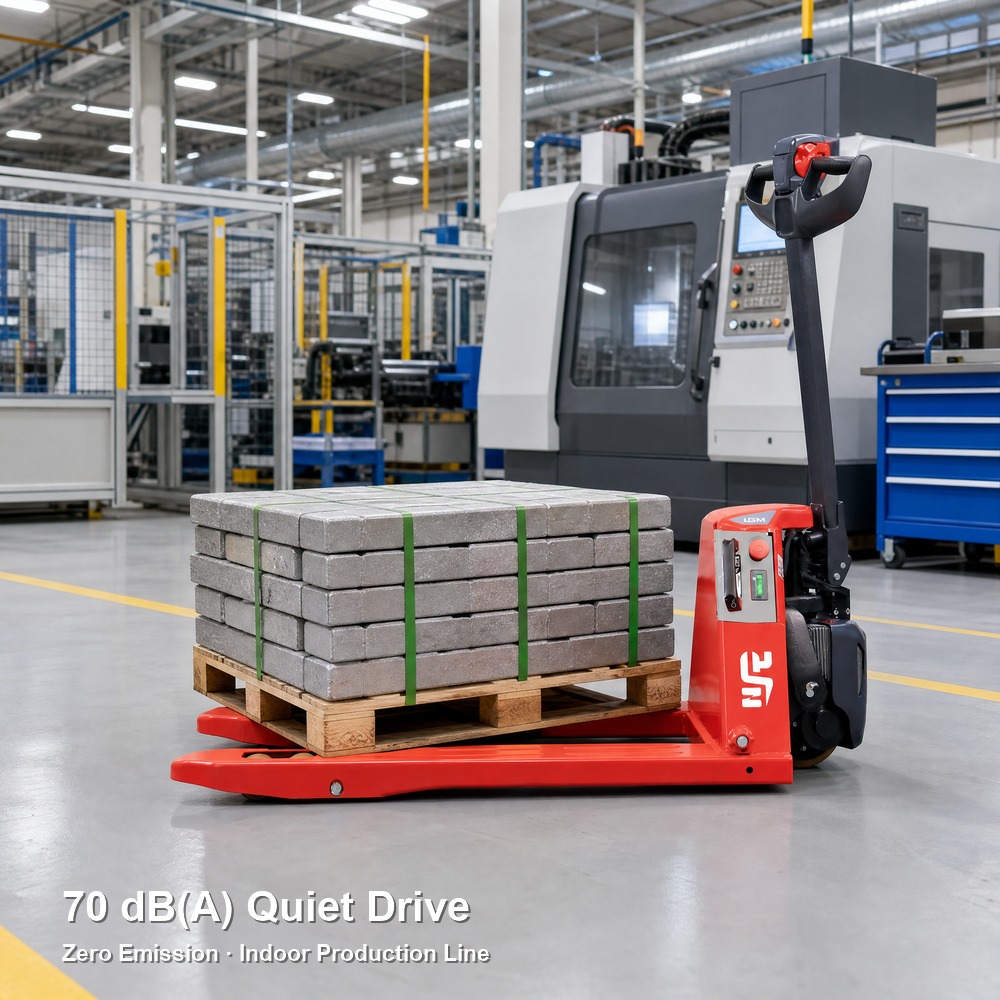
Battery Powered Pallet Jack Truck 48V Lithium Walkie Type for Narrow Aisle Warehouse Elevator Loading Unloading
A 48 V lithium walkie truck for space-constrained Kawasaki warehouses, elevator transfer and dock-to-stock replenishment where low noise and zero local emissions matter.
View specifications
Stand on Electric Stacker 2000kg for Narrow Aisle Warehouse Loading Dock Building Material Shop Pallet Handling
A 2,000 kg stand-on stacker that balances stability with a compact footprint for loading docks, building-material shops and narrow-aisle pallet handling.
View specifications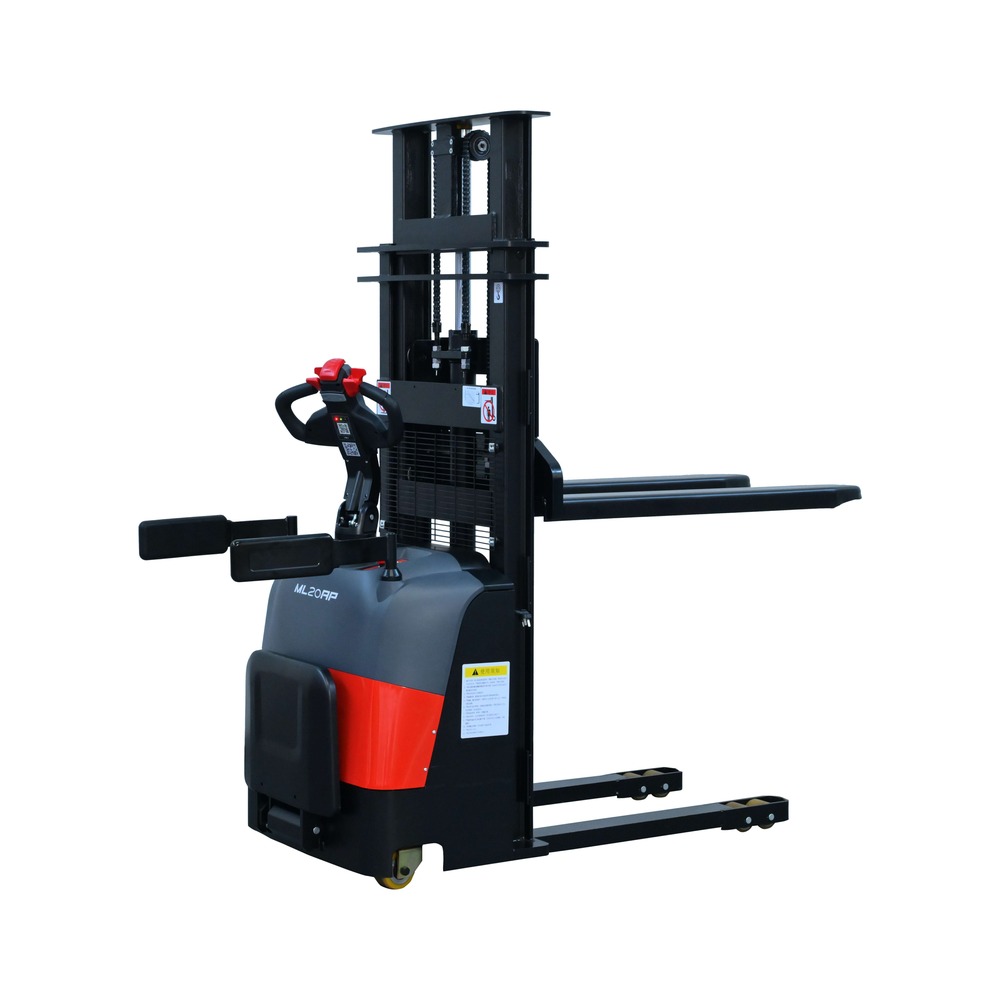
2000kg Stand on Electric Pallet Stacker 3.41m Lift Height Pallet Stacker Truck Channel Steel Mast 1480mm Turning Radius
3.41 m lift height, channel-steel mast and a 1,480 mm turning radius make this stand-on stacker a practical choice for dense urban racking in Kanagawa.
View specifications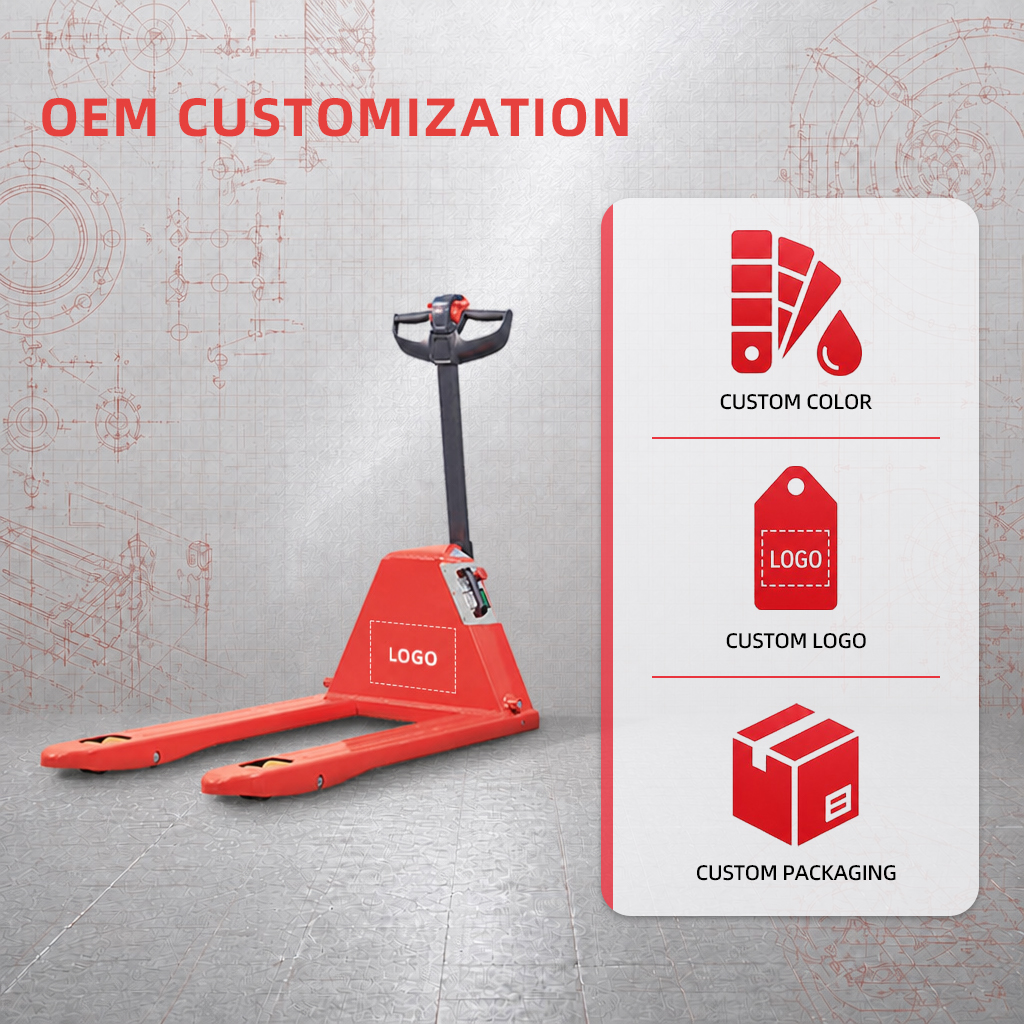
Efficient 2 Ton Electric Pallet Jack 2000kg Capacity: Best Material Handling Solution for Logistics Centers 2026 Hot Sale
A 2,000 kg electric pallet jack for logistics centres that need fast horizontal transfer, simple controls and predictable maintenance across daily shifts.
View specifications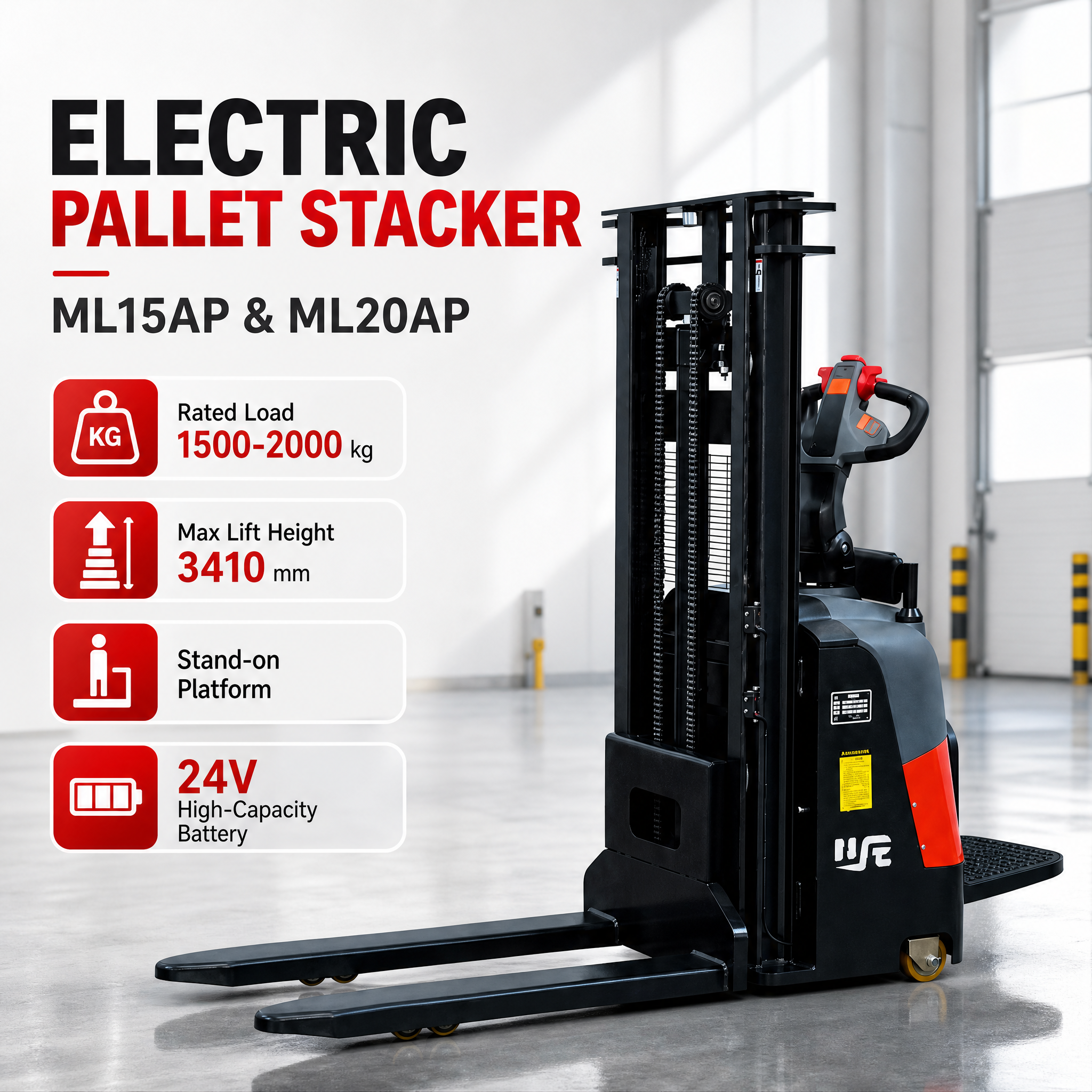
Stand on Electric Stacker 2000kg Centre Mounted Drive Twin Balance Wheels Stable High Racking Stacking
Centre-mounted drive and twin balance wheels improve load stability during high-racking put-away and repeated pallet stacking in compact warehouses.
View specifications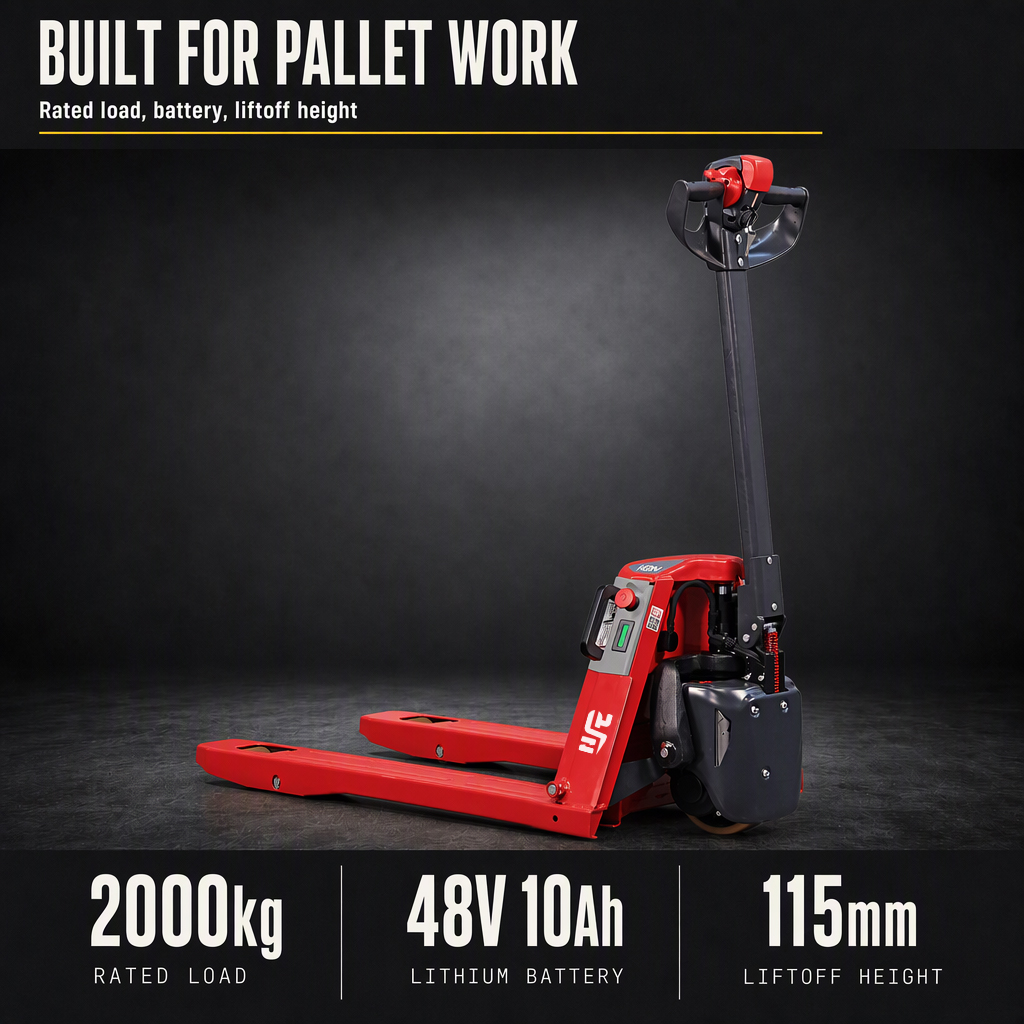
Portable Electric Pallet Jack Lithium Battery 2T for Narrow Aisle Warehouse and Truck Delivery Handling with 48V High Efficiency
Portable 2T lithium pallet jack for truck-delivery handling, cross-docking and small warehouses that need flexible 48 V performance.
View specifications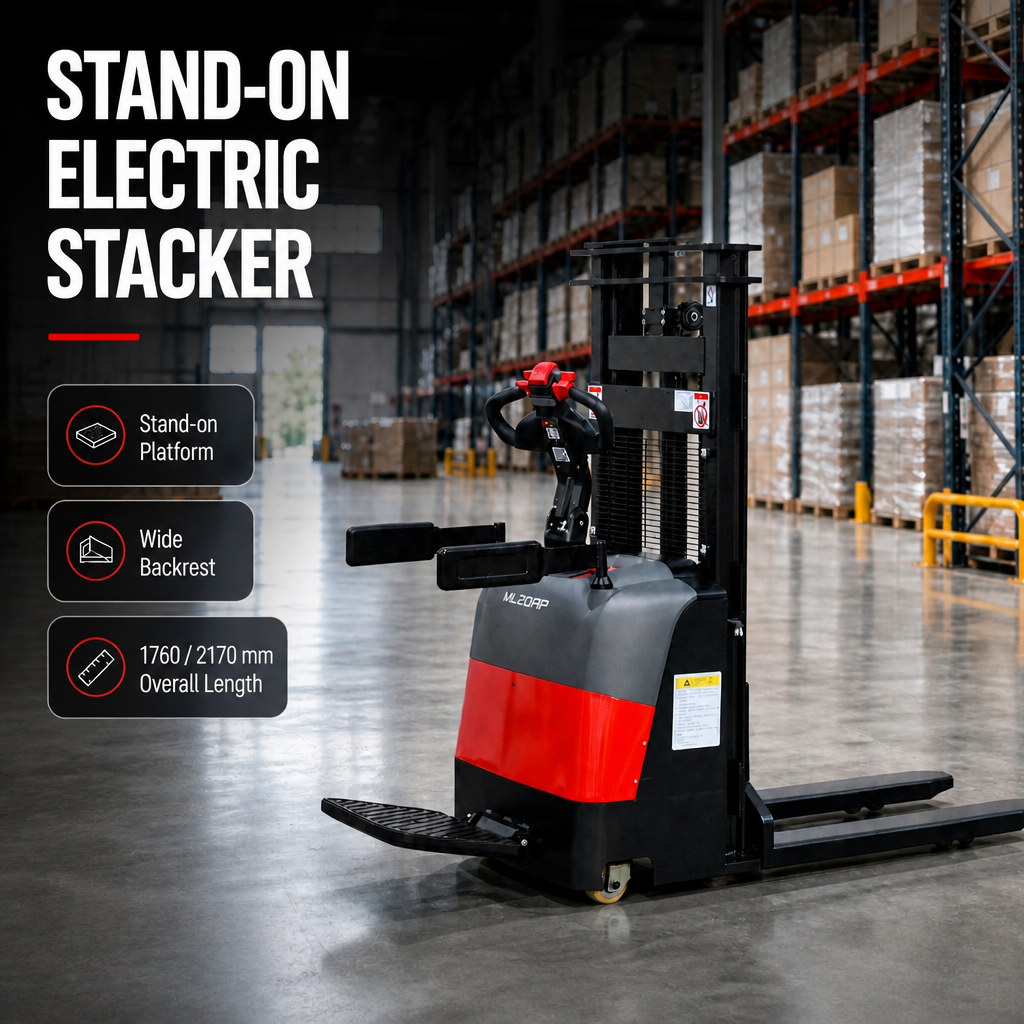
Electric Stacker Truck 2000kg Pallet Stacker Forklift 3410mm Lift for Warehouse Loading Unloading
2,000 kg electric stacker truck with 3,410 mm lift for loading, unloading and warehouse pallet stacking when a counterbalance forklift is not required.
View specifications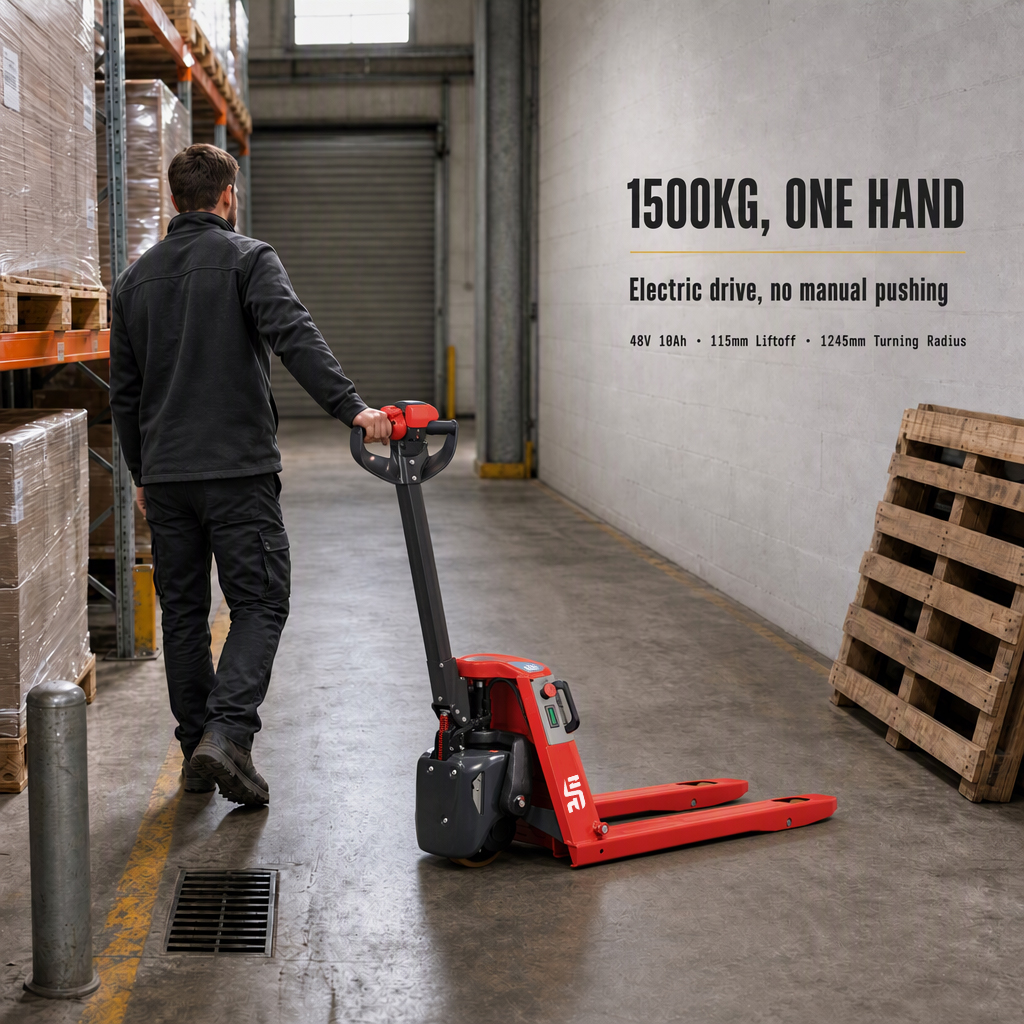
1.5 Ton Electric Pallet Truck with 48V Li-ion Battery, 107kg Ultra-lightweight Pallet Jack for Narrow Aisle Warehouse
Ultra-lightweight 107 kg design and 48 V Li-ion battery support retail replenishment, narrow aisles and low-floor loading tasks.
View specificationsWhy Pexal Is Positioned for Kawasaki OEM/ODM Programs
Xiamen Pexal Technology Co., Ltd. is the sales, service and technical support base for Pexal material handling equipment. We combine a verified manufacturing ecosystem, export documentation discipline and flexible customization so Kawasaki dealers can build a local product line without carrying every engineering risk in-house.
Verified Capability, Not Just a Catalogue Claim
Kawasaki buyers compare suppliers on repeatability: Can the mast, battery, charger and branding be configured exactly? Can the supplier pass an onsite review? Can spare parts and documentation be planned before the first container? Pexal supports sample-based customization, full customization and ODM services, with configuration options covering mast height, fork length, battery type, color, logo and attachment setup.
Our company has passed a supplier assessment and onsite check by SGS Group. We also provide a verified company video, trade capacity records and transaction history for buyers who need to reduce supplier risk before issuing a purchase order.
- SGS-assessed supplier & onsite check
- OEM, ODM and full customization
- Export packaging via Xiamen port
- FOB, CFR, CIF, EXW, FCA, CPT, CIP, DDP

Where Electric Counterbalance Forklifts and Warehouse Trucks Win in Kawasaki
Kawasaki is not only a port city. It is an industrial and logistics corridor within Greater Tokyo, connected to Yokohama and central Tokyo by bay-side roads, warehouses and manufacturing sites. For procurement teams, the right electric forklift is the one that reduces cost per pallet under local conditions: tight land, narrow aisles, labor constraints, salt-air exposure and increasingly strict carbon-reporting expectations.
This guide is written for Kawasaki distributors, rental fleets, 3PL operators, food processors, building-material suppliers and factory buyers who are comparing Chinese OEM/ODM suppliers. Instead of treating “electric” as a single category, we separate counterbalance forklifts, stand-on stackers, pallet trucks, reach trucks and AGV-ready equipment by the job each performs. That distinction matters because a 3.41 m stand-on stacker can replace a counterbalance forklift in some racking tasks, while a 1.5 t lithium pallet truck can remove manual pushing from dock-to-stock routes without occupying the same aisle footprint.
Port of Kawasaki & Bay-Side Logistics
Steel, chemicals, energy, cement and manufactured goods move through Kawasaki’s bay-side industrial zone. Electric counterbalance forklifts in the 2.0–3.5 t class work well for indoor-outdoor transitions, while 2 t lithium pallet trucks support dock-to-stock transfer. Specify corrosion-aware connectors and clear inspection points for salt-air exposure, and plan shift battery rotation before the first summer peak.
Urban Warehouses in Kawasaki, Yokohama & Tokyo
High land cost pushes warehouses toward dense racking and narrow aisles. A stand-on stacker with 3.41 m lift and a 1,480 mm turning radius can be more productive than a larger counterbalance forklift where the layout is constrained. Pair it with 1.5 t pallet trucks for horizontal movement and reserve counterbalance capacity for mixed indoor-outdoor duty.
Manufacturing, Food & Cold Chain
Just-in-time line-side delivery, food safety, cold storage and clean indoor air favor battery-electric equipment. Zero local emissions and low noise are operational benefits in Kawasaki facilities that run multiple shifts. Ask for battery charge curves, regenerative braking details and operator training materials so the equipment can be integrated into existing safety and maintenance routines.
Four Trends Reshaping Kawasaki Procurement Decisions
Kawasaki buyers are not simply replacing diesel units with battery units. They are redesigning pallet flow, charging routines, safety checks and supplier documentation at the same time. These four trends explain why a lower purchase price can lose to a higher uptime configuration.
Carbon-Neutral Logistics
Corporate GX goals and warehouse energy reporting make zero-emission handling easier to justify. Buyers increasingly compare energy cost per pallet and charger load rather than only unit price.
2024 Problem & Labor Shortage
Driver-hour rules and recruitment pressure push operators toward easier controls, lower maintenance and automation-ready fleets. Training time and operator confidence become measurable procurement criteria.
Lithium-Ion & Opportunity Charging
Li-ion pallet trucks and stackers make opportunity charging practical during breaks. The key is matching charger input to the facility’s 200 V three-phase supply and confirming load capacity with the site electrical contractor.
Safety, Telematics & Lifecycle Cost
Japanese buyers expect documentation, inspection points and spare-parts planning. A verified supplier with SGS assessment, trade history and clear QC records reduces commercial risk before the first container.
Recommended Configurations for Kawasaki Operations
Use these starting points for an RFQ. The final configuration should always be confirmed after a site survey covering aisle width, racking height, load center, floor condition and charging location.
Dock-to-Stock in 3PL Warehouses
Start with a 48 V lithium walkie pallet truck for inbound unloading and a 2 t electric pallet jack for high-throughput horizontal transfer. This reduces manual pushing and keeps aisles clear.
View recommended modelNarrow-Aisle Racking to 3.41 m
A 2,000 kg stand-on stacker with 3.41 m lift and 1,480 mm turning radius fits dense urban warehouses where a counterbalance forklift would lose aisle space.
View recommended modelLoading Dock & Building Materials
For pallets moving from truck beds to building-material shops, a 2,000 kg stand-on electric stacker gives operators a stable platform and smooth lift control.
View recommended modelHigh-Racking Stability
Centre-mounted drive and twin balance wheels improve confidence during repeated high-racking put-away. This is useful where pallet quality varies or operators handle mixed loads.
View recommended modelTruck Delivery & Cross-Docking
A portable 2T lithium pallet jack supports delivery trucks, temporary cross-docking and small warehouses where equipment must be moved between vehicles and storage areas.
View recommended modelRetail & Low-Floor Replenishment
An ultra-lightweight 1.5 t Li-ion pallet truck helps retail backrooms and low-floor loading areas where a heavy unit would be difficult to reposition.
View recommended modelKawasaki Application Fit
Information to Send with Your RFQ
- Maximum pallet weight and load center
- Aisle width and top racking height
- Hours per shift and shifts per day
- Charging voltage and charger location
- Required branding, manual language and Incoterms
How to Specify an OEM/ODM Electric Counterbalance Forklift for Kawasaki
A counterbalance forklift is only efficient when its capacity, mast, battery and charger match the route. Use this table to shortlist the correct class before asking for a quotation.
| Requirement | What to Specify | Why It Matters in Kawasaki |
|---|---|---|
| Aisle & racking | Minimum aisle width, top beam height, mast type and fork length | High land cost favors dense storage. A 1,480 mm turning radius stacker may outperform a larger counterbalance unit. |
| Duty cycle | Hours per shift, lifts per hour, travel distance and battery capacity | Multi-shift logistics require opportunity charging or spare batteries. The 2024 problem raises the cost of missed pickups. |
| Environment | Indoor floor, dock transition, salt-air exposure, cold store or food area | Port-side humidity and cold-chain operation affect connectors, braking, tires and inspection intervals. |
| Charging | 200 V three-phase supply, charger location, Li-ion or lead-acid strategy | Planning charger load before delivery avoids electrical rework and keeps battery rotation practical. |
| Load handling | Load center, attachment type, fork length, lift height and derating | Attachments can reduce rated capacity. The capacity label must reflect the actual configured machine. |
| After-sales | Spare parts list, manuals, warranty terms, remote support and inspection points | Uptime depends on local parts planning. Kawasaki buyers should review these items before the first order. |
Define the Load
Record maximum pallet weight, pallet size and load center distance handled daily.
Measure the Site
Note aisle width, racking height, door height, floor condition and dock transitions.
Map the Shift
Set hours per shift, shifts per day and charging windows. Decide between opportunity charging and battery swap.
Confirm Compliance
Share local voltage, documentation, manual language and safety requirements for review.
Request a Configuration
Ask for a specification sheet, charger data and quotation with Incoterms and lead time.
From Kawasaki RFQ to Export: A Clear Customization Workflow
OEM/ODM is not only a logo on a machine. It is a controlled process for matching capacity, battery, charger, documentation and branding to the local market while keeping pre-shipment quality under review.
Application Mapping
Send load, aisle, lift height, shift pattern, charging voltage and destination. Our team recommends the equipment class and customization envelope.
Configuration & Validation
Confirm mast height, fork length, battery type, attachments, color, logo, manual language and charger input. Sample-based or full customization is agreed before production.
Pre-Shipment QC
Functional testing covers lifting, travel, braking and electrical systems. Optional third-party inspection and documented checkpoints can be arranged for larger orders.
Export & After-Sales
Export packaging, Incoterms from EXW to DDP, and supporting documents are coordinated from Xiamen. Spare-parts lists and maintenance guidance support local dealer service.
What Kawasaki Buyers Can Review Before Ordering
Trust is easier to evaluate when the supplier exposes assessment, customization and trade history records. These modules are designed for procurement teams that need an audit trail, not just a price list.
SGS Group Assessment
Our company has passed a supplier assessment and onsite check by SGS Group. Business type, main products, markets and capabilities have been reviewed onsite.
View assessment reportCustomization Capability
Sample-based customization, full customization and ODM services are supported. Configuration can cover mast, fork, battery, color, logo and attachments.
Review trade capacityExport & Trade Records
Review verified company video, trade history and transaction history. Payment methods include T/T, L/C, D/P, D/A, PayPal, credit card and escrow; currencies include JPY.
View transaction history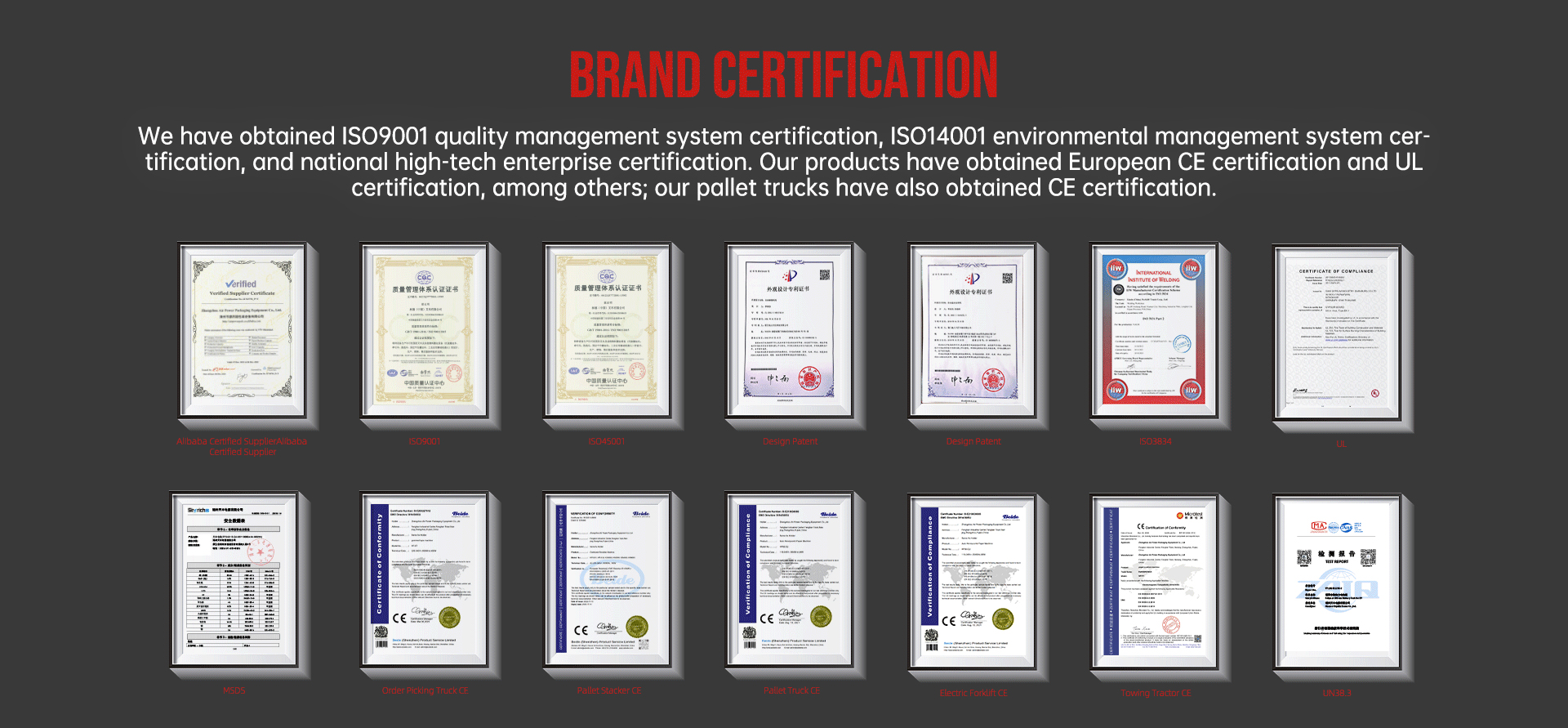 Engineering Detail
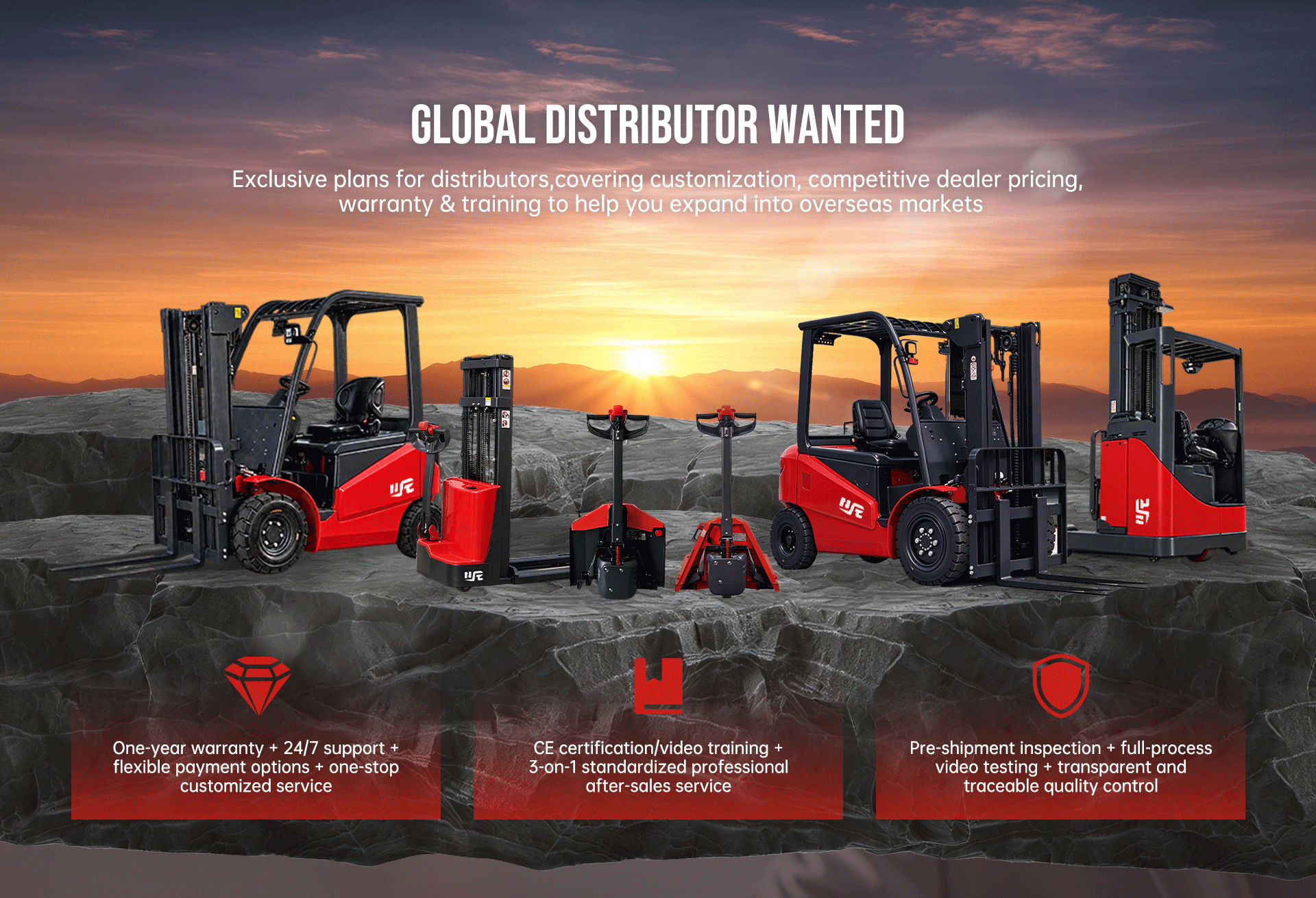 Design & Build Quality
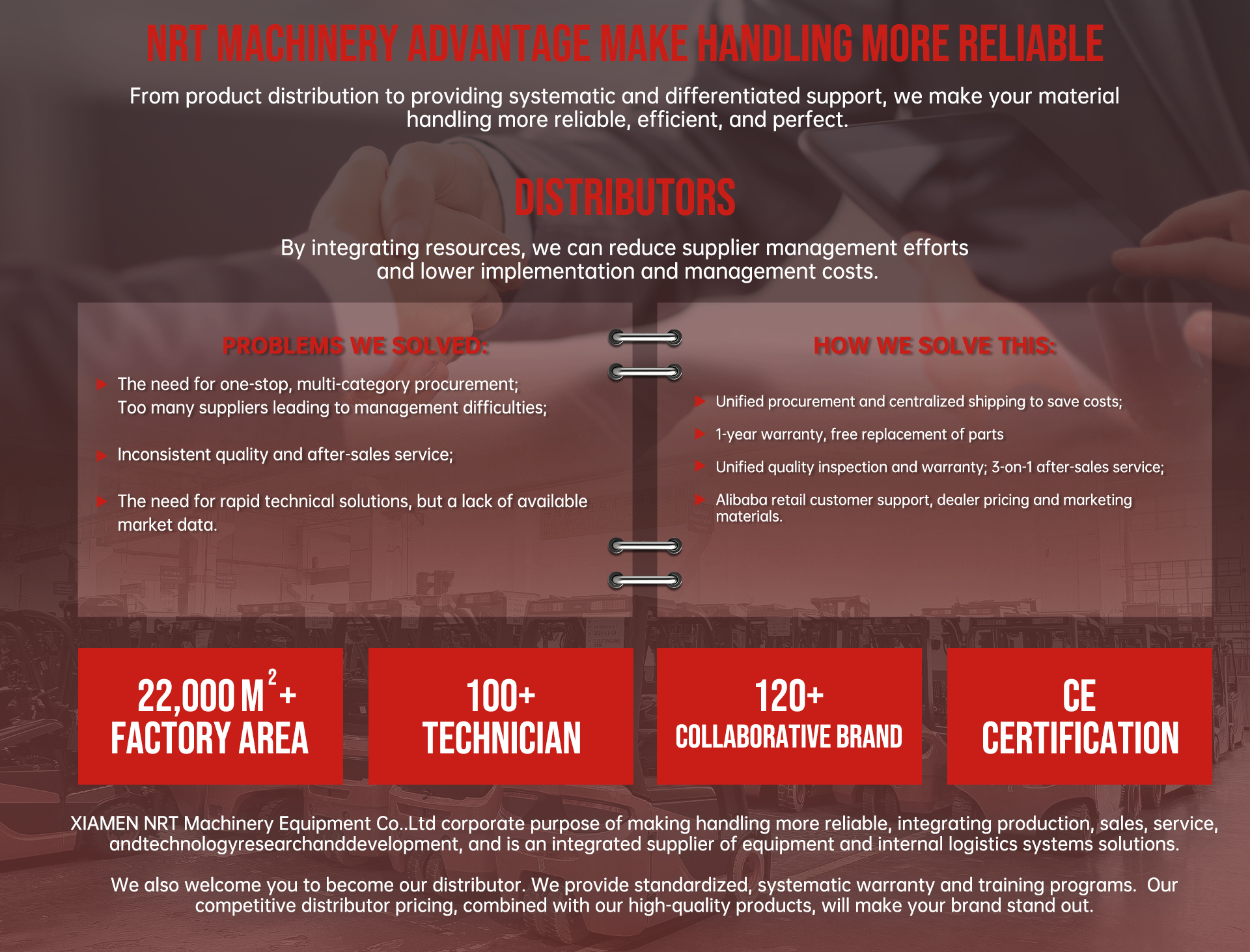 Production Capability
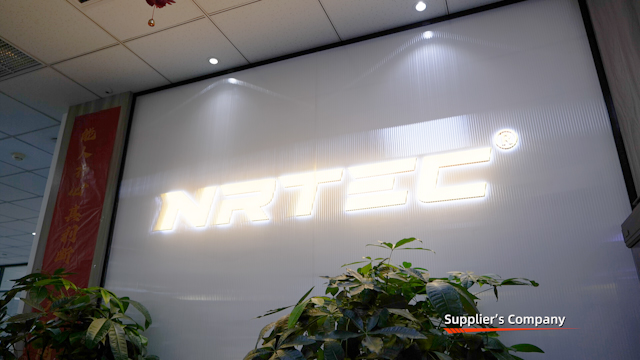 Verified Video
Common Questions About OEM/ODM Electric Forklift Procurement
These are the questions distributors, rental fleets and factory procurement teams most often ask when comparing Chinese electric forklift suppliers for the Kawasaki market.
Can you supply an electric counterbalance forklift under our own brand for Kawasaki?
Which model is best for narrow aisles in Kawasaki warehouses?
What charging setup should we plan for in Kawasaki or Kanagawa?
Which Incoterms and payment methods do you accept for Japanese buyers?
How do you reduce salt-air and humidity risk near the Port of Kawasaki?
How can we confirm quality before shipment?
What after-sales support is available for a Kawasaki dealer or fleet?
What documents can you provide for import and internal approval?
Build a Kawasaki-Ready Electric Forklift Program with Pexal
Send your aisle width, maximum load, lift height, shift pattern and charging voltage. We will recommend a practical configuration, prepare an OEM/ODM quotation and provide the catalogue for your Kawasaki market review. Email: info@pexalbot.com · Xiamen, Fujian, China.