OEM/ODM Diesel Forklift Factories & Factory in Dortmund
A factory-direct configuration programme for Dortmund distributors, rental fleets and industrial buyers — combining diesel power for yards with electric warehouse equipment for indoor flows.
8 Recommended Warehouse Support Units for a Dortmund Diesel Forklift Fleet
Diesel forklifts remain practical for outdoor yards, unpaved ground, container yards and long shifts where fast refuelling matters. However, a diesel truck should not be forced to perform every warehouse task. In Dortmund’s logistics warehouses, retail backrooms, container docks and production cells, compact electric pallet trucks and stackers reduce noise, eliminate local exhaust emissions and improve manoeuvrability. The eight products below are from Pexal’s current catalogue and are recommended as complementary units for dealers and fleet owners building a complete material handling offer around diesel forklifts.
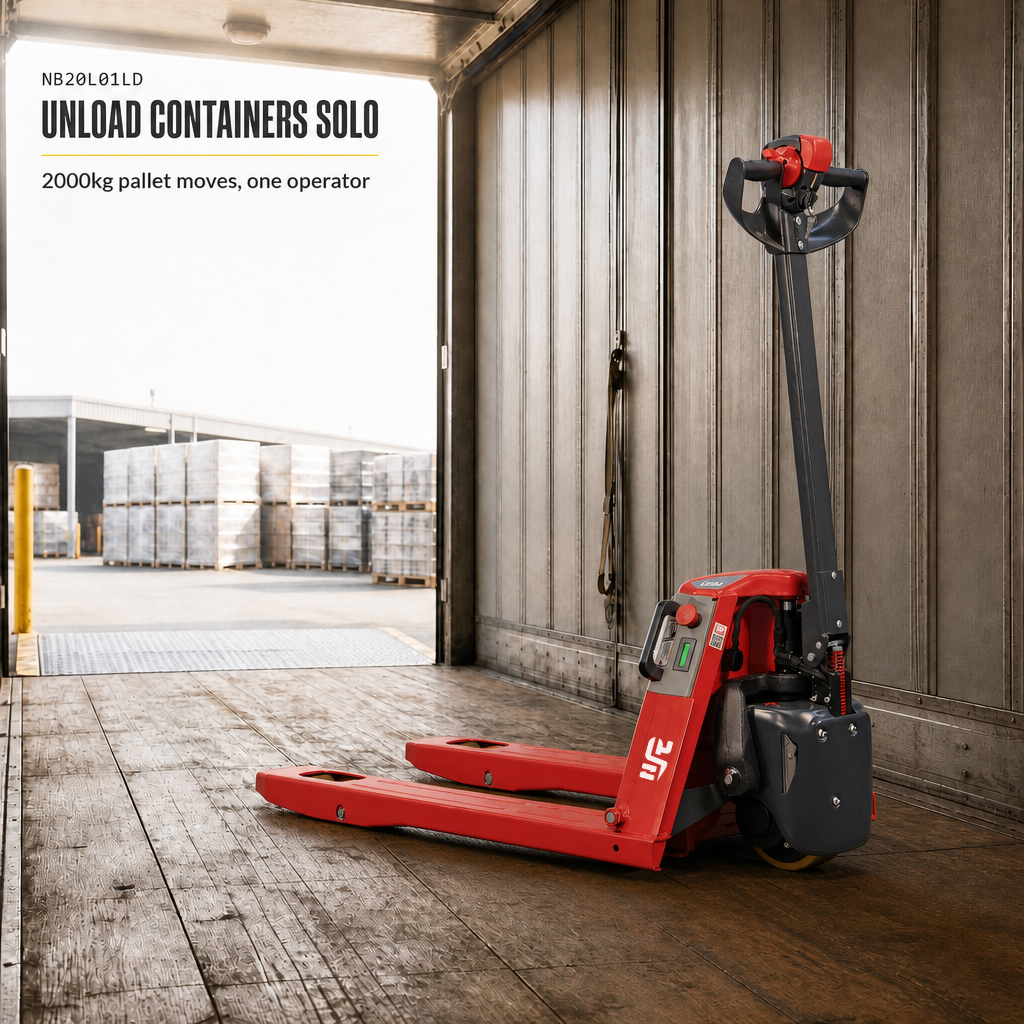
2000kg Electric Pallet Truck Lithium Ion 48V 10Ah Power Jack 1150mm Forks Polyurethane Wheels Container Loading
Ideal for loading docks and container unloading alongside diesel yard trucks, with polyurethane wheels for smooth warehouse floors.
View product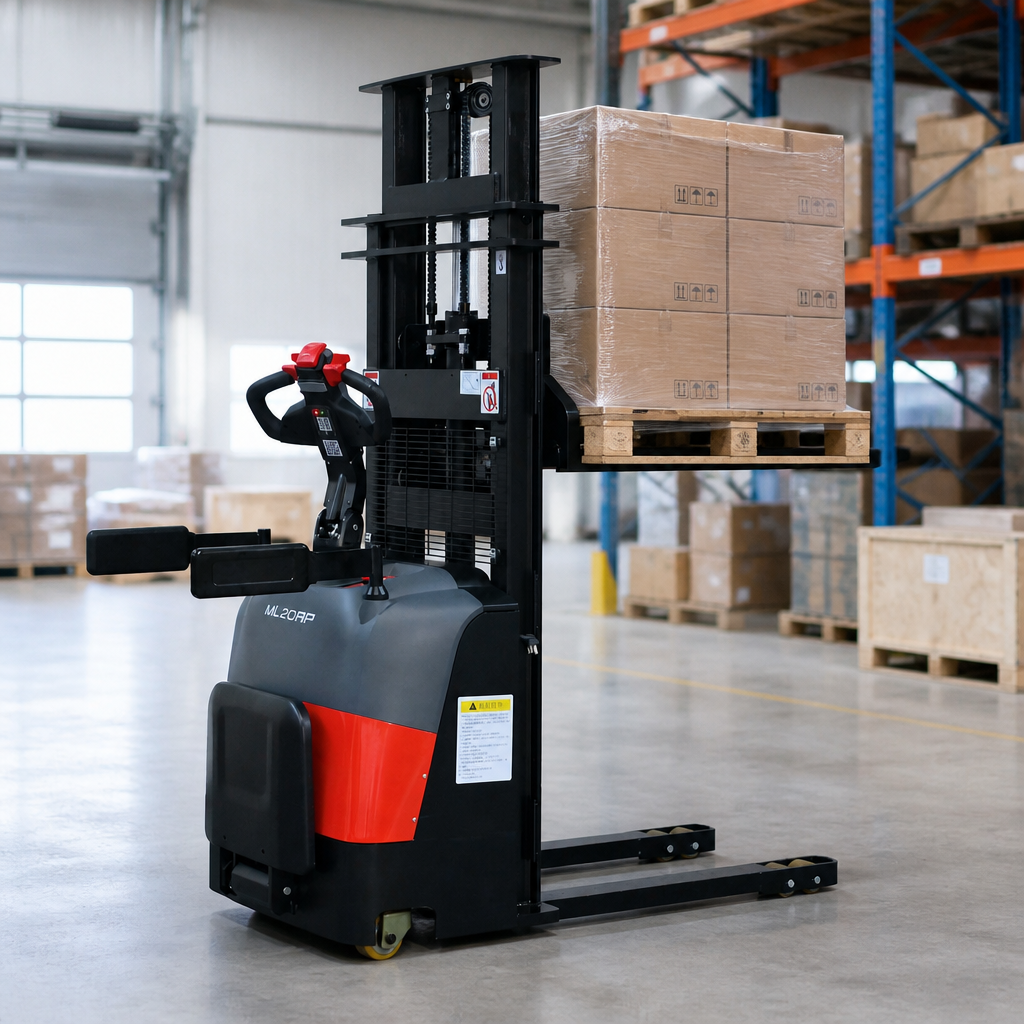
Electric Pallet Stacker 2000kg 3410mm Lift Height Stand on Stacker Truck for Warehouse Racking Stacking
High-lift racking support where diesel units should remain outside and indoor aisles need precise, low-noise stacking.
View product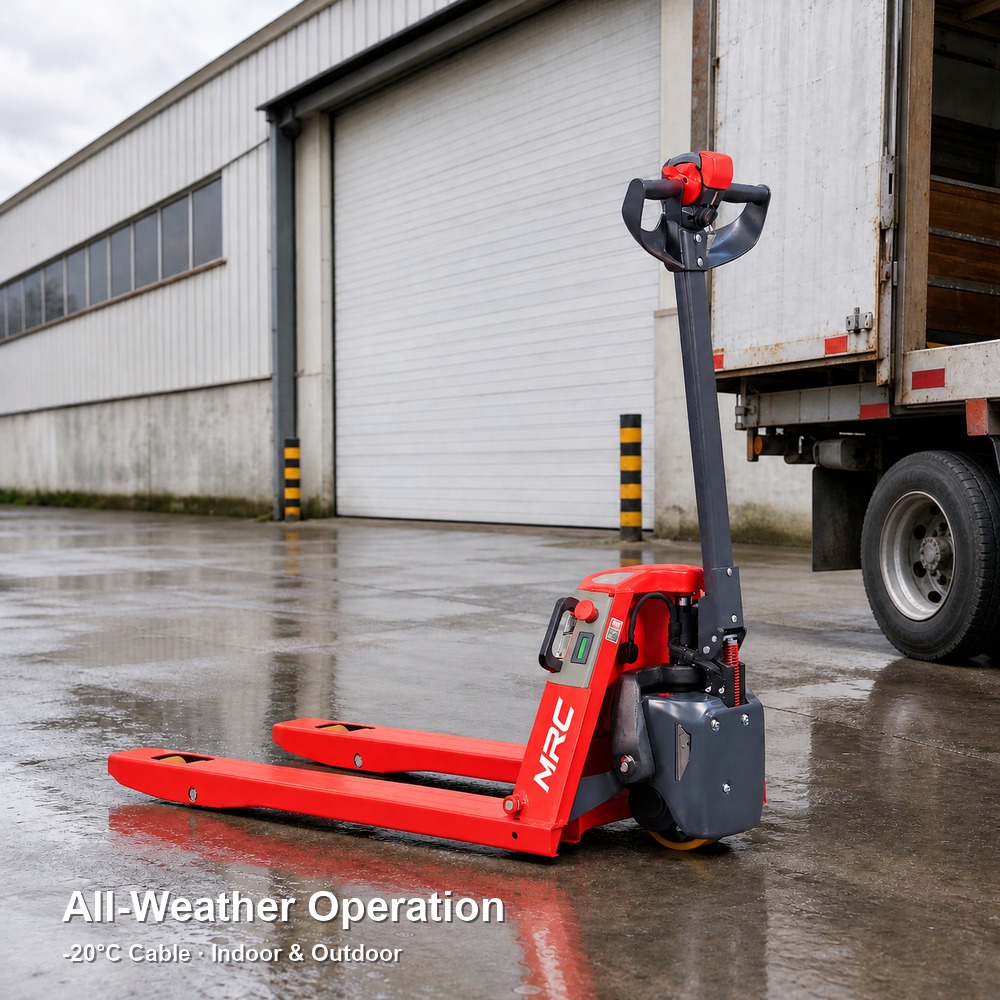
Factory Direct Price Electric Pallet Jack 1500kg 2000kg Battery Powered Walkie Pallet Truck Lithium Pallet Jack
A cost-efficient horizontal transport unit for distributors, 3PL fleets and retail operations that need fast pallet movement.
View product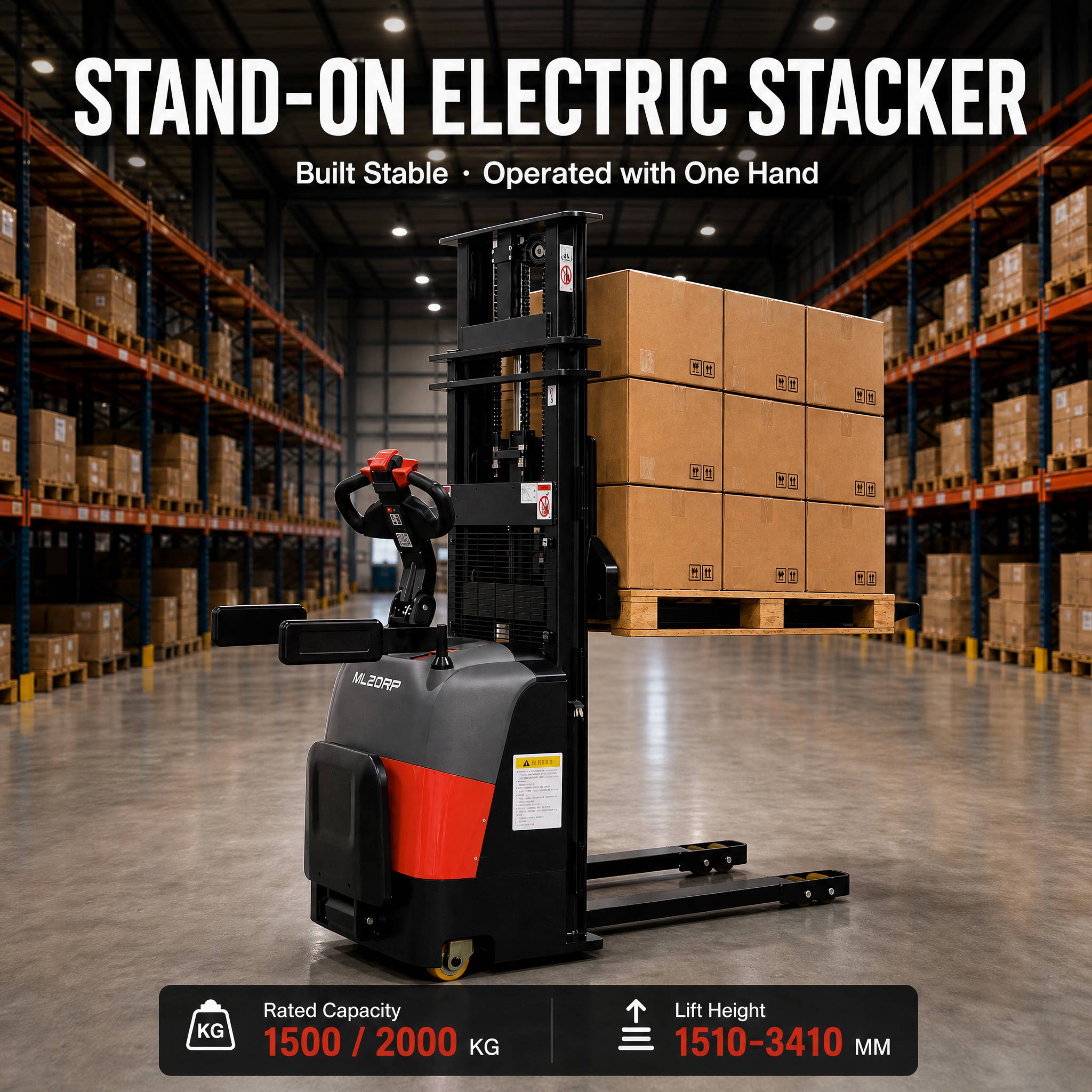
Channel Steel Mast Electric Pallet Stacker 2000kg 90mm Lowered Fork Height Stable High Rack Stacking
Stable high-rack stacking with a low lowered fork height, useful where pallet entry and precise positioning are critical.
View product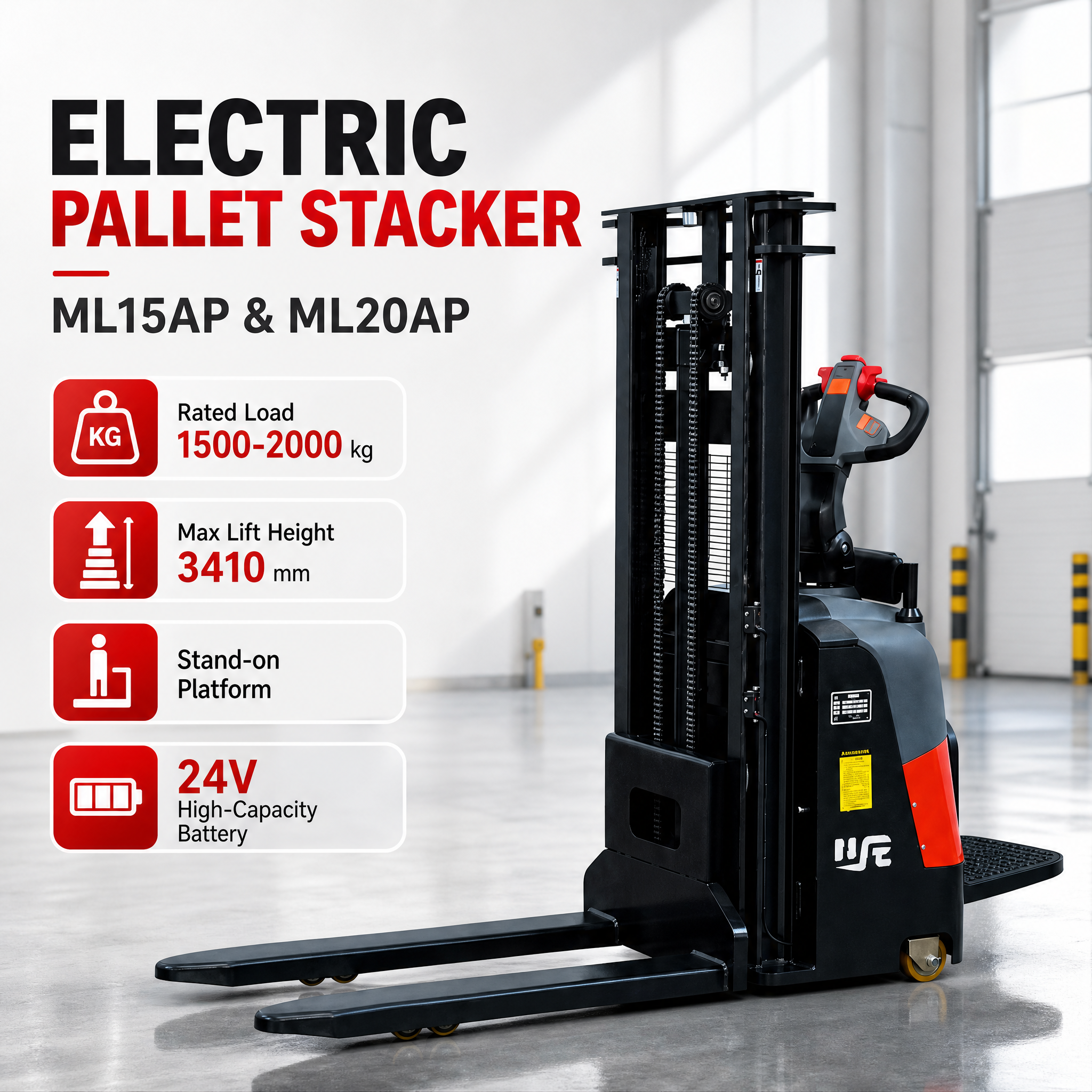
Stand on Electric Stacker 2000kg Centre Mounted Drive Twin Balance Wheels Stable High Racking Stacking
Centre-mounted drive and twin balance wheels support demanding racking cycles and long shifts inside the warehouse.
View product
2000kg Walkie Electric Pallet Jack 685mm Width Narrow Fork Pallet Truck with Lithium Battery for Container Loading
Narrow fork width helps with container loading, confined docks and warehouse zones where manoeuvring space is limited.
View product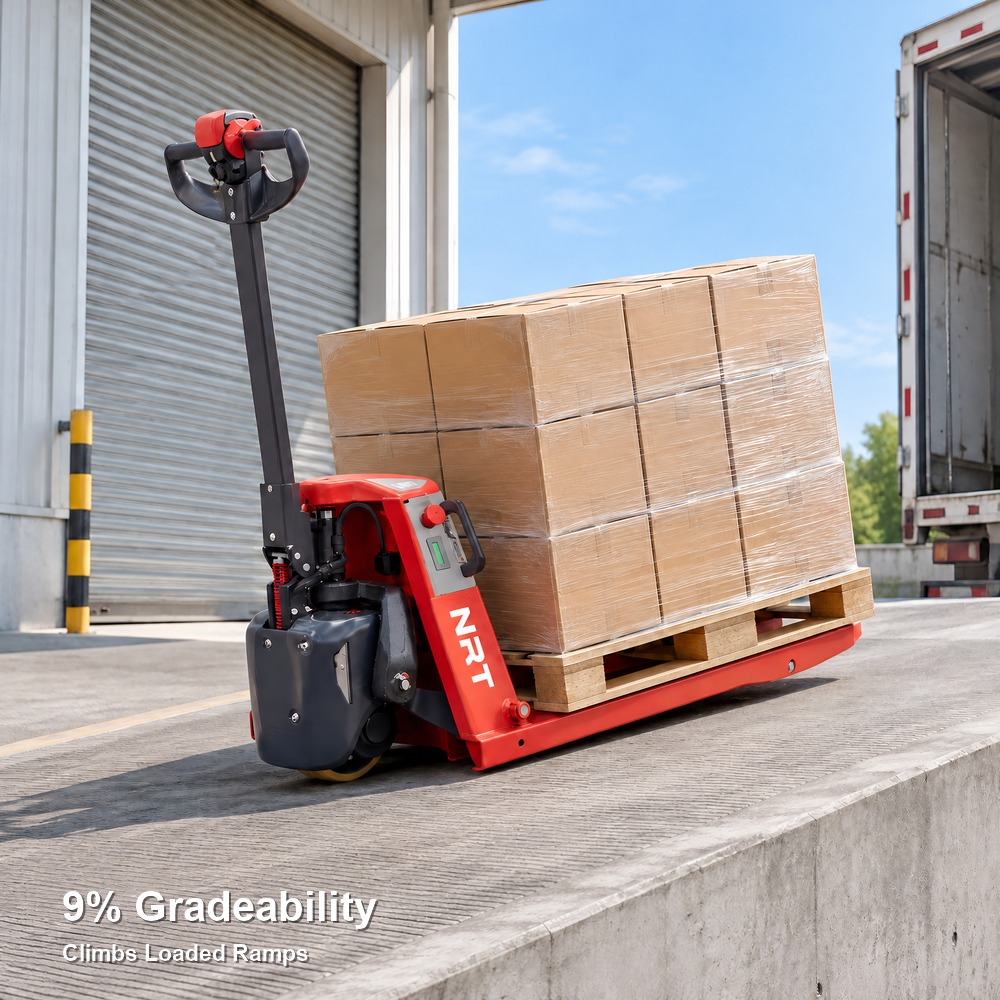
Lithium Battery Electric Pallet Jack Truck 1500kg 2000kg Walkie Pallet Jack Electric Forklift Alternative for Warehouse
A practical electric alternative for indoor warehouse tasks, reducing diesel use in areas where emissions are restricted.
View product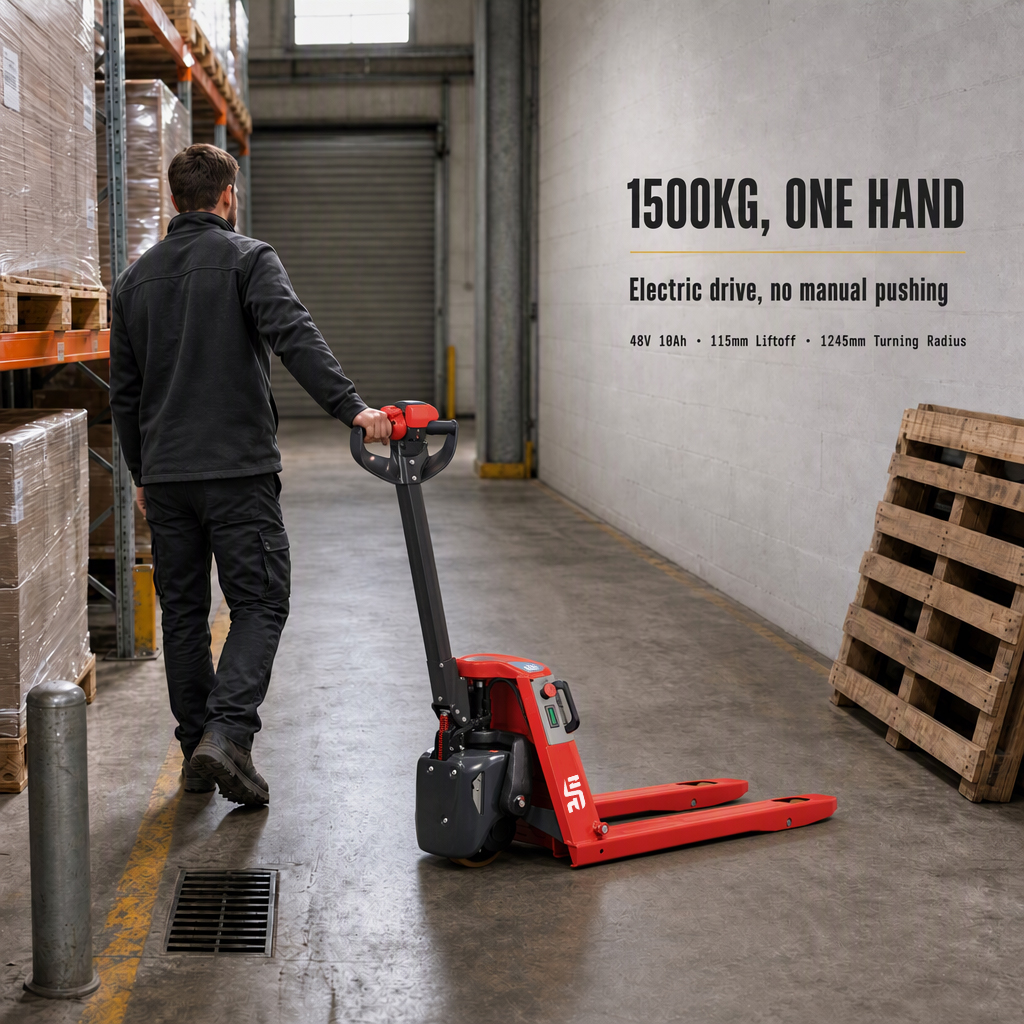
1.5 Ton Electric Pallet Truck with 48V Li-ion Battery, 107kg Ultra-lightweight Pallet Jack for Narrow Aisle Warehouse
An ultra-lightweight narrow-aisle unit for last-mile delivery, retail backrooms and compact warehouse operations.
View productWhy Dortmund Buyers Need More Than a Diesel Forklift Price List
Searching for an OEM/ODM diesel forklift factory in Dortmund is rarely a simple price exercise. Procurement teams in the Ruhr region compare engine emission standards, lifting capacity at the load centre, mast and fork geometry, tyre choice for paved or rough yards, parts availability, delivery terms and the quality of technical documentation. A diesel forklift that performs well in a steel yard may be unsuitable for a food warehouse or a container-loading dock. That is why the most useful factory relationship is not the one that quotes the lowest unit price; it is the one that reduces specification risk before the purchase order is issued.
Xiamen Pexal Technology Co., Ltd. supports Dortmund-area distributors, rental companies and industrial end users through a factory-direct OEM/ODM programme. Our sales, service and technical support base is in Xiamen, Fujian, and we work with a 220,000 m² partner manufacturing campus employing more than 1,200 people, including over 100 engineers focused on material handling equipment. For diesel forklift projects, the programme is built around application review, model selection, compliance documentation planning, custom branding, export packing and after-sales parts support. This is not a generic catalogue exercise: every proposal starts with the load, the aisle, the ground condition, the duty cycle and the local regulatory requirement.
Information gain matters in this market. Many pages repeat the same capacity and lift-height lists. A Dortmund buyer needs to know which variables actually change total cost of ownership. The answer usually sits in three areas: the match between the diesel unit and the outdoor yard, the handover point between diesel and electric equipment, and the completeness of the after-sales package. A mixed fleet often performs best when diesel forklifts handle outdoor unloading and heavy yard work while electric pallet trucks and stackers take over indoor horizontal transport, container stripping and high-rack feeding. That segmentation principle is the foundation of the product recommendations above.
What a factory proposal should clarify
Before comparing quotations, ask each supplier to put the following points in writing.
- Rated capacity at the actual load centre, not only at the fork heel
- Engine emission standard and documentation package for the target configuration
- Mast, fork length, tyre type and attachment compatibility
- Duty cycle, refuelling plan and recommended spare parts list
- Production schedule, export packing and Incoterms
- Named after-sales contact and first-response process
Dortmund Local Use Cases: Where Diesel and Electric Work Together
Dortmund is not a single material handling environment. The city and its wider Ruhr logistics network combine port terminals, rail freight, industrial suppliers, construction yards and dense urban warehouses. The right fleet plan separates tasks by ground condition, air quality and duty cycle.
Dortmund Port & Canal Logistics
The Dortmund-Ems Canal and port terminals connect inland waterway, rail and road freight. Diesel forklifts are often used for outdoor container and steel handling, while electric pallet trucks move goods in transfer sheds. A factory proposal should define wheel type, fork length and attachment before the unit is released to the yard.
Ruhr Steel & Metal Fabrication
Coils, profiles and heavy fabricated parts demand stable lifting, visible load charts and attachments such as coil rams or clamps. Confirm that the selected model’s capacity is rated at the actual load centre, not only at the fork heel. Attachment weight must also be deducted from residual capacity.
Construction Material Yards
Bricks, timber, cement bags and palletised blocks often sit on uneven ground. Pneumatic or solid tyres, high ground clearance, protected undercarriage and easy service access matter more than top travel speed. For rental fleets, standardised controls also reduce operator training time.
Automotive Supplier Parks
Just-in-time flows require predictable route times and low damage rates. Telematics-ready controls, clear operator visibility and ergonomic seating can improve shift-to-shift consistency. Diesel units are usually reserved for outdoor movements and heavy stillage handling.
Food & Cold Chain
Indoor food and cold storage areas increasingly restrict diesel operation because of emissions and air-quality concerns. Use battery-powered support equipment for indoor pallet moves and reserve diesel trucks for outdoor receiving yards. Cold-store specifications must be confirmed for lubricants, batteries and hydraulic systems.
Rail–Road Intermodal Hubs
Dortmund’s rail freight connections require fast turnaround at loading and unloading points. A mixed fleet with clear zoning reduces congestion and exposes the true cost of each equipment type. Buyers should model peak-hour demand rather than average throughput.
Dortmund Market Trends Shaping Diesel Forklift OEM/ODM Decisions
Procurement expectations in Dortmund are moving faster than a simple diesel-versus-electric debate. The strongest buying cases now combine emissions planning, fleet zoning, data readiness and after-sales certainty.
EU Stage V and Local Air Quality
Dortmund buyers increasingly ask for evidence of engine emission standards and documentation. Final compliance must be confirmed for the specific model and market before contract. A credible factory separates “available configuration” from “approved for your site”.
Mixed Fleets by Zone
The strongest return often comes from segmenting the site: diesel outdoors, electric indoors. This avoids using a 3.5-tonne diesel truck for a 1.5-tonne indoor pallet move and reduces unnecessary noise, emissions and energy cost.
HVO and Alternative Fuels
HVO and other drop-in fuels are discussed in European logistics, but engine manufacturer approval, warranty terms and local supply must be verified. Do not assume compatibility; ask the factory for written guidance for the exact engine and market.
Automation and Telematics
Fleet managers want utilisation data, impact detection, access control and service alerts. Even diesel forklifts can be specified with telematics-ready interfaces and digital pre-delivery checks, making the fleet easier to manage after handover.
Labour and Ergonomics
Driver shortage makes cabin layout, visibility, noise, vibration and control effort commercially important. A forklift that is hard to operate creates hidden cost through slower cycles, higher damage rates and greater operator turnover.
Parts, Service and Dealer Support
Dortmund buyers judge a factory by response time after the container arrives. Ask for spare parts lists, exploded views, diagnostic support, training material and a named after-sales contact before placing the order.
Indicative TCO influence for Dortmund mixed-fleet projects
These bars are a qualitative planning aid, not a quoted cost model. Actual results depend on duty cycle, energy contracts, operator behaviour and local service response.
How a Dortmund Diesel Forklift OEM/ODM Project Moves From Brief to Delivery
A reliable factory relationship turns a broad request into a controlled specification. The process below is designed to reduce rework, documentation gaps and container-loading surprises.
Application Brief
Share load weight, load centre, pallet size, aisle width, lift height, ground condition, shift duration, refuelling plan and attachment requirement. For Dortmund, also confirm the target emission standard, CE documentation expectation and site access rules.
Configuration Review
We compare diesel, electric and warehouse support options, propose capacity and mast combinations, and flag specification risks. Customization can include mast height, fork length, colour, logo, seats, lights, alarms and attachments.
Sample & Production Validation
For OEM/ODM orders, approved drawings, photos and pre-production samples reduce disputes. Functional checks cover lifting, travel, braking, steering and electrical systems before packing and shipment.
Export & After-Sales
We support FOB, CFR, CIF, EXW, FCA, CPT, CIP, DDP and other common terms, with T/T, L/C and other payment methods available. Export packing, loading supervision, documentation and spare parts planning are agreed before shipment.
Diesel Forklift Selection Matrix for Dortmund Operations
Use this matrix to prepare a more precise inquiry. It is easier for a factory to quote accurately when the application is described in operational terms rather than only by tonne capacity.
| Operating requirement | Recommended configuration | Why it matters |
|---|---|---|
| Outdoor yard / heavy pallets | Diesel forklift 2.5–5.0 t with load-centre verification, robust tyres and suitable mast | Rated capacity changes with load centre and attachment weight; the nameplate alone is not enough. |
| Container loading | Compact diesel or electric unit with container-friendly mast and fork length | Overhead guard height, fork length and manoeuvring space determine cycle time and damage risk. |
| Indoor racking | Electric pallet stacker, reach truck or order picker | Indoor air quality, noise and aisle width usually make diesel operation less suitable. |
| Mixed indoor–outdoor flows | Zone the site and combine diesel yard trucks with electric warehouse units | A mixed fleet can lower emissions and energy cost while keeping outdoor power where it is needed. |
| Rough ground / construction yard | Pneumatic tyre or all-terrain configuration with protected undercarriage | Ground clearance and tyre durability affect uptime more than top speed. |
| Rental fleet | Standardised controls, common parts, telematics readiness and simple service access | Rental companies need fast turnaround, low training burden and predictable maintenance. |
| Cold store / food logistics | Confirmed cold-environment specification and electric indoor support equipment | Battery, lubricant and hydraulic requirements must be checked before delivery. |
Why Pexal Is a Credible OEM/ODM Partner for Dortmund Buyers
Xiamen Pexal Technology Co., Ltd. was founded in Xiamen, Fujian in 2024 as the sales, service and technical support base for Pexal material handling equipment. Our mission is practical: help buyers move from manual handling to electric handling, and from diesel to battery power where appropriate — reducing emissions, noise and operating cost while building toward intelligent, digital logistics.
SGS-Assessed Supplier
Our company has passed an onsite check and supplier assessment conducted by SGS Group. Buyers can review the assessment record and verified company video before starting a factory discussion.
Partner Factory Scale
A 220,000 m² partner manufacturing campus and 1,200+ skilled workforce support container orders, recurring dealer stock and coordinated production planning.
R&D and Customization
More than 100 engineers and verified customization capability support sample-based customization, full customization and ODM services for mast height, fork length, battery type, colour, logo and attachments.
Full Product Ecosystem
Diesel forklifts, electric forklifts, pallet trucks, stackers, reach trucks, order pickers and AGV robotics can be presented as one coordinated supplier range rather than disconnected product purchases.
Export Terms and Currencies
FOB, CFR, CIF, EXW, FCA, CPT, CIP, DDP and other common terms are supported, with T/T, L/C, D/P, D/A, Western Union, PayPal, credit card and escrow. Accepted currencies include USD, EUR, GBP, JPY, CAD, AUD, HKD, CHF and CNY.
Logistics Solution Design
We support route and fleet planning, not only unit sales. That matters when a Dortmund site is replacing manual handling or rebalancing diesel and electric equipment across receiving, storage and dispatch zones.
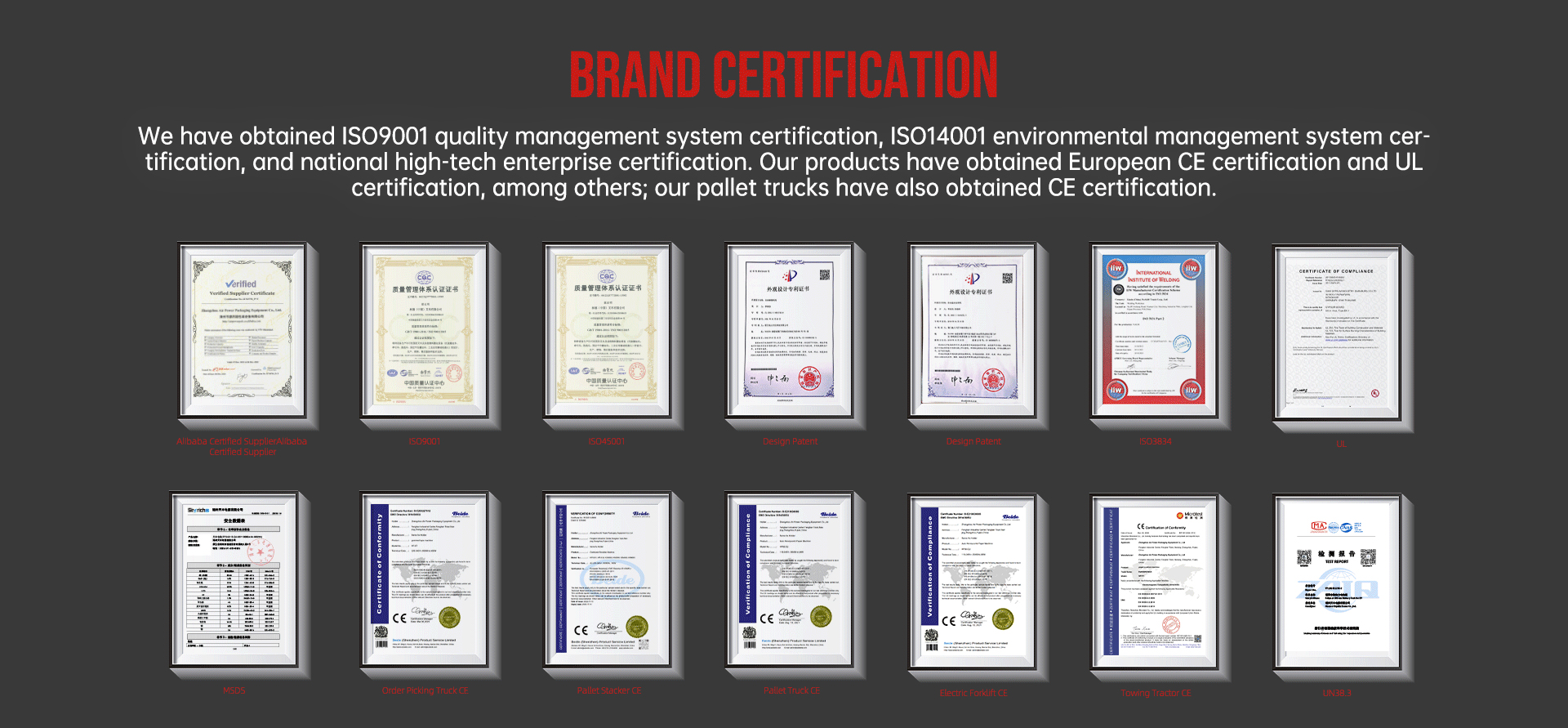
See the Manufacturing, Product and Verification Context
A serious OEM/ODM decision should be supported by visible production, product and verification context. These images are drawn from Pexal’s existing company and product content.
 Company overview
 Engineering detail
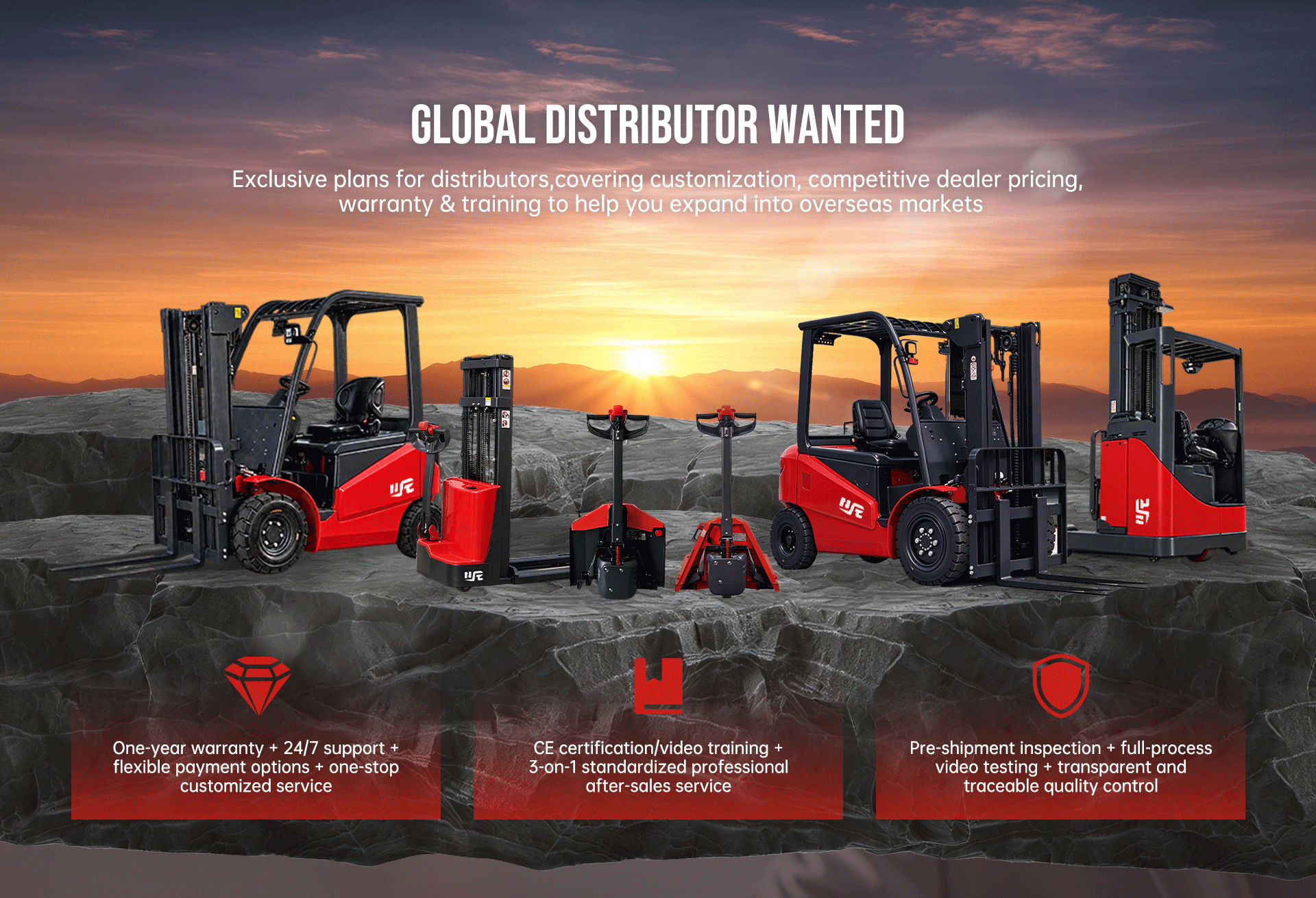 Design & build quality
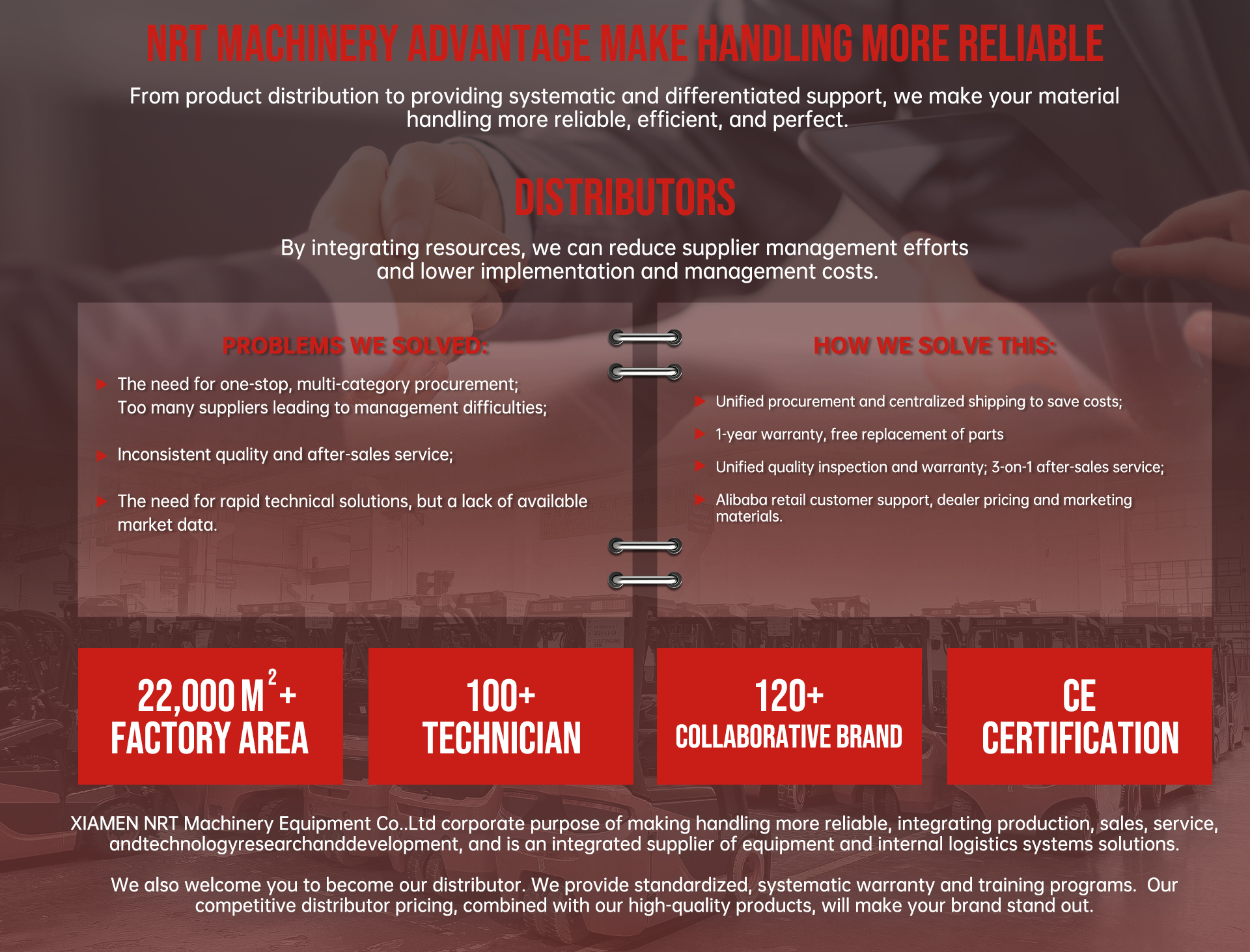 Production capability
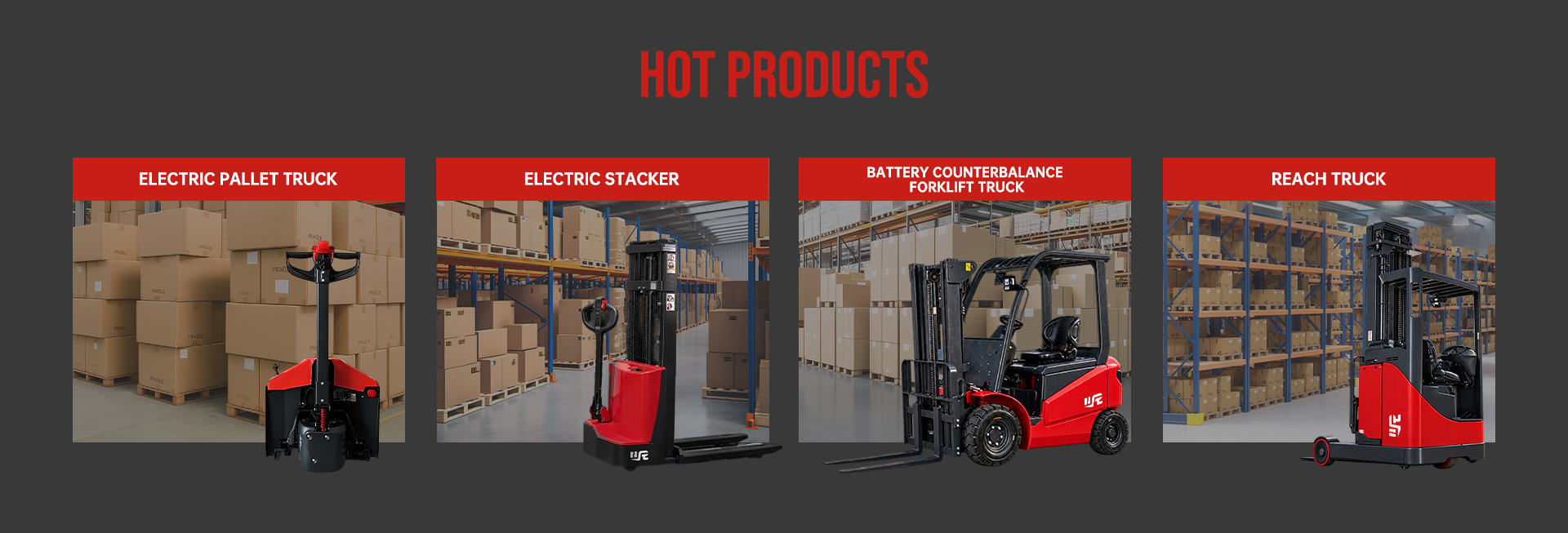 Best-selling lineup
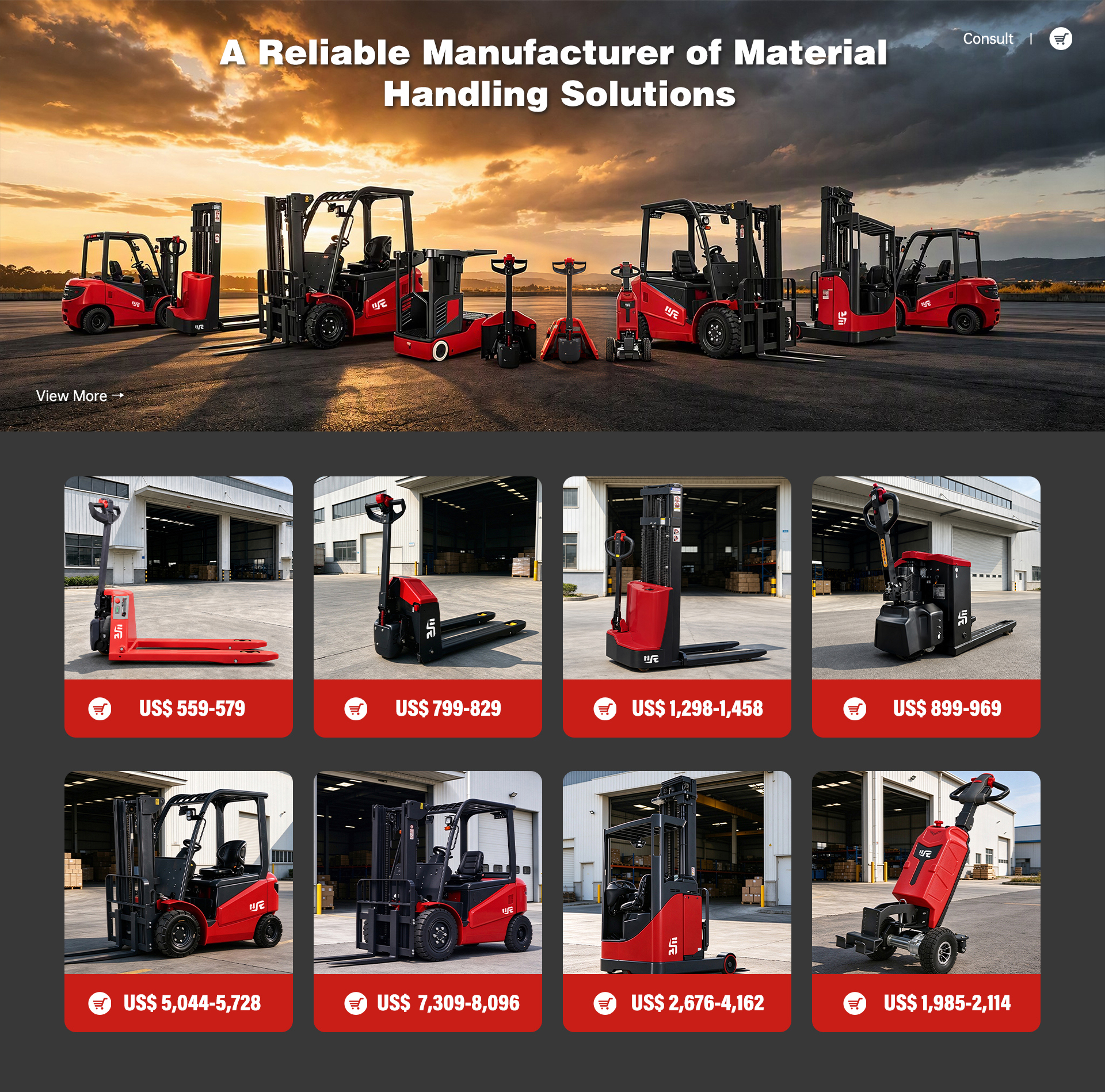 Product collection
Dortmund Diesel Forklift OEM/ODM Buying FAQs
These are the questions buyers commonly ask when comparing a factory-direct diesel forklift programme with local dealers and European rental suppliers.
Can you supply diesel forklifts that meet EU Stage V and CE requirements for Dortmund?
We review the required engine emission standard, CE documentation package and local site rules for each configuration. Final compliance must be confirmed for the exact model and application before order; we do not present one specification as automatically valid for every EU market. Buyers should provide the site’s acceptance requirements during the inquiry.
What is the typical delivery time from factory to Dortmund?
Lead time depends on capacity, mast, attachment, custom branding and production slot. A standard diesel forklift order and a mixed container with warehouse support units follow different schedules. Ask for a written production and shipping plan; we support FOB, CFR, CIF, EXW, FCA, CPT, CIP and DDP terms.
Do you offer OEM/ODM branding for German dealers?
Yes. We support sample-based customization, full customization and ODM services, including mast height, fork length, battery type for support equipment, colour, logo and attachment configuration. Branding and technical labels should be agreed before production.
What capacities are most common for Dortmund yards?
2.5 t to 5.0 t diesel forklifts are common, with the exact model determined by load centre, attachment, ground condition and stacking height. For container and loading-dock work, compact electric pallet trucks or stackers may be a better companion unit than a large yard truck.
Can you bundle diesel forklifts with electric pallet trucks and stackers?
Yes. The eight products shown on this page are selected as warehouse support units that can be included in the same dealer order or container plan. This helps distributors present a complete range and helps end users separate outdoor diesel work from indoor electric work.
How are spare parts and after-sales handled after delivery to Germany?
We provide parts lists, service documentation and remote technical support, and can coordinate with dealer or service partners. Before order, agree the critical spare parts list, warranty terms and first-response contact. For Dortmund buyers, a named after-sales coordinator reduces downtime risk.
Request a Dortmund-Specific Diesel Forklift OEM/ODM Proposal
Send your load, aisle, ground condition, required emission standard and target delivery date. Our team will return a Dortmund-focused configuration proposal with recommended diesel forklift capacity, compatible warehouse support units, estimated lead time and a documentation checklist. Email: info@pexalbot.com