Eight Factory-Direct Warehouse Truck Models for Fort Worth Buyers
These models cover trailer unloading, cross-docking, cold storage, ramp use, high-racking stacking and lightweight service fleets. Use them alongside reach trucks to build a mixed fleet that matches actual Fort Worth workflows.
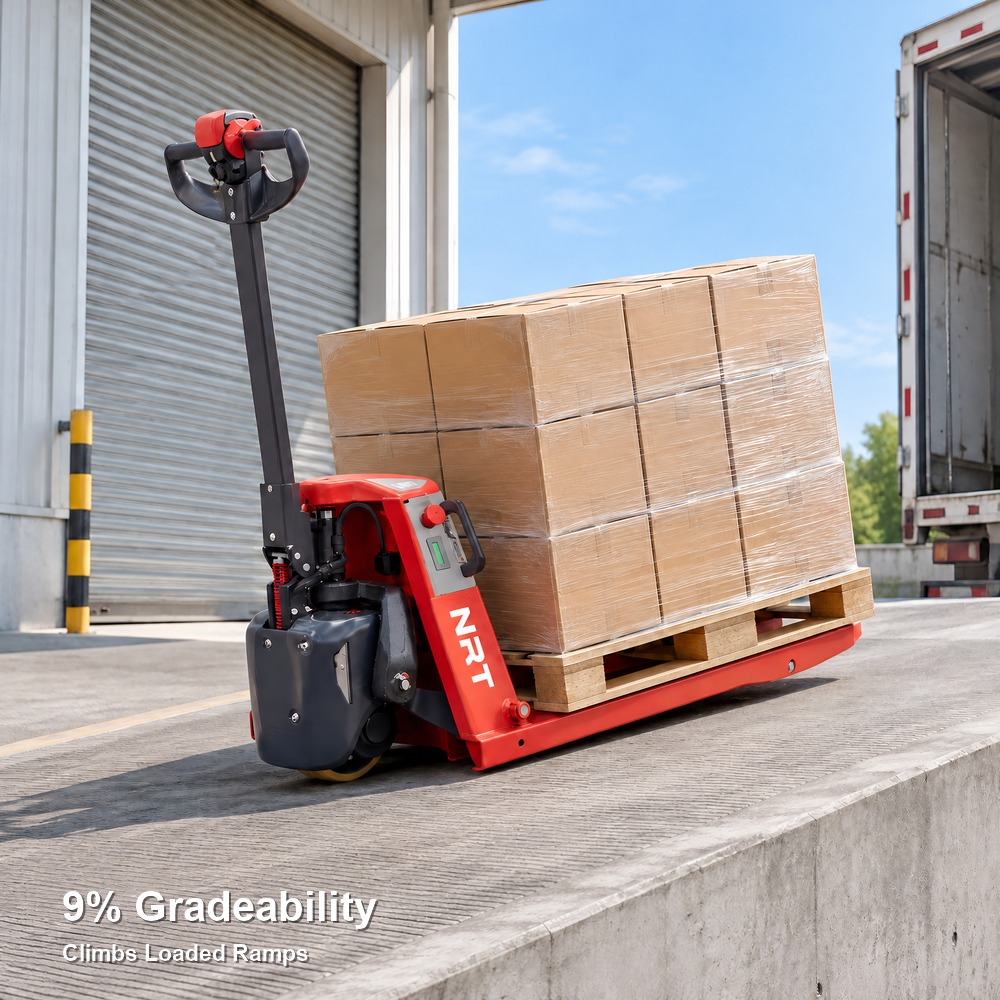
Lithium Battery Electric Pallet Jack Truck 1500kg / 2000kg
Walkie pallet jack and forklift alternative for warehouse loading, cross-docking and trailer-floor work.
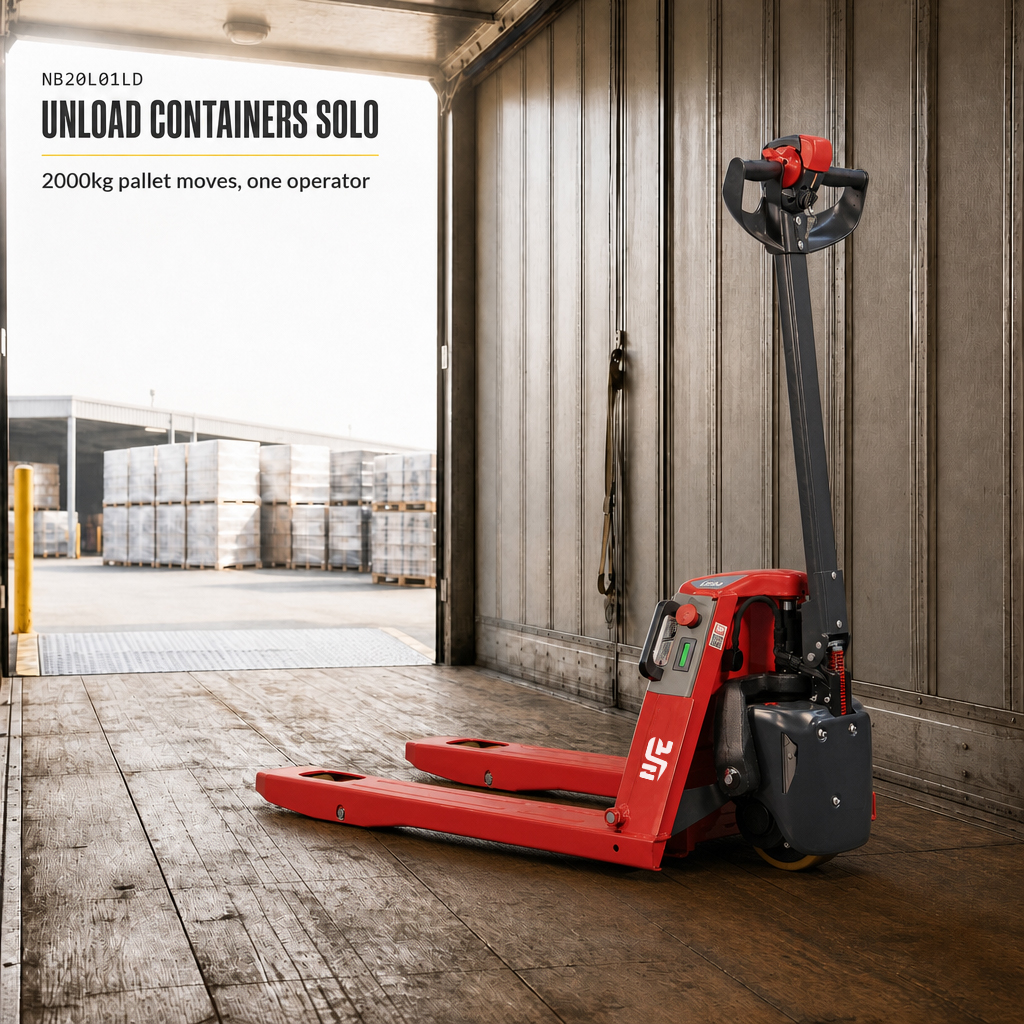
NRT 2 Ton Electric Pallet Jack Lithium-Ion 48V 10Ah
1150mm forks, polyurethane wheels and compact handling for Fort Worth 3PL and retail backrooms.
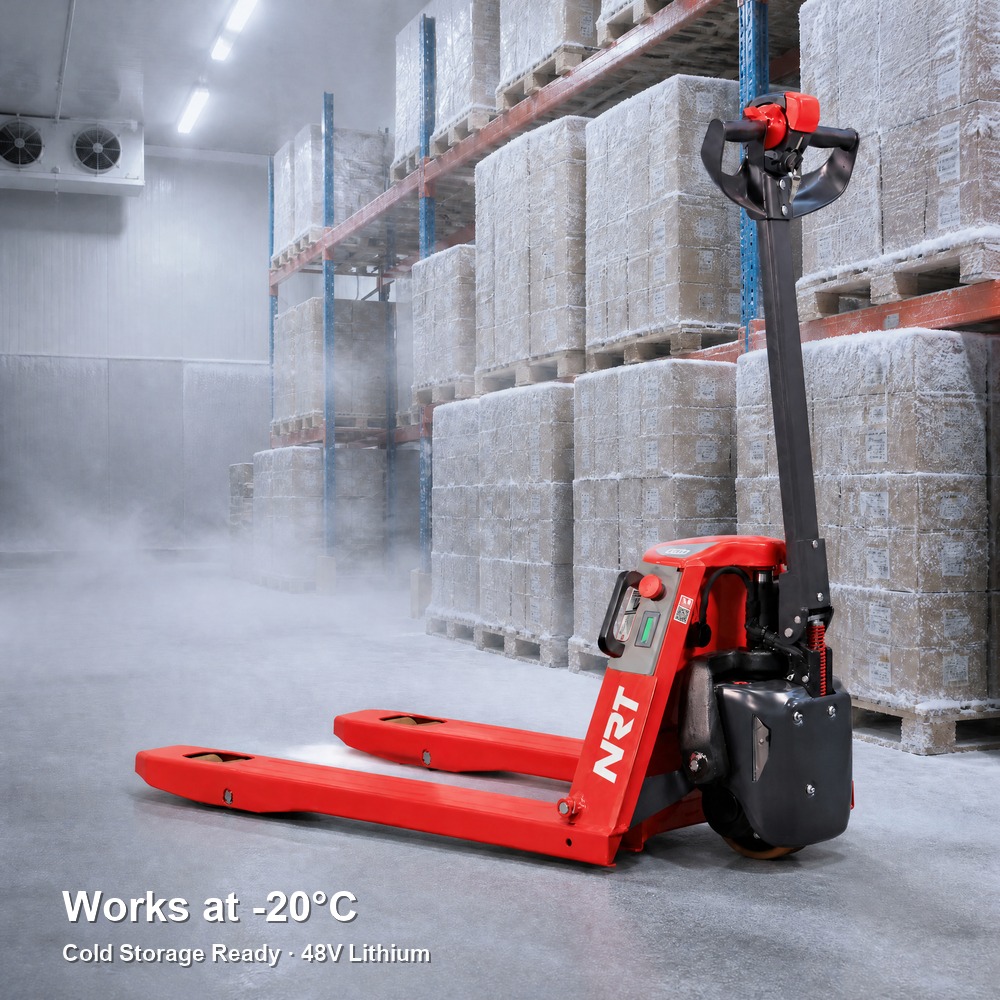
Electric Pallet Jack 2000kg with 48V Lithium Battery
6-second battery swap and 300mm slim body; suits cold storage and fast fleet rotation.
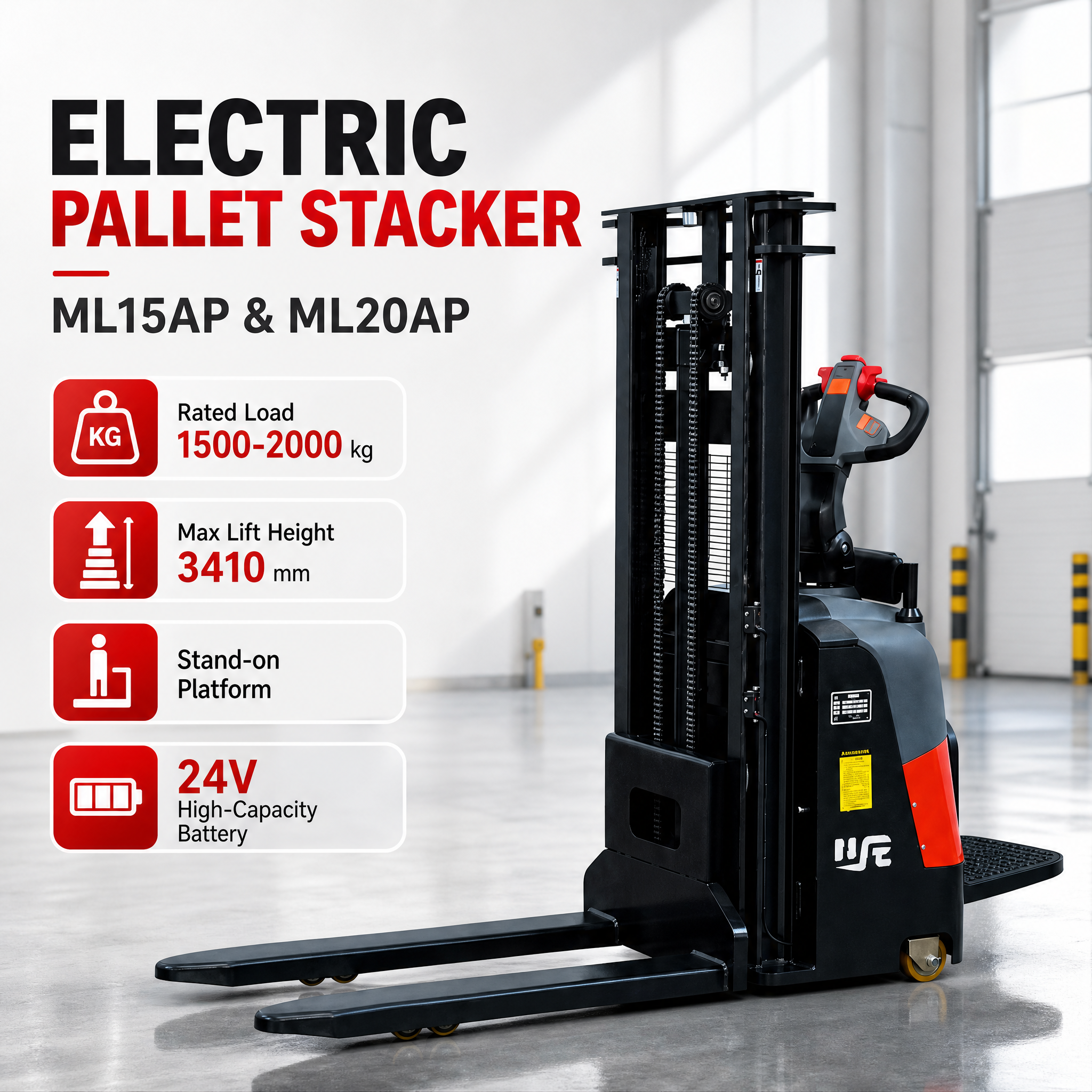
Stand-on Electric Stacker 2000kg Centre-Mounted Drive
Twin balance wheels and stable high-racking stacking for dense warehouse operations.
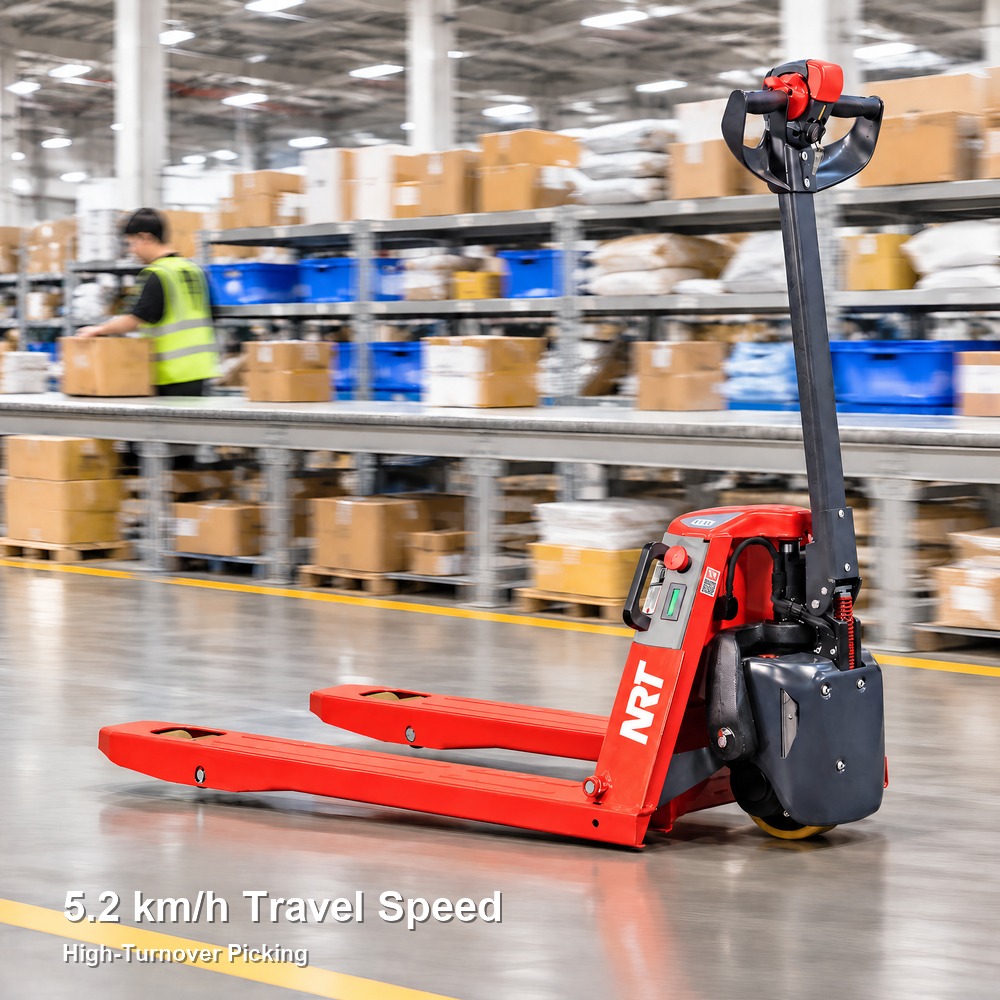
Electric Pallet Jack with Quick-Release Drive Wheel
One-minute service access and 48V lithium system for uptime-focused rental fleets.
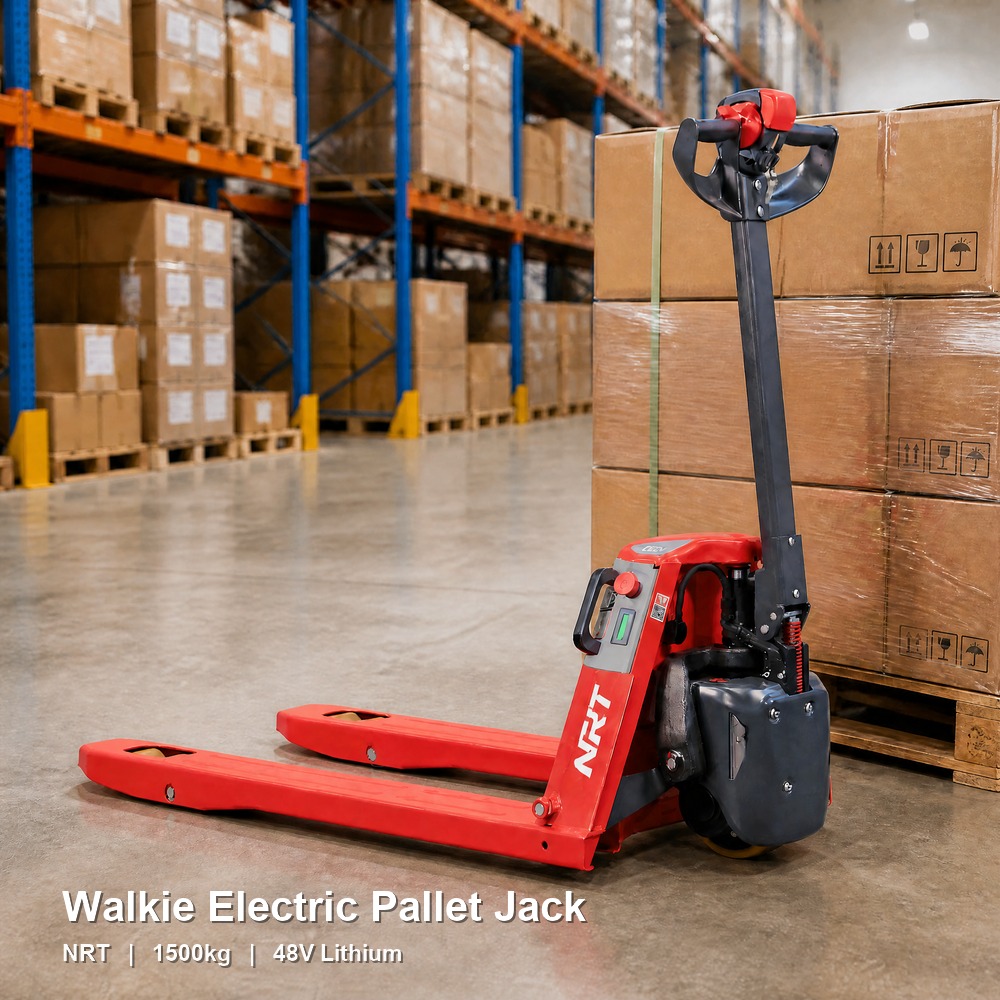
Electric Pallet Jack 1500kg / 2000kg Walkie Pallet Truck
Battery-powered loading and warehouse transport with familiar walkie control.

2026 New Ultra-Lightweight 107kg Electric Pallet Jack
Lithium power in a 107kg package for service vehicles, retail and light delivery fleets.
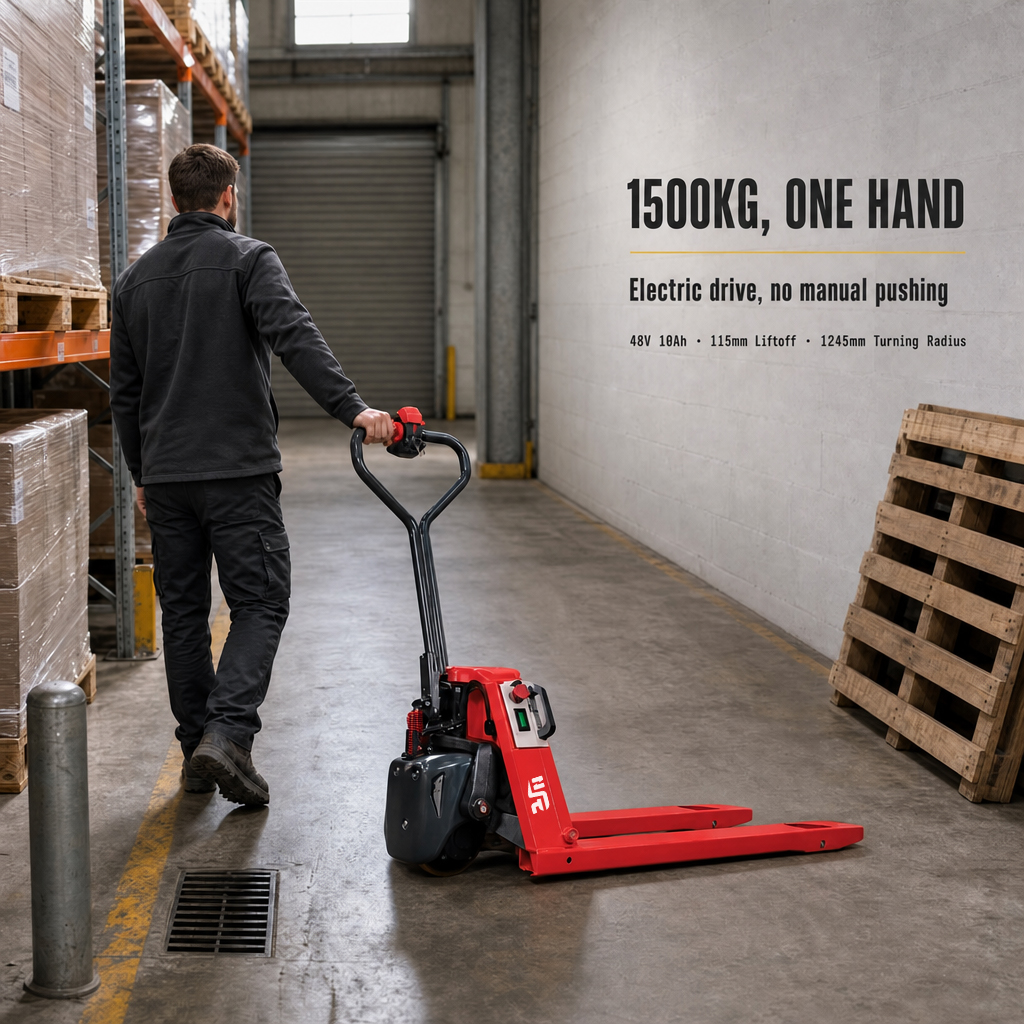
80mm Ground Clearance Electric Pallet Jack for Ramp Use
9% climbing grade, 1450mm vehicle length and ramp-ready lithium power.
Why Fort Worth Is a High-Growth Market for Reach Trucks and Electric Warehouse Equipment
Fort Worth has moved from a secondary warehouse market to a primary logistics platform in the Dallas-Fort Worth Metroplex. The AllianceTexas corridor, Alliance Airport, I-35W, I-20, I-30, State Highway 170 and DFW International Airport connect distribution centers, manufacturing plants and cross-border freight lanes. For warehouse operators, the effect is not abstract: more trailers per shift, more SKUs, tighter delivery windows and greater pressure on trained labor. This is the operating context in which a reach truck factory or wholesaler must be evaluated.
Reach trucks are essential for high-density storage because they combine high lift with narrow-aisle operation. But the most productive Fort Worth facilities do not buy one truck type. They build a flow: electric pallet jacks unload trailers and move pallets to staging; stand-on stackers replenish mid-level racking; reach trucks put away and retrieve high-bay pallets; order pickers support piece and case picking. A mixed fleet specified around aisle width, rack height, load center, floor condition and shift pattern will reduce touches and protect throughput better than a fleet chosen only on purchase price.
The local industry mix is diverse. 3PL and contract warehouses need multi-shift reliability, fast battery swap and accessible service points. E-commerce fulfillment centers need compact equipment and ergonomic controls. Food, beverage and cold-chain operators need zero local emissions, low noise and reliable performance in temperature-controlled zones. Aerospace suppliers, automotive aftermarket distributors, construction-material yards and wholesale trade businesses each impose their own requirements for precision, ground clearance, ramp capability and tire durability.
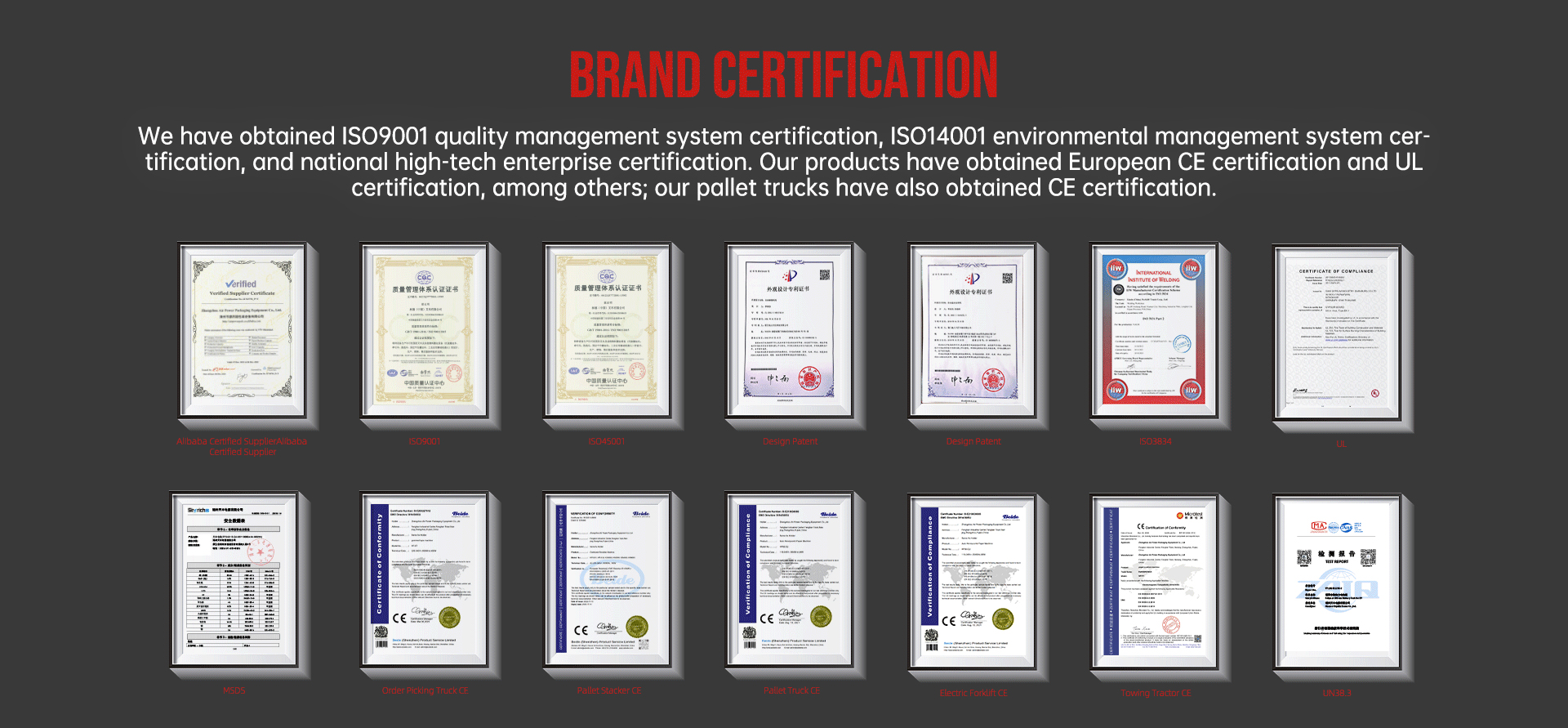
Pexal supports Fort Worth buyers as a factory-integrated wholesaler. Our partner manufacturing campus covers 220,000 m² and employs more than 1,200 people, including more than 100 engineers focused on electric warehouse equipment. We provide sample-based customization, full customization and ODM service, and our company has passed an SGS onsite assessment. That combination gives local dealers and fleet owners a practical path from specification to container shipment, without adding unnecessary layers between the factory and the warehouse floor.

Factory-integrated support: production, customization, inspection and export coordination.
A Factory Network Built for Repeat Wholesale Orders
For wholesale buyers, scale only matters when it improves delivery reliability. Pexal's partner campus, engineering team and export experience support repeat orders, customization and after-sales planning. The figures below describe the operational base behind every quotation.
These resources matter in Fort Worth because buyers rarely purchase a single truck. Dealers build stock fleets; 3PLs standardize models across sites; rental companies need quick-release service features; end users need spare parts and training. A factory-integrated wholesaler can coordinate model selection, battery and charger configuration, labeling, packaging and export documents as one program.
Where Each Truck Earns Its Place in Fort Worth
The same 2,000 kg pallet can require different equipment in a freezer, on a dock ramp, in a narrow aisle or at a retail backroom. These are the application patterns we review with Fort Worth buyers.
3PL and Distribution Centers
A 3PL in North Fort Worth may receive dozens of trailers per shift and replenish thousands of pallet positions. Reach trucks handle high-bay put-away. Stand-on stackers replenish pick faces. Electric pallet jacks unload trailers. Specify by travel distance and lift height, not by capacity alone.
E-Commerce Fulfillment
Order profiles are smaller and more frequent. Walkie pallet trucks and ultra-lightweight 107kg models move carts and pallets between packing stations. Stand-on stackers replenish mezzanine pick faces, while order pickers and reach trucks support higher-density storage.
Food, Beverage and Cold Chain
Zero local emissions and low noise support indoor air quality. The 48V lithium model with 6-second battery swap and 300mm slim body supports cold storage and fast fleet rotation. Confirm charger placement outside freezer zones and a battery temperature strategy before order.
Manufacturing and Aerospace Suppliers
Line-side delivery needs compact turning and precise positioning. Electric pallet jacks and stackers reduce manual handling and support just-in-time material flow. Reach trucks and electric forklifts handle finished goods and work-in-progress transfer between production cells.
Building Products and Wholesale Trade
Ramps, dock levelers and mixed floor surfaces require ground clearance and wheel choice. The 80mm ground clearance ramp model and rugged stackers suit lumber, hardware and wholesale yards where pallets are heavy and surfaces are less predictable.
Automotive and Aftermarket
Dealers and parts distributors use pallet jacks for loading and stackers for tire and parts storage. Quick-release drive wheel design reduces service downtime. For high-rack parts storage, pair reach trucks with stand-on stackers to separate transport from put-away.
Fort Worth Material Handling Trends Shaping 2025–2026 Procurement
Fort Worth buyers are not only comparing equipment prices. They are responding to changes in freight flows, warehouse density, labor availability and energy management.
Nearshoring and Mexico-Linked Freight
Texas continues to benefit from nearshoring. Cross-border and regional freight increases trailer turns and pallet touches in Fort Worth. Buyers are specifying equipment for faster dock cycles, not just higher capacity.
Warehouse Densification
New distribution centers in the Alliance corridor and South Fort Worth are designed around higher racking and tighter aisles. Reach trucks and stand-on stackers are evaluated together to maximize cubic storage without blocking pick paths.
Labor Retention and Ergonomics
Turnover makes training time a cost. Walkie pallet jacks, stand-on stackers and clear controls reduce physical strain and shorten onboarding. Ergonomic design is now a procurement criterion, not an afterthought.
Lithium-Ion and Opportunity Charging
Lithium batteries support opportunity charging and fast swap. The 6-second swap and 48V lithium models in this range are relevant for multi-shift fleets that cannot lose a truck to long charging breaks.
Automation Readiness
AGV and automated guided forklift projects begin with stable, predictable pallet flows. Even buyers not ready for automation should specify consistent pallet quality, clear aisle markings and equipment that can integrate with future fleet data.
Total Cost of Ownership and Service Access
Fort Worth operators compare purchase price, energy cost, tire wear, battery life, service labor and downtime. Quick-release drive wheels, accessible controllers and a recommended spare-parts kit can matter more than a small difference in unit price.
How Fort Worth Procurement Teams Should Specify Reach Trucks and Warehouse Trucks
A credible quotation should be based on site data. Before contacting a reach truck factory or wholesaler, collect the following measurements and operating assumptions. This guide is written for warehouse managers, dealer buyers and maintenance teams who need a repeatable specification process.
Measure Aisle and Rack
Record aisle width at the narrowest point, top racking level, beam spacing, door height and right-angle stacking clearance. For reach trucks, confirm closed mast height and lift height. For stackers, confirm free lift and overhead obstructions.
Confirm Load and Duty Cycle
Note maximum pallet weight, load center, pallet type, shifts per day and travel distance. A 2,000 kg rating is not a complete answer if the load center is long or the truck works in a freezer for two shifts.
Choose Power and Charging
Compare lithium and lead-acid options against charging windows, available power, battery swap practices and cold-storage conditions. Confirm charger input voltage, connector type and charging profile for the Fort Worth site.
Plan Service and Spares
Ask for service access points, diagnostic support, recommended spare parts and training materials. For rental fleets, prioritize quick-release drive wheels and standardized components across models.
| Equipment | Best Fort Worth Use | Why It Works | Specify Before Order |
|---|---|---|---|
| Reach Truck | High-bay racking, narrow aisles | High lift with a compact footprint | Aisle width, lift height, mast, battery |
| Electric Pallet Jack | Trailer unloading, dock-to-staging | Fast horizontal movement | Fork length, wheel type, battery swap |
| Stand-on Stacker | Mid-level racking, dense storage | Stable stacking with operator platform | Lift height, drive configuration, aisle |
| Walkie Pallet Truck | Retail backroom, light delivery | Low cost and familiar operation | Floor condition, ramp grade, duty cycle |
| Ultra-Lightweight Pallet Jack | Service fleets, vans, retail | 107kg lithium package | Loading method, floor protection |
| Ramp-Use Pallet Jack | Dock ramps, sloped yards | 80mm clearance and 9% grade capability | Grade, surface, load center, braking |
Why Pexal Is a Practical Reach Truck Factory and Wholesaler for Fort Worth
Xiamen Pexal Technology Co., Ltd. was founded in Xiamen, Fujian in 2024 as the sales, service and technical support base for Pexal material handling equipment. We work with a 220,000 m² partner manufacturing campus and a workforce of more than 1,200 people, including over 100 engineers. Our mission is practical: help buyers move from manual handling to electric handling and from diesel to battery power while building toward intelligent, digital logistics.
Buyers in Fort Worth can use Pexal as a factory-integrated source for electric forklifts, pallet trucks, stackers, reach trucks, order pickers and AGV robotics. We offer sample-based customization, full customization and ODM. Our company has passed an SGS onsite assessment, and our verified company video is available for review. We support dealers, rental companies and end users in Western Europe, North America, South America, Eastern Europe and Oceania.
Accepted delivery terms include FOB, CFR, CIF, EXW, FCA, CPT, CIP, DDP and other common terms. Payment methods include T/T, L/C, D/P, D/A, Western Union, PayPal, credit card and escrow. Accepted currencies include USD, EUR, GBP, JPY, CAD, AUD, HKD, CHF and CNY. For Fort Worth buyers, this flexibility supports both container programs and urgent sample orders.

SGS-Assessed and Onsite Verified
Third-party assessment reduces supply-chain unknowns. Buyers can review our assessment records, credit index and trade history.
OEM/ODM Customization
Mast height, fork length, battery type, color, logo, attachments, packaging and manuals can be configured for your market.
Export Documentation and Incoterms
From EXW to DDP, we coordinate documentation, packaging and shipping through Xiamen port for Fort Worth delivery planning.
Service and Parts Planning
Recommended spare-parts lists, manuals, wiring diagrams, remote support and training materials help Fort Worth fleets plan uptime.
Fort Worth Buyer FAQ: Reach Trucks, Electric Pallet Jacks and Wholesale Supply
These are the questions we most often receive from importers, dealers, 3PL operators and maintenance teams preparing orders for the Dallas-Fort Worth market.
How fast can you ship a reach truck or electric pallet jack to Fort Worth?
Lead time depends on model, battery, customization and shipping schedule. Standard electric pallet jacks and stackers can often move faster than customized reach trucks. We separate production time from ocean transit and final trucking to Fort Worth. After configuration is confirmed, we provide a written schedule with container loading date, port of departure and estimated delivery window. For urgent dealer stock, ask about models that can be consolidated with existing orders.
Can you deliver DDP to Fort Worth, Texas?
Yes. We support FOB, CFR, CIF, EXW, FCA, CPT, CIP and DDP. DDP can simplify customs and final-mile planning, but the buyer should confirm the scope of duties, taxes and delivery address. We also support CIF or CFR to a Texas port with your forwarder. Provide a ZIP code and unloading conditions so the freight plan matches the site.
What voltage and charger configuration should a Fort Worth warehouse plan for?
Most U.S. warehouses use 208V, 240V or 480V three-phase power depending on charger size and facility design. We confirm battery voltage, charger input, connector type and charging profile before order. For 48V lithium pallet jacks, opportunity charging can reduce battery changes. For cold storage, confirm charger location outside the freezer and a battery strategy that protects cycle life.
Do you offer OEM/ODM and dealer branding for Fort Worth distributors?
Yes. We offer sample-based customization, full customization and ODM service. Typical changes include mast height, fork length, battery type, color, logo, labels, attachments, packaging and manual language. Minimum order quantity depends on the level of customization and model. Dealers can develop a private-label program while keeping factory-level technical support.
Which spare parts should a Fort Worth fleet stock for electric pallet jacks and stackers?
Start with wear items and high-failure components: drive wheels, load wheels, emergency stop switches, controllers, battery connectors, chargers, hydraulic seals and brake parts. For rental fleets, standardize components across models. The quick-release drive wheel design on selected pallet trucks reduces service time. We can provide a recommended spare-parts list based on fleet size and duty cycle.
How do you support training, service and warranty for buyers in Texas?
We provide operation and maintenance manuals, wiring diagrams, video guides and remote technical support. Dealer training can be organized around assembly, inspection, troubleshooting and spare-parts replacement. Warranty terms depend on model and configuration. For Fort Worth buyers, we recommend agreeing on a service contact, spare-parts kit and escalation process before the first shipment.
Request a Fort Worth Fleet Configuration Review
Share your aisle width, rack height, maximum load, shift pattern, floor condition, charging power and delivery ZIP. Our team will recommend a practical mix of reach trucks, electric pallet jacks and stackers, then prepare a model list, battery and charger plan, Incoterms options and lead-time estimate.
Email: info@pexalbot.com · SGS-assessed supplier · OEM/ODM · Export documents and after-sales support