8 Material Transport Equipment Picks for Dallas Warehouses
Dallas buyers operate in a tough, high-throughput environment: tight dock schedules, long distribution runs, concrete floors with expansion joints, ramp transitions and multi-shift cold-chain rooms. The eight models below are recommended for common DFW material transport tasks, from 2,000 kg pallet movement to narrow-aisle stacking and 48V lithium opportunity charging.
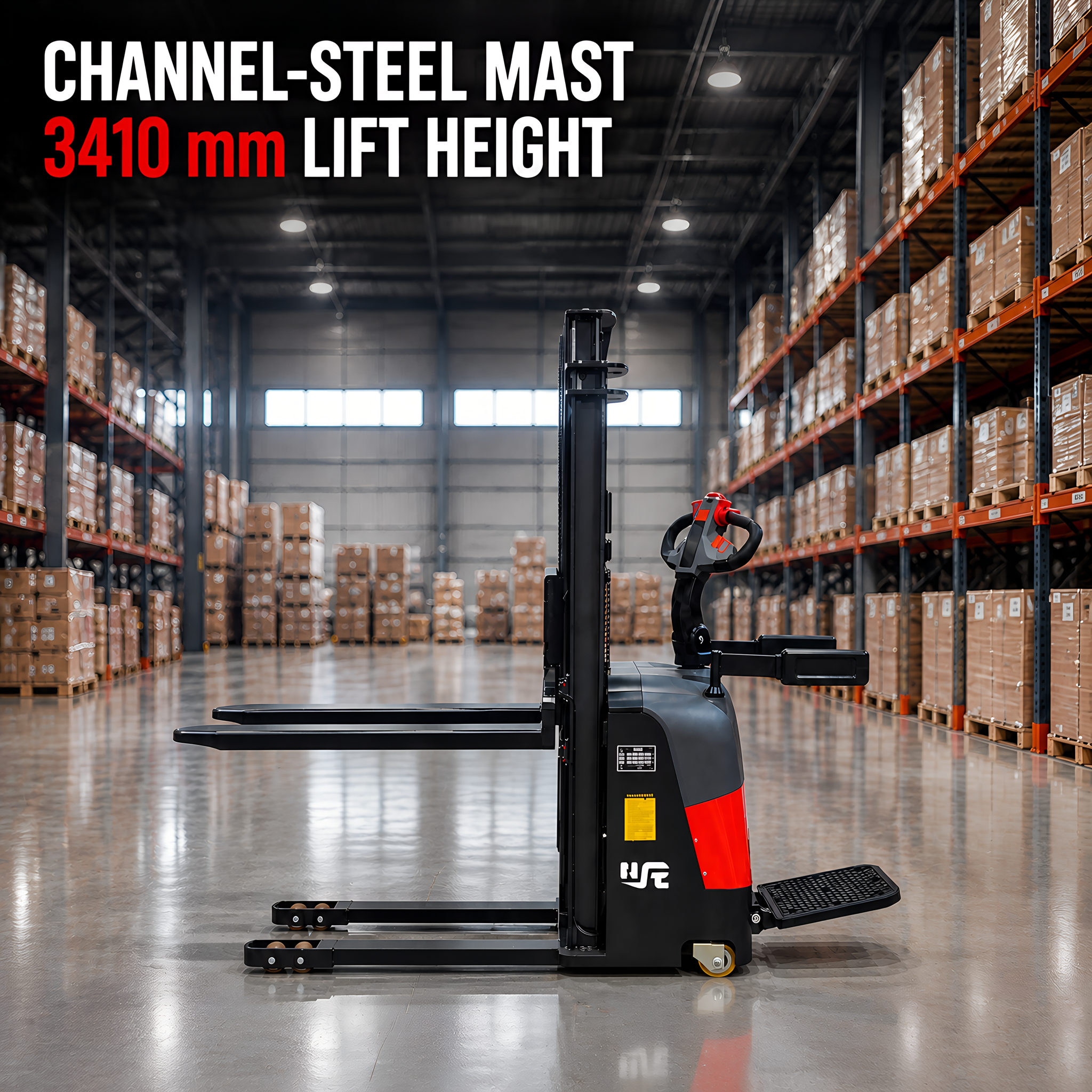
ML20AP Stand on Electric Stacker 2000kg 3410mm Max Lift 1478mm Turning Radius 820mm Body Width
Recommended for Dallas 3PLs and distribution centers that need more lift height without giving up maneuverability in crowded staging lanes.
- 2,000 kg capacity with 3,410 mm max lift
- 1,478 mm turning radius and 820 mm body width
- Stand-on platform reduces operator fatigue in repeat replenishment cycles
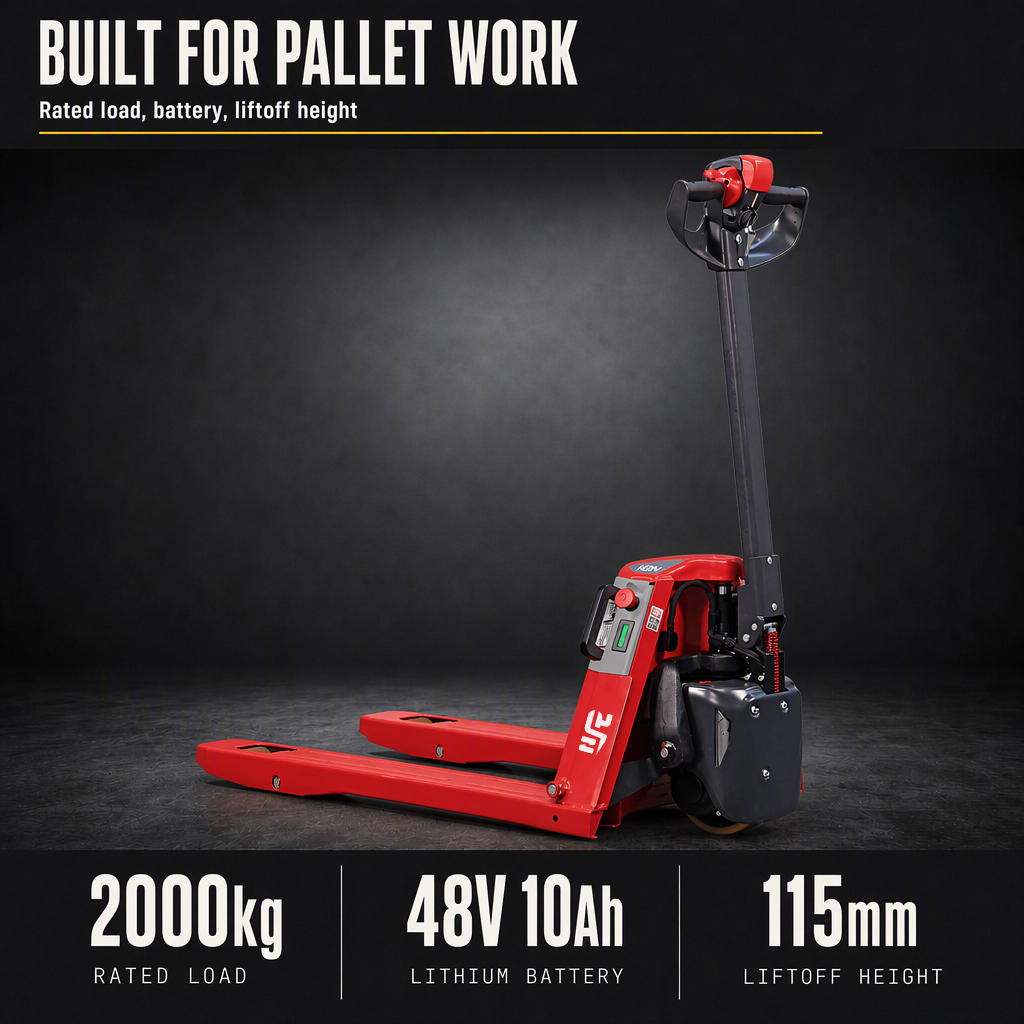
Professional Electric Pallet Jack 2 Ton 2000kg Capacity Heavy Duty Power Pallet Truck with Easy Control System for Warehouse
A practical workhorse for Dallas cross-docks, grocery distribution and manufacturing lines where pallet moves are frequent and control simplicity matters.
- 2,000 kg heavy-duty capacity
- Easy control system for faster operator onboarding
- Suits high-volume horizontal transport between trailers, staging and racking
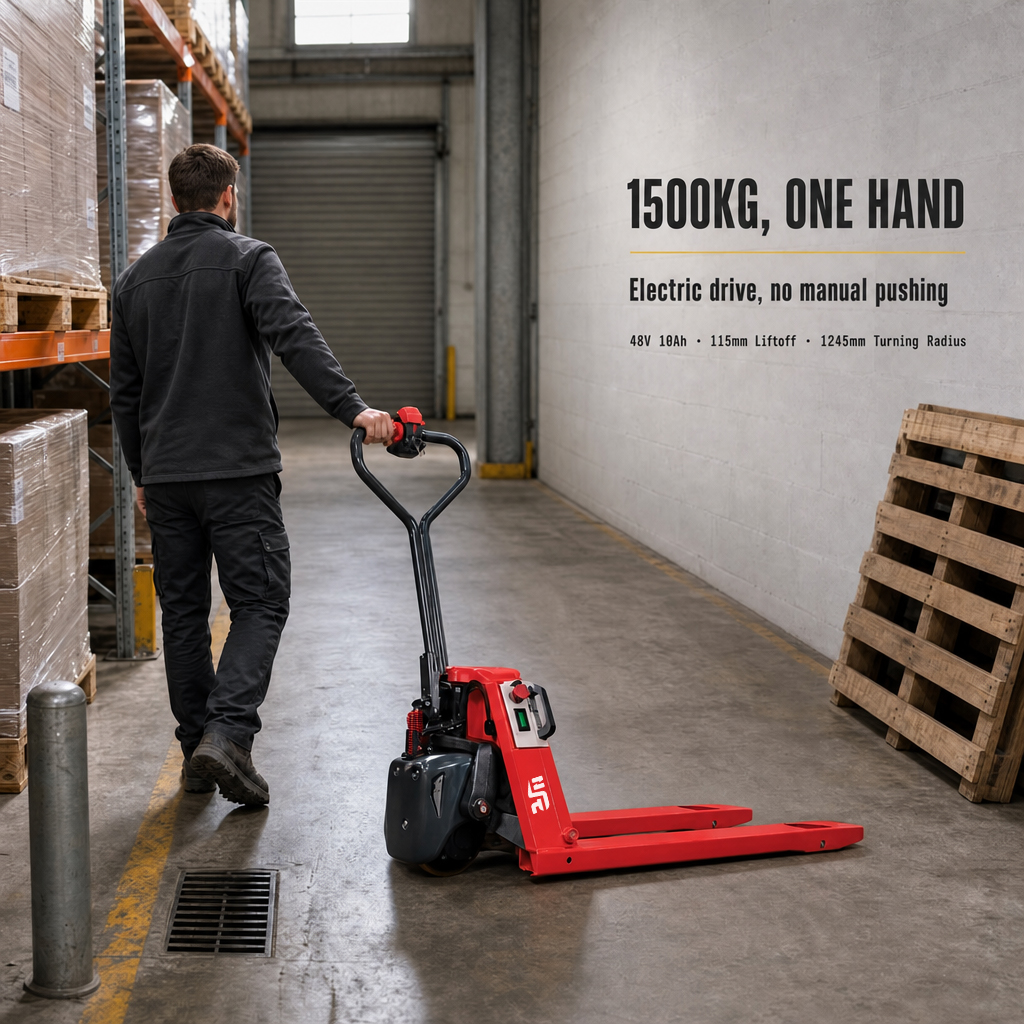
80mm Ground Clearance Electric Pallet Jack 9% Climbing Grade 1450mm Vehicle Length Lithium Pallet Truck for Ramp Use
Useful in Dallas facilities with dock ramps, sloped approaches and trailer floor transitions where low-clearance trucks can scrape or lose traction.
- 80 mm ground clearance for uneven thresholds
- 9% climbing grade supports ramp and slope transitions
- 1,450 mm vehicle length balances compactness and load stability
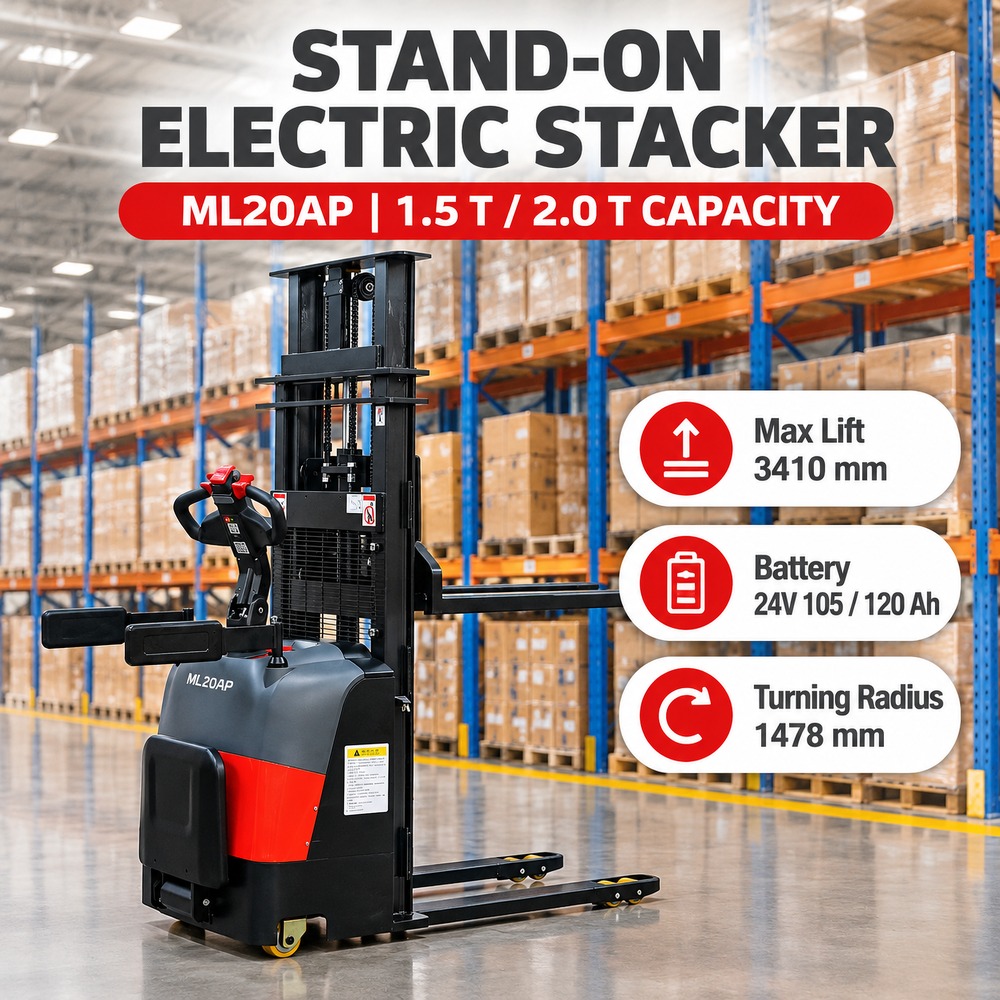
Warehouse Stacker Truck 1500kg 2000kg Electric Pallet Stacker 24V 105Ah Maintenance Free Battery
Recommended where Dallas operations run long shifts and want to reduce battery maintenance touchpoints without moving to a full forklift fleet.
- 1,500–2,000 kg load class
- 24V 105Ah maintenance-free battery
- Well suited to medium-height racking and repetitive pallet handling
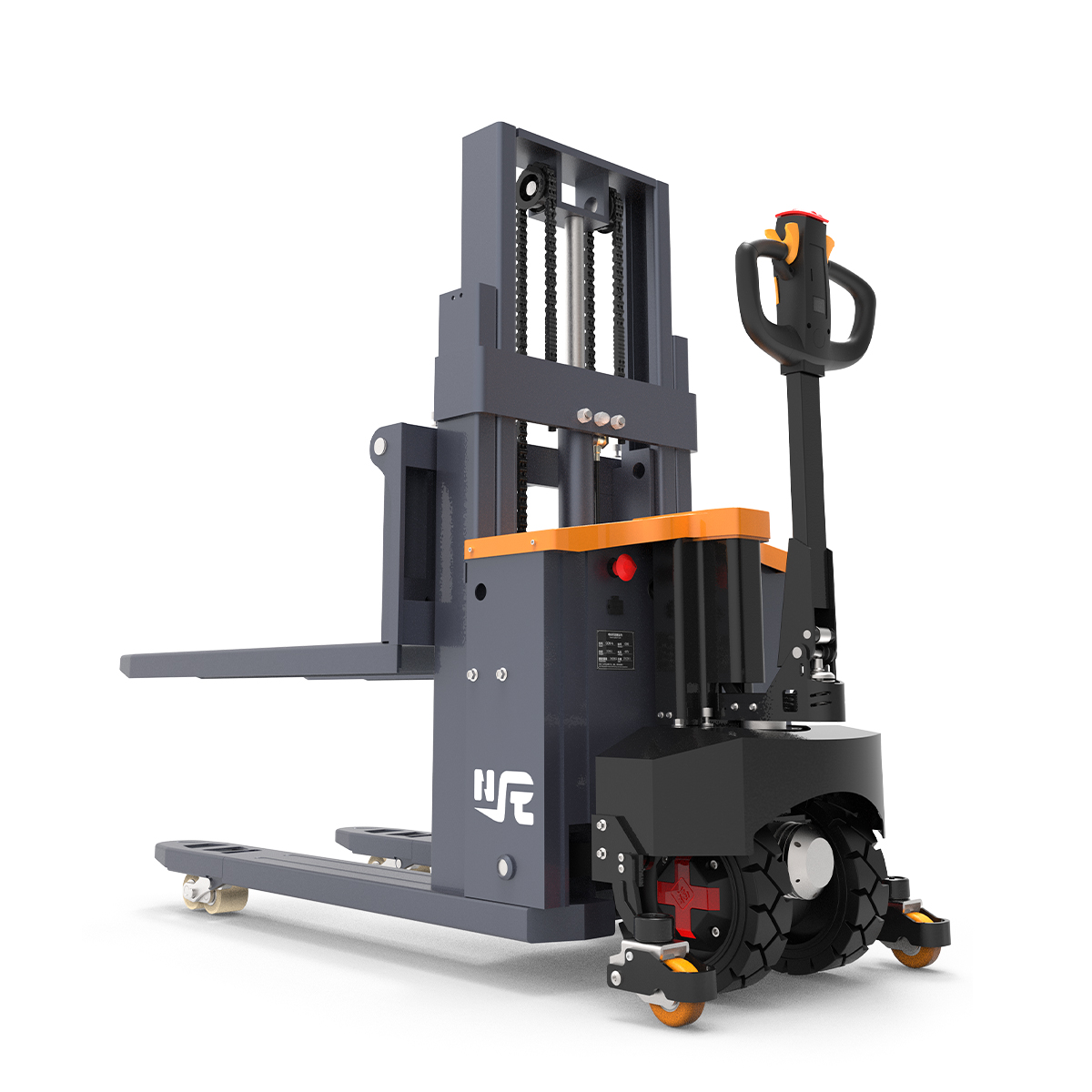
1500kg 2000kg Electric Stacker Pallet Stacker Truck 1.6m 3m Lift Height Warehouse Material Handling Equipment
A flexible stacker choice for Dallas warehouses that need 1.6 m to 3 m lift heights but do not require a reach truck for every aisle.
- 1,500 kg and 2,000 kg configurations
- 1.6 m to 3 m lift height range
- Practical for spare parts, retail distribution and light manufacturing storage
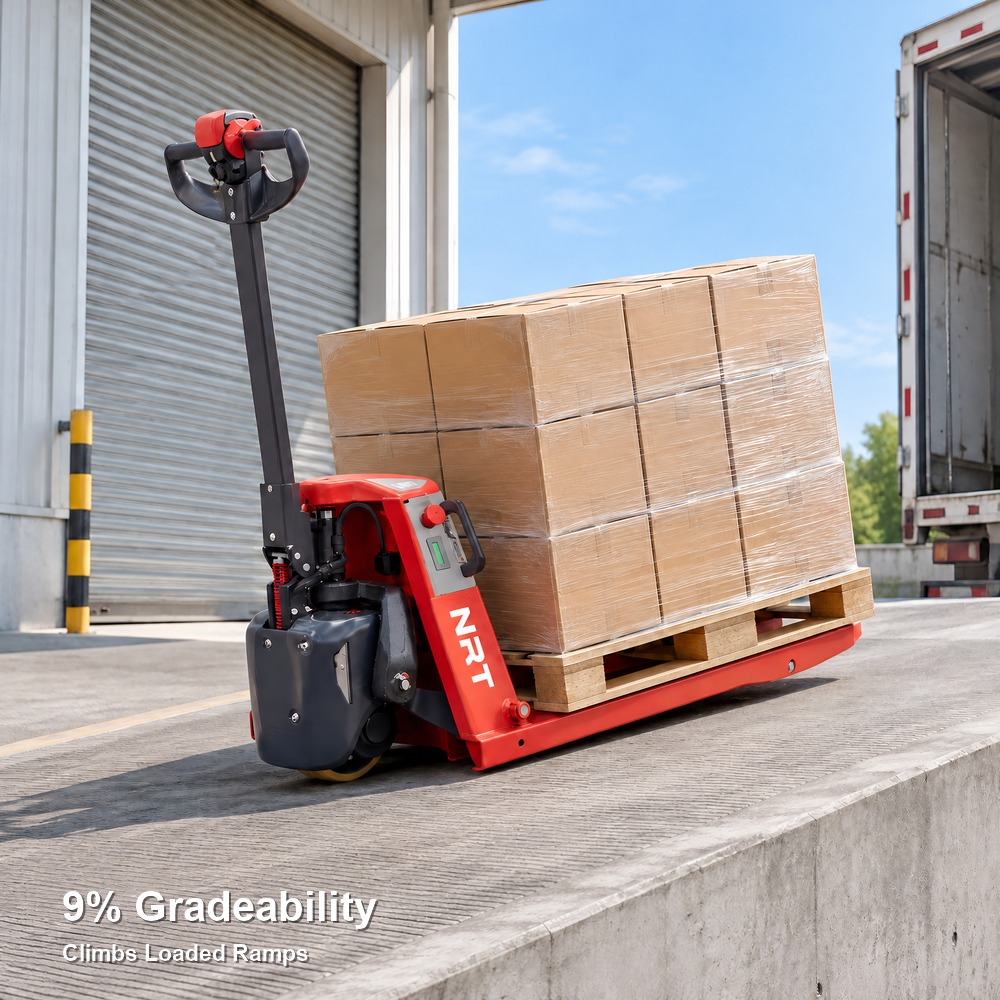
Lithium Battery Electric Pallet Jack Truck 1500kg 2000kg Walkie Pallet Jack Electric Forklift Alternative for Warehouse
Recommended for Dallas retail backrooms, light 3PL operations and mixed SKU warehouses where a full forklift is unnecessary for every pallet move.
- 1,500 kg and 2,000 kg capacity options
- Walkie format for compact aisles and fast team deployment
- Lithium battery reduces watering and maintenance routines
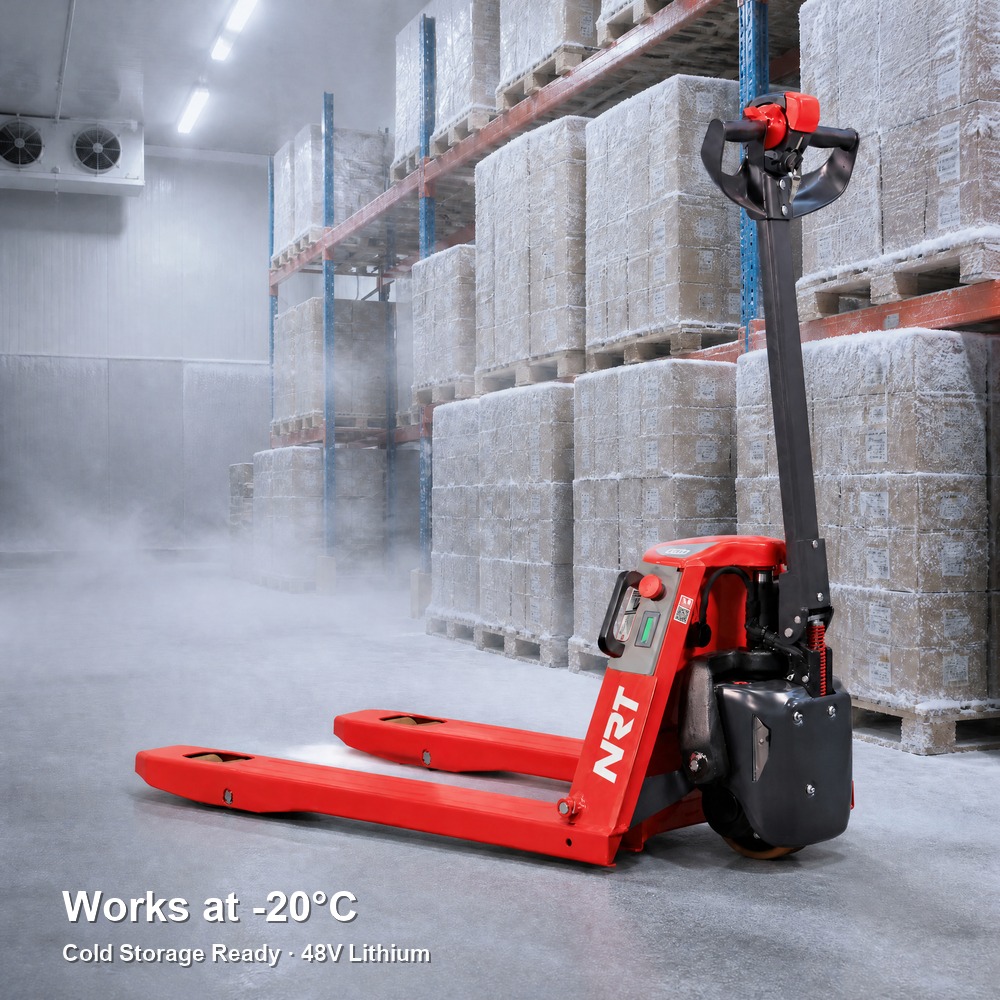
Electric Pallet Jack 2000kg with 48V Lithium Battery 6s Swap 300mm Slim Body Climbing 9% for Cold Storage -20C
For Dallas food distributors and cold-chain facilities, this model combines a slim body, ramp capability and rapid battery swap planning for continuous temperature-controlled movement.
- 2,000 kg capacity with 48V lithium battery
- 6-second battery swap concept for multi-shift planning
- 300 mm slim body, 9% climbing grade and -20°C cold storage suitability
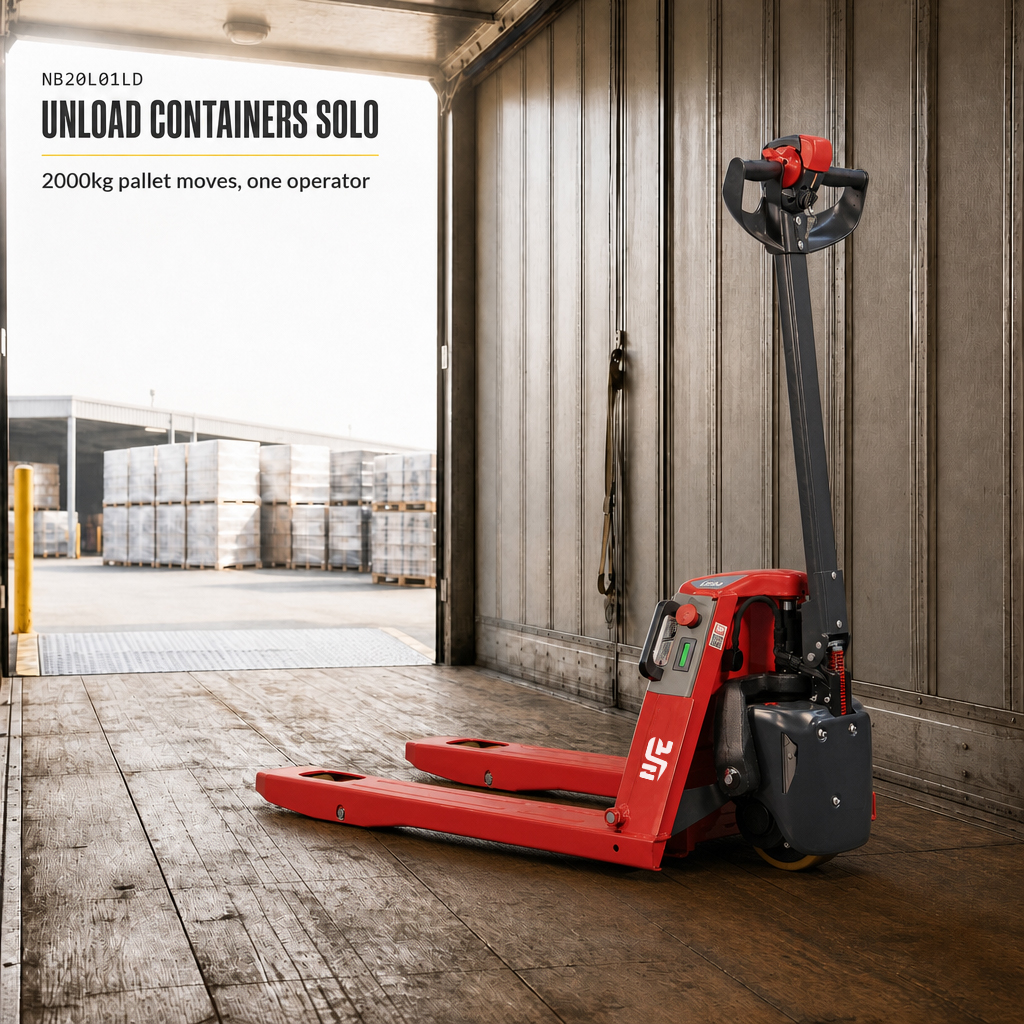
NRT 2 Ton Electric Pallet Jack Lithium-Ion 48V 10Ah 1150mm Forks Polyurethane Wheels Warehouse Handling
A compact electric pallet jack for Dallas warehouses with smooth concrete floors, narrow staging areas and frequent short-distance pallet moves.
- 2-ton capacity, 48V 10Ah lithium-ion system
- 1,150 mm forks and polyurethane wheels
- Good fit for clean warehouse floors, retail replenishment and spare-parts storage
What Dallas–Fort Worth Procurement Teams Should Know Before Buying
Dallas is not a single warehouse market. It is a network of industrial submarkets tied together by DFW International Airport, AllianceTexas, South Dallas, I-35, I-20, I-45 and major rail corridors. That geography changes equipment selection: a 3PL in Mesquite may prioritize dock speed, while a cold-chain operator near Grand Prairie may prioritize battery thermal planning and washdown discipline.
Distribution Density
High industrial absorption across DFW means more pallets per square foot, more dock turns and a stronger case for electric pallet jacks and compact stackers that keep pace with rapid trailer unloading.
Nearshoring Effect
Texas continues to attract distribution and light manufacturing investment. Buyers should specify equipment for mixed duty cycles, not just a single repetitive task, because SKU profiles and inbound schedules can change quickly.
Labor & Safety
Dallas warehouse teams are under pressure to onboard operators quickly. Stand-on stackers, easy-control pallet trucks and clear visibility reduce training friction while supporting safer pallet movement.
Energy Planning
Before quoting, confirm charger voltage, available facility power and opportunity-charging windows. A 48V lithium pallet jack can be a strong fit, but the charging plan must match the building and shift pattern.
Where Dallas Material Transport Equipment Earns Its Keep
Equipment recommendations should start with the building, the load and the shift — not with a catalogue page. These are the Dallas–Fort Worth applications we plan around most often.
3PL & Cross-Dock
Facilities near AllianceTexas, South Dallas and Mesquite need fast trailer unloading, short staging runs and reliable pallet movement across multiple customers.
E-Commerce Fulfillment
DFW e-commerce hubs in Coppell, Irving, Grand Prairie and Lancaster need compact trucks that move pallets between receiving, pick modules and outbound lanes.
Food & Cold Chain
Cold storage and food distribution require zero local emissions, reliable battery behavior and equipment that can handle temperature transitions and washdown routines.
Manufacturing & Assembly
Line-side replenishment, work-in-progress transfer and finished-goods staging reward equipment with predictable controls and low maintenance touchpoints.
Building Materials & Yards
Dallas construction suppliers and building-material yards often combine smooth concrete pads with uneven approach areas, so ground clearance and wheel selection matter.
Retail & Wholesale Replenishment
Retail distribution centers and backrooms in the Metroplex need compact equipment that can move pallets quickly without blocking aisles or requiring extensive operator training.
Dallas Material Handling Trends Reshaping 2025 Procurement
Dallas buyers are not simply replacing old pallet jacks with new ones. They are rethinking throughput, energy, labor and space. These four trends are influencing specifications and supplier selection across the Metroplex.
Lithium Is Moving From “Nice to Have” to Default
For multi-shift Dallas warehouses, lithium-ion pallet jacks and stackers reduce watering, equalization and battery-room demands. Buyers still need to confirm charger voltage, opportunity-charging windows and spare battery strategy.
Space Density Is Driving Stacker Uptake
As industrial rents remain under pressure, Dallas operators are using compact stackers and stand-on models to create more usable storage and staging zones without expanding the building footprint.
Labor Agility Favors Easy-Control Equipment
Warehouse teams need equipment that new operators can learn quickly. Simple controls, clear visibility and stable handling are becoming procurement criteria alongside price and capacity.
Cold Chain and Food Safety Demand Clean Power
Dallas’ food distribution and cold-chain footprint continues to create demand for zero-emission electric equipment that can operate in temperature-controlled zones and transition through dock areas safely.
Dallas Buyer Priority Index — Illustrative Planning View
This planning index is an illustrative summary based on common Dallas–Fort Worth buyer priorities in material transport equipment quotations. It is not a statistical survey.
Dallas Buyer’s Guide: Match the Equipment to the Building
A Dallas warehouse can have the same square footage as a facility elsewhere and still need a different truck because of rack height, floor joints, dock levelers, aisle width, trailer type and charging location. Use this matrix as a first-pass shortlisting tool before requesting a configuration.
| Equipment Type | Best Dallas Use Case | Why It Wins | Specify Before Quote |
|---|---|---|---|
| Stand-On Electric Stacker | 3PL replenishment, high-rack storage, medium-height racking | Balance of lift height, footprint and operator endurance | Lift height, collapsed mast height, aisle width, floor condition |
| Heavy-Duty Electric Pallet Jack | Cross-dock, grocery, manufacturing line-side supply | Fast horizontal transport with simple controls | Load weight, pallet type, daily moves, dock ramp |
| Ramp-Use Pallet Jack | Trailer transitions, sloped approaches, older facilities | Ground clearance and climbing grade reduce scraping risk | Ramp percentage, ground clearance, floor friction, wheel type |
| 24V Maintenance-Free Stacker | Multi-shift warehouse with moderate racking | Lower battery maintenance and predictable charging | Shift hours, charge window, rack height, battery preference |
| 1.6m–3m Lift Stacker | Spare parts, retail distribution, light manufacturing | Flexible lifting without full forklift complexity | Top rack beam, pallet depth, load center, maneuver area |
| Lithium Walkie Pallet Jack | Retail backroom, light 3PL, mixed SKU warehouse | Compact, low maintenance and easy to deploy | Aisle width, floor finish, daily distance, charging point |
| Cold-Storage Pallet Jack | Food distribution, freezer rooms, temperature transitions | Designed around cold operation and fast battery strategy | Operating temperature, entry/exit time, charger location, washdown |
Measure expansion joints, dock plates, ramp slopes and floor finish. Polyurethane wheels may suit smooth concrete, but rough yards need a different specification.
Confirm the highest rack beam, pallet overhang and narrowest aisle. A stacker with enough lift can still fail operationally if the mast or body cannot turn safely.
Check available voltage and charging location before selecting a battery. Dallas facilities may have 208V, 240V or 480V service, and charger configuration must be confirmed early.
Ask for recommended spare parts, manuals and operator training materials. Fast access to wheels, controllers, chargers and hydraulic components protects uptime.
Why Dallas Distributors Choose Xiamen Pexal Technology
Xiamen Pexal Technology Co., Ltd. combines a source-direct manufacturing network with export experience, customization capability and third-party verification. For Dallas buyers, that means a supplier who can support both a trial order and a repeatable dealer programme.
Source-Direct Manufacturing Network
Our partner production campus covers 220,000 m² and supports a workforce of more than 1,200 people, giving Dallas buyers access to factory-direct pricing and scalable container planning.
OEM, ODM & Full Customization
Sample-based customization and full customization are available, including mast height, fork length, battery type, color, logo and attachment configuration for dealer programmes.
SGS Onsite Assessment
Our company has passed an onsite check and supplier assessment conducted by SGS Group. Verified company video, trade capacity and transaction history help Dallas buyers reduce supplier risk.
Engineering Depth
More than 100 engineers focus on electric warehouse equipment. This supports practical problem-solving for Dallas applications involving ramp transitions, cold storage and multi-shift use.
Export-Ready Trade Support
We accept FOB, CFR, CIF, EXW, FCA, CPT, CIP, DDP and other common terms, with payment options including T/T, L/C, D/P, D/A, PayPal, credit card and escrow.
Global Market Experience
Main export markets include Western Europe, North America, South America, Eastern Europe and Oceania, serving dealers, rental companies and end users with different documentation needs.

Company overview and supply capability
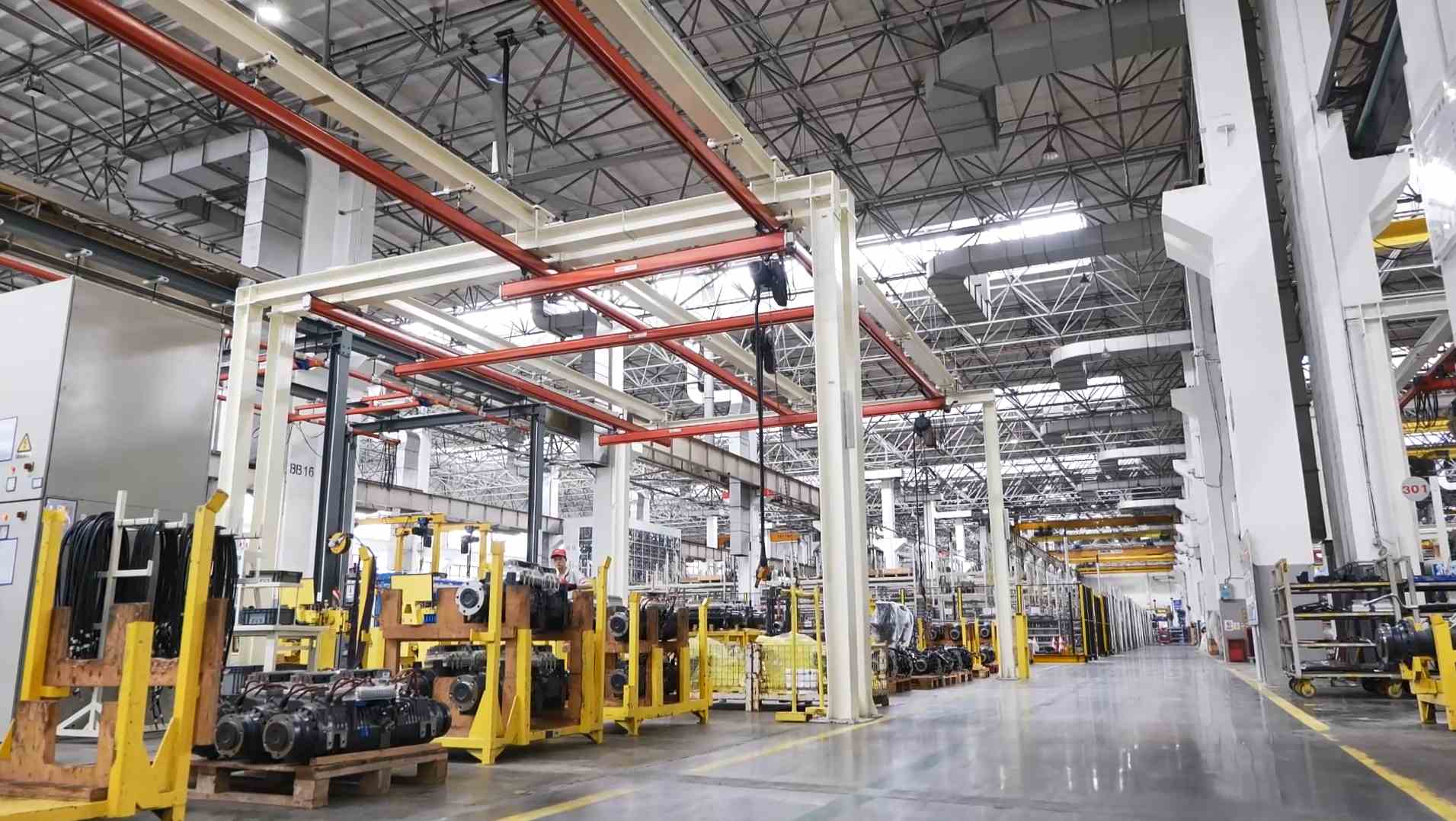
Production workshop and assembly discipline
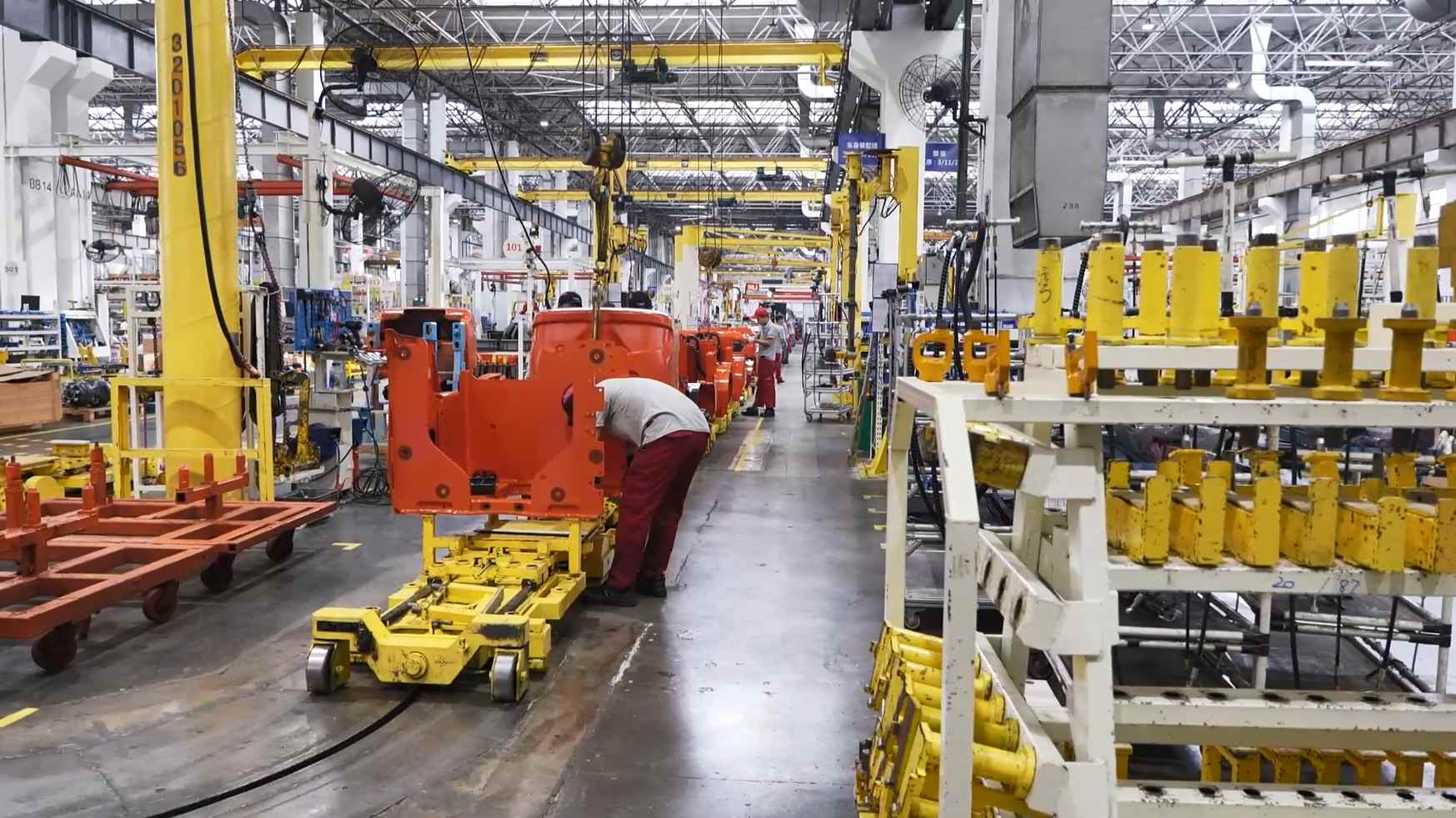
Assembly line for warehouse equipment
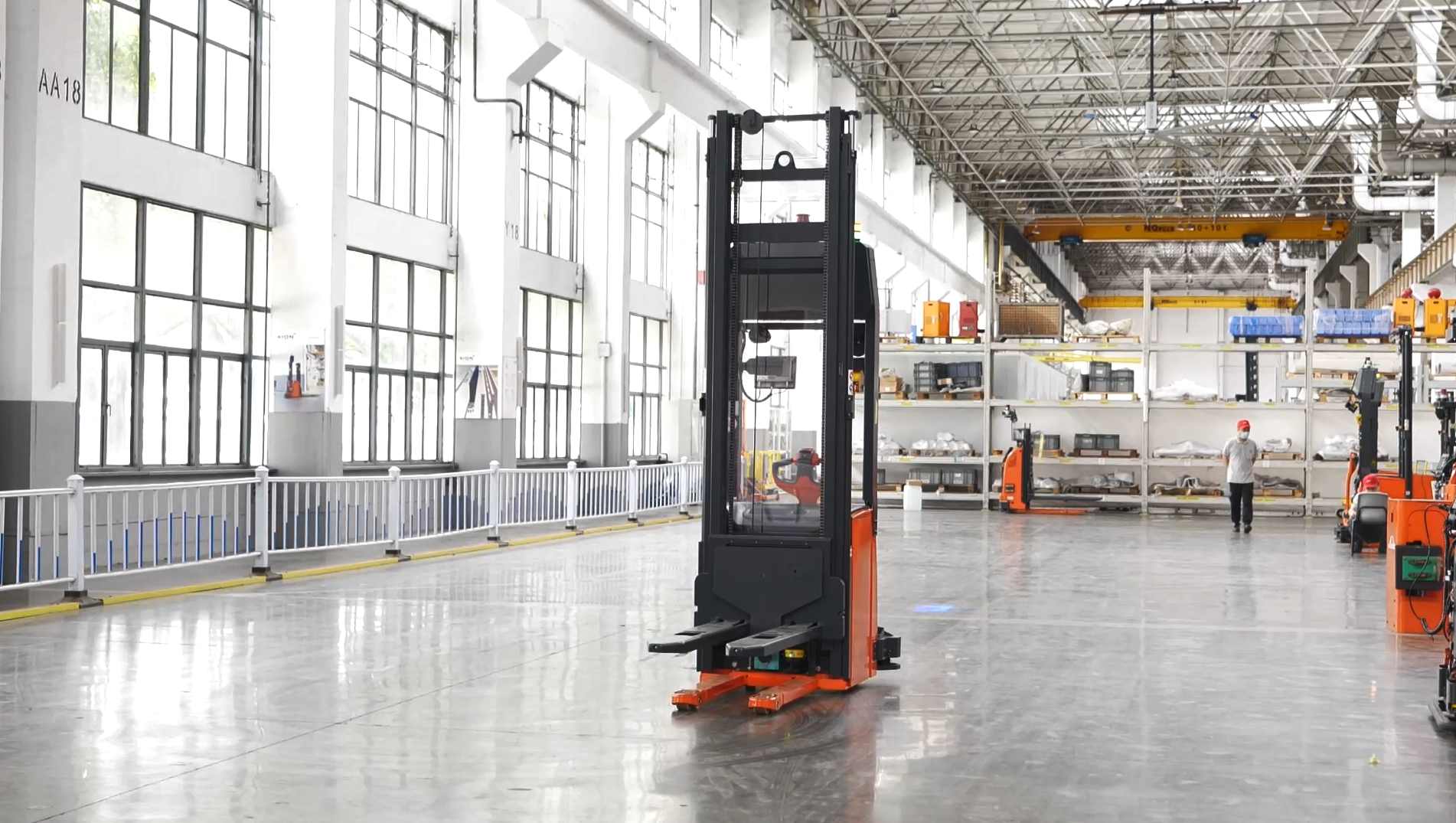
Export packaging and shipment preparation
Material Transport Equipment Questions Dallas Buyers Ask
These answers address the practical concerns that come up when Dallas importers, dealers and warehouse operators evaluate a factory-direct supplier.
Are you a manufacturer or a trading company?
Xiamen Pexal Technology Co., Ltd. is the sales, service and technical support base for Pexal material handling equipment. We work with a 220,000 m² partner manufacturing campus and supply factory-direct electric forklifts, pallet trucks, stackers, reach trucks and AGV solutions.
How is equipment shipped to Dallas?
Most orders move from Xiamen to a U.S. gateway such as Los Angeles/Long Beach or Houston, then by rail or truck into Dallas–Fort Worth. We can quote FOB, CIF or DDP arrangements and coordinate documentation based on your preferred freight forwarder.
Can you configure chargers for U.S. power?
Yes. Charger configuration should be confirmed against the facility’s available voltage and charging location. Dallas buildings may have different service arrangements, so share your electrical details early so the battery and charger specification can be matched correctly.
Do you offer OEM and ODM customization?
Yes. We support sample-based customization, full customization and ODM services. Common requests include mast height, fork length, battery type, body color, logo, labels, attachments and dealer-specific packaging.
Which equipment is best for a Dallas 3PL warehouse?
Most 3PLs start with a mix of heavy-duty electric pallet jacks for dock and staging work plus a stand-on stacker or reach truck for racking. The final mix depends on pallet weight, aisle width, rack height and how many trailer turns the facility handles per shift.
Do lithium pallet jacks work in Texas heat and cold storage?
Lithium systems can work well in Dallas conditions when the battery, charger and duty cycle are correctly specified. For cold storage, confirm operating temperature, entry/exit frequency and charging plan. For hot warehouse areas, avoid unstructured charging and review ventilation with your facility team.
What Incoterms and payment methods do you accept?
We accept FOB, CFR, CIF, EXW, FCA, CPT, CIP, DDP and other common delivery terms. Payment options include T/T, L/C, D/P, D/A, Western Union, PayPal, credit card and escrow. Accepted currencies include USD, EUR, GBP, JPY, CAD, AUD, HKD, CHF and CNY.
Has your company been verified by a third party?
Yes. Our company has passed an onsite check and supplier assessment conducted by SGS Group. Buyers can review our verified company video, trade capacity, credit index, trade history and transaction history before placing a Dallas-bound order.
Do you provide spare parts and technical support for Dallas buyers?
We can supply recommended spare parts, manuals and technical information with the order. For maintenance planning, Dallas buyers should identify local technicians, confirm wheel and charger specifications, and keep common wear parts available to protect uptime.
Build a Dallas-Ready Material Transport Equipment Plan
Share your load weight, rack height, aisle width, floor condition, operating temperature and shift pattern. Our team will help shortlist the right electric pallet jack, stacker or warehouse truck and prepare an export quotation for Dallas–Fort Worth delivery.
Email: info@pexalbot.com · Xiamen Pexal Technology Co., Ltd. · Room 1903-2, No. 893 Haicang Avenue, Xiamen, Fujian, China