8 Electric Warehouse Vehicles for Tokyo Operations
Choose by aisle width, load weight, lift height, battery strategy and loading-dock conditions. Every model below is available for dealer, fleet and OEM project enquiries, with product URLs preserved for direct technical review.
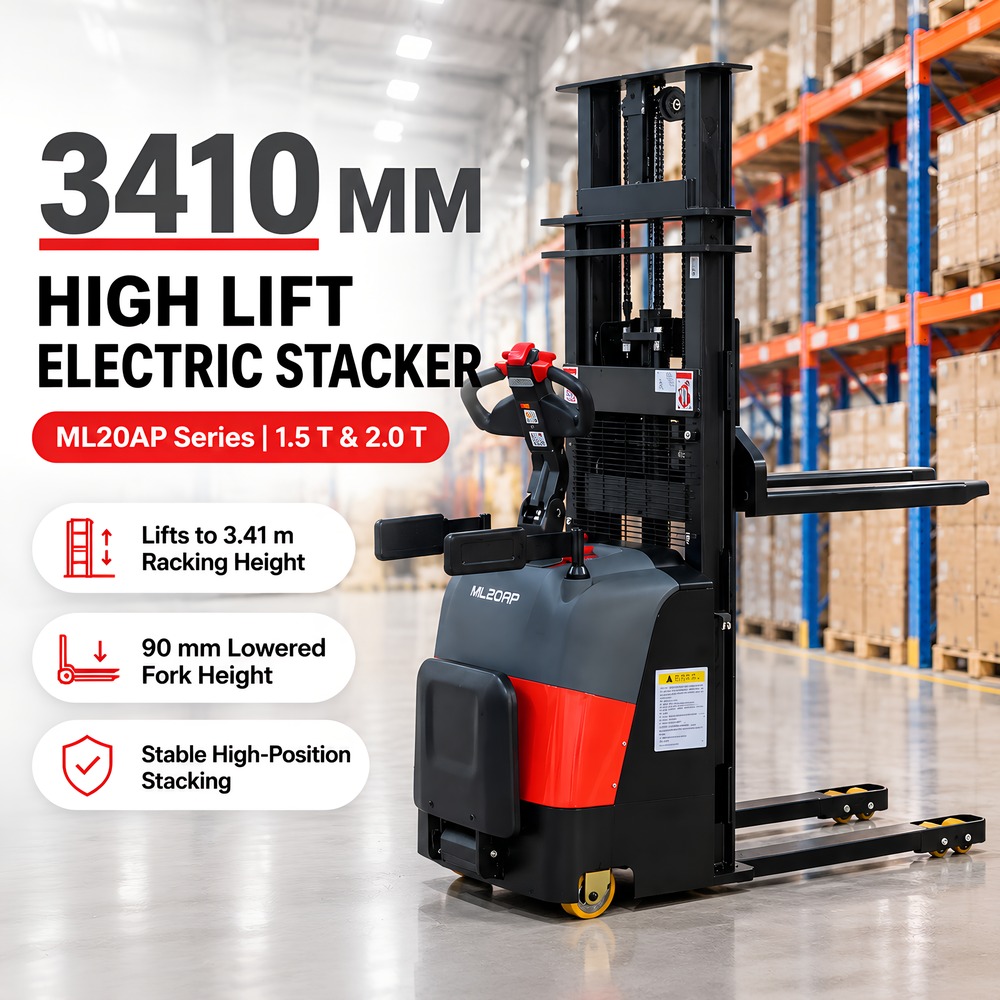
ML20AP Stand-on Electric Stacker Truck 2000kg
A 2,000 kg stand-on warehouse stacker for narrow aisles, loading docks and building-material shops. The stand-on platform helps reduce operator fatigue during repeated pallet moves.
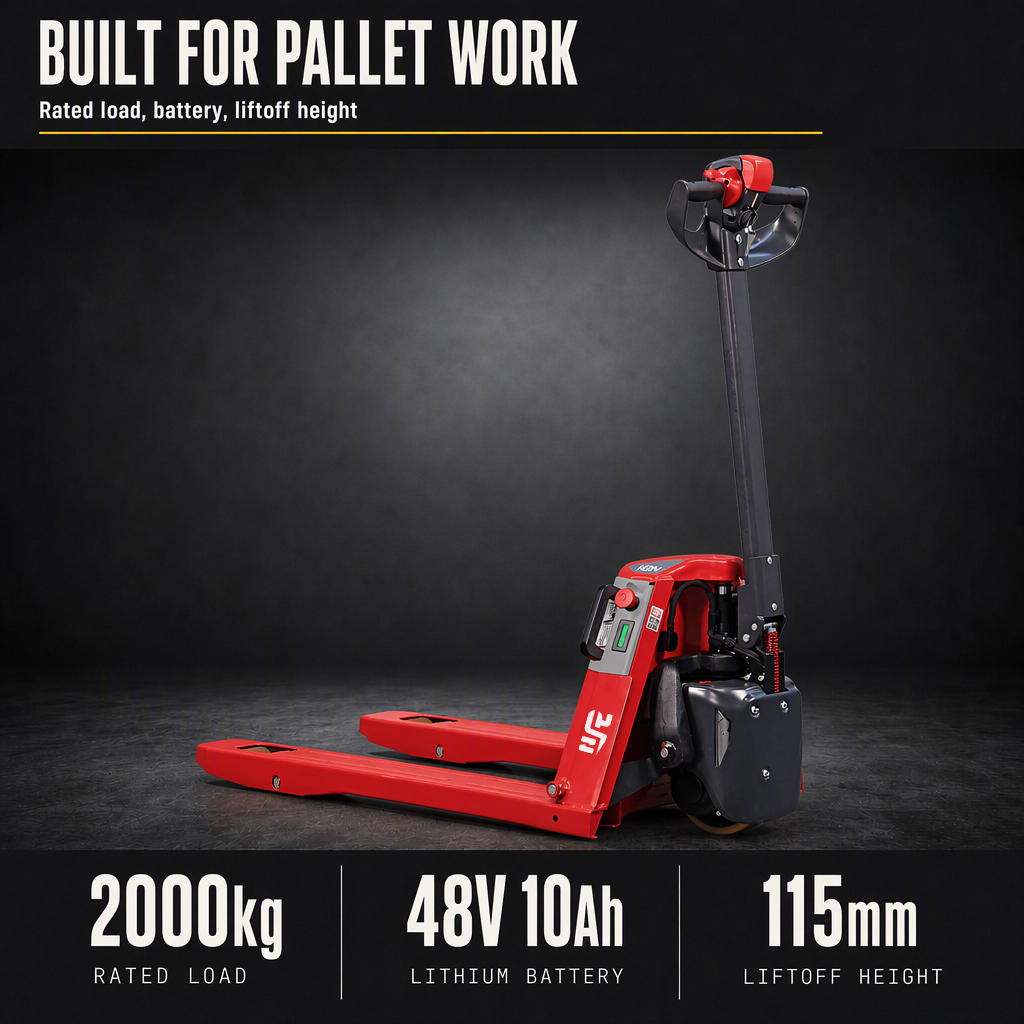
Professional Electric Pallet Jack 2 Ton 2000kg
A heavy-duty 2,000 kg powered pallet truck with easy-control system for horizontal transport, cross-docking and container loading in busy Tokyo warehouses.
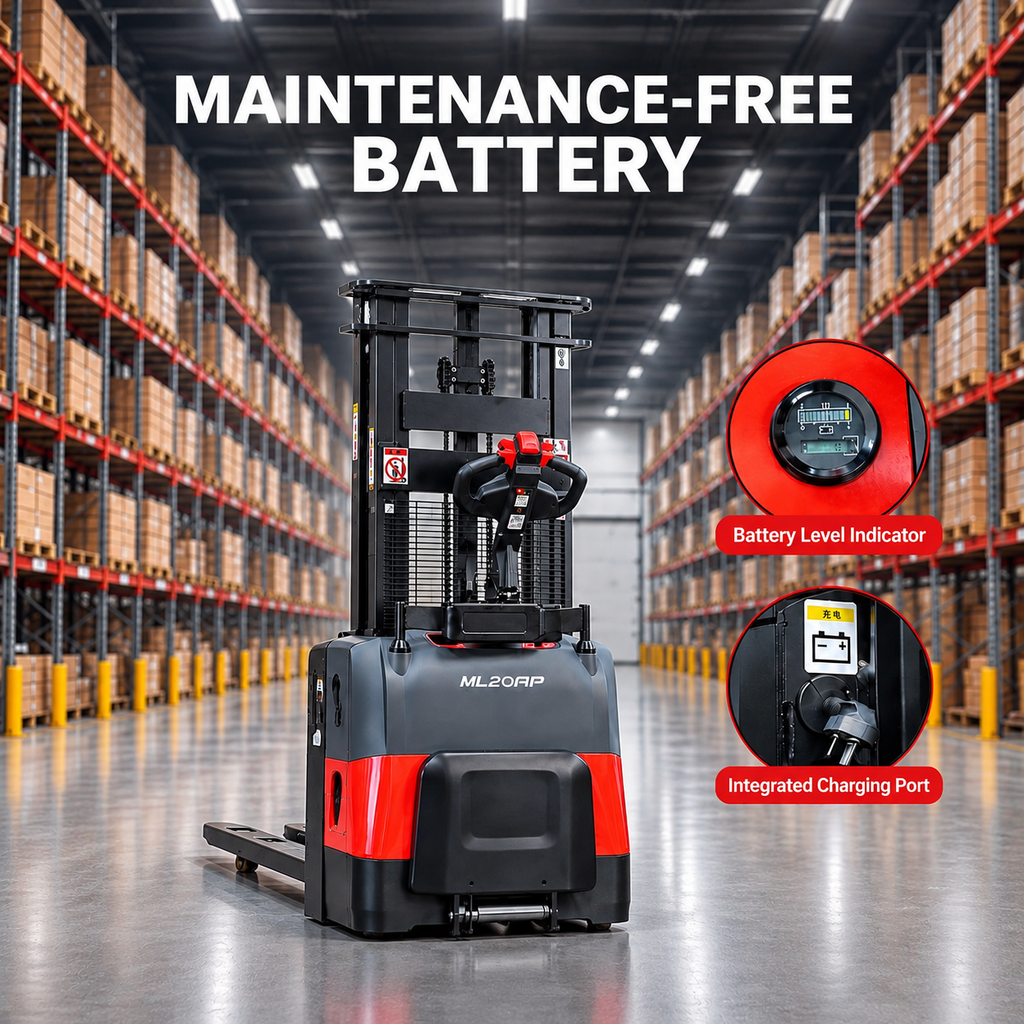
Stacker Forklift Electric 1500kg 2000kg
An electric stacker forklift for retail backrooms, farm feed stores and pallet stacking work. A practical upgrade from manual handling where lift height and footprint both matter.
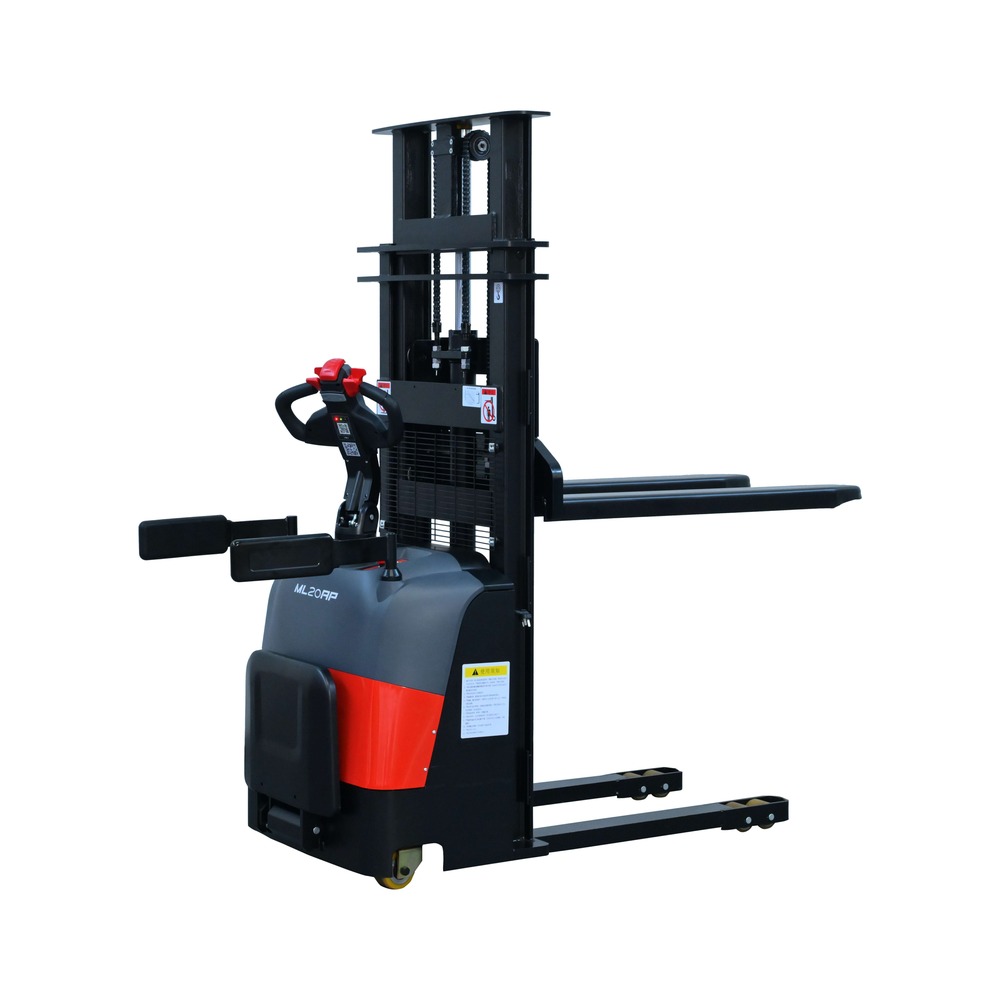
2000kg Stand-on Electric Pallet Stacker 3.41m
A stand-on pallet stacker with 3.41 m lift height, channel steel mast and 1,480 mm turning radius for space-constrained racking and medium-height stacking.
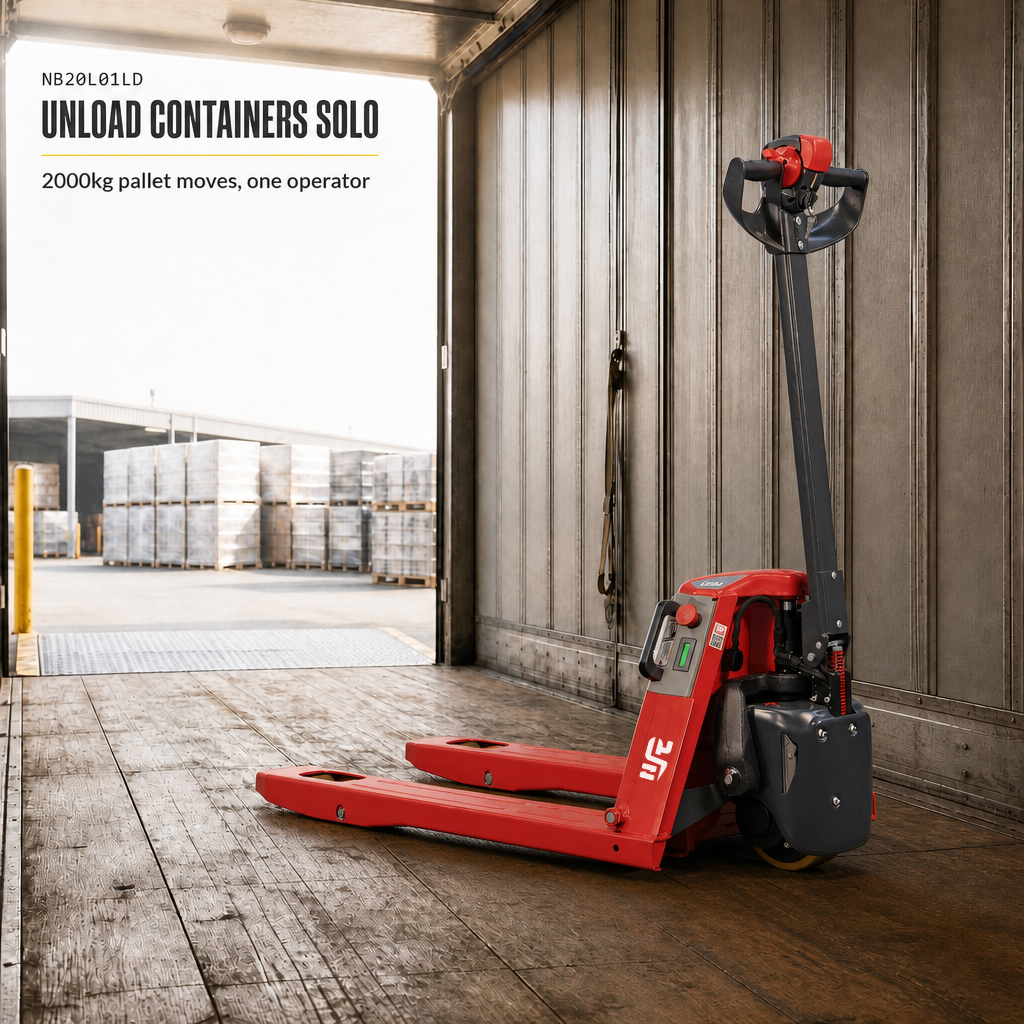
2000kg Electric Pallet Truck Lithium Ion 48V
A 48V lithium-ion pallet truck with 1,150 mm forks and polyurethane wheels for container loading, dock work and smooth-floor warehouse transport.
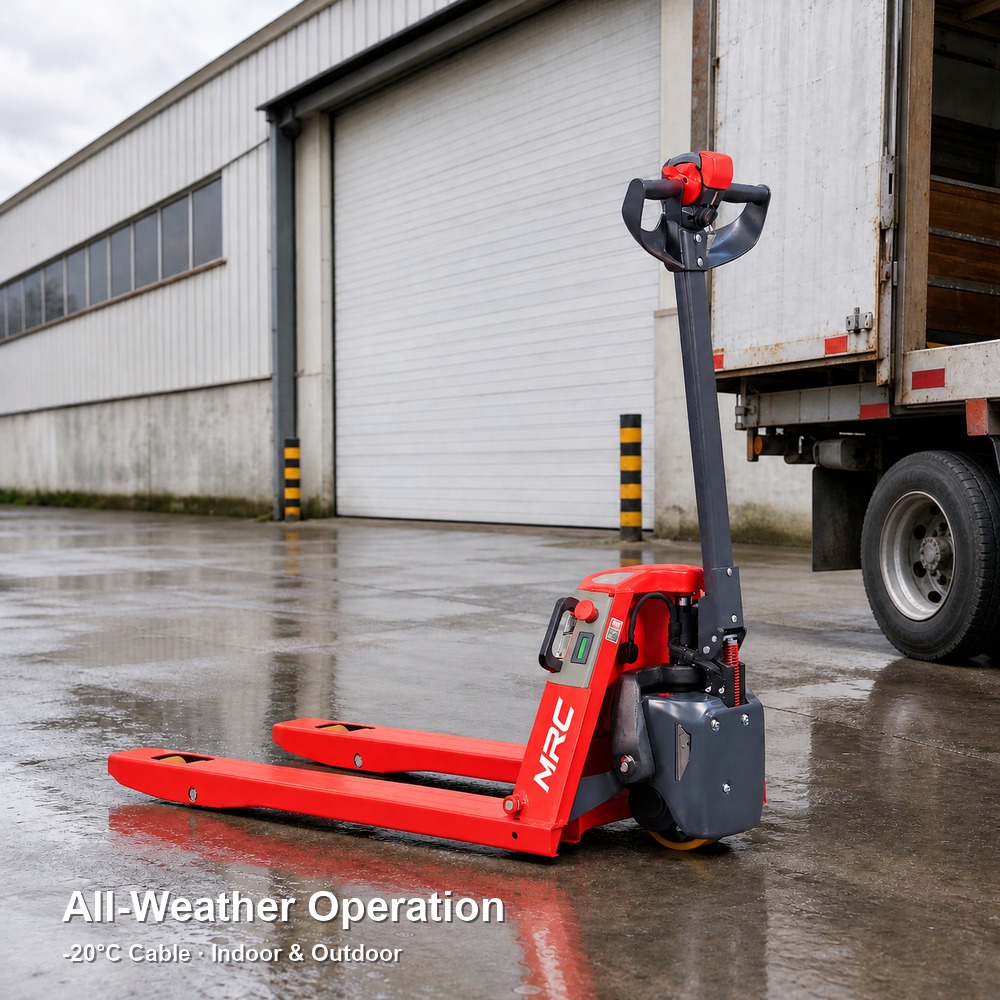
Factory Direct Price Electric Pallet Jack 1500kg 2000kg
A battery-powered walkie pallet truck with factory-direct pricing for dealers and fleet buyers. A cost-effective option for horizontal pallet movement and container unloading.

2000kg Walkie Electric Pallet Jack 685mm Width
A narrow-fork walkie pallet jack with 685 mm width and lithium battery for container loading, tight storage areas and pallet handling where fork clearance is limited.
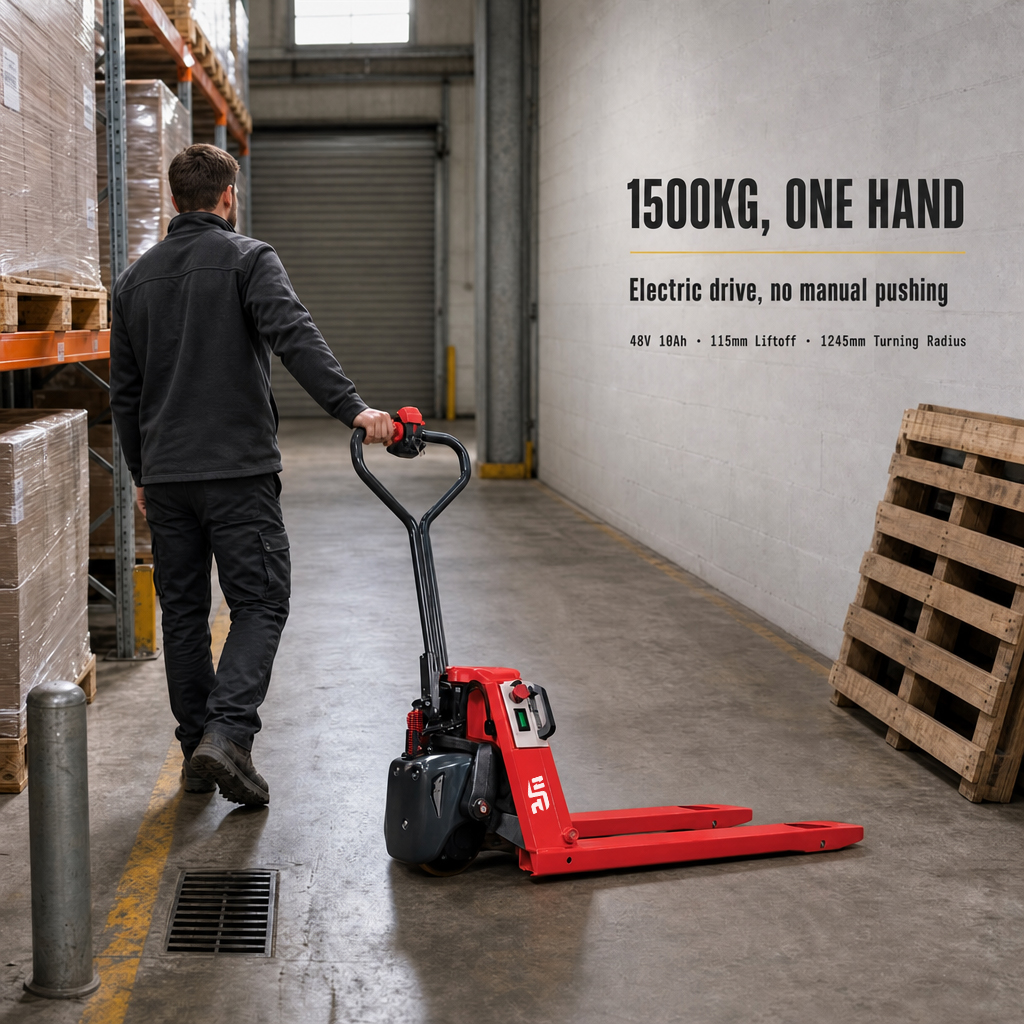
Electric Pallet Truck for Distribution Center Workshop
A 1,500 kg lithium battery walkie jack for distribution centers, workshops and supermarkets. Compact electric handling for repeated short-distance pallet moves.
Partner Manufacturing Campus
Production scale for container orders, dealer stock and configuration work.
Skilled Workforce
Production and QC personnel supporting electric warehouse equipment programs.
R&D Engineers
Engineering specialists focused on electric drive, structure and operator safety.
Main Export Markets
Western Europe, North America, South America, Eastern Europe and Oceania.
Tokyo Warehouses Need Electric Handling That Fits the Building, the Shift and the Grid
Tokyo is not a single warehouse market. A 3PL site in Koto or Adachi may need fast pallet throughput and compact turning; a food distributor in Ota or Shinagawa may prioritise zero local emissions, low noise and cold-chain discipline; a building-material shop near a dense retail district may need a stand-on stacker that works through a tight loading dock. In all these settings, the equipment must fit the building before it fits the catalogue.
Urban logistics facilities around Tokyo Bay, Sumida, Edogawa and the Kanto periphery face high land costs, multi-tenant building rules and limited aisle clearances. Japan’s 2024 logistics reform has also increased pressure to reduce driver waiting time, improve dock turnover and operate with fewer available workers. That makes right-sized electric warehouse vehicles, reliable lithium battery options and serviceable spare parts more valuable than a simple headline capacity figure.
For procurement teams, the winning specification is rarely the largest truck. It is the smallest electric warehouse vehicle that can safely handle the load, lift height, aisle width and duty cycle while remaining easy to charge, inspect and replicate across sites. Pexal supports Tokyo-facing dealers and fleet owners through Xiamen Pexal Technology Co., Ltd., founded in Xiamen in 2024 as the sales, service and technical support base for material handling equipment. Our model connects that team with a 220,000 m² partner manufacturing campus, more than 1,200 skilled workers and over 100 engineers, and we have passed an onsite check and supplier assessment conducted by SGS Group.

Where Electric Warehouse Vehicles Deliver Value in Tokyo
Tokyo buyers often operate in buildings that were not designed for large forklift fleets. The most useful specification is a vehicle that improves pallet flow without sacrificing safety, aisle clearance or charging practicality.
Koto & Adachi 3PL Warehouses
High pallet throughput and dense racking require compact turning and predictable lift cycles. The 3.41 m stand-on stacker with 1,480 mm turning radius suits space-constrained medium-height stacking, while lithium pallet trucks support fast horizontal movement.
View 3.41 m stackerTokyo Bay Docks & Container Loading
Container interiors and dock plates demand pallet trucks with controlled power, durable wheels and practical fork dimensions. The 1,150 mm fork lithium pallet truck and 685 mm narrow-fork walkie jack are useful where container clearance is tight.
View 685 mm walkieOta & Shinagawa Food Cold Chain
Indoor food and pharmaceutical environments benefit from zero local emissions, low noise and easy-to-clean handling equipment. Lithium battery pallet trucks reduce refuelling interruptions and can be specified around shift charging routines.
View 2 ton pallet jackSumida & Edogawa Retail Backrooms
Retail backrooms often combine narrow receiving doors, limited storage height and frequent replenishment. The electric stacker forklift in the 1,500–2,000 kg class provides lifting capability without the footprint of a full counterbalance forklift.
View retail stackerBuilding Material Shops & Loading Docks
Building-material shops and small depots handle heavy pallets in confined yards. The ML20AP stand-on electric stacker combines 2,000 kg capacity with a stand-on platform for repeated loading-dock work where operator comfort matters.
View ML20AP stackerSupermarkets, Workshops & Distribution Centers
Short-distance pallet moves between receiving, storage and dispatch require simple controls and low maintenance. The 1,500 kg lithium walkie pallet truck is suited to supermarkets, workshops and distribution-center support tasks.
View 1,500 kg walkieJapan’s Logistics Pressures Are Reshaping Warehouse Vehicle Selection
Tokyo-area buyers are increasingly moving from manual pallet handling to compact electric equipment, and from diesel or lead-acid assumptions to lithium-ion options where charging strategy supports the shift. The driver is not only environmental policy. It is labour availability, dock congestion, safety management and the cost of urban space.
Japan’s 2024 logistics reform, often called the “2024 problem,” has focused attention on driver waiting times, loading efficiency and warehouse labour productivity. For a Tokyo warehouse, the practical response is often visible in the specification: narrower forks for container work, stand-on platforms for repeated dock tasks, lithium batteries for opportunity charging, and models that can be serviced without removing large sections of the truck.
Use the planning weighting model below as a starting point, not a universal rule. A cold-chain site may weight battery charging differently from a building-material shop, and a 3PL may place more weight on turning radius and fleet standardisation. The purpose is to align procurement questions with the operating constraint that matters most.
Illustrative Tokyo Specification Weighting
How to Specify an Electric Warehouse Vehicle for Tokyo
Before requesting a quotation, collect the operational details that change model selection. This short framework helps procurement teams, dealers and warehouse managers compare offers on the same basis.
Measure the Aisle
Record aisle width, doorway and door height, racking beam heights, floor transitions, lift dimensions and any loading-bay turning restrictions. Include the tightest point, not the average.
Verify the Load
Confirm maximum pallet weight, pallet type, load centre and whether loads are stable. A 1,500 kg or 2,000 kg rating must be matched to the actual handling task and attachment configuration.
Map Power and Charging
Tokyo-area sites commonly need charger details aligned with 100/200V supply and 50 Hz frequency, plus plug type and any local compliance requirement. Share these early so the charger configuration is quoted correctly.
Plan Service and Parts
Ask about wear parts, wheel options, battery care, controller support and warranty terms. For dealers and fleets, standardising a small number of models can simplify training and spare-parts planning.
Manufacturer-Direct Supply for Tokyo Dealers and Fleet Operators
Our advantage is not a single specification line. It is the combination of product range, flexible customization, export execution and third-party verification that helps buyers reduce sourcing risk.
SGS-Assessed Supplier
Our company has passed an onsite check and a supplier assessment conducted by SGS Group. Business type, main products, main markets and capabilities have been reviewed, and our verified company video is available for buyer review.
Large Partner Production Campus
Xiamen Pexal Technology Co., Ltd. works with a 220,000 m² partner manufacturing campus employing more than 1,200 people, including over 100 engineers focused on electric warehouse equipment and material handling solutions.
OEM, ODM and Full Customization
We support sample-based customization, full customization and ODM services, including mast height, fork length, battery type, colour, logo and attachment configuration for dealer programs and market-specific requirements.
Export Terms and Payment Flexibility
We accept FOB, CFR, CIF, EXW, FCA, CPT, CIP, DDP and other common delivery terms, with payment options including T/T, L/C, D/P, D/A, Western Union, PayPal, credit card and escrow. Accepted currencies include USD, EUR, GBP, JPY, CAD, AUD, HKD, CHF and CNY.
Pre-Shipment QC and Export Packing
Before dispatch, equipment is checked for lifting, travel, braking and electrical system function. Export packaging and documentation are prepared for ocean freight, with inspection or buyer video review arranged where required.
Complete Warehouse Vehicle Range
From electric pallet trucks and stand-on stackers to electric forklifts, reach trucks, order pickers and automated guided forklifts, Pexal supports dealers and fleet owners who want one supplier for multiple material handling categories.
Common Questions from Tokyo Importers and Warehouse Operators
These are the practical questions buyers usually raise before placing a first order or expanding a dealer program. For project-specific answers, send your load, aisle and voltage details through the enquiry button.
Which electric warehouse vehicle is best for narrow Tokyo aisles?
Can you configure chargers for Tokyo’s 100V/200V and 50 Hz supply?
What verification and product documentation can you provide?
What Incoterms, payment methods and currencies do you accept?
Do you offer OEM, ODM and private-label customization?
What is the typical lead time and delivery arrangement to Tokyo?
Are spare parts and technical support available after purchase?
How do you control quality before shipment?
Send Your Load, Aisle and Voltage Details
Tell us the pallet weight, aisle width, lift height, Tokyo delivery location and charger requirements. Our team will recommend a practical electric warehouse vehicle configuration from the Pexal range and support your dealer or fleet procurement process.