Electric Tractor Truck Manufacturer & Wholesaler for Portland
Zero-emission electric pallet trucks, stand-on stackers and compact warehouse tractors for Portland warehouses, dock operations, food logistics and sustainable freight teams.
8 Electric Tractor Trucks and Stackers for Local Procurement
These models cover the most common Portland buyer intents: ramp access, narrow aisles, medium-height stacking, dock work, building-material handling and battery-electric warehouse transport.
80mm Ground Clearance Electric Pallet Jack 9% Climbing Grade 1450mm Vehicle Length Lithium Pallet Truck for Ramp Use
A ramp-focused lithium pallet truck with 80 mm ground clearance and 9% climbing grade. The 1,450 mm vehicle length helps Portland dock teams move loads across dock plates, trailer lips and compact cross-dock lanes.
View model details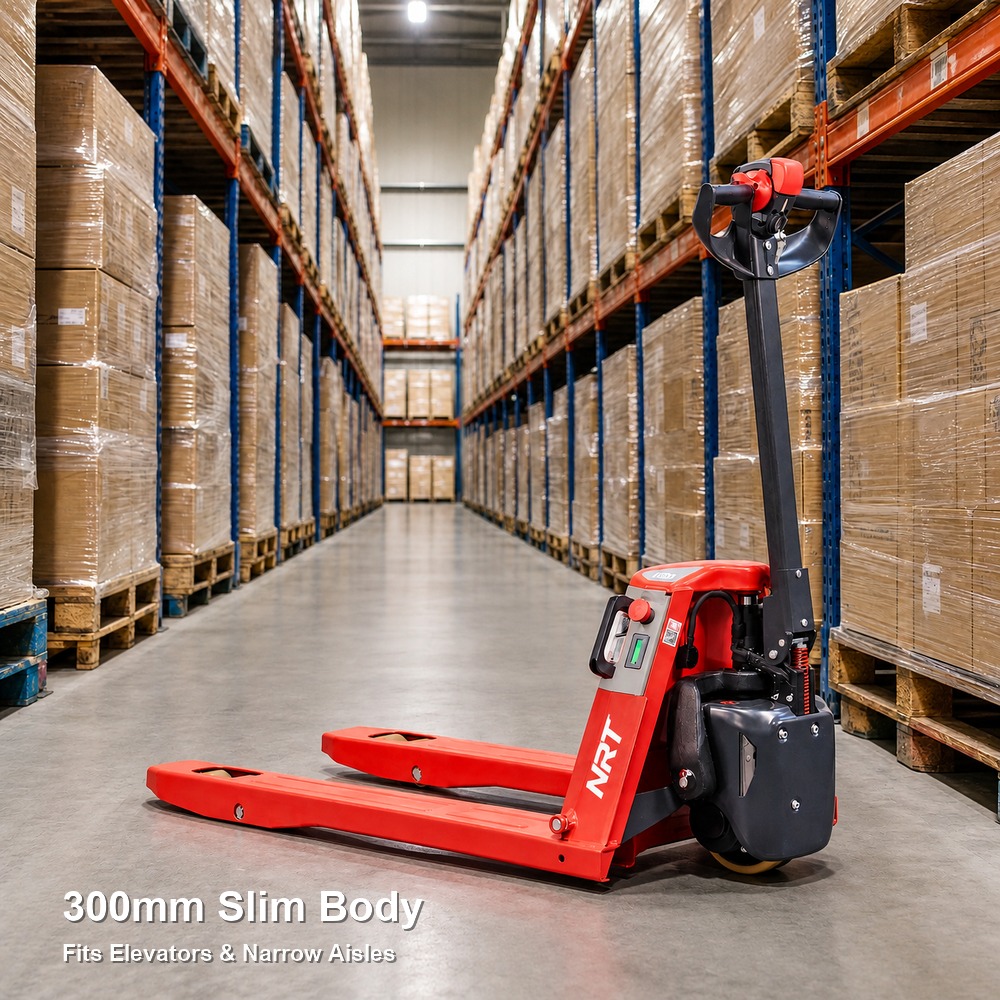
NB15L01LD Electric Pallet Jack 2000kg 48V 15Ah Lithium Battery 850W Fork 1150mm PU Wheels Pallet Truck
A 2,000 kg lithium electric pallet jack with 48V 15Ah battery, 850 W drive, 1,150 mm fork and PU wheels. It suits beverage, retail and light manufacturing flows where short charging windows keep multiple shifts moving.
View model details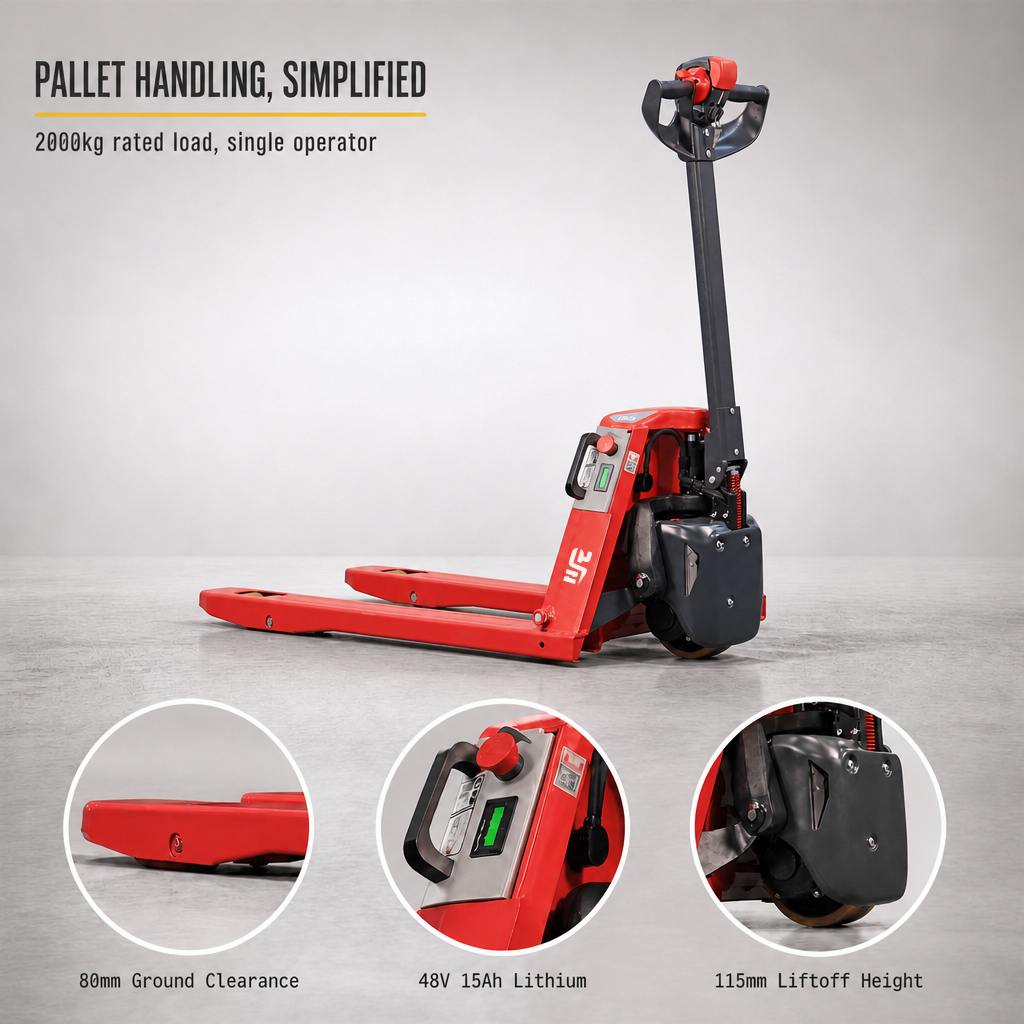
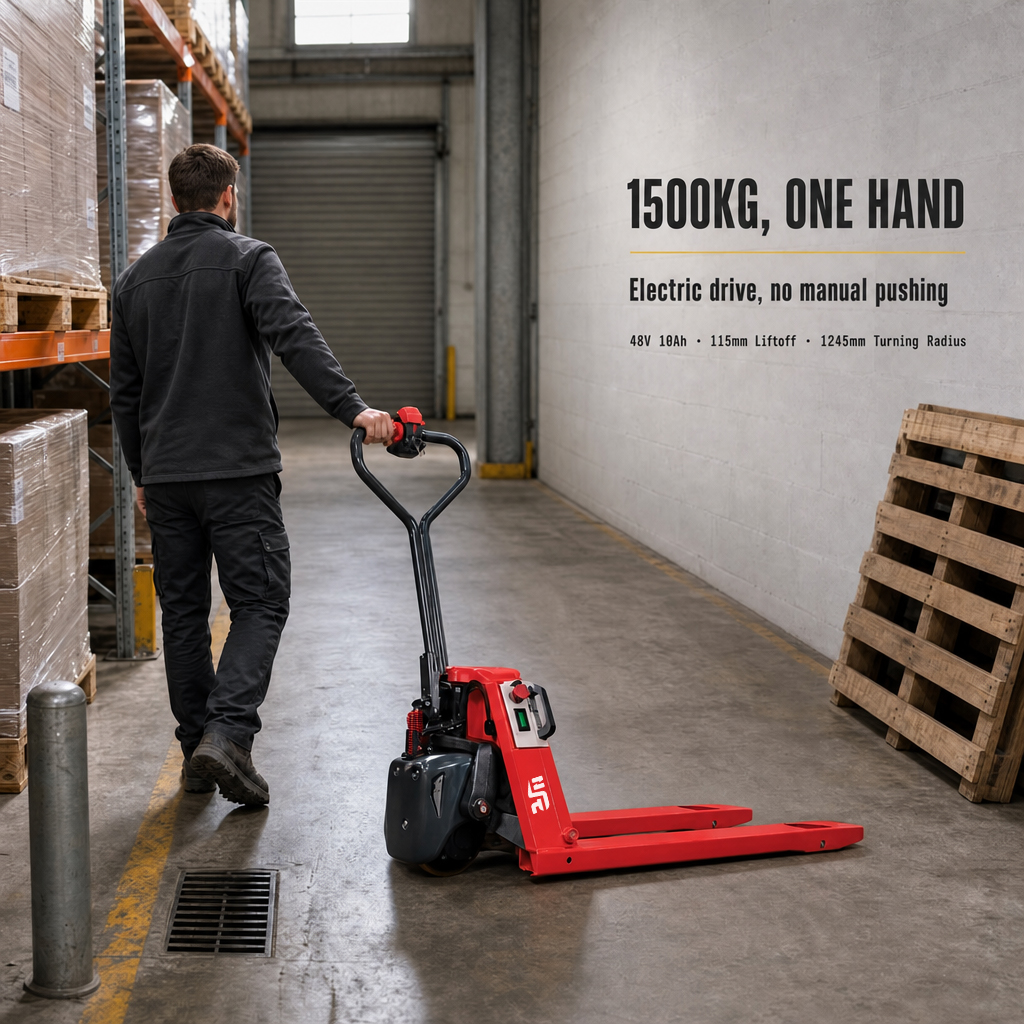
NB20L01LD 2000kg Electric Pallet Truck Lithium Battery 4.8km/h Speed 1245mm Turning Radius Jack
The NB20L01LD combines a 2,000 kg rating with 4.8 km/h travel and a 1,245 mm turning radius. It is a practical fit for Portland warehouses that need tight U-turns, predictable runtime and simple operator training.
View model details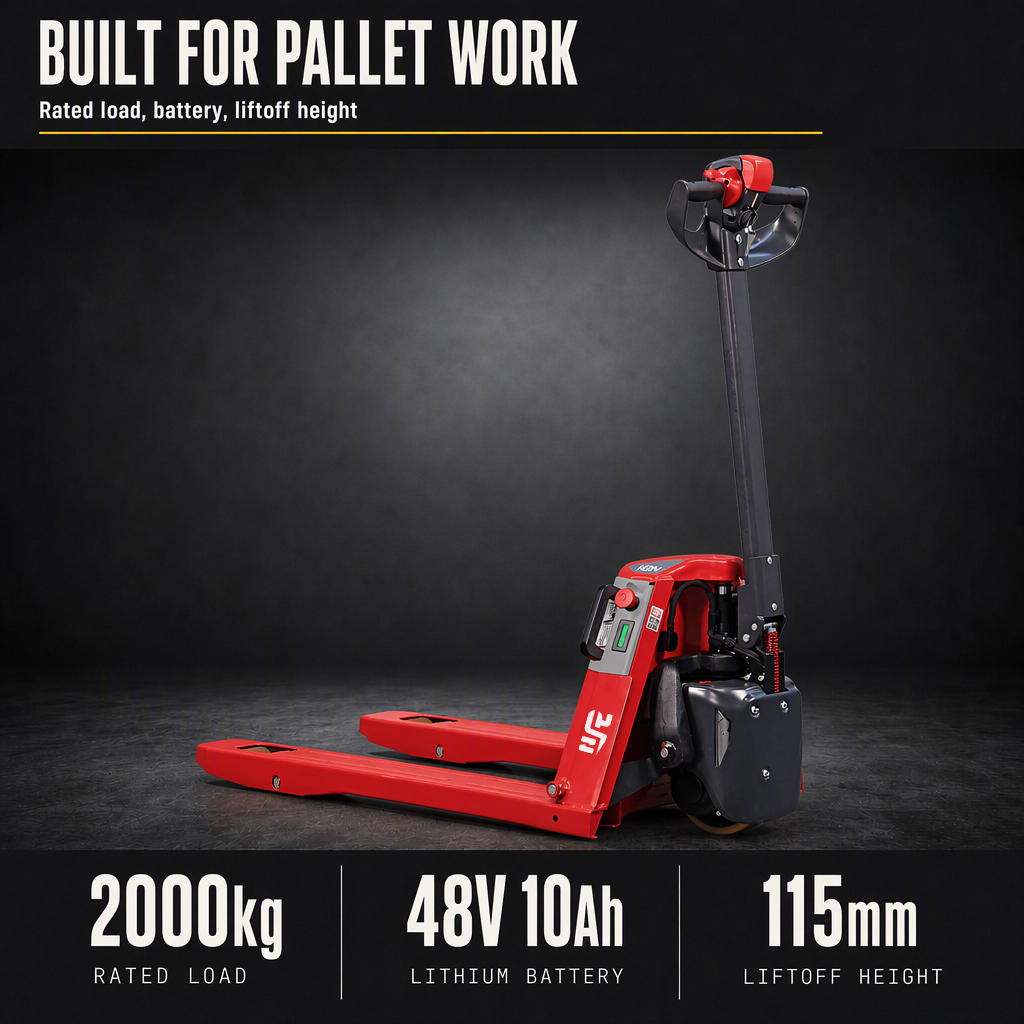
Professional Electric Pallet Jack 2 Ton 2000kg Capacity Heavy Duty Power Pallet Truck with Easy Control System for Warehouse
A professional 2-ton power pallet truck with an easy control system. It is designed for repeated dock-to-rack transfers in construction supply, wholesale distribution and third-party logistics operations.
View model details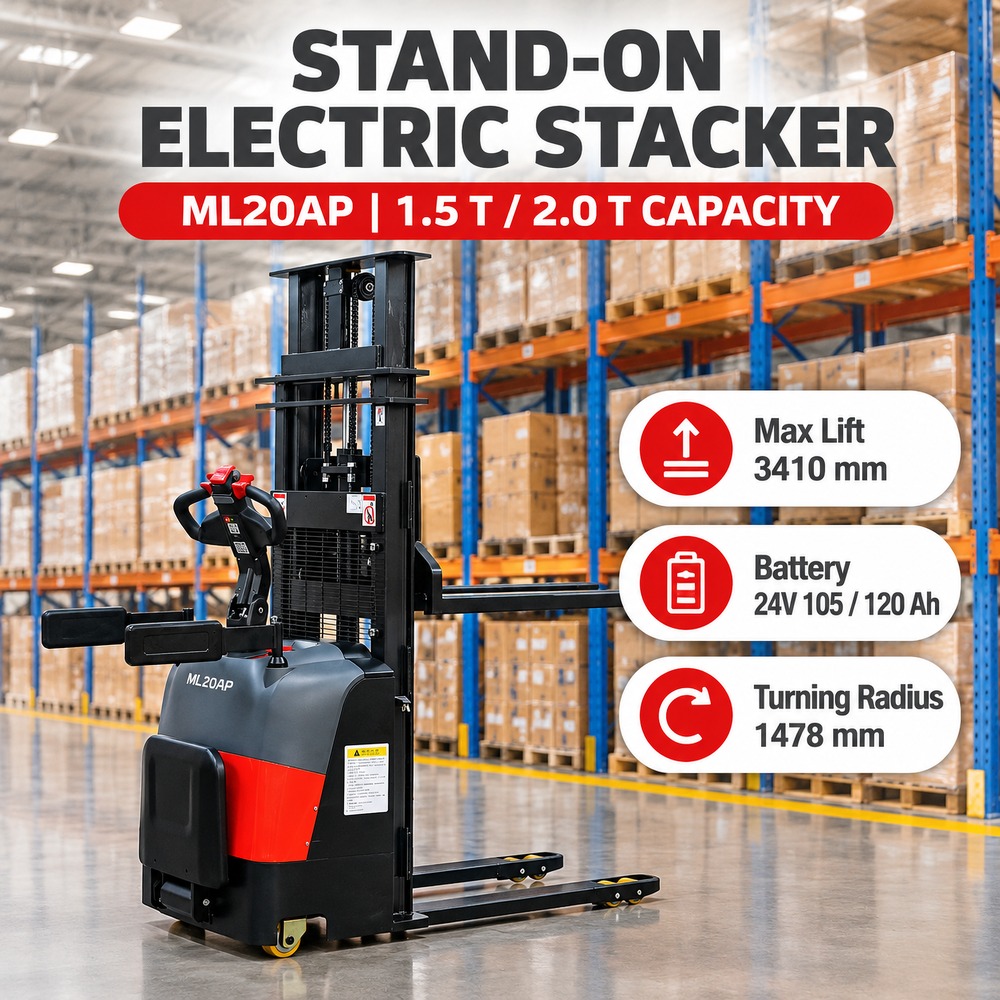
Warehouse Stacker Truck 1500kg 2000kg Electric Pallet Stacker 24V 105Ah Maintenance Free Battery
A 1,500–2,000 kg warehouse stacker with 24V 105Ah maintenance-free battery. It bridges horizontal pallet truck work and low-to-medium lift stacking in space-constrained facilities.
View model details
Stand on Electric Stacker 2000kg for Narrow Aisle Warehouse Loading Dock Building Material Shop Pallet Handling
A stand-on 2,000 kg electric stacker for narrow aisles, loading docks and building-material shops. The stand-on format supports operator confidence during repeated short cycles and wet-weather dock activity.
View model details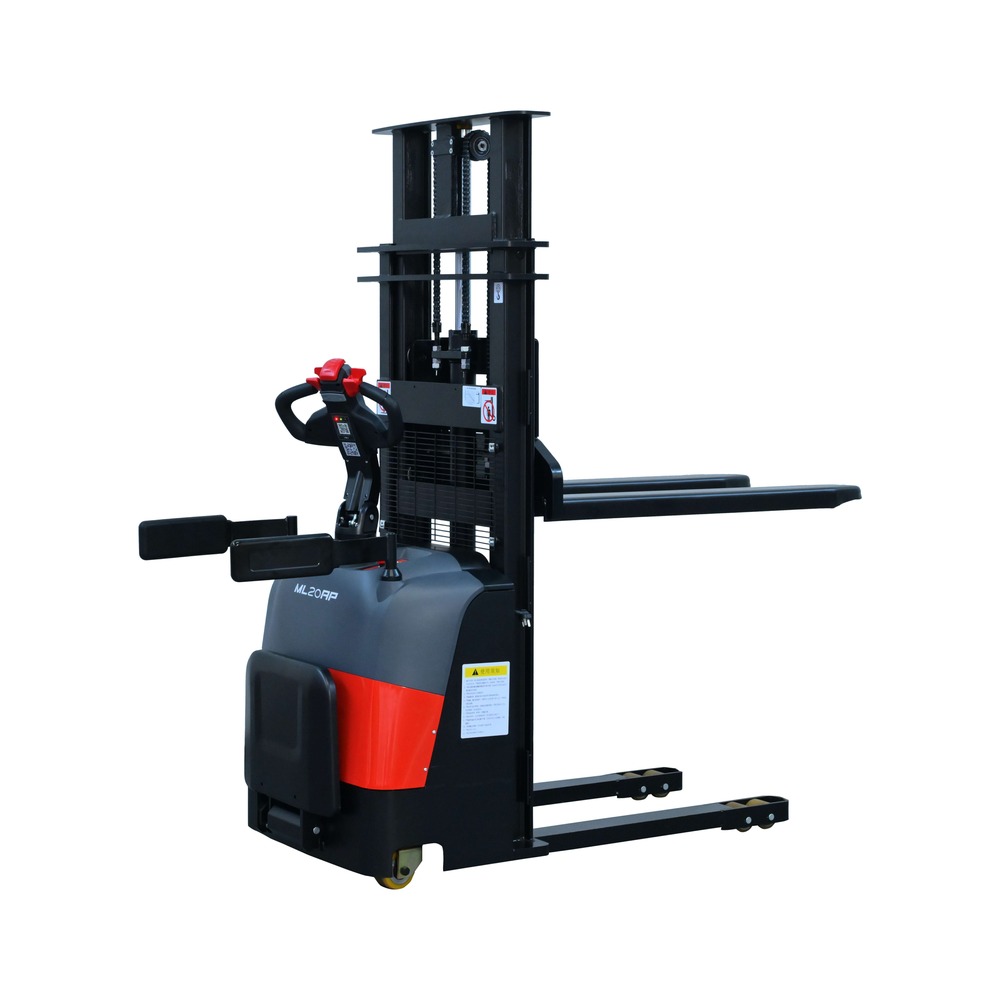
2000kg Stand on Electric Pallet Stacker 3.41m Lift Height Pallet Stacker Truck Channel Steel Mast 1480mm Turning Radius
A stand-on electric pallet stacker with up to 3.41 m lift height, channel-steel mast and 1,480 mm turning radius. It suits Portland warehouses that need higher racking without dedicating a full reach-truck aisle.
View model details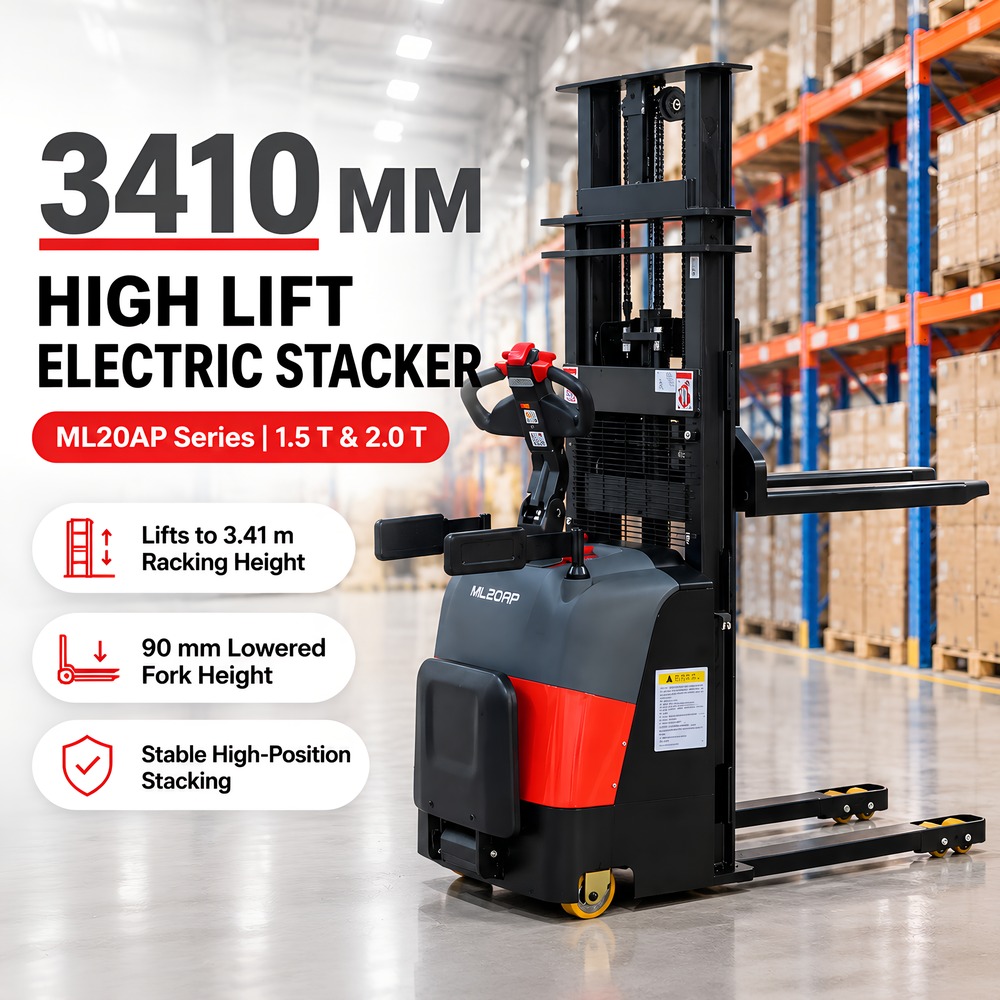
ML20AP Stand on Electric Stacker Truck 2000kg Warehouse Stacker for Narrow Aisle Loading Dock Building Material Shops
The ML20AP is a 2,000 kg stand-on electric stacker truck for narrow-aisle loading docks and building-material shops. It offers a practical balance between pallet-truck maneuverability and stacker lift capability.
View model detailsWhat Portland Buyers Mean by “Electric Tractor Truck”
In the warehouse equipment market, “electric tractor truck” is often used in the material-handling sense: a compact electric vehicle that pulls, pushes or transports pallets inside a facility, at a loading dock or around a yard. It is not a Class 8 highway tractor. For Portland procurement teams, the search intent usually clusters around electric pallet trucks, electric pallet jacks, stand-on stackers, warehouse tractors, lithium battery handling equipment and wholesale sourcing from a verified manufacturer.
That distinction matters because a highway tractor buyer needs road certification, tractor-trailer compatibility and freight-truck compliance, while a warehouse buyer needs fork dimensions, turning radius, lift height, ground clearance, battery runtime, charger configuration and serviceability. Our recommended models focus on the warehouse and dock interpretation of the term, especially for buyers serving Portland, Gresham, Hillsboro, Beaverton, Vancouver WA and the wider Columbia Corridor.
Portland’s operating environment adds specific requirements. Dock plates, trailer lips, wet loading areas, compact urban warehouses, food and beverage facilities, building-material yards and port-linked logistics all put different demands on a truck. A model that performs well in a dry, smooth 3PL aisle may not be the best choice for a ramp with rain exposure or a building-supply counter with frequent short cycles. The right starting point is not “the cheapest electric pallet truck,” but a specification that matches load weight, aisle width, grade, lift height and charging pattern.
As a manufacturer and wholesaler, we support that decision with model-level specifications instead of generic claims. We publish the practical numbers buyers ask for: capacity, battery voltage and amp-hour rating, fork length, ground clearance, climbing grade, lift height, vehicle length and turning radius. We also support OEM and ODM customization so distributors in Portland and the Pacific Northwest can align voltage, branding, packaging and configuration with local market expectations.
For SEO and procurement clarity, we use “electric tractor truck” alongside the more precise product terms that buyers also search: electric pallet jack, lithium pallet truck, power pallet truck, warehouse stacker, stand-on electric stacker and narrow-aisle stacker. This avoids intent mismatch and gives buyers a cleaner path from research to quotation.
Portland buying snapshot
Use this quick screen before requesting a quote.
- Ramp or dock plate? Check ground clearance and climbing grade first.
- Narrow aisles? Compare turning radius before capacity.
- Higher racking? Confirm lift height, mast type and load center.
- Multiple shifts? Compare lithium charging windows and battery capacity.
- Wholesale or dealer program? Ask for OEM, ODM and packaging support.
Where Portland Businesses Deploy These Electric Trucks
Portland’s mix of urban warehouses, rail and port logistics, food manufacturing, cold storage, construction supply and e-commerce fulfillment creates very different duty cycles. These application notes help match equipment to the job.
Cross-dock and trailer unloading
Portland 3PLs and distributors often need fast pallet movement between trailers, staging lanes and racking. PU wheels, simple controls and 2,000 kg capacity reduce friction on concrete and dock plates.
Narrow-aisle warehousing
Land-constrained facilities in the Portland metro often maximize cube by narrowing aisles and increasing rack levels. Turning radius and stand-on ergonomics become more important than headline capacity alone.
Distribution centers and racking
Medium-height stacking and put-away tasks call for a stacker with stable mast geometry and precise positioning. A 3.41 m lift height model supports higher storage without a full reach-truck footprint.
Building-material and hardware retail
Building-supply yards often face mixed pallet weights, outdoor-to-indoor transitions and frequent short moves. Stand-on stackers and heavy-duty pallet trucks reduce operator fatigue while supporting dock work.
Food, beverage and cold chain
Indoor food and beverage facilities prefer zero local emissions and low noise. Lithium battery configurations can support opportunity charging, but cold-store battery and charger performance should be confirmed for the exact temperature zone.
Ramps and wet dock plates
Portland’s rainy seasons make dock plates and trailer transitions more demanding. For ramp use, start with ground clearance, climbing grade, traction and the ability to keep the load stable during short gradients.
What Is Changing in Local Material Handling Procurement
Buyers are not only replacing manual pallet jacks. They are rethinking space, labor, safety, charging strategy and supplier transparency across the entire facility.
Cleaner freight and facility emissions
Portland-area businesses continue to evaluate zero-emission equipment for indoor air quality, noise reduction and corporate sustainability reporting. Electric pallet trucks and stackers are often a low-friction first step because they replace manual or diesel-powered movement without changing the building footprint.
Space scarcity favors compact equipment
Urban warehouses around Portland, Beaverton and Gresham must often do more with less floor space. Narrow turning radius, stand-on operation and medium-height stacking can increase storage density without forcing a full warehouse redesign.
Labor, safety and training sensitivity
Procurement teams now ask how quickly a new operator can be trained. Simple controls, clear visibility, stable mast design and familiar pallet-truck ergonomics help reduce onboarding time and avoid avoidable damage during peak seasons.
Wholesale transparency and serviceability
Dealers and fleet buyers want verification before the first order. SGS assessment, onsite checks, trade history, customization capability and spare-parts planning are becoming part of the buying decision, not just an afterthought.
Match the Portland Job to the Truck
A single facility can need more than one type of electric tractor truck. Use this planning matrix to narrow the shortlist before a detailed specification review. The percentages are planning indicators based on typical buyer requirements, not certified performance ratings.
If your application includes a ramp, confirm the actual grade, load weight and surface condition. If your team operates in cold storage, confirm charger placement and battery temperature limits. If you are equipping a dealer program, confirm voltage, plug type, labels, manuals and packaging requirements.
Why Buyers Source Electric Pallet Trucks and Stackers From Pexal
Xiamen Pexal Technology Co., Ltd. supports wholesalers, rental fleets, dealers and end users with a practical combination of product range, customization, verified supplier information and export experience.
Source-direct partner manufacturing
Pexal works with a 220,000 m² partner manufacturing campus and a workforce of more than 1,200 people, including over 100 engineers focused on electric warehouse equipment. This structure supports container orders and repeat dealer stock.
SGS-assessed and onsite verified
Our company has passed a supplier assessment and onsite check conducted by SGS Group. Buyers can review company information, trade capacity and the verified company video before placing a first order.
Full warehouse equipment range
From pallet trucks and stackers to electric forklifts, reach trucks, order pickers and automated guided forklifts, one supplier can simplify procurement, spare-parts planning and after-sales communication.
OEM, ODM and sample-based customization
Configure mast height, fork length, battery type, color, logo, labels, manuals and selected attachments. This is valuable for Portland dealers building their own brand or adapting equipment to local customer segments.
Export logistics and flexible terms
We support common delivery terms including FOB, CFR, CIF, EXW, FCA, CPT, CIP and DDP. Payment options include T/T, L/C, D/P, D/A, Western Union, PayPal, credit card and escrow, with multi-currency support.
Application support for local buyers
Share your load, aisle width, ramp grade, lift height, shift pattern and delivery city. Our team can recommend a configuration and explain the trade-offs between model capacity, compactness, battery capacity and lift performance.
How to Specify a Portland Electric Pallet Truck Order
A clear specification reduces quotation cycles, prevents under-specified equipment and helps ensure the model you approve is the model your Portland team can operate, charge and maintain.
Define the load
Record maximum pallet weight, pallet type, load center and whether loads are single or double stacked. Do not size only from average weight.
Measure the site
Note aisle width, door height, top rack level, dock plate grade, floor condition and any outdoor-to-indoor transition. Include photos if possible.
Set the duty cycle
Estimate hours per shift and shifts per day. This determines battery capacity, charger strategy, spare battery planning and whether opportunity charging is realistic.
Confirm compliance and delivery
Share voltage, plug type, labeling, documentation, destination ZIP code and required Incoterms. Confirm whether local dealer support or spare parts planning is required.
Common Questions From Portland Wholesale Buyers
These answers address the practical questions that arise during supplier discovery, model selection, shipping and first-order planning.
What is an electric tractor truck in this product catalog?
Here, the term refers to compact electric warehouse equipment used for pallet movement, including electric pallet trucks, electric pallet jacks and stand-on stackers. These are not highway tractor units. If your requirement is for road-going electric trucks, this catalog is not the correct product category.
Can you ship electric pallet trucks to Portland and the Pacific Northwest?
Yes. We regularly discuss export shipments to North America and can quote delivery to Portland or nearby facilities using common Incoterms and West Coast logistics arrangements. Share your destination ZIP code and whether you prefer port-to-door, door-to-door or a dealer pickup arrangement.
Which model is best for ramps and dock plates?
Start with the 80 mm ground clearance electric pallet jack rated for a 9% climbing grade. Confirm the actual slope, load weight, surface condition and transition angle. For wet or steep applications, request a specification review rather than relying on the title alone.
Are these models suitable for cold storage or wet conditions?
Lithium electric pallet trucks may be suitable for many indoor and cold-chain environments, but battery, charger and sealing requirements must be checked against the exact temperature and wash-down conditions. Do not assume a standard configuration is appropriate without confirming the operating environment.
What battery and charging options are available?
Options include lithium battery pallet trucks, 48V 15Ah configurations, 24V 105Ah maintenance-free stacker batteries and other configurations by model. Charging strategy depends on shift length, available power, charger location and whether opportunity charging is possible.
Can you customize equipment for a Portland dealer or brand?
Yes. We offer sample-based customization, full customization and ODM services. Typical customization includes mast height, fork length, battery type, color, logo, labels, manuals and selected attachments. Provide target specifications, expected volume and destination market requirements.
What Incoterms and payment methods do you accept?
Common delivery terms include FOB, CFR, CIF, EXW, FCA, CPT, CIP and DDP. Payment may include T/T, L/C, D/P, D/A, Western Union, PayPal, credit card and escrow. Currencies include USD, EUR, GBP, JPY, CAD, AUD, HKD, CHF and CNY, subject to order terms.
How is quality verified before shipment?
Our company has passed an SGS supplier assessment and onsite check. Production inspection checks can cover lifting, travel, braking and electrical functions before dispatch. Buyers can also review the verified company video, trade capacity information and transaction history for additional confidence.
Plan Your Portland Electric Tractor Truck Order
Send your load weight, aisle width, ramp grade, lift height, shifts per day, destination city and required voltage. We will help match a model, discuss OEM or ODM options and prepare a wholesale quotation.
Email: info@pexalbot.com. Company: Xiamen Pexal Technology Co., Ltd., Room 1903-2, No. 893 Haicang Avenue, Xiamen, Fujian, China.