Electric Reach Forklift Manufacturer & Suppliers in Nashville
A buyer-focused guide for Nashville warehouses, 3PLs, manufacturers and dealers comparing electric reach trucks, stand-on stackers, lithium pallet trucks and walkie pallet jacks for local distribution, racking and loading-dock work.
8 Electric Warehouse Trucks for Nashville Buyers
These models are frequently requested by distributors, 3PL operators, retailers and fleet buyers. Choose by lift height, aisle width, load center, floor condition and shift duty — not by headline capacity alone.
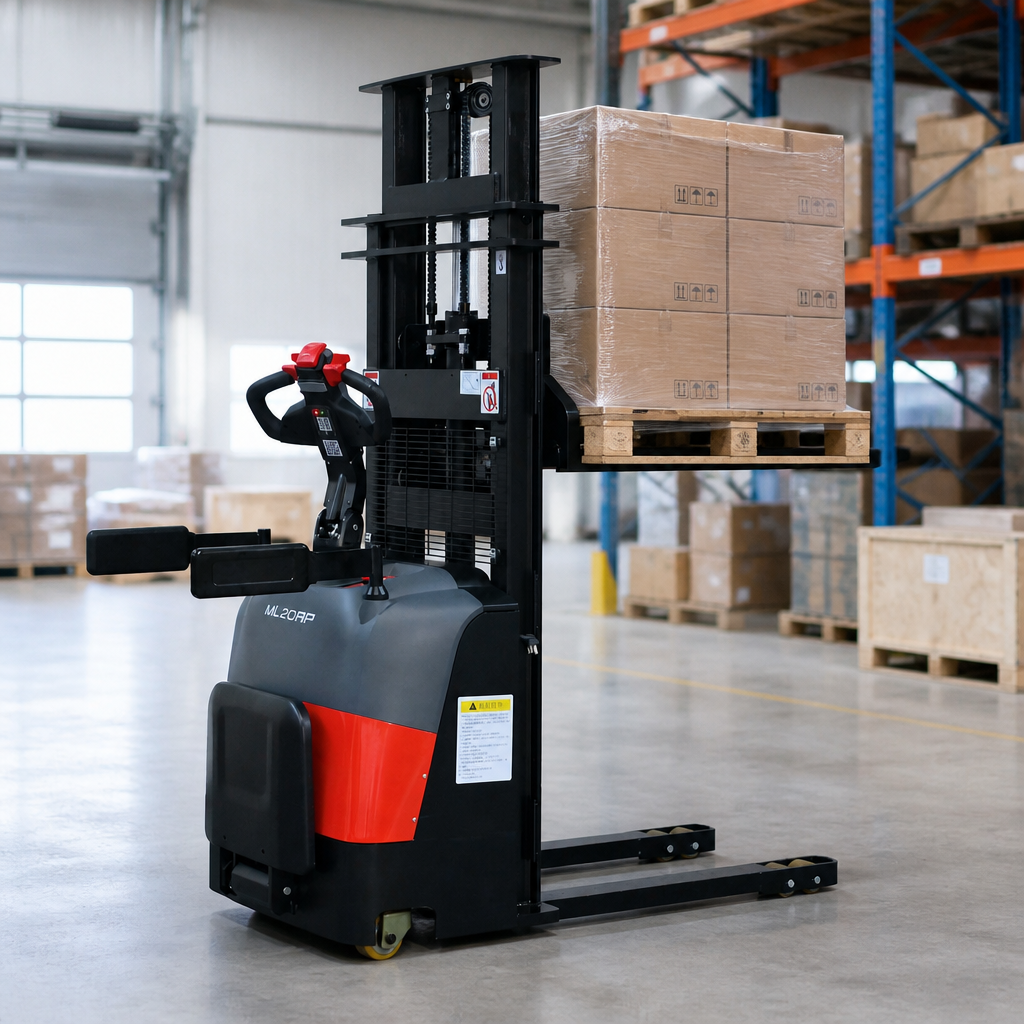
Electric Pallet Stacker 2000kg 3410mm Lift Height Stand on Stacker Truck for Warehouse Racking Stacking
For Nashville 3PLs and distributors that need lift height without the footprint of a full counterbalance forklift. The stand-on format helps operators move between receiving, staging and racking zones.
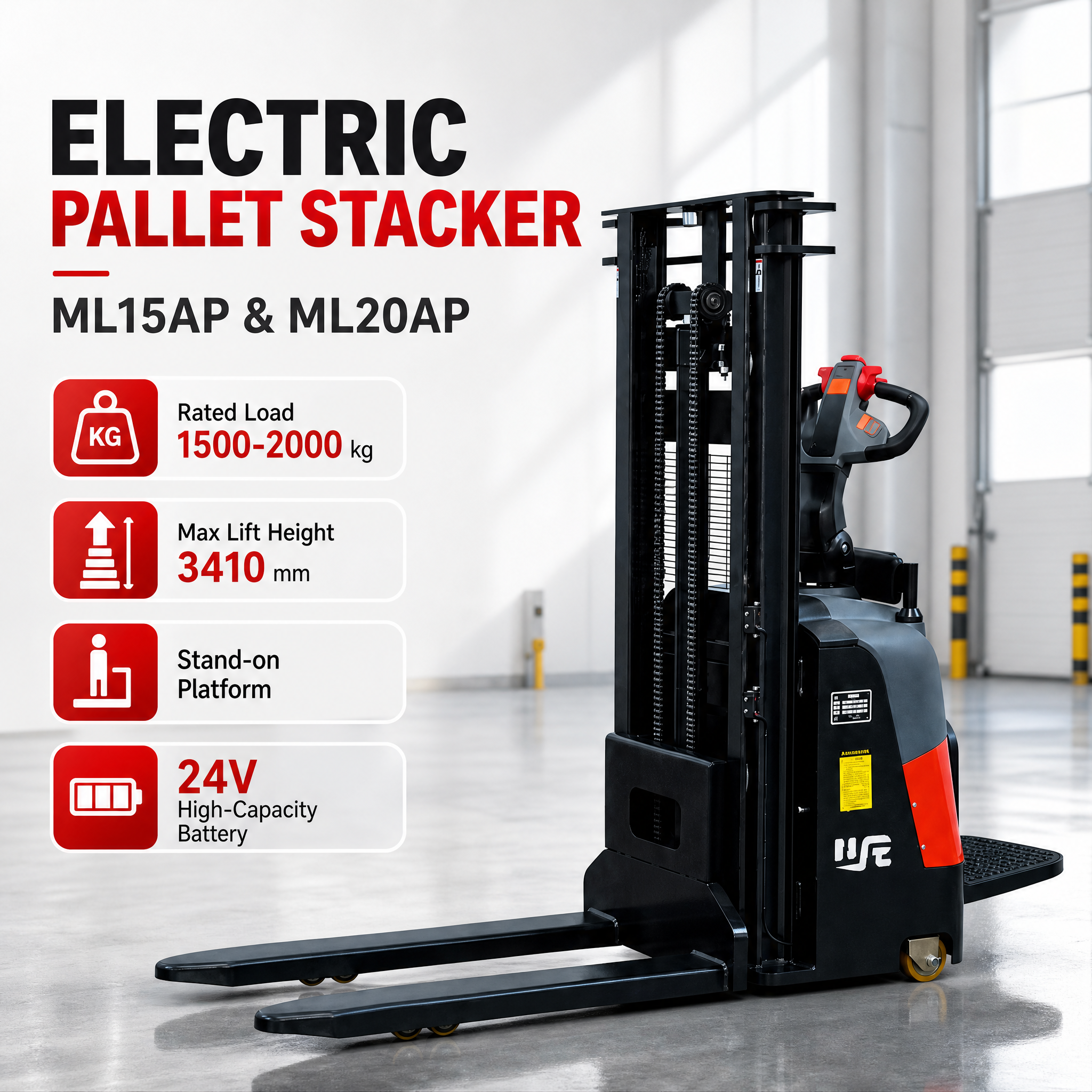
Stand on Electric Stacker 2000kg Centre Mounted Drive Twin Balance Wheels Stable High Racking Stacking
A stable high-rack stacker for mixed pallet flows where operators need confidence at height. Centre-mounted drive and twin balance wheels support controlled positioning in busy warehouse lanes.
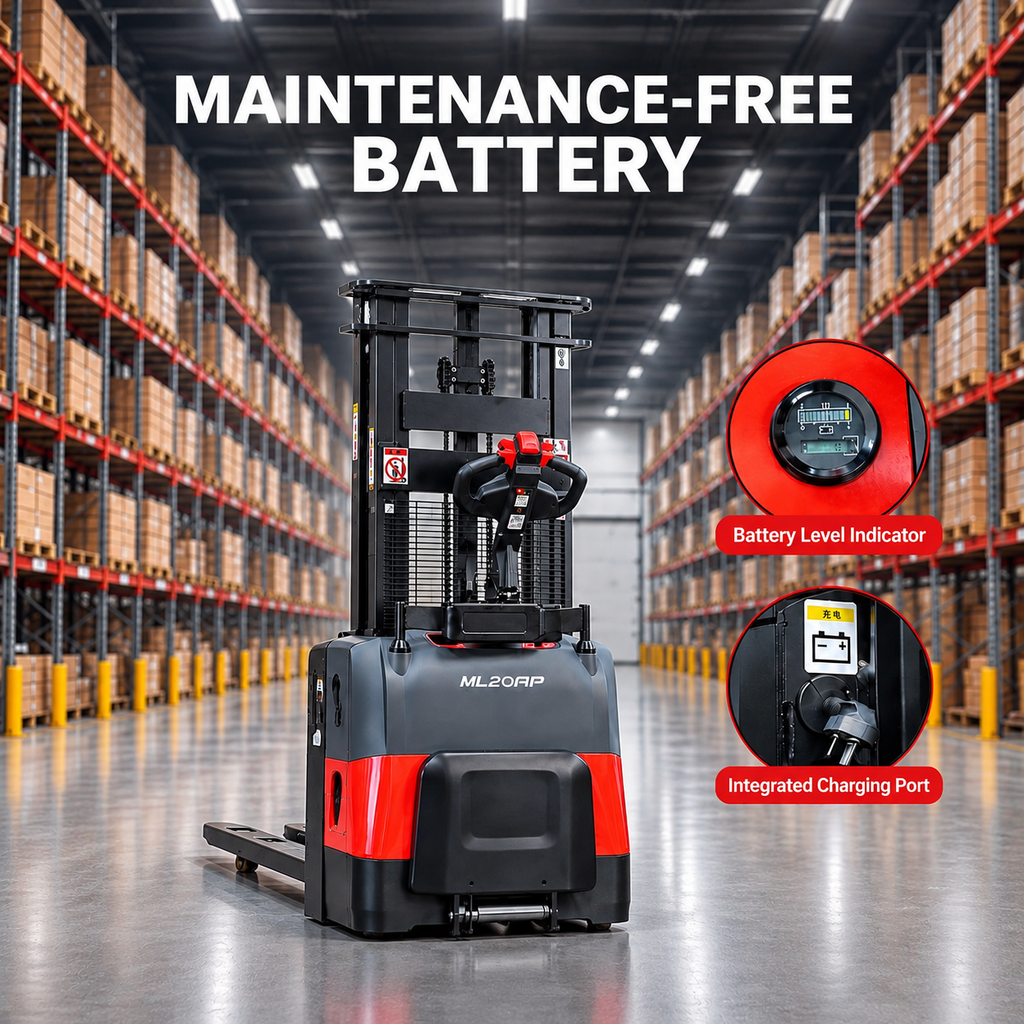
Stacker Forklift Electric 1500kg 2000kg for Retail Backroom Farm Feed Store Pallet Stacking Work
A flexible 1,500–2,000 kg class stacker for retail backrooms, farm and feed stores, building-material yards and light manufacturing around Nashville and Middle Tennessee.
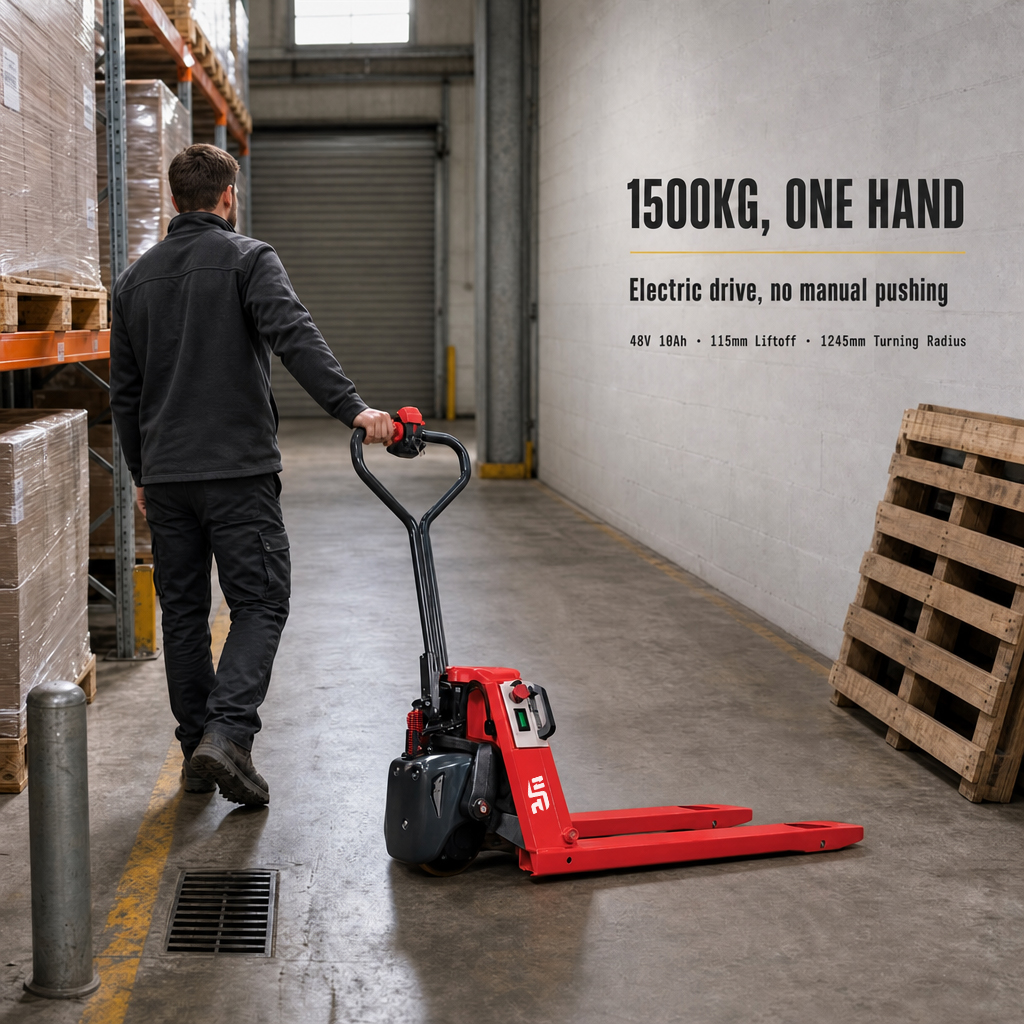
Electric Pallet Truck for Distribution Center Workshop Supermarket Pallet Handling 1500kg Lithium Battery Walkie Jack
A lithium walkie pallet truck for distribution centers, workshops and supermarkets. Well suited to fast horizontal handling in Nashville facilities tied to the I-40 and I-65 corridors.
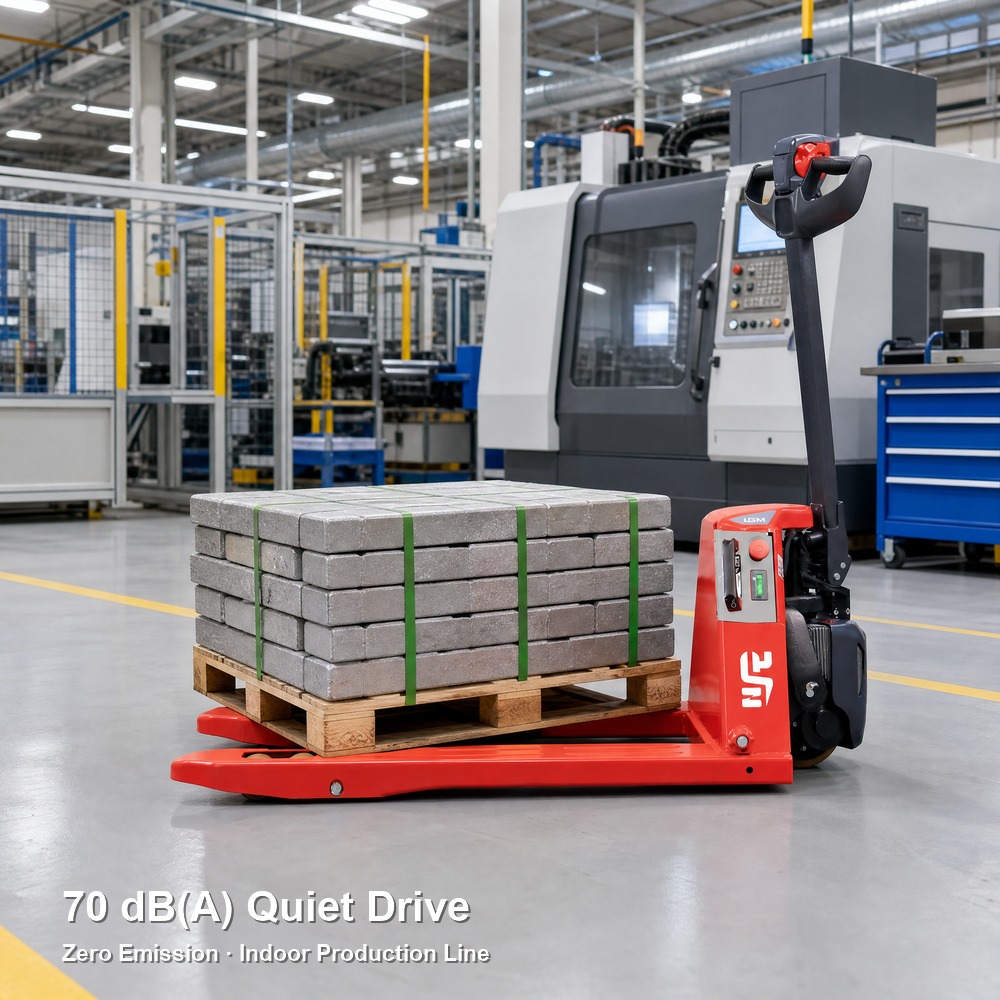
Battery Powered Pallet Jack Truck 48V Lithium Walkie Type for Narrow Aisle Warehouse Elevator Loading Unloading
A 48V lithium walkie pallet jack for narrow aisles, elevators and loading or unloading. A low-maintenance option for grocery, healthcare and e-commerce flows with limited space.
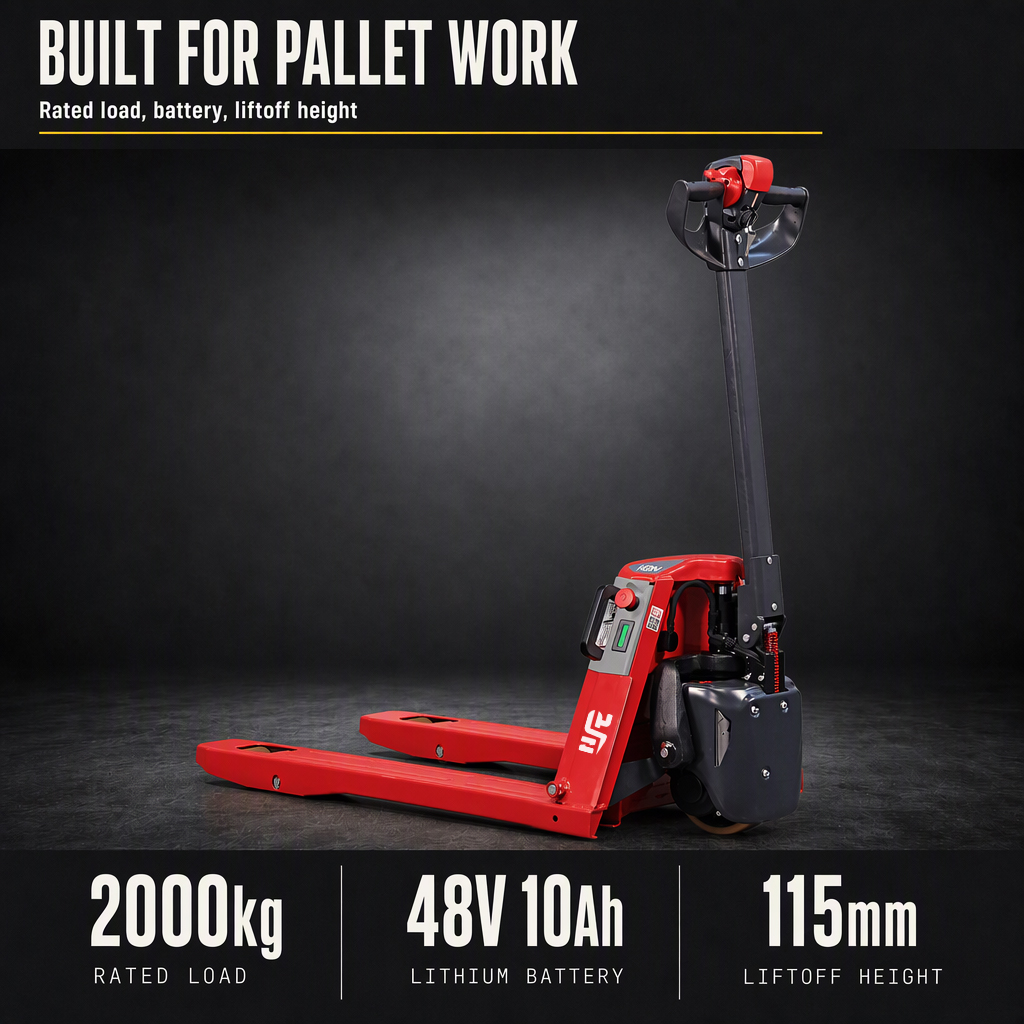
Portable Electric Pallet Jack Lithium Battery 2T for Narrow Aisle Warehouse and Truck Delivery Handling with 48V High Efficiency
A portable 2T lithium pallet jack for delivery fleets and service vehicles. Useful where electric pallet handling must move between warehouse bays, trucks and customer sites.
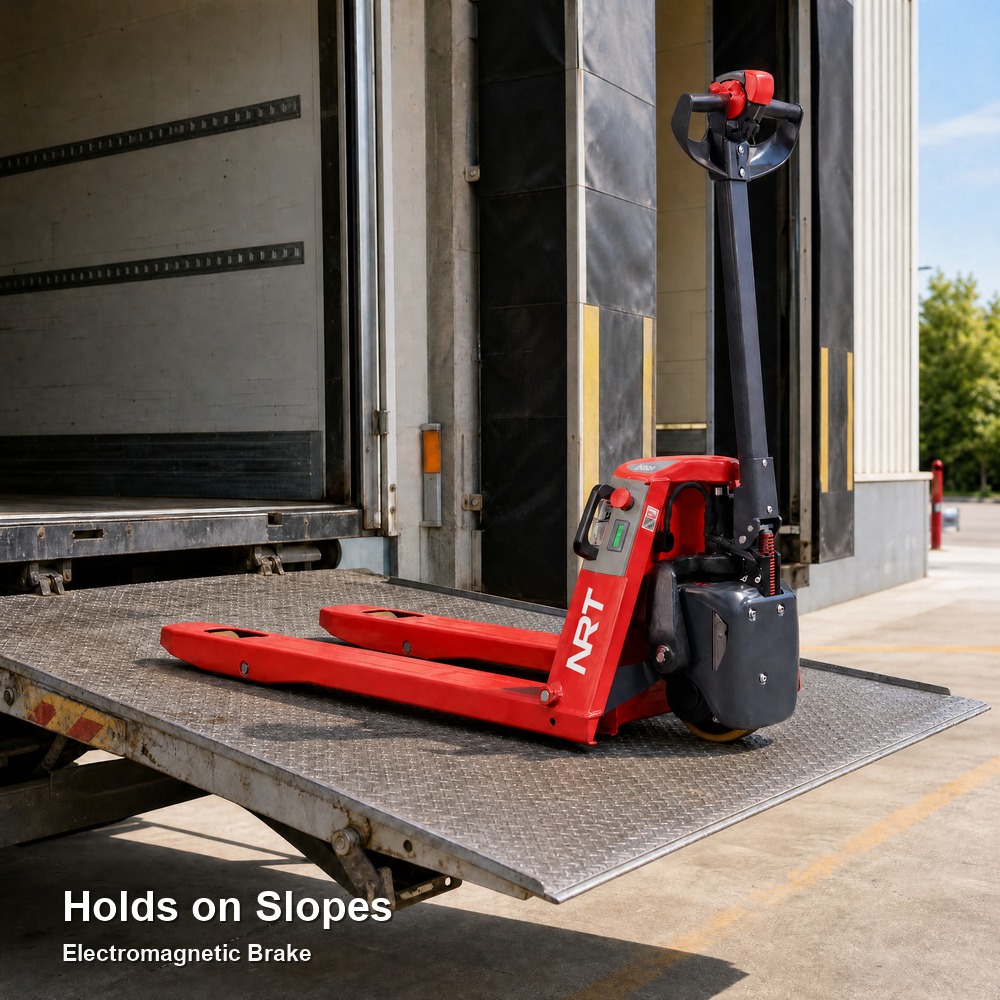
Electric Pallet Jack 1500kg 300mm Slim Body Walkie Pallet Truck for Elevator Freight Box Narrow Aisle Handling
A 1,500 kg slim-body walkie pallet truck for freight boxes, elevators and tight retail aisles where standard pallet trucks struggle to fit or turn.
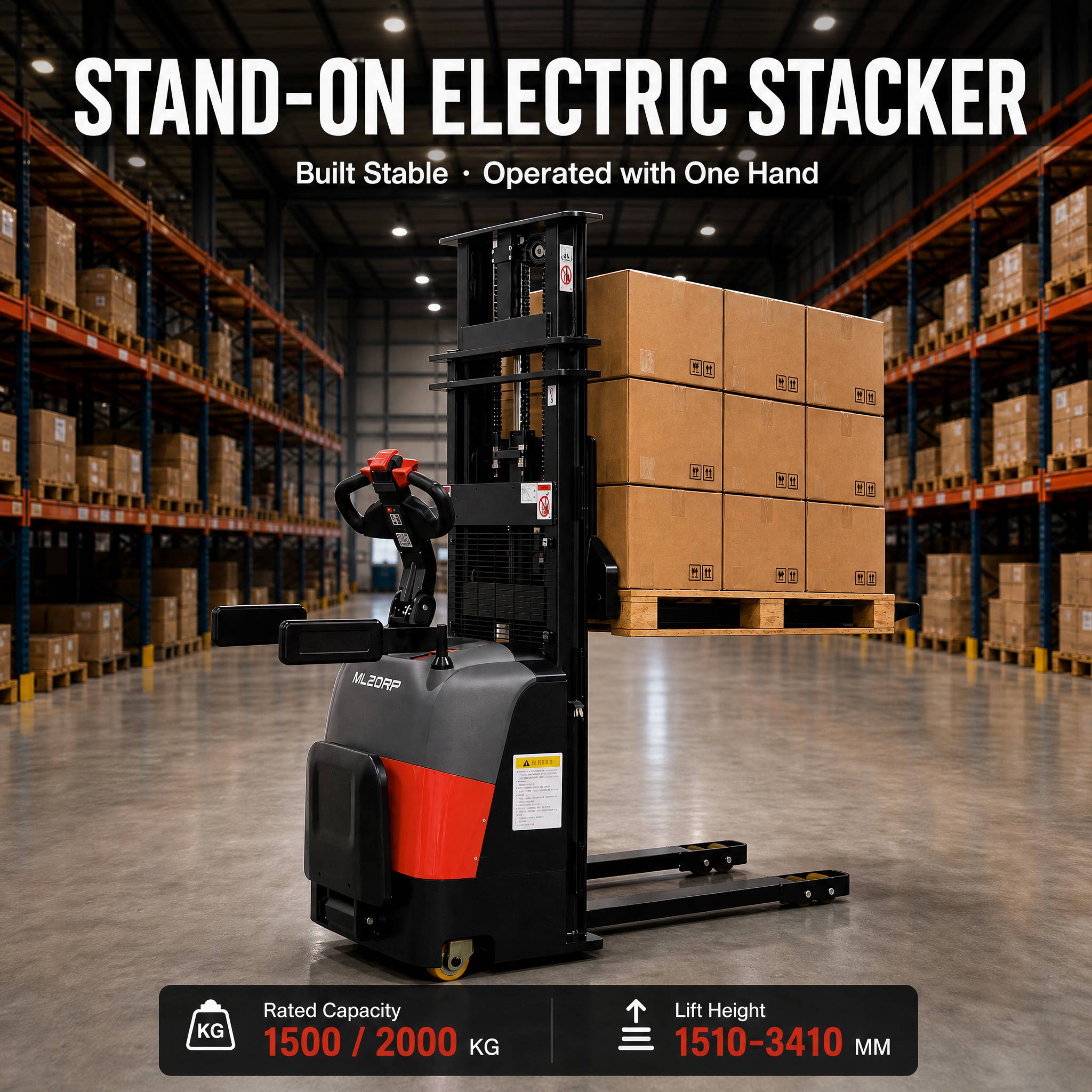
Channel Steel Mast Electric Pallet Stacker 2000kg 90mm Lowered Fork Height Stable High Rack Stacking
A 2,000 kg channel steel mast stacker with 90 mm lowered fork height for stable high-rack stacking in pallet-heavy operations and compact storage areas.
Why Electric Reach Forklifts Fit Nashville's Warehouse and Distribution Economy
Nashville buyers are not shopping for a generic warehouse truck. They are balancing racking density, delivery windows, labor availability and the realities of Middle Tennessee buildings.
From interstate logistics to high-density storage
Nashville's industrial market is a connected system of infill warehouses, suburban distribution parks and manufacturing plants tied together by I-24, I-40 and I-65. For a fleet manager in Davidson County or a 3PL operator in La Vergne, the practical question is rarely “Which forklift is cheapest?” It is “Which truck moves the pallet mix safely at the racking height we already have, without creating charging, floor-loading or labor problems?” That is why electric reach forklifts, stand-on stackers and lithium walkie pallet trucks belong in the same procurement conversation. The reach truck is the high-density storage tool; the stacker is the flexible mid-height lifting tool; the pallet truck is the horizontal transport tool. Treating them as one fleet, not isolated purchases, usually lowers total cost per pallet moved.
For companies searching for an electric reach forklift manufacturer and suppliers in Nashville, the information gain comes from matching equipment to the local operating envelope. A machine that looks excellent on a specification sheet can be the wrong unit if the aisle is 100 mm too narrow, the top rack beam is beyond the usable lift height, or the battery charger cannot be installed near the break room without ventilation and electrical upgrades. The strongest procurement plans separate storage, transport and loading-dock tasks, then calculate fleet size by task rather than by warehouse square footage.
What makes a specification “Nashville-ready”?
- Racking height and derating: confirm the highest shelf beam, not just the mast height. Capacity changes with lift height, load center and attachments.
- Aisle width and floor joints: measure the narrowest travel path, door opening, elevator entry and column spacing. Older Middle Tennessee buildings may have less predictable floor flatness.
- Load center and pallet type: standard GMA pallets, block pallets, drums and custom racks behave differently. The load center must be stated before a reach truck is quoted.
- Shift duty and charging: one shift, two shifts or 24/7 operation changes battery capacity, charger count and spare-battery strategy.
- Humidity and battery care: Nashville's hot, humid summers make charger placement, ventilation and battery compartment inspection part of the specification.
- Delivery and after-sales: confirm unloading method, operator training, spare-parts plan and response process before the container arrives.
One local detail often missing from generic buying guides is the effect of building stock. Middle Tennessee has a mix of newer cross-dock facilities with high clear height and older industrial buildings with lower clearance, tighter column grids and different floor conditions. A reach truck that performs well in a new high-clearance building may need a different mast, battery and derate calculation in a retrofitted building. For Nashville-area buyers, a professional supplier should ask for rack layout, aisle measurements and photos before recommending a model — not simply quote the lowest price per unit.
Pexal's approach is to combine electric reach trucks, electric stackers and lithium pallet handling into a practical fleet plan. The objective is not to replace every manual pallet jack with a reach truck. It is to put the right machine on each movement: high-lift reach equipment for dense racking, compact stackers for medium-height storage, and walkie pallet trucks for horizontal transport, loading and delivery. That mix protects capital and reduces idle time.
Nashville Buyer Quick Brief
- Measure rack beam height and the narrowest aisle first.
- State maximum pallet weight and load center.
- Confirm charger voltage and available power.
- Plan for humid summers and multi-shift charging.
- Request pre-shipment inspection photos and video.
- Confirm DDP, CIF or FOB delivery before ordering.
Send your rack layout, load details and duty cycle to receive a configuration recommendation.
Send an InquiryEmail: info@pexalbot.com
Reach Truck, Stacker or Pallet Jack? Match the Tool to the Nashville Task
Many buyers begin with a reach truck inquiry but discover that a mixed fleet lowers cost and improves throughput. Use this matrix as an early screening tool before a formal quote.
Electric Reach Truck
Best for indoor racking, narrow aisles and lift heights beyond the normal stacker range. Confirm floor condition, overhead clearance, aisle width and capacity at height.
Electric Pallet Stacker
Best for medium-height racking, retail backrooms, staging and low-to-medium volume lifting. More compact and cost-efficient than a full reach truck for some tasks.
Electric Pallet Truck
Best for loading docks, receiving, cross-dock moves and line-side replenishment. Ideal where pallets are moved horizontally rather than lifted to high racking.
Lithium Walkie Pallet Jack
Best for narrow aisles, elevators, retail floors, freight boxes and truck delivery. Portable lithium options support routes that move between sites and vehicles.
Where Nashville-Area Operations Use Electric Warehouse Equipment
Nashville's economy combines distribution, advanced manufacturing, healthcare, food and beverage, retail and construction supply. Each environment places different demands on electric equipment.
3PL & Distribution Centers
High pallet throughput and dense racking drive demand for reliable electric reach trucks, stackers and pallet trucks. Submarkets such as La Vergne, Smyrna, Mount Juliet, Lebanon and Gallatin often require equipment that can handle multi-shift operation and quick changeover between inbound and outbound loads.
E-Commerce Fulfillment
Fast piece picking and short-distance pallet moves between receiving, storage and dispatch zones make order pickers, pallet trucks and AGVs attractive. Nashville's e-commerce growth rewards equipment that is easy to train on and safe in mixed pedestrian traffic.
Automotive & Advanced Manufacturing
Line-side supply, work-in-progress transfer and finished-goods handling require repeatable, safe movement. Electric reach trucks and intelligent forklifts support the region's automotive and advanced manufacturing supply chain, where uptime and traceability matter.
Food, Beverage & Cold Chain
Zero-emission, low-noise electric trucks help keep indoor air cleaner in food, beverage and pharmaceutical storage. Humidity control, wash-down routines and battery placement should be reviewed before selecting a model for cold-chain or chilled environments.
Retail, Farm & Building Supply
Retail backrooms, farm and feed stores and building-material yards often need compact stackers and slim pallet trucks. These sites may have tight doorways, mixed floor surfaces and limited charging space, making compact electric equipment a practical choice.
Ports, Yards & Outdoor Transfer
Outdoor yards, construction supply sites and heavy-transfer operations may need diesel or all-terrain forklifts rather than reach trucks. Pexal's wider product range allows buyers to compare indoor electric equipment and outdoor-heavy-duty options in one supplier conversation.
Three Trends Shaping Nashville Material Handling Decisions
Procurement teams in Middle Tennessee are responding to warehouse density, energy planning and labor realities. These trends affect specification, not just price.
Higher Racking, Tighter Aisles
As land and construction costs rise, Nashville-area warehouses look for more storage within existing footprints. That increases interest in reach trucks, high-rack stackers and narrow-aisle battery pallet jacks. Buyers should verify capacity at the actual lift height rather than assume the headline capacity applies at every level.
Electrification & Energy Planning
Electric reach trucks and lithium pallet equipment are increasingly evaluated for indoor air quality, noise and operating cost. In the Nashville area, charging strategy should consider utility capacity, off-peak charging, charger placement and battery thermal management during humid summers. Lithium opportunity charging can reduce battery changes when planned correctly.
Labor Efficiency & Safety
Operators are being asked to do more moves per shift with less turnover risk. Humanized controls, clear visibility, stable masts and intuitive electric drive systems reduce training time and fatigue. For repeatable routes, automated guided forklifts and smart forklift features are becoming part of the long-term plan.
A Nashville Buyer's Path from Inquiry to Unloading
A disciplined four-step process reduces rework, shipping surprises and idle equipment after arrival.
01 · Measure the Building
Record aisle width, door and elevator dimensions, overhead obstructions, rack beam heights and floor condition. Photos of the tightest turn are more useful than a general warehouse description.
02 · Confirm Load & Duty
State maximum pallet weight, load center, pallet type, lift height and number of shifts. A 2,000 kg rating at a low load center does not automatically mean 2,000 kg at high lift with an attachment.
03 · Validate Power & Charging
Confirm voltage, phase, charger location and available power capacity. For multi-shift Nashville operations, plan charger count, battery capacity and a realistic opportunity-charging routine.
04 · Plan Delivery & Support
Decide between FOB, CFR, CIF or DDP terms, confirm unloading equipment, and request manuals, spare-parts recommendations and inspection photos before shipment leaves the factory.
Why Pexal Is a Credible Partner for Nashville Dealers and Fleet Buyers
Xiamen Pexal Technology Co., Ltd. was founded in Xiamen, Fujian in 2024 as the sales, service and technical support base for Pexal material handling equipment. We work with a 220,000 m² partner manufacturing campus employing more than 1,200 people, including more than 100 engineers focused on electric warehouse equipment.
SGS-Assessed & Onsite Verified
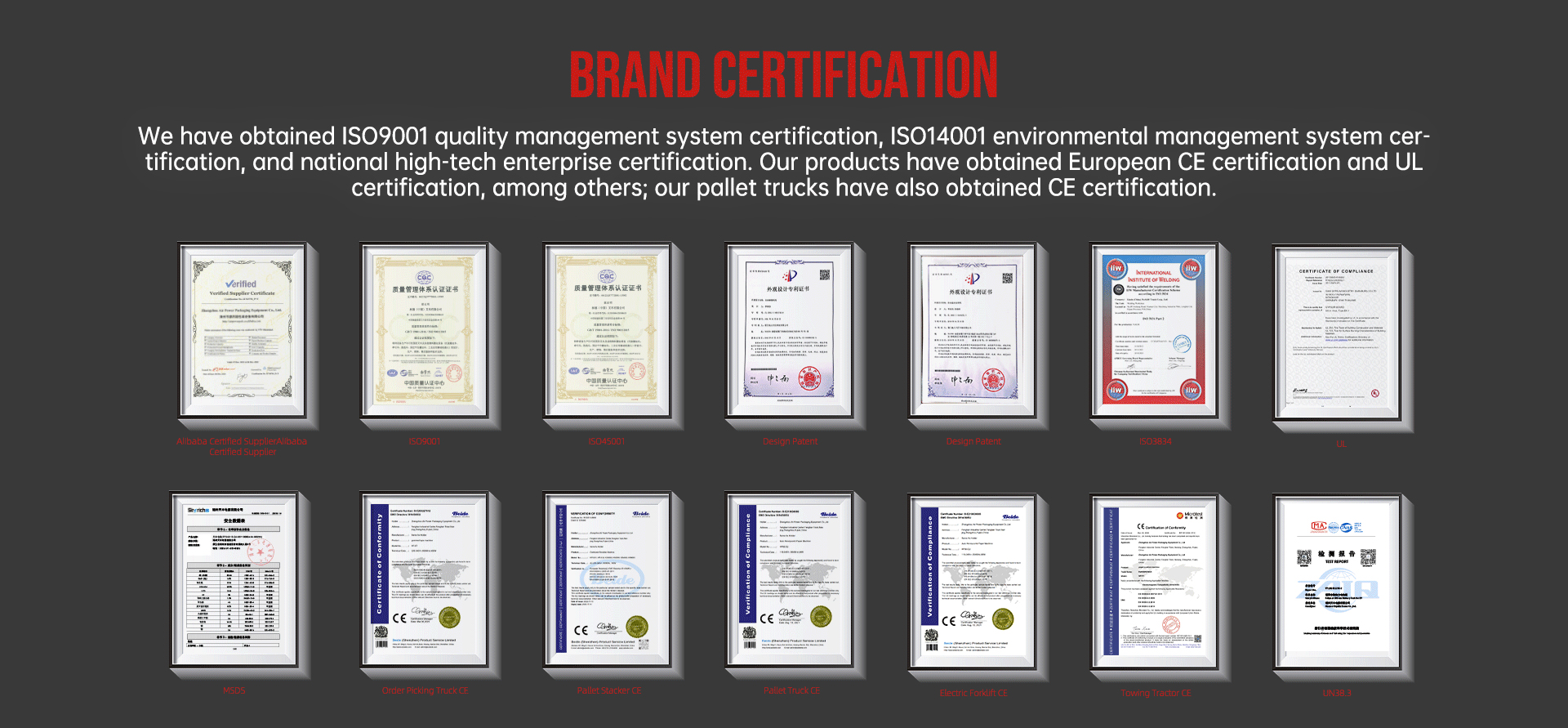
Pexal has passed an onsite check and supplier assessment conducted by SGS Group. Business type, products, markets and capabilities have been reviewed onsite, giving Nashville buyers a third-party reference point before placing an order.
Manufacturing Depth
The partner production campus provides scale for container orders, recurring dealer stock and custom builds. Pre-shipment quality control covers lifting, travel, braking and electrical systems before dispatch.
Wide Product Ecosystem
Electric forklifts, reach trucks, pallet trucks, stackers, order pickers and automated guided forklifts can be sourced through one supplier conversation, simplifying procurement, spare-parts planning and dealer range building.
OEM, ODM & Customization
Sample-based customization, full customization and ODM services are available, including mast height, fork length, battery type, color, logo and attachment configuration for different markets and applications.
Export Terms & Payments
Common delivery terms include FOB, CFR, CIF, EXW, FCA, CPT, CIP and DDP. Payment methods include T/T, L/C, D/P, D/A, Western Union, PayPal, credit card and escrow, with USD, EUR, GBP, CAD, AUD and CNY among accepted currencies.
Global Market Experience
Main export markets include Western Europe, North America, South America, Eastern Europe and Oceania. Nashville buyers can request product videos, inspection records, trade-capacity details and company verification documents.


Questions Local Buyers Ask Before Ordering
These answers are written for importers, dealers, warehouse operators and fleet managers comparing electric reach forklifts and warehouse trucks from an overseas supplier.
What size electric reach forklift is best for a Nashville warehouse?
There is no universal size. Start with maximum pallet weight, load center, top rack beam height, aisle width and shift duty. A 1.5–2.0 tonne class is common for mixed pallet work, but capacity must be verified at the actual lift height. If your racking is above standard stacker range, request a reach truck quotation with a derated capacity chart.
Can Pexal supply electric reach forklifts and the stackers listed on this page to Nashville?
Yes. Pexal supplies electric forklifts, reach trucks, pallet trucks, stackers, order pickers and automated guided forklifts through export and dealer channels. The eight models shown above are stackers and pallet trucks for common warehouse tasks; reach trucks and other equipment can be quoted separately based on rack layout and load data.
What shipping terms and delivery options are available to Tennessee?
Common terms include FOB, CFR, CIF, EXW, FCA, CPT, CIP and DDP. DDP can simplify door delivery, but buyers should confirm customs clearance, unloading responsibility and final delivery address before ordering. Final freight depends on model size, battery configuration, charger, packaging and destination.
How should Nashville buyers plan charging and battery selection?
Choose lithium or lead-acid based on shift pattern, charging window and facility power. Multi-shift operations often benefit from opportunity charging and a spare charger plan. Confirm voltage, phase, charger location, ventilation and battery handling before shipment. Nashville's humid summers make battery compartment inspection and charger placement important.
Do you offer OEM, ODM and dealer customization?
Yes. Pexal offers sample-based customization, full customization and ODM services. Typical options include mast height, fork length, battery type, color, logo and attachment configuration. For dealer programs, share target market requirements, expected volume and branding needs so the configuration can be reviewed early.
How is quality checked before shipment, and what after-sales support is available?
Pre-shipment quality control includes functional testing of lifting, travel, braking and electrical systems. Pexal has passed an onsite check and supplier assessment by SGS Group, and a verified company video is available for review. After-sales support can include manuals, inspection photos, spare-parts recommendations, remote troubleshooting and dealer support planning.
What a Strong Nashville Reach Forklift Inquiry Should Include
The fastest way to receive an accurate recommendation is to send structured operating data. This reduces quotation cycles and protects you from buying a truck that cannot perform at height.
For a formal review, include photos of the racking, the narrowest aisle and the unloading area. This is especially useful for older Nashville buildings where drawings may not reflect current racking or floor conditions.
Plan Your Nashville Electric Reach Forklift Fleet with Pexal
Share your load, rack height, aisle width and duty cycle. Our team will compare reach trucks, stackers and lithium pallet equipment, then recommend a practical configuration for your Nashville or Middle Tennessee operation.
Email: info@pexalbot.com · Product range: electric forklifts, reach trucks, pallet trucks, stackers, order pickers and AGVs.