Eight Industrial Handling Vehicles for Hat Yai Buyers
These eight models are practical starting points for Hat Yai distributors, 3PL operators, cold stores, seafood processors, wholesale markets, rubber warehouses, and cross-border logistics teams. Final selection should still be checked against load weight, pallet size, aisle width, rack height, floor condition, charging strategy, and after-sales access.
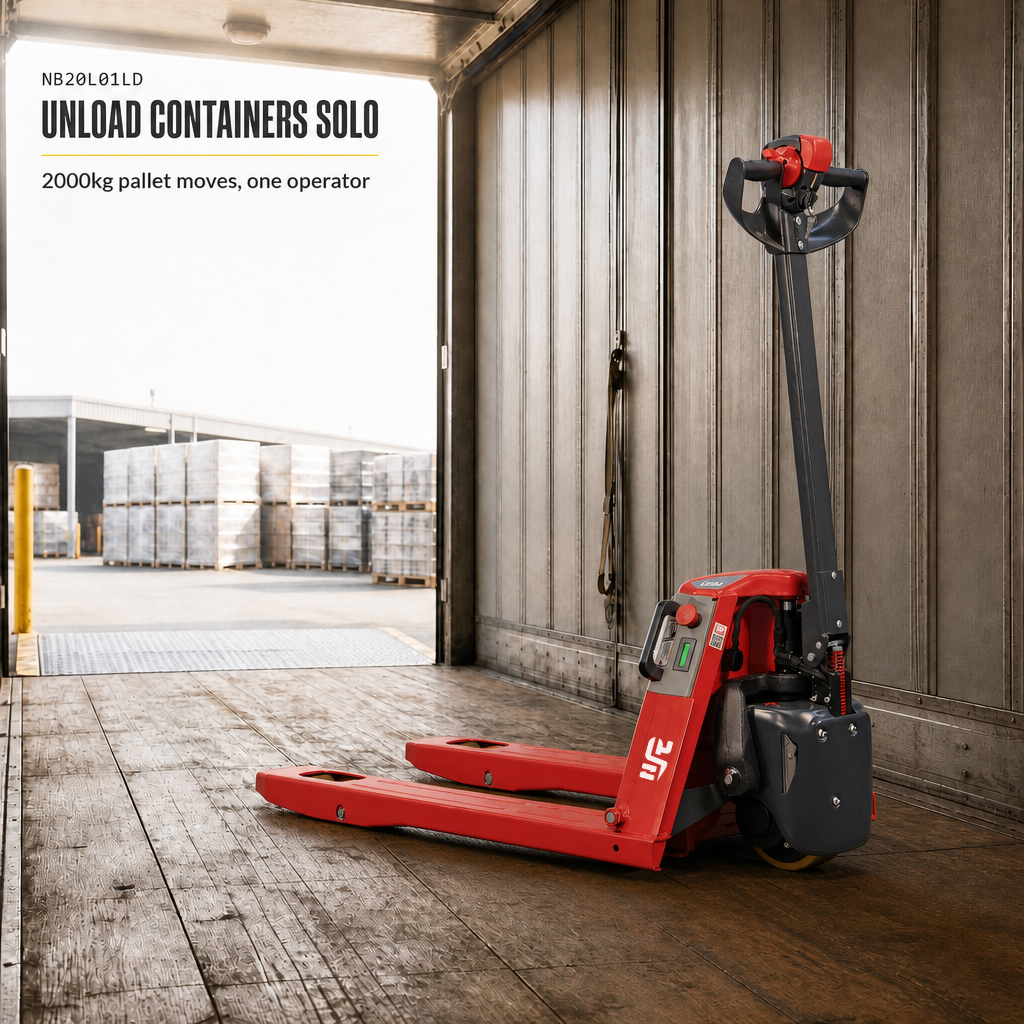
2000kg Electric Pallet Truck Lithium Ion 48V 10Ah Power Jack 1150mm Forks Polyurethane Wheels Container Loading
Hat Yai fit: 1150 mm forks and polyurethane wheels suit smooth warehouse floors, dock transfer, and container loading where fast pallet cycling matters.
View details →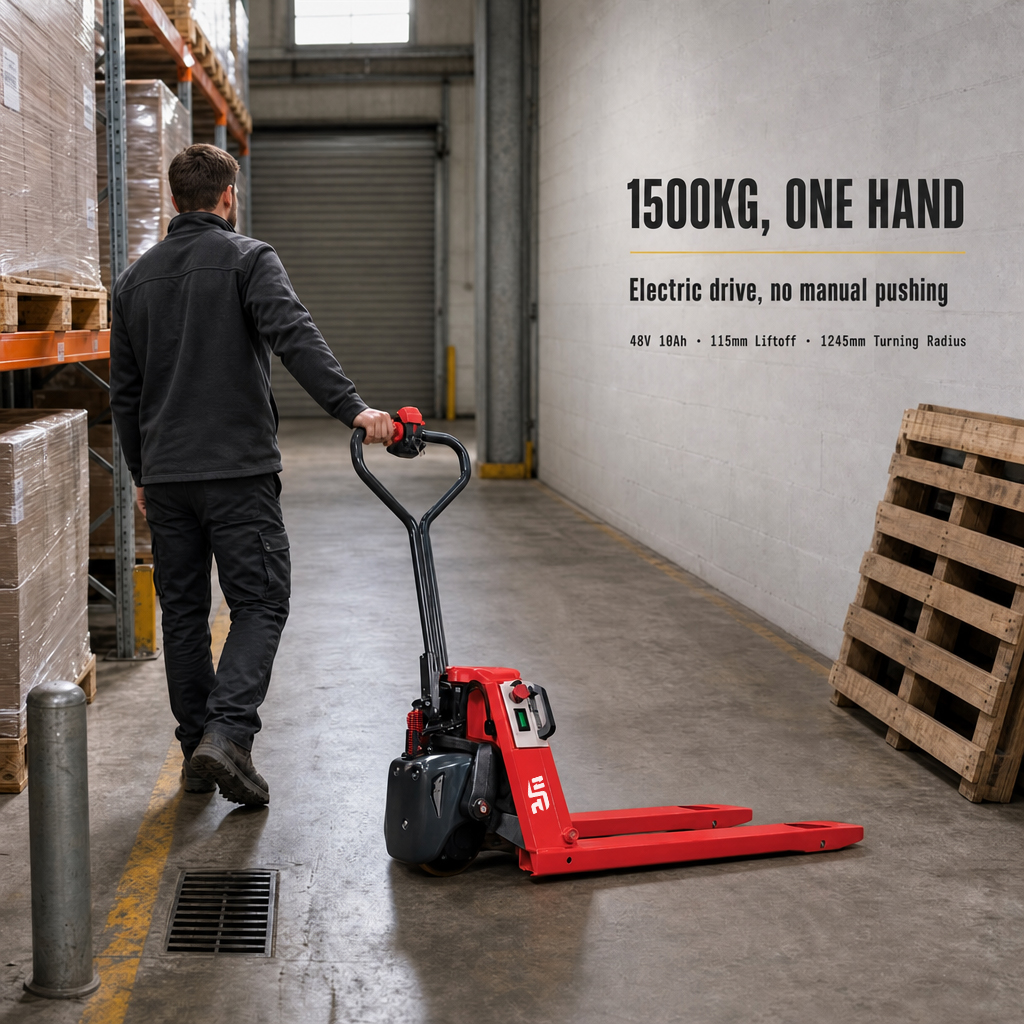
Electric Pallet Truck for Distribution Center Workshop Supermarket Pallet Handling 1500kg Lithium Battery Walkie Jack
Hat Yai fit: a 1500 kg lithium walkie jack for supermarkets, workshops, and distribution centers that need simple operation and frequent short-haul replenishment.
View details →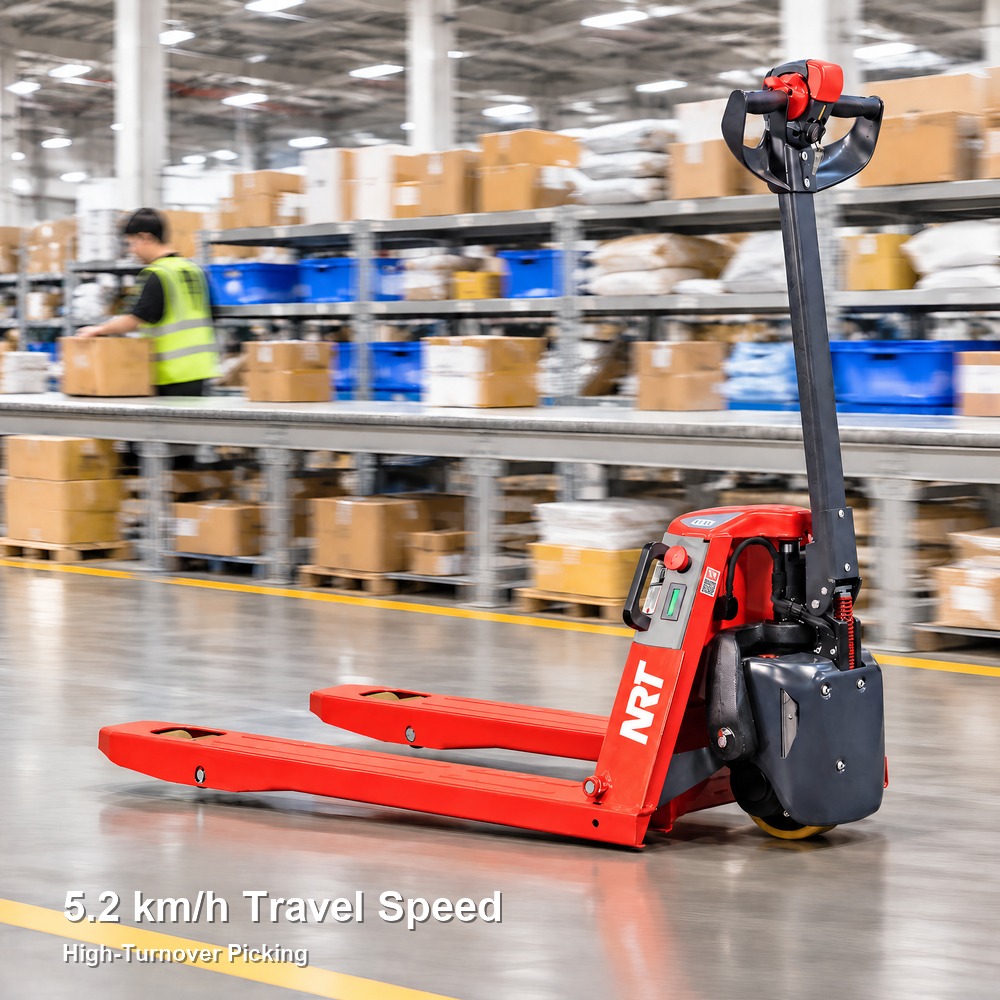
Electric Pallet Jack with Quick Release Drive Wheel 1Min Service 48V Lithium Walkie Pallet Truck 2000kg Capacity
Hat Yai fit: quick-release drive-wheel access reduces service friction for rental fleets and busy 3PL operations where downtime directly affects truck turnaround.
View details →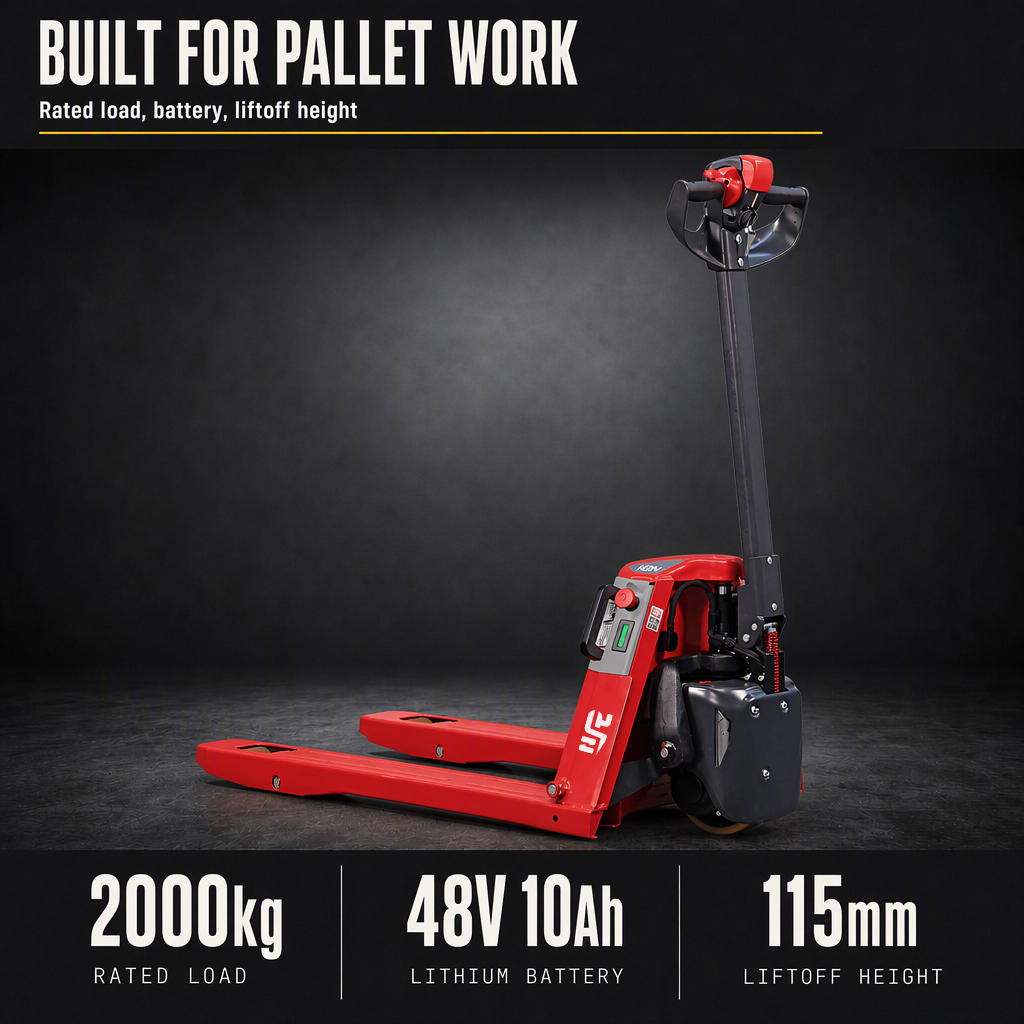
Professional Electric Pallet Jack 2 Ton 2000kg Capacity Heavy Duty Power Pallet Truck with Easy Control System for Warehouse
Hat Yai fit: a 2-ton professional jack for rubber bale stores, seafood crates, wholesale market pallets, and mixed loads that require frequent stop-start control.
View details →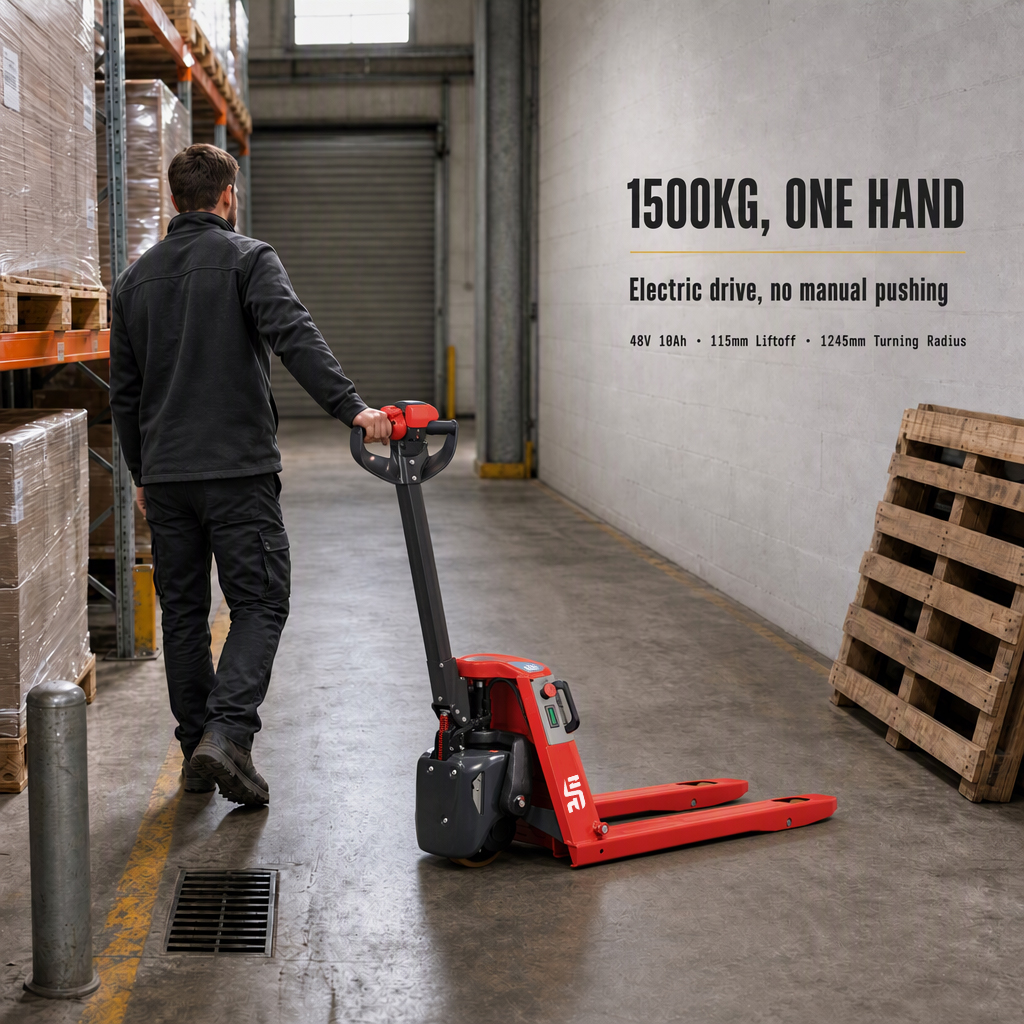
1.5 Ton Electric Pallet Truck with 48V Li-ion Battery, 107kg Ultra-lightweight Pallet Jack for Narrow Aisle Warehouse
Hat Yai fit: its 107 kg structure supports easy maneuverability inside compact shophouse warehouses, retail backrooms, and narrow-aisle storage areas.
View details →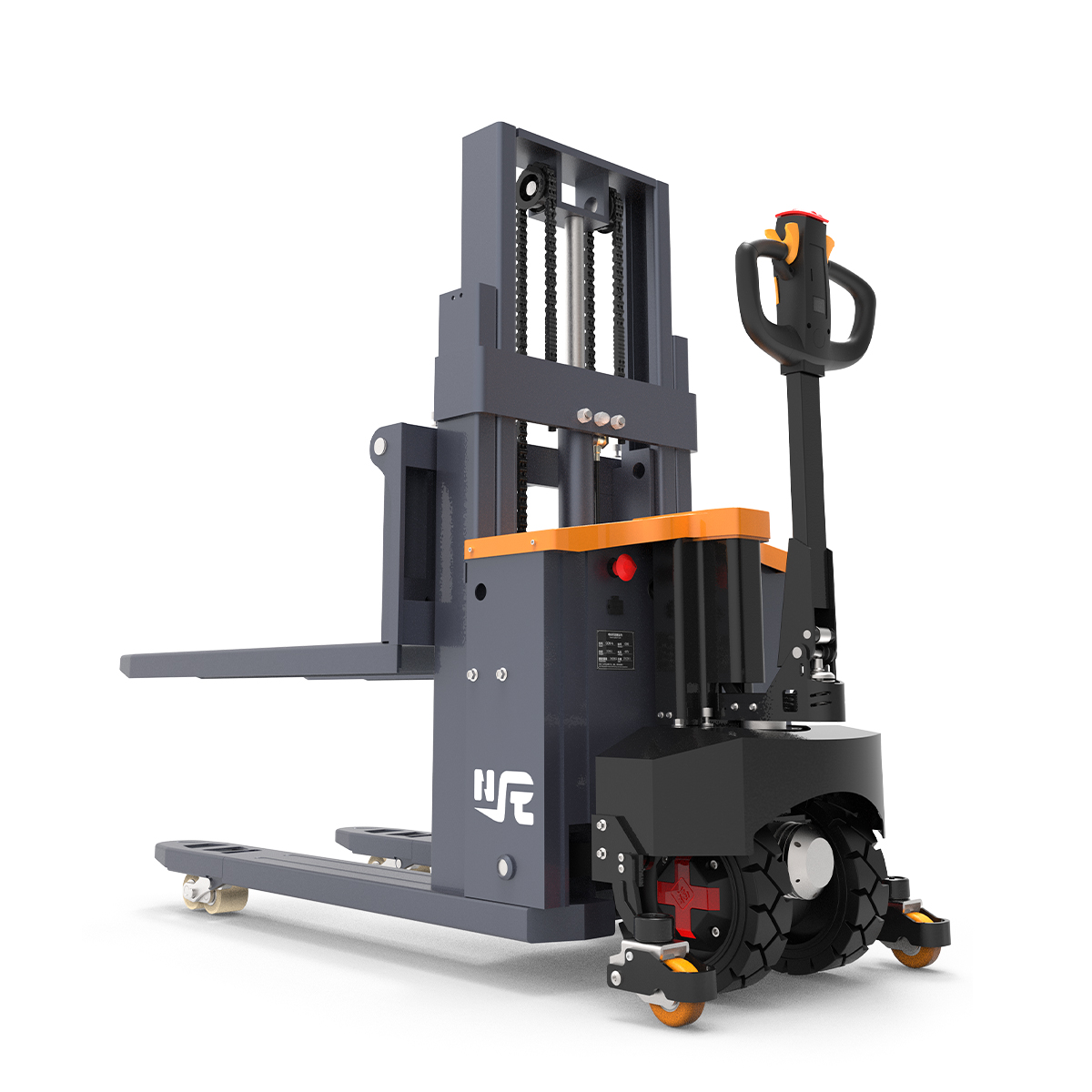
1500kg 2000kg Electric Stacker Pallet Stacker Truck 1.6m 3m Lift Height Warehouse Material Handling Equipment
Hat Yai fit: a flexible electric stacker for low-to-mid racking in food, spare-parts, retail, and wholesale warehouses where lift height and footprint must be balanced.
View details →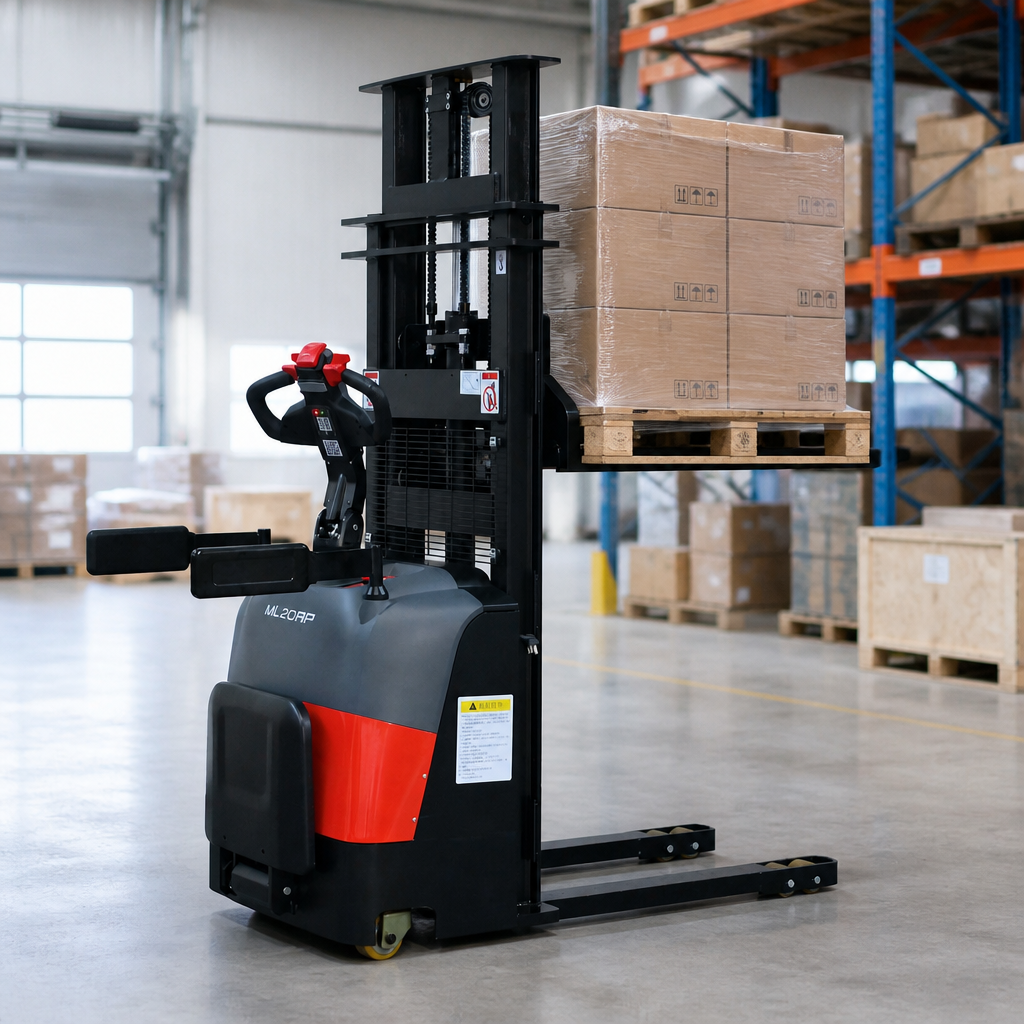
Electric Pallet Stacker 2000kg 3410mm Lift Height Stand on Stacker Truck for Warehouse Racking Stacking
Hat Yai fit: a 3410 mm lift-height stand-on stacker for denser racking, higher put-away positions, and 3PL warehouses that need to use vertical space more efficiently.
View details →
2026 New Alternative Convertidor De Palet Jack a Electrico Ultra-Lightweight 107kg Electric Pallet Jack with Lithium Power
Hat Yai fit: an ultra-light lithium electric pallet jack for wholesale markets, retail backrooms, and cross-border transshipment points where quick deployment and easy movement matter.
View details →Hat Yai Material Handling Outlook: Climate, Cargo, and Cross-Border Flow
Hat Yai is not a generic warehouse market. It sits at the center of Southern Thailand’s trade, distribution, rubber, seafood, fruit, food, retail, tourism, and Malaysia-border logistics activity. That mix changes how industrial handling vehicles should be specified.
For distributors and fleet owners in Hat Yai, Songkhla, Sadao, and the wider Southern Thailand corridor, material handling equipment must work in tropical heat, high humidity, sudden monsoon rain, wet floors, mixed pallet quality, and fast container turnaround. A pallet truck that performs well in a dry inland warehouse may need different protection, charger placement, operator training, and service access in Hat Yai.
The most useful procurement question is therefore not “what is the cheapest 2-ton pallet truck?” but “what configuration keeps pallets moving through humidity, wet floors, mixed pallets, and short delivery windows without creating hidden downtime?” For seafood, cold-chain, and food operations, zero local emissions and low noise also matter. For rubber, wholesale, and cross-border 3PL operations, load durability, fast service access, and container-loading efficiency often matter more.
A second local factor is infrastructure. Many Hat Yai warehouses are family-run facilities, converted retail spaces, urban shophouses, or mixed-use distribution yards rather than fully standardized modern fulfillment centers. This makes aisle width, floor condition, ramp access, charging space, and turning radius important before capacity is finalized. In many projects, an ultra-light 107 kg electric pallet jack is more useful in a tight retail backroom than a heavier machine with extra capacity that cannot turn cleanly.
Our application recommendation for Hat Yai is to start from the work cycle: where the pallet starts, where it stops, how high it lifts, what floor it crosses, how often it moves, and who services it. From there, capacity, battery type, fork length, mast height, wheel material, and charging method can be matched. This is the practical meaning of an OEM industrial handling vehicle program: not simply a logo change, but a configuration that fits the local job.
- Ask for moisture-resistant connectors, sealed controllers, and clear charger placement guidance for humid storage areas.
- Confirm whether the truck will work in cold storage, wet seafood zones, dusty rubber stores, or clean retail floors.
- Measure the narrowest aisle and the highest rack beam before choosing stacker lift height or pallet truck body size.
- Check spare-parts access and service response before adding a new model to a multi-site fleet.
This page is designed as a practical buying resource for Hat Yai importers, dealers, rental companies, and end users. It combines product-level recommendations with localized application notes, company verification details, and a purchasing checklist that can be used before requesting a quotation.

Where These Handling Vehicles Earn Their Keep in Hat Yai
The right model depends less on the brochure and more on the floor, cargo, and shift pattern. These application notes are written for common Hat Yai operating environments and can be used as a shortlisting guide.
Rubber, Latex, and Heavy Commodity Stores
Rubber bales, latex-related pallets, and commodity stores often involve heavy loads, tight stacking, dust, and long loading cycles. The heavy-duty 2-ton electric pallet jack and 1500–2000 kg electric stacker are practical starting points. Where service access is important, the quick-release 2000 kg lithium truck can reduce maintenance friction.
Recommended: Heavy-duty 2-ton electric pallet jack; 1500–2000 kg electric stacker; quick-release 2000 kg truck.
Seafood, Cold Chain, and Wet Floors
Seafood processing, cold stores, ice rooms, and wet-floor handling require equipment that is easy to clean, stable under repeated stop-start work, and free of local exhaust emissions. Lithium walkie pallet trucks are often preferred for indoor cold-chain and food zones, while anti-slip wheels and charger placement should be reviewed for wet environments.
Recommended: 1500 kg lithium walkie jack; 2000 kg lithium pallet truck; compact 1.5-ton model for tight cold rooms.
Wholesale Markets, Supermarkets, and Retail
Urban retail, wholesale markets, and supermarket backrooms often have limited floor area, mixed pallet sizes, and frequent short-distance moves. Ultra-light electric pallet jacks and 1.5-ton lithium models make sense where operators need quick, simple handling without blocking aisles or requiring a large charging bay.
Recommended: 107 kg ultra-light electric pallet jack; 1.5-ton narrow-aisle pallet truck; 1500 kg walkie jack.
Cross-Border 3PL and Container Loading
Hat Yai’s role as a Southern Thailand trade and distribution gateway means many teams handle cross-border documentation, container loading, and fast truck turnaround. The 2000 kg 48V 10Ah pallet truck with 1150 mm forks is a strong starting model for container-loading teams, while the stand-on stacker supports higher racking in 3PL warehouses.
Recommended: 2000 kg 1150 mm forklength pallet truck; quick-release 2000 kg pallet jack; 3410 mm stand-on stacker.
Food, Halal, and Hygienic Processing
Food and halal processing facilities typically need clean, low-noise handling equipment that does not introduce exhaust emissions into production zones. Electric pallet trucks and stackers are often easier to integrate into hygienic workflows, provided floor conditions, washdown routines, charger placement, and operator training are reviewed together.
Recommended: 1500 kg lithium walkie jack; ultra-light 107 kg pallet jack; low-to-mid lift electric stacker.
Racking, Stacking, and High-Density Storage
When pallets must be placed on racking rather than only moved horizontally, lift height and mast stability become critical. The 1.6–3 m electric stacker covers many low-to-mid racking layouts, while the 2000 kg 3410 mm stand-on stacker supports higher put-away positions in denser storage environments.
Recommended: 1.6–3 m electric stacker; 2000 kg 3410 mm stand-on stacker; confirm rack beam height and aisle clearance.
What Is Shaping Hat Yai Procurement Decisions?
Buyers in Southern Thailand are not only comparing price per unit. They are comparing uptime, charging discipline, corrosion risk, service access, and the ability to support mixed warehouse environments.
Humidity-First Engineering
Heat and humidity make connector protection, charger placement, terminal care, and rust prevention important discussion points. For Hat Yai, ask suppliers to explain how the machine is prepared for humid storage and wet-floor zones.
Lithium and Opportunity Charging
Lithium-ion pallet trucks are increasingly attractive for retail, cold-chain, and 3PL operations because opportunity charging can fit short breaks and shift changes. The charger, plug type, input voltage, and charging area should be confirmed before production.
Labor Efficiency and E-Commerce
Retail and e-commerce replenishment in and around Hat Yai rewards equipment that is easy to learn, quick to deploy, and compact enough for narrow aisles. Ultra-light pallet jacks and simple walkie models often reduce training friction.
Cross-Border Throughput
Trade flow toward the Malaysia border and Southern Thailand distribution networks puts pressure on container loading, staging, and truck turnaround. Fast service access and reliable 2000 kg pallet trucks become operational tools, not just line items.
Buyer’s Evidence Checklist
- Ask for a model drawing with fork length, overall width, turning radius, and service weight.
- Confirm charger input voltage, plug type, and whether charging occurs in a humid or wet area.
- Request a recommended spare-parts list for the first 12 months of operation.
- Check whether the supplier can support OEM color, logo, labels, and packaging for your dealer network.
- Review Incoterms, payment terms, and documentation before placing a container order.
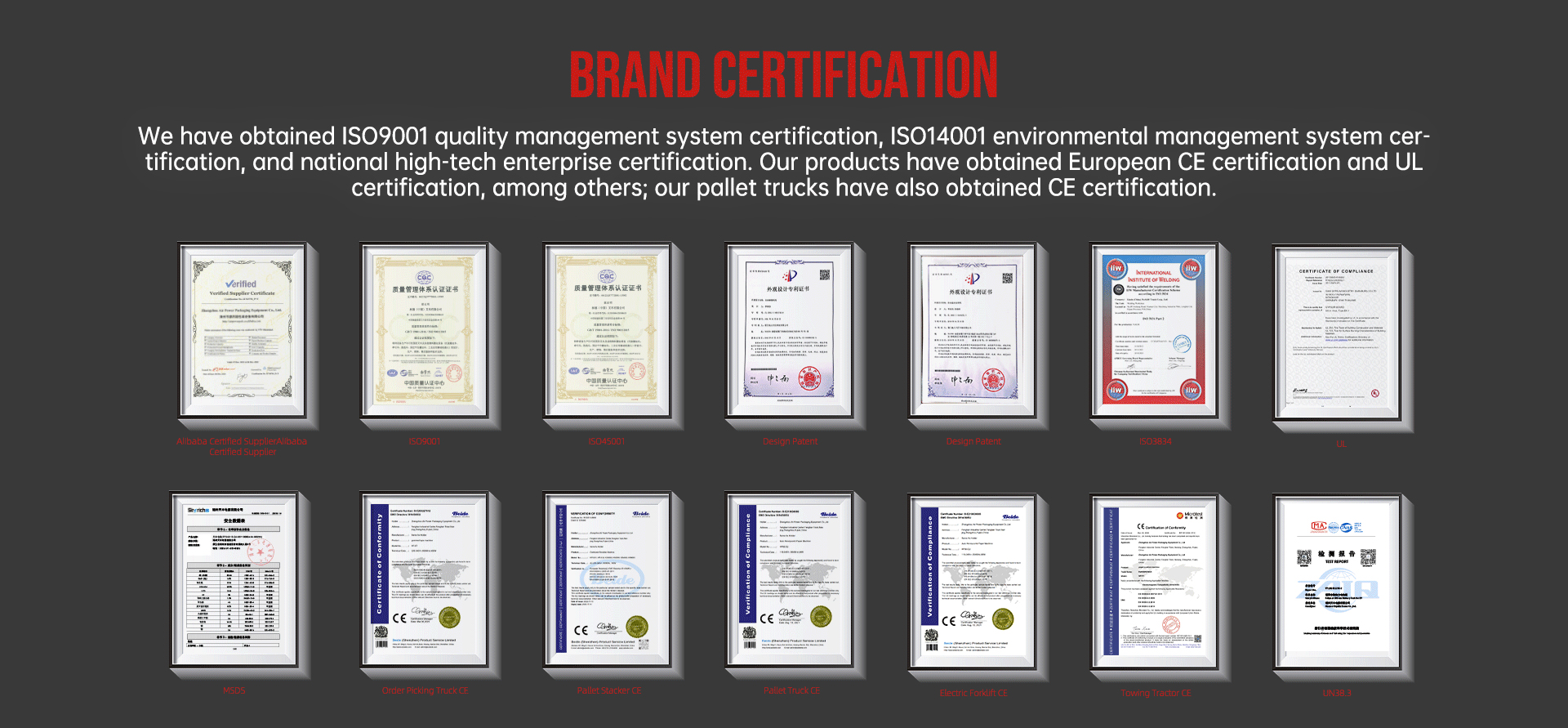
- Validate the supplier’s company profile, assessment records, and trade capacity through third-party sources.
Build a Hat Yai-Specific Handling Vehicle Program
Xiamen Pexal Technology Co., Ltd. supports sample-based customization, full customization, and ODM programs for distributors and fleet buyers. For Hat Yai, the most common customization topics are fork length, overall width, mast height, battery type, charger configuration, wheel material, color, logo, labels, and export packaging.
A practical OEM program should not stop at appearance. It should also define the battery and charging plan, the moisture protection requirements, the service access method, and the spare-parts list. This is especially relevant for Hat Yai buyers who operate across multiple sites with different floor conditions, from cold stores and seafood zones to rubber warehouses and retail backrooms.
- Fork length and overall width
- Mast and lift height
- Battery and charger options
- Color, logo, and labels
- Wheel and floor compatibility
- Export packaging and documents
Why Pexal Is a Practical OEM Partner for Hat Yai Buyers
Founded in Xiamen in 2024, Xiamen Pexal Technology Co., Ltd. works with a partner manufacturing campus and a product range that covers electric forklifts, pallet trucks, stackers, reach trucks, order pickers, and AGV robotics for distributors and fleet operators.
Xiamen Sales & Service Base
Pexal operates as a sales, service, and technical support base for material handling equipment, helping overseas buyers coordinate product selection, customization, and export shipping.
220,000 m² Partner Campus
The partner manufacturing campus employs more than 1,200 people across production and quality control, supporting container orders and recurring dealer stock.
100+ R&D Engineers
A team of more than 100 engineers focuses on electric warehouse equipment, supporting practical customization and product configuration for different markets.
SGS-Assessed Supplier
The company has passed a supplier assessment and onsite check by SGS Group, and the verified company profile can be reviewed before inquiry or order approval.
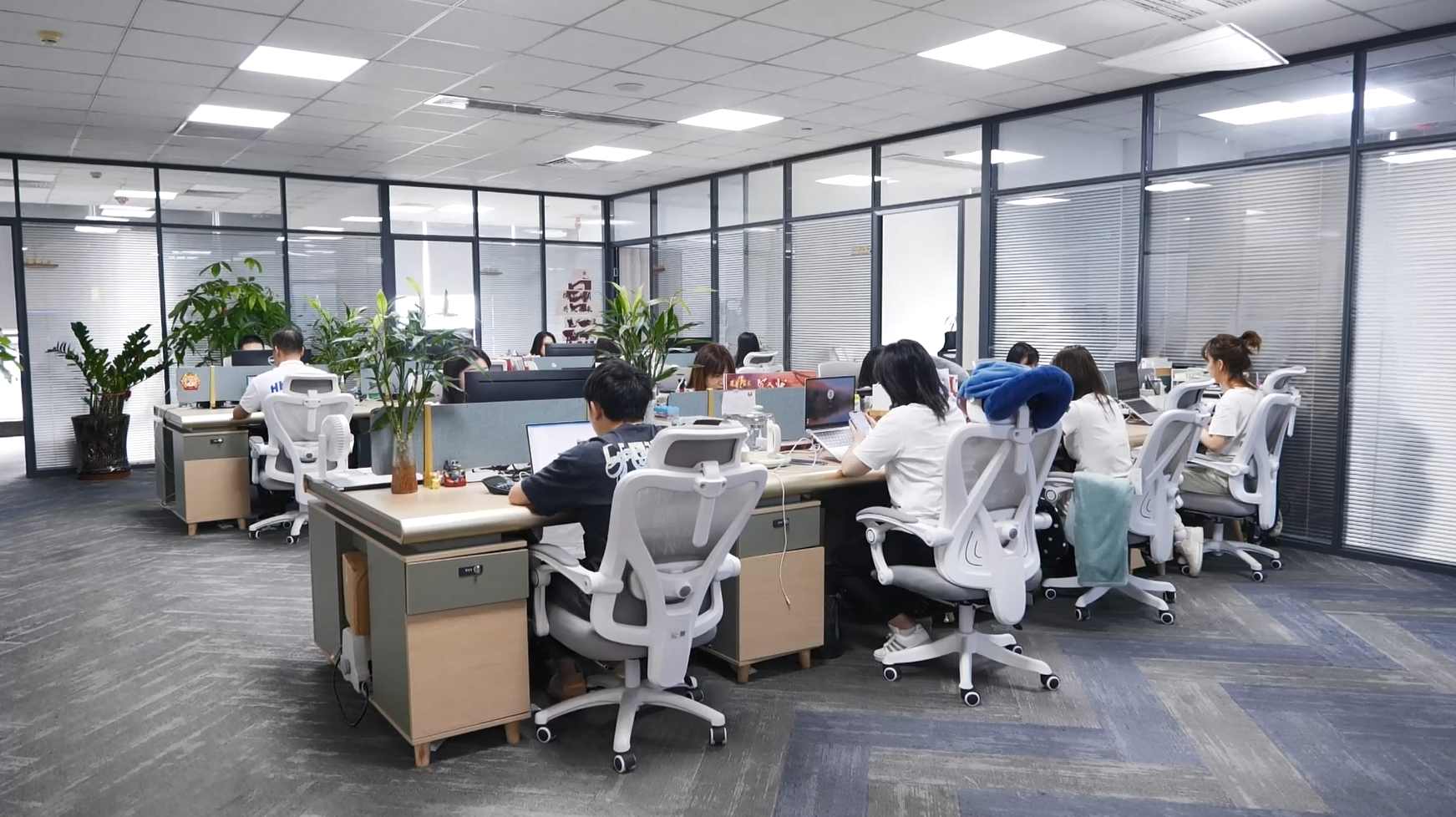 Company Overview
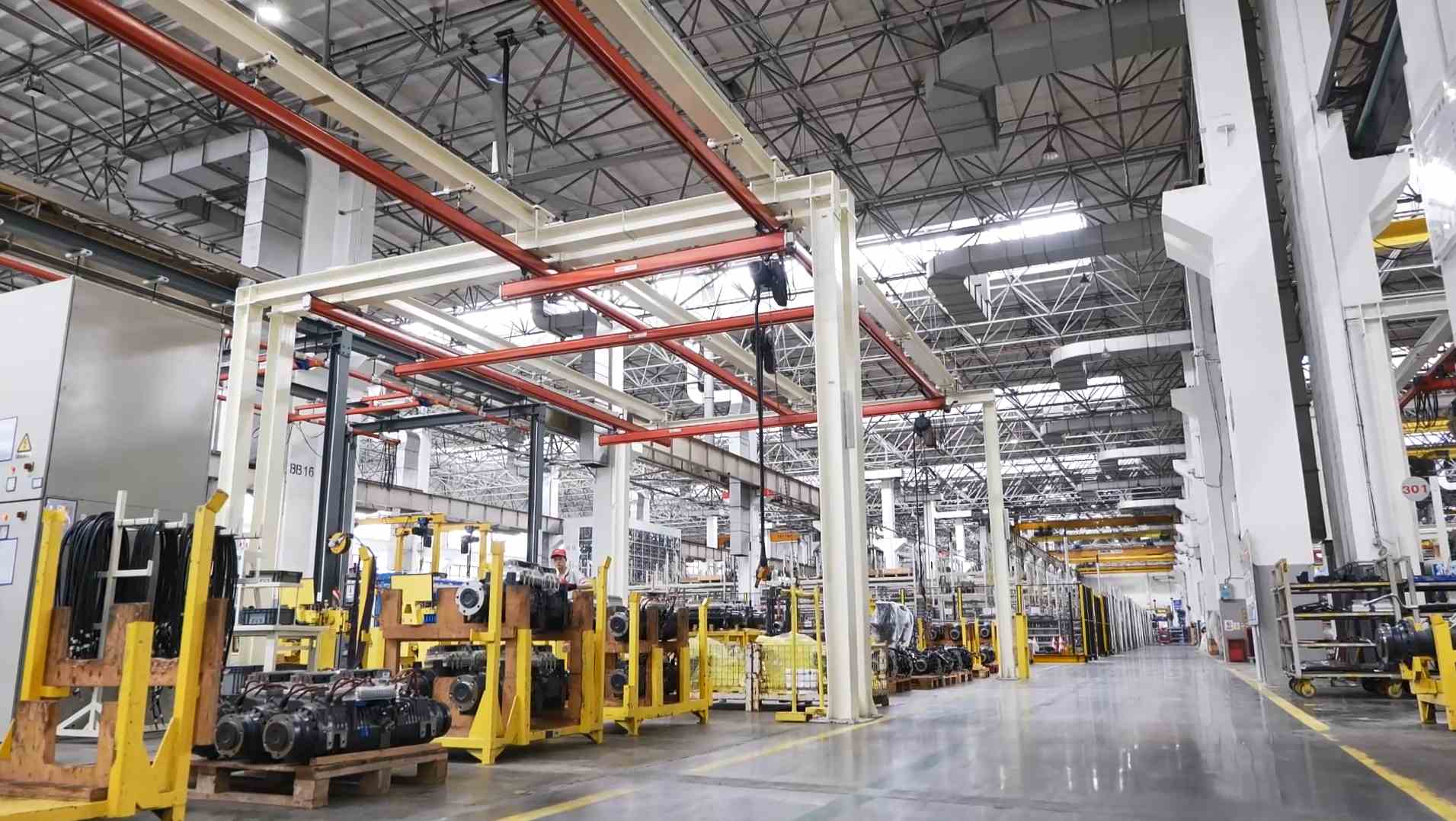 Production Workshop
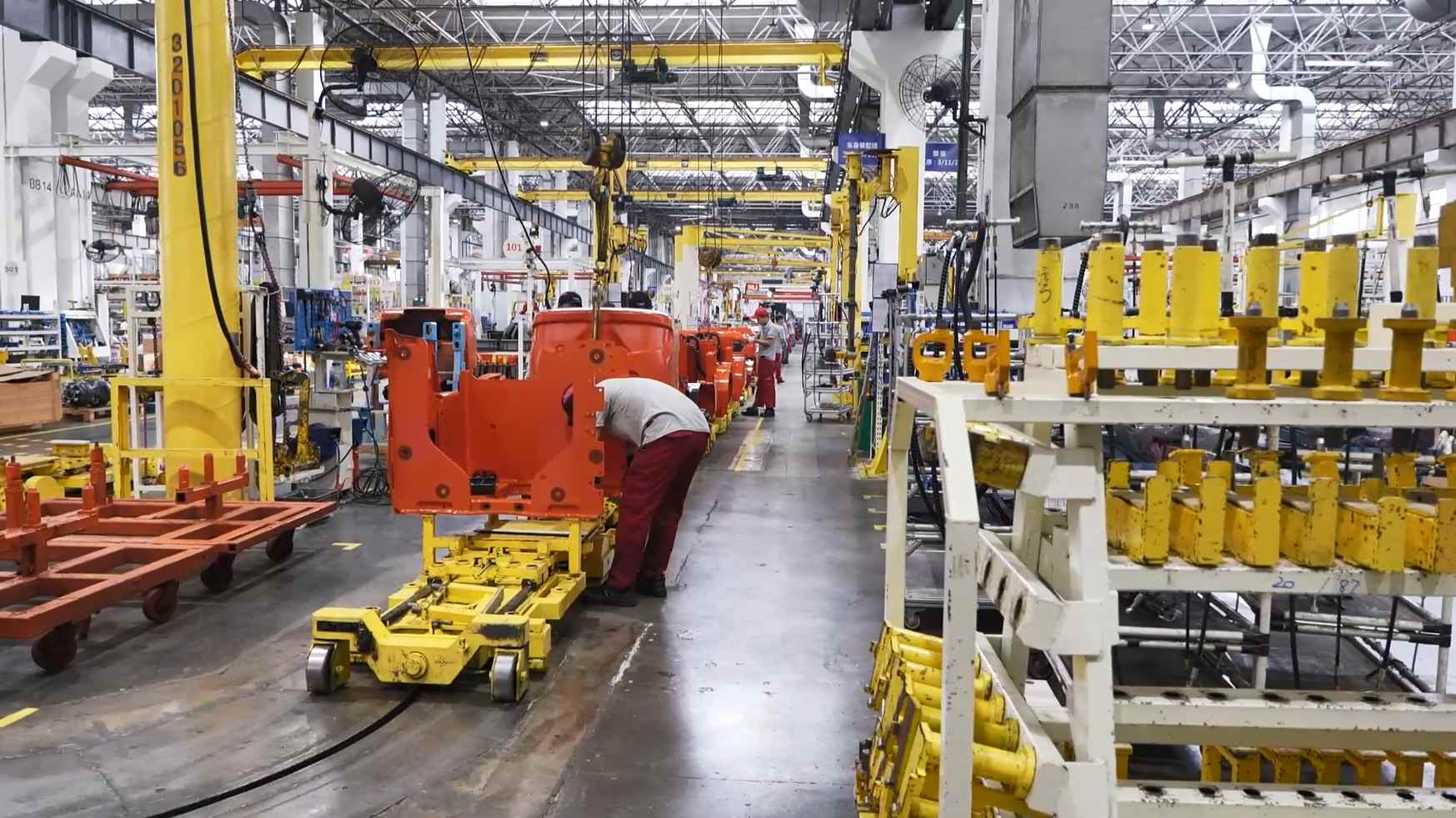 Assembly Line
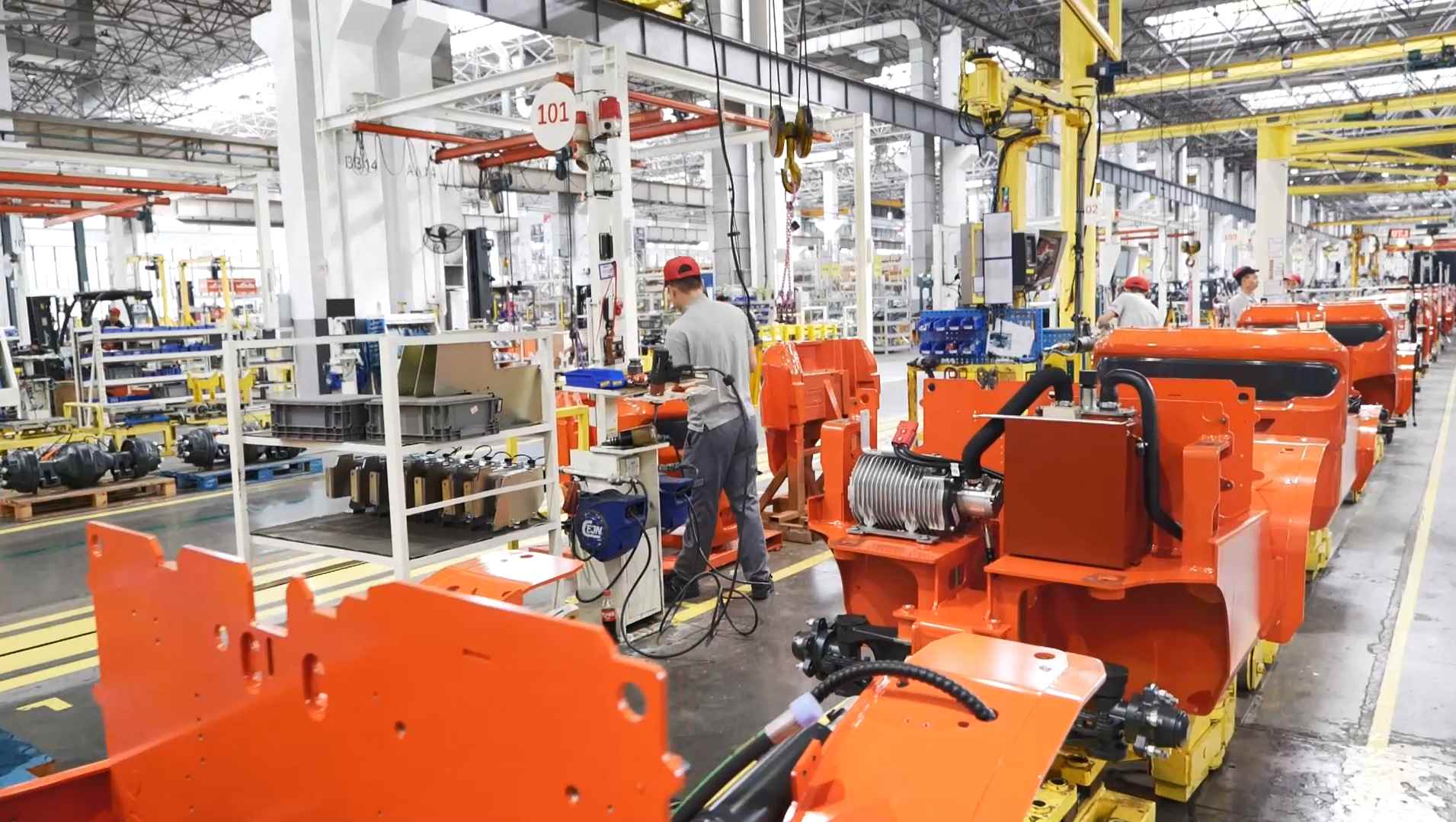 Quality Inspection
Pexal also provides trade-capacity information, credit index records, transaction history, and buyer review pages. Main export markets include Western Europe, North America, South America, Eastern Europe, and Oceania, with dealer, rental, and end-user support.
Match the Equipment to the Local Job
Use this matrix to prepare a shortlist before requesting a quotation. It is not a substitute for engineering review, but it helps reduce back-and-forth on the wrong product family.
| Buyer Scenario | Recommended Equipment | Why It Fits | Configuration Question |
|---|---|---|---|
| Rubber and heavy commodity warehouse | Heavy-duty 2-ton electric pallet jack; 1500–2000 kg electric stacker | Durable capacity and simple control for repeated pallet handling in dusty or mixed-floor stores | What is the maximum pallet weight, pallet condition, and required lift height? |
| Seafood and cold-chain operation | 1500 kg lithium walkie jack; 2000 kg lithium pallet truck | Zero local emissions, low noise, and suitability for indoor cold-room movement | Will the truck enter wet, freezing, or washdown areas, and where will charging take place? |
| Retail, supermarket, and wholesale backroom | 107 kg ultra-light electric pallet jack; 1.5-ton narrow-aisle model | Compact footprint and easy deployment in constrained urban spaces | What is the narrowest aisle, door width, and ramp slope? |
| Cross-border 3PL and container loading | 2000 kg 48V 10Ah pallet truck with 1150 mm forks; quick-release 2000 kg truck | Container-loading efficiency plus faster service access for high-utilization fleets | What is the daily container volume, shift pattern, and service response expectation? |
| Low-to-mid racking warehouse | 1.6 m or 3 m electric stacker | Balances lift height, footprint, and cost for moderate storage density | What is the top rack beam height, and is the floor level and smooth? |
| High racking and dense storage | 2000 kg stand-on stacker with 3410 mm lift height | Supports higher put-away positions and dense storage planning | What is the aisle clearance, rack load rating, and operator platform requirement? |
Share the Load
Provide maximum pallet weight, pallet size, load center, and typical cargo type, including rubber, seafood, food, retail goods, or mixed freight.
Measure the Site
Confirm aisle width, door width, ramp slope, rack beam height, floor surface, and whether the truck will enter cold or wet areas.
Plan the Power
Define shift length, charging window, charger location, input voltage, plug type, and humidity protection requirements.
Validate the Trade
Confirm Incoterms, packing, documentation, spare-parts list, warranty discussion, and after-sales support expectations.
Questions Local Buyers Commonly Ask
These answers address the practical issues that come up most often when Hat Yai importers, dealers, and warehouse operators request a quotation for custom OEM industrial handling vehicles.
Can you supply custom OEM industrial handling vehicles to Hat Yai and Songkhla?
Which electric pallet truck is suitable for Hat Yai’s humid climate?
Which model suits rubber, seafood, and wholesale market pallets?
Do you provide chargers, plugs, and voltage confirmation for Thailand?
Are you an SGS-assessed supplier?
What payment methods and Incoterms do you accept?
Request a Hat Yai-Specific OEM Configuration
Send your load weight, pallet size, aisle width, rack height, floor condition, charging plan, target quantity, and preferred Incoterm. Our team can recommend the right electric pallet truck, stacker, or custom OEM handling vehicle for your Hat Yai project.