Custom OEM Electric Warehouse Truck Exporter & Exporters for the Memphis Market
A white-paper style sourcing guide for Memphis distributors, 3PL operators, cold-chain facilities, manufacturers, and dealers evaluating custom electric pallet trucks, pallet jacks, and stackers from a verified China-based exporter.
8 Custom OEM Electric Warehouse Trucks for Memphis Buyers
These configurations are selected for Memphis-area workflows: parcel hub loading, 3PL cross-docking, food and cold chain, retail backroom replenishment, narrow-aisle storage, container unloading, and heavy-duty logistics centers. All product links and images are preserved for direct review.
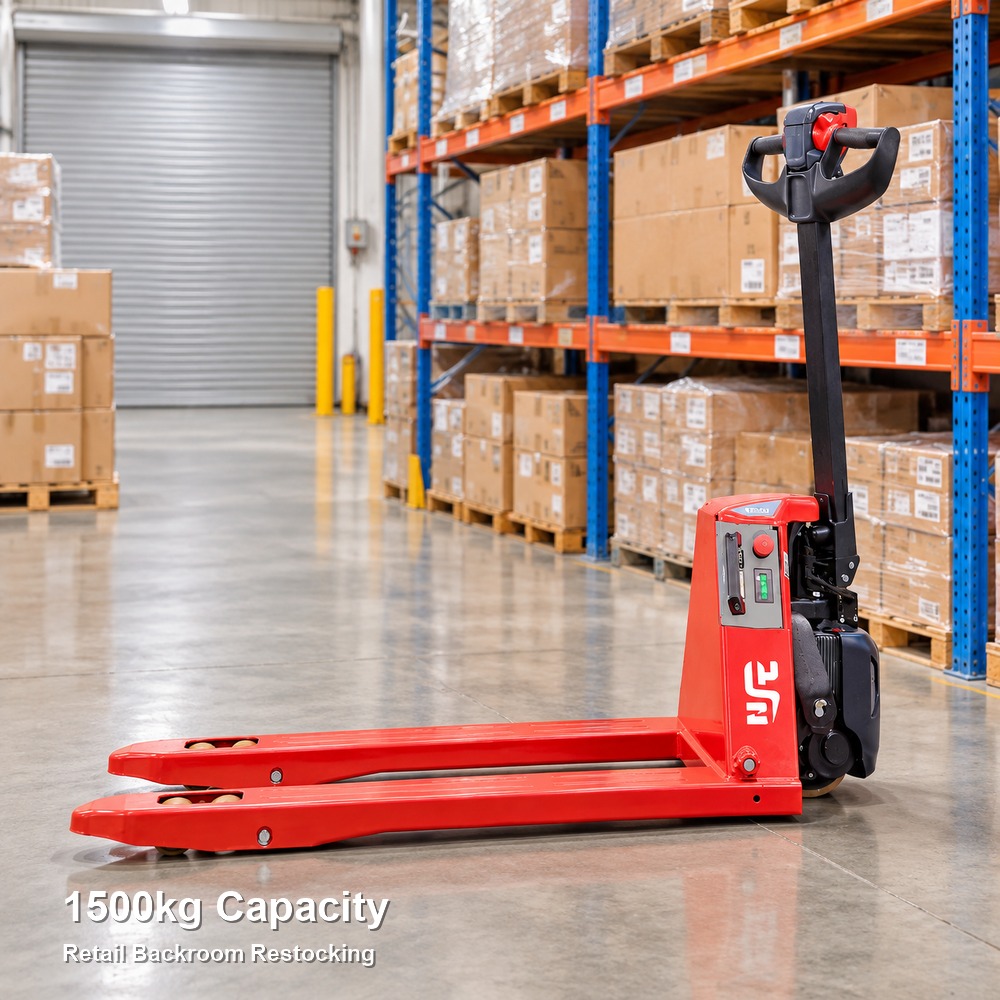
Cold Storage Electric Pallet Jack -20C Working 48V Lithium Battery Pallet Truck Walkie Type 1500kg 2000kg
Recommended when Memphis food distributors, frozen storage operators, or pharmaceutical warehouses need reliable low-temperature pallet movement without exhaust emissions.
View product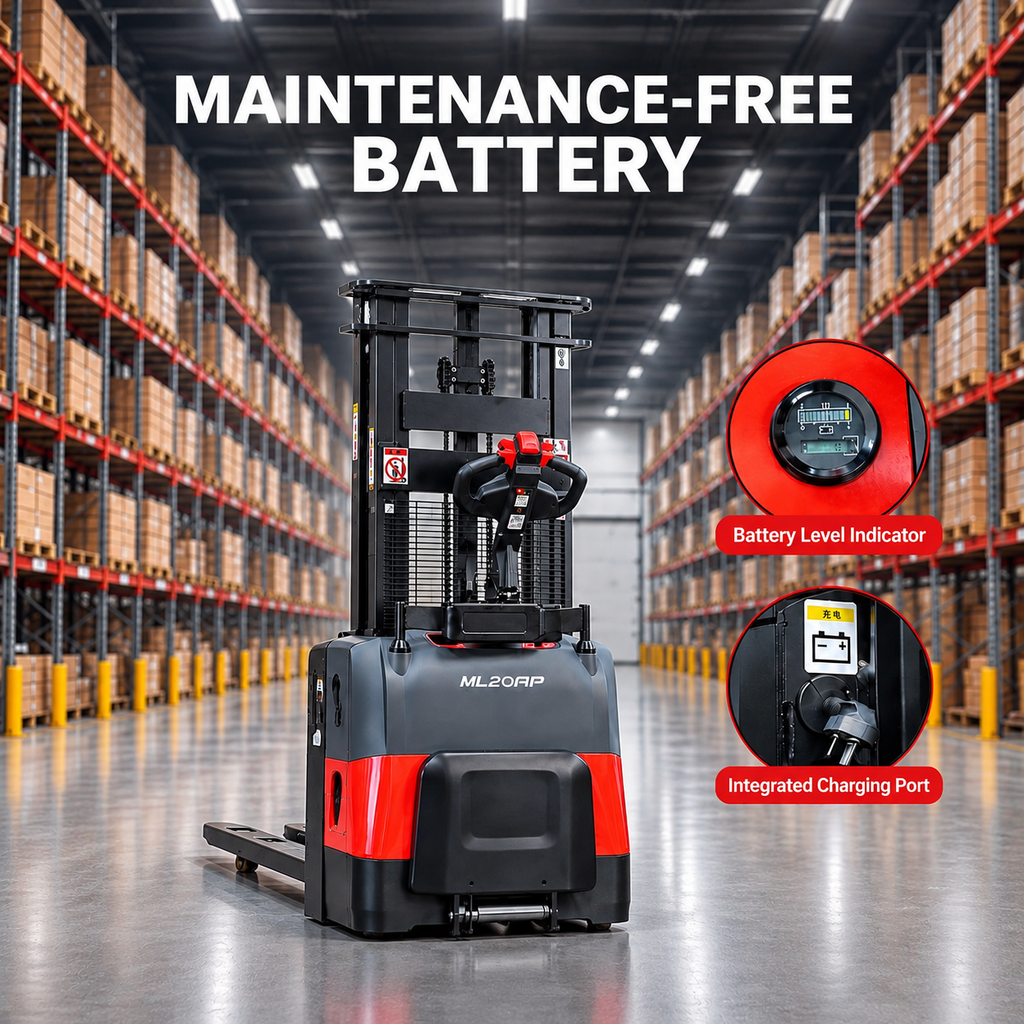
Stacker Forklift Electric 1500kg 2000kg for Retail Backroom Farm Feed Store Pallet Stacking Work
Best suited to Memphis-area retail backrooms, feed stores, and light distribution sites that need economical pallet stacking with a compact footprint.
View product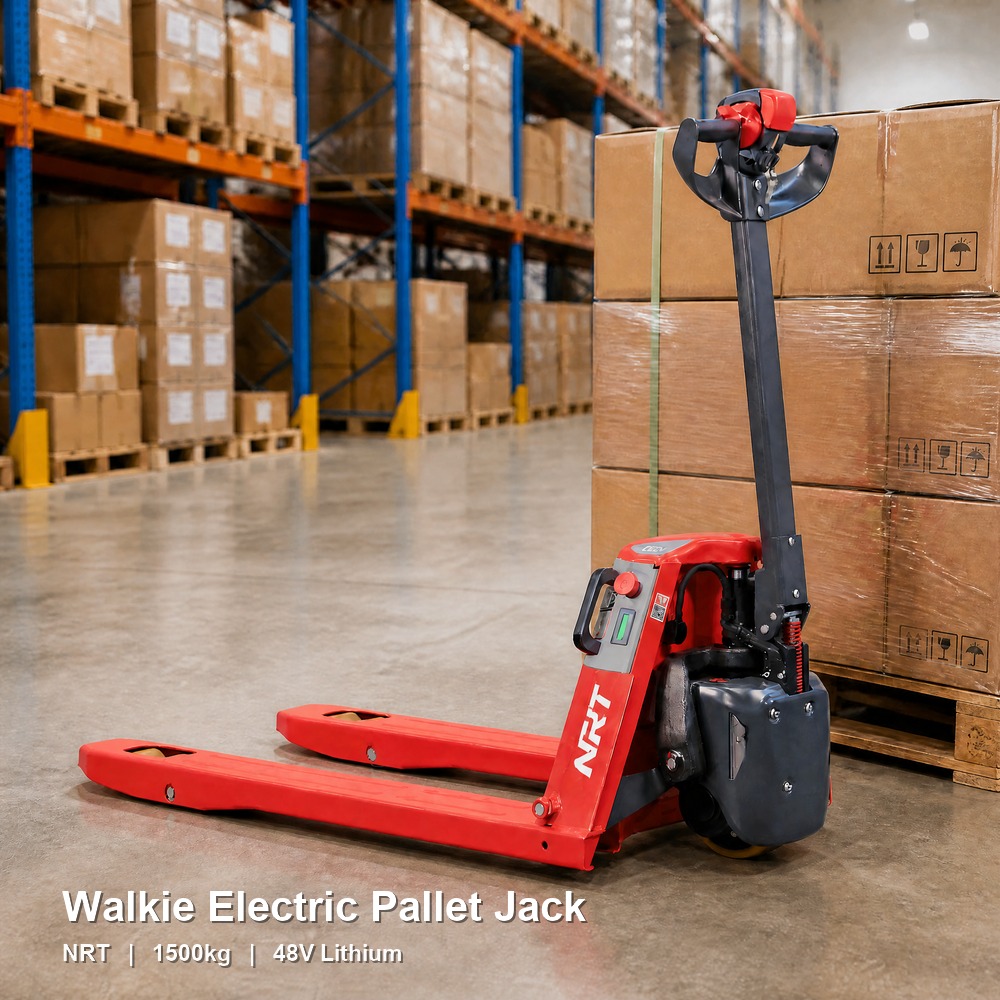
Electric Pallet Jack 1500kg 2000kg Walkie Pallet Truck Battery Powered Lithium Pallet Jack for Warehouse Loading
An efficient choice for loading docks, parcel staging, and cross-dock lanes where teams move pallets quickly and recharge between shifts.
View product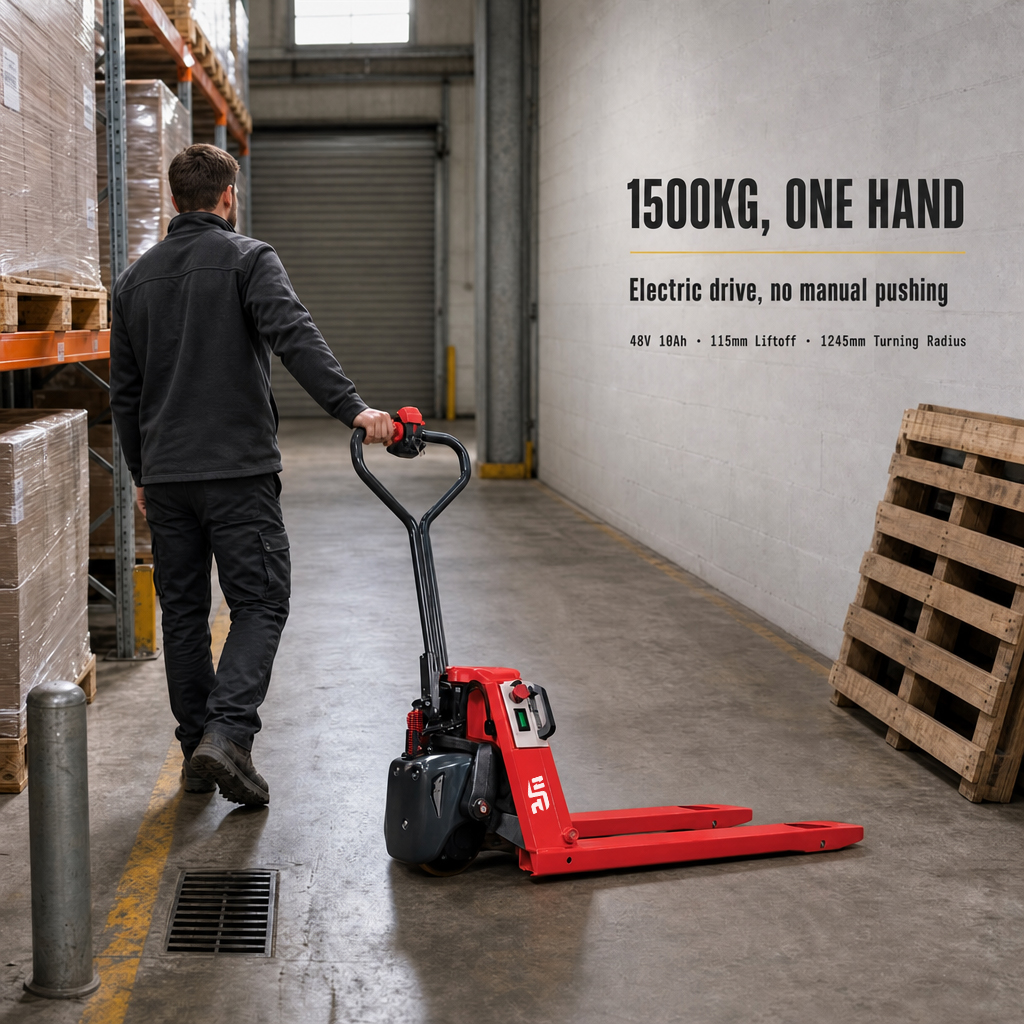
Electric Pallet Truck for Distribution Center Workshop Supermarket Pallet Handling 1500kg Lithium Battery Walkie Jack
Designed for Memphis distribution centers, supermarket replenishment, and workshop material flow where one compact unit supports multiple teams.
View product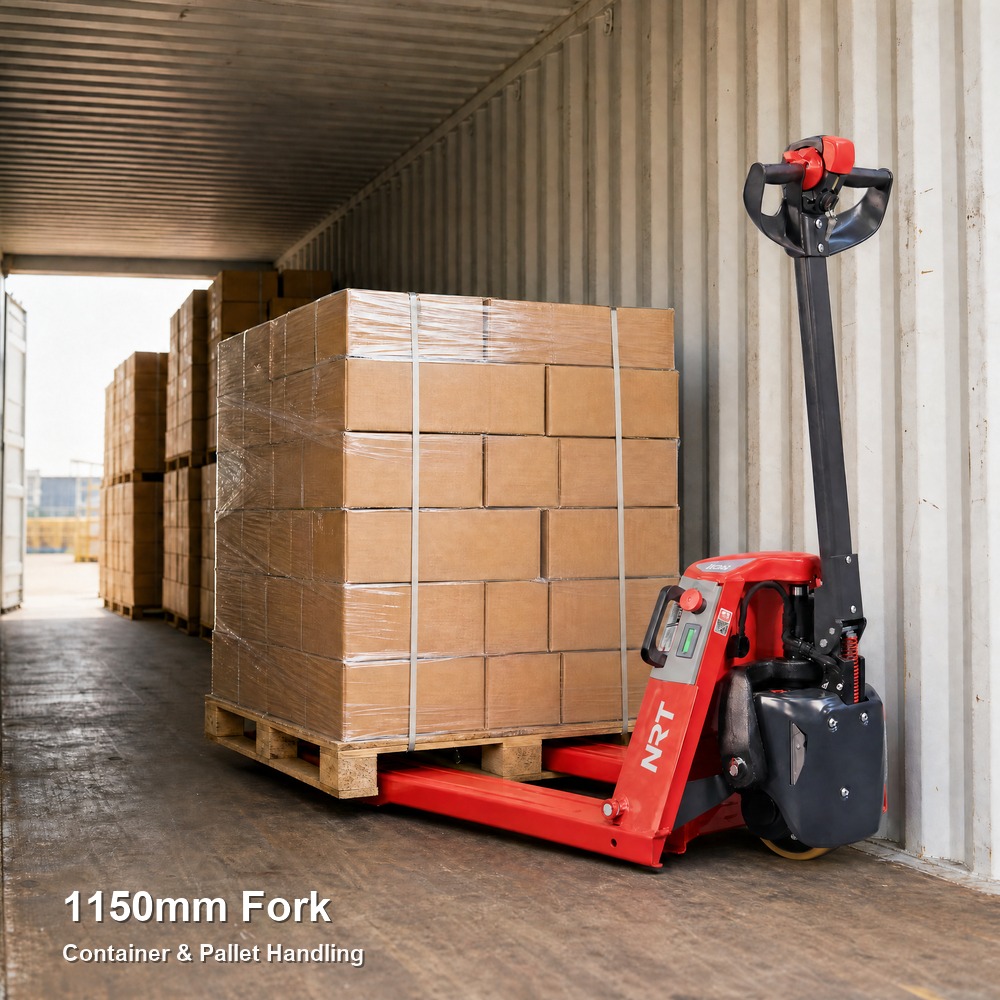
Walkie Electric Pallet Jack 1500kg Fork 1150mm Pallet Truck Battery Powered for Container Unloading Shop Floor
Useful for Memphis importers receiving containers and moving pallets directly to staging areas, especially where fork length and maneuverability matter.
View product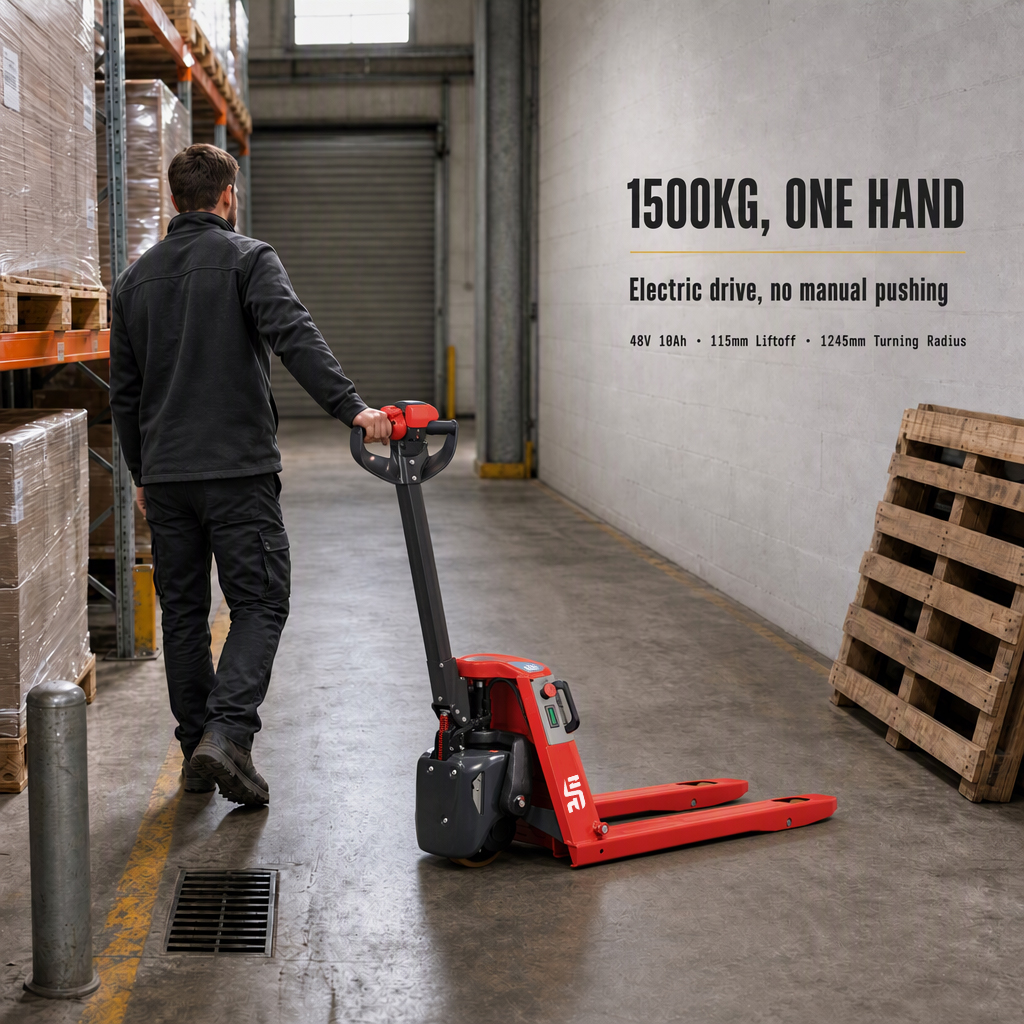
1.5 Ton Electric Pallet Truck with 48V Li-ion Battery, 107kg Ultra-lightweight Pallet Jack for Narrow Aisle Warehouse
Recommended for compact Memphis warehouses, mezzanine-adjacent staging, and narrow aisles where low machine weight and easy handling improve productivity.
View product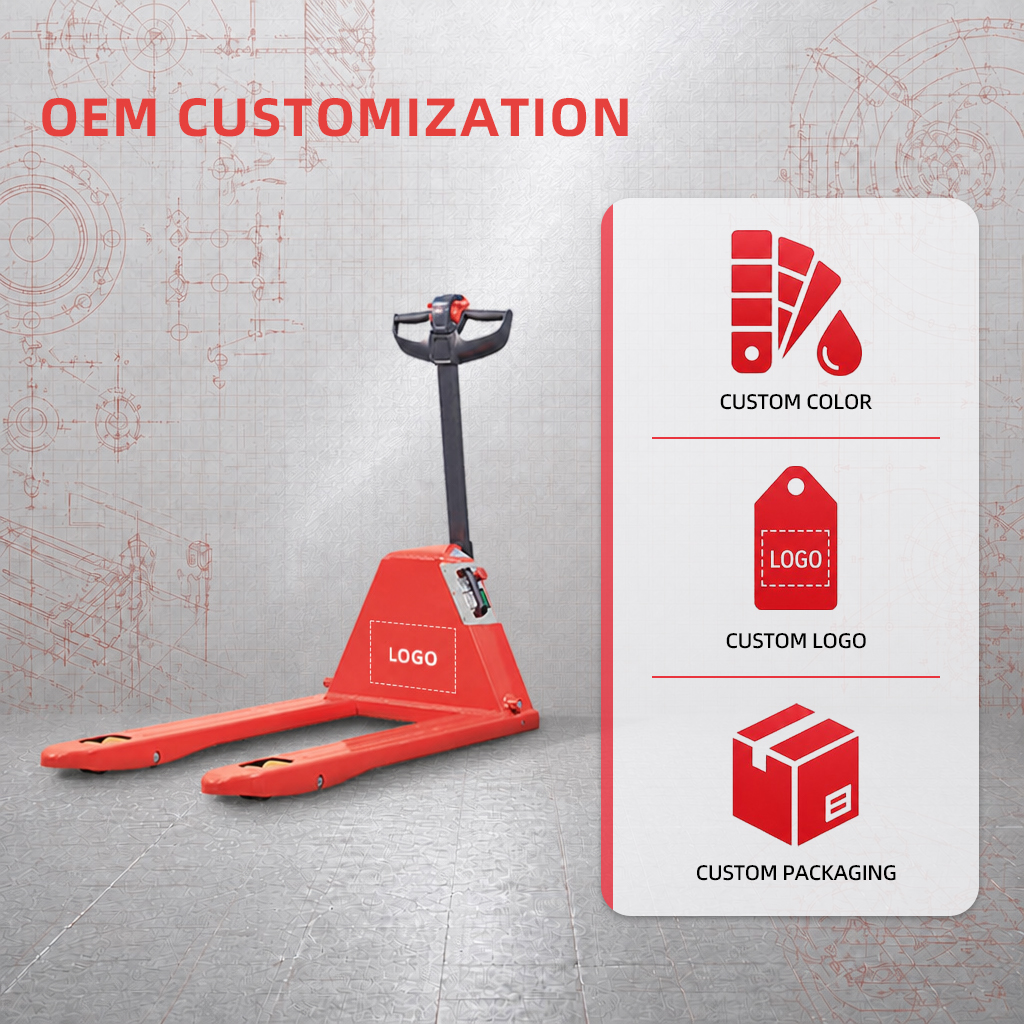
Efficient 2 Ton Electric Pallet Jack 2000kg Capacity: Best Material Handling Solution for Logistics Centers 2026 Hot Sale
Positioned for high-throughput Memphis logistics operations that need a durable 2-ton pallet jack for repetitive horizontal transport.
View product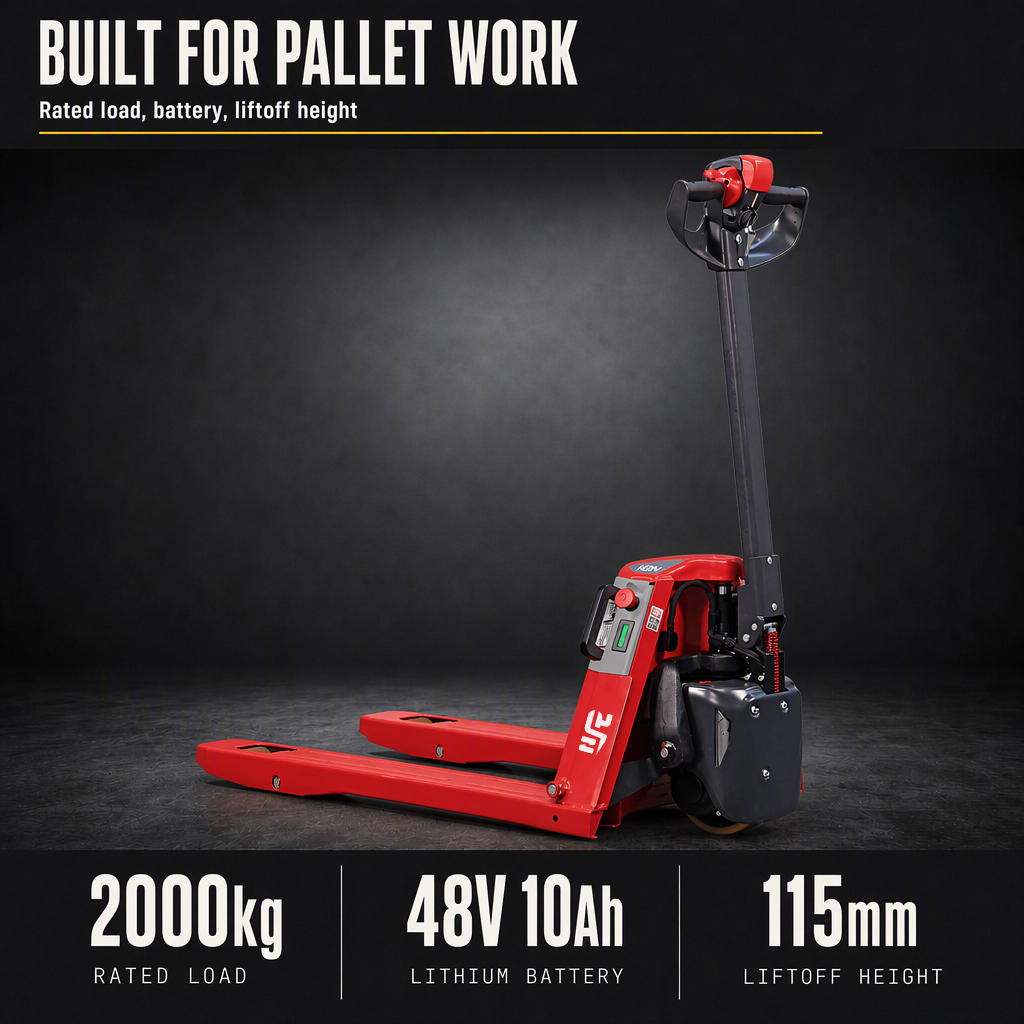
Professional Electric Pallet Jack 2 Ton 2000kg Capacity Heavy Duty Power Pallet Truck with Easy Control System for Warehouse
For Memphis warehouses handling dense loads, frequent dock cycles, and operators who need intuitive controls with robust daily-duty construction.
View productWhy Electric Warehouse Trucks and Custom OEM Supply Fit Memphis Distribution
Memphis is not a generic U.S. market. It is a logistics gateway shaped by air cargo, river freight, rail, interstate trucking, cold chain, and dense 3PL operations.
Memphis sits at the center of a distribution corridor that connects the FedEx Express global hub, the Mississippi River, Interstate 40, Interstate 55, and a broad network of warehouse parks across Shelby County and nearby Mississippi communities. For local buyers, warehouse equipment is not simply a capital purchase; it is a throughput decision. A pallet jack that loses an hour in a cold dock, a stacker that cannot fit a retail backroom, or a custom OEM electric warehouse truck that arrives with the wrong charger configuration can create hidden cost far beyond the equipment price.
This is why the search for a Custom OEM Electric Warehouse Truck Exporter & Exporters for the Memphis market should be treated as a procurement and engineering exercise, not a commodity price comparison. The right exporter must understand load centers, aisle widths, dock plates, lithium charging strategy, operator training, spare parts planning, and the documentation discipline expected by U.S. buyers. The goal is not to buy the lowest-cost walkie pallet truck; the goal is to build a repeatable fleet standard that supports Memphis labor availability, safety expectations, and customer service-level commitments.
Xiamen Pexal Technology Co., Ltd. approaches this market with a practical OEM model: standard electric pallet trucks and stackers form the base, while mast height, fork length, battery type, color, logo, voltage configuration, and attachments can be customized according to buyer requirements. That flexibility matters for Memphis dealers, rental fleets, and multi-site distributors that need a recognizable brand, a controlled spare-parts program, and equipment aligned to specific customer workflows.
Our export position is supported by a partner manufacturing campus of 220,000 m², a workforce of more than 1,200 people, and over 100 engineers focused on electric warehouse equipment. We have passed an onsite check and supplier assessment conducted by SGS Group, and we maintain company verification, trade capacity, transaction level, and trade history records for buyers who need a higher level of supply-chain confidence before placing an order. This is the information gain Memphis buyers should demand: not vague claims, but verifiable capability, customization discipline, and transparent trade terms.
Company Strength Behind Your MEMPHIS OEM Program
For importers comparing exporters, capacity and verification are leading indicators of delivery reliability and after-sales consistency.
Where Custom Electric Warehouse Trucks Create Value in Memphis
Memphis operations often combine high parcel velocity, long trailer lanes, cold-chain compliance, and labor constraints. The right truck should match the site, not the other way around.
Air Cargo and Parcel Hubs
Memphis air cargo and parcel operations depend on rapid sortation, trailer loading, and staging. Electric pallet jacks reduce local emissions and noise in enclosed dock zones while keeping pallets moving between inbound freight and outbound containers.
- Short-cycle pallet movement
- Opportunity charging between sort windows
- Reliable controls for shift-based operators
3PL and Multi-Customer Warehouses
Third-party logistics providers in Memphis often run multiple customer accounts under one roof. Custom OEM branding and standardized controls help 3PLs deploy a consistent fleet while distinguishing customer-dedicated equipment where needed.
- Fleet color, logo, and label options
- Common spare-parts planning
- Battery and charger strategy by building
Food, Beverage, and Cold Chain
Food distribution and cold storage are central to the Memphis logistics economy. Electric walkie pallet trucks are well suited to indoor temperature-controlled environments because they emit no local exhaust and can be specified with cold-storage battery and lubrication considerations.
- -20°C cold storage option
- Lithium battery configurations
- Clean indoor handling
Retail Distribution and Backrooms
Retail replenishment in Memphis and surrounding suburbs often involves tight backrooms, heavy promotions, and limited receiving windows. Compact electric stackers and lightweight pallet trucks help staff move and place pallets without waiting for a full forklift.
- Stacking at moderate heights
- Compact turning radius
- Simple operator controls
Manufacturing and Line-Side Supply
Manufacturers in the region use electric pallet trucks for work-in-progress transfer, raw material staging, and finished goods movement. Custom fork length and attachment planning can reduce handling steps and operator strain.
- Line-side replenishment
- Heavy-duty 2-ton models
- Attachments and custom forks
River, Rail, and Container Freight
Memphis freight nodes move freight across barge, rail, truck, and air. For importers receiving containers, a walkie electric pallet jack with appropriate fork length can speed unloading and reduce dependency on manual pallet trucks.
- Container unloading
- Dock-to-staging movement
- Durable daily-duty construction
Four Trends Shaping Memphis Warehouse Equipment Procurement
These trends are not abstract. They directly influence specification, supplier selection, and the total cost of ownership for Memphis operators.
Electrification of Docks
Indoor dock zones, food facilities, and high-volume warehouses continue to move away from manual handling and internal combustion equipment where zero-emission operation improves safety and air quality.
- Lower indoor emissions
- Reduced noise in enclosed spaces
- Better fit for temperature-controlled buildings
Lithium and Opportunity Charging
Memphis multi-shift operations increasingly evaluate lithium pallet trucks because faster charging and maintenance-friendly battery behavior can support shift changes and break-time charging.
- 48V lithium configurations
- Charger planning by site
- Battery strategy matched to duty cycle
Safety and Operator Experience
Buyers are asking more precise questions about emergency braking, hill hold, visibility, control ergonomics, and training. Equipment that is easy to operate helps warehouses facing labor turnover.
- Intuitive controls
- Clear visibility
- Stable braking and travel behavior
Custom OEM and Dealer Programs
Distributors and rental companies want more than a catalog item. They want brand control, documented configurations, repeatable specs, and a supplier that can support future orders without re-engineering every shipment.
- Logo, color, and label customization
- Specification control by SKU
- Dealer and container-order support
The Memphis Five-Lens Fit Test Before You Request a Quote
Use this buyer-side framework to compare electric warehouse truck exporters on operational fit, not just unit price. The weighting below is illustrative and reflects common application questions, not a statistical survey.
Illustrative Buyer Priority Weighting
For many Memphis distribution and warehouse projects, the highest-value exporter is the one that resolves these questions before shipment.
Five-Lens Procurement Checklist
Share these details with any exporter to receive a configuration that is genuinely useful for Memphis operations.
- ✓Load: maximum pallet weight, load center, fork length, pallet type, and whether double-stacking is required.
- ✓Site: aisle width, door height, dock plate condition, floor slope, racking height, and indoor or outdoor use.
- ✓Energy: hours per shift, shifts per day, charging window, available voltage, and preference for lithium or lead-acid.
- ✓Support: spare-parts list, service manual, operator training material, warranty terms, and remote troubleshooting process.
- ✓Trade: OEM branding, packaging, Incoterms, lead time, payment method, and documentation required for U.S. entry.
Why Partner with Xiamen Pexal for Custom OEM Export
Memphis buyers need a supplier with export discipline, customization capability, and transparent verification. Our advantages are structured around those requirements.
Verified Manufacturing Backbone
We work with a 220,000 m² partner manufacturing campus and a 1,200+ person workforce, including more than 100 engineers dedicated to electric warehouse equipment.
- Container-scale production support
- Assembly and quality control processes
- Recurring dealer stock programs
SGS Onsite Assessment
Our company has passed an onsite check and supplier assessment conducted by SGS Group, with verification records available for buyers to review before ordering.
- Company profile verification
- Trade capacity and transaction records
- Credit index and reviews available
OEM / ODM Customization
We support sample-based customization, full customization, and ODM services, including mast height, fork length, battery type, color, logo, and attachment configuration.
- Dealer branding options
- Specification consistency by SKU
- Application-specific configuration
Export Documentation and Incoterms
We accept FOB, CFR, CIF, EXW, FCA, CPT, CIP, DDP, and other common delivery terms, with export packaging and logistics coordination from Xiamen.
- Flexible terms for U.S. buyers
- Export packaging support
- Shipment planning for container orders
Global Market Experience
Our main export markets include Western Europe, North America, South America, Eastern Europe, and Oceania, serving dealers, rental companies, and end users.
- North America experience
- Dealer and rental fleet support
- Region-specific configuration planning
Trade Terms and Payment Flexibility
Payment methods include T/T, L/C, D/P, D/A, Western Union, PayPal, credit card, and escrow. Accepted currencies include USD, EUR, GBP, JPY, CAD, AUD, HKD, CHF, and CNY.
- Multiple payment choices
- Currency flexibility
- Quotation transparency
Common Procurement Questions from Memphis Importers
These answers help distributors, fleet buyers, and warehouse operators prepare a clearer request for quotation.
What does “custom OEM electric warehouse truck” mean for a Memphis buyer?
Can you configure 48V lithium pallet trucks for U.S. facilities?
How are electric warehouse trucks shipped to Memphis?
What is the minimum order for OEM branding and dealer programs?
How do you support cold storage and high-temperature Memphis summers?
What verification and supplier information can Memphis buyers review?
Build a Reliable Electric Warehouse Truck Fleet with a Verified Exporter
Share your load profile, aisle dimensions, battery preference, branding needs, and target delivery window. Our team will help match the right custom OEM electric warehouse truck configuration for the Memphis market.