China Wholesale Warehouse Forklift Manufacturer & Factory for the Seattle Market
Direct-from-factory electric pallet trucks, warehouse stackers and narrow-aisle handling equipment for Seattle distributors, 3PLs, cold-chain operators, e-commerce fulfillment teams and port-area warehouses.
8 Recommended Warehouse Forklift & Pallet Handling Products for Seattle Buyers
This shortlist is built around real Seattle-area material handling variables: container unloading at the ports, dense racking in the Kent Valley, narrow aisles in urban warehouses, cold-room condensation, and the need for fast service access. Each model link below is preserved exactly as supplied so your procurement team can compare specifications, request spare-part details and confirm the right battery or charger configuration for the Pacific Northwest.
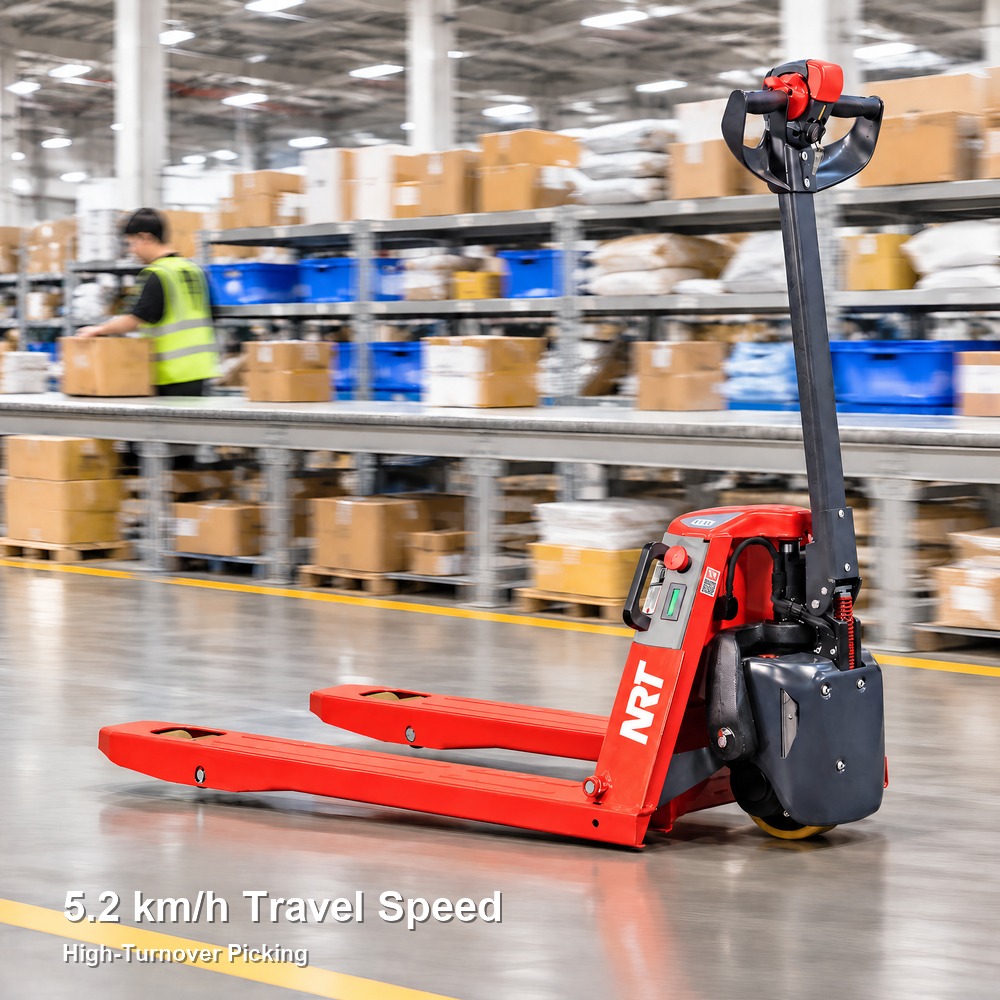
Electric Pallet Jack with Quick Release Drive Wheel 1Min Service 48V Lithium Walkie Pallet Truck 2000kg Capacity
A practical 2,000 kg lithium walkie pallet truck for dock-to-staging moves and container unloading. The quick-release drive wheel supports faster service access when uptime matters.
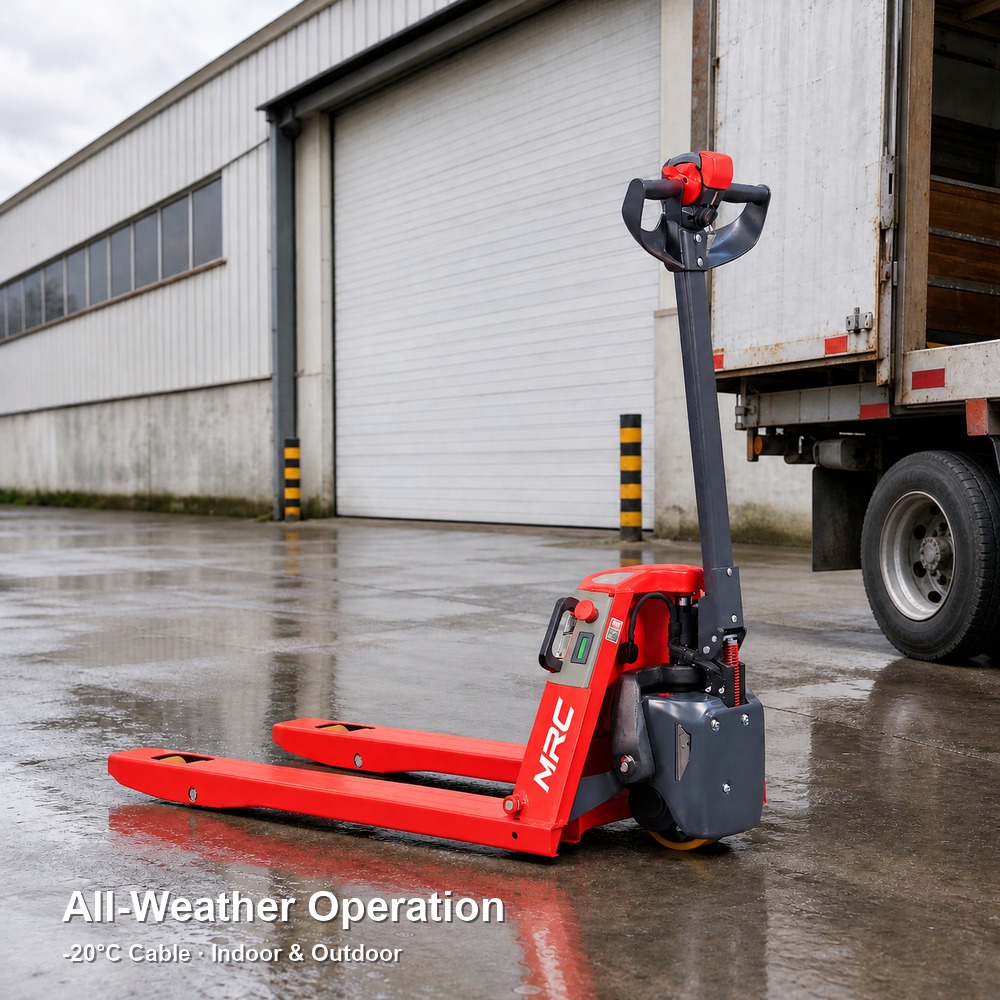
Factory Direct Price Electric Pallet Jack 1500kg 2000kg Battery Powered Walkie Pallet Truck Lithium Pallet Jack
A flexible 1.5–2.0 t electric pallet jack for dealers, rental fleets and growing warehouses that want a cost-controlled battery-powered platform.
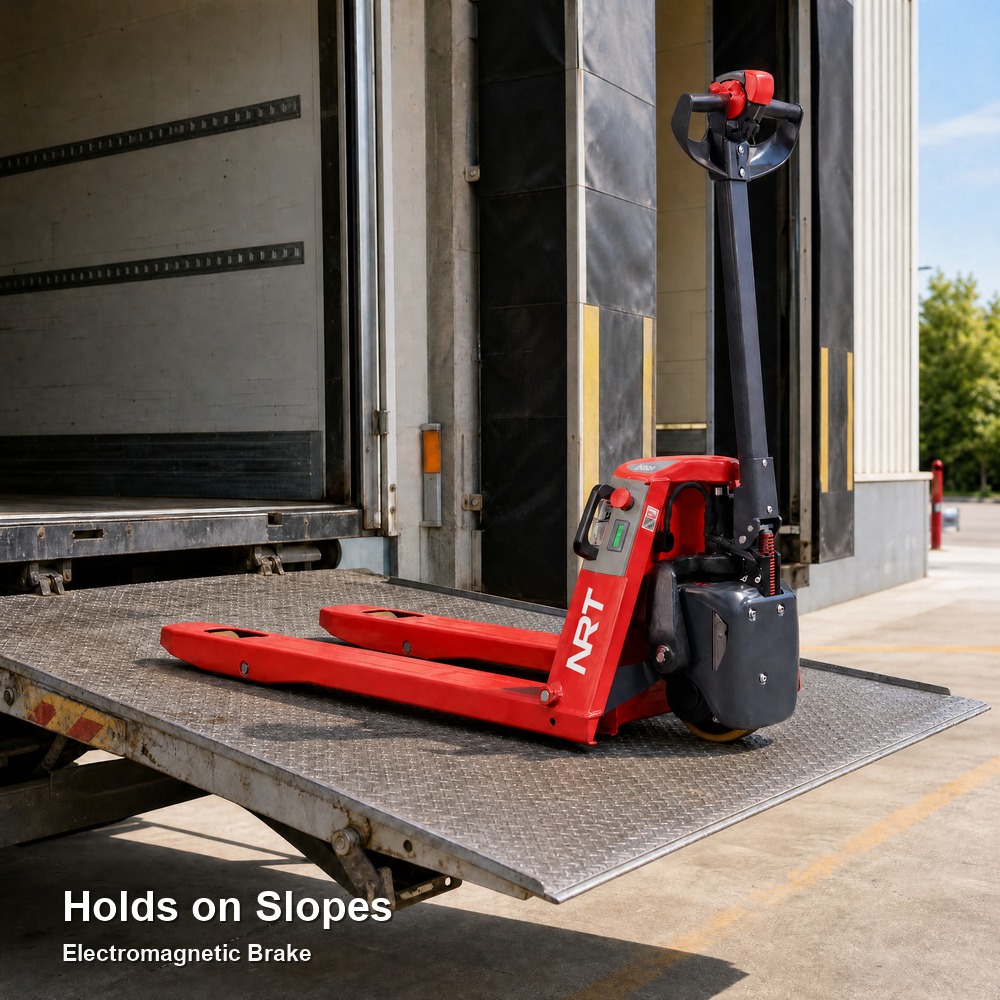
Electric Pallet Jack 1500kg 300mm Slim Body Walkie Pallet Truck for Elevator Freight Box Narrow Aisle Handling
The 300 mm slim body format is relevant where Seattle warehouse space is expensive and aisle, elevator and freight-box clearance are tight.

Stand on Electric Stacker 2000kg for Narrow Aisle Warehouse Loading Dock Building Material Shop Pallet Handling
A stand-on electric stacker for narrow-aisle warehouse loading, building-material shops and dock pallet handling where operators need more stable short-distance travel.
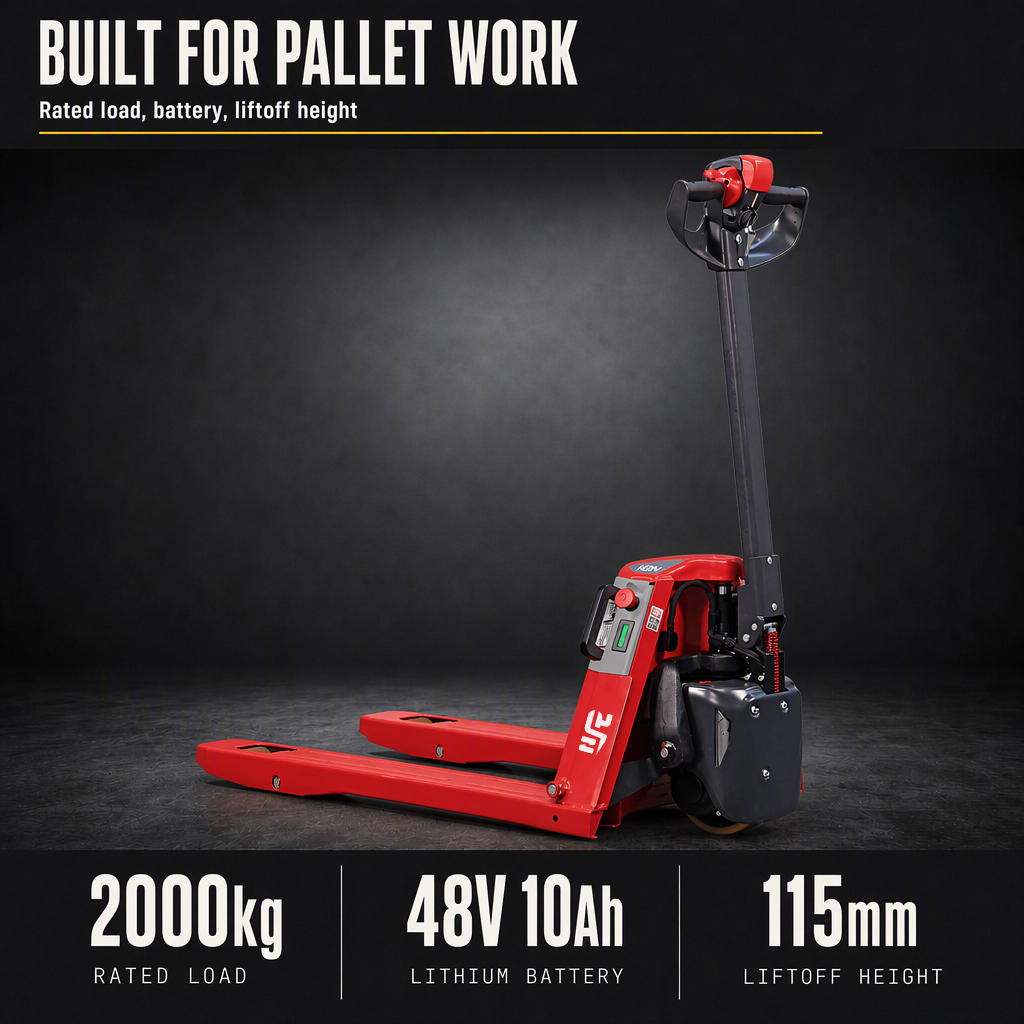
Professional Electric Pallet Jack 2 Ton 2000kg Capacity Heavy Duty Power Pallet Truck with Easy Control System for Warehouse
A heavy-duty 2,000 kg power pallet truck with an easy control system for repetitive warehouse work, dock plates and demanding daily pallet flow.

2026 New Alternative Convertidor De Palet Jack a Electrico Ultra-Lightweight 107kg Electric Pallet Jack with Lithium Power
An ultra-light 107 kg lithium electric pallet jack for retail backrooms, small warehouses and last-mile teams that need easy truck-to-dock handling.
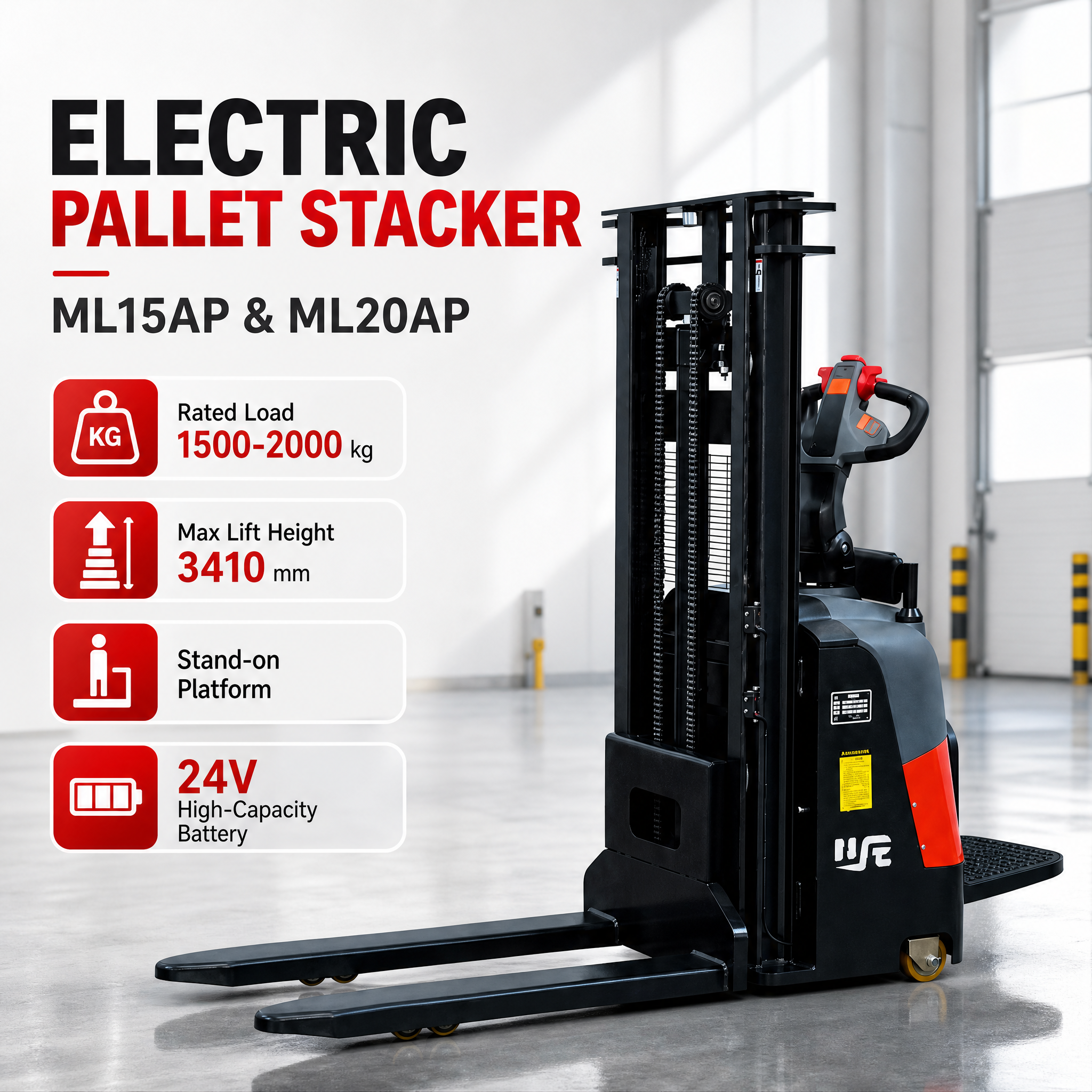
Stand on Electric Stacker 2000kg Centre Mounted Drive Twin Balance Wheels Stable High Racking Stacking
Centre-mounted drive and twin balance wheels support stable high racking. A strong fit for 3PLs and distributors increasing vertical storage without expanding floor space.
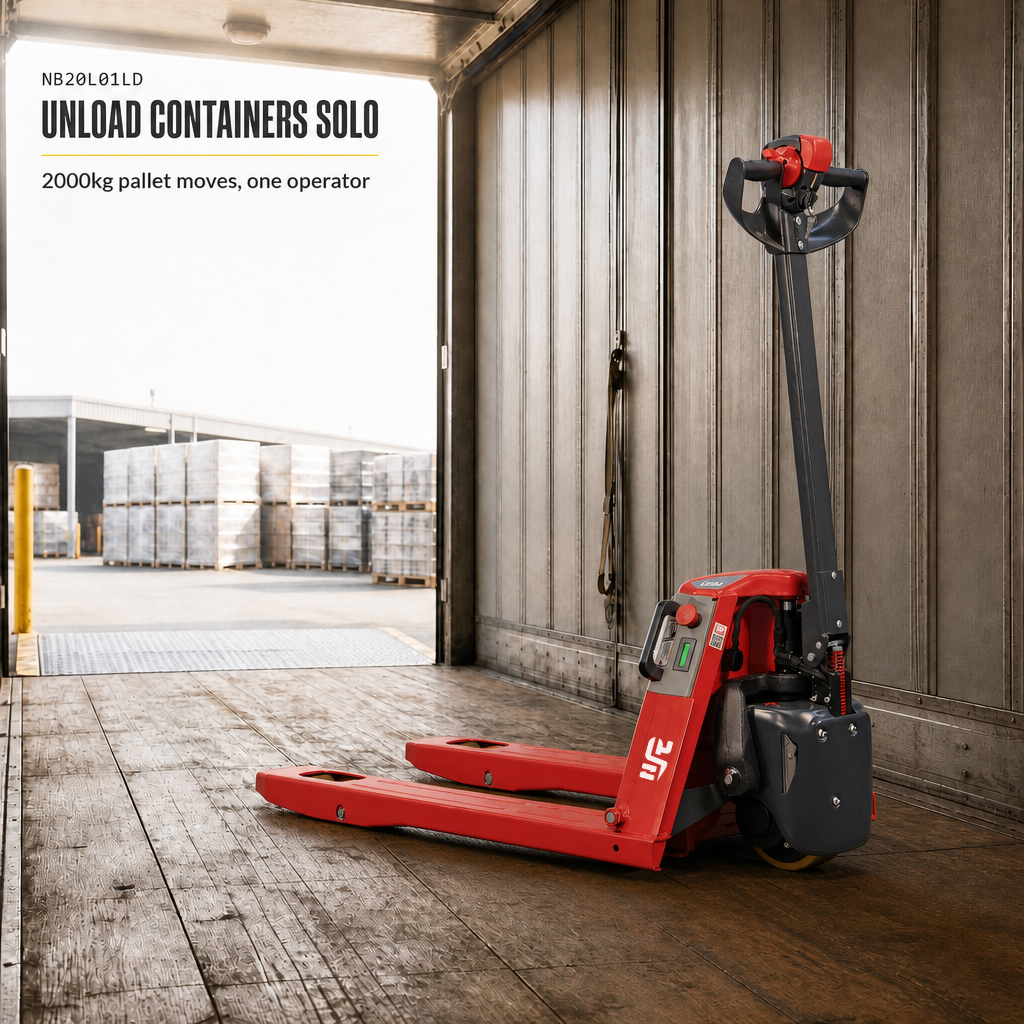
2000kg Electric Pallet Truck Lithium Ion 48V 10Ah Power Jack 1150mm Forks Polyurethane Wheels Container Loading
48V lithium-ion power, 1150 mm forks and polyurethane wheels for container loading, smooth warehouse floors and frequent horizontal transport.
Factory Scale That Supports Wholesale Programs
Xiamen Pexal Technology Co., Ltd. combines a focused export sales and service team with a 220,000 m² partner manufacturing campus, more than 1,200 production and QC staff, and over 100 engineers working on electric warehouse equipment. For Seattle distributors, this means a factory-linked supply chain rather than a catalogue-only trading layer.
Seattle Market Brief: What Warehouse Operators Really Need from a China Forklift Factory
Seattle is not a single warehouse market. It combines deep-water gateways through the Northwest Seaport Alliance, dense urban fulfillment inside the city, and large distribution clusters in the Kent Valley. It also includes cold-chain operators, seafood and food processors, aerospace suppliers, marine industrial yards, building-material dealers and a growing base of e-commerce and small-format retail. Each environment changes the specification: a pallet jack that performs well in a dry, smooth-floor container unload may need a different battery, hydraulic oil or condensation protection in a cold room; a stacker that feels stable in a 4.0 m aisle may be too wide inside an elevator freight box or a tight retail backroom.
For wholesale buyers, the real question is not “What is the lowest price per unit?” It is “Which configuration will keep the dock moving through the next three to five years?” Seattle-area fleet managers increasingly evaluate total cost of ownership, including charger infrastructure, battery cycle life, service access to drive wheels and controllers, spare-part availability, and operator training. A low purchase price can be expensive if a unique controller or wheel assembly creates weeks of downtime.
The local trend is toward electric equipment where indoor air quality, noise and employee comfort matter. However, electric does not mean one battery fits every warehouse. Duty cycle, opportunity charging, shift patterns, floor surface and dock-plate angle should be confirmed before an order is placed. A 48V lithium pallet truck may be ideal for high-frequency container unloading, while a lighter 107 kg unit may be better for retail backrooms or a delivery fleet that moves equipment between vehicles.
A China wholesale factory can be an excellent partner for Seattle distributors when transparency is high: clear specifications, third-party verification, a practical shipping plan to Seattle or Tacoma, and an after-sales plan that includes parts, remote diagnostics and dealer support. Pexal’s role is to make that process less opaque by combining product depth, SGS-assessed company records, and customization around real market requirements rather than one-size-fits-all catalogue listings.
Start with the aisle, floor and duty cycle—not the model name. Then confirm battery/charger voltage, cold-room conditions, spare-part access and container-loading plan. This sequence usually prevents the most expensive specification mistakes in Pacific Northwest warehouses.
Localized Application Scenarios in the Seattle Market
The same truck can be excellent in one facility and inefficient in another. These six Seattle-area use cases show how warehouse equipment should be matched to the real operating environment.
Port & Container Unloading
Port of Seattle and Tacoma container moves often need fast horizontal transport, tight turning and quick service access. A 48V lithium pallet truck with quick-release drive wheel supports dock-to-staging flow.
Kent Valley 3PL & Distribution
High pallet throughput and dense racking demand stable high-racking stackers, reliable chargers and fast spare-part support across multiple shifts.
Cold Chain, Seafood & Food Processing
Cold rooms create condensation, low temperatures and hygiene priorities. Specify cold-environment protection, suitable hydraulic oil, sealed connections and operator safety features.
Urban Micro-Fulfillment & Retail
Seattle retail backrooms, freight elevators and compact urban warehouses benefit from slim-body and ultra-light electric pallet jacks that are easy to move between zones.
Aerospace & Precision Manufacturing
Puget Sound aerospace suppliers often need clean, low-noise indoor movement. Electric pallet trucks and compact stackers reduce emissions while supporting precise material staging.
Building Materials & Marine Supply
Docks, yards and building-material shops need heavier-duty pallet handling. A 2,000 kg stand-on stacker or heavy-duty pallet jack can bridge indoor storage and outdoor loading zones.
Localized Development Trends Shaping Seattle Warehouse Equipment
Seattle’s logistics landscape is changing under the pressure of land scarcity, labor availability, sustainability targets and higher customer expectations. These trends influence how distributors and fleet owners should plan their next purchase.
Electrification & Indoor Air Quality
Electric pallet trucks and stackers are increasingly preferred for enclosed warehouses where diesel or propane emissions and noise are difficult to manage. The decision should be based on duty cycle, charging access and battery strategy.
Automation Readiness
Seattle-area 3PLs and e-commerce operators are preparing for AGV and smart-fleet upgrades. Standardized battery platforms, clear control interfaces and reliable base equipment make later automation easier.
High-Density Storage
Limited industrial land and rising rent push warehouses toward higher racking and narrower aisles. Stand-on stackers with stable drive systems and compact pallet trucks help increase storage density without sacrificing safety.
Cold Chain & Port-Linked Logistics
Seafood, produce and food distribution require equipment that performs in cold and wet conditions. Port-linked import programs also increase the need for container-loading efficiency, spare-part planning and mixed-model purchasing.
Why Pexal Is Built for Wholesale Warehouse Equipment Buyers
 Since 2024 · Xiamen, China
Factory-Direct Supply, Verified Records & Practical Customization
Xiamen Pexal Technology Co., Ltd. was founded in Xiamen, Fujian in 2024 as the sales, service and technical support base for Pexal material handling equipment. We work with a 220,000 m² partner manufacturing campus employing more than 1,200 people, including over 100 engineers focused on electric warehouse equipment.
Our export approach is designed for distributors, rental companies and fleet buyers who need more than a price list: sample-based customization, full customization, ODM support, flexible Incoterms and a clear path from configuration to container loading.
- Full warehouse truck range
- OEM / ODM customization
- SGS onsite-assessed supplier
- Export packaging & loading plan
Factory-Linked Wholesale Pricing
Direct access to a large partner manufacturing base supports competitive wholesale programs for dealers and fleet buyers, with room to scale as demand grows.
Engineering & Customization
Mast height, fork length, battery type, color, logo and attachments can be configured. This helps Seattle distributors differentiate their offer without managing multiple suppliers.
SGS-Assessed & Onsite Verified
Pexal has passed an onsite check and supplier assessment conducted by SGS Group. Buyers can review company, trade-capacity and verification records before ordering.
One-Stop Product Matrix
Electric pallet trucks, stackers, forklifts, reach trucks, order pickers and AGV solutions support mixed-container programs and simplified spare-part planning.
Export Logistics Experience
FOB, CFR, CIF, EXW, FCA, CPT, CIP and DDP options are available, with export packaging and container-loading support from Xiamen to Seattle or Tacoma.
Seattle-Market Configuration Support
Share your aisle, load, floor, voltage and cold-chain details. Our team can recommend a practical model mix, charger plan and spare-part package for your local application.
A Practical Seattle Buyer’s Checklist Before You Request a Quote
Use this checklist to reduce back-and-forth and get a more accurate factory quotation. It is written for importers, dealers, 3PLs and warehouse operators comparing China wholesale warehouse forklift options.
| Site Variable | Why It Matters in Seattle | What to Send for Quotation |
|---|---|---|
| Load & pallet type | Mixed pallet weights and load centers change the safe capacity class. | Max weight, pallet size, load center, daily moves. |
| Aisle & rack height | Urban warehouses often trade floor space for vertical storage. | Aisle width, top rack level, door and elevator clearance. |
| Floor & dock condition | Smooth concrete, dock plates, ramps and wet floors affect wheel and drive choices. | Floor material, slope, dock-plate angle, indoor/outdoor use. |
| Power infrastructure | Charger voltage and available outlets define the battery strategy. | Voltage, phase, outlet type, charging window, shift pattern. |
| Cold or wet environment | Condensation and low temperature affect hydraulics, electronics and operator safety. | Temperature range, moisture, washdown practice, hygiene needs. |
| After-sales plan | Parts access and service response directly influence uptime and TCO. | Preferred spare-parts kit, local dealer capability, training needs. |
Define the Duty Cycle
Record hours per shift, shifts per day and peak-season volume. Battery and charger choices depend on this more than on model size.
Measure the Site
Check aisle width, rack height, elevator freight-box dimensions, door heights and dock-plate angles before shortlisting equipment.
Confirm Power & Compliance
Share local voltage, phase, plug type and any cold-room or washdown requirements so the factory can configure correctly.
Plan Delivery & Support
Decide whether you need FOB, CIF or DDP, request a spare-parts package, and clarify remote diagnostics or dealer training.
Seattle Buyer FAQ: Common Questions About China Wholesale Warehouse Forklifts
These are the questions most frequently asked by importers, dealers and warehouse operators evaluating a China factory for Seattle-market material handling equipment.
Are you a factory or a trading company?
How do you ship wholesale warehouse forklifts to Seattle?
Can you customize voltage, chargers and dealer branding?
Which model is better for my Seattle warehouse: pallet truck, stacker or forklift?
What should I specify for cold storage or seafood processing?
What after-sales support is available for Pacific Northwest buyers?
Request a Seattle-Specific Warehouse Forklift Proposal
Send us your load weight, aisle width, rack height, floor condition, voltage, shift pattern and target quantity. Our team will recommend a practical model mix for the Seattle market and prepare a factory-direct quotation.
Email: info@pexalbot.com · Xiamen Pexal Technology Co., Ltd. · SGS-Assessed Supplier · OEM/ODM Available