Japan-focused B2B supply · SGS-assessed partner network

China Wholesale Tow Tractor Manufacturers & Suppliers serving Japan

Source tow tractor projects and supporting electric pallet trucks, stackers and warehouse equipment from Xiamen Pexal Technology Co., Ltd. — built for Japanese distribution centers, food logistics, manufacturing lines, retail backrooms and port yards, with OEM/ODM support, export documentation and responsive technical communication.

SGS assessed 220,000 m² partner campus 100+ engineers JPY / USD quoting
Product shortlist

8 Tow Tractor Support Products for Japan Buyers

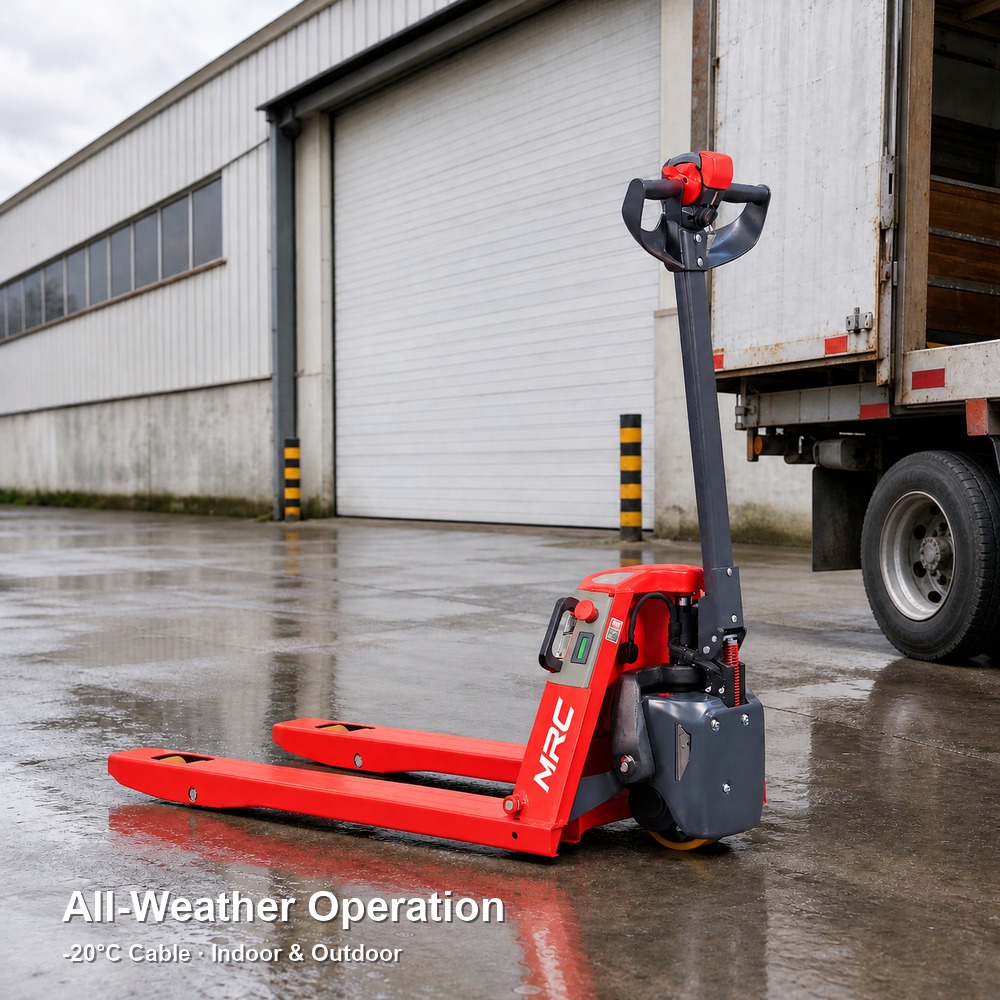
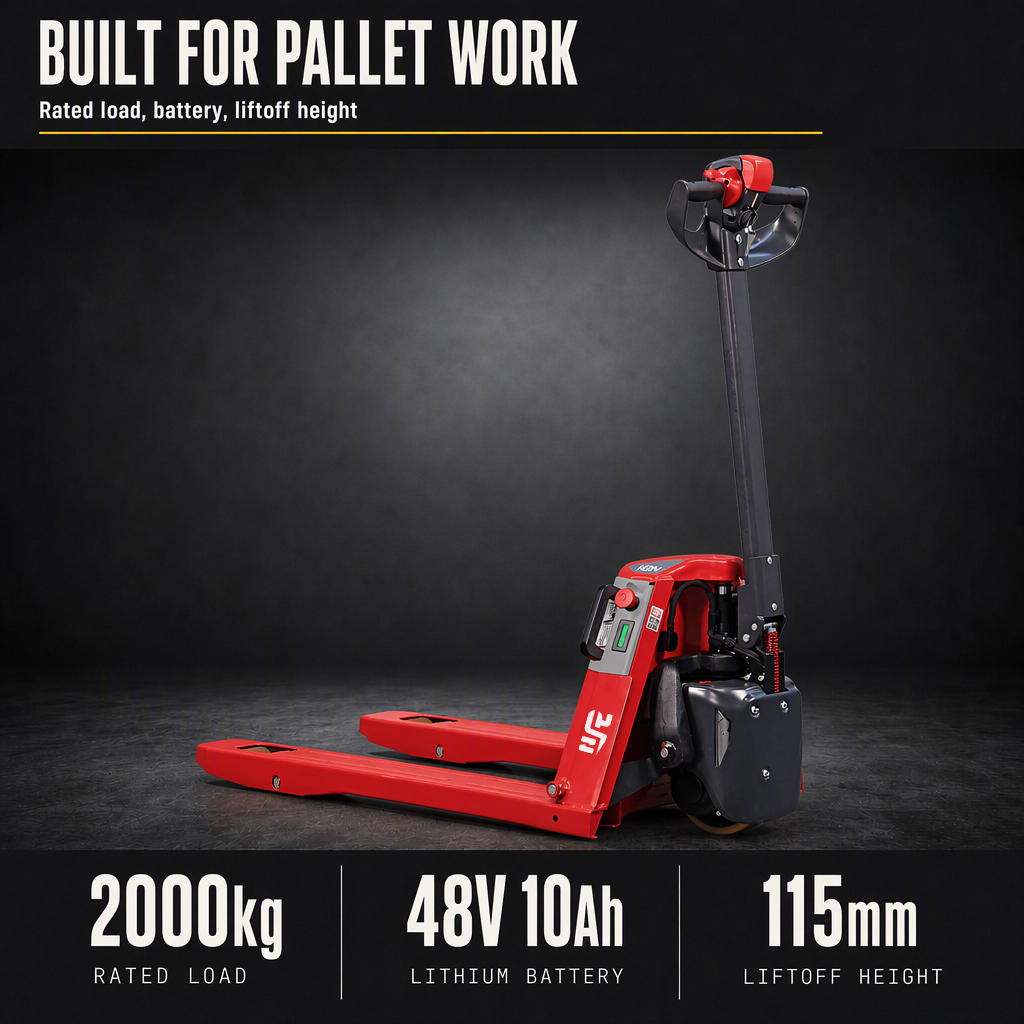
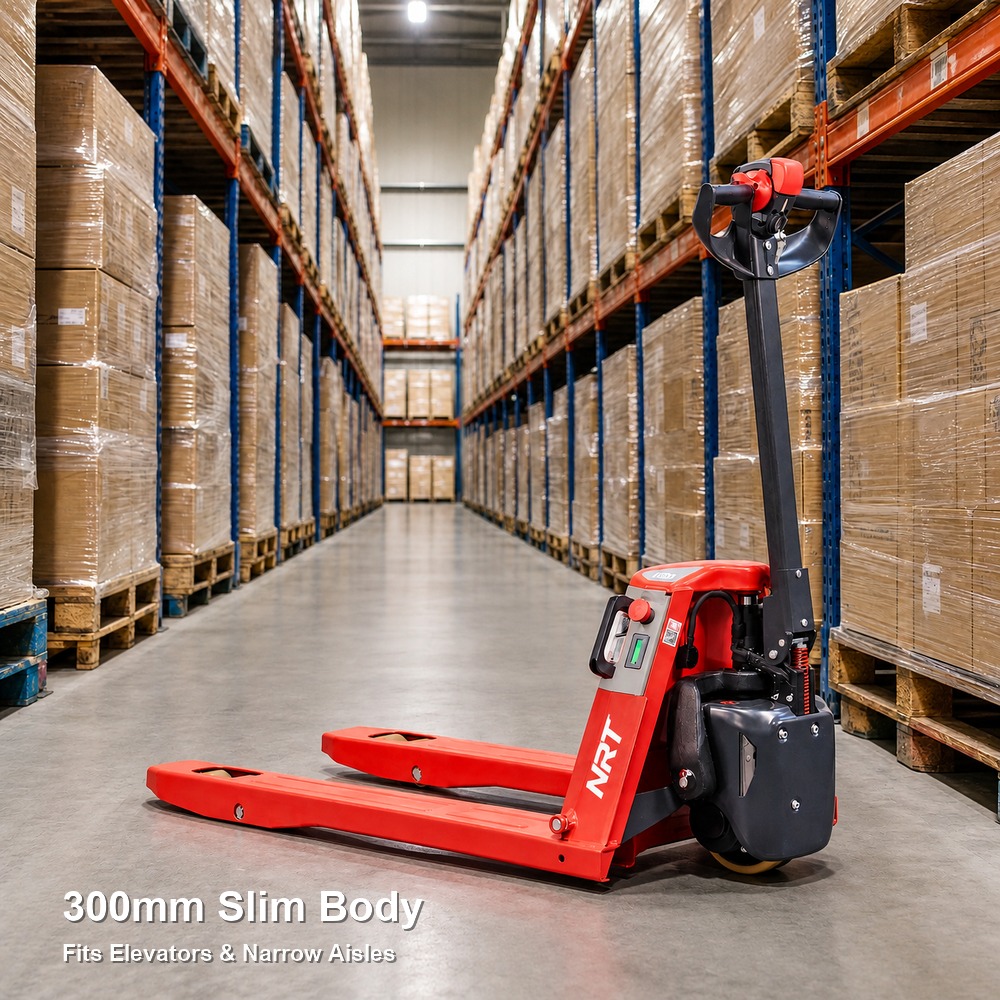
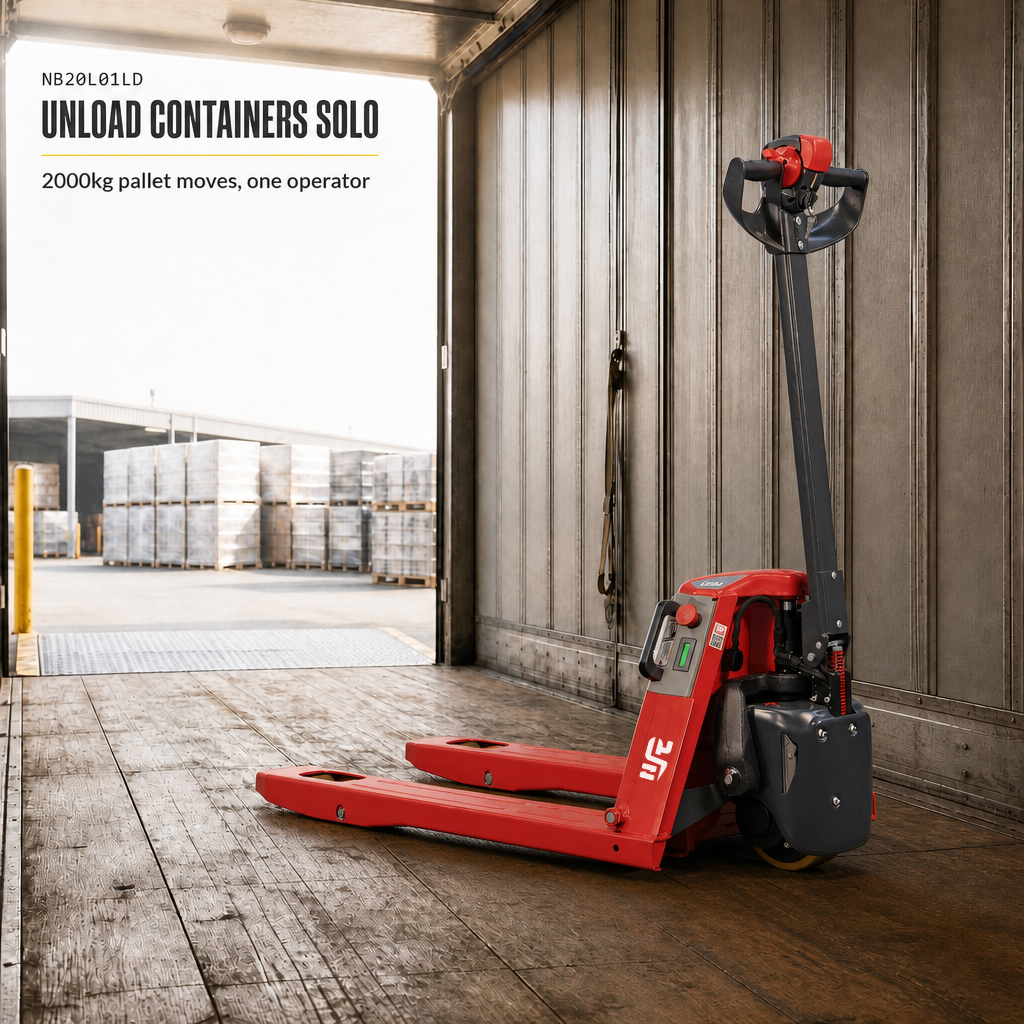
Japanese buyers evaluating China wholesale tow tractor manufacturers and suppliers serving Japan usually need more than a single unit. A tow tractor route is only as productive as the electric pallet trucks, stackers and loading equipment around it. These eight models are high-frequency configurations for compact warehouses, food logistics, container loading and manufacturing line-side handling. Product URLs are preserved; request a Japan-specific quotation for charger, voltage, documentation and delivery terms.

Verified supplier strengths

Why Japanese Buyers Shortlist Pexal for Tow Tractor and Warehouse Truck Programs

Xiamen Pexal Technology Co., Ltd. was founded in Xiamen, Fujian in 2024 as the sales, service and technical support base for Pexal material handling equipment. We support Japanese distributors, rental companies and end users with factual specifications, practical configuration advice and export-ready documentation.

220,000m² partner manufacturing baseProduction campus support
1,200+skilled workforceProduction and QC teams
100+R&D engineersElectric warehouse equipment
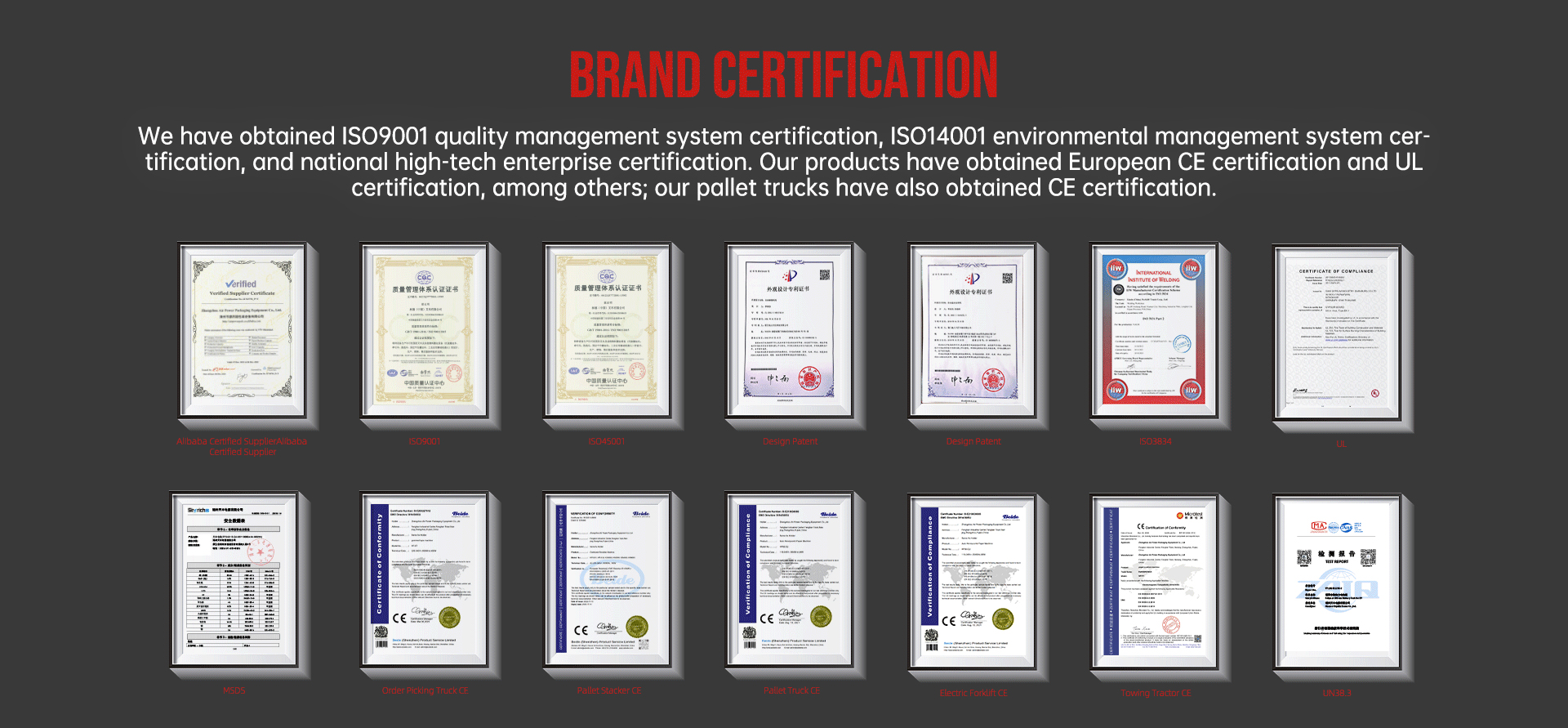
SGSonsite-assessed supplierThird-party verification
Xiamen Pexal Technology Co., Ltd. material handling company overview
Move reliably · every shift

A practical supply partner, not a catalog-only trader

We work with a 220,000 m² partner manufacturing campus employing more than 1,200 people, including a team of over 100 engineers dedicated to electric warehouse equipment. Our role is to help Japanese buyers move from manual handling to electric handling and from diesel to battery power while reducing emissions, noise and operating cost.

Because the Japanese market rewards precision, we define the operating envelope before quoting: pallet size, maximum load, rack height, aisle width, floor condition, charger location, shifts per day, safety clearance, operator training and service access. For tow tractor projects, we also ask for route length, trailer count and weight, gradient, turning points, floor transitions and material flow around the dock.

  • Full electric pallet truck and stacker range
  • Sample-based and full customization
  • ODM support and private-label options
  • Export packaging and Incoterms support
  • SGS assessment and onsite verification
  • English-language technical communication
Get a Quote
Localized application scenarios

Where Tow Tractors and Electric Warehouse Trucks Fit in Japan

Japan’s logistics environment combines high service frequency, limited floor space, an aging workforce and strong safety expectations. The right equipment mix depends on route design, pallet format, floor surface, dock constraints and daily throughput—not simply the lowest unit price.

Urban Distribution Centers

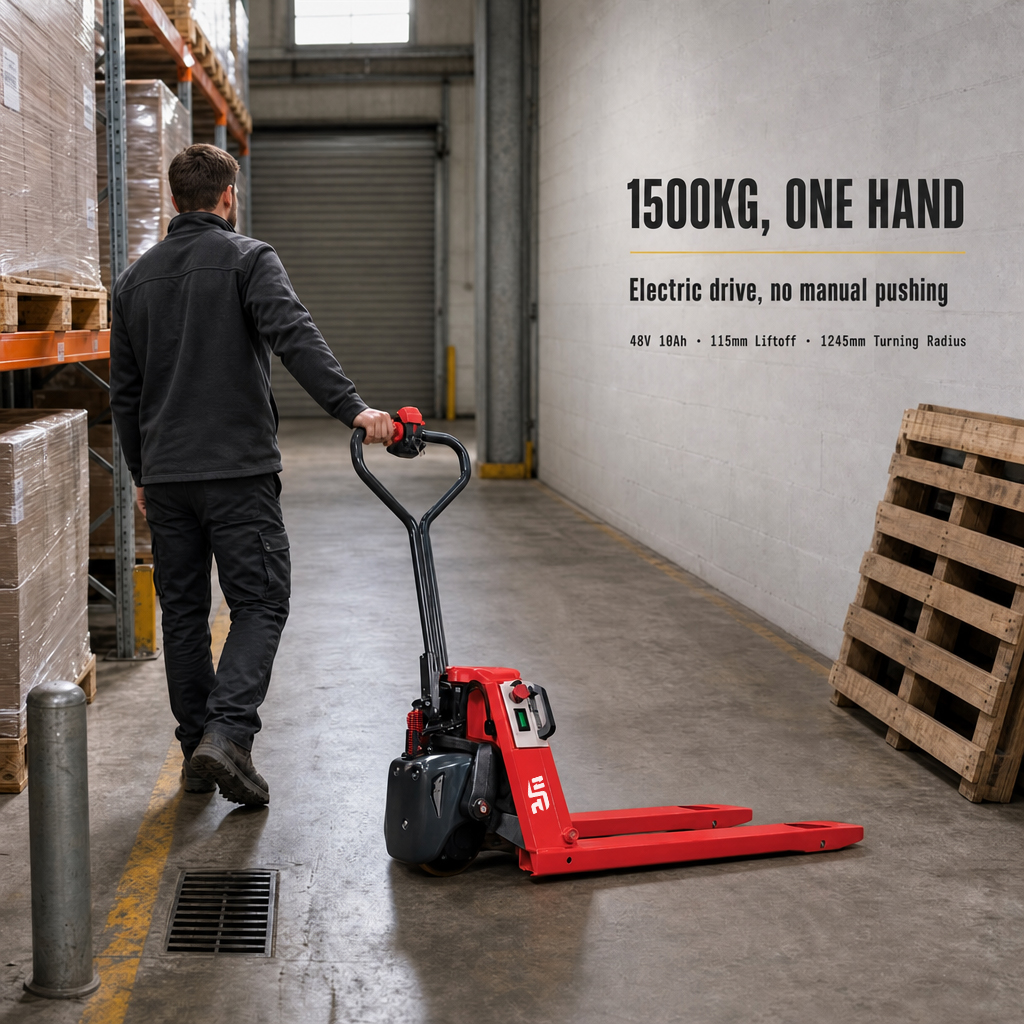
Compact, high-frequency sites need short turning radii and easy charging. Use 1500 kg walkie pallet trucks for horizontal transfer and the 2000 kg stacker for high-rack replenishment, with tow tractors reserved for repeatable milk-run routes.

Food and Cold Chain

Zero-emission electric pallet trucks and stackers support indoor food, beverage and pharmaceutical storage where local exhaust and noise are unacceptable. Lithium power, sealed components and wash-down procedures should be confirmed with the facility team.

Manufacturing and Kaizen

Line-side replenishment, kanban flow and 5S routines benefit from simple controls, stable braking and predictable battery performance. Standardizing controls across multiple shifts reduces training time and operator fatigue.

E-Commerce and 3PL

Fast piece picking and short-distance pallet moves between receiving, storage and dispatch zones require equipment that can be used by multiple operators. The ultra-light 107 kg pallet jack is useful where vehicles and storage rooms are tightly dimensioned.

Ports and Bonded Logistics

Container loading, bonded storage and yard transfer demand clear fork dimensions and duty-cycle planning. The 2000 kg 48 V models with 1150 mm forks are suitable for smooth-floor container work when load weight and ramp conditions are within specification.

Retail and Convenience Distribution

Backrooms, narrow doors and small delivery vehicles favor compact electric pallet jacks. Use tow tractors for scheduled store replenishment routes and lightweight pallet trucks for final-meter unloading when floor conditions allow.

Japan market trends

Localized Trends Shaping Tow Tractor and Electric Pallet Truck Demand

Japan’s material handling market is being reshaped by labor availability, space constraints, safety culture and carbon-reduction targets. Buyers who plan for these trends usually achieve lower total cost of ownership than buyers who purchase only on initial price.

Labor Shortage and Aging Workforce

Ergonomic controls, low noise and simple training matter. Electric walkie pallet trucks reduce physical strain while supporting flexible staffing across multiple shifts.

Lithium-Ion and Opportunity Charging

Lighter lithium pallet jacks and 48 V models support fragmented charging schedules. Charging voltage, breaker capacity and dedicated charging areas must be confirmed with the facility electrician.

Warehouse Densification

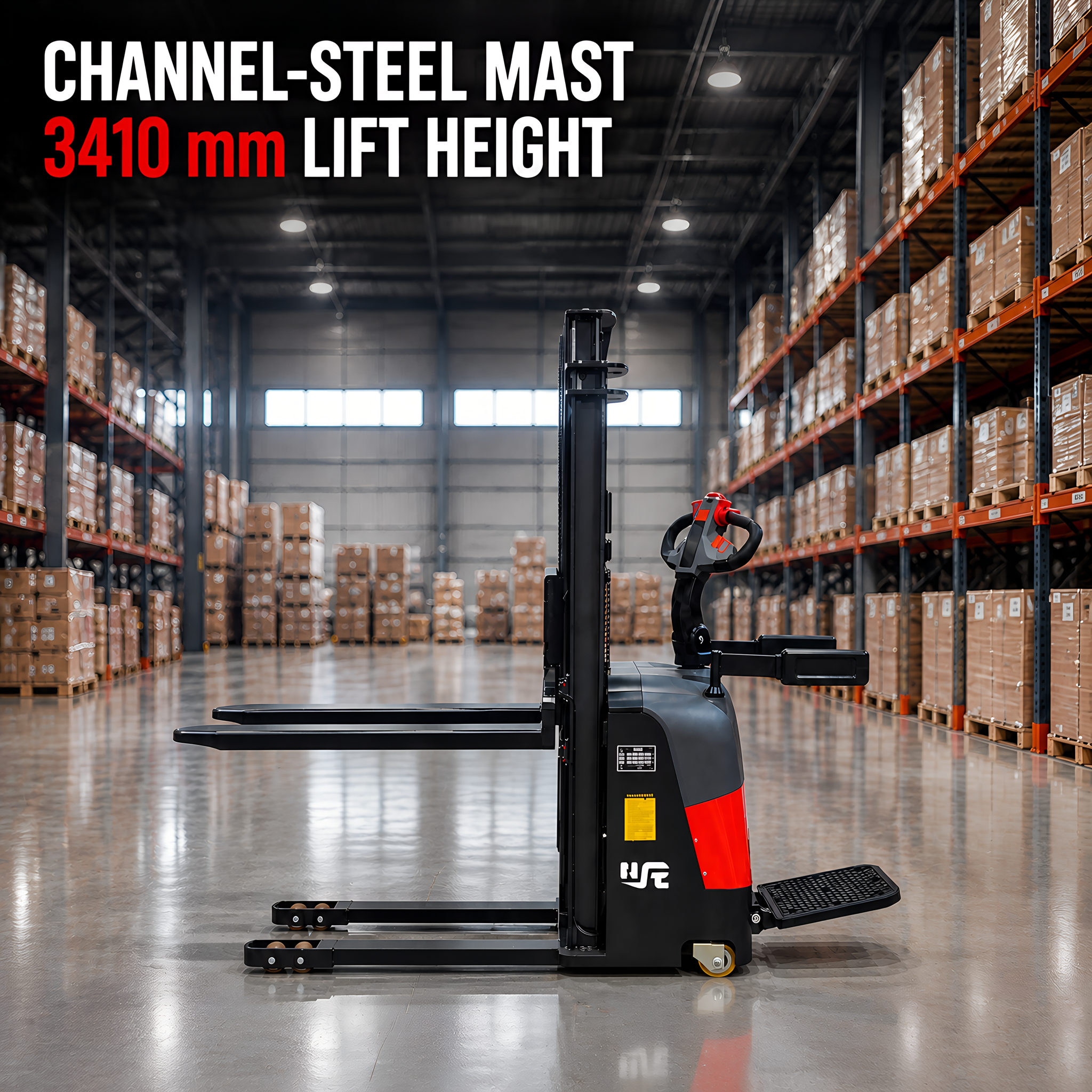
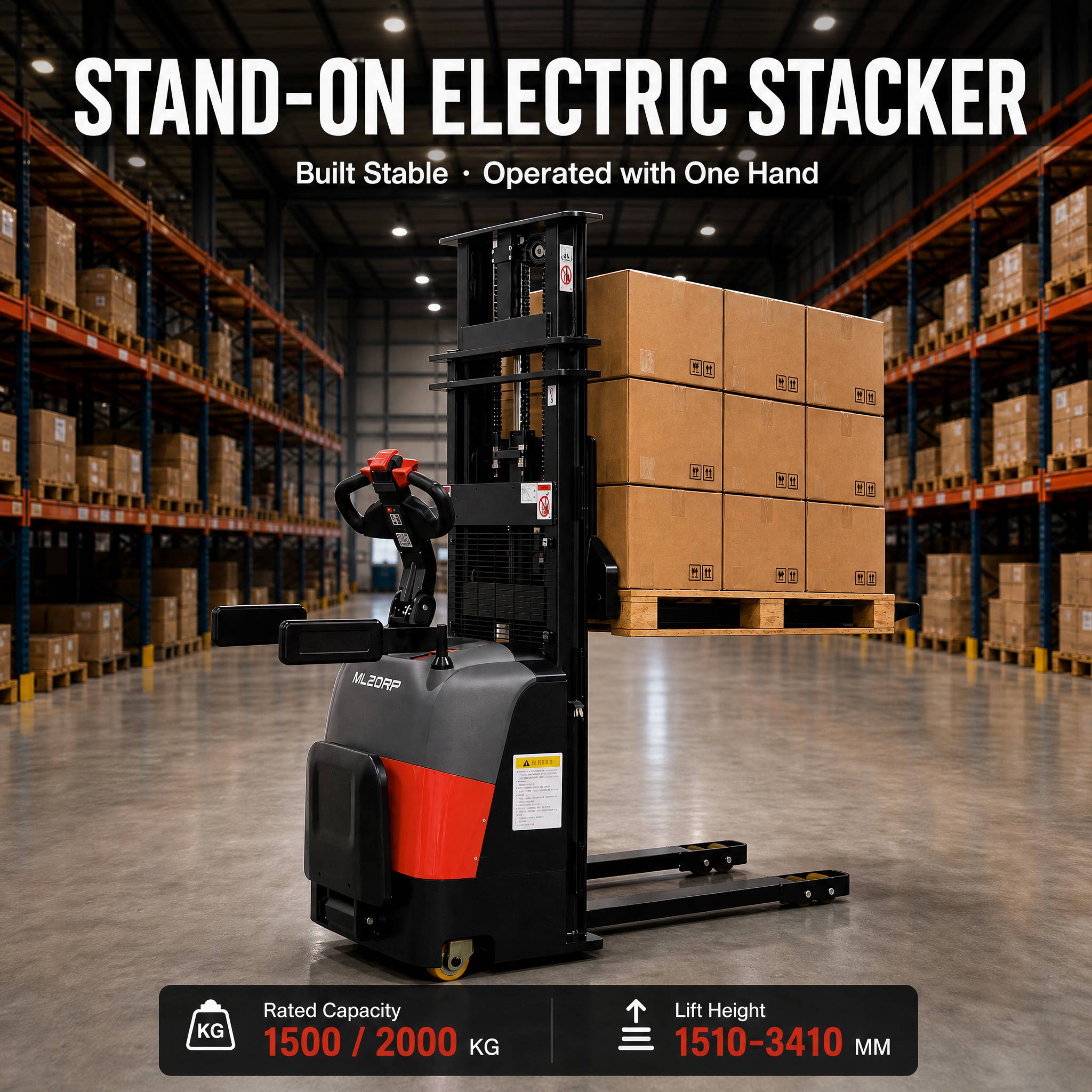
Higher racking and tighter aisles make body width, turning radius, lowered fork height and mast stability critical. The ML20AP 3410 mm lift and 820 mm body width should be matched to actual rack clearance.

Safety and Compliance Culture

Japanese operations often demand clear safety documentation, operator training and consistent braking. Final compliance should be confirmed against the destination specification before the order is placed.

Automation Readiness

Tow tractors, pallet trucks and AGV projects work better when pallet quality, route markings, floor condition and traffic rules are standardized before automation begins.

Sustainability and Carbon Reporting

Electric warehouse trucks eliminate local exhaust and reduce indoor noise. For procurement, document energy use and charging routines so sustainability benefits can be measured rather than assumed.

Safety confidence91%
Space efficiency88%
Labor savings82%
Total cost focus76%

Illustrative planning model for discussion only. It is not market research data and should be replaced by the buyer’s own site study.

Buyer’s guide and information gain

How to Specify a Tow Tractor or Warehouse Truck for Japan

A reliable quotation starts with measurable site data. Use the guide below to prepare an inquiry that Chinese suppliers can quote accurately and Japanese operations teams can verify internally.

Japan-Specific Equipment Selection Checklist
Decision areaQuestion for the Japanese buyerSpecification to confirm
Duty cycleHow many hours per shift and shifts per day?Battery capacity, charger count, thermal limits, operator rotation
Aisle and rackWhat is the minimum aisle width and maximum racking height?Stacker body width, turning radius, mast height, overhead clearance
Pallet and loadWhat pallet format, maximum weight and load center are used?Fork length such as 1150 mm, rated capacity, load stability
Floor and dockAre floors smooth, ramped, uneven or exposed to outdoor conditions?PU wheels, ground clearance, braking, dock plate compatibility
ChargingIs 100 V or 200 V available, and where will charging occur?Charger plug, circuit protection, dedicated charging area; verify locally
ServiceWho will maintain the fleet and what language is needed?Spare parts list, manuals, training material, distributor support plan

Illustrative total cost of ownership model

Use this as a discussion framework, not a guaranteed cost ratio. Actual values vary by model, site, utilization and local service arrangement.

Equipment purchase price35%
Energy and charging22%
Maintenance and parts18%
Downtime and backup15%
Training and safety10%
01

Share the load and pallet profile

Provide maximum load, pallet dimensions, load center and stacking height. State whether loads are stable, wrapped or irregular.

02

Measure the site

Record aisle width, door width, floor condition, ramp gradient, rack clearance, dock height and charging location. Photos and a simple layout sketch reduce quotation errors.

03

Define electrical and documentation needs

Confirm charger voltage, plug type, manual language, shipping documents, destination port and Incoterm. For Japan, verify local electrical requirements with a qualified electrician.

04

Request a configuration, not only a price

Ask for model, battery, fork length, wheels, lifting height, packaging, spare parts recommendation and delivery schedule. Compare quotations on the same scope.

05

Validate before volume order

Review the verified video, assessment records and sample or pilot order. Confirm quality inspection points and packaging before recurring shipment planning.

Evidence that reduces procurement risk

Verified Capabilities, Factory Visibility and Export Discipline

Third-party verification means fewer unknowns in your supply chain. Pexal’s company has passed an onsite check and supplier assessment conducted by SGS Group, and buyers can review assessment records, video introduction and trade history before ordering.

From production line to your loading dock

Our partner manufacturing campus supports scaled production, pre-shipment QC, custom builds and export logistics. Functional testing of lifting, travel, braking and electrical systems can be agreed before dispatch, and packaging can be planned for container loading and destination handling.

For Japanese importers, the most useful verification steps are usually straightforward: review the SGS assessment record, watch the verified company video, compare transaction history, request product-specific photos or videos, then confirm the exact charger, manual, spare-parts list and packaging requirements in the quotation.

  • SGS supplier assessment
  • Onsite check verification
  • Customization and ODM review
  • 10-inch container loading options
  • Pre-shipment functional testing
  • Export packaging and Incoterms
Close-up of Pexal electric material handling equipment engineering details
Engineering · QC · Export
Trade terms and Japan support

Flexible Incoterms, Payment Methods and Currency Options

Japanese buyers can request quotations in JPY or other supported currencies, with delivery terms matched to the buyer’s customs broker, destination port and internal procurement process.

Delivery Terms

FOBCFRCIFEXWFCAFASCPTCIPDDPDDUExpress

Incoterm choice affects risk transfer, insurance and landed cost. Confirm final delivery scope before payment.

Payment Methods

T/TL/CD/PD/AWestern UnionMoneyGramPayPalCredit CardEscrow

The best payment route depends on order value, history and buyer preference. Terms are confirmed in the sales contract.

Currencies and Markets

USDEURGBPJPYCADAUDHKDCHFCNY

Main export regions include Western Europe, North America, South America, Eastern Europe and Oceania. Japanese buyers are supported through the same export workflow.

Japan buyer FAQ

Common Questions from Japanese Importers and Distributors

Direct answers to the questions procurement teams ask when comparing China wholesale tow tractor manufacturers and suppliers serving Japan.

Can you supply tow tractors and these electric pallet trucks to Japan?
Our verified portfolio includes electric pallet trucks, electric stackers and other material handling equipment. For dedicated tow tractor projects, send route length, trailer weight, trailer count, gradient, floor condition, turning space and required safety features. We will confirm the feasible configuration, sourcing route and quotation. We do not promise a specific tow tractor model until the application is reviewed.
Are the listed models suitable for Japanese warehouses?
They can be suitable when the specification matches the site. For example, the ML20AP electric stacker offers 3410 mm max lift, 1478 mm turning radius and 820 mm body width; the 2-ton pallet trucks use 1150 mm forks; the 107 kg lithium pallet jack supports lightweight handling. Confirm pallet format, aisle width, rack clearance, floor condition, load center and duty cycle before selecting a model.
Do you offer OEM, ODM and customization for Japan-bound orders?
Yes. We offer sample-based customization, full customization and ODM services, including mast height, fork length, battery type, color, logo and attachment configuration, subject to technical review. For Japanese distributors, private-label manuals, packaging artwork and spare-parts lists should be specified in the quotation.
How do you handle charging voltage and plug requirements for Japan?
Charging arrangements must be confirmed against the final model and destination site. Japanese facilities may require different outlet, circuit and charging-area arrangements, so the buyer should verify voltage, plug type, breaker capacity and local electrical code with a qualified electrician. Provide these details during inquiry so the quotation can reflect the correct charger configuration.
Which Incoterms, payment methods and currencies are accepted?
Common delivery terms include FOB, CFR, CIF, EXW, FCA, CPT, CIP, DDP and other terms by agreement. Payment methods include T/T, L/C, D/P, D/A, Western Union, MoneyGram, PayPal, credit card and escrow. Supported currencies include USD, EUR, GBP, JPY, CAD, AUD, HKD, CHF and CNY. Final terms are stated in the contract.
How can we verify quality before shipment?
Review the SGS supplier assessment, onsite check record, verified company video and transaction history. For the order, agree on pre-shipment functional checks covering lifting, travel, braking, electrical systems, packaging and accessory completeness. Product-specific photos and videos can be requested before dispatch.
What is the MOQ and lead time?
MOQ and lead time depend on the model, battery type, customization, packaging and order quantity. Provide target quantities, delivery window and destination port so a practical production and shipping schedule can be quoted. For urgent projects, ask whether available stock or a phased shipment can support the launch.
How do you support spare parts and after-sales communication?
We recommend agreeing a spare-parts list, manual language, inspection points and communication channel before shipment. Distributors can stock common wear and electrical parts based on fleet size and duty cycle. For tow tractor or pallet truck fleets, keep model, serial number, battery configuration and charger details in a service register for faster support.
Request a Japan-Specific Tow Tractor & Warehouse Truck Quotation

Share your load, pallet format, aisle width, rack height, charging conditions, target port and required delivery terms. Our team will recommend a practical electric pallet truck, stacker or tow tractor configuration for your Japanese operation.

Get a Quote