Eight Material Handling Tractor Models for Canada Wholesale Programs
These models are shortlisted for Canadian importers, rental fleets, warehouse operators and building-material retailers because they combine compact footprints, lithium or battery-electric power, and practical service access. Product links are preserved exactly as supplied.
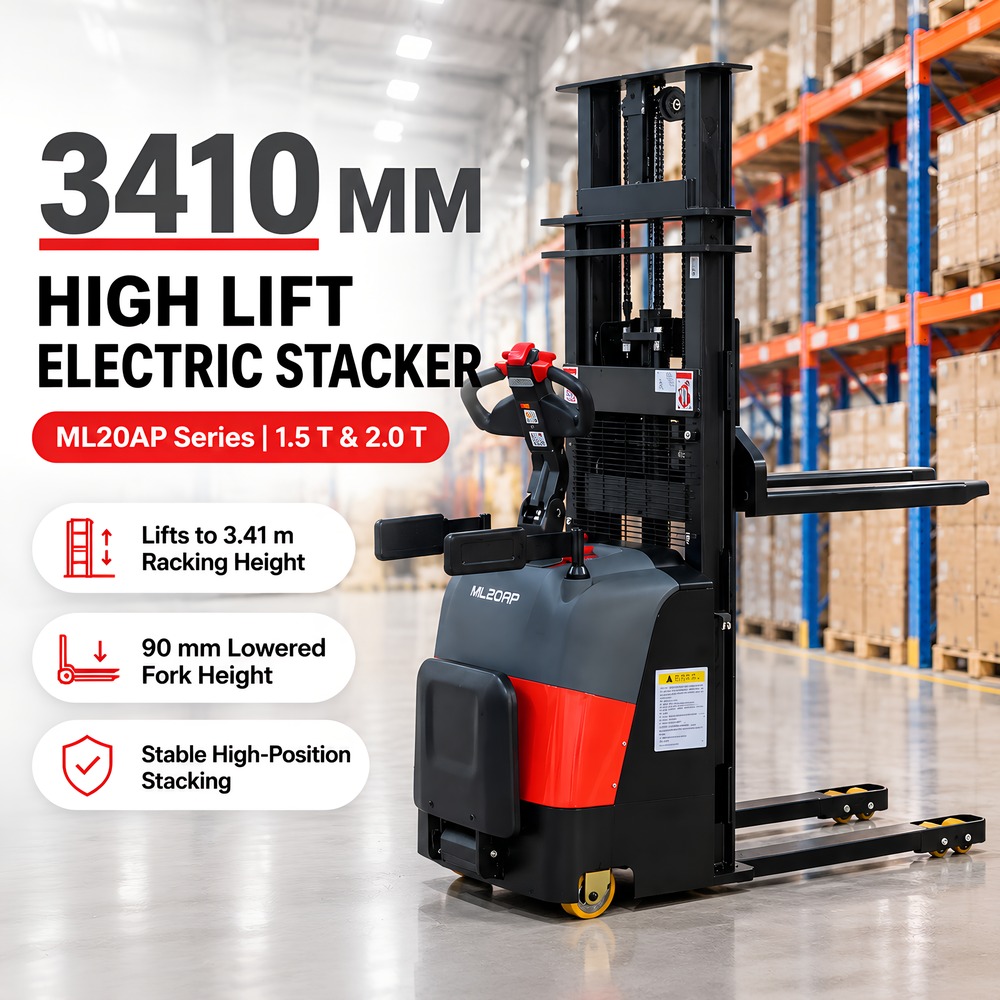
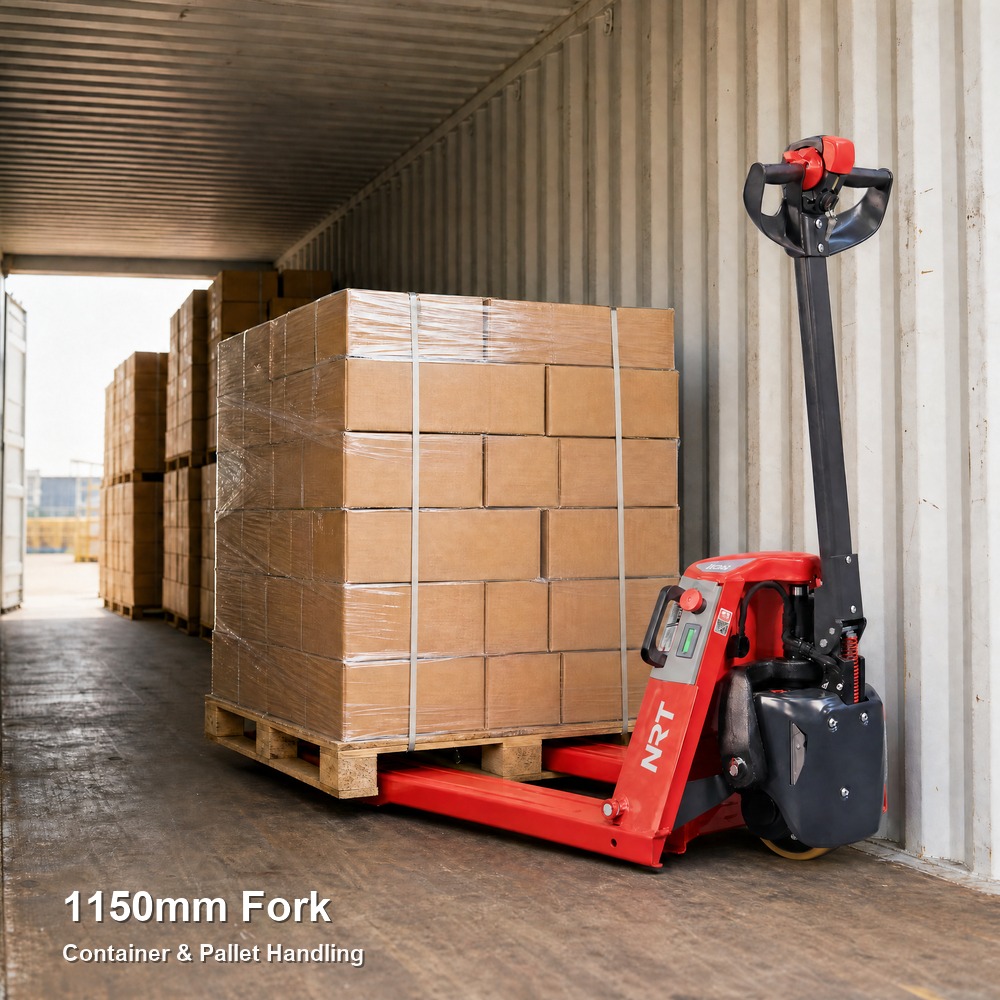
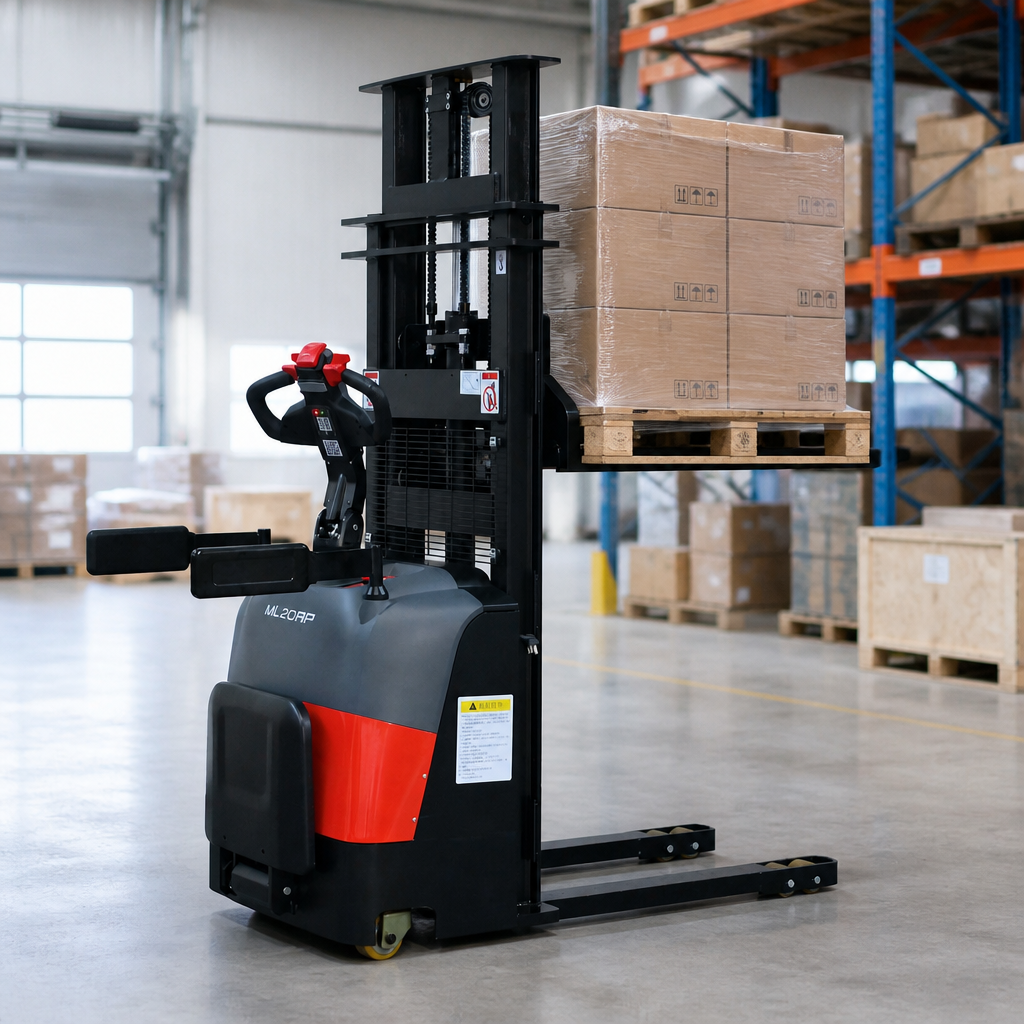
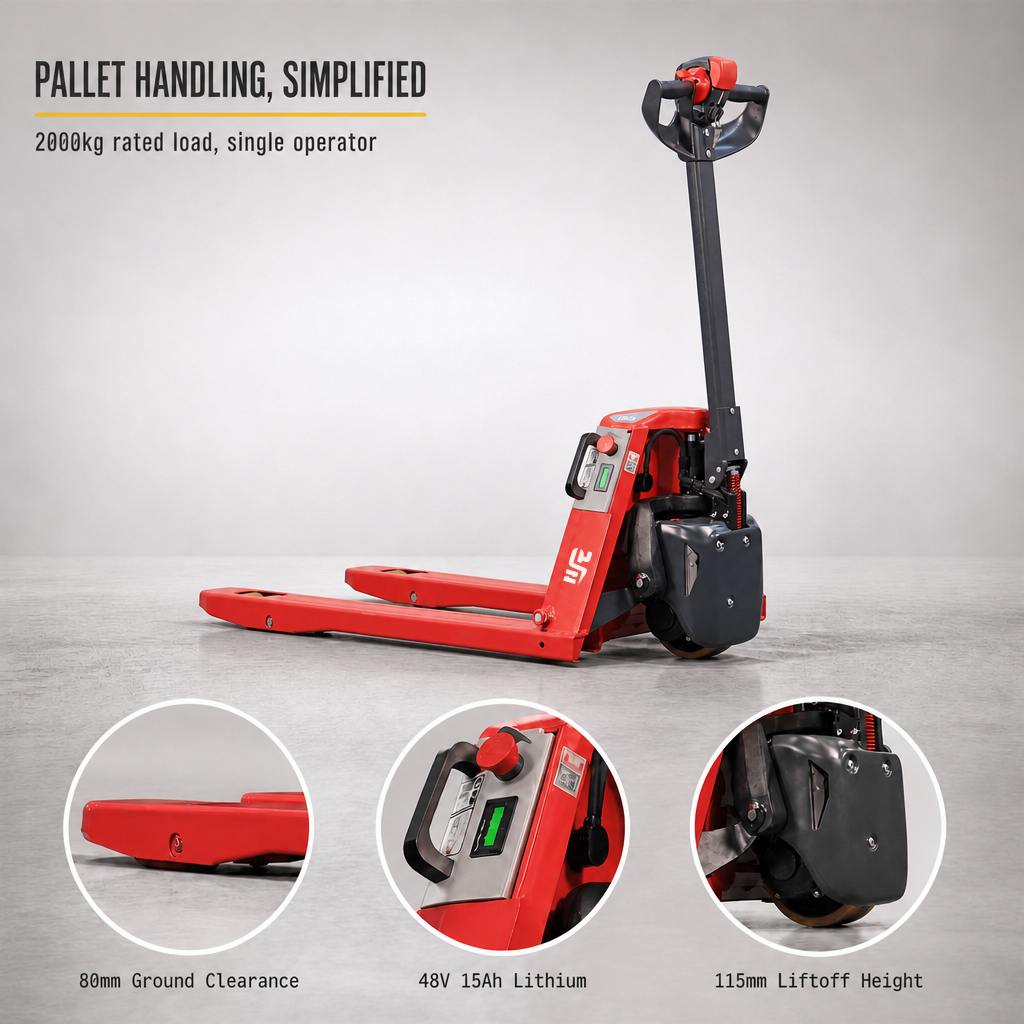

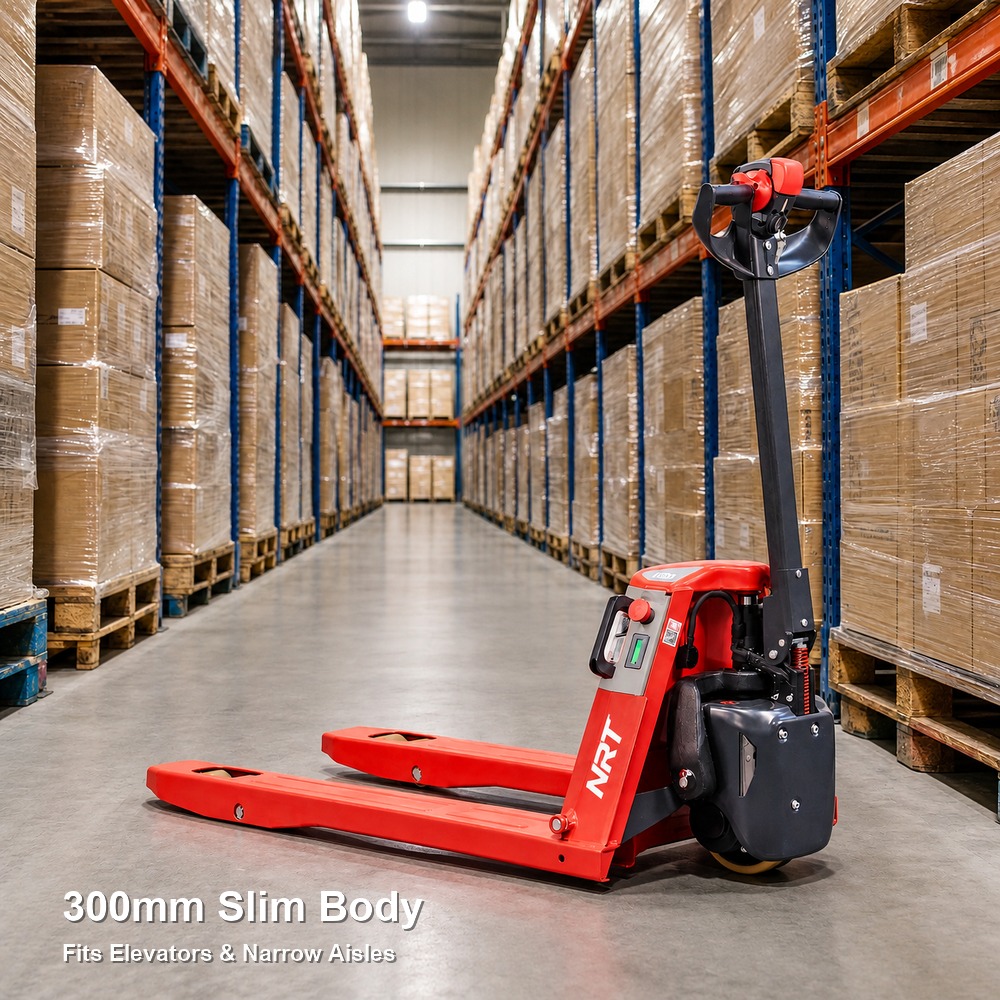

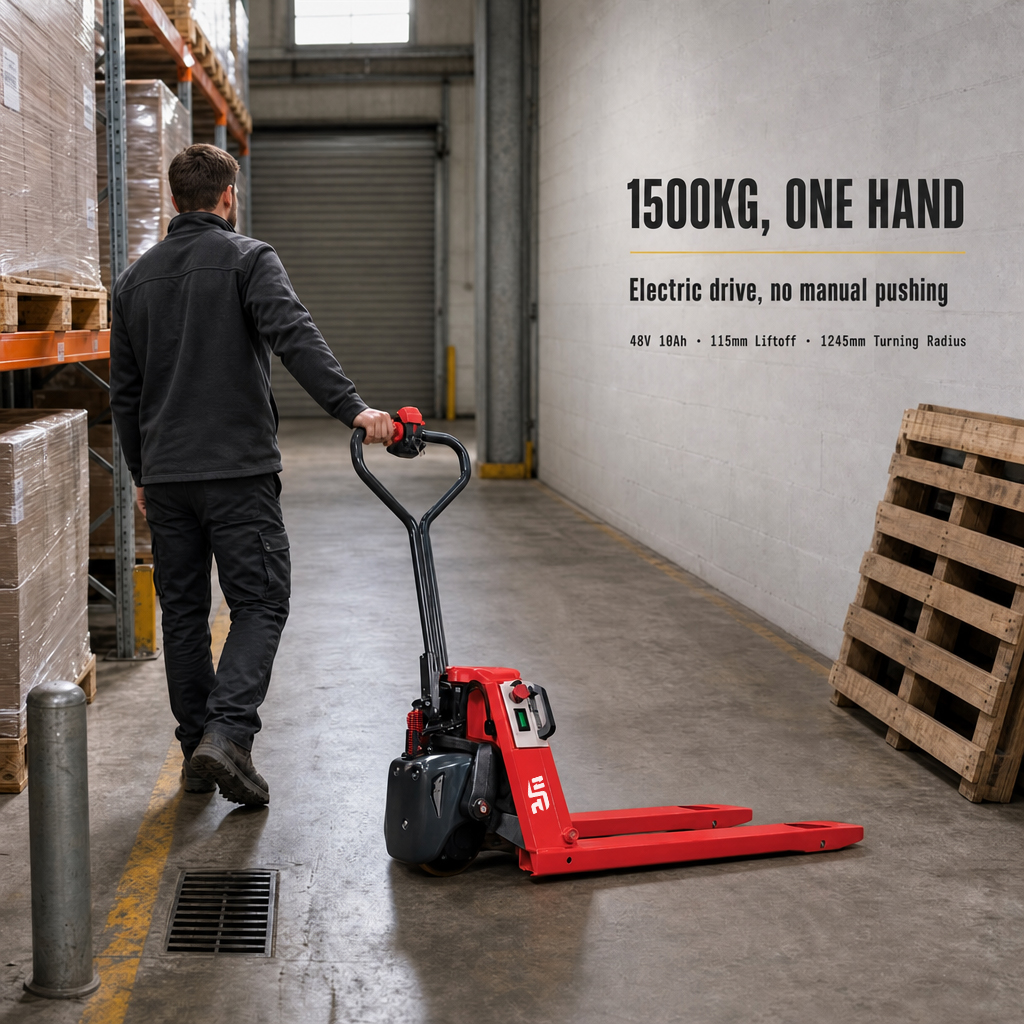
Need help matching a model to Canadian racking, floor condition, pallet size or charging voltage? Request the current catalog and share your site data for a factory-direct configuration review.
Why Canadian Buyers Treat Material Handling Tractors as a Localized Purchase
Canada is not one warehouse market. Vancouver, Calgary, the Greater Toronto Area, Montreal and Halifax differ in climate, building stock, labor availability, provincial safety practice and freight access. A wholesale program that works in a warm, high-ceiling distribution center may fail in a cold-chain dock or a compact retail backroom.
In this guide, material handling tractor refers to compact electric warehouse equipment used to pull, push, lift and position pallets—electric pallet trucks, walkie jacks, stand-on stackers and narrow-aisle warehouse tractors. It is not an agricultural tractor. For Canadian importers, the goal is not simply to buy a lower-priced unit from China; it is to build a repeatable wholesale assortment that balances floor space, operator safety, charging infrastructure, spare-parts availability and total cost of ownership.
Canada's strongest demand signals come from third-party logistics providers, e-commerce fulfillment centers, grocery and cold-chain operators, building-material retailers, manufacturing plants, automotive suppliers and rental fleets. Many of these buyers are replacing manual pallet jacks because of repetitive-strain risk and labor shortages, while others are moving from diesel or lead-acid equipment toward lithium-powered trucks to reduce local emissions and charging downtime. A China wholesale factory can support both paths, but only when the specification is tied to the Canadian site rather than to a generic export catalog.
The most useful information gain for Canadian buyers is therefore practical: measure the narrowest aisle, confirm the heaviest pallet, check the dock plate, identify the charger voltage, decide whether the truck will work in a cold dock, and clarify what documentation the importer and employer need. The eight models above cover a realistic starting portfolio: compact walkie jacks for container unloading, stand-on stackers for racking, and lithium pallet trucks for multi-shift warehouse work. The rest of this guide explains where each type fits, what is changing in the Canadian market, and how to verify a China wholesaler before placing a mixed-container order.
Ports and Cross-Docks
Vancouver, Prince Rupert and Montreal import flows reward fast container unloading, compact turning and simple charging.
Cold-Chain and Food
Battery temperature, condensation and washdown practice matter as much as lift capacity in Canadian food and pharma sites.
Building Material Yards
Lumber, tile, plumbing and hardware sellers need stand-on stackers that stabilize heavy pallets in tight loading lanes.
Retail and E-Commerce
Backroom replenishment and piece picking demand low-noise, zero-emission trucks with intuitive controls and low training time.
Factory Advantages That Matter to Canadian Wholesalers
Canadian buyers do not only evaluate the machine. They evaluate production capacity, customization discipline, export documentation, spare-parts support and the credibility of the supplier's claims.
Xiamen Pexal Technology Co., Ltd. operates as the sales, service and technical support base for Pexal material handling equipment. Founded in Xiamen, Fujian in 2024, the company works with a 220,000 m² partner manufacturing campus employing more than 1,200 people, including a team of over 100 engineers focused on electric warehouse equipment. For Canadian wholesalers, that structure is useful because it combines factory access with application discussion, customization and export coordination.
The company has passed an onsite check and supplier assessment conducted by SGS Group, and a verified company video is available for buyers to review. Customization support includes sample-based customization, full customization and ODM services, covering practical variables such as mast height, fork length, battery type, color, logo and attachment configuration. Export support includes common delivery terms such as FOB, CFR, CIF, EXW, FCA, CPT, CIP and DDP, with payment options that include T/T, L/C, D/P, D/A, Western Union, PayPal, credit card and escrow, subject to quotation.
Where Material Handling Tractors Fit in Canadian Operations
The highest-return use cases are repetitive, space-constrained and safety-sensitive. Canadian operators often start with one narrow-aisle stacker or walkie jack, prove the workflow, then expand into a mixed fleet with spare batteries, chargers and a parts kit.
Container Unloading
Walkie pallet jacks with 1,150 mm forks and compact turning radius reduce manual pushing at Vancouver, Montreal and Toronto import docks.
Narrow-Aisle Racking
Stand-on stackers with higher lift heights help 3PL warehouses increase pallet positions without widening every aisle or buying a full reach truck.
Building-Material Retail
Lumber yards, tile stores and hardware retailers use stand-on stackers to move heavy pallets from receiving to yard racks and customer pick-up lanes.
Food and Cold Chain
Electric pallet trucks support zero local emissions and low noise in grocery distribution, beverage warehouses and pharmaceutical storage.
Manufacturing and Assembly
Line-side replenishment, work-in-process transfer and finished-goods handling benefit from compact pallet trucks and stackers with simple controls.
Retail Backroom
Supermarkets and retail chains need low-maintenance electric jacks for shelf replenishment, waste-pallet movement and seasonal reset work.
Canadian Trends Reshaping Wholesale Procurement in 2026
Canada's material handling market is moving toward electrification, lithium power, tighter safety expectations and more data-driven fleet decisions. These shifts favor suppliers who can document specifications, customize configurations and support spare parts after the container arrives.
Lithium and Opportunity Charging
Lithium batteries reduce battery swapping and allow short charging during breaks. Canadian buyers increasingly ask for charger voltage, charge temperature and battery management details before ordering.
Safety and Labor Shortage
Operators are harder to recruit and train. Clear visibility, stable stand-on platforms and intuitive controls can shorten onboarding and reduce avoidable pallet damage.
Warehouse Densification
Rising land and construction costs push Canadian warehouses to use higher racking and narrower aisles. That increases demand for stackers and reach-style solutions with compact footprints.
Cold-Climate Adaptation
Cold docks and rapid temperature changes affect batteries, seals and operator comfort. Configuration should address charge-area temperature, condensation and daily inspection routines.
Total Cost of Ownership
Buyers compare purchase price with charging energy, battery life, maintenance, spare-parts lead time and downtime. A slightly higher specification can be cheaper over five years.
Digital and After-Sales Support
B2B buyers want parts lists, training material, service videos and fast remote diagnosis. Suppliers that treat after-sales as part of the product reduce import risk.
| Canadian Challenge | Practical Specification Response | What to Ask the Supplier |
|---|---|---|
| Cold dock or unheated warehouse | Specify lithium pack management, charge temperature range and a heated or insulated charging area where required. | Request battery operating and charging temperature guidance, BMS details and cold-weather handling instructions. |
| 120V / 208V / 240V / 480V charging | Match the charger plug, voltage and phase to the actual Canadian facility, not to a generic export standard. | Ask for charger voltage options, plug type, charging current and electrical documentation before order. |
| English and French documentation | Use bilingual training material and labels where the operator environment requires it; confirm province and site policy. | Ask whether English/French manuals, decals and training sheets can be supplied for the model. |
| Narrow aisles and dock plates | Use compact pallet trucks, stand-on stackers or narrow-aisle stackers with appropriate fork length and ground clearance. | Share aisle width, pallet dimensions, dock-plate slope and floor surface for a fit check. |
| Container freight and spare parts | Plan mixed-container loading, accessory kits, charger spares and high-wear parts before shipment. | Ask for Incoterms, packaging details, spare-parts list, warranty terms and recommended parts kit. |

How Canadian Buyers Should Verify a China Wholesaler
Verification is not a formality. For a Canadian importer, a material handling tractor order involves electrical systems, batteries, lifting components, freight packaging and after-sales parts. The supplier should be able to explain the manufacturing base, the assessment record, the customization boundary and the documentation included with the shipment.
The original company profile identifies Xiamen Pexal Technology Co., Ltd. as SGS-assessed through an onsite check, with a verified company video available for review. It also confirms sample-based customization, full customization and ODM services. Canadian buyers should still request the exact quotation, technical drawing, charger specification, battery datasheet, packaging plan and spare-parts list for the selected model. Independent verification supports trust, but the final compliance and safe-use decision remains with the importer, employer and local authority having jurisdiction.
Confirm the Electrical Scope
Ask which components are recognized or certified for the intended market, and request the charger voltage, phase and plug specification in writing.
Request Battery Documentation
Ask for battery capacity, charging temperature guidance, BMS features and the shipping documents required for lithium batteries.
Match the Truck to the Aisle
Share rack height, aisle width, pallet weight, fork length and floor condition. Do not choose by capacity alone.
Plan Spare Parts Before Shipment
Order high-wear parts, chargers and key electrical spares with the first container to reduce post-arrival downtime.
Review Packaging for Ocean Freight
Confirm export packaging, moisture protection, container loading plan and unloading instructions for Canadian receiving docks.
Align Incoterms and Payment
Clarify FOB, CFR, CIF, EXW, FCA, CPT, CIP or DDP terms, currency, deposit, balance trigger and document handover.
Common Questions Canadian Buyers Ask Before Importing
These answers reflect the practical questions raised by importers, dealers and fleet operators. Final compliance, tax and customs treatment should always be confirmed with your Canadian customs broker, safety advisor and local authority.
Are these material handling tractors ready for use in Canada?
Can lithium-powered pallet trucks work in Canadian cold-chain warehouses?
What is the minimum order for a mixed wholesale program?
Which Incoterms and payment methods are supported?
How should we handle shipping to Canada and customs clearance?
What about spare parts, manuals and after-sales support?
Build a Wholesale Program Around Your Local Floor Plan
Share your pallet weight, aisle width, rack height, dock condition, charger voltage and target models. The sales and engineering team can review a factory-direct configuration for your Canadian warehouse, retail site, building-material yard or distribution center.
Get Catalog