8 Pallet Lifting Equipment Models for Makati Buyers
Makati procurement rarely starts with “what is the cheapest pallet jack?” It starts with freight elevator dimensions, floor protection, cold-room temperature, racking height, charging power, loading-bay access and spare-part response. The eight models below cover the most practical electric pallet truck and electric stacker use cases for Makati-based warehouses, dealers, retailers, food operators and building-service teams.
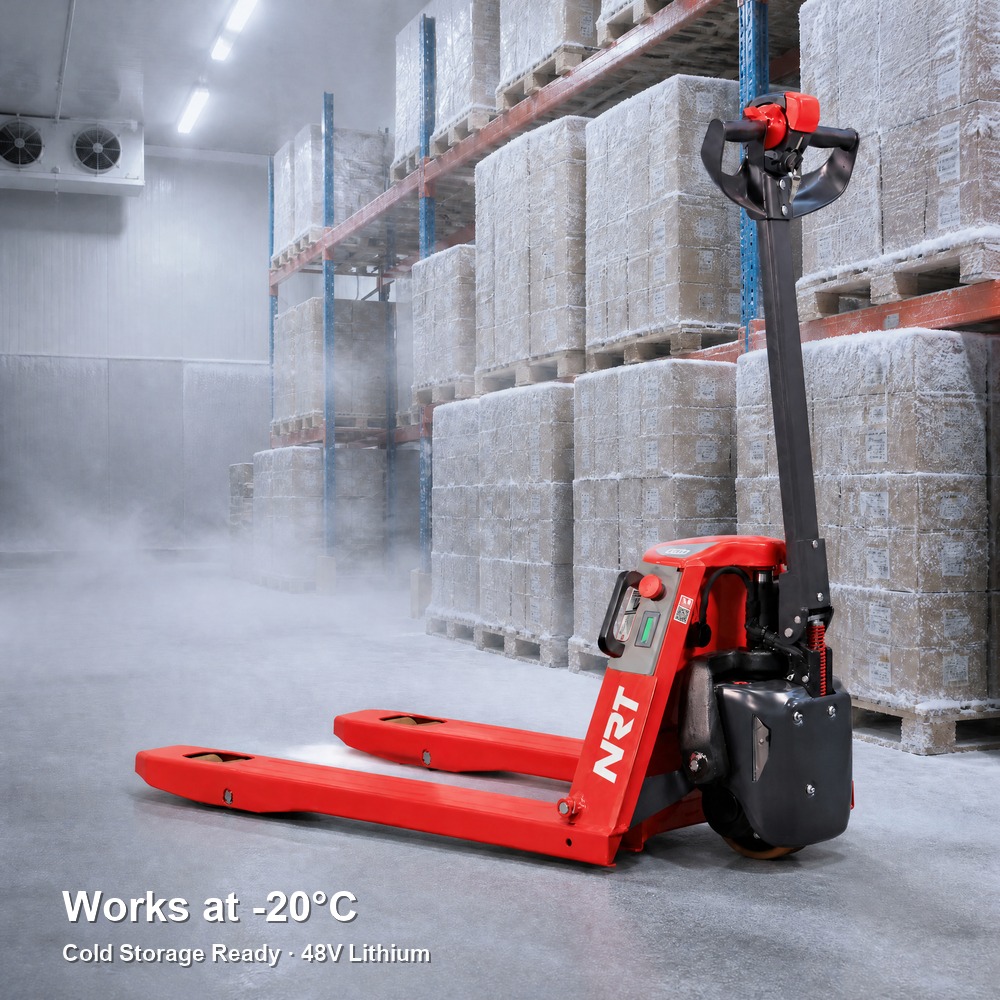
Electric Pallet Jack 2000kg with 48V Lithium Battery 6s Swap 300mm Slim Body Climbing 9% for Cold Storage -20C
- 2,000 kg load class with 48V lithium power
- 6-second battery swap concept reduces charging downtime
- 300 mm slim body and 9% climbing capability
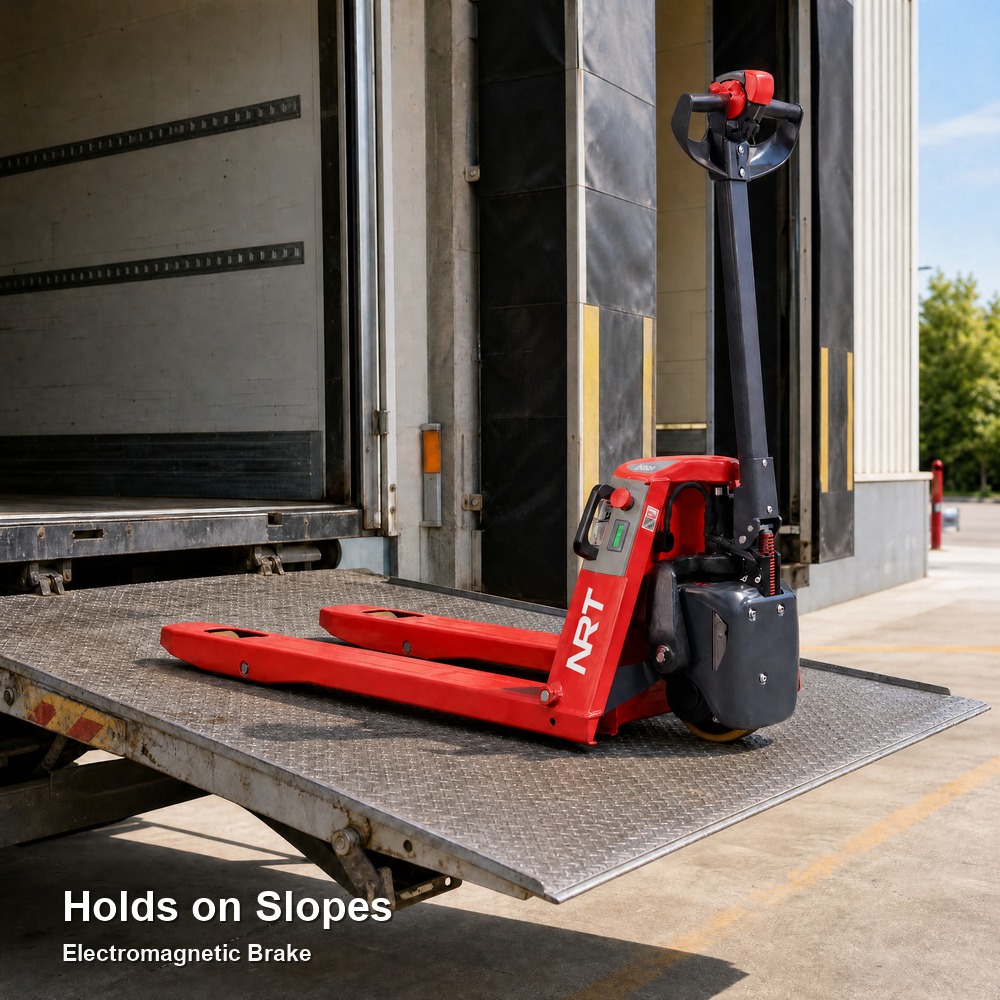
Electric Pallet Jack 1500kg 300mm Slim Body Walkie Pallet Truck for Elevator Freight Box Narrow Aisle Handling
- 1,500 kg capacity for dense retail and office-building deliveries
- 300 mm slim body supports narrow aisle and freight box work
- Suitable for Makati CBD goods lifts and back-of-house routes
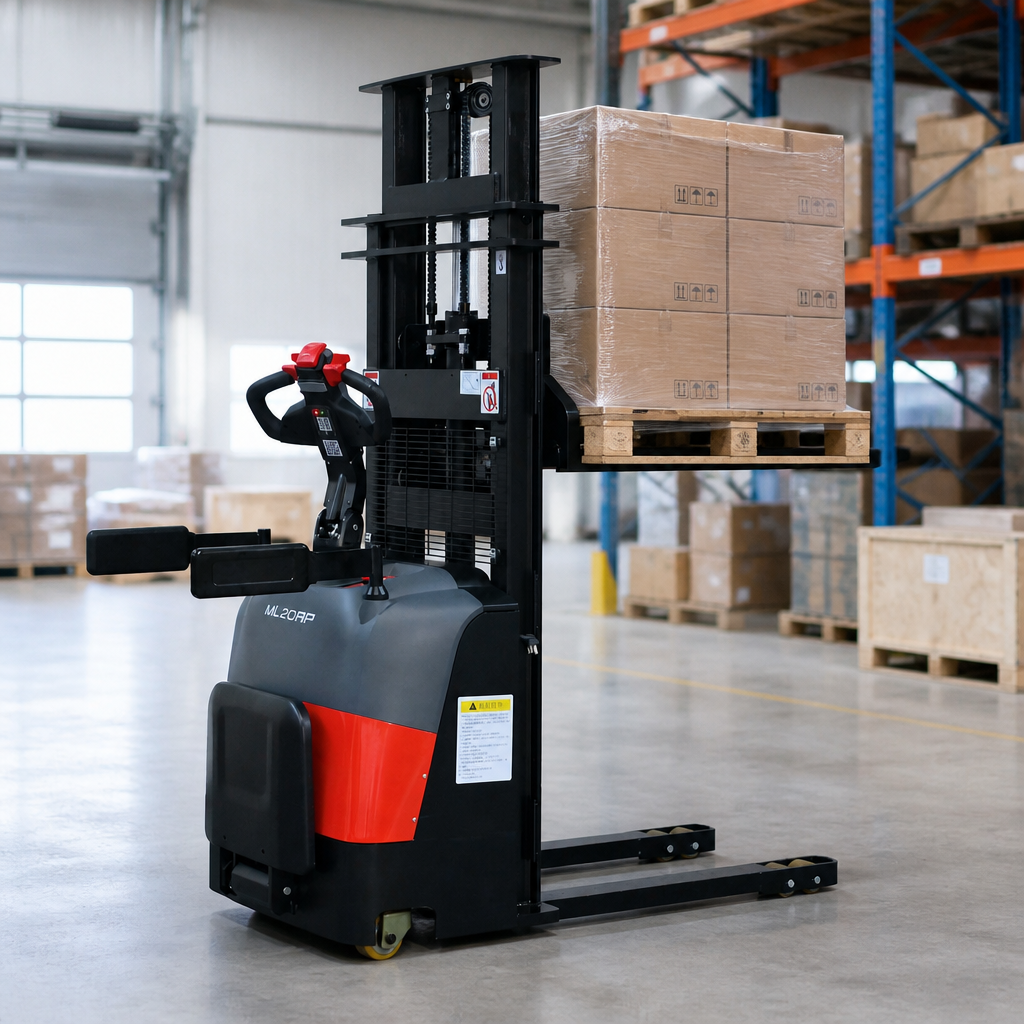
Electric Pallet Stacker 2000kg 3410mm Lift Height Stand on Stacker Truck for Warehouse Racking Stacking
- 2,000 kg capacity and 3,410 mm lift height
- Stand-on platform supports repetitive warehouse stacking
- Suited to racking in 3PL and distribution sites near Makati

2026 New Alternative Convertidor De Palet Jack a Electrico Ultra-Lightweight 107kg Electric Pallet Jack with Lithium Power
- 107 kg ultra-lightweight body for service lifts and fit-out routes
- Lithium power helps replace manual pallet jacks
- Useful for Makati retail, events, offices and last-mile depots
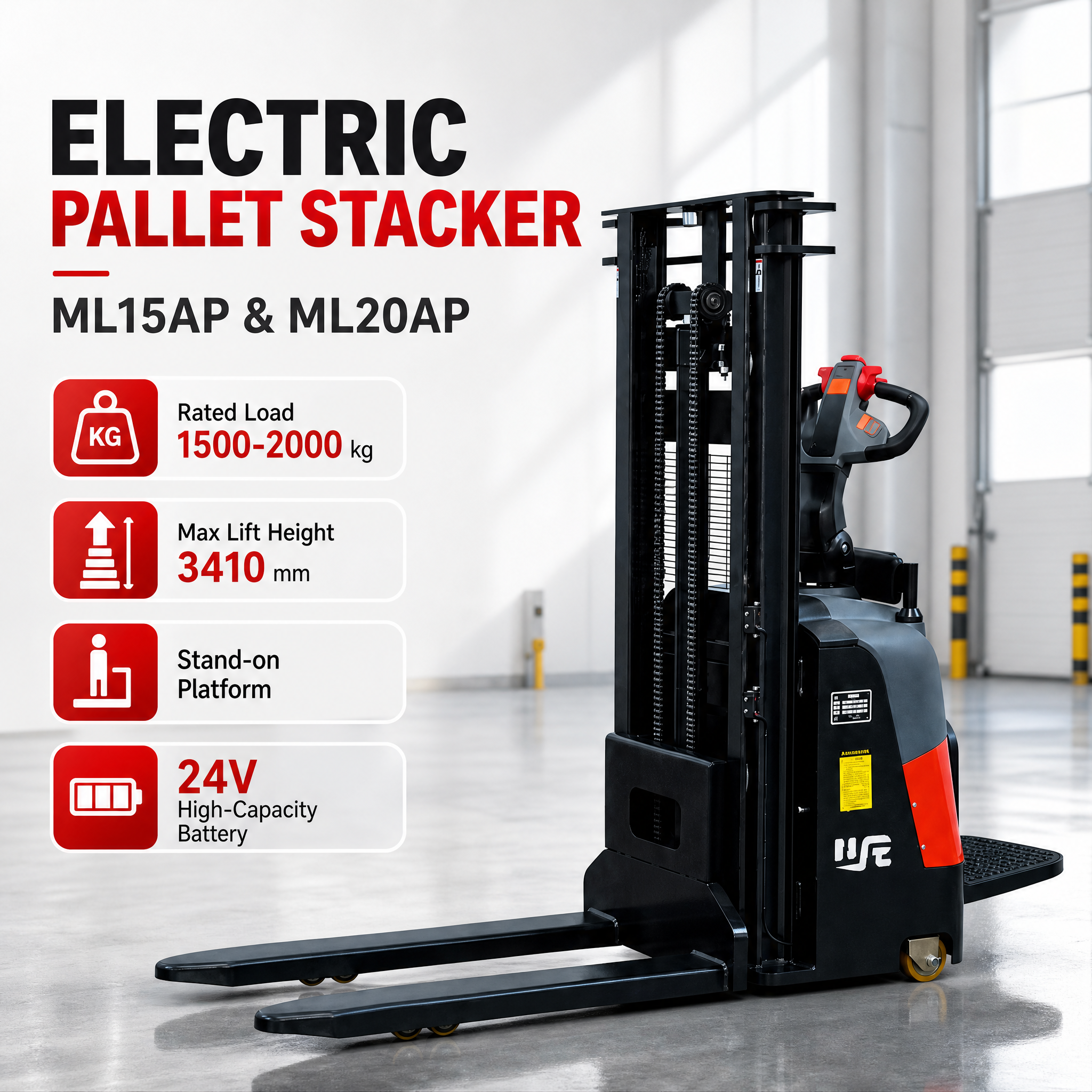
Stand on Electric Stacker 2000kg Centre Mounted Drive Twin Balance Wheels Stable High Racking Stacking
- 2,000 kg capacity with centre-mounted drive layout
- Twin balance wheels support stable high-racking operation
- Designed for demanding warehouse stacking cycles
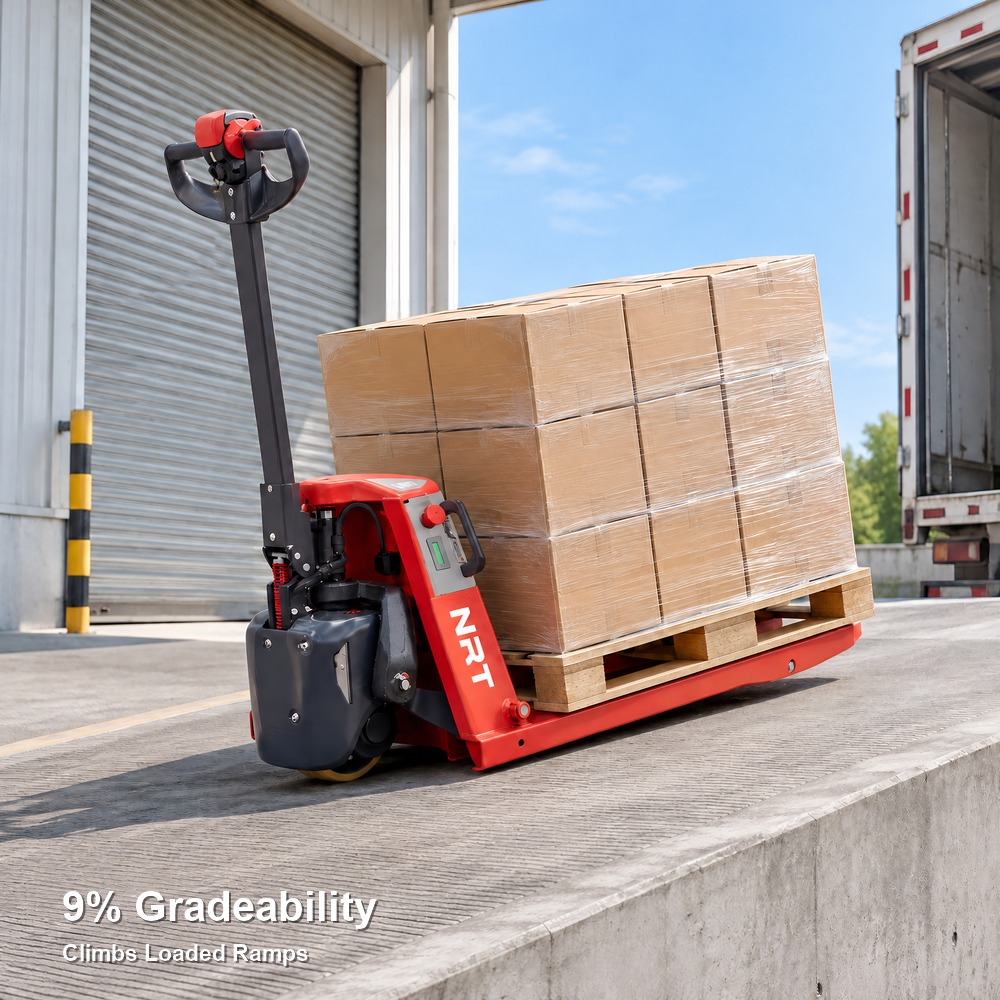
Lithium Battery Electric Pallet Jack Truck 1500kg 2000kg Walkie Pallet Jack Electric Forklift Alternative for Warehouse
- 1,500 kg and 2,000 kg class options for warehouse work
- Lithium battery electric walkie format for easy operation
- A practical alternative for horizontal pallet movement
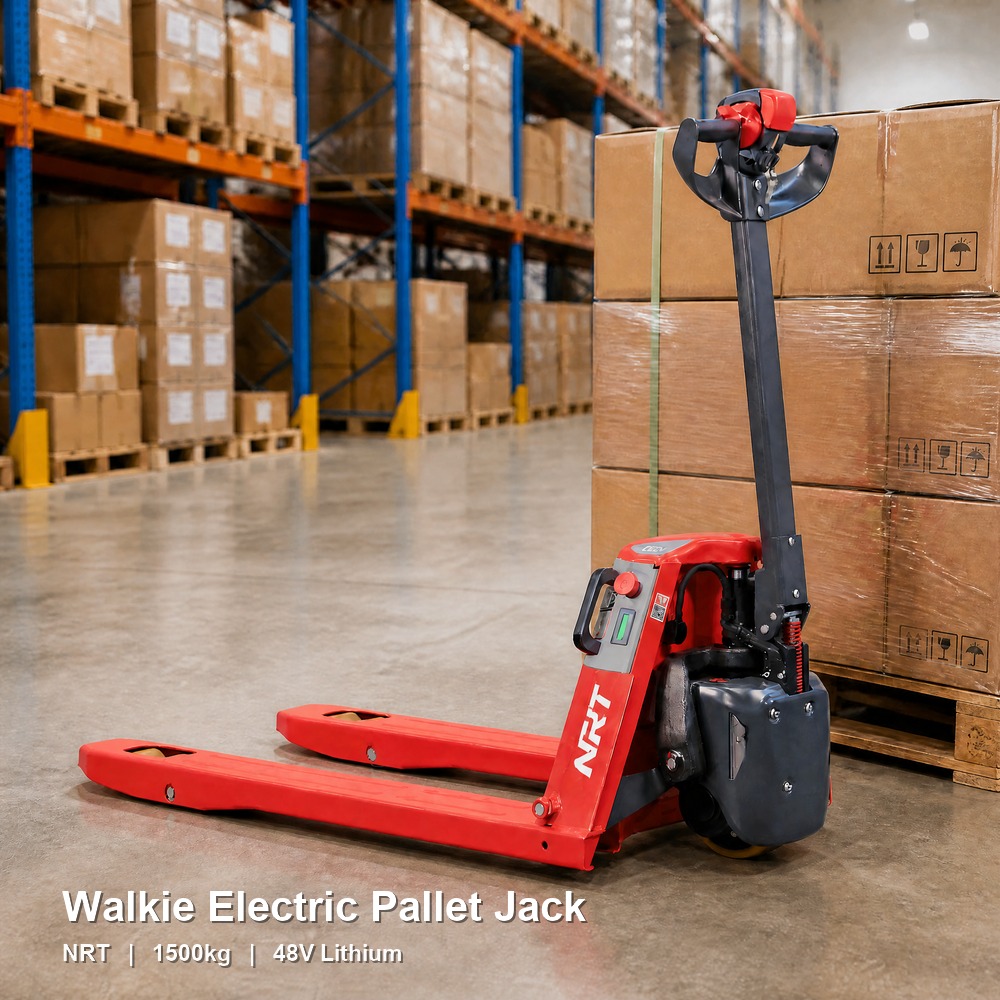
Electric Pallet Jack 1500kg 2000kg Walkie Pallet Truck Battery Powered Lithium Pallet Jack for Warehouse Loading
- Battery-powered lithium pallet jack for loading and unloading
- 1,500 kg to 2,000 kg capacity range
- Walkie format suits docks, warehouses and delivery staging
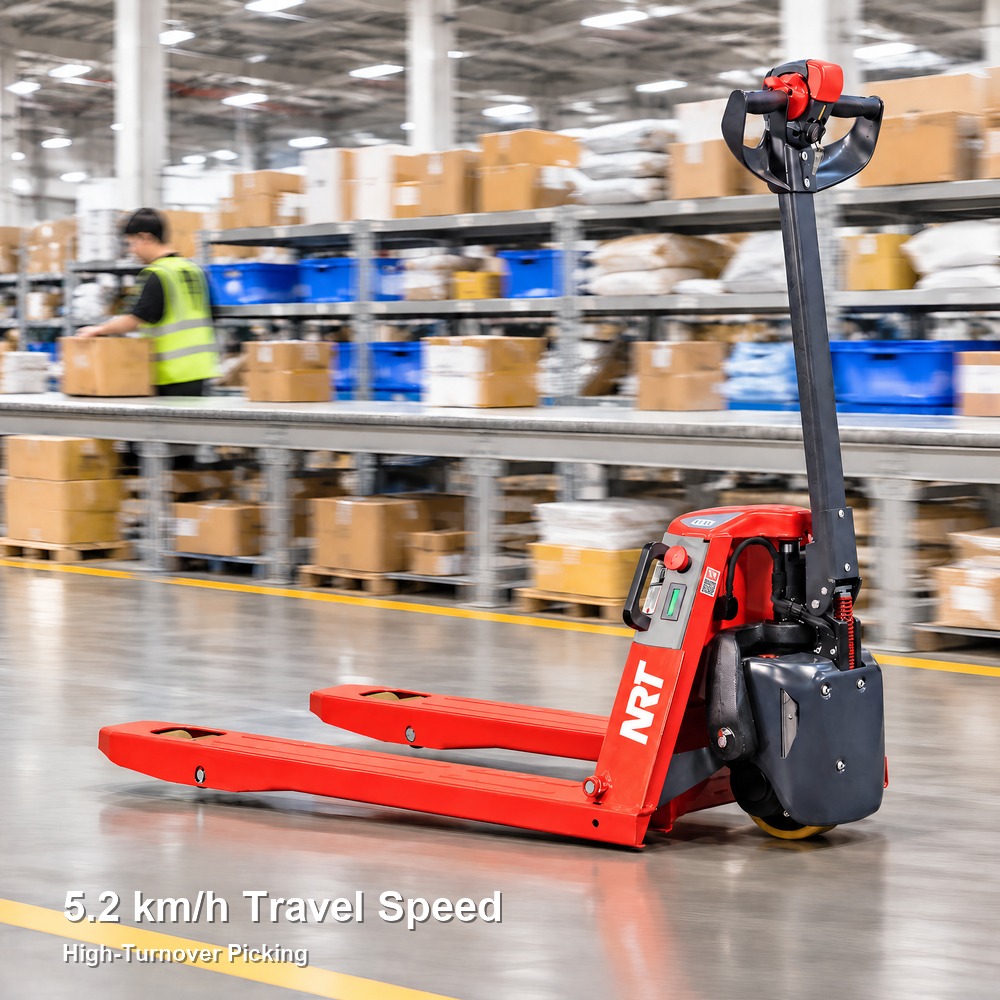
Electric Pallet Jack with Quick Release Drive Wheel 1Min Service 48V Lithium Walkie Pallet Truck 2000kg Capacity
- 2,000 kg capacity with quick-release drive-wheel service access
- 48V lithium walkie pallet truck architecture
- Helps reduce maintenance downtime for busy fleets
What “CE Certified” Really Means for a Pallet Truck in Makati
CE marking is a manufacturer’s declaration of conformity, not a universal certificate that can be copied from one model to another. For Makati procurement teams, the useful question is not “do you have CE?” but “which model, serial number and technical file support the CE marking?”
For electric pallet jacks and electric stackers, a credible CE documentation package should tie the machine, nameplate, electrical system and charger configuration to applicable standards and risk assessment. Depending on the model, buyers may request an EU Declaration of Conformity, technical-file reference, electromagnetic compatibility information, low-voltage or battery/charger documentation, load charts, operating manuals and maintenance instructions. A supplier that understands CE should be able to explain which document applies to the exact pallet lifting equipment being quoted, not simply send a generic logo image.
This matters in Makati because pallet equipment often enters mixed environments: a Class A office building goods lift in Legazpi Village, a food storage room in Bangkal, a retail stockroom along Chino Roces, or a last-mile depot used by a 3PL serving the wider Metro Manila market. Each site has different expectations for noise, emissions, floor loading, fire safety, battery charging, operator training and maintenance access. CE documentation supports the risk assessment, but it does not replace the site survey.
Makati buyers should also verify Philippine operating conditions. The local grid is typically 220–240V at 60Hz, so charger input, plug type and protection must be confirmed before shipment. Building management may restrict charging locations, delivery windows and goods-lift use. If the equipment will serve cold storage, confirm not only the declared temperature but also battery behaviour, condensation control, hydraulic performance and operator safety procedures at the specified temperature.
Xiamen Pexal Technology Co., Ltd. supports CE-marked configurations for applicable models by aligning the quoted model, serial number, technical documents and destination requirements. This is the practical E-E-A-T approach for Makati buyers: match documentation to the machine, match the machine to the site, and match the commercial terms to the buyer’s customs and delivery plan.
Makati Buyer’s CE Due-Diligence Checklist
Request the EU Declaration of Conformity for the exact model, confirm nameplate details and serial-number traceability, review charger and battery specifications for 220–240V/60Hz operation, ask for the load chart and maintenance manual, and verify that the Incoterm and delivery scope match your customs broker’s plan for the Port of Manila and final delivery to Makati.
Where Pallet Lifting Equipment Fits in Makati Operations
Makati is not a single warehouse market. It combines high-rise commercial buildings, compact retail spaces, food establishments, service offices, logistics touchpoints and distribution facilities around the city’s edges. The right pallet truck or stacker depends on the route, not only the load.
CBD High-Rise Deliveries
For Ayala Center, Legazpi Village and Salcedo Village buildings, a 300 mm slim-body 1,500 kg electric pallet jack or a 107 kg ultra-light lithium jack can fit service lifts and back-of-house corridors more comfortably than a conventional forklift.
Retail Backrooms and Pharmacies
Retail stockrooms along Chino Roces, Kalayaan and surrounding commercial streets often need quiet, low-emission electric pallet trucks that can move pallets from loading areas to storage rooms without disturbing customers.
Cold Rooms and Food Operations
Food distributors, commissaries and cold-chain service providers should review the 2,000 kg 48V lithium pallet jack with 6-second swap and -20°C cold-storage positioning. Battery strategy matters more than a headline capacity figure when multiple shifts share one route.
Warehouse and 3PL Racking
For racking inside Makati-based depots or nearby distribution facilities, the 2,000 kg electric stacker with 3,410 mm lift height and the centre-mounted stand-on stacker provide a more focused solution than a general-purpose forklift.
Last-Mile and Micro-Fulfillment
Compact urban fulfillment points need fast horizontal movement and staging. Lithium walkie pallet trucks reduce manual handling and can be allocated to receiving, picking support, dispatch or loading-bay transfer within a limited footprint.
Fit-Outs, Events and Facilities
Office fit-outs, events and building-service teams may prefer the ultra-lightweight 107 kg lithium pallet jack when goods lifts, corridor protection and transport between floors are critical. Always confirm building rules before using any powered equipment in common areas.
Makati Pallet Equipment Demand Is Shifting Toward Compact Electrification
Makati’s high-density commercial patterns encourage practical equipment choices: smaller footprints, quieter operation, flexible charging and stronger documentation for building management and safety teams.
High-Rise-First Equipment Planning
Freight elevator dimensions, door clearances, floor protection and receiving hours are now part of the equipment brief. Slim-body pallet trucks and ultra-light models reduce friction in buildings where conventional forklifts are unsuitable.
Lithium and Opportunity Charging
Lithium batteries support flexible charging between tasks, which fits Makati operations that cannot dedicate large battery rooms. Buyers should still evaluate charger voltage, charging area ventilation and task-cycle planning.
Green Building and Indoor Air Quality
More Makati facilities prefer zero-emission indoor handling to reduce noise and exhaust exposure. Electric pallet jacks and electric stackers align with these indoor environmental priorities, provided charging is planned safely.
Micro-Fulfillment Densification
E-commerce and quick-commerce flows reward compact, maneuverable pallet handling. A standard electric walkie pallet truck can become the shared asset between receiving, storage and dispatch zones in a space-constrained depot.
Cold-Chain and Food Safety Pressure
Cold-room operators need equipment specifications that address low-temperature use, condensation and uptime. Battery-swap pallet jacks are gaining attention where one machine must support continuous chilled handling.
Evidence-Based Procurement
Buyers increasingly compare documents, service access, spare-part lists and verified supplier records before price. This is especially important for CE-marked equipment where a generic certificate image is not enough.
Application Fit Index for Makati Buyers
How to Shortlist Pallet Lifting Equipment for a Makati Site
Use this practical matrix before requesting a quotation. The goal is to reduce back-and-forth, avoid unsuitable container loading, and make the CE documentation review faster.
| Site Need | Recommended Equipment | Why It Fits | Confirm Before Order |
|---|---|---|---|
| High-rise goods lift | 1500kg 300mm slim body electric pallet jack or 107kg ultra-light lithium jack | Compact footprint, lighter handling and better fit for service lifts and corridors | Lift dimensions, door width, floor protection and building approval |
| Cold storage at -20°C | 2000kg 48V lithium pallet jack with 6-second battery swap | Designed for cold storage positioning and reduced charging downtime | Actual operating temperature, battery strategy and charging location |
| Medium to high racking | 2000kg electric stacker with 3410mm lift height | Focused stacking capability for racking without a full forklift footprint | Rack beam height, aisle width, pallet type and load centre |
| Stable high-racking cycles | 2000kg stand-on electric stacker with centre-mounted drive | Twin balance wheels and stand-on format support repetitive stacking | Operator training, floor condition and duty cycle |
| Loading bay and horizontal transfer | 1500kg–2000kg lithium walkie pallet truck | Fast pallet movement with lower operating noise and no local exhaust | Ramp angle, dock plate, tyre type and daily distance |
| Maintenance-sensitive fleet | 2000kg quick-release drive wheel 48V lithium pallet truck | Quick service access helps reduce downtime in busy operations | Spare-part list, local service plan and operator routine checks |
Measure the Route
Record aisle width, lift door opening, freight elevator internal dimensions, ramp slope, floor loading and turning clearance before choosing a model.
Confirm the Load
State the maximum pallet weight, load centre, pallet type, racking height and whether the task is horizontal transfer or vertical stacking.
Check Power
Confirm 220–240V/60Hz charger input, charging area rules, battery type and opportunity-charging expectations for multi-shift use.
Verify Documents
Match the CE Declaration, nameplate, serial number, manual and test documents to the model being purchased, then confirm delivery terms to Makati.
Why Makati Buyers Shortlist Xiamen Pexal Technology
Xiamen Pexal Technology Co., Ltd. was founded in Xiamen, Fujian in 2024 as the sales, service and technical support base for Pexal material handling equipment, working with a 220,000 m² partner manufacturing campus employing more than 1,200 people, including over 100 engineers dedicated to electric warehouse equipment.
Export Support Built for Distributors and Fleet Buyers
Our practical mission is to help buyers move from manual handling to electric handling and from diesel dependence to battery power — reducing emissions, noise and operating cost while building toward more intelligent, digital logistics. For Makati-based dealers, rental companies and end users, that means product matching, customization and export coordination rather than a one-size-fits-all catalogue.
We offer sample-based customization, full customization and ODM services, including mast height, fork length, battery type, colour, logo and attachment configuration. Our company has passed an onsite check and supplier assessment conducted by SGS Group, and our verified company video is available for buyers to review before the first order. Trade capacity, transaction level, credit index, trade history and transaction history can be reviewed as part of supplier due diligence.
SGS Onsite Assessment
Third-party onsite verification reduces supplier uncertainty for overseas buyers who cannot visit Xiamen before placing a first order.
Partner Production Scale
A 220,000 m² partner manufacturing campus and 1,200+ workforce support container orders and recurring dealer stock planning.
Engineering Customization
More than 100 engineers focus on electric warehouse equipment, supporting model configuration, battery choice and application review.
Five Export Regions
Main export markets include Western Europe, North America, South America, Eastern Europe and Oceania, serving dealers, rental companies and end users.
Flexible Trade Terms
Common delivery terms include FOB, CFR, CIF, EXW, FCA, CPT, CIP and DDP, with multiple payment methods and currencies for international buyers.
Documentation Orientation
For CE-marked configurations, we align quotations, model details and requested conformity documents so Makati buyers can review evidence before commitment.
Common Questions from Makati Buyers and Wholesalers
These are the practical questions raised by importers, dealers, warehouse managers and facility teams when evaluating CE-certified pallet lifting equipment for Makati delivery.
Can you supply CE-certified pallet lifting equipment to Makati, and what documents should we request?
Yes, for applicable models and configurations. Request the EU Declaration of Conformity for the exact model, nameplate details, serial-number traceability, applicable test or technical-file information, operating manual, maintenance manual, charger specifications and load chart. A generic certificate image is not enough. Confirm that the document set matches the machine being shipped to your Makati site.
Which electric pallet truck is best for Makati CBD freight elevators and narrow aisles?
Start with the 1500kg 300mm slim body electric pallet jack for conventional goods lifts and narrow back-of-house routes. If the building has tight service lifts, low floor-loading tolerance or frequent multi-floor movement, review the ultra-lightweight 107kg lithium electric pallet jack. Always measure the elevator door, cabin, corridor turns and ramp before ordering.
Can you arrange delivery to a Makati address?
We can support export shipment from Xiamen with delivery terms such as FOB, CFR, CIF, EXW, FCA, CPT, CIP and DDP by quotation. Makati buyers should confirm the receiving address, loading-bay access, delivery hours, building management requirements, customs broker and final unloading plan. The Port of Manila and local trucking schedule should be built into the delivery timeline.
Which model should we use for cold storage at -20°C?
Review the 2000kg electric pallet jack with 48V lithium battery, 6-second swap concept, 300mm slim body and -20°C cold-storage positioning. Confirm the actual operating temperature, charging plan, condensation controls, floor condition and operator safety procedures. For multi-shift cold rooms, battery strategy and spare-part availability are as important as nominal capacity.
Do you support OEM, ODM and wholesaler requirements?
Yes. Xiamen Pexal Technology Co., Ltd. offers sample-based customization, full customization and ODM services. Typical configuration areas include mast height, fork length, battery type, colour, logo and attachment configuration. Wholesalers and dealers should share target market requirements early so that CE documentation, charger details, labeling and packaging can be reviewed together.
What are your Incoterms, payment methods and currencies?
Common delivery terms include FOB, CFR, CIF, EXW, FCA, CPT, CIP and DDP. Payment methods include T/T, L/C, D/P, D/A, Western Union, PayPal, credit card and escrow. Accepted currencies include USD, EUR, GBP, JPY, CAD, AUD, HKD, CHF and CNY. Final commercial terms depend on model, order value, destination and documentation requirements.
How can Makati buyers verify the supplier before placing an order?
Review the SGS onsite check and supplier assessment, verified company video, trade capacity, transaction level, credit index, trade history and transaction history. Then compare the quotation against the model specification, CE documentation scope, charger configuration, packing plan and after-sales support. Cross-checking these points is good procurement practice for any international material handling equipment order.
What after-sales and spare-part planning should be considered for Makati?
Before shipment, request a recommended spare-part list, maintenance schedule, operator training material and electrical/hydraulic diagrams. For fleets, plan common wear parts such as wheels, seals, charger accessories and battery components. Confirm how technical support will be handled after arrival, who will service the equipment locally and what response time your operation requires.
Plan Your Makati Pallet Equipment Order with Product and Documentation Support
Share your pallet load, freight elevator dimensions, aisle width, racking height, cold-room temperature, charging power and delivery address. We will help match the right electric pallet jack or stacker, confirm CE-related documents for applicable models, and prepare an export quotation for Makati delivery.
For faster quotation review, prepare the model quantity, destination, Incoterm preference and any document requirements for your customs broker or building management team.