CE Certified Lithium Battery Forklift Factories: What New York Buyers Are Really Looking For
The phrase “CE certified lithium battery forklift factories” sounds like a simple supplier search, but the real search intent is more specific. Buyers in New York and the wider Tri-State area want a factory relationship that can supply compact lithium battery pallet trucks, stackers and electric forklift alternatives with consistent documentation, export packaging, spare parts and responsive engineering support.
A dealer in Brooklyn may need a 685 mm narrow-fork pallet truck for container unloading. A cold-storage operator in New Jersey may need a 2000 kg electric pallet jack that performs at -20°C. A building-material shop in Queens may need a stand-on stacker that can work in a loading dock with limited turning space. These are different applications, but they lead to the same procurement question: which factory can document capability, customize the unit and support the market after delivery?
This guide is written from that perspective. It is not a generic catalog page. It translates the New York buying journey into engineering checkpoints, local application scenarios and practical questions to ask before you approve a sample, issue a PO or book a container. Xiamen Pexal Technology Co., Ltd. works with a 220,000 m² partner manufacturing campus, a workforce of more than 1,200 people and an engineering team of over 100 specialists. The company has passed an onsite supplier assessment and onsite check by SGS Group, and it supplies dealers, rental companies and end users across Western Europe, North America, South America, Eastern Europe and Oceania. That combination — factory scale, third-party verification and export experience — is the foundation of the E-E-A-T signals procurement teams should look for.
CE Marking, New York Compliance and the “Factory Ready” Audit
CE marking is often presented as a sticker, but serious buyers treat it as a document trail. For a New York deployment, the audit does not stop at European conformity language. It must connect the exact model, battery, charger, labels, manuals and workplace conditions.
Technical File, Not Just a Label
Request the applicable declaration and technical file for the exact model and configuration. CE marking is model-specific and depends on the final battery, charger, mast, fork and electrical package. A responsible factory will match the document to the serial unit you order.
Battery and Charger Integration
Lithium battery pallet trucks depend on BMS behavior, charger communication, thermal limits and charging area ventilation. Confirm whether the unit is supplied with a compatible charger, what plug type is needed for New York, and how the BMS protects the pack during opportunity charging.
US Workplace Compliance Review
CE is a European conformity framework. For US deployment, verify OSHA 1910.178 for powered industrial trucks, ANSI/ITSDF B56.1 as a widely referenced safety standard, charger listings where applicable, local fire-code review and operator training expectations.
New York Site Reality
Urban warehouses in Brooklyn, Queens, the Bronx and Long Island often face tight aisles, freight elevators, dock levelers, mixed pallet quality and cold-weather exposure. A 1500 kg or 2000 kg pallet truck must be specified around the site, not only around the catalog capacity.
Spare Parts, Manuals & Training
Ask for exploded diagrams, recommended spare-parts lists, English manuals, controller fault codes and training materials before the first shipment. A factory that supports distributors with service information reduces downtime for New York end users and protects dealer margins.
Total Cost of Ownership
Compare acquisition cost with battery life, charging labor, maintenance access, tire wear, brake service and parts availability. For multi-shift operations, a well-configured lithium model can reduce battery swapping and charging-room pressure compared with older lead-acid routines.
8 Lithium Battery Pallet Trucks and Stackers for New York Warehouses
The eight models below cover common New York use cases: narrow-aisle retail backrooms, loading-dock container unloading, building-material shops, distribution centers, cold storage and supermarket pallet handling. Product URLs and images are preserved so buyers can review each model directly.
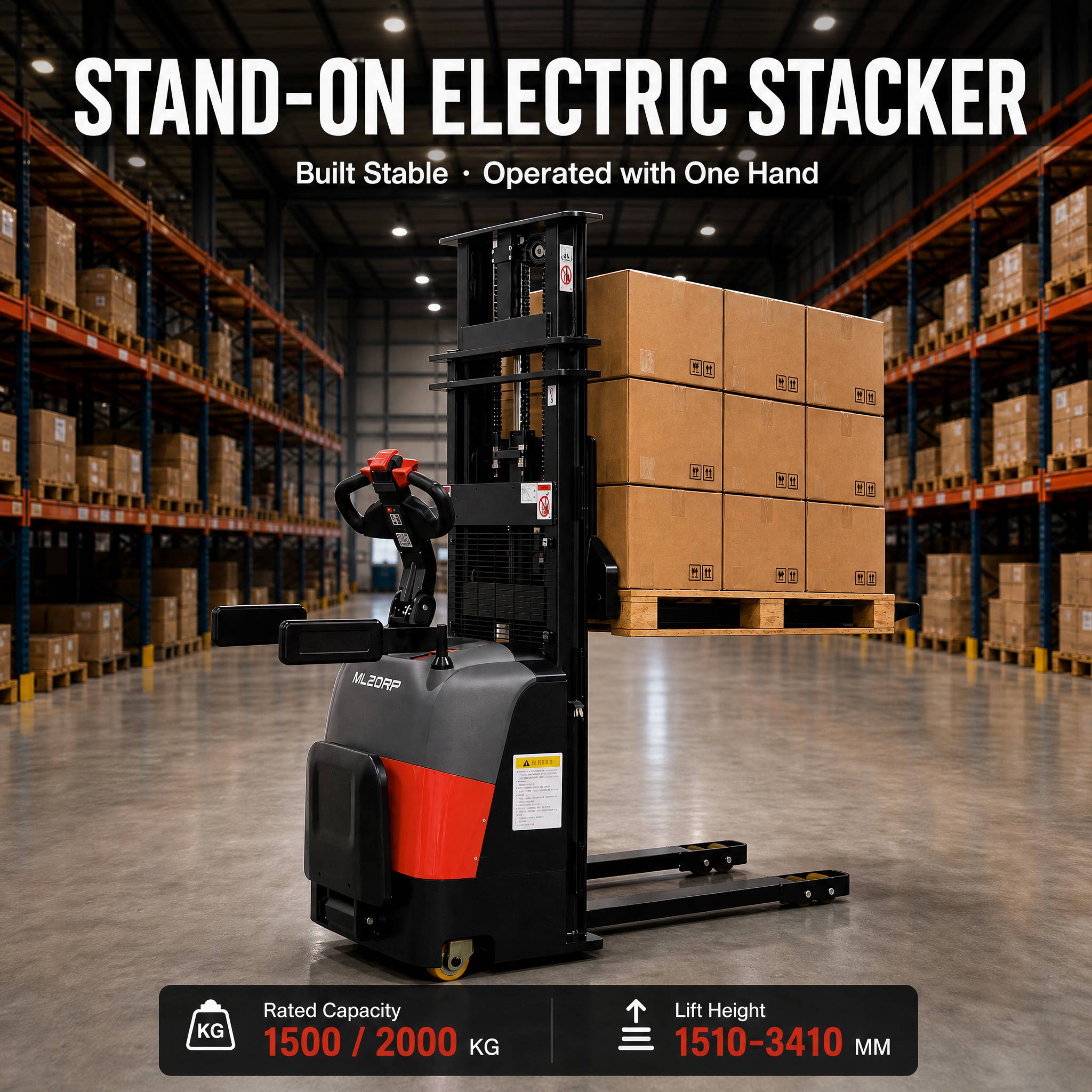
Channel Steel Mast Electric Pallet Stacker 2000kg 90mm Lowered Fork Height Stable High Rack Stacking
A stable high-rack stacker for Queens and Brooklyn warehouses where pallet entry height and repeated lifting cycles matter. The 90 mm lowered fork height helps with standard pallets and dock-to-rack movement.
View product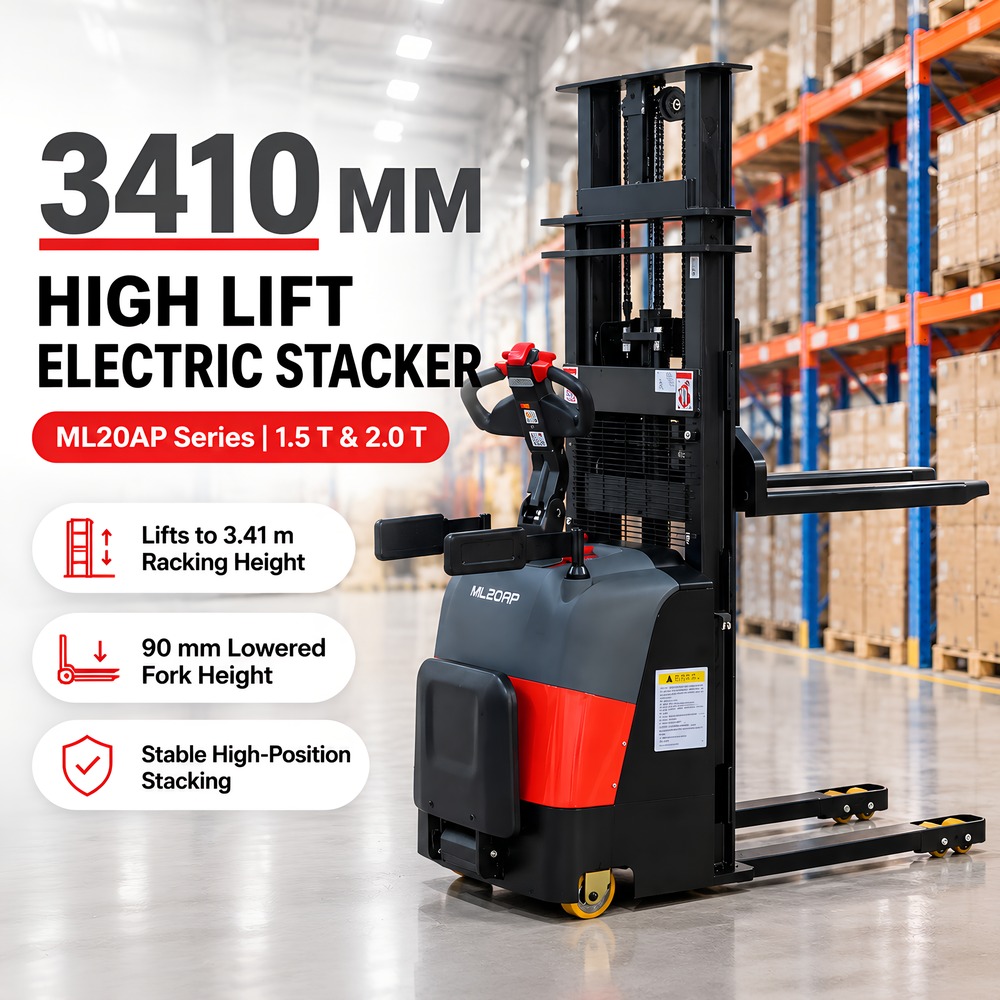
ML20AP Stand on Electric Stacker Truck 2000kg Warehouse Stacker for Narrow Aisle Loading Dock Building Material Shops
A stand-on stacker for longer travel distances in building-material shops, lumber yards and busy loading docks. It supports operators who need faster dock-to-storage movement without the footprint of a full counterbalance forklift.
View product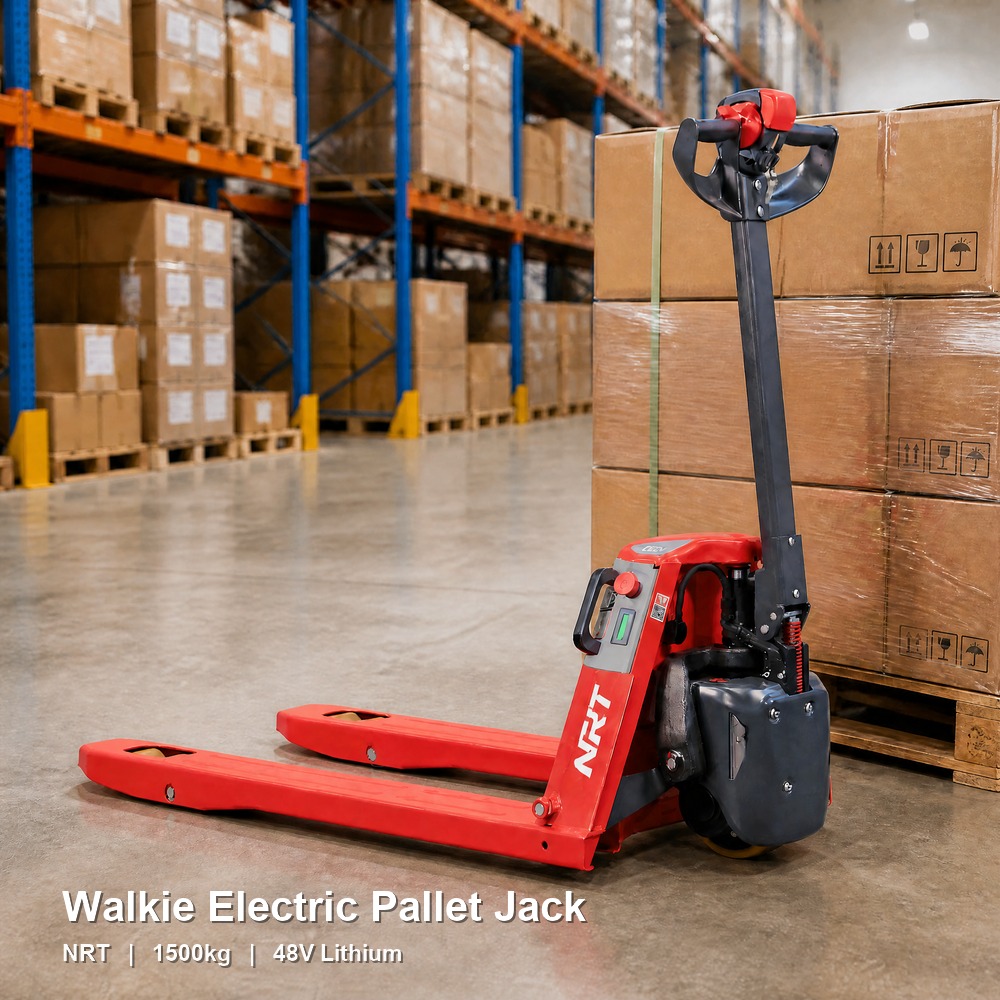
Electric Pallet Jack 1500kg 2000kg Walkie Pallet Truck Battery Powered Lithium Pallet Jack for Warehouse Loading
A practical walkie pallet truck for Manhattan retail backrooms, Bronx distribution points and warehouse loading lanes. The flexible capacity range suits mixed pallet loads while keeping the unit compact for urban facilities.
View product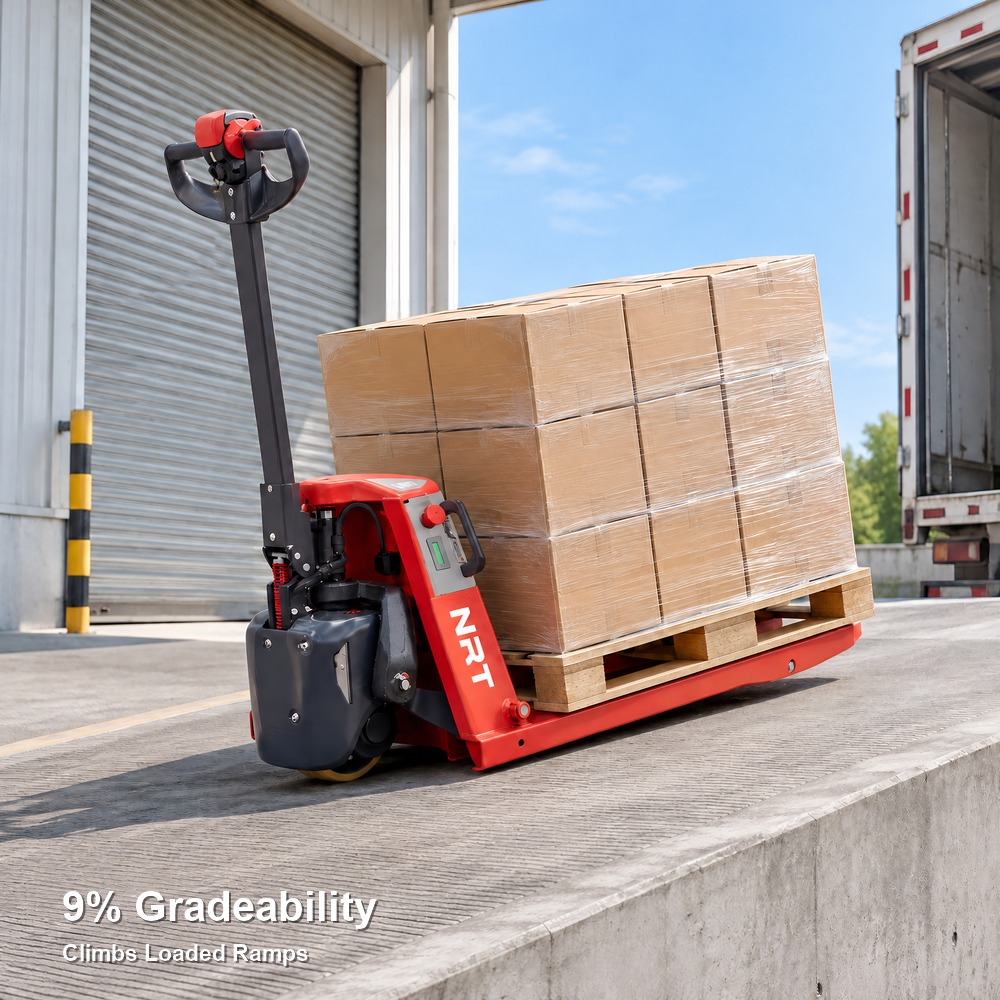
Lithium Battery Electric Pallet Jack Truck 1500kg 2000kg Walkie Pallet Jack Electric Forklift Alternative for Warehouse
An electric forklift alternative for horizontal pallet transport, dock work and supermarket replenishment. It is well suited to New York sites that need lower noise and zero local emissions without committing to a large rider truck.
View product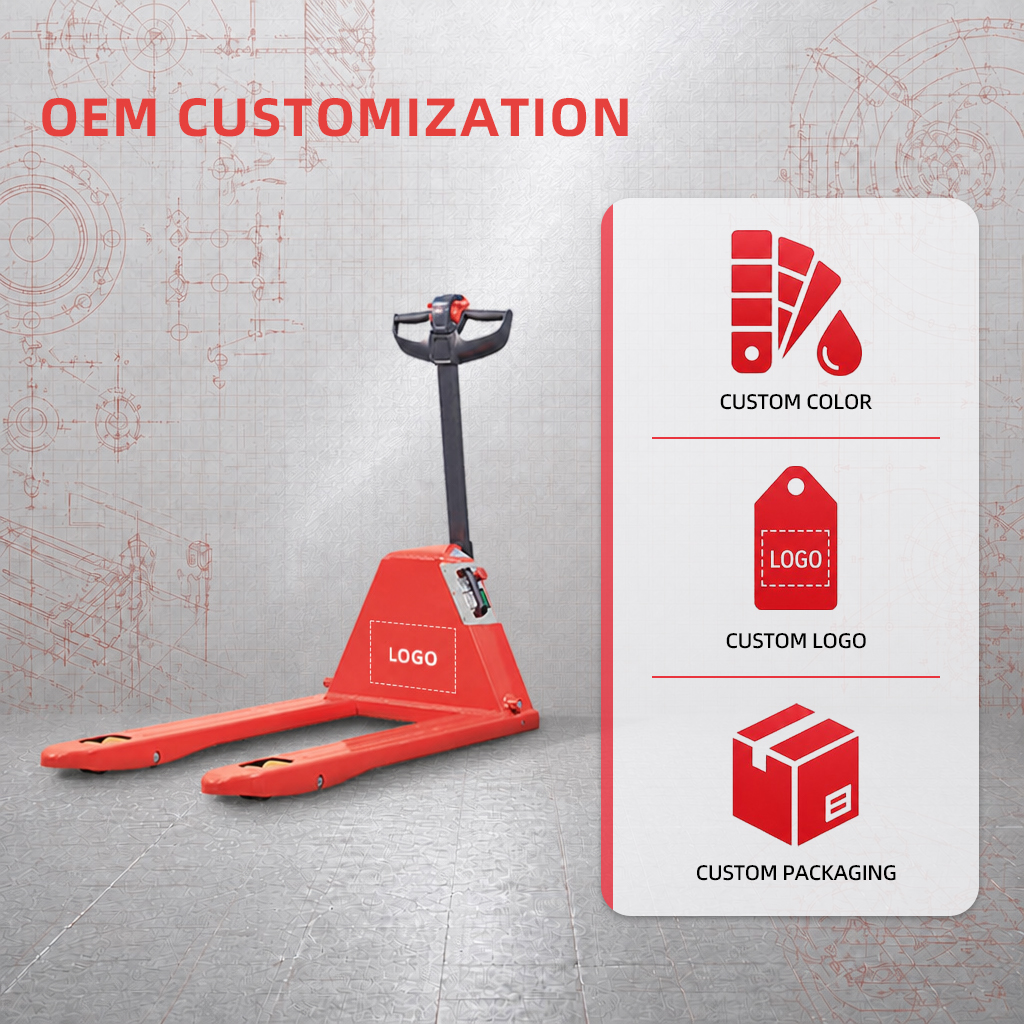
Efficient 2 Ton Electric Pallet Jack 2000kg Capacity: Best Material Handling Solution for Logistics Centers 2026 Hot Sale
A 2,000 kg electric pallet jack aimed at logistics centers, cross-dock operations and last-mile fulfillment hubs. It is a strong candidate for repetitive pallet moves where battery endurance and simple operation matter.
View product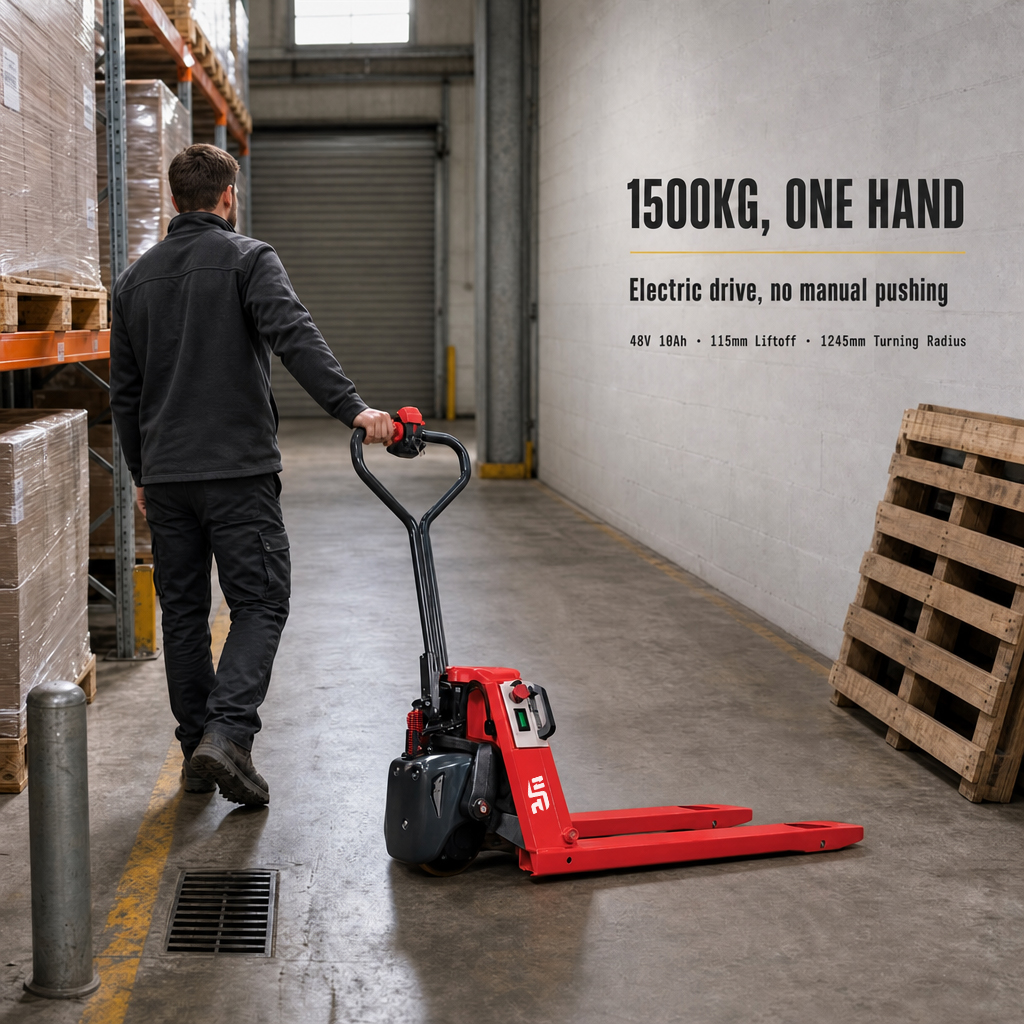
Electric Pallet Truck for Distribution Center Workshop Supermarket Pallet Handling 1500kg Lithium Battery Walkie Jack
A 1500 kg lithium walkie jack for distribution centers, workshops and supermarket pallet handling. Its size is useful in New York retail environments where aisles, storage rooms and receiving areas are tight.
View product
2000kg Walkie Electric Pallet Jack 685mm Width Narrow Fork Pallet Truck with Lithium Battery for Container Loading
A narrow 685 mm fork design for container loading and tight entry points. It is relevant for Port of New York and New Jersey container stripping, warehouse receiving and pallet movement in space-restricted urban facilities.
View product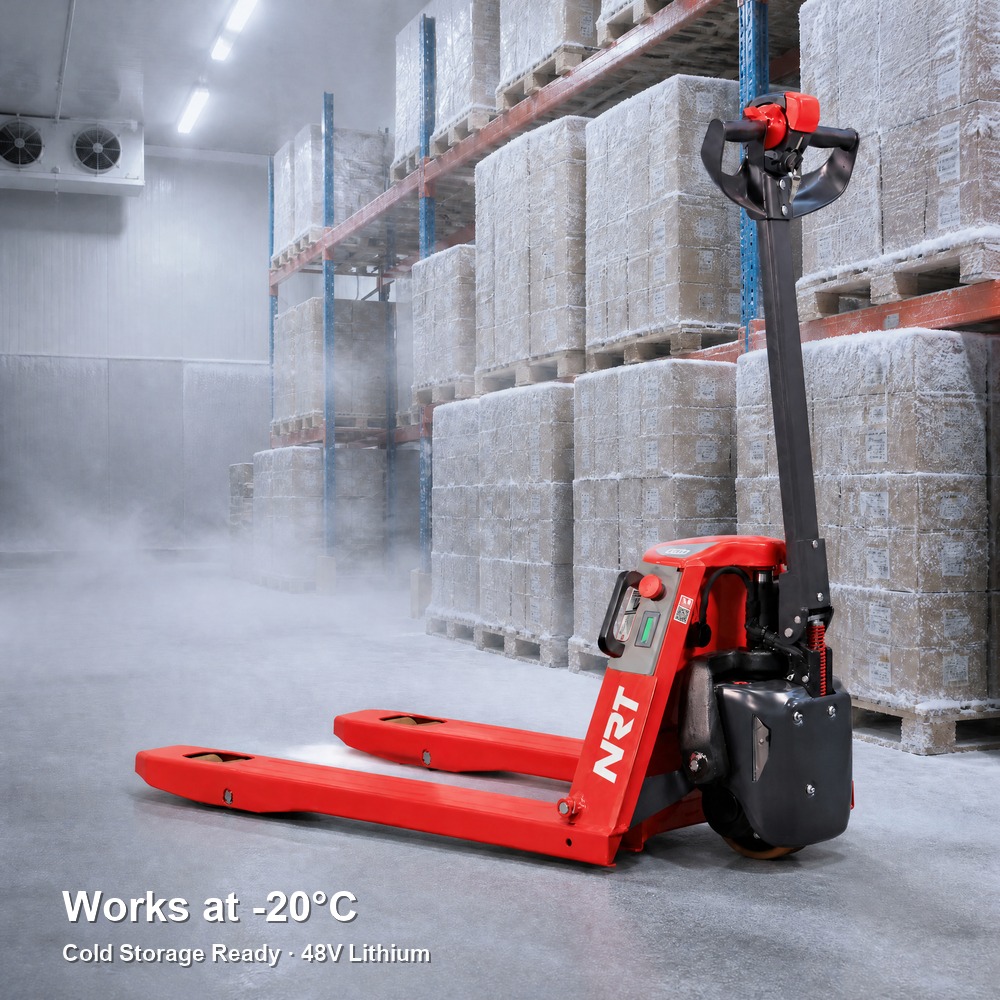
Electric Pallet Jack 2000kg with 48V Lithium Battery 6s Swap 300mm Slim Body Climbing 9% for Cold Storage -20C
A cold-storage-oriented 48V lithium pallet jack with fast battery swap access, a slim 300 mm body and 9% climbing capability. It is suited to New York and New Jersey cold-chain facilities that need reliable pallet movement at -20°C.
View productWhere Lithium Battery Pallet Trucks Fit in New York and the Tri-State Area
New York is not a single warehousing market. A compact pallet jack that works in a Manhattan retail stockroom may not be the right answer for a New Jersey cold-storage dock or a Long Island building-supply yard. The application should decide the configuration.
Brooklyn & Queens Urban Fulfillment
Multi-stop fulfillment centers often have compact receiving areas, tight turning space and mixed pallet quality. A 1500 kg or 2000 kg walkie pallet jack with lithium battery support can reduce noise and emissions during early-morning loading.
Bronx Building-Material Shops
Building-material shops need reliable dock-to-yard movement and moderate lifting. The ML20AP stand-on stacker is relevant where operators travel longer distances and need a stable platform for repeated pallet handling.
New Jersey Cold-Chain Facilities
Cold-storage operations need batteries, controllers and hydraulic systems that tolerate low temperatures. The 48V lithium model with -20°C cold-storage positioning and fast battery swap is a practical starting point for further engineering review.
Port of New York & New Jersey Container Loading
Container stripping and loading often reward narrow fork widths and predictable pallet entry. The 685 mm fork pallet truck supports tight container work, while the 6-second battery swap concept helps maintain uptime across shifts.
Long Island Distribution Centers
Distribution centers with high pallet throughput can use 2-ton electric pallet jacks for horizontal transport and reserve stackers or forklifts for lifting. This mixed-fleet approach can reduce total cost while keeping work zones safer.
Manhattan Retail & Backroom Replenishment
Retail backrooms and freight elevators place a premium on compact bodies and easy operation. A 1500 kg lithium walkie jack can support pallet receiving, shelf replenishment and waste movement without the footprint of a rider truck.
2026 Trends Shaping New York Material Handling Procurement
New York buyers are balancing warehouse rents, labor availability, sustainability targets, fire-code reviews and the need for faster dock turnaround. These pressures are changing how dealers and fleet managers evaluate lithium battery equipment.
Compact Equipment for Expensive Space
With high real-estate costs across New York City and nearby New Jersey logistics corridors, compact pallet trucks and narrow-fork models are becoming more attractive than oversized equipment that wastes aisle space.
Lithium Adoption and Charging-Room Pressure
Facilities are reviewing opportunity charging, battery swap and charger placement. Lithium pallet trucks can simplify charging routines, but the buyer must still confirm charger compatibility, ventilation and electrical capacity with the site.
Cold-Chain Expansion
Food, pharmaceutical and grocery distribution continues to invest in cold and frozen storage. Equipment specified for low temperatures needs battery and hydraulic validation, not just a standard warehouse rating.
Port and Last-Mile Efficiency
Container unloading, cross-docking and urban delivery routes reward equipment that can move pallets quickly with minimal training. Narrow-fork pallet trucks and stand-on stackers are often part of that workflow.
Safety and Operator Training
OSHA-style powered industrial truck training, pre-shift inspection and pedestrian awareness remain essential. A supplier should provide English manuals, warning labels and service information that support a documented safety program.
Dealer and ODM Differentiation
Distributors want factory support for private-label colors, logos, packaging, manuals and model mixes. OEM/ODM flexibility helps New York dealers serve niche applications without holding every configuration in stock.
How to Match a Lithium Pallet Truck to a New York Site
Use this fit matrix as an initial screening tool, then confirm load center, pallet type, aisle width, floor condition, lift height, charger voltage and duty cycle with an application engineer. A model that scores highly for container loading may not be the best choice for high-rack stacking or cold storage.
- Narrow aisles: consider the 685 mm fork or compact walkie models.
- Container loading: confirm fork width, entry height and battery swap access.
- Cold storage: verify -20°C configuration, BMS limits and charger placement.
- High-rack stacking: review mast type, lowered fork height and capacity at height.
- Multi-shift work: calculate charging windows, battery capacity and spare-pack strategy.
Why Xiamen Pexal Technology Co., Ltd. Is a Credible Factory Partner for New York Buyers
In cross-border material handling procurement, credibility is built from verifiable facts: production scale, engineering depth, third-party assessment, customization capability, export experience and a clear product range. The following advantages come directly from the company profile and supplier assessment information.
SGS Onsite-Assessed Supplier
Xiamen Pexal Technology Co., Ltd. has passed an onsite supplier assessment and onsite check by SGS Group. Business type, main products, main markets and capabilities were reviewed onsite, giving New York buyers an independent reference before procurement.
Large Partner Manufacturing Campus
The company works with a 220,000 m² partner manufacturing campus and a workforce of more than 1,200 people. This scale supports container orders, recurring dealer stock, pre-shipment quality control and export packaging requirements.
100+ Engineering Specialists
More than 100 engineers are dedicated to electric warehouse equipment and material handling solutions. Their role is to translate site data into configuration recommendations, not merely quote a model number and capacity.
OEM, ODM and Custom Configuration
Pexal offers sample-based customization, full customization and ODM services. Buyers can discuss mast height, fork length, battery type, color, logo, labels, manuals, packaging and attachment requirements for the New York market.
Global Trade Support
The company serves dealers, rental companies and end users across Western Europe, North America, South America, Eastern Europe and Oceania. It accepts common Incoterms and multiple payment methods, with export logistics supported through Xiamen.
Broad Electric Equipment Range
Product coverage includes electric forklifts, electric pallet trucks, electric pallet stackers, electric reach trucks, order pickers and automated guided forklifts. This range helps dealers build a complete warehouse equipment offer from one supplier relationship.
A Practical 4-Step Path from Search to Shipment
For New York buyers, the fastest path to a reliable quotation is to share the application data upfront. This reduces back-and-forth and helps the factory propose a configuration that can be documented, tested and shipped.
Define the Load
Provide maximum pallet weight, pallet size, load center and any special attachment. Confirm whether 1500 kg or 2000 kg is the true working requirement.
Measure the Site
Share aisle width, door height, racking height, dock leveler condition, floor surface and outdoor exposure. For cold storage, specify the minimum temperature.
Set the Duty Cycle
Document hours per shift, shifts per day, travel distance and charging windows. This determines battery capacity, swap strategy and charger selection.
Confirm Documents & Logistics
List the applicable CE-oriented documents, US compliance expectations, charger voltage, manual language, shipping port, Incoterms and target delivery schedule.
Common Questions About CE Certified Lithium Battery Forklifts and Pallet Trucks
These are the questions dealers, warehouse operators and fleet managers most often ask when evaluating a lithium battery forklift factory for New York and the Tri-State area.
Is CE certification enough for a lithium battery forklift used in New York?
No. CE supports European conformity, but a New York deployment should also review OSHA 1910.178, ANSI/ITSDF B56.1 where applicable, charger listings, local fire-code requirements and workplace charging conditions. Ask the factory for the exact model documents, not a generic certificate.
Which model works best in narrow Brooklyn or Queens aisles?
Start with the 685 mm narrow-fork walkie electric pallet jack for container and tight-aisle work, or the ML20AP stand-on stacker where operators need a stable platform for longer travel. Measure the narrowest aisle and door before confirming the model.
Can an electric pallet jack handle -20°C cold storage?
The 48V lithium cold-storage model is designed for low-temperature applications, with fast battery swap and slim-body access. Final suitability depends on BMS limits, charger placement, condensation control and the number of hours the truck remains in the freezer.
Should I choose 1500 kg or 2000 kg capacity?
Use 1500 kg for lighter retail, supermarket and workshop pallets. Use 2000 kg for building materials, dense distribution loads, container work and applications with heavier pallets. Always confirm capacity at the actual load center and lift height.
What charger voltage and plug should I specify for New York?
New York facilities may use single-phase 120V or three-phase 208V, 230V or 480V depending on the building. The charger must be selected for the site’s electrical supply, and the buyer should confirm local listing and installation requirements with a qualified electrician.
Do you support OEM, ODM and dealer branding?
Yes. Xiamen Pexal Technology Co., Ltd. offers sample-based customization, full customization and ODM services, including mast height, fork length, battery type, color, logo, labels, manuals and packaging configuration. This is useful for New York dealers building a private-label warehouse equipment line.
Which Incoterms and payment methods do you accept?
Common delivery terms include FOB, CFR, CIF, EXW, FCA, CPT, CIP and DDP. Payment methods can include T/T, L/C, D/P, D/A, Western Union, PayPal, credit card and escrow. Accepted currencies include USD, EUR, GBP, JPY, CAD, AUD, HKD, CHF and CNY.
How are spare parts, manuals and after-sales support handled?
Request a recommended spare-parts list, controller fault-code information, English manuals and training materials with the quotation. For New York buyers, it is also important to clarify warranty terms, battery documentation, charger support and the fastest path to replacement parts after delivery.
Request a CE-Oriented Lithium Battery Forklift Configuration for New York
Share your load, aisle width, lift height, duty cycle, charger voltage, target port and the compliance documents you need. Our application desk can recommend the right electric pallet jack, stacker or forklift alternative and prepare a factory quotation for your New York or Tri-State project.