8 Electric Handling Equipment Products for Hamburg Workflows
From container devanning at the Port of Hamburg to narrow-aisle stacking in leased urban warehouses, these configurations cover the tasks buyers most often shortlist when comparing CE-ready electric pallet trucks and stackers.
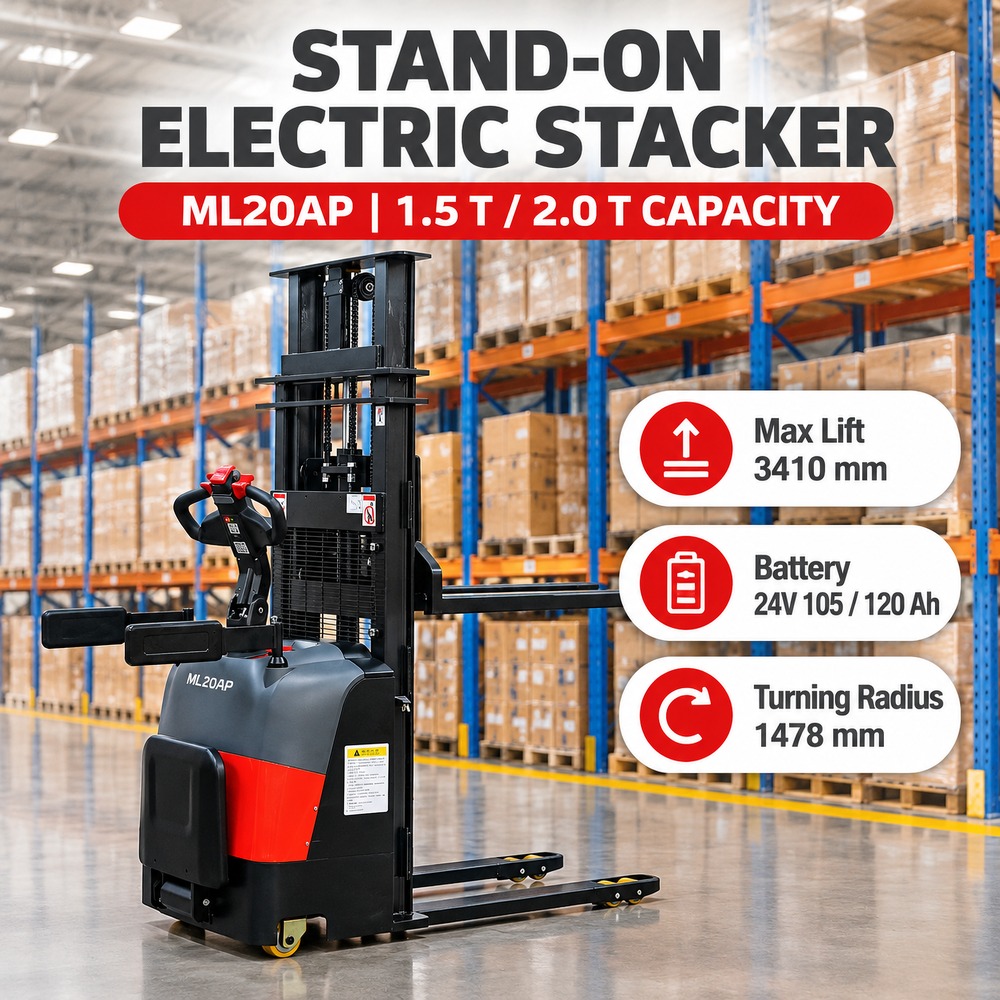
Warehouse Stacker Truck 1500kg 2000kg Electric Pallet Stacker 24V 105Ah Maintenance Free Battery
A 24V 105Ah maintenance-free battery platform makes this warehouse stacker relevant for Hamburg 3PL sites running two or three shifts. Use it for pallet put-away, low-to-medium racking and horizontal transfer where fast battery turnaround matters.
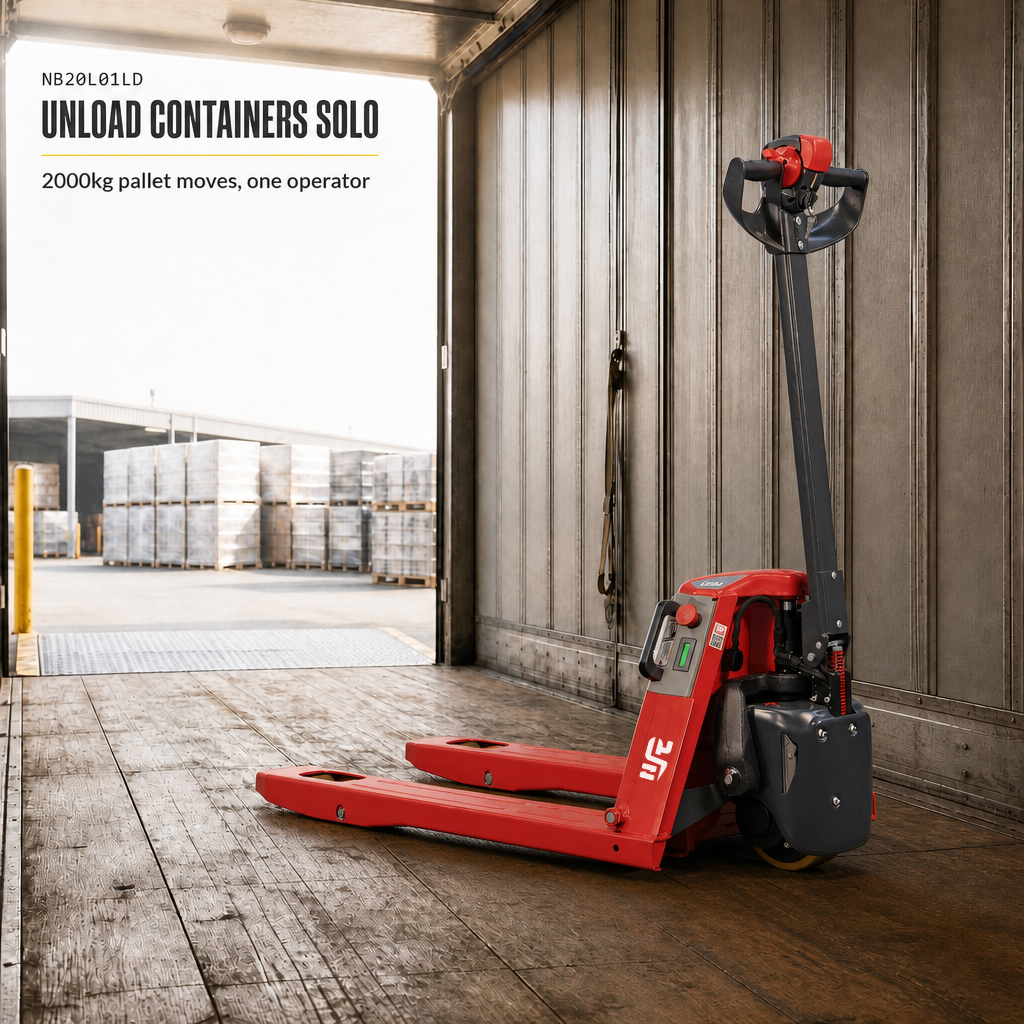
2000kg Electric Pallet Truck Lithium Ion 48V 10Ah Power Jack 1150mm Forks Polyurethane Wheels Container Loading
Container devanning, dock levelling and cross-dock transfer are recurring tasks around the Port of Hamburg. The 1150mm forks, 2000kg capacity, lithium-ion battery and polyurethane wheels help reduce pallet friction on smooth concrete while staying compact inside containers.
ML20AP Stand on Electric Stacker 2000kg 3410mm Max Lift 1478mm Turning Radius 820mm Body Width
With 3410mm lift, a 1478mm turning radius and an 820mm body width, the ML20AP is aimed at Hamburg operators who pay for every square metre of warehouse space. It suits stand-on loading, high-rack replenishment and narrow transfer routes.
Battery Powered Pallet Jack Truck 48V Lithium Walkie Type for Narrow Aisle Warehouse Elevator Loading Unloading
A 48V lithium walkie pallet jack for narrow aisles, elevators and freight-box loading. This is the type of truck procurement teams specify when a standard pallet truck is too wide for city-centre retail or multi-tenant logistics buildings.
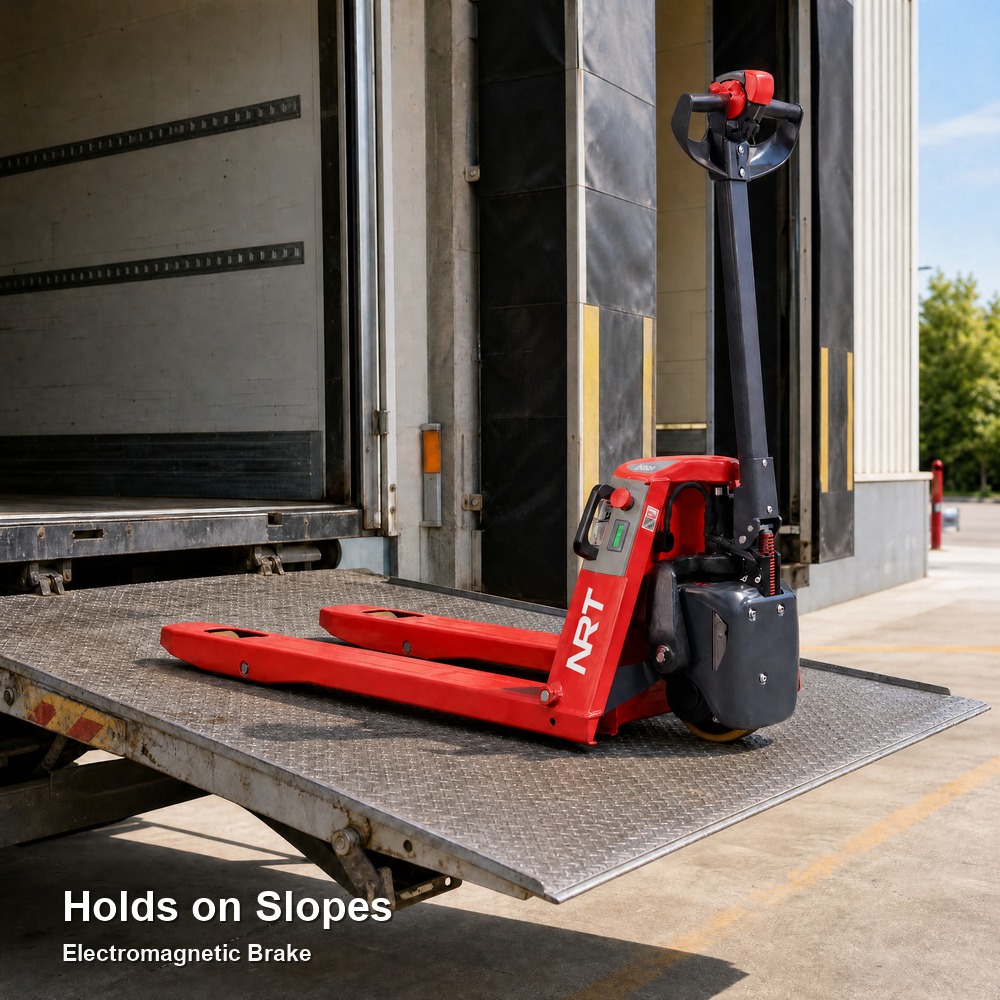
Electric Pallet Jack 1500kg 300mm Slim Body Walkie Pallet Truck for Elevator Freight Box Narrow Aisle Handling
The 1500kg slim-body model with 300mm body width is useful in Hamburg elevators, small freight boxes and retail backrooms. It keeps handling electric while fitting spaces where a conventional counterbalance forklift cannot safely operate.
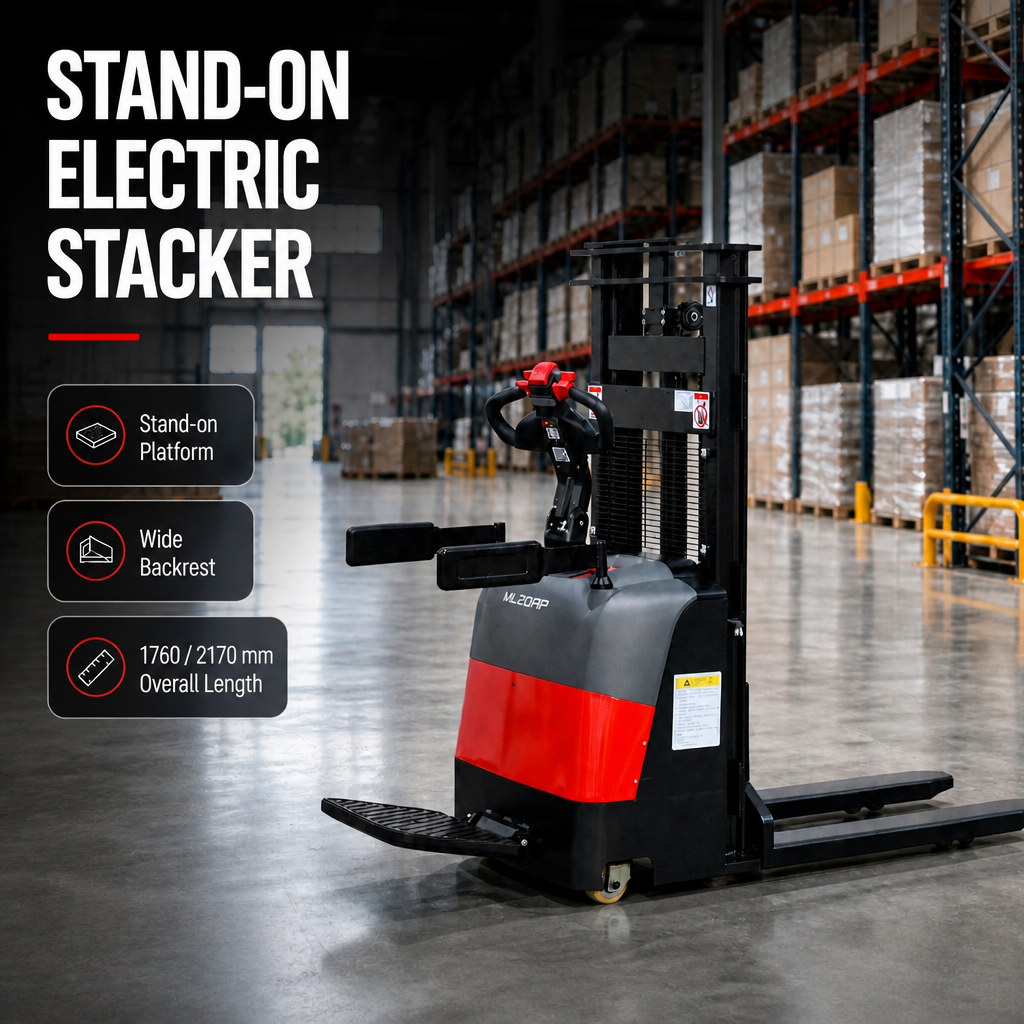
Electric Stacker Truck 2000kg Pallet Stacker Forklift 3410mm Lift for Warehouse Loading Unloading
A general-purpose 2000kg electric stacker with 3410mm lift for warehouse loading, unloading and pallet stacking. It is a practical starting point for distributors standardising a mixed fleet of stackers and pallet trucks.
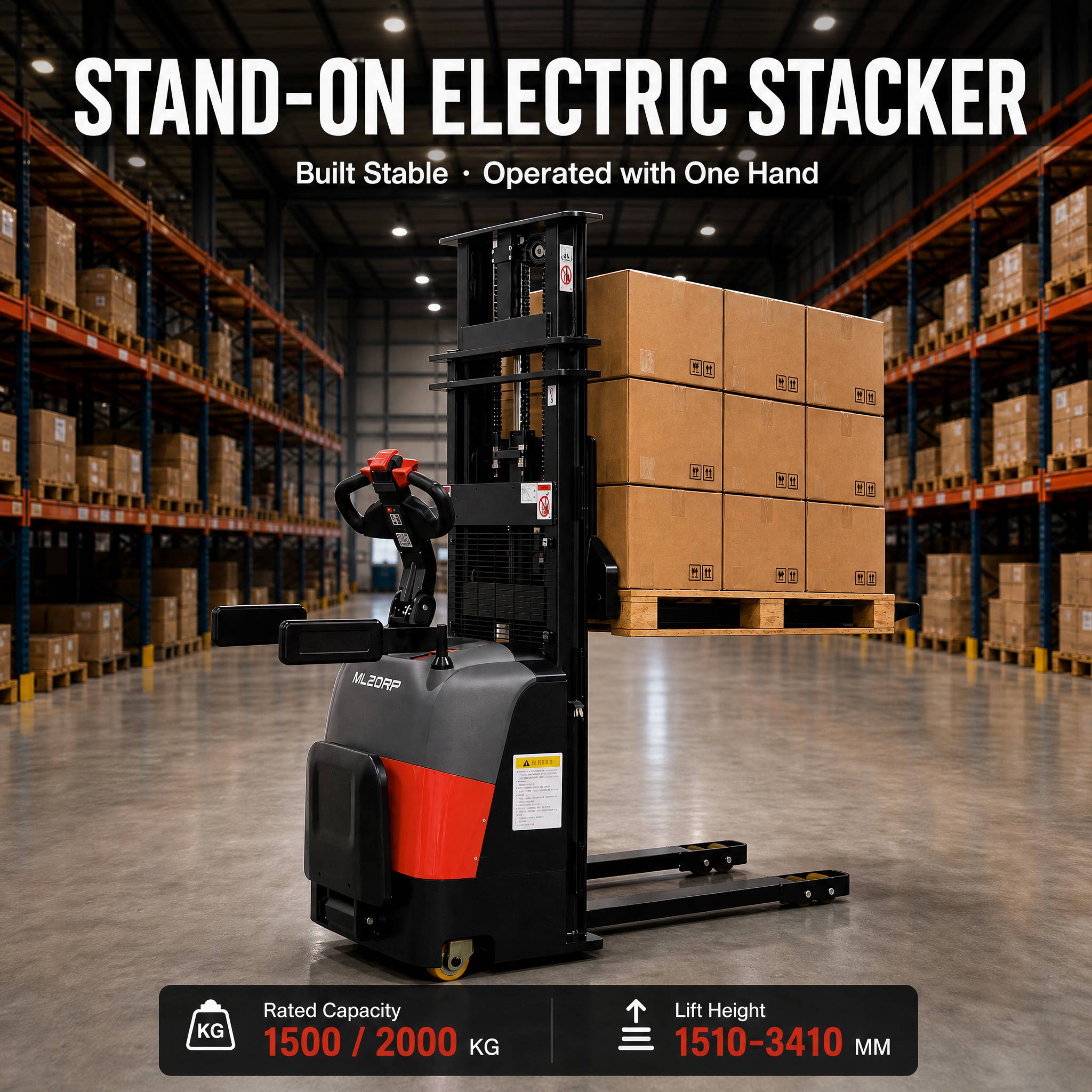
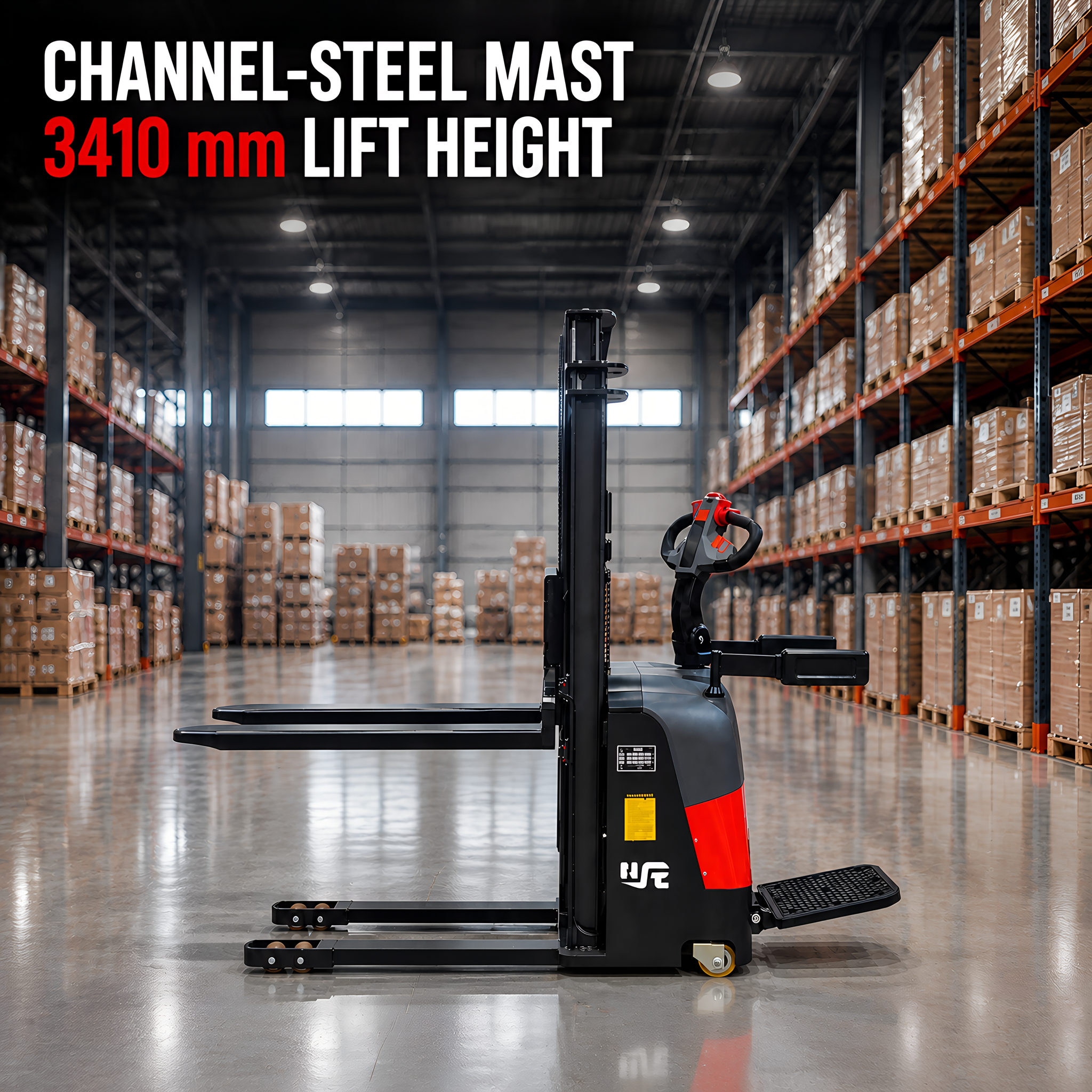
Channel Steel Mast Electric Pallet Stacker 2000kg 90mm Lowered Fork Height Stable High Rack Stacking
The channel-steel mast and 90mm lowered fork height support stable high-rack stacking. This configuration is relevant where racking is high, pallet quality varies and operators need predictable fork entry with minimal deflection.
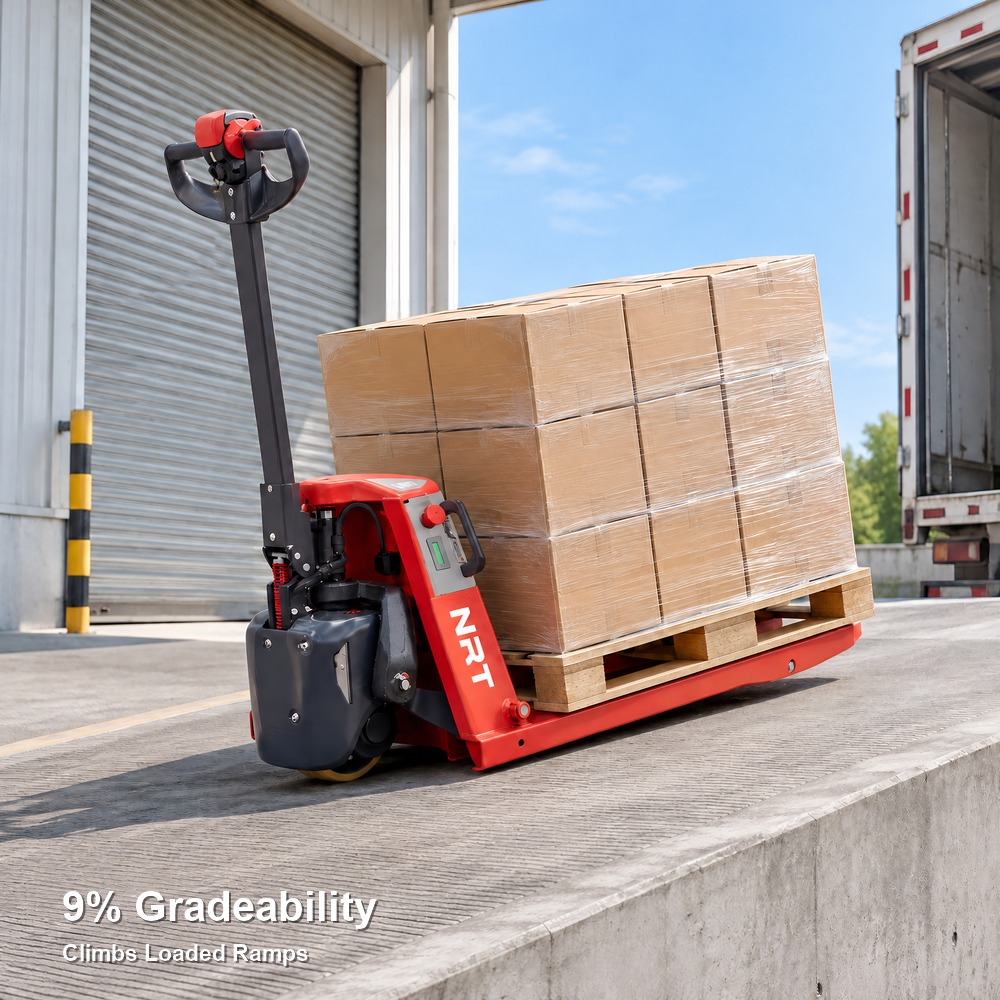
Lithium Battery Electric Pallet Jack Truck 1500kg 2000kg Walkie Pallet Jack Electric Forklift Alternative for Warehouse
A 1500kg / 2000kg lithium walkie pallet jack positioned as an electric forklift alternative for pallet movement, container work and warehouse support. It is best for horizontal transport where full mast lifting is not required on every task.
Why Hamburg Buyers Need More Than a Low Price per Truck
Hamburg is a port, distribution and advanced manufacturing region, but its warehouse stock is highly mixed. A supplier shortlist for this market has to cover historic city-centre buildings with small freight elevators, modern 3PL campuses with high-bay racking, food and cold-chain facilities, and cross-dock operations serving the Port of Hamburg. Equipment that looks similar in a catalogue can behave very differently once aisle width, floor condition, charge window and dock height are measured.
The search phrase “CE certified electric handling equipment factories & suppliers in the Hamburg market” usually comes from serious procurement intent. Buyers are not only buying a pallet truck; they are buying a defensible conformity file, a charger that fits the building, a spare-parts route and a supplier who can answer German-language safety questions. That is why this guide treats CE evidence, application fit and uptime as one decision.
Information gain for the shortlist: a factory-level ISO certificate, a marketplace badge or a generic “CE compliant” claim is not the same as a model-specific CE Declaration of Conformity. Ask for the exact configuration, serial identification, technical file, risk assessment and German-language instructions before comparing price.
Suggested procurement weighting for Hamburg
An analytical example for comparing electric handling equipment suppliers when the site is in or around Hamburg.
Weighting is an analytical example, not a legal requirement. Adjust it to your rack height, shift pattern, building voltage and risk policy.
CE Certification Evidence Hamburg Buyers Should Request
CE marking is the manufacturer’s declaration that the machinery meets the applicable EU legislation for the final configuration. It is not a single generic badge that automatically covers every model, fork length, mast height, battery type or optional attachment.
Model-level Declaration of Conformity
The DoC should identify the exact model and configuration, manufacturer, applicable directives and standards. For Hamburg importers, it should match the serial number and nameplate rather than only the product family.
Technical file, risk assessment and tests
Look for a practical technical file: drawings, electrical schematics, load charts, stability verification, brake and emergency-stop checks, battery and charger compatibility, plus records for the finished configuration.
Labels, manuals and importer coordination
German-language operating instructions, warning labels and maintenance information reduce operator risk. Buyers should coordinate with the EU importer or responsible person and confirm documentation responsibilities before shipment.
Hamburg CE dossier checklist
- Exact model, serial range and nameplate photo
- Signed EU Declaration of Conformity for the configuration
- Technical file index and risk assessment
- Charger, battery, EMC and electrical safety evidence
- German-language manual, labels and maintenance schedule
- EU importer or responsible-person details where required
Match the Equipment to the Hamburg Job
Before comparing factories or suppliers, define the task. The same 2,000kg electric stacker can be a good high-rack tool in one building and the wrong choice in another.
Port container devanning
Specify a 2000kg lithium pallet truck with 1150mm forks, polyurethane wheels and a charger matched to shift patterns. Prioritise fast pallet entry and low rolling resistance inside containers.
Open modelHigh-bay 3PL and dense racking
Check aisle width and rack beam height, then request the load chart at maximum lift. The ML20AP stand-on stacker with 3410mm lift and 820mm body width is a natural candidate for space-constrained sites.
Open modelMulti-shift food and retail distribution
For two- or three-shift pallet put-away, a maintenance-free 24V 105Ah warehouse stacker reduces battery intervention. Where high racks dominate, compare it with the channel-steel mast model.
Open modelCity retail, elevators and micro-fulfillment
Measure elevator door width, cabin depth and turning path before selecting. The 1500kg 300mm slim-body pallet truck and 48V walkie pallet jack are aimed at these tight Hamburg delivery and retail spaces.
Open modelElectric Handling Equipment in Hamburg Application Scenarios
Hamburg’s logistics landscape combines port-linked freight movement with dense urban warehousing. These scenarios show where CE-ready electric equipment earns its place.
Port of Hamburg cross-docking
Pallet trucks work at container mouths and dock gates, stackers handle short lifts, and charger scheduling must survive peak windows. A mixed fleet should be specified by task, not by “one truck for everything.”
High-bay 3PL and contract logistics
Rack heights and aisle widths drive the choice between stackers and reach trucks. Narrow-aisle productivity depends on turning radius, body width, visibility and predictable battery uptime.
Food, beverage and cold chain
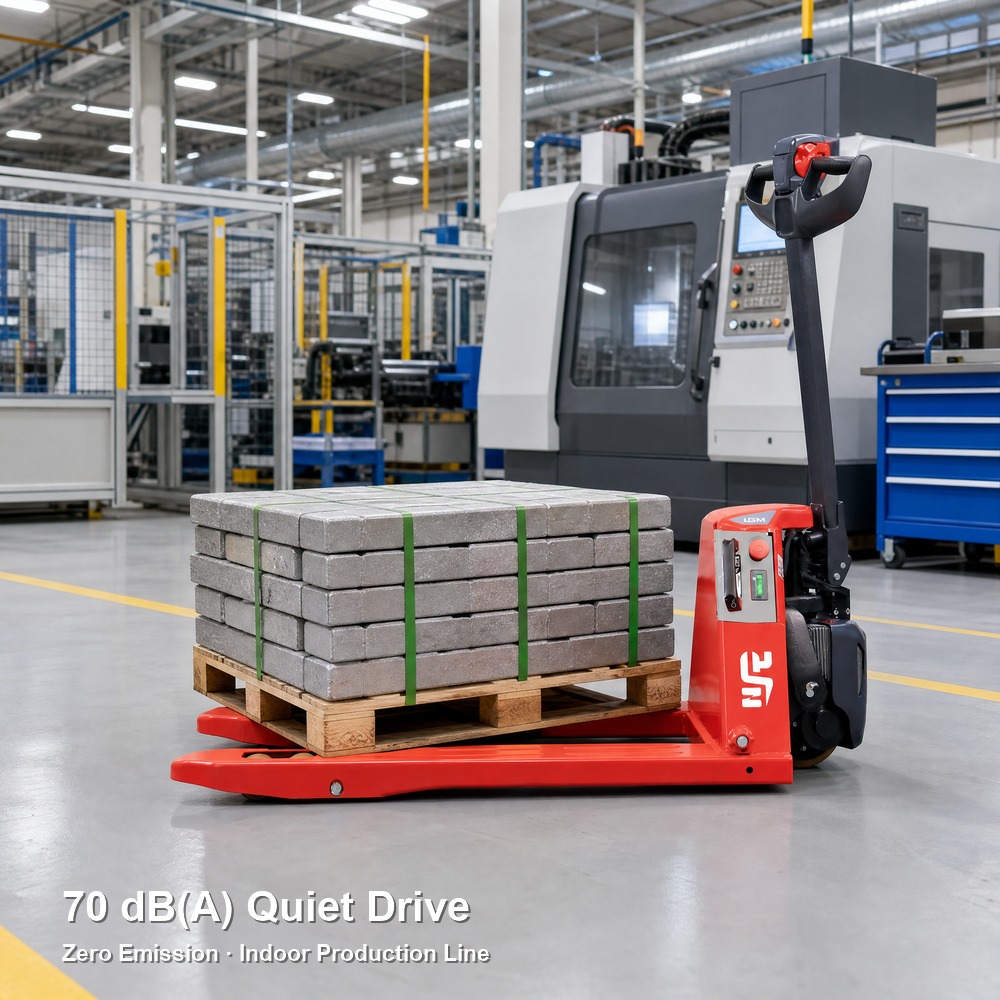
Zero local emissions and low noise are practical advantages in food and cold-chain buildings. Buyers should confirm battery behaviour in cool rooms, washdown expectations and charger placement outside sensitive handling zones.
Manufacturing and supplier parks
Line-side replenishment, work-in-progress transfer and finished-goods handling demand repeatable performance. Standardised controls, familiar controls and simple maintenance reduce operator training load.
E-commerce and urban fulfillment
Short-distance pallet movement between receiving, storage and dispatch zones is often more important than maximum lift height. Walkie pallet jacks and compact stackers help keep pick faces replenished.
City retail and freight-box buildings
Slim bodies, low overall height and controlled acceleration matter in elevators and backroom corridors. A site visit or detailed measurement sheet prevents a truck from being technically suitable but physically unable to enter.
Local Development Trends Shaping Electric Handling Equipment Procurement
Hamburg buyers are increasingly comparing equipment on lifecycle performance, documentation quality and building fit rather than purchase price alone.
Electrification as a building requirement
Indoor emissions, noise and ventilation requirements keep electric pallet trucks and stackers at the centre of warehouse planning. Diesel or gas equipment is harder to justify in mixed-use urban districts.
Lithium-ion and opportunity charging
Shorter charging windows and multi-shift demand are pushing buyers toward lithium-ion configurations. The real question is not only battery chemistry but charger compatibility with the building’s electrical supply.
Warehouse densification
High land and rent costs encourage higher racking and narrower aisles. Equipment width, turning radius and maximum lift charts become commercial variables, not only technical details.
Automation readiness
AGV and automated guided forklift projects grow where flows are repetitive and predictable. Standardised pallet interfaces, battery strategies and safety controls help protect future automation investments.
Audit-ready CE documentation
Importers increasingly want product files that can be explained to safety teams, insurers and auditors. A model-specific DoC and technical file reduce friction compared with last-minute “compliance letters.”
Service and spare parts as TCO levers
Downtime in a leased Hamburg warehouse is expensive. Recommended spare-parts kits, serial-number records and a clear response process are more valuable than a low initial quote that ignores uptime.
How to Evaluate CE-Certified Electric Handling Equipment Factories and Suppliers
A practical due-diligence sequence for procurement teams comparing suppliers for Hamburg delivery.
Define the Hamburg duty cycle
Record load weight, pallet type, shifts, hours, floor condition, cold-room exposure and charging windows. This determines battery type and truck class.
Measure the physical envelope
Check aisle width, rack beam height, door width, elevator cabin, dock leveller and turning path. Catalogue dimensions alone are not enough.
Build the CE evidence pack
Request the model-level DoC, technical file, serial identification, German-language manual and charger evidence before signing the purchase order.
Compare total cost per pallet move
Evaluate purchase price together with energy, maintenance, downtime, spare parts and operator time. A low FOB price can hide a high lifecycle cost.
| Evidence area | Weak signal | Strong signal | Why it matters in Hamburg |
|---|---|---|---|
| CE documentation | “CE compliant” email only | Model-level DoC, technical file, serial match | Supports import, audit and safety-team review |
| Battery and charger | Unknown charger or plug type | 230V/400V options, charger certificate, charging profile | Fits building electrical supply and shift windows |
| Narrow-aisle fit | Catalogue width only | Measured aisle, elevator and rack data with load charts | Prevents blocked aisles and unsafe operation |
| Parts and service | No spare-parts plan | Recommended spare kit, response process, serial records | Protects uptime in high-cost warehouse space |
| Supplier verification | Unverifiable factory claims | SGS onsite check, company video, trade records | Reduces sourcing and performance risk |
| Total cost | Lowest FOB price only | Energy, maintenance, uptime, training and lifecycle cost | Reveals the true cost per pallet move |

Why Pexal Supports Hamburg Buyers
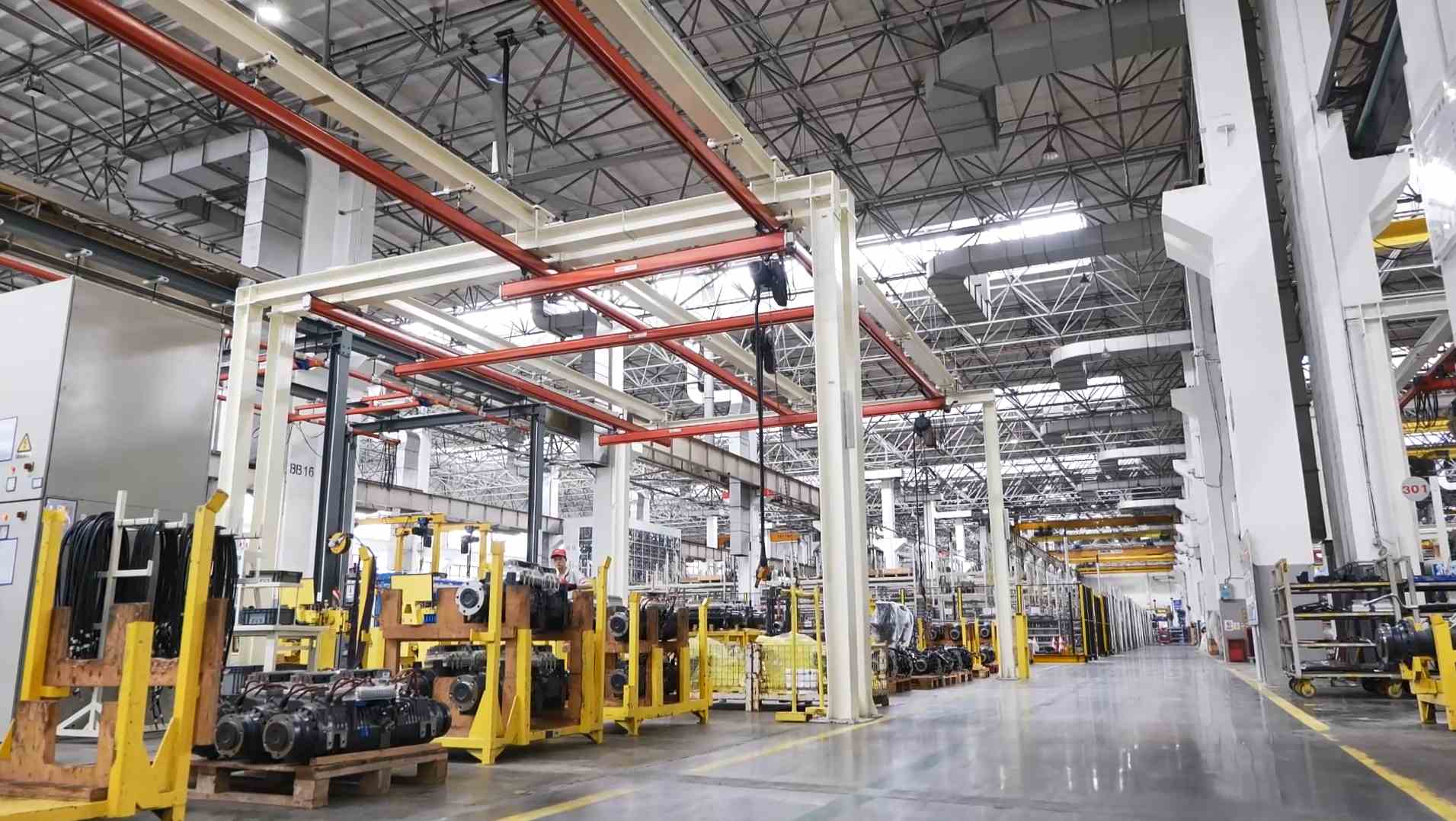
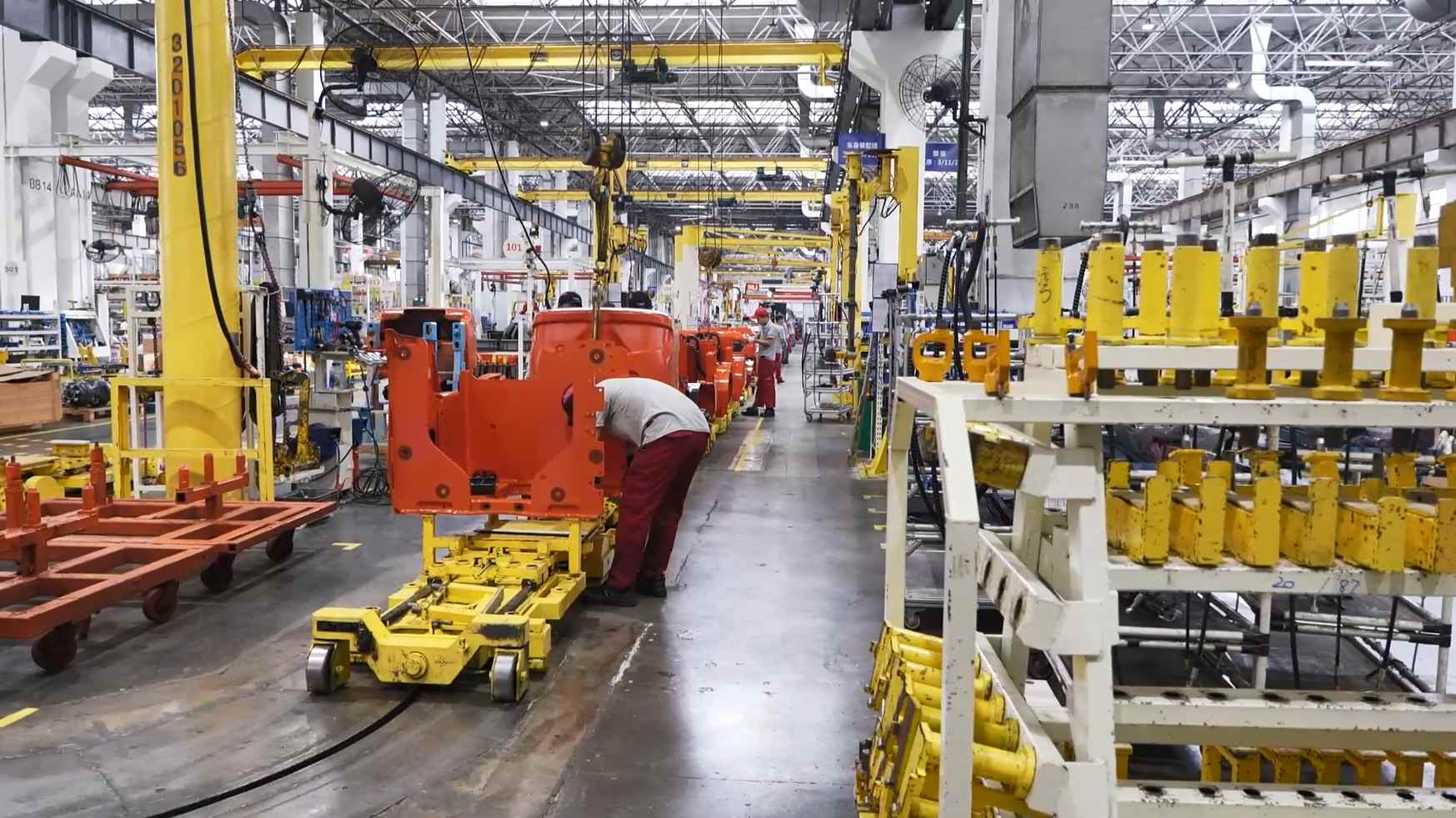
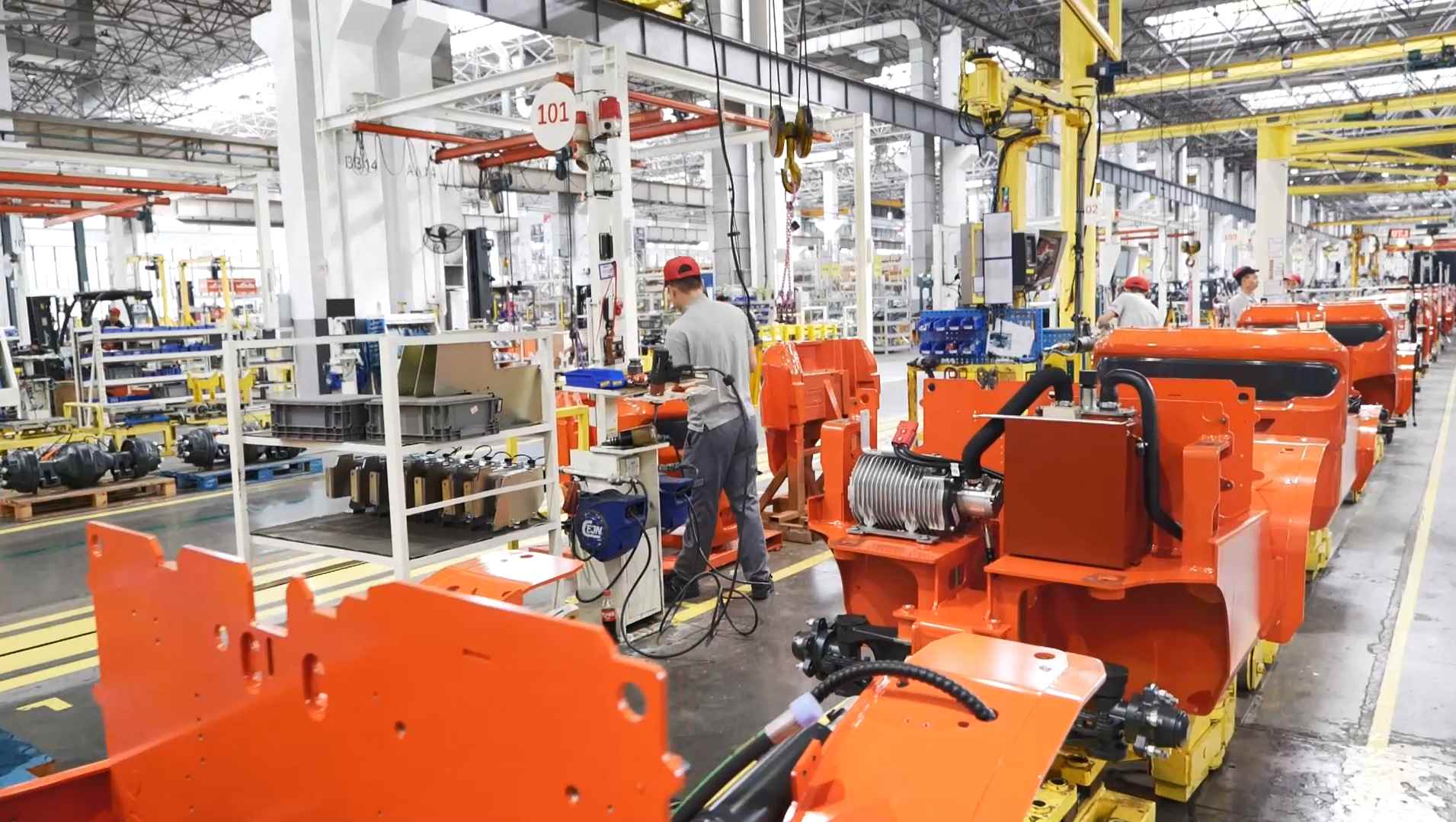
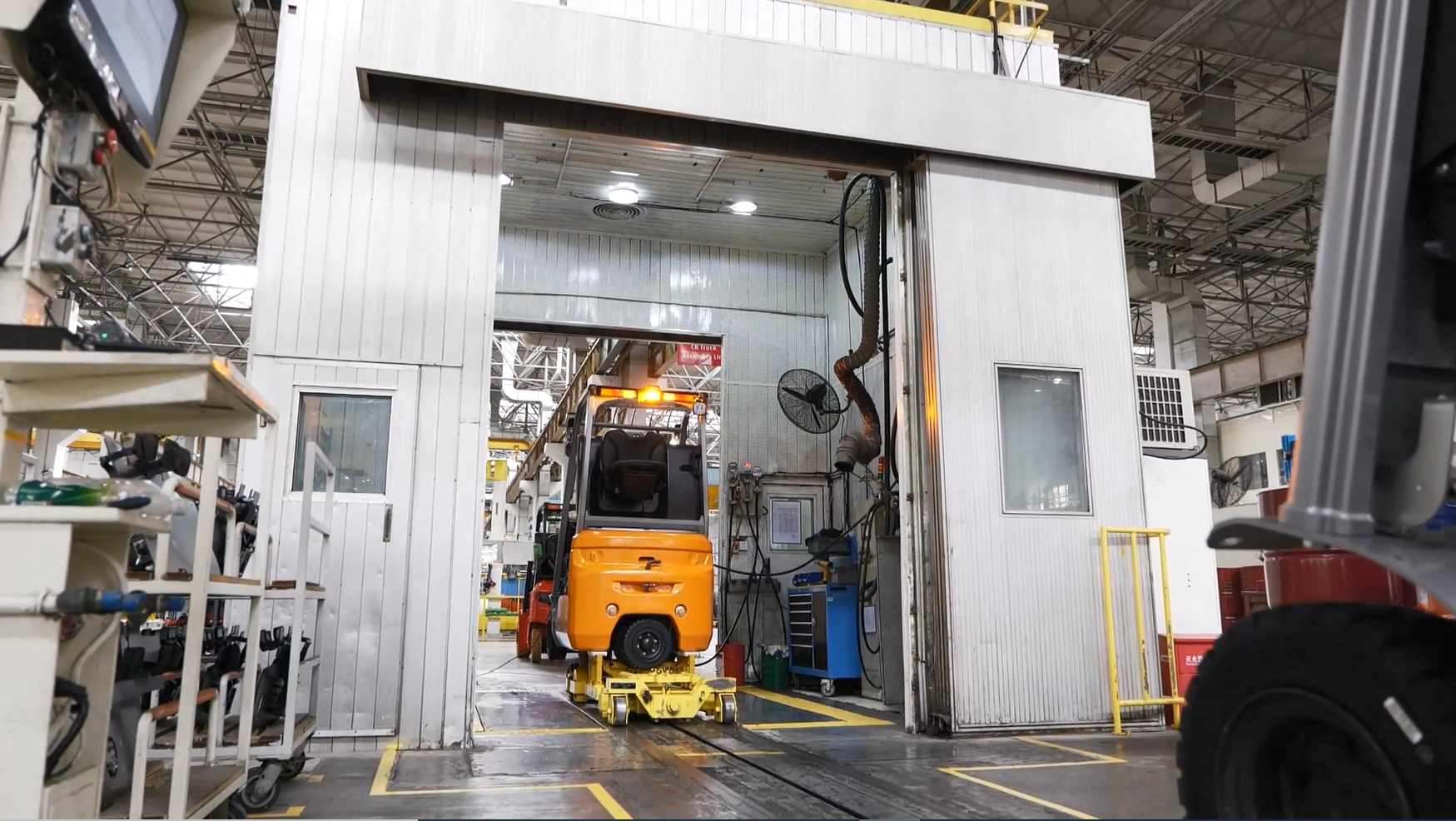
Xiamen Pexal Technology Co., Ltd. is the sales, service and technical support base for Pexal material handling equipment. Founded in Xiamen, Fujian in 2024, we work with a 220,000m² partner manufacturing campus and a 1,200+ workforce, including more than 100 engineers focused on electric warehouse equipment.
For Hamburg buyers, the advantage is not a single model. It is the ability to compare pallet trucks, stackers, reach trucks, order pickers and AGV options through one supplier, then align the final configuration with CE documentation, German-language instructions, charger requirements and export logistics.
- Full electric warehouse truck and AGV range
- Sample-based customization, full customization and ODM
- SGS onsite-assessed supplier with verified company video
- Export logistics from Xiamen port and flexible Incoterms
- Payment by T/T, L/C, D/P, D/A, Western Union, PayPal, credit card and escrow
- Multi-currency support including USD, EUR, GBP, JPY, CAD, AUD, HKD, CHF and CNY
SGS-assessed supplier
Onsite check and supplier assessment by SGS Group, with a verified company video available for buyers to review before the first order.
Configuration control
Mast height, fork length, battery type, colour, logo and attachments can be aligned with your market. ODM support is available for dealer programmes.
Fleet standardisation
One supplier for counterbalance forklifts, warehouse trucks and automation simplifies spare-parts planning, operator familiarity and after-sales communication.
Export-ready commercial terms
Flexible Incoterms from EXW to DDP, export packaging and documentation support from Xiamen, with multi-currency quotation options for European buyers.
Production, Quality and Export Evidence
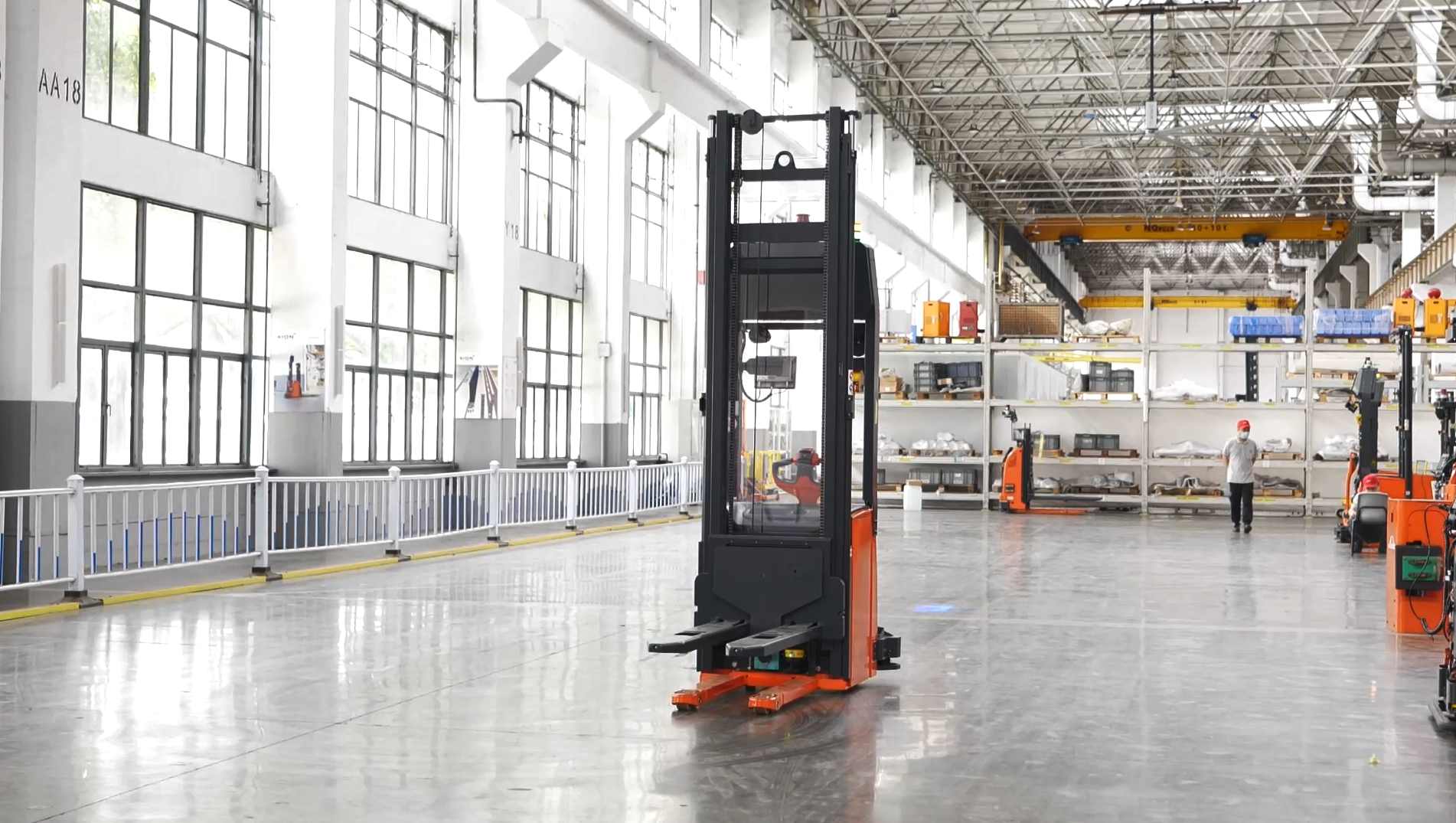
Buyers can review company information, production scenes and product-line evidence before placing a first order.


Frequently Asked Questions from Hamburg Buyers
Direct answers to the questions importers, dealers and fleet managers commonly ask before requesting a CE-ready electric pallet truck or stacker quotation.
What does “CE certified” mean for electric pallet trucks and stackers delivered to Hamburg?+
Which truck is best for container unloading at the Port of Hamburg?+
How do I choose between a pallet truck, stacker and reach truck?+
Can you supply 230V or 400V chargers and German-language documentation?+
Which Incoterms and payment methods do you support for German buyers?+
Do you offer OEM, ODM and private-label customization?+
How can I verify your company before placing an order?+
What after-sales information should be agreed before shipment?+
Build a Hamburg-Ready Electric Handling Equipment Shortlist
Send your load weight, aisle width, lift height, shift pattern, building voltage and target Incoterm. Pexal will respond with a recommended electric pallet truck or stacker configuration and the CE documentation list needed for your market.