8 Battery Powered Stackers and Electric Pallet Trucks for Osaka Buyers
Below are eight directly linked models suited to common Osaka buying patterns: container unloading at the port, small wholesale backrooms, narrow-aisle racking in Higashiosaka, e-commerce fulfilment in Sakishima and food or pharmaceutical storage across the Hanshin industrial belt.
Efficient 2 Ton Electric Pallet Jack 2000kg Capacity: Best Material Handling Solution for Logistics Centers 2026 Hot Sale
A 2,000 kg electric pallet jack for cross-docks, container unloading and staging lanes. Its simple control system suits Osaka logistics teams moving pallets between truck beds and temporary storage without manual strain.
Warehouse Stacker Truck 1500kg 2000kg Electric Pallet Stacker 24V 105Ah Maintenance Free Battery
A 1,500–2,000 kg electric stacker with maintenance-free 24V 105Ah battery. A practical choice for Osaka SMEs that need low-level racking and stable lifting without the footprint of a full counterbalance forklift.

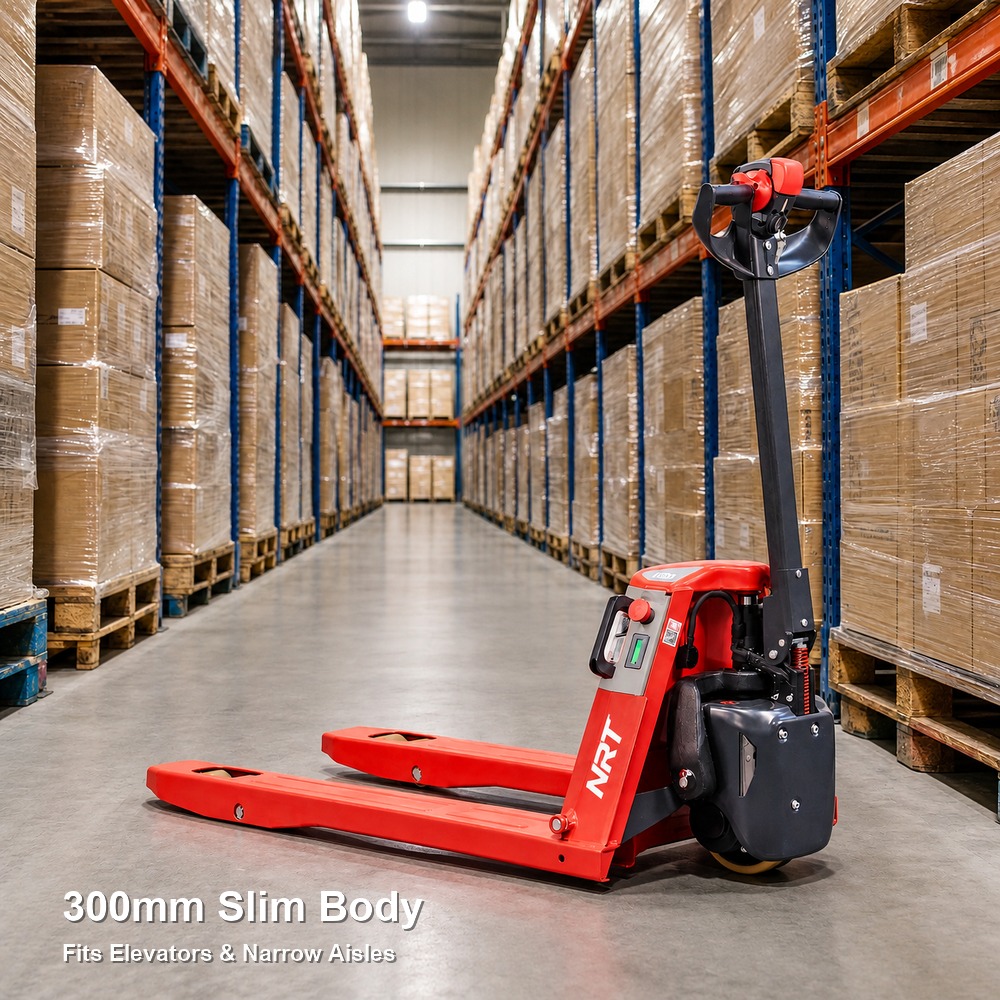
2026 New Alternative Convertidor De Palet Jack a Electrico Ultra-Lightweight 107kg Electric Pallet Jack with Lithium Power
An ultra-light 107 kg lithium electric pallet jack for narrow aisles, retail backrooms and delivery vehicles. Its low weight helps in older Osaka buildings where floor loading, tight turns and operator fatigue are real constraints.
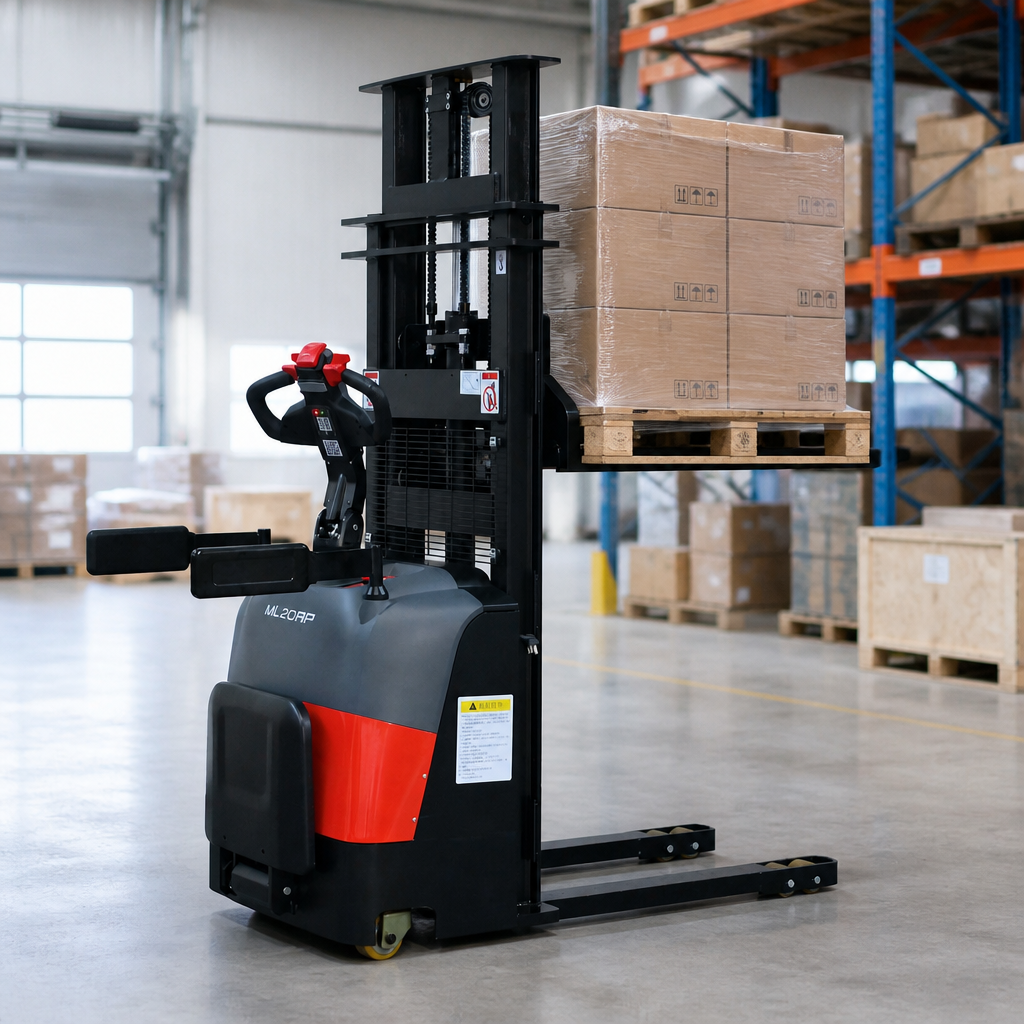
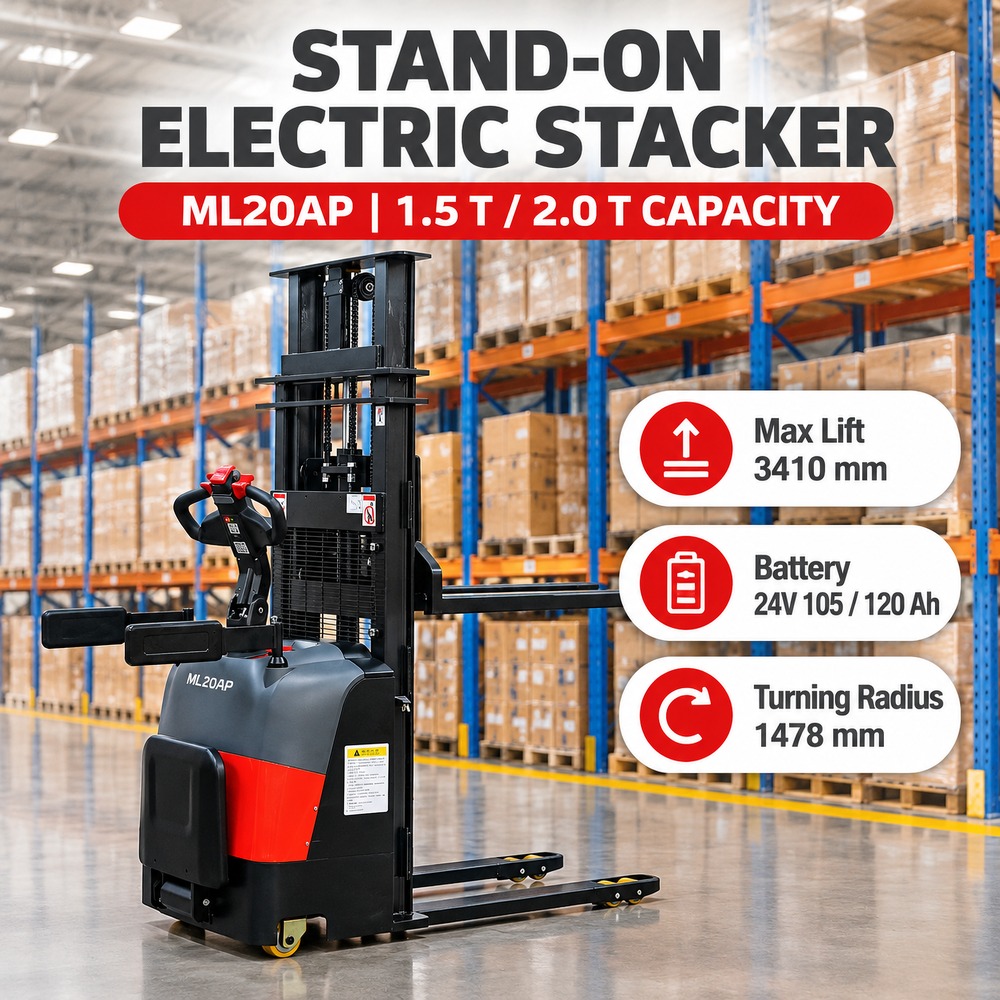
Electric Pallet Stacker 2000kg 3410mm Lift Height Stand on Stacker Truck for Warehouse Racking Stacking
A 2,000 kg stand-on stacker with 3,410 mm lift height for racking and stacking. Suited to compact warehouses in Sakishima, Suita or Suminoe where throughput is higher and operators need faster travel between work zones.
NB15L01LD Electric Pallet Jack 2000kg 48V 15Ah Lithium Battery 850W Fork 1150mm PU Wheels Pallet Truck
A 48V 15Ah lithium pallet truck with 850W drive, 1,150 mm forks and PU wheels. A flexible option for e-commerce fulfilment, truck delivery and indoor floors where opportunity charging and low maintenance matter.
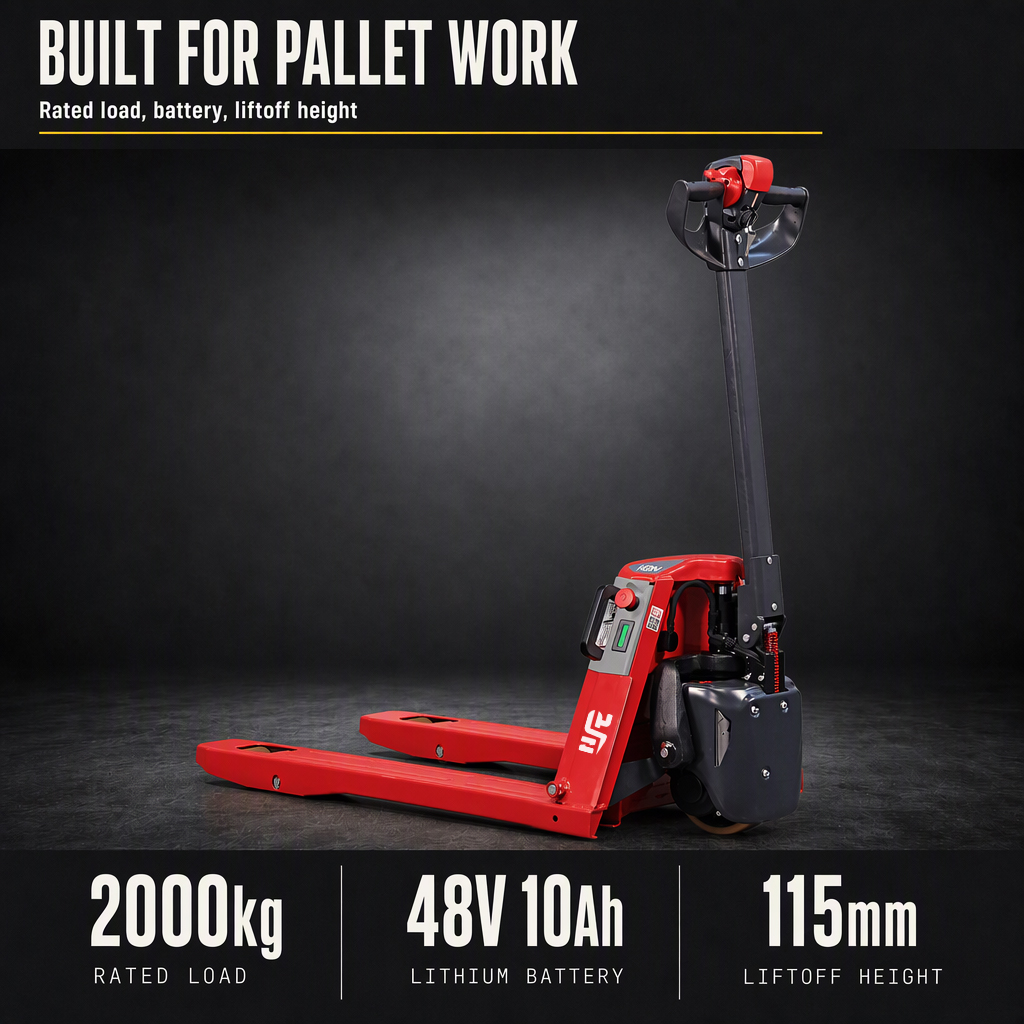
Portable Electric Pallet Jack Lithium Battery 2T for Narrow Aisle Warehouse and Truck Delivery Handling with 48V High Efficiency
A portable 2T lithium pallet jack for narrow-aisle warehouse and truck delivery handling. Good for last-mile depots and wholesalers around the Osaka Loop Line that work with small loading bays and mixed vehicle types.
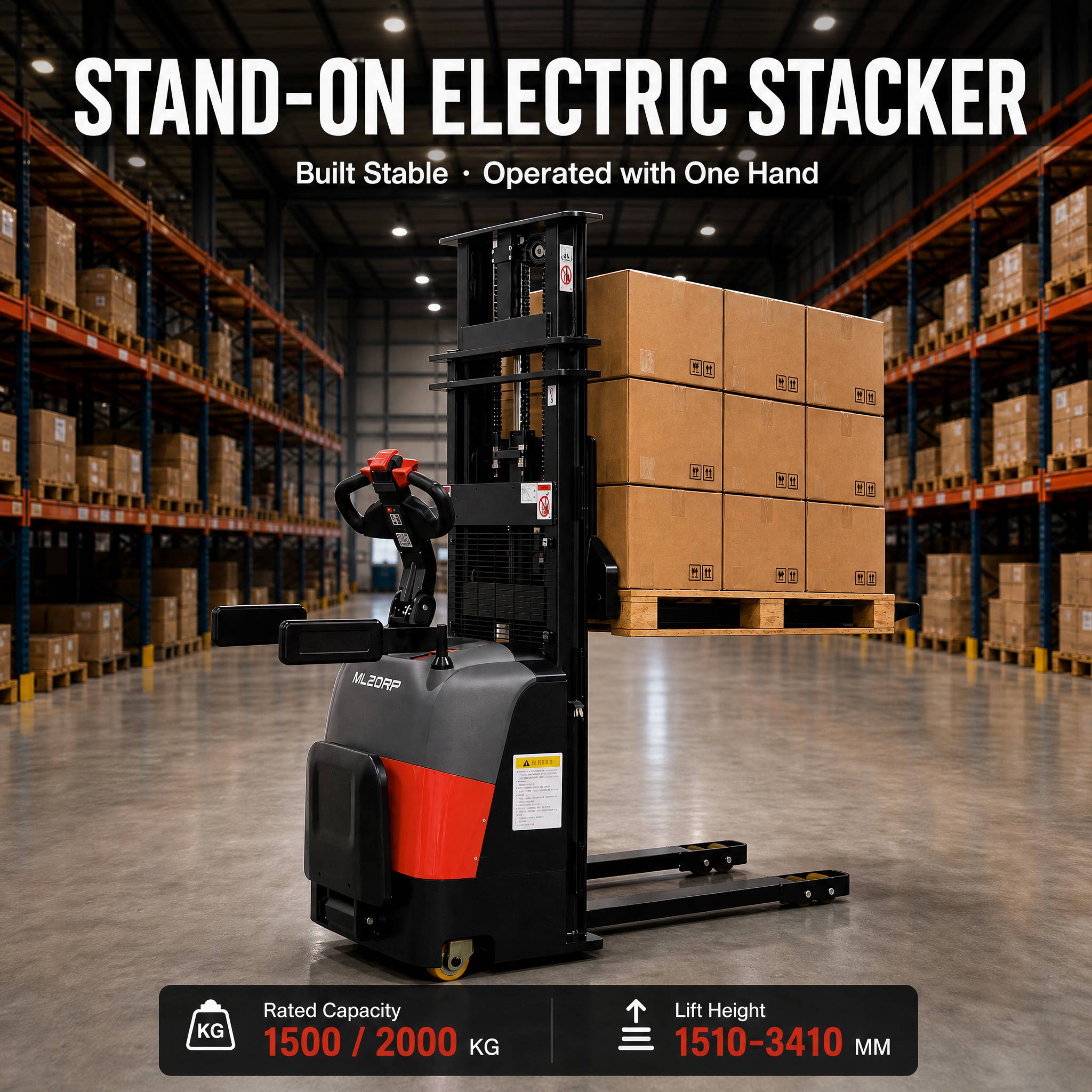
Channel Steel Mast Electric Pallet Stacker 2000kg 90mm Lowered Fork Height Stable High Rack Stacking
A 2,000 kg channel steel mast stacker with a 90 mm lowered fork height for stable high-rack stacking. For metal parts, machinery and building-material stores in Higashiosaka and Yao where mast rigidity and pallet positioning are critical.
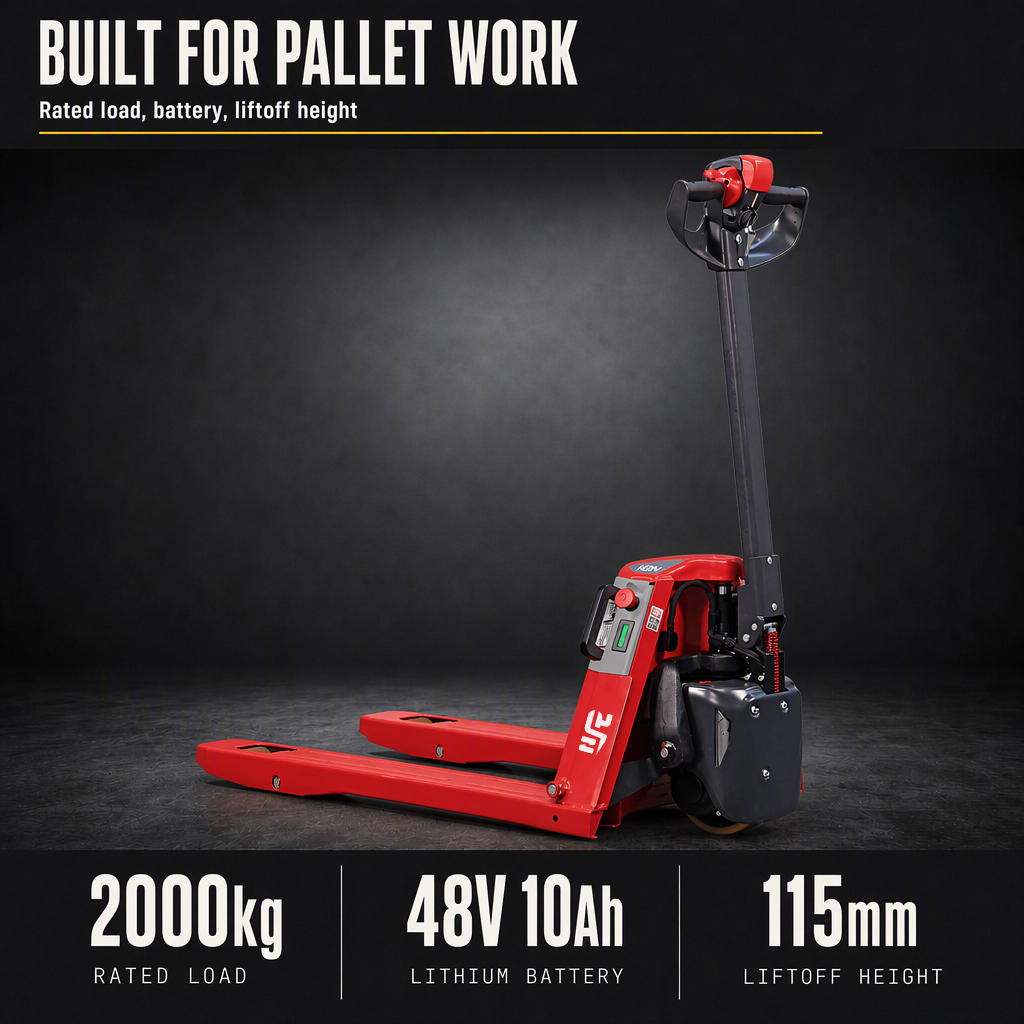
Professional Electric Pallet Jack 2 Ton 2000kg Capacity Heavy Duty Power Pallet Truck with Easy Control System for Warehouse
A heavy-duty 2,000 kg power pallet truck with an easy control system. Built for daily warehouse work where durability, braking confidence and simple operation matter more than high lift height.
Partner manufacturing campus
Skilled workforce across production & QC
R&D engineers for electric warehouse equipment
Onsite-checked and supplier-assessed
Battery Powered Stacker Supply for Osaka: What Buyers Actually Need to Know
A battery powered stacker is not simply a pallet jack with a lifting mast. It is a compact warehouse tool designed to lift, lower, move and position palletised loads safely. In Osaka, the buying decision is shaped by urban building constraints, narrow service roads, mixed fleet operations and a labour market that is increasingly difficult to staff for repetitive manual handling. For importers, wholesalers and 3PL operators, the practical question is not “How much capacity can I buy?” but “Which configuration will keep working in my aisle, with my pallet, on my floor, with the team I can actually recruit?”
Osaka has a distinctive logistics geography. The Bay Area around Osaka Port, Nanko and Sakishima handles container and cross-dock flows. Higashiosaka, Yao and Kadoma support dense small and medium manufacturing. Umeda, Namba, Tenma and Kyobashi contain retail and wholesale backrooms where turning space is limited. Moriguchi, Ibaraki and Toyonaka include food, pharmaceutical and cold-chain facilities that value zero local emissions and low noise. A single generic stacker page cannot answer all of those needs; the right equipment depends on the local operating envelope.
That is why Pexal approaches battery powered stacker supply as an application-engineering task. We quote the machine together with the operating assumptions: pallet size, load centre, aisle width, lift height, floor condition, shift length, charging voltage and the documents your customs broker will require. Xiamen Pexal Technology Co., Ltd. was founded in Xiamen, Fujian in 2024 as the sales, service and technical support base for Pexal material handling equipment. We work with a 220,000 m² partner manufacturing campus, more than 1,200 employees and a team of 100+ engineers focused on electric warehouse equipment.
Information gain: ask for an aisle drawing, not just a price
A credible Osaka quotation should include the right-angle stacking aisle, fork length, lowered fork height, lift height, battery voltage and charger input. For Japanese sites, confirm whether the charger must suit 100V or 200V supply and whether PSE-related documentation is required. These details affect safety, delivery planning and total cost far more than a headline unit price.
Where Battery Powered Stackers Fit in Osaka Operations
Osaka buyers rarely operate in ideal warehouses. They work in compact buildings, mixed-use areas and logistics nodes with strict delivery windows. These are the application patterns our engineers see most often.
Port and Bay Area Cross-Docking
Around Osaka Port, Nanko and Suminoe, battery pallet jacks and stackers support container unloading, staging and short-distance transfers. Sealed concrete floors and repeated truck-to-warehouse movement favour 2T electric pallet trucks with simple controls, PU wheels and dependable braking.
Urban Retail and Wholesale Backrooms
In Umeda, Namba, Tenma and Kyobashi, backrooms are tight and deliveries arrive through shared service corridors. An ultra-light 107 kg lithium pallet jack or portable 2T model can improve handling without demanding excessive floor loading or a large charging area.
SME Manufacturing in Higashiosaka
Higashiosaka, Yao and Kadoma contain machine shops, metal-parts makers and building-material suppliers. Channel steel mast stackers with 90 mm lowered fork height and stable high-rack stacking are often more relevant than fast ride-on equipment because accuracy and mast rigidity matter.
E-Commerce Fulfilment in Sakishima
Sakishima, Suita and Toyonaka fulfilment centres need fast pallet movement between receiving, pick faces and dispatch. Stand-on stackers with 3,410 mm lift and 48V lithium pallet trucks with opportunity charging help match fluctuating order peaks while reducing operator fatigue.
Food, Pharma and Cold Storage
Facilities in Moriguchi, Ibaraki and Toyonaka often prioritise zero local emissions, low noise and clean indoor operation. Battery electric stackers avoid diesel exhaust inside the building, but the charger location, condensation control and operator training still need to be confirmed before delivery.
Construction and Building Materials
Sakai, Izumi and Kishiwada wholesalers often handle heavy pallets, rough surfaces and mixed load sizes. Heavy-duty 2T pallet trucks support yard and dock work, while battery stackers are best reserved for stable floors and defined racking zones to protect mast and wheel life.
Six Local Trends Changing Battery Stacker Procurement
Procurement teams in Osaka are not only comparing unit prices. They are responding to labour shortages, urban site constraints and stronger reporting expectations for safety and environmental performance.
Labour Shortage and Duty-Cycle Thinking
Japan’s logistics labour constraints continue to push warehouses toward equipment that reduces walking, pushing and repetitive lifting. Buyers now ask how many pallets per shift a stacker can realistically move, not only how many kilograms it can lift.
Lithium Power and Opportunity Charging
Lithium models such as 48V pallet trucks and portable 2T jacks are attractive where users can charge during breaks. However, charger input, battery documentation and charging-room ventilation must be checked for each Osaka site.
Safety in Narrow Aisles
Osaka warehouses often sacrifice aisle width for storage density. Lowered fork height, visibility, braking response and operator training are increasingly part of the purchase decision, especially where pedestrians share the same route as powered equipment.
Urban Micro-Fulfilment
Rising land costs and faster delivery expectations are encouraging smaller urban depots. Equipment must fit compact footprints, turn in limited space and support quick charging between narrow delivery windows.
ESG and GX Procurement Language
Zero local emissions and lower noise can support tender responses, but they are not the whole story. Buyers are asking for energy use, battery type, serviceability and responsible disposal planning alongside the environmental claim.
Documentation Before Discount
Osaka importers increasingly compare UN38.3, MSDS, charger specifications, inspection videos and spare-parts lists before negotiating price. A supplier able to provide structured documents reduces risk for customs brokers and maintenance teams.
How to Choose Between Pallet Jacks and Battery Stackers in Osaka
Use this comparison to shortlist the right category before requesting a quotation. The most expensive mistakes usually come from matching the wrong equipment class to the wrong aisle, load or lift height.
| Equipment | Best Osaka Use | Typical Limit | Buying Check |
|---|---|---|---|
| 2T Electric Pallet Jack | Container unloading near Osaka Port, dock staging, horizontal pallet transport | No rack lifting; not a substitute for a stacker mast | Fork length, PU wheels, brake, charger voltage, daily pallet volume |
| Ultra-Light 107kg Lithium Jack | Retail backrooms, older buildings with floor-loading limits, delivery vehicles | Lightweight body suits lighter duty cycles and compact turning | Floor strength, ramp use, battery cycle, operator training |
| Walk-Behind Electric Stacker | Low and medium racking in Higashiosaka, Yao and Kadoma SMEs | Operator walks with the machine; speed is lower than ride-on | Lowered fork height, mast tilt, aisle width, load centre |
| Stand-On Stacker 3,410mm | Higher-throughput fulfilment in Sakishima, Suita and Suminoe | Needs trained operators and suitable floor conditions | Racking height, overhead clearance, charging strategy, duty cycle |
| Channel Steel Mast Stacker | Stable high-rack stacking for metal parts, machinery and building materials | Requires flat, clean floors for precise mast performance | 90mm lowered fork height, mast rigidity, load stability, maintenance access |
| Heavy-Duty 2T Power Pallet Truck | Daily warehouse work, wholesale loading bays and durable horizontal transfer | Not intended for high lifting or rough outdoor terrain | Control ergonomics, braking, service parts, warranty terms |
Why Osaka Buyers Shortlist Xiamen Pexal Technology Co., Ltd.
Pexal is not presenting itself as an anonymous trading page. Our company profile, supplier assessment and product range are structured for B2B buyers who need to verify capability before placing a first order. We combine source-direct access to a large partner manufacturing campus with English-speaking export support, customization and practical application guidance for overseas dealers and fleet operators.
SGS-Assessed Supplier
Our company has passed an onsite check and supplier assessment conducted by SGS Group. Business type, products, markets and capabilities have been reviewed onsite, with a verified company video available for buyers.
Source-Direct Manufacturing Access
We work with a 220,000 m² partner manufacturing campus and more than 1,200 skilled staff. For Osaka dealers and fleet buyers, this supports container planning, model mixing and repeat-order consistency.
OEM, ODM and Full Customization
Sample-based customization, full customization and ODM services are available. Typical variables include mast height, fork length, battery type, color, logo and attachment configuration for Japanese dealers or private-label programs.
Export Terms and Osaka Routing
We support common delivery terms including FOB, CFR, CIF, EXW, FCA, CPT, CIP and DDP. Shipments can be planned from Xiamen to Osaka or Kobe according to your forwarder and customs broker instructions.
Application Engineering Support
Share a floor plan, pallet photo, load weight, lift height, aisle width and shift pattern. Our team converts those inputs into a practical model recommendation and identifies where a different category may be safer.
Spare Parts and Dealer Support
For dealer and fleet programs, we support spare-parts lists, operating manuals, inspection media and remote troubleshooting. Clear documentation helps Osaka service partners plan maintenance and operator training.

Common Procurement Questions from Osaka Importers and Wholesalers
These answers address the practical issues that arise when a Japanese buyer compares a China-based battery stacker supplier with domestic dealers and rental companies.
Can the charger be configured for Japan’s 100V or 200V supply?
What documents are needed for lithium battery shipments to Osaka?
Do you hold stock in Osaka, and what is the MOQ?
Which Incoterms, payment methods and currencies do you accept?
Can you customize fork length, mast height, color and logo?
How can we verify quality before shipment and after arrival?
Configure a Battery Powered Stacker for Your Osaka Operation
Send your load weight, pallet size, aisle width, required lift height, shift pattern and charger voltage. Our team will recommend a suitable stacker or pallet truck and confirm the export details from Xiamen to Osaka. Email: info@pexalbot.com.