Top Trusted Powered Pallet Truck Manufacturers & Wholesalers
A white-paper style buyer’s guide to electric pallet trucks, lithium walkie jacks and compact stackers — covering product selection, total cost of ownership, future procurement trends, supplier verification and export-ready service.
Built for distributors, rental fleets, 3PLs and private-label importers comparing powered pallet truck manufacturers and wholesalers.
8 Proven Electric Pallet Trucks and Stackers for Wholesale Procurement
The models below reflect common export inquiries from dealers, warehouses and fleet operators. All product URLs are preserved for direct specification review; final configuration should be confirmed against load, aisle width, lift height, duty cycle, battery strategy and destination-market requirements.
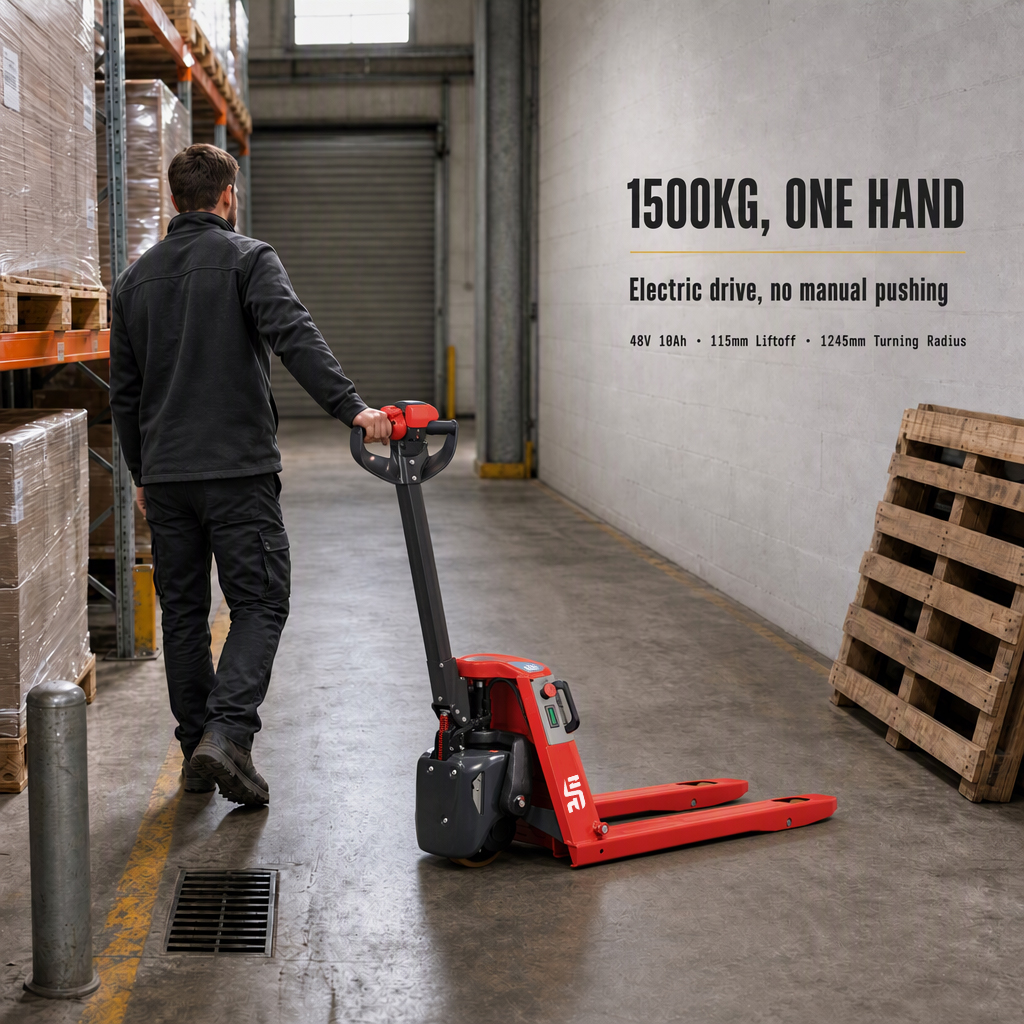
1.5 Ton Electric Pallet Truck with 48V Li-ion Battery, 107kg Ultra-lightweight Pallet Jack for Narrow Aisle Warehouse
An ultra-light 107 kg chassis and 48V Li-ion battery make this walkie pallet truck suitable for narrow-aisle warehouses, retail replenishment and fast loading-zone turnover. It is a strong fit for distributors that need low operator fatigue and flexible charging.
View product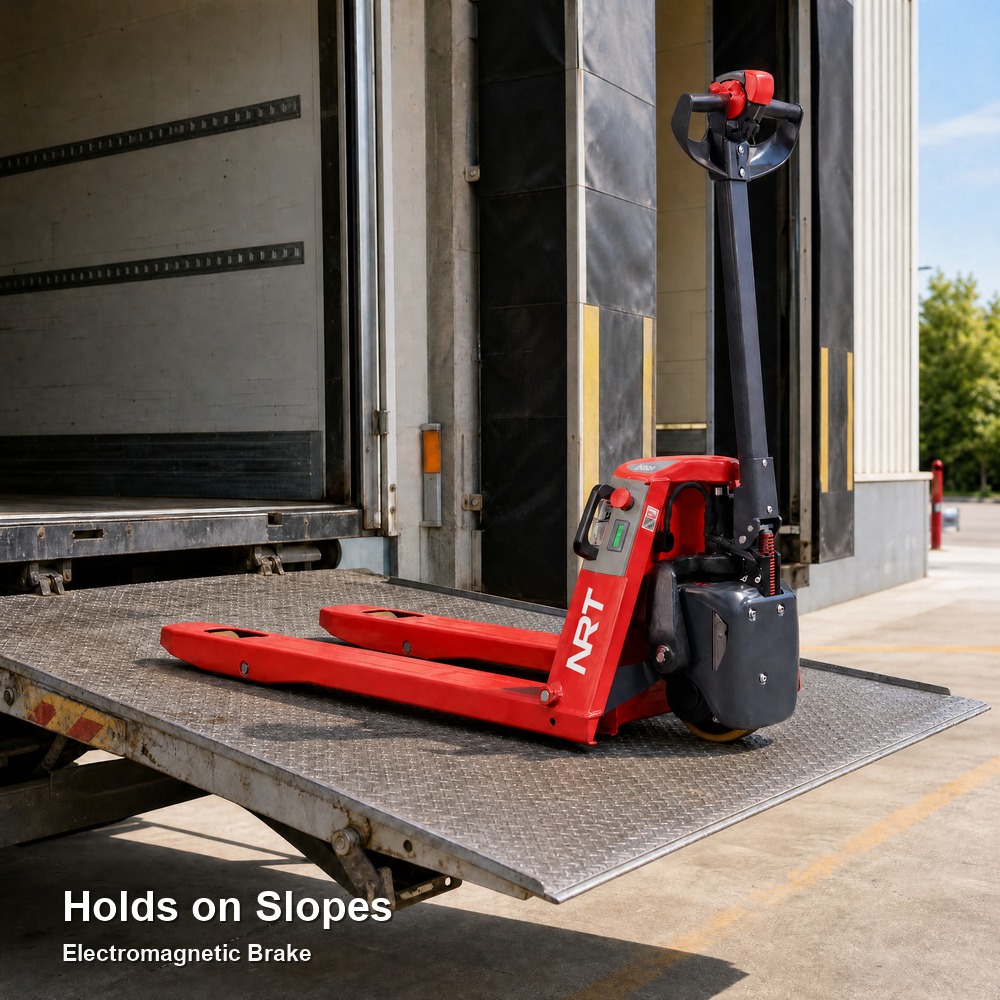
Electric Pallet Jack 1500kg 300mm Slim Body Walkie Pallet Truck for Elevator Freight Box Narrow Aisle Handling
The 300 mm slim-body platform helps this electric pallet jack enter elevators, freight boxes, service corridors and compact retail backrooms. Recommended for urban distribution and building-materials dealers where doorway clearance is a decisive constraint.
View product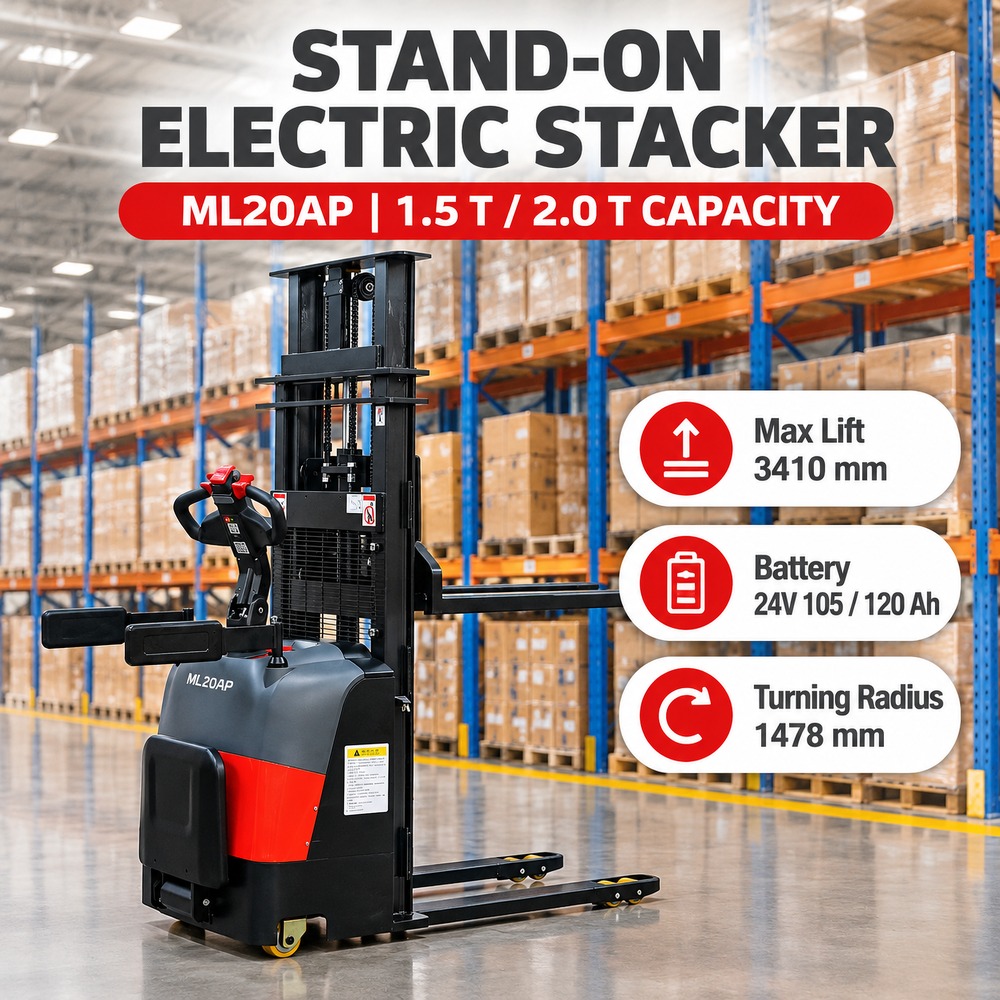
Warehouse Stacker Truck 1500kg 2000kg Electric Pallet Stacker 24V 105Ah Maintenance Free Battery
A 24V 105Ah maintenance-free battery and stacker mast support medium-height racking and repeated pallet positioning. Ideal for wholesalers that need both horizontal transfer and controlled lifting without the footprint of a counterbalance forklift.
View product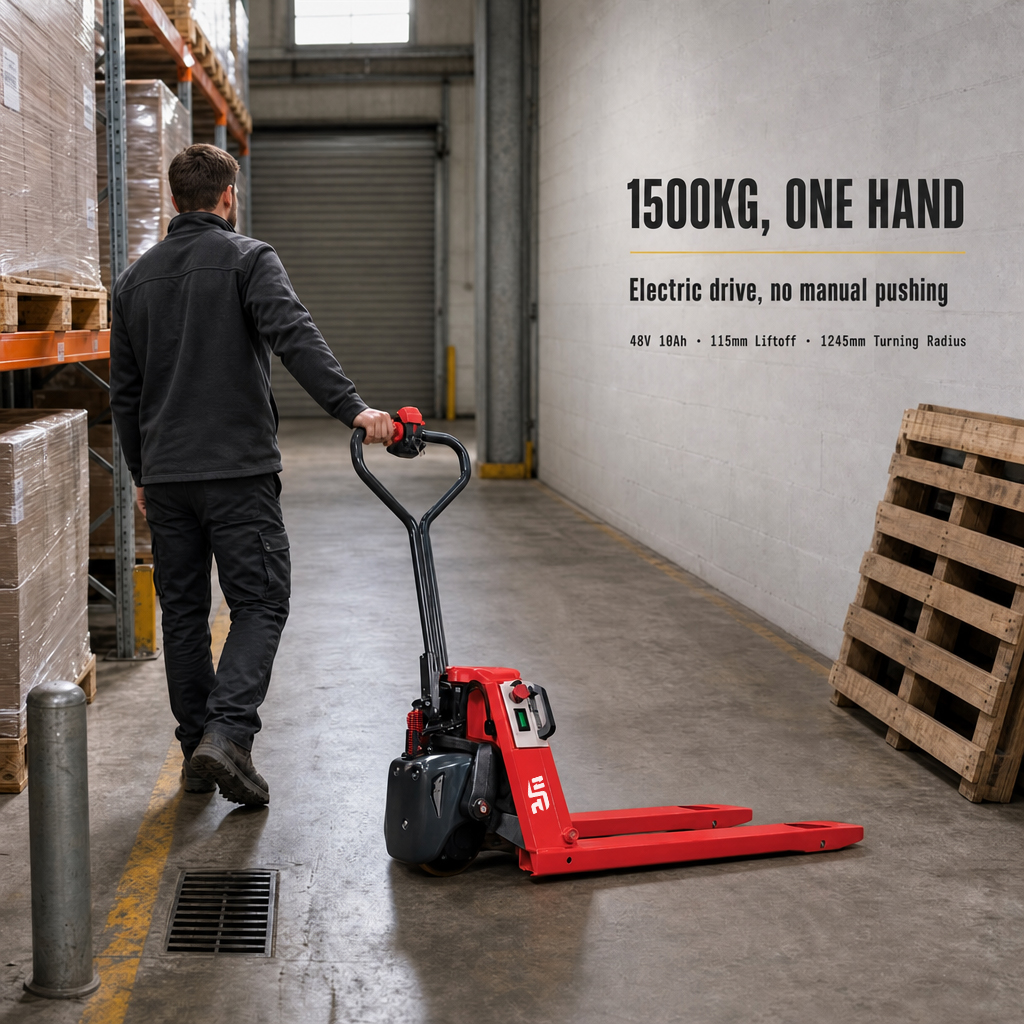
Electric Pallet Truck for Distribution Center Workshop Supermarket Pallet Handling 1500kg Lithium Battery Walkie Jack
This 1500 kg lithium walkie jack is built for distribution centers, workshops and supermarkets that need frequent stop-start handling and simple charging. A practical dealer stock model for mixed industrial and retail customers.
View product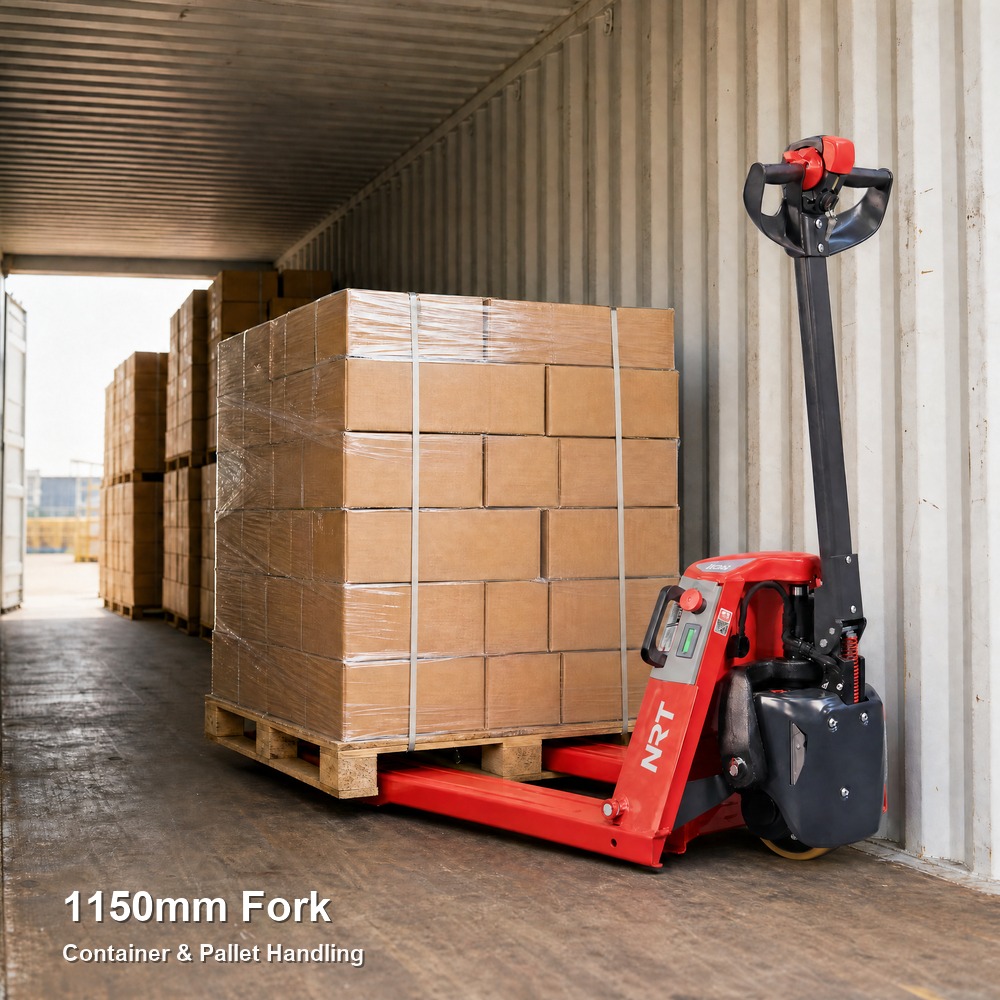
Walkie Electric Pallet Jack 1500kg Fork 1150mm Pallet Truck Battery Powered for Container Unloading Shop Floor
The 1150 mm fork and 1500 kg capacity suit container unloading, shop-floor replenishment and pallet staging. It is an efficient standard model for dealers supplying mixed industrial customers who value straightforward operation and serviceability.
View product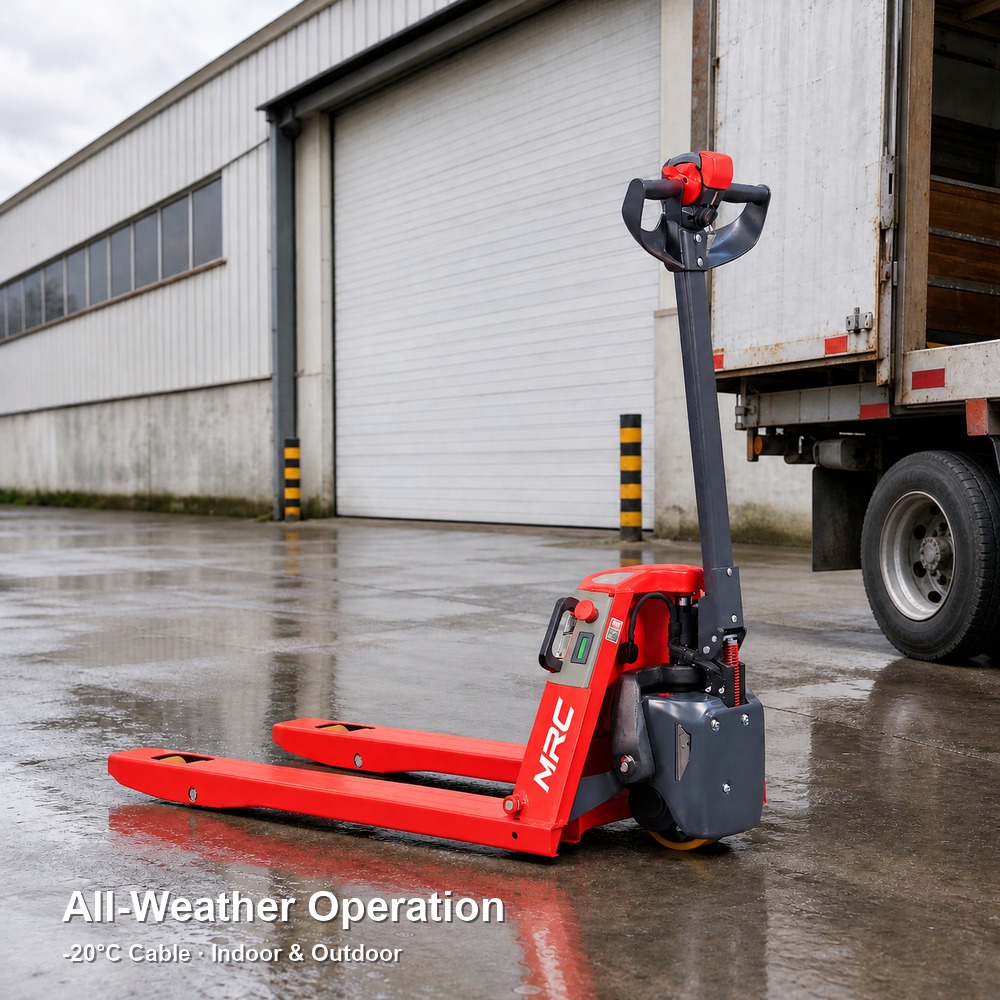
Factory Direct Price Electric Pallet Jack 1500kg 2000kg Battery Powered Walkie Pallet Truck Lithium Pallet Jack
A battery-powered walkie pallet truck with lithium option and competitive factory-direct positioning. Recommended for distributors building an entry-level to mid-range product line while retaining options for branding, packaging and specification customization.
View product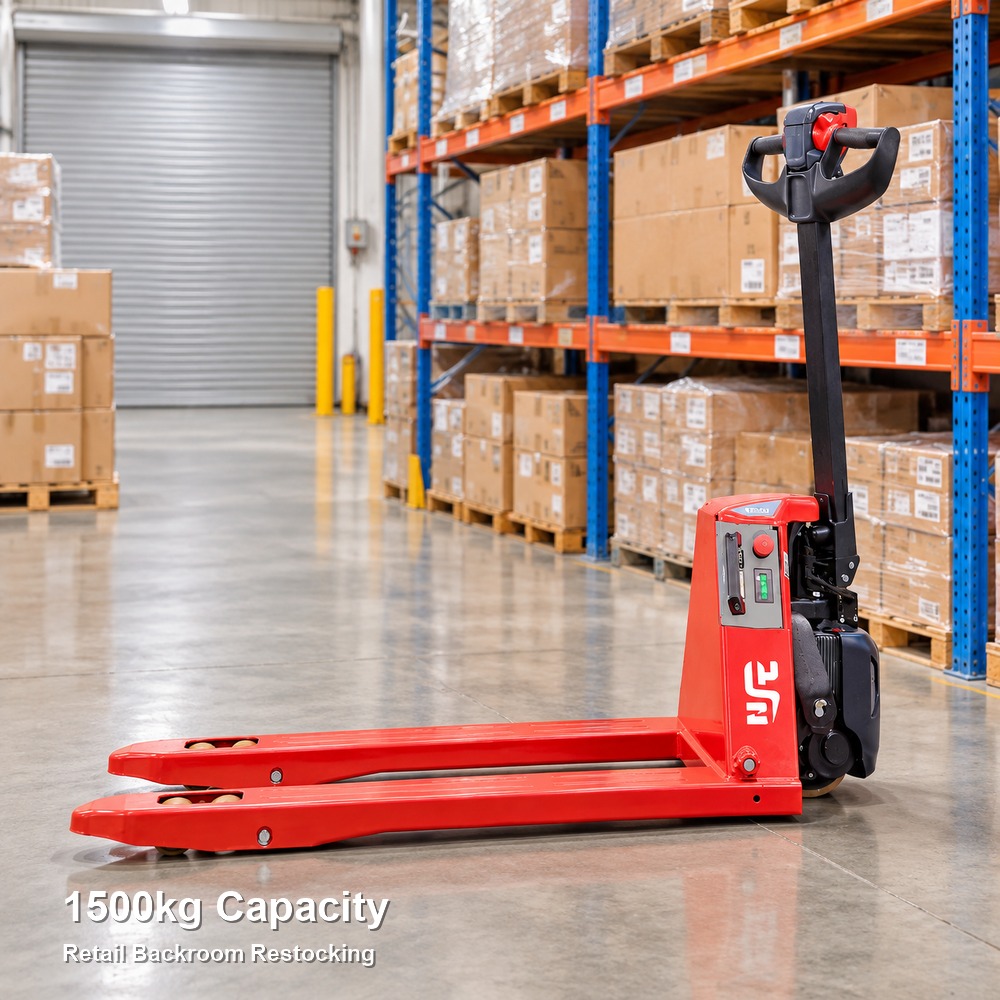
Cold Storage Electric Pallet Jack -20C Working 48V Lithium Battery Pallet Truck Walkie Type 1500kg 2000kg
A 48V lithium pallet truck designed for cold-store operations down to -20°C. Recommended for frozen food, pharmaceutical and cold-chain logistics buyers that need to review battery behavior, condensation control and safety features before ordering.
View product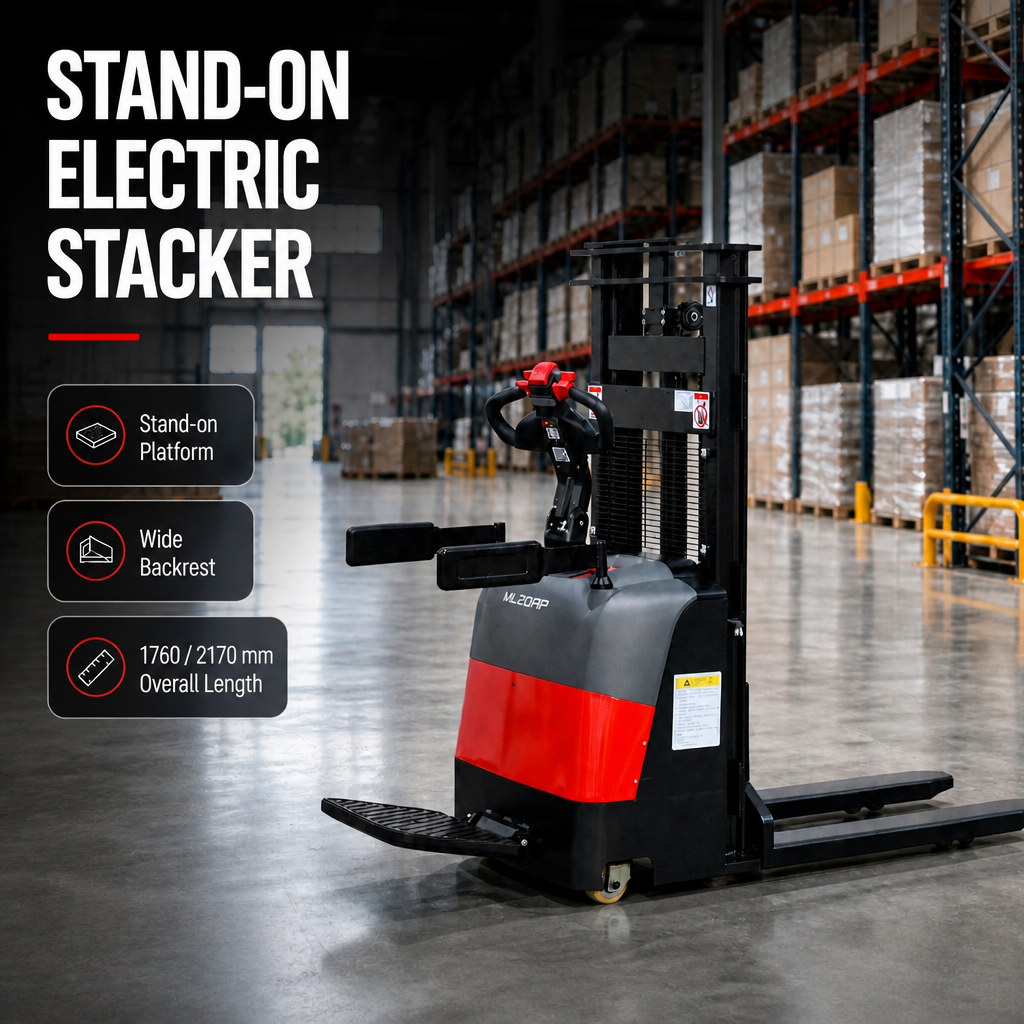
Electric Stacker Truck 2000kg Pallet Stacker Forklift 3410mm Lift for Warehouse Loading Unloading
A 2000 kg pallet stacker with 3410 mm lift for warehouse loading, unloading and racking tasks. Recommended for wholesalers needing higher lift than a pallet truck while keeping a narrower operating footprint than a full counterbalance forklift.
View productNeed a mixed-container quotation or private-label configuration? Share your load, aisle width, lift height and destination port for a faster review.
Send an InquirySupplier Strength That Supports Wholesale Decisions
Trust is easier to evaluate when a supplier can document scale, engineering depth and third-party assessment. The figures below reflect Pexal’s partner manufacturing base and export support structure.
Scaled assembly capacity for container orders and recurring dealer stock.
Production, assembly and quality-control personnel across the partner campus.
Engineering focus on electric drive, warehouse equipment and customization.
Western Europe, North America, South America, Eastern Europe and Oceania.
The Real Search Intent Behind “Powered Pallet Truck Manufacturers & Wholesalers”
Buyers are shortlisting supply risk, not only unit price
Procurement teams use this query when they are building a shortlist, not simply shopping for one pallet jack. The underlying questions are practical: can the supplier configure a 1.5-ton lithium walkie pallet truck for a specific aisle and charging pattern? Is the wholesaler an integrated partner with engineering support, or only a trading intermediary? Will spare parts, battery documentation and after-sales response still be available after the container arrives?
This guide applies an information-gain approach: product recommendations are separated from verification criteria, procurement trends and total-cost-of-ownership modelling. It is written for dealers, rental fleets, 3PLs, food and cold-chain operators, and private-label importers comparing electric pallet truck suppliers in China and other export markets.
- Clarify load weight, load centre, aisle width and top lift height before comparing prices.
- Confirm battery chemistry, charger compatibility, duty cycle and charging window.
- Ask for evidence: pre-shipment test records, customization drawings, spare-parts lists and third-party assessment.
What verification-focused buyers weigh
Illustrative planning weights from Pexal application consultations. Use these as RFQ discussion prompts, not as a substitute for your own cost model.
How to Distinguish a Trusted Manufacturer-Wholesaler from a Low-Information Trading Listing
In procurement, “trusted” must be evidenced by people, processes and records — not by repeating the word “factory” on a landing page.
Verified Production Depth
Check whether the supplier can show real production, assembly and inspection context. A 220,000 m² partner campus and 1,200+ workforce are meaningful only when linked to product-specific evidence.
Battery and Charger Engineering
Ask how the supplier matches Li-ion chemistry, BMS, charger profile, opportunity charging and cold-store operation to the actual duty cycle rather than offering one generic battery claim.
Customization & ODM
Supported changes may include fork length, mast height, colour, logo, packaging, voltage configuration and attachments. Request approved drawings before production.
Pre-Shipment Quality Control
Functional testing should cover lifting, travel, braking, steering and electrical systems. A serious supplier documents checks instead of relying on verbal assurance.
Export Documentation & Incoterms
Confirm Incoterms, packaging, plug and voltage requirements, commercial invoice, packing list and destination-specific documents before the order is released.
After-Sales and Parts Path
Request spare-parts lists, exploded views, training videos and a named response path. Replacement-part availability is a core part of pallet truck uptime.
| Evaluation Area | Weak Signal | Strong Evidence |
|---|---|---|
| Factory capability | Stock photos with no location or process detail | Onsite video, SGS assessment, product-specific production and QC records |
| Engineering depth | Generic specification sheet copied across models | Configuration review based on load, aisle, lift height and duty cycle |
| Customization | Colour change only | Approved drawings, sample approval, ODM workflow and packaging control |
| Quality assurance | Inspection offered only after a complaint | Pre-shipment test checklist and traceable inspection record |
| Service support | Email address only | Parts list, response process, technical documents and training materials |
Product Development Trends Reshaping Powered Pallet Trucks
Equipment is evolving from a simple horizontal mover into a connected, application-specific asset. Buyers should evaluate trends against their own warehouse reality.
Lithium as the Default Choice
48V Li-ion systems are becoming the reference configuration for many walkie pallet trucks because they support opportunity charging, lower maintenance and flexible shift planning. Buyers still need to verify charger quality and BMS protection.
Slim and Lightweight Frames
Slim-body designs such as 300 mm platforms and lightweight 107 kg chassis help equipment enter elevators, freight boxes and crowded retail spaces. Weight reduction must not compromise stability or fork strength.
Cold-Chain Packages
Cold storage electric pallet jacks rated for -20°C require careful attention to battery temperature, condensation, seals and operator safety. Cold-chain buyers should request a configuration review rather than a standard model quote.
Fleet Data and Telematics
Battery state, usage hours, fault codes and maintenance alerts are moving into connected fleet management. Data access can support rental billing, preventive service and operator accountability.
Safety Sensors and Ergonomics
Anti-collision sensing, emergency reverse, low-speed modes and clearer controls are becoming differentiators in mixed pedestrian environments. Training and labels remain essential parts of the safety system.
AGV-Ready and Automation Interfaces
Repetitive pallet moves are increasingly evaluated for automated guided forklifts and handling robots. Standard powered pallet trucks can also be specified with cleaner interfaces for future fleet integration.
Future Procurement Trends: What Wholesale Buyers Should Plan for in 2025–2030
Price comparison is maturing into supplier scorecard comparison. The winning RFQ will make hidden costs, service obligations and compliance evidence visible before purchase.
TCO-Based RFQs
Purchasing teams will increasingly compare purchase price together with battery life, energy consumption, maintenance labour, spare parts, downtime and resale value. A cheaper unit can lose on total cost within a few shifts.
Battery as Infrastructure
Charging strategy will be treated as infrastructure planning: charger count, power capacity, opportunity-charging windows, spare batteries and safety protocols. Buyers should ask for a charging plan, not only a battery specification.
Verified Supplier Scorecards
Procurement teams will request audit evidence, product-specific videos, test reports, trade records and documented customization capability. Generic catalogues will carry less weight in shortlisting.
Local Stock and Regional Service
Fast-moving dealers will favour suppliers able to support regional stock planning, spare-parts kits and technical response. Importers need a clear escalation path when equipment is in service.
Regulatory and Documentation Readiness
Voltage, plugs, labels, manuals, packaging and destination-market documentation should be agreed before shipment. Compliance details belong in the contract, not in a last-minute email.
Mixed Orders and Private Label
Wholesalers increasingly combine pallet trucks, stackers, spare parts and branded accessories in one container. Flexible mixed loading and private-label packaging reduce inventory risk for dealers.
Why Xiamen Pexal Technology Co., Ltd. Fits a Verified Supplier Shortlist
Pexal combines export-facing sales and technical support with access to a large partner manufacturing base — a structure designed for dealers and importers that need product breadth, customization and documented trust signals.

A partner built for wholesale range and configuration support
Xiamen Pexal Technology Co., Ltd. was founded in Xiamen, Fujian in 2024 as the sales, service and technical support base for Pexal material handling equipment. We work with a 220,000 m² partner manufacturing campus employing more than 1,200 people, including over 100 engineers focused on electric warehouse equipment.
Our product scope is broad enough for wholesale programs: electric forklifts, diesel forklifts, electric pallet trucks, pallet stackers, reach trucks, order pickers, forward stackers and automated guided forklifts/AGV robotics. For powered pallet truck buyers, this means we can support a single-model RFQ as well as a mixed container that includes stackers, reach trucks and spare parts.
The company has passed an onsite check and supplier assessment carried out by SGS Group. Verified capabilities include sample-based customization, full customization and ODM services. Main export markets are Western Europe, North America, South America, Eastern Europe and Oceania.
- SGS-assessed supplier with onsite check
- OEM, ODM and full customization support
- Export documentation and flexible Incoterms
- One supplier for trucks, stackers and parts
Accepted delivery terms include FOB, CFR, CIF, EXW, FCA, FAS, CPT, CIP, DDP and DDU. Payment can be arranged through T/T, L/C, D/P, D/A, Western Union, MoneyGram, PayPal, credit card and escrow, with currencies including USD, EUR, GBP, JPY, CAD, AUD, HKD, CHF and CNY. These details should be confirmed in the final quotation.
 Company & facility overview
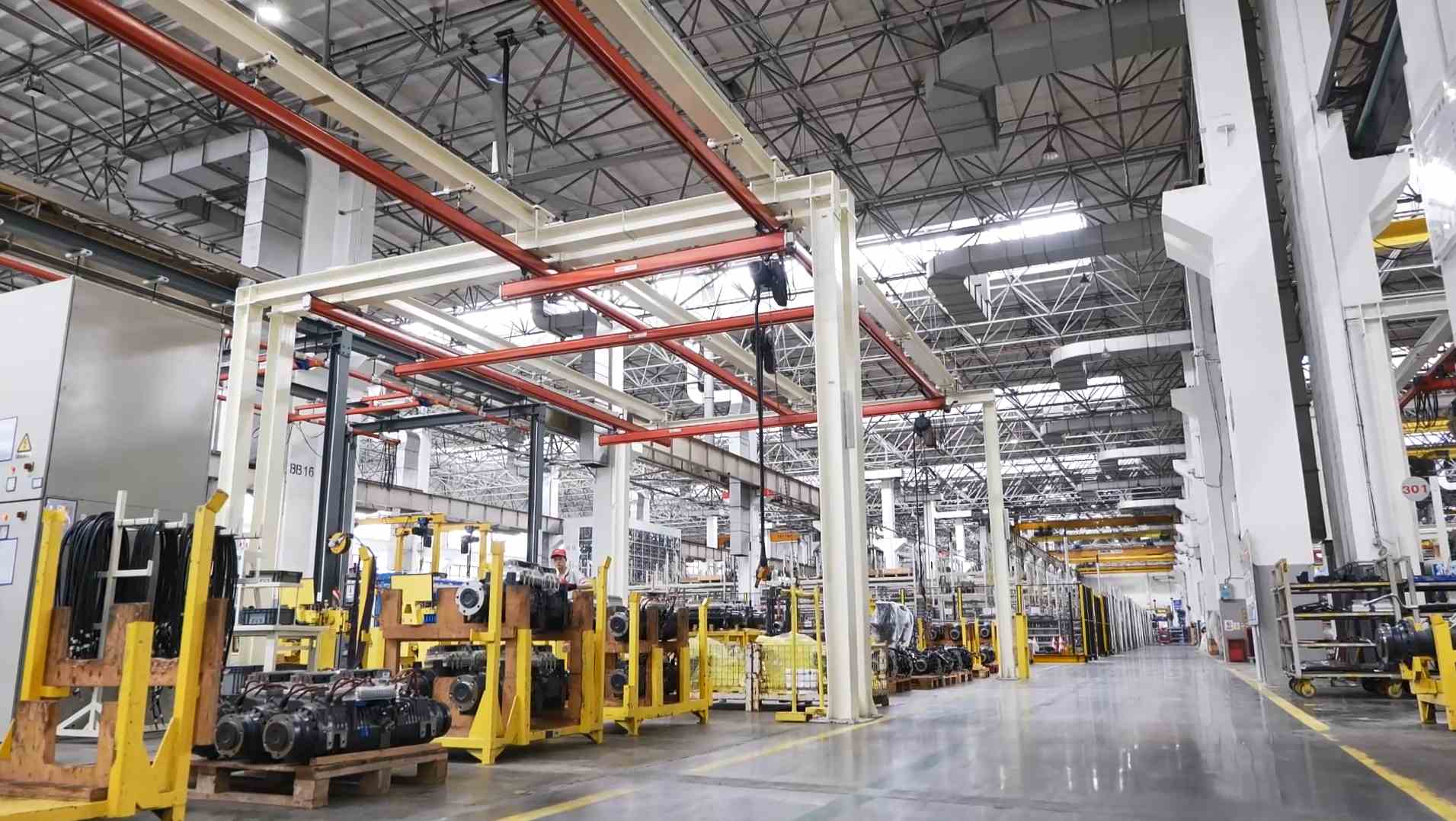 Production workshop
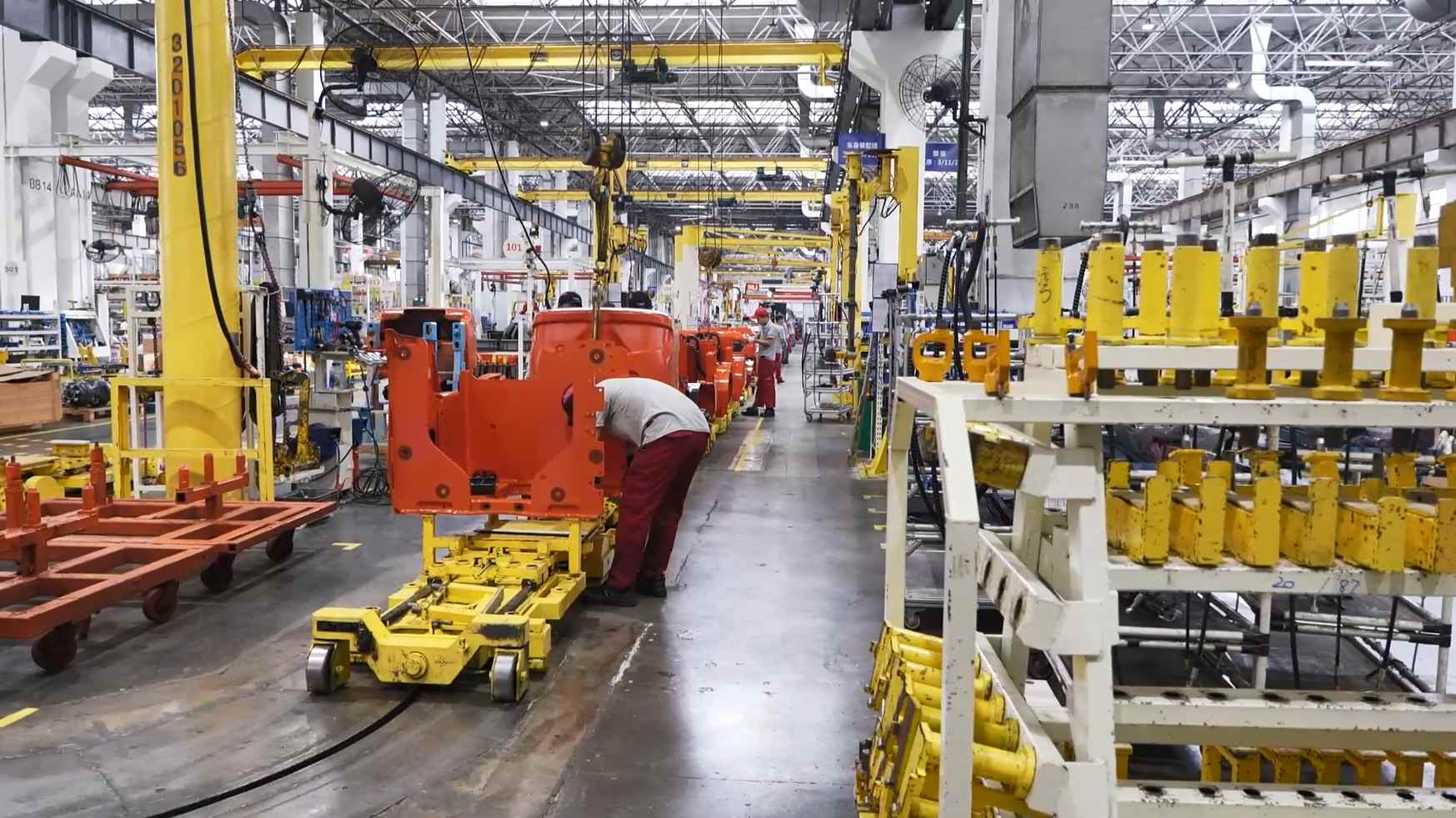 Assembly line
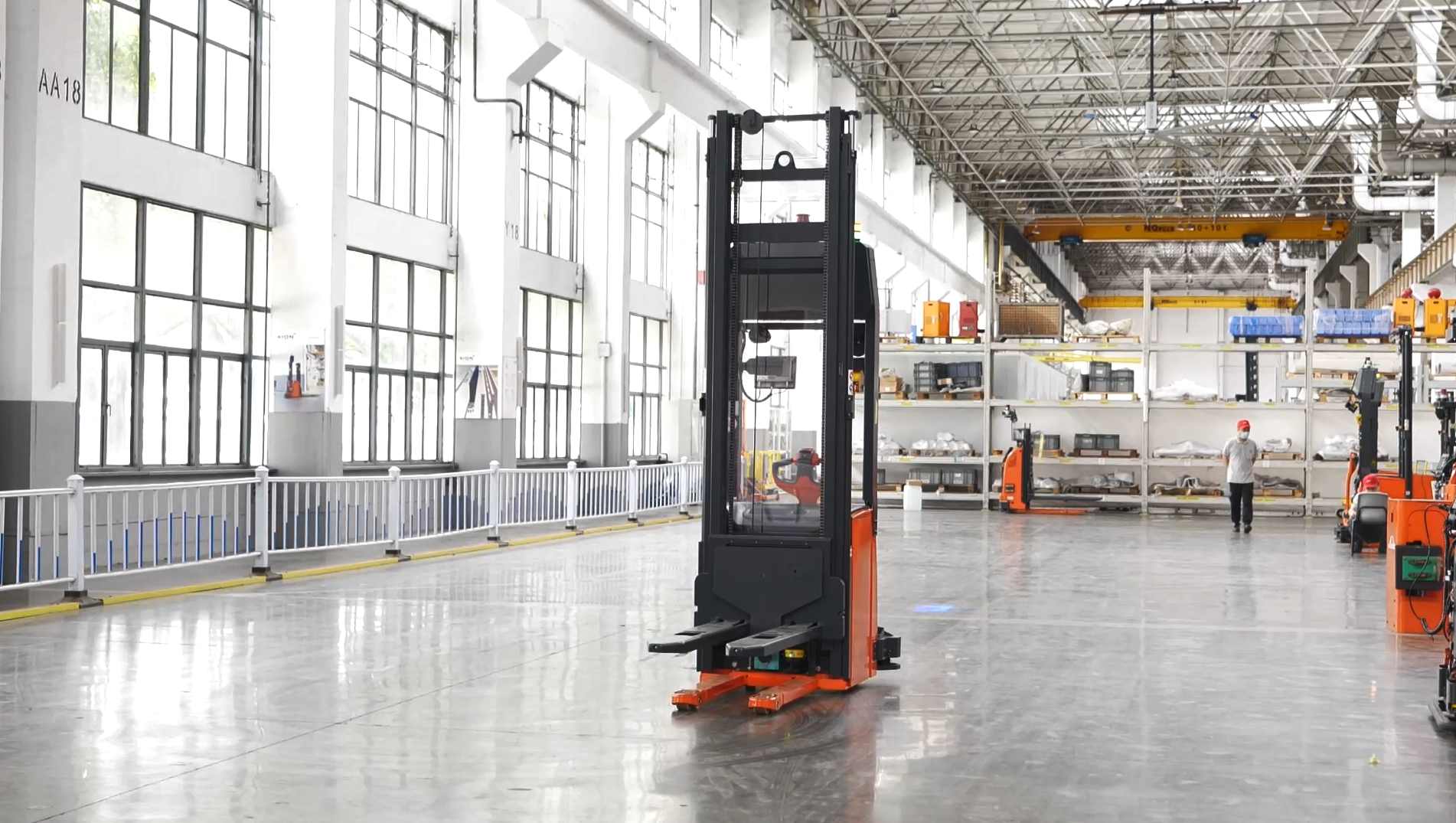 Export preparation
How to Compare Quotes Without Missing Hidden Costs
A powered pallet truck quote should be compared as a system: equipment, energy, charging, service, spares and downtime. The checklist below helps procurement teams structure an evidence-based RFQ.
Build a practical total cost of ownership model
For multi-shift operations, a lower-priced lead-acid unit can become more expensive if it requires battery changes, extended charging downtime or additional handling space. Lithium configurations can reduce maintenance and opportunity-charging friction, but the charger, BMS and warranty terms still need careful review.
- State maximum load weight, load centre and pallet dimensions.
- Provide aisle width, door width, elevator size and top racking height.
- Describe floor condition, ramps, cold-store temperature and wash-down exposure.
- Share shift length, charging windows and spare-battery policy.
- Request spare-parts list, technical manual and operator training material.
Typical hidden cost drivers in powered pallet truck ownership
Planning indicators for RFQ discussion. Actual values depend on model, site, usage and local service conditions.
| RFQ Input | Why the Supplier Needs It | Evidence to Request in the Quotation |
|---|---|---|
| Load and load centre | Determines capacity class, fork strength and stability | Matched model, rated capacity chart and fork dimensions |
| Aisle and doorway width | Defines slim-body, stacker or alternative handling layout | Overall width, turning radius and recommended aisle clearance |
| Lift height and racking | Separates pallet truck needs from stacker or reach-truck needs | Mast/lift specification and residual capacity at height |
| Duty cycle and charging | Shapes battery capacity, charger count and shift strategy | Battery data sheet, charger specification and charging plan |
| Destination and compliance | Affects voltage, plug, labelling, documents and packaging | Compliance checklist, label artwork and shipping document list |
| Branding and packaging | Supports dealer programs and private-label sales | Logo proof, packaging layout, sample approval and QC plan |
Frequently Asked Questions from Importers, Dealers and Fleet Buyers
These are the practical questions procurement teams ask when comparing powered pallet truck manufacturers, wholesalers and private-label suppliers.
Should I buy from a powered pallet truck manufacturer or a wholesaler?
The best supplier is often an integrated manufacturer-wholesaler with engineering support. Verify production capability, product range, customization workflow, QC evidence and after-sales parts support. A pure trading intermediary may be acceptable for small standard orders, but configuration control and technical response can become weaker as order complexity increases.
How do I choose between a 1.5-ton and 2-ton electric pallet truck?
Start with the maximum pallet weight and load centre, not the advertised tonnage alone. A 1.5-ton electric pallet truck suits many general warehouse, retail and container-unloading duties. A 2-ton class may be needed for denser loads, heavier attachments or more demanding duty cycles. Always confirm residual capacity and fork dimensions for your actual pallet.
What battery strategy is best for multi-shift use?
For multi-shift work, compare lithium and lead-acid configurations against charging windows, battery-change labour, energy cost and space. Li-ion systems can support opportunity charging, but the charger, BMS, temperature range and warranty must be specified correctly. Cold-store operations require an additional configuration review.
Can you customize fork length, width, colour, logo and packaging?
Xiamen Pexal Technology Co., Ltd. offers sample-based customization, full customization and ODM services. Typical customization discussions include fork length, overall width, mast height, battery type, colour, logo, labels, packaging and attachment configuration. Approved drawings should be confirmed before production.
Which Incoterms and payment methods do you accept?
Common delivery terms include FOB, CFR, CIF, EXW, FCA, FAS, CPT, CIP, DDP and DDU. Payment methods can include T/T, L/C, D/P, D/A, Western Union, MoneyGram, PayPal, credit card and escrow. Accepted currencies include USD, EUR, GBP, JPY, CAD, AUD, HKD, CHF and CNY, subject to final order confirmation.
How is quality verified before shipment?
Quality review should include functional testing of lifting, travel, braking, steering and electrical systems, plus a pre-shipment inspection record. Pexal has passed an onsite check and supplier assessment by SGS Group. For customized orders, request drawing approval, label checks and packaging confirmation before dispatch.
Do you offer cold storage electric pallet jacks?
Yes. The product range includes a cold storage electric pallet jack rated for -20°C working with a 48V lithium battery. Buyers should provide operating temperature, entry/exit time, condensation conditions and charging location so the configuration can be reviewed properly.
What information should I include in an inquiry for a faster quotation?
Include maximum load, load centre, pallet size, aisle width, door or elevator width, lift height, floor condition, duty cycle, charging window, battery preference, quantity, destination port, certification needs, branding requirements and preferred Incoterms. Clear inputs reduce quotation back-and-forth and improve configuration accuracy.
Plan Your Next Powered Pallet Truck Order With Verified Configuration Support
Share your load, aisle width, lift height, duty cycle, battery preference, destination port, quantity and branding requirements. Our team can review the eight recommended models, suggest a mixed-container configuration and prepare a quotation basis for your market.
Send an Inquiry