Top Trusted Electric Pallet Truck Factories & Wholesalers
A practical procurement guide for distributors, 3PLs, retailers and warehouse operators comparing lithium walkie pallet trucks, electric pallet jacks and stackers from China.
8 Electric Pallet Truck & Stacker Models for 2026 Wholesale Programs
Use this shortlist to compare load capacity, battery format, turning radius and application fit. Each model below links directly to its product page so procurement teams can verify specifications before requesting a mixed-container quotation.
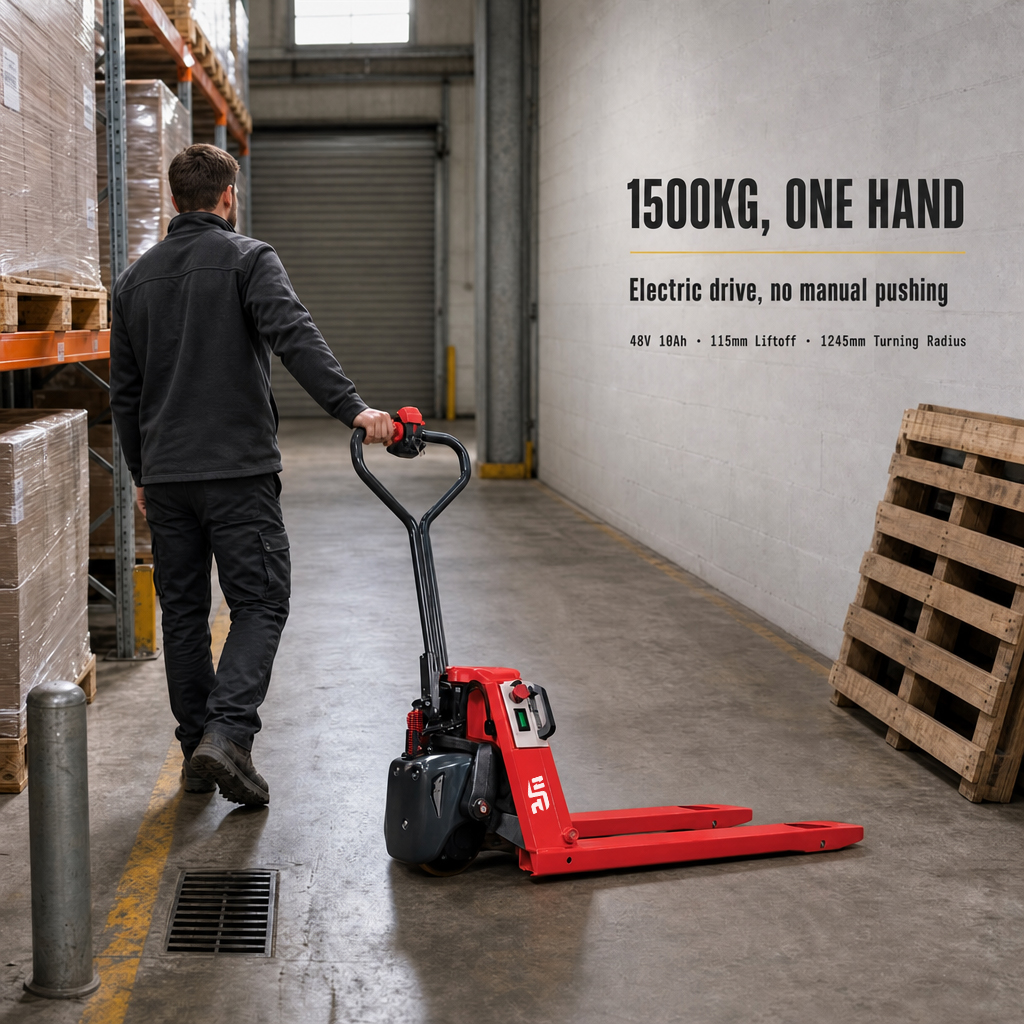
Electric Pallet Truck for Distribution Center Workshop Supermarket Pallet Handling 1500kg Lithium Battery Walkie Jack
A practical 1,500 kg lithium walkie jack for distribution centers, workshops and supermarkets. Its compact footprint supports repetitive pallet movement at dock, store-floor and backroom interfaces.
View model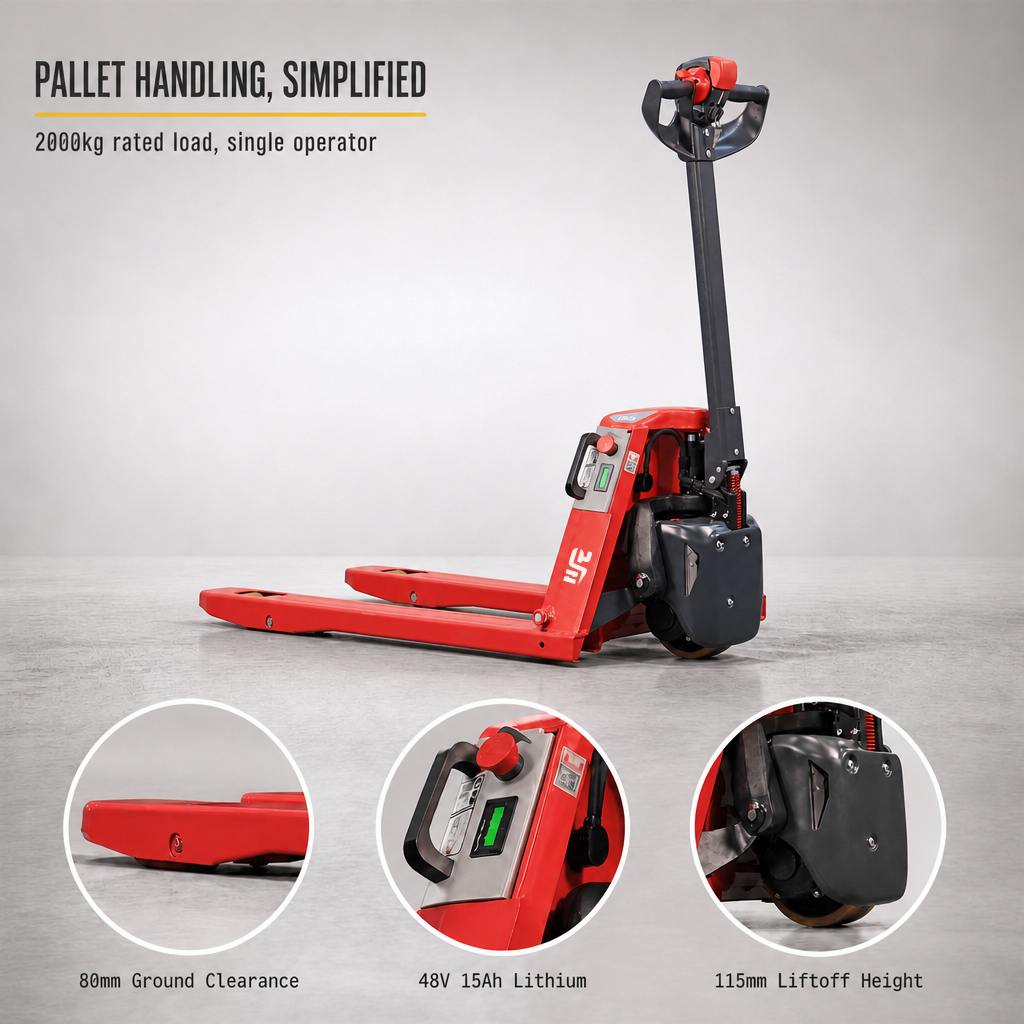
NB20L01LD 2000kg Electric Pallet Truck Lithium Battery 4.8km/h Speed 1245mm Turning Radius Jack
A 2,000 kg lithium pallet truck with 4.8 km/h travel speed and a 1,245 mm turning radius, suited to warehouses where both throughput and manoeuvrability matter.
View model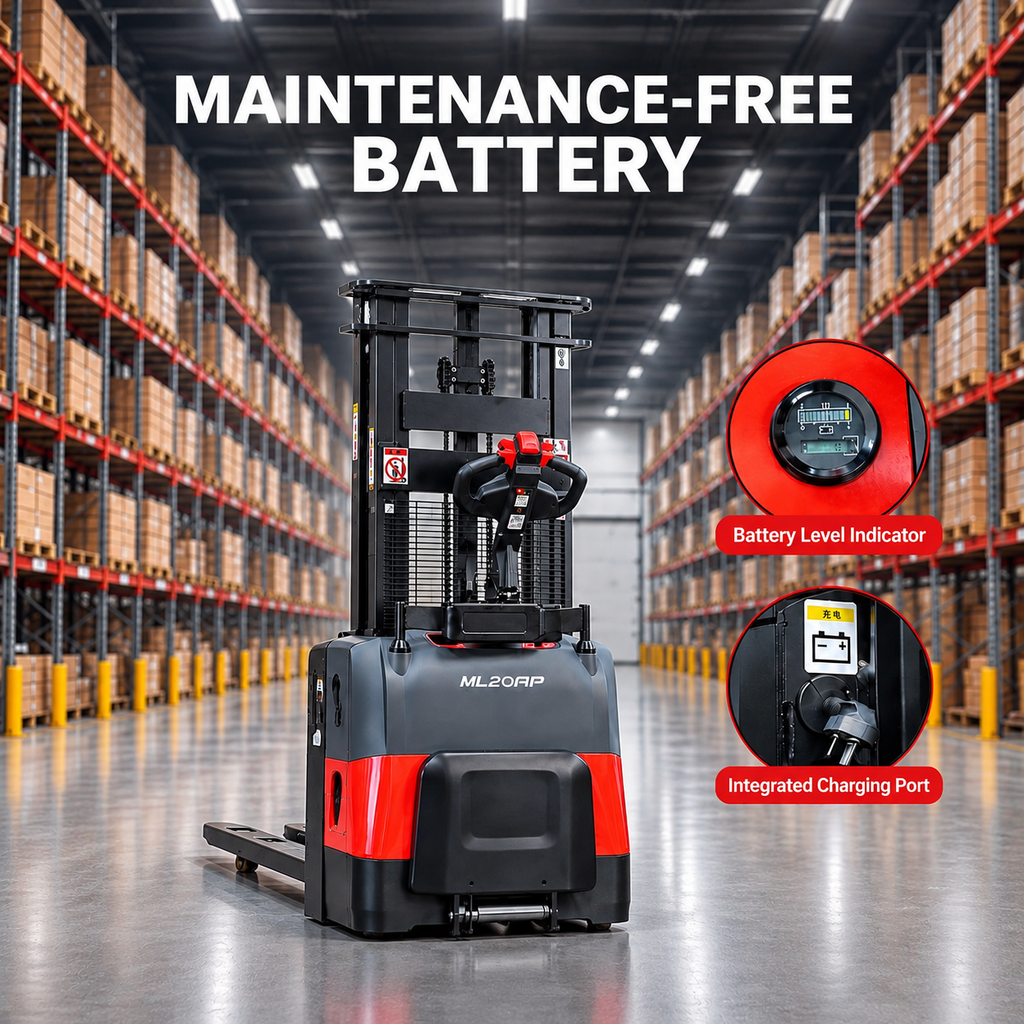
Stacker Forklift Electric 1500kg 2000kg for Retail Backroom Farm Feed Store Pallet Stacking Work
An electric stacker configuration for retail backrooms, farm feed stores and pallet stacking tasks where a pallet truck alone cannot reach the required lift height.
View model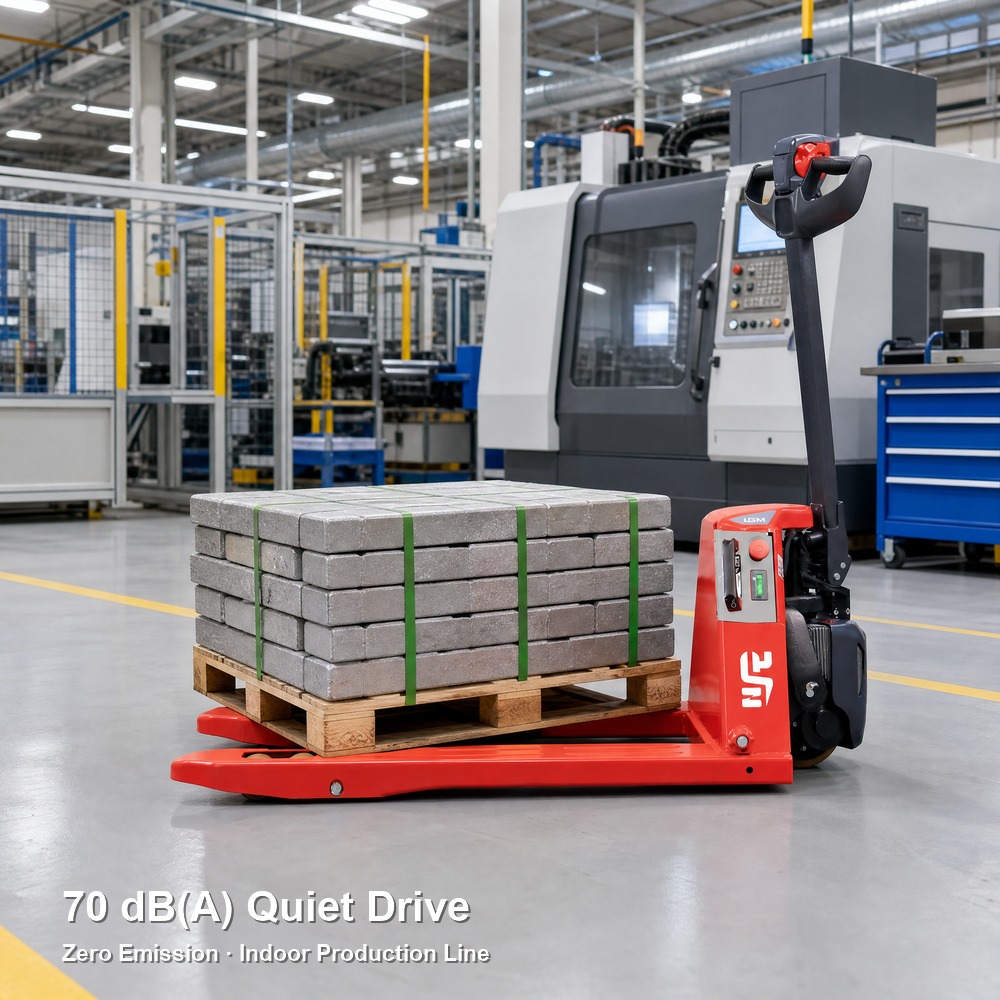
Battery Powered Pallet Jack Truck 48V Lithium Walkie Type for Narrow Aisle Warehouse Elevator Loading Unloading
A 48V lithium walkie pallet jack for narrow aisles, elevator loading and freight-box handling, where a shorter chassis and controlled low-speed manoeuvrability are essential.
View model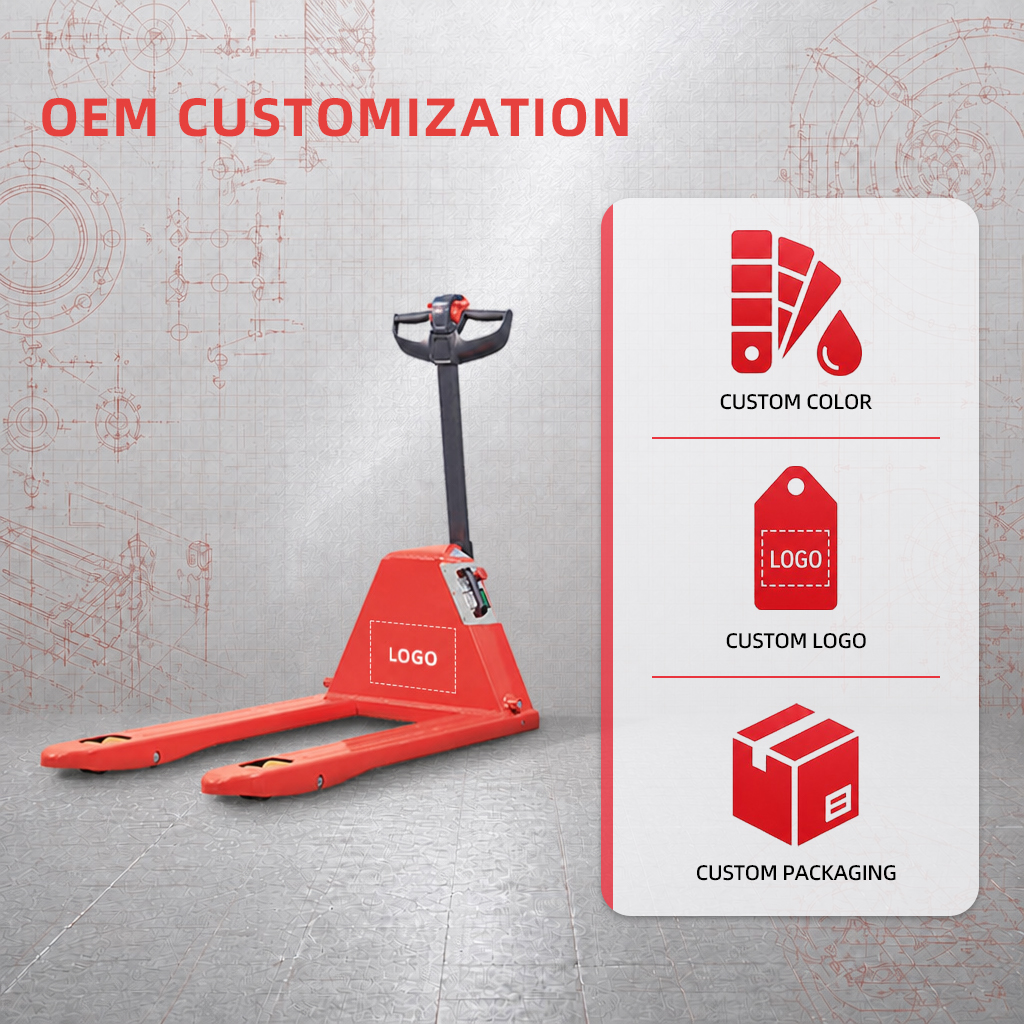
Efficient 2 Ton Electric Pallet Jack 2000kg Capacity: Best Material Handling Solution for Logistics Centers 2026 Hot Sale
A 2,000 kg electric pallet jack aimed at logistics centers and high-frequency horizontal transfers. It is a strong candidate for buyers standardising a mixed fleet around a proven capacity class.
View model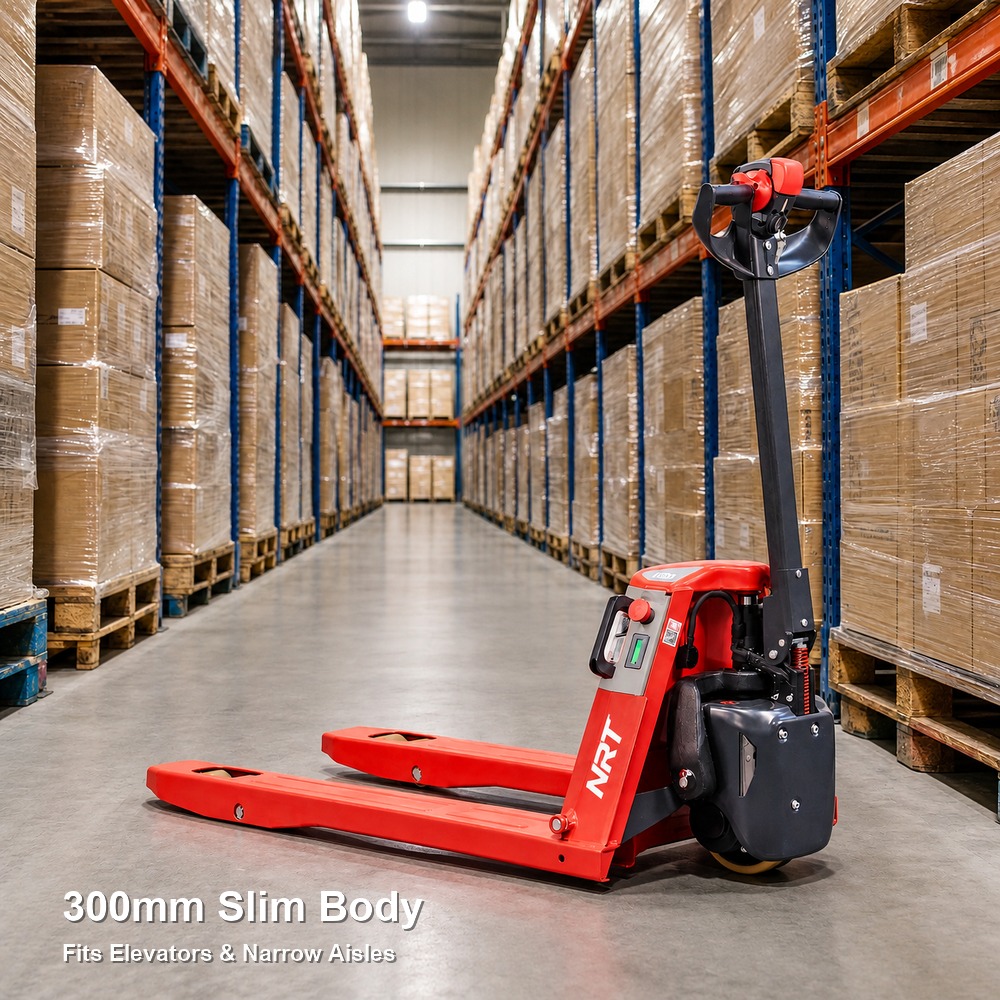
NB15L01LD Electric Pallet Jack 2000kg 48V 15Ah Lithium Battery 850W Fork 1150mm PU Wheels Pallet Truck
A specification-rich 2,000 kg model with 48V 15Ah lithium battery, 850W motor, 1,150 mm fork and PU wheels. Useful for buyers comparing battery, motor and wheel specification line by line.
View model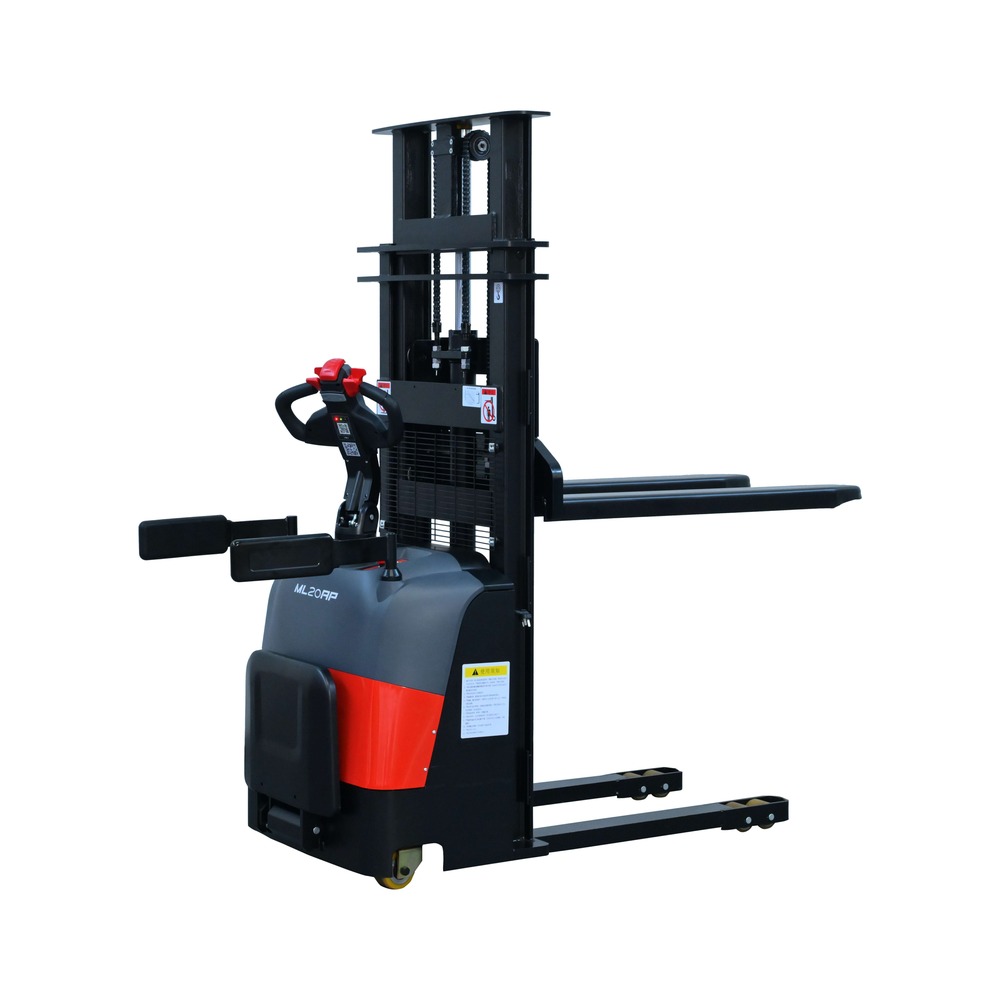
2000kg Stand on Electric Pallet Stacker 3.41m Lift Height Pallet Stacker Truck Channel Steel Mast 1480mm Turning Radius
A stand-on electric pallet stacker with 3.41 m lift height, channel steel mast and 1,480 mm turning radius, intended for medium-height racking and repetitive stacking duties.
View model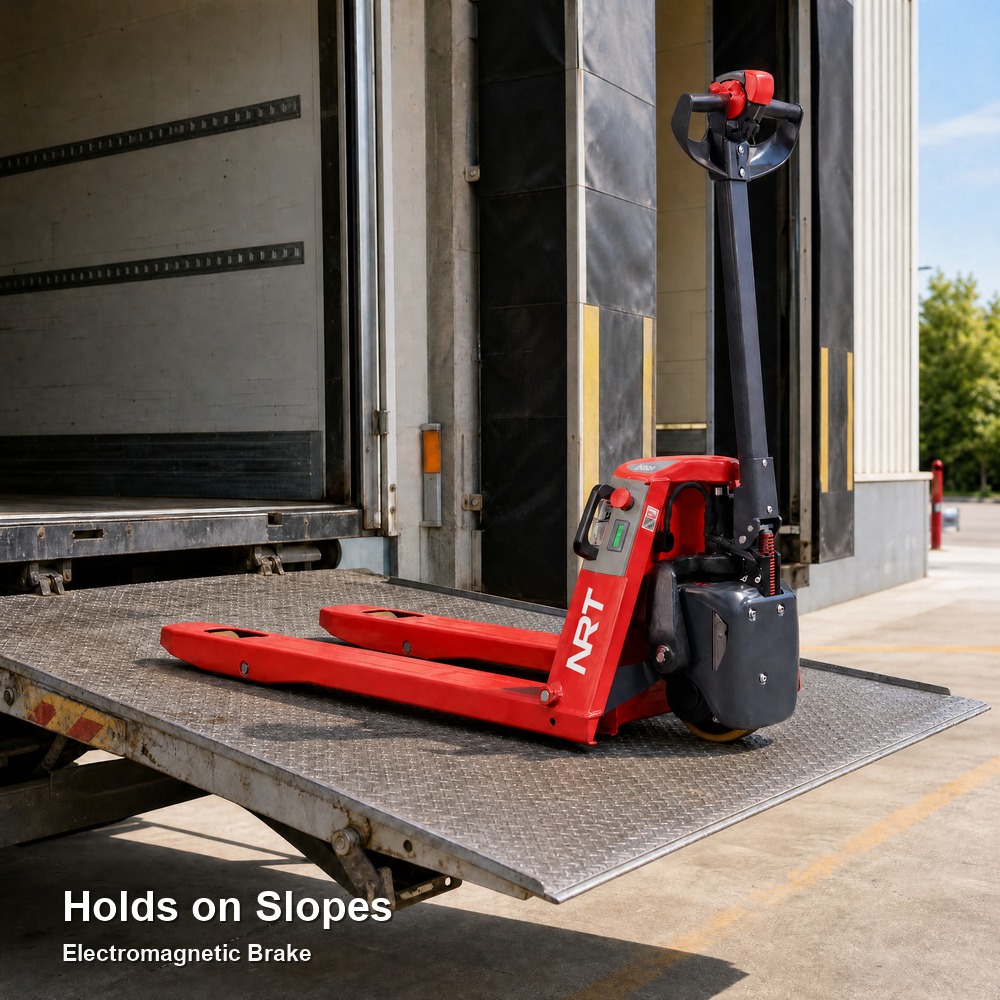
Electric Pallet Jack 1500kg 300mm Slim Body Walkie Pallet Truck for Elevator Freight Box Narrow Aisle Handling
A 1,500 kg slim-body walkie pallet truck with a 300 mm body width, created for elevators, freight boxes and narrow aisles where conventional pallet jacks waste usable space.
View modelWhy Trusted Electric Pallet Truck Factories & Wholesalers Matter in 2026
Electric pallet trucks have moved from a low-value accessory purchase to a measurable logistics asset. For distributors, rental fleets, 3PL operators and retail groups, the real question is not whether a walkie pallet jack is cheaper today, but whether the supplier can document capacity, battery chemistry, service intervals, spare-parts availability and export compliance for the next three to five years. That is why searches for top trusted electric pallet truck factories and wholesalers increasingly include terms such as lithium pallet truck, 2-ton electric pallet jack, narrow-aisle pallet truck and SGS-assessed supplier.
Because electric pallet trucks operate at the interface between receiving, storage, picking and dispatch, a small specification error can create daily friction. A model that turns easily in a 2.4 m aisle may not fit an elevator; a 1,500 kg unit may be adequate for mixed retail pallets but unsuitable for dense beverage loads. The strongest wholesale partners help buyers narrow these variables before quotation, using application data rather than a generic price list. This guide uses that standard: verified factory capability, application fit, future procurement trends and model-level recommendations.
What Makes an Electric Pallet Truck Factory Trusted?
Trust is not a badge placed beside a price. It is the ability to prove operational capability, engineering depth, customization control and export discipline before a buyer sends a deposit.
Onsite-Verified Supplier Status
A trust badge alone is not enough. Pexal has passed an onsite check and supplier assessment by SGS Group; buyers can review the assessment route, credit index and trade history. That evidence reduces counterparty risk before the first deposit.
Engineering and Customization Depth
A 220,000 m² partner campus, 1,200+ workforce and 100+ engineers support sample-based customization, full ODM work and configuration changes such as mast height, fork length, battery type, colour, logo and attachments.
Application Engineering, Not Catalogue Guessing
The right pallet truck depends on floor surface, aisle width, lift height, duty cycle and load centre. Our team maps the site constraints to equipment class: walkie jack, stacker, reach truck or AGV, before the sales order is confirmed.
Export and Documentation Discipline
Flexible Incoterms from EXW to DDP, multiple payment methods and multi-currency quotation support make repeat wholesale programs easier for importers in Western Europe, North America, South America, Eastern Europe and Oceania.
How B2B Buyers Will Source Electric Pallet Trucks in 2026–2028
Procurement is shifting from “find the lowest unit price” to “secure a repeatable, auditable supply program”. The four trends below should shape the questions buyers ask during supplier selection.
TCO-First Sourcing
Fleet buyers are comparing energy use, tyre wear, battery lifecycle, spare-parts availability and downtime—not just the FOB price. A cheaper pallet truck with poor dealer support often costs more over a three-year cycle.
Lithium and Opportunity Charging
Lithium battery pallet trucks are becoming easier to justify because opportunity charging reduces the need for battery swaps. Buyers should still check charger compatibility, cycle expectations and local electrical requirements.
Safety and Compliance Evidence
Warehouse managers increasingly request documentation for braking performance, emergency controls, stability in use and model-specific operating limits. Suppliers that answer these questions quickly win more serious dealer accounts.
Supplier Consolidation and ODM
Distributors prefer fewer suppliers that can cover pallet trucks, stackers and forklifts while supporting private-label programs. Consolidation simplifies logistics, warranty administration and spare-parts planning.
Product Development Trends Shaping Electric Pallet Trucks
The next generation of electric pallet trucks is being designed around narrower aisles, more flexible battery platforms and better data for maintenance planning.
Slim-Body and Narrow-Aisle Design
Models such as the 1,500 kg slim-body pallet truck with a 300 mm body respond to elevators, freight boxes and dense retail backrooms where every millimetre affects access.
Modular Lithium Platforms
48V lithium configurations with different amp-hour capacities allow one base truck platform to serve multiple duty cycles, helping wholesalers reduce SKU complexity while meeting local market needs.
Smart Diagnostics and Fleet Visibility
Digital controllers and diagnostic interfaces help dealers identify fault codes, battery issues and maintenance intervals faster. This is becoming a competitive advantage for rental fleets and multi-site distributors.
AGV-Ready and Automation-Compatible
Electric pallet trucks are increasingly treated as part of a wider material handling ecosystem. Buyers planning automation should ask whether models can integrate with fleet software, safety systems or automated guided forklift routes.

Pexal: A Factory-Aligned Partner for Electric Pallet Truck Wholesale
Xiamen Pexal Technology Co., Ltd. was founded in Xiamen, Fujian in 2024 as the sales, service and technical support base for Pexal material handling equipment. We work with a 220,000 m² partner manufacturing campus employing more than 1,200 people, including over 100 engineers focused on electric warehouse equipment.
Our purpose is practical: help wholesalers and fleet buyers move from manual handling to electric handling, and from diesel to battery power, while reducing emissions, noise and operating cost. The product range covers electric pallet trucks, electric pallet stackers, electric forklifts, reach trucks, order pickers and automated guided forklifts, allowing dealers to consolidate multiple SKUs with one supplier.
- SGS-assessed supplier with onsite check
- Source-direct partner factory pricing
- Sample-based, full and ODM customization
- Global service across five export regions
- Logistics solution design and consulting
- Export packaging and flexible Incoterms
How to Compare Electric Pallet Truck Factories & Wholesalers
A useful comparison matrix should connect application requirements to verifiable factory evidence. Use the table and RFQ checklist below to reduce specification mismatch before the order stage.
| Configuration | Best-fit use | Key checks before order | Model reference |
|---|---|---|---|
| 1,500 kg lithium walkie jack | Distribution centers, retail, workshops and supermarket pallet handling | Confirm load centre, fork length, charger type and operator training needs | 1500kg lithium walkie pallet truck |
| 2,000 kg lithium pallet truck | High-frequency warehouse transfer and 2-ton logistics programs | Check 4.8 km/h travel speed, 1,245 mm turning radius and battery capacity | NB20L01LD 2000kg |
| 48V narrow-aisle pallet jack | Elevator loading, freight boxes and narrow warehouse aisles | Measure door and aisle width; verify 48V lithium, fork width and low-speed control | Battery powered 48V walkie jack |
| Slim-body 1.5-ton jack | Retail backrooms, tight doorways and compact freight spaces | Verify 300 mm body width, wheel material and floor clearance | 1500kg 300mm slim body |
| Electric stacker | Retail backroom, farm feed store and pallet stacking work | Confirm 1.5/2.0-ton capacity, lift height, mast type and stability limits | Electric stacker forklift |
| Stand-on pallet stacker | Medium-height racking and repetitive stacking duties | Check 3.41 m lift height, 1,480 mm turning radius and channel steel mast | 2000kg stand-on stacker |
Define the Load
Record maximum pallet weight, pallet dimensions and load centre distance. Do not use capacity alone as a substitute for load-centre verification.
Measure the Route
Capture aisle width, elevator size, door clearances, ramp gradients and floor surface. These measurements determine whether a standard, narrow or slim-body truck is appropriate.
Set the Duty Cycle
Estimate hours per shift and shifts per day. Battery voltage, amp-hour capacity and charging strategy should be matched to the real operating pattern.
Verify the Supplier
Request SGS assessment records, recent trade history, product-level specifications and a clear quotation showing Incoterms, lead time and spare-parts support.
Electric Pallet Truck Sourcing FAQ
Straight answers to questions commonly asked by importers, dealers and fleet managers evaluating electric pallet truck factories and wholesalers.
What load capacity electric pallet truck should I choose for my warehouse?
Start with the heaviest pallet you move regularly, then add a safe margin for load centre and attachment use. A 1,500 kg electric pallet truck is often suitable for mixed retail, workshop and supermarket pallets, while 2,000 kg models are common in logistics centers and denser loads. Confirm capacity at the actual load centre rather than relying only on the headline kilogram rating.
Is a lithium electric pallet truck better than lead-acid for wholesale programs?
Lithium can reduce maintenance and allow opportunity charging between shifts, which is attractive for multi-site distributors and rental fleets. Lead-acid may still fit buyers with established battery rooms and predictable charging routines. The correct choice depends on duty cycle, charger availability, local electrical infrastructure and total cost of ownership over the intended service period.
Can you customize electric pallet trucks for our brand or market?
Yes. Pexal supports sample-based customization, full customization and ODM services. Typical configuration items include mast height, fork length, battery type, colour, logo, attachments and market-specific documentation requirements. Provide the target market, required quantity and application details so the configuration can be reviewed before quotation.
How do I verify that an electric pallet truck factory is trustworthy?
Request evidence: an onsite assessment or supplier report, company video, trade history, credit index, product-level specifications and references from comparable markets. Pexal has passed an onsite check and supplier assessment by SGS Group, and buyers can review the assessment profile and verified company video before placing an order.
Which Incoterms, payment methods and currencies can you support?
Common delivery terms include FOB, CFR, CIF, EXW, FCA, CPT, CIP and DDP. Payment methods include T/T, L/C, D/P, D/A, Western Union, PayPal, credit card and escrow. Accepted currencies include USD, EUR, GBP, JPY, CAD, AUD, HKD, CHF and CNY. Final terms are confirmed in the quotation and sales contract.
Can you supply a mixed container of pallet trucks, stackers and forklifts?
Yes. The product range covers electric pallet trucks, stackers, electric forklifts, reach trucks, order pickers and automated guided forklifts. Consolidating multiple product types with one factory-aligned supplier can simplify spare-parts planning, shipment coordination and dealer catalogue management.
What should I include in an RFQ for an accurate electric pallet truck quotation?
Include load weight and load centre, pallet size, fork length and width preference, required lift height, aisle or elevator dimensions, floor condition, battery preference, charging routine, estimated quantity, destination market, required Incoterm and any branding or attachment requirements. Also ask for lead time, packaging details and the recommended spare-parts list for your first order.
Request a 2026 Electric Pallet Truck Catalog
Share your load, aisle width, lift height, battery preference and target market. We will prepare a configuration shortlist for electric pallet trucks, stackers and related warehouse equipment.