Top Trusted Battery Electric Forklift Exporters & Wholesalers
A due-diligence-led buying guide for distributors, rental fleets, and procurement teams comparing lithium battery pallet trucks, electric stackers, walkie pallet jacks, and wholesale electric handling equipment from China.
Eight Battery Electric Pallet & Stacker Models to Shortlist
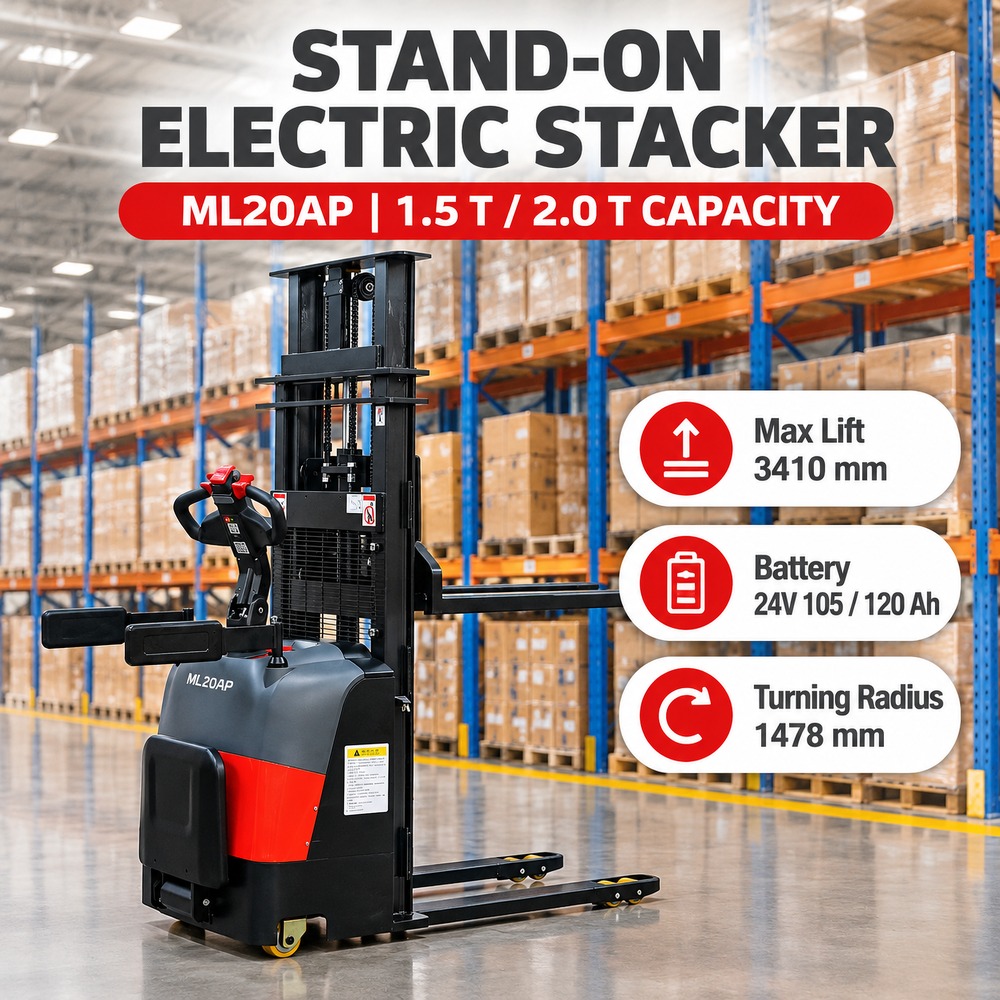
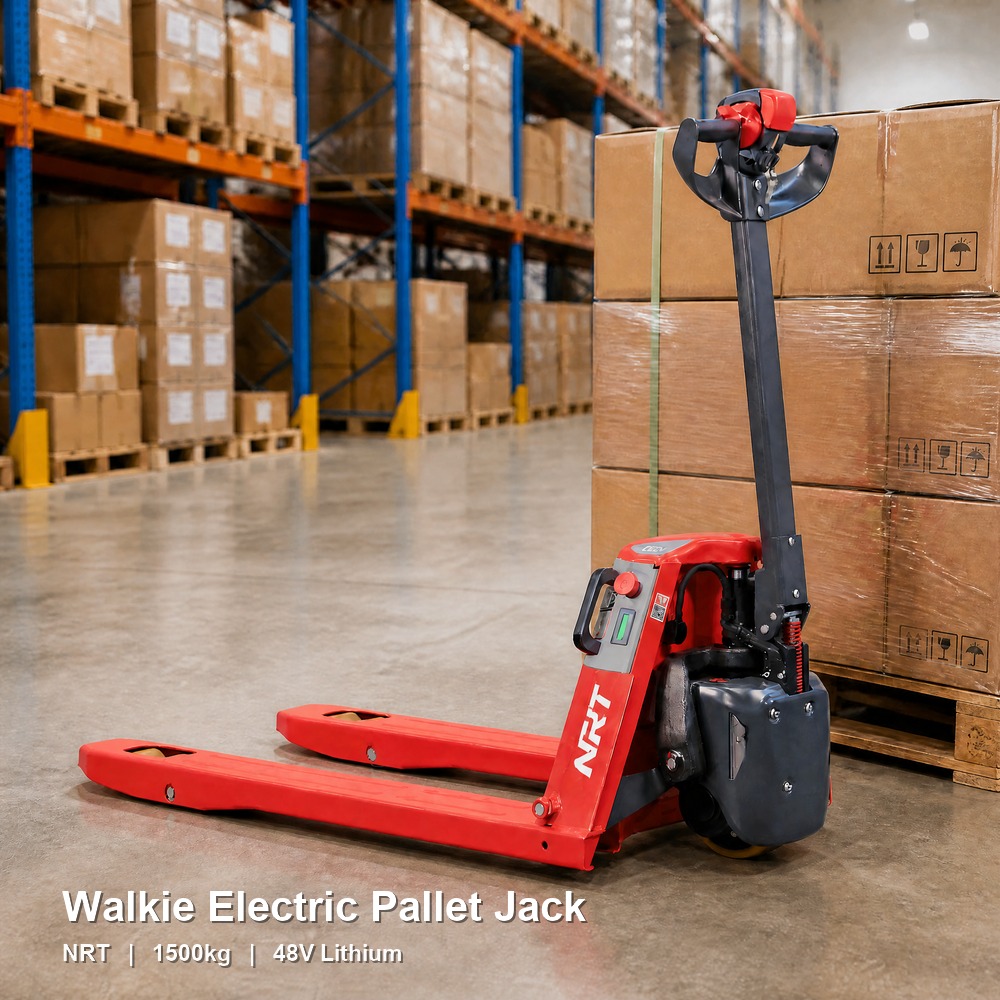
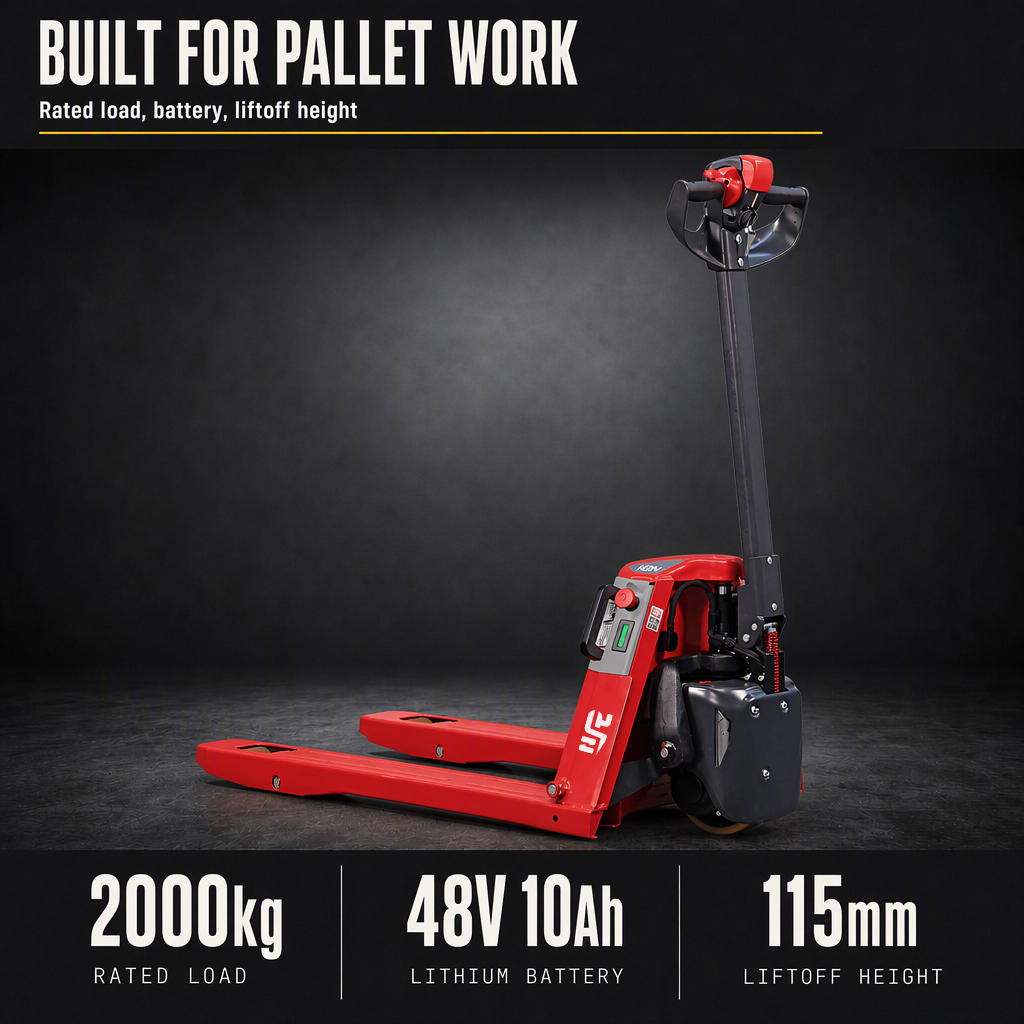
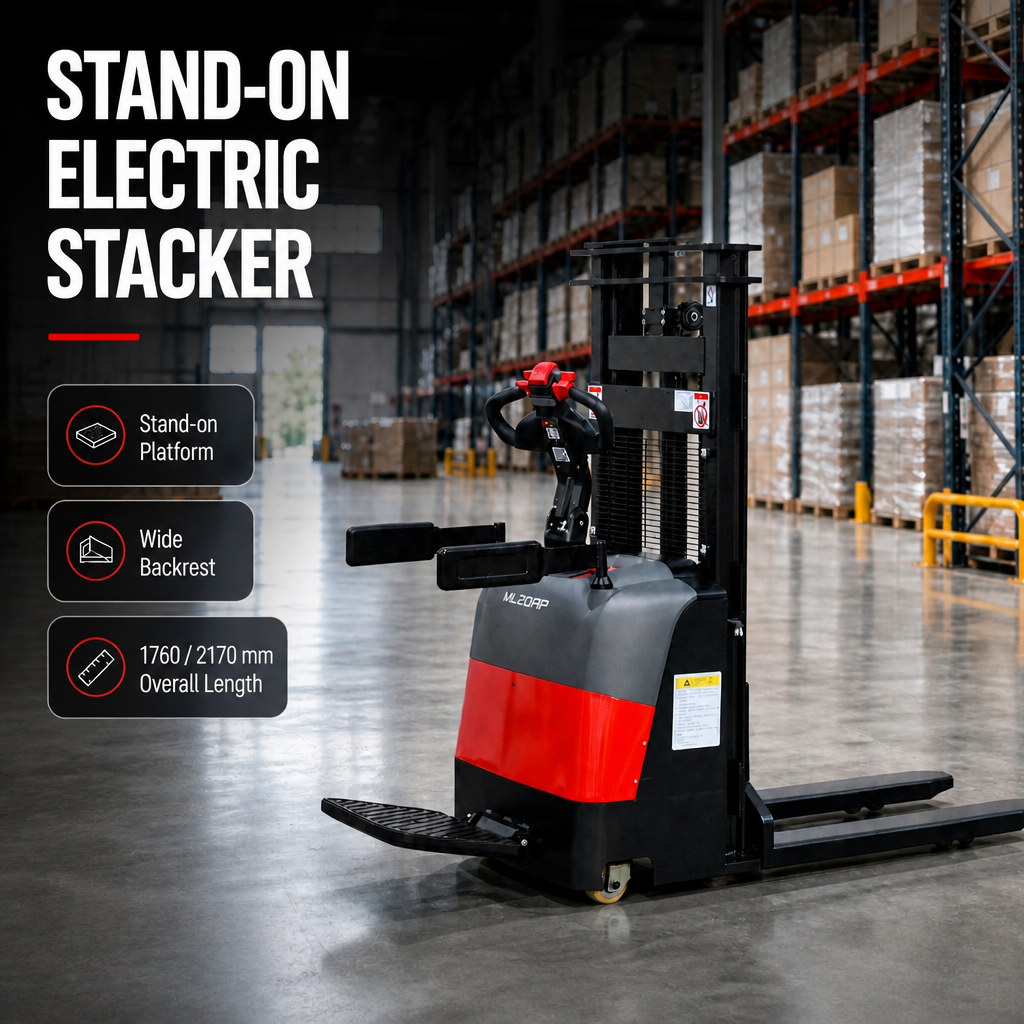
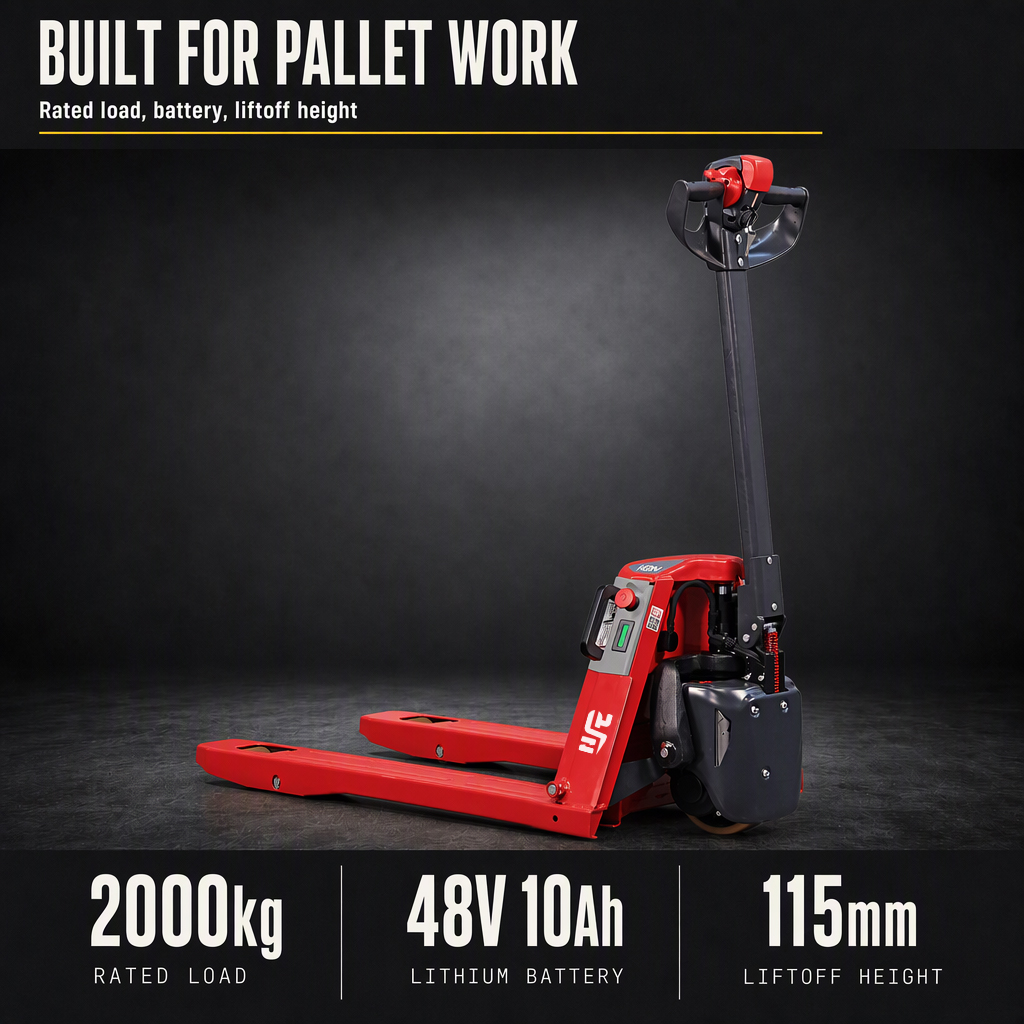
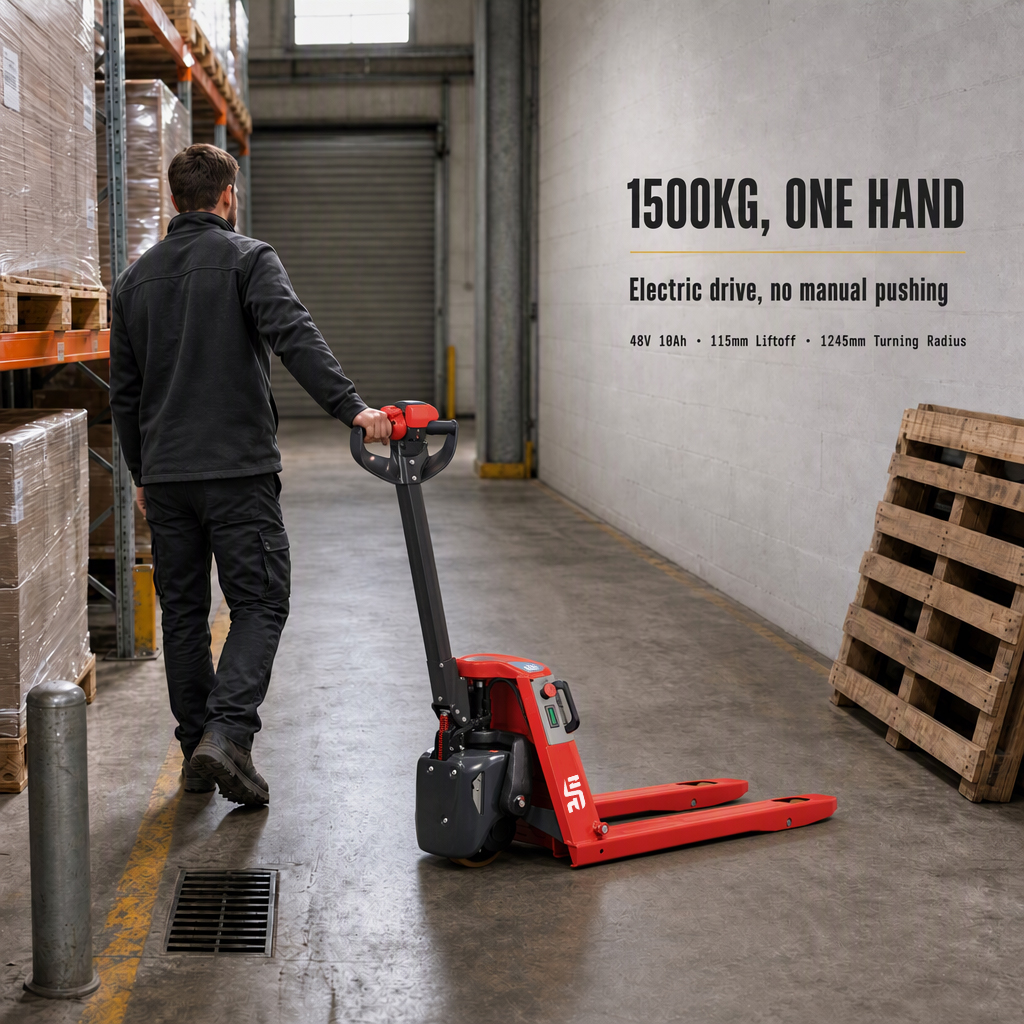
These eight models form a practical wholesale shortlist because they cover 1.5–2.0 tonne horizontal transport, 24V and 48V lithium power, 685 mm narrow-fork container loading, 3,410 mm stacker lift, ultra-light 107 kg designs, and heavy-duty 2-tonne duty cycles. Each product URL is preserved for direct technical evaluation.


Evidence Buyers Can Audit Before the First Container
Wholesale battery electric forklift procurement is not only a price comparison. It is a supplier-risk assessment covering production scale, engineering depth, third-party verification, customization capability, and export responsiveness.
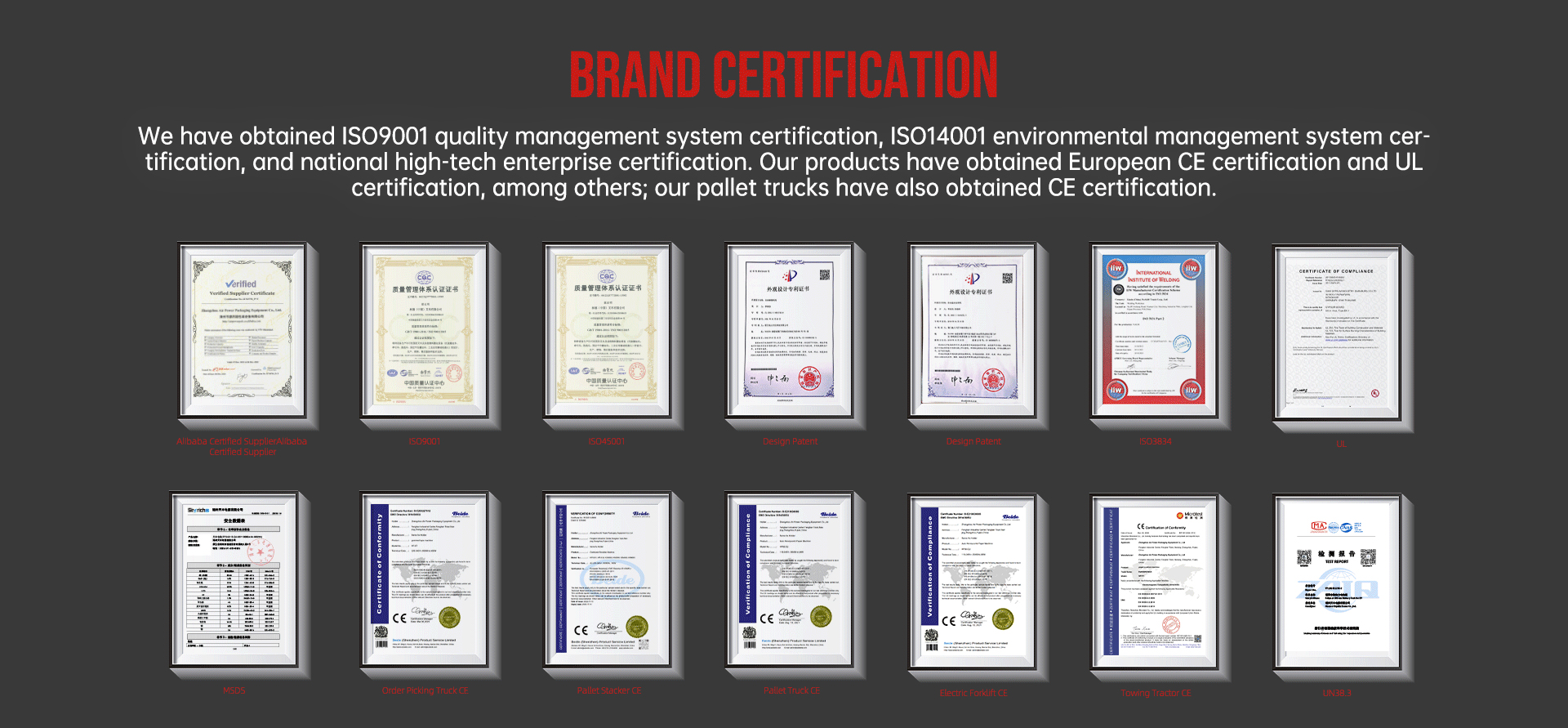
Xiamen Pexal Technology Co., Ltd. works with a large partner manufacturing campus and a supplier assessment process that has been reviewed onsite by SGS Group. For buyers, the practical takeaway is verification before negotiation: confirm the legal entity, inspect the product line, review third-party assessment records, and test the supplier’s ability to answer configuration-level questions.
What “Trusted Exporter” Means in the Battery Electric Forklift Market
Most searches for “battery electric forklift exporters and wholesalers” are not casual. They usually come from distributors, rental companies, warehouse operators, or procurement teams that need a repeatable supply relationship rather than a single machine.
Evidence Beats a Catalogue
A credible exporter should make it easy to verify its business scope, product range, production partnership, quality process, and third-party assessment. The strongest information gain for a buyer is not another specification table; it is an auditable chain from factory capability to export documentation and after-sales support.
Wholesale Economics Need Product Depth
Dealers and wholesalers benefit when one supplier can cover electric pallet trucks, walkie pallet jacks, stackers, narrow-fork models, ultra-light units, and heavy-duty 2-tonne trucks. A complete range reduces sourcing complexity, improves container planning, and makes spare-parts and technical support more consistent.
Configuration Decides Satisfaction
The same electric pallet truck can perform well in one warehouse and poorly in another. Aisle width, pallet condition, floor gradient, lift height, duty cycle, container loading method, and charging strategy must be reviewed before the quotation is finalized. Trusted exporters ask these questions early.
Battery Electric Forklift Purchasing Trends for 2026
Buyer intent is moving from “lowest price per unit” to “lowest total cost of ownership with reliable repeat supply.” These four shifts should shape a 2026 wholesale purchasing plan.
Lithium Became the Baseline
Maintenance-free lithium batteries are increasingly specified as standard for pallet trucks, stackers, and light electric forklifts. Buyers should clarify 24V versus 48V platforms, charging windows, opportunity charging policy, and battery management expectations instead of treating lithium as a simple upgrade checkbox.
TCO Replaces Unit Price
Procurement teams are comparing landed cost, charging efficiency, brake and motor service intervals, spare-parts availability, operator training, and downtime risk. A wholesale buyer should model the total fleet cost across at least 24–36 months, not only the FOB price of the first sample order.
Safety Fit Enters the RFQ
Narrow aisles, container unloading, dense racking, and mixed pedestrian traffic demand specific safety controls. Fork width, rated capacity at load center, emergency reverse, braking behavior, visibility, and speed control should be written into the request for quotation rather than assumed from a generic brochure.
Fleets Become Mixed and Modular
Rather than ordering a single model in large volume, dealers increasingly build a portfolio of standard horizontal movers, narrow-aisle units, stacking trucks, and automation-ready models. Modular battery and control platforms simplify training, service, and future upgrades.
How Battery Electric Handling Equipment Is Evolving
The next generation of electric pallet trucks and stackers is being shaped by battery intelligence, operator ergonomics, lightweight structures, and preparation for automated material flow.
Modular 24V / 48V Platforms
Product lines are moving toward shared battery, charger, controller, and motor platforms. This allows wholesalers to stock fewer spare-part variants while covering a wider range of 1.5-tonne, 2-tonne, narrow-aisle, and high-efficiency models.
Opportunity Charging
Shorter, more frequent charging cycles are becoming practical in multi-shift warehouses. The purchasing decision should include charging location, shift breaks, power capacity, and battery management guidance, especially for 48V high-efficiency pallet trucks.
Diagnostics and Telematics
Digital service readiness is becoming a differentiator. Even when a buyer does not choose a full telematics package, suppliers should be able to explain fault-code access, controller diagnostics, service documentation, and spare-parts identification.
Lightweight and AGV-Ready
Ultra-light 107 kg electric pallet jacks improve truck delivery, container handling, and floor loading flexibility. At the same time, repetitive transport routes are preparing the ground for automated guided forklifts and warehouse robotics.
Five Steps to Qualify a Battery Electric Forklift Wholesaler
A structured RFQ reduces the risk of sample-to-production gaps. Use these five steps before placing a dealer stock order or rental-fleet order.
Map the Duty Cycle
Record load weight, pallet type, travel distance, lift height, shifts per day, and charging windows. This determines whether a 1.5-tonne, 2-tonne, stacker, or narrow-fork model is appropriate.
Verify the Aisle
Measure aisle width, door opening, racking clearance, floor condition, and container access. The 685 mm narrow-fork electric pallet truck is useful only when the whole handling route supports it.
Lock the Battery Strategy
Confirm voltage, capacity, charger type, opportunity charging policy, and spare battery plan. For wholesale programs, standardizing 24V or 48V families can simplify dealer inventory.
Audit Export Terms
Review Incoterms, packing, documentation, payment method, currency, and destination requirements. A trusted exporter will clarify responsibilities before the proforma invoice is issued.
Confirm After-Sales
Ask for spare-parts lists, controller and motor identification, warranty terms, training material, and technical response routes. Long-term wholesale value depends on serviceability, not only delivery speed.
Application Matrix and Wholesale Portfolio Balance
Use this matrix to translate common warehouse problems into equipment categories, then confirm the final configuration with application data. The chart is an illustrative portfolio-planning model for dealer stock, not a market forecast.
| Buyer Need | Recommended Electric Equipment | Data to Confirm | Commercial Leverage |
|---|---|---|---|
| Indoor horizontal transport | Electric pallet jack, walkie pallet truck | Aisle width, floor, pallet load | 24V or 48V platform |
| Container loading | 2000kg narrow-fork pallet truck, 685mm width | Container type, dock plate, load centre | Narrow fork and easy control |
| Medium-height stacking | Electric stacker with 3410mm lift | Rack height, pallet condition, load centre | Maintenance-free battery |
| High-density storage | Reach truck and high-lift stacker | Rack height, aisle width, throughput | Space utilisation |
| E-commerce fulfilment | Portable pallet jack, order picker | Pick height, route length, shift pattern | Labour productivity |
| Repetitive fixed-route flow | AGV forklift, automation-ready platform | Route stability, safety zoning, WMS interface | 24/7 handling potential |
For a dealer or rental fleet, the strongest shortlist usually combines fast-moving standard models with a small number of high-value niche units. A practical mix can include 1.5-tonne and 2-tonne pallet trucks, one ultra-light 107 kg unit for truck delivery, one 685 mm narrow-fork unit for container work, one 3,410 mm electric stacker, and one 48V high-efficiency model for longer shifts.
Why Xiamen Pexal Technology Co., Ltd. Is Built for Wholesale Buyers
Pexal operates as the sales, service, and technical support base in Xiamen, Fujian, working with a 220,000 m² partner manufacturing campus. The model is designed for distributors, rental companies, and fleet buyers that need product depth plus export execution.
- ✓SGS-assessed and onsite-checked. The company has passed an onsite check and supplier assessment conducted by SGS Group, with assessment records and a verified company video available for review.
- ✓Full material handling range. Electric pallet trucks, stackers, reach trucks, order pickers, electric forklifts, diesel forklifts, and automated guided forklifts allow buyers to consolidate sourcing.
- ✓OEM, ODM, and customization. Sample-based customization and full customization can cover mast height, fork length, battery type, voltage, color, logo, and attachment configuration.
- ✓Export terms and payment flexibility. Common delivery terms include FOB, CFR, CIF, EXW, FCA, CPT, CIP, DDP and others. Payment options include T/T, L/C, D/P, D/A, Western Union, PayPal, credit card, and escrow.
- ✓Global market experience. Main export markets include Western Europe, North America, South America, Eastern Europe, and Oceania, serving dealers, rental companies, and end users.
- ✓Technical support and logistics planning. From configuration questions to export packaging, the sales and engineering team supports buyers before, during, and after the order.

Questions Wholesalers Ask Before Importing Electric Pallet Trucks
These answers address the practical procurement, compliance, and export questions that appear most often in RFQs and dealer due-diligence reviews.
Should I choose a battery electric forklift or a diesel forklift?
Battery electric equipment suits indoor warehouses, food and cold-chain logistics, and sites that need zero local emissions and lower noise. Diesel forklifts suit outdoor yards, continuous heavy loads, and sites without charging infrastructure. All-terrain models are for unpaved ground such as construction sites, farms, and timber yards.
What is the difference between an electric pallet truck and a pallet stacker?
An electric pallet truck is primarily for horizontal transport and can lift forks enough for pallet movement. A pallet stacker adds mechanical lifting for racking or stacking, such as a 2,000 kg model with 3,410 mm lift. Buyers should match the equipment to lift height rather than using a pallet truck for racking work.
Can you customize voltage, mast, forks, battery, color, and logo?
Yes. Pexal offers sample-based customization, full customization, and ODM services. Customization can include mast height, fork length, battery type, voltage, color, logo, and attachment configuration, subject to model feasibility and order quantity.
Which Incoterms and payment methods do you accept?
Common delivery terms include FOB, CFR, CIF, EXW, FCA, CPT, CIP, DDP and other standard terms. Payment can be discussed through T/T, L/C, D/P, D/A, Western Union, PayPal, credit card, and escrow. Accepted currencies can include USD, EUR, GBP, JPY, CAD, AUD, HKD, CHF, and CNY.
Which markets do you export to?
Main export markets are Western Europe, North America, South America, Eastern Europe, and Oceania. Buyers should confirm destination-specific documentation, plug or charging requirements, and local compliance expectations during the RFQ stage.
How is the supplier verified?
Xiamen Pexal Technology Co., Ltd. has passed an onsite check and supplier assessment conducted by SGS Group. Buyers can review the supplier assessment, credit index, trade capacity, trade history, transaction history, and verified company video before placing an order.
How should a wholesaler plan stock for 2026?
Start with fast-moving 1.5-tonne and 2-tonne pallet trucks, then add one ultra-light 107 kg model, one 685 mm narrow-fork unit, and one high-lift stacker. Keep customization slots for local branding and voltage requirements. The exact mix should reflect your customer base, warehouse types, and after-sales capability.
What information speeds up a quotation?
Provide load weight, pallet dimensions, aisle width, maximum lift height, floor condition, shifts per day, charging voltage, destination market, preferred Incoterm, quantity, and any branding or certification requirements. A complete brief reduces back-and-forth and improves configuration accuracy.
Plan Your 2026 Battery Electric Fleet With an Export-Ready Supplier
Share your load, aisle, lift height, duty cycle, destination market, and customization requirements. The team can help shortlist models from the eight-product range and prepare a wholesale-oriented quotation for your market.
Email: info@pexalbot.com · Export markets: Western Europe, North America, South America, Eastern Europe, and Oceania.