8 Factory-Built Models for Warehouse, Cold Store & Distribution Center Work
This selection covers the buying intents most common among importers, dealers and fleet operators: cold-chain pallet handling, 2-ton lithium walkie jacks, 2000 kg high-rack stackers, stand-on 3410 mm lift trucks and ultra-light equipment for last-mile and retail use. Product URLs are preserved exactly as supplied.
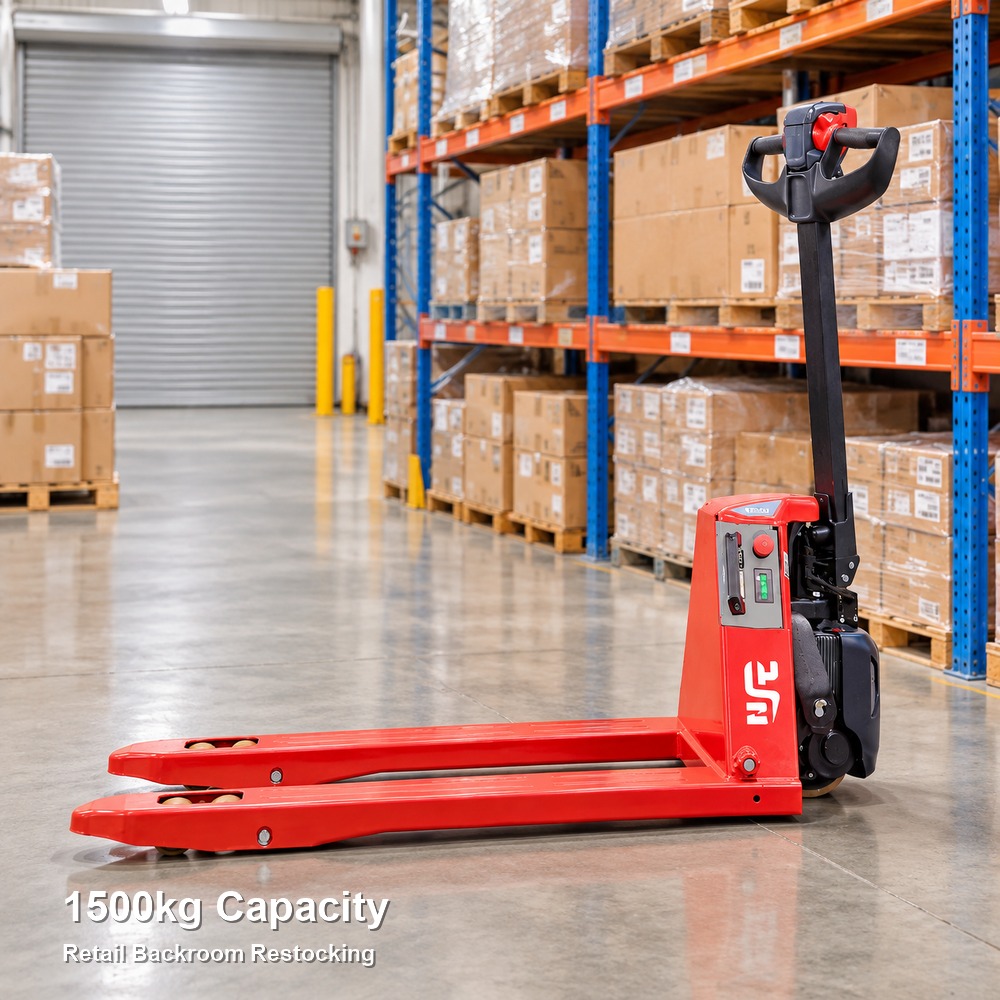
Cold Storage Electric Pallet Jack -20C Working 48V Lithium Battery Pallet Truck Walkie Type 1500kg 2000kg
Specified for freezer rooms and cold-chain docks, with 48V lithium power, walkie operation and 1500 kg / 2000 kg load classes for low-temperature pallet transfer.
View product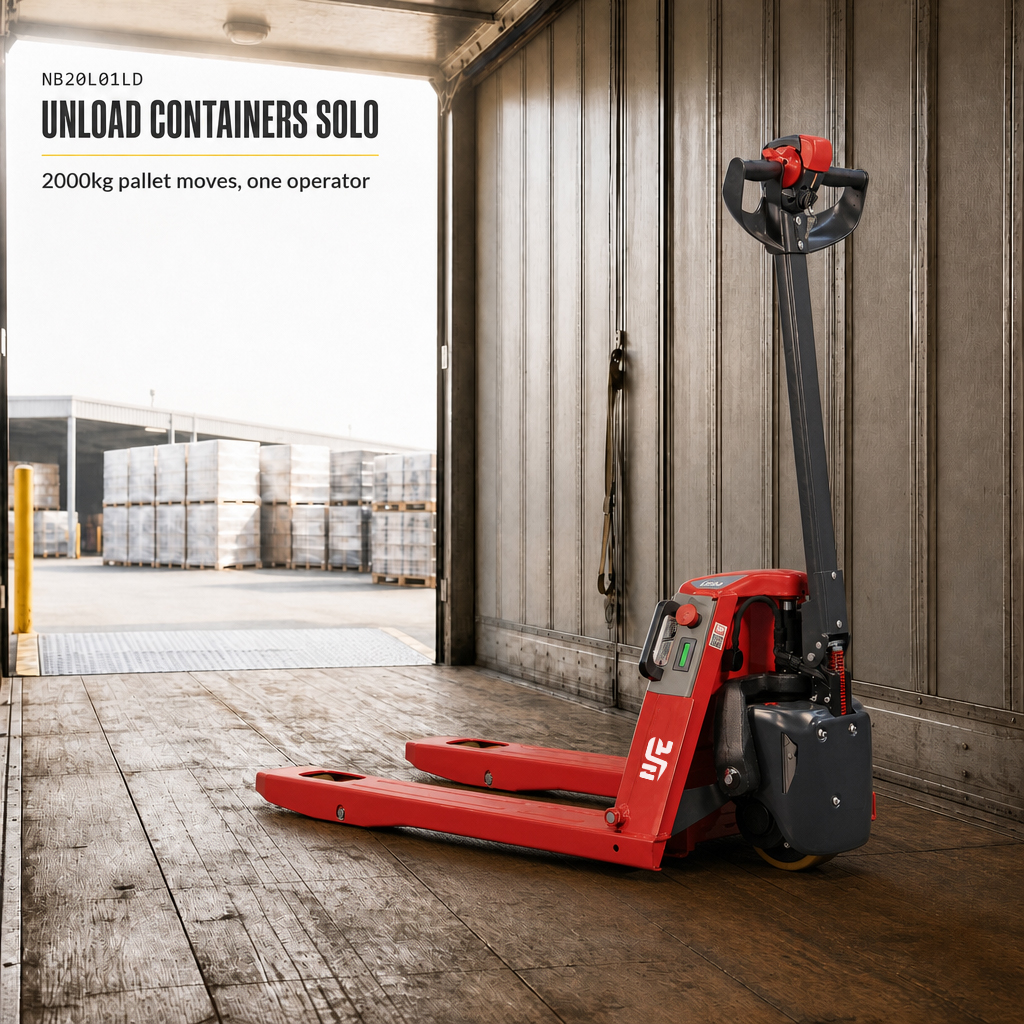
NRT 2 Ton Electric Pallet Jack Lithium-Ion 48V 10Ah 1150mm Forks Polyurethane Wheels Warehouse Handling
A compact 2-ton lithium-ion pallet jack with 48V 10Ah battery, 1150 mm forks and polyurethane wheels for smooth warehouse floors, order assembly and loading areas.
View product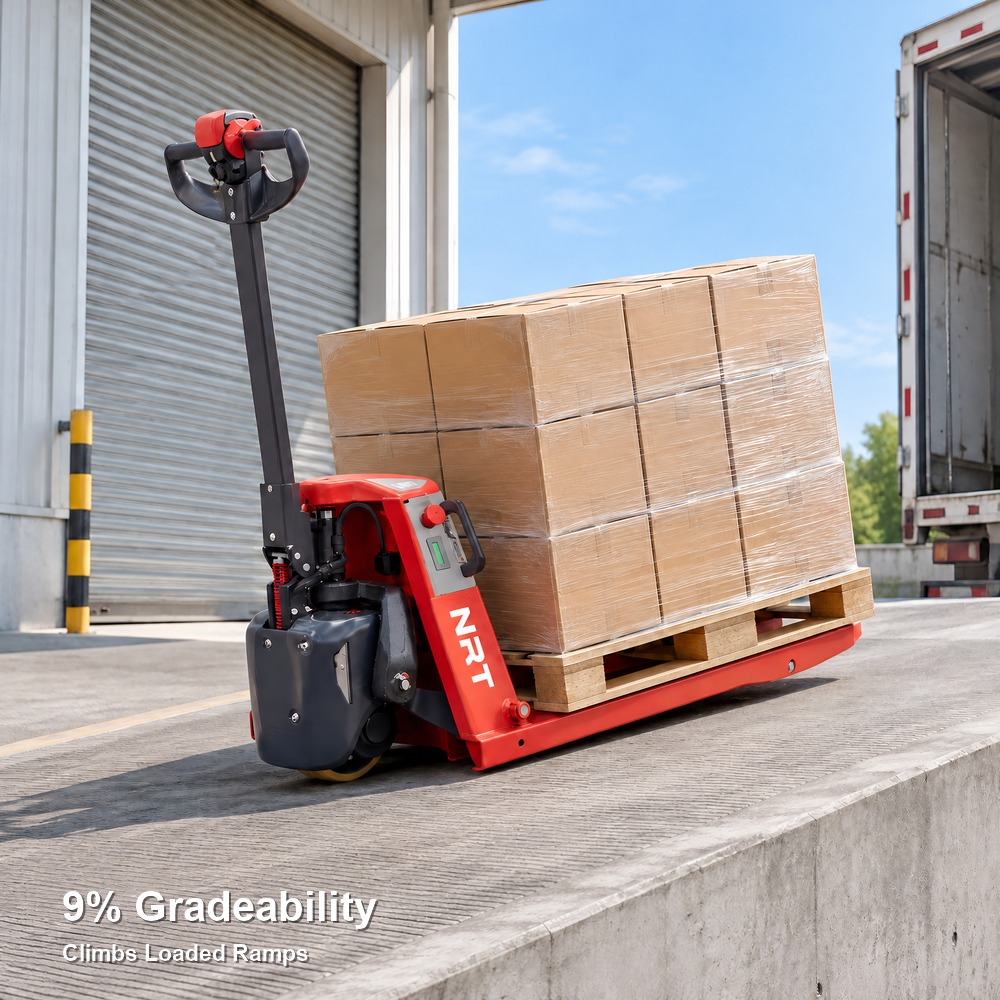
Lithium Battery Electric Pallet Jack Truck 1500kg 2000kg Walkie Pallet Jack Electric Forklift Alternative for Warehouse
A walkie pallet jack for buyers replacing manual handling or small forklifts in horizontal transport, with 1500 kg and 2000 kg configurations for warehouse and workshop routes.
View product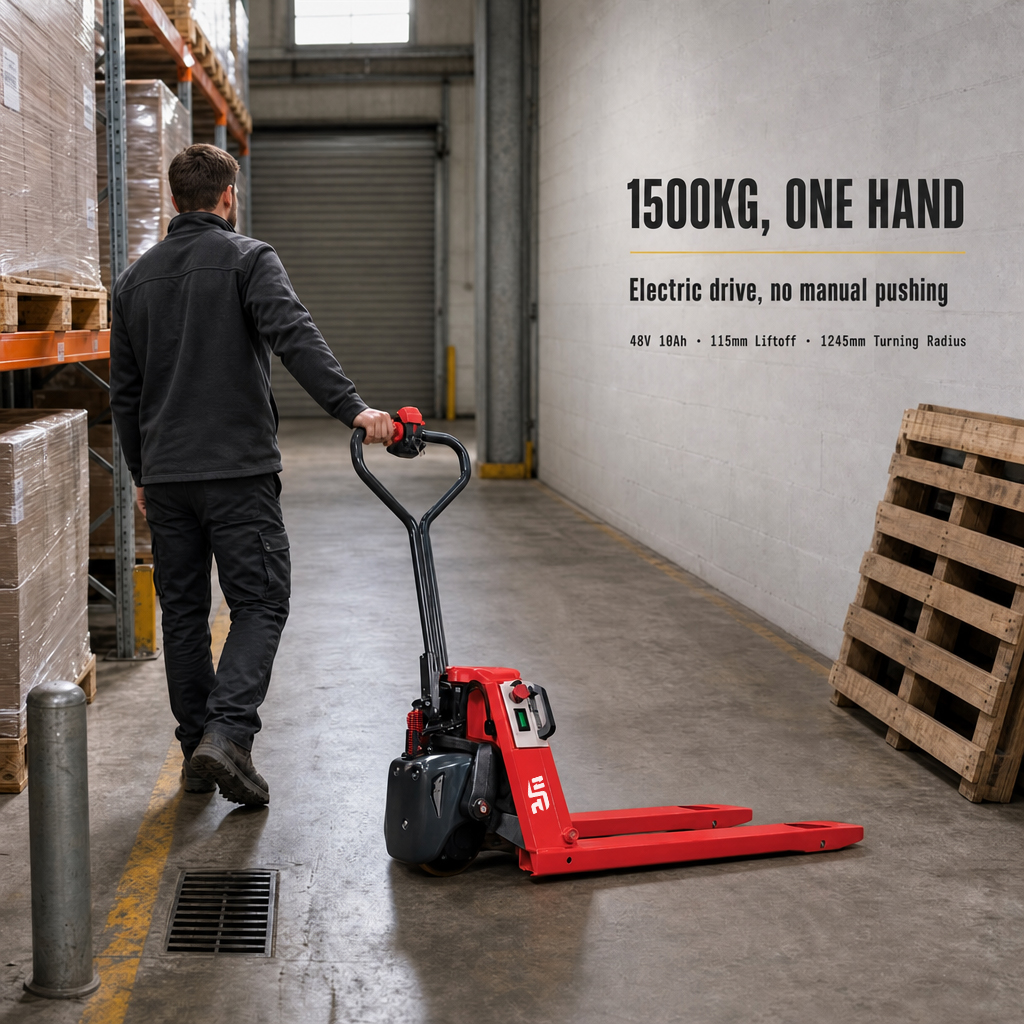
Electric Pallet Truck for Distribution Center Workshop Supermarket Pallet Handling 1500kg Lithium Battery Walkie Jack
Built for supermarket replenishment, workshop movement and distribution-center pallet handling, with 1500 kg capacity and lithium walkie power for frequent short trips.
View product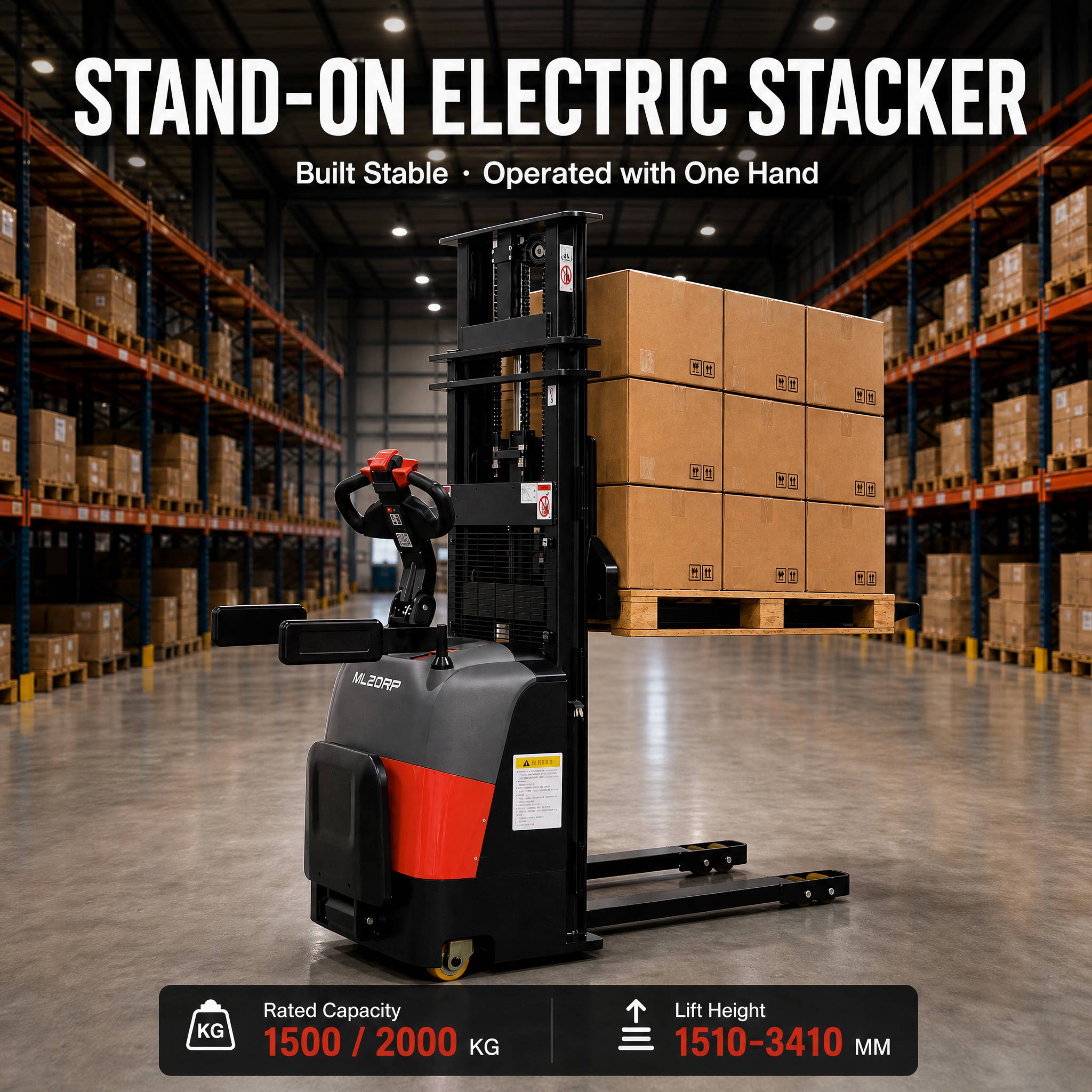
Channel Steel Mast Electric Pallet Stacker 2000kg 90mm Lowered Fork Height Stable High Rack Stacking
A 2000 kg electric pallet stacker with channel-steel mast construction and 90 mm lowered fork height for stable high-rack stacking in warehouses with medium lift demands.
View product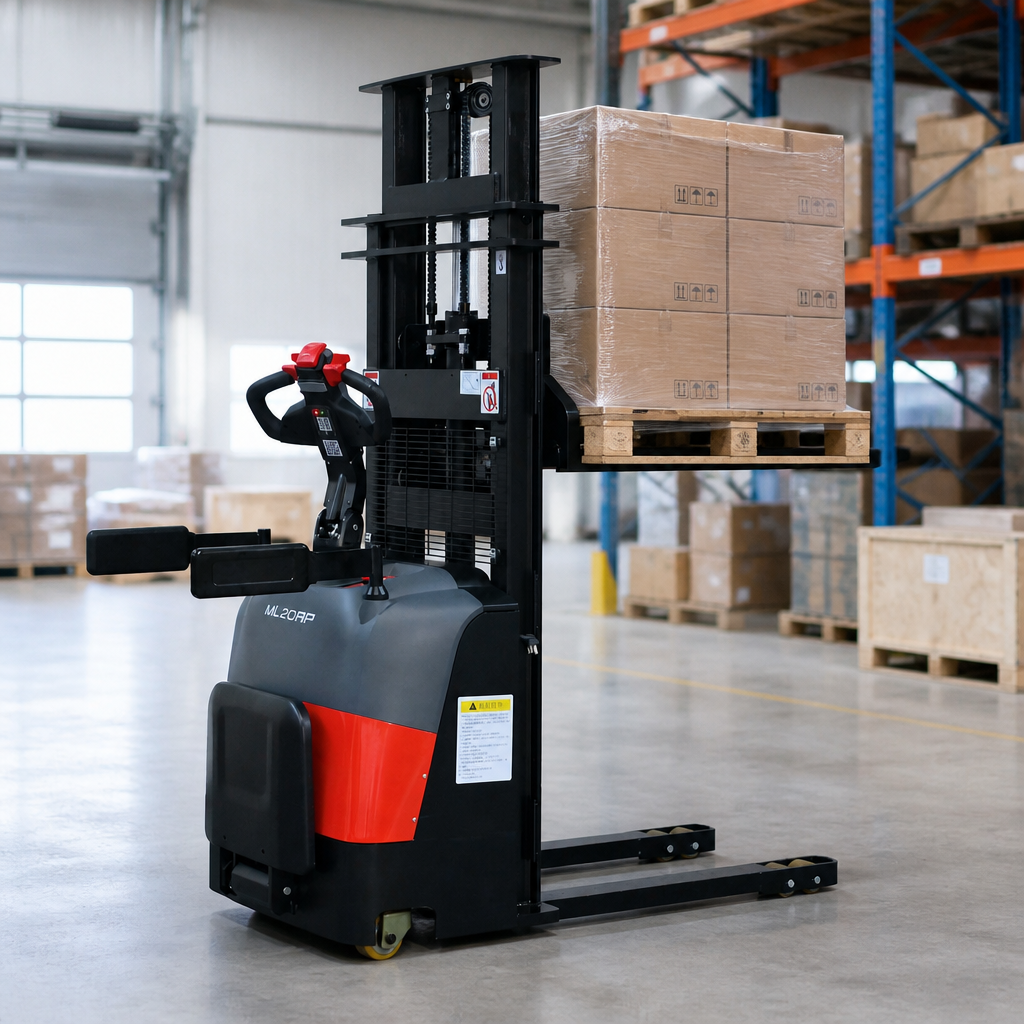
Electric Pallet Stacker 2000kg 3410mm Lift Height Stand on Stacker Truck for Warehouse Racking Stacking
A stand-on electric stacker truck for warehouse racking, with 2000 kg capacity and 3410 mm lift height for higher storage levels and repeatable pallet put-away.
View product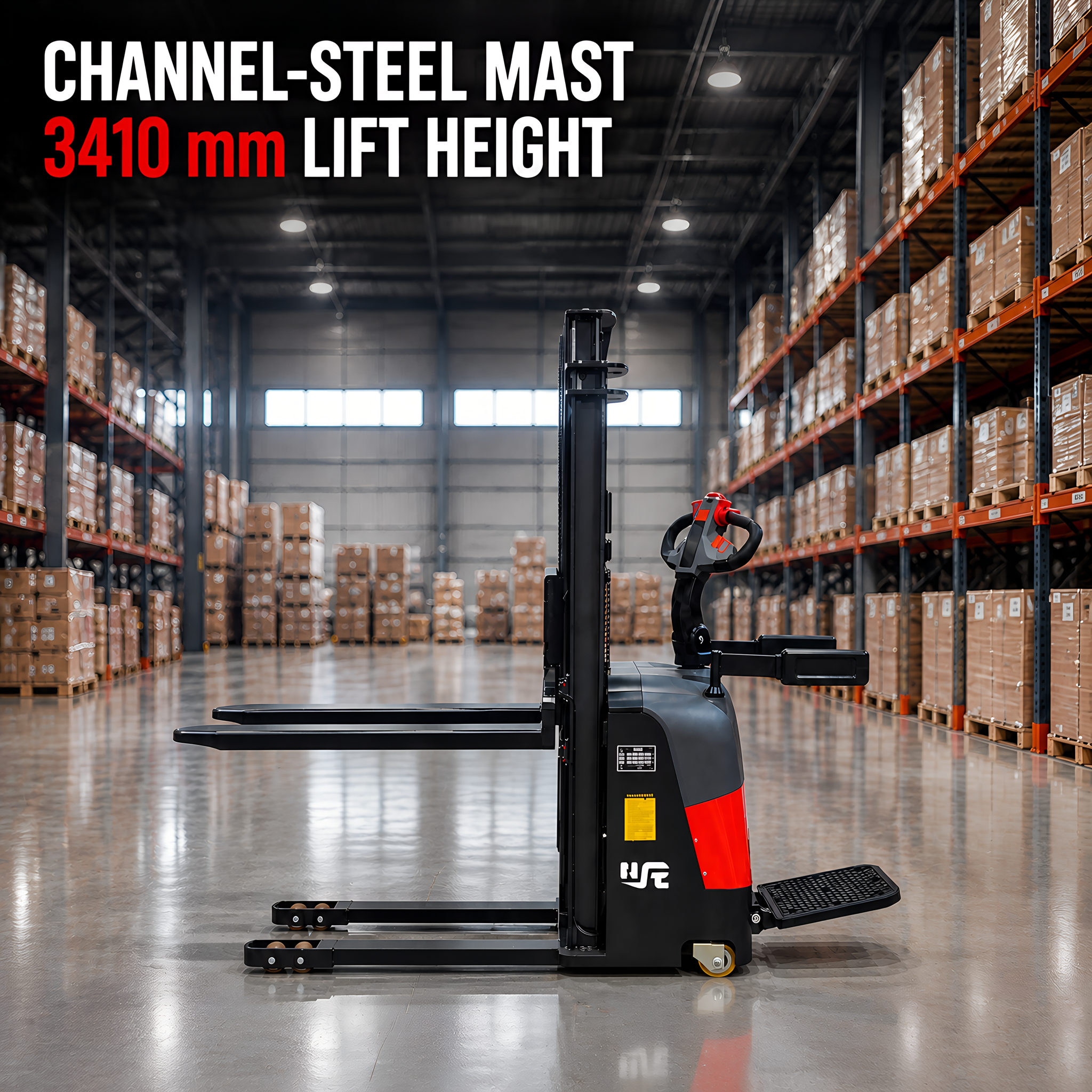
ML20AP Stand on Electric Stacker 2000kg 3410mm Max Lift 1478mm Turning Radius 820mm Body Width
The ML20AP combines 2000 kg capacity, 3410 mm max lift, a 1478 mm turning radius and 820 mm body width for space-conscious racking and multi-level warehouse stacking.
View product
2026 New Alternative Convertidor De Palet Jack a Electrico Ultra-Lightweight 107kg Electric Pallet Jack with Lithium Power
An ultra-lightweight 107 kg lithium electric pallet jack for retail, van delivery, pop-up logistics and last-mile operations where vehicle weight and maneuverability matter.
View product
Why This China Powered Pallet Stacker Factory Deserves a Shortlist Place
Xiamen Pexal Technology Co., Ltd. is based in Xiamen, Fujian, and was founded in 2024 as the sales, service and technical support base for Pexal material handling equipment. The operation works with a 220,000 m² partner manufacturing campus employing more than 1,200 people, including over 100 engineers focused on electric warehouse equipment.
For buyers, the practical value is not simply factory scale. It is the ability to turn a load chart, aisle measurement and battery window into a documented, export-ready powered pallet stacker configuration. The company supports sample-based customization, full customization and ODM projects across mast height, fork length, battery type, color, logo and attachment configuration.
The company has passed an onsite check and supplier assessment conducted by SGS Group. A verified company video is available for buyers who cannot visit Xiamen. Main export markets include Western Europe, North America, South America, Eastern Europe and Oceania, serving dealers, rental companies and end users.
Export terms, payment methods and currencies

2026–2030 Procurement Trends for Powered Pallet Stackers in China
The buying decision has moved from catalogue price to lifecycle performance. Importers and fleet owners are now evaluating battery strategy, service data, local compliance and customization discipline alongside capacity and lift height.
Lithium-ion becomes the baseline
Procurement teams are no longer asking whether a powered pallet stacker should be lithium; they are asking about cycle life, charger matching, opportunity-charging windows and BMS data. For multi-shift warehouses, a lithium walkie pallet truck can reduce battery swapping labor and improve fleet availability when the charging plan is designed correctly.
TCO replaces sticker price
Energy, battery replacement, maintenance labor, spare-parts availability and downtime are four cost lines that change the real ranking of suppliers. A low purchase price can lose within 24 months if chargers, forks, wheels or controllers are difficult to source. Buyers are therefore requesting lifecycle cost assumptions in the RFQ, not just a quotation.
Cold-chain validation moves upstream
Freezer projects require cold-store components, condensation control, sealed connectors and testing under load after cold soaking. The product title “Cold Storage Electric Pallet Jack -20C Working” reflects a real buying intent: equipment must be specified for the temperature, not simply moved into a freezer after delivery.
High-rack and narrow-space productivity
Channel-steel masts, lowered fork heights, stand-on platforms and tight turning radii are becoming line items in RFQs. A 2000 kg stacker with 3410 mm lift, 90 mm lowered fork height or an 820 mm body width can unlock storage density that a standard walkie pallet truck cannot address.
Dealer-specific OEM and kitting programs
Distributors increasingly want private label, regional plugs, localized documentation, mixed container loads and market-specific safety features. OEM/ODM readiness is now a factory-selection factor because it reduces time-to-market for dealers and rental fleets. Sample-based and full customization should be documented before the first production run.
Digital traceability and after-sales data
Smart BMS, hour meters, fault codes and service records shorten diagnosis and make fleet planning more predictable. Buyers should specify what data is available, who owns it and how spare parts are identified. After-sales evidence is part of E-E-A-T for industrial equipment: real service routes matter as much as motor power.
Engineering Directions Shaping the Next Generation of Electric Pallet Stackers
For product managers and procurement engineers, the most important development trends are the ones that change total cost, safety and usable storage density—not cosmetic upgrades.
Modular 48V battery platforms
Lithium-ion platforms with serviceable battery packs, matched chargers and BMS protection are simplifying fleet standardization. The goal is not a single battery size for every warehouse, but a documented charging and replacement strategy that can scale from 1500 kg walkie jacks to 2000 kg stand-on stackers.
Stiffer masts for 3410 mm lift
Higher racking levels require structural stability, controlled deflection and repeatable pallet positioning. Channel-steel mast construction, reinforced lift chains and stable chassis design are becoming differentiators for high-rack stacker buyers who move 2000 kg loads through repeated cycles.
Low-profile forks and compact bodies
Lowered fork heights such as 90 mm, tight turning radii such as 1478 mm and narrow body widths such as 820 mm are becoming purchase criteria in dense warehouses. They affect pallet entry, aisle clearance and the number of turns per shift—small numbers with large operational consequences.
Ultra-lightweight last-mile equipment
The 107 kg ultra-lightweight lithium pallet jack category responds to retail, van delivery and pop-up logistics where equipment weight, doorway clearance and vehicle payload matter. Product development is moving toward modular frames, compact lithium packs and serviceable components without sacrificing pallet handling stability.
Cold-store and food-area engineering
For -20C applications, development focuses on low-temperature cables, sealed connectors, condensation control, battery behavior and material selection. Buyers should ask for load testing after cold soak, charger placement guidance and a maintenance plan that accounts for freezer entry and exit cycles.
Automation-ready interfaces
Electric stackers and pallet trucks are increasingly positioned as part of a digital logistics system. Future-ready products need clean electrical architecture, accessible diagnostic ports and integration documentation so that AGV, fleet-management or telemetry add-ons can be evaluated without redesigning the base machine.
Which Powered Pallet Stacker or Electric Pallet Truck Fits Your Operation?
Use the application shortlist below to narrow the RFQ before requesting drawings, battery options and shipping terms.
Freezer rooms & cold chain
Specify a freezer-rated pallet truck with cold-store battery and sealed components. Start with the 48V lithium walkie model rated for -20C work, then confirm freezer-entry testing and charger location with the factory.
View cold storage pallet jackDistribution center & supermarket
For fast horizontal transfer, 1500 kg to 2000 kg lithium walkie jacks are usually sufficient. The distribution-center pallet truck and NRT 2-ton pallet jack are practical starting points for dock, aisle and backroom routes.
View distribution center truckHigh-rack warehouse stacking
When pallets must be placed at height, choose a channel-steel mast stacker or a 3410 mm stand-on stacker. Confirm 90 mm lowered fork height, 2000 kg capacity, rack beam clearance and turning radius before purchase.
View ML20AP stackerRetail & last-mile delivery
If the equipment moves between stores, vans or temporary sites, the 107 kg ultra-lightweight electric pallet jack reduces payload and maneuverability constraints while keeping lithium power for pallet handling.
View 107 kg pallet jackWhat to Verify Before You Approve a China Powered Pallet Stacker Supplier
For procurement teams, the right supplier is not the one with the longest catalogue. It is the one that can document the entity, the test process, the battery configuration, the spare-parts route and the export plan.
01Verify the company and assessment
Confirm the legal entity, address, main products and main markets against the SGS supplier assessment and onsite check. Xiamen Pexal Technology Co., Ltd. provides assessment records and a verified video for buyer due diligence.
02Request a load chart and drawings
Ask for rated capacity, load center, mast dimensions, fork length, lowered fork height, overall width and turning radius. For 2000 kg stackers, confirm the exact capacity at the required lift height and any derating that applies.
03Match the battery to the duty cycle
Document voltage, amp-hour rating, charger input voltage, charging window, opportunity-charging rules and expected battery life. For cold stores, verify that the battery, cables, connectors and charger plan are suitable for -20C operation.
04Confirm market compliance
Share the destination market, plug type, voltage, documentation language and any certification expectation. The factory should identify what is available, what is optional and what must be confirmed before production.
05Build a spare-parts and warranty matrix
List wheels, forks, controllers, chargers, batteries, switches and seals. Clarify warranty terms, recommended stock quantities and how parts are identified in the manual. Good parts data reduces downtime across a dealer fleet.
06Audit packaging and shipping terms
Review export packaging, loading plan, container quantity, Incoterms, cargo protection and delivery documentation. Confirm whether the quotation is EXW, FOB, CIF, DDP or another term before comparing supplier prices.
Illustrative RFQ weighting model for powered pallet stacker procurement
Powered Pallet Stacker & Factory FAQs for Global Buyers
Direct answers to the questions most often raised by importers, distributors and warehouse operators during the selection process.
What is the difference between a powered pallet stacker and an electric pallet jack?
A pallet jack is mainly for horizontal movement. A powered pallet stacker adds a mast and lifting function for placing pallets into racking or stacking. If you only move pallets across the floor, a walkie pallet truck is often enough. If you must lift to height, choose a stacker with the correct capacity, mast height and fork dimensions.
Should I choose 1500 kg or 2000 kg capacity?
Base the decision on the heaviest routine load, load center, pallet type, floor condition and attachments. A 1500 kg model suits many retail and light-duty warehouse tasks; 2000 kg stackers are common for denser warehouse racking and repeated pallet handling. Always confirm capacity at the actual lift height, not only at ground level.
Can your stackers and pallet trucks work in cold storage at -20C?
Cold-store operation must be specified. The Cold Storage Electric Pallet Jack -20C Working model is designed for this intent, but each project should confirm battery type, connectors, seals, charger placement and cold-soak testing. Do not assume a standard warehouse model will perform the same way in a freezer.
What lift heights and fork sizes are available?
The range includes 2000 kg stackers with lift heights up to 3410 mm, lowered fork heights such as 90 mm and body widths such as 820 mm on selected models. Fork length, mast height and overall dimensions can be reviewed against your racking and aisle layout. Custom configurations are available under the OEM/ODM process.
Is lithium-ion the only battery option?
No. Battery configuration depends on the model, market and duty cycle. Lithium-ion is widely requested for opportunity charging and lower maintenance, while other battery approaches may be considered where charging infrastructure or operating patterns require it. Confirm charger voltage, charging window and battery management details in quotation.
Do you support OEM/ODM and private-label production?
Yes. Xiamen Pexal Technology Co., Ltd. supports sample-based customization, full customization and ODM services. Typical customization areas include mast height, fork length, battery type, color, logo and attachment configuration. Drawings and sample approval should be completed before series production.
What is the MOQ, lead time and shipping method?
MOQ and lead time depend on the model, battery, customization level and production season. Trial orders and mixed container loads can be discussed for standard configurations. Shipments can be arranged from Xiamen under common Incoterms such as EXW, FOB, CFR, CIF and DDP, with payment by T/T, L/C or other agreed methods.
How is quality controlled before shipment?
Pre-shipment checks should cover lifting, travel, braking, electrical functions, battery and charger compatibility, labels, manuals and export packaging. The company has passed an SGS onsite check and supplier assessment, and buyers can request product-specific inspection criteria before final dispatch.
Plan Your Next Powered Pallet Stacker Order With the Factory
Share your load weight, lift height, aisle width, floor condition, battery charging window and destination market. The Pexal team can return a model shortlist, OEM/ODM route, export quotation and catalogue for your market.
Email: info@pexalbot.com · Xiamen, Fujian, China