Eight Industrial Pallet Stacker & Pallet Truck Configurations
These export-ready models cover container loading, narrow-aisle handling, retail backroom stacking, distribution-center transfer and building-material shop work. They are not interchangeable: fork width, load center, lift height, battery architecture and turning radius determine whether a machine raises throughput or becomes a bottleneck.

2000kg Walkie Electric Pallet Jack 685mm Width Narrow Fork Pallet Truck with Lithium Battery for Container Loading
View details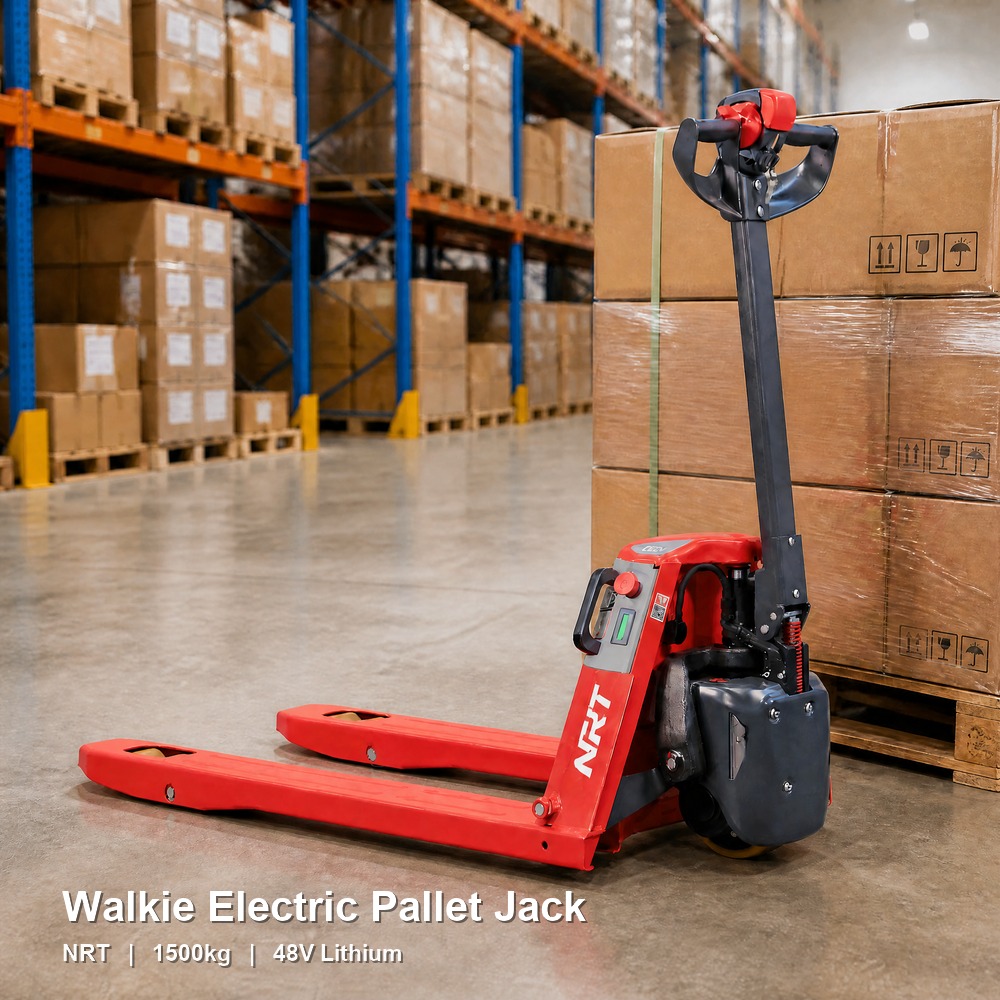
Electric Pallet Jack 1500kg 2000kg Walkie Pallet Truck Battery Powered Lithium Pallet Jack for Warehouse Loading
View details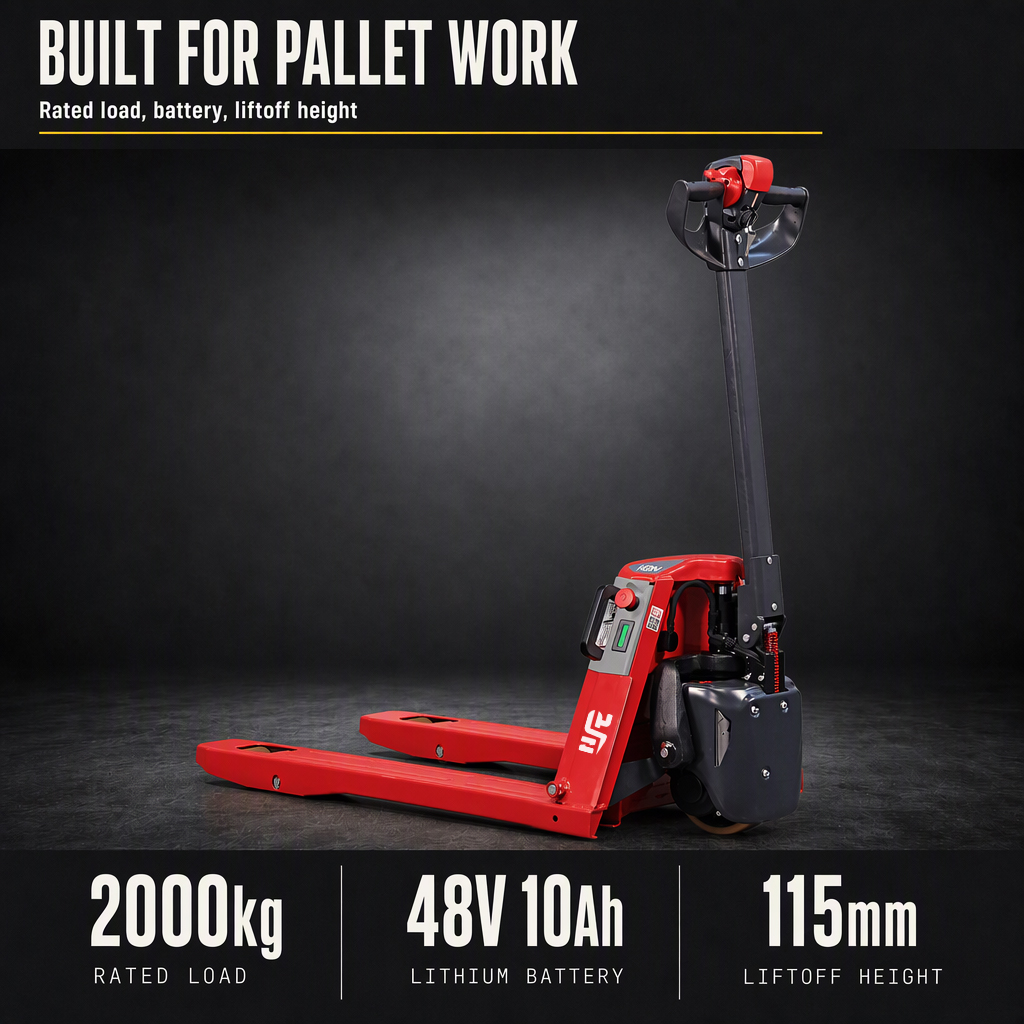
Portable Electric Pallet Jack Lithium Battery 2T for Narrow Aisle Warehouse and Truck Delivery Handling with 48V High Efficiency
View details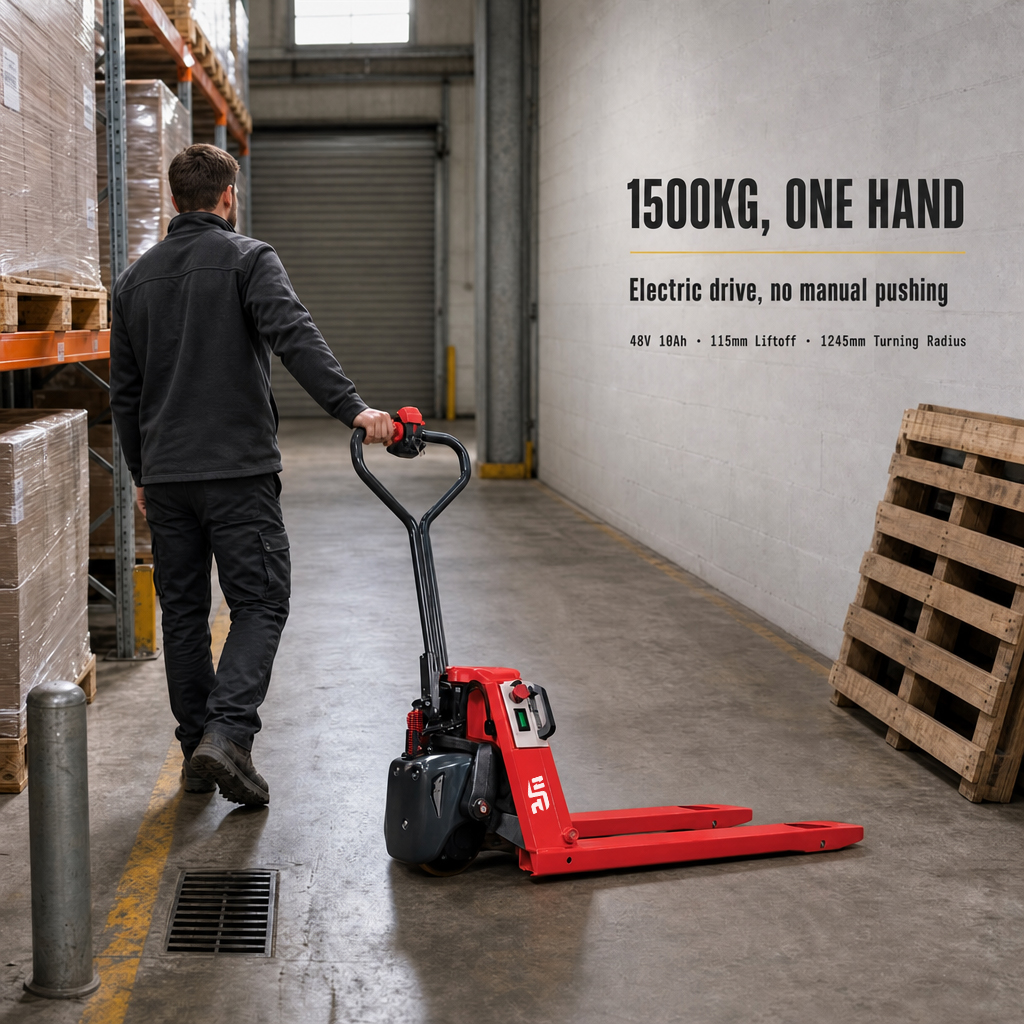
Electric Pallet Truck for Distribution Center Workshop Supermarket Pallet Handling 1500kg Lithium Battery Walkie Jack
View details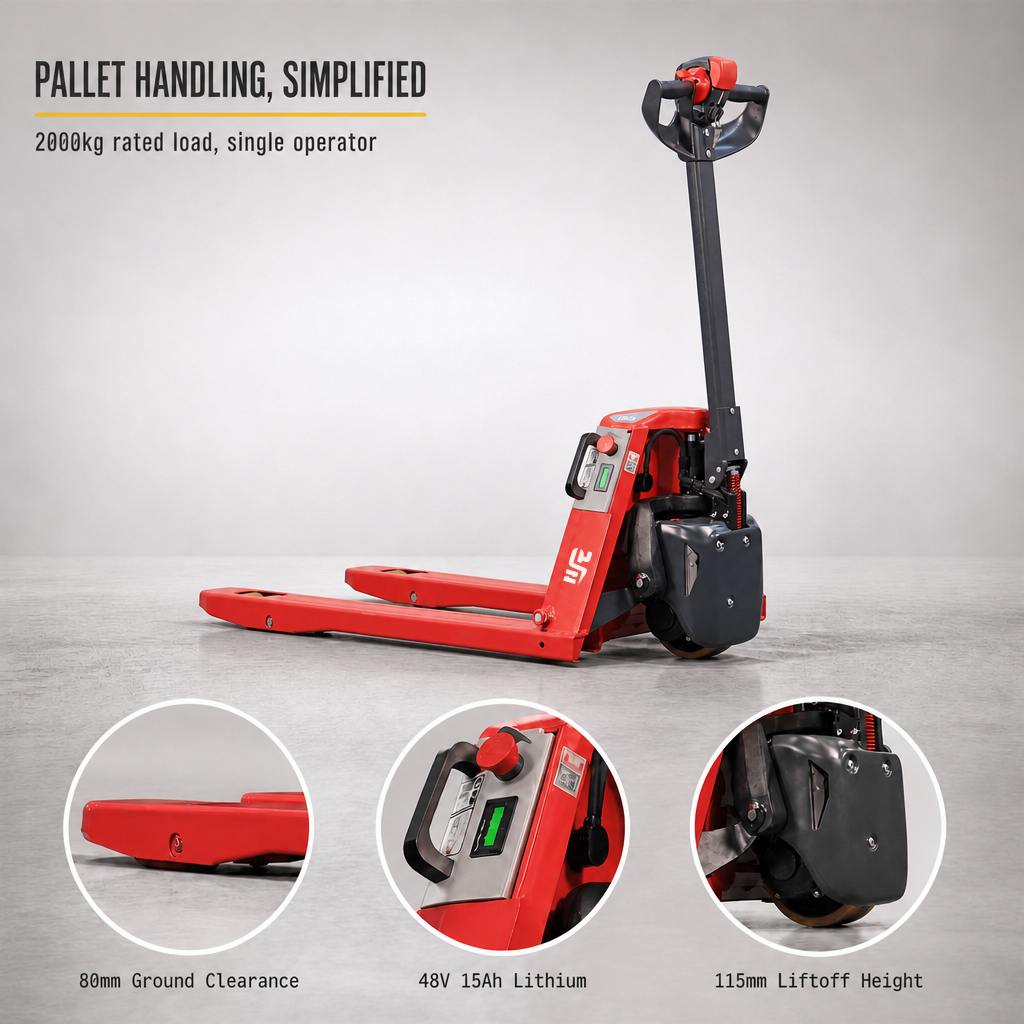
NB20L01LD 2000kg Electric Pallet Truck Lithium Battery 4.8km/h Speed 1245mm Turning Radius Jack
View details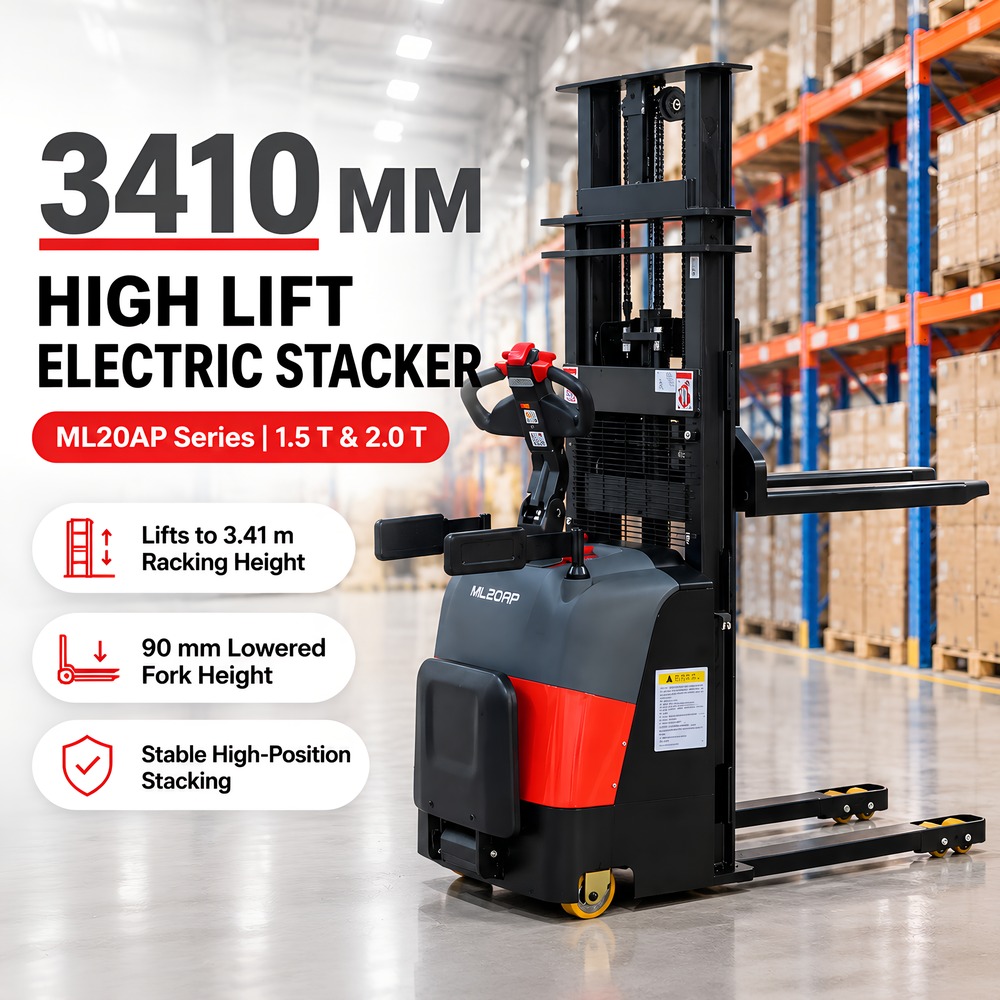
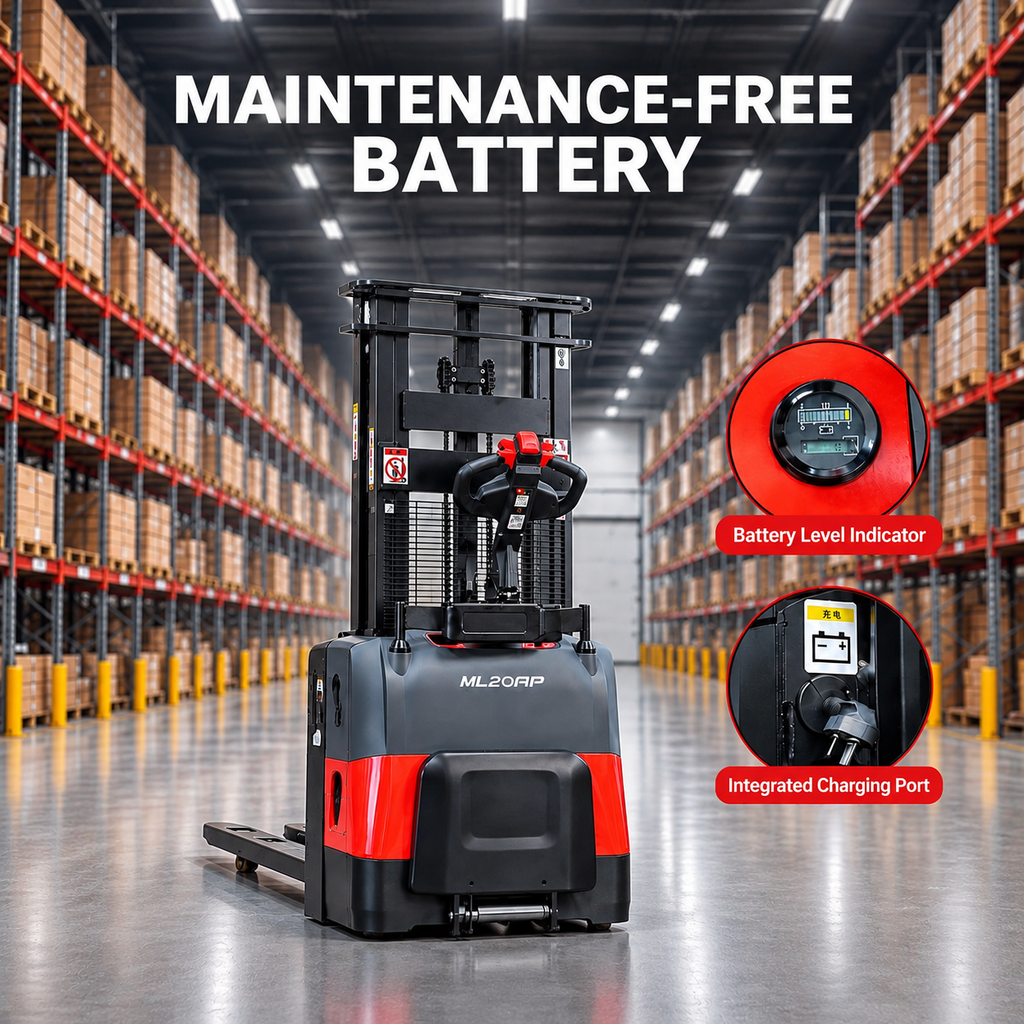
ML20AP Stand on Electric Stacker Truck 2000kg Warehouse Stacker for Narrow Aisle Loading Dock Building Material Shops
View details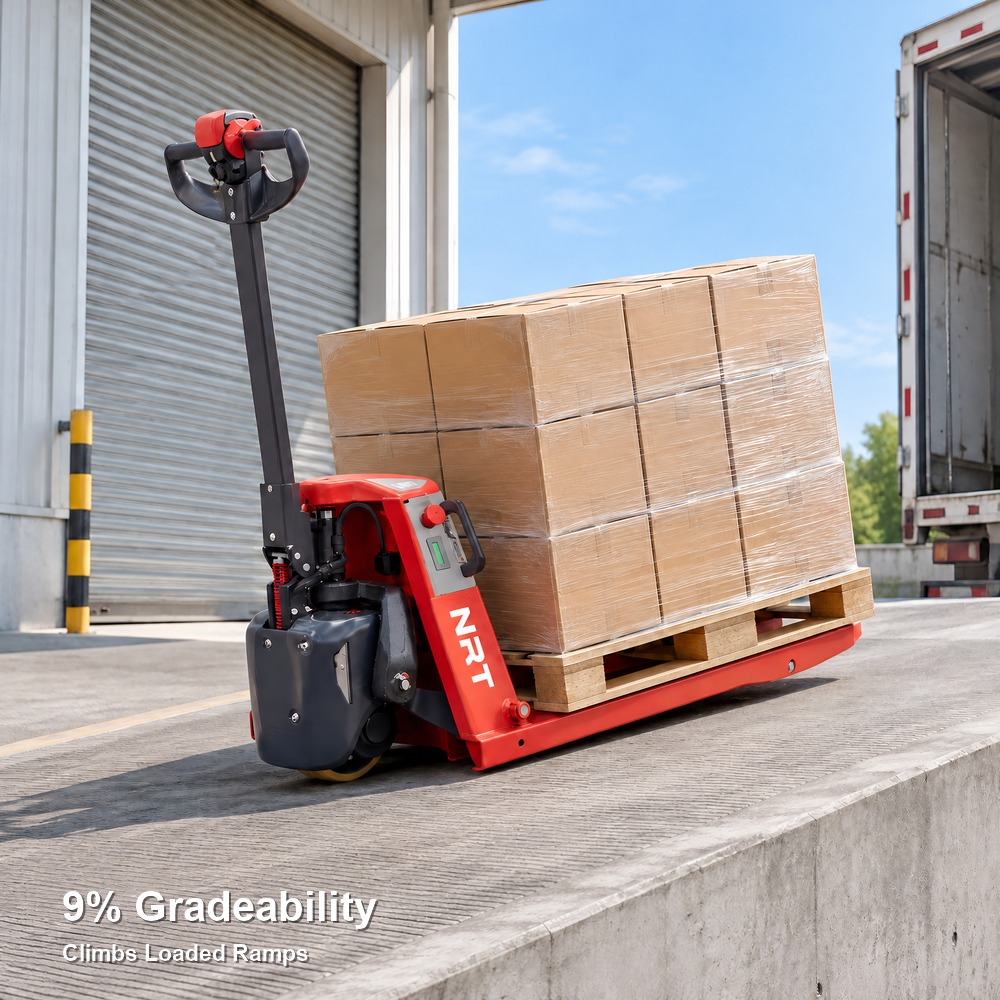
Need a mixed container, private-label specification or dealer program?
Inquire NowPexal material handling supply capabilities
What “Top Supplier” Should Mean in Industrial Pallet Stacker Procurement
Buyers searching for a top China industrial pallet stacker supplier are not simply buying a machine. They are qualifying a supply chain: battery support, spare parts, documentation, warranty response and the supplier’s ability to keep specifications stable across repeat orders.
A professional tender should separate product fit from supplier fit. Product fit asks whether the stacker can lift the real load at the required height, enter the actual aisle and complete the shift on one charge. Supplier fit asks whether the exporter can provide consistent bills of material, test records, packaging, after-sales parts and market-specific electrical configuration. When those two evaluations are merged into one “best price” comparison, buyers often discover hidden cost after the first shipment.
The more reliable method is to normalize every quotation before comparing price. Ask each supplier to state capacity at the specified load center, lift height, fork dimensions, battery chemistry, charger input voltage, plug type, lower fork height, turning radius, service weight and packaging method. For distributor buyers, also request the recommended spare-parts list for the first 12 months and confirm whether labels, manuals and warning decals can be supplied in the target market’s language.
Pexal’s supplier profile is built around that practical procurement logic. Xiamen Pexal Technology Co., Ltd. operates from Xiamen, Fujian, as a sales, service and technical support base for Pexal material handling equipment, working with a 220,000 m² partner manufacturing campus and a workforce of more than 1,200 people, including over 100 engineers focused on electric warehouse equipment. For importers, the value is not a single machine specification; it is access to a broader electric pallet truck, stacker, forklift and AGV product ecosystem with OEM/ODM flexibility.
Information gain for buyers: request a “configuration dossier” with the load-center capacity chart, aisle test drawing, battery charge profile, charger compatibility sheet, pre-shipment test checklist and warranty terms. This turns a low-context price quote into verifiable engineering evidence — the strongest defense against specification drift.
Pallet Stacker vs Pallet Truck: Define the Job Before You Compare Quotes
An electric pallet truck is primarily a horizontal transport tool. An industrial pallet stacker adds controlled lifting, often to racking, mezzanine or stacked-pallet height. The difference changes stability, mast design, duty cycle and price — so the equipment family must be selected before the brand comparison begins.
| Equipment family | Primary job | Best-fit scenario | Specification warning |
|---|---|---|---|
| Electric walkie pallet truck | Horizontal pallet movement | Loading docks, container unloading, cross-docking | Confirm fork width, lowered height and ramp capability |
| Electric pallet stacker | Lift and short-distance stacking | Retail backroom, small warehouse, feed store | Check rated capacity at maximum lift height |
| Stand-on electric stacker | Higher-duty stacking and travel | Loading dock, building-material shop, longer runs | Confirm aisle width, overhead guard and ride-on stability |
| Portable lithium pallet jack | Flexible truck-delivery handling | Route delivery, narrow aisle warehouse transfer | Check battery cycle, charger portability and floor clearance |
| Electric stacker forklift | Stacking plus forklift-style handling | Farm, retail, workshop and pallet stacking work | Match mast type, fork length and load center to the pallet |
Five inputs have a direct effect on price and suitability: maximum load weight at the real load center, required lift height, fork or leg width, aisle and door clearance, and daily duty cycle. A 2,000 kg label is not a guarantee that the stacker will lift a 2,000 kg pallet at every height. Capacity typically depends on load center and lift height, so the request for quotation should include the load drawing, not just the weight.
Recommended Pallet Handling Equipment by Workflow
Use the application, not the model number, as the first filter. The following recommendations link directly to relevant Pexal configurations.
Container Loading & Cross-Docking
The 2000kg walkie electric pallet jack with 685 mm narrow fork width is a strong starting point for container loading where fork access and compact turning matter. Confirm the container floor transition and pallet entry clearance before ordering.
Narrow Aisle & Truck Delivery
The portable 2T lithium pallet jack with 48V efficiency is suited to mixed warehouse and delivery routes where operators need one compact unit for loading, unloading and pallet transfer. Battery charging time and charger location should be planned before shipment.
Distribution Center & Loading Dock
The ML20AP stand-on electric stacker truck is intended for loading docks, narrow aisles and building-material shops where operators need higher-duty stacking and travel. Verify aisle width, overhead clearance and the maximum lift height at rated capacity.
Retail, Farm & Workshop Stacking
The 1500kg/2000kg electric stacker forklift is configured for retail backrooms, farm feed stores and pallet stacking work. Where ground surface changes or ramps are present, request a stability and braking review before finalizing the model.
The 2025–2030 Outlook for Industrial Pallet Stacker Buying
Procurement teams are moving from one-off price comparison toward lifecycle risk management. The strongest suppliers will be those that can document product performance, support battery strategy and integrate equipment into wider warehouse operations.
Total Cost of Ownership Becomes the Default
Buyers increasingly compare acquisition price with energy use, battery replacement, maintenance, downtime and spare-part availability. A lower FOB price can lose its advantage when the charger, battery cycle life or parts lead time is not normalized across suppliers.
Lithium and Opportunity Charging
Lithium battery pallet trucks and stackers are becoming easier to specify because opportunity charging can reduce battery swapping. The procurement question is shifting from “lead-acid or lithium?” to “which charge window, charger voltage and battery safety documentation fit this site?”
Safety and Compliance Evidence
Operator visibility, emergency reverse, braking performance, horn, warning decals and training materials are now part of the purchase decision. Importers should ask for the machine-specific safety features and confirm which declarations are available for the destination market.
Mixed-Fleet Standardization
Dealers and rental fleets want shared voltages, chargers, controllers and spare parts across pallet trucks, stackers and forklifts. Standardizing the battery platform and control architecture reduces training time and inventory complexity across a mixed fleet.
Automation-Ready Equipment
Even buyers not purchasing AGVs today want a path to automation. Suppliers that understand traffic flows, safety sensors, fleet data and fixed-route pallet movement will have an advantage when manual stackers are later supplemented with automated guided forklifts.
ESG, Noise and Indoor Air Quality
Electric stackers support cleaner indoor air and lower noise in food, pharmaceutical, retail and cold-chain environments. Procurement documents increasingly request energy data, recyclability information and battery handling guidance rather than emissions claims alone.
Illustrative procurement weighting for electric pallet stackers
Indicative decision weighting for a professional importer or fleet buyer evaluating a China industrial pallet stacker supplier. It is not a market statistic.
Product Trends Buyers Should Specify Now
The next buying cycle will reward suppliers who can combine robust basic equipment with modular options, battery intelligence and a credible path toward automation.
Lithium-Focused Power Platforms
Expect more models to support opportunity charging, higher cycle life and charger integration. For procurement, the key is not only battery chemistry but also charger compatibility, input voltage, thermal limits and replacement-part availability.
Modular Masts, Forks and Widths
Fork length, fork width, leg width, mast height and attachments increasingly drive the total solution. A modular supplier can configure a standard platform to different markets without turning every order into a bespoke engineering project.
Digital Diagnostics and Telematics
Fleet managers want fault codes, battery state-of-charge and utilization data in a usable format. Even when full telematics is not requested, suppliers should be able to explain controller diagnostics, maintenance intervals and spare-parts identification.
Automation-Ready Safety Architecture
Sensor packages, emergency-stop logic and traffic-management interfaces matter when manual stackers operate in the same space as automated equipment. Buyers should ask how the current model can later integrate with AGV or fleet-control systems.
Specification checklist for the next RFQ
- Rated capacity at the actual load center and lift height
- Fork length, fork width, leg width and lowered fork height
- Battery chemistry, voltage, charger input voltage and plug type
- Minimum aisle width and turning radius drawing
- Brake, emergency reverse and operator-visibility features
- Battery safety documents and destination-market declarations
- Pre-shipment test report and warranty response process
- Recommended spare parts and consumables for 12 months
Why Pexal Is Built for Distributor-Style Pallet Stacker Procurement
Pexal combines export sales support with access to a broad material handling product ecosystem. The objective is to help buyers move from manual handling to electric handling and from diesel dependence to battery power, while building toward more intelligent, digital logistics.
Source-Direct Partner Manufacturing
Xiamen Pexal Technology Co., Ltd. works with a 220,000 m² partner manufacturing campus and a workforce of more than 1,200 people. This structure supports dealer stock, mixed-container programs and repeat-order consistency.
Engineering Depth
More than 100 engineers support electric warehouse equipment development. Buyers can discuss configuration requirements such as mast height, fork length, battery type and application constraints rather than accepting a one-size-fits-all catalogue unit.
OEM, ODM and Private Label
Pexal offers sample-based customization, full customization and ODM services. Depending on the model, this can include mast height, fork length, battery type, color, logo and attachment configuration for dealer or rental-fleet programs.
SGS Assessed and Onsite Verified
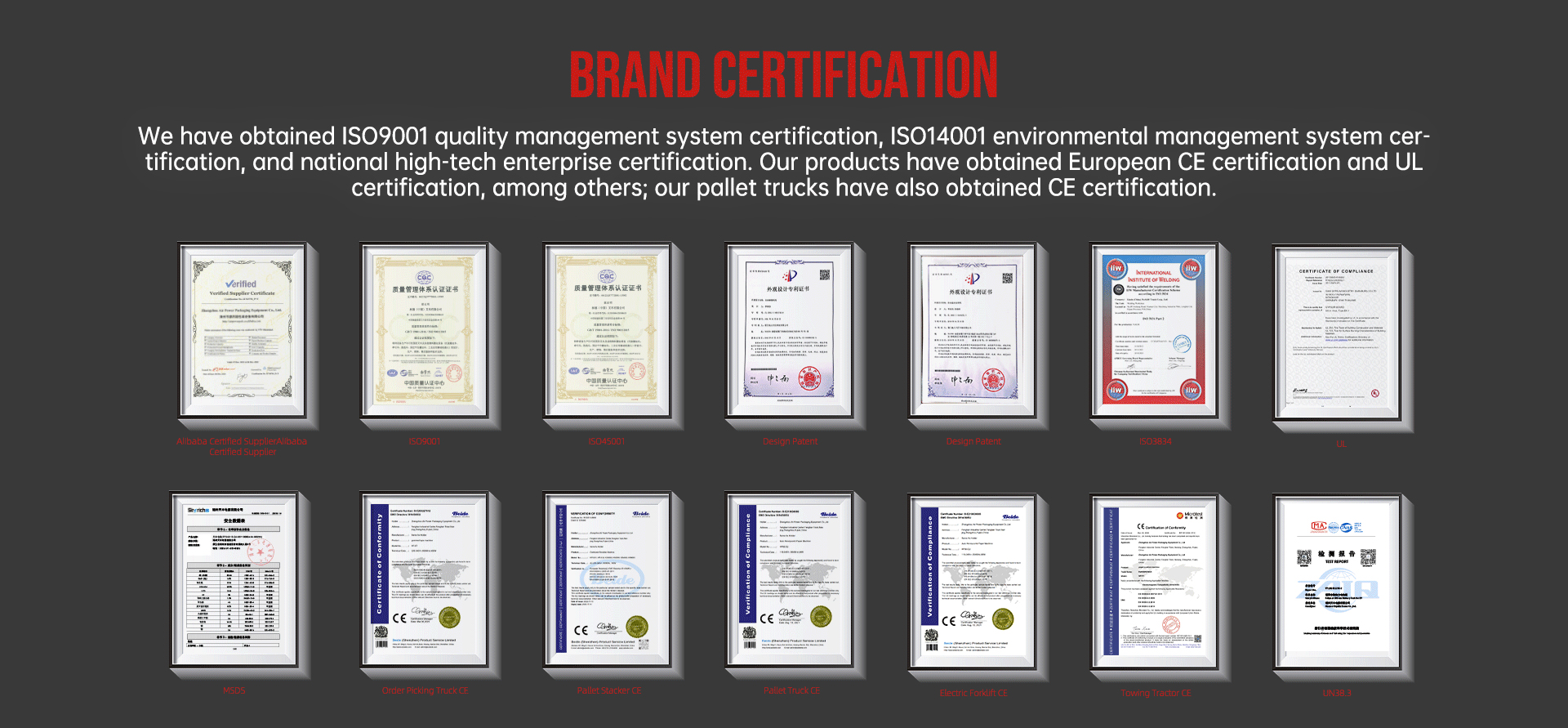
The company has passed an onsite check and supplier assessment conducted by SGS Group. Business type, products, markets and capabilities have been reviewed, giving buyers an additional layer of third-party evidence before payment.
Export Execution and Trade Flexibility
Main export markets include Western Europe, North America, South America, Eastern Europe and Oceania. Pexal supports common delivery terms and payment methods, with currencies spanning USD, EUR, GBP, JPY, CAD, AUD, HKD, CHF and CNY.
Complete Material Handling Ecosystem
Beyond industrial pallet stackers, Pexal supplies electric pallet trucks, electric forklifts, reach trucks, order pickers and automated guided forklifts. That breadth simplifies procurement, parts planning and after-sales support for distributors.

Company and production overview
Engineering and component detail
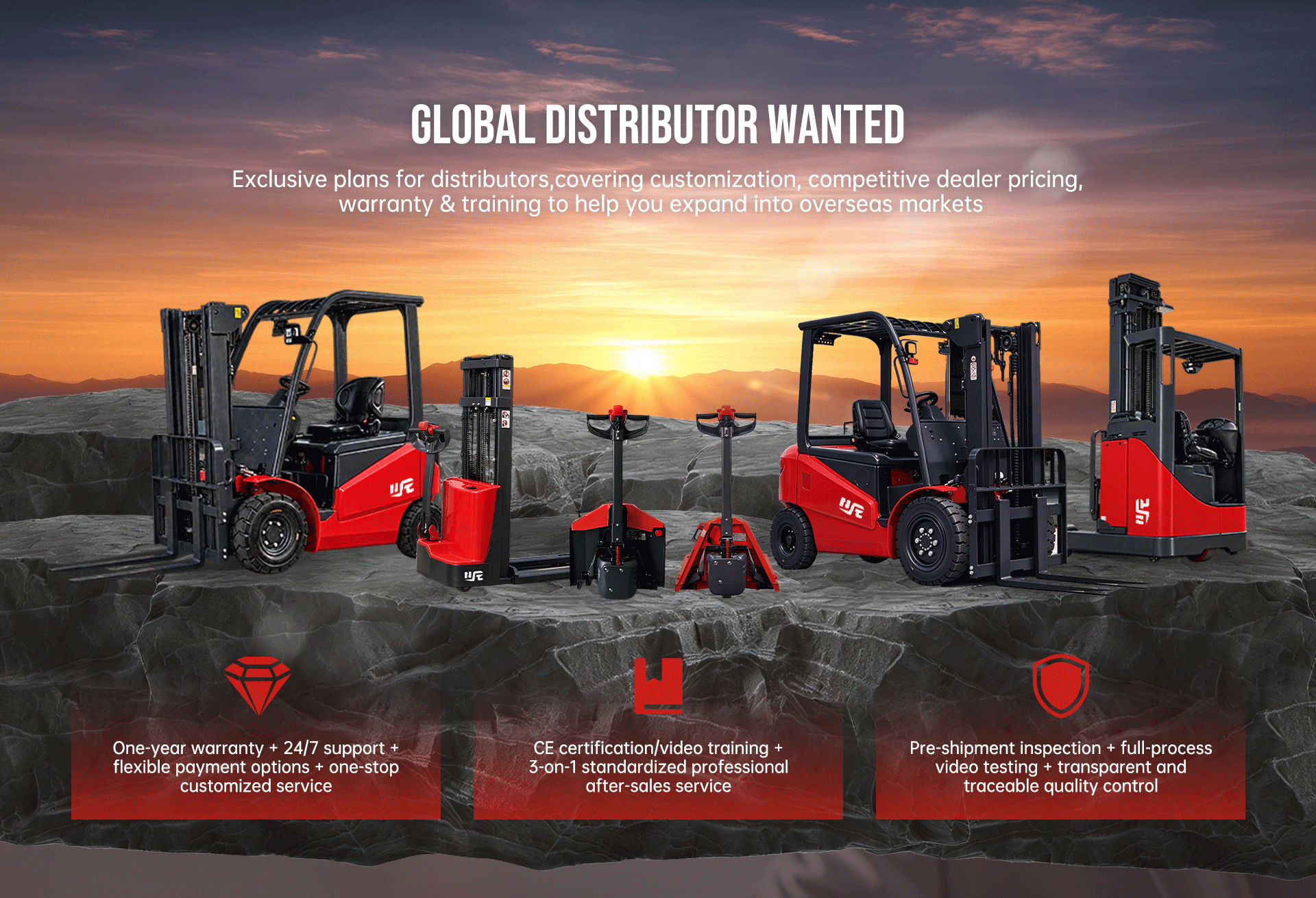
Product design and build quality
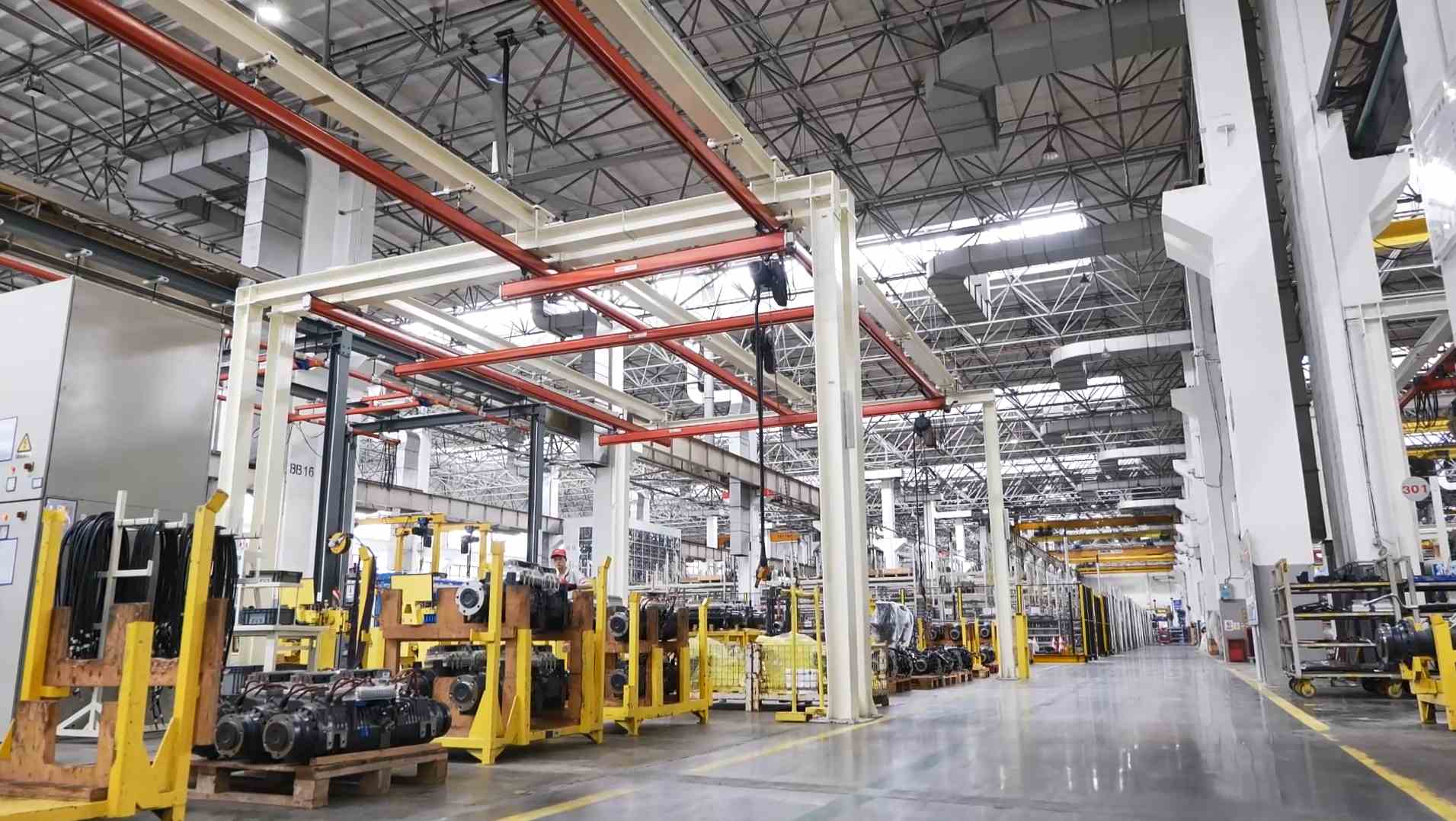
Production workshop
Quality Control, Trade Capacity and Buyer Confidence
For industrial buyers, a supplier’s verification record is part of the product. The following checks reduce uncertainty before the first order and create clearer service expectations for repeat shipments.
SGS Supplier Assessment
Review the SGS onsite check and supplier assessment records alongside trade capacity and transaction history. These materials help verify business identity, product scope and export activity before an RFQ is released.
Pre-Shipment Quality Check
Confirm that lifting, travel, braking and electrical systems are functionally tested before dispatch. For dealer orders, request the model-specific inspection checklist, packaging photos and conformity documents applicable to the destination.
Verified Video and Trade Records
A verified company video, credit index, trade history and transaction history give international buyers more context than a catalogue alone. Use these records to ask specific questions about production, inspection and shipment planning.
Delivery Terms
Payment Methods
Accepted Currencies
Industrial Pallet Stacker Supplier FAQ
Direct answers to the questions most often raised by importers, dealers, rental fleets and warehouse operators evaluating a China pallet stacker supplier.
What is an industrial pallet stacker, and how is it different from a pallet truck?+
Should I choose a 1,500 kg or 2,000 kg pallet stacker?+
Is lithium battery better than lead-acid for warehouse stackers?+
Can Pexal customize fork length, mast height, color, logo and voltage?+
How can I verify a China pallet stacker supplier before payment?+
Which Incoterms, payment methods and currencies are accepted?+
Which markets does Pexal mainly export to?+
What information should I include in an RFQ for an electric pallet stacker?+
How can buyers reduce the total cost of ownership of a pallet stacker fleet?+
What shipping documents should be confirmed before dispatch?+
Are spare parts, manuals and technical support available after delivery?+
Can Pexal support mixed containers or dealer programs?+
Send Your Pallet Stacker Specification for a Configuration Review
Share your load weight, pallet size, lift height, aisle width, floor condition, duty cycle, battery preference and destination market. Our team can help match the right industrial pallet stacker, pallet truck or stand-on stacker configuration and prepare an export-ready quotation.
Email: info@pexalbot.com · Xiamen Pexal Technology Co., Ltd. · Xiamen, Fujian, China