China Factory Sourcing · Electric Material Handling White Paper

Top China Four Wheel Electric Forklift Factories & Factory

A procurement-grade guide for importers, dealers, rental fleets and warehouse owners comparing China four-wheel electric forklift factories with factory-direct pallet stackers, pallet jacks and warehouse trucks from Xiamen Pexal Technology Co., Ltd.

SGS-Assessed Supplier OEM / ODM Customisation 220,000 m² Partner Campus EU · Americas · Oceania
Product Recommendation

Eight Factory-Direct Electric Handling Machines for Mixed-Fleet Buyers

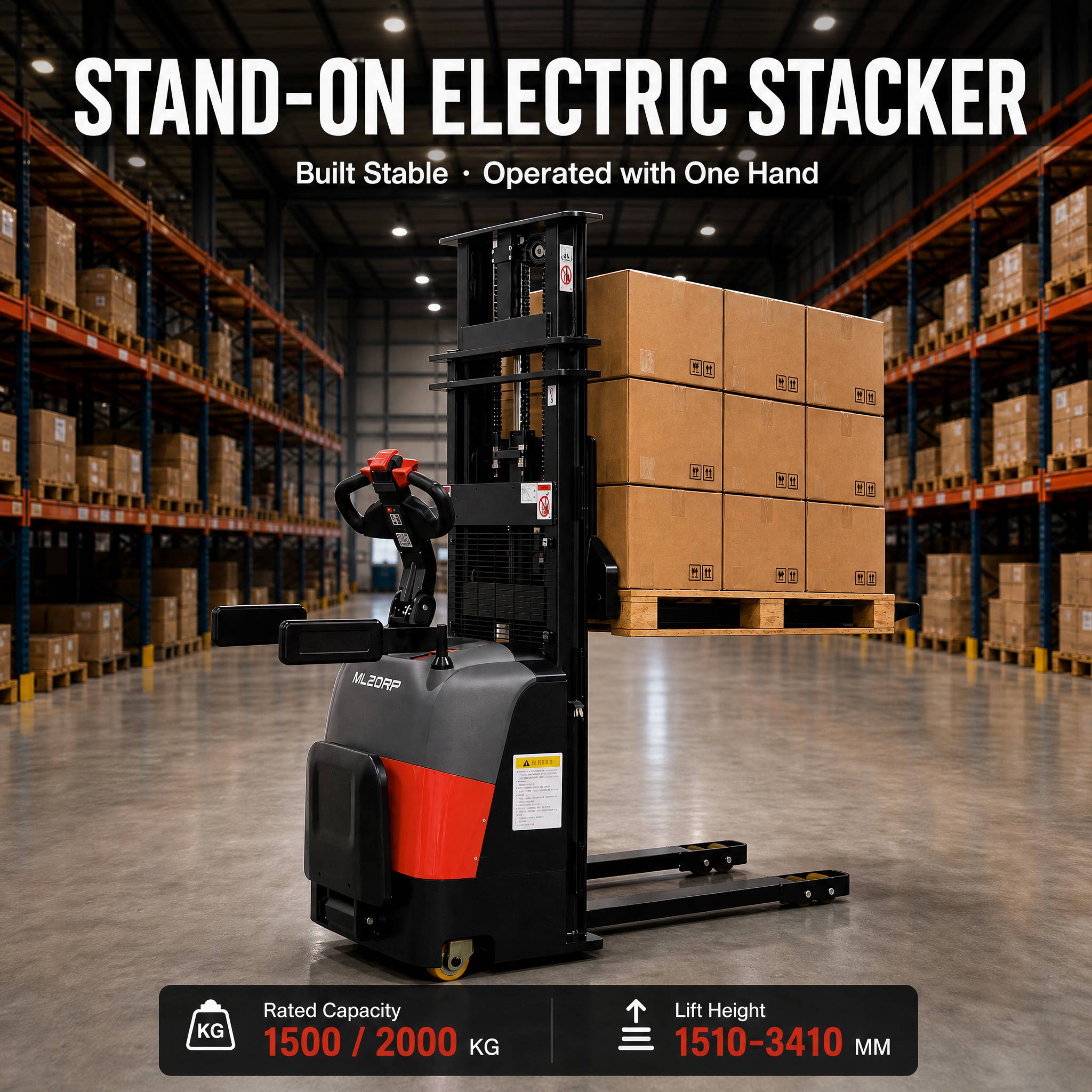
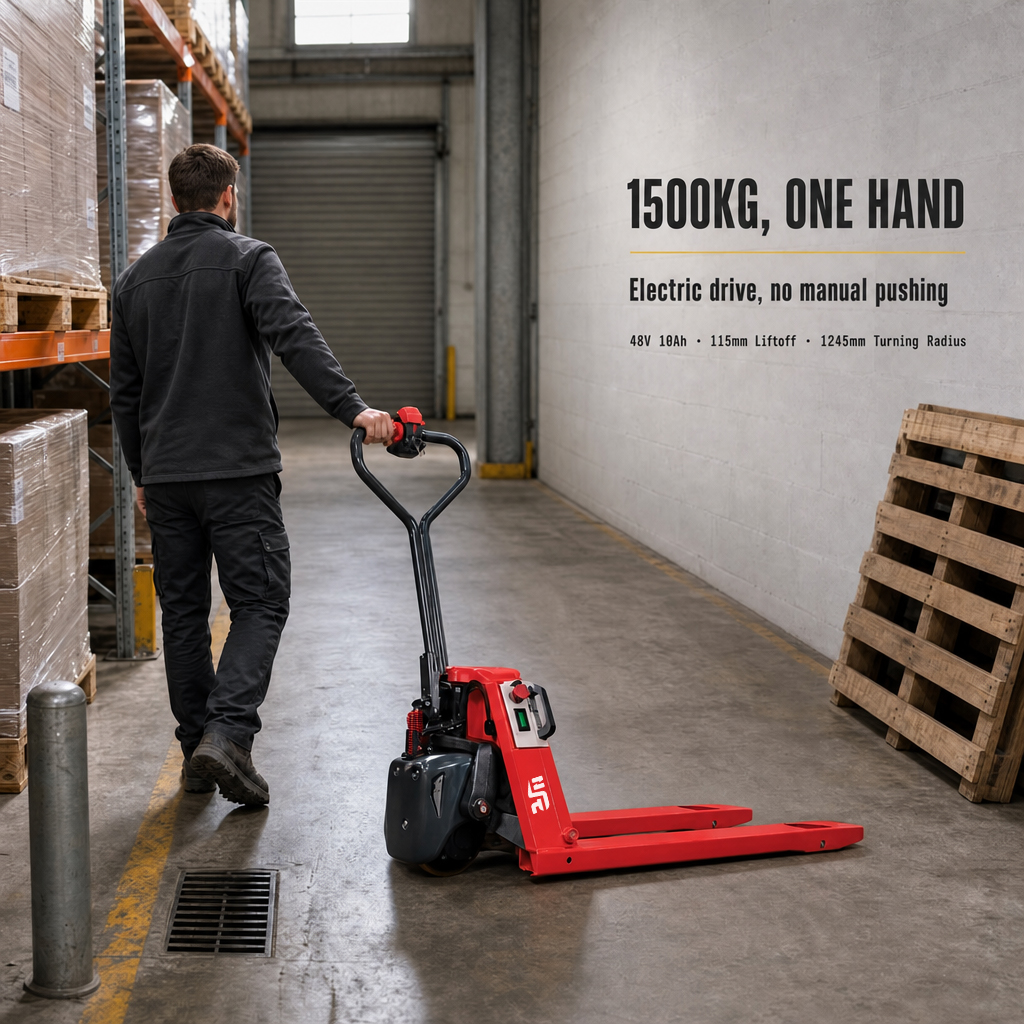
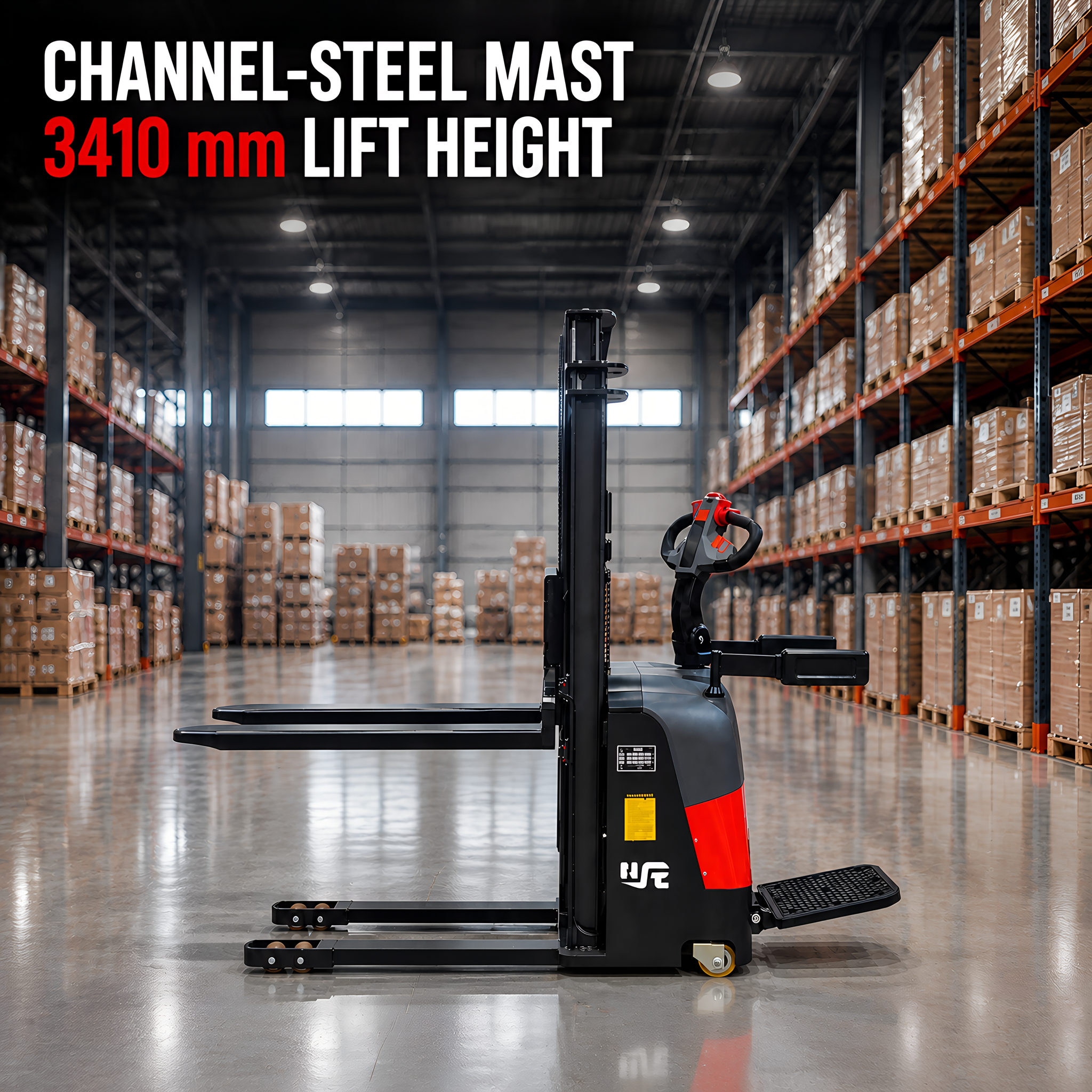
While four-wheel electric forklifts are the core procurement topic, serious buyers often consolidate counterbalance trucks, pallet jacks, stand-on stackers and narrow-aisle equipment in one container programme. The following eight Pexal machines are practical warehouse complements for dealers, rental fleets and end users building a complete electric handling fleet.

Need the complete specification package, battery options and customisation matrix for these machines? Request the catalog and our team will align the configuration with your market, voltage and order plan.

Get Catalog
220,000m²
Partner Manufacturing Campus
1,200+
Skilled Workforce
100+
R&D Engineers
5Regions
Main Export Markets
Executive Summary

How to Separate a Top Four-Wheel Electric Forklift Factory from a Price-Only Supplier

The search phrase “Top China Four Wheel Electric Forklift Factories & Factory” carries high commercial intent, but it also carries risk. Buyers are not only looking for capacity and price; they are looking for evidence that a factory can support a multi-year electric fleet with predictable uptime, documentation and spare-parts planning.

Semantic search has changed how China factories are discovered. A procurement manager, dealer or rental fleet owner may enter the exact query above, but the real question behind it is broader: which supplier can combine four-wheel electric forklift sourcing with credible factory verification, OEM/ODM flexibility, export documentation and after-sales support? That shift matters because search engines and buyers both reward content that answers the decision behind the keyword, not merely repeats product titles.

Four-wheel electric forklifts sit at the centre of industrial material handling because they balance load stability, manoeuvrability, gradeability and zero local emissions. A four-wheel counterbalance electric forklift is often used at loading docks, manufacturing cells, distribution centres and indoor-outdoor transition zones where stability under load is critical. However, the truck is only one part of the purchasing decision. Battery chemistry, charger strategy, controller diagnostics, mast durability, brake performance, operator ergonomics and the availability of compatible pallet stackers and pallet jacks all influence total cost of ownership.

Xiamen Pexal Technology Co., Ltd. approaches this from a practical B2B position. Founded in Xiamen, Fujian, in 2024, Pexal operates as the sales, service and technical support base for Pexal material handling equipment and works with a 220,000 m² partner manufacturing campus employing more than 1,200 people, including over 100 engineers. The company’s stated mission is to help buyers move from manual handling to electric handling and from diesel to battery power, reducing emissions, noise and operating cost while progressing toward intelligent, digital logistics.

For buyers, information gain means asking for load charts, battery and charging data, pre-shipment inspection records, spare-parts lists, customisation boundaries, Incoterms and payment terms before comparing prices. A factory that can answer these questions clearly is usually a safer long-term partner than a supplier that quotes capacity alone.

The practical conclusion is straightforward: evaluate four-wheel electric forklift factories through a mixed-fleet lens. A supplier that can support electric forklifts, pallet trucks, stackers, reach trucks, order pickers and automated guided forklifts reduces procurement complexity, improves spare-parts compatibility and simplifies dealer training. This white paper sets out that evaluation framework and connects it to Pexal’s product range and factory advantages.
Supplier Scorecard Weighting Model

A planning framework used by many importers and fleet buyers when shortlisting China electric forklift factories. It is a decision model, not a statistical survey.

Uptime and service response88%
Battery and charging strategy84%
Safety and operator ergonomics81%
Customisation fit76%
Total cost of ownership72%
Export terms and documentation66%
Factory Selection Criteria

A Six-Point Due-Diligence Model for China Four-Wheel Electric Forklift Factories

Price is visible; engineering discipline, service readiness and export reliability are not. These six evaluation points help procurement teams uncover information gain before placing a deposit.

Four-Wheel Stability and Load-Centre Discipline

Four support points are most useful when the chassis, mast and counterweight are engineered as a system. Ask for rated capacity at the actual load centre, gradeability, turning radius and the stability logic used for your racking or dock application.

Battery-Electric Architecture

Do not treat the battery as an accessory. Confirm voltage, battery type, charger compatibility, opportunity-charging policy and daily energy consumption. Lithium and lead-acid options can behave very differently across multi-shift operations.

Customisation with Engineering Control

OEM/ODM capability should go beyond colour and stickers. Evaluate mast height, fork length, battery type, attachment configuration and branding control. A good factory documents what can be customised without compromising stability or serviceability.

Pre-Shipment Validation

Ask how lifting, travel, braking and electrical systems are tested before dispatch. Functional checks, photographs, packing records and a documented handover list reduce the risk of discovering issues only after the container arrives.

Third-Party Verification

Independent verification improves trust. Pexal has passed an onsite check and supplier assessment conducted by SGS Group. Buyers should review the assessment scope, business type, main markets and reviewed capabilities rather than relying on logos alone.

Export and Service Infrastructure

Incoterms, payment methods, currency, packaging, spare-parts lists and technical documentation matter. A factory that exports to Western Europe, North America, South America, Eastern Europe and Oceania understands that voltage, language and documentation expectations vary by market.

Company Advantages

Pexal Factory Advantages: Evidence, Not Slogans

Xiamen Pexal Technology Co., Ltd. combines a broad electric material handling range with supplier verification, customisation capability and export-ready commercial terms.

Xiamen Pexal Technology company and production overview

Xiamen Pexal Technology Co., Ltd. — sales, service and technical support base for Pexal material handling equipment.

Xiamen Pexal Technology Co., Ltd. was founded in Xiamen, Fujian, in 2024 as the sales, service and technical support base for Pexal material handling equipment. The company works with a 220,000 m² partner manufacturing campus employing more than 1,200 people, including a team of more than 100 engineers dedicated to electric warehouse equipment and product development.

The commercial mission is practical: help buyers move from manual handling to electric handling, and from diesel to battery power, reducing emissions, noise and operating cost while building toward intelligent, digital logistics. For a buyer comparing four-wheel electric forklift factories, that positioning matters because it connects counterbalance electric trucks with the pallet trucks, stackers, reach trucks, order pickers and AGVs that complete a warehouse fleet.

  • Full forklift and warehouse truck range for mixed-fleet procurement
  • Sample-based customisation, full customisation and ODM services
  • Logistics solution design and consulting support
  • SGS-assessed supplier with onsite check verification
  • Export experience across Western Europe, North America, South America, Eastern Europe and Oceania

Source-Direct Manufacturing Access

Partner factory capacity supports container orders, recurring dealer stock and custom builds, with product and commercial support coordinated from Xiamen.

SGS-Assessed Supplier

An onsite check and supplier assessment by SGS Group provide third-party verification of business type, products, markets and capabilities.

OEM / ODM Customisation

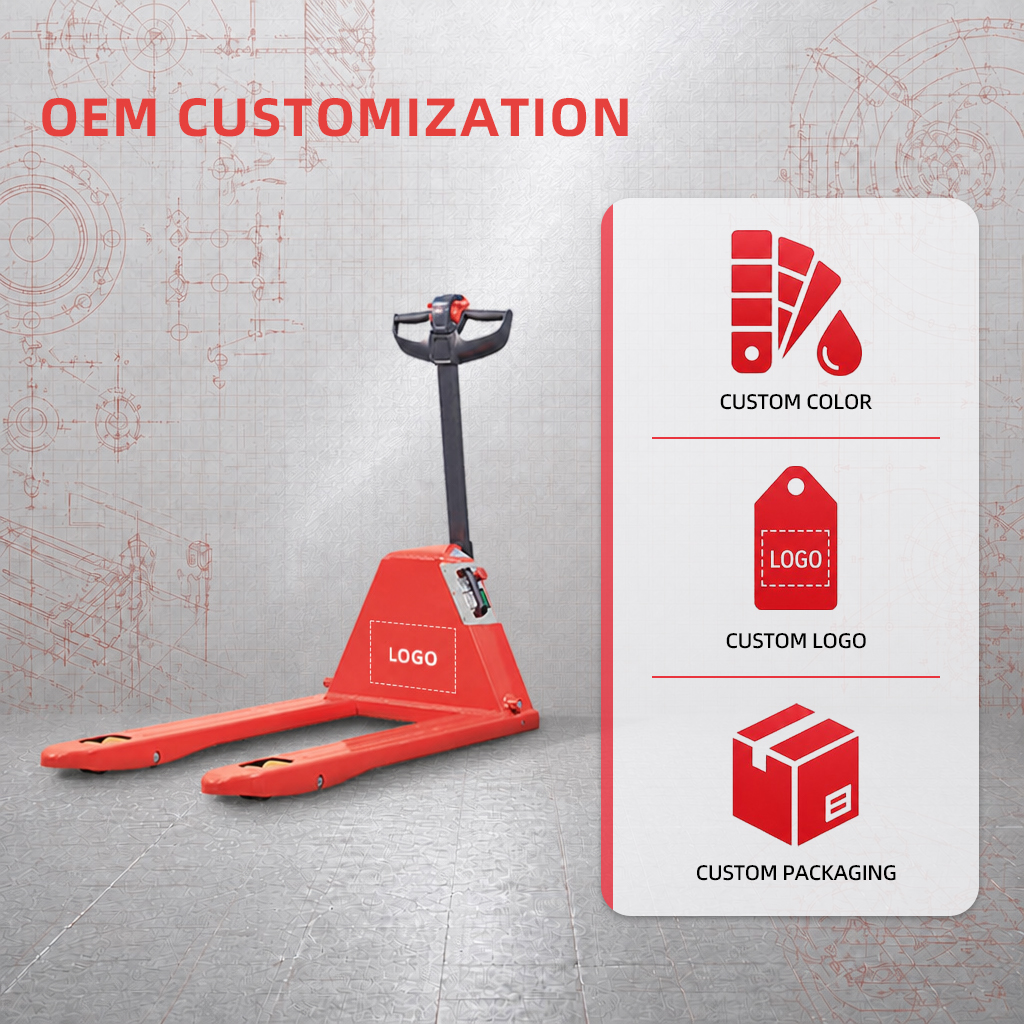
Mast height, fork length, battery type, colour, logo and attachment configuration can be discussed for sample-based, full or ODM projects.

Full Product Ecosystem

Electric forklifts, battery-powered forklifts, diesel forklifts, pallet trucks, stackers, reach trucks, order pickers and AGV solutions support one-stop sourcing.

Export-Ready Terms

FOB, CFR, CIF, EXW, FCA, CPT, CIP, DDP and other common delivery terms can be discussed, with multiple payment methods and currencies accepted.

Global Market Orientation

Main export markets include Western Europe, North America, South America, Eastern Europe and Oceania, serving dealers, rental companies and end users.

Application Fit

Matching Four-Wheel Electric Forklifts and Warehouse Trucks to Real Sites

The right equipment depends on floor surface, aisle width, lift height, load centre and duty cycle. A four-wheel electric forklift may be ideal for one zone while a pallet truck or stand-on stacker is more productive in another.

Warehousing and 3PL

High pallet throughput and dense racking demand reliable, low-maintenance equipment across multiple shifts. Four-wheel electric forklifts handle dock work while reach trucks and stackers optimise storage density.

Forklifts · Stackers · Reach Trucks

E-Commerce Fulfilment

Fast piece picking and short-distance pallet moves between receiving, storage and dispatch zones require compact, easy-to-train equipment with clear battery management.

Order Pickers · Pallet Trucks · AGV

Manufacturing

Line-side supply, work-in-progress transfer and finished goods handling need repeatable lifting, good visibility and service support that keeps production cells supplied.

Electric Forklifts · Intelligent Forklifts

Food and Cold Chain

Zero-emission, low-noise electric trucks help keep indoor air clean in food, beverage and pharmaceutical storage. Battery and charger selection must match temperature and shift patterns.

Battery Forklifts · Stackers

Construction and Agriculture

Unpaved, muddy or uneven ground requires higher ground clearance, durable tyres and the right power source. All-terrain and diesel options are often evaluated alongside electric fleets.

Off-Road Forklifts · Diesel

Ports and Yards

Outdoor heavy loads, long travel distances and continuous operation demand robust thermal management, strong braking and service plans suited to high-duty cycles.

Diesel · High-Capacity Models
Equipment Selection Comparison for Electric Material Handling Projects
Equipment Best Environment Key Advantage Consider When
Four-Wheel Electric Forklift Indoor warehouses, docks, manufacturing and transition zones Stable four-point platform, zero local emissions, low noise Load centre, battery strategy and charging windows are clear
Diesel Forklift Outdoor yards, ports, heavy continuous loads High continuous power and fast refuelling Ventilation, emissions and refuelling infrastructure are managed
All-Terrain Forklift Construction, farms, timber yards and unpaved ground Ground clearance and large, durable tyres Uneven surfaces and weather exposure are common
Reach Truck Narrow aisles and high racking Maximises storage density Racking height and aisle width are the main constraints
Pallet Stacker Small warehouses, retail, building-material shops Compact and cost-efficient lifting Moderate lift height and lower-volume stacking are needed
Pallet Truck Docks, containers and horizontal transport Fast, simple and affordable movement No racking lift is required
AGV Forklift Repetitive fixed routes and 24/7 transfer tasks Labour saving and predictable flow Routes, safety zones and digital integration are stable
Future Procurement Trends

What Buyers Will Demand from China Four-Wheel Electric Forklift Factories

Procurement is moving from unit price comparison to lifecycle performance. Four-wheel electric forklifts are increasingly evaluated with battery data, service-level commitments, telematics readiness and mixed-fleet compatibility.

Total Cost of Ownership

Buyers will compare purchase price with battery life, energy consumption, tyre wear, service hours and downtime risk. A lower initial quote can become expensive if charging strategy or spare-parts support is weak.

Lithium and Charging Strategy

Lithium pallet trucks, stackers and forklift options are attractive when opportunity charging and fleet rotation are planned properly. Buyers will ask for cycle life, charger compatibility and charging-window calculations.

Safety Evidence

Braking performance, visibility, operator training and load handling discipline will be part of supplier evaluation. Documentation that helps the dealer train end users becomes a commercial advantage.

Automation Readiness

Buyers want a supplier that can support the step from manual electric trucks to smart forklifts and automated guided forklifts. Fleet telematics and route repeatability are becoming part of the sourcing conversation.

Mixed-Fleet Consolidation

One supplier for electric forklifts, pallet trucks, stackers, reach trucks and AGVs simplifies procurement, spare-parts planning and dealer training. It also reduces compatibility risk between batteries, chargers and service tools.

Localised Documentation

Voltage, language, packaging, spare-parts naming and market-specific compliance expectations differ by region. Factories that prepare export documentation early reduce friction for importers and rental companies.

Illustrative Procurement Weighting for a Four-Wheel Electric Forklift Programme

Buyers increasingly weight lifecycle factors alongside purchase price. This model shows why factory verification, battery planning and service readiness should be scored before a final supplier decision.

Purchase price and payment terms70%
Battery, charger and energy planning86%
Pre-shipment verification and documents82%
Spare parts and technical support90%
Mixed-fleet compatibility78%
Product Development Trends

Where Four-Wheel Electric Forklift Technology Is Moving

The next generation of electric material handling equipment will be judged by uptime, data visibility, ergonomics and lifecycle support rather than by battery voltage alone.

Modular Electric Platforms

Common battery, controller and drive modules make it easier to localise configurations, manage spare parts and scale a dealer programme across multiple truck classes.

LFP and Opportunity Charging

Lithium iron phosphate and opportunity charging strategies are becoming more common where fleet rotation allows short charging windows. Buyers should request real energy and cycle data for their duty cycle.

Smart Diagnostics and Telematics

Fault codes, battery health, operating hours and service reminders help fleets plan maintenance instead of reacting to breakdowns. Data readiness will increasingly influence supplier selection.

Operator Ergonomics

Visibility, control layout, noise, vibration and step-up access directly affect productivity and fatigue. Human-centred design is a competitive advantage in multi-shift warehouses.

Assistance Systems

Speed control, stability awareness, pedestrian alerts and smart forklift features will support safer operations in mixed pedestrian and vehicle zones.

Lifecycle and Recycling

Battery reuse, recyclable materials and remanufacturing will matter as electric fleets age. Suppliers that plan component replacement and battery end-of-life support will be preferred by dealers.

Buyer’s Guide

How to Evaluate a Four-Wheel Electric Forklift Supplier Before Ordering

The fastest way to reduce risk is to send a structured RFQ. The more clearly you define the load, site, duty cycle and market requirements, the easier it becomes to compare factories on a like-for-like basis.

RFQ Inputs That Reduce Engineering Risk
RFQ Input Why It Matters What to Send
Maximum load and load centre Rated capacity alone is not enough if the load centre shifts. Pallet weight, pallet dimensions, load centre distance and attachments.
Aisle width and rack height Determines whether a counterbalance forklift, reach truck or stacker is efficient. Minimum aisle width, top racking height, door height and turning areas.
Duty cycle Hours per shift and shifts per day affect battery capacity and service intervals. Operating hours, number of shifts, peak pallet movement and weekend use.
Battery and charging Charging strategy can make or break multi-shift productivity. Voltage, charger availability, charging window and preference for lithium or lead-acid.
Floor and environment Ramps, cold stores, dust, outdoor yards and uneven ground change the specification. Floor condition, slope, temperature, moisture, dust and indoor/outdoor use.
Market documentation Importers and rental fleets need documents that match their market expectations. Target country, voltage, language, packaging, compliance questions and spare-parts list.
Commercial terms Incoterms, payment and packaging influence landed cost and cash flow. Required Incoterm, currency, payment method, order volume and delivery schedule.
01

Define the Load

Record the maximum pallet weight, pallet size, load centre distance and any attachment that changes the effective load.

02

Measure the Site

Document aisle width, top racking level, door heights, ramp grade, floor condition and pedestrian traffic zones.

03

Set the Duty Cycle

Calculate hours per shift, shifts per day and charging windows. This determines battery type, capacity and charger planning.

04

Confirm Export and Service Requirements

Share target market, documentation needs, spare-parts expectations, Incoterms and payment terms before requesting a final quotation.

FAQ

Common Questions from Four-Wheel Electric Forklift Buyers

Straight answers for importers, dealers, rental fleets and warehouse operators evaluating China factories and electric material handling equipment.

Should I choose a four-wheel electric forklift or a diesel forklift?

Four-wheel electric forklifts suit indoor warehouses, food and cold-chain logistics, manufacturing and sites that need zero local emissions and low noise. Diesel forklifts suit outdoor yards, heavy continuous loads and sites without charging infrastructure. The decision should be based on load, duty cycle, floor condition, ventilation and energy planning rather than purchase price alone.

What does “four-wheel” mean for stability and application fit?

A four-wheel configuration provides a stable platform for counterbalance lifting, especially where loads, dock transitions or gradeability matter. Buyers should still verify rated capacity at the actual load centre, gradeability, turning radius and suitability for the aisle and racking layout. Four wheels do not replace proper load charts or operator training.

Do you offer OEM, ODM and customised forklifts?

Yes. Xiamen Pexal Technology Co., Ltd. offers sample-based customisation, full customisation and ODM services, including mast height, fork length, battery type, colour, logo and attachment configuration. Engineering boundaries should be confirmed in writing before production.

Which Incoterms and payment methods do you accept?

Common delivery terms such as FOB, CFR, CIF, EXW, FCA, CPT, CIP and DDP can be discussed, along with payment by T/T, L/C, D/P, D/A, Western Union, PayPal, credit card and escrow. Accepted currencies include USD, EUR, GBP, JPY, CAD, AUD, HKD, CHF and CNY.

Which markets do you export to?

Main export markets include Western Europe, North America, South America, Eastern Europe and Oceania, serving dealers, rental companies and end users. Buyers should confirm local voltage, documentation and after-sales expectations for their specific market.

Has your company been verified by a third party?

Yes. The company has passed an onsite check and supplier assessment conducted by SGS Group, and a verified company video is available for buyers to review. Third-party verification reduces uncertainty, but it should still be combined with model-level specification checks and pre-shipment inspection.

How do I choose among the eight recommended warehouse machines?

Start with the task. Choose a pallet truck for horizontal movement and container loading; a stand-on stacker for racking; a channel-steel mast stacker for high-rack stability; and a lithium pallet truck for ramp use. The 2000 kg and 1500–2000 kg stacker series can serve retail backrooms, building-material shops, farms and loading docks. Matching capacity, lift height, aisle width and battery strategy is more important than choosing the lowest price.

What information should be included in an RFQ?

Include maximum load, load centre, pallet size, aisle width, lift height, floor condition, ramp grade, hours per shift, charging window, target market, voltage, required documentation, Incoterms, payment method, currency and expected order volume. This allows the factory to recommend a configuration rather than quote a generic capacity.

How should I plan spare parts and technical support?

Request a recommended spare-parts list, wear-part schedule, controller and battery information, service documentation and operator training materials. For rental fleets and dealers, confirm how technical questions are handled, how parts are packaged and which consumables should be stocked locally.

Build a Factory-Direct Procurement Plan with Pexal

Share your load, aisle width, lift height, duty cycle, target market and battery preference. Our team will help you match four-wheel electric forklifts, pallet stackers and pallet trucks to your application, then prepare a configuration and commercial plan for your market.

Xiamen Pexal Technology Co., Ltd. · Email: info@pexalbot.com · SGS-assessed supplier · OEM/ODM support · Export terms available