8 Electric Pallet Trucks and Stackers for Global Buyers
These models cover the most common warehouse, container, cold-storage, narrow-aisle, and heavy-duty material handling tasks. Each unit is presented with its original product image and destination URL for direct evaluation.
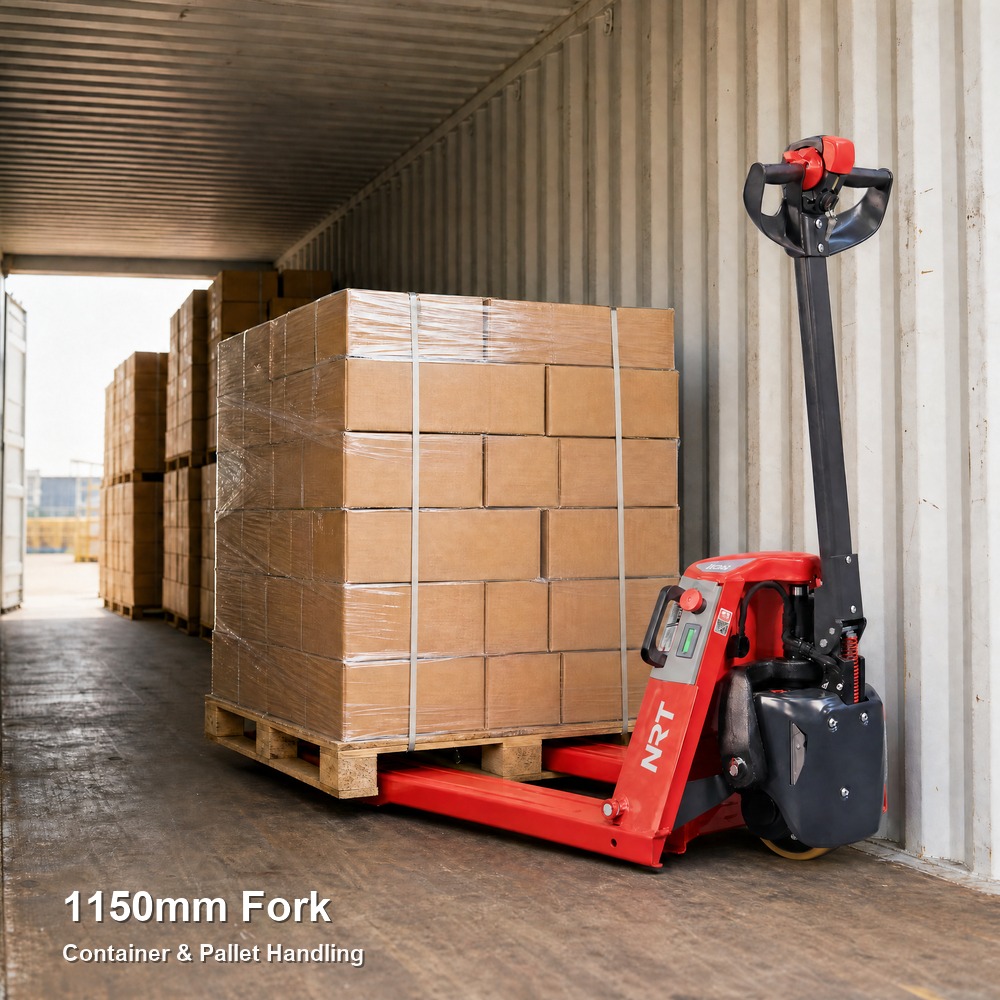
Walkie Electric Pallet Jack 1500kg Fork 1150mm
Battery-powered pallet truck for container unloading, shop-floor replenishment, and fast horizontal transfer.
Container Unloading View product
Ultra-Lightweight 107kg Lithium Electric Pallet Jack
A 2026 alternative for retail, delivery, and light logistics where lower machine weight and lithium power matter.
Light Logistics View product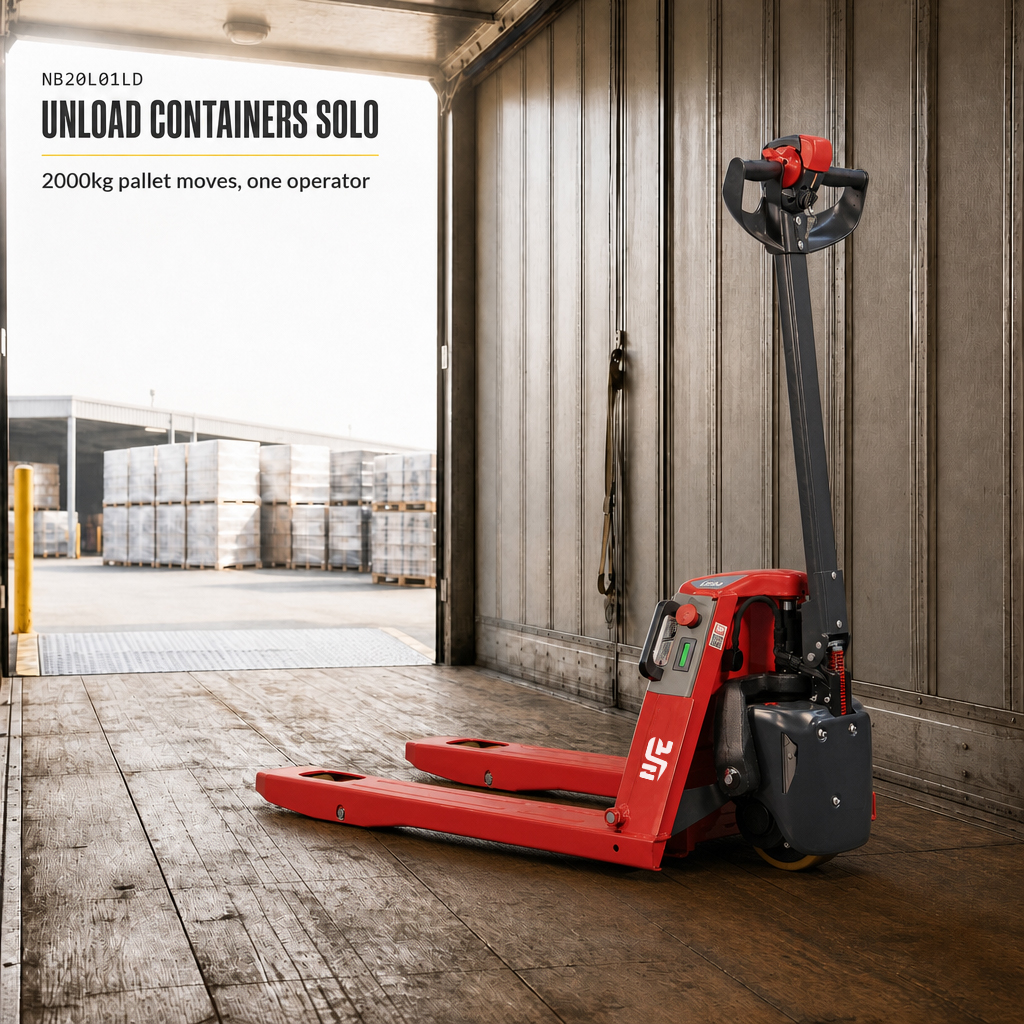
NRT 2 Ton Lithium Electric Pallet Jack 48V
48V 10Ah lithium power, 1150mm forks, and polyurethane wheels for reliable warehouse handling.
Warehouse Handling View product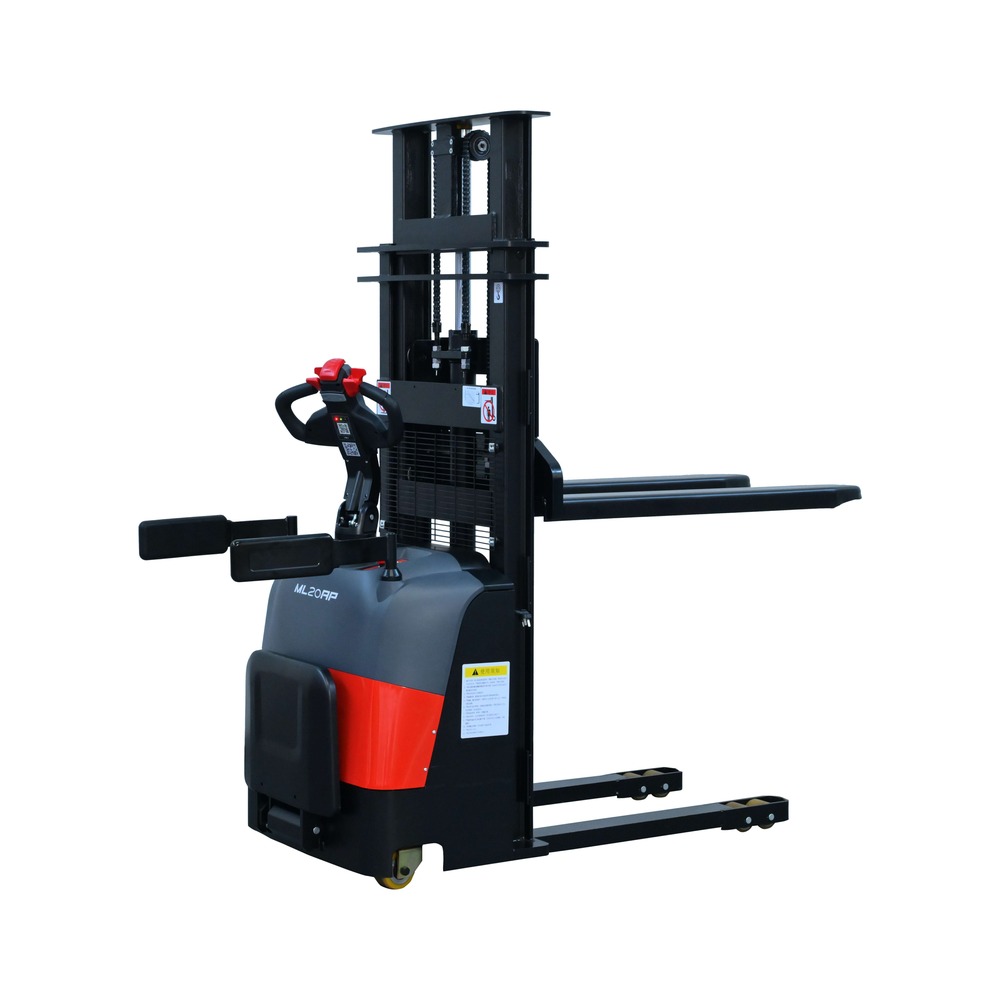
2000kg Stand-on Electric Pallet Stacker 3.41m Lift
Channel steel mast, stand-on platform, and 1480mm turning radius for medium-height racking and dense storage.
Racking & Stacking View product
2000kg Narrow-Fork Walkie Electric Pallet Jack
685mm width and lithium battery configuration for container loading, narrow access, and space-limited sites.
Narrow Access View product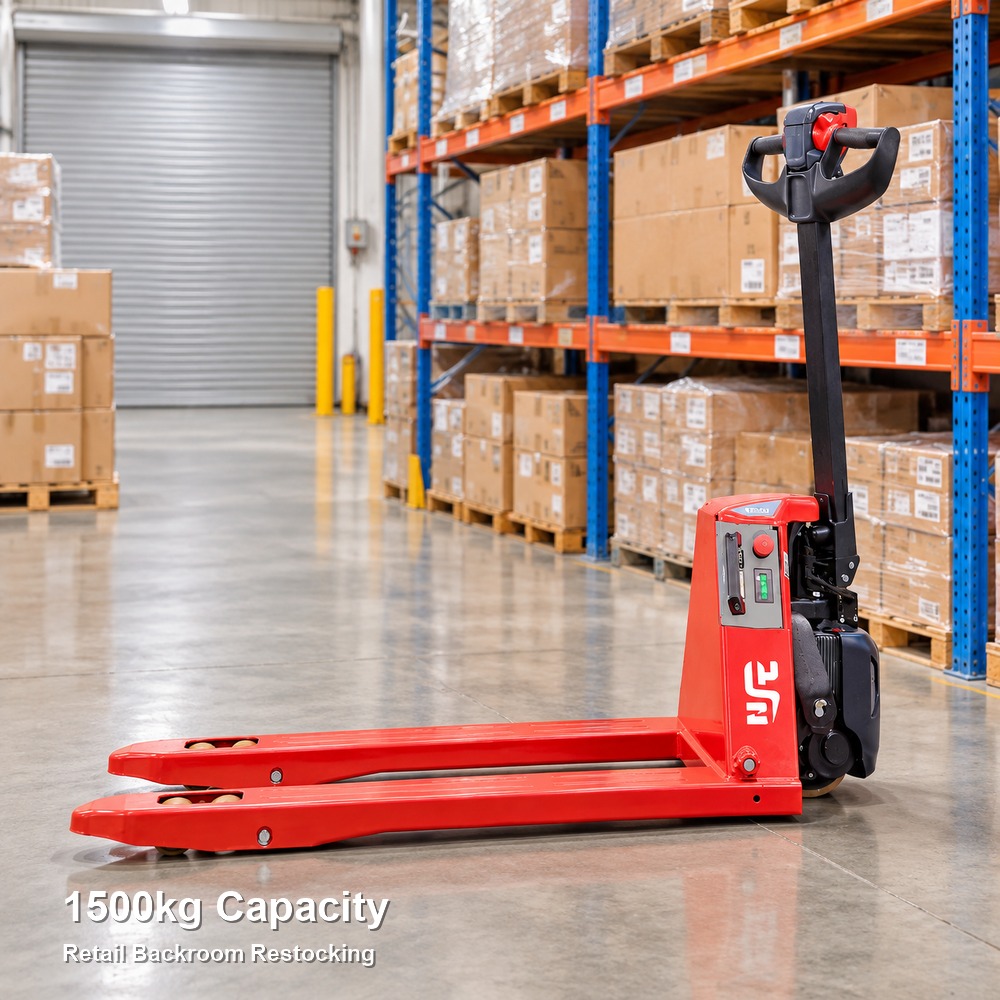
Cold Storage Electric Pallet Jack −20°C
48V lithium pallet truck designed for cold chain, freezer rooms, and low-temperature logistics.
Cold Chain View product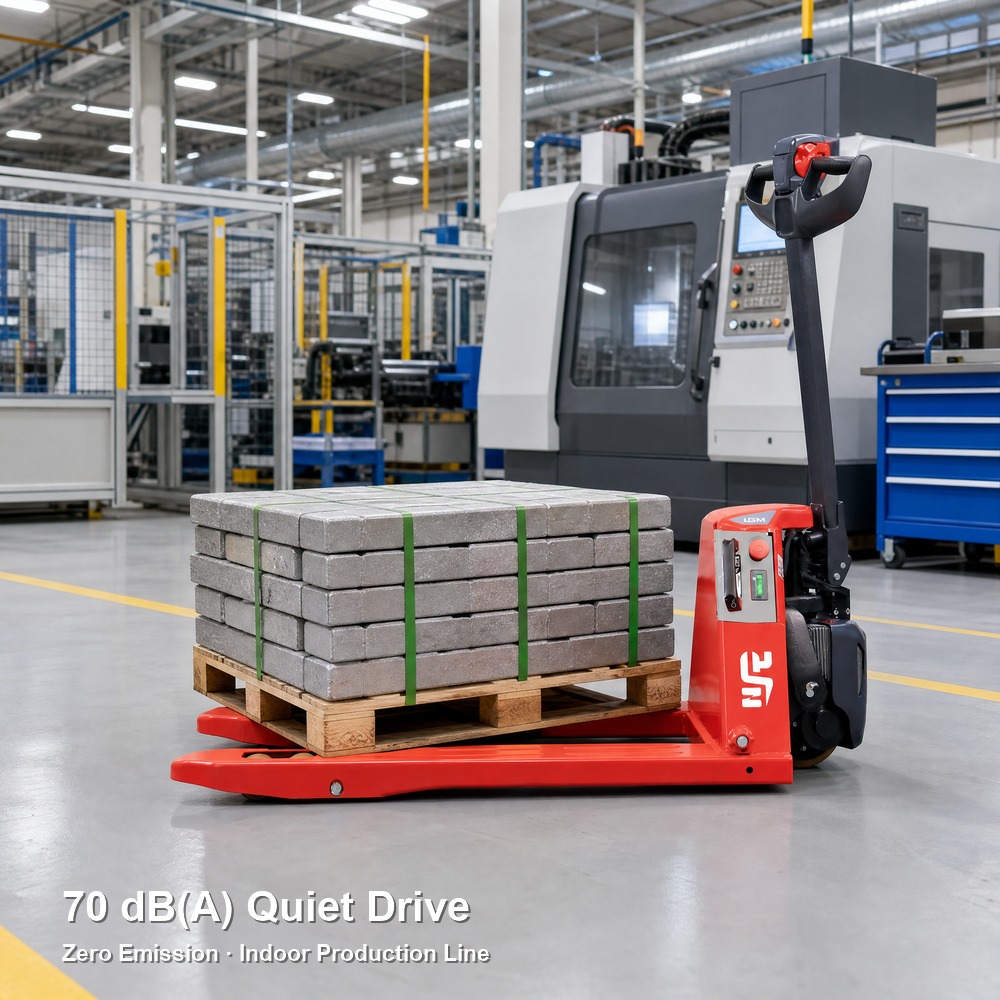
48V Lithium Pallet Jack for Narrow Aisles
Walkie-type battery-powered pallet truck for warehouse aisles, elevator loading, and dock operations.
Narrow Aisle View product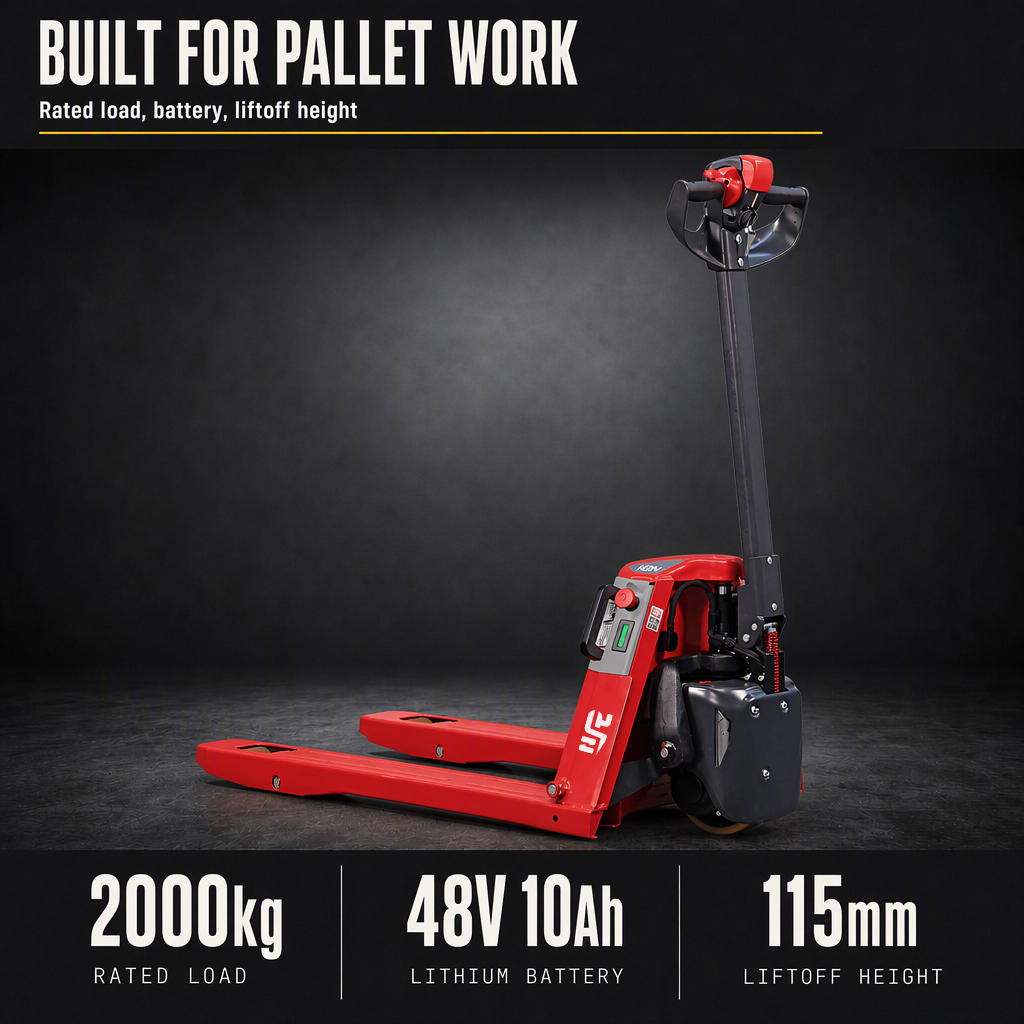
Heavy-Duty 2 Ton Professional Electric Pallet Jack
2000kg capacity with an easy control system for repetitive warehouse work and demanding daily duty cycles.
Heavy Duty View productWhat Makes a Top China Electric Forklift Truck Factory?
The strongest supplier is not simply the one with the lowest unit price. It is the factory and export team that can prove engineering depth, testing discipline, customization capability, and after-sales commitment.
China has become the world's most important production base for electric forklifts, electric pallet trucks, stackers, reach trucks, and automated guided handling equipment. The country's mature lithium battery supply chain, dense component ecosystem, and large domestic material handling market create a manufacturing advantage that is difficult to replicate at the same speed and cost. For distributors, rental companies, and warehouse operators outside China, however, the real question is not whether Chinese factories can build electric forklifts. It is how to identify the top China electric forklift truck factories and exporters that can support a long-term commercial relationship.
A serious buyer should separate three roles that are often confused in supplier directories: the factory that owns production equipment, the export trading company that consolidates products and documentation, and the local sales and service base that handles communication, customization, spare parts, and after-sales coordination. Xiamen Pexal Technology Co., Ltd. operates from Xiamen, Fujian, as the sales, service, and technical support base for Pexal material handling equipment, working with a 220,000 m² partner manufacturing campus and a workforce of more than 1,200 people, including over 100 engineers focused on electric warehouse equipment. This structure gives overseas buyers a practical combination of factory-scale production, export coordination, and application support.
When sourcing electric pallet trucks or warehouse stackers, price should be evaluated together with total cost of ownership. A low initial quote can become expensive if the battery cycle life is weak, spare parts are difficult to obtain, the controller is not protected against dust and moisture, or the mast and chassis are not designed for multi-shift use. A top-tier exporter should be able to explain which components are selected for your duty cycle, how the machine is tested before shipment, what documentation is supplied for your market, and how service can be arranged after arrival.
Ask for a model-level configuration sheet, a pre-shipment test list, a spare parts recommendation, and a clear Incoterms quotation. These four documents reveal more about an exporter than a brochure or a trade-show catalogue.
Six Signals That Separate a Reliable Exporter from a Catalogue Seller
Use this white-paper checklist during supplier comparison. Each point should be backed by evidence, not only by a sales statement.
Third-Party Assessment
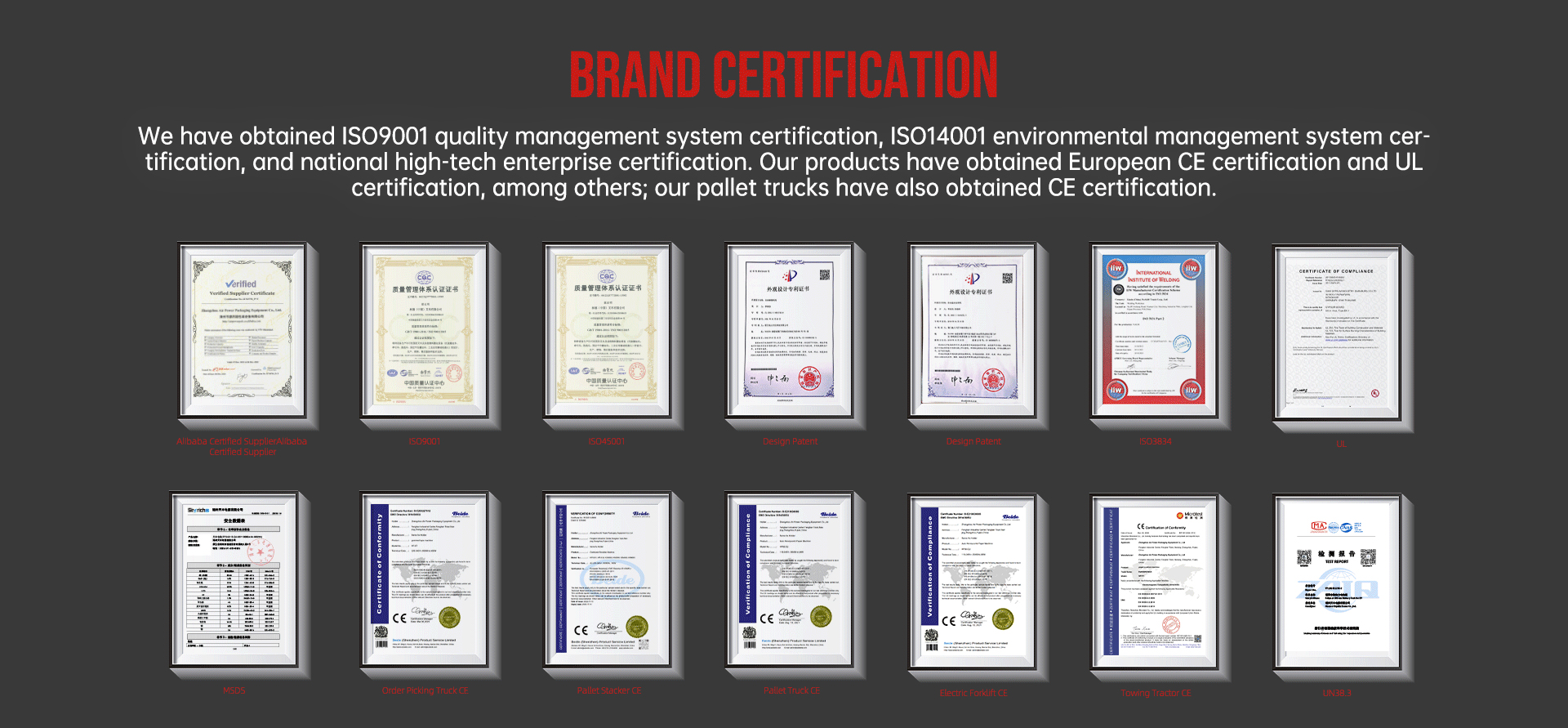
Look for an onsite check and supplier assessment by a recognized inspection company. Pexal has passed an SGS Group onsite check and supplier assessment, and its verified company video is available for buyer review.
Real Production Scale
Factory scale matters for container orders, recurring dealer stock, and customization queues. Confirm the production base, workforce, assembly lines, and annual capacity behind the export quotation.
Application Engineering
Top exporters ask about load weight, load center, aisle width, lift height, floor condition, shift length, and charging routine before recommending a model.
OEM, ODM and Market Fit
Confirm whether the supplier can customize mast height, fork length, battery type, voltage, plug, color, logo, labels, and attachment configuration for your market.
Export Documentation and Terms
A capable exporter can quote FOB, CFR, CIF, EXW, FCA, CPT, CIP, DDP, and other common terms, and can handle T/T, L/C, D/P, D/A, Western Union, PayPal, credit card, and escrow.
Spare Parts and After-Sales Path
Ask for recommended wear parts, controller and battery support, wiring diagrams, training materials, and a clear escalation process for technical issues.
What Will Shape Electric Forklift Purchasing?
Buyers are moving from simple product replacement to fleet-level economics. The following trends should be part of every distributor's sourcing strategy.
Lithium-Ion Becomes the Default Choice
Lithium batteries are increasingly selected for opportunity charging, maintenance reduction, and stable power delivery. For multi-shift warehouses, the ability to charge during breaks can reduce the need for battery swapping and spare battery inventory.
Total Cost of Ownership Beats Lowest Quote
Procurement teams now compare energy cost, tyre life, service hours, spare parts availability, and downtime risk. A slightly higher purchase price can be justified when the machine is engineered for the real duty cycle.
Operator Safety and Ergonomics
Emergency reverse, electromagnetic braking, low-speed control, clear visibility, and comfortable steering are becoming standard buyer expectations. Safety features also reduce training time and accident-related costs.
Narrow-Aisle and High-Density Storage
Rising warehouse rents push buyers toward compact pallet trucks, stand-on stackers, and reach trucks. A 685mm narrow-fork model or a stacker with a small turning radius can release valuable floor space.
Cold-Storage-Ready Electric Equipment
Food, pharmaceutical, and frozen logistics require machines that can operate at low temperatures without compromising battery performance or control reliability. Cold-storage electric pallet jacks are becoming a specialist category.
AGV and Smart Forklift Integration
Repetitive pallet movement is gradually shifting toward automated guided forklifts and smart handling equipment. Buyers should choose suppliers that understand both conventional electric trucks and automation-ready platforms.
How Electric Warehouse Equipment Is Evolving
The next generation of electric forklifts and pallet trucks will be judged by energy efficiency, digital visibility, modular serviceability, and operator experience.
Fast and Opportunity Charging
Battery systems are being designed for shorter charging windows and higher utilisation. Buyers should confirm charger compatibility, charging current, and battery management system protection.
Telematics and Fleet Visibility
Digital dashboards and fleet data help dealers and end users monitor utilisation, battery health, fault codes, and maintenance schedules. This is especially valuable for rental fleets and multi-site operators.
Modular Architecture
Modular electrical and hydraulic layouts simplify diagnostics and spare parts management. For distributors, fewer unique components can mean faster service and lower stock investment.
Longer Runtime and Energy Recovery
Improved motor control, lightweight structures, and energy recovery strategies extend runtime per charge. This is particularly important for cold storage and multi-shift logistics.
Safety-First Human-Machine Interface
Clear displays, intuitive controls, anti-rollback logic, and ergonomic steering reduce operator fatigue. In high-turnover warehouses, simpler controls also shorten training cycles.
Application-Specific Variants
Expect more dedicated configurations for cold rooms, food processing, elevators, container unloading, narrow aisles, and heavy-duty dock work, rather than one generic model for every task.
How to Verify a China Electric Forklift Exporter
A structured verification process reduces quality risk, delivery risk, and after-sales friction before the first container is shipped.
Start with legal identity and onsite verification. Confirm the company name, address, export licence status, and the relationship between the sales entity and the manufacturing campus. Review any third-party supplier assessment, onsite check, credit index, trade history, and transaction history available. Where possible, request a live video call from the production area or review a verified company video that shows actual assembly, testing, and warehouse equipment operation.
Next, validate product evidence. Ask for the exact configuration of the model you intend to purchase, including battery type and capacity, charger specification, fork dimensions, mast height, wheel material, controller brand or grade, and safety features. Request photos of the finished unit before packing and a pre-shipment test checklist covering lifting, travel, braking, steering, electrical protection, and leakage checks.
Then confirm commercial terms. A reliable exporter should state Incoterms, packing method, lead time, warranty scope, payment method, currency, and spare parts policy in writing. For dealers, discuss logo and colour customization, label language, plug type, voltage requirements, and an initial spare parts kit. For end users, clarify operator training materials and technical support escalation channels.
Why Global Buyers Verify Xiamen Pexal Technology Co., Ltd.
A modern material handling supplier must combine factory capability, export discipline, customization, and practical application support.
Xiamen Pexal Technology Co., Ltd. is based in Xiamen, Fujian Province, China. Founded in 2024, the company serves as the sales, service, and technical support base for Pexal material handling equipment. Its product scope covers electric forklifts, battery-powered forklifts, diesel forklifts, electric pallet trucks, electric pallet stackers, electric reach trucks, order pickers, and automated guided forklift solutions.
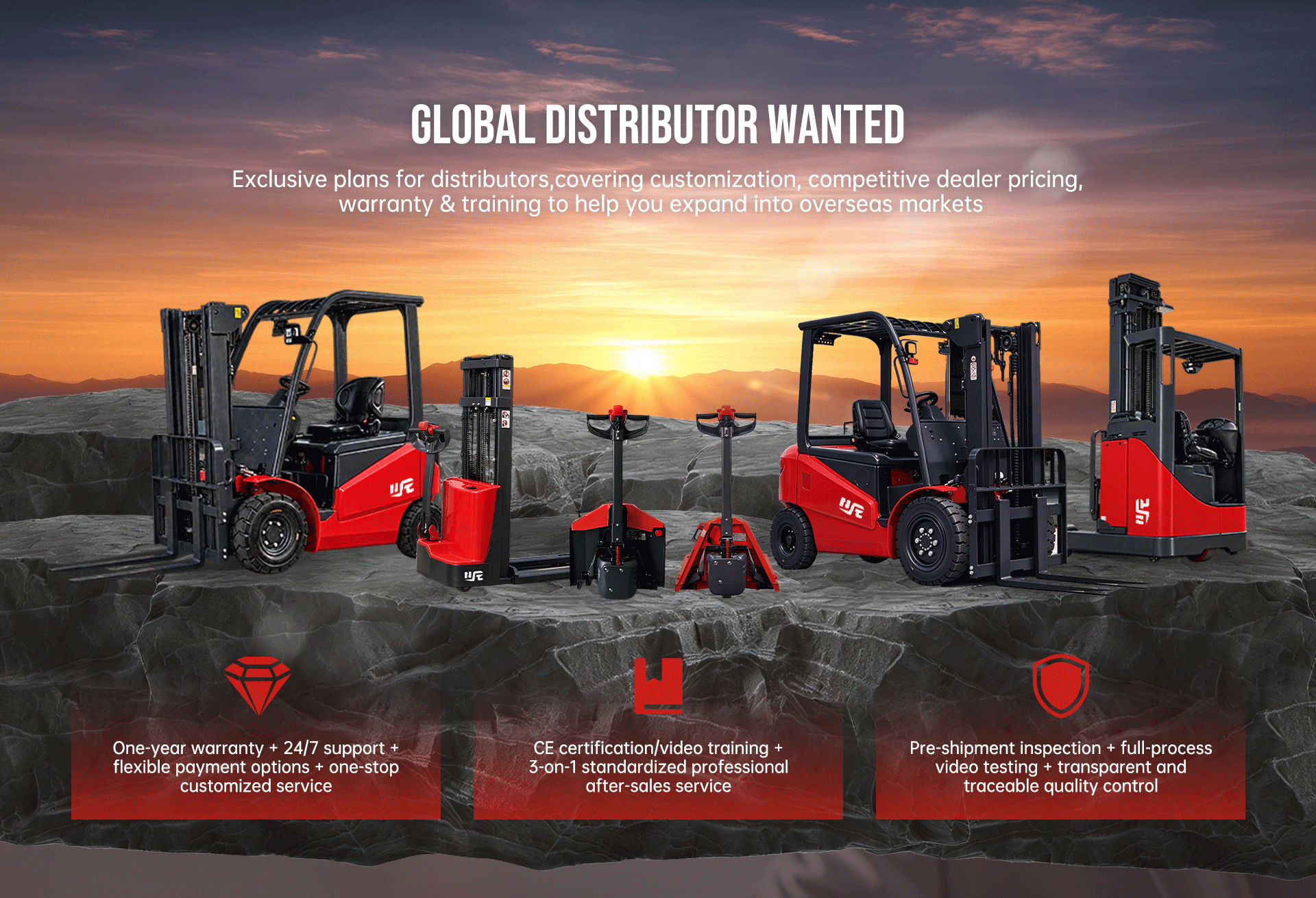
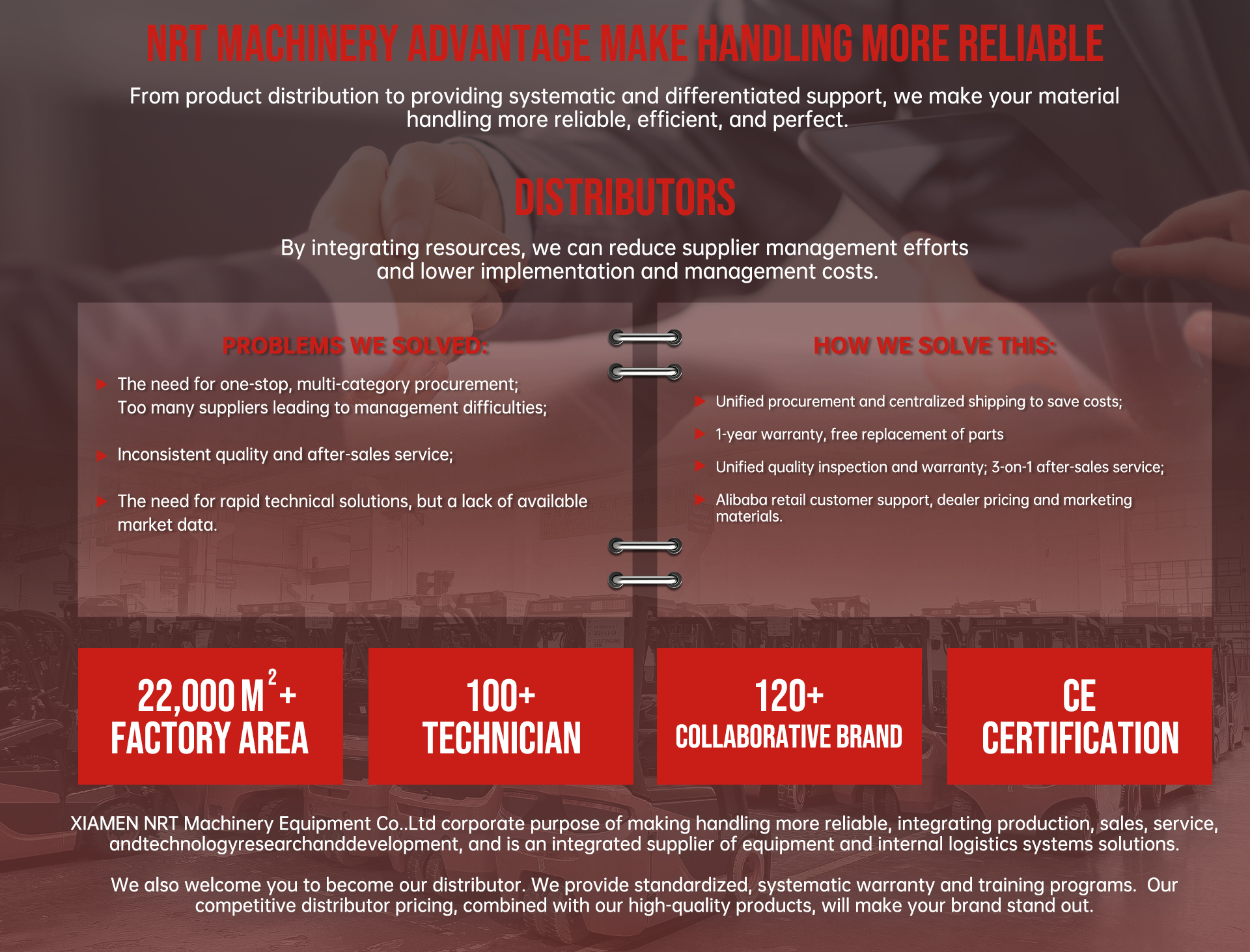
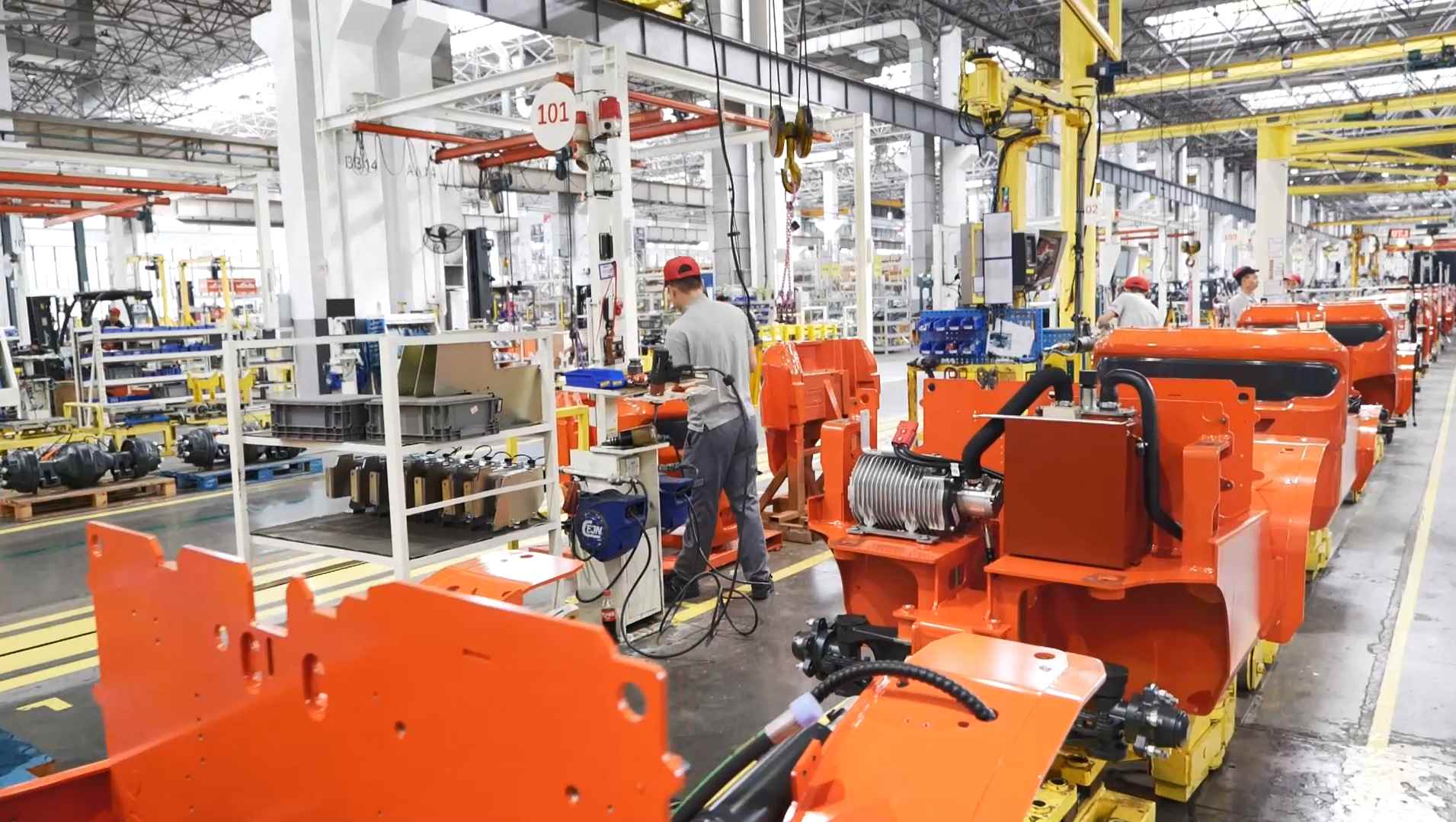
The company works with a 220,000 m² partner manufacturing campus and a workforce of more than 1,200 people, including over 100 R&D engineers. This resource base supports container-volume production, product customization, and the engineering review needed for different warehouse layouts, voltages, and market requirements. Pexal offers sample-based customization, full customization, and ODM services, covering mast height, fork length, battery type, colour, logo, and attachment configuration.
For international buyers, trust signals matter. Pexal has passed an onsite check and supplier assessment conducted by SGS Group. The company publishes assessment records, credit index, trade capacity, transaction level, trade history, and transaction history for review. A verified company video is also available so buyers can evaluate production, product demonstrations, and operational capability before placing an order.
Pexal's main export markets are Western Europe, North America, South America, Eastern Europe, and Oceania, serving dealers, rental companies, and end users. The company accepts common delivery terms including FOB, CFR, CIF, EXW, FCA, CPT, CIP, DDP, and other negotiated terms. Payment methods include T/T, L/C, D/P, D/A, Western Union, PayPal, credit card, and escrow, with currencies such as USD, EUR, GBP, JPY, CAD, AUD, HKD, CHF, and CNY.
- Western Europe dealer programmes
- North America warehouse equipment
- South America distributor supply
- Eastern Europe industrial projects
- Oceania rental and logistics fleets
- OEM and ODM private-label projects
 Company Overview
 Engineering Detail
 Design & Build Quality
 Production Capability
 Factory Panorama
 Quality Inspection
FAQ for Electric Forklift and Pallet Truck Buyers
Direct answers to the questions importers, dealers, and fleet managers ask before requesting a quotation.
What is the difference between an electric pallet truck, a pallet stacker, and an electric forklift?
An electric pallet truck is mainly designed for horizontal movement of pallets at ground level, such as container unloading, dock work, and shop-floor transfer. A pallet stacker adds lifting capability for low to medium racking and stacking, often with a walk-behind or stand-on configuration. An electric forklift is a counterbalance truck built for higher lifting, heavier loads, and broader yard or warehouse duties. The right choice depends on load weight, lift height, aisle width, and whether the application is mostly horizontal transport or vertical storage.
How can I verify that a China electric forklift factory is reliable?
Verify the legal company identity, the relationship between the sales office and the manufacturing campus, and any third-party onsite check or supplier assessment. Ask for product-level evidence such as configuration sheets, pre-shipment inspection records, real production photos or video, and references from your target market. For Pexal, buyers can review the SGS Group onsite check and supplier assessment, company video, credit index, trade capacity, and transaction history before ordering.
Should I choose lithium-ion or lead-acid battery power?
Lithium-ion is often preferred for opportunity charging, lower maintenance, and stable performance in multi-shift operations. Lead-acid may still suit buyers with established charging rooms, lower daily utilisation, or a strong local battery service network. The decision should consider shift length, charging windows, battery room availability, climate, and total cost of ownership rather than purchase price alone.
Can the factory customize voltage, plug, fork length, mast height, colour, and logo?
Yes. A capable exporter should support market-specific configuration, including voltage and plug type, fork dimensions, mast height, battery type, colour, logo, labels, and attachments. Pexal offers sample-based customization, full customization, and ODM services. Buyers should confirm the exact specification in a written quotation and request pre-production drawings or photos for approval when necessary.
Which Incoterms and payment methods are commonly accepted?
Common delivery terms include FOB, CFR, CIF, EXW, FCA, CPT, CIP, DDP, and other negotiated terms. Payment methods can include T/T, L/C, D/P, D/A, Western Union, PayPal, credit card, and escrow. Acceptable currencies often include USD, EUR, GBP, JPY, CAD, AUD, HKD, CHF, and CNY. For first orders, buyers should align payment milestones with production milestones and pre-shipment inspection.
How should I choose equipment for cold storage, narrow aisles, or container loading?
For cold storage, confirm low-temperature battery performance, controller protection, seals, and hydraulic oil suitability. For narrow aisles, measure the actual clear width and turning space, then evaluate compact pallet trucks, stand-on stackers, or reach trucks. For container loading, check fork width, overall machine width, lowered fork height, and manoeuvrability. A 685mm narrow-fork pallet truck, for example, can be more suitable than a standard-width model in restricted spaces.
How do I plan spare parts and after-sales support for an export order?
Request a recommended spare parts list based on your fleet size and duty cycle. Common items may include wheels, emergency stop switches, controllers, chargers, hydraulic components, and battery-related parts. Confirm how technical support is delivered, what documentation is provided, and how warranty claims are evaluated. For dealers, an initial spare parts kit can reduce downtime and improve local customer confidence.
What is the typical order process for an OEM electric forklift project?
A practical process is: application review, model and battery selection, customization discussion, quotation with Incoterms, sample or first-order confirmation, production, pre-shipment inspection, export packing, and shipment. For private-label projects, logo, colour, label, and packaging approvals should be completed before mass production. Clear communication at each stage is more important than a short lead time that is not supported by production capacity.
Request a Factory-Verified Quotation for Your Market
Share your load weight, aisle width, lift height, duty cycle, voltage, plug type, and target country. Our team can recommend the right electric pallet truck, stacker, or forklift configuration and prepare an export quotation with delivery terms.
Contact Us