Top 10 High Lift Pallet Truck Manufacturers & Factories
A 2025 procurement guide for electric pallet jacks, walkie pallet trucks and high-lift stackers — evaluated on load capacity, lithium battery strategy, cold storage capability, SGS verification, OEM/ODM flexibility and total cost of ownership.
8 Proven High-Lift Pallet Truck & Electric Pallet Jack Models
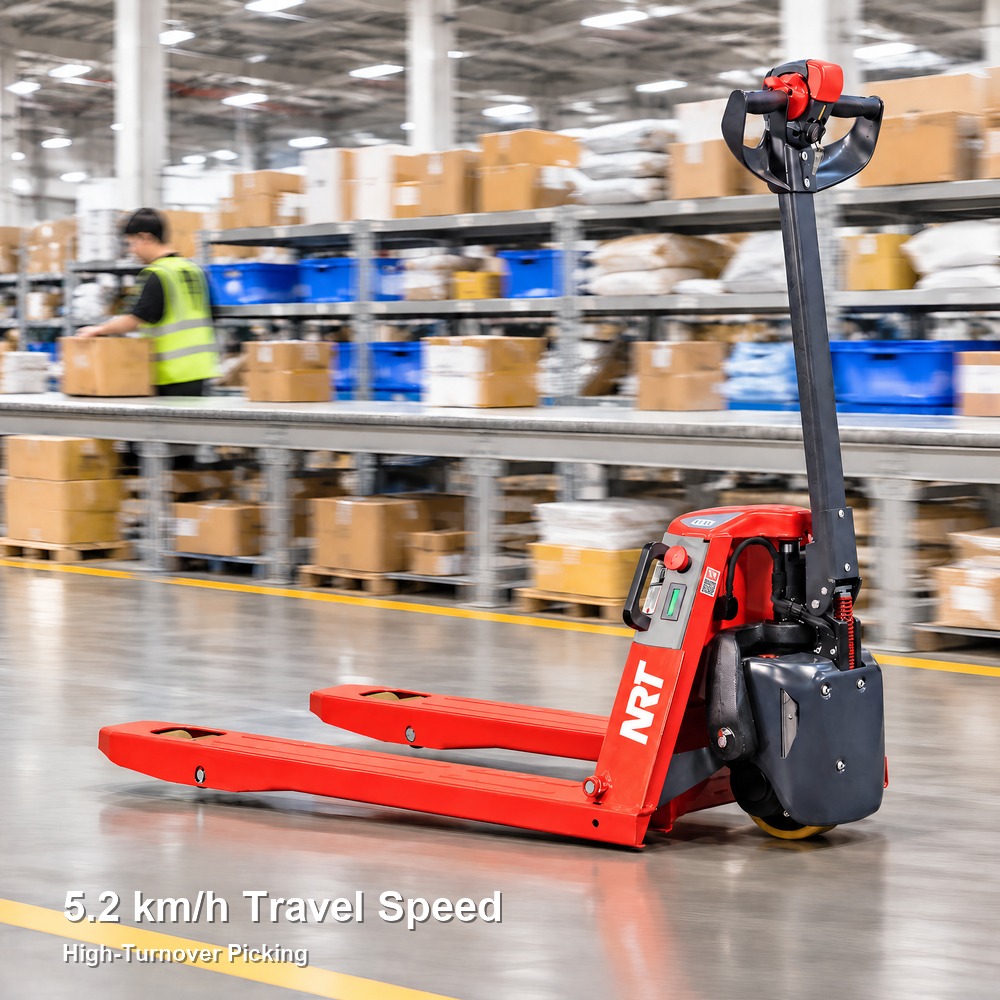
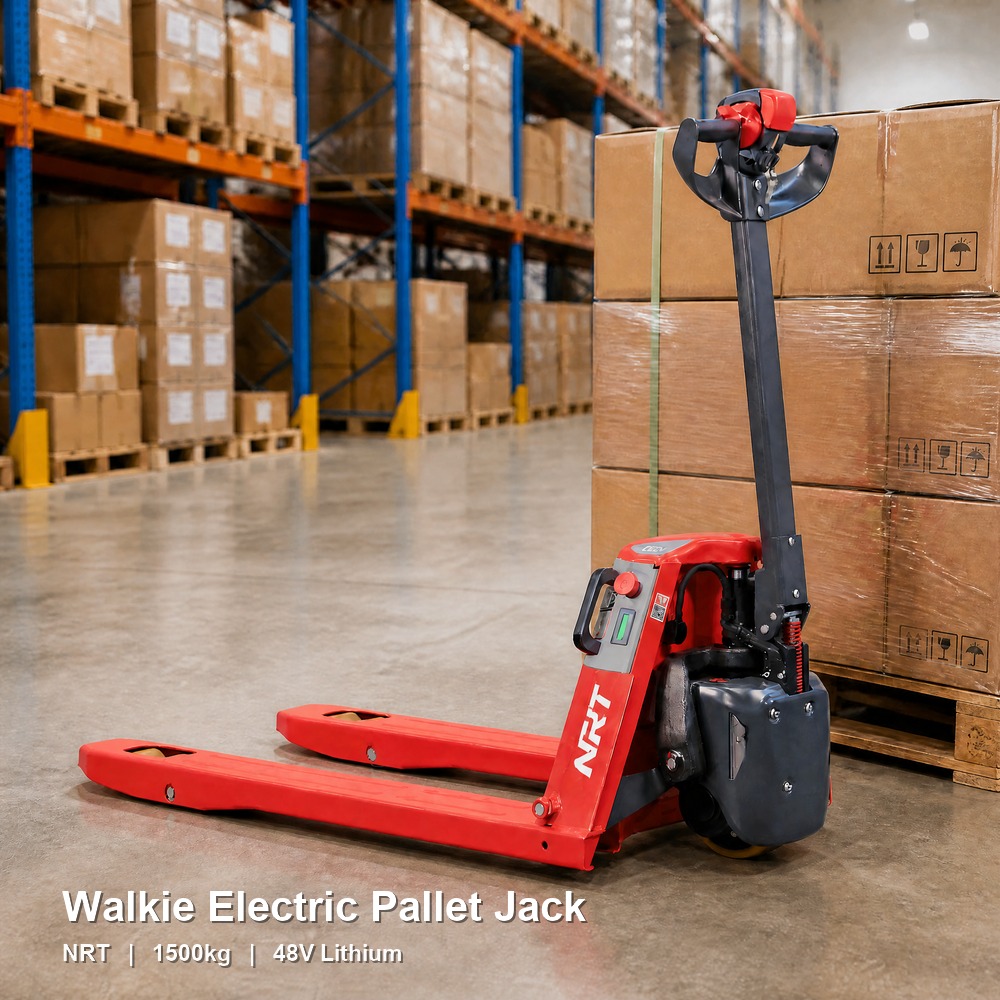
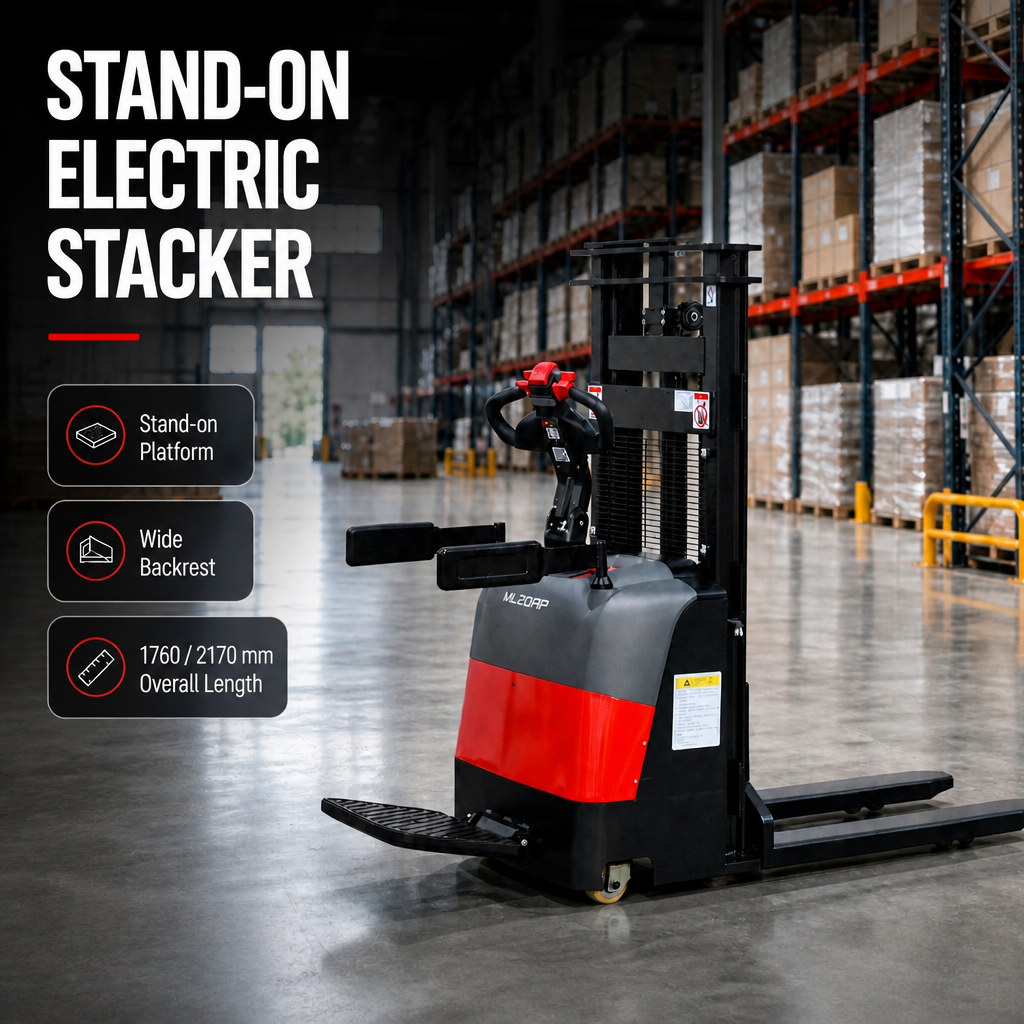
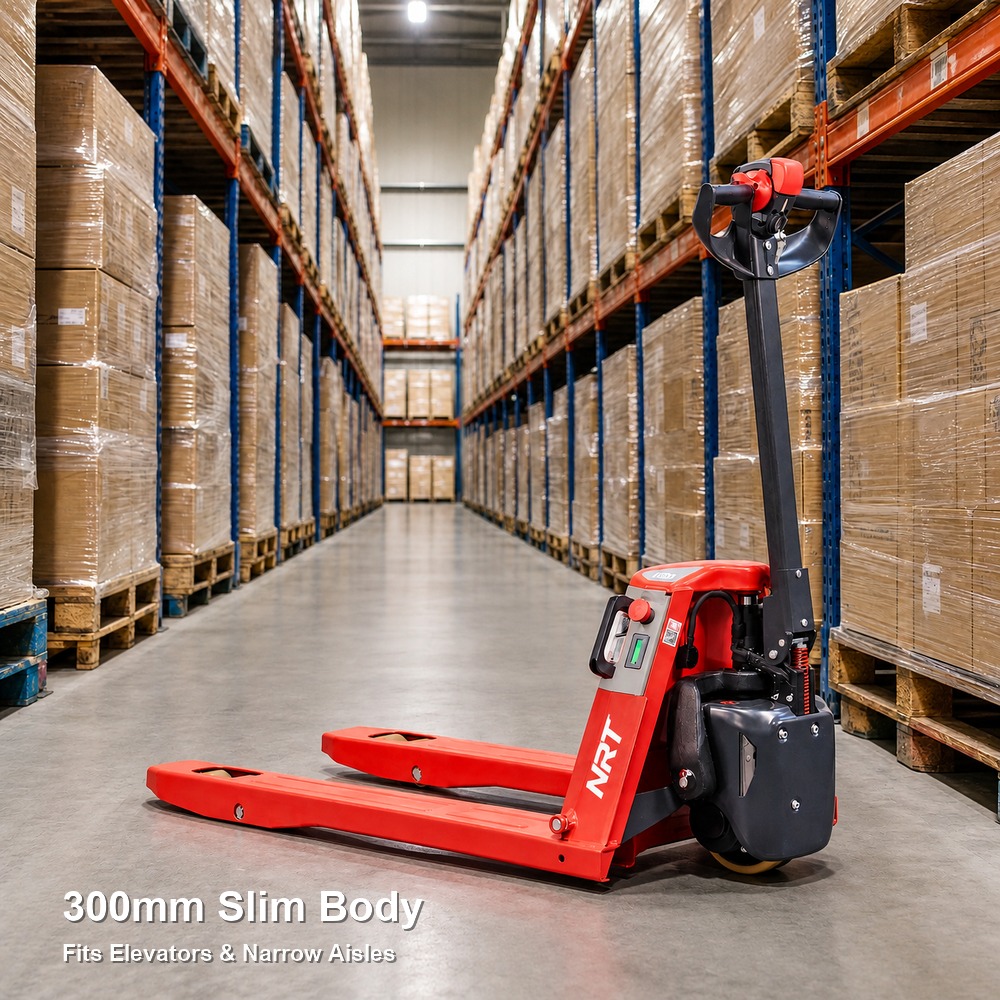
Every model below is part of Pexal’s electric material handling range for dealers, rental fleets and warehouse operators. Images and product URLs are preserved so procurement teams can move from shortlist to specification without losing technical context.
Why Pexal Belongs on a High-Lift Pallet Truck Shortlist
High-lift pallet truck manufacturers are not interchangeable. The strongest suppliers combine application engineering, controlled production, verified trade records and export-ready documentation.
The “Top 10” Question: How Do You Separate Factories From Catalog Resellers?
The search for top 10 high lift pallet truck manufacturers & factories usually starts with a spreadsheet of prices. Experienced buyers replace that spreadsheet with a qualification model: load capacity, battery architecture, cold-chain capability, service access, spare parts availability and third-party verification. The reason is simple. A high-lift pallet truck is not a generic commodity; it is a powered material handling asset whose cost is decided over years of shifts, not at the quotation stage.
A true factory should be able to explain how the chassis is prepared, how hydraulic functions are tested, how battery options affect duty cycle, and how after-sales support is handled in the destination market. That level of detail is what separates a catalog listing from a supplier capable of supporting dealers, rental fleets and multi-site warehouse operators.
For procurement teams, the most useful comparison is not a list of company names without context. It is a repeatable framework that can be applied to every candidate. The ten checks below are designed for that purpose. They help evaluate high lift pallet truck manufacturers and factories on the variables that affect uptime, safety, resale confidence and total cost of ownership.
Use this guide as a scoring annex to your RFQ. Ask every supplier to respond to the same ten factors, then compare responses against verified evidence such as SGS assessment records, trade history, product test reports and spare parts lists.
Top 10 High-Lift Pallet Truck Factory Evaluation Factors
This is the practical meaning behind “top 10” for B2B buyers: ten checkpoints that reveal whether a manufacturer can deliver a reliable fleet, not just a single sample.
01 · Verified Manufacturing Base
Confirm the factory, assembly line and testing area through an onsite check, video audit or third-party report. Location and scale should match the claimed production capability.
02 · Battery & Charging Strategy
Compare 48V lithium, lead-acid and swappable battery options against shift length, charging windows, onboard chargers and local voltage requirements.
03 · Chassis & Mast Durability
Ask about steel thickness, weld quality, mast profile, load-center rating and repeated lifting tests. High-lift stacking places different stress on the truck than horizontal transport.
04 · Safety & Operator Control
Review emergency reverse, braking, horn, speed control, visibility, handle ergonomics and warning systems. Safety features should be standardised across the fleet.
05 · Cold-Chain Readiness
For -20°C storage, check battery specification, hydraulic oil, seals, condensation protection and material behaviour under repeated freeze-thaw cycles.
06 · Serviceability & Parts Access
Quick-release drive wheels, accessible hydraulic components and clear parts diagrams reduce downtime. Ask for typical wear-part lists and service intervals.
07 · OEM / ODM Execution
Evaluate branding, color, fork length, mast height, battery selection, labels and packaging. Strong customization should be documented in drawings and inspection points.
08 · Export Documentation & Incoterms
Confirm HS code, packing method, certificate pack and Incoterm capability from EXW and FOB to CIF, CIP and DDP for destination-market buyers.
09 · Third-Party Verification
Check onsite assessment records, credit index, transaction level and trade history. Independent verification reduces the risk of misrepresented factory capacity.
10 · Total Cost of Ownership
Model purchase price together with battery life, charging cost, maintenance, spare parts, training, downtime and resale or replacement strategy.

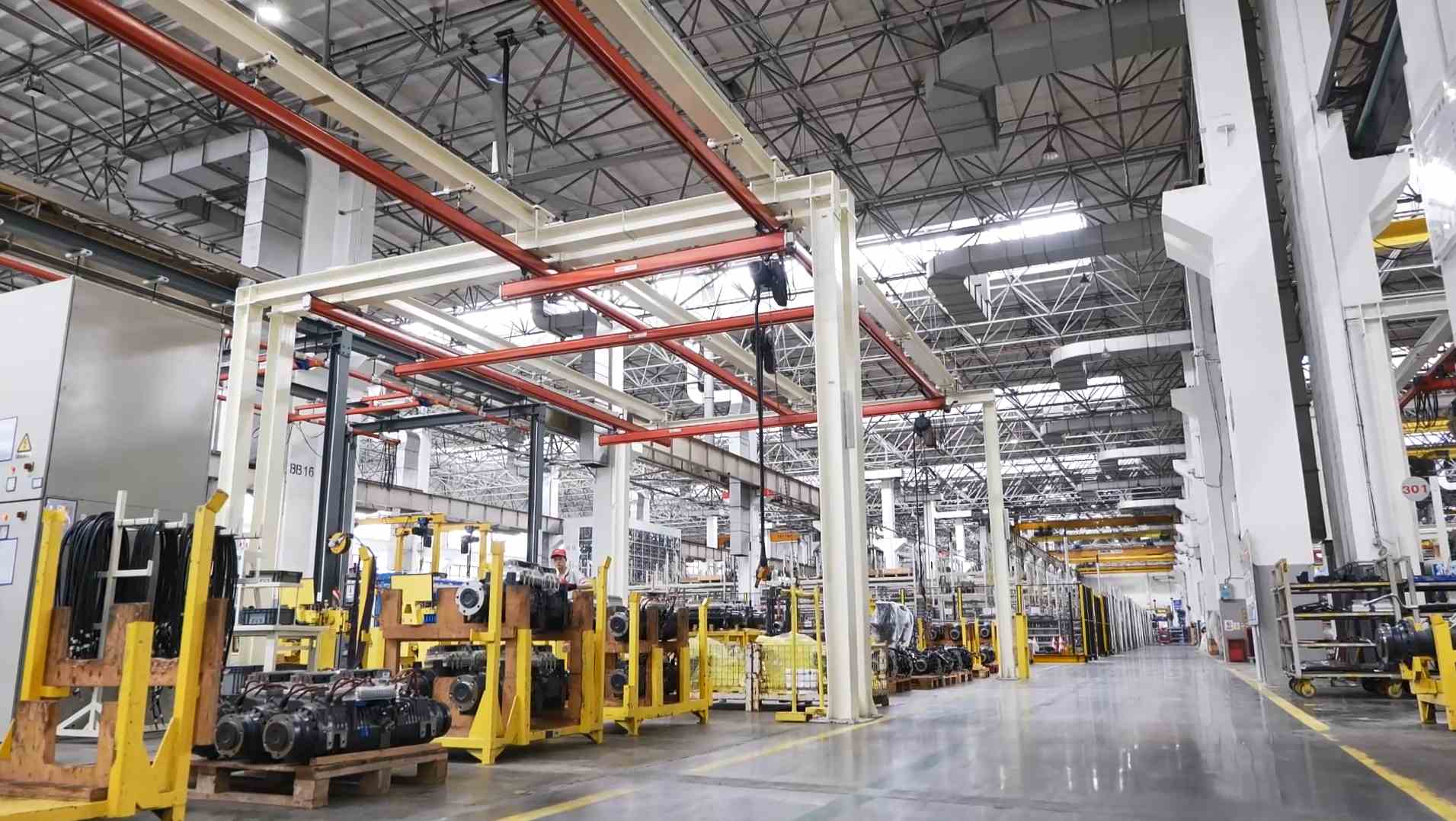

Xiamen Pexal Technology Co., Ltd.
Xiamen Pexal Technology Co., Ltd. was founded in Xiamen, Fujian in 2024 as the sales, service and technical support base for Pexal material handling equipment. The company works with a 220,000 m² partner manufacturing campus employing more than 1,200 people, including over 100 engineers focused on electric warehouse equipment.
The product strategy is practical: help buyers move from manual handling to electric handling, and from diesel to battery power, while reducing emissions, noise and operating cost. For high-lift pallet truck procurement, this means access to electric pallet jacks, walkie pallet trucks, cold-storage models, high-lift stackers and automation-ready equipment from one technical and commercial channel.
 SGS-assessed supplier with onsite check and third-party verification records available for review.
- Source-direct material handling range
- Sample-based, full and ODM customization
- Logistics solution design and consulting
- Export support for dealers and rental fleets
Product Development Trends Reshaping High Lift Pallet Trucks
Buyers planning a 2025–2027 fleet renewal should expect high-lift pallet truck design to move faster in four areas: energy, cold-chain engineering, serviceability and automation readiness.
Lithium-Ion as the Default
48V lithium battery packs are becoming the expected configuration for high-frequency warehouse use because they support opportunity charging, lower maintenance and stable power delivery across shifts.
Cold-Chain Engineering
Cold storage models are being specified for -20°C operation with protected battery systems, cold-resistant seals and hydraulic components selected for food, pharmaceutical and frozen logistics.
Faster Service Design
Quick-release drive wheels, modular components and accessible hydraulic assemblies reduce maintenance time. For rental fleets, serviceability can matter as much as lifting capacity.
Automation-Ready Platforms
High-lift pallet trucks are being prepared for digital fleet management, telematics, route data and integration with automated guided forklifts in repetitive warehouse flows.
Procurement Trends Buyers Should Build Into 2025–2027 Planning
The buying process for high-lift pallet truck manufacturers is shifting from lowest unit price to verified lifetime economics and supply continuity.
TCO Becomes the Primary KPI
Battery life, charging cost, service intervals, spare parts and downtime are being compared alongside the initial quotation. Buyers want models that remain economical through repeated shifts.
Battery Strategy Is a Board Decision
Charging infrastructure, peak electricity cost and spare battery policy now influence fleet sizing. Lithium and lead-acid options should be compared in the context of the actual warehouse schedule.
Private Label and Dealer Customization
Distributors and rental companies increasingly request color, logo, fork length, mast height, packaging and documentation customization to fit local market expectations.
Multi-Market Compliance
Voltage, labels, documentation, packaging and safety expectations differ by destination. A supplier with export experience can reduce rework before shipment.
Mixed-Fleet Buying
Warehouse operators are combining pallet jacks, high-lift stackers and larger equipment under fewer suppliers to simplify spare parts, training and after-sales coordination.
Verified Service Visibility
Buyers are asking for parts lists, service guides, remote support and warranty processes before placing repeat orders. Verification records are becoming part of the commercial evaluation.
High-Lift Pallet Truck Model-to-Application Matrix
Use this matrix to align load, lift height, environment and service strategy before requesting a quotation.
| Model / Configuration | Capacity | Best-Fit Use | Procurement Note |
|---|---|---|---|
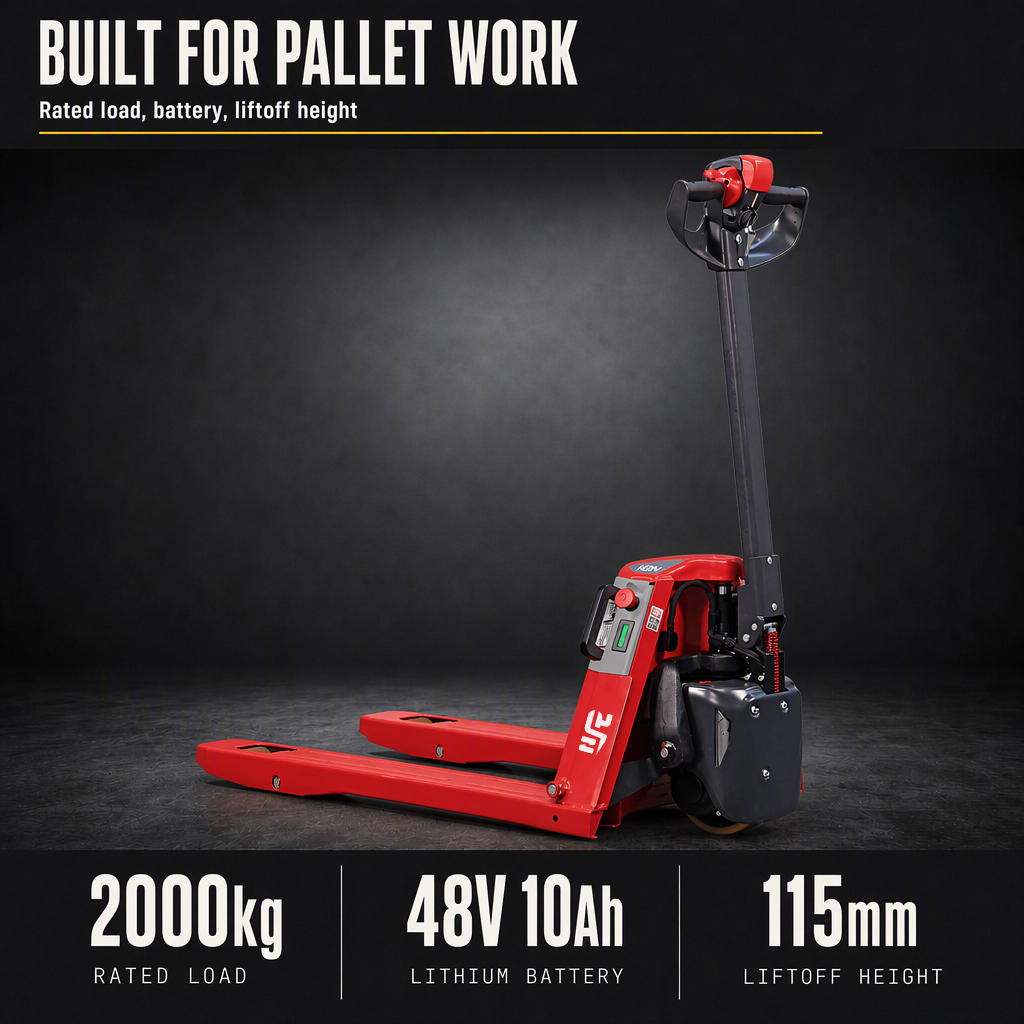
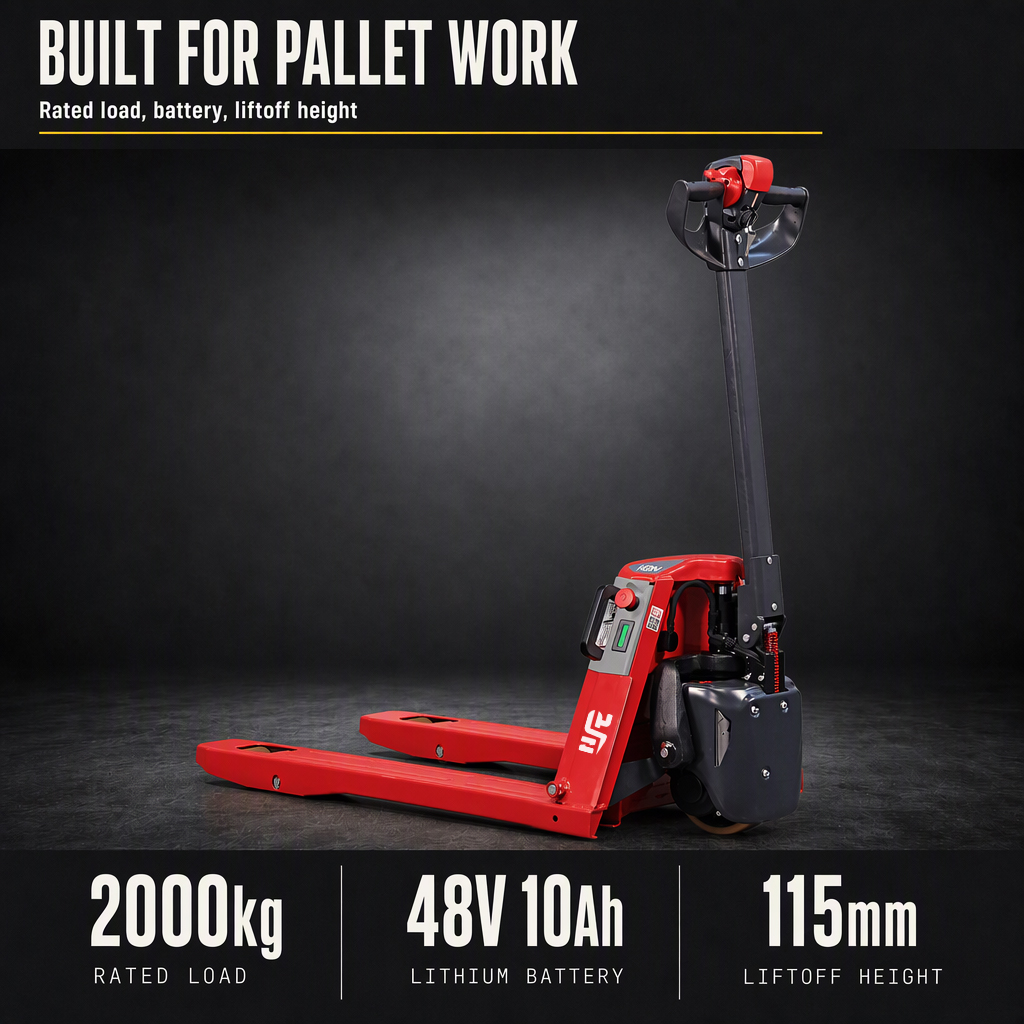
| Heavy-Duty 2 Ton Electric Pallet Jack | 2,000 kg | High-throughput warehouse, dock and loading areas | Choose when robust daily capacity and easy control are priorities. |
| Portable 2T Lithium Pallet Jack | 2,000 kg | Narrow aisle warehouse and truck delivery handling | 48V efficiency and portability support flexible route deployment. |
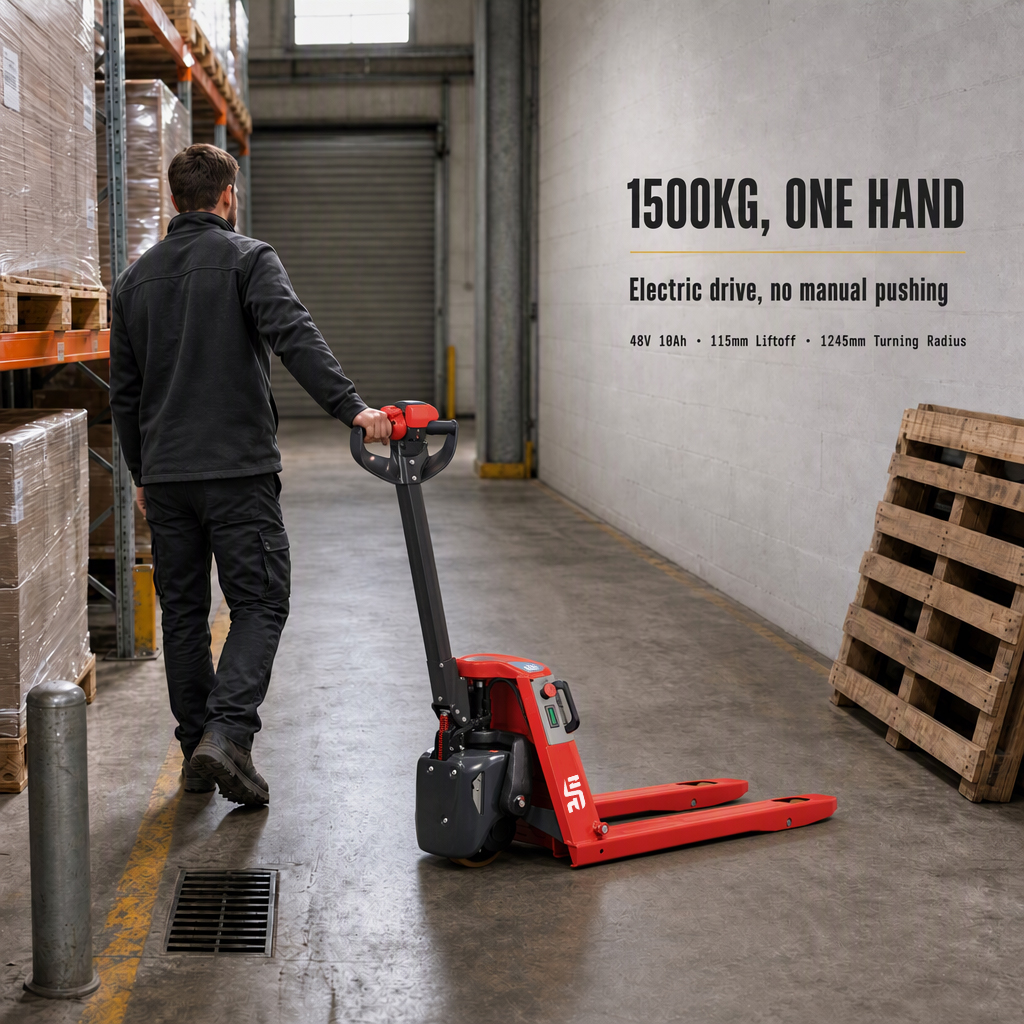
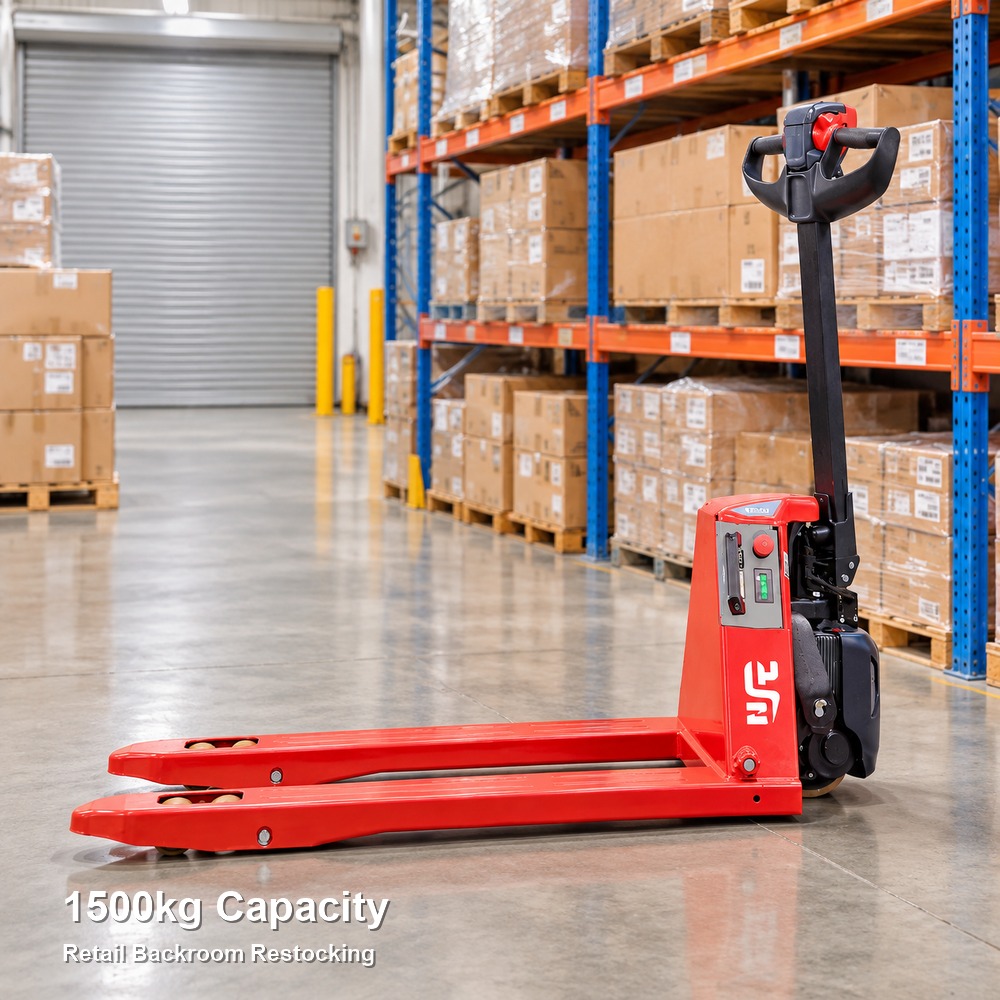
| 1.5 Ton Ultra-Lightweight Pallet Truck | 1,500 kg | Light logistics, retail backroom and narrow aisles | 107 kg configuration helps where truck weight and manoeuvrability matter. |
| Cold Storage Electric Pallet Jack | 1,500–2,000 kg | -20°C cold-chain warehouse and food logistics | Specify cold-rated battery, seals and hydraulic components. |
| Quick-Release Drive Wheel Pallet Truck | 2,000 kg | Maintenance-sensitive rental and multi-shift fleets | Quick service access can reduce downtime and labour cost. |
| Walkie Pallet Truck 1500/2000 kg | 1,500–2,000 kg | Warehouse loading, horizontal transport and dispatch | Flexible capacity range for mixed pallet profiles. |
| Electric Stacker Truck 3410 mm Lift | 2,000 kg | High-lift racking and warehouse loading/unloading | Select when stacking height is the primary constraint. |
| NB15L01LD 48V Pallet Jack | 2,000 kg | General warehouse handling with 1150 mm fork | 48V 15Ah lithium battery, 850W drive and PU wheels. |
Suggested Procurement Weighting for High-Lift Pallet Truck Tenders
Use a transparent scoring model so price is evaluated alongside safety, application fit, serviceability and supplier verification.
Where High-Lift Pallet Trucks Deliver the Most Value
Match the truck to the operating environment. The same capacity rating can perform very differently across cold rooms, narrow aisles and loading docks.
Warehousing & 3PL
High pallet throughput and dense racking demand reliable equipment across multiple shifts. Electric pallet jacks and high-lift stackers reduce manual handling and speed up dock-to-rack movement.
E-Commerce Fulfilment
Short-distance pallet moves between receiving, storage and dispatch require fast, compact trucks. Portable lithium pallet jacks improve flexibility during peak periods.
Manufacturing
Line-side supply and work-in-progress transfer benefit from walkie pallet trucks and high-lift models that can handle repetitive pallet positioning around production cells.
Food & Cold Chain
Zero-emission electric trucks keep indoor air clean. Cold-storage models protect battery and hydraulic performance in frozen warehouses and temperature-controlled dispatch zones.
Construction & Agriculture
Unpaved ground requires different equipment than smooth warehouse floors. For mixed sites, keep high-lift pallet trucks inside prepared zones and use all-terrain forklifts outdoors.
Ports & Yards
Outdoor heavy-load operations often need diesel or high-capacity forklifts. Use pallet trucks where sealed surfaces and prepared loading areas are available.
High-Lift Pallet Truck Manufacturer FAQ
These are the questions most often asked by importers, dealers and fleet managers evaluating electric pallet trucks and high-lift stackers.
What is a high-lift pallet truck, and how is it different from a standard pallet jack?
A standard electric pallet jack is designed mainly for horizontal pallet transport and often lifts only enough to clear the floor. A high-lift pallet truck or pallet stacker can lift pallets to racking or stacking heights, so it is used where vertical movement is part of the workflow. Buyers should confirm both capacity and maximum lift height before comparing prices.
Should I choose a 1.5-ton or 2-ton electric pallet truck?
Start with the actual maximum pallet weight, not the average load. A 1.5-ton model can be suitable for lighter pallets, retail backrooms and space-limited routes. A 2-ton model offers more reserve capacity for heavy-duty warehouse use, dock handling and mixed pallet profiles. The duty cycle, floor condition and operator environment should also be reviewed.
Which model suits cold storage at -20°C?
The cold storage electric pallet jack in this range is configured for -20°C working with a 48V lithium battery and walkie operation. For cold-chain procurement, confirm battery protection, hydraulic oil specification, seals, condensation management and the service plan for freezer access.
Do you offer OEM, ODM and customized high-lift pallet trucks?
Yes. Xiamen Pexal Technology Co., Ltd. offers sample-based customization, full customization and ODM services. Common customization points include mast height, fork length, battery type, color, logo, labels, packaging and attachment configuration. Provide drawings or a reference model so the supplier can confirm feasibility and inspection criteria.
Which Incoterms, payment methods and currencies do you accept?
Delivery terms include FOB, CFR, CIF, EXW, FCA, FAS, CPT, CIP, DDP and DDU, with express shipping available for suitable orders. Payment methods include T/T, L/C, D/P, D/A, Western Union, MoneyGram, PayPal, credit card and escrow. Accepted currencies include USD, EUR, GBP, JPY, CAD, AUD, HKD, CHF and CNY. Final terms depend on destination, order value and documentation requirements.
Which markets do you export to?
Main export markets include Western Europe, North America, South America, Eastern Europe and Oceania. The company supports dealers, rental companies and end users with export documentation, packaging and configuration guidance for regional requirements.
Has the company been verified by a third party?
Yes. Xiamen Pexal Technology Co., Ltd. has passed an onsite check and supplier assessment conducted by SGS Group. Buyers can review available assessment records, credit index information and trade history as part of supplier due diligence.
What information should I send to receive an accurate high-lift pallet truck quotation?
Send the maximum pallet weight, pallet dimensions, required lift height, aisle width, floor condition, operating temperature, voltage, daily shift pattern, destination port or address, and any branding or packaging requirements. This allows the supplier to recommend the right capacity, battery option, fork length and mast configuration before issuing the quotation.
Build Your Next High-Lift Pallet Truck Order With a Verified Factory
Share your load, aisle, lift height, battery preference and destination market. Pexal will help match the right high-lift pallet truck, electric pallet jack or stacker configuration and prepare an export-ready quotation.