Top 10 Electric Walkie Stacker Exporters & Wholesalers
A practical buying guide for distributors, rental fleets, 3PLs and importers comparing lithium walkie stackers, electric pallet trucks, stand-on stackers and narrow-aisle models.
8 Electric Walkie Stacker & Pallet Truck Models for 2025 Procurement
The shortlist covers dock loading, 3410 mm racking, 9% ramp use, 685 mm narrow forks, container loading, distribution-center handling and maintenance-free 24V battery operation. Product URLs and images are preserved for direct verification.
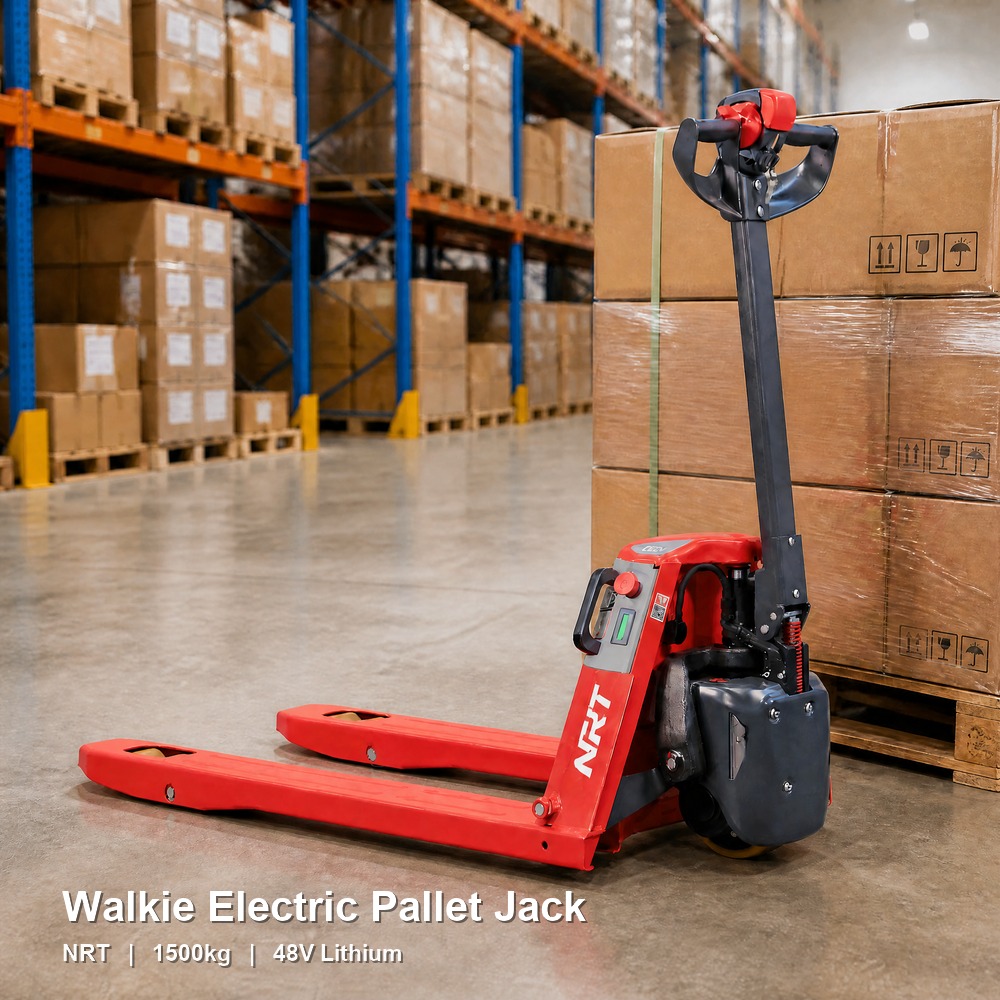
Electric Pallet Jack 1500kg 2000kg Walkie Pallet Truck Battery Powered Lithium Pallet Jack for Warehouse Loading
Best-fit use: warehouse loading, horizontal transport and mixed pallet sizes in the 1.5–2.0 t class.
View model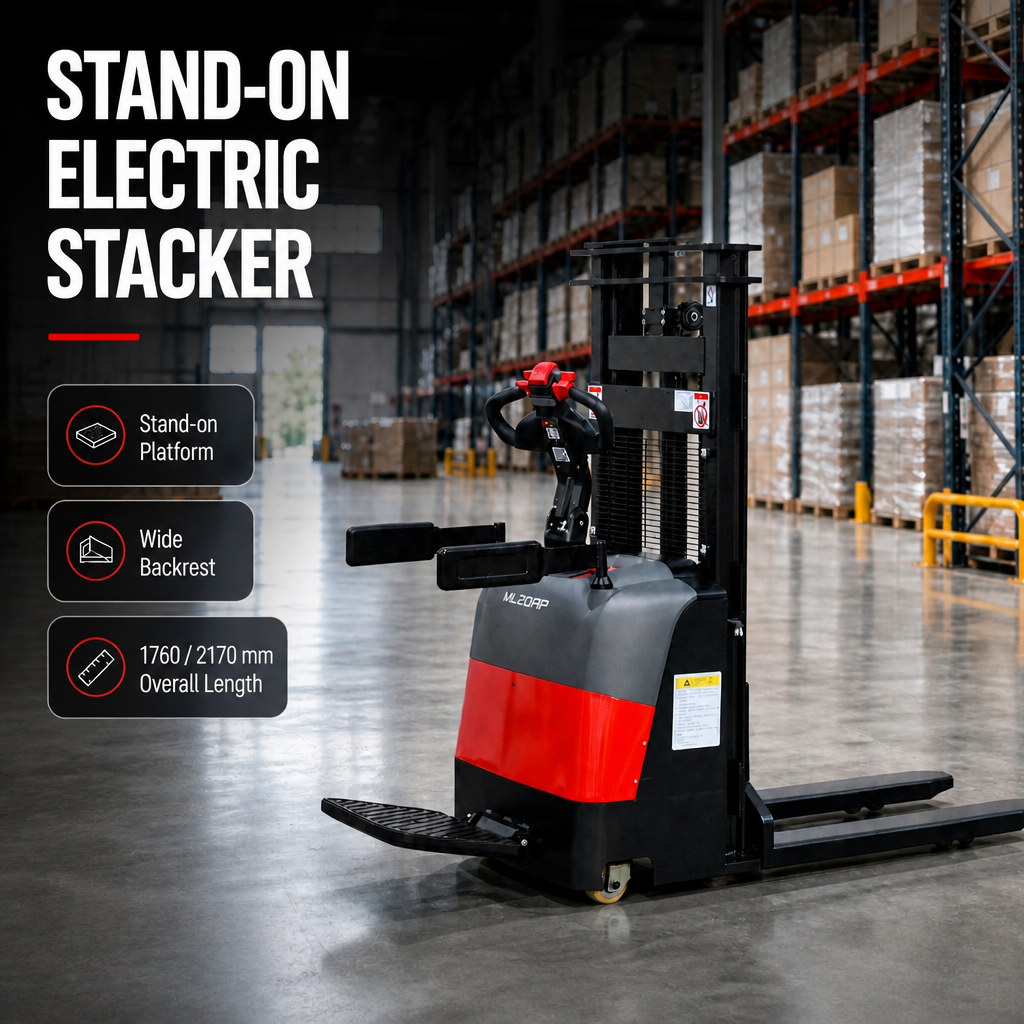
Electric Stacker Truck 2000kg Pallet Stacker Forklift 3410mm Lift for Warehouse Loading Unloading
Best-fit use: racking, loading and unloading where 3410 mm lift height and 2000 kg capacity are required.
View model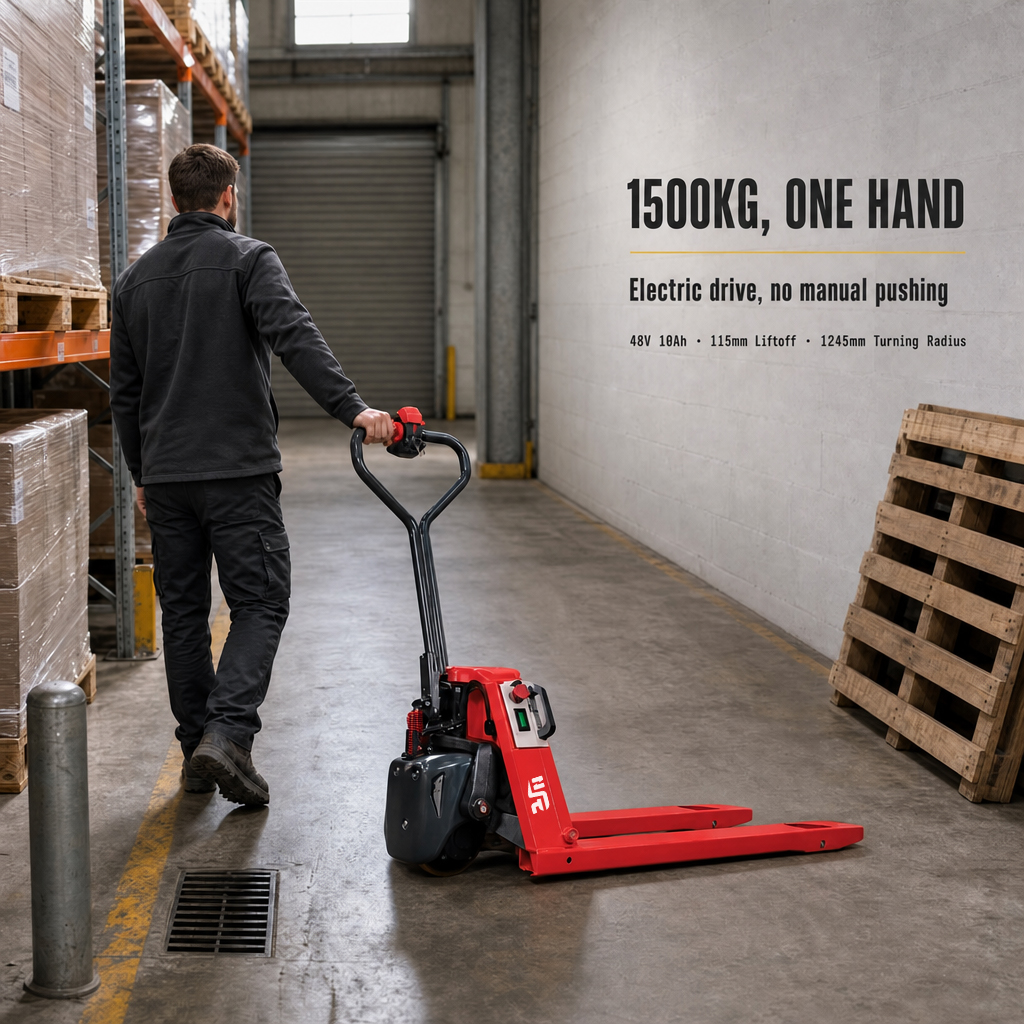
80mm Ground Clearance Electric Pallet Jack 9% Climbing Grade 1450mm Vehicle Length Lithium Pallet Truck for Ramp Use
Best-fit use: sloped floors and ramps; 80 mm clearance, 9% climbing grade and 1450 mm vehicle length.
View model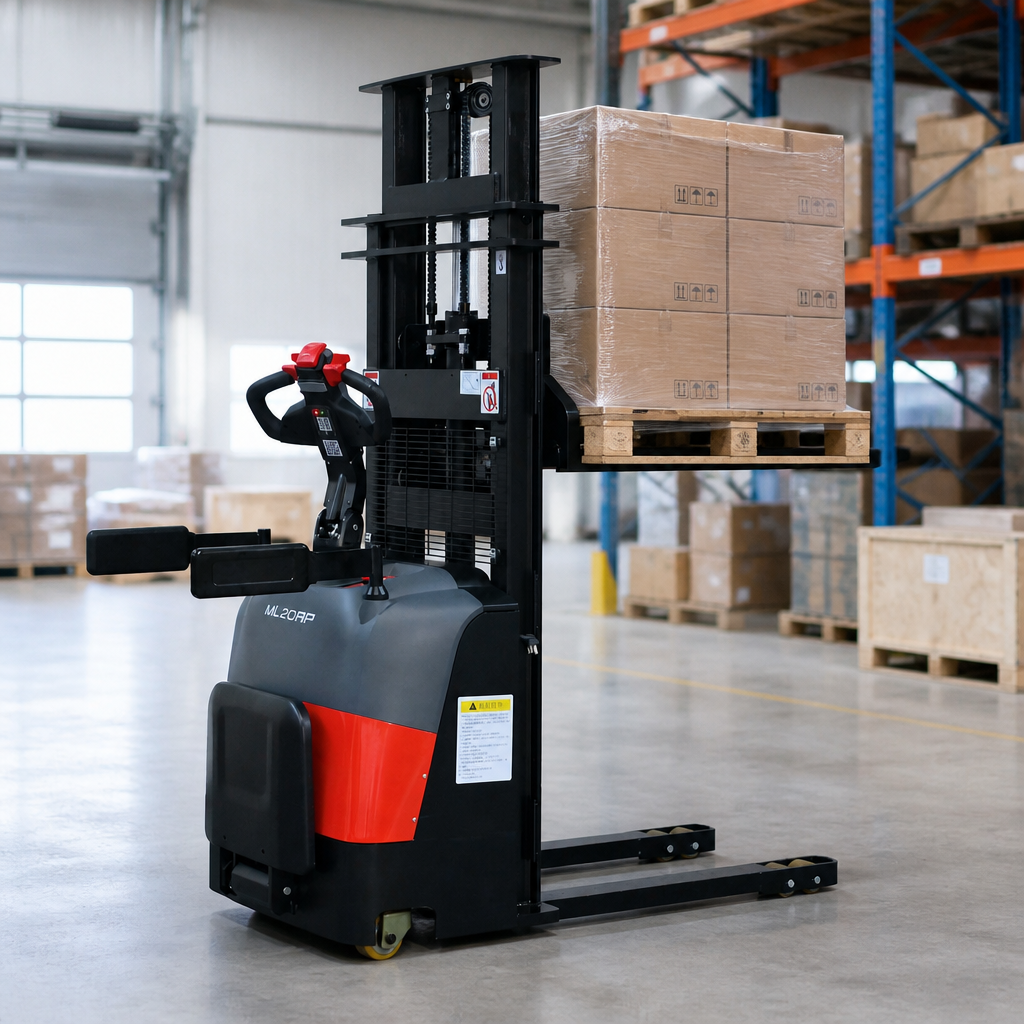
Electric Pallet Stacker 2000kg 3410mm Lift Height Stand on Stacker Truck for Warehouse Racking Stacking
Best-fit use: repeated racking and stacking; stand-on operation supports longer routes and higher duty cycles.
View model
2000kg Walkie Electric Pallet Jack 685mm Width Narrow Fork Pallet Truck with Lithium Battery for Container Loading
Best-fit use: container loading and tight pallet widths; 685 mm narrow fork design with lithium battery.
View model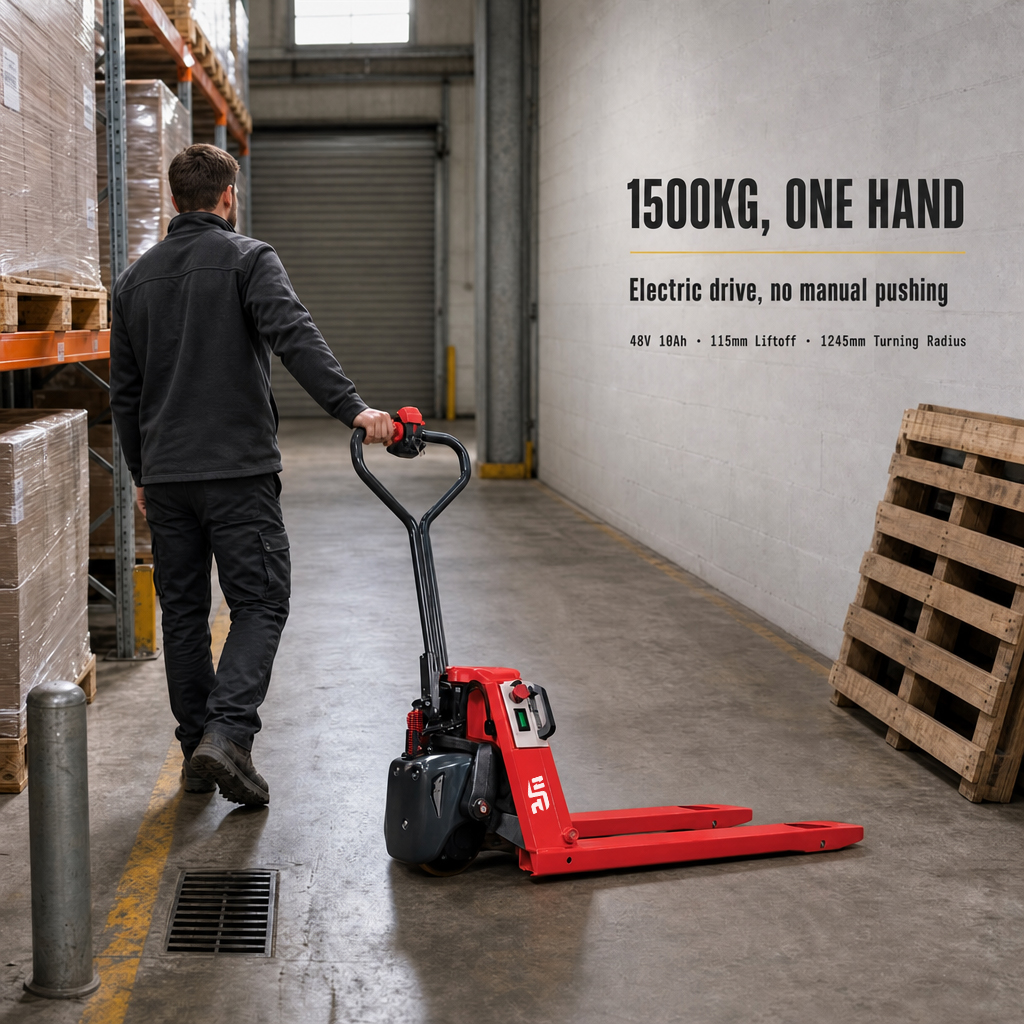
Electric Pallet Truck for Distribution Center Workshop Supermarket Pallet Handling 1500kg Lithium Battery Walkie Jack
Best-fit use: distribution centers, workshops and supermarkets needing 1500 kg lithium walkie handling.
View model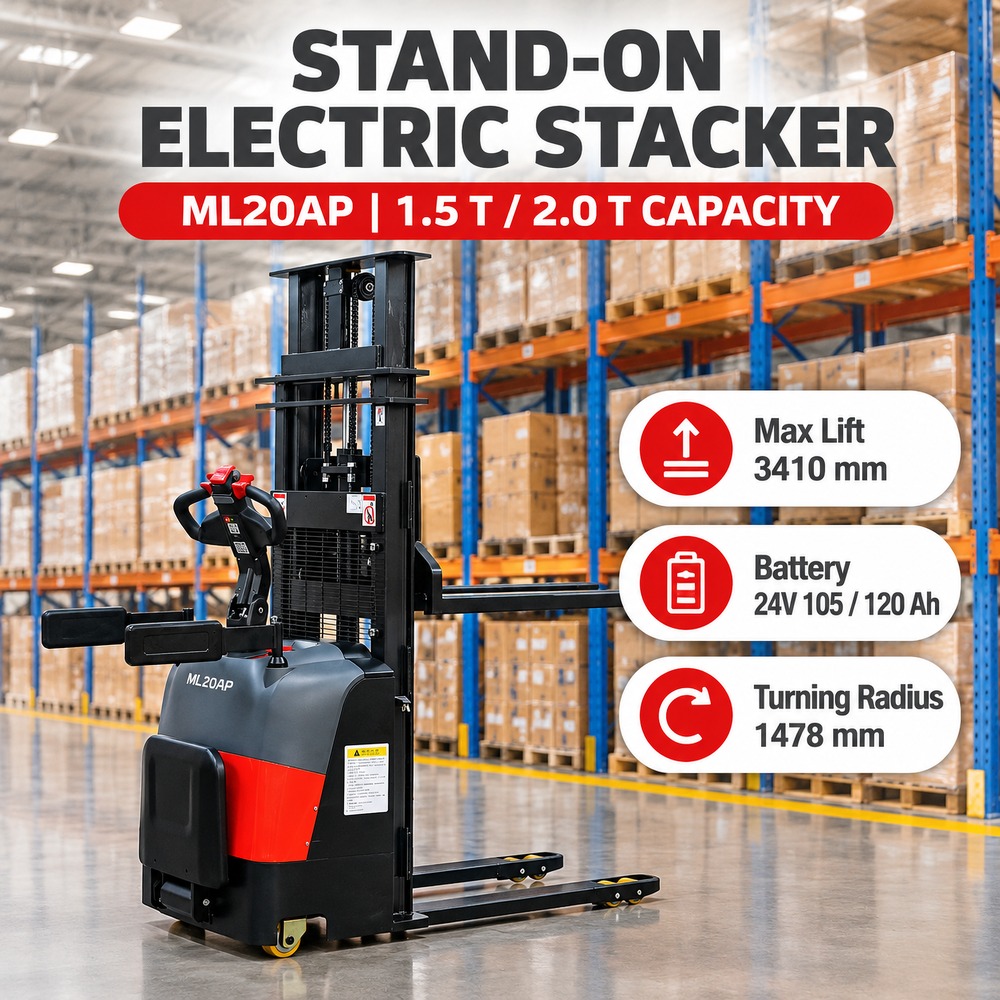
Warehouse Stacker Truck 1500kg 2000kg Electric Pallet Stacker 24V 105Ah Maintenance Free Battery
Best-fit use: multi-shift warehouse stacking where a 24V 105Ah maintenance-free battery simplifies charging.
View model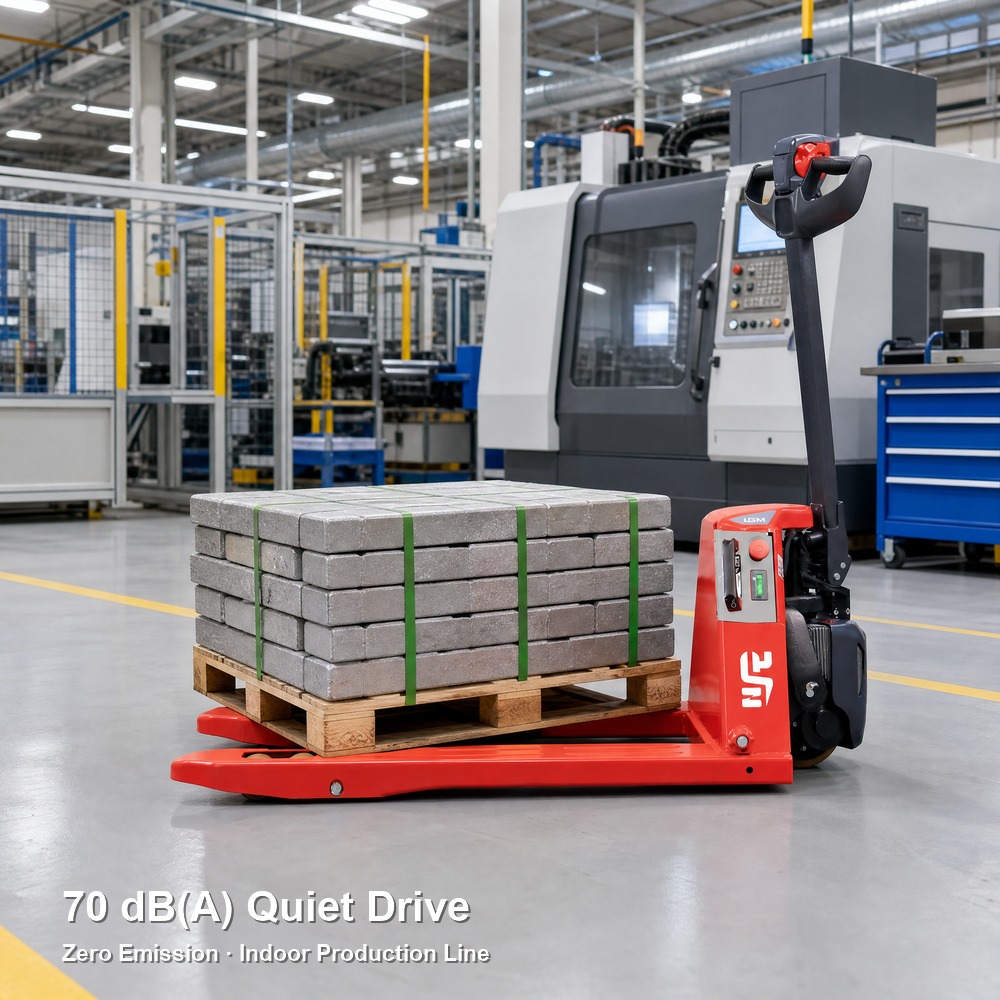
Battery Powered Pallet Jack Truck 48V Lithium Walkie Type for Narrow Aisle Warehouse Elevator Loading Unloading
Best-fit use: narrow aisles and elevator loading; 48V lithium platform for demanding warehouse routes.
View modelSupplier Strength Snapshot
These figures reflect Pexal’s published company profile and third-party assessment information; they are not estimates.
What “Top 10” Should Mean to a B2B Buyer
Search results for electric walkie stacker exporters often reward visibility, not fitness. A company can rank for many keywords while lacking the application data, battery documentation, spare-parts depth or export discipline a distributor needs. For that reason, this guide treats “Top 10” as a procurement lens: ten criteria that separate a reliable exporter or wholesaler from a transactional seller.
Electric walkie stackers sit at the entry point of powered material handling. They reduce manual strain, improve dock throughput and fit into warehouses that cannot justify a full counterbalance forklift. The category is wide: walkie pallet jacks, stackers with 3410 mm lift, stand-on stackers, ramp-capable models with 80 mm ground clearance, 685 mm narrow-fork trucks and 48V lithium units for elevators and narrow aisles.
The strongest supplier is the one that can prove the configuration fits your aisle, load, ramp, charging pattern and target market. Use the 8 models below to compare specifications, then score suppliers on safety documentation, battery strategy, lead time, customization and after-sales support.
Who this guide is for
- Distributors expanding a warehouse equipment catalog
- 3PLs replacing manual pallet jacks
- Rental fleets needing spare-parts depth
- Importers requesting OEM/ODM branding
- Project buyers with ramps, elevators or narrow aisles
A 10-Point Scorecard for Electric Walkie Stacker Suppliers
Price is only one input. For importers and fleet buyers, the cost of downtime, incorrect fork width, weak charging support or missing compliance files can exceed the initial quote difference.
Illustrative buyer priority index
Use this as a starting weighting model for supplier comparison, not as a market statistic.
Adjust the weights for your market. A rental fleet may prioritise parts availability; a 3PL may prioritise multi-shift uptime; a distributor may prioritise OEM flexibility and packaging.
Questions that reveal supplier quality
Ask for the maximum load at the actual lift height, not only the headline capacity. Ask how the battery is sized for your shift pattern. Ask which spare parts are consumables and which are stocked. Ask for the exact certificate scope, not just a logo. These questions quickly separate a specification-led supplier from a catalog reseller.
A top-tier wholesaler should also be able to explain the packaging method, container loading plan, Incoterms, warranty process and the person responsible for technical support after arrival.
Model depth across 1.5 t / 2.0 t
Enough variants for dock loading, racking, ramps and narrow forks.
Lift height and residual capacity
Confirm capacity at 3410 mm or your actual racking level.
Aisle, fork and overall width
Check 685 mm fork options, vehicle length and turning space.
Ramp and floor clearance
Review grade, 80 mm ground clearance, braking and surface condition.
Battery chemistry and charging
Compare lithium, maintenance-free 24V and 48V platforms.
Safety and compliance documents
Request declarations, test reports and market-specific files.
OEM / ODM flexibility
Mast height, fork length, battery, color, logo and attachments.
Spare parts and service response
Ask which parts ship with the container and which are local.
Export terms and packaging
Clarify Incoterms, loading plan, accessories and documentation.
Third-party verification
Look for onsite checks, trade records and a reviewable assessment.
Which Electric Walkie Stacker Model Fits Which Job?
Start with the job, then confirm dimensions. The table below maps common buying scenarios to the eight models shown above.
| Buying scenario | Recommended model | Why it fits | What to confirm |
|---|---|---|---|
| Dock and warehouse loading | Electric Pallet Jack 1500kg 2000kg | Lithium walkie pallet truck for horizontal handling and loading | Fork length, charger plan, pallet condition and floor joints |
| Racking to 3410 mm | Electric Stacker Truck 2000kg | 3410 mm lift for warehouse loading and unloading | Overhead clearance, pallet type and residual capacity |
| Ramps or sloped floors | 80mm Ground Clearance Electric Pallet Jack | 9% climbing grade and 1450 mm vehicle length for ramp use | Slope length, surface friction, load weight and braking |
| Stand-on stacking | Electric Pallet Stacker 2000kg 3410mm | Stand-on stacker truck for racking and repeated stacking | Aisle width, operator platform needs and duty cycle |
| Containers and 685 mm forks | 2000kg Walkie Electric Pallet Jack 685mm | Narrow fork pallet truck with lithium battery for container loading | Container door height, pallet width and fork entry clearance |
| Distribution centers and workshops | Electric Pallet Truck for Distribution Center | 1500 kg lithium walkie jack for supermarket and workshop handling | Multi-site charging, route length and operator training |
| Maintenance-free 24V fleet | Warehouse Stacker Truck 1500kg 2000kg | 24V 105Ah maintenance-free battery for warehouse stacking | Shift pattern, charge window and battery replacement plan |
| Narrow aisles and elevators | Battery Powered Pallet Jack Truck 48V | 48V lithium walkie type for narrow aisle and elevator loading | Elevator dimensions, turning radius and floor thresholds |
Electric Walkie Stacker Procurement Trends Shaping 2025–2030
Buyers are moving from “lowest quote per unit” to “verified cost per productive hour.” These six shifts are changing how importers and distributors evaluate suppliers.
Lithium becomes the default specification
Lithium batteries are increasingly requested for opportunity charging, maintenance-free operation and stable power delivery. Buyers now compare cycle life, charger compatibility and local service—not only amp-hour ratings.
Opportunity charging changes fleet math
Short, frequent charging can reduce the need for spare batteries and long charging rooms. Procurement teams should model shift breaks, charger locations and peak energy demand before selecting a 24V or 48V platform.
Total cost of ownership replaces lowest quote
Downtime, spare parts, training and charging infrastructure are now part of the buying decision. A lower unit price can be false economy if the model lacks parts support or is mismatched to the aisle.
Compliance files are part of the product
Market-specific declarations, safety documentation, battery transport information and traceable test reports matter as much as the machine itself. Buyers should verify certificate scope before placing repeat orders.
Spare-parts access is a buying criterion
Distributors want to know which parts are stocked, which are consumables and how technical support is delivered. Fast-moving parts such as wheels, switches, chargers and hydraulic components should be planned before the first shipment.
Automation-ready interfaces
Even entry-level walkie equipment is being evaluated for telematics readiness, fleet-management integration and compatibility with automated flows. Buyers increasingly ask whether the platform can scale without replacing the whole fleet.
Product Development Trends to Watch in Walkie Stackers
The next generation of electric walkie stackers is being shaped by modular design, battery intelligence and narrower dimensions for container and elevator use.
Modular 1.5 t / 2.0 t platforms
- Shared chassis and battery interfaces reduce spare-parts complexity.
- Faster configuration for fork width, lift height and market voltage.
- More economical OEM/ODM programs for distributors.
Integrated safety and slope control
- Better braking logic for ramps and wet floors.
- Clear emergency-stop placement and operator visibility.
- Hill-hold and speed control becoming differentiators.
Smarter battery management
- BMS data for cycle monitoring and fault diagnosis.
- Charger compatibility planning before shipment.
- Maintenance-free 24V and high-voltage 48V options.
Compact dimensions for real sites
- 685 mm narrow-fork configurations for container loading.
- 1450 mm vehicle length for ramp and elevator use.
- 48V models for narrow-aisle and high-duty routes.
Why Xiamen Pexal Technology Co., Ltd. Belongs on Your Shortlist
For buyers comparing electric walkie stacker exporters and wholesalers, the supplier’s product range, customization capability and third-party verification matter as much as the machine specification.

Xiamen Pexal Technology Co., Ltd. was founded in Xiamen, Fujian in 2024 as the sales, service and technical support base for Pexal material handling equipment. The company works with a 220,000 m² partner manufacturing campus employing more than 1,200 people, including over 100 engineers focused on electric warehouse equipment.
Pexal’s stated mission is practical: help buyers move from manual handling to electric handling, and from diesel to battery power—reducing emissions, noise and operating cost while building toward intelligent, digital logistics.
The product scope covers electric forklifts, pallet trucks, pallet stackers, reach trucks, order pickers and AGV robotics. For walkie stacker buyers, this breadth matters because one supplier can support a mixed fleet—dock pallet jacks, racking stackers, reach trucks and automation—rather than forcing separate procurement, spare-parts and training channels.
Pexal has passed an onsite check and a supplier assessment conducted by SGS Group, and a verified company video is available for buyers to review. The company also publishes trade capacity, transaction level, credit index, trade history and transaction history for procurement due diligence.
 Third-party verification reduces unknowns in your supply chain. Review the assessment report, credit index and trade records before the first order.
SGS-assessed and onsite-checked
Supplier assessment, onsite check and reviewable company video support practical due diligence.
OEM, ODM and full customization
Sample-based customization, full customization and ODM services covering mast height, fork length, battery type, color, logo and attachment configuration.
Complete electric warehouse range
Electric forklifts, pallet trucks, pallet stackers, reach trucks, order pickers and AGV robotics support mixed-fleet purchasing.
Export coverage and dealer support
Main markets include Western Europe, North America, South America, Eastern Europe and Oceania, serving dealers, rental companies and end users.
Flexible delivery and payment terms
Incoterms include FOB, CFR, CIF, EXW, FCA, CPT, CIP and DDP; payments can include T/T, L/C, D/P, D/A, Western Union, PayPal, credit card and escrow. Currencies include USD, EUR, GBP, JPY, CAD, AUD, HKD, CHF and CNY.
Application engineering and logistics consulting
Share your load, aisle, lift height, ramp, charging window and target market. The team can help match the configuration before quotation.
Procurement FAQ: Electric Walkie Stackers, Lithium Pallet Trucks & Wholesale Supply
Straight answers for importers, dealers and fleet buyers comparing electric walkie stackers, pallet trucks and warehouse stackers.
What is the difference between an electric walkie stacker and an electric pallet jack?+
An electric pallet jack is primarily for horizontal transport and lifting forks just enough to move pallets. An electric walkie stacker has a mast for lifting pallets to racking, stacking or higher levels. For dock loading and short-distance transport, a pallet jack is often enough. For racking, use a stacker rated for the required lift height and residual capacity.
How do I choose between 1500kg and 2000kg capacity?+
Use the maximum load you expect, not the average. Confirm the load center, fork length, lift height and floor condition. A 2000 kg model may be necessary for heavier pallets, attachments or high-lift applications where residual capacity decreases. Never select capacity from the model name alone; ask for the capacity chart at your actual lift height.
Is lithium always better than lead-acid for a walkie stacker?+
Lithium is often preferred for opportunity charging, maintenance-free operation and stable power, but lead-acid can still be cost-effective for single-shift operations with an established battery room. Compare charging strategy, cycle life, battery management, local service and the total number of batteries needed. Pexal offers lithium configurations and maintenance-free 24V 105Ah options depending on the model.
Can an electric walkie stacker climb a ramp?+
Only within its rated grade and ground clearance. One model in this shortlist has 80 mm ground clearance and a 9% climbing grade, with a 1450 mm vehicle length for ramp use. Before ordering for a ramp, provide the slope percentage, ramp length, surface material, load weight and braking expectations. Frequent ramp use should always be reviewed by an application engineer.
What dimensions matter for container loading and narrow aisles?+
Check overall width, fork width, vehicle length, turning radius and right-angle stacking aisle. The shortlist includes a 685 mm narrow-fork pallet truck for container loading and a 48V model for narrow-aisle warehouse elevator loading and unloading. Send pallet dimensions, aisle width, door height and elevator dimensions for a reliable match.
Which documents should I request from a walkie stacker exporter?+
Request the specification sheet, capacity chart, battery and charger data, warranty terms, spare-parts list, packaging plan and market-specific compliance documents where applicable. If a supplier mentions CE, UKCA or another standard, ask for the exact certificate scope and model coverage. Third-party assessment records, such as an SGS onsite check, provide additional supplier due diligence.
Do you support OEM, ODM and customized electric pallet trucks?+
Yes. Xiamen Pexal Technology Co., Ltd. offers sample-based customization, full customization and ODM services. Customization can cover mast height, fork length, battery type, color, logo and attachment configuration. Share drawings, target-market requirements and estimated order volume so the correct configuration and lead time can be quoted.
What are the export terms, payment methods and main markets?+
Pexal accepts common delivery terms including FOB, CFR, CIF, EXW, FCA, CPT, CIP and DDP, and payment methods such as T/T, L/C, D/P, D/A, Western Union, PayPal, credit card and escrow. Accepted currencies include USD, EUR, GBP, JPY, CAD, AUD, HKD, CHF and CNY. Main export markets are Western Europe, North America, South America, Eastern Europe and Oceania.
Plan Your Next Walkie Stacker Order With Verified Specifications
Share your load, lift height, aisle width, ramp details, battery preference and target market. We will help shortlist the right electric walkie stacker or pallet truck configuration, then confirm documentation and export terms.