Why the Search for an OEM/ODM Three-Wheel Electric Forklift Supplier Requires More Than a Price List
Buyers searching for OEM/ODM three wheel electric forklift suppliers and wholesalers are usually not making a casual purchase. They are shortlisting manufacturing partners for distributor programs, rental fleets, private-label warehouse equipment or regional e-commerce fulfillment projects. The buying committee typically includes procurement, aftersales, compliance and commercial teams, and each function asks a different question: Can the supplier customize? Can it document the build? Can it support spare parts? Can it protect delivery schedules?
A three-wheel electric forklift is particularly relevant where maneuverability, narrow-aisle access and battery-electric operation matter more than brute lifting capacity. Compared with a conventional four-wheel counterbalance truck, a three-wheel configuration can reduce turning radius and improve access in congested production cells, food and cold-chain warehouses, retail backrooms and small distribution centers. However, the specification still depends on load center, lift height, floor condition, duty cycle and charging strategy. That is why a credible OEM/ODM supplier must behave like an application engineer, not only a trading company.
Xiamen Pexal Technology Co., Ltd. operates as the sales, service and technical support base for Pexal material handling equipment. Founded in Xiamen, Fujian in 2024, we work with a 220,000 m² partner manufacturing campus employing more than 1,200 people, including over 100 engineers focused on electric warehouse equipment. Our practical mission is to help distributors move from manual handling to electric handling, and from diesel dependence to battery power, while supporting intelligent and digital logistics.
Procurement intent snapshot
- Customization: mast height, fork length, battery type, color, logo and attachment configuration for private-label programs.
- Verification: SGS onsite check and supplier assessment, plus company video, credit index and trade records for buyer due diligence.
- Export readiness: FOB, CFR, CIF, EXW, FCA, CPT, CIP and DDP terms; multiple payment methods and currencies.
- Range advantage: electric forklifts, pallet trucks, stackers, reach trucks, order pickers and AGV robotics from one supply partner.
8 Warehouse Electric Models Recommended for Three-Wheel Forklift Programs
These models are frequently requested by dealers and fleet buyers building a complete electric warehouse range around three-wheel forklift demand. Product URLs are preserved from the original catalog; every image is displayed in full without distortion.
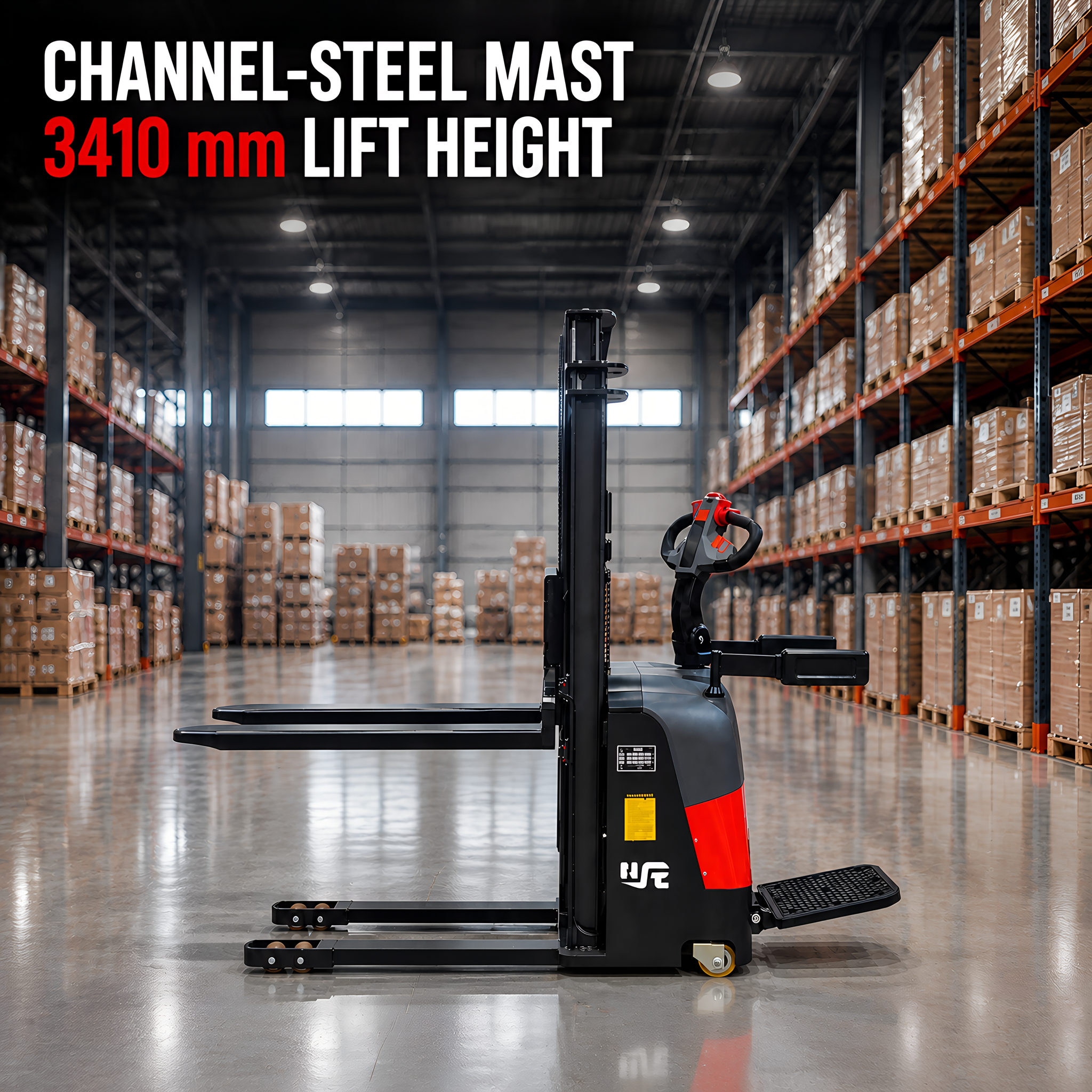
ML20AP Stand on Electric Stacker 2000kg 3410mm Max Lift 1478mm Turning Radius 820mm Body Width
Recommended for compact warehouses that need higher stacking, tight turning and stable stand-on operation.
View product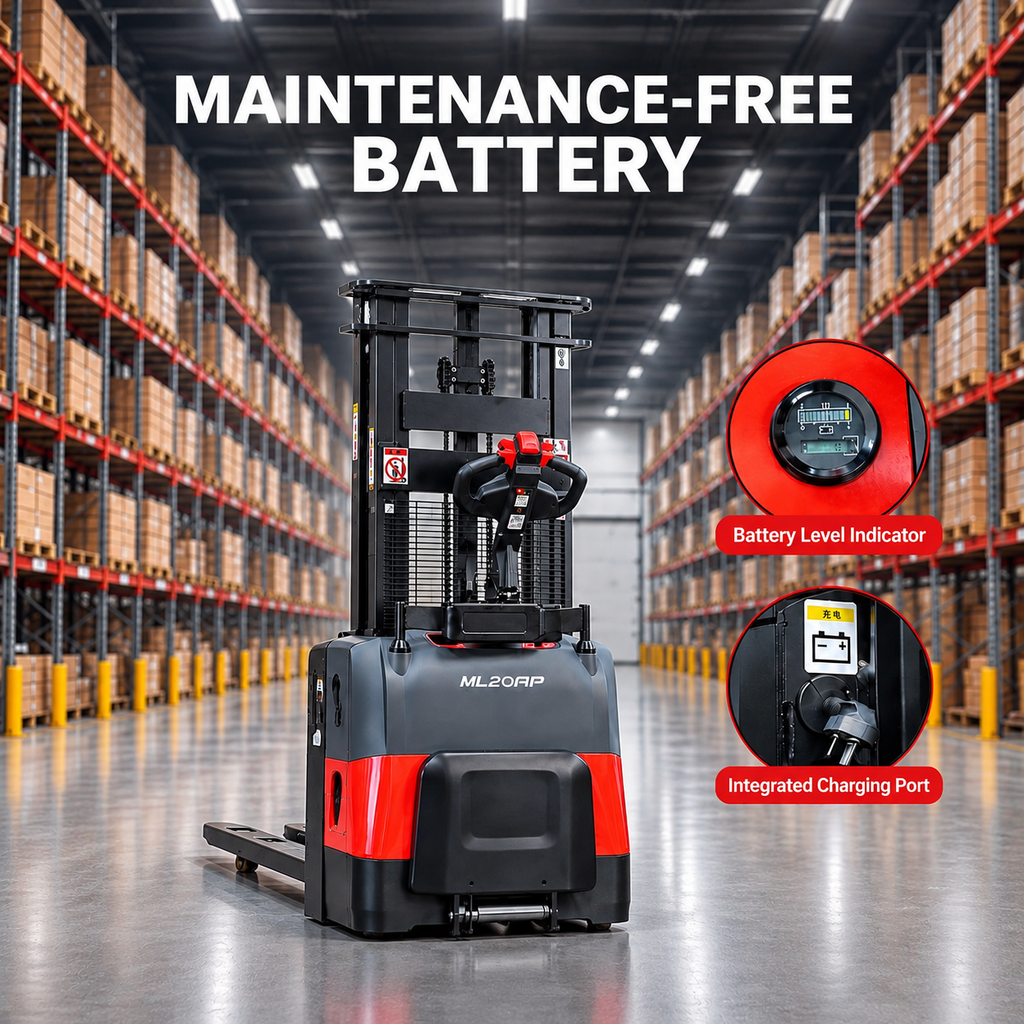
Stacker Forklift Electric 1500kg 2000kg for Retail Backroom Farm Feed Store Pallet Stacking Work
A practical choice for retail backrooms, feed stores and light industrial pallet stacking where space is limited.
View product
2000kg Walkie Electric Pallet Jack 685mm Width Narrow Fork Pallet Truck with Lithium Battery for Container Loading
Narrow-fork lithium pallet truck suited to container loading, retail distribution and space-constrained docks.
View product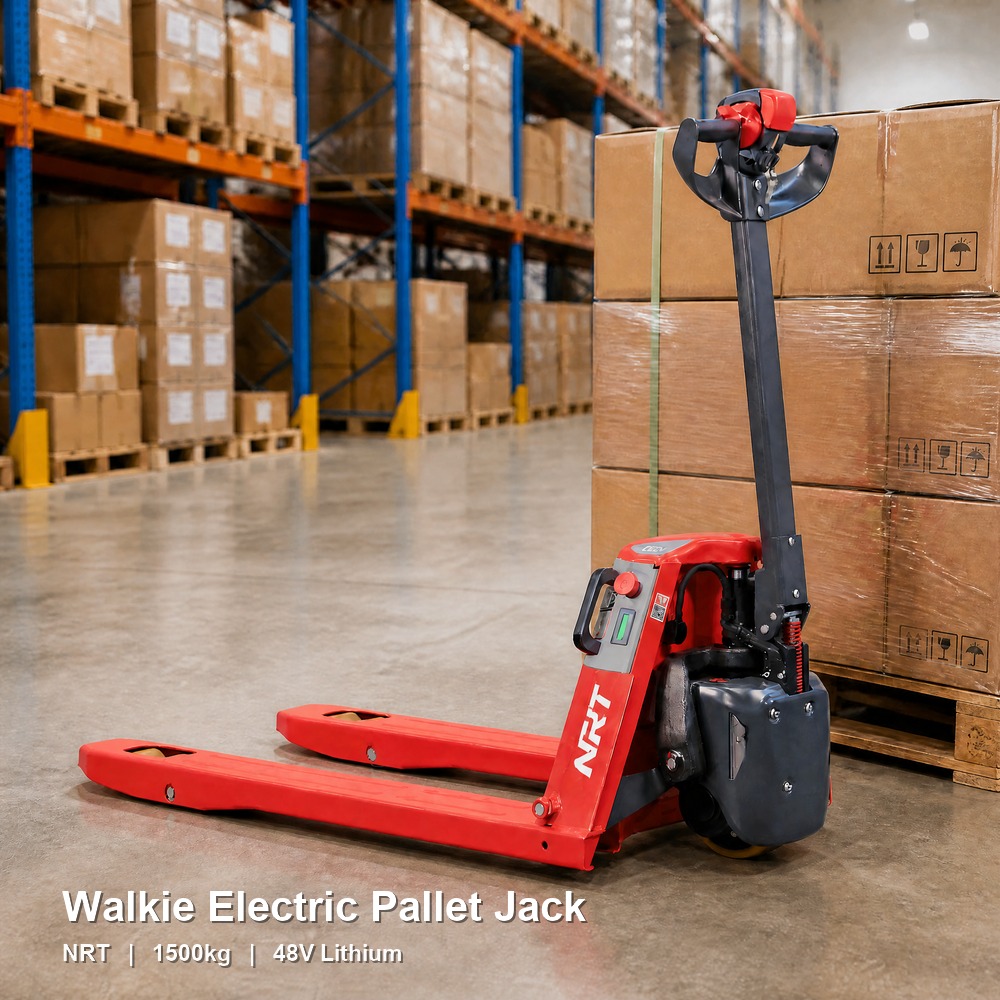
Electric Pallet Jack 1500kg 2000kg Walkie Pallet Truck Battery Powered Lithium Pallet Jack for Warehouse Loading
Flexible battery-powered pallet jack for horizontal transport, receiving and dispatch in mixed-duty warehouses.
View product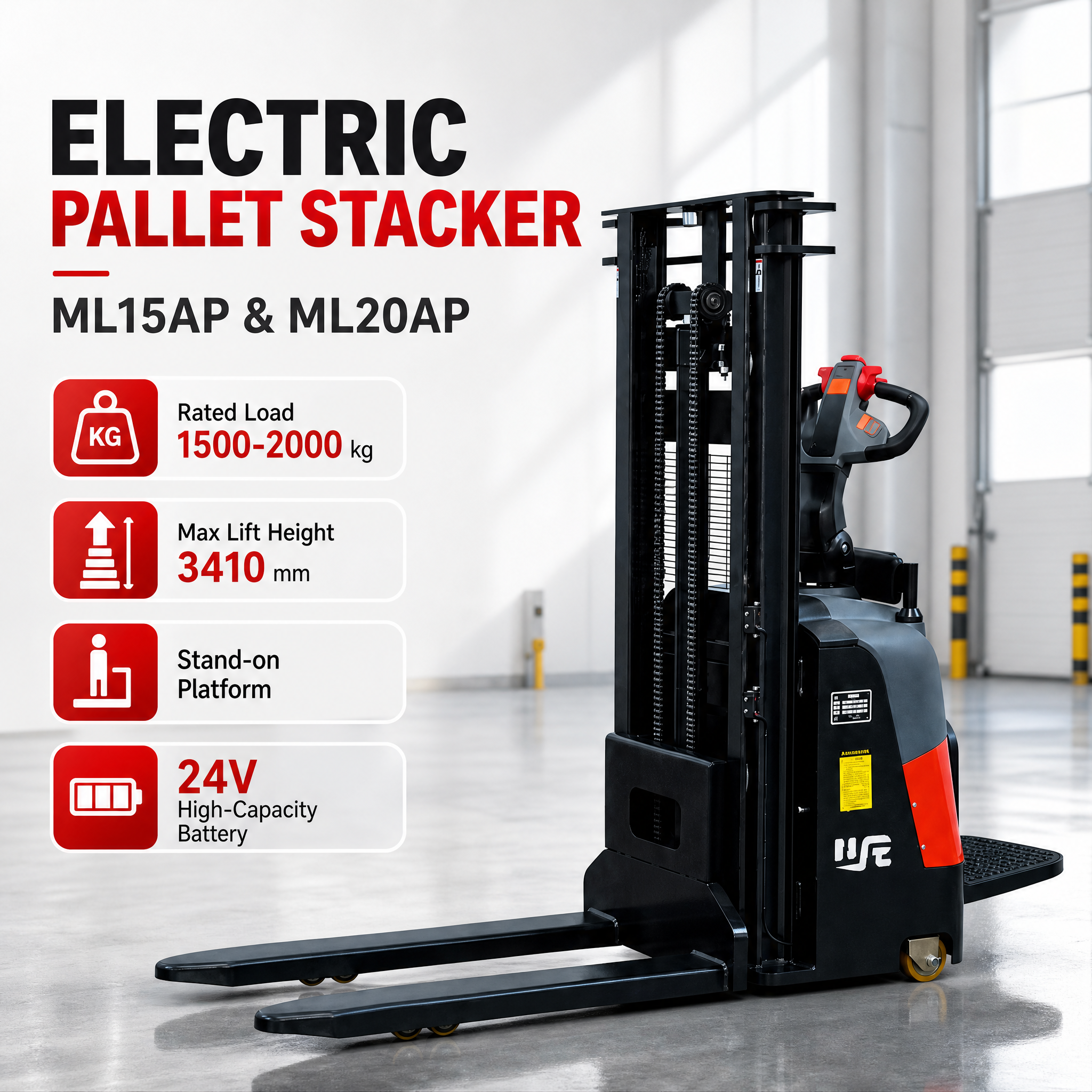
Stand on Electric Stacker 2000kg Centre Mounted Drive Twin Balance Wheels Stable High Racking Stacking
Centre-mounted drive and twin balance wheels support stable high-racking work in demanding warehouse zones.
View product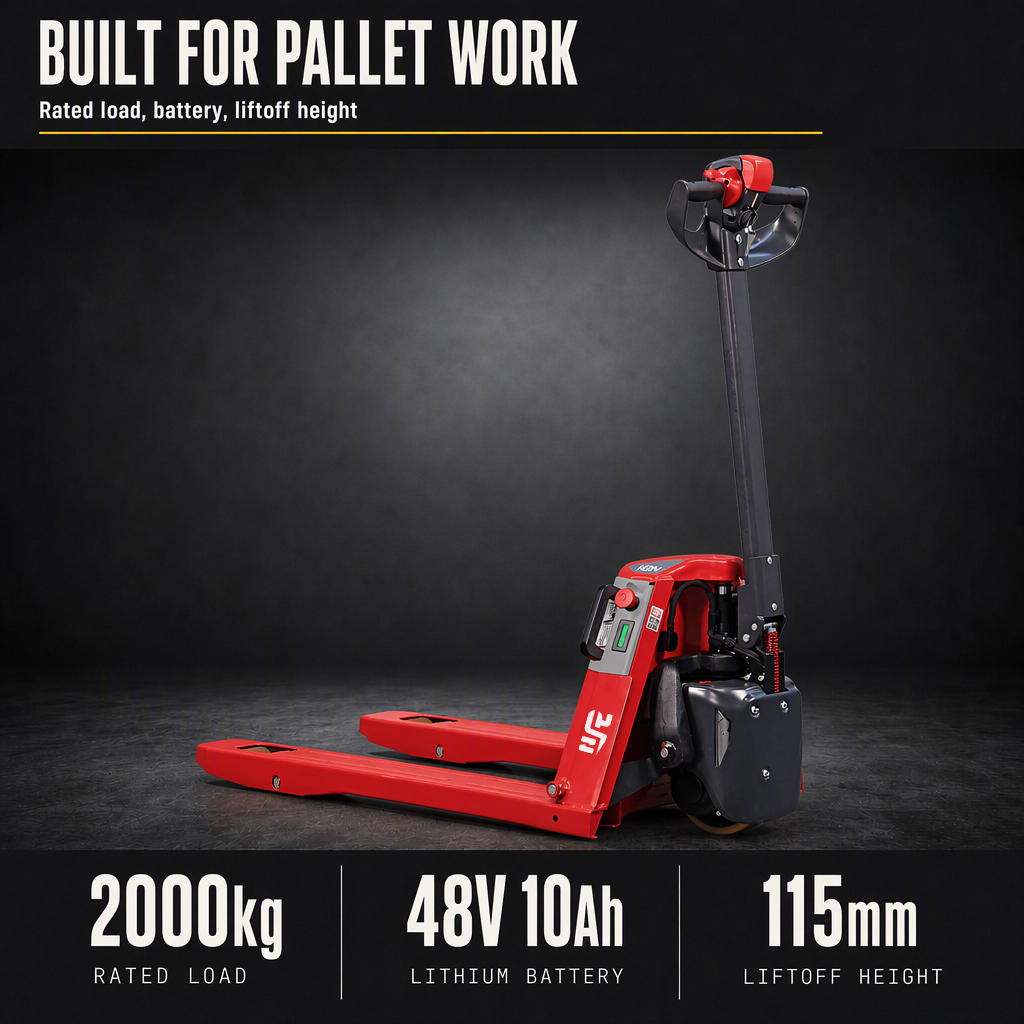
Professional Electric Pallet Jack 2 Ton 2000kg Capacity Heavy Duty Power Pallet Truck with Easy Control System for Warehouse
Built for repetitive 2-ton warehouse handling where control, durability and low maintenance are priorities.
View product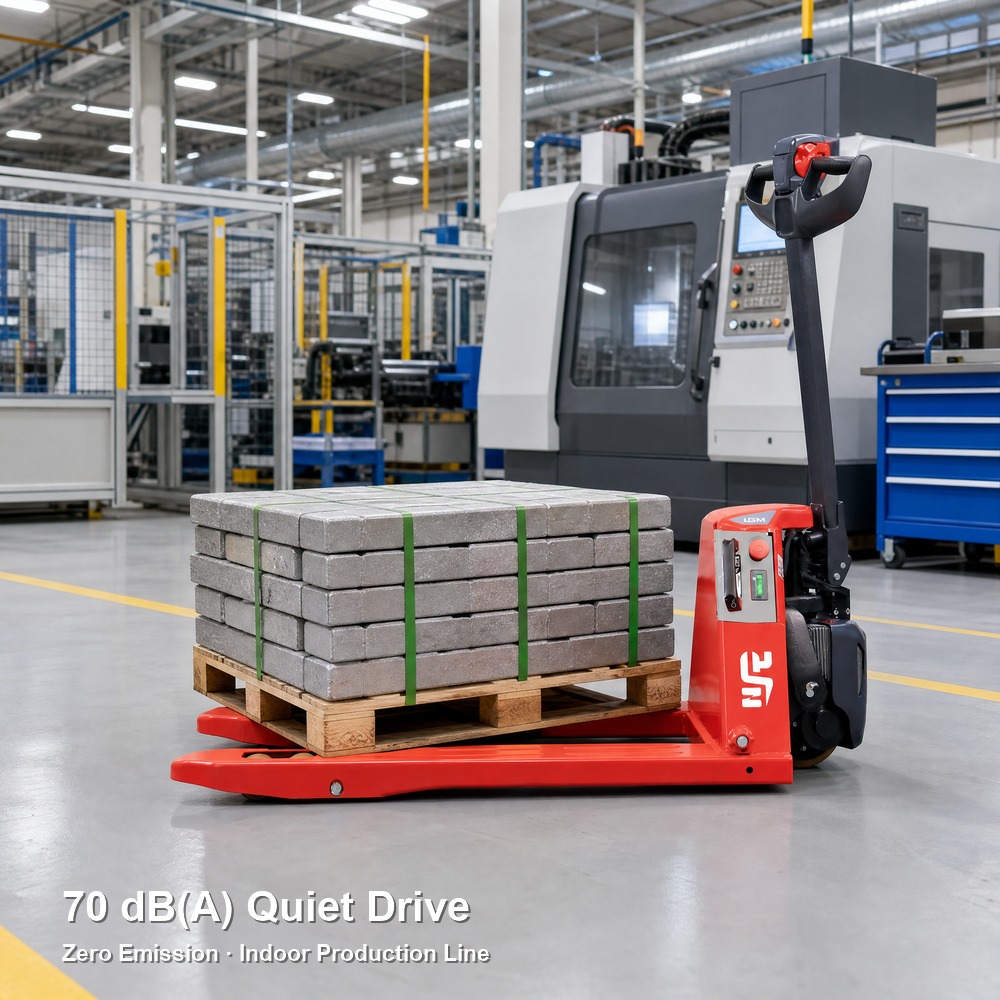
Battery Powered Pallet Jack Truck 48V Lithium Walkie Type for Narrow Aisle Warehouse Elevator Loading Unloading
48V lithium walkie design for narrow aisles, elevator loading and unloading with less operator fatigue.
View product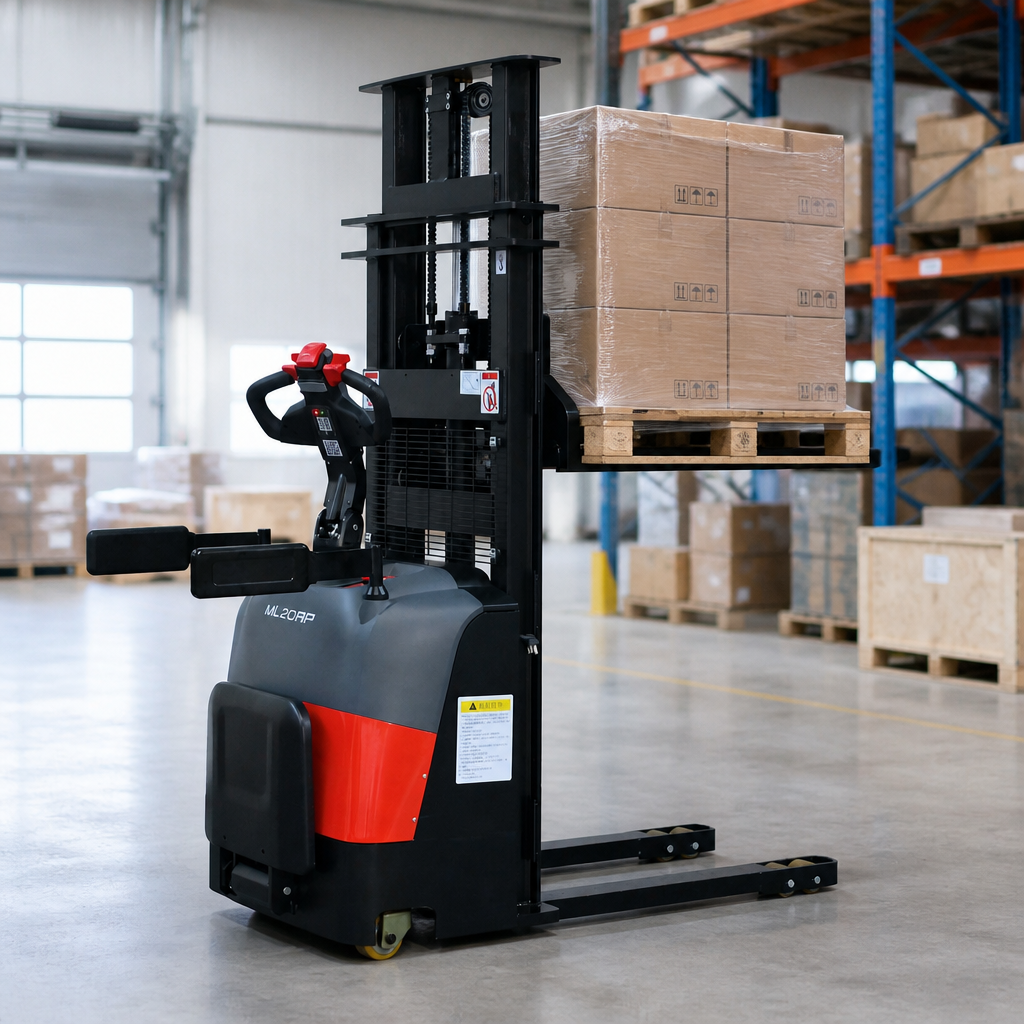
Electric Pallet Stacker 2000kg 3410mm Lift Height Stand on Stacker Truck for Warehouse Racking Stacking
2000kg stand-on stacker with 3410mm lift height for warehouse racking, pallet stacking and replenishment.
View product2025–2030 Buying Trends for OEM/ODM Three-Wheel Electric Forklifts
The strongest purchase intent is moving away from isolated unit price comparisons toward total operating value, customization depth and long-term parts support. Distributors want a wholesaler who can become a product development partner.
Lithium-ion as the default specification
Dealers increasingly request lithium battery configurations for opportunity charging, maintenance reduction and multi-shift readiness. For three-wheel electric forklift programs, battery strategy is now part of the initial quotation, not an afterthought.
Narrow-aisle warehouse design
Rising rent and dense racking encourage compact equipment choices. Buyers compare turning radius, aisle width, body width and lift height together rather than looking at load capacity alone.
Private-label differentiation
OEM and ODM buyers want a product that fits local market positioning: color, logo, decals, operator manuals, packaging and model naming. Customization is becoming a commercial requirement, especially for rental fleets.
Serviceability and spare-parts data
Procurement teams now ask for parts lists, technical documentation and after-sales escalation paths before placing a first order. A wholesaler with responsive technical support reduces downtime risk for the dealer network.
Safety and operator training
Three-wheel forklifts are compact, but stability and load-center awareness remain essential. Buyers want clear operating guidance, safety features and training-friendly controls for new operators.
Mixed-container flexibility
Distributors increasingly combine electric forklifts, pallet trucks, stackers and reach trucks in one shipment. Flexible model mixing improves container utilization and lowers landed cost per unit.
From Three-Wheel Electric Forklift to Smart Material Handling
The next competitive advantage for OEM/ODM suppliers will be the ability to connect mechanical reliability, battery intelligence, safety electronics and digital service data in one product platform.
Modular battery architecture
Swappable and scalable lithium battery options will help distributors serve different shift patterns without multiplying SKUs. Modular design also simplifies spare-parts planning and regional service.
Sensor-rich safety systems
Speed reduction, pedestrian awareness, load sensing and stability assistance will move from premium models toward mainstream three-wheel electric forklift platforms.
Telematics and digital service
Fleet managers want utilization data, battery health, fault codes and service reminders. A telematics-ready design helps dealers offer service contracts rather than one-time equipment sales.
AGV-ready interfaces
Repetitive pallet movement is a natural entry point for automation. Three-wheel electric forklift platforms can be prepared for sensor kits, route programming and fleet-management integration.
Sustainable manufacturing
Battery-electric equipment already reduces local emissions and noise. Future purchasing criteria will also include recyclable packaging, energy-efficient production and documented material compliance.
Configurator-driven ODM
ODM buyers increasingly expect rapid configuration of mast, fork, capacity, battery, color, logo and attachment options, supported by clear engineering validation and export documentation.
What Pexal Adds Beyond a Three-Wheel Electric Forklift Price List
As an OEM/ODM supplier and wholesaler, our value is not limited to assembling equipment. It is the ability to translate market requirements into repeatable configurations, documented quality and export-ready support.
Scaled partner manufacturing
A 220,000 m² partner campus and 1,200+ workforce support container orders, dealer stock replenishment and recurring OEM programs.
100+ engineering specialists
Electric drive, battery integration, structural durability and operator-centered design are treated as engineering decisions, not catalog variables.
Sample-based & full customization
We support sample-based customization, full customization and ODM services, including mast height, fork length, battery type, color, logo and attachments.
SGS-assessed supplier records
Our company has passed an onsite check and supplier assessment by SGS Group. Buyers can review the verified company video, credit index, trade capacity and transaction records.
Five export regions
Our main markets are Western Europe, North America, South America, Eastern Europe and Oceania, serving dealers, rental companies and end users.
Export terms and payment flexibility
Accepted terms include FOB, CFR, CIF, EXW, FCA, CPT, CIP and DDP. Payment options include T/T, L/C, D/P, D/A, Western Union, PayPal, credit card and escrow.

Verification is part of the buying experience
For international B2B buyers, trust is built through evidence. Pexal provides access to its company profile, supplier assessment, trade capacity, credit index, trade history and verified video introduction so procurement teams can evaluate capability before an order. We also support logistics solution design and consulting, helping distributors align equipment selection with realistic warehouse flows, container plans and aftersales expectations.


Procurement Brief: Data to Exchange Before Quotation
A high-quality inquiry shortens the engineering cycle. Share these six data sets with any OEM/ODM three-wheel electric forklift supplier to receive a more accurate configuration and landed-cost comparison.
Load profile
Maximum pallet weight, load center, pallet type and attachment requirements. Confirm whether rated capacity is needed at the fork tip or at a specific lift height.
Site geometry
Aisle width, door height, racking height, turning areas, floor condition and elevator dimensions. These determine truck size, mast type and stability requirements.
Duty cycle
Operating hours per shift, shifts per day, travel distance and lift frequency. This drives battery capacity, charging strategy and motor thermal performance.
Battery & charging
Lithium or lead-acid preference, charging window, charger voltage, opportunity charging and battery-swap expectations. Confirm local power supply before finalizing.
Compliance & voltage
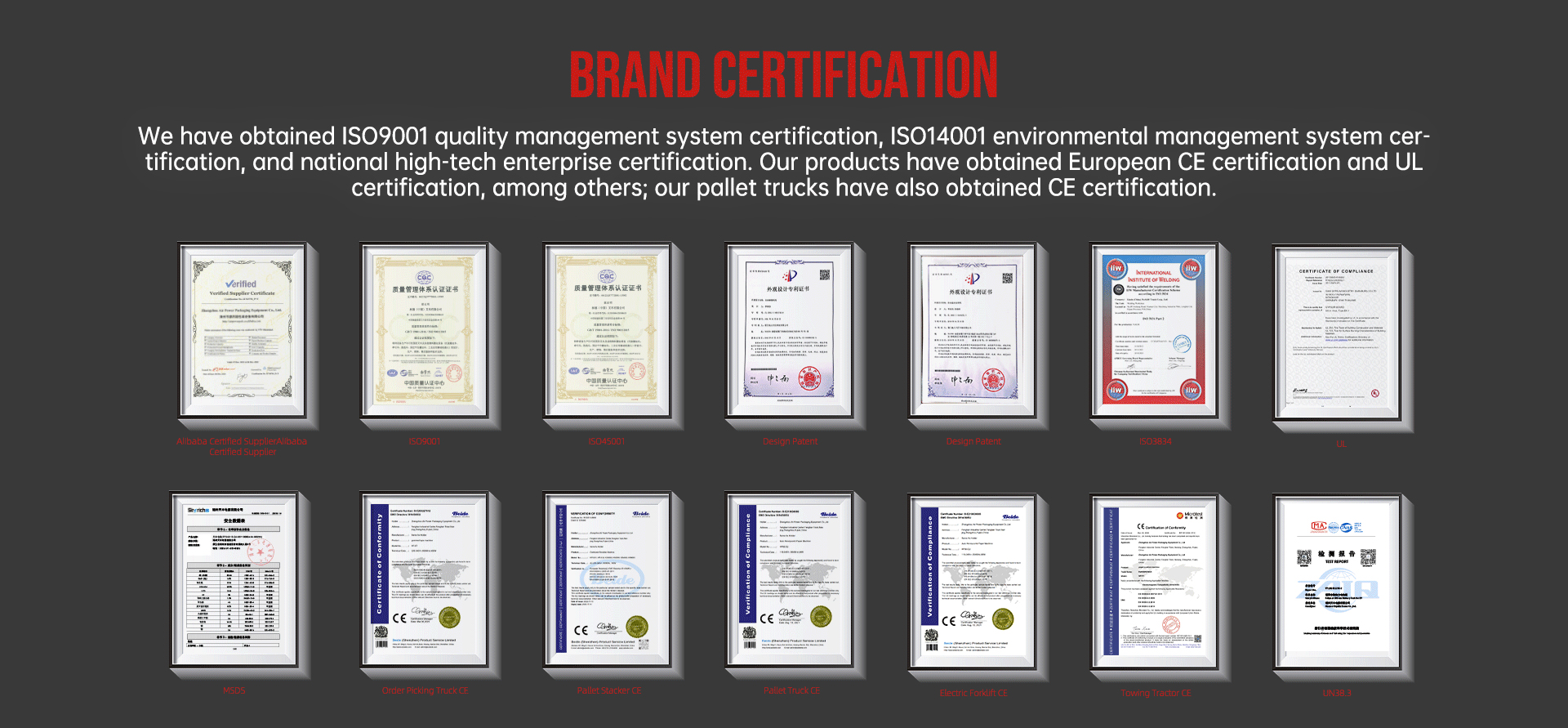
Destination market requirements, documentation language, plug type, voltage and any product certification scope. Supplier assessment is separate from product certification and should be checked clearly.
Branding & after-sales
Logo, color, decals, manual language, packaging, spare-parts list and warranty terms. These details matter for distributors building a repeatable private-label program.
Questions Buyers Ask About OEM/ODM Three-Wheel Electric Forklifts
Straight answers for importers, dealers, rental companies and fleet managers evaluating Pexal as a long-term material handling supplier.
What is a three-wheel electric forklift best used for?
Can Pexal supply OEM/ODM three-wheel electric forklifts under our brand?
What is the MOQ and typical lead time?
Which battery and charging options are available?
Which Incoterms, payment methods and currencies do you accept?
How can I verify Pexal before placing an order?
Do you provide product certification for every market?
How do you support spare parts, inspection and after-sales service?
Build a More Competitive Three-Wheel Electric Forklift Program
Share your load data, aisle width, lift height, battery preference and private-label requirements. Our team will help match the right electric forklift, pallet truck or stacker configuration for your market, then support you with export documentation and aftersales planning.